Laser Tape Measures
Looking for a more efficient and accurate way to measure? Look no further than laser tape measures. These innovative devices utilize laser technology to provide precise measurements with just the press of a button. Say goodbye to traditional tape measures that can be tricky to handle and prone to human error. Laser tape measures offer a convenient and hassle-free solution for homeowners, DIY enthusiasts, and professionals alike. Whether you're measuring distances for construction projects, interior design, or simply hanging a picture frame, laser tape measures are the perfect tool to ensure your measurements are spot on every time. Explore our wide selection of laser tape measures and take your measuring game to the next level.
Sort
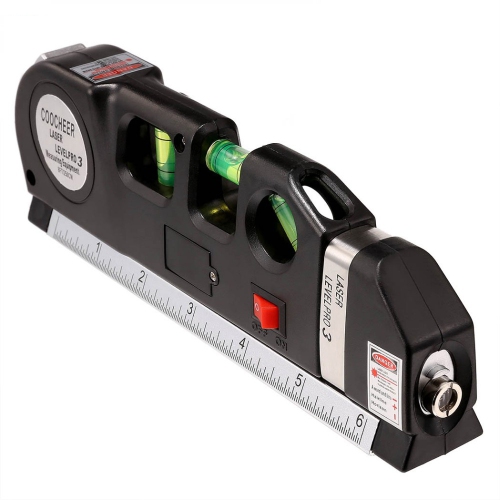
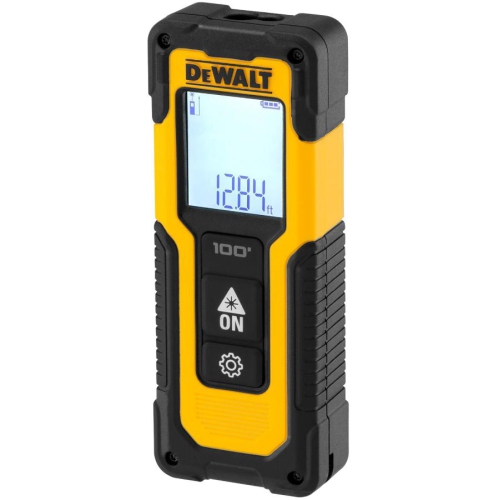
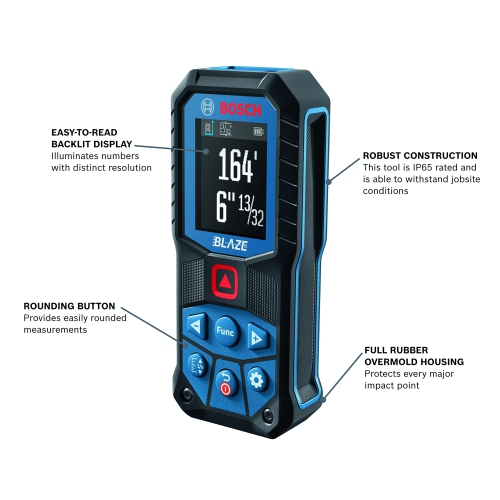
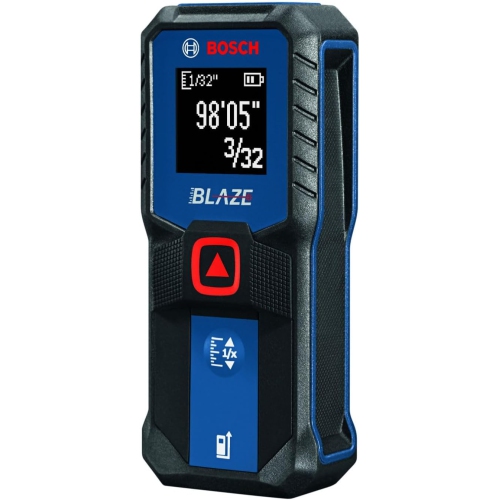
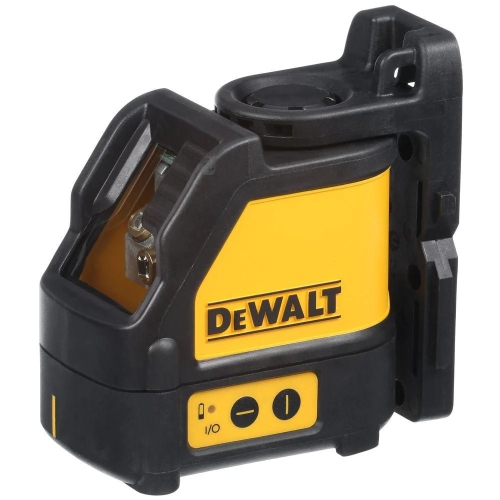
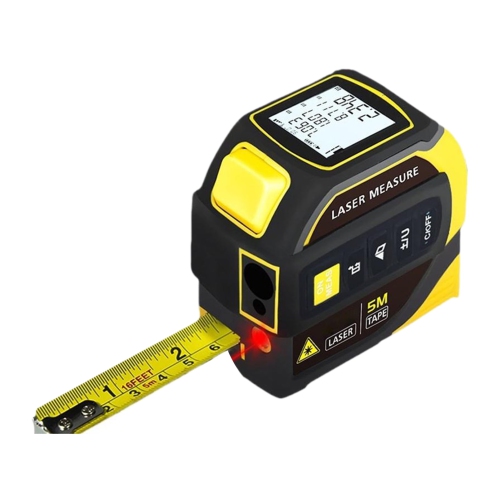
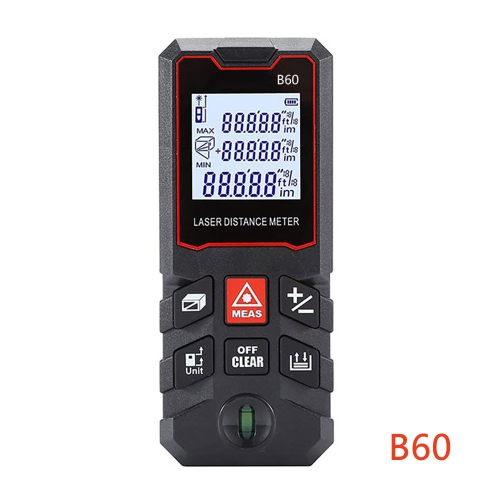
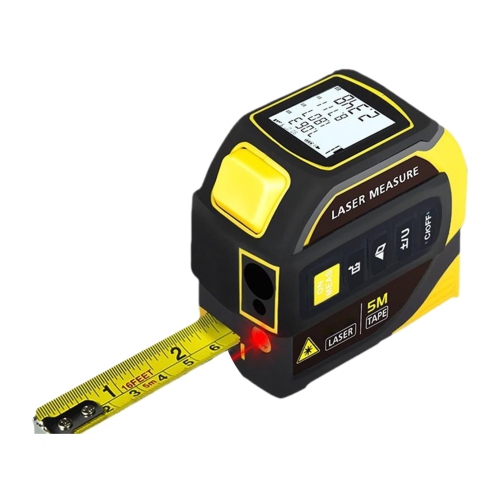
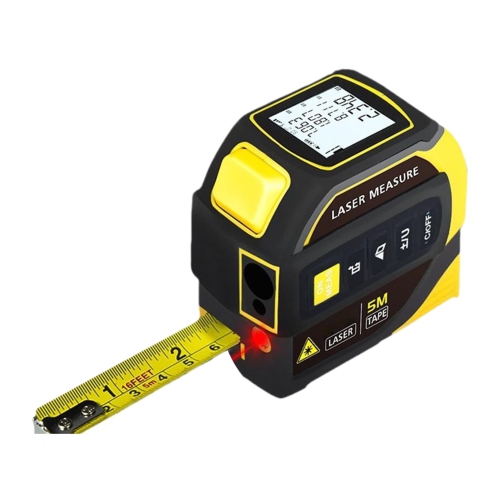

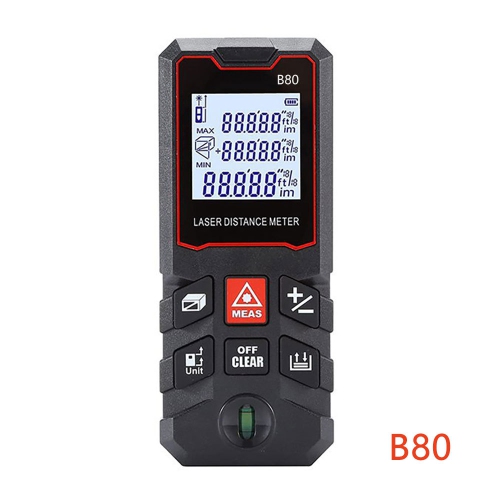
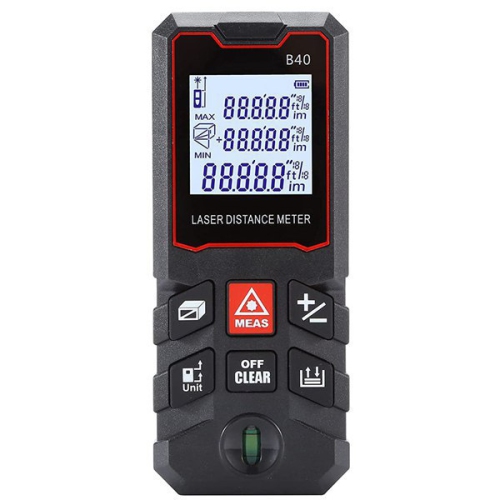
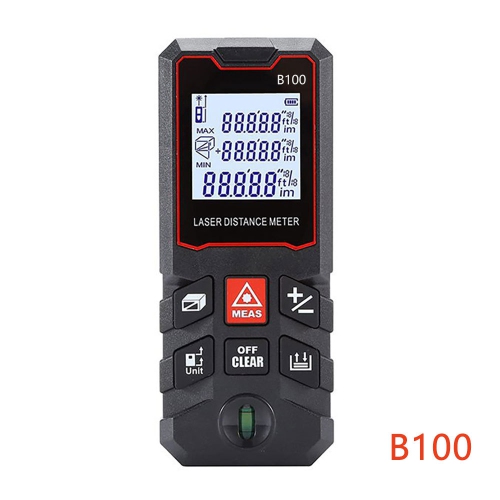
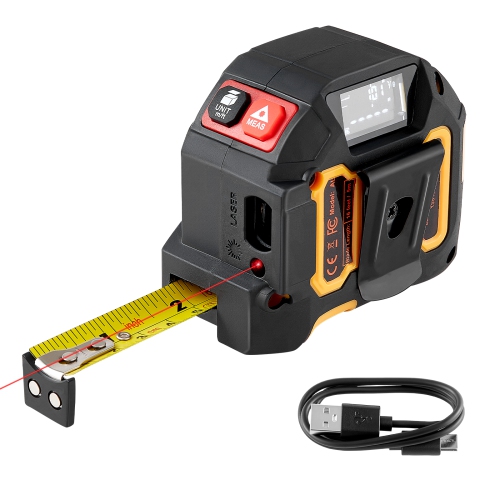
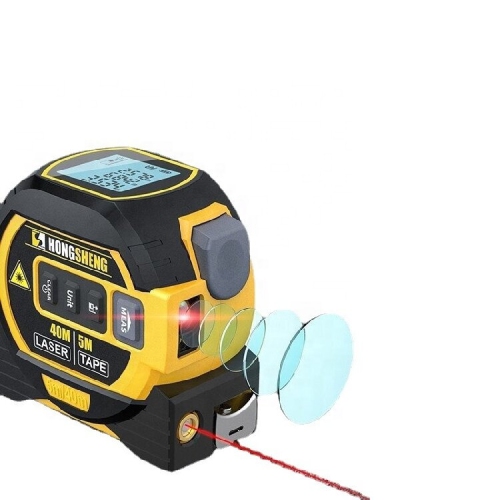
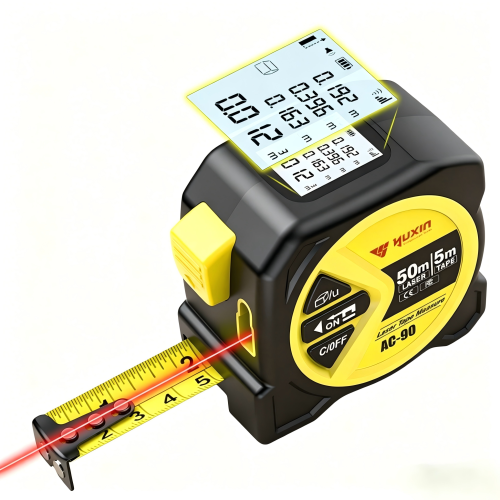
Faster, more precise measurements for projects big and small
Laser tape measures, also known as laser distance meters, offer a fast and practical way to measure rooms, walls, ceilings, floors and other spaces without stretching a metal tape from one point to another. With a simple press of a button, the tool sends a laser beam to a surface and calculates the distance, displaying the result on a digital screen. Depending on the model, it may also calculate area, volume, indirect height and other measurements, making it useful for more than checking the length of a wall. For indoor projects, a laser distance meter can be especially helpful when one person is working alone. Instead of holding the end of a tape against a baseboard while reaching across a room, you can stand at one end, aim at the opposite wall and take a reading in seconds. This can make it easier to plan furniture placement, estimate flooring or paint requirements, check cabinet spacing and record dimensions for renovations. Many models are compact enough to carry in a tool pouch, work bag or pocket, so they are convenient for contractors, tradespeople, interior designers, real estate professionals, home renovators and anyone who regularly needs accurate measurements. They can also be useful around the house for everyday projects, such as confirming whether a sofa will fit through a doorway, checking the height of a ceiling fan installation or measuring a wall before hanging artwork. Look for a clear display that is easy to read in different lighting conditions, intuitive controls and a sturdy design that can handle regular handling. Accuracy is another important consideration. Some laser tape measures provide readings to within a small fraction of an inch, while others are designed for longer distances or more demanding jobsite work. The right choice depends on the size of the spaces you typically measure and the level of precision your projects require.
When choosing among laser tape measures, consider the conditions in which you will use the tool most often. Indoor models are generally suited to rooms, hallways, stairwells and smaller renovation areas, while longer-range models may be better for larger interiors, workshops, construction sites or outdoor measurements. A bright red or green laser beam can make the target easier to see, particularly across a long room or in a space with strong ambient light. Some tools include an integrated level, inclinometer or angle function, which can help with sloped ceilings, staircases, rooflines and other surfaces that are not perfectly horizontal or vertical. Memory functions can save recent readings, reducing the need to write down every number while moving between rooms. Bluetooth connectivity may also be valuable for professionals who want to transfer measurements to a smartphone or tablet, organize project notes or use an accompanying app for calculations and floor plans. Battery life, charging options and automatic shutoff are worth checking as well, since a tool that is ready when needed is easier to rely on during a busy workday. A protective case or durable housing can help shield the unit from dust, bumps and the occasional drop, especially when it is carried alongside other tools. Some people prefer a hybrid design that combines a digital laser with a traditional pull-out tape, giving them the flexibility to measure from edges, corners and irregular surfaces where a laser may not have a clear target. For familiar, hands-on measuring tasks, a conventional option such as Metric Tape Measures can complement a laser tool and provide measurements in the format used for a particular project. It is also helpful to check whether the display shows metric, imperial or both measurement systems, especially when working from building plans, furniture specifications or instructions that use different units.
Laser tape measures can be a thoughtful gift for someone who enjoys making, repairing or improving things, from a first-time homeowner setting up a new space to an experienced craftsperson preparing a detailed build. They are compact, useful and easy to keep close at hand, with applications that extend from weekend projects to professional work. A DIY enthusiast might use one while planning a feature wall, building storage or installing shelving; a painter or flooring installer can use area calculations to estimate the scope of a job; and a moving family can check dimensions before bringing large furniture through a narrow entrance. During the cooler months, when more time may be spent planning indoor repairs and renovation projects, a laser measure can help turn rough ideas into clear measurements before materials are purchased or work begins. For the best results, aim the beam at a solid, unobstructed surface and keep the tool steady while taking a reading. Very bright light, reflective surfaces, glass and uneven textures can affect how easily the laser detects its target, so it is wise to confirm unusual readings and follow the manufacturer’s recommended operating range. A visible reference point, such as a wall corner or floor edge, can make positioning more consistent from one measurement to the next. Whether it is used to map out a room, calculate the size of a renovation area or make everyday measuring less awkward, a laser tape measure brings speed, convenience and digital precision to tasks that once required a second pair of hands.
When choosing among laser tape measures, consider the conditions in which you will use the tool most often. Indoor models are generally suited to rooms, hallways, stairwells and smaller renovation areas, while longer-range models may be better for larger interiors, workshops, construction sites or outdoor measurements. A bright red or green laser beam can make the target easier to see, particularly across a long room or in a space with strong ambient light. Some tools include an integrated level, inclinometer or angle function, which can help with sloped ceilings, staircases, rooflines and other surfaces that are not perfectly horizontal or vertical. Memory functions can save recent readings, reducing the need to write down every number while moving between rooms. Bluetooth connectivity may also be valuable for professionals who want to transfer measurements to a smartphone or tablet, organize project notes or use an accompanying app for calculations and floor plans. Battery life, charging options and automatic shutoff are worth checking as well, since a tool that is ready when needed is easier to rely on during a busy workday. A protective case or durable housing can help shield the unit from dust, bumps and the occasional drop, especially when it is carried alongside other tools. Some people prefer a hybrid design that combines a digital laser with a traditional pull-out tape, giving them the flexibility to measure from edges, corners and irregular surfaces where a laser may not have a clear target. For familiar, hands-on measuring tasks, a conventional option such as Metric Tape Measures can complement a laser tool and provide measurements in the format used for a particular project. It is also helpful to check whether the display shows metric, imperial or both measurement systems, especially when working from building plans, furniture specifications or instructions that use different units.
Laser tape measures can be a thoughtful gift for someone who enjoys making, repairing or improving things, from a first-time homeowner setting up a new space to an experienced craftsperson preparing a detailed build. They are compact, useful and easy to keep close at hand, with applications that extend from weekend projects to professional work. A DIY enthusiast might use one while planning a feature wall, building storage or installing shelving; a painter or flooring installer can use area calculations to estimate the scope of a job; and a moving family can check dimensions before bringing large furniture through a narrow entrance. During the cooler months, when more time may be spent planning indoor repairs and renovation projects, a laser measure can help turn rough ideas into clear measurements before materials are purchased or work begins. For the best results, aim the beam at a solid, unobstructed surface and keep the tool steady while taking a reading. Very bright light, reflective surfaces, glass and uneven textures can affect how easily the laser detects its target, so it is wise to confirm unusual readings and follow the manufacturer’s recommended operating range. A visible reference point, such as a wall corner or floor edge, can make positioning more consistent from one measurement to the next. Whether it is used to map out a room, calculate the size of a renovation area or make everyday measuring less awkward, a laser tape measure brings speed, convenience and digital precision to tasks that once required a second pair of hands.
Top selling and popular products
-
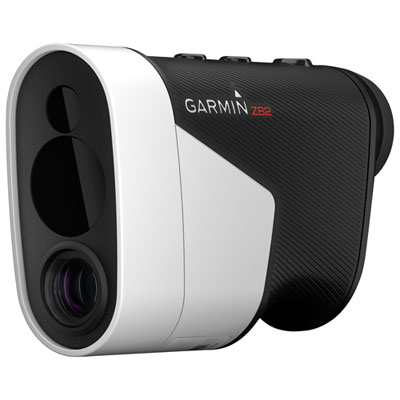 Your price for this item is $869.99
 -
 Your price for this item is $149.99
 -
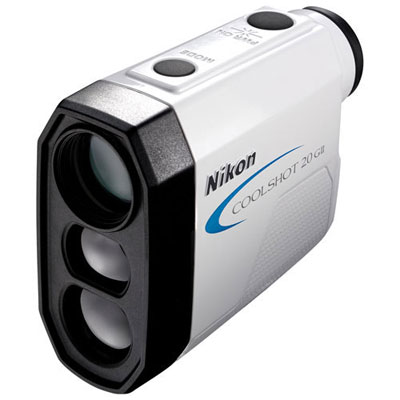 Your price for this item is $319.99
 -
 Your price for this item is $429
 -
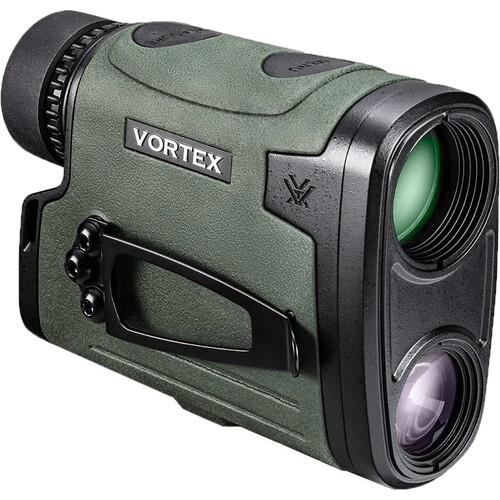 Your price for this item is $599
 -
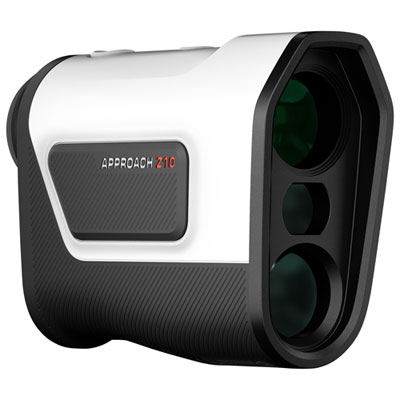 Your price for this item is $419.99
 -
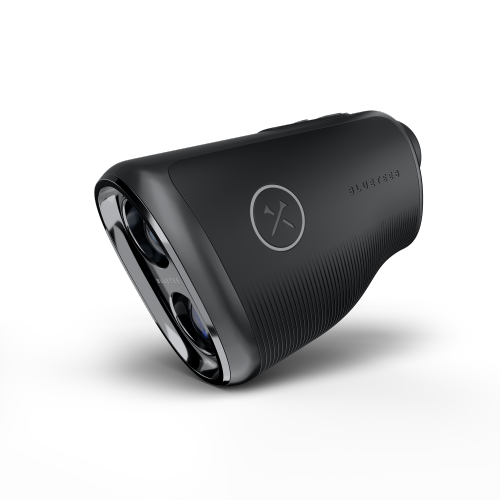 Your price for this item is $439.99
 -
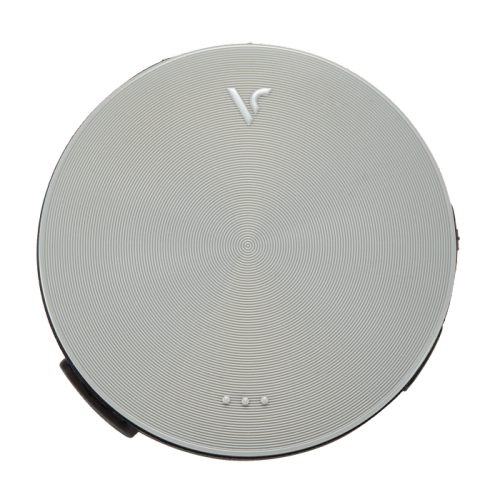 Your price for this item is $189.99
Discover more categories related to Laser Tape Measures

Top Collections:
Pokemon Centers, Kindle Devices, Best Budget Office Chairs, Apple iPhones 16, Best Laptops for Writers, iPhone 15 Apple, Canon G7X Cameras, Refurbished Apple Laptops, Alarm Clock, Motorola Razr Phones
Some products may be subject to Environmental Handling Fees
(EHF) depending on your province.
Learn more about EHFs.