Digital Measuring Devices
Looking for accurate and efficient ways to measure distances, angles, or levels? Look no further than our wide selection of digital measuring devices. These innovative tools are designed to provide precise measurements for a variety of applications, whether you're a DIY enthusiast, a professional contractor, or simply someone who loves to tackle home improvement projects. From laser distance meters to digital angle finders, our collection of digital measuring devices offers the latest technology and features to help you achieve accurate results with ease. Explore our range of options and find the perfect device to take your measurements to the next level.
Sort


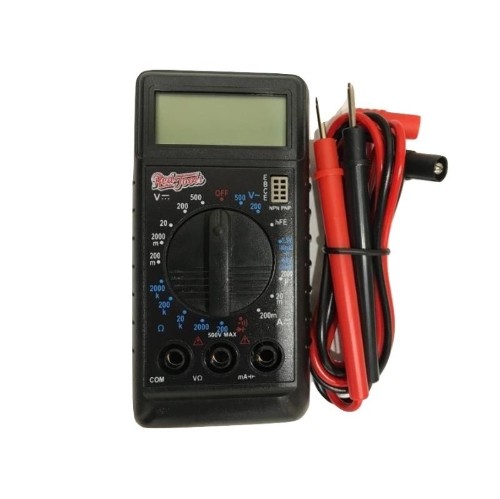
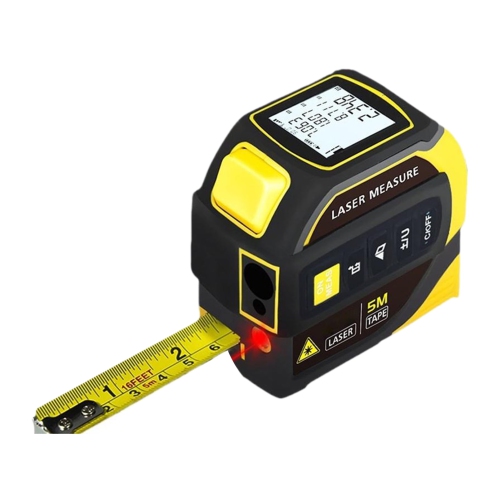
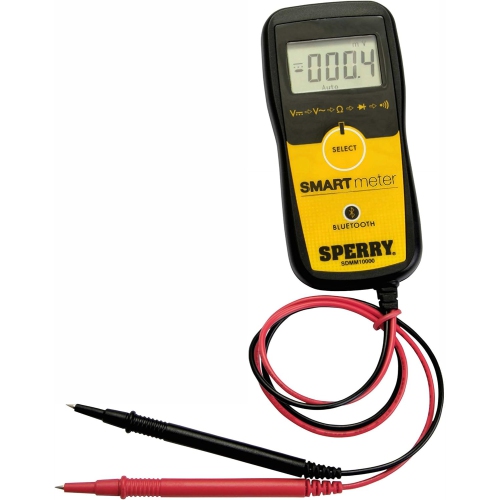
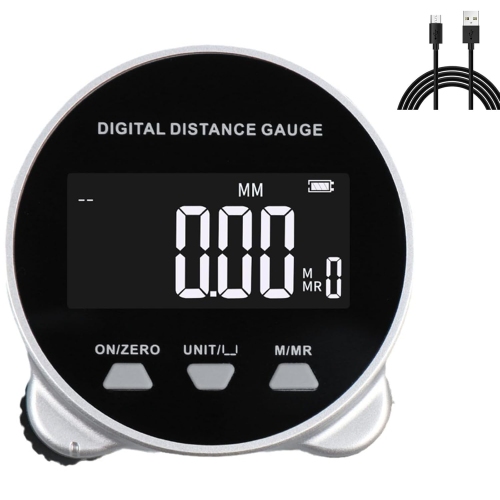


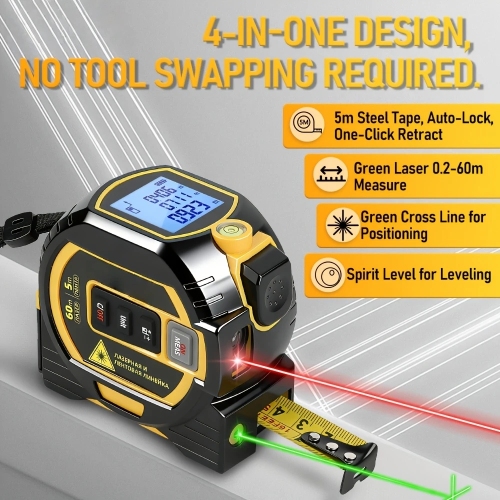























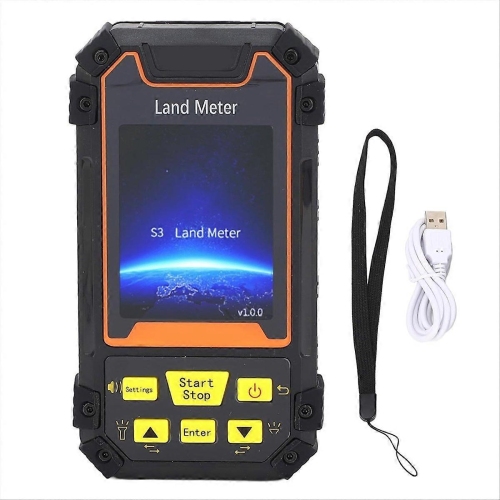

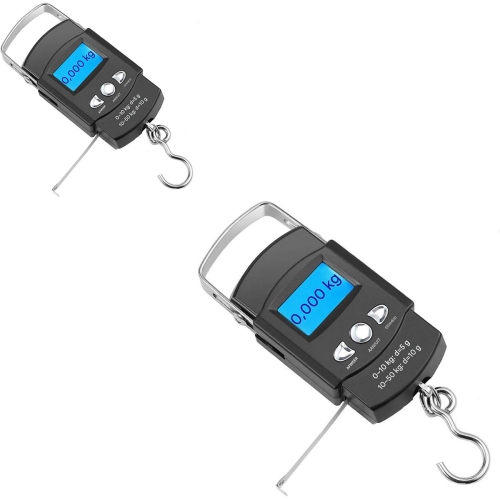

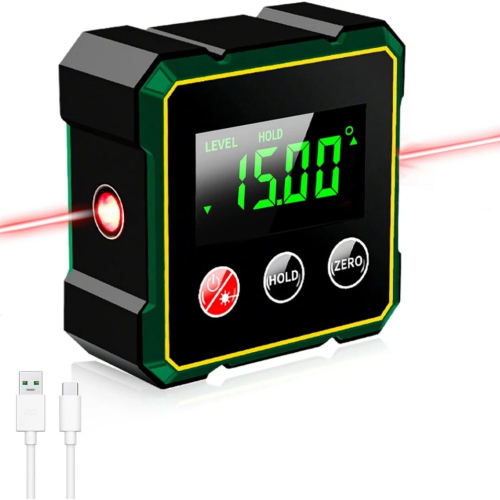

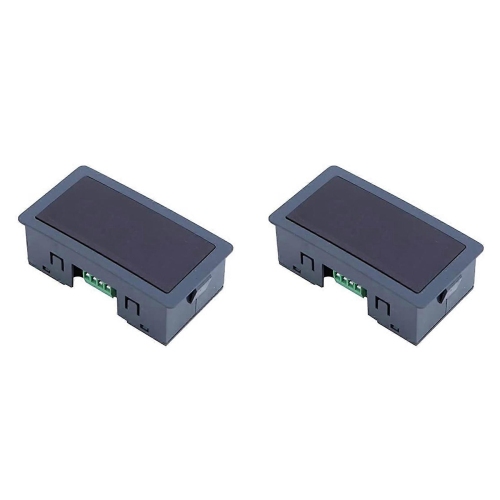




















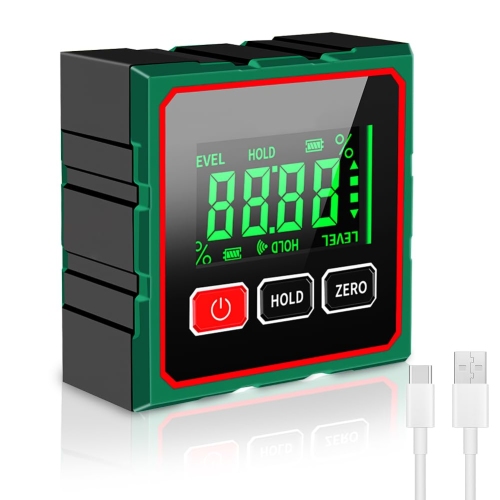

Why measuring a room differs from fitting small parts
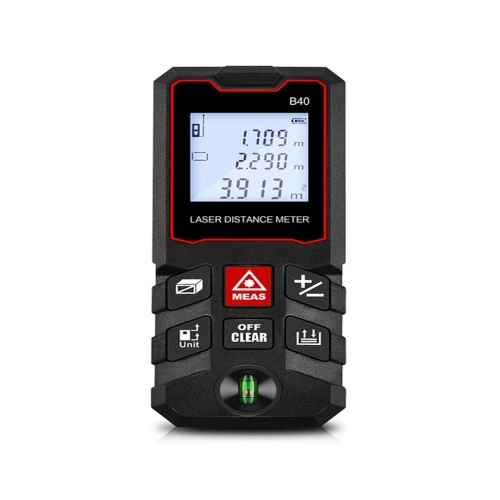
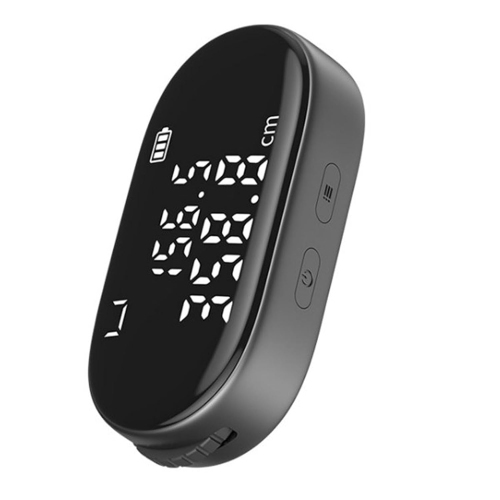
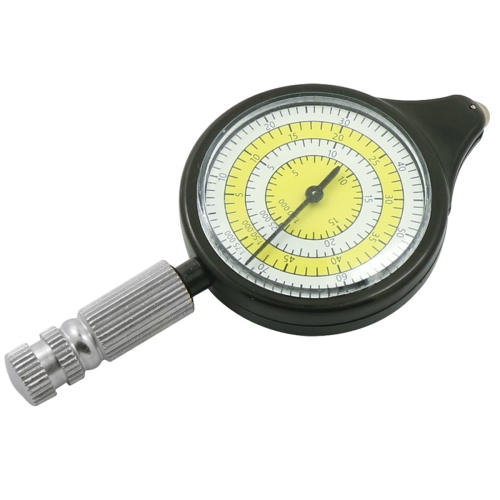
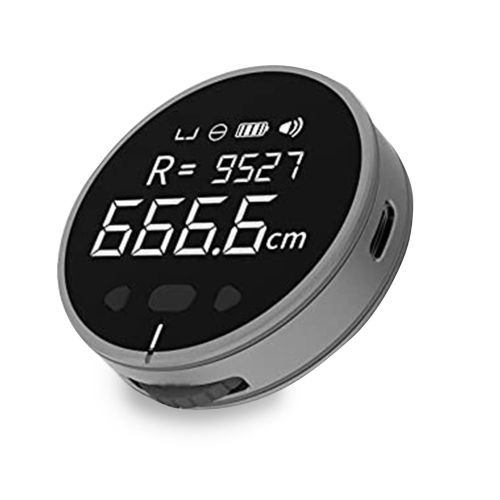
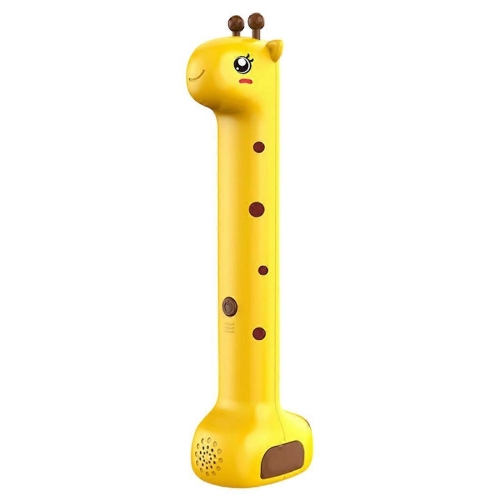
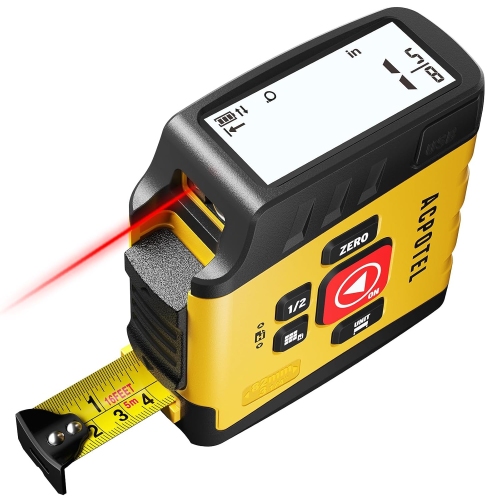
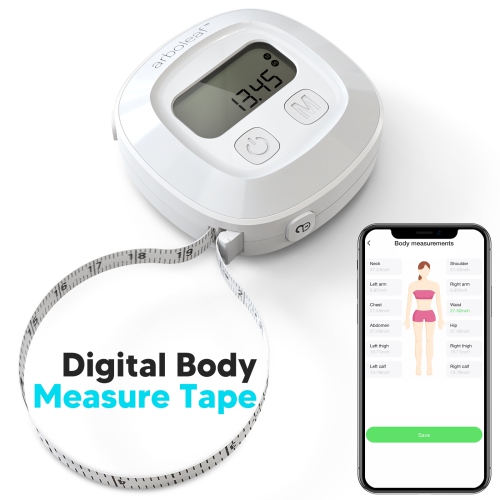
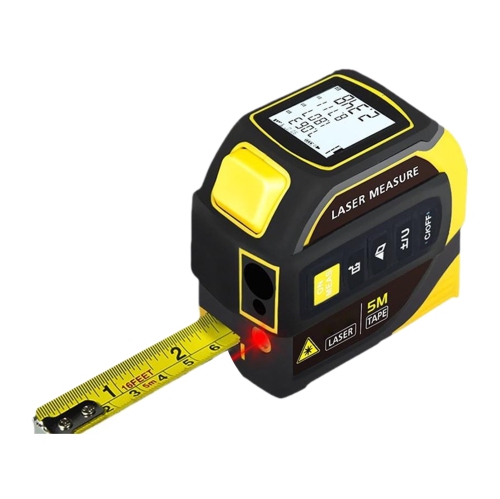
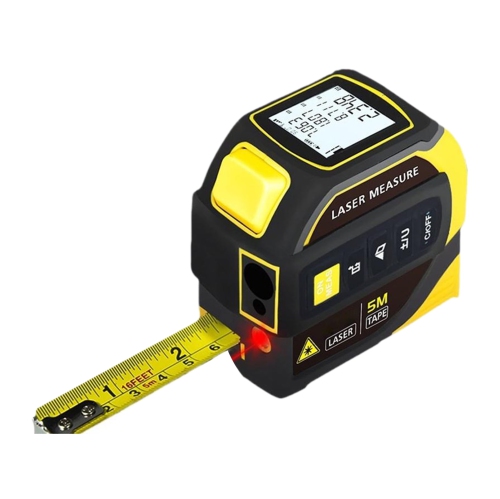
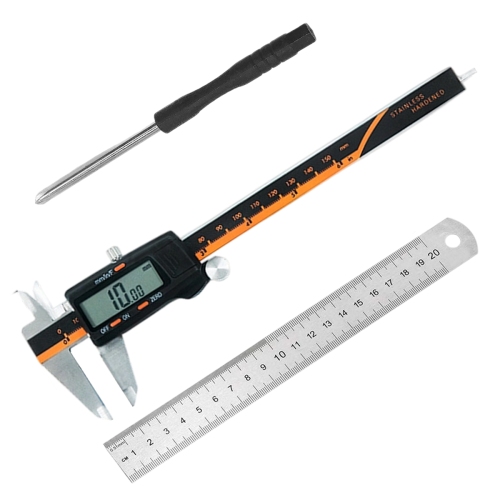
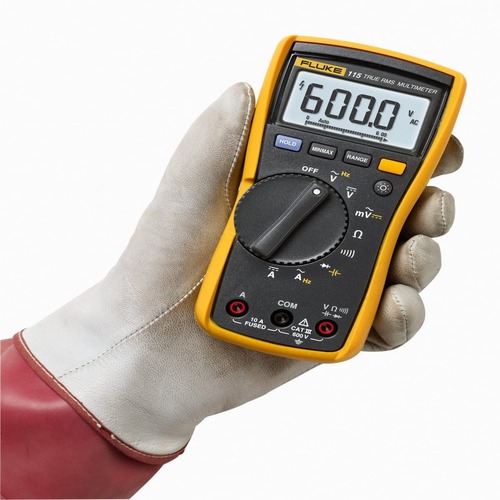
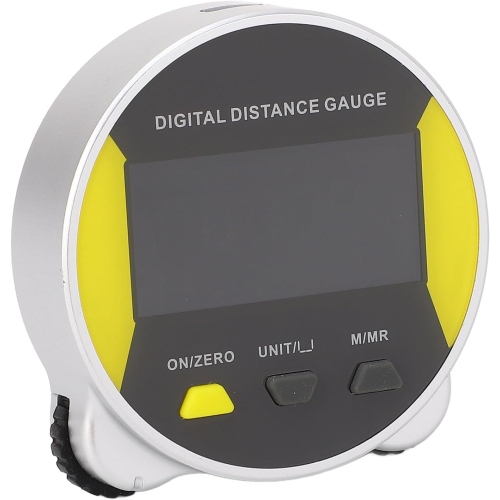
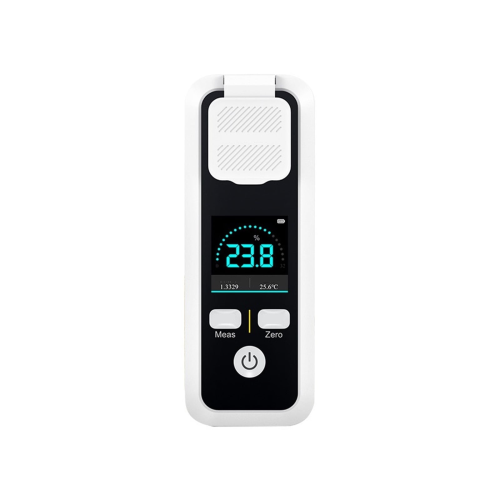
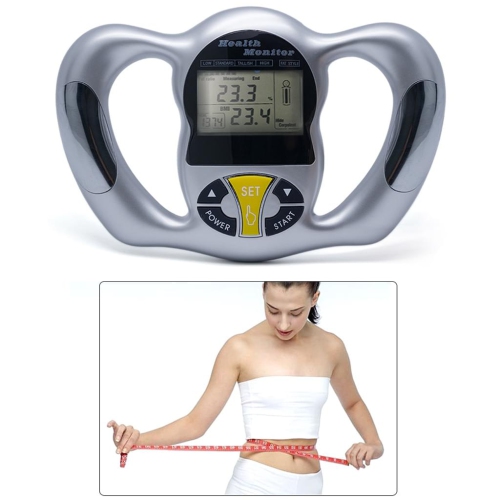
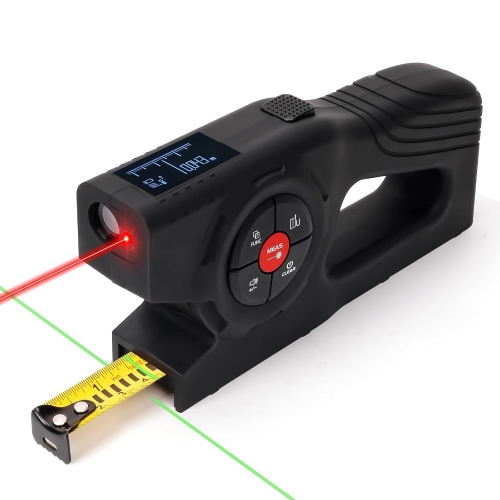
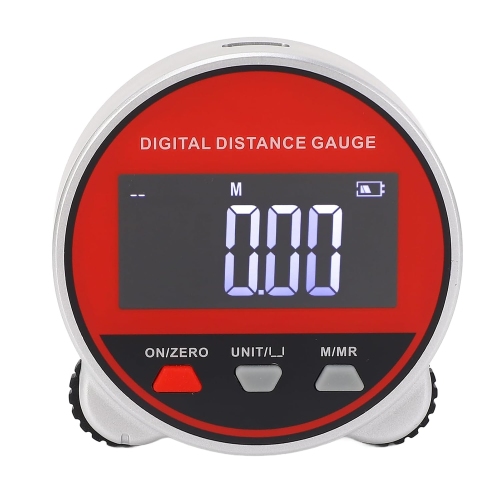
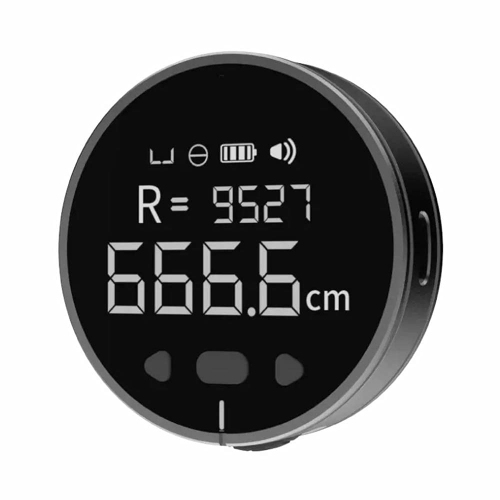
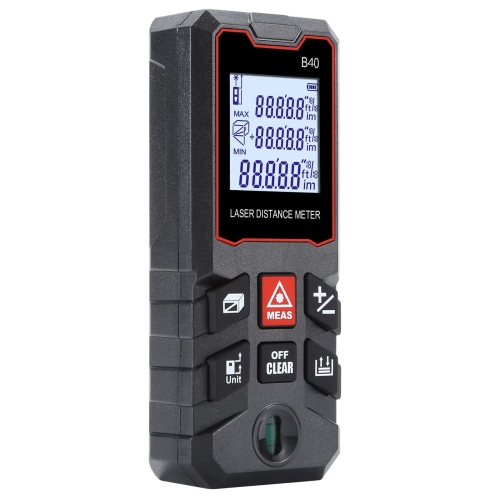
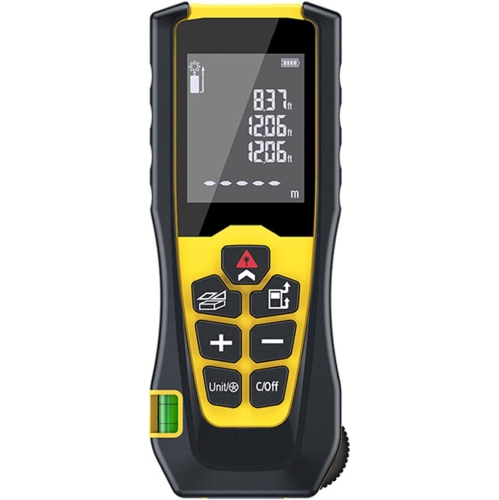
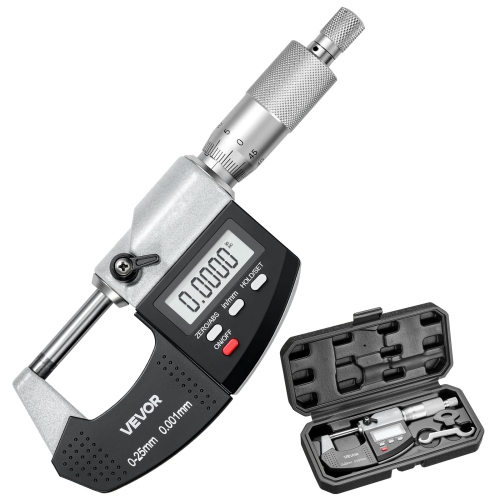
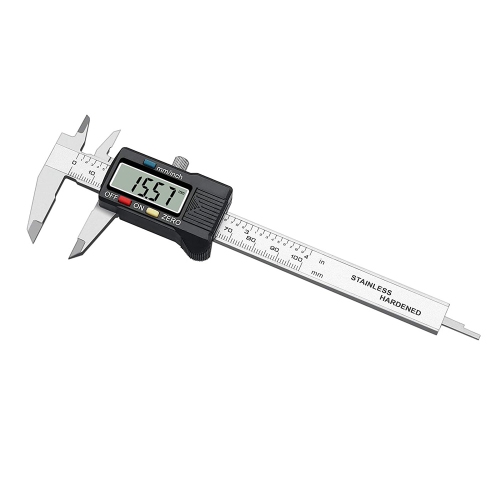
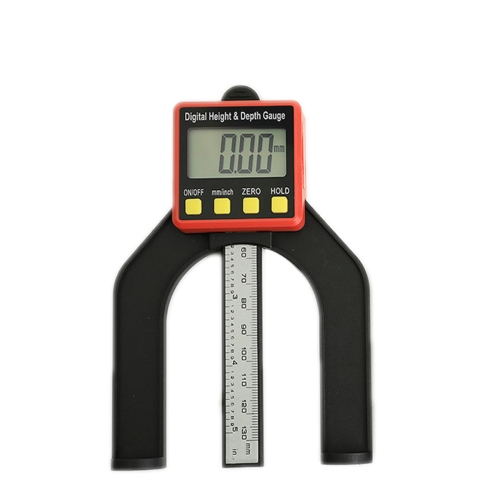
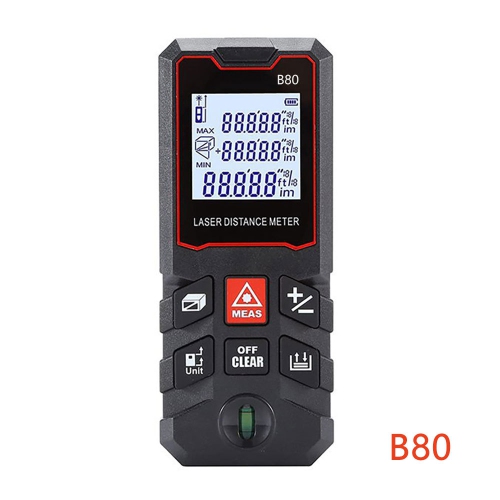
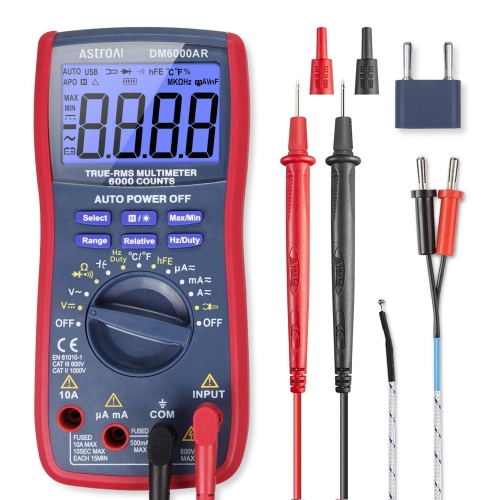
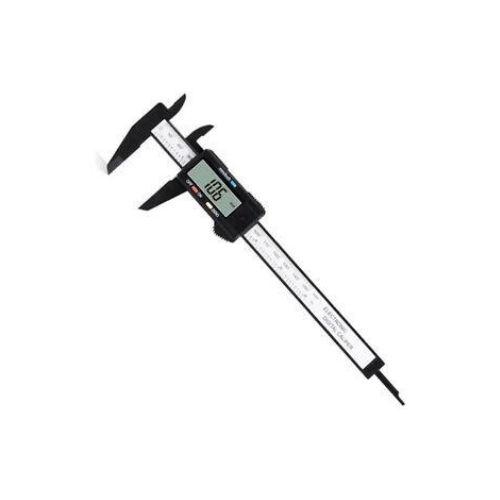
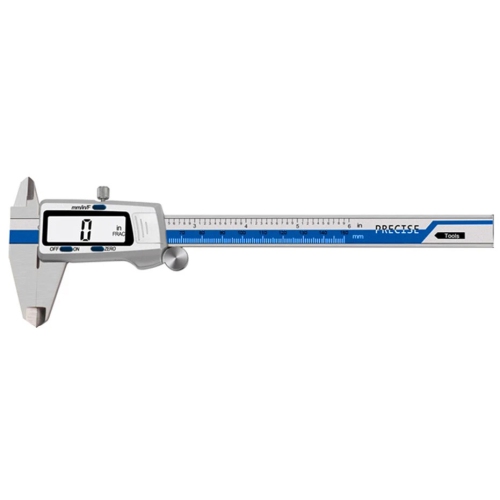
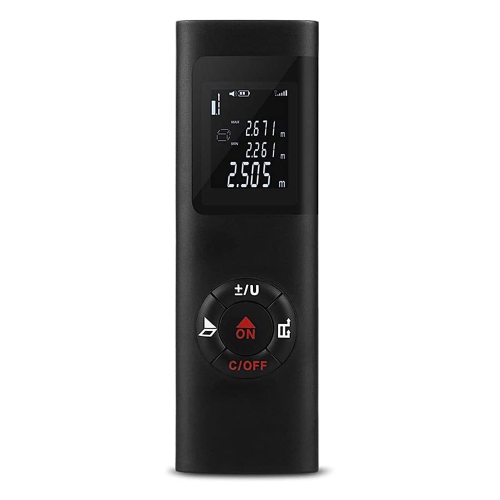
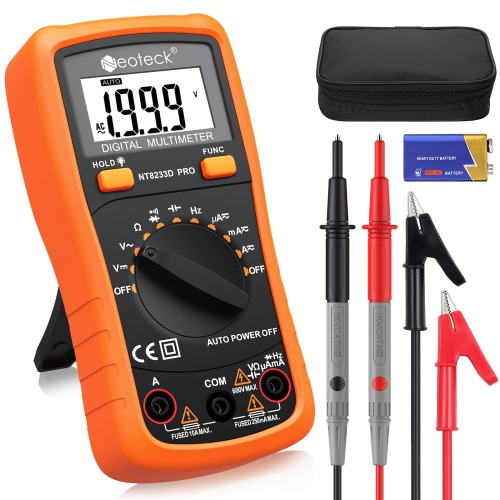
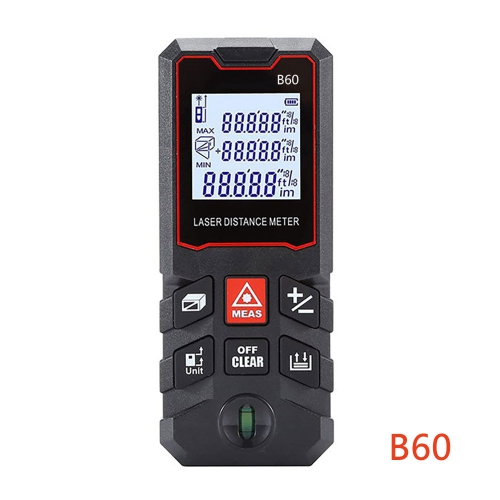
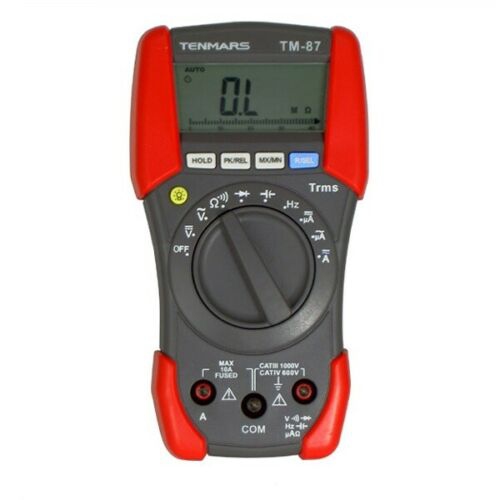
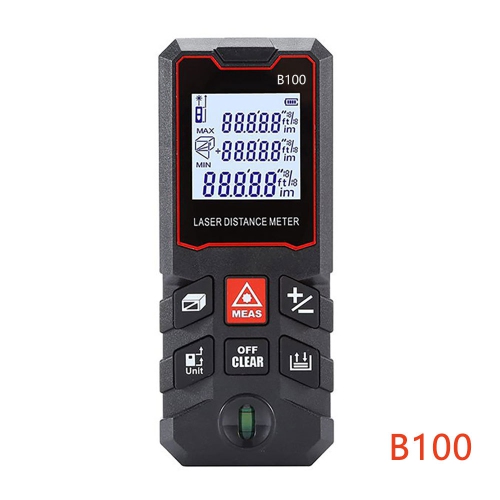
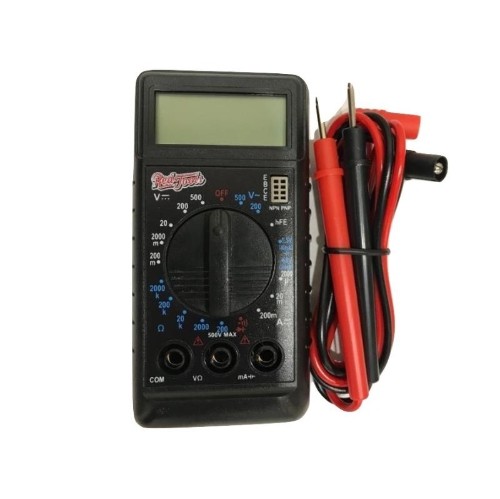
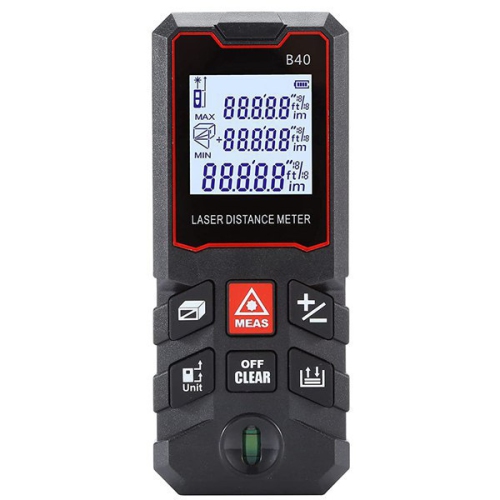
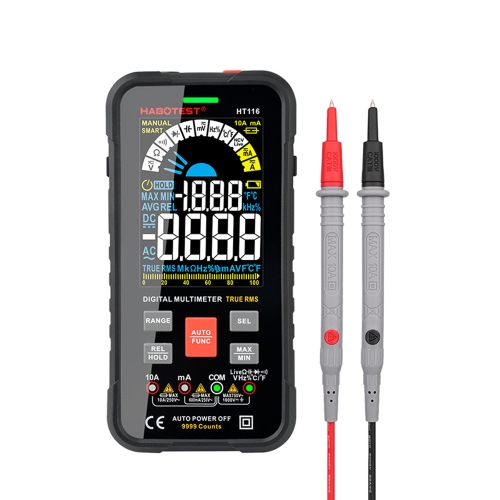
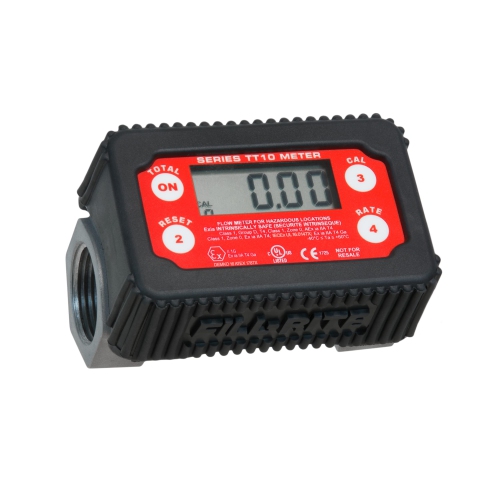
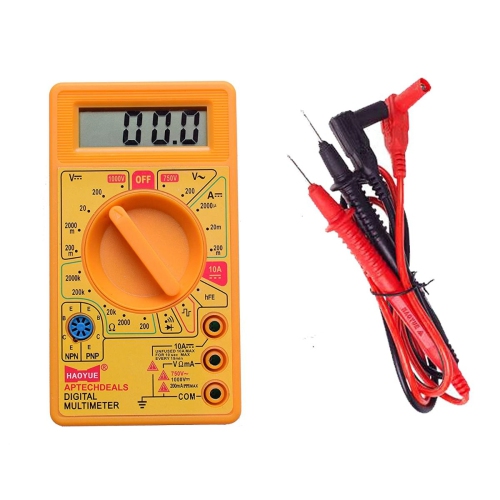
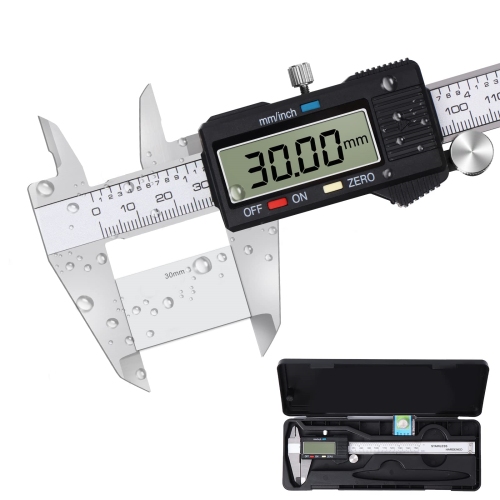
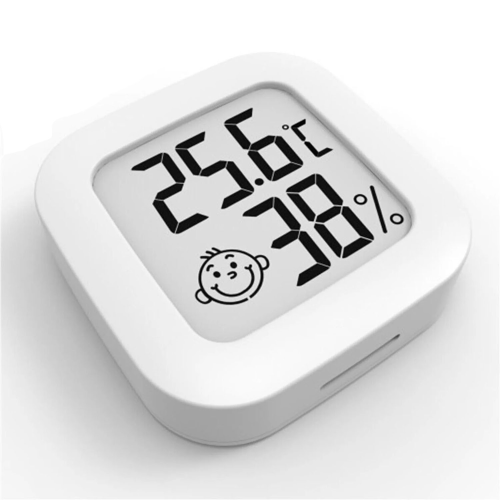
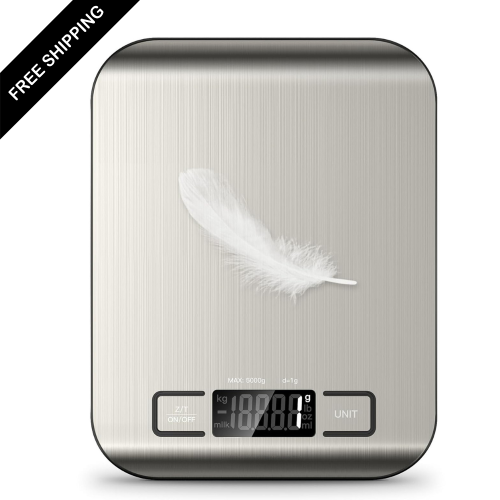
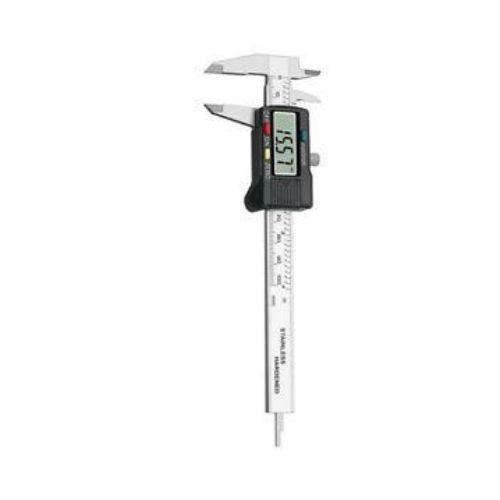
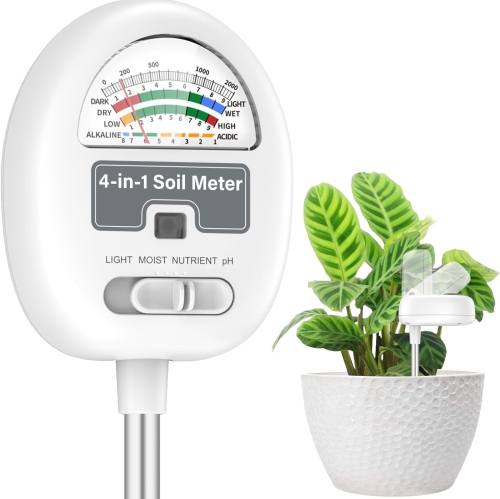
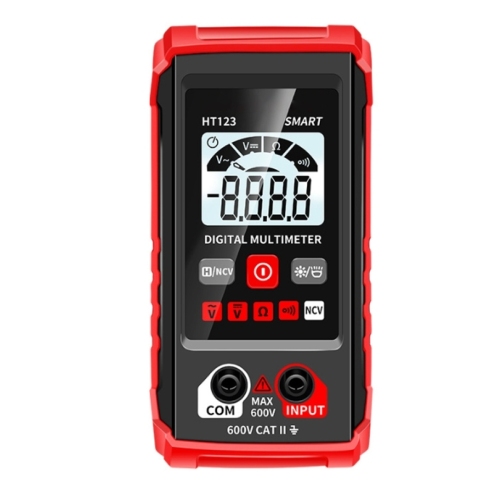
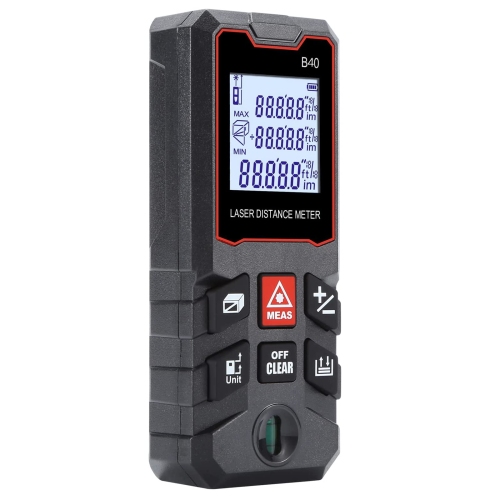
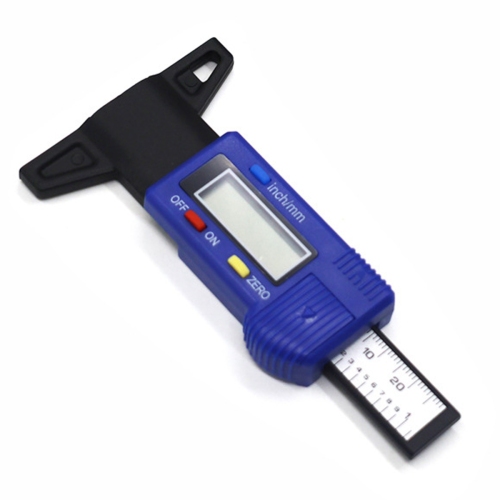
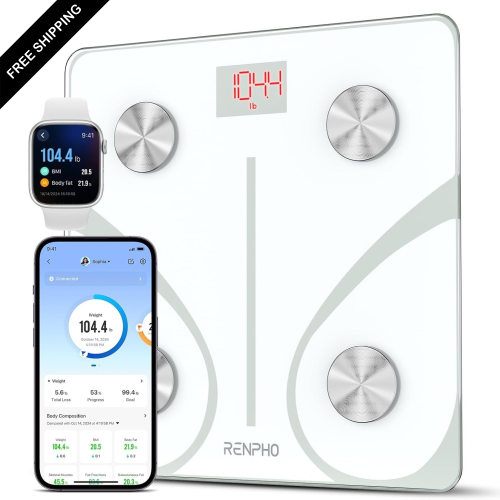
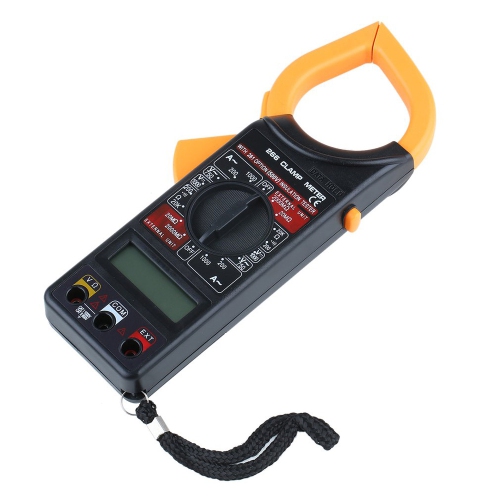
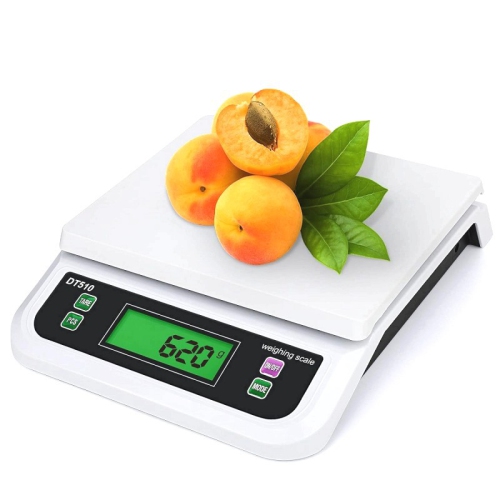
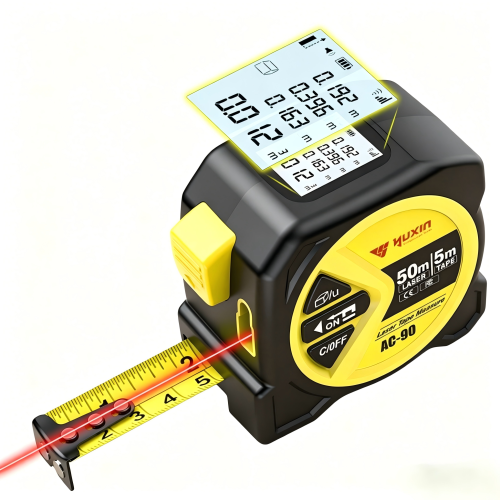
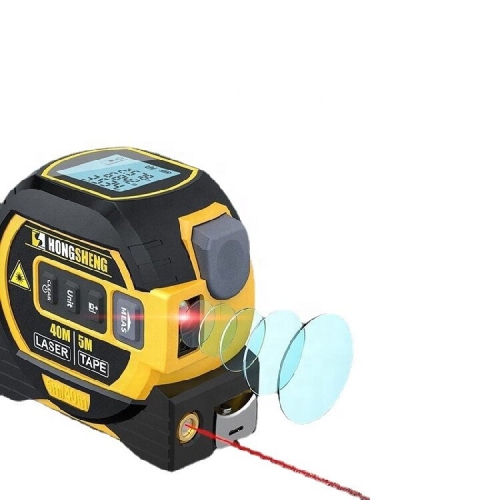
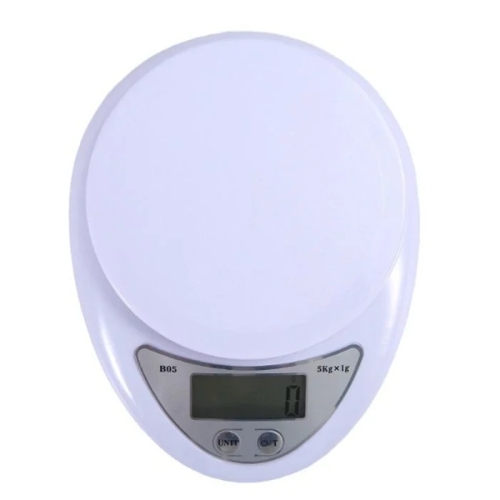
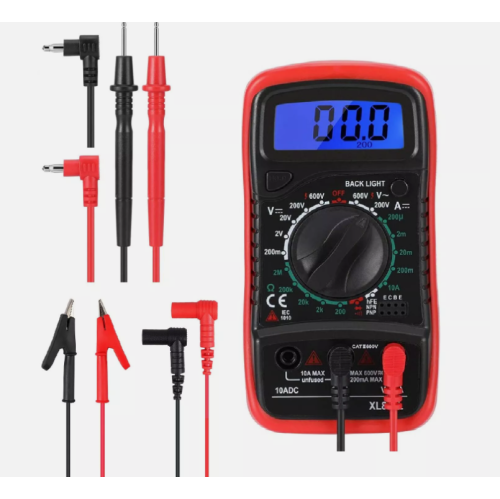
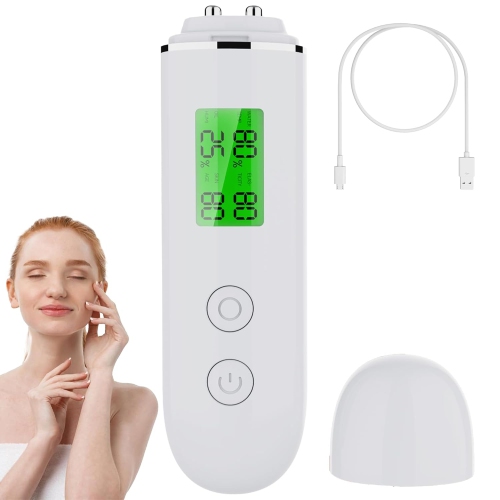
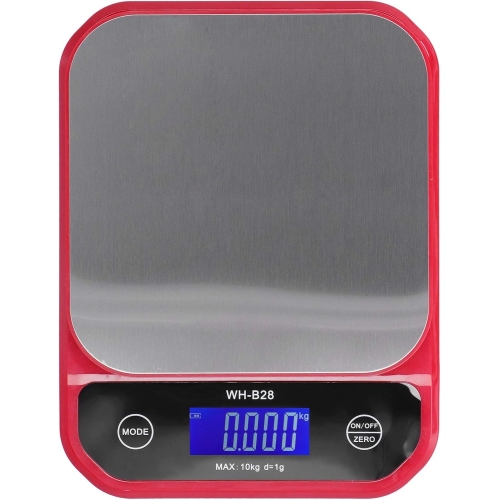
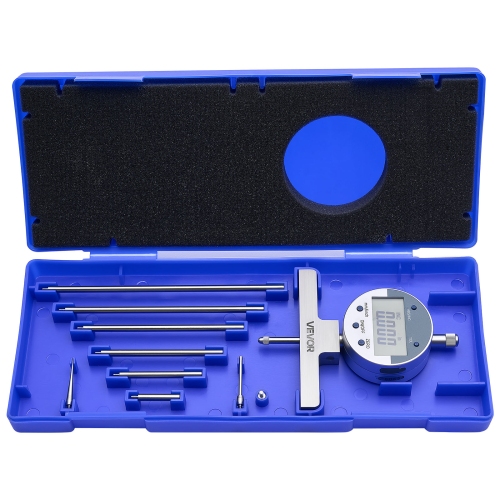
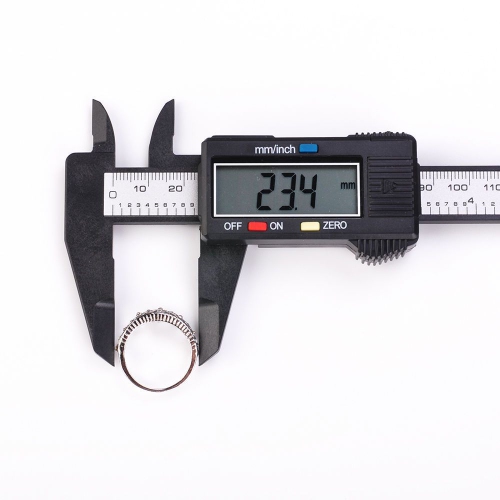
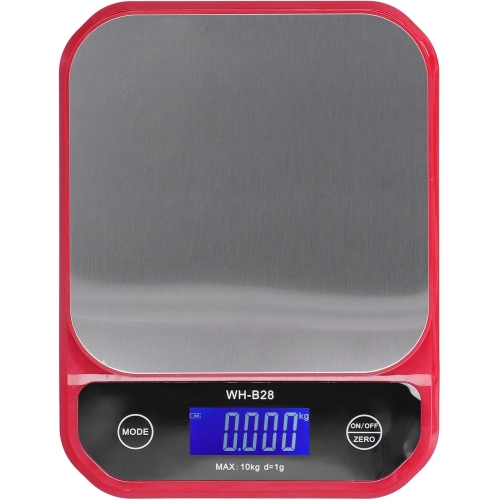
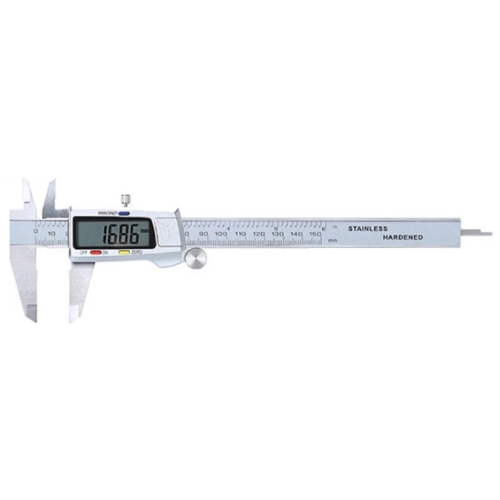
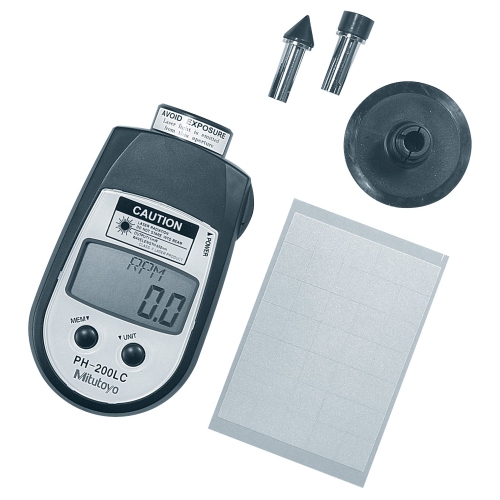
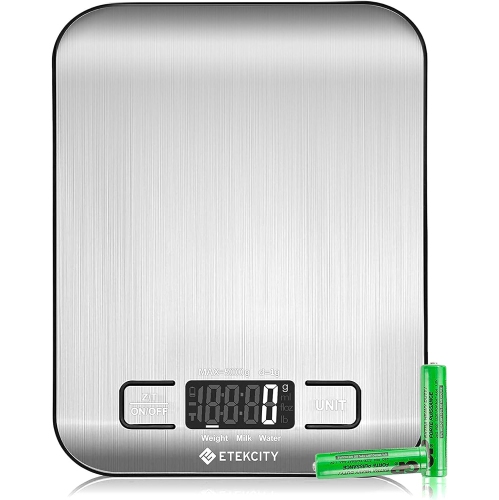
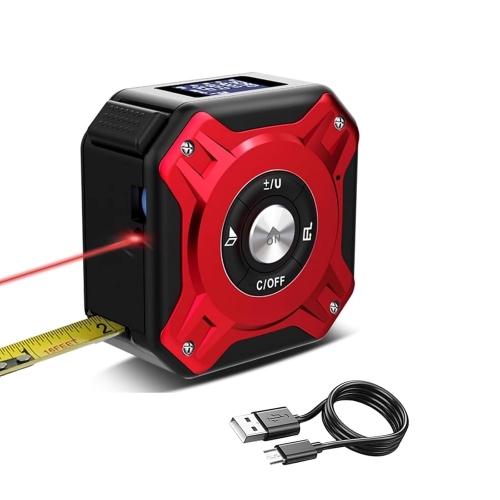
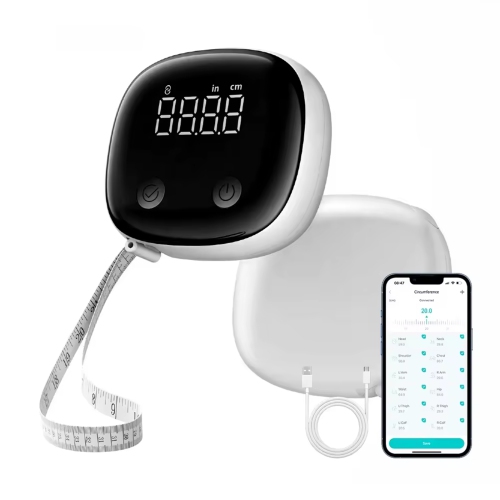
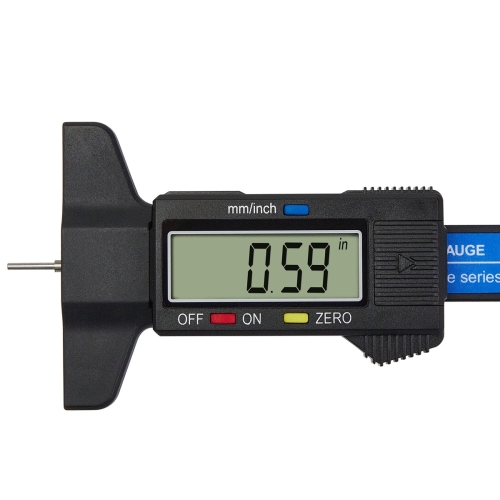
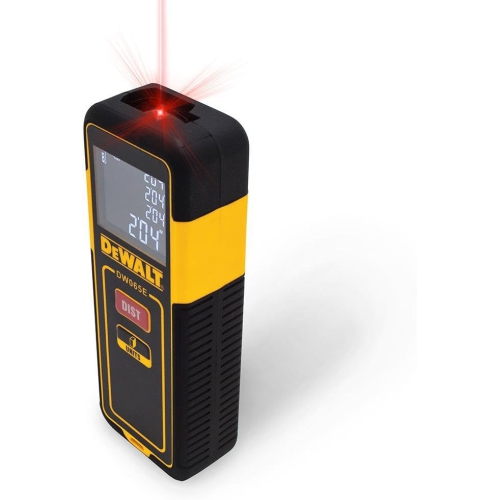
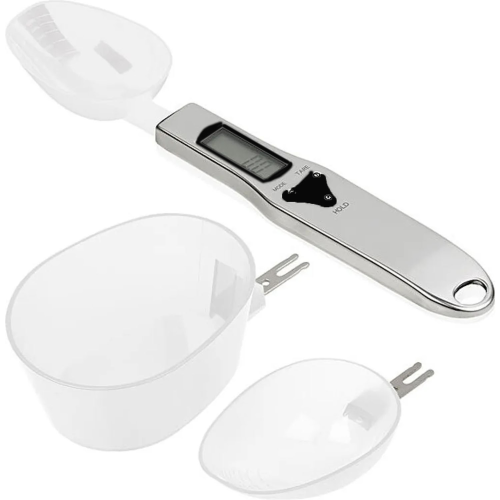
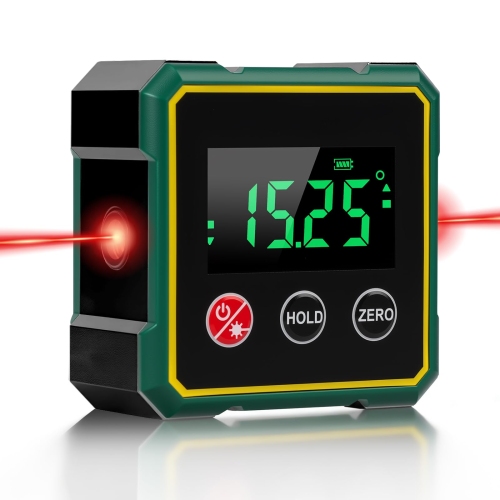
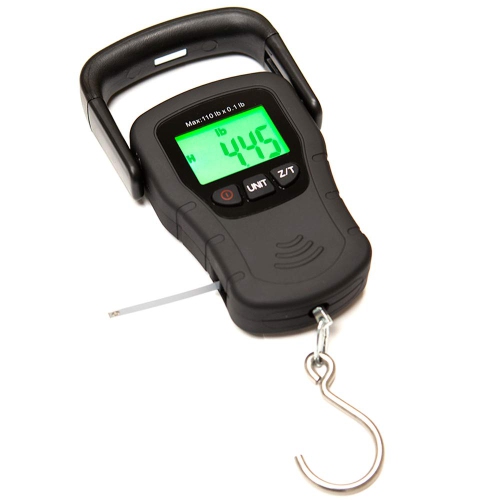
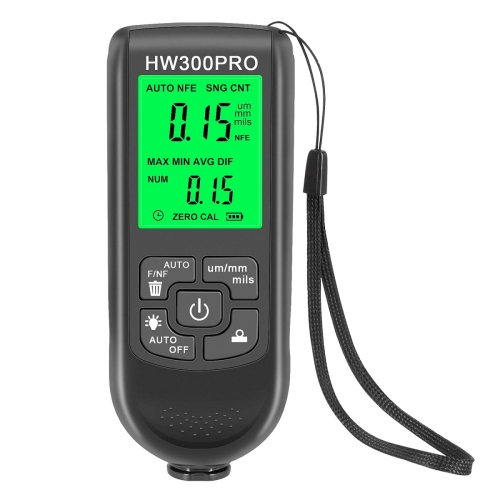
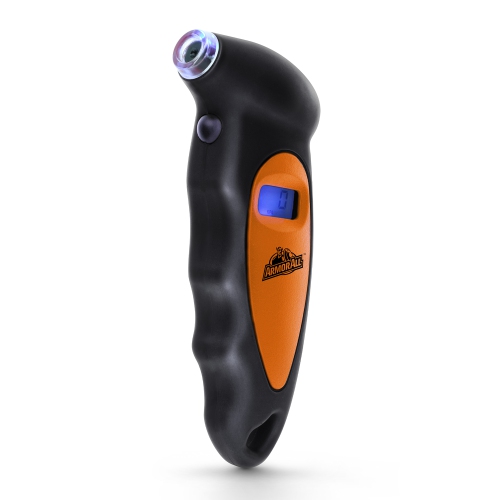
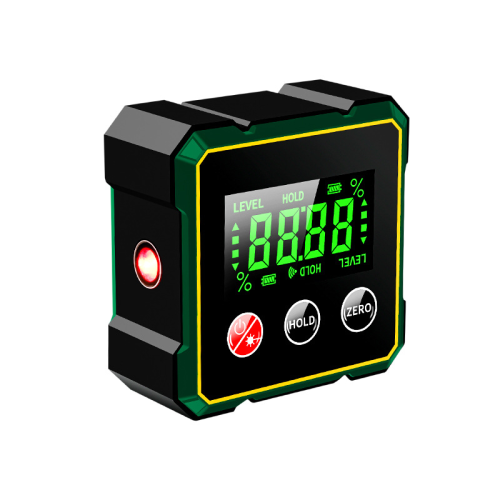
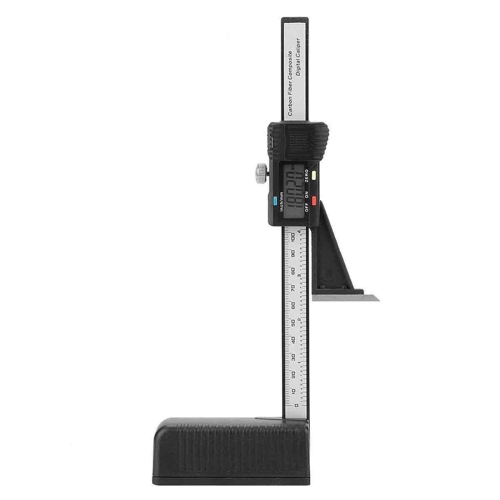
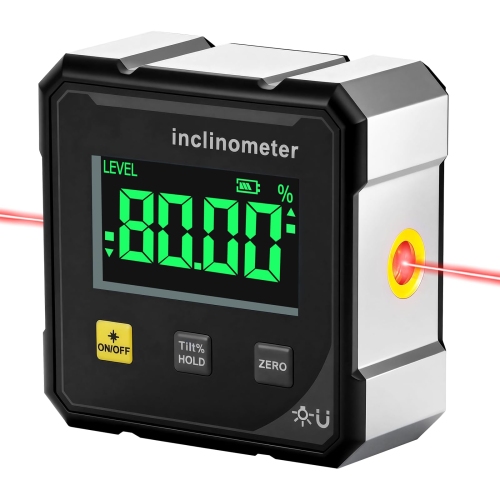
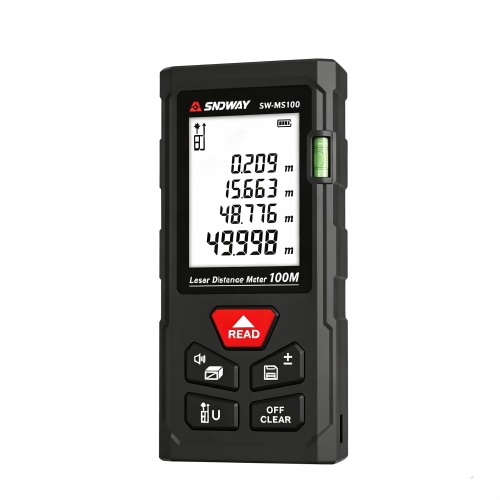
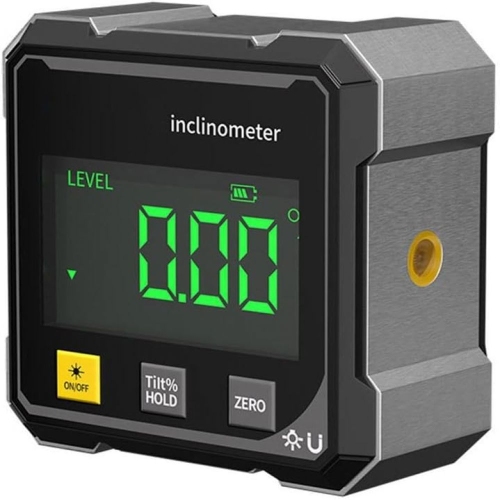
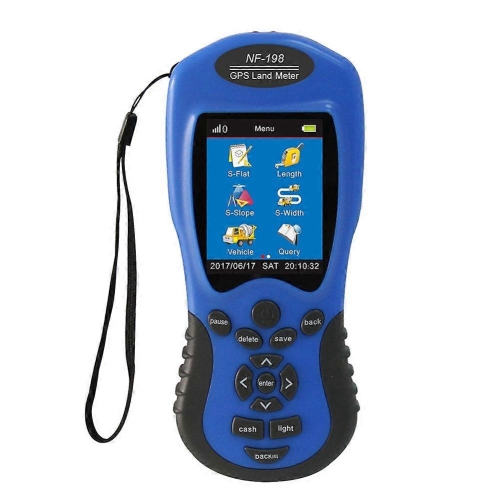
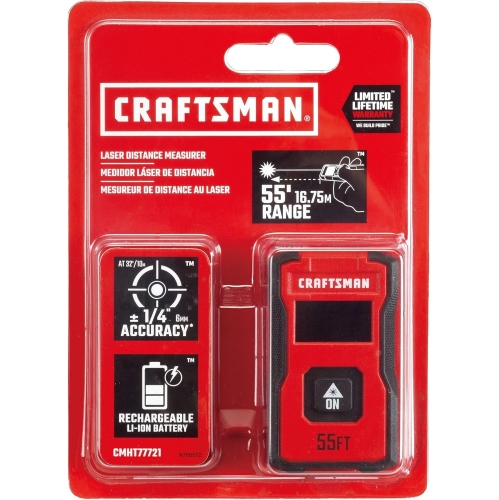
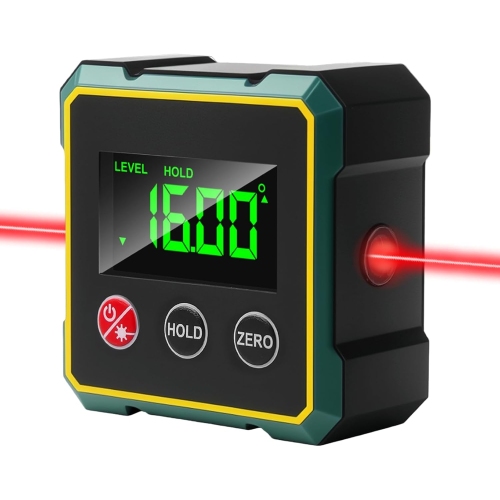
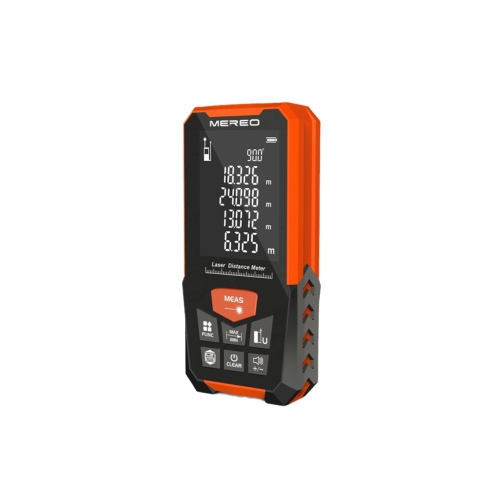
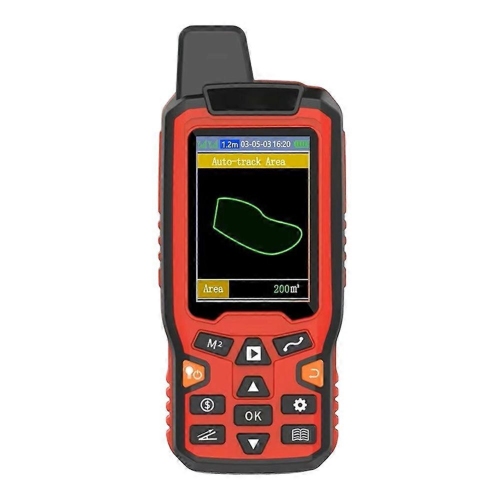
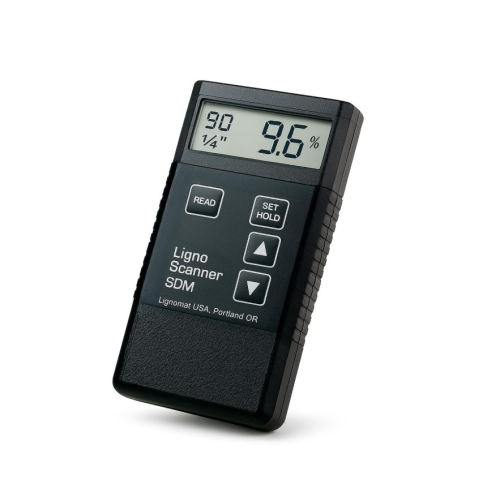
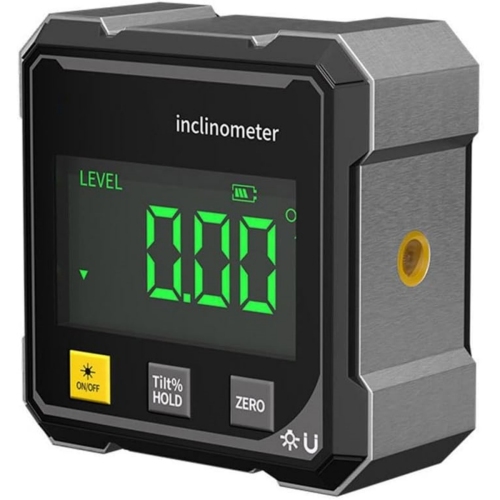
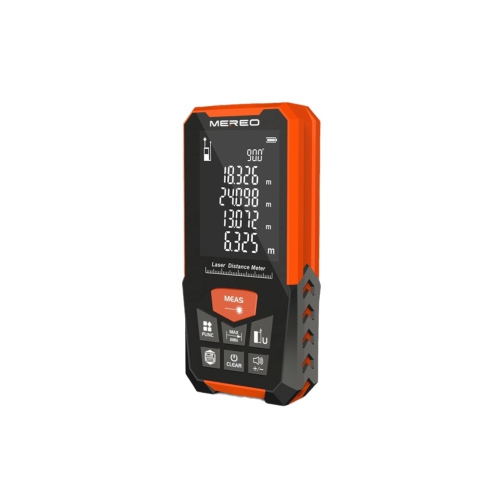
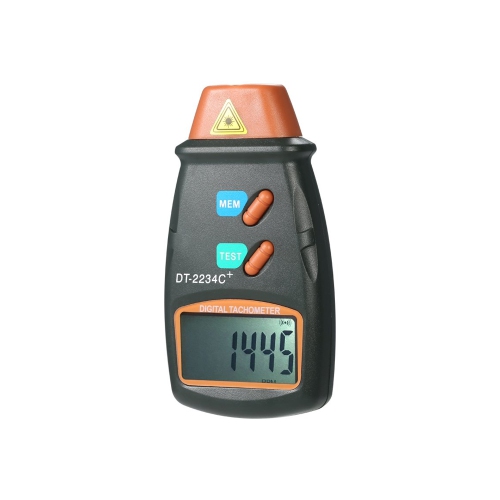
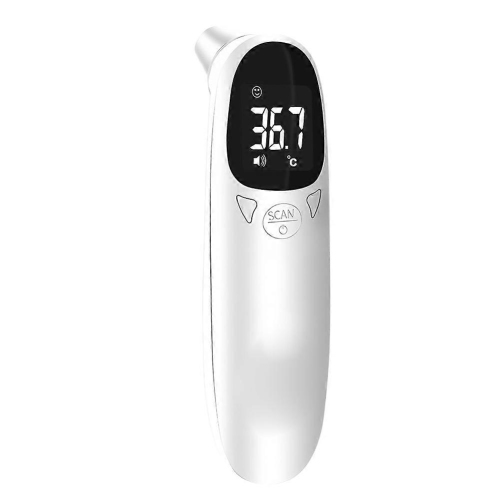
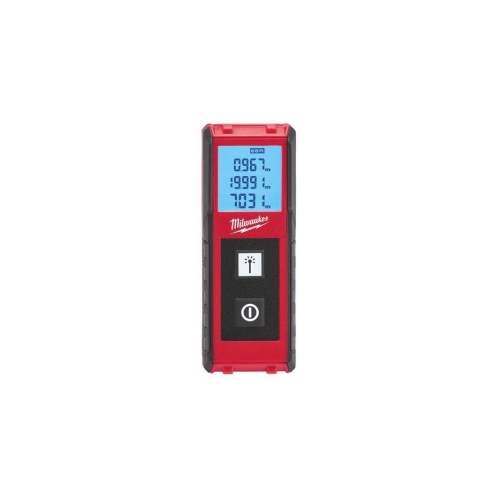
Digital measuring devices use electronic sensors and numerical displays to measure dimensions such as length, distance, height, and angle. Depending on the type, they can also calculate area or volume, convert between units, or store readings for later reference. The category includes laser distance measures, digital tape measures, measuring wheels with electronic readouts, digital calipers, and angle gauges, each suited to a different scale of work. A laser distance measure sends a beam towards a target and determines the distance from the returning signal, making it useful for measuring a room without stretching a tape across furniture or asking someone to hold the other end. Compatible models can calculate floor area from length and width readings, or room volume when a height measurement is added. A digital tape measure retains a physical blade while presenting the measurement on a screen, which can be helpful when checking a cabinet opening or marking material at a workbench. Digital measuring wheels track distance as the wheel rolls along a surface, making them practical for longer routes, layout planning, and spaces where a straight laser sightline is not possible. For smaller dimensions, digital calipers use sliding jaws to measure outside widths, inside openings, and, on suitable designs, depth. Digital angle gauges and inclinometers measure tilt or relative angles for tasks such as setting a saw blade or checking a sloped surface. These differences matter because a tool designed to measure wall-to-wall distance serves a different purpose from one intended to check the thickness of a small component. Homeowners planning furniture placement, tradespeople recording site dimensions, and hobbyists fitting parts together can all benefit from clear digital readings, but the appropriate measuring method depends on the task. A screen makes a reading easier to interpret; it does not, by itself, guarantee greater accuracy than every mechanical alternative. The device’s stated accuracy, measuring range, resolution, and intended use remain the most useful indicators of whether it suits the work.
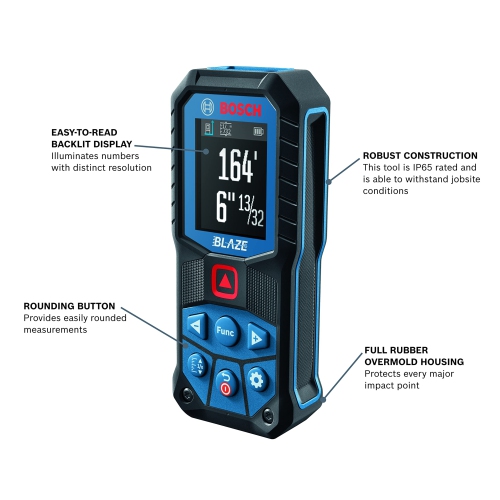
For room measurements and renovation planning, practical details often matter as much as the longest advertised measuring range. A laser measure needs an appropriate target and a clear path to it, and bright light, glass, shiny finishes, or very dark surfaces can affect how reliably some models obtain a reading. Measuring to a solid wall is different from aiming through a doorway towards a reflective surface. Minimum measuring distance also deserves attention, particularly for shallow recesses and tight spaces. The measurement reference point is another important distinction: some devices measure from the front, others from the rear, and some allow a choice of reference positions. When the back of a device rests against a wall, selecting the matching reference point helps ensure that the displayed distance includes the device’s body correctly. Continuous measurement modes can be useful for finding a position at a set distance, while minimum and maximum tracking may help identify the shortest span or a diagonal. Indirect height functions use multiple readings and geometric calculations; their usefulness depends on the required alignment and on following the device’s operating method. A digital measuring wheel brings different considerations, including wheel size, grip, handle adjustment, and how easily the counter can be reset. Smooth rolling contact supports consistent results, whereas slipping, lifting, or following an uneven path can change the recorded distance. At the workbench, caliper jaw shape and measuring depth influence whether a small recess or narrow opening is accessible. A zero function can make comparisons between parts more convenient, provided the contact surfaces are clean and the tool is positioned correctly. For tasks involving fine dimensions and close-fitting components, Precision Measuring Instruments provide a related category to explore. Across these device types, metric and imperial conversion can simplify projects that combine millimetre-based drawings with dimensions expressed in feet and inches. Display resolution should not be confused with accuracy: showing additional decimal places does not necessarily mean that a measurement is dependable to that smallest increment.
Comfort, construction, and everyday handling help determine how well a digital measuring device fits into a working routine. A compact housing may be easier to carry between rooms, while a larger display with strong contrast can be easier to read from a standing position or under a cabinet. Clearly separated controls, a secure grip, and buttons that remain manageable with work gloves can reduce awkward handling. Reinforced plastic housings and protective bumpers may help a handheld tool withstand routine knocks, while stainless steel measuring surfaces are common on calipers intended for repeated contact with parts. Material alone does not establish durability, so stated drop resistance and dust or water protection ratings are worth distinguishing from general descriptions of ruggedness. A protective case keeps lenses, blades, jaws, and screens away from loose fasteners and abrasive debris in a toolbox. For longer measuring sessions, battery life, automatic shut-off, and the choice between replaceable batteries and charging can affect convenience. Memory functions can reduce repeated trips back to a notebook, and compatible wireless features may transfer readings to an app or attach dimensions to a room sketch. App compatibility, supported file formats, and any account requirements vary, so connectivity is most useful when it fits the way measurements will actually be recorded and shared. Routine care is straightforward but important: keep laser windows clean using the recommended method, wipe measuring contact surfaces before use, and avoid forcing sliding mechanisms or letting a tape blade snap back uncontrolled. A dropped tool or an unexpected reading warrants a check against a known dimension before work continues. For cabinetry, flooring, and other projects where a small error can waste material, repeating critical measurements and recording the reference points helps prevent misunderstandings. These devices can also make thoughtful gifts for someone setting up a workshop, renovating a home, or developing a model-making hobby, especially when the measuring scale matches their interests. Whether the task is mapping a room or checking a part before assembly, the most useful features are those that make accurate placement, clear readings, and reliable record-keeping easier.
Top selling and popular products
-
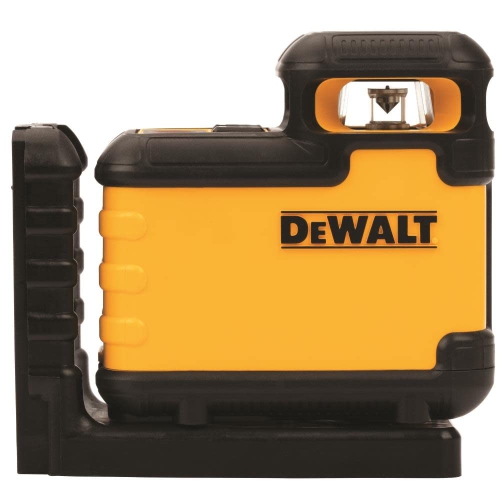 Your price for this item is $150
-
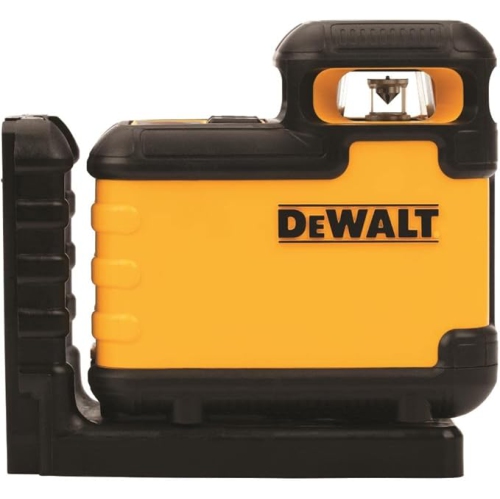 Your price for this item is $189
-
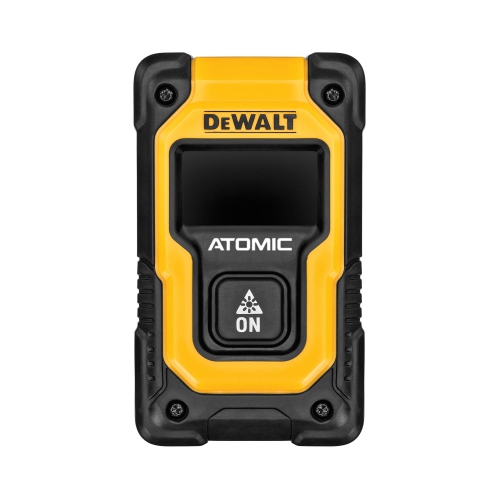 Your price for this item is $39.93
-
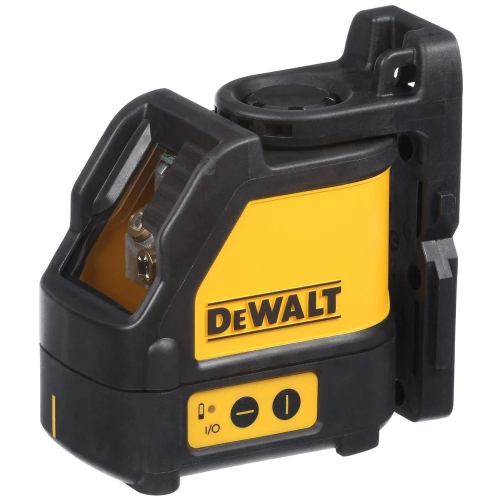 Your price for this item is $124.99
-
 Your price for this item is $124.55
-
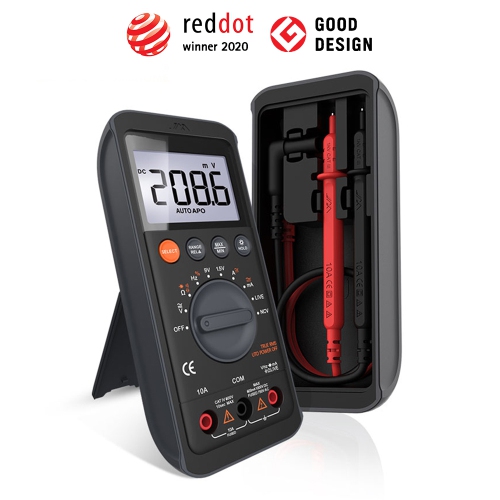 Your price for this item is $60.99
-
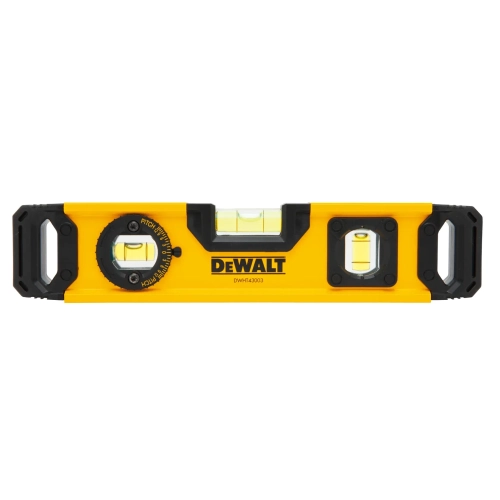 Your price for this item is $39
-
 Your price for this item is $76.35
Discover more categories related to Digital Measuring Devices
Top Collections:
Pokemon Centers, Kindle Devices, Best Cameras for Sports Photography, Pokémon 30th Celebration Cards, Canon G7X Cameras, Samsung Galaxy Phones, iPhone 15 Apple, Best Black Friday Deals On Electronics, Jackery Power Stations, Solar Generators for Home
Some products may be subject to Environmental Handling Fees
(EHF) depending on your province.
Learn more about EHFs.