White 3 Drawer Filing Cabinets
White 3-drawer filing cabinets are an essential piece of furniture for almost any office or workspace. With their sleek design and ample storage space, these versatile cabinets are perfect for organizing and storing important documents, files, and office supplies. Whether you're a busy professional, a student, or simply someone who likes to keep things neat and tidy, white 3-drawer filing cabinets offer both functionality and style. Here are some great options available.
Sort
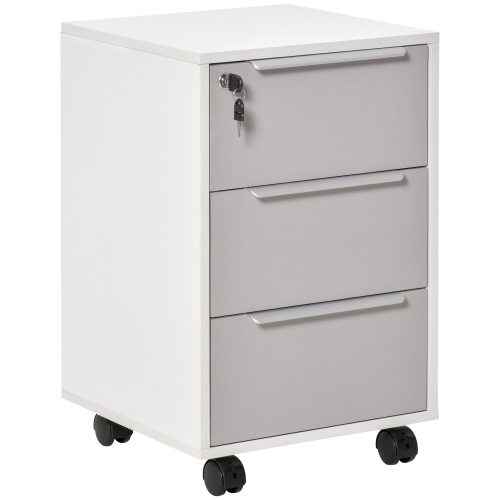
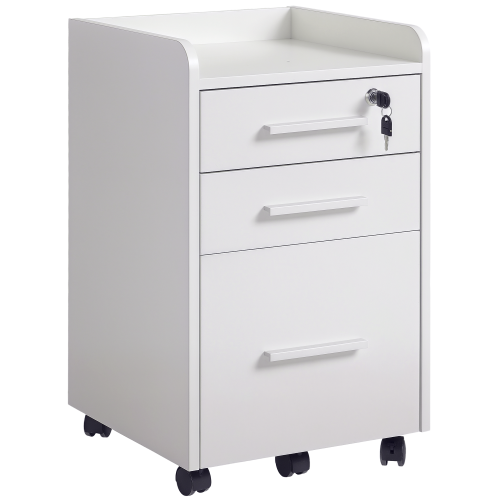
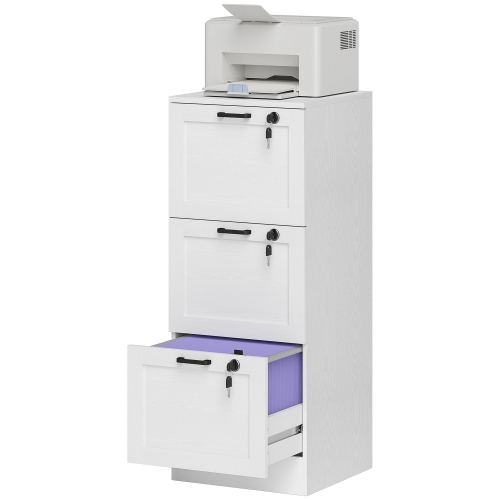
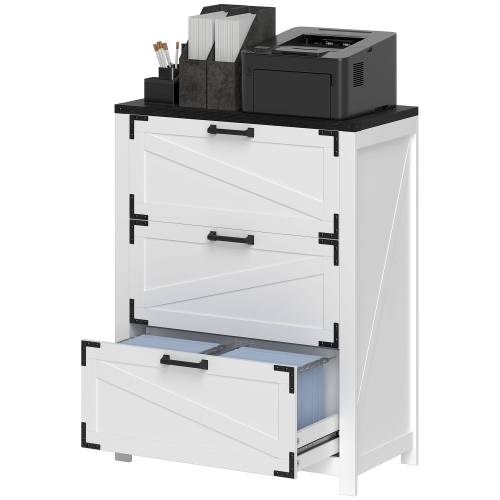

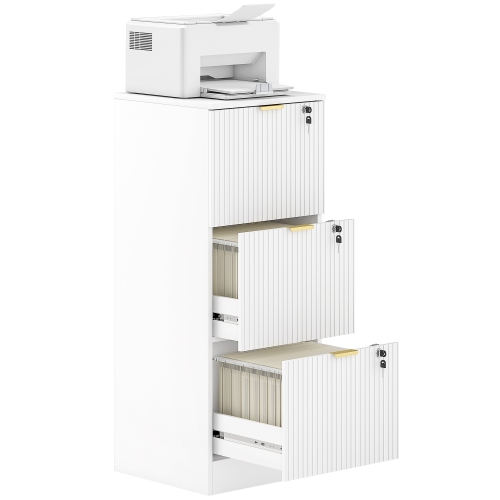
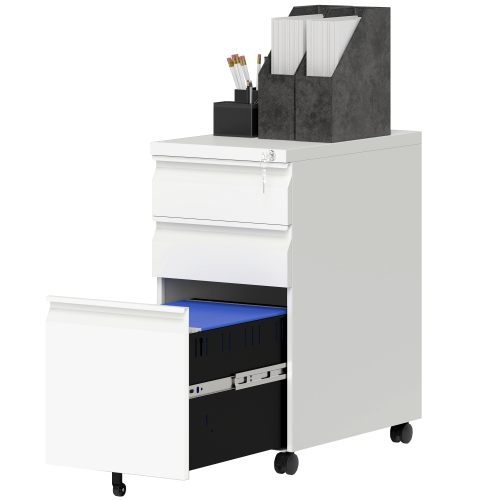
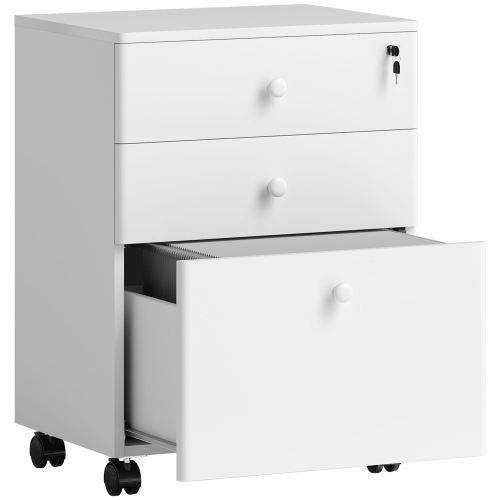
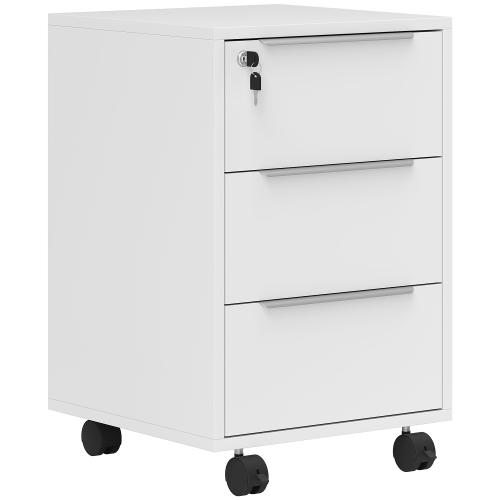
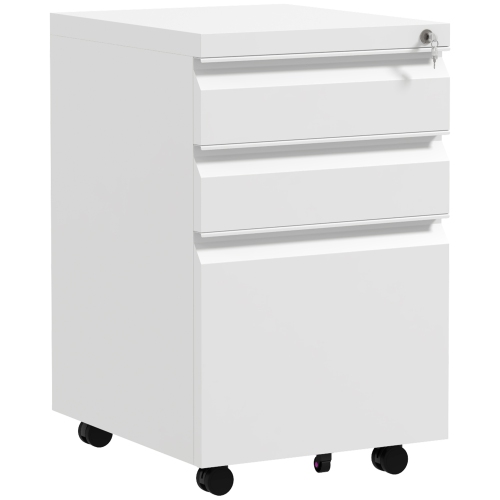
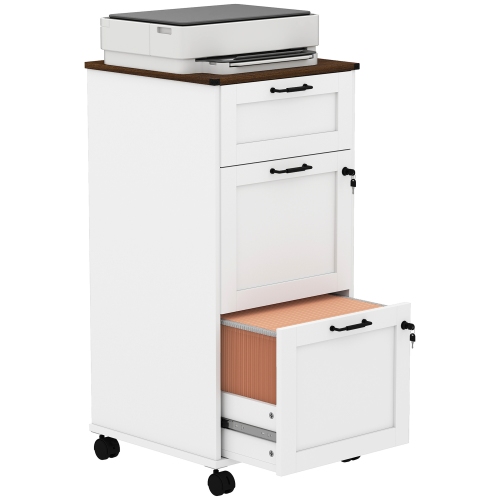
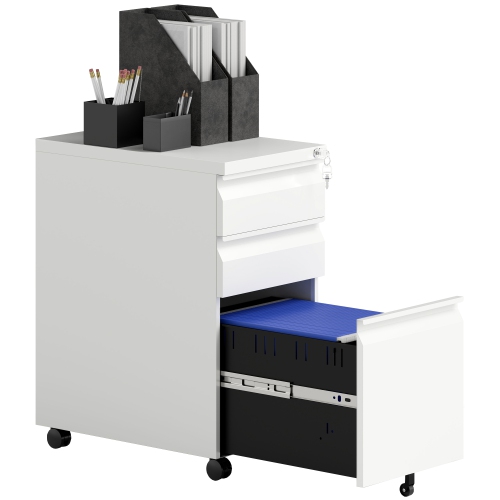


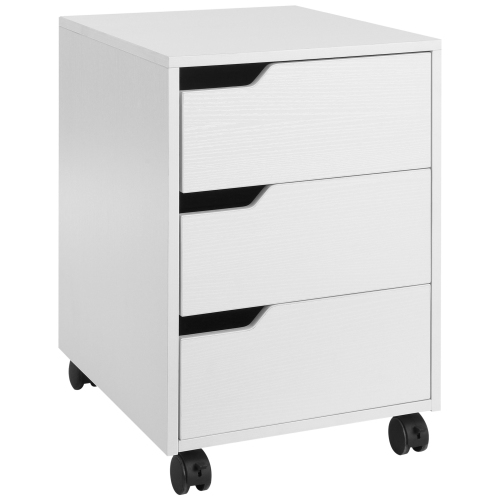
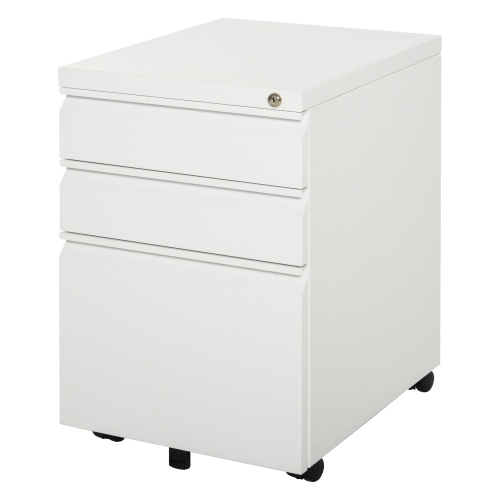
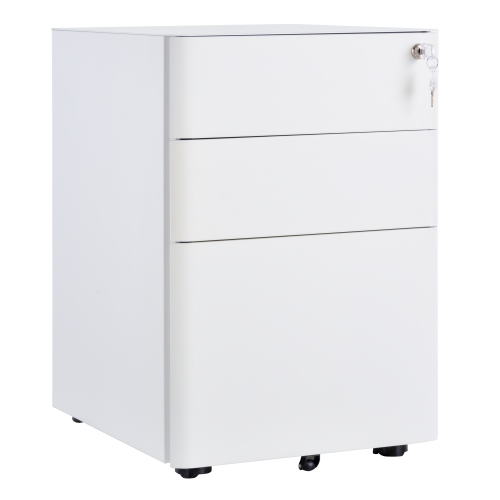
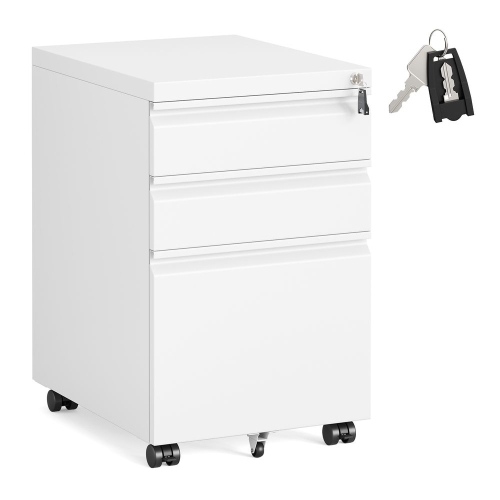
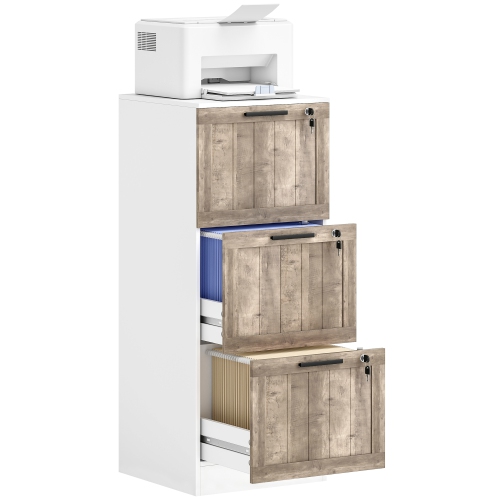
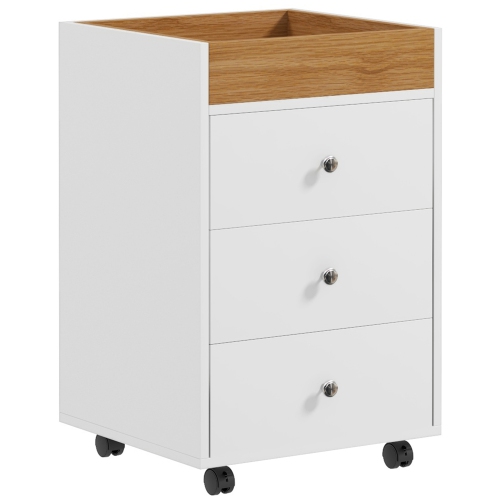
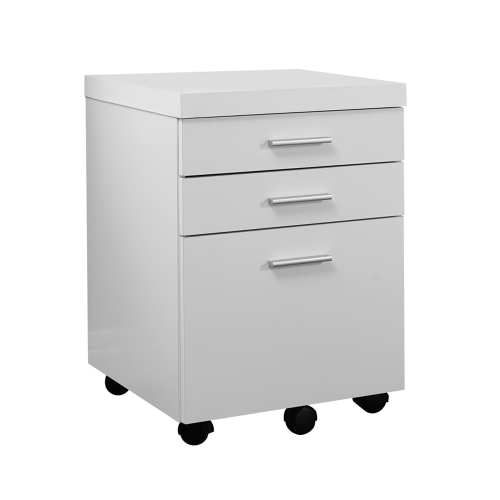
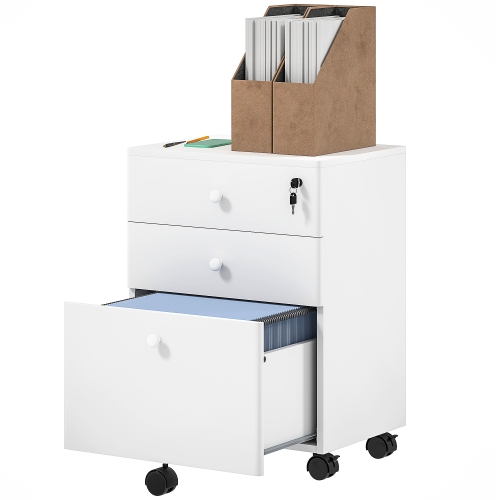
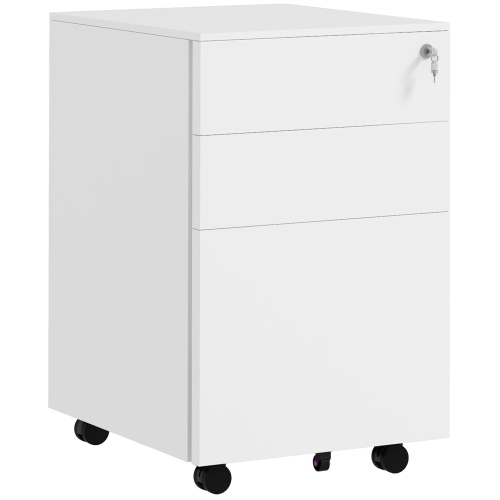
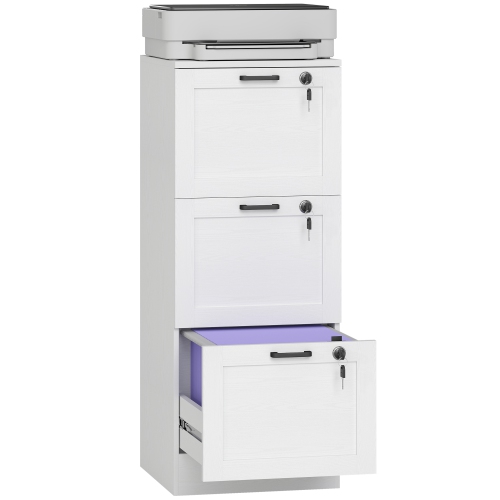
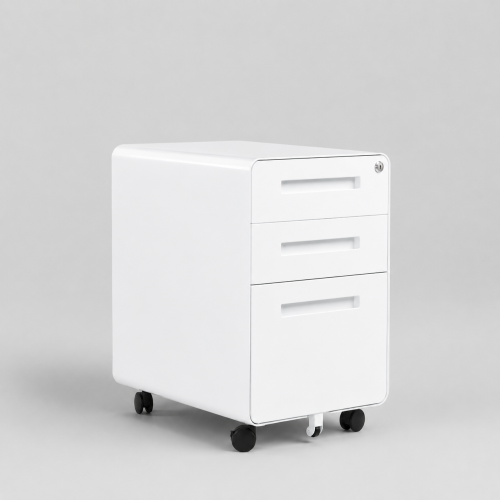
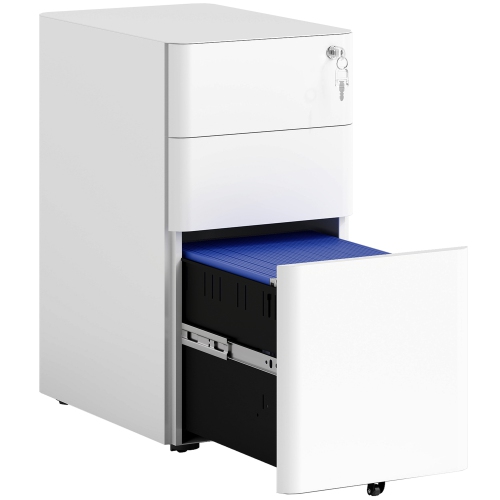
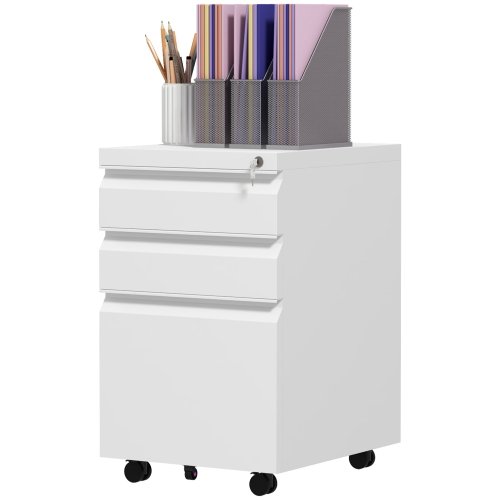
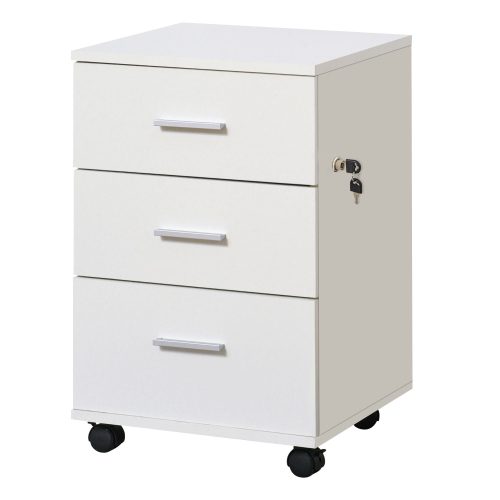
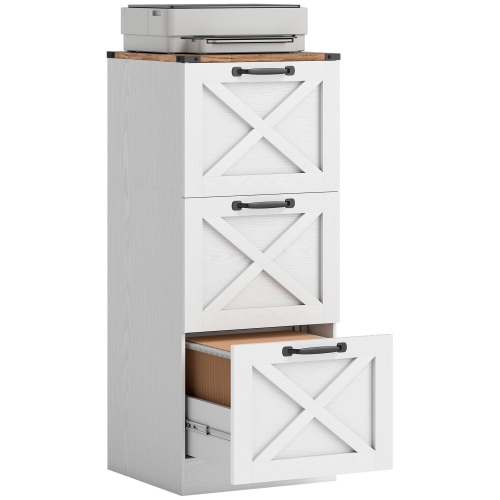
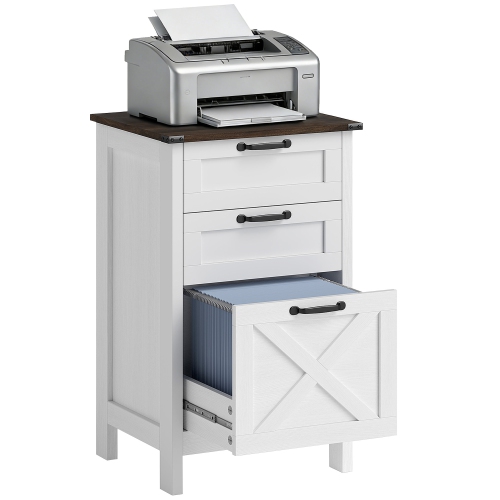
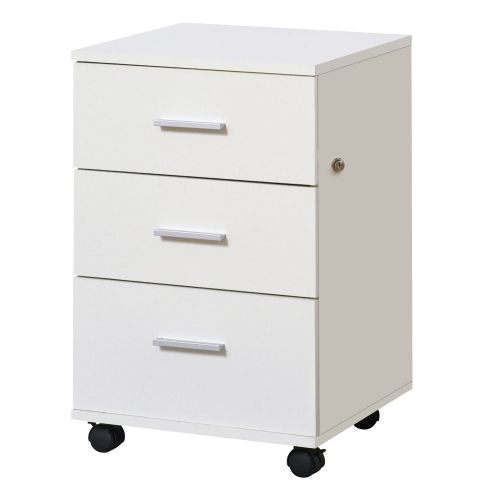
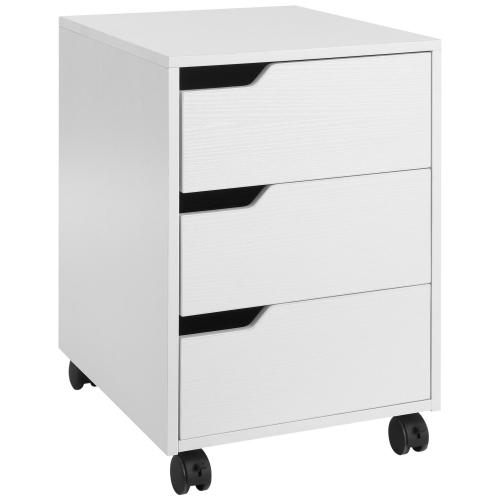
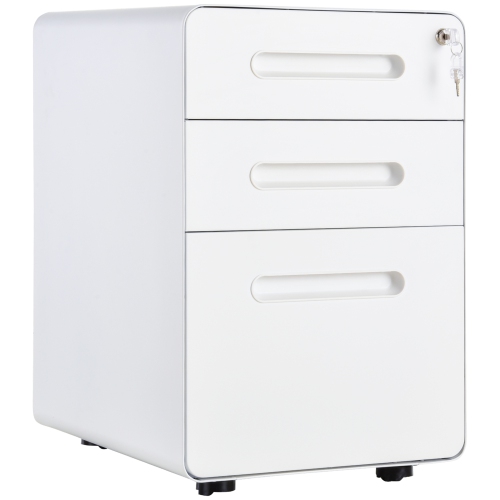
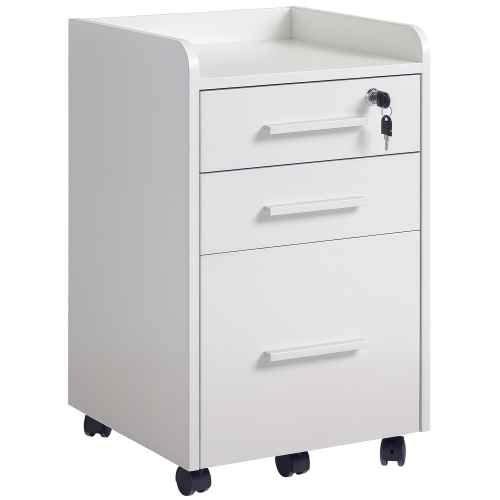
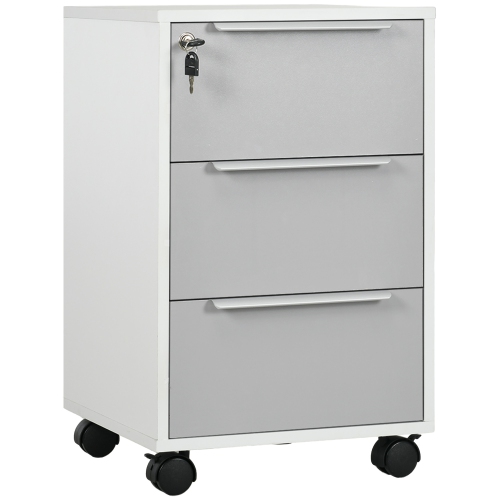
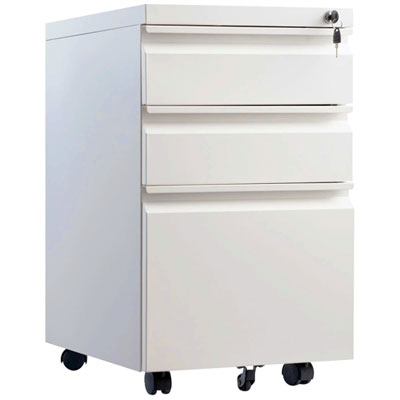
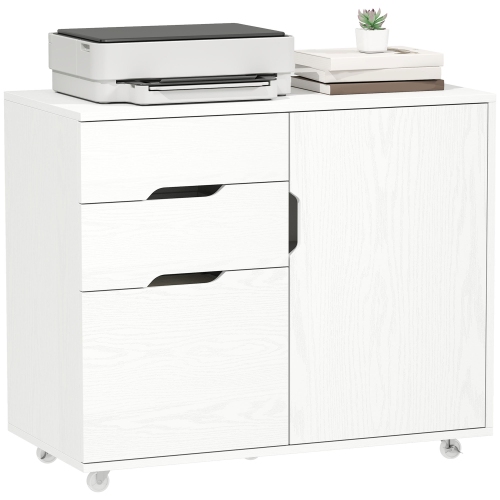
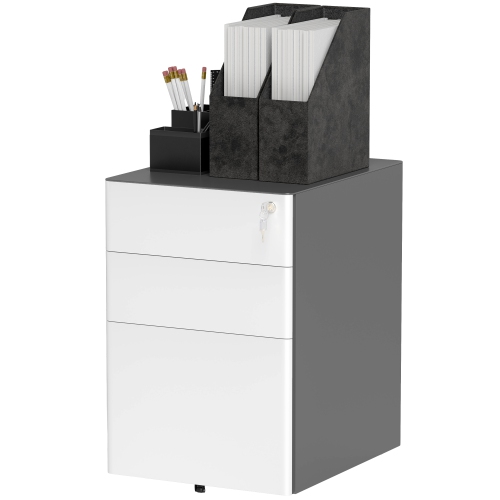
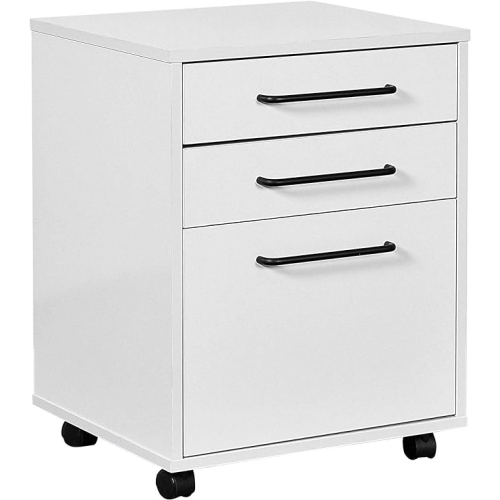
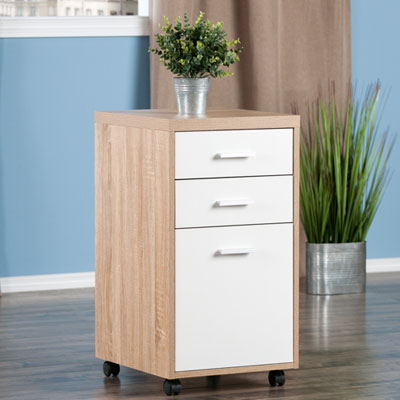
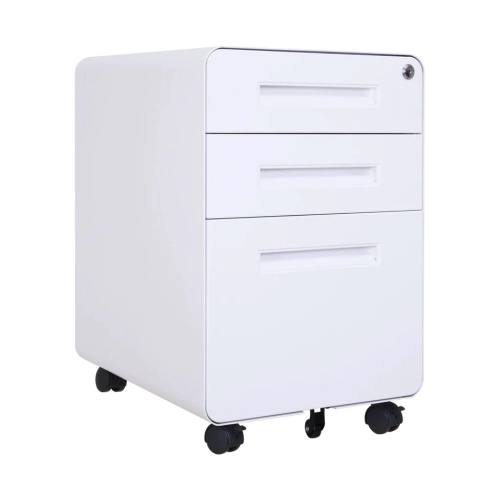
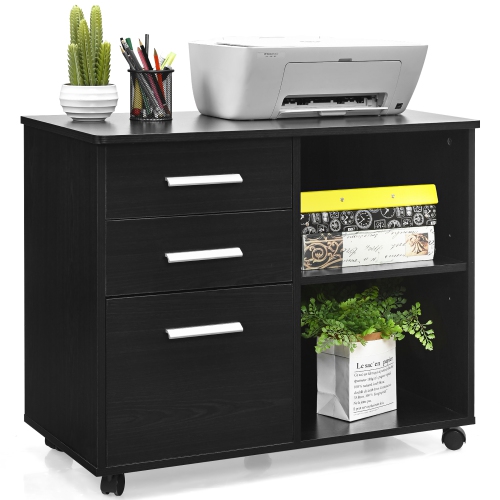
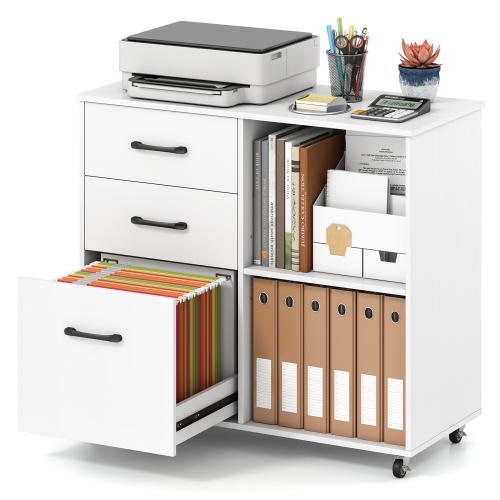
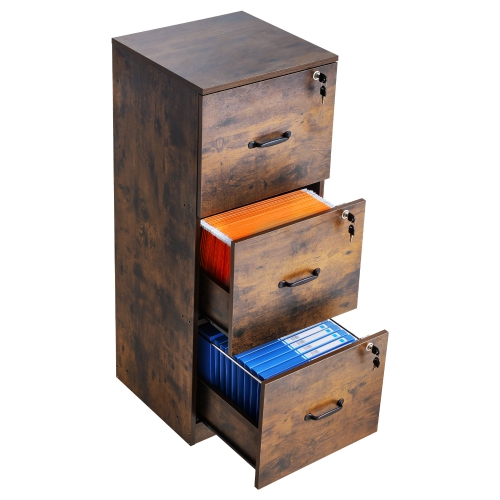

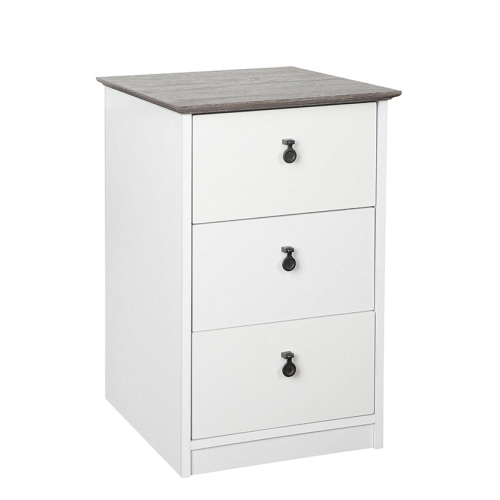
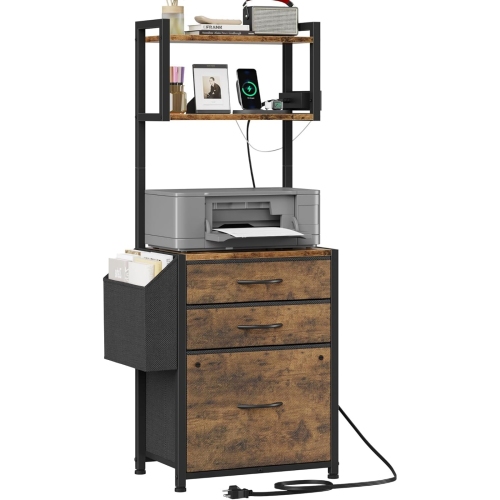
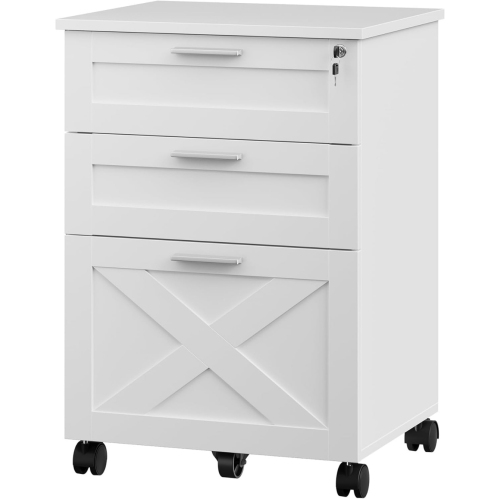
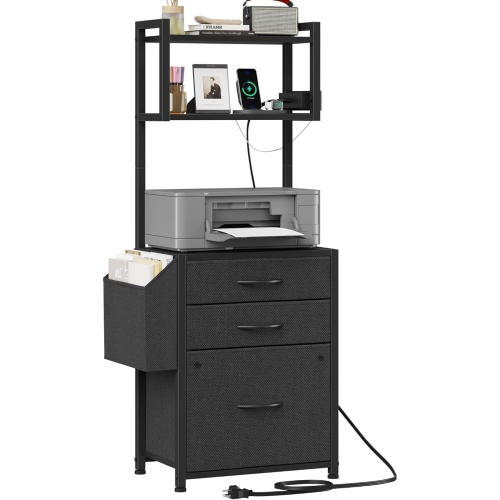
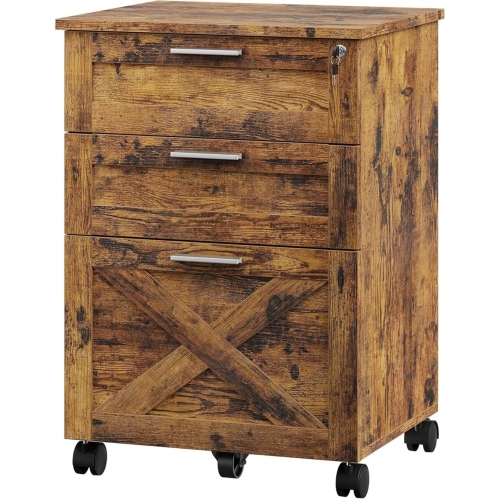
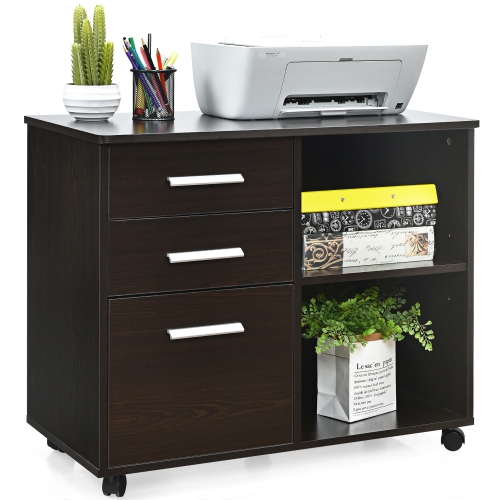
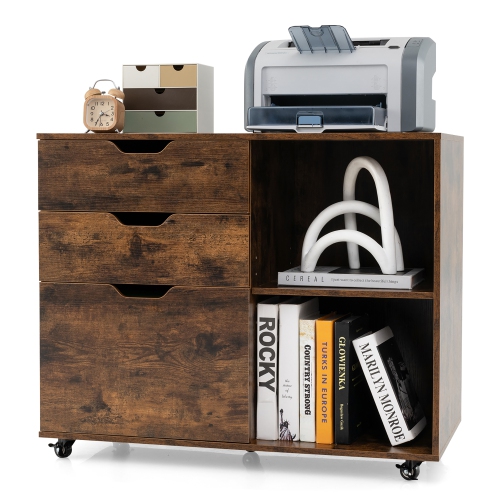
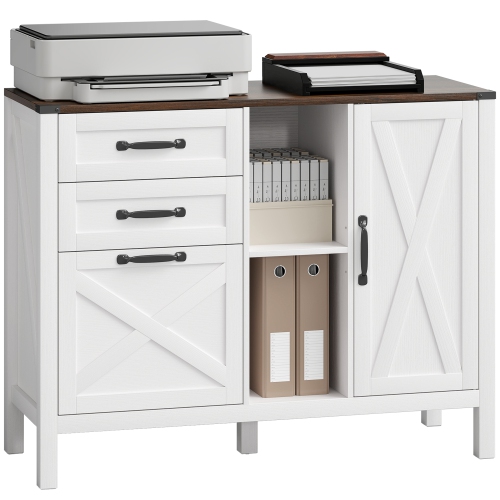
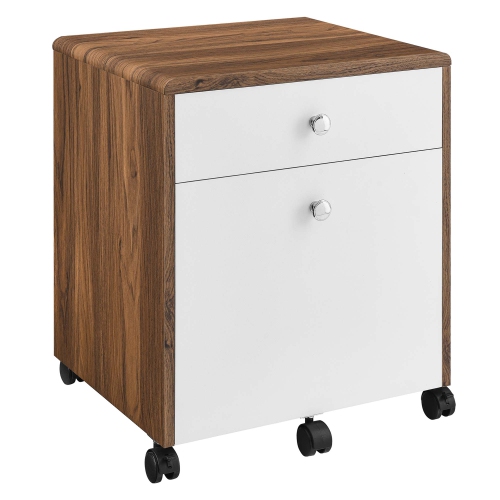

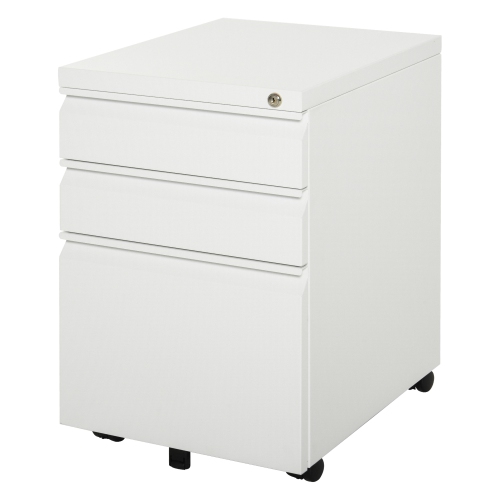
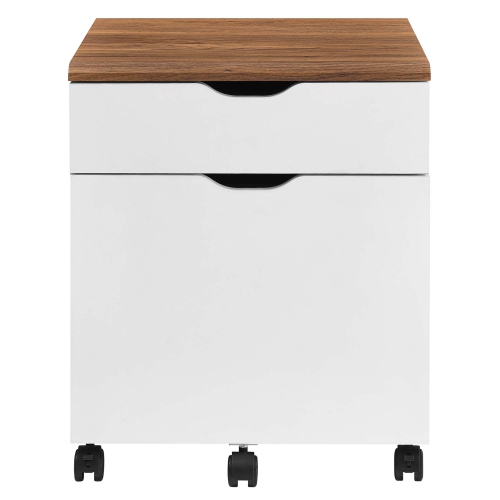
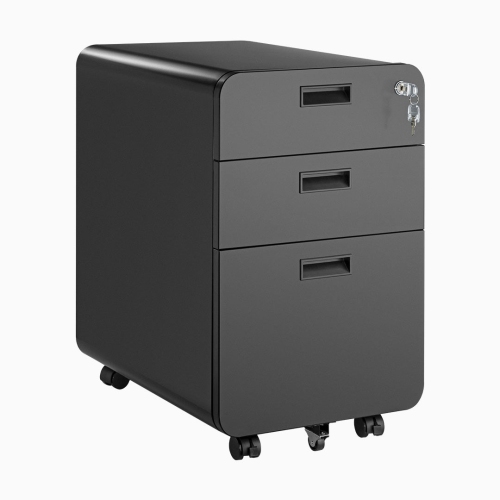
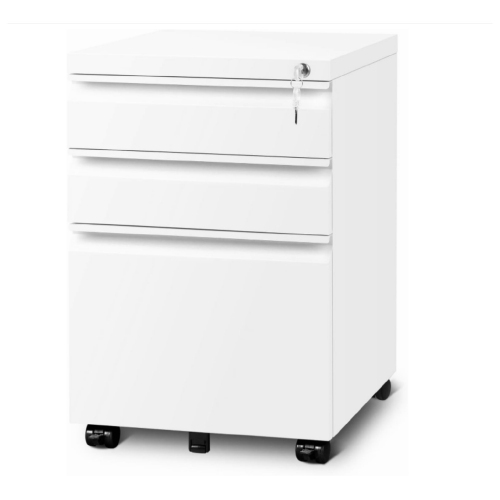
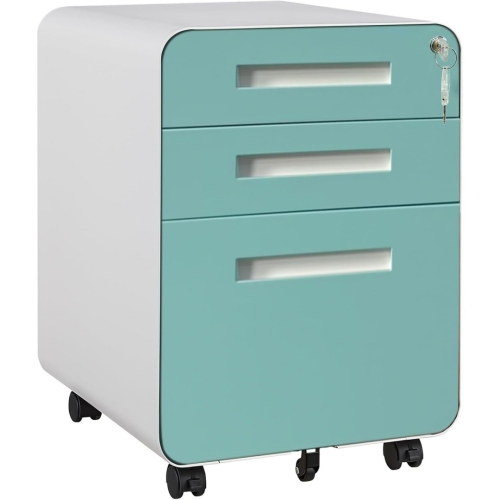
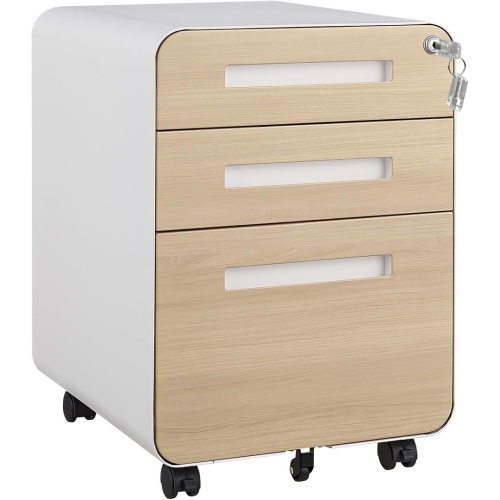
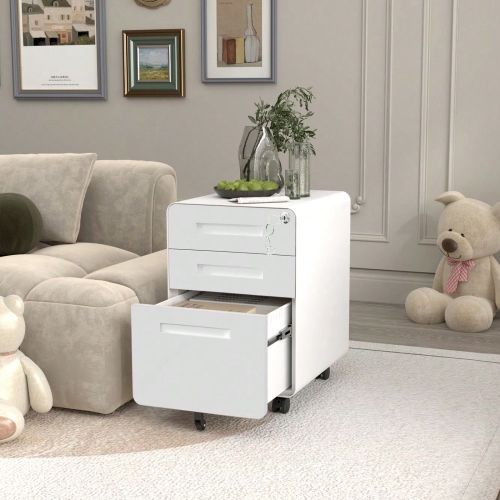
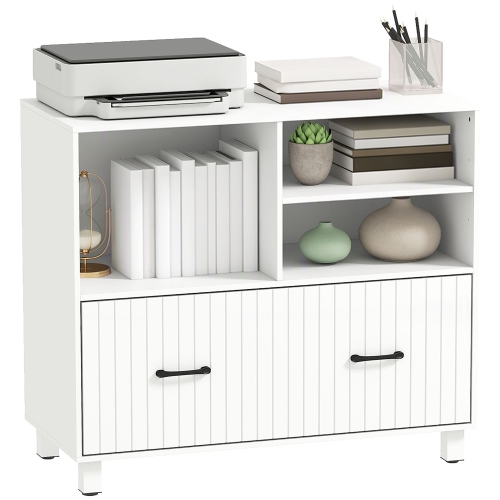
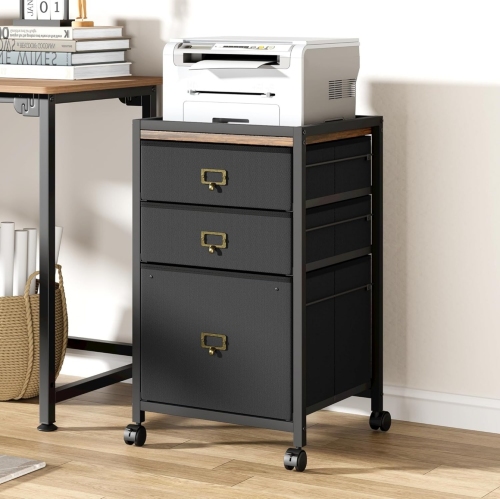

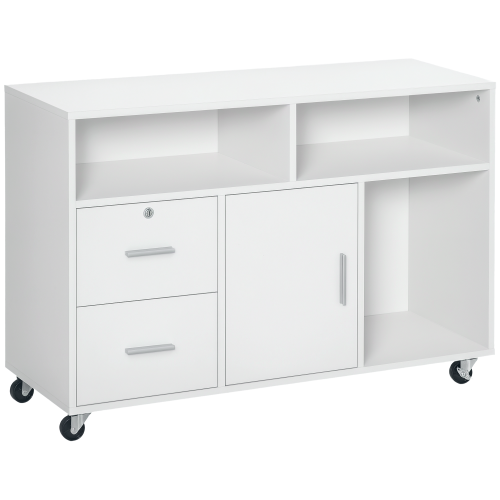

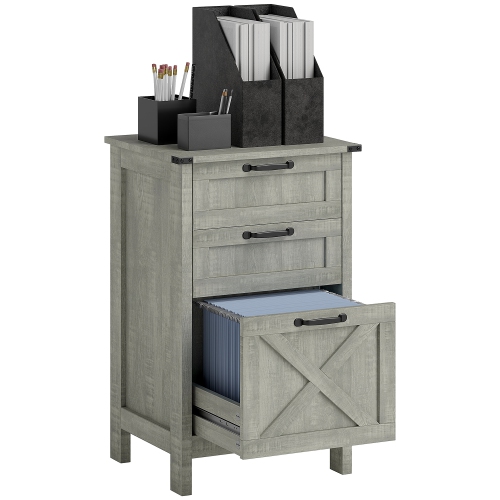
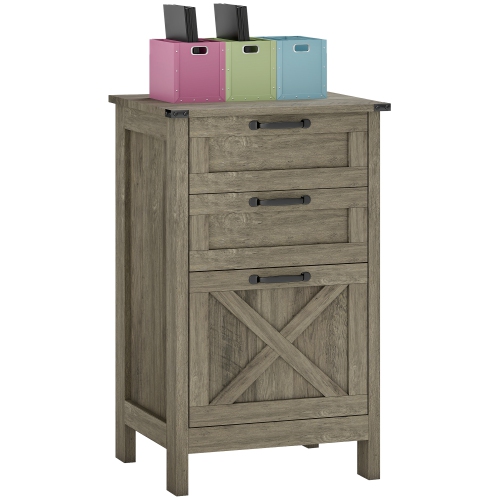
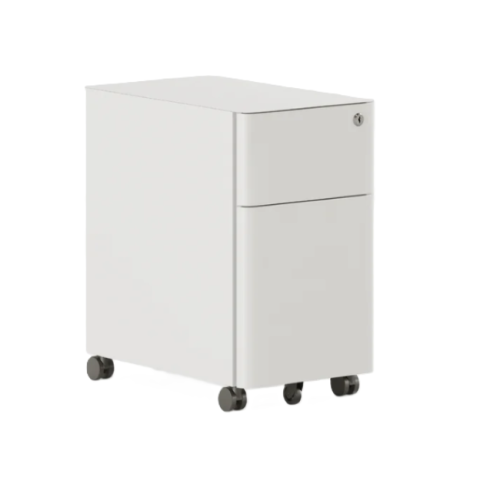
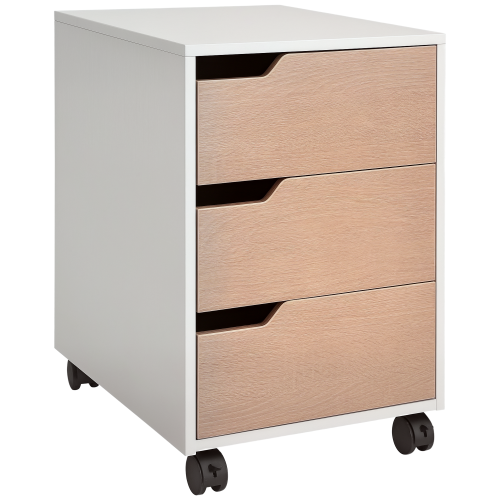
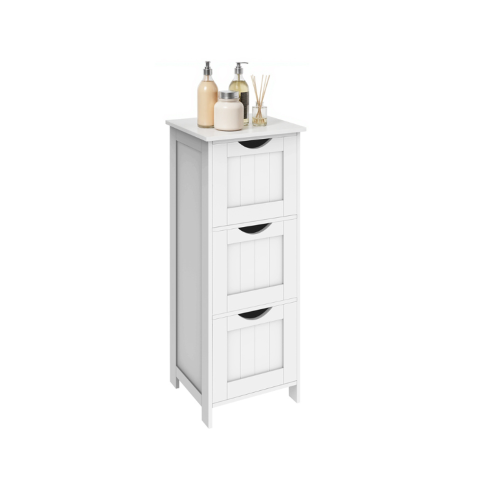
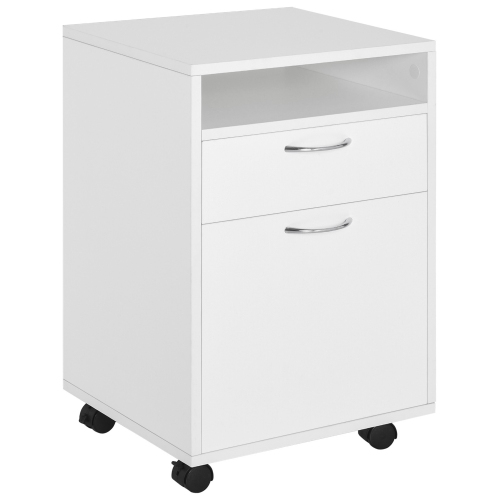
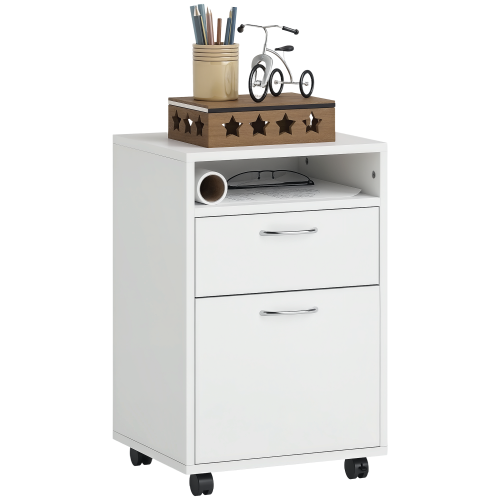
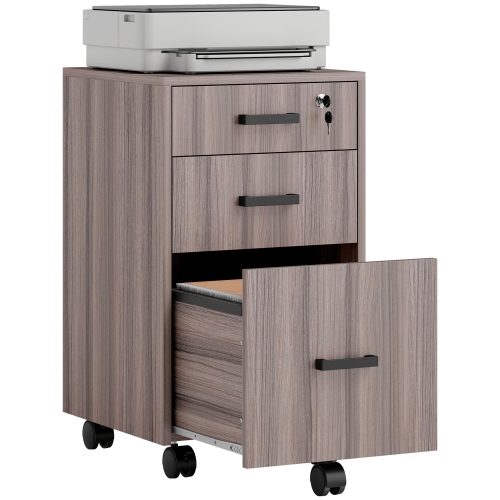
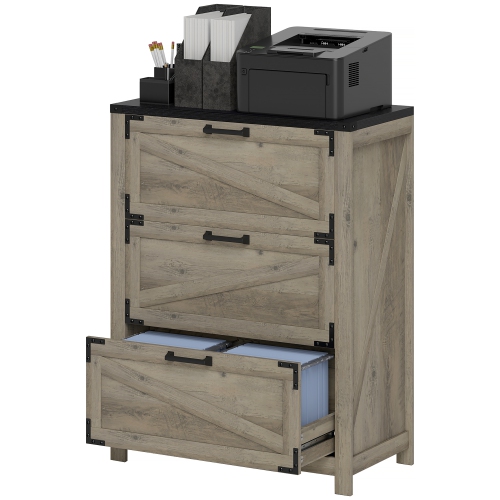
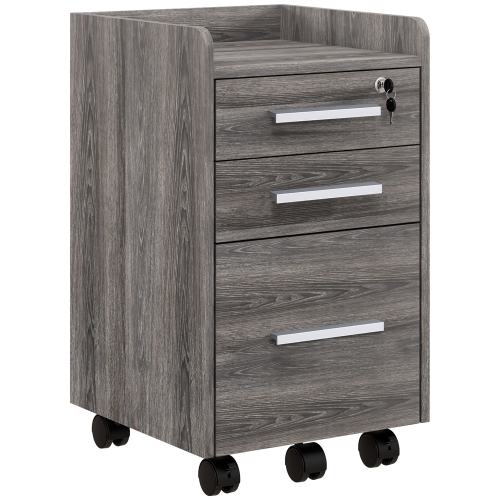
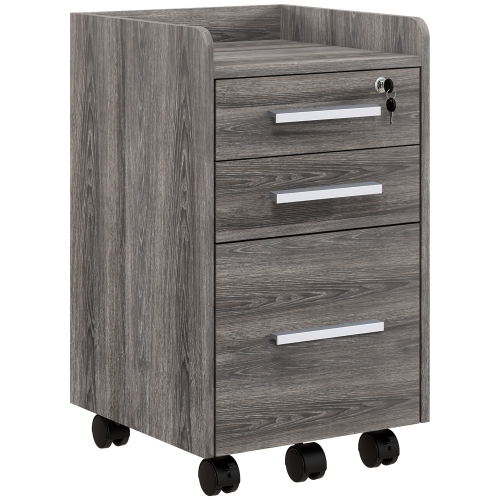
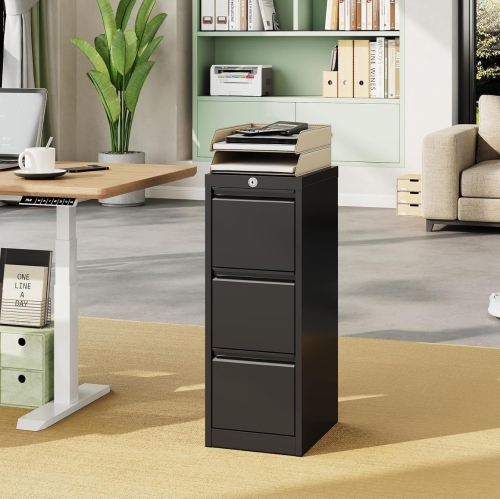
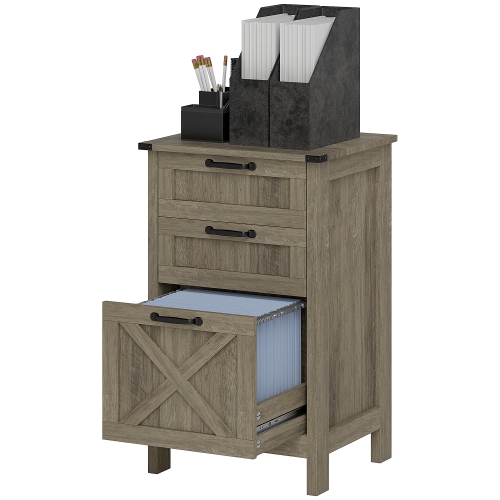
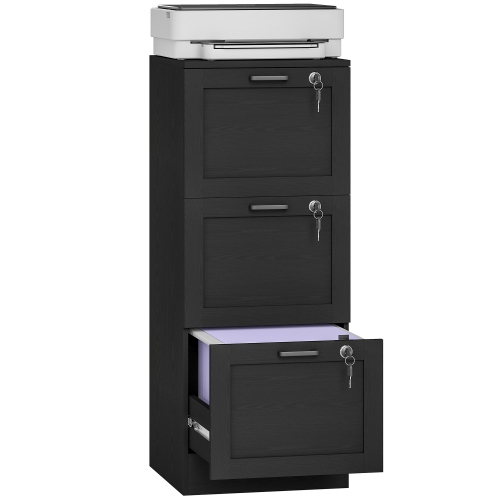
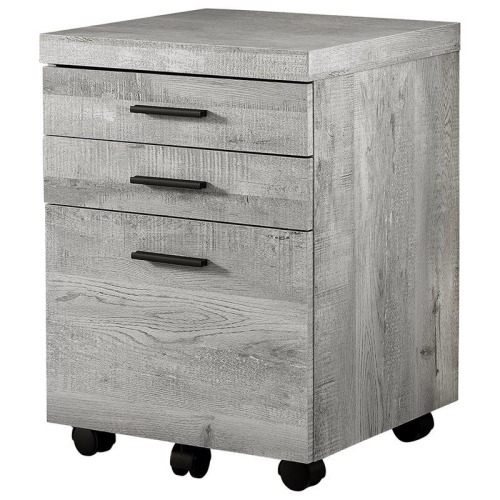
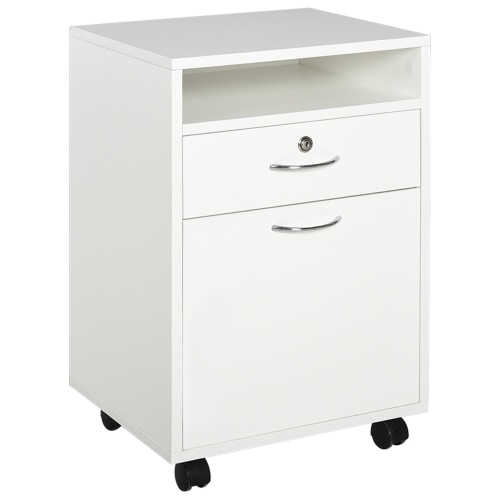
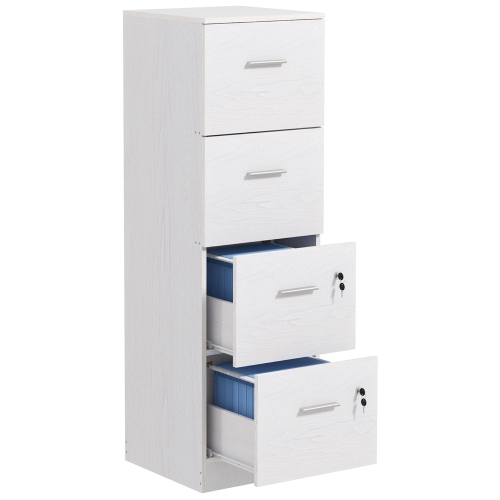
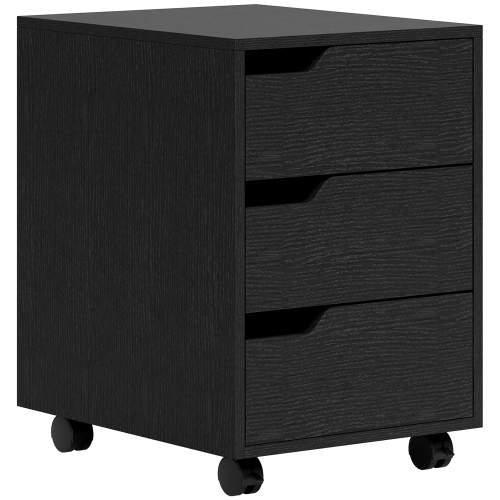
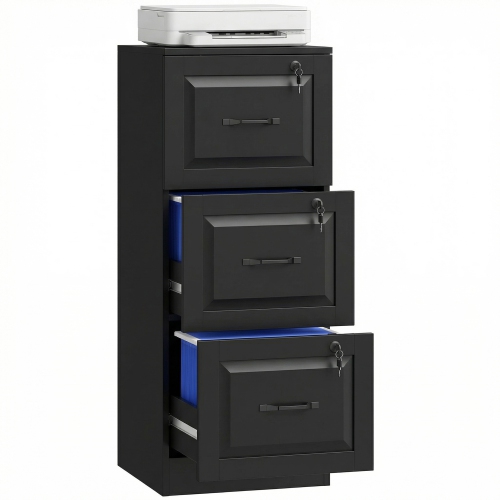
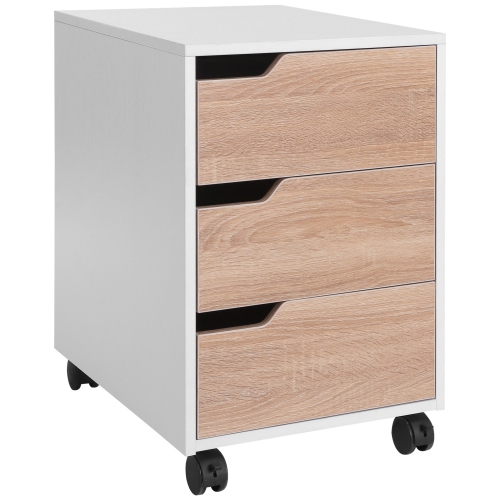
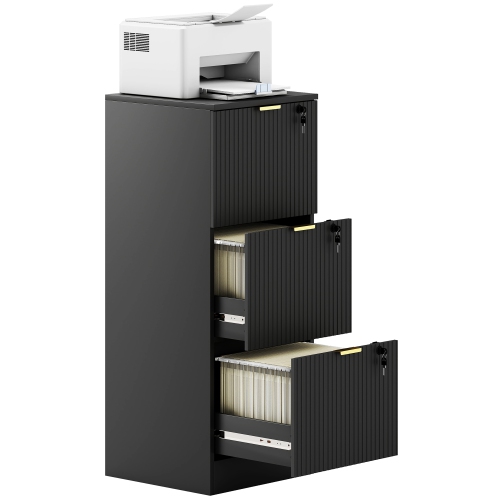
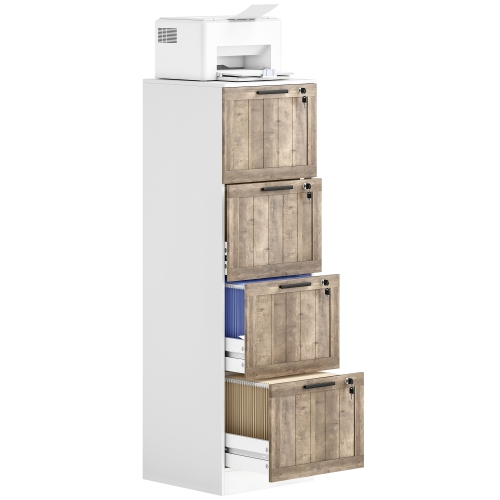
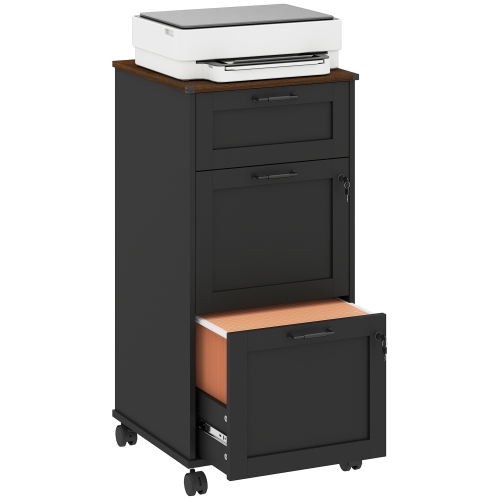

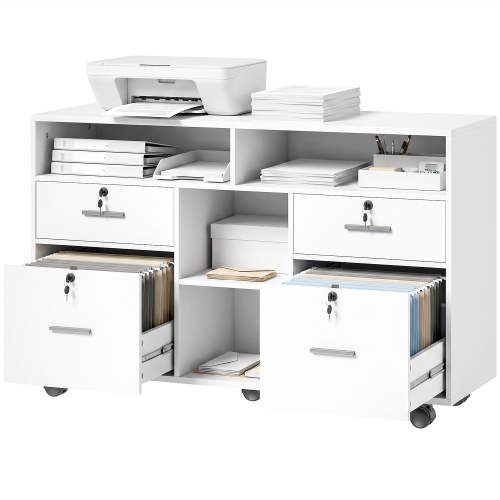
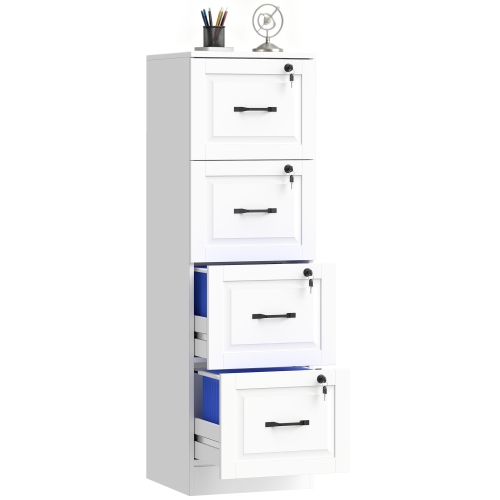
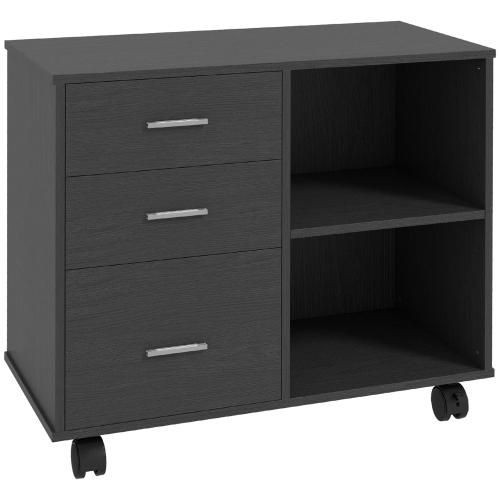
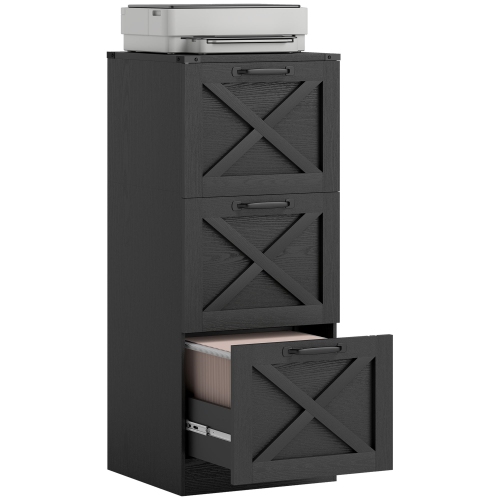
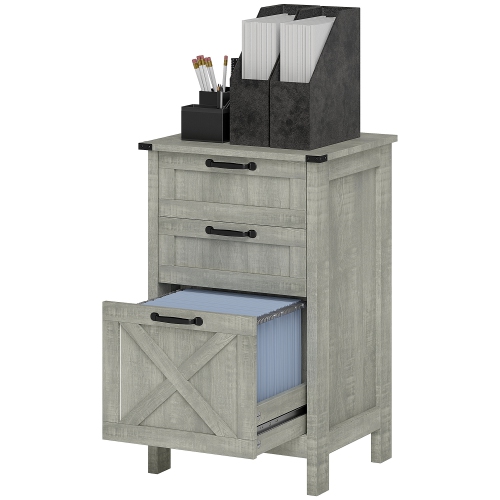
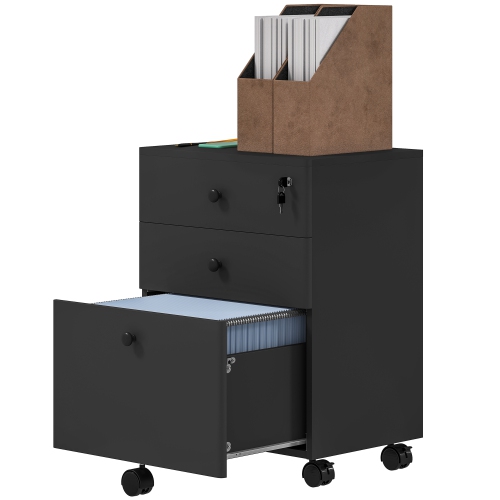
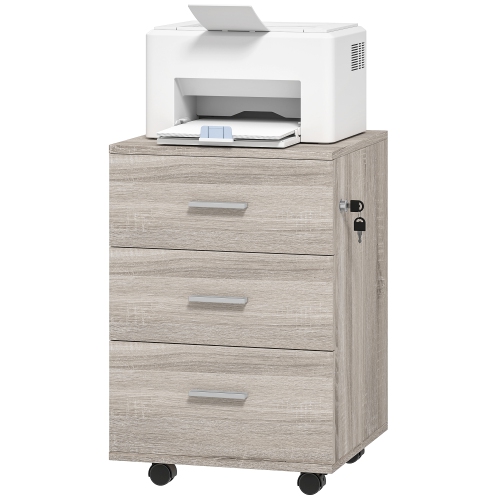
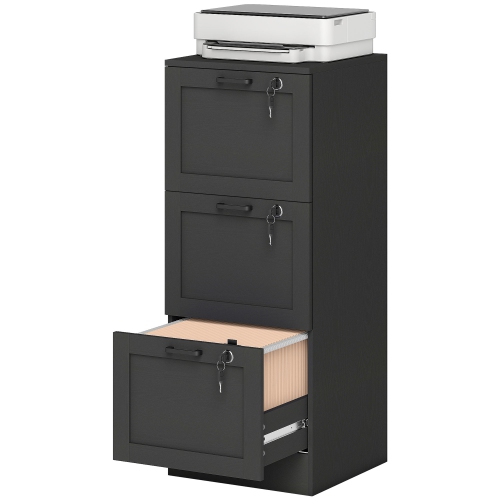

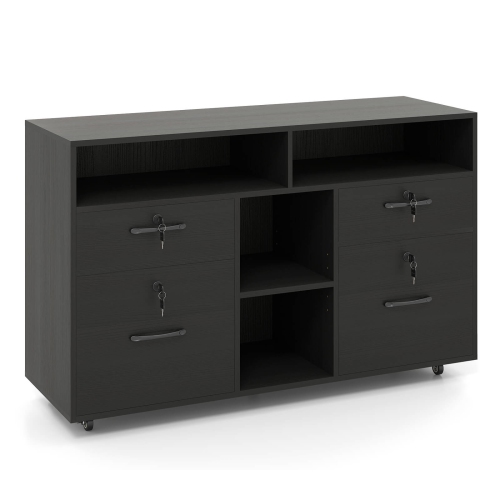
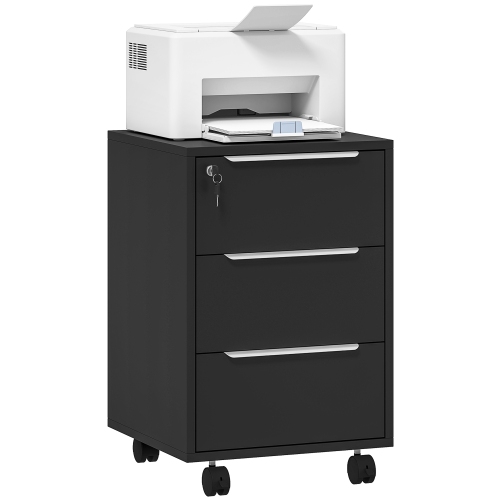
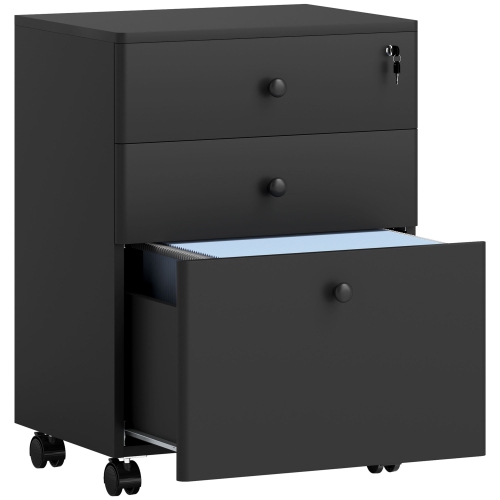
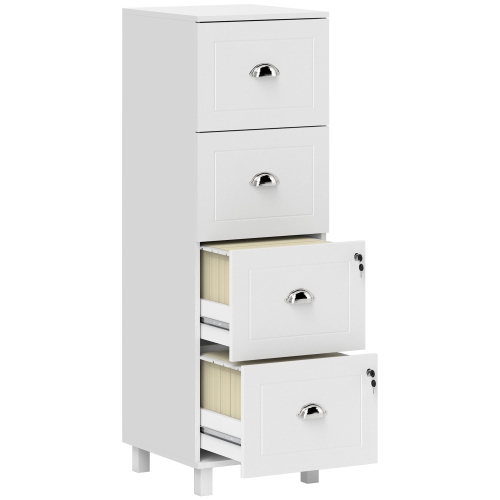
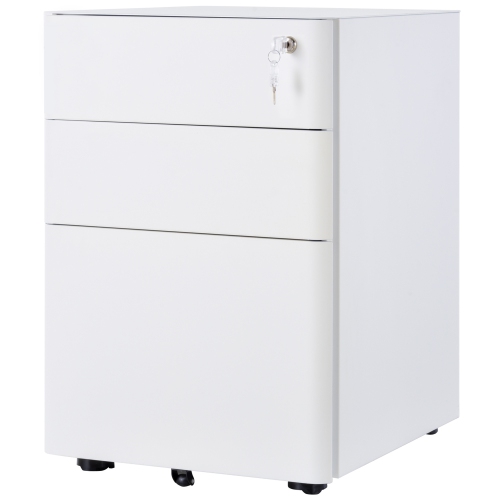
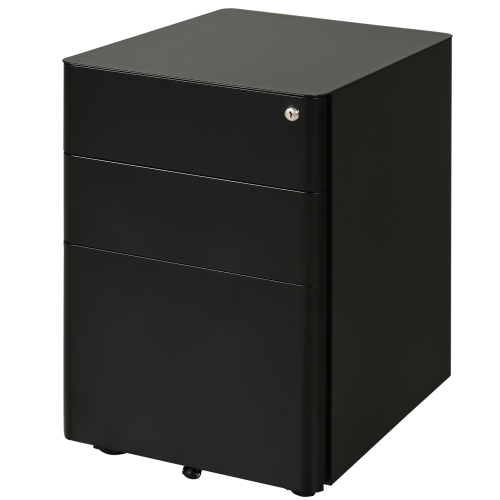
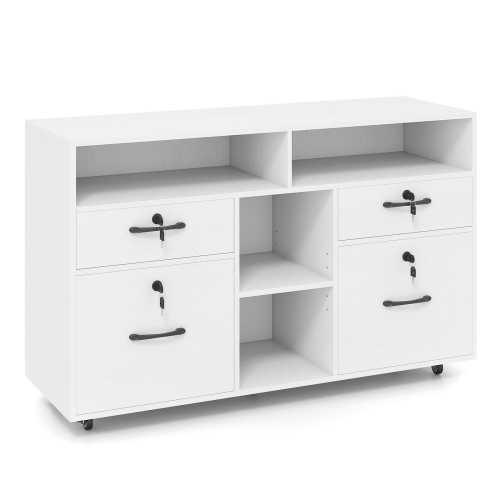
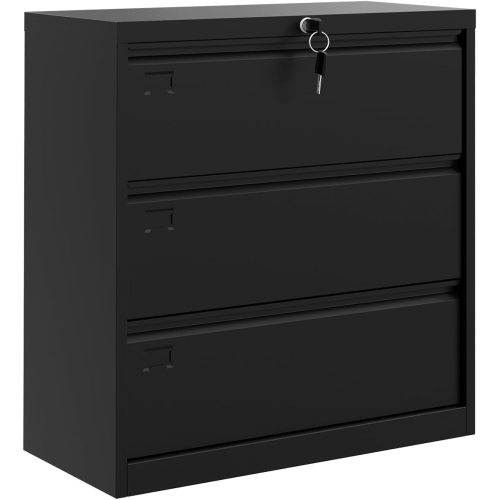
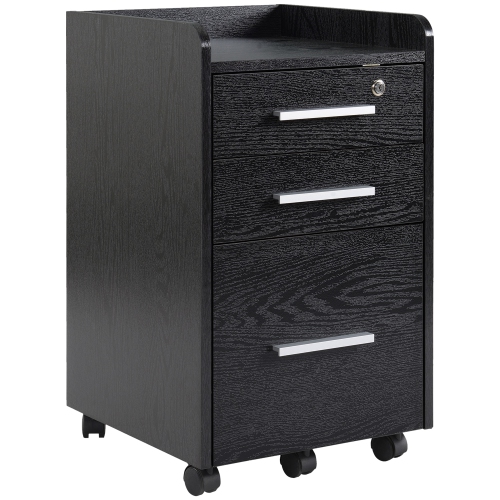
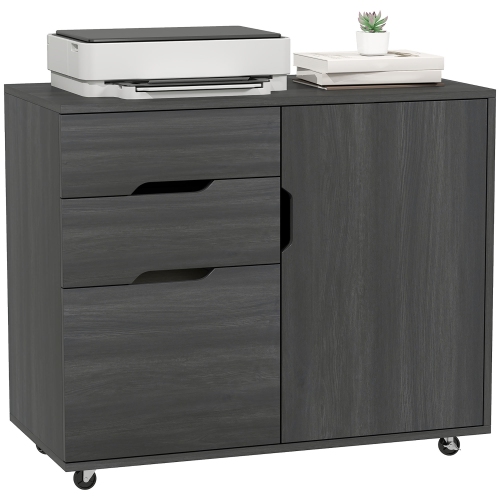
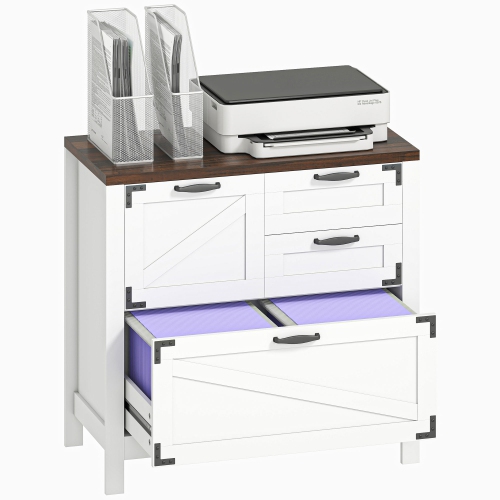

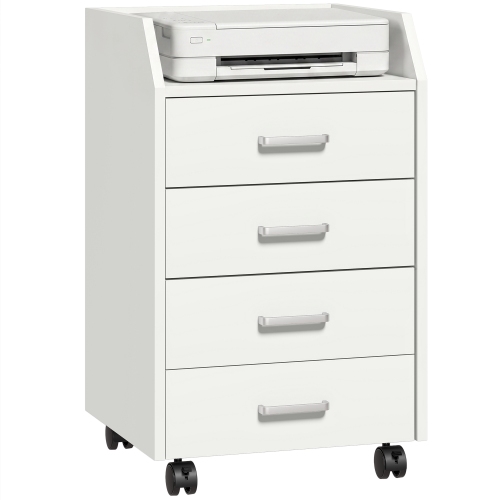

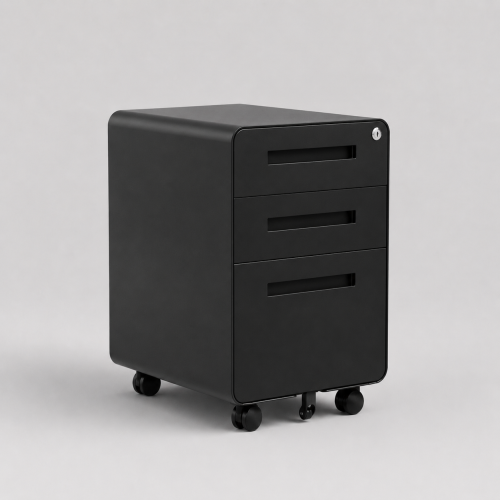
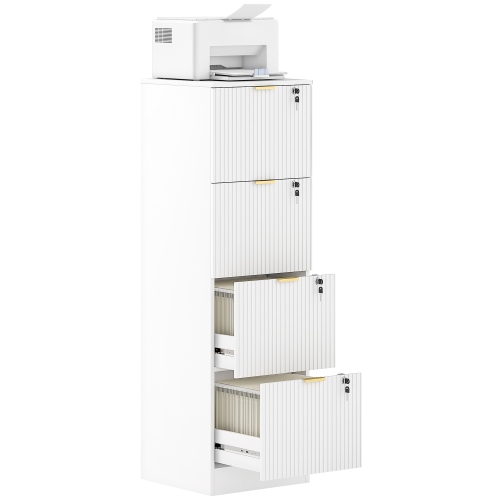
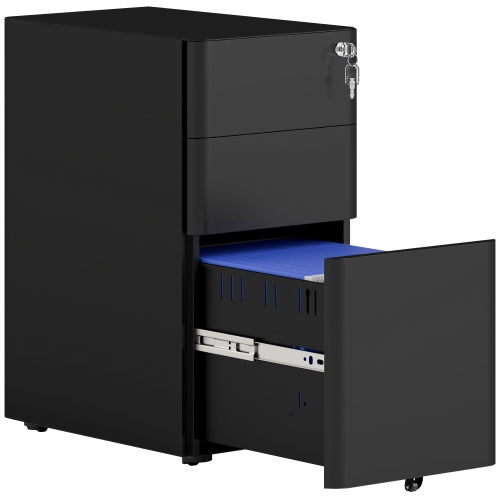

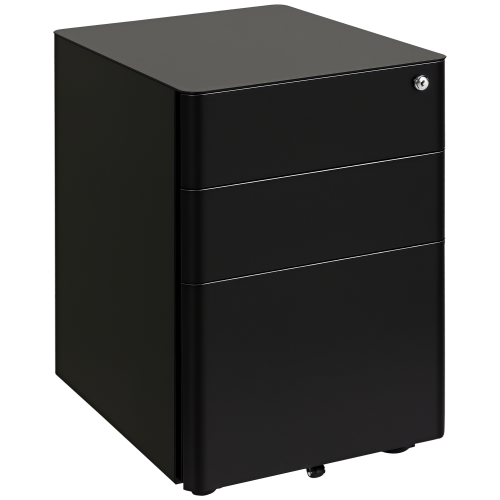
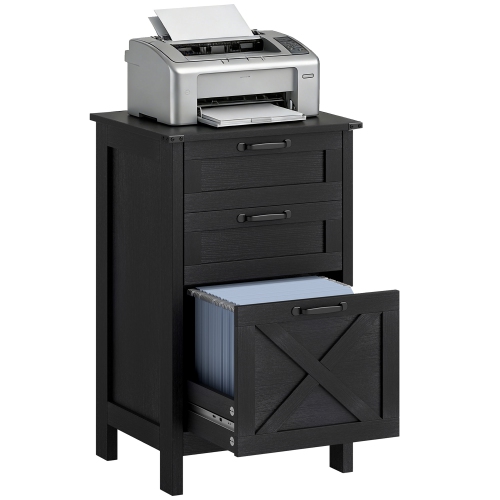
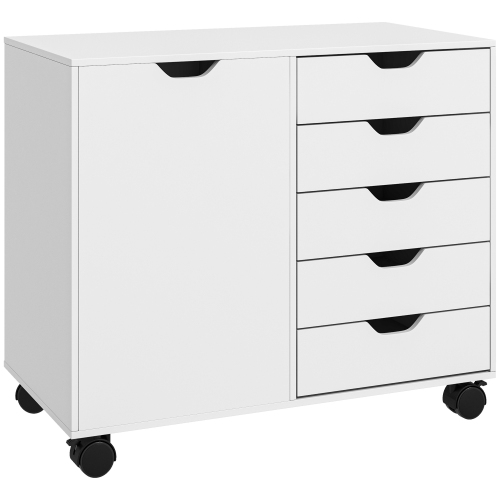
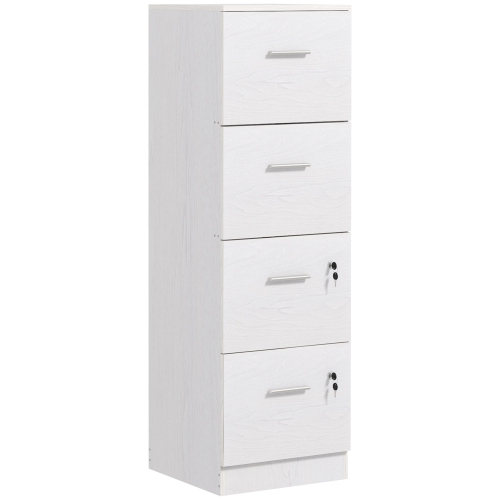
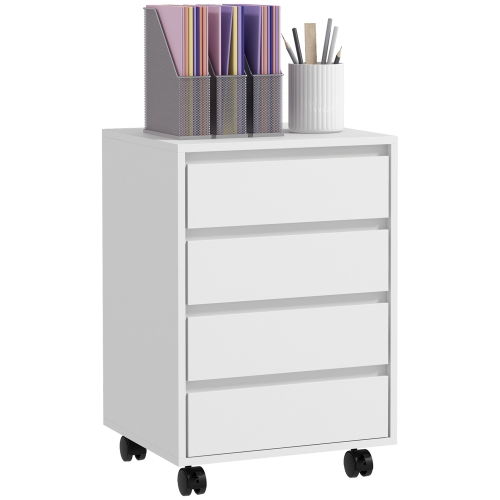
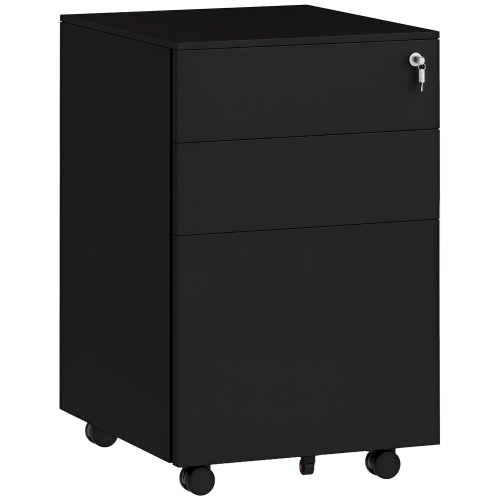
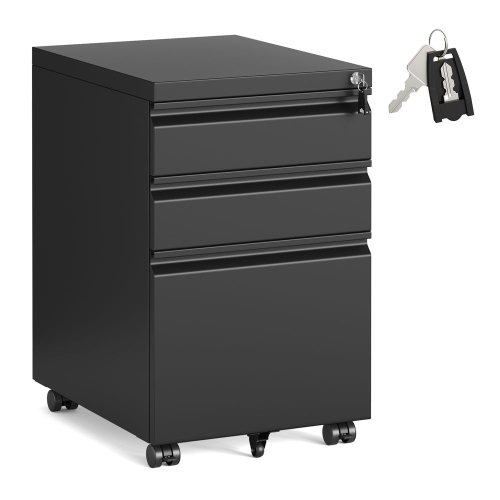
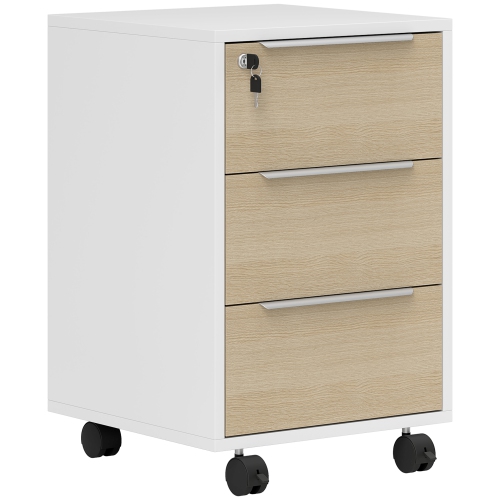
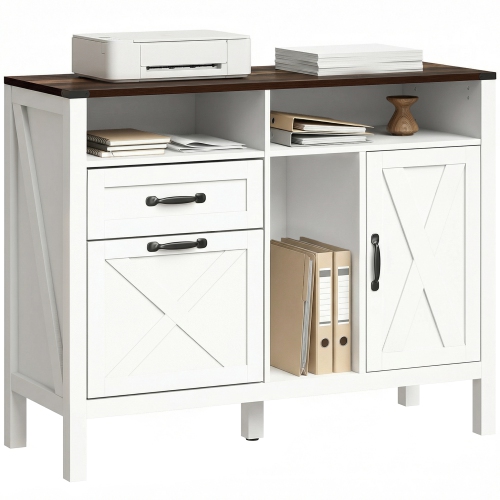

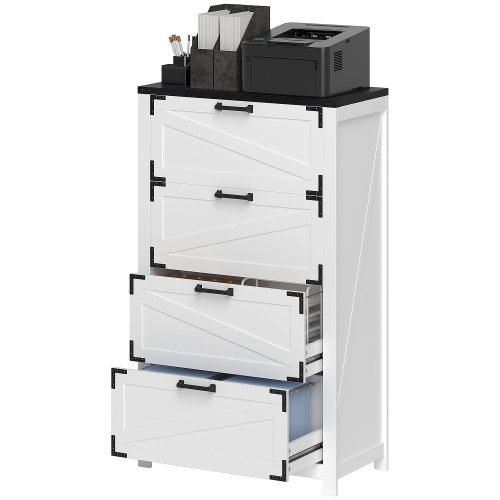
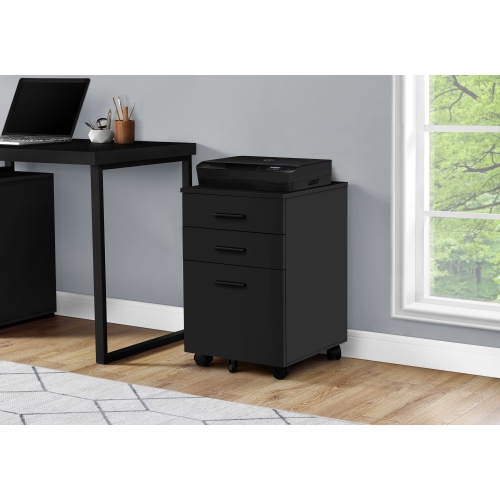
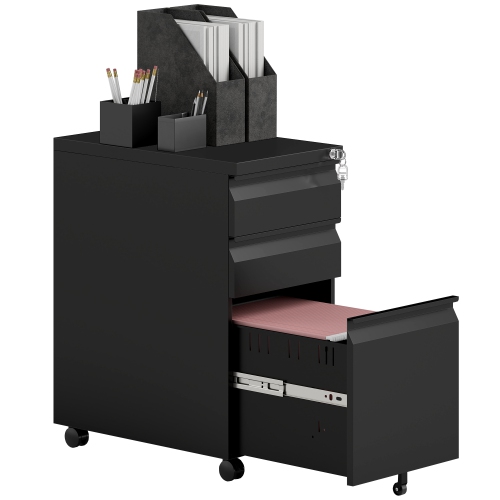
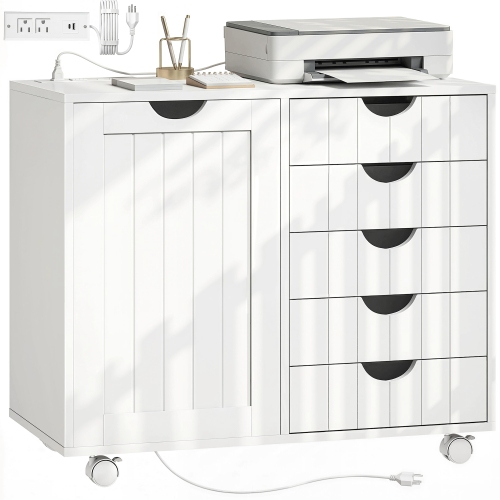
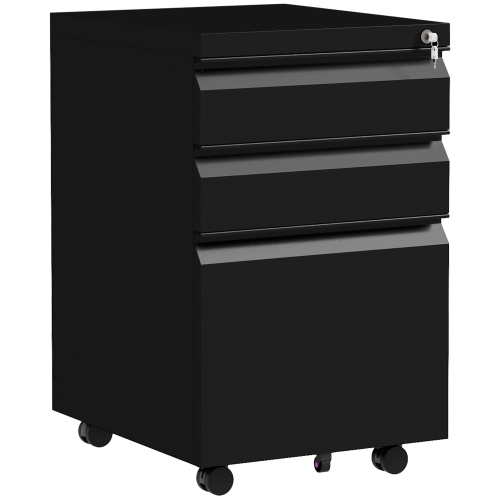
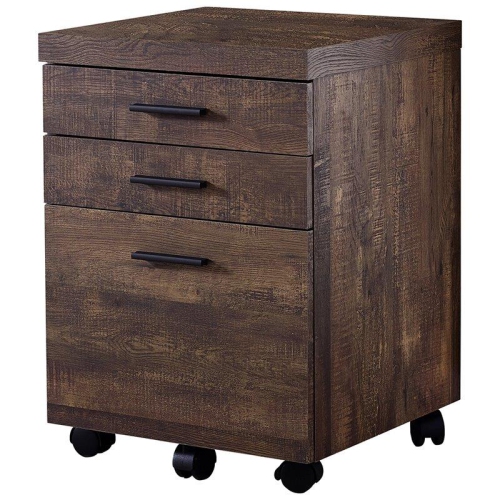
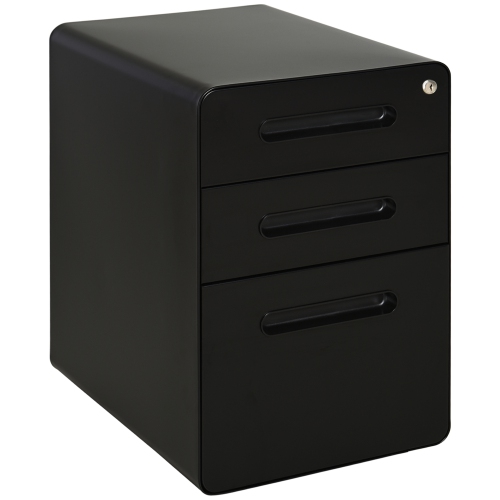

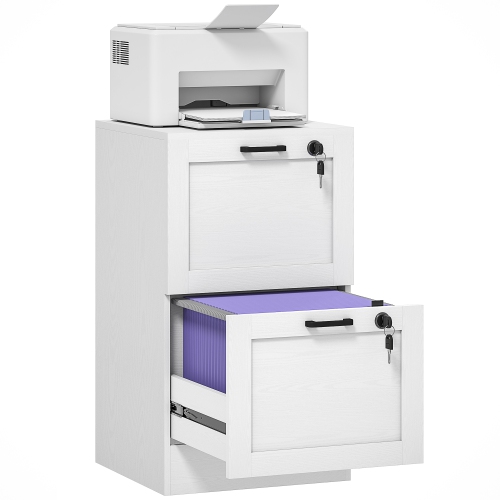
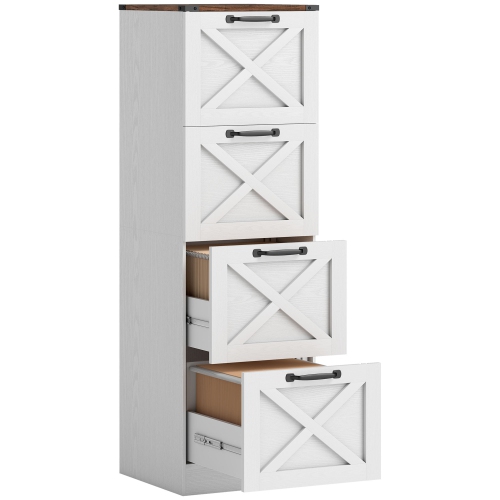
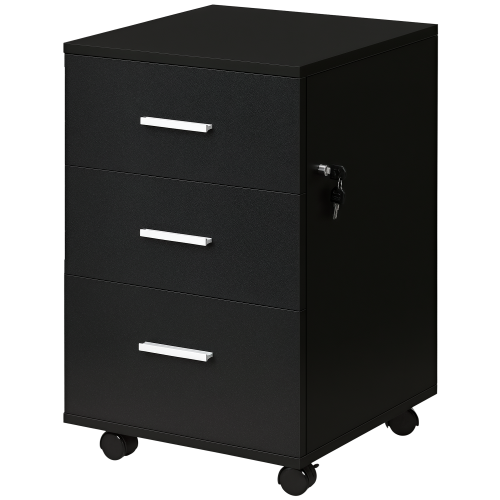
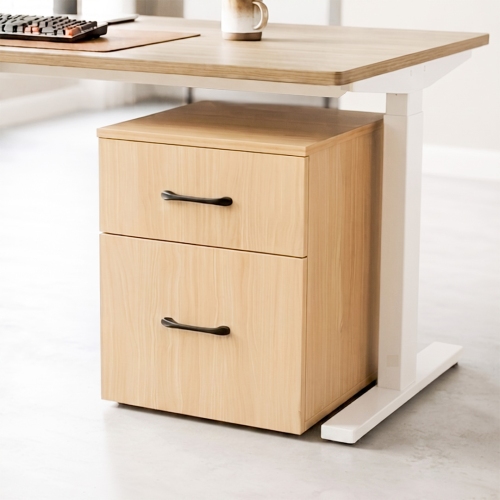
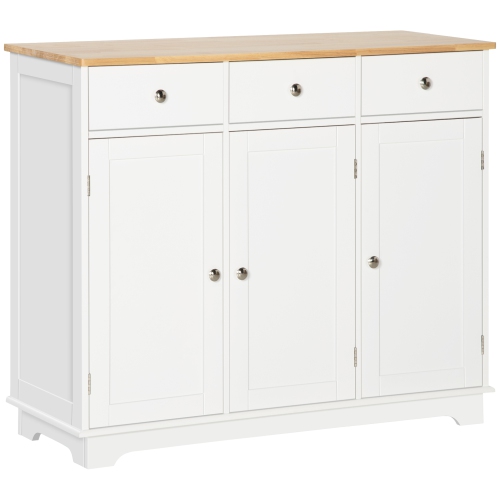
Three drawers do not always mean three file drawers
White 3-drawer filing cabinets combine enclosed document storage with a clean, neutral finish that works in home offices, shared workspaces, study areas, and household administration corners. Their three-drawer layout can serve different purposes depending on the interior design: some cabinets have three full-depth filing drawers, while others pair a lower file drawer with two shallower drawers for stationery, charging cables, and everyday desk supplies. That distinction matters when the cabinet needs to hold several years of paperwork rather than a mix of documents and accessories. A dedicated filing arrangement can separate household records, work documents, and reference materials, while a mixed-storage layout keeps frequently used supplies close to the desk without leaving them on display. Compact pedestal cabinets are often suited to beside-desk or under-desk placement, vertical designs concentrate storage in a relatively narrow footprint, and lateral designs offer a wider profile. Drawer count alone does not indicate storage capacity; usable interior dimensions, supported folder sizes, and the way folders hang determine how much each drawer can accommodate. Letter-size and legal-size paperwork require different clearances, and some interiors accommodate both through adjustable rails or a particular folder orientation. A drawer that appears spacious may still be intended for loose papers rather than hanging files, so file compatibility is an important part of the cabinet’s overall function. For a remote worker, a cabinet can keep project folders within reach during calls. For a student, it can separate course paperwork from supplies and personal records. In a family workspace, three distinct drawers make it easier to give school forms, receipts, and household documents their own places. The white finish provides visual continuity with light-coloured desks and shelving, while also offering contrast beside darker furniture. Closed drawers keep the room looking orderly even when the paperwork inside supports several different routines, making this category useful wherever a small amount of floor space needs to support regular administrative tasks.
Materials and construction influence both the appearance and everyday feel of a white filing cabinet. Steel cabinets often have a straightforward office profile, with painted or powder-coated surfaces and formed metal drawer bodies. Wood and engineered-wood designs can feel more like coordinating furniture, particularly when they include panelled fronts, recessed pulls, or a broader top surface. Engineered wood may be finished with laminate, melamine, veneer, or paint, and each surface has its own texture and care requirements. A smooth white finish can look crisp beside a simple desk, while a subtly textured finish may sit more comfortably among wood shelving and upholstered seating. For spaces where a furniture-style appearance is the priority, White Wood Filing Cabinets offer a related direction for coordinating document storage with other furnishings. White finishes can vary from bright and cool to softer, warmer tones, so the colour of nearby furniture and the room’s lighting can affect how closely separate pieces appear to match. Handles, drawer gaps, and exposed bases also contribute to the overall look: slim metal pulls create a different effect from integrated finger grips or rounded knobs. Beyond appearance, fit depends on more than the cabinet’s stated width. Under a desk, the cabinet needs to clear the underside of the work surface, including any support rails, while leaving comfortable knee space. Beside a desk, its depth should work with the surrounding furniture without narrowing a walkway. Fully opened drawers need clearance in front, and a chair should still be able to move without repeatedly striking a handle. Mobile cabinets add flexibility for rearranging a shared workspace, although their overall height includes the castors. Fixed-base cabinets offer a more settled arrangement. A cabinet top may provide a convenient place for a document tray or compact office equipment when its dimensions and stated load rating support that use; it should not automatically be treated as an extra shelf for heavy equipment.
Day-to-day durability depends on how well the cabinet’s drawer hardware, structure, and finish suit the workload. File drawers carrying dense stacks of paper place different demands on runners than shallow drawers holding pens and notepads. Smooth drawer travel makes a noticeable difference when a folder is retrieved several times a day, and full-extension runners can make files at the back easier to reach. Drawer load limits still apply, even when a drawer opens fully. Adjustable hanging rails can help accommodate different filing needs, while dividers and shallow organisers keep small supplies from sliding into a single pile. Locking arrangements also vary: a lock may secure one drawer or several, and a locking cabinet provides basic access control rather than guaranteed protection for valuables or highly sensitive records. It should not be assumed to offer fire or water protection unless that capability is expressly specified. Stability is equally important, especially with heavily loaded drawers. Anti-tip features, drawer interlocks, anchoring requirements, and castor brakes differ by design, and the manufacturer’s installation and loading instructions determine appropriate use. Keeping heavier contents low and closing drawers after use helps maintain an orderly workspace, but does not replace any required safety measures. Routine care is generally straightforward when matched to the finish: a soft cloth removes dust, and a lightly dampened cloth can handle everyday marks where permitted by the care instructions. Excess moisture around joints, standing liquid on the top, and abrasive cleaning pads can damage some surfaces. Handles and frequently touched drawer fronts may need more regular wiping than side panels, particularly on a bright white finish. Inside, clearly labelled folders and consistent categories make the three-drawer layout easier to maintain. A drawer reserved for active paperwork, another for supporting records, and a third for supplies can suit a mixed-storage cabinet; three filing drawers can instead divide records by household member, project, or document type. The most useful arrangement is one that matches the cabinet’s actual drawer construction and makes routine paperwork easy to put away.
Top selling and popular products
-
 Your price for this item is $369.99
-
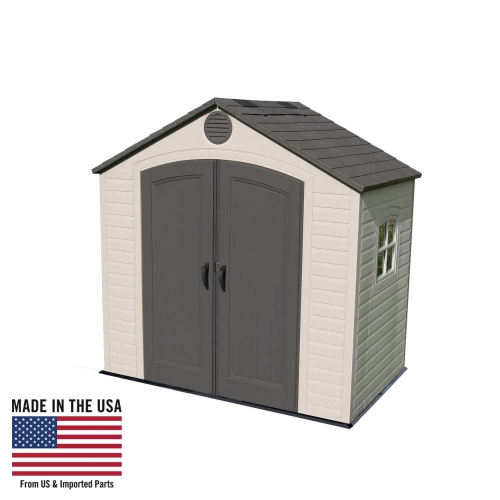 Your price for this item is $2249
-
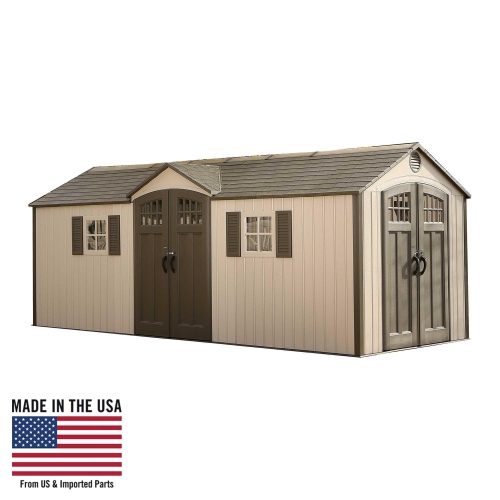 Your price for this item is $5999.99
-
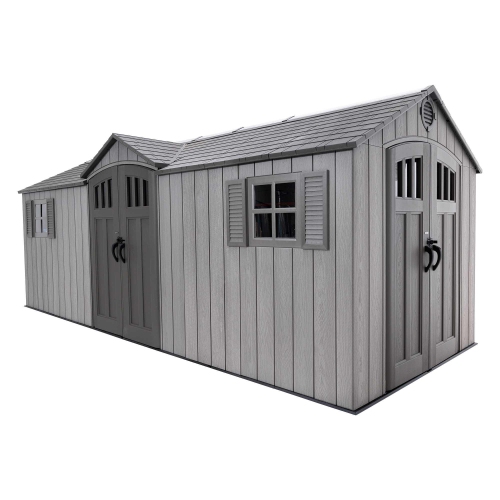 Your price for this item is $5999.99
-
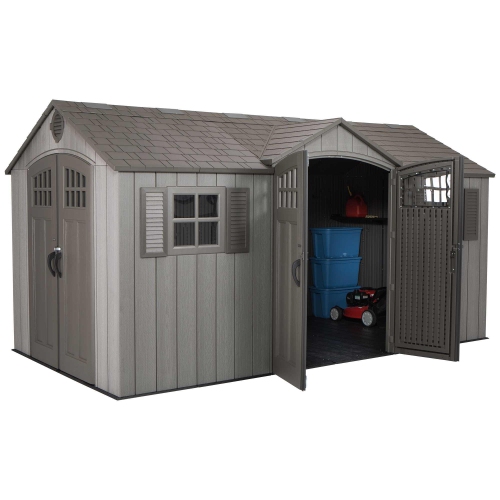 Your price for this item is $4499.99
-
 Your price for this item is $629.99
-
 Your price for this item is $369.99
-
 Your price for this item is $119.99
Discover more categories related to White 3 Drawer Filing Cabinets
Top Collections:
Best Black Friday Deals This Year, Best Black Friday Deals On Electronics, Kindle Devices, Dyson Airwrap, Best Cameras for Sports Photography, Best Budget Office Chairs, Canon G7X Cameras, PS5 Pro Consoles, Best Black Friday Deals On Apple Products, XBOX One S Consoles
Some products may be subject to Environmental Handling Fees
(EHF) depending on your province.
Learn more about EHFs.