Lawn Maintenance Essentials
Lawn maintenance essentials make it easy to keep your yard looking its best all season long. From routine mowing to edging and trimming, the right tools help you achieve a neat, healthy lawn with minimal effort. Whether you're tackling weekly upkeep or preparing for a special outdoor gathering, having reliable equipment on hand ensures your outdoor space stays inviting and well-groomed. Explore a wide selection of lawn maintenance essentials designed to simplify every step of your yard care routine.
Sort


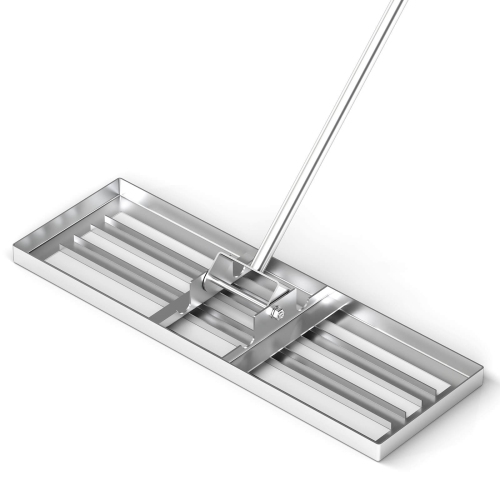
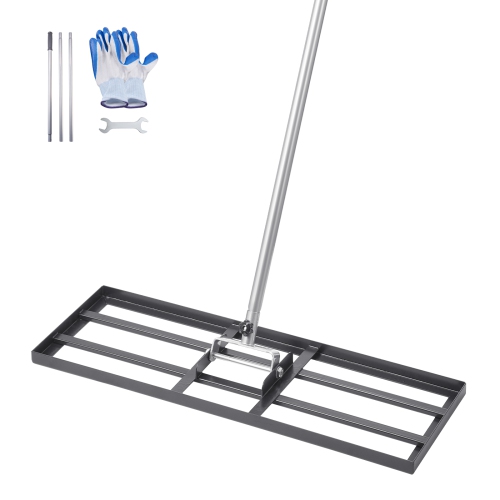
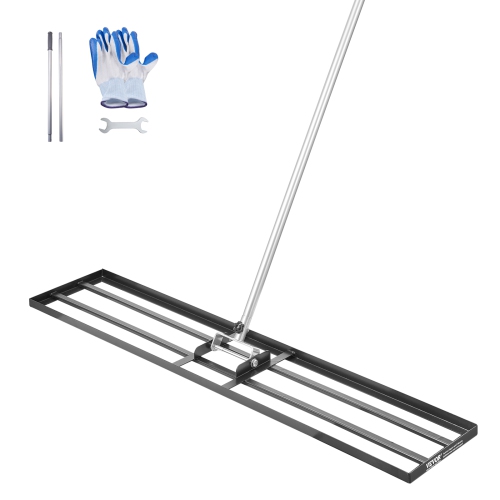
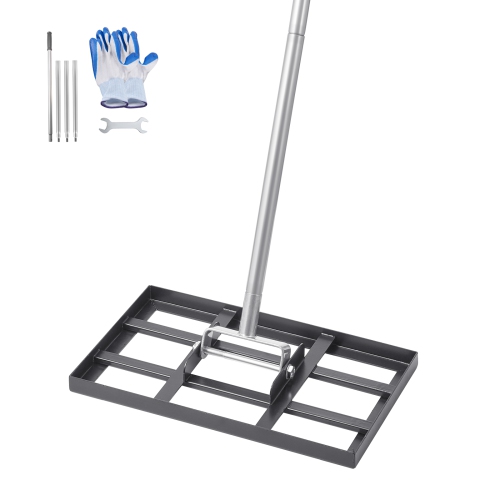
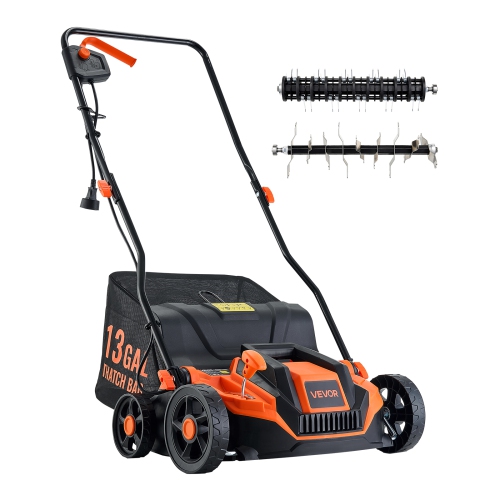
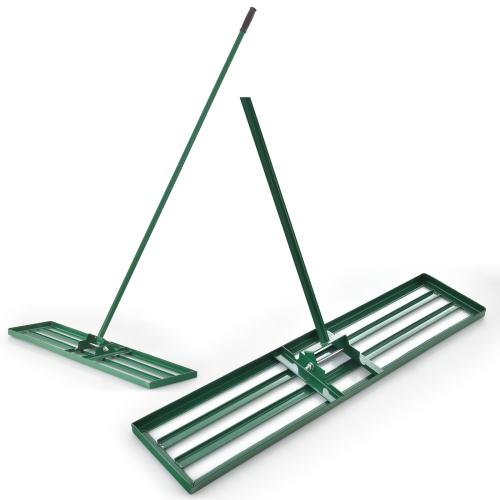
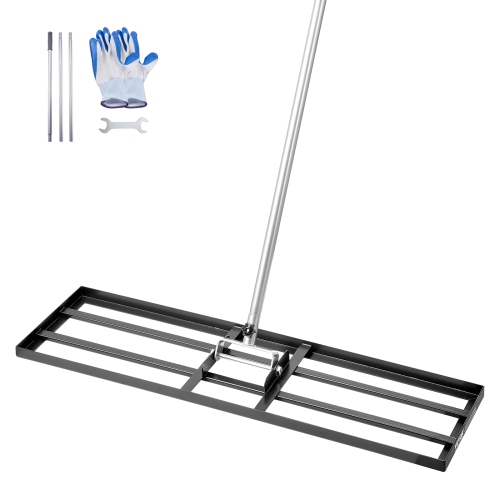
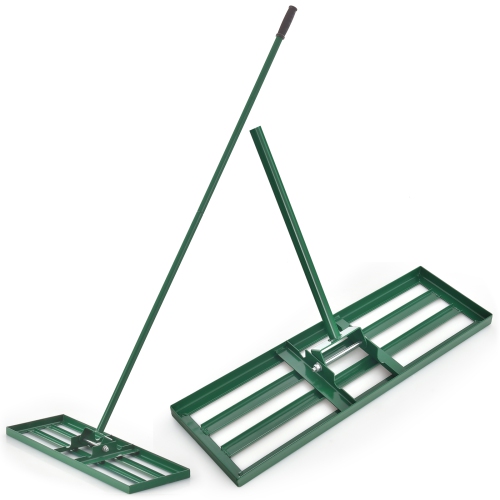


Why lawn size matters more than tool count
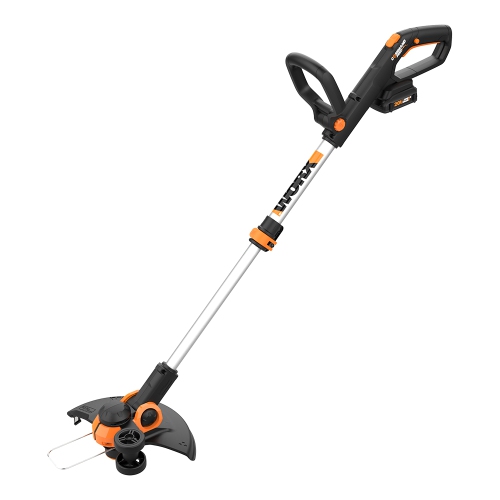
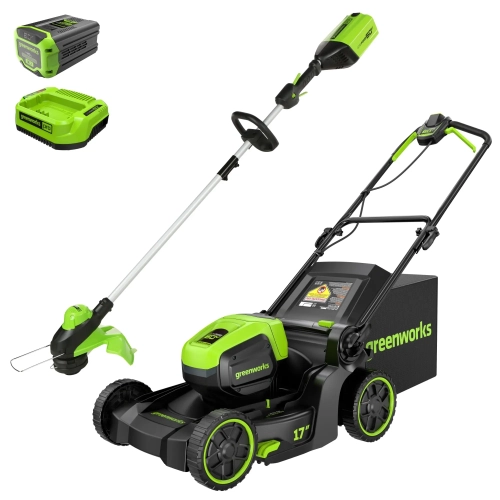
Lawn maintenance essentials are the tools and accessories used to mow grass, tidy edges, clear debris, support healthy soil, and deliver water where it is needed. A useful selection reflects the size and layout of the lawn rather than simply the number of tools in the shed. A small patch beside a patio has different demands from a broad lawn with slopes, trees, and long fence lines. Mowers handle the main cutting area, while grass trimmers reach around posts, raised beds, and other obstacles that mower wheels cannot comfortably pass. Edgers create a defined boundary where grass meets a walkway or driveway, helping those borders look neat without relying on a close mower pass. For mowing equipment, cutting width affects both coverage and manoeuvrability: a wider deck covers more ground per pass, while a narrower design can be easier to navigate through gates and around closely spaced plantings. Push, self-propelled, and riding formats serve different combinations of lawn size, terrain, and physical effort. Equipment weight, handle adjustment, grip comfort, and the location of controls all contribute to a comfortable fit, particularly for someone maintaining a lawn regularly. Collection bags, mulching functions, and discharge options offer different ways to handle clippings, with suitability depending on grass conditions and the finish preferred. Corded equipment requires attention to outlet access and an appropriately rated outdoor extension cord; cordless equipment brings battery capacity, charging time, and system compatibility into the decision. Batteries and chargers are not universally interchangeable, even when their stated voltage appears similar. Fuel-powered equipment has its own maintenance and storage requirements. Across these formats, accessible cutting-height adjustments and straightforward cleaning access can make routine upkeep less cumbersome. For a first-time homeowner or someone replacing equipment that is awkward to handle, a machine that fits the space and feels manageable is often more useful than one with extra features that rarely get used. Doorway width, storage space, and the route between the shed and lawn also matter, especially when equipment must pass through a narrow side yard.
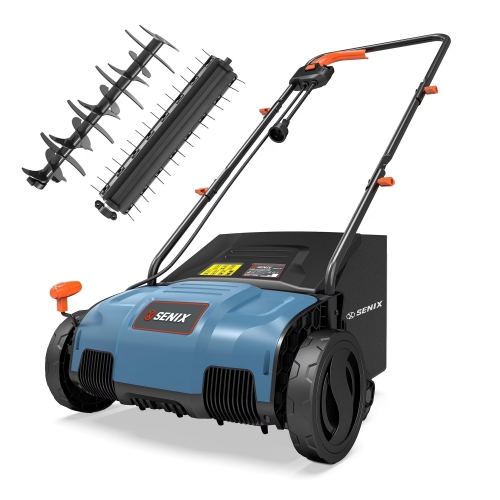
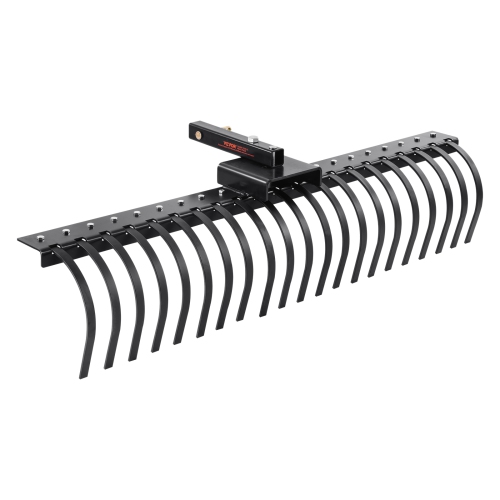
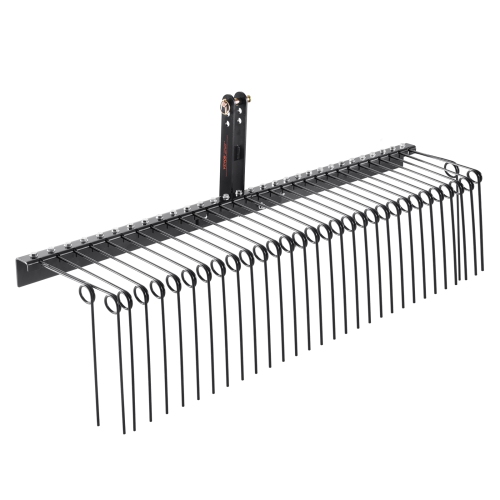
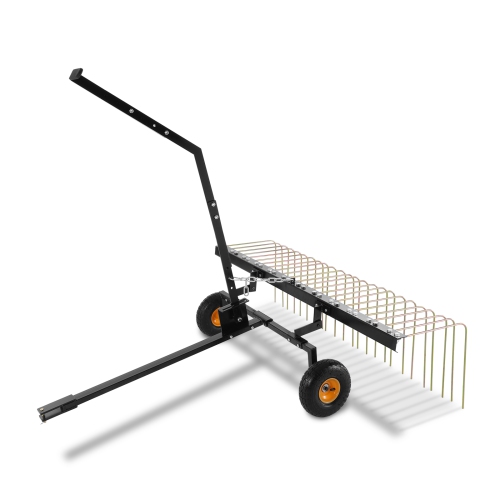
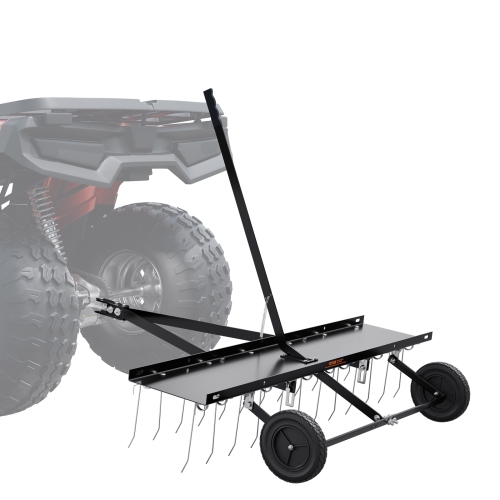
Hand tools and lawn-care accessories handle the detail work that powered equipment leaves behind. A broad lawn rake gathers loose leaves and clippings, while a sturdier garden rake is suited to moving and levelling loose soil. Flexible tines can be helpful over established grass; more rigid tines provide the firmness needed for heavier material. Handle length matters here, too, since a tool that is too short can turn a simple clearing task into an uncomfortable stretch. Steel heads offer strength for demanding work, aluminium handles can reduce carrying weight, and moulded plastic components may suit lighter gathering tasks. Comfortable grips and secure connections between the head and handle are useful signs to examine when assessing construction. Soil beneath a lawn also needs attention, particularly along frequently walked routes or in areas where grass struggles despite regular mowing. Aerators are designed to address compacted soil, while dethatching tools target excess accumulated material near the base of the grass. These tools serve different purposes, so they are not interchangeable solutions for every thin or uneven patch. Spreaders help distribute grass seed and lawn treatments more evenly than scattering them by hand, with capacity, adjustment controls, and spread pattern influencing their suitability for a particular area. A drop spreader offers a more confined application path, while a broadcast design covers a broader swath. Seed choice depends on factors such as foot traffic, sunlight, and the characteristics of the existing lawn. Product labels provide the application details for seed, fertilizer, and other treatments; a larger quantity is not automatically better for the turf. Where grass borders planted beds, Garden Maintenance Supplies can complement lawn-care tools for the adjoining areas. Keeping the lawn edge distinct from loose soil, mulch, and planting spaces makes routine maintenance more precise and helps prevent a tidy grass surface from being scattered with material from nearby beds.
Watering equipment rounds out a lawn-care collection by making it easier to reach different parts of the property with an appropriate spray pattern. Hose length should account for the route around corners and obstacles, not just the straight-line distance from the tap. An unnecessarily long hose can be cumbersome to move, while one that barely reaches may pull tightly against fittings or drag across planted areas. Hose diameter, flexibility, coupling construction, and resistance to kinking all affect everyday handling. A sprinkler suited to a narrow strip beside a walkway may differ from one intended for an open rectangular lawn. Adjustable coverage helps direct the spray onto grass rather than nearby paving, and accessible controls make it easier to accommodate an irregular shape. Watering needs vary with the grass, soil, and local conditions, so timers are most useful when their settings can be adjusted rather than treated as a fixed routine. Local watering rules also remain part of planning lawn care. Beyond the main tools, practical accessories support comfort, safe handling, and orderly storage. Gloves need enough grip for a rake handle without making small controls difficult to operate; protective eyewear and hearing protection should match the task and equipment instructions. Children and pets need a separate space while powered cutting equipment is in use, and loose stones, toys, or branches can interfere with mowing and trimming. Care requirements deserve consideration before any tool becomes part of the household routine. Grass buildup beneath a mower, damp debris caught in rake tines, and soil left on metal surfaces can all make equipment harder to maintain. Cleaning and drying tools as directed, inspecting handles and fittings, and arranging blade servicing when needed help keep them ready for use. Any work near cutting parts requires the equipment to be shut down and isolated from its power source according to the manual. Wall hooks, hose reels, and suitable shelving can keep frequently used tools accessible without leaving sharp edges or tangled cords across a walkway. A well-matched lawn maintenance collection balances cutting, clearing, watering, and upkeep with the space and effort each household can comfortably manage.
Top selling and popular products
-
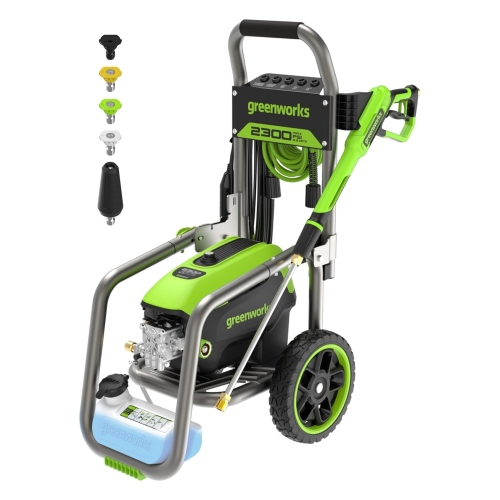 Your price for this item is $569.99
-
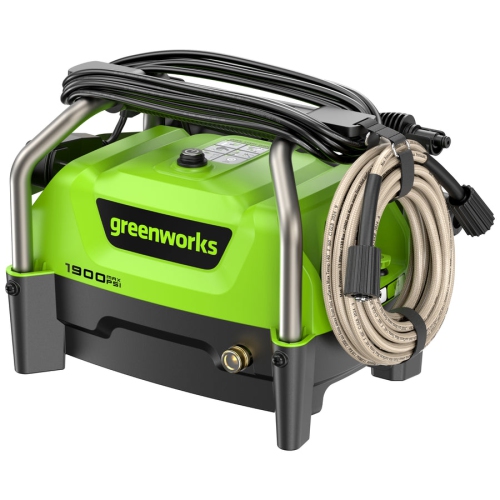 Your price for this item is $199.99
-
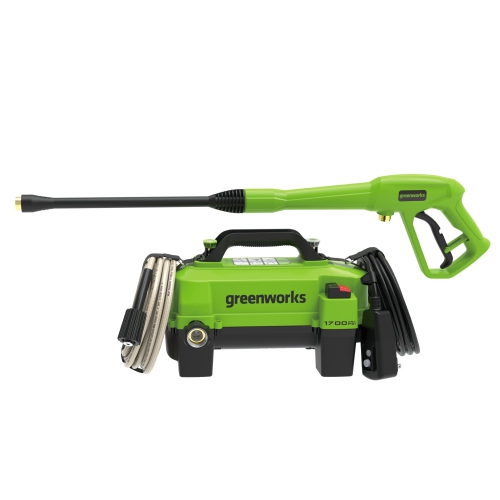 Your price for this item is $179.99
-
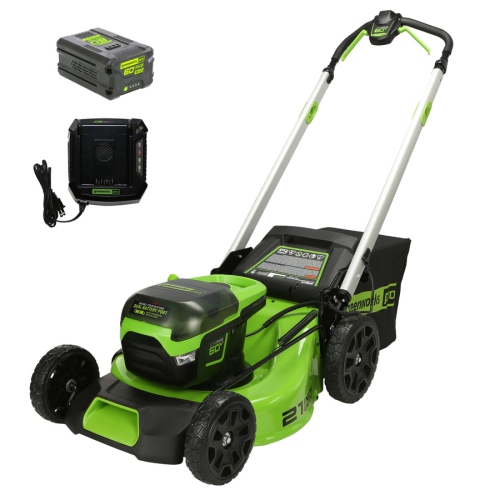 Your price for this item is $839.99
-
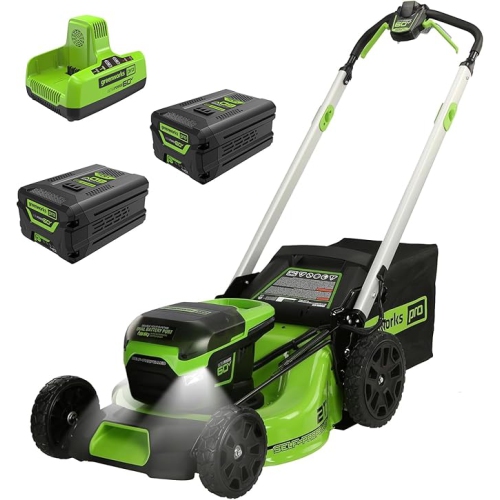 Your price for this item is $939.99
-
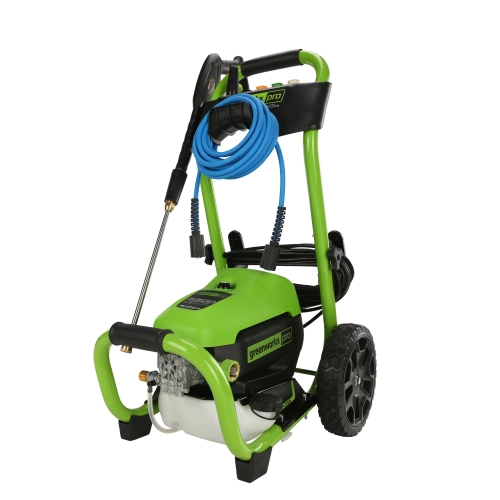 Your price for this item is $459.99
-
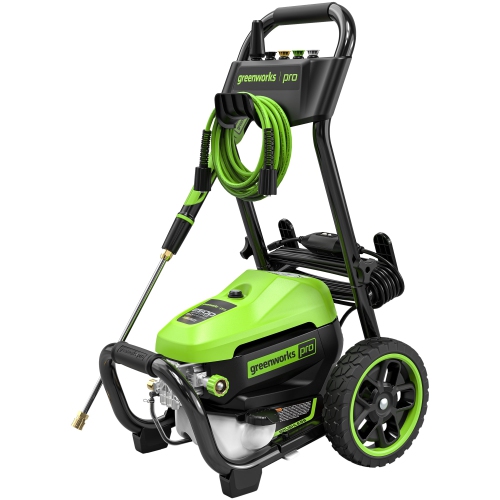 Your price for this item is $569.99
-
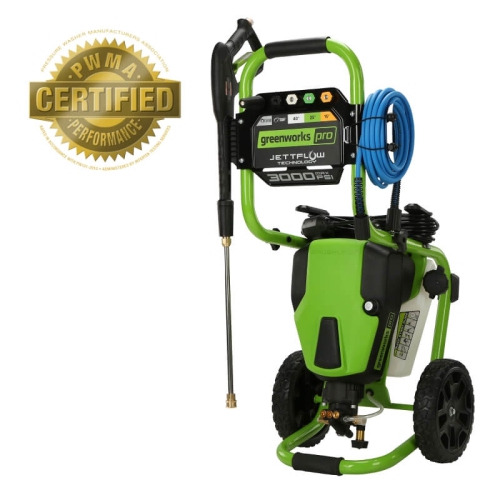 Your price for this item is $539.99
Discover more categories related to Lawn Maintenance Essentials
Top Collections:
Best Black Friday Deals This Year, Best Black Friday Deals On Electronics, Kindle Devices, Pokemon Centers, Best Black Friday Deals On Apple Products, Best Cameras for Sports Photography, Dyson Airwrap, Pokémon 30th Celebration Cards, Apple iPhone 17 Pro, Canon G7X Cameras
Some products may be subject to Environmental Handling Fees
(EHF) depending on your province.
Learn more about EHFs.