Leather Chaise Lounge Chairs
Indulge in luxurious comfort and style with these leather chaise lounge chairs. Designed to elevate your relaxation experience, these elegant pieces of furniture effortlessly blend sophistication with functionality. Crafted from high-quality leather, these leather chaise lounge chairs offer a soft and supple seating option that adds a touch of opulence to almost any room. Here are some of the best options.
Sort
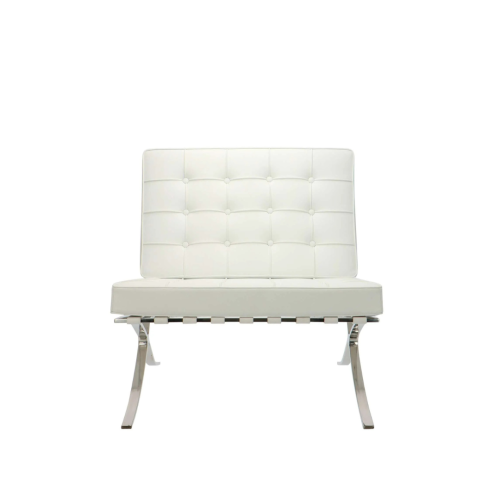


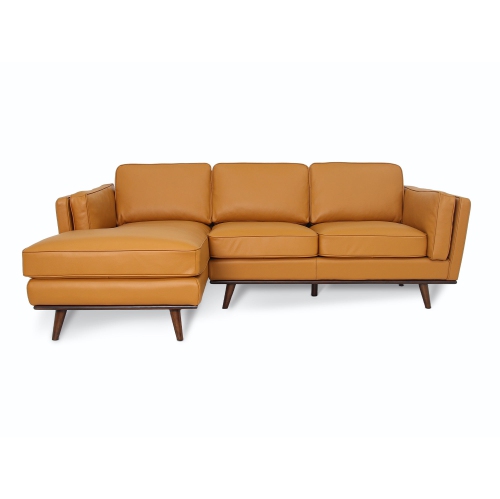
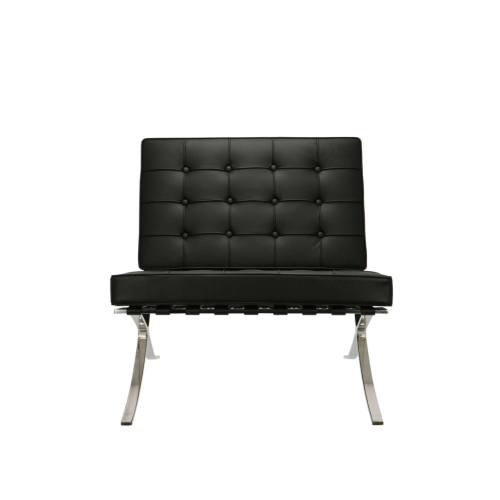
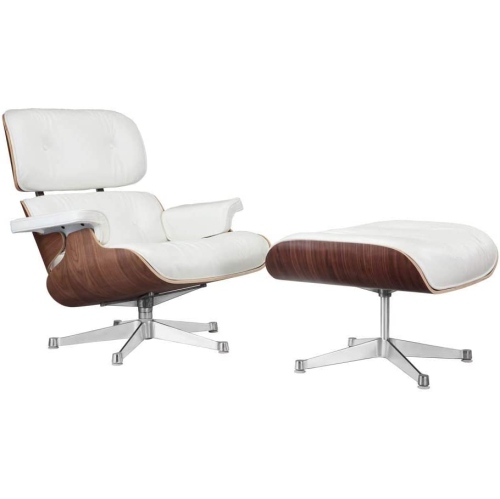

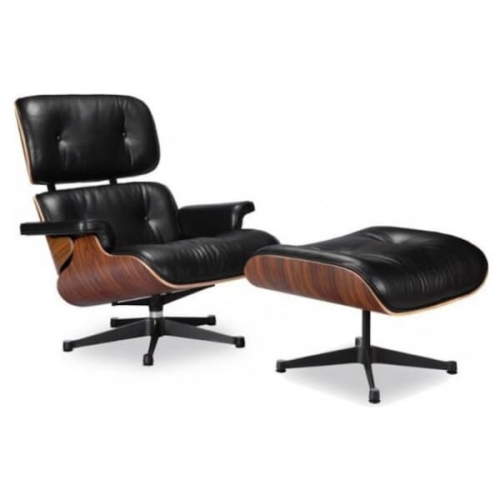

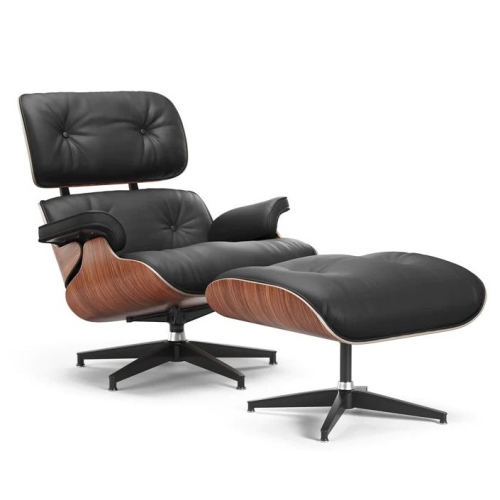
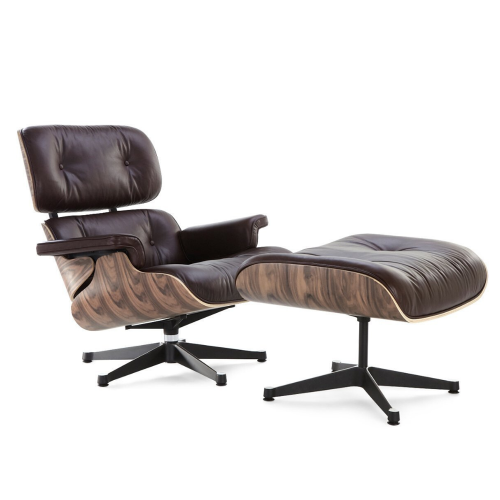
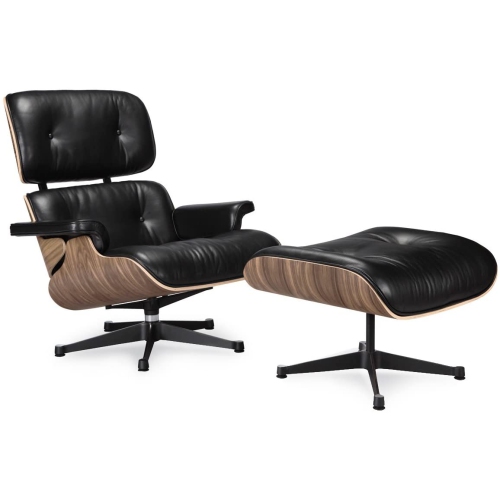



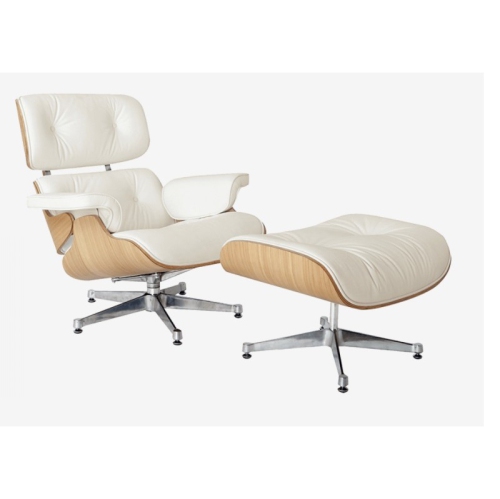
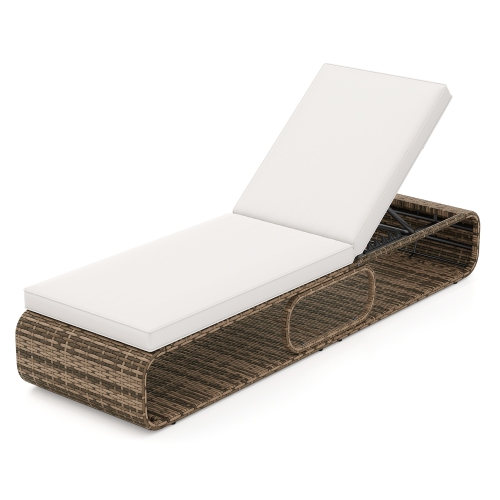

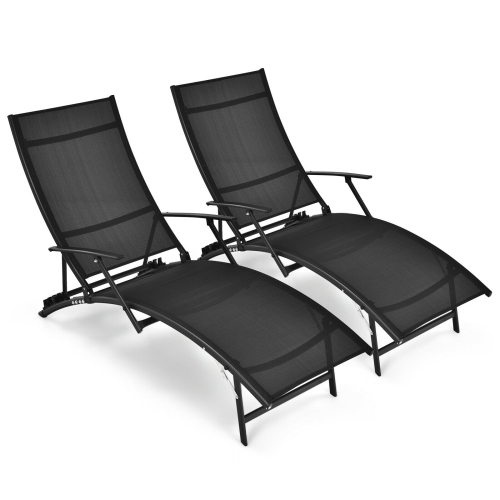

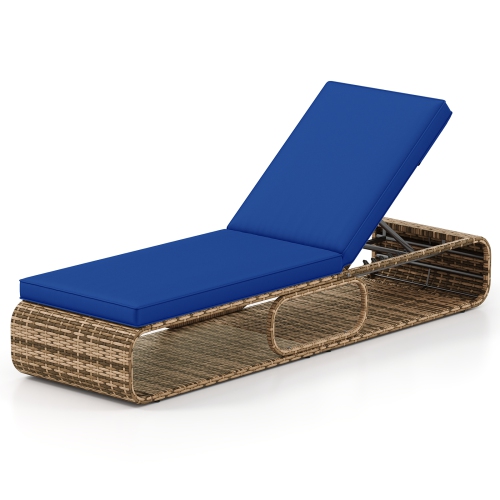
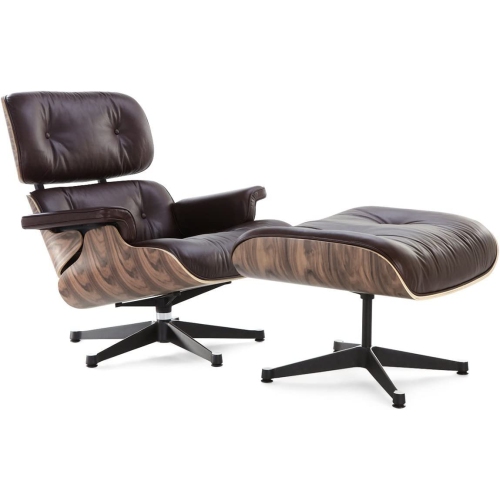

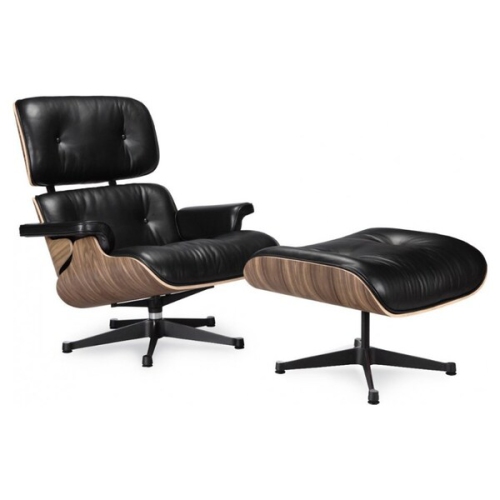


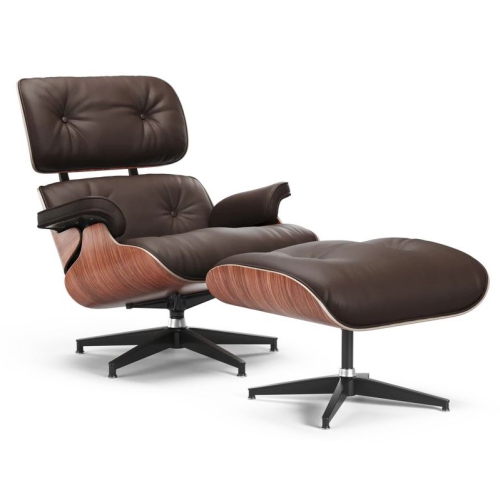

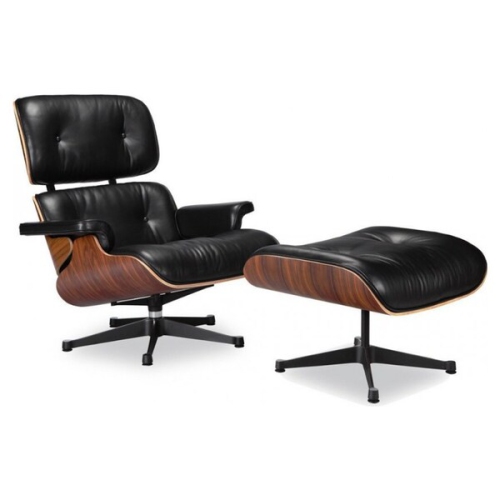

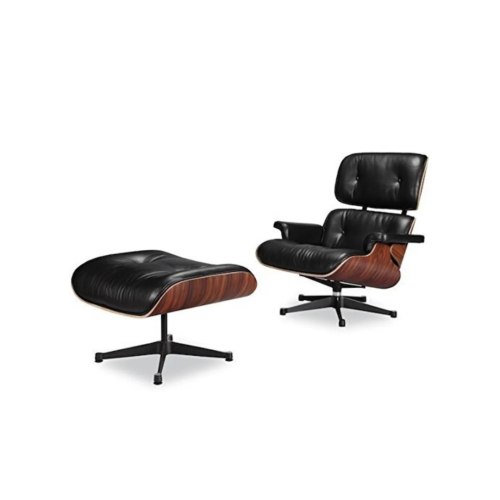
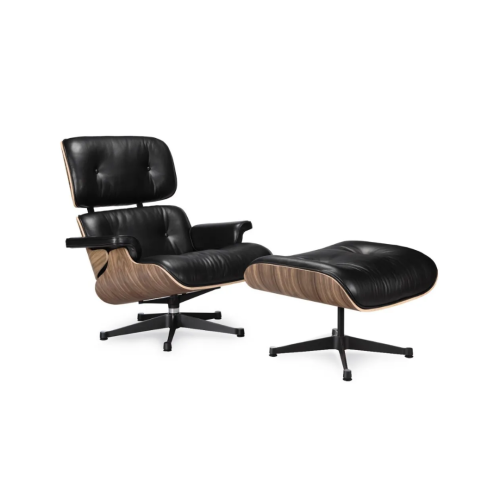

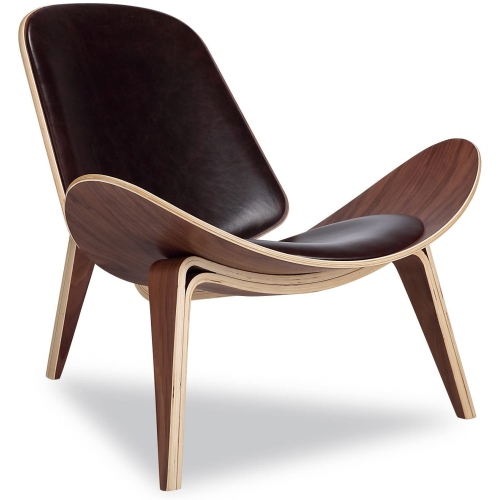


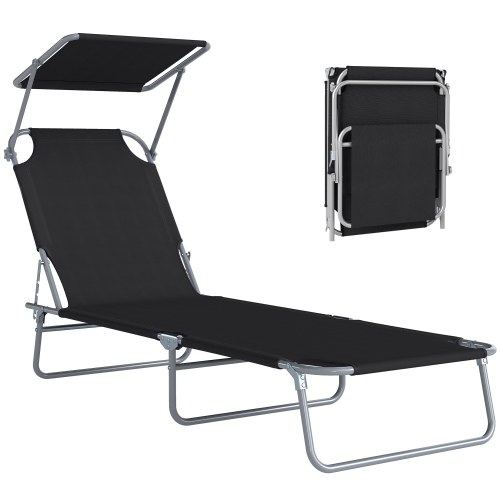



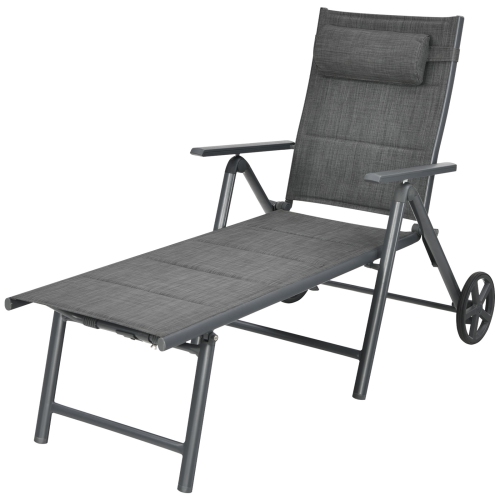


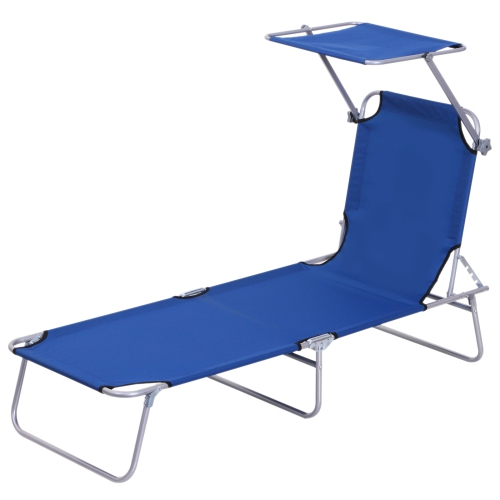
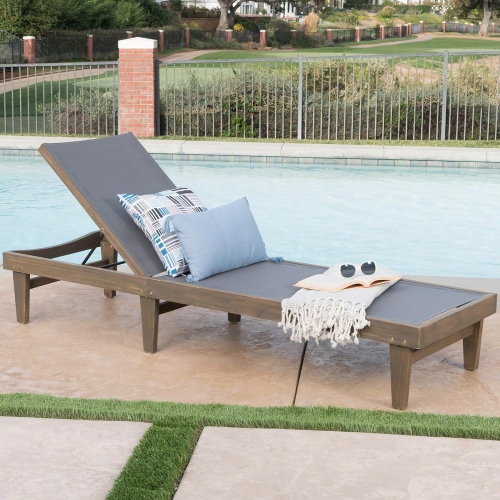

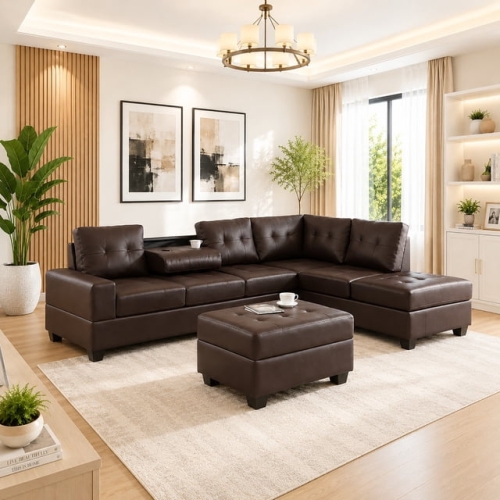

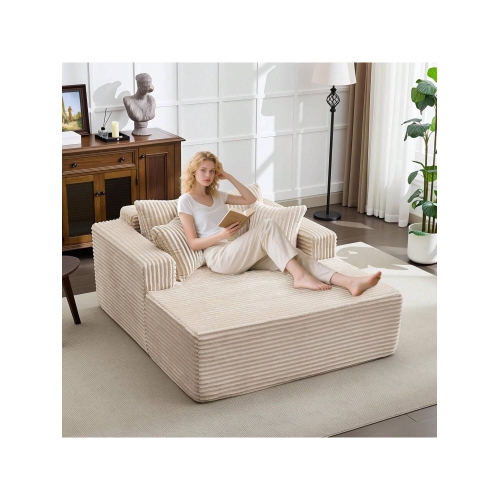


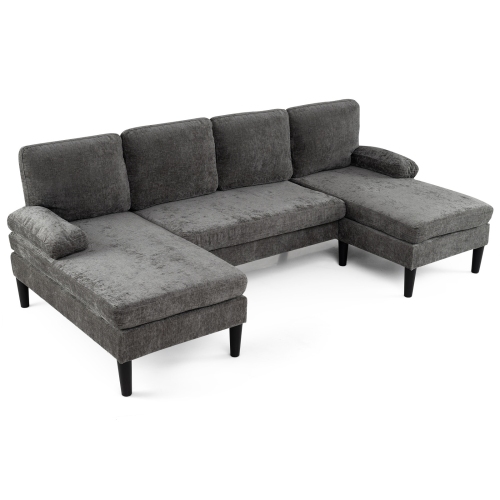
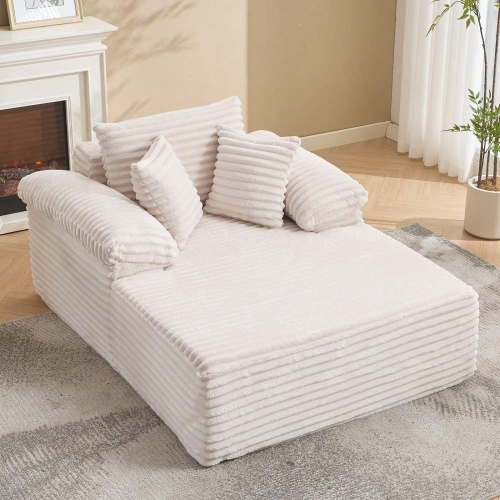
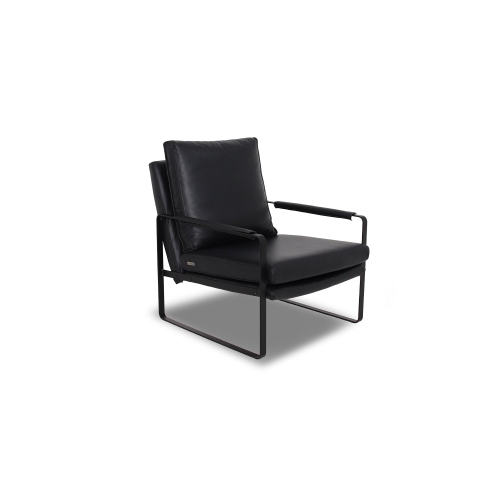





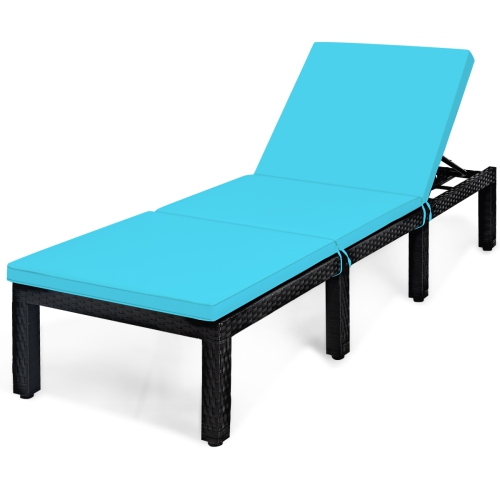
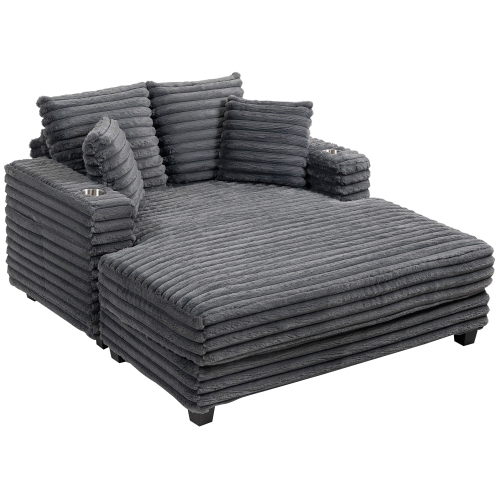
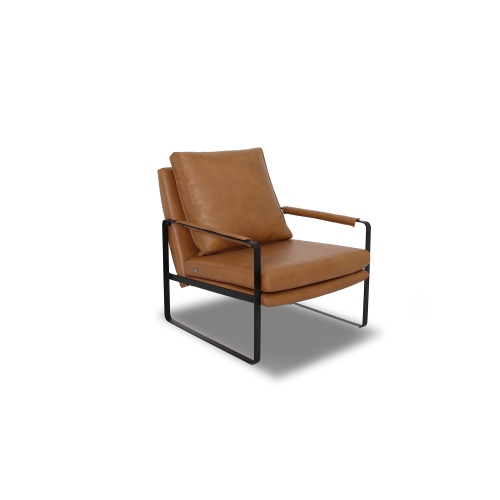


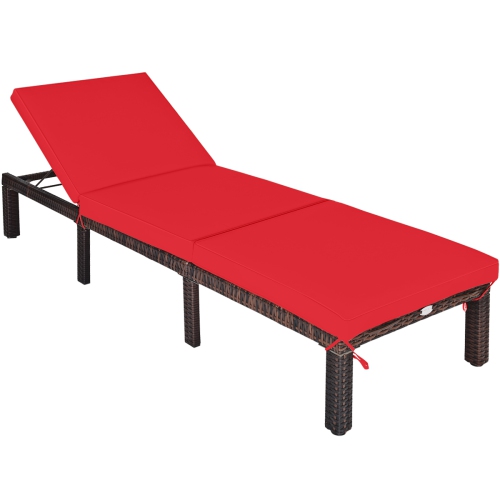







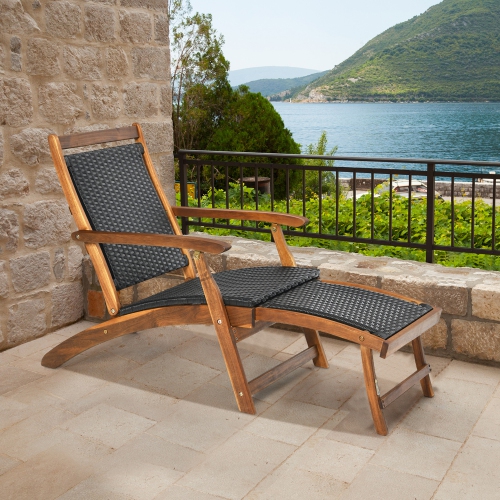
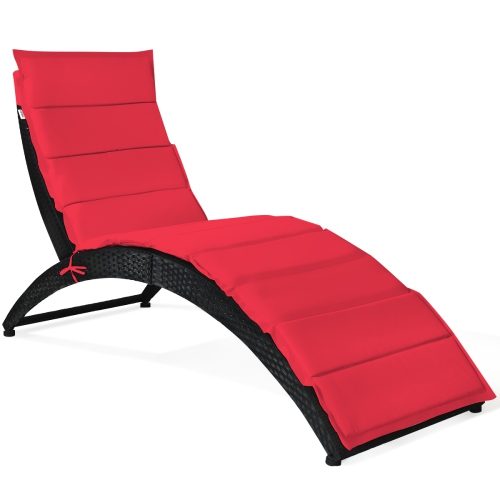
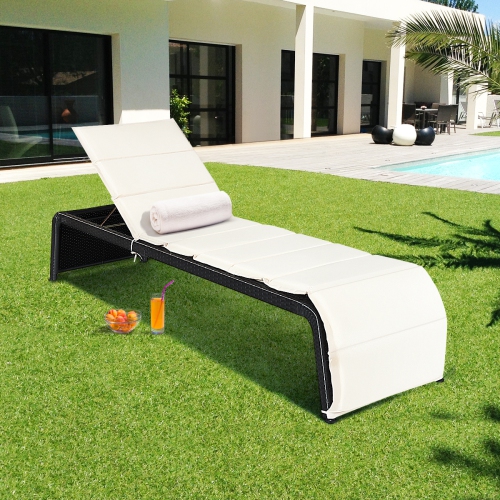


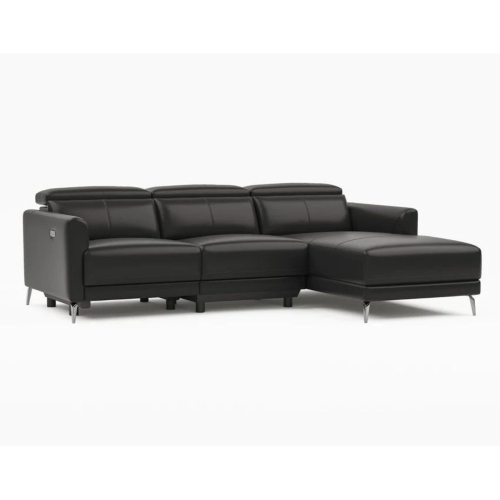

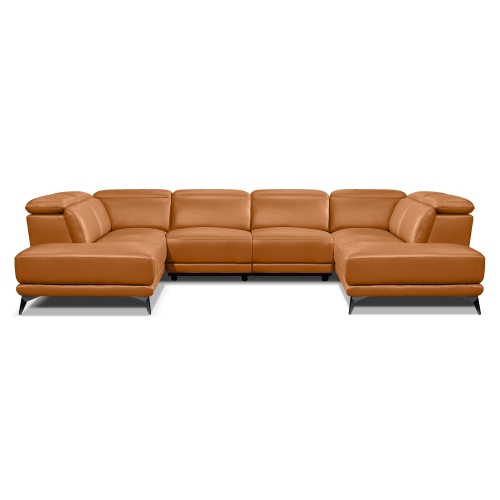
Accent chair character with room to stretch out
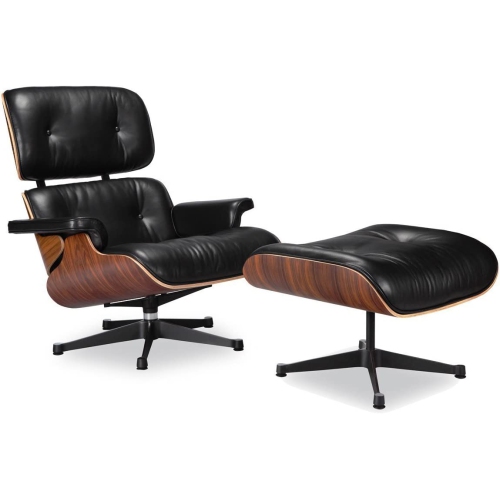
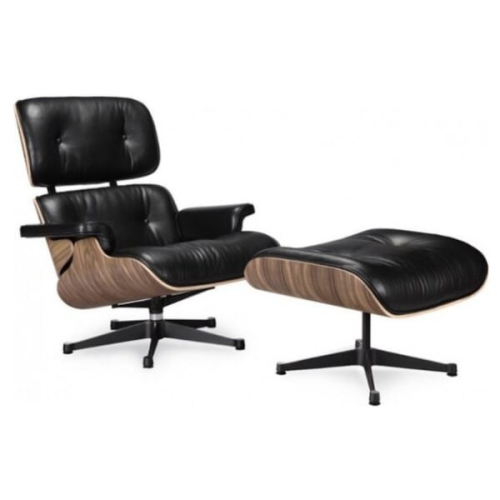
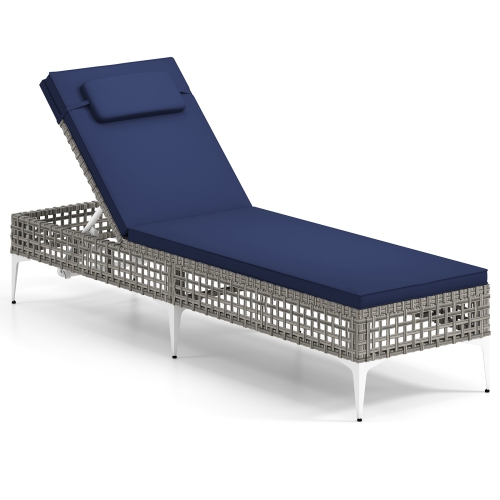
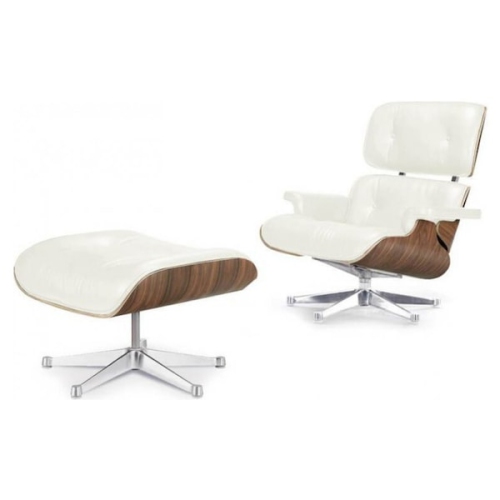
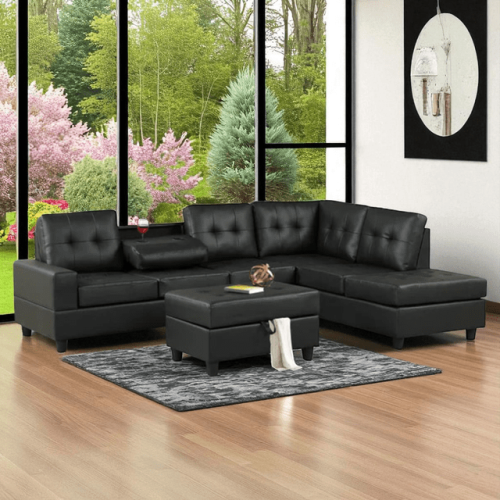
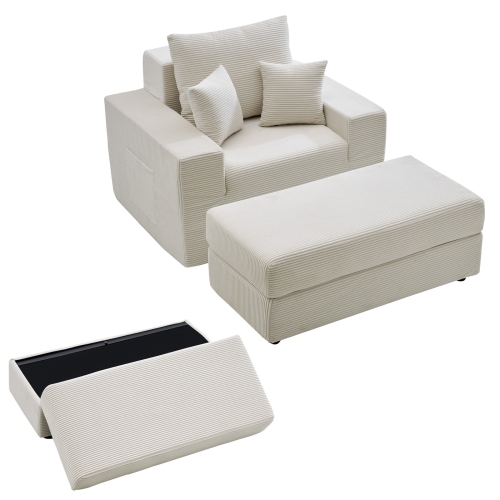
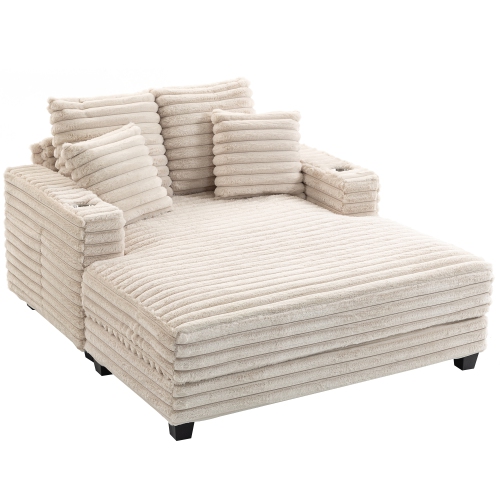
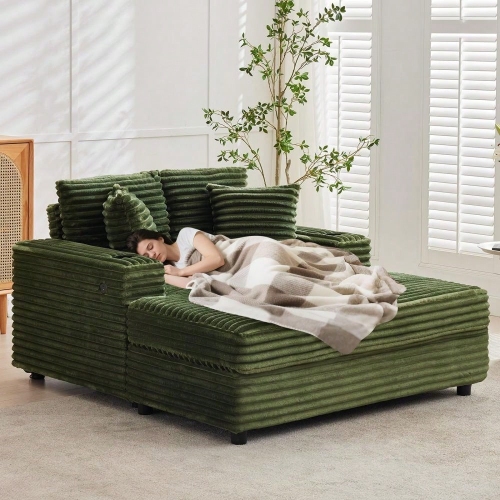
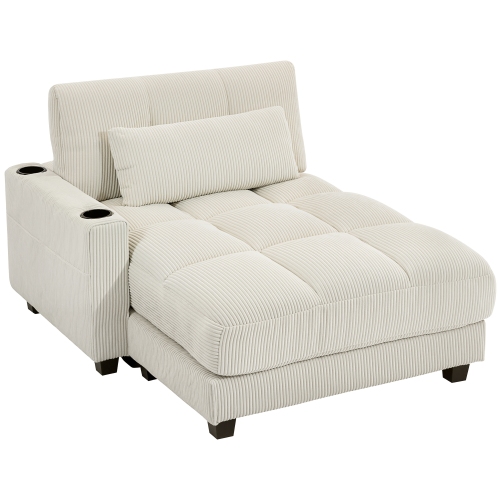
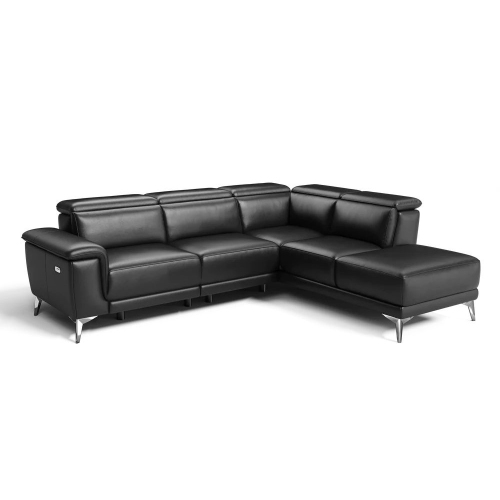
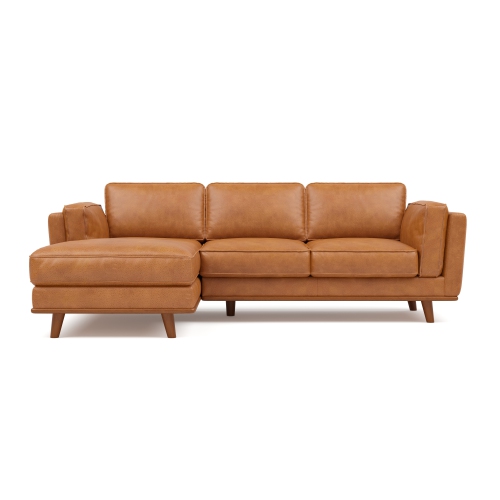
Leather chaise lounge chairs combine the character of an upholstered accent chair with an extended seat that gives legs room to rest. Their elongated shape creates a distinct place to settle in with a novel, listen to music through headphones, or take a quiet break without occupying an entire sofa. In a living room, a chaise can sit alongside the main seating arrangement while offering a different posture from an upright armchair. In a bedroom or spacious den, it can turn an unused corner into a comfortable spot for reading and unwinding. The silhouette makes a noticeable difference to both comfort and appearance. A gently curved seat supports a more reclined position, while a flatter cushion and raised back can suit someone who prefers to sit a little more upright. Rolled arms, tufted upholstery, and turned legs bring a traditional feel; slim metal supports, exposed wood, and simpler stitching create a cleaner, more contemporary profile. Armless designs look visually open and allow access from either side, while a chaise with one arm provides a defined edge to lean against. For an asymmetric design, the position of that arm matters: it should complement the room layout rather than block the easiest approach to the seat. Leather adds its own visual depth, with grain, subtle colour variation, and the way light falls across the upholstery giving a broad seat more dimension. Black, brown, tan, and cream each work differently with surrounding furniture, but matching every upholstered surface is not essential. A tan chaise can sit comfortably beside a fabric sofa, especially when a nearby wood finish or cushion repeats a similar tone. For a more upright seat or a seating arrangement built around a separate footrest, Leather Lounge Chairs offer a related option with a different footprint. The distinction is useful when deciding whether the room calls for an extended lounging surface or a chair that leaves more open floor space.
The upholstery description is an important starting point because leather chaise lounge chairs can differ considerably beneath a similar appearance. Full-grain leather retains the hide’s natural surface characteristics and can develop a patina with use. Top-grain leather has had its surface refined, giving it a more uniform appearance while retaining the qualities of genuine leather. These terms describe the leather itself, while descriptions such as aniline, semi-aniline, or pigmented refer to aspects of its finish. Aniline leather generally shows more natural variation and needs careful handling around spills; more protective finishes can make routine upkeep easier, though care requirements still depend on the manufacturer’s directions. Bonded leather contains leather fibres combined with binding materials and should not be confused with a continuous hide. Faux leather is a manufactured alternative rather than genuine leather, even when its texture resembles natural grain. Some furniture uses leather on the main contact areas and a matching material elsewhere, so the upholstery composition is worth checking across the seat, back, arms, and outer panels. Construction also influences how a chaise feels after repeated use. A well-built frame, secure joints, and an appropriate support system help the seat remain stable, while the cushion filling determines whether the first impression is firm, plush, or somewhere between. Foam density and firmness are separate characteristics: a softer cushion is not automatically less durable, and a firm cushion is not automatically better made. Removable cushions may allow occasional repositioning if the design permits, whereas attached cushions maintain a more fixed outline. Stitching should sit neatly along seams, and tufted sections deserve attention because their folds can collect crumbs and dust. For households with pets, claws are a practical consideration; leather resists some everyday wear but is not scratch-proof. Children, frequent visitors, and daily use also make the finish, seam placement, and ease of cleaning more important than appearance alone. A chaise intended for a quiet reading corner may face very different demands from one that becomes the most-used seat beside the television.
Fit involves more than finding enough wall space for the listed length. The overall dimensions determine where a chaise can go, but the usable seat length, seat depth, back height, and arm placement determine how comfortably someone can rest on it. A taller person may need a longer supported surface, while someone who prefers easy entry and exit may favour a higher seat with a supportive edge. A very low chaise can look striking yet require more effort to rise from, particularly when the cushion is deep and soft. Stated weight capacity is another useful specification and should suit the intended user. If the design reclines or adjusts, its operating clearance matters as much as its footprint when closed. Measuring the route through doorways, stairwells, and tight turns helps prevent a delivery problem, and checking whether legs or other components are removable can clarify what assembly involves. Once positioned, the chaise should leave a comfortable walking route and enough space to reach a side table without an awkward stretch. A reading lamp placed beside the shoulder can make the area more useful without crowding the extended seat. Felt pads or suitable furniture protectors can help safeguard flooring, provided they are appropriate for both the leg design and the floor surface. Day-to-day care is usually straightforward when it follows the upholstery instructions: remove loose dust with a soft cloth, gently clean crevices with a suitable vacuum attachment, and blot spills promptly rather than rubbing them into the surface. Avoid soaking leather or applying household cleaners, oils, or conditioners unless they are approved for that particular finish. Any suitable treatment should first be tested in an inconspicuous area. Placement away from prolonged direct sunlight can help limit uneven fading, and rotating permitted cushions may help distribute wear. With proportions that suit the user, a layout that keeps movement easy, and care matched to the upholstery, a leather chaise can become a genuinely useful everyday seat rather than a piece reserved only for its looks.
Top selling and popular products
-
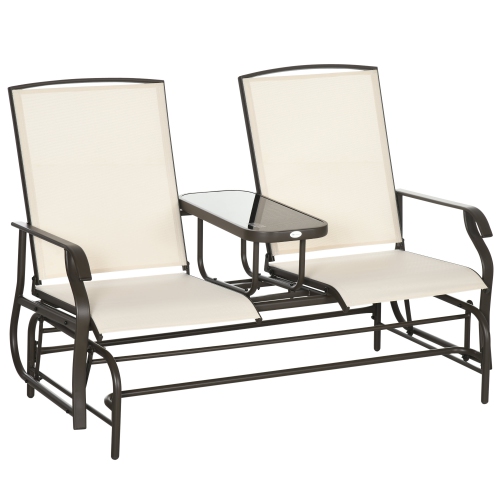 Your price for this item is $209.99
-
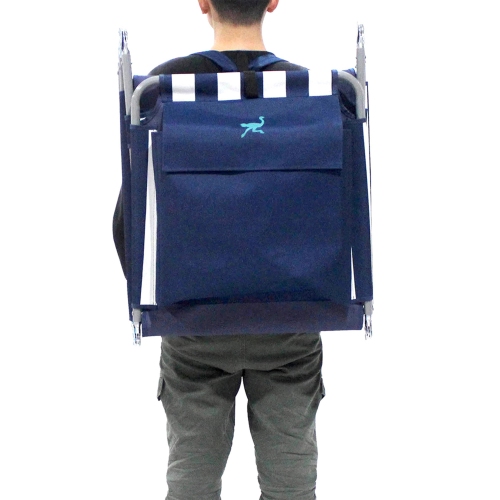 Your price for this item is $223.99
-
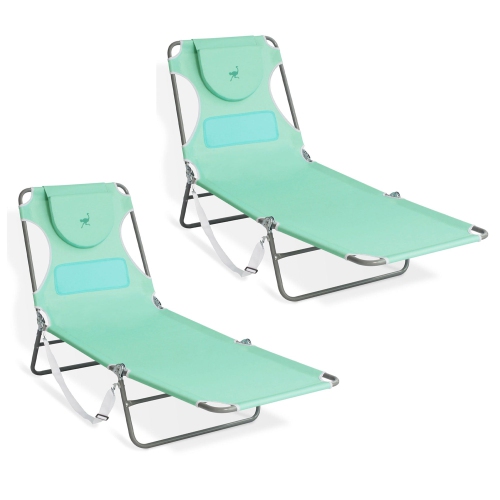 Your price for this item is $408.99
-
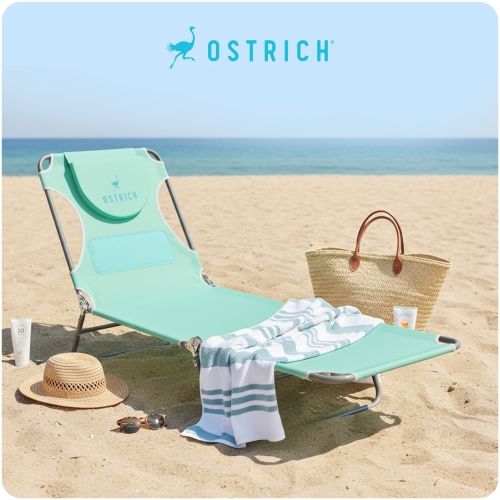 Your price for this item is $188.99
-
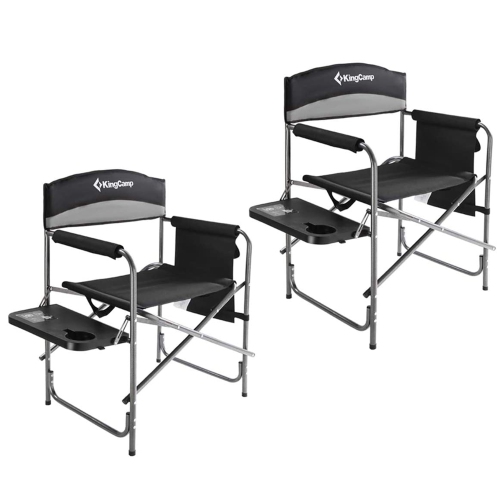 Your price for this item is $246.99
-
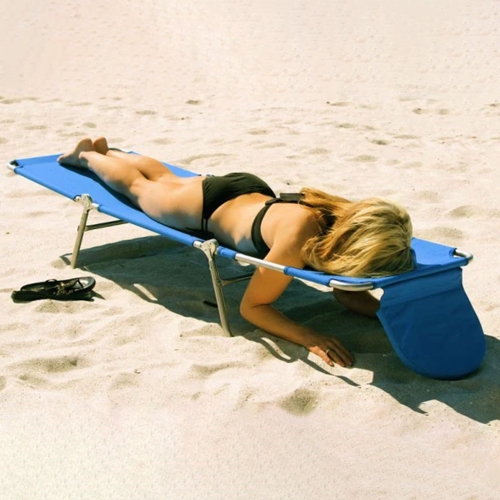 Your price for this item is $714.99
-
 Your price for this item is $178.99
-
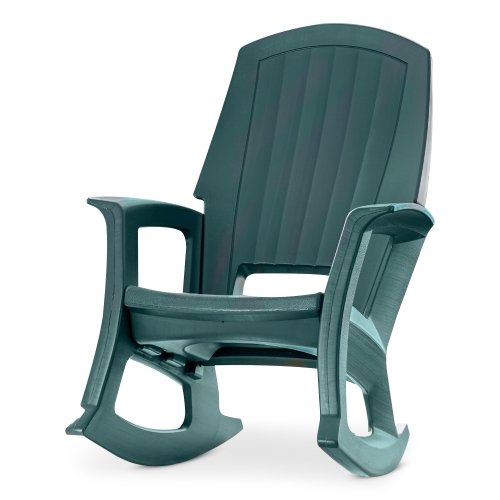 Your price for this item is $459.99
Discover more categories related to Leather Chaise Lounge Chairs
Top Collections:
Best Black Friday Deals This Year, Best Black Friday Deals On Electronics, Kindle Devices, Pokemon Centers, Best Black Friday Deals On Apple Products, Best Cameras for Sports Photography, Dyson Airwrap, Pokémon 30th Celebration Cards, Apple iPhone 17 Pro, Canon G7X Cameras
Some products may be subject to Environmental Handling Fees
(EHF) depending on your province.
Learn more about EHFs.