Leather Coffee Tables
Elevate your living space with the timeless appeal of a Leather Coffee Table. Perfect for adding a touch of sophistication to any room, these tables blend seamlessly with both classic and contemporary décor. Whether you're entertaining guests or looking for a stylish focal point, a Leather Coffee Table brings both charm and functionality to your home. Explore a range of elegant options designed to complement your unique style and enhance your everyday living experience.
Sort


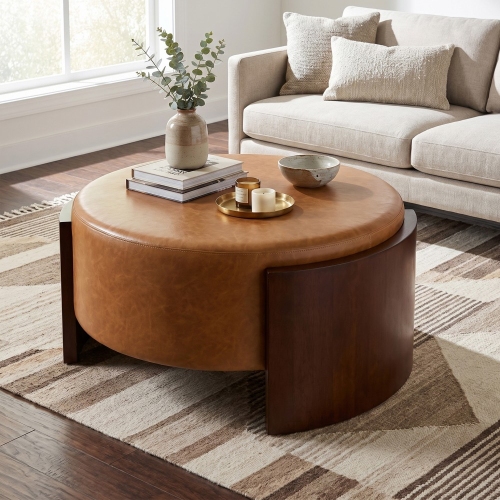
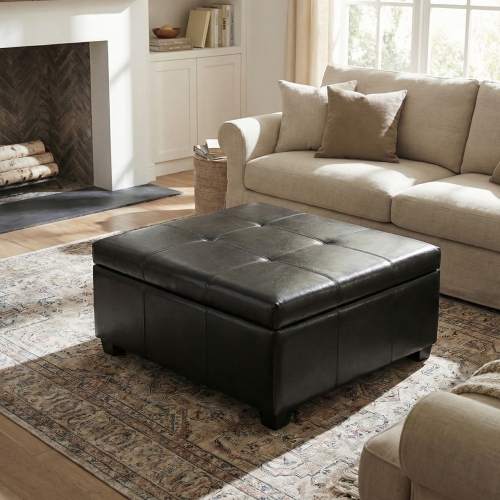




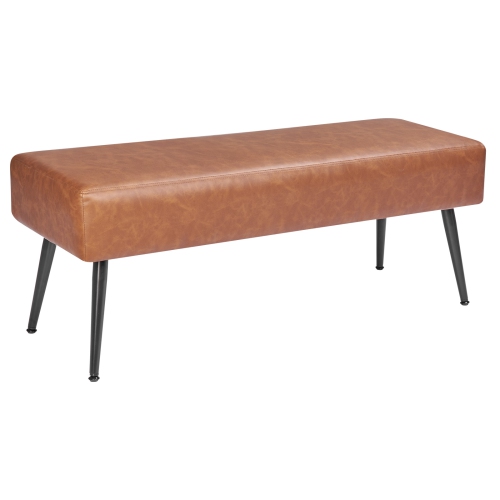
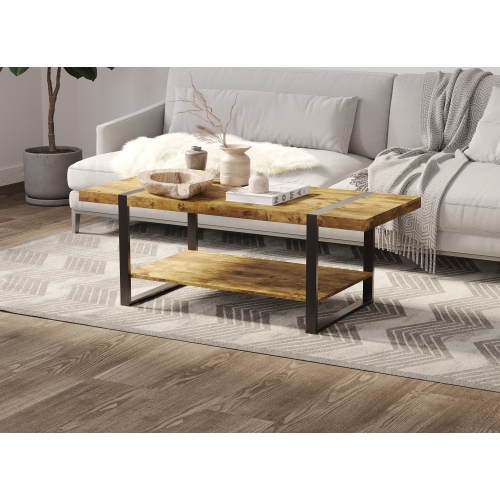
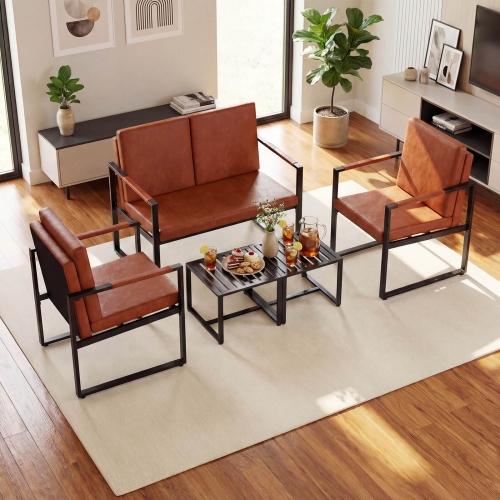
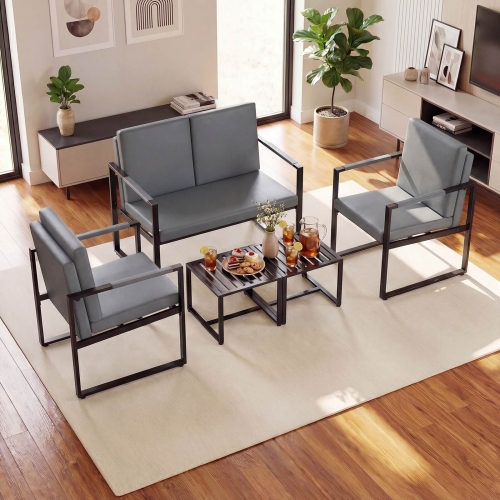
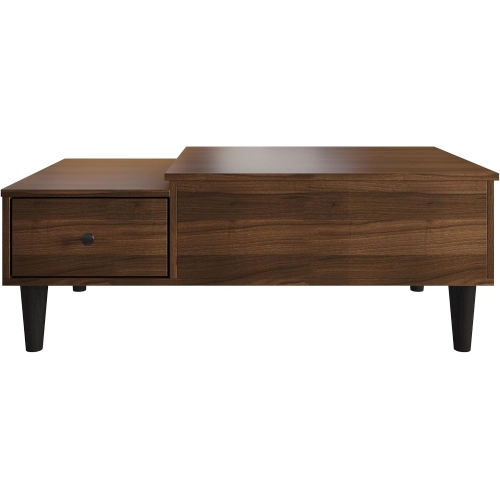
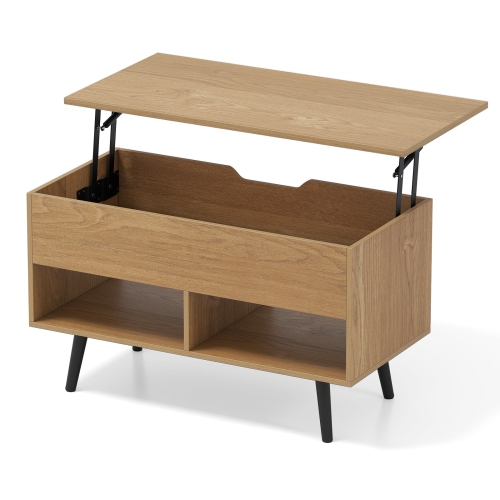


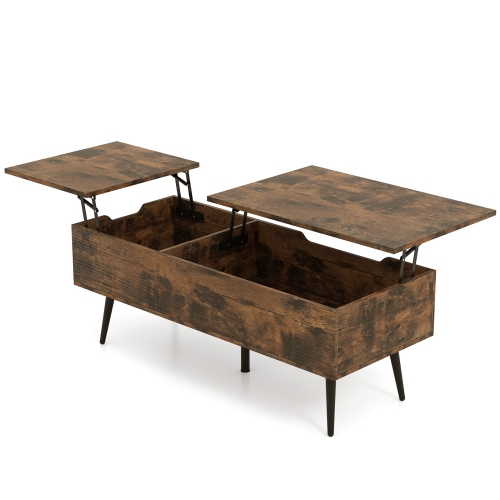
Soft upholstery changes how a coffee table works
Leather coffee tables bring texture and visual weight to the centre of a seating area, balancing the softness of a sofa with the practical role of a central surface. The category includes upholstered, ottoman-style tables as well as designs that combine leather panels with wood, metal, or a separate tabletop. That distinction matters in everyday use: a firm, level surface suits drinks, books, and board games, while a generously padded top creates a more relaxed look and may double as a footrest when the construction allows. Leather designs belong to the broader family of Upholstered Coffee Tables, with their character shaped by the upholstery, stitching, frame, and proportions. A smooth black finish and slender metal base can feel crisp and understated, while brown leather with visible grain and a wood base adds warmth beside woven rugs and fabric seating. Material descriptions deserve attention because leather coverings are not interchangeable. Full-grain leather retains the hide’s natural surface, including variations that give each piece its own appearance. Top-grain leather has had its outer surface refined and can have a more uniform finish, depending on how it is treated. The term genuine leather does not, by itself, identify a particular quality grade. Bonded leather incorporates leather fibres with binding materials and should not be assumed to age or wear like a solid leather hide. Faux leather is a separate, synthetic upholstery material rather than animal leather, even when its grain closely resembles it. Surface treatments also affect feel and upkeep. More lightly protected leather can show marks and absorb spills more readily, while a pigmented, protective finish generally provides a more consistent colour and greater resistance to everyday contact. Natural creases, grain differences, and subtle changes in tone can be part of real leather’s appearance rather than signs of damage. These details influence whether a table feels tailored, rustic, formal, or comfortably lived-in within the room.
The right fit depends as much on the surrounding seating and daily routine as on the table’s appearance. A long rectangular leather coffee table can follow the line of a sofa, keeping a shared surface within reach across several seats. A square shape often works with a sectional or a pair of facing sofas, while a round or oval design can ease movement through a compact seating arrangement. Rounded upholstery may soften the feel of a room, although the frame, legs, and any exposed corners still deserve consideration in a household with children. Height affects comfort, too: a top close to the height of the seat cushions usually feels more convenient than one that requires a deep bend or an awkward reach. Enough clearance around the table allows people to stand, walk past, and stretch their legs without repeatedly brushing the upholstery. In a smaller living room, a raised base can leave more floor visible and provide space for cleaning underneath; a low, enclosed base creates a more substantial silhouette. Storage designs can keep throws, remotes, or reading material close at hand without leaving them on display, but the lid needs room to open without hitting nearby furniture. Hinges, lid supports, and the stated load limits matter, particularly if the table will be used in a busy family space. An upholstered top also changes how the surface functions. Deep tufting and soft padding are less suited to balancing a drinking glass directly, whereas a suitably sized rigid tray can provide a level place for light refreshments. The tray should sit securely rather than bridge an uneven surface or extend into a walkway. For households that regularly eat or work in the living room, a leather coffee table with a dedicated hard surface may be more practical than a fully cushioned design. Footrest use or occasional seating should only be assumed when the furniture is expressly designed and rated for it; a coffee table’s appearance alone does not establish that it can support a person.
Leather’s long-term appearance depends on both its finish and the way the table is used. Repeated contact from shoes, belt buckles, pet claws, and the edges of trays can leave scuffs, especially on a surface that also serves as a footrest. Tightly finished corners, neatly secured upholstery, and a stable frame contribute to a table that feels dependable through daily use. Seams and tufted areas deserve a closer look because they collect crumbs and dust and may receive extra strain where people regularly rest their feet. Routine care generally starts with a soft, dry cloth, with any additional cleaning guided by the manufacturer’s instructions for that particular covering. Spills are best blotted promptly rather than rubbed across the surface, and leather should not be soaked during cleaning. Household degreasers, abrasive pads, and unapproved cleaning sprays can affect the finish or colour. A leather conditioner is not automatically suitable for every upholstery type: protected leather, bonded leather, and faux leather can require different care, so any treatment should be approved for the material and tested in an inconspicuous area. Coasters and a stable tray help separate the upholstery from condensation, hot drinkware, and sticky residues, though they do not make a padded surface resistant to heat or spills. Placement also makes a difference. Prolonged direct sunlight can alter colour, and close contact with a radiator, fireplace, or heating vent can contribute to drying or damage. In decorating terms, a leather coffee table does not need to match every other piece of furniture. A tan or chestnut tone can provide contrast against grey seating, while a dark table can anchor a room with pale upholstery and light wood. Repeating the leather’s colour in a smaller accent, or echoing the base finish in nearby furniture, can make the arrangement feel connected without becoming overly matched. The most useful choice brings together a comfortable scale, an appropriate surface, and a care routine that suits the household, allowing the table to remain a practical part of the room rather than a piece everyone has to avoid touching.
Top selling and popular products
-
 Your price for this item is $496.99
-
 Your price for this item is $703.99
-
 Your price for this item is $580.64
-
 Your price for this item is $295.12
-
 Your price for this item is $286.83
-
 Your price for this item is $286.83
-
 Your price for this item is $765.09
-
 Your price for this item is $765.09
Discover more categories related to Leather Coffee Tables

Top Collections:
Pokemon Centers, Best Cameras for Sports Photography, Kindle Devices, Samsung Galaxy Phones, Canon G7X Cameras, Pokémon 30th Celebration Cards, Refurbished Apple Laptops, iPhone 15 Apple, Laptops for Students, Budget Smartphones
Some products may be subject to Environmental Handling Fees
(EHF) depending on your province.
Learn more about EHFs.