Leather Ottoman Coffee Tables
Leather ottoman coffee tables are versatile pieces of furniture that can be used for many different purposes. They are a great way to add extra seating and storage to almost any living room, den, or office. Leather ottomans come in a variety of shapes and sizes, making them easy to fit into almost any space. Here are some of the best options available on the market to choose from.
Sort




















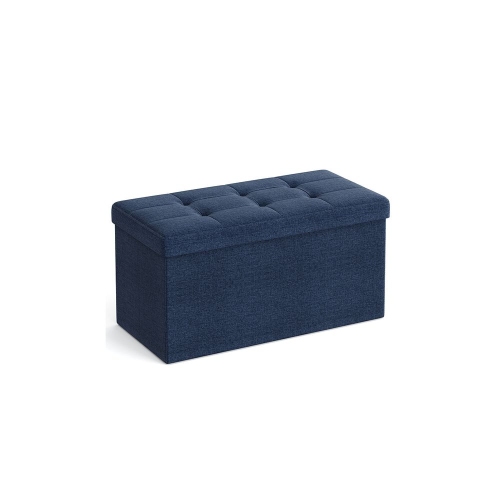

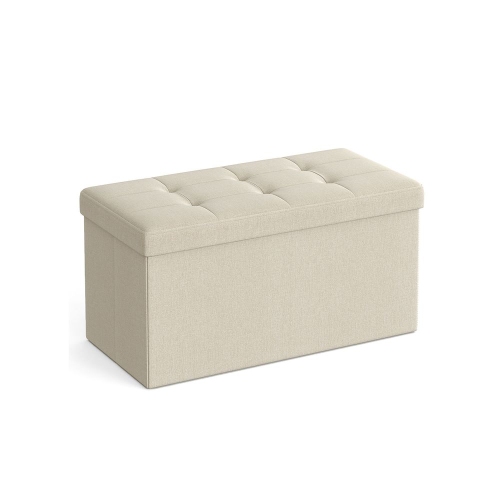
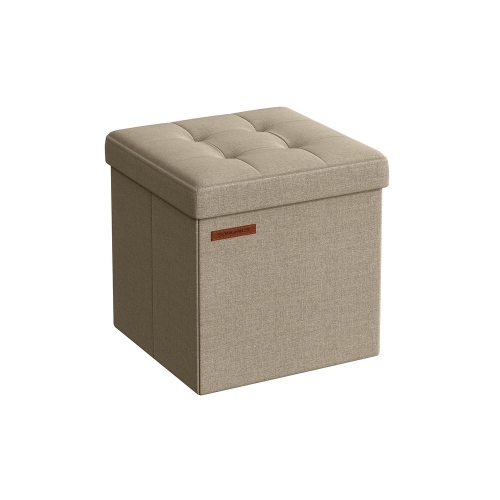
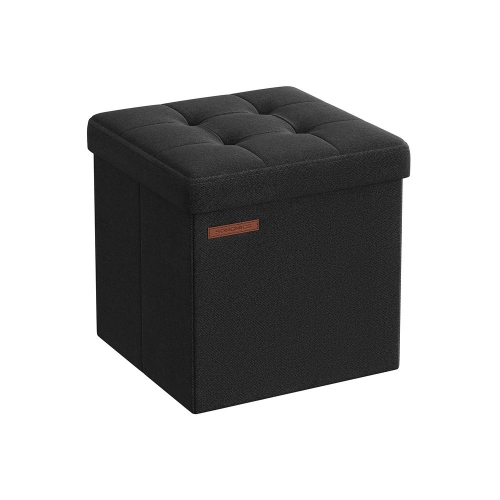
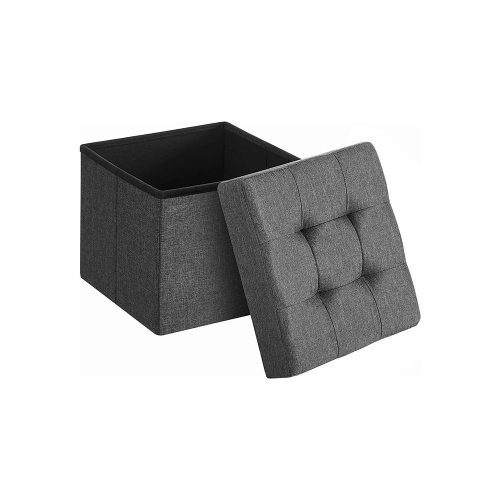
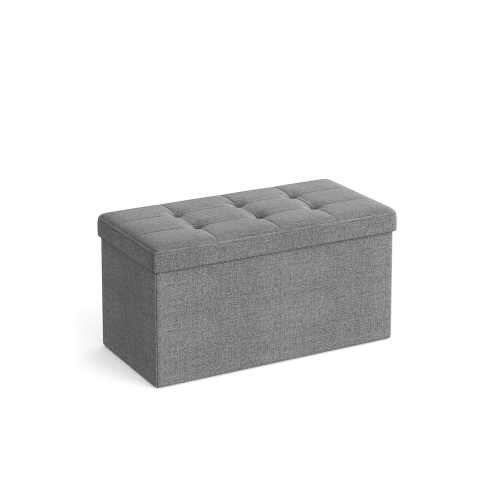


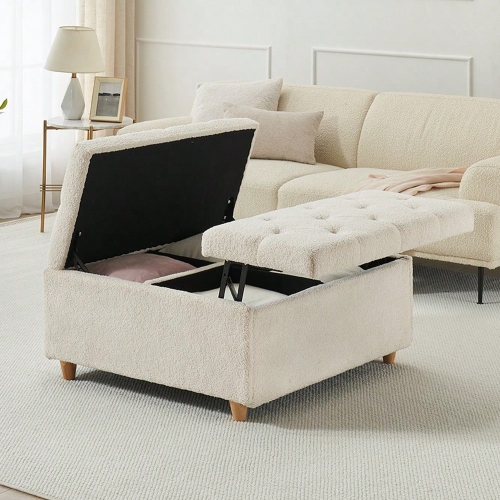


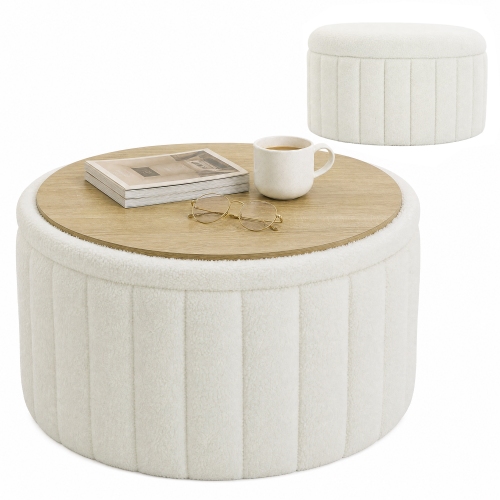

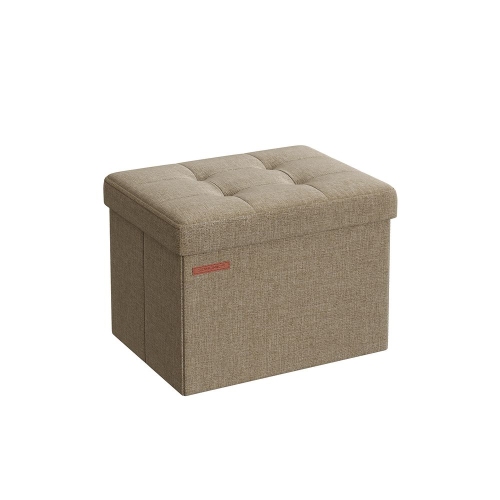

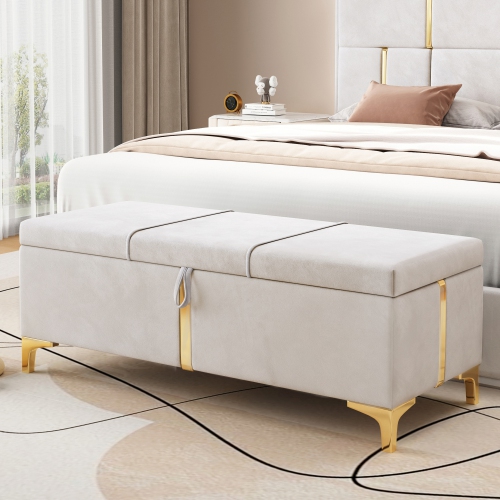
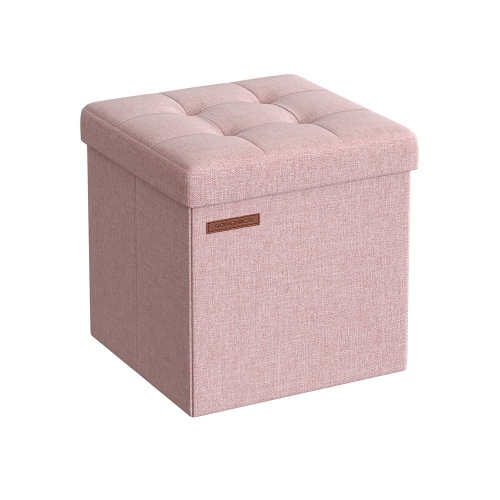
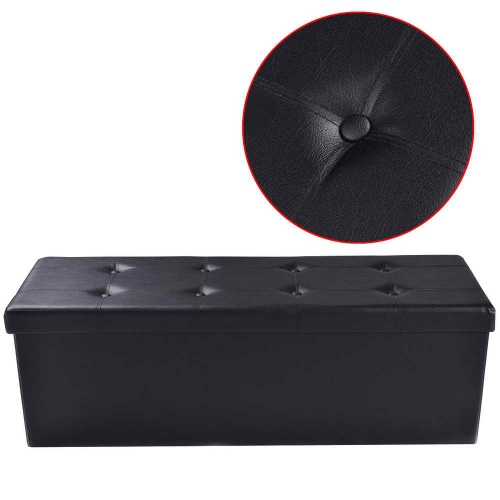




A softer spot for feet and serving trays
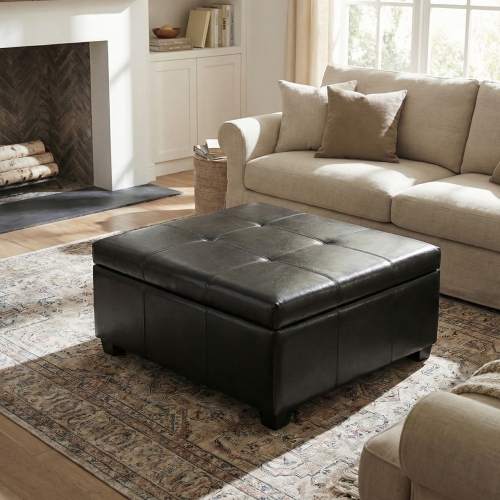
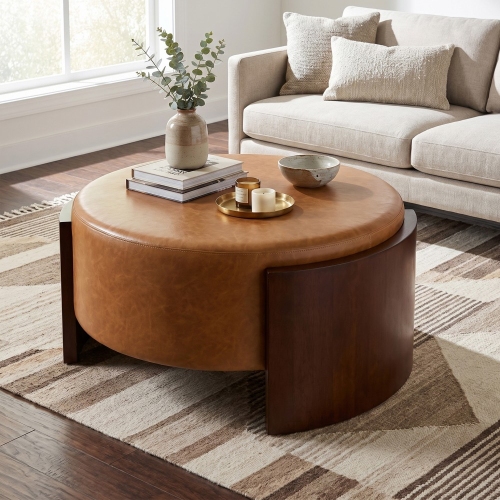
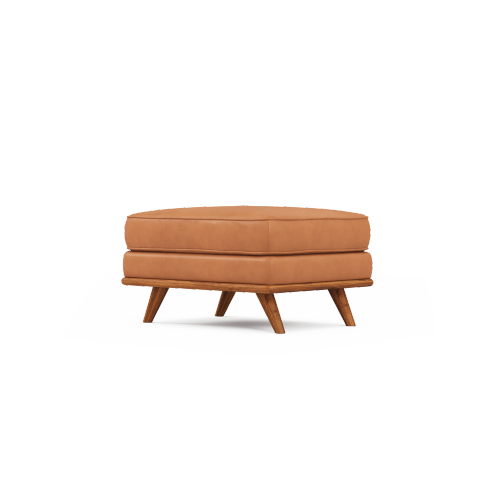
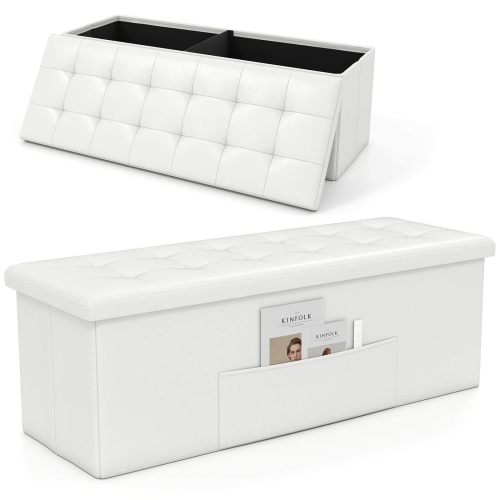
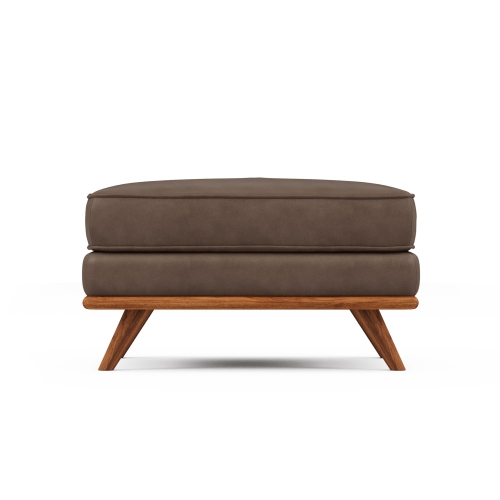
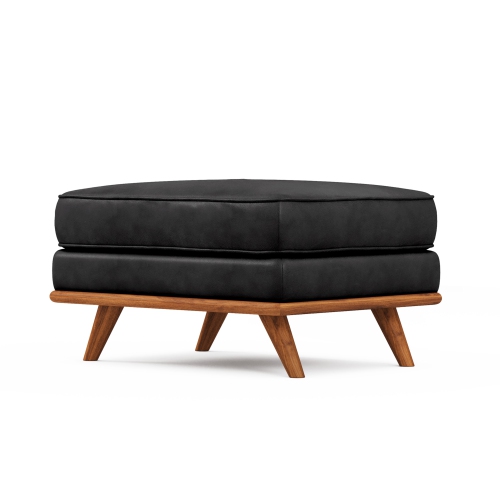
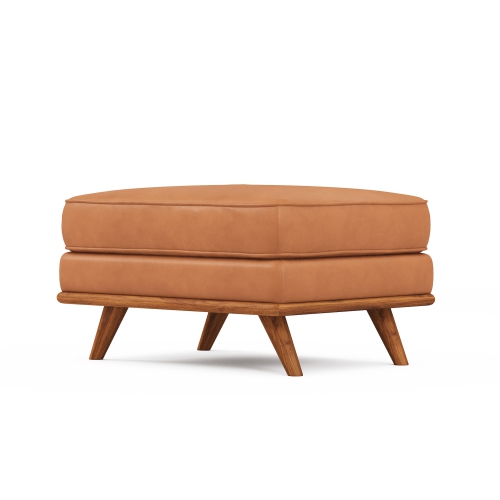
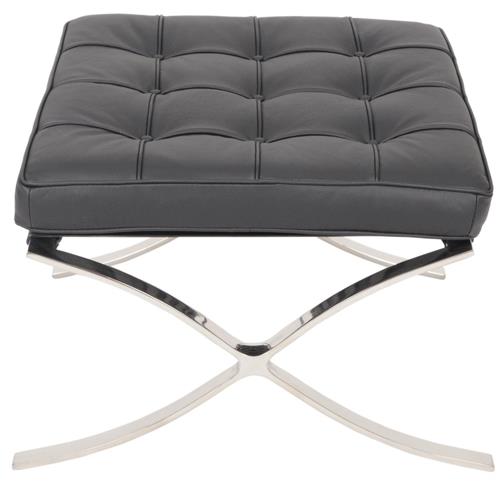
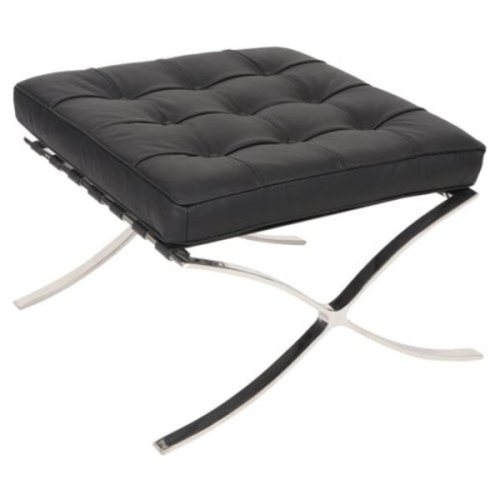
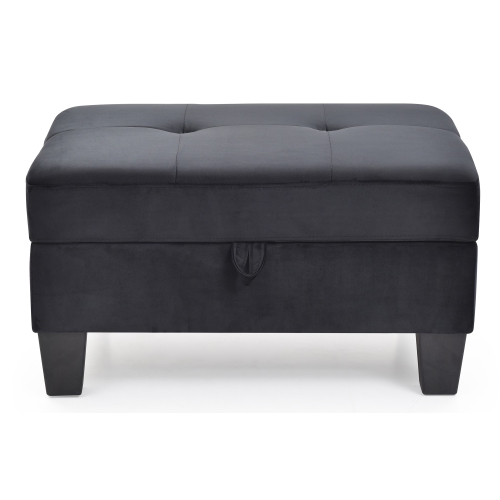
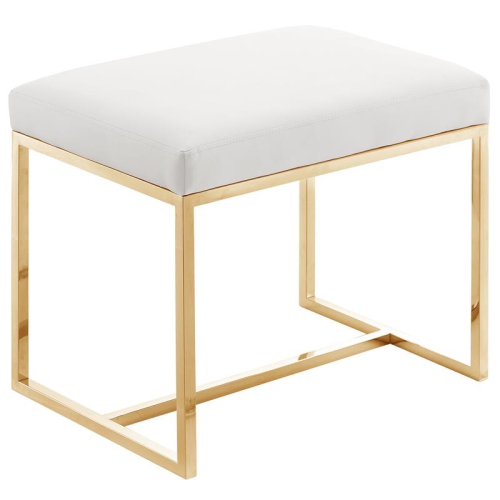
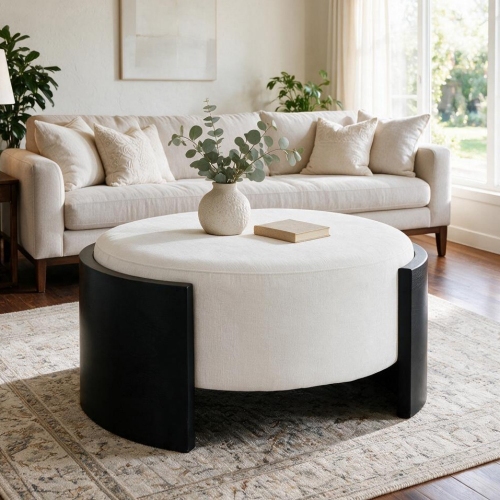
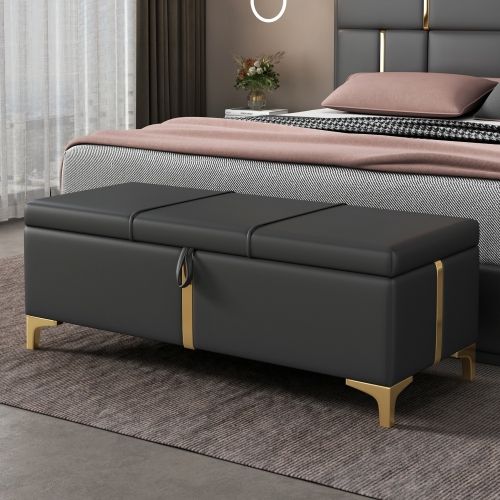
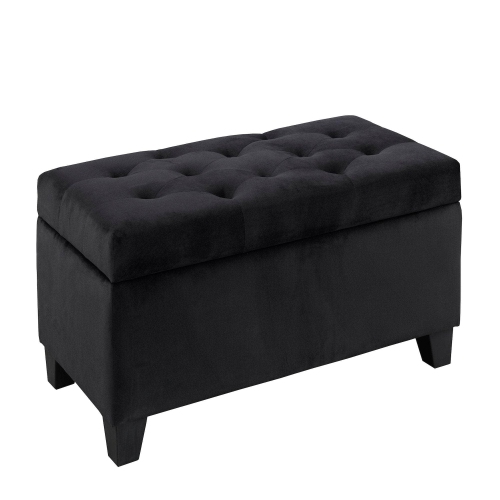
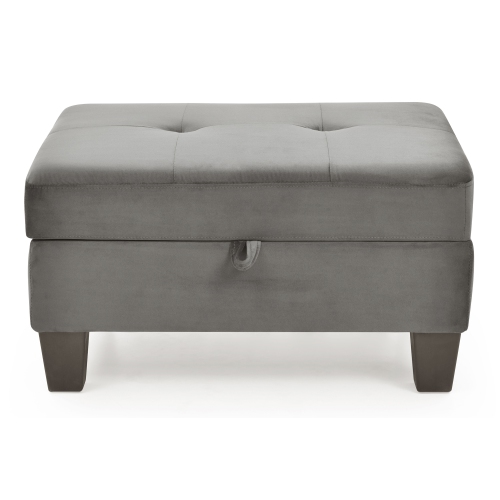
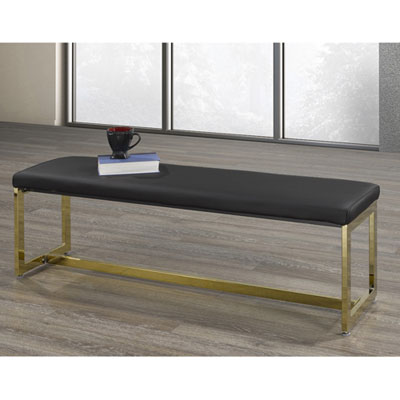
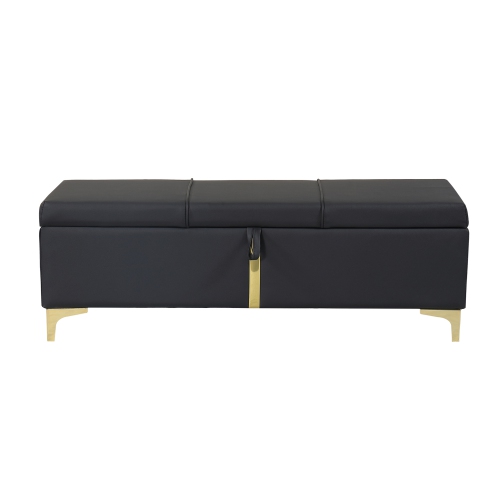
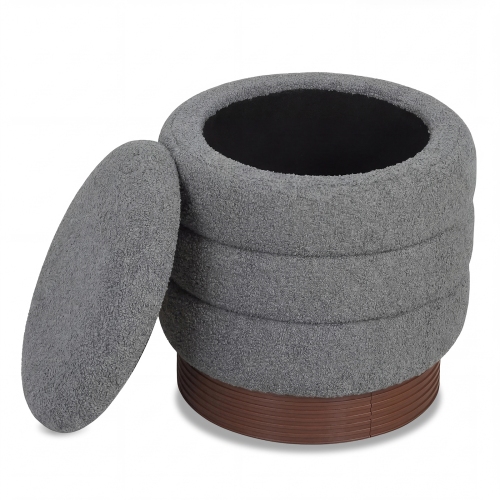
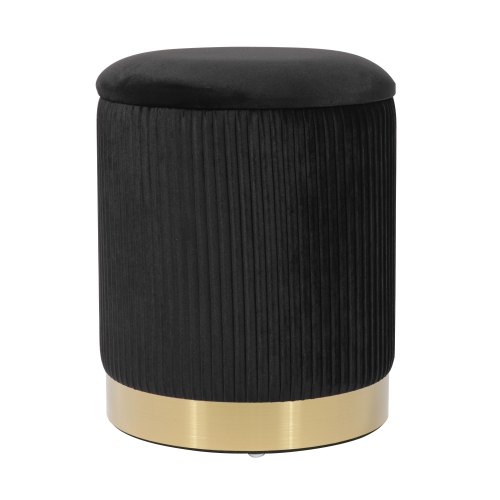
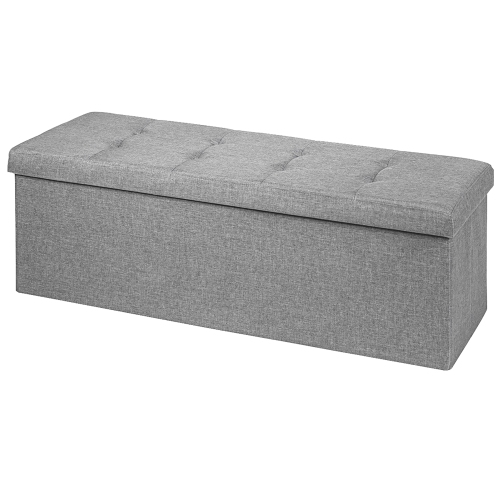
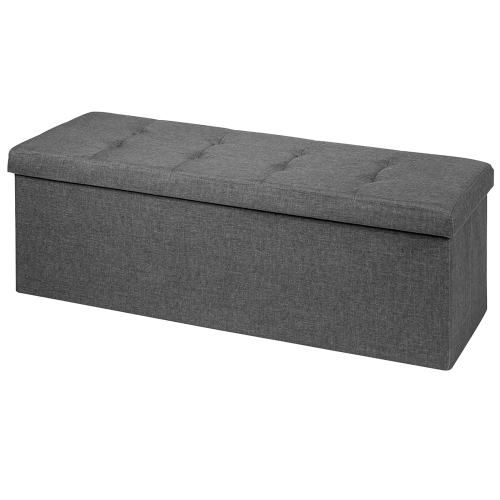
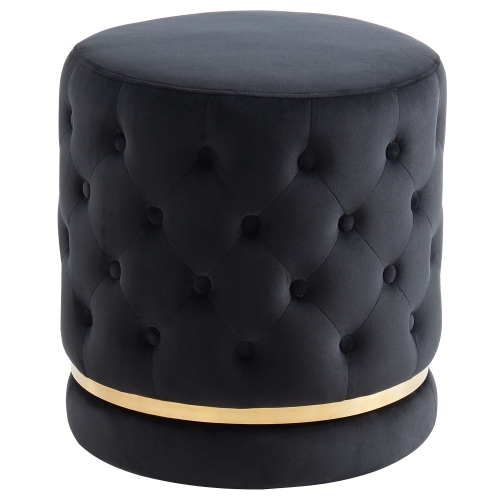
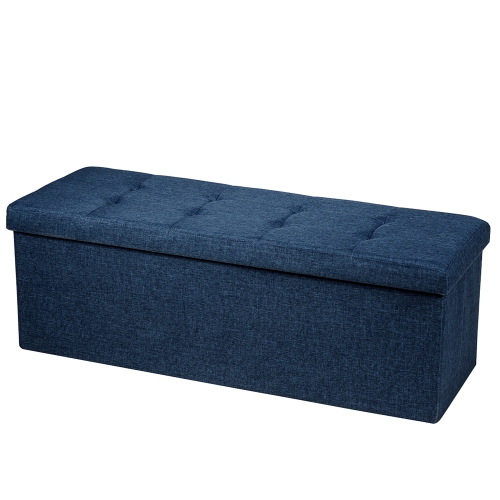
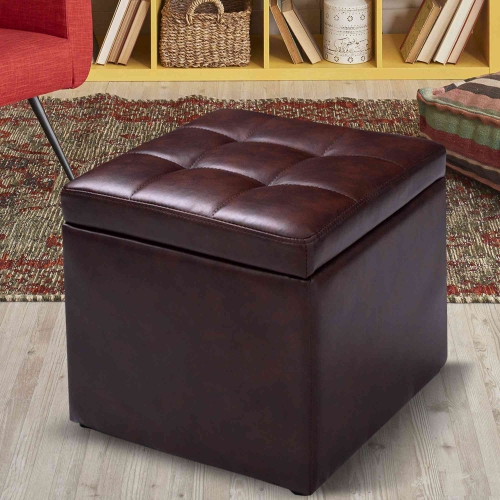
Leather ottoman coffee tables bring the comfort of an upholstered footrest to the centre of a living room, with a generous surface that can also hold a serving tray, reading material, or a folded throw. Unlike a conventional coffee table with a hard top, an ottoman has a padded surface, making it especially inviting beside a sofa or sectional where people stretch out to watch a film or catch up at the end of the day. Some designs can provide occasional seating, although that use depends on the frame construction and the manufacturer’s stated weight capacity. A broad, firm top generally works better for tabletop tasks than a deeply cushioned surface, while a sturdy tray with a flat base helps keep small essentials together. Drinks still need care: a tray should rest evenly without rocking, and hot beverages are better placed on a separate hard-surface table when the upholstery cannot support them securely. The leather finish gives this practical piece much of its character. Smooth black or deep brown upholstery can add definition to a room with pale fabrics, while tan, camel, and warm chestnut shades sit naturally alongside wood furniture and textured rugs. Lighter tones create a softer contrast against dark flooring, though marks and colour transfer may be more noticeable. Tufted tops introduce texture and a more traditional feel; flat, tailored tops suit simpler rooms and offer a more even base for a tray. Details such as stitched panels, exposed wood legs, and nailhead trim influence how formal or relaxed the piece feels. In a smaller living area, combining a footrest and coffee table can reduce the need for separate furniture, provided there is still enough space to move comfortably around it. In a larger family room, an oversized ottoman can anchor a seating arrangement and give several people somewhere to rest their feet without making the centre of the room feel visually heavy.
The materials beneath and around the upholstery matter as much as the colour. Genuine leather is a broad category, and its appearance, feel, and care requirements vary with the hide, processing, and protective finish. Full-grain leather retains the natural grain and may show variations that become part of its character with use. Top-grain leather has been worked to create a more consistent surface, but its resistance to spills and marks still depends on the finish. Aniline leather has a natural feel with limited surface protection, making it more sensitive to staining; pigmented finishes generally provide a stronger barrier against everyday contact. Faux leather offers a leather-like appearance using a coated material rather than a hide, and its lifespan depends on the quality of that coating, the backing, and how the piece is used. Bonded leather contains leather fibres held together with binders and should not be confused with full-grain or top-grain upholstery. Product descriptions may also identify different materials on the top, sides, and base, so the overall label does not always tell the whole story. For a frequently used footrest, secure stitching, well-supported padding, and a sound frame are important. A solid wood or well-built engineered wood frame can provide a dependable foundation, but joinery, bracing, and load limits also affect performance. Firmer foam tends to create a more table-like surface, while softer padding gives a cushier place to put up tired feet. Neither leather nor faux leather is scratch-proof, and pet claws, footwear hardware, or sharp edges on a tray can leave marks. Routine care usually involves removing dust with a soft cloth and blotting spills promptly rather than rubbing them into seams. A lightly dampened cloth may be suitable where the care instructions allow it. Genuine leather may benefit from an approved conditioner, whereas faux leather generally requires different treatment. Direct sunlight, nearby heating vents, and harsh cleaning agents can contribute to fading, drying, or surface damage, so placement and material-specific care help preserve the finish.
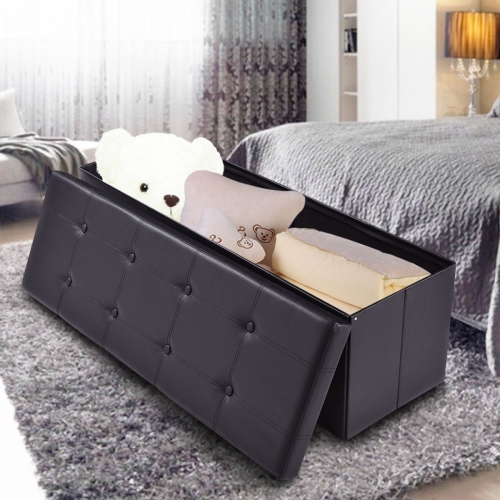
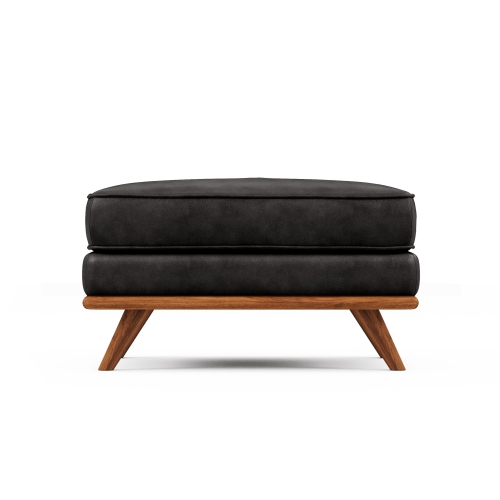
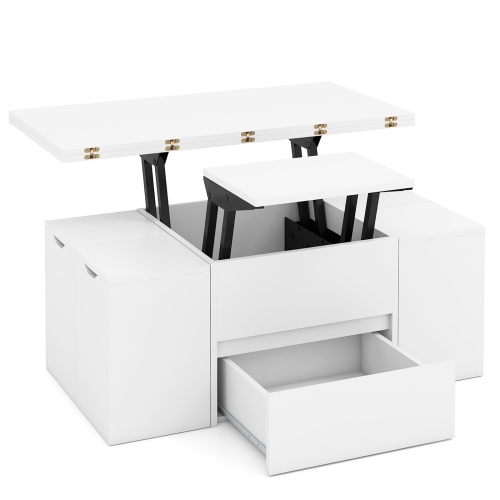
Shape and proportion determine how comfortably a leather ottoman coffee table fits into everyday life. A rectangular design often follows the length of a sofa, giving people at either end access to the surface without filling the entire seating area. A square shape can sit neatly within the open centre of an L-shaped sectional or between facing sofas; Square Ottoman Coffee Tables offer a focused way to explore that balanced footprint. Round and oval designs soften the outline of a room and remove pointed tabletop corners, although a padded shape alone does not make furniture childproof. The widest dimensions still matter, especially near doorways, recliners, and routes through an open-plan space. Leaving roughly 14 to 18 inches between the sofa and ottoman often provides useful legroom while keeping the surface within reach, with wider clearance needed wherever people regularly walk. A top close to the sofa’s seat height, or slightly lower, usually feels comfortable as a footrest; a much taller piece can make stretching out awkward. Measuring the sofa at its usable seat cushion height gives a more helpful comparison than measuring the arms. Storage designs add another layer of function, with enclosed space for throws, board games, or other living-room essentials. The compartment’s internal dimensions determine what will fit, and the lid needs enough clearance to open without hitting nearby furniture. Hinged lids with support mechanisms can be easier to handle, but fingers should stay clear of hinges and closing edges. Lift-off tops need somewhere to rest while the compartment is open, and anything on a tray must be moved before accessing storage. Raised legs make it easier to clean underneath and can give a substantial ottoman a lighter appearance; a low, enclosed base creates a more grounded look. For households that gather indoors during the cooler months, these details make the difference between a piece that simply fills a gap and one that supports the room’s routines, from keeping blankets close at hand to providing a comfortable footrest after a long day.
Top selling and popular products
-
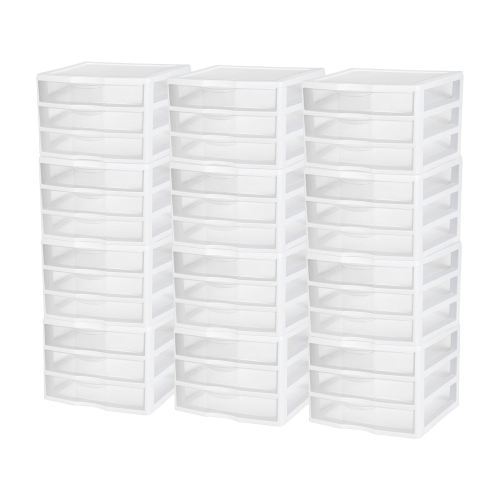 Your price for this item is $496.99
-
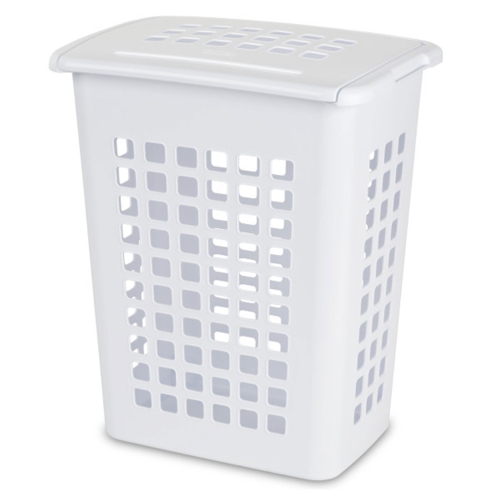 Your price for this item is $703.99
-
 Your price for this item is $580.64
-
 Your price for this item is $295.12
-
 Your price for this item is $286.83
-
 Your price for this item is $286.83
-
 Your price for this item is $765.09
-
 Your price for this item is $765.09
Discover more categories related to Leather Ottoman Coffee Tables

Top Collections:
Pokemon Centers, Best Cameras for Sports Photography, Kindle Devices, Samsung Galaxy Phones, Canon G7X Cameras, Pokémon 30th Celebration Cards, Refurbished Apple Laptops, iPhone 15 Apple, Laptops for Students, Budget Smartphones
Some products may be subject to Environmental Handling Fees
(EHF) depending on your province.
Learn more about EHFs.