Leather Sofa And Loveseat
Looking to add a touch of luxury and sophistication to your living space? Look no further than our collection of leather sofa and loveseat sets. Crafted with the finest materials and impeccable attention to detail, these stylish pieces are designed to elevate the comfort and aesthetics of any home. Whether you prefer a sleek, modern design or a classic, timeless look, our selection offers a range of styles to suit your personal taste. Indulge in the rich texture and durability of genuine leather, creating a cozy and inviting atmosphere that will impress both family and guests alike at Best Buy.
Sort



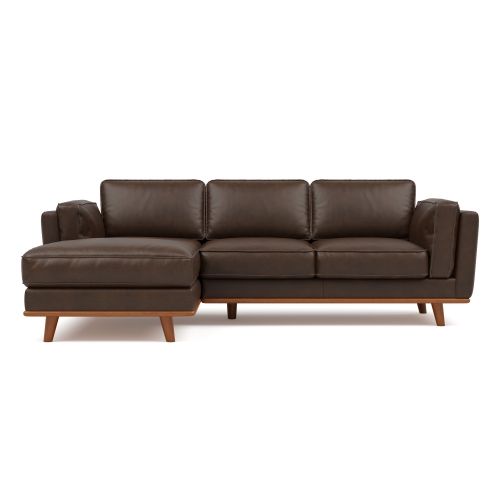

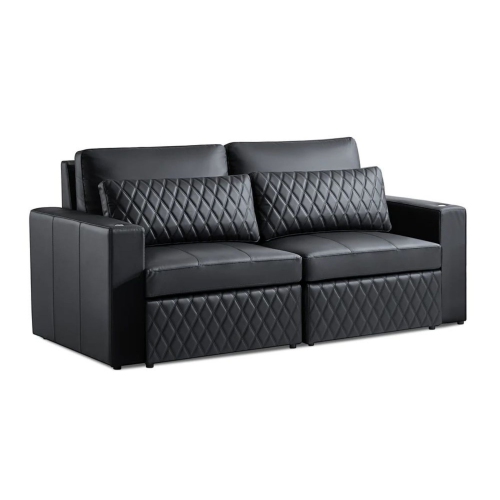
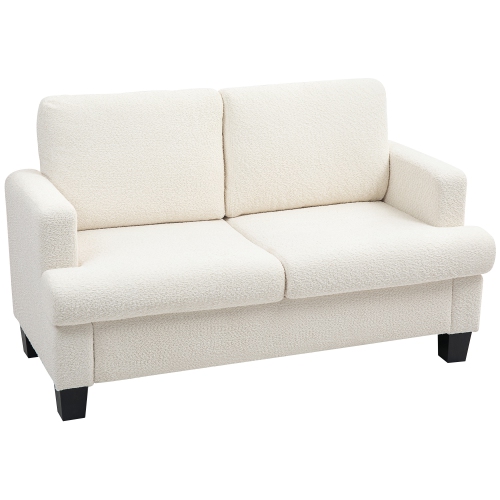
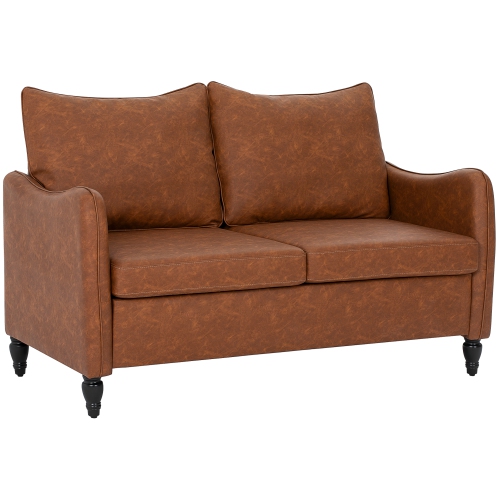


How leather seating shapes comfort and conversation at home
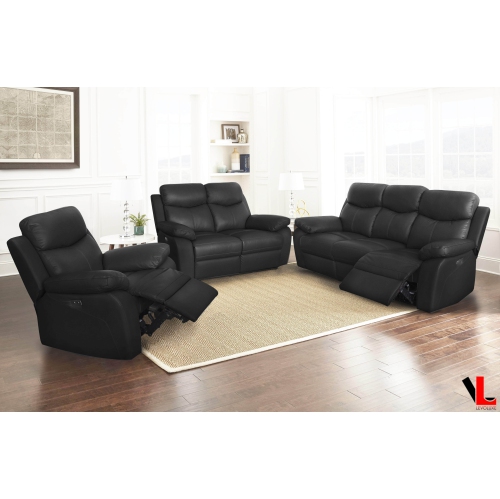
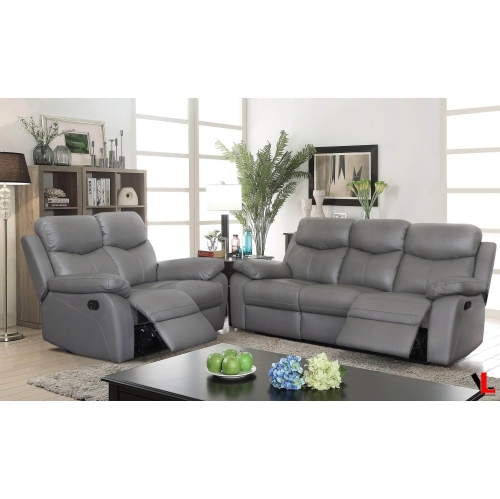
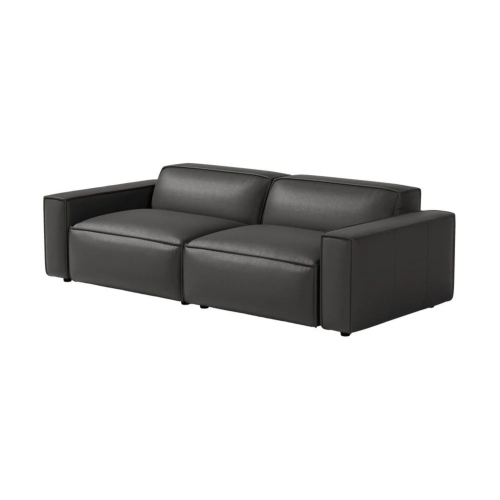
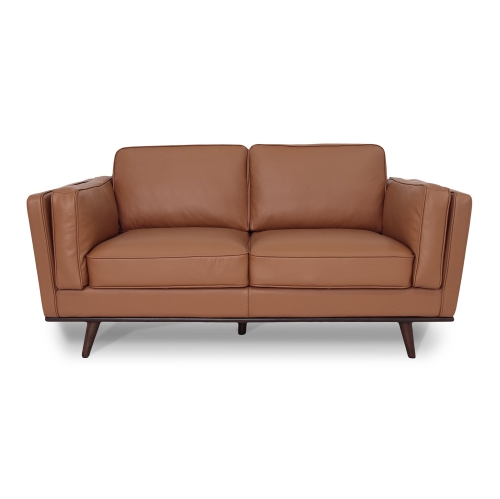
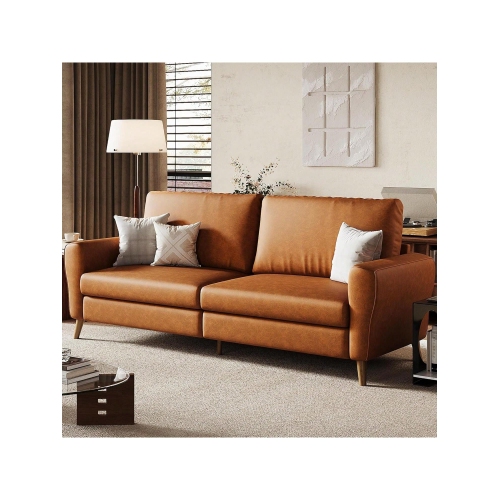
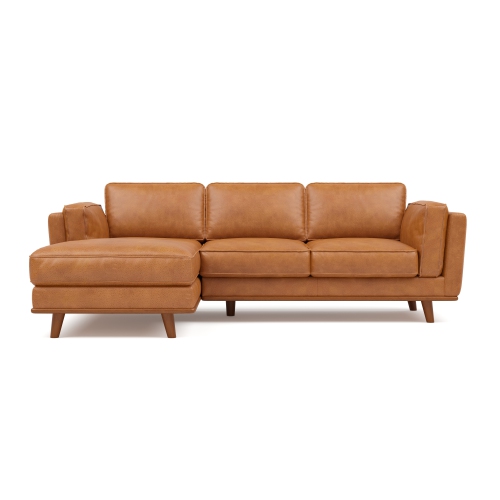
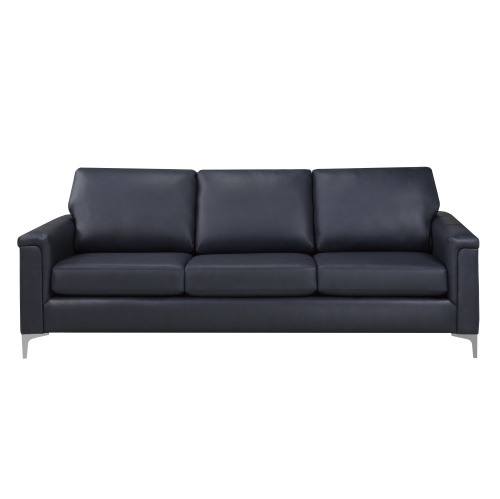
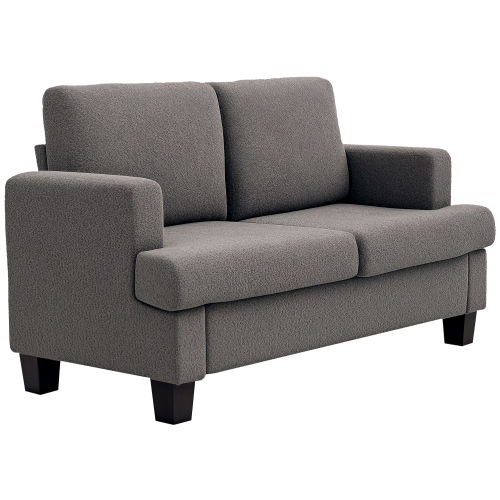
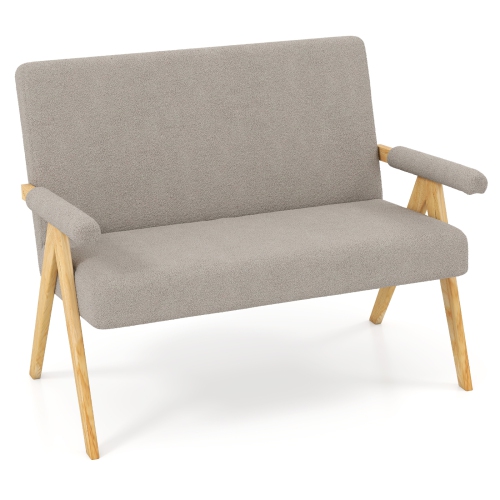
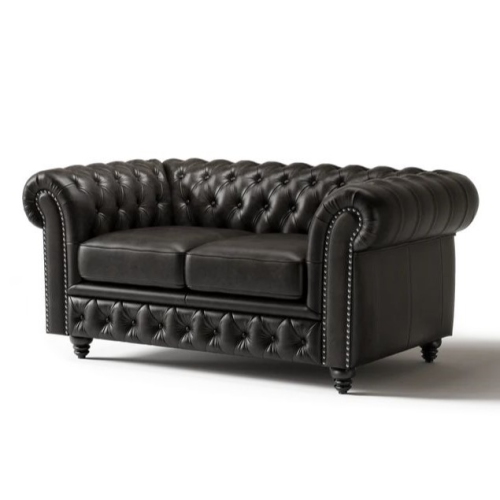
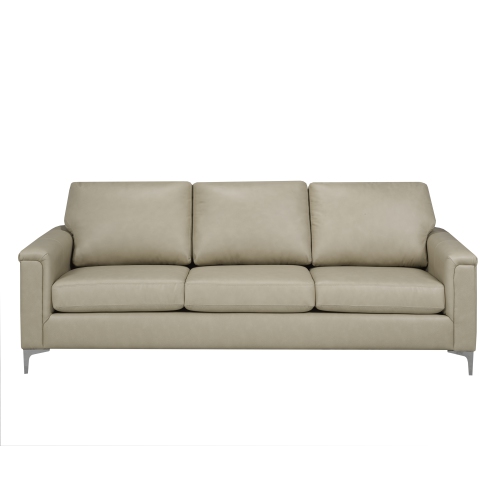
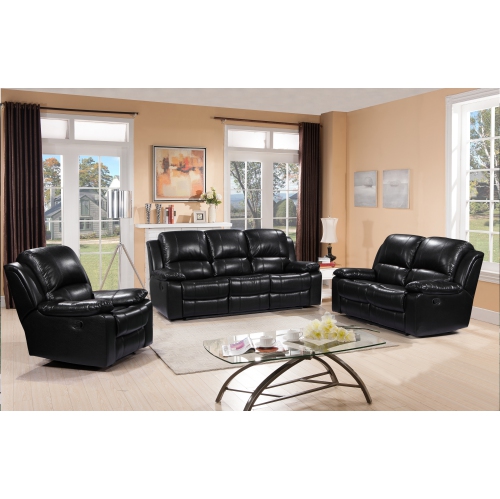
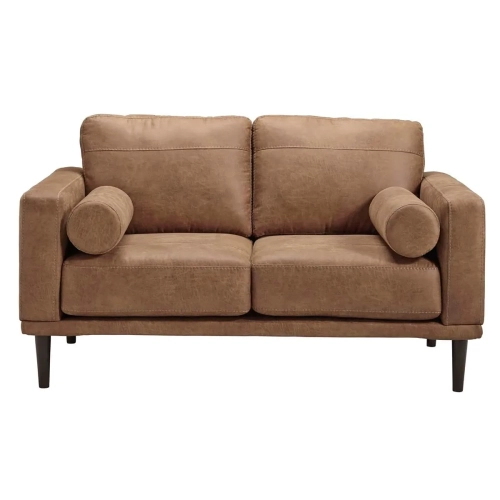
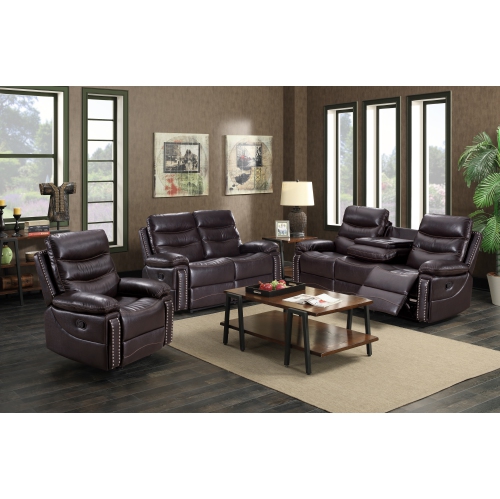
Leather sofas and loveseats bring generous seating and a distinctive texture to living rooms, family rooms, and quieter sitting areas. A sofa gives several people room to settle in, while a loveseat offers a smaller footprint for two people or a comfortable spot for one person to stretch out with a book. Together, they can frame a coffee table, define a conversation area in an open-plan home, or give family members separate places to relax without dividing the room. Matching upholstery creates a cohesive look, but the shape of the furniture has just as much influence on its character. Broad arms and deep cushions create a substantial, lounge-ready profile; slim arms, raised legs, and a tailored back can make a seating arrangement feel more open. Tufting adds visual detail, while smooth cushions and simple seams suit an understated space. Colour also affects how leather seating works with existing furniture. Black or dark brown can anchor a room with pale walls, while tan and caramel shades pair naturally with wood finishes, woven rugs, and textured cushions. Lighter upholstery brings a softer contrast to dark flooring, although marks and colour transfer may be more noticeable. A sofa and loveseat do not have to sit at right angles: facing arrangements encourage conversation, while an angled loveseat can keep a walkway clear or draw attention towards a fireplace. In a compact apartment, a leather loveseat can serve as the main seating rather than an addition to a larger sofa. In a larger home, the same proportions can work well in a bedroom sitting area or home office. The most comfortable arrangement leaves enough space to move between seats, reach a side table, and open nearby doors without brushing against the furniture. A balanced layout makes both pieces feel useful, rather than leaving the smaller seat tucked into a corner where conversation feels distant. For households that host friends, this separation can also make shared seating feel less crowded.
The term leather covers upholstery with different finishes, textures, and care requirements, so the material description matters as much as the colour. Full-grain leather retains the hide’s natural surface characteristics, including variations in grain and markings that give each upholstered piece an individual appearance. Top-grain leather has had its outer surface refined and may have a protective finish, offering a more uniform look depending on how it is processed. Aniline leather is coloured with soluble dyes and has little surface protection, allowing natural detail to remain visible but making spills and staining a greater concern. Semi-aniline leather adds a light protective finish while retaining much of that character. Pigmented leather has a surface coating that generally provides more consistent colour and greater resistance to everyday marks, though care still depends on the manufacturer’s directions. Bonded leather and faux leather are different materials from full-grain or top-grain leather: bonded upholstery combines leather fibres with binders and a backing, while faux leather uses a manufactured surface designed to resemble leather. Their wear patterns and cleaning needs differ, and they should not be assumed to develop the same patina as natural leather. Some sofas and loveseats use leather on the seating surfaces with a matching material on the sides or back, making the upholstery details worth checking when the furniture will stand away from a wall. Beneath the covering, frame construction, joints, suspension, and cushion filling all contribute to support and durability. A firmly constructed frame helps the seating remain stable, while the suspension supports the cushions through repeated use. Foam density can influence durability, but density and firmness are not the same thing; a cushion may feel soft while still using higher-density foam. Fibre wraps and layered fillings can soften the initial feel, and loose cushions may offer more flexibility for maintenance than fixed ones. Neat stitching, secure legs, and clearly described construction help distinguish how a piece is made beyond its surface appearance. Leather alone does not determine how well a sofa or loveseat will hold up to daily life.
Fit involves more than whether the sofa and loveseat fit along the walls. Seat depth, seat height, back angle, and arm shape influence how comfortable the furniture feels during everyday use. Someone who prefers sitting upright with both feet on the floor may appreciate a shallower seat and a supportive back, while a deeper seat can suit relaxed lounging with legs tucked up. Lower seating may be harder to rise from, particularly for someone with limited mobility, and very soft cushions can add to that difficulty. Reclining designs need space for the footrest and any required clearance behind the back; powered versions also need a suitable outlet without a cord crossing a walkway. Overall dimensions should account for arms and back cushions, not just usable seating width. Delivery access deserves the same attention, including door openings, hallway turns, stair landings, and lift dimensions in a condominium building. Removable legs or backs may help with access when the design allows, but that should be confirmed rather than assumed. Once the furniture is in place, simple care habits help preserve its finish. Dusting with a soft cloth and gently vacuuming seams with an appropriate attachment prevent grit from collecting where cushions meet. Spills are best blotted promptly rather than rubbed, with cleaning methods matched to the upholstery type. Household cleaners, abrasive pads, and unapproved oils can damage finishes, so leather cleaners or conditioners should only be used where the manufacturer permits them. Direct sunlight can fade upholstery, and placement beside a heat source can contribute to drying. Throws can help protect favourite sitting spots, although leather is not scratch-proof and pet claws can leave lasting marks. Dark denim may also transfer colour onto pale seating. For busy households, shared apartments, and homes where the living room is used every day, the right combination of proportions, support, and manageable care makes leather seating easier to enjoy for reading, conversation, watching television, or simply taking a comfortable break.
Top selling and popular products
-
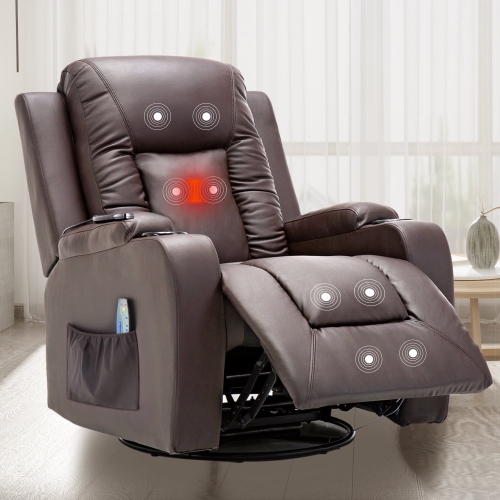 Your price for this item is $599.99
-
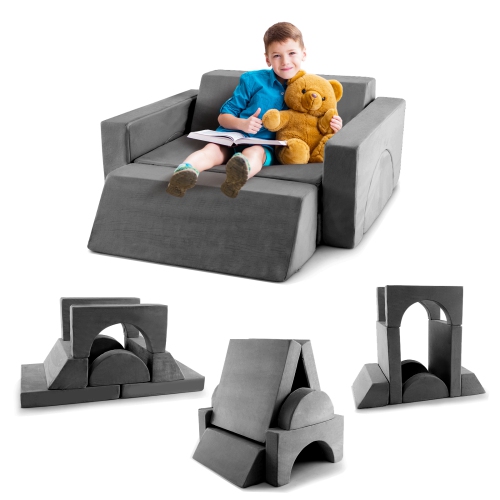 Your price for this item is $167.99
-
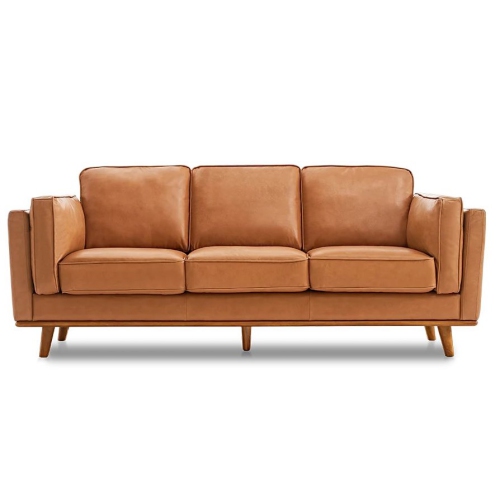 Your price for this item is $2399.99
-
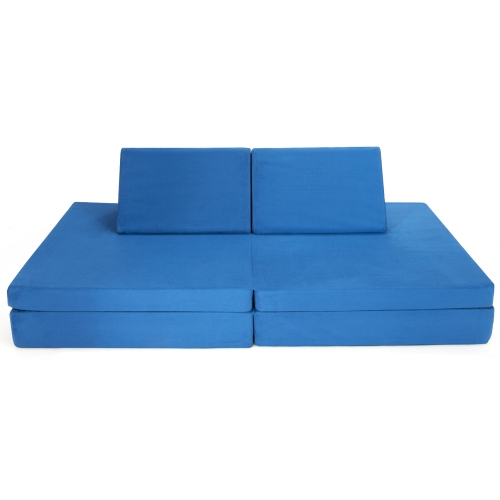 Your price for this item is $167.99
-
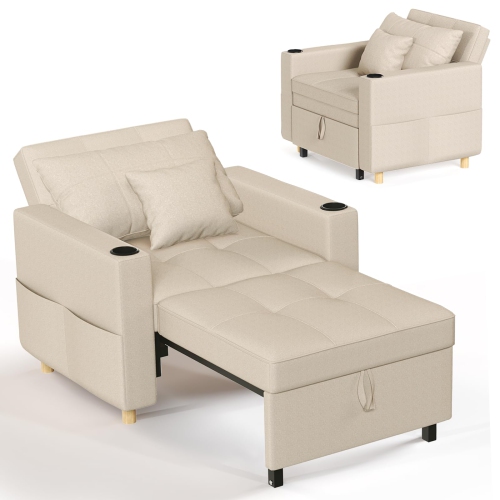 Your price for this item is $329.99
-
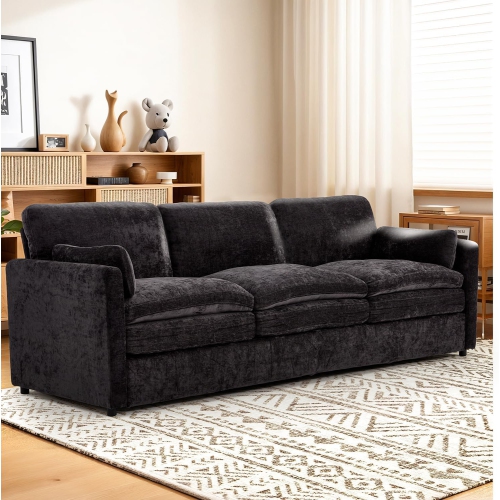 Your price for this item is $559.99
-
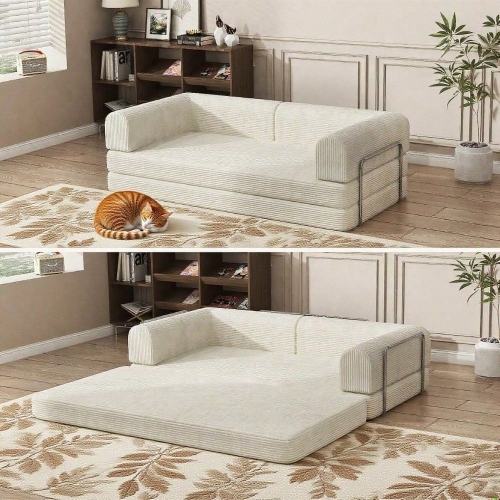 Your price for this item is $515.99
-
 Your price for this item is $1599.99
Discover more categories related to Leather Sofa And Loveseat
Top Collections:
Pokemon Centers, Kindle Devices, Best Cameras for Sports Photography, Pokémon 30th Celebration Cards, Apple iPhones 16, Canon G7X Cameras, iPhone 15 Apple, Flip Phones, Samsung Galaxy Phones, Alarm Clock
Some products may be subject to Environmental Handling Fees
(EHF) depending on your province.
Learn more about EHFs.