Leather Sofas
Upgrade your living space with the timeless elegance and luxurious comfort of leather sofas. Crafted with premium materials and exquisite craftsmanship, leather sofas are not just a piece of furniture but a statement of style and sophistication. Whether you prefer a sleek modern design or a classic tufted look, our collection of leather sofas offers a wide range of options to suit your taste and elevate the ambiance of your home. Explore our selection and discover the perfect leather sofa to bring both beauty and functionality to your living room.
Sort
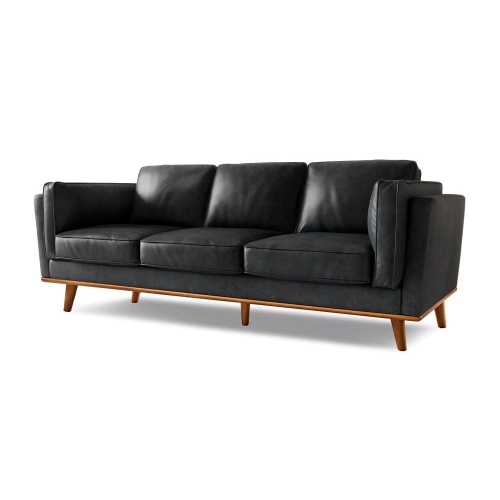
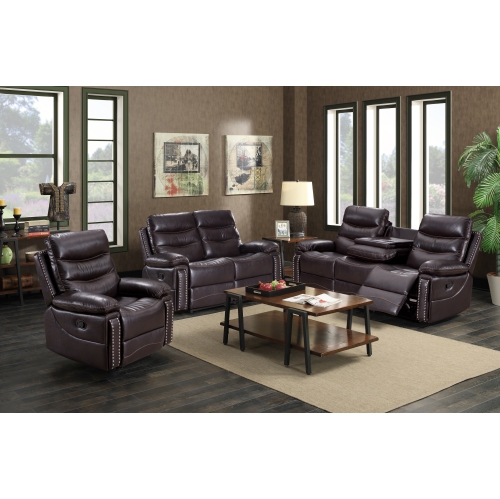
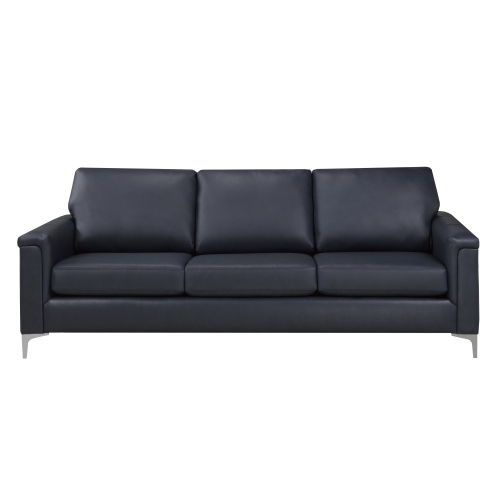
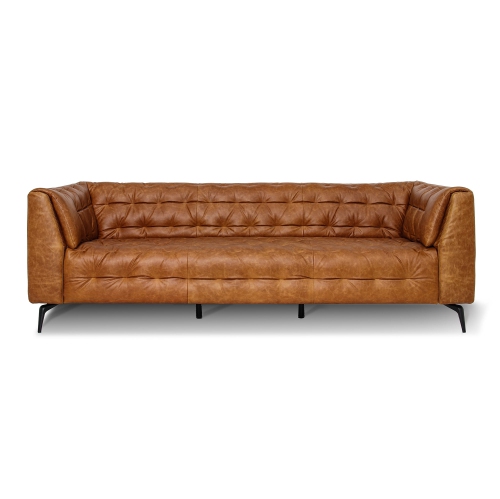
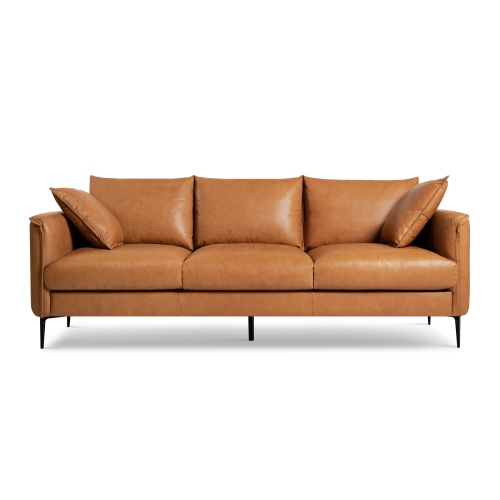
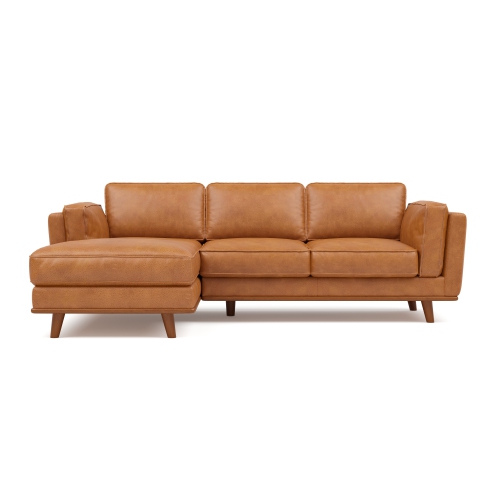
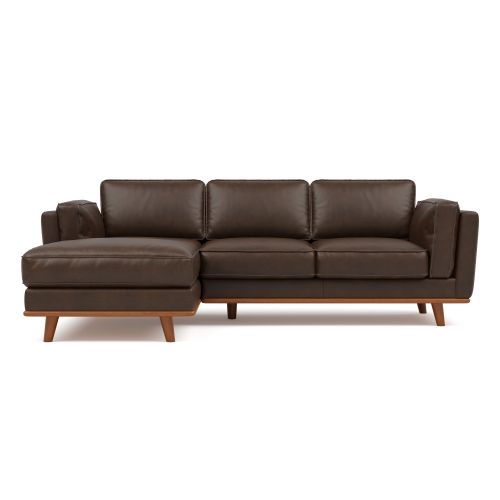
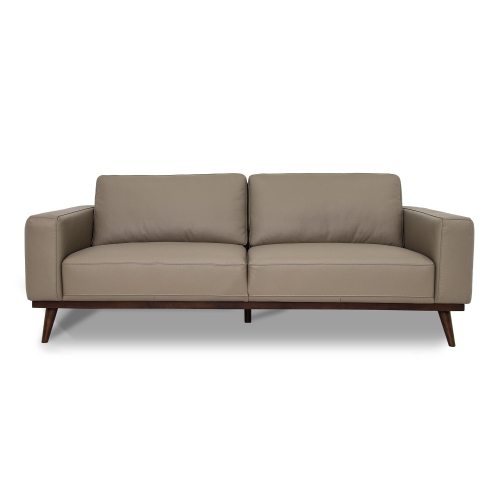
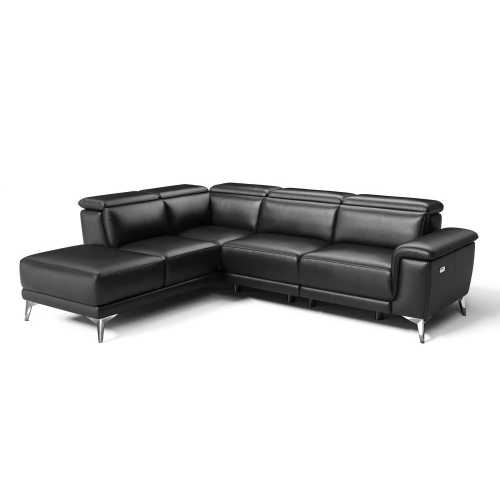
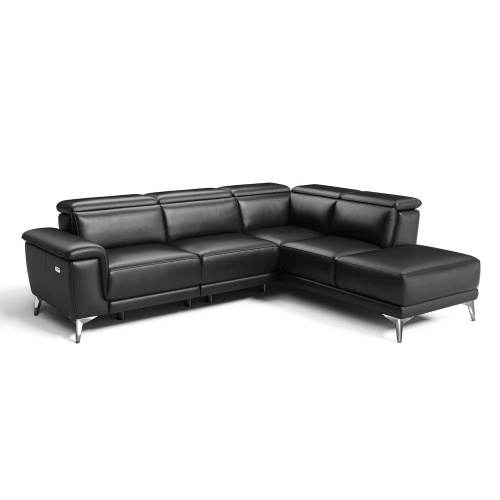
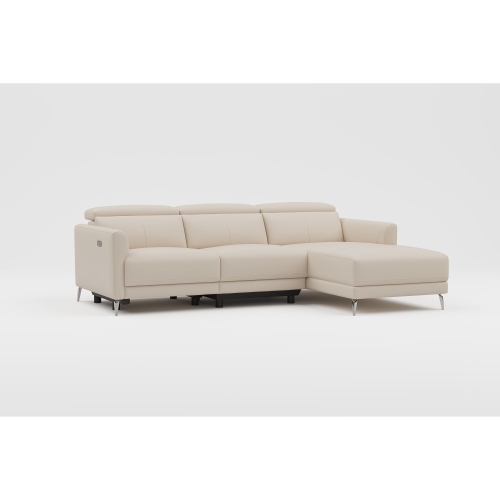
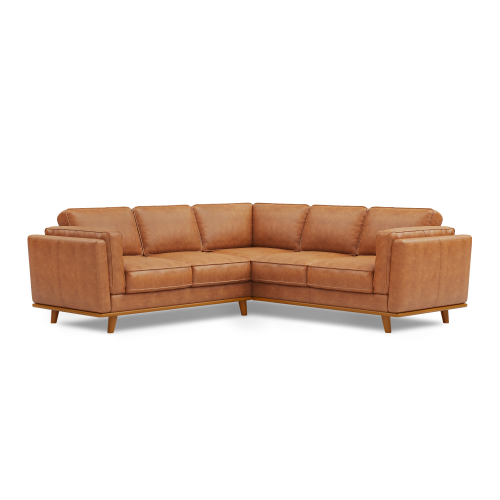

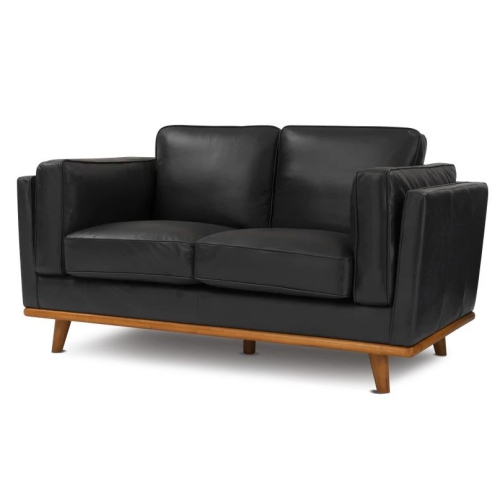
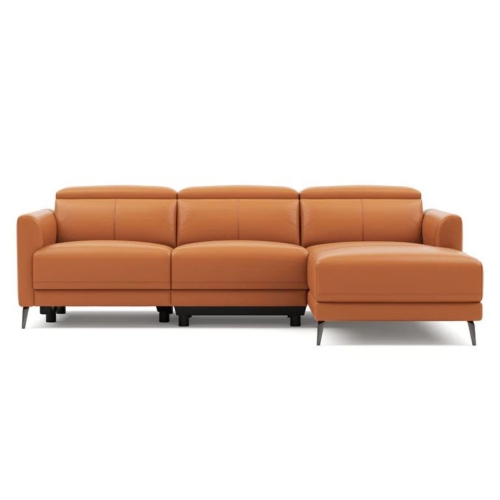
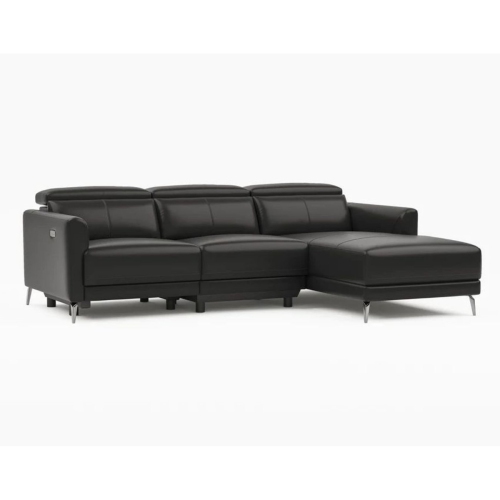
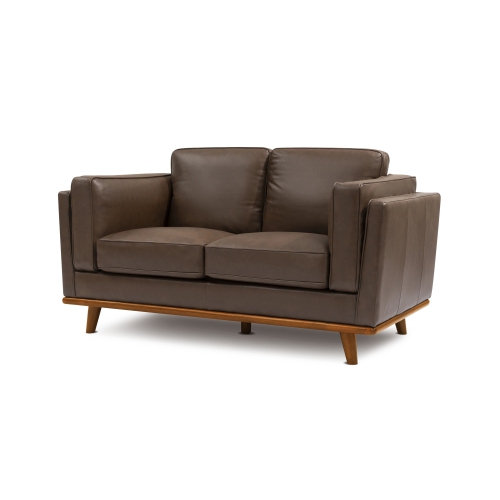
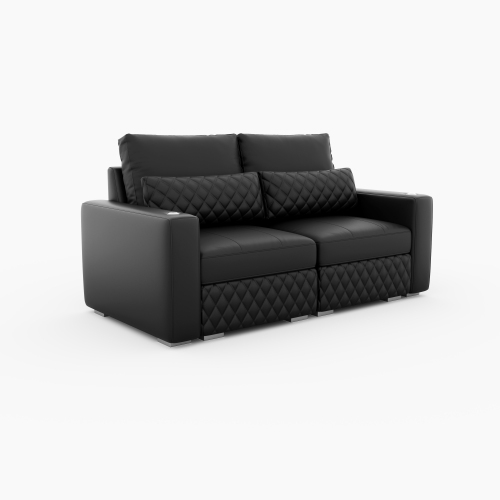
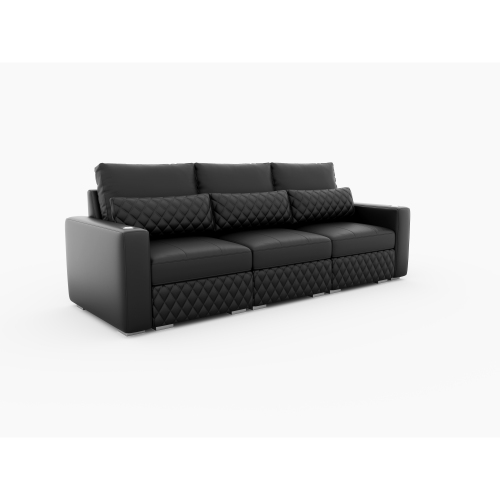
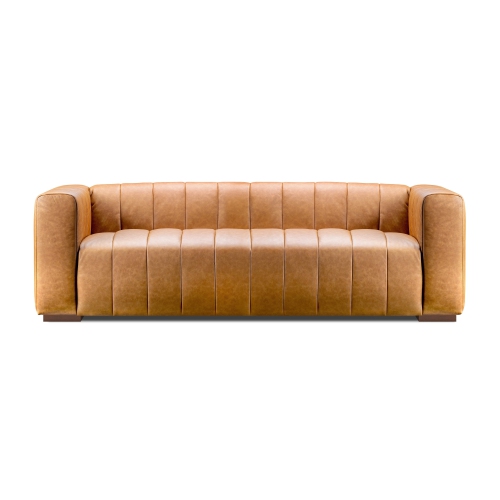
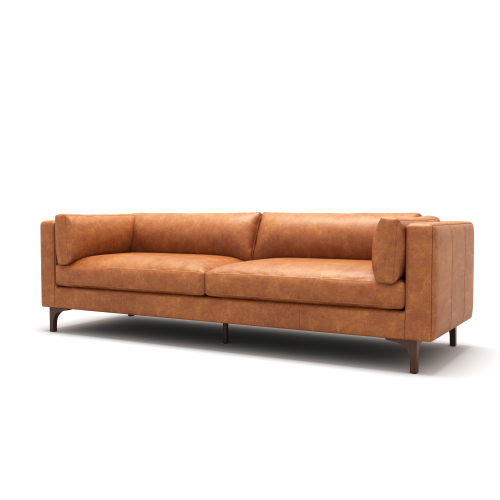
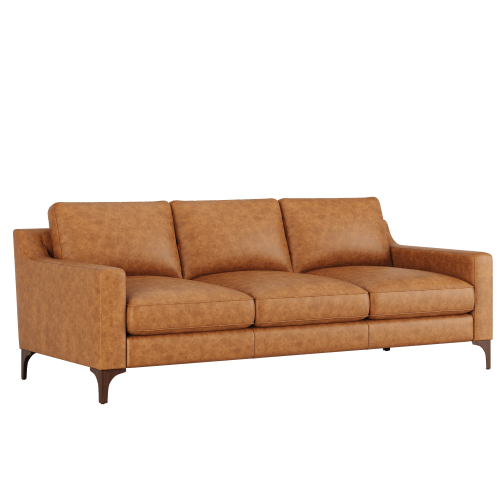
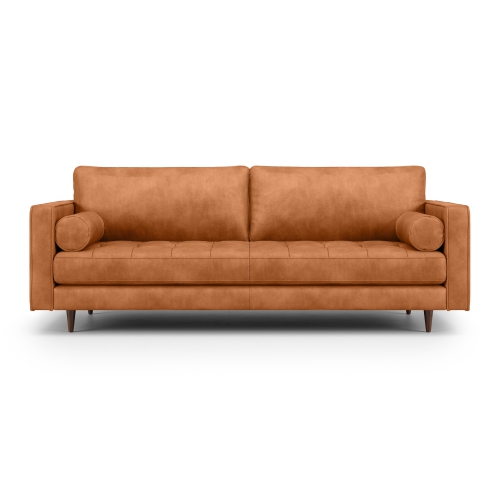
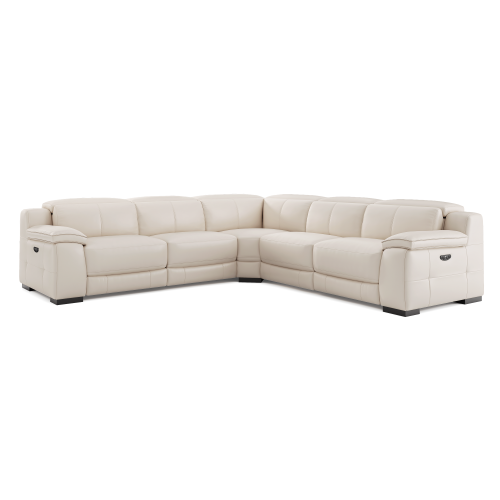
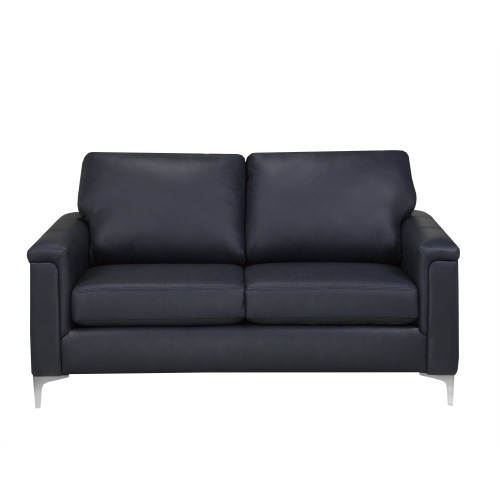
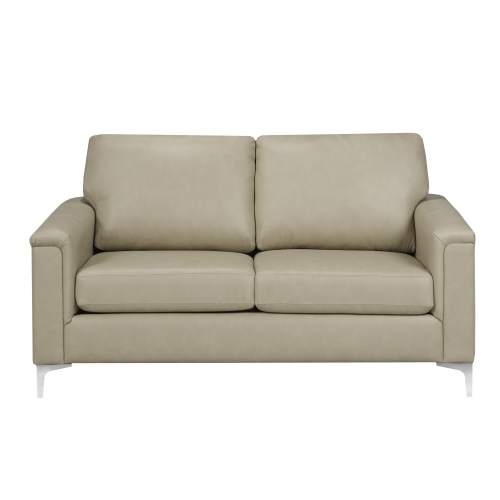
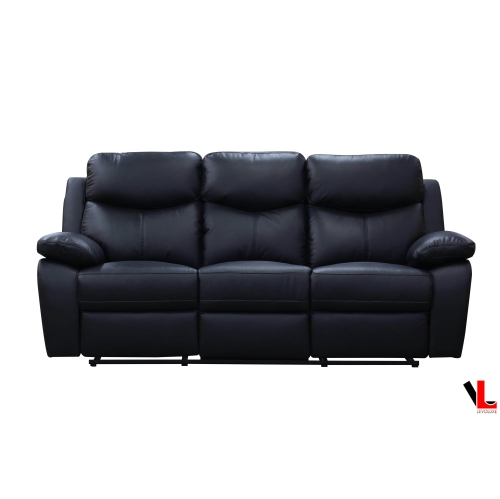
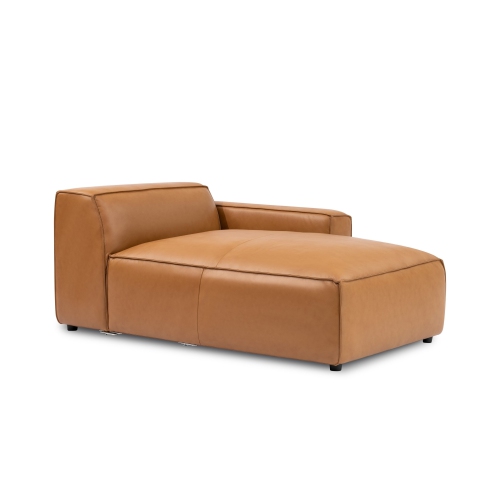
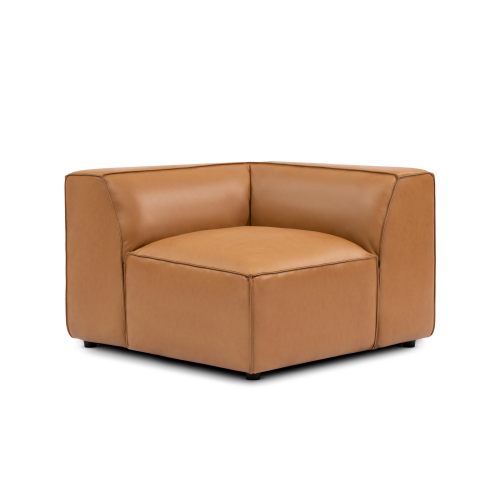
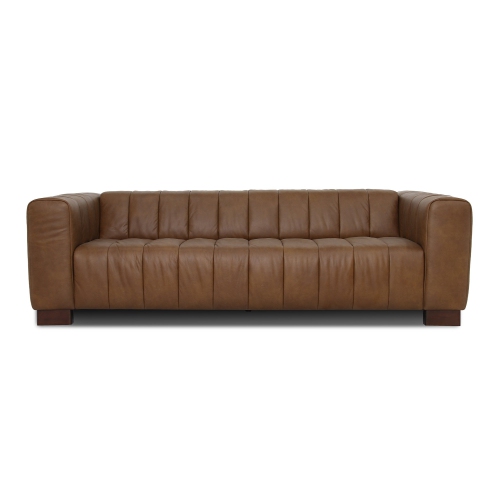
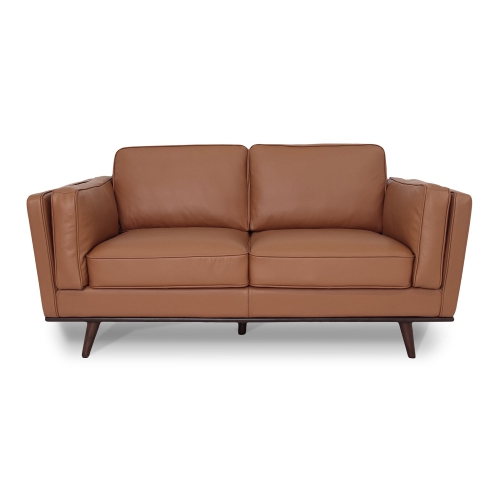
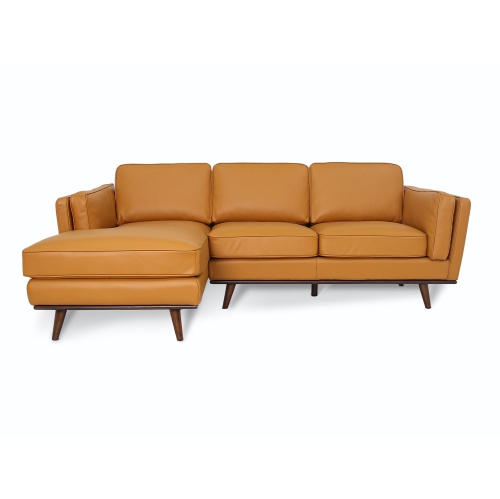
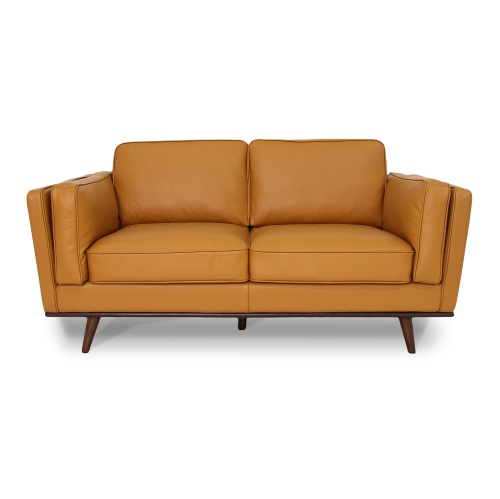

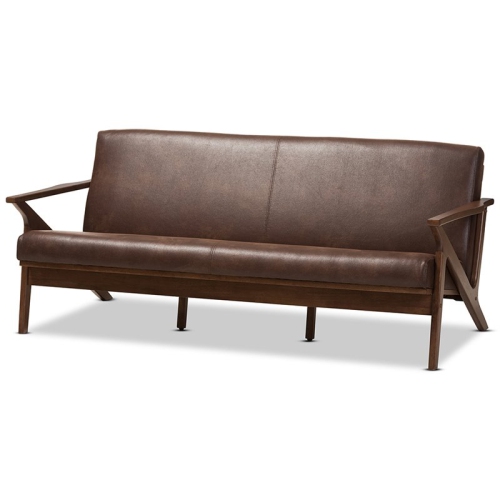
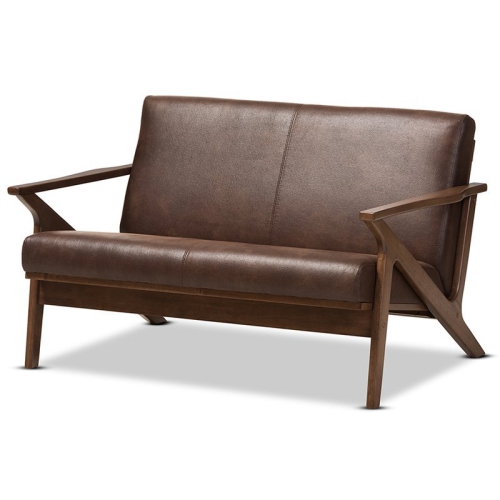
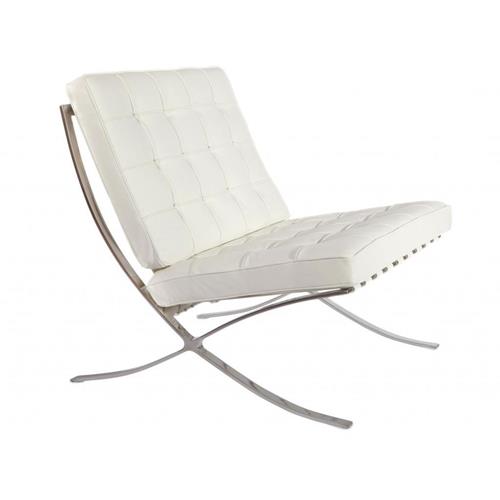

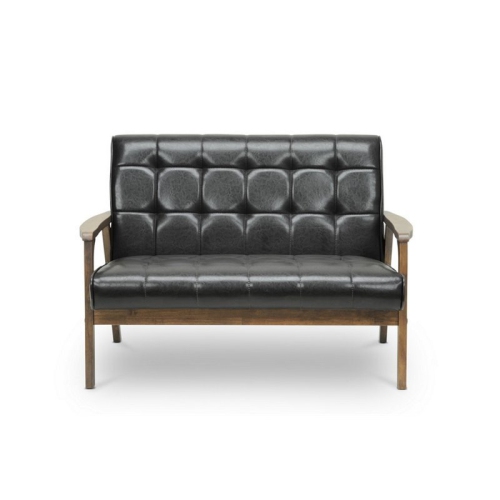
How leather finishes and sofa proportions shape everyday comfort
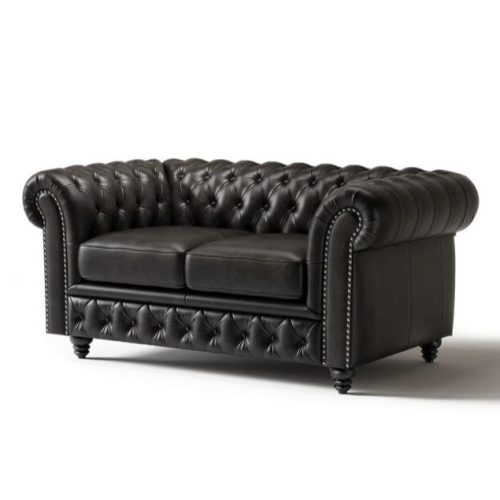
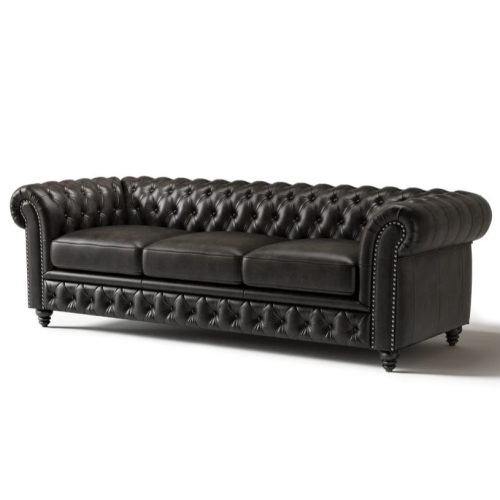
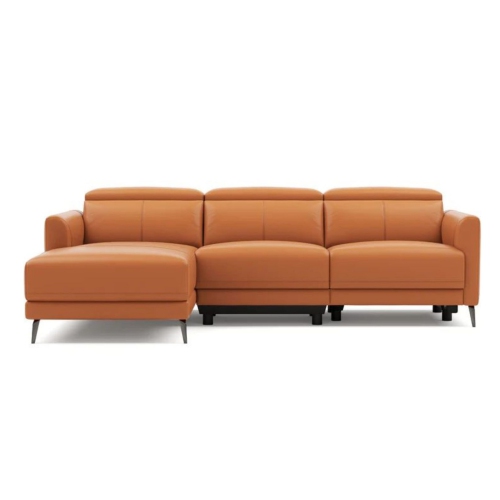
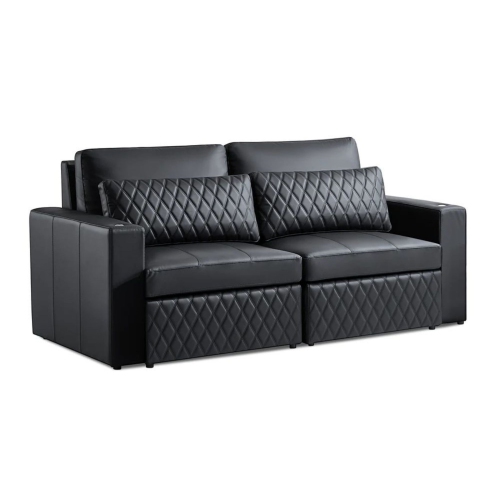
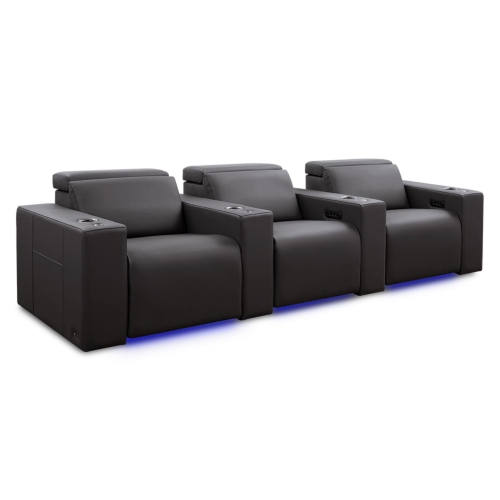
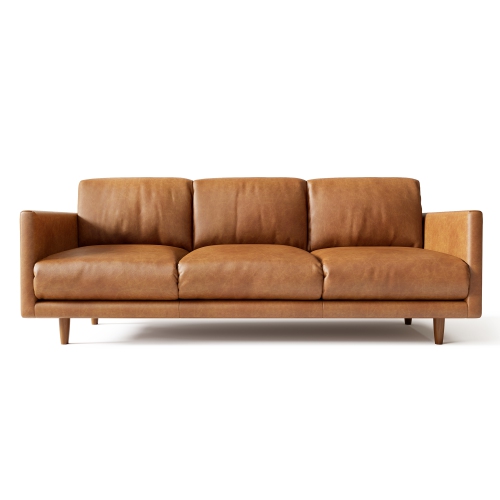
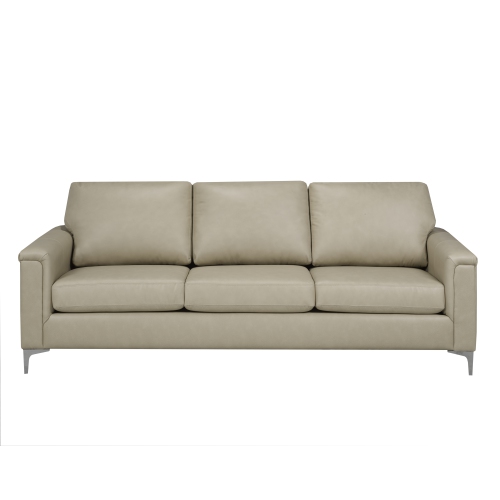
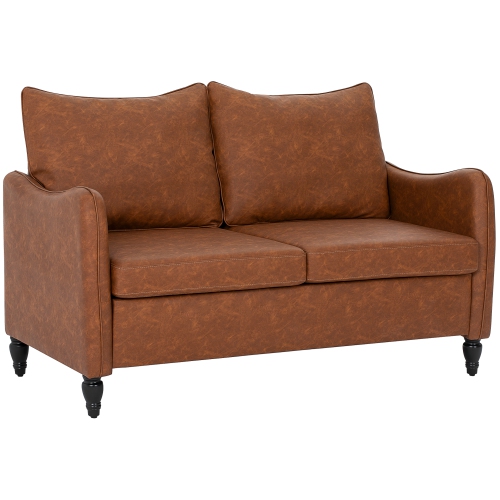
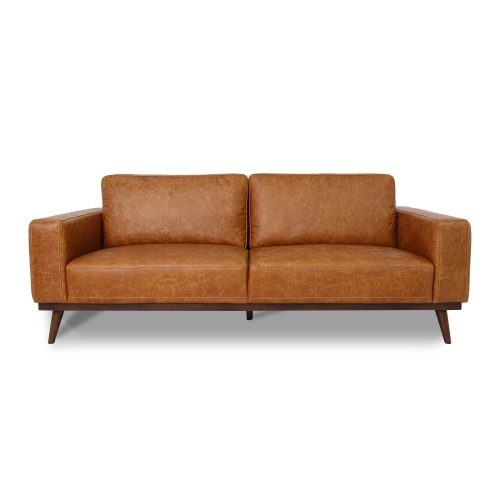
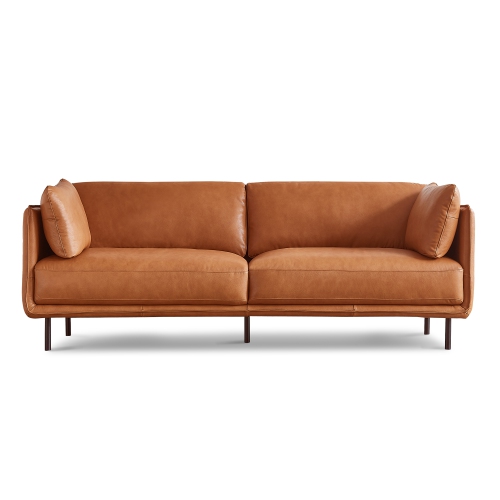
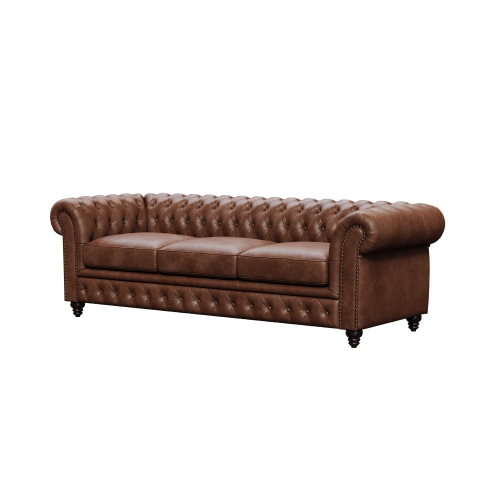
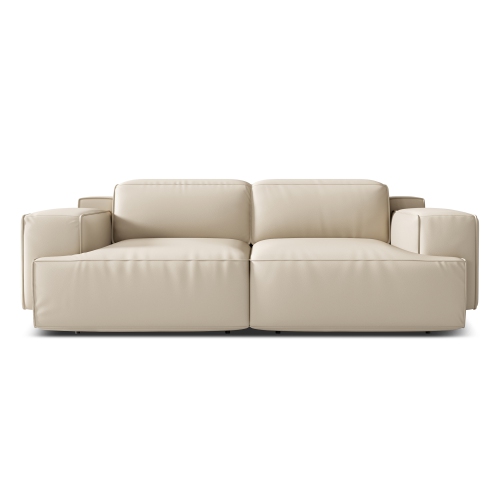
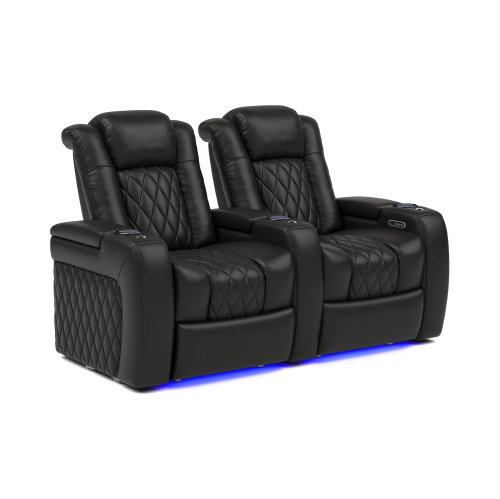
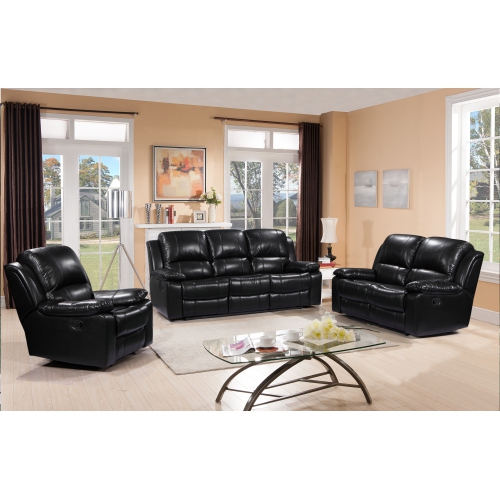
Leather sofas bring a distinctive mix of texture, structure, and everyday comfort to a living room, family room, or home office. Their appeal extends beyond a particular decorating style: a low-profile sofa with narrow arms can sit comfortably among clean-lined furniture, while rolled arms, button tufting, and deeper cushions lend themselves to a more traditional space. The upholstery has a visual character of its own, from smooth, evenly finished surfaces to leather with visible grain and natural markings. Colour makes a substantial difference to the overall effect. Tan and cognac shades introduce warmth beside wood furniture, cream creates a lighter appearance, and darker brown provides a rich backdrop for patterned cushions and throws. For a crisp contrast against pale walls or a cohesive look alongside dark shelving, black leather sofas work with a wide range of accent colours and finishes. Shape matters just as much as colour. Raised legs reveal more of the floor and can make a sofa appear less bulky, while a base that sits close to the floor creates a more grounded presence. Slim arms leave more room for seating within a smaller footprint; broad, padded arms offer a comfortable resting place but take up more of the overall width. In an open-plan room, the sofa’s back may be visible from a dining table or entryway, making its rear upholstery and proportions part of the room’s design. A sofa used mainly for conversation may benefit from upright cushions and a shallower seat, whereas a piece intended for stretching out with a book or watching a film may suit a deeper, more relaxed profile. Leather can support either look, so the most useful distinction is often how the seating will fit into daily life rather than whether the room follows a single style.
The term leather sofa can describe different upholstery constructions, and those differences affect appearance, feel, and care. Full-grain leather retains the hide’s natural surface, including variations that give each upholstered section its own character. Top-grain leather has had some surface treatment to create a more uniform finish, though its softness and texture still depend on how it is processed. Aniline leather uses transparent dyes that leave natural markings visible, while semi-aniline leather adds a light protective finish. More heavily pigmented leather generally has a more consistent colour and a protective surface coating, which can make routine cleaning easier when cared for as directed. These distinctions are worth checking rather than judging by colour or photographs alone. Some sofas use genuine leather on the seating areas, armrests, and back cushions, with a different material on the outer sides and back. Bonded leather contains leather fibres combined with binding materials, while faux leather is a manufactured alternative; neither should be assumed to have the same wear characteristics as full-grain or top-grain leather. The structure beneath the upholstery also shapes long-term comfort. Frame materials, joint construction, seat suspension, and cushion filling all contribute to how supported a sofa feels and how well it holds its form. Foam cushions tend to offer a more defined shape, while fibre or feather blends can create a softer feel and may need more frequent fluffing. A firm seat is not necessarily uncomfortable, especially for someone who prefers support when sitting upright or getting to their feet. For a shared household, the balance between support and softness matters more than choosing the plushest-looking option. A sofa used for daily television viewing will experience different wear from one in a quieter sitting room. Homes with children or pets may also benefit from a protective leather finish, although no upholstery is immune to scratches, spills, or abrasion. Natural creasing and a developing patina can be part of leather’s character, but peeling, cracking, and damaged seams are different forms of wear.
A comfortable fit starts with the room and continues through the route the sofa must travel to reach it. Overall width, depth, and height are only part of the picture: usable seat width, seat depth, arm height, and back height determine how the sofa feels once someone sits down. A deeper seat gives taller people room to settle in, but someone with shorter legs may prefer a shallower cushion that allows their feet to rest on the floor. Marking the footprint with painter’s tape helps show whether the sofa leaves enough space to move between a coffee table, doorway, and adjacent chair. Reclining designs need additional operating clearance, and a chaise should extend on the side that supports the room’s walking paths rather than blocking them. Door frames, stair turns, lifts, and narrow hallways deserve attention too, along with whether legs or other components can be removed for delivery. Once positioned, regular care helps preserve both the leather’s surface and the sofa’s structure. A soft, dry cloth removes everyday dust, and a vacuum with a suitable soft brush attachment can lift crumbs from seams and cushion gaps without scraping the upholstery. Spills are best blotted promptly with a clean, absorbent cloth rather than rubbed into the surface. Cleaning products should be approved for the particular leather finish and tested in an inconspicuous area; household sprays, solvents, and excessive water can cause damage. Conditioner is appropriate for some leathers but not every finish, so the manufacturer’s care directions take priority over a general routine. Placement away from prolonged direct sunlight helps reduce uneven fading, while keeping sharp objects and pet claws off the upholstery limits preventable marks. Removable cushions may benefit from rotation where their construction allows it, but attached or one-sided cushions should not be forced into a different position. With proportions that suit the room, support that suits the people using it, and care matched to its finish, a leather sofa can become a dependable place for conversation, reading, and unwinding.
The term leather sofa can describe different upholstery constructions, and those differences affect appearance, feel, and care. Full-grain leather retains the hide’s natural surface, including variations that give each upholstered section its own character. Top-grain leather has had some surface treatment to create a more uniform finish, though its softness and texture still depend on how it is processed. Aniline leather uses transparent dyes that leave natural markings visible, while semi-aniline leather adds a light protective finish. More heavily pigmented leather generally has a more consistent colour and a protective surface coating, which can make routine cleaning easier when cared for as directed. These distinctions are worth checking rather than judging by colour or photographs alone. Some sofas use genuine leather on the seating areas, armrests, and back cushions, with a different material on the outer sides and back. Bonded leather contains leather fibres combined with binding materials, while faux leather is a manufactured alternative; neither should be assumed to have the same wear characteristics as full-grain or top-grain leather. The structure beneath the upholstery also shapes long-term comfort. Frame materials, joint construction, seat suspension, and cushion filling all contribute to how supported a sofa feels and how well it holds its form. Foam cushions tend to offer a more defined shape, while fibre or feather blends can create a softer feel and may need more frequent fluffing. A firm seat is not necessarily uncomfortable, especially for someone who prefers support when sitting upright or getting to their feet. For a shared household, the balance between support and softness matters more than choosing the plushest-looking option. A sofa used for daily television viewing will experience different wear from one in a quieter sitting room. Homes with children or pets may also benefit from a protective leather finish, although no upholstery is immune to scratches, spills, or abrasion. Natural creasing and a developing patina can be part of leather’s character, but peeling, cracking, and damaged seams are different forms of wear.
A comfortable fit starts with the room and continues through the route the sofa must travel to reach it. Overall width, depth, and height are only part of the picture: usable seat width, seat depth, arm height, and back height determine how the sofa feels once someone sits down. A deeper seat gives taller people room to settle in, but someone with shorter legs may prefer a shallower cushion that allows their feet to rest on the floor. Marking the footprint with painter’s tape helps show whether the sofa leaves enough space to move between a coffee table, doorway, and adjacent chair. Reclining designs need additional operating clearance, and a chaise should extend on the side that supports the room’s walking paths rather than blocking them. Door frames, stair turns, lifts, and narrow hallways deserve attention too, along with whether legs or other components can be removed for delivery. Once positioned, regular care helps preserve both the leather’s surface and the sofa’s structure. A soft, dry cloth removes everyday dust, and a vacuum with a suitable soft brush attachment can lift crumbs from seams and cushion gaps without scraping the upholstery. Spills are best blotted promptly with a clean, absorbent cloth rather than rubbed into the surface. Cleaning products should be approved for the particular leather finish and tested in an inconspicuous area; household sprays, solvents, and excessive water can cause damage. Conditioner is appropriate for some leathers but not every finish, so the manufacturer’s care directions take priority over a general routine. Placement away from prolonged direct sunlight helps reduce uneven fading, while keeping sharp objects and pet claws off the upholstery limits preventable marks. Removable cushions may benefit from rotation where their construction allows it, but attached or one-sided cushions should not be forced into a different position. With proportions that suit the room, support that suits the people using it, and care matched to its finish, a leather sofa can become a dependable place for conversation, reading, and unwinding.
Top selling and popular products
-
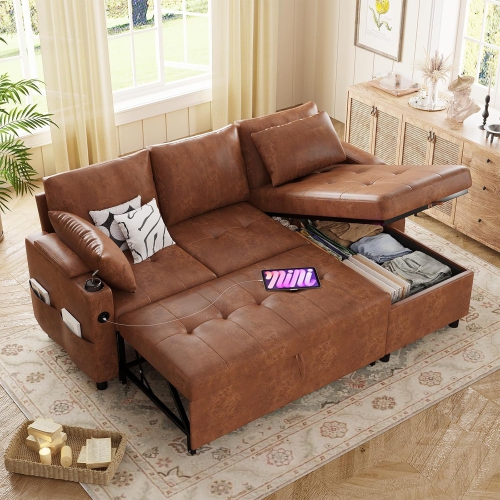 Your price for this item is $689.99
 -
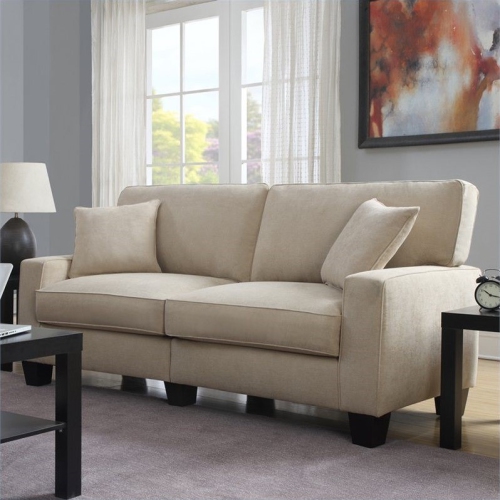 Your price for this item is $1707.8
 -
 Your price for this item is $265.99
 -
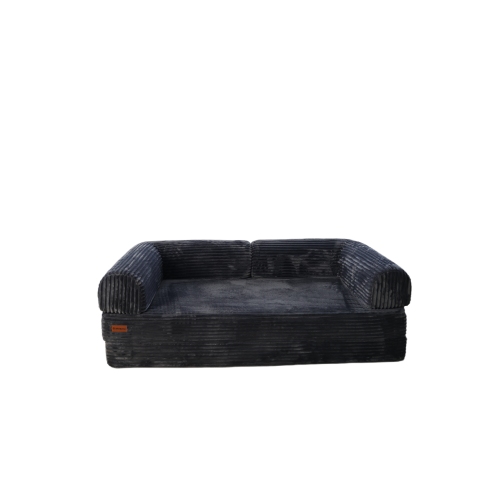 Your price for this item is $599.97
 -
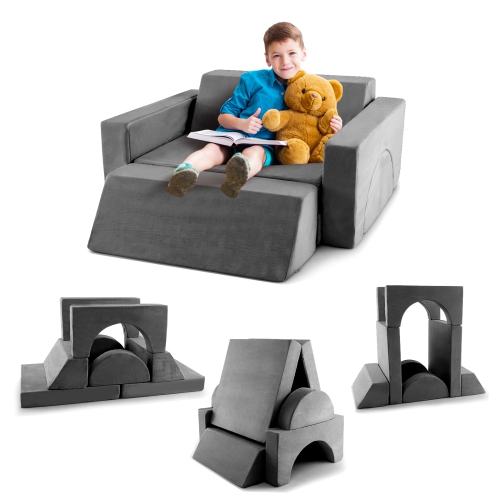 Your price for this item is $167.99
 -
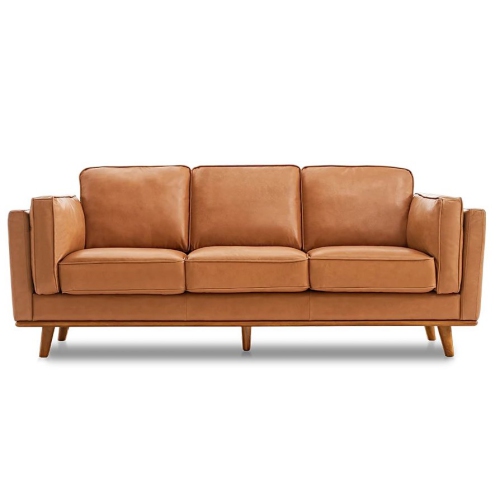 Your price for this item is $2399.99
 -
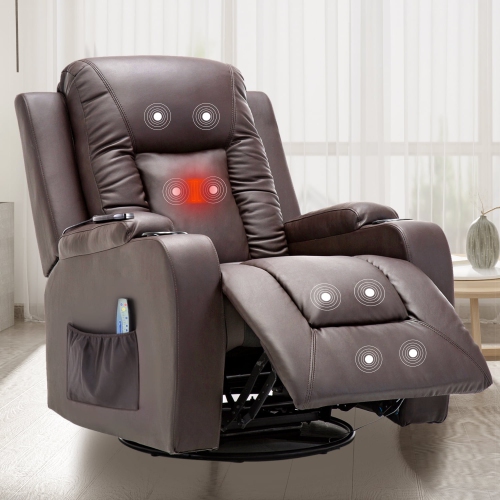 Your price for this item is $599.99
 -
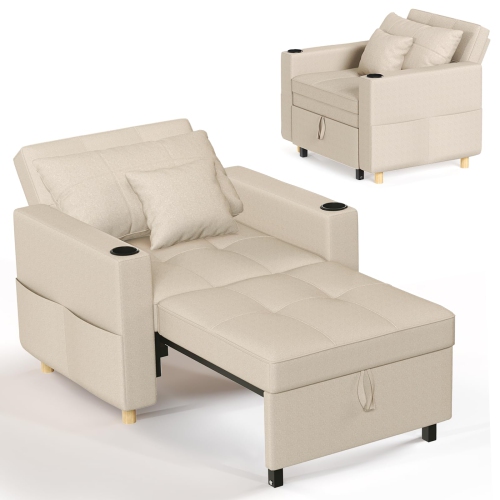 Your price for this item is $329.99
Discover more categories related to Leather Sofas
Top Collections:
Pokemon Centers, Kindle Devices, Best Budget Office Chairs, Apple iPhones 16, Best Laptops for Writers, iPhone 15 Apple, Canon G7X Cameras, Refurbished Apple Laptops, Alarm Clock, Motorola Razr Phones
Some products may be subject to Environmental Handling Fees
(EHF) depending on your province.
Learn more about EHFs.