Leather Reclining Sofas
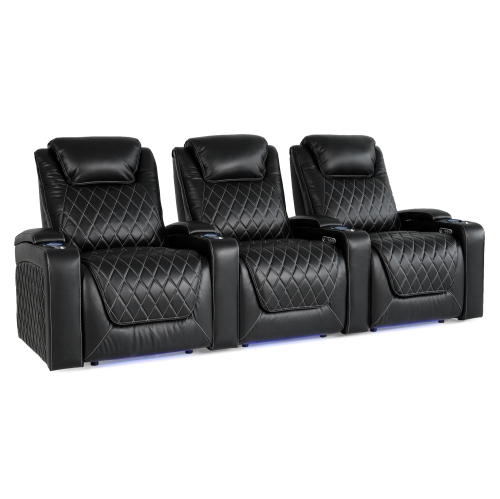
Upgrade your living room with the ultimate combination of style and comfort - leather reclining sofas. Crafted from high-quality materials, these luxurious pieces of furniture are designed to provide you with a seating experience like no other. Whether you're looking to unwind after a long day or simply want to enjoy a movie night in utmost relaxation, our collection of leather reclining sofas offers a wide range of options to suit your personal taste and home decor. With their sleek designs and ergonomic features, these sofas are sure to become the focal point of any living space. Explore our selection today and discover the perfect leather reclining sofa that will transform your living room into a haven of relaxation and style.


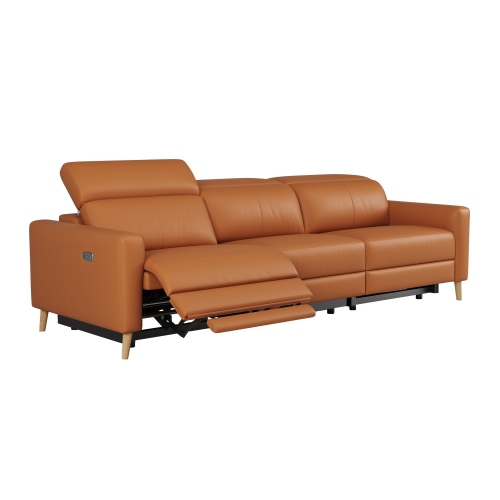

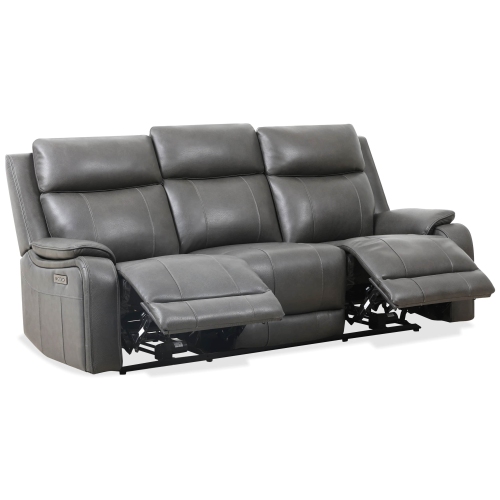
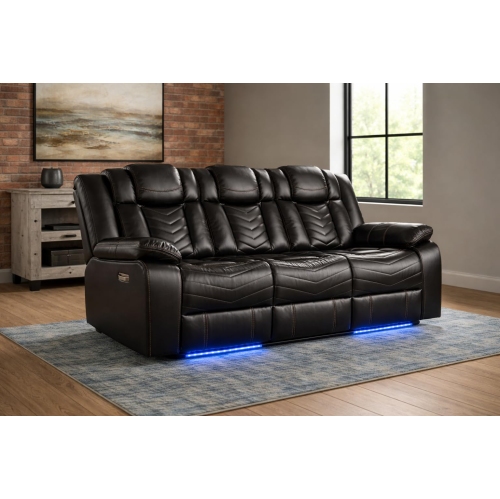

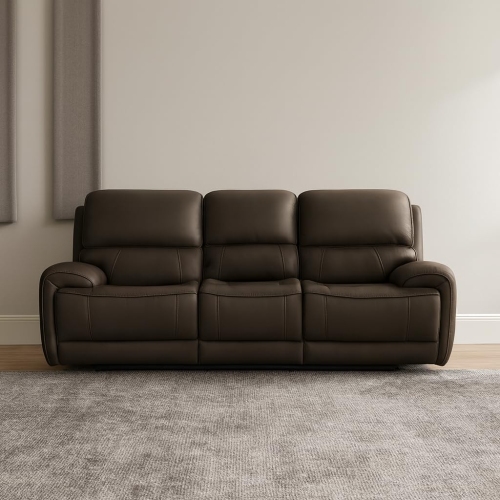
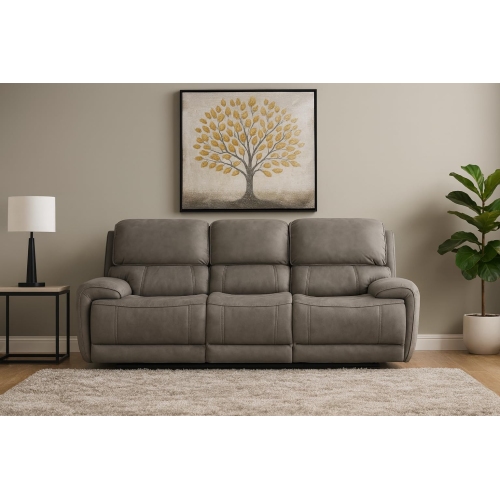


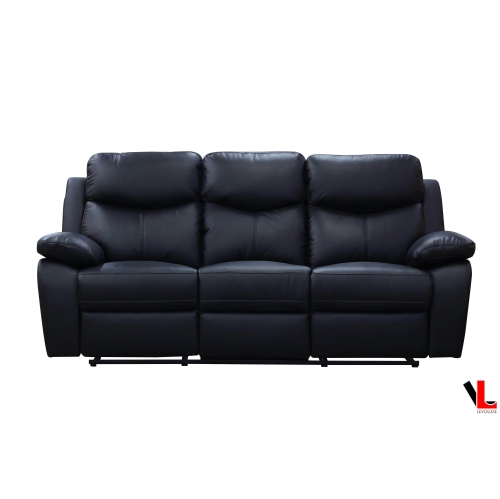


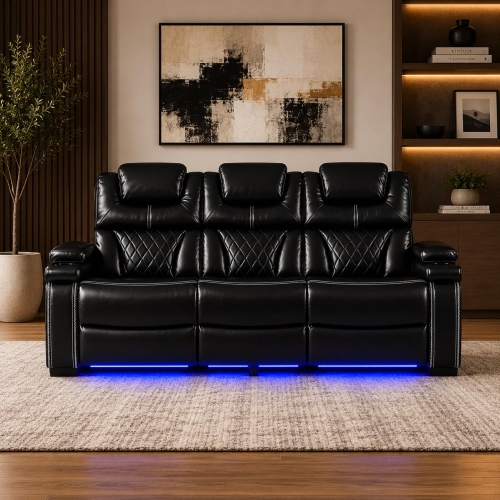
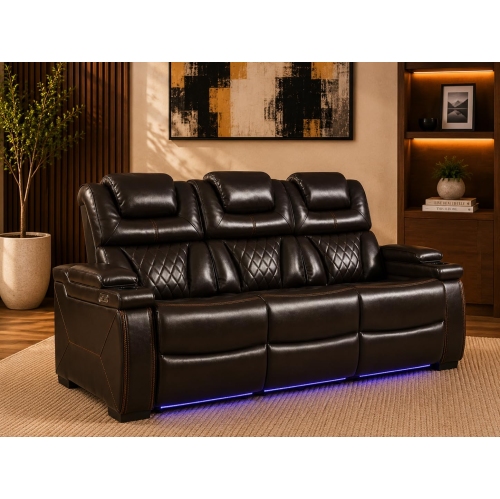


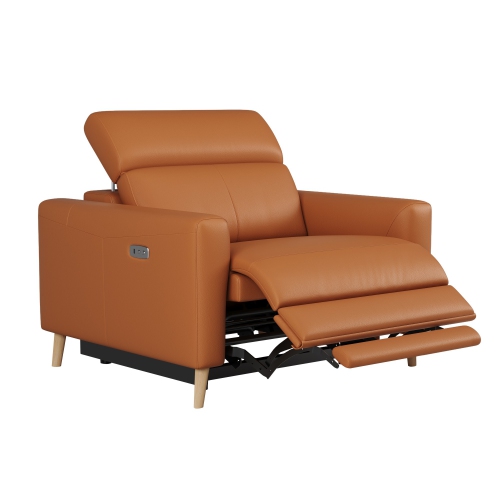
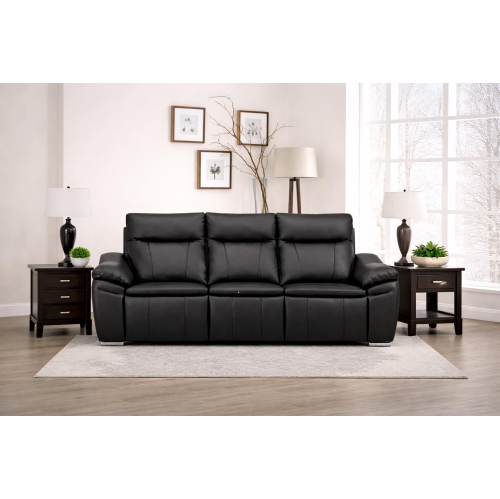
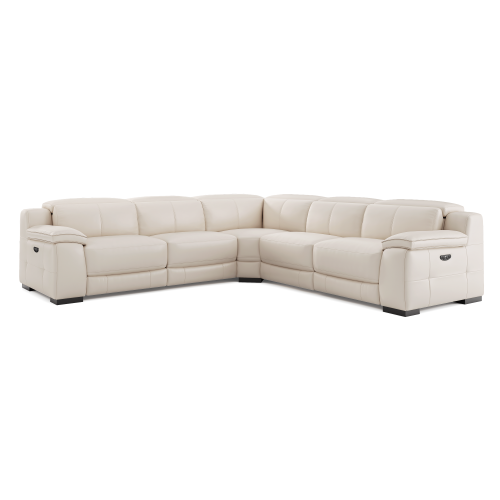
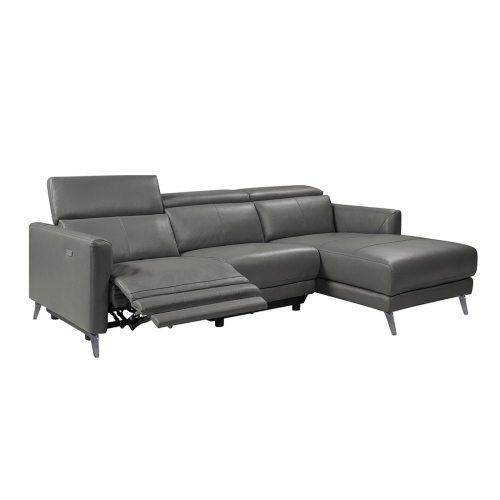
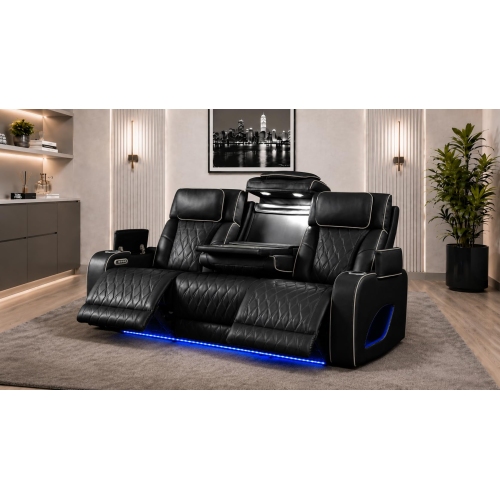
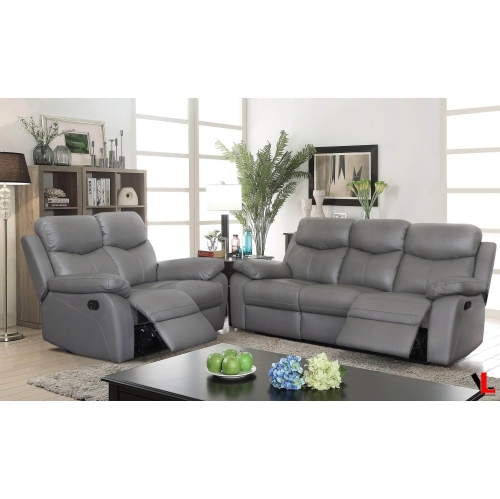

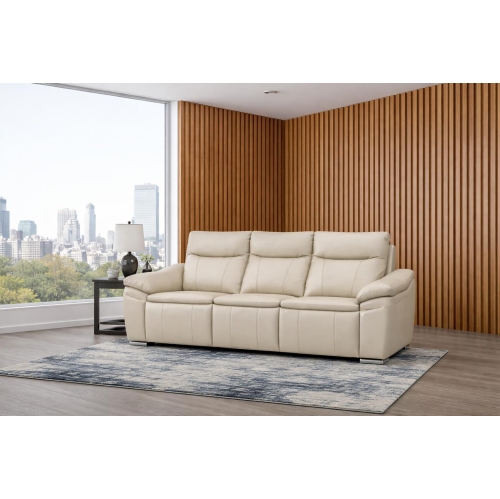
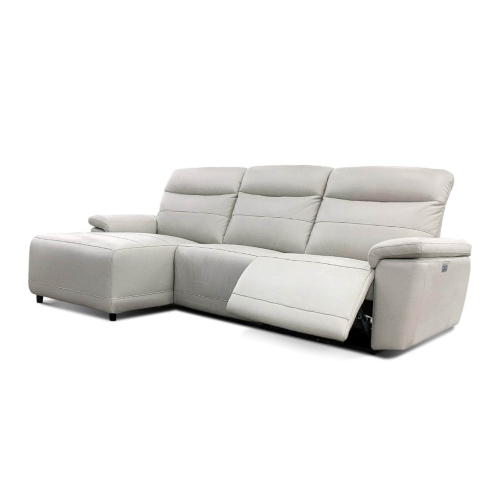




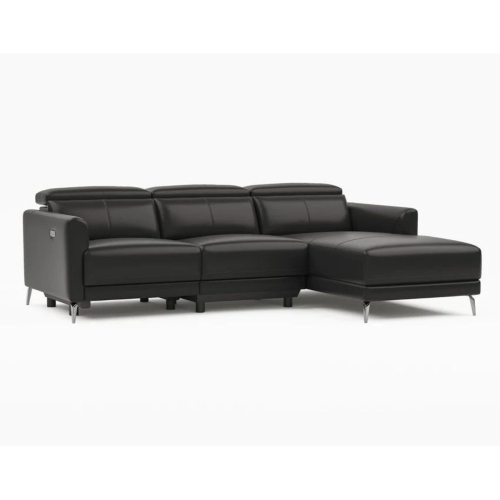
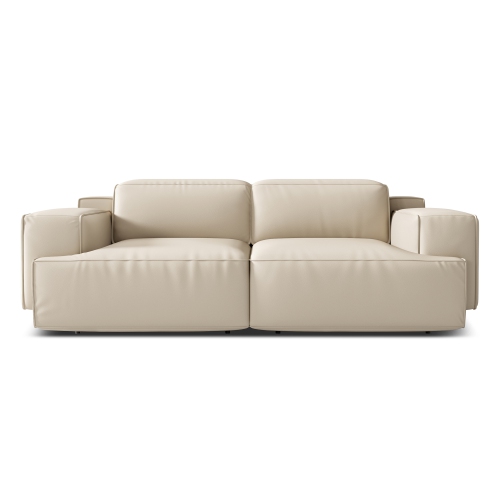
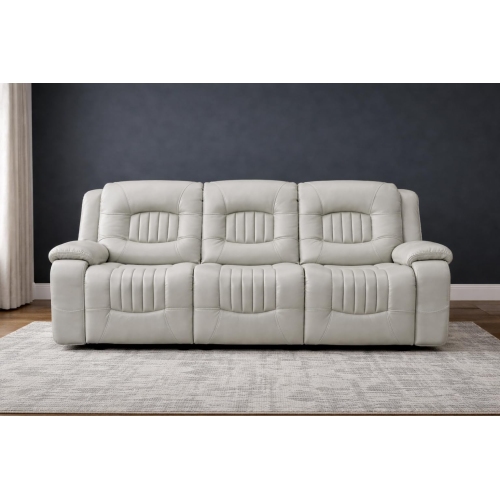
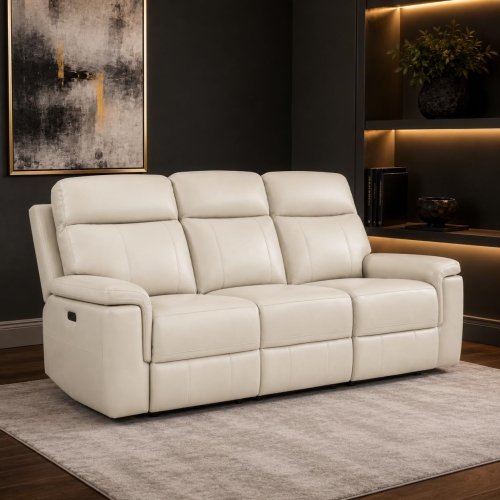



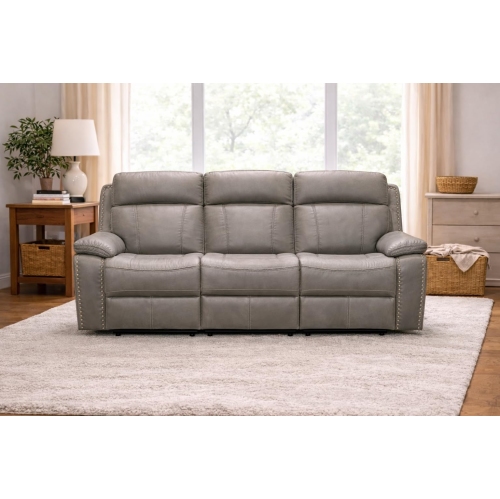
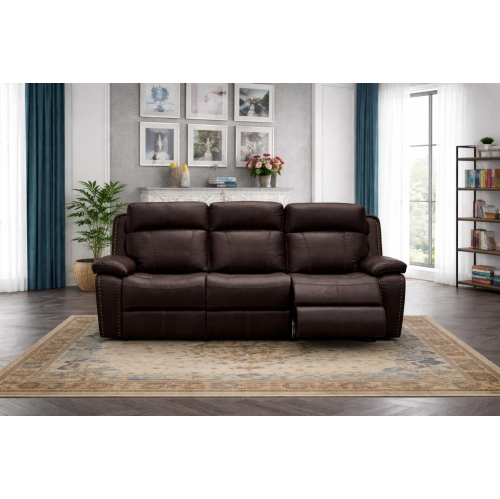
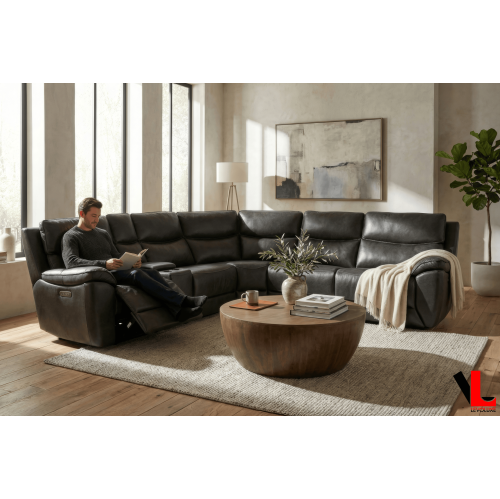
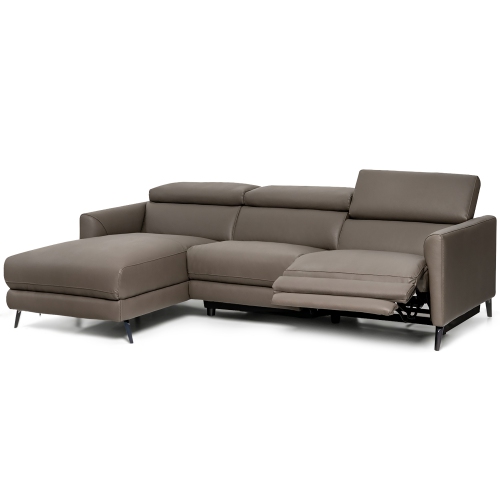
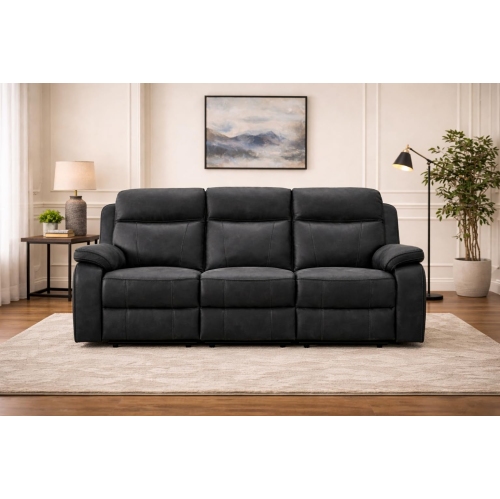
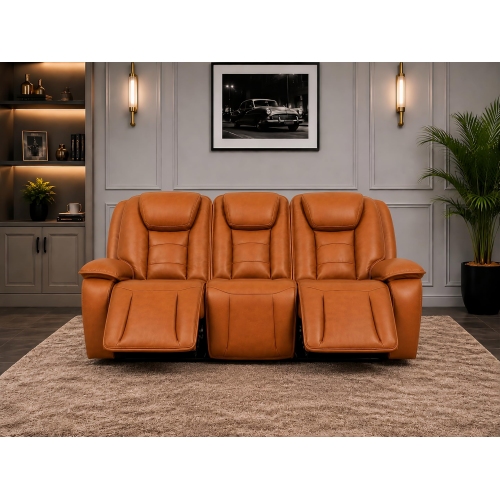
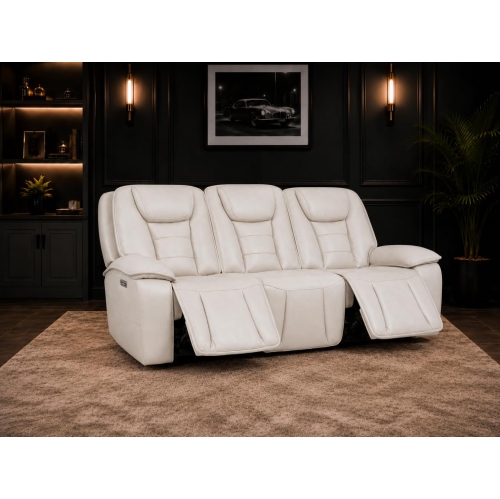

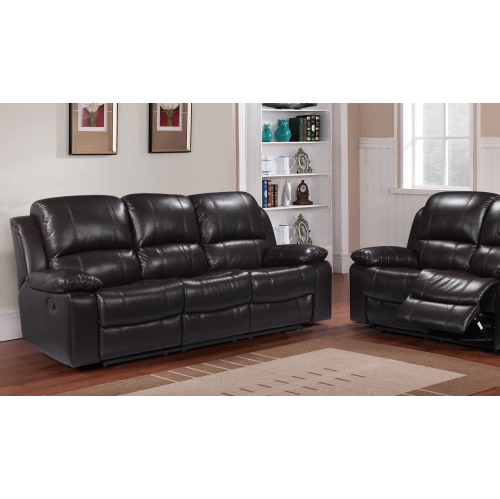

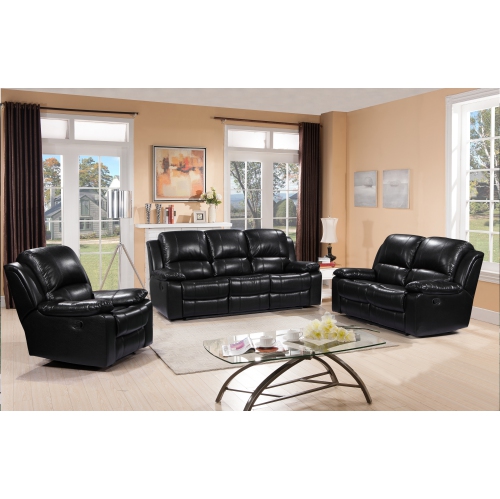

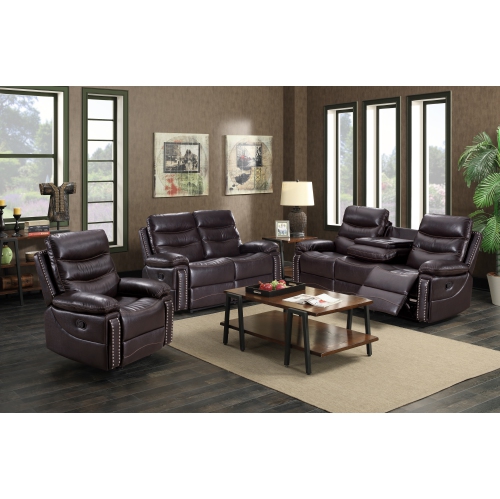

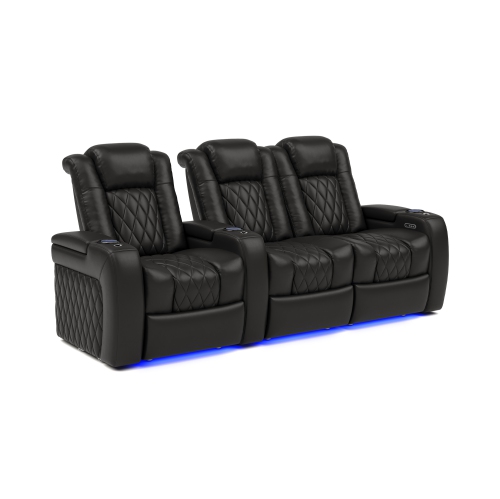

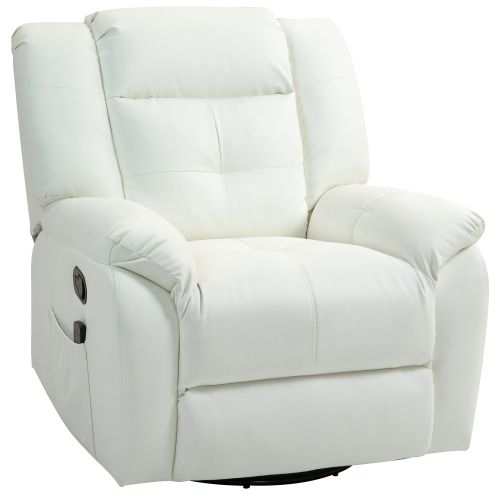





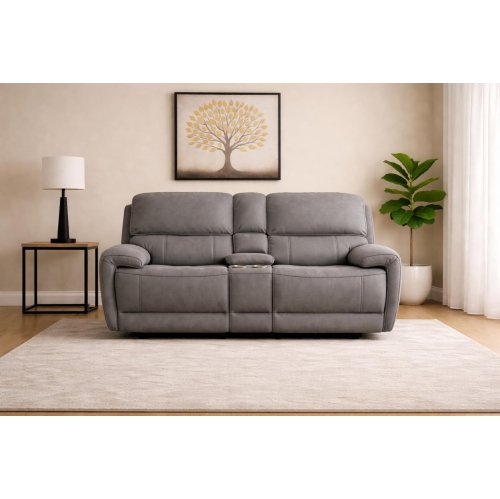


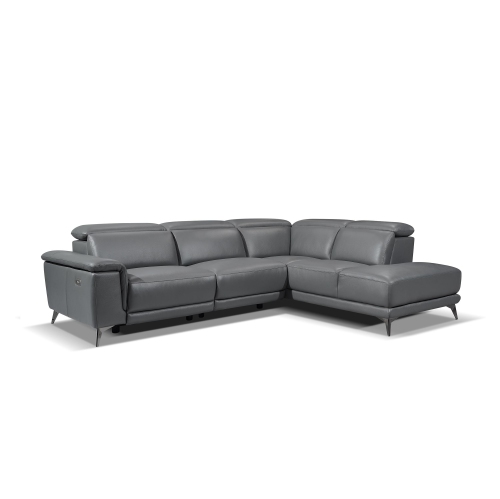
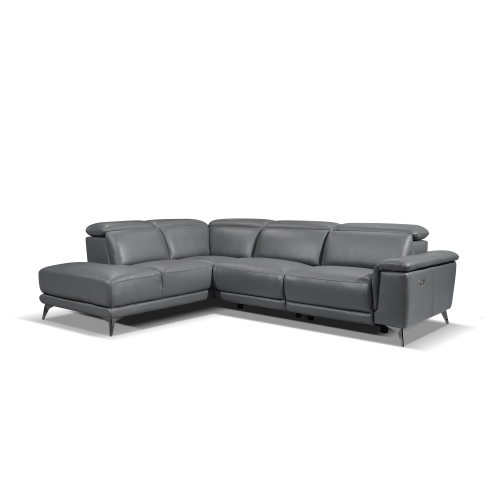


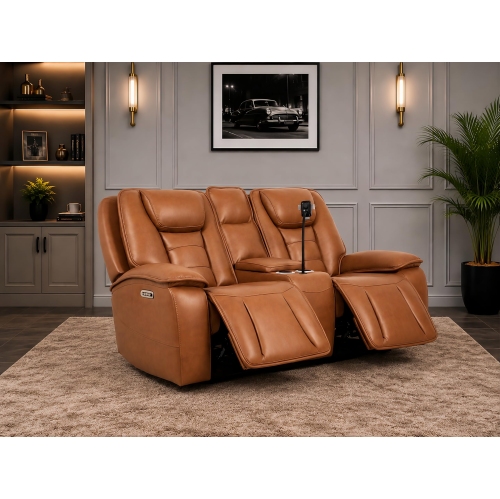

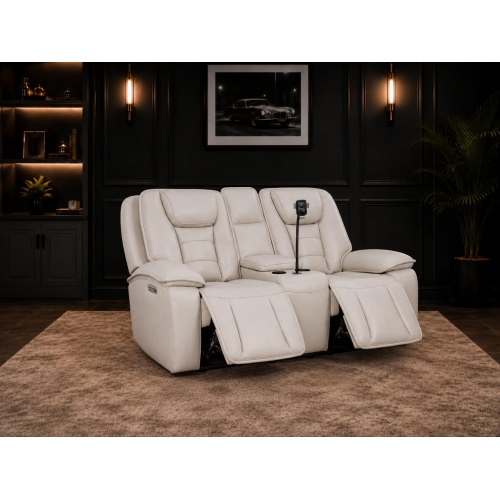
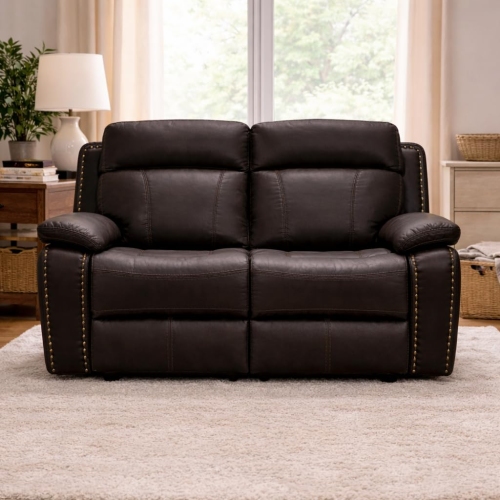

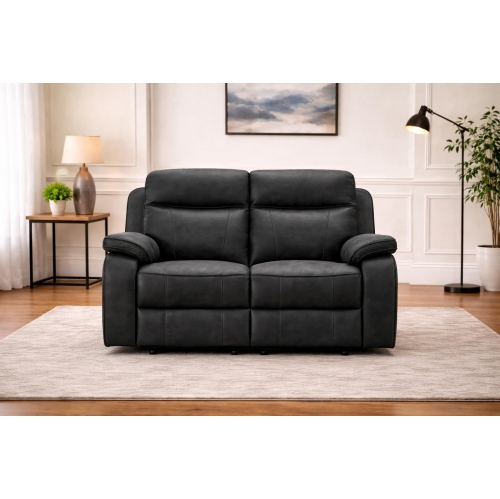
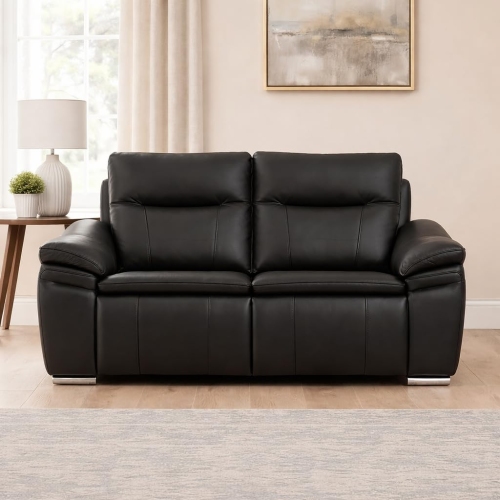
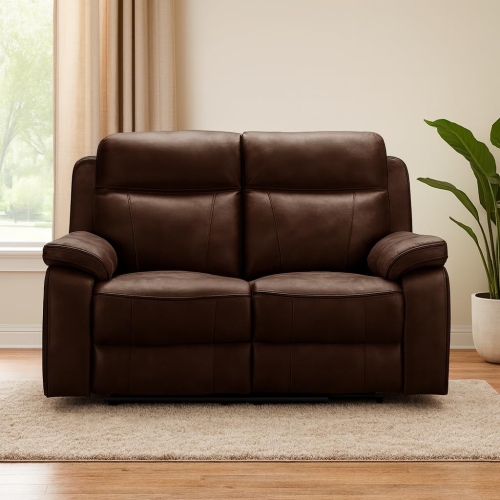

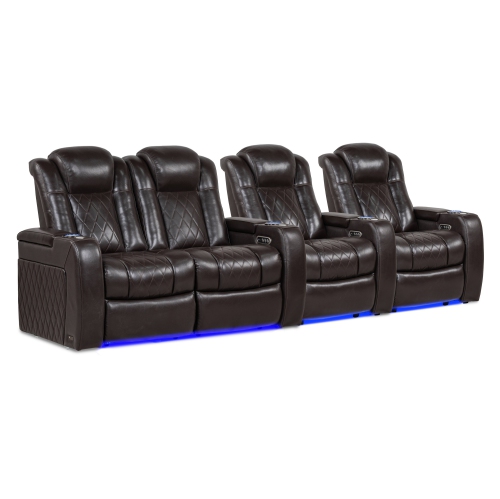
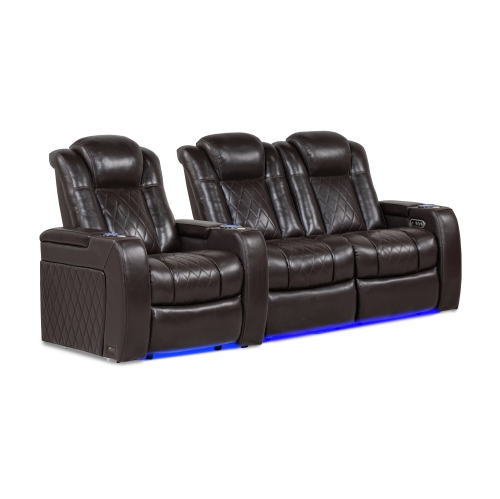
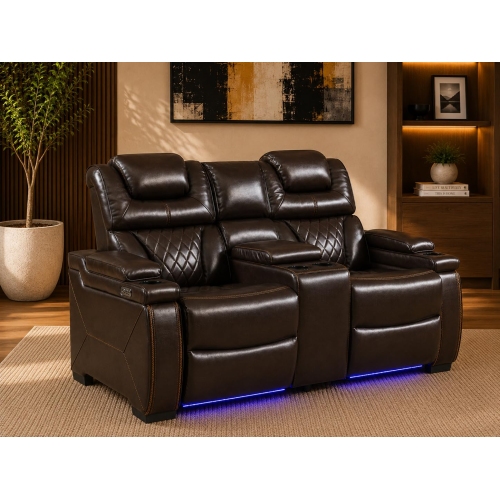
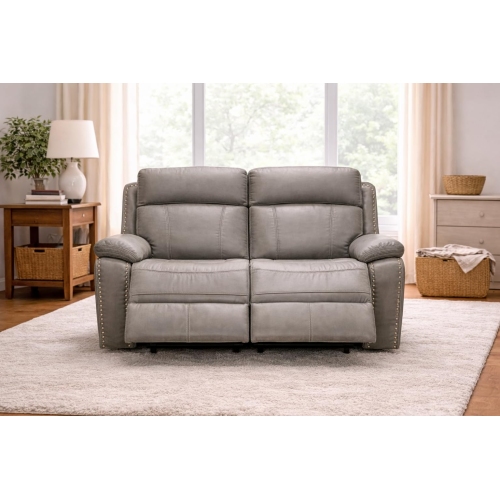
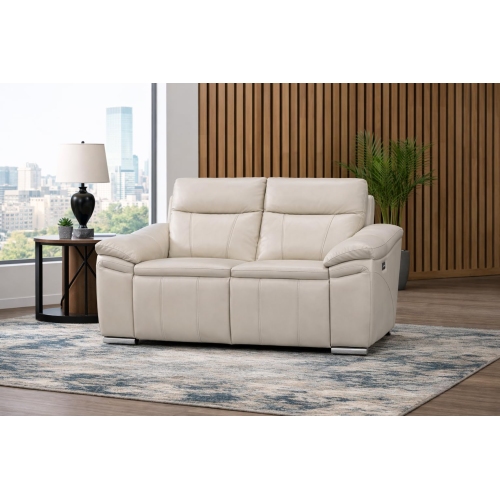
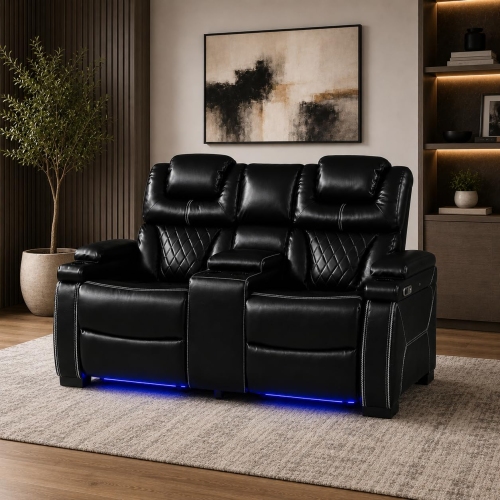
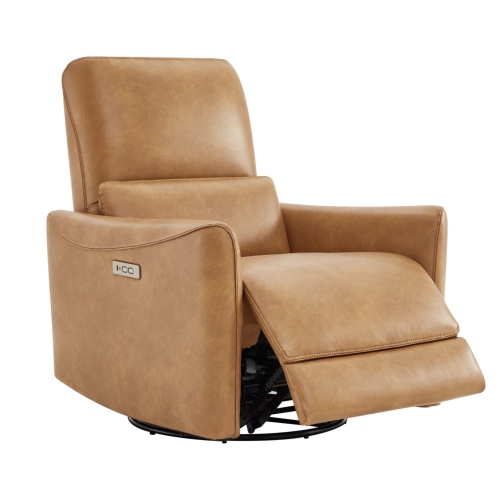


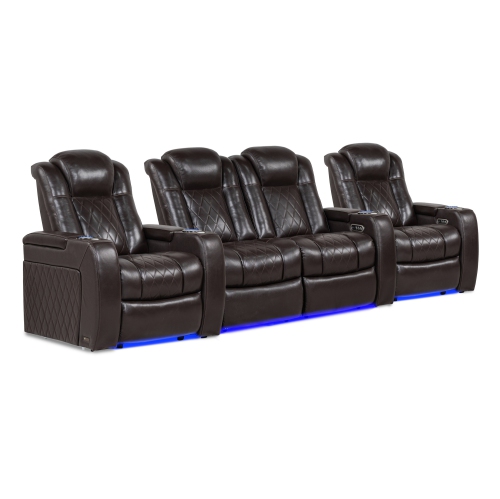

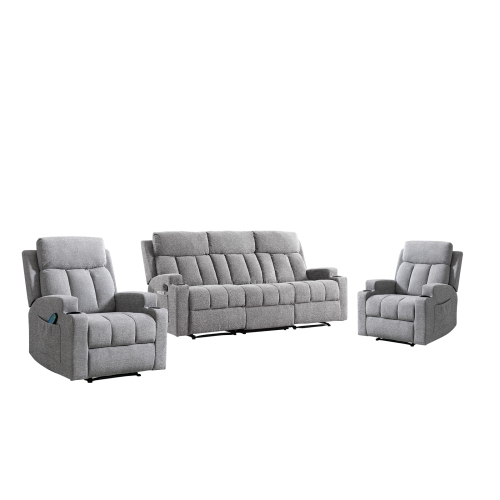
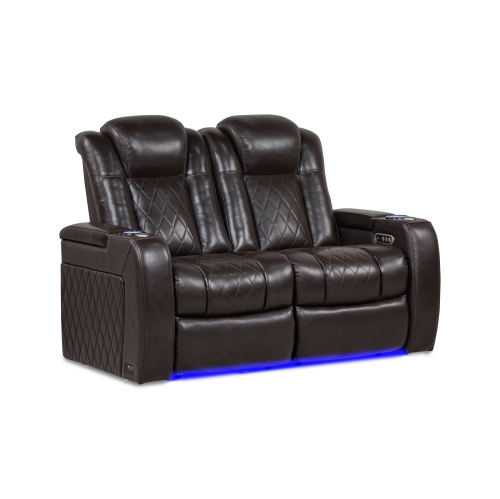
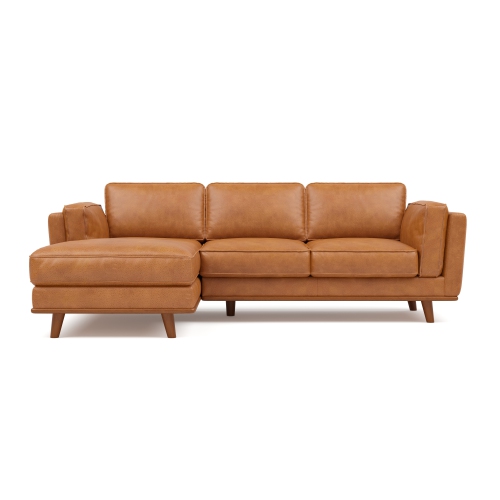


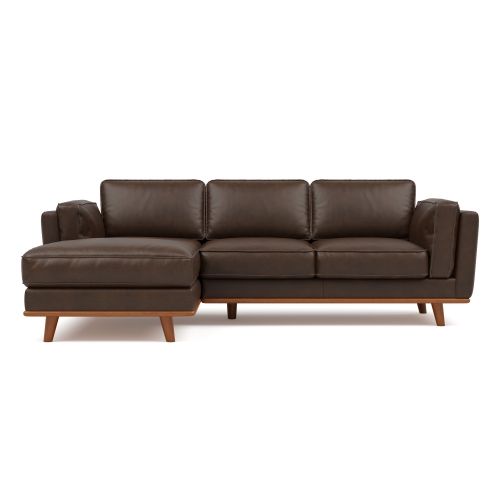

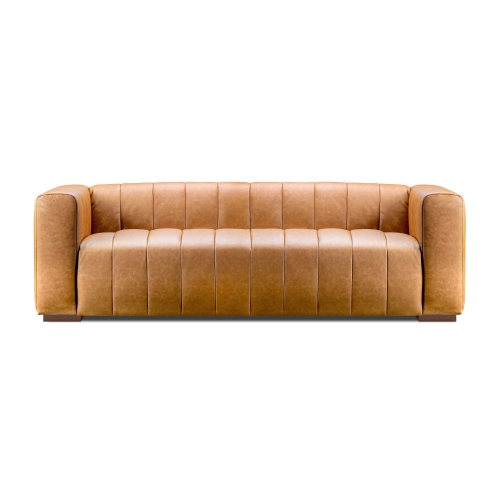

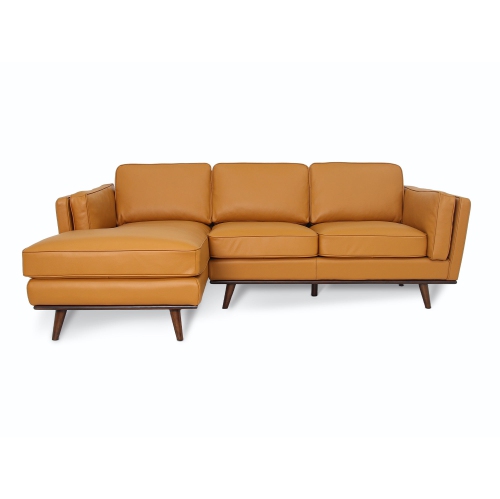
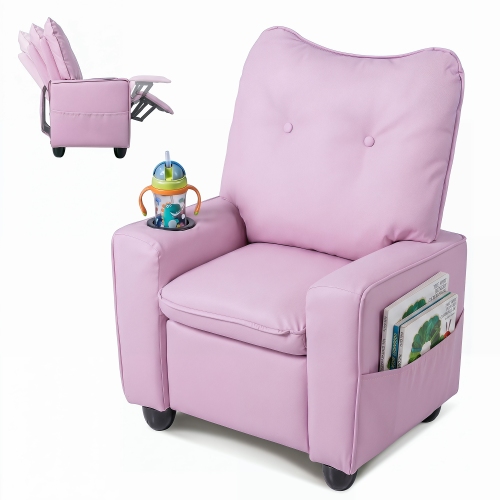
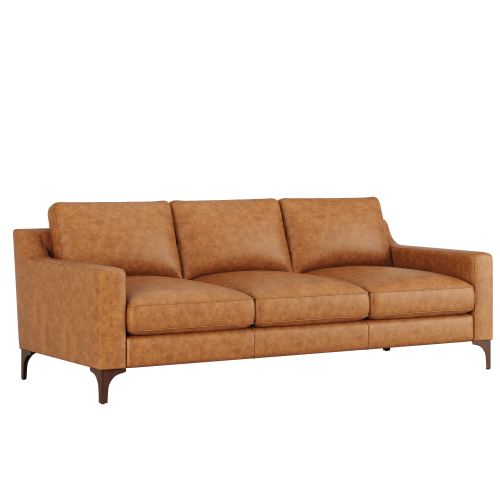
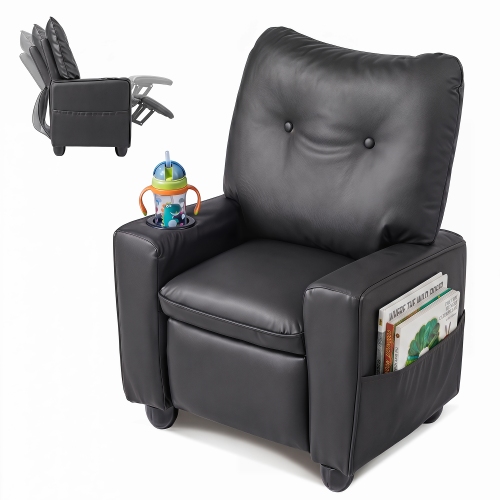

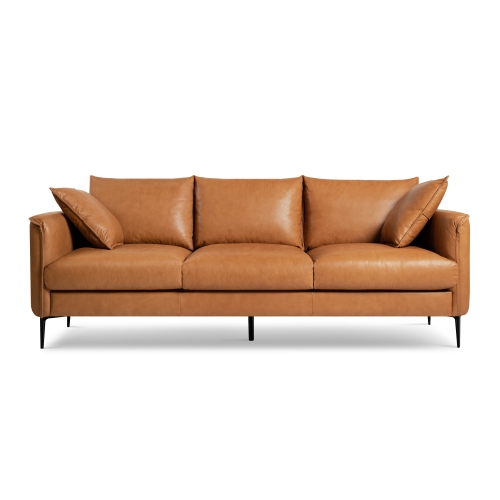
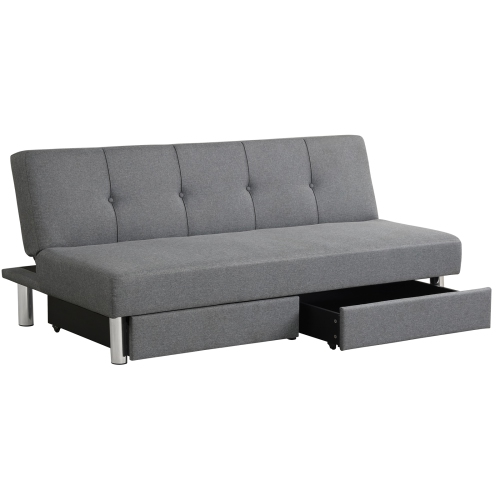

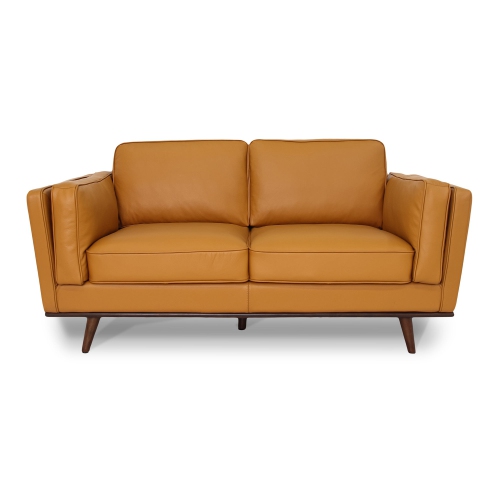

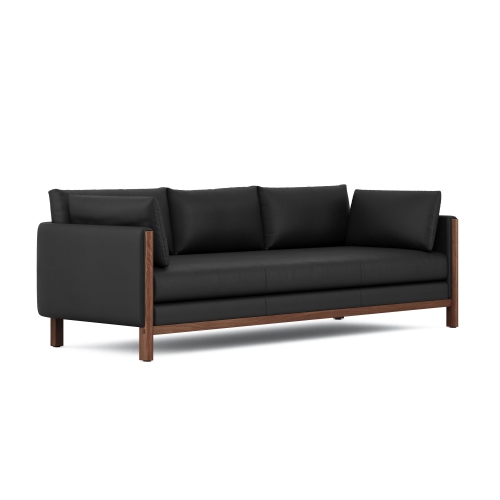
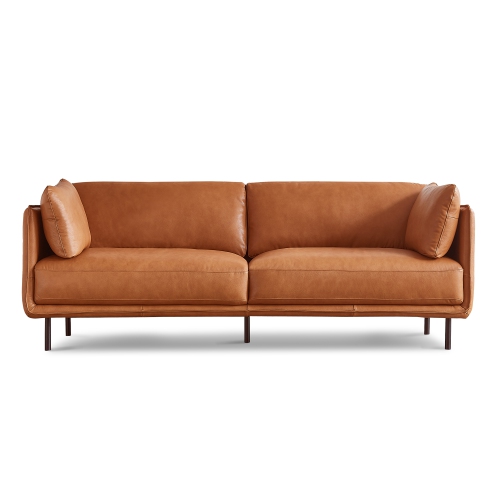
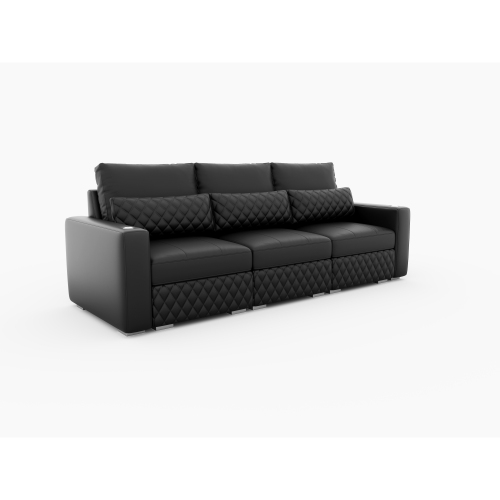
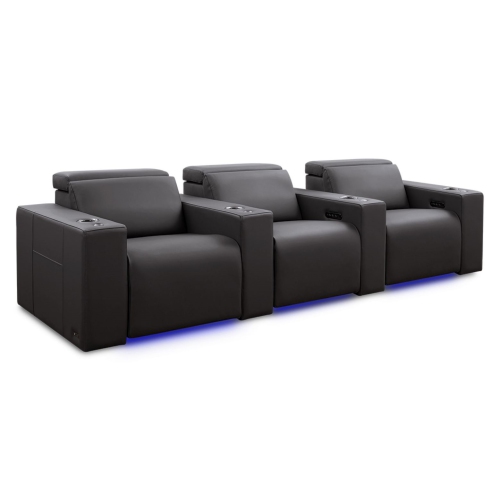

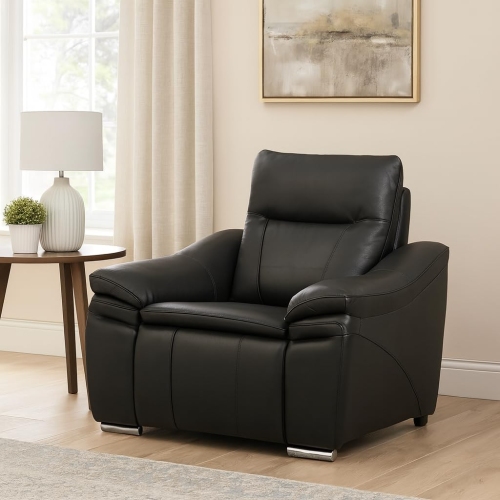
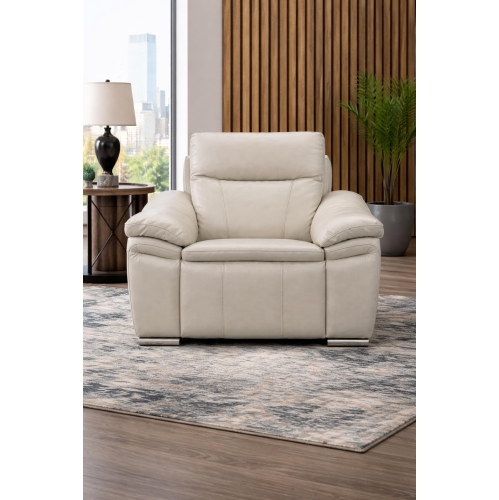
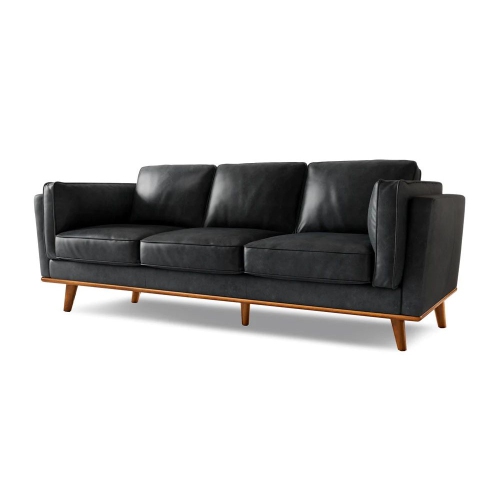


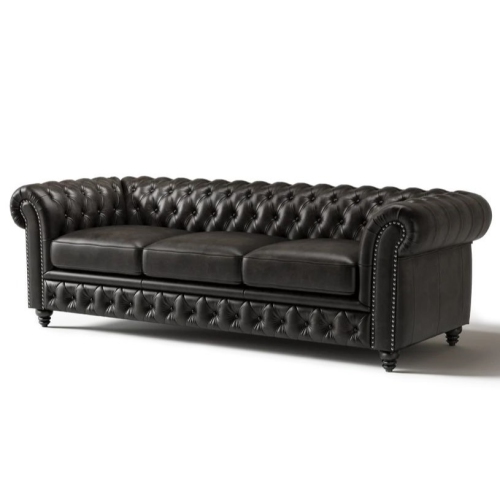
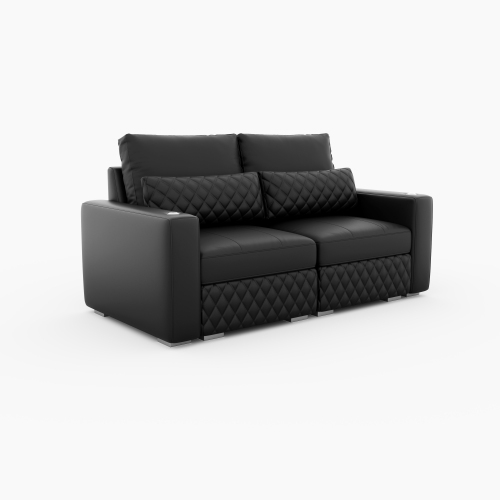
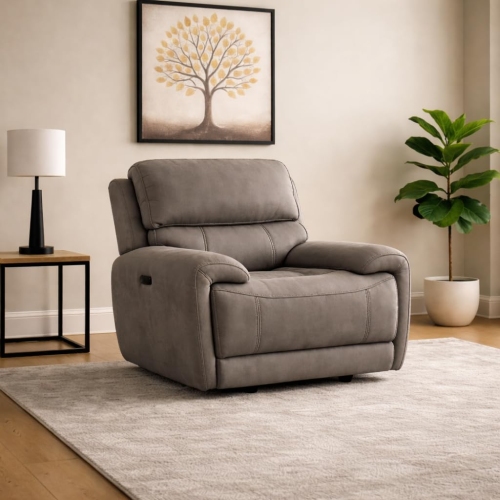
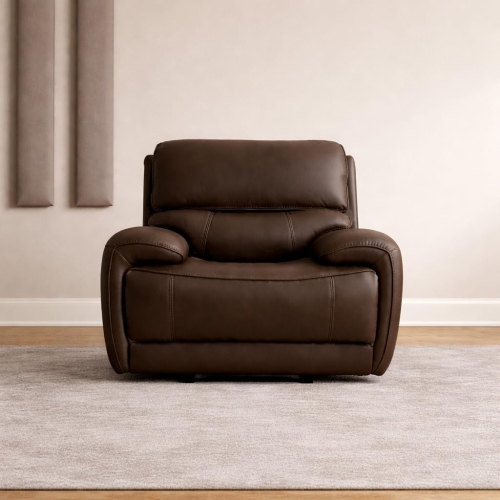


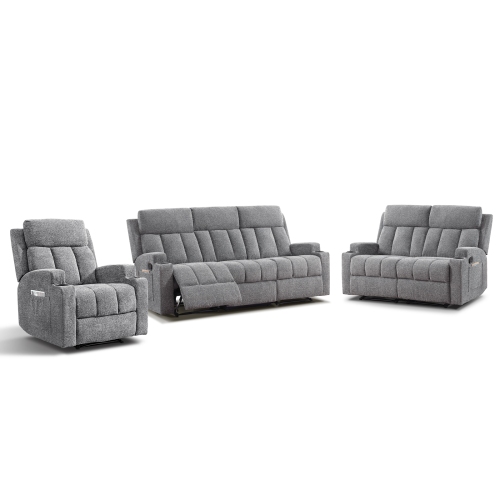
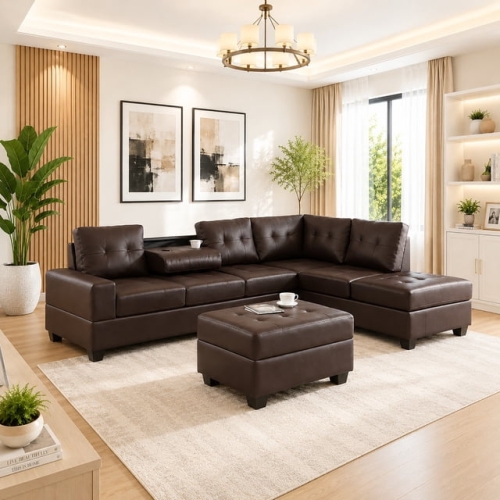
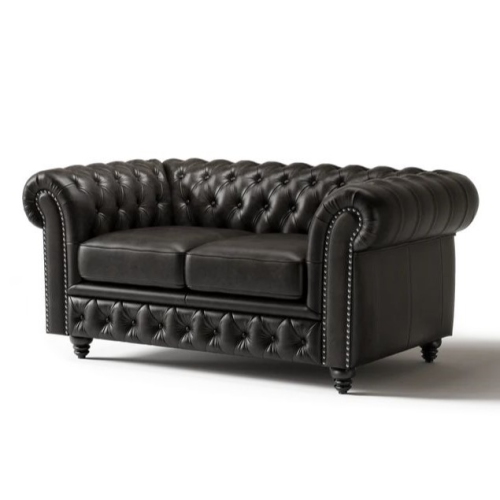
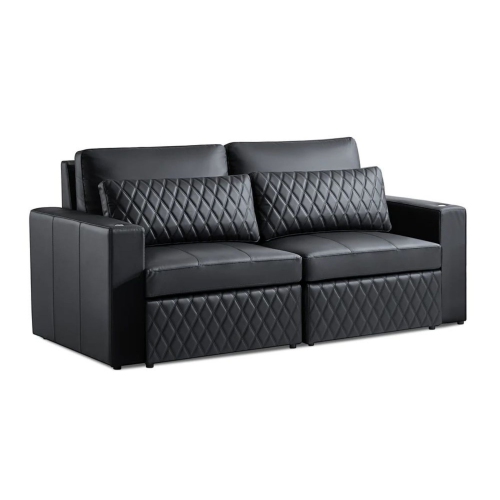
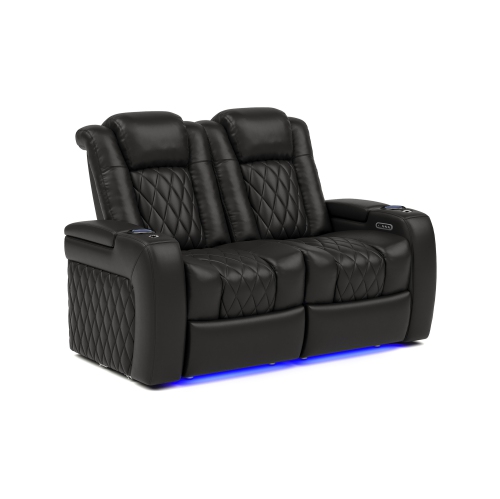
Sofa comfort goes beyond putting your feet up
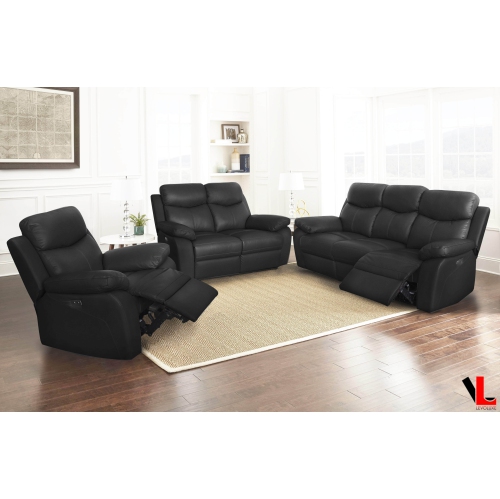
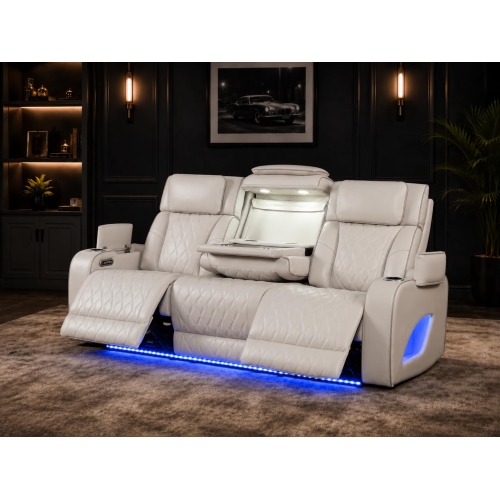
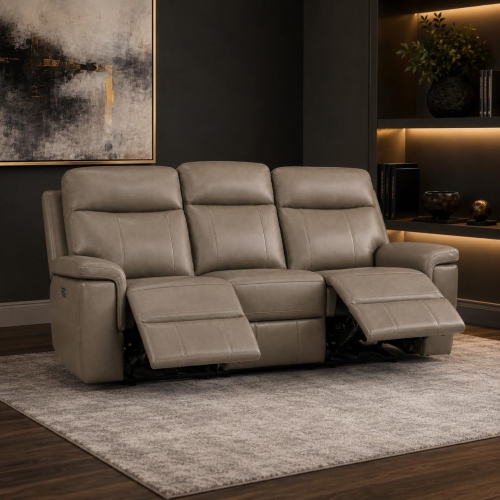
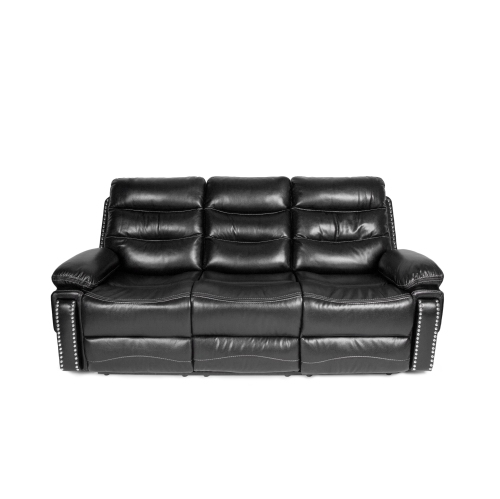
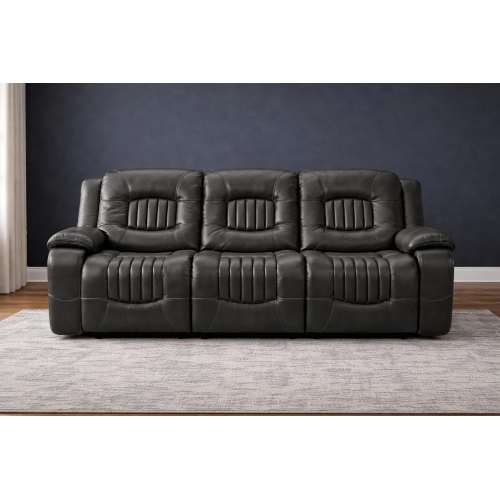
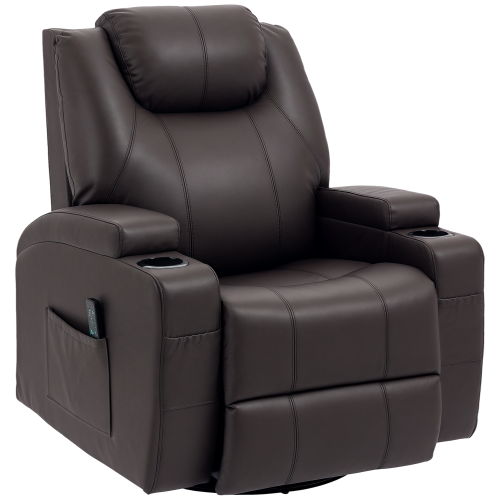
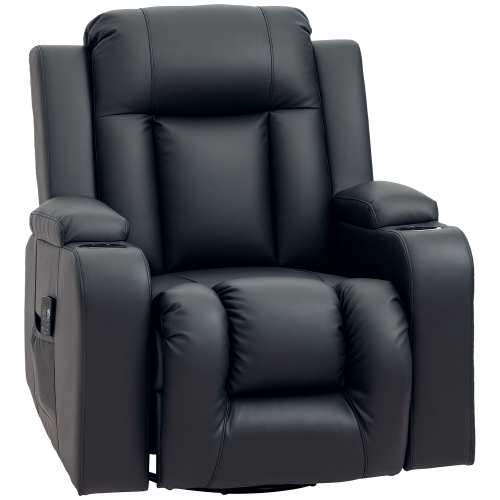
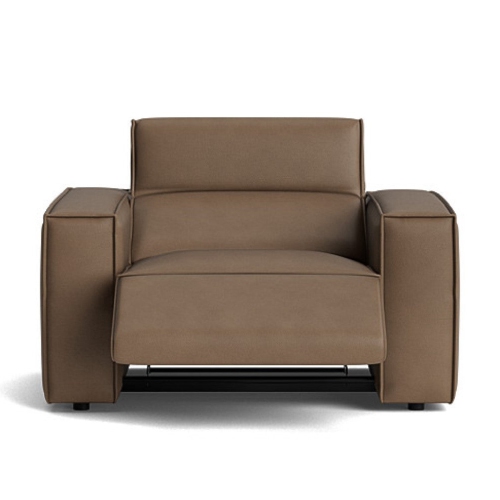
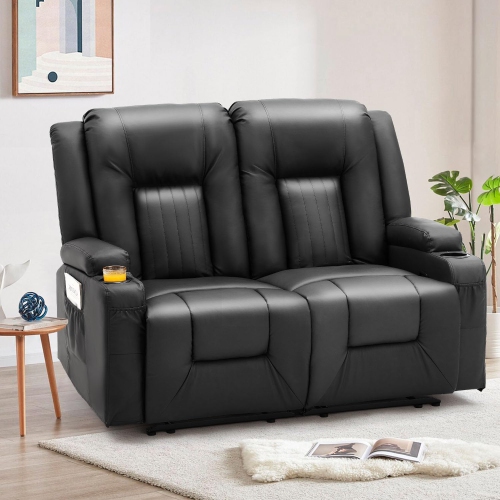
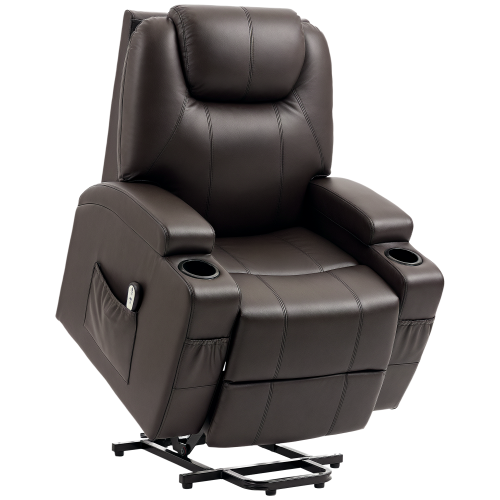
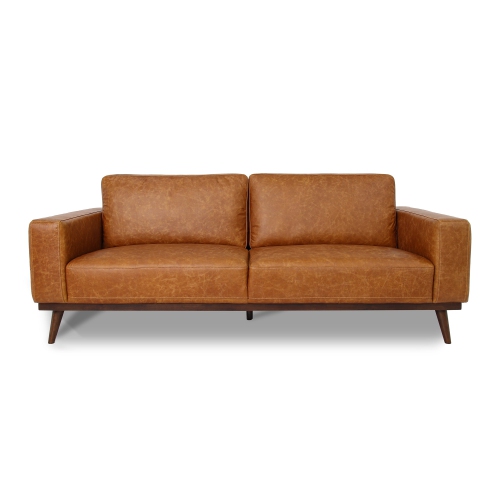
The term leather reclining sofa can cover several upholstery constructions, so the material description deserves a close look. Full-grain leather retains the hide’s natural surface, including variations that give each upholstered panel its own character. Top-grain leather has had its surface refined, and its appearance and feel depend partly on the finishing process. Aniline leather generally shows more natural variation and can be more sensitive to spills and marks, while pigmented finishes typically provide a more uniform appearance and some added surface protection. Neither the leather name nor the thickness of the cushions tells the whole story about durability. Stitching, frame construction, seat suspension, cushion materials, and the reclining mechanism all contribute to how the sofa holds up under repeated use. Some upholstery descriptions specify leather on the seating surfaces with a matching synthetic material on the sides or back. Bonded leather contains leather fibres combined with binders and should not be confused with a whole leather hide; faux leather is a synthetic alternative with its own care requirements. These differences matter in a busy family room, especially where the same seats are used every day. Leather can develop creases and soften with use, and natural markings are not necessarily faults. Deep scratches, peeling finishes, loose seams, and uneven cushion support are different concerns. Pets’ claws, sharp clothing details, and objects left in pockets can mark upholstery, so a washable throw in a favourite lounging spot may be practical if it stays clear of moving parts. Routine care usually starts with gentle dusting or vacuuming with a suitable soft attachment, followed by any cleaning method specified by the manufacturer. Spills are best blotted promptly rather than rubbed into the surface. Household solvents, excessive water, and unapproved conditioners can affect the finish, so leather care products should be suitable for the particular upholstery type and tested in a hidden area first. Keeping the sofa away from strong direct sunlight and heat sources can also help limit fading and drying.
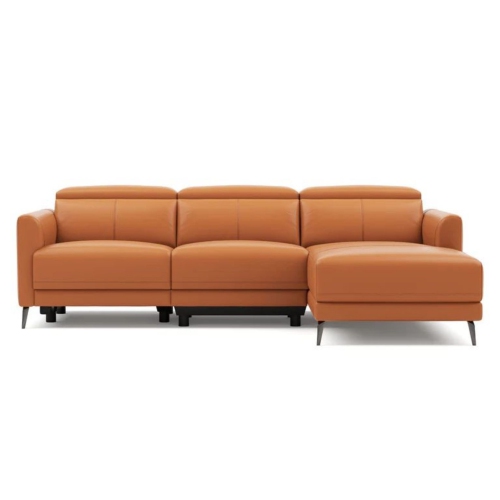
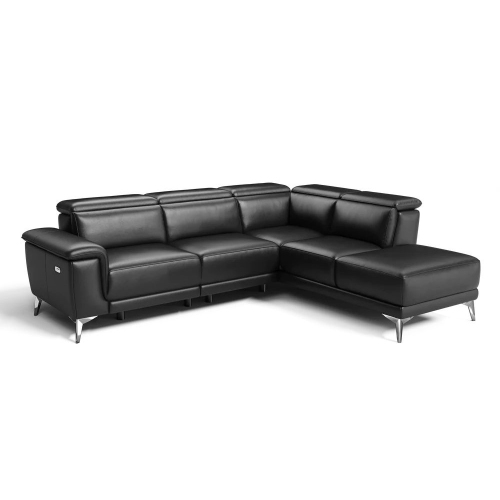
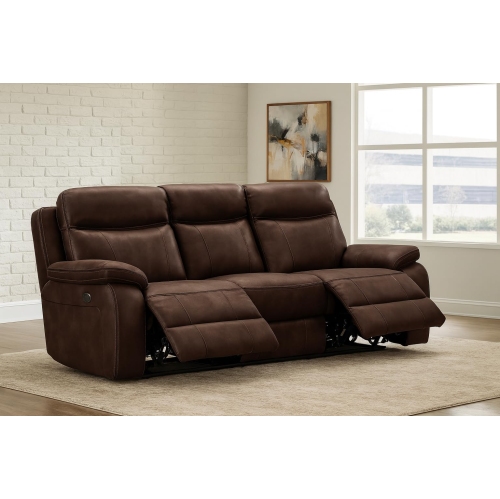
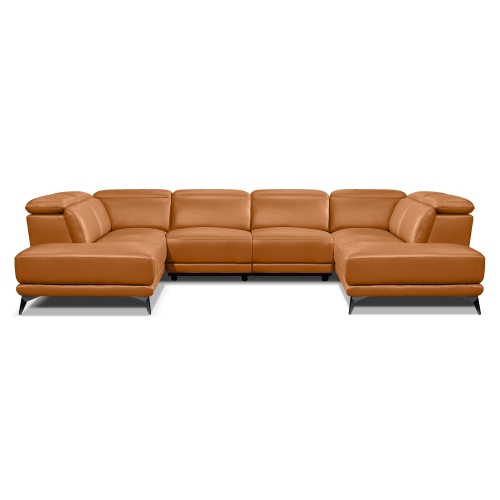
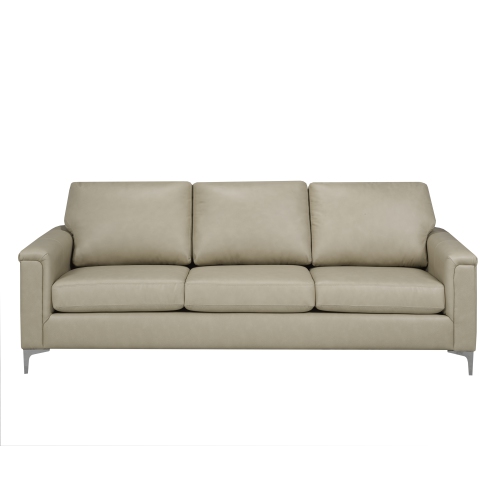
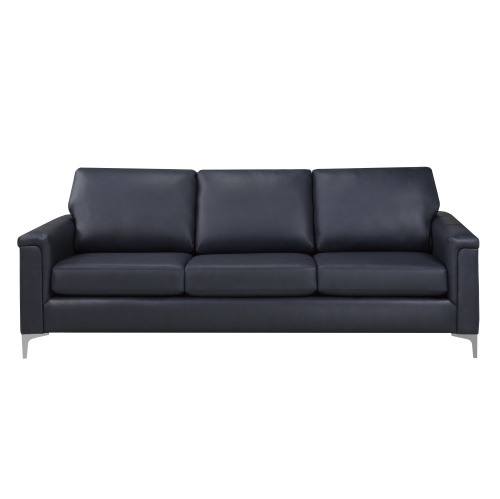
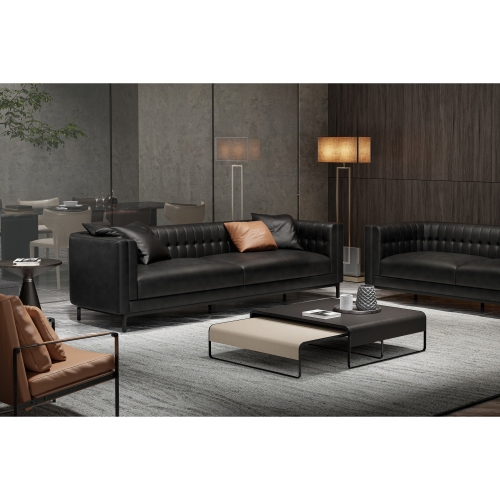
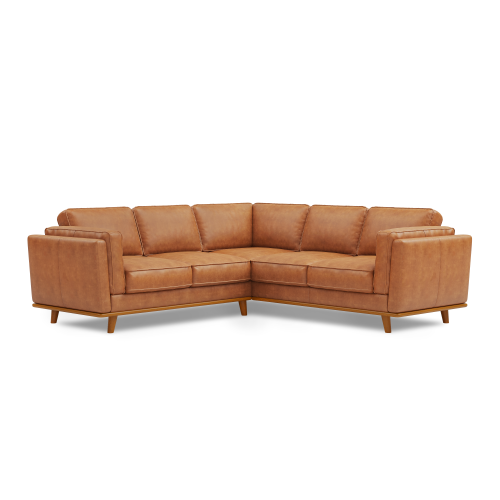
Room fit is especially important because a reclining sofa occupies more space in use than it does when closed. The listed width helps establish how much wall space it needs, but the fully reclined depth, required rear clearance, and space around the footrests determine whether the arrangement will work day to day. A coffee table that looks well placed when everyone is sitting upright may block the footrest when someone leans back. Nearby side tables, floor lamps, and walkways need the same consideration. Wall-hugging designs can reduce the clearance needed behind the backrest, but they still require room in front, and the exact measurements vary. In a compact living room, marking the closed and extended footprint on the floor can reveal whether there is enough space to pass comfortably without stepping over a footrest. Larger rooms may suit a leather reclining sectional when the aim is to create a connected seating area around a television or make use of a corner. Delivery access is another part of fit: doorways, stair turns, lift dimensions, and narrow hallways can determine whether a sofa reaches its intended room. Removable backs may simplify access on some designs, but that feature should be confirmed rather than assumed. Power seating also needs a suitable electrical connection, with cords routed away from foot traffic and moving mechanisms. Children and pets should remain clear while seats are opening or closing, and footrests are intended to support legs rather than serve as extra seats. Beyond those practical details, colour and shape help the sofa feel at home. Warm brown leather pairs naturally with wood furniture and textured cushions, while black or grey can give a media room a more understated look. Lighter upholstery can soften the visual weight of a large sofa, though transferred dye and everyday marks may be more noticeable. Balanced proportions, comfortable seating, and enough room to recline make the difference between a sofa that simply fills a space and one that fits the way a household spends time together.
Top selling and popular products
-
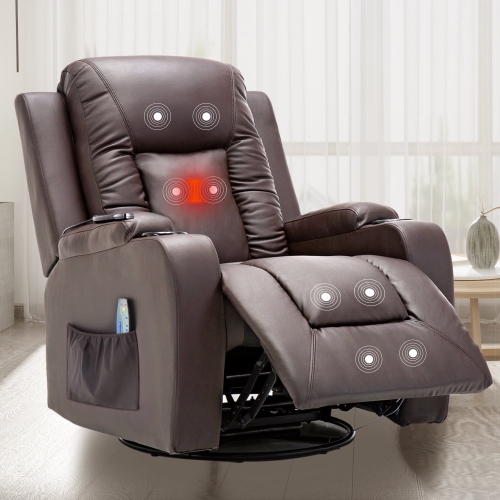 Your price for this item is $599.99
-
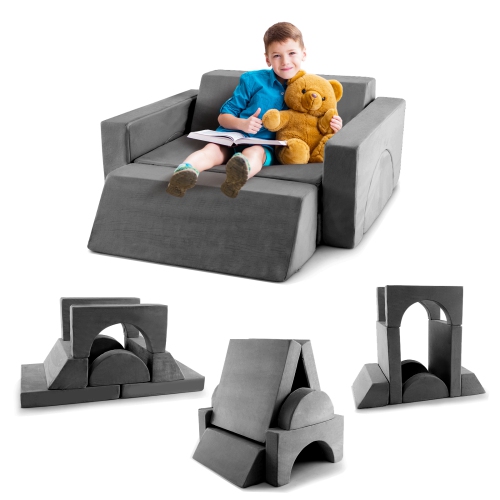 Your price for this item is $167.99
-
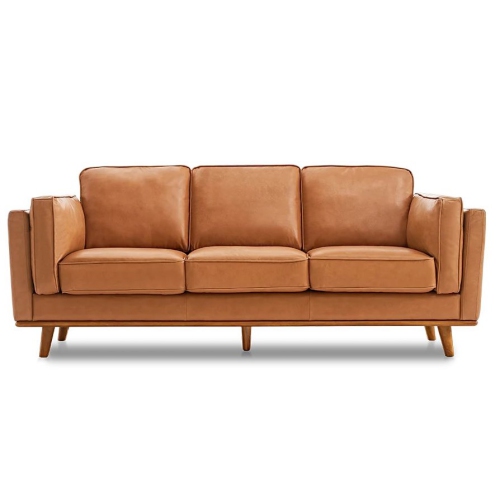 Your price for this item is $2399.99
-
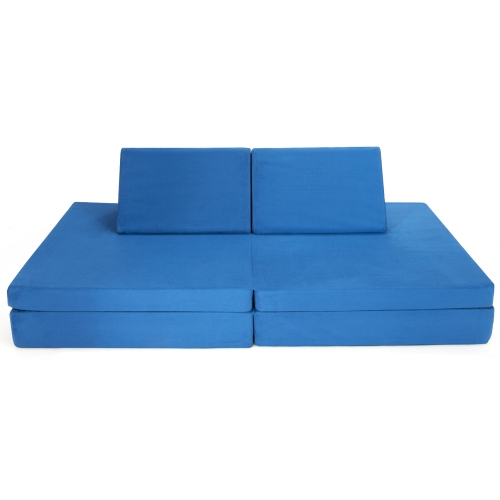 Your price for this item is $167.99
-
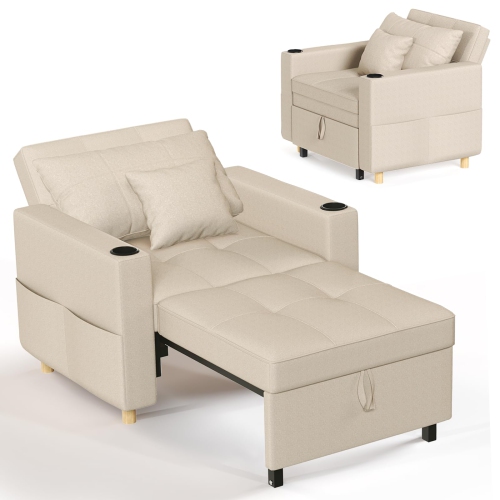 Your price for this item is $329.99
-
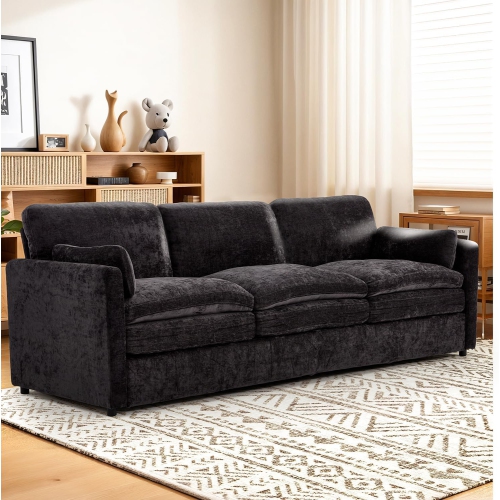 Your price for this item is $559.99
-
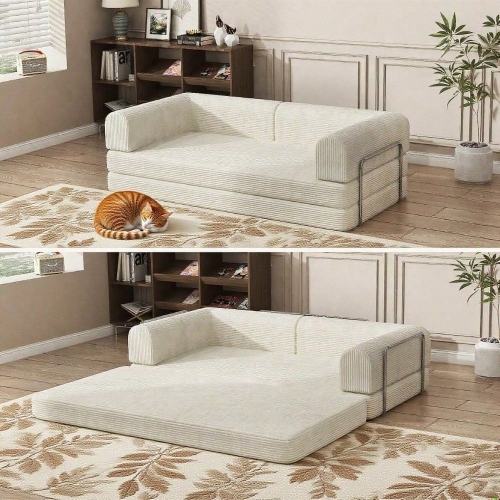 Your price for this item is $515.99
-
 Your price for this item is $1599.99