Leather Stools for Kitchen Island
Upgrade your kitchen island with our stylish and functional leather stools. Whether you're looking to add a touch of sophistication or create a cozy seating area, our collection of leather stools is sure to elevate the aesthetic of your kitchen. With their sleek design and luxurious feel, these stools offer the perfect blend of comfort and elegance. Here are some great options available.
Sort

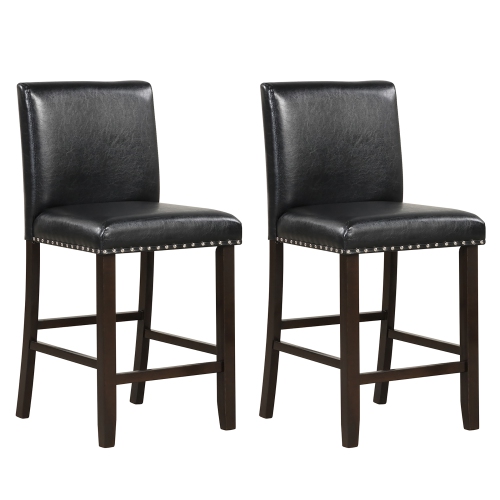
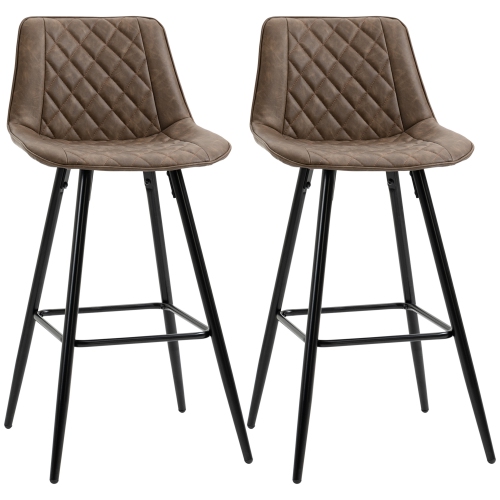
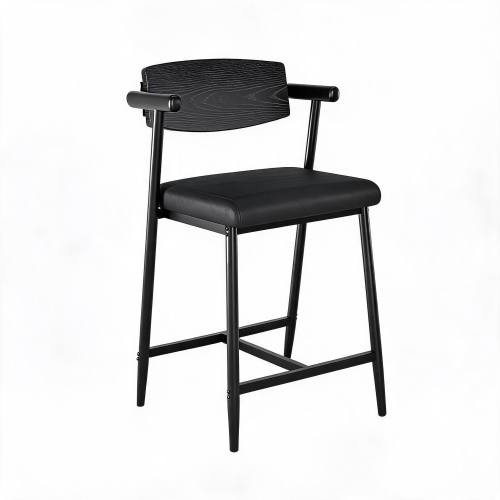
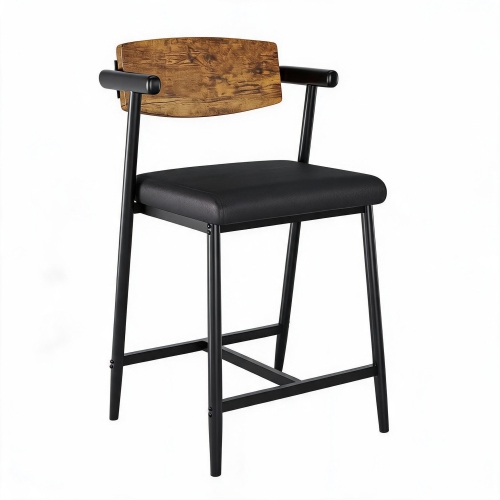
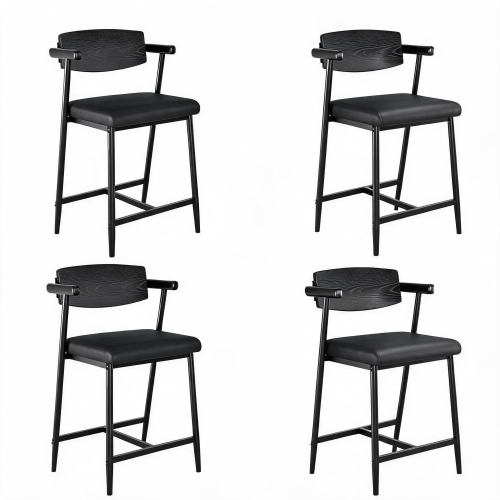
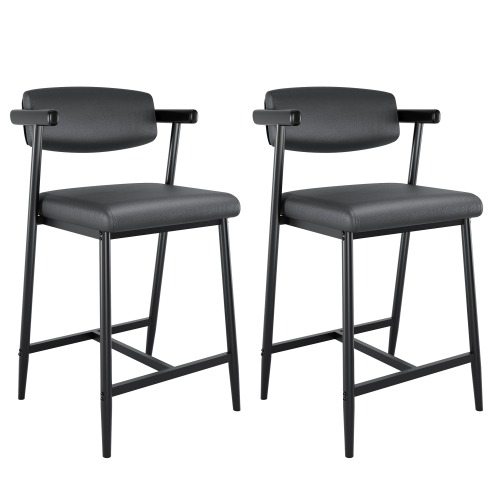
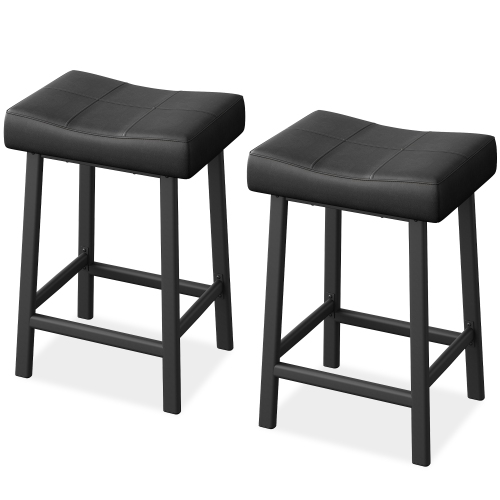
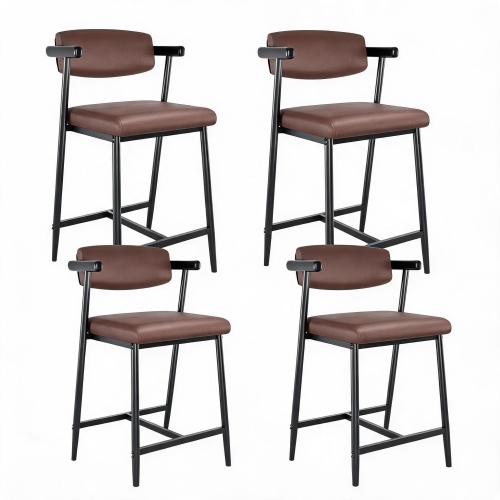
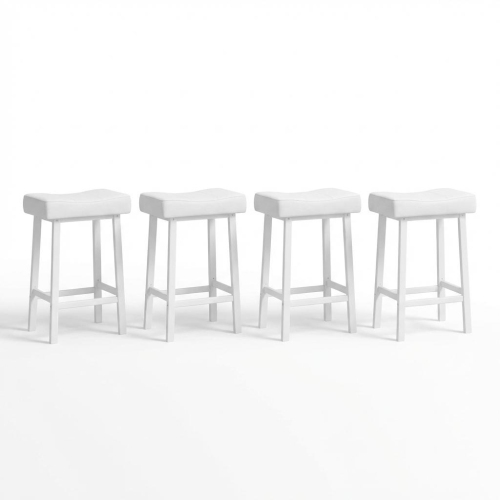
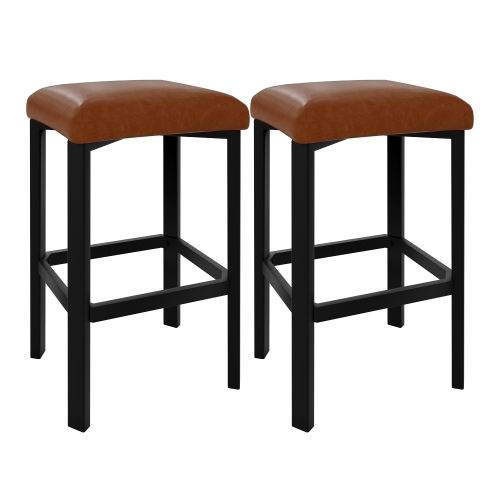
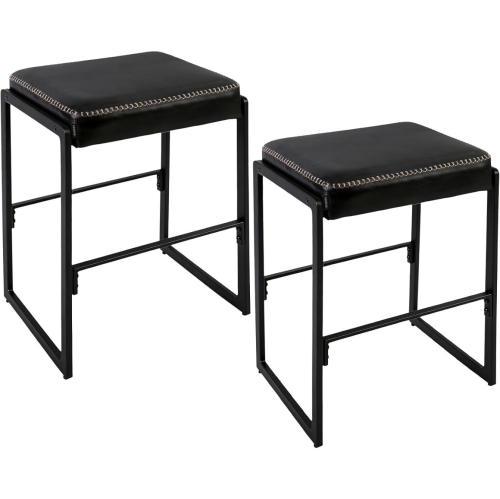
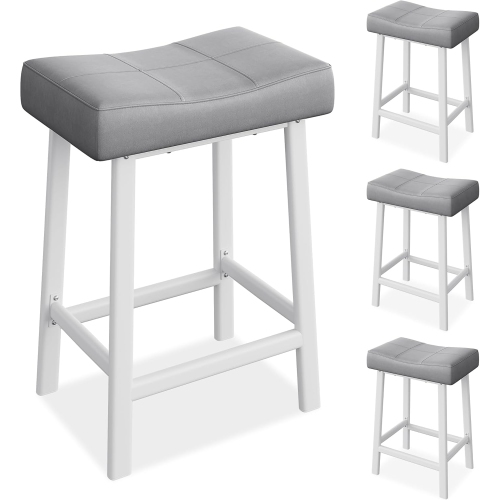
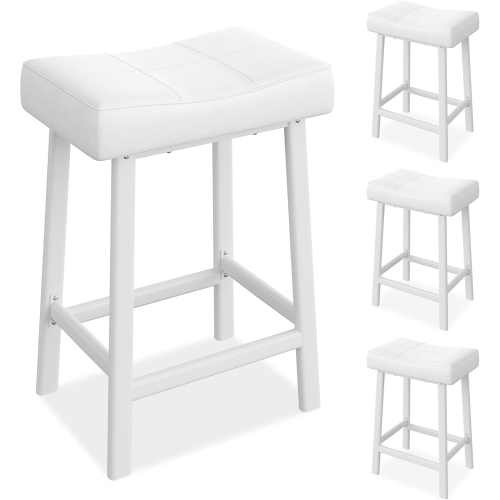
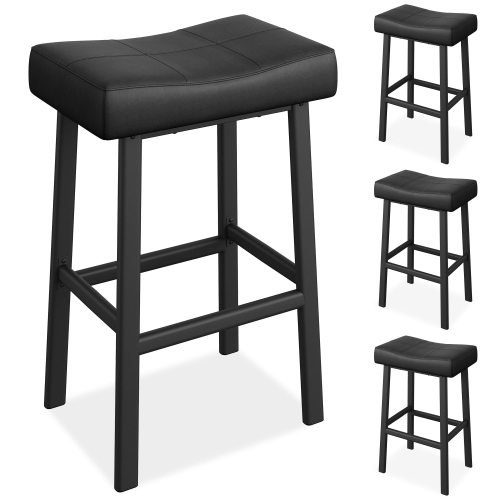
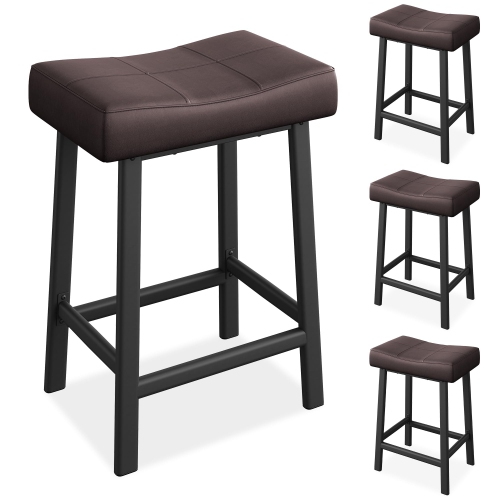
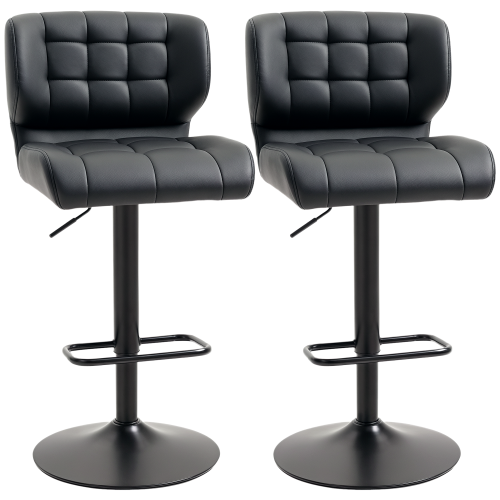
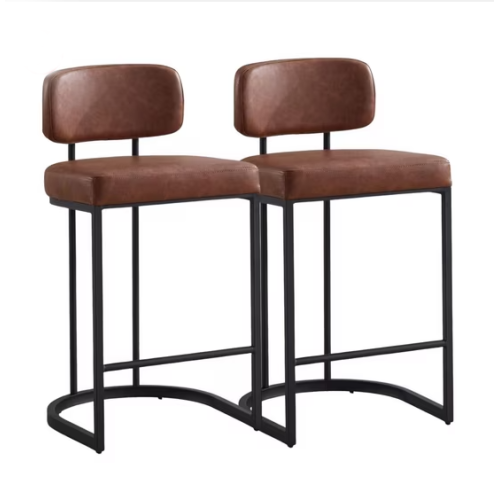
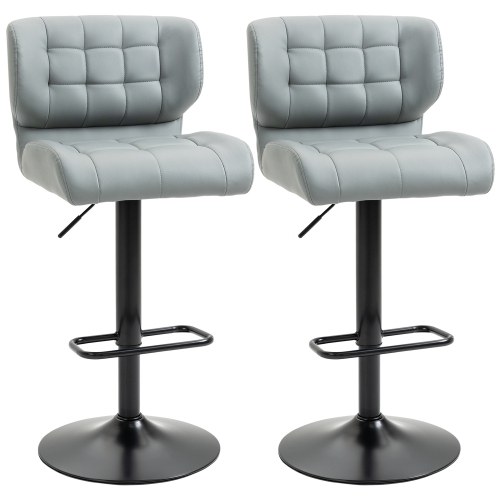
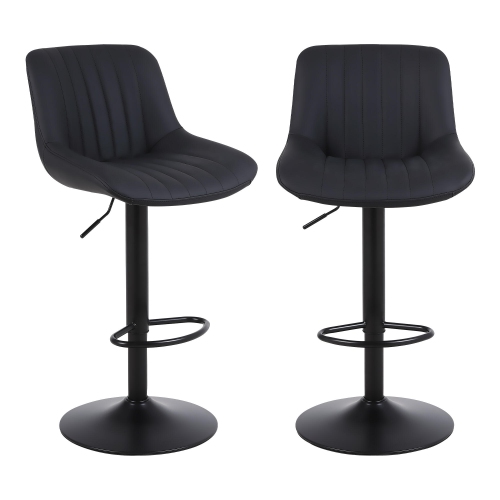
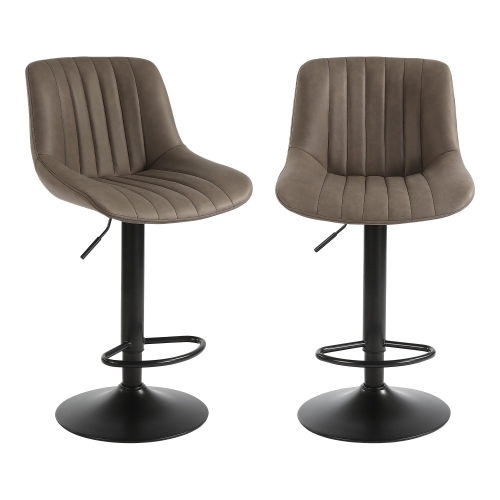
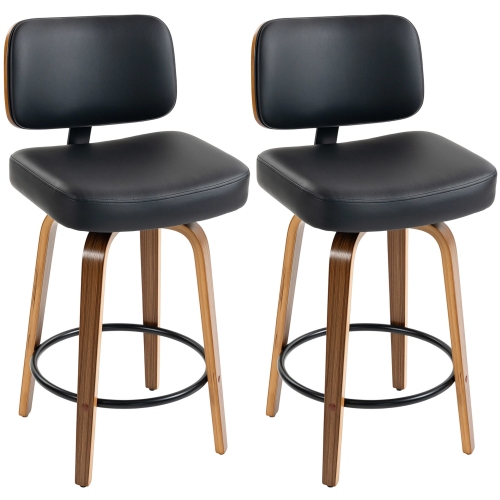
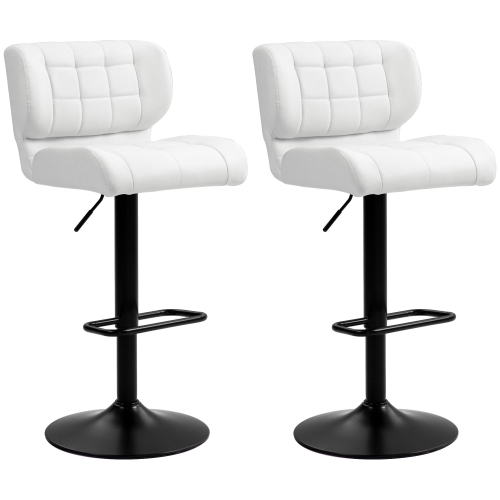
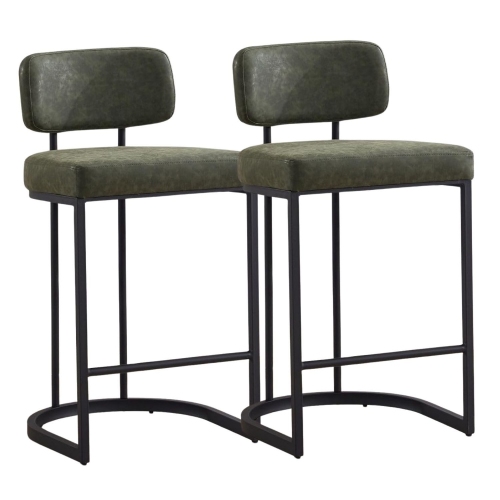
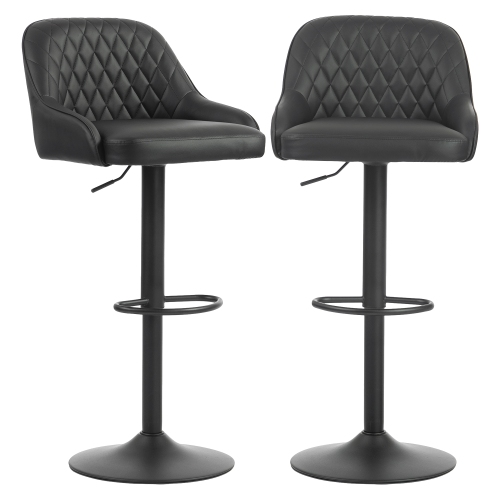
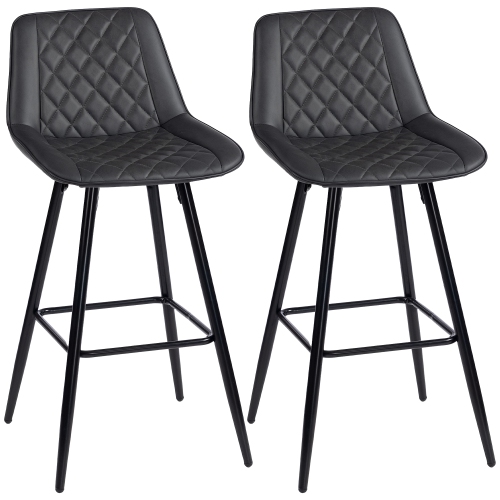
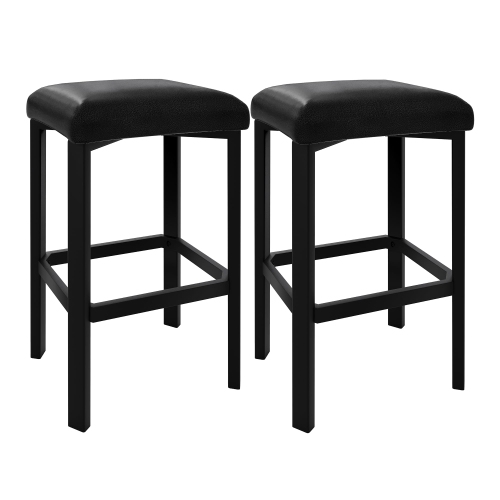
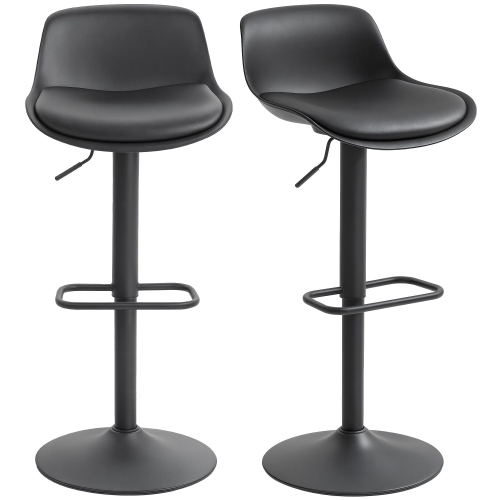
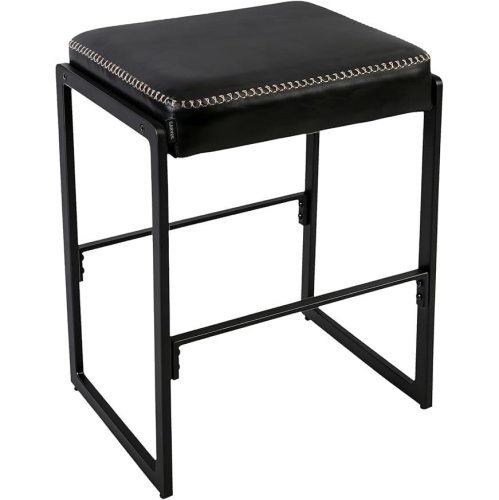

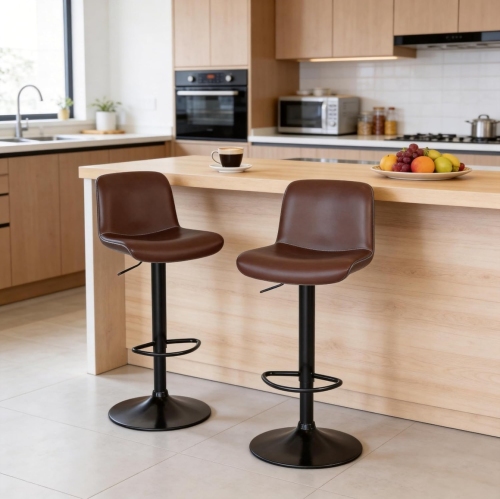
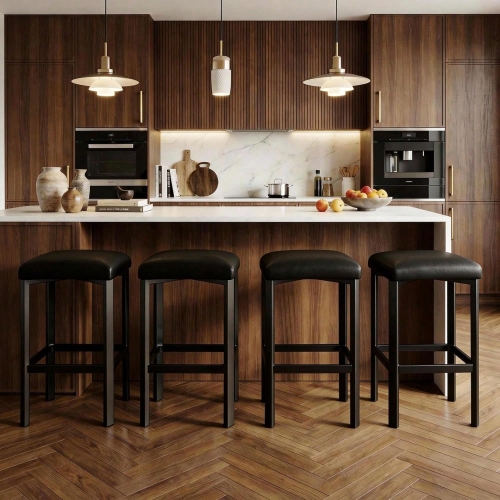
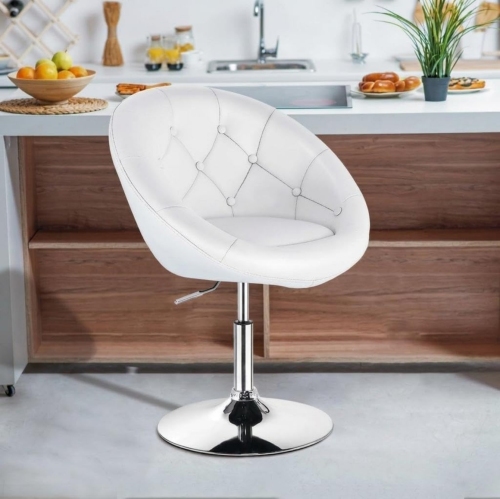
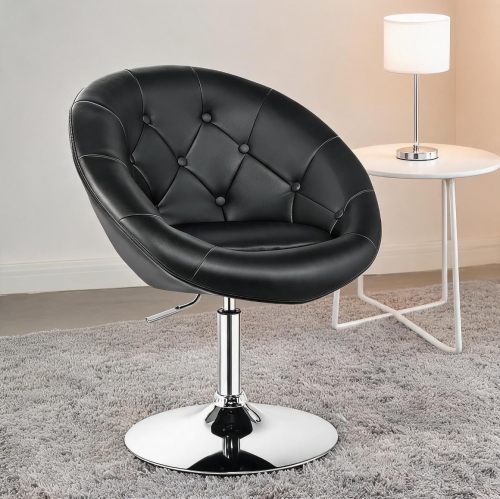
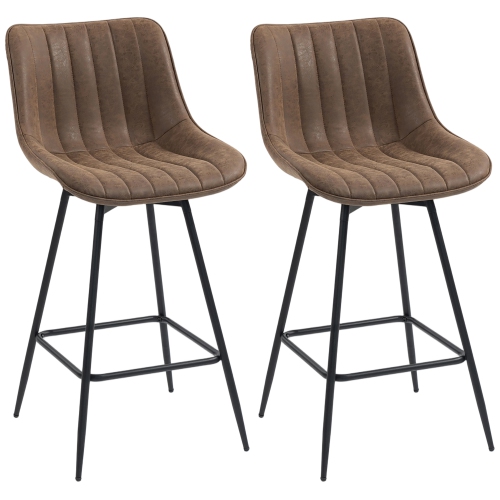
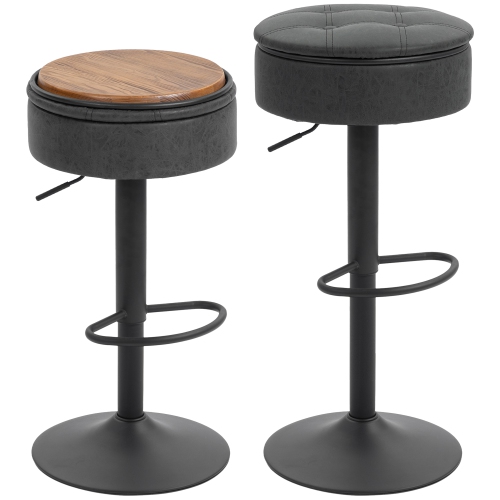
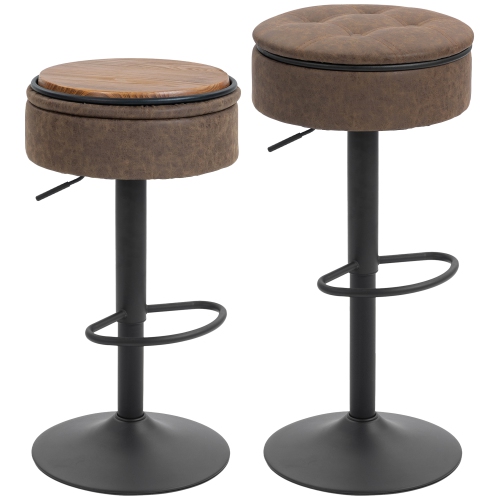
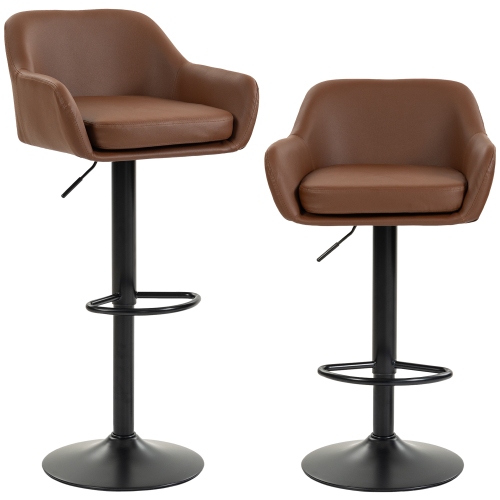
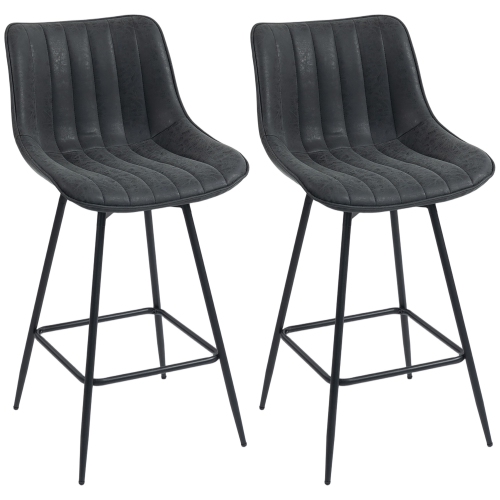
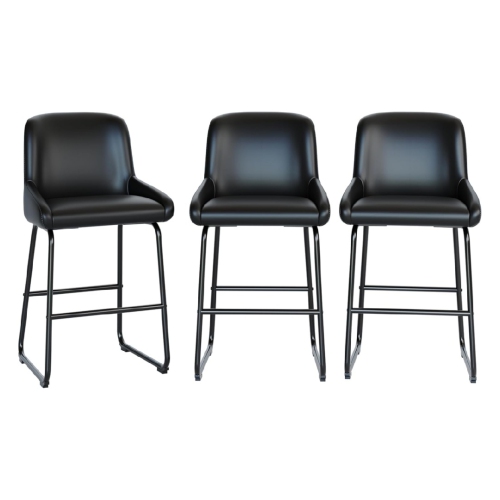
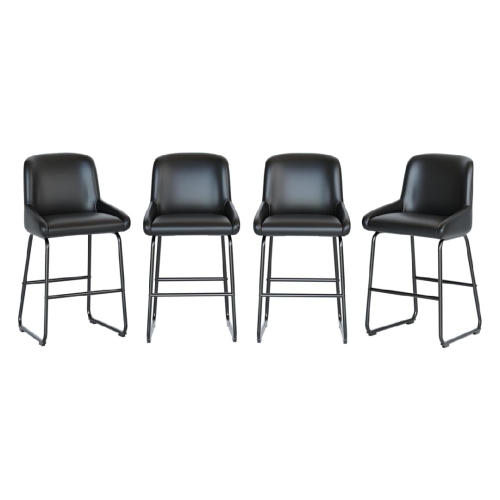
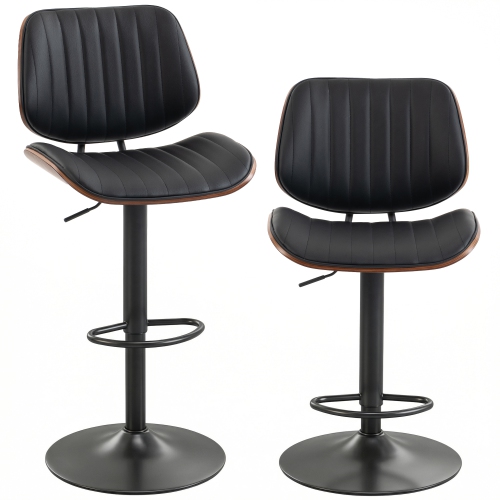
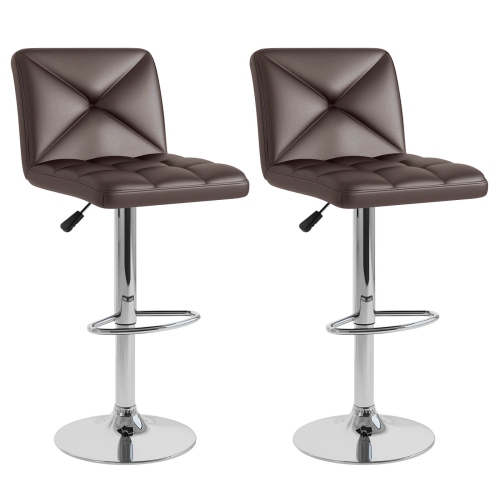
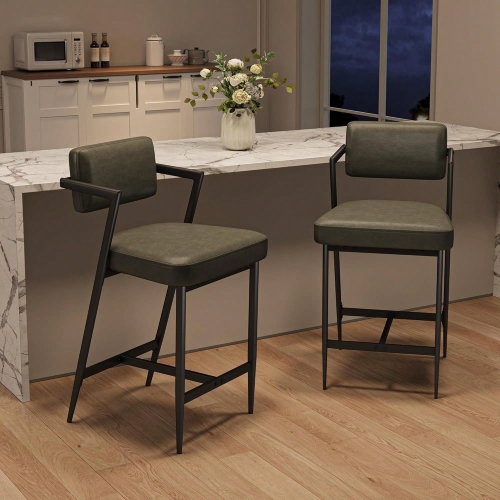
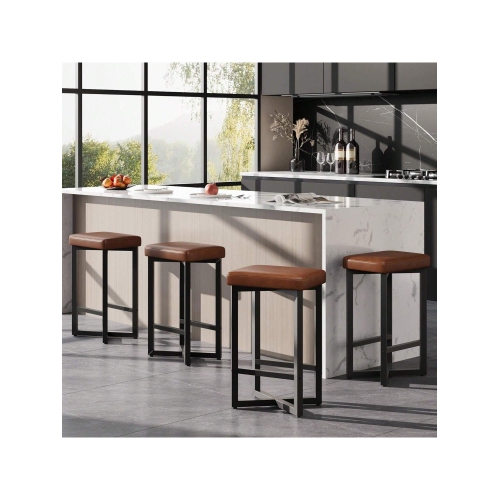
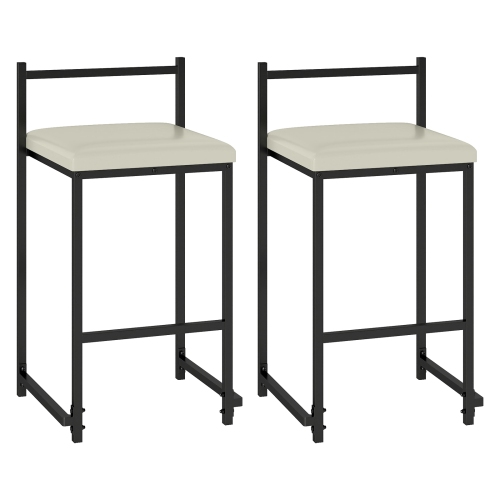
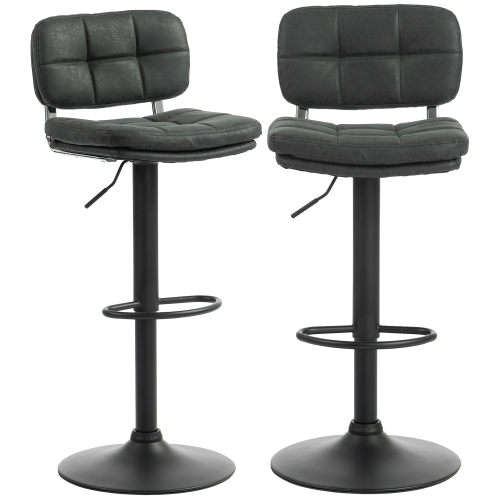
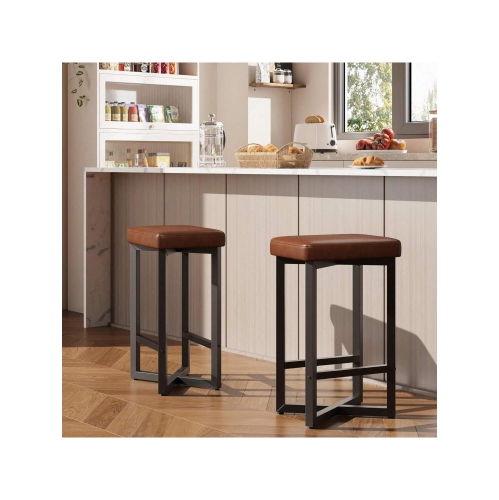
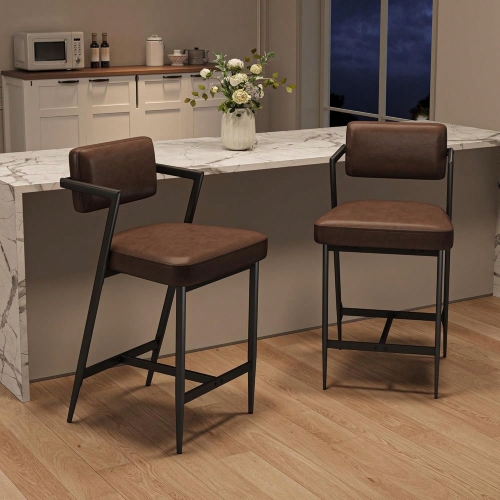
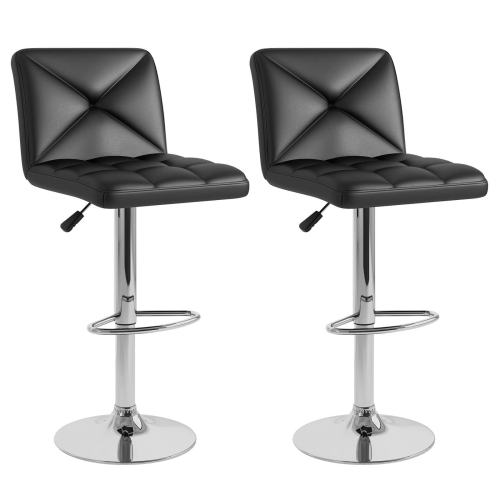
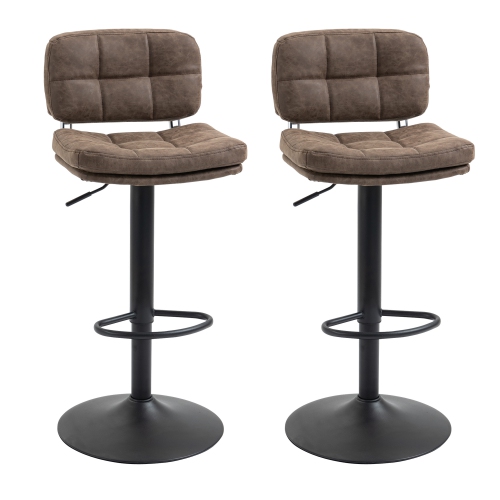

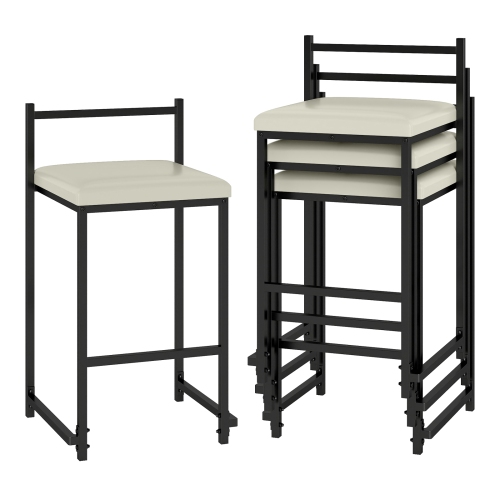
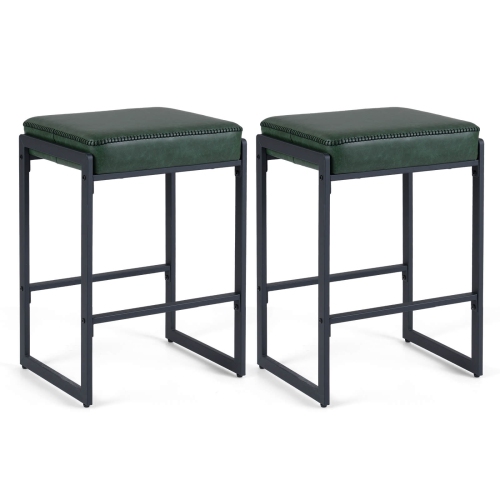
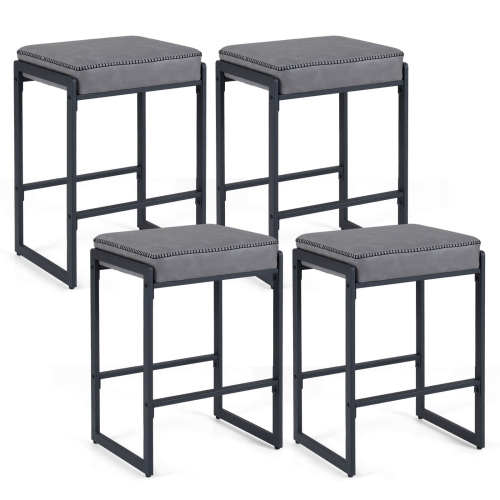
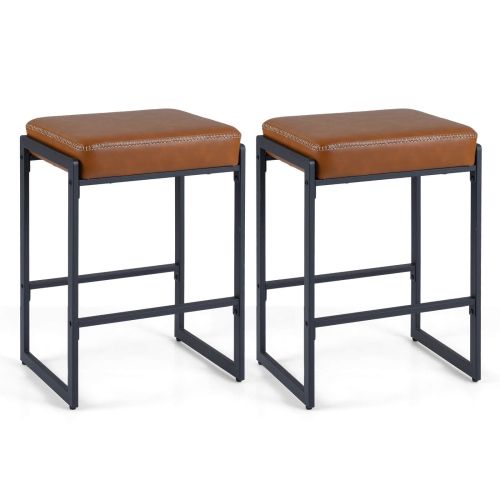
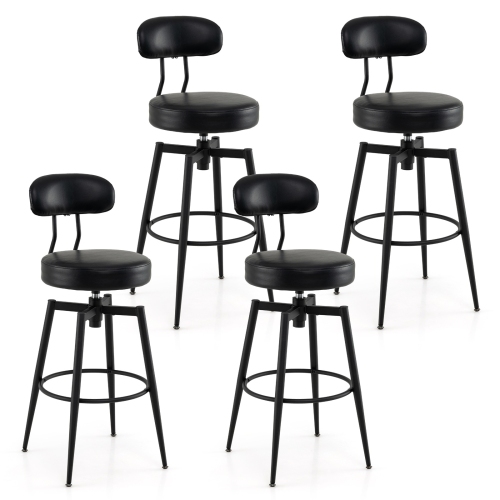
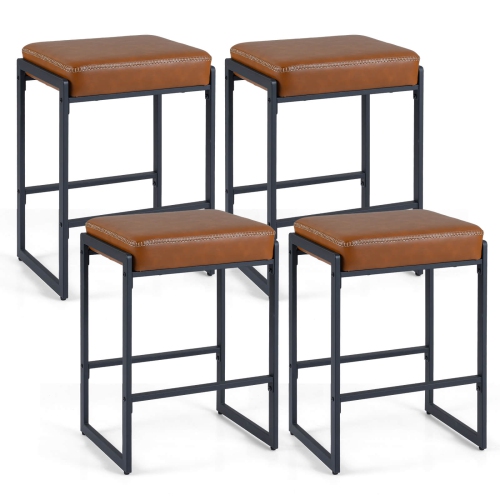
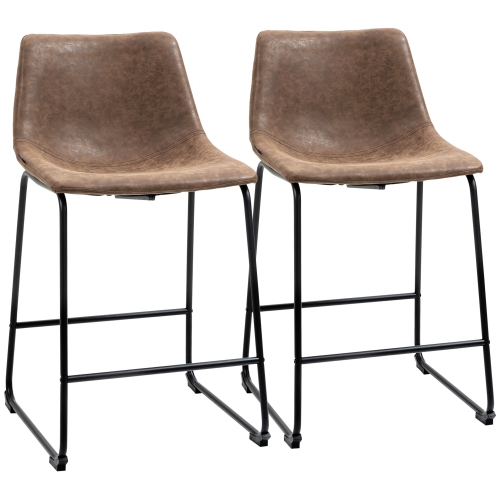
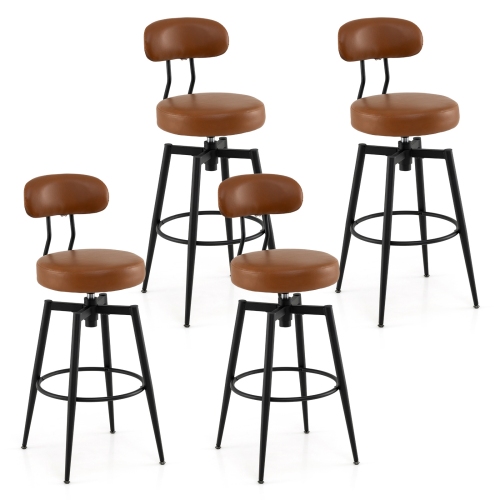
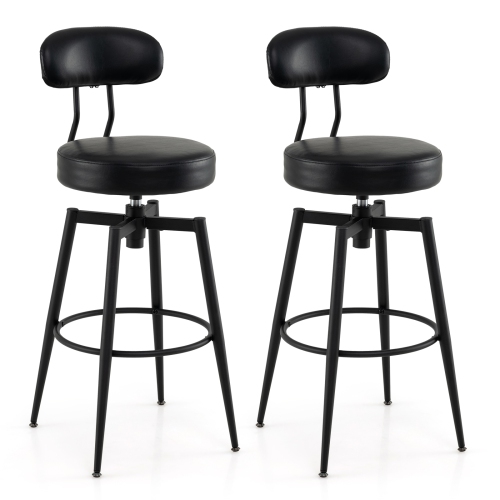
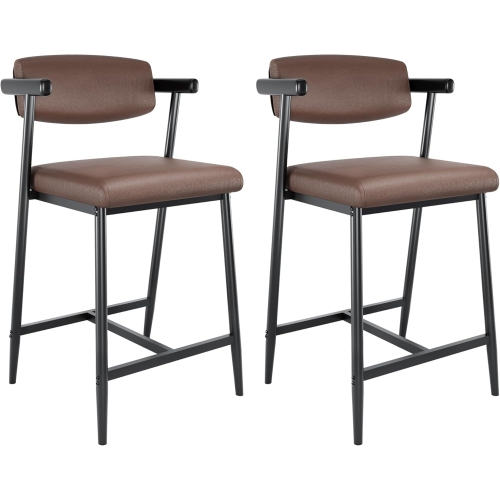
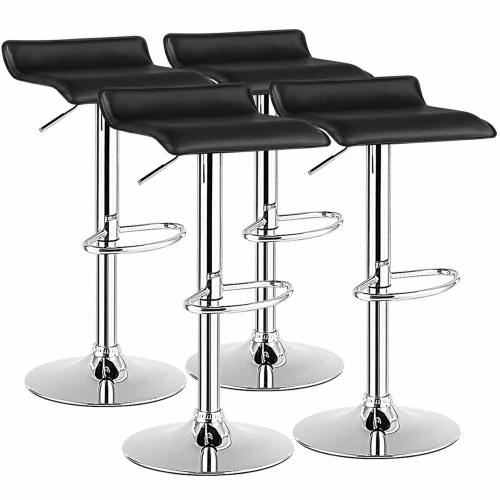
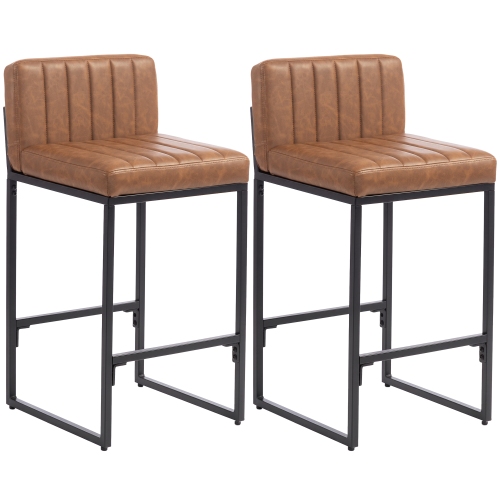
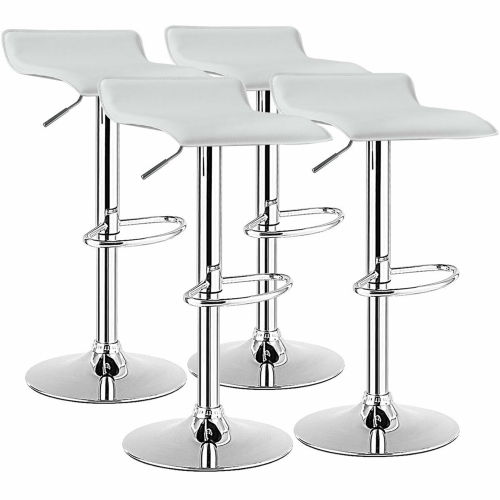

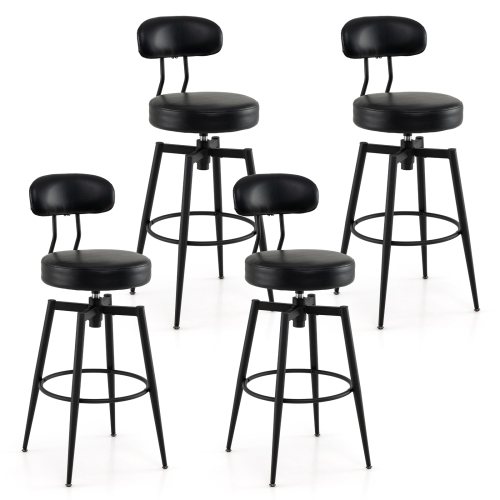
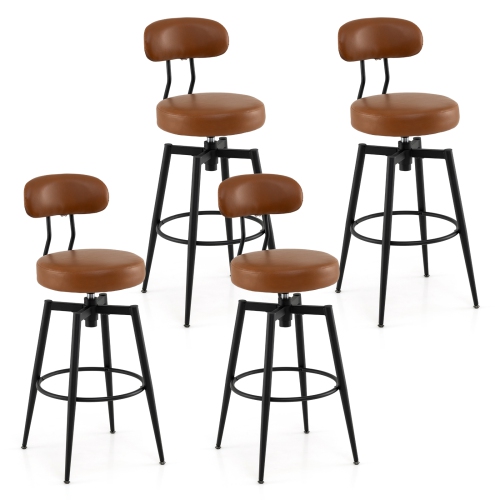
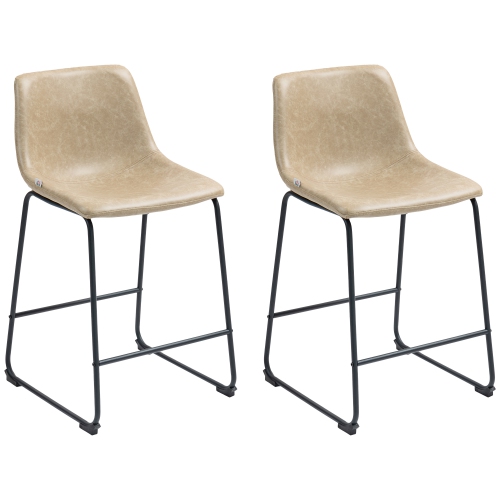
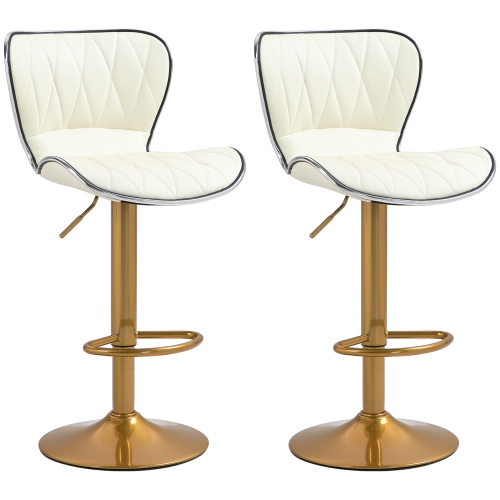
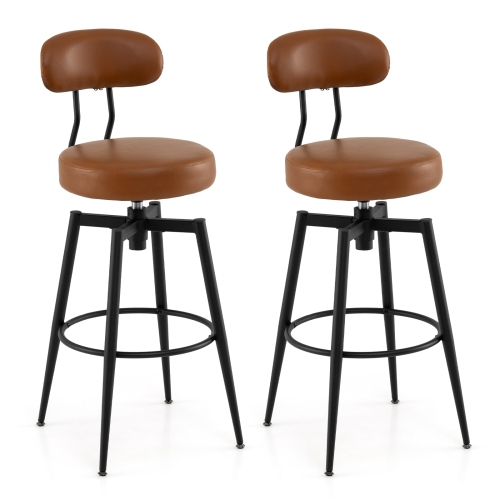
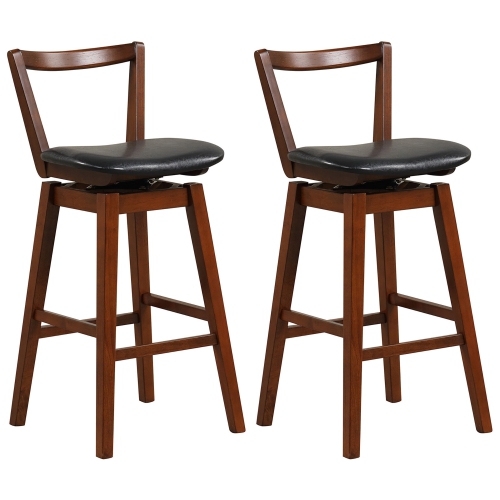
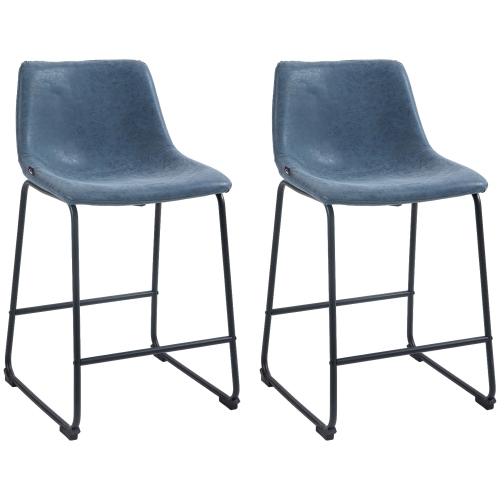
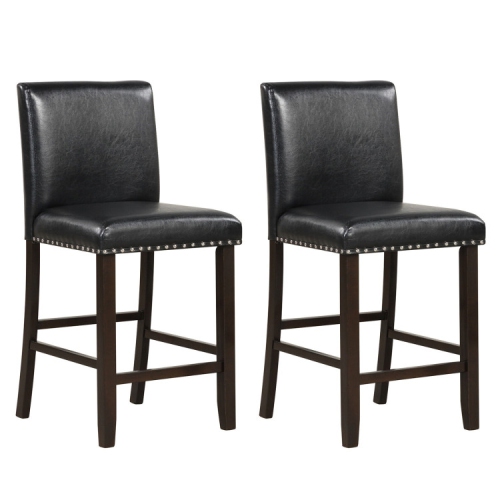
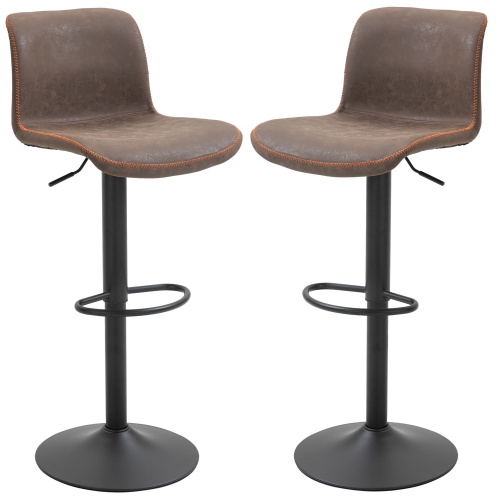
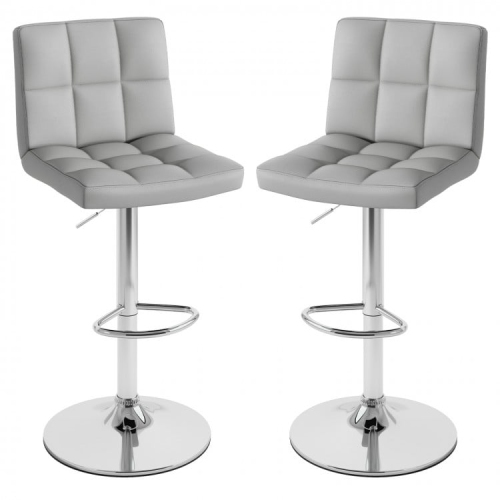

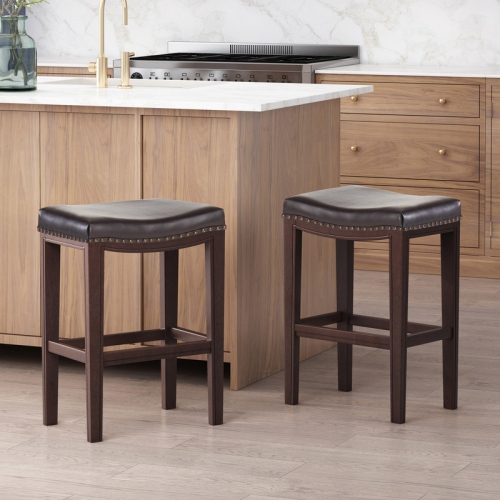
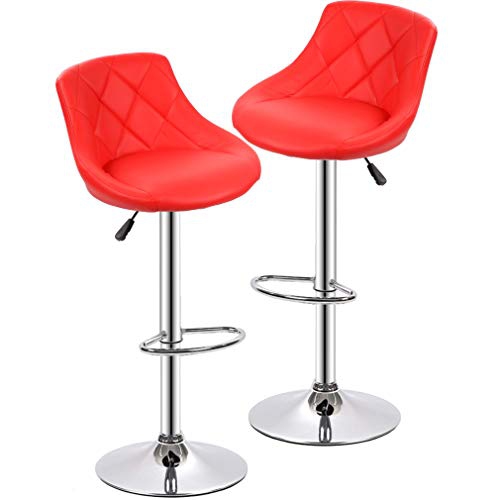
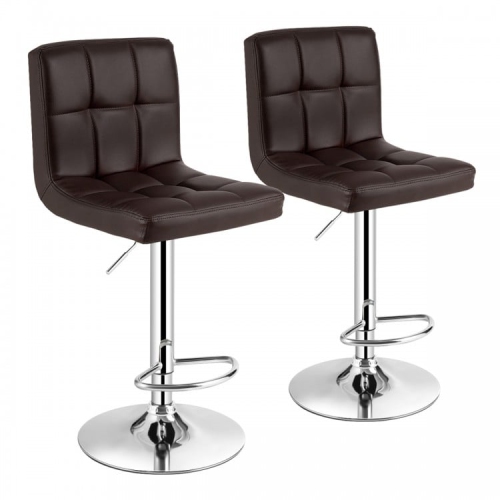
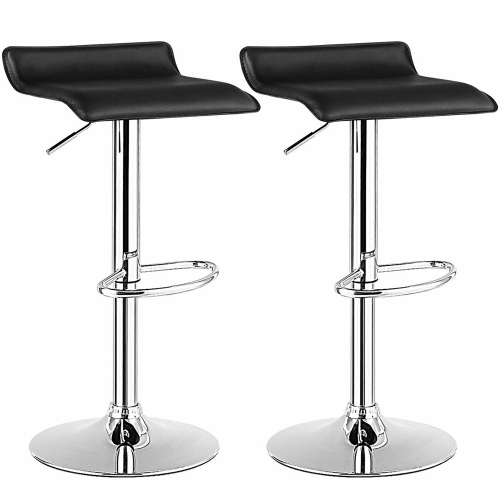
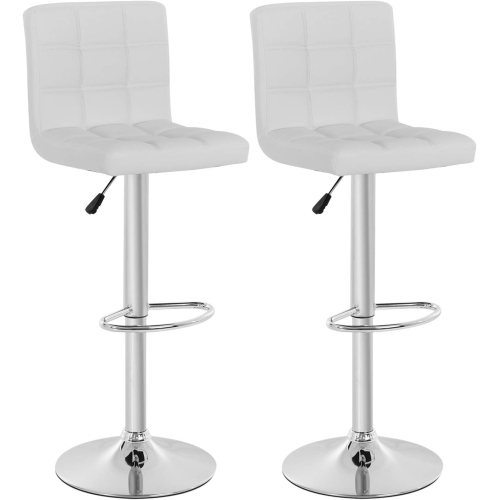
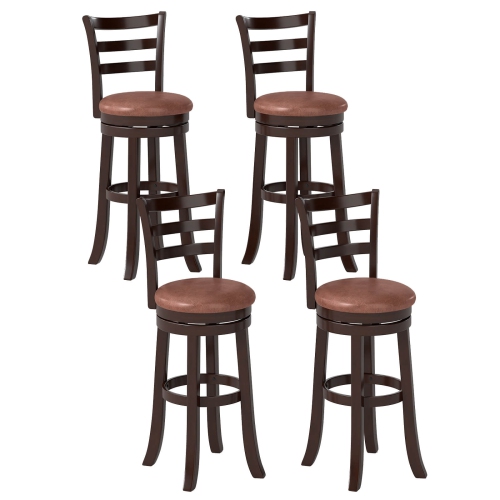
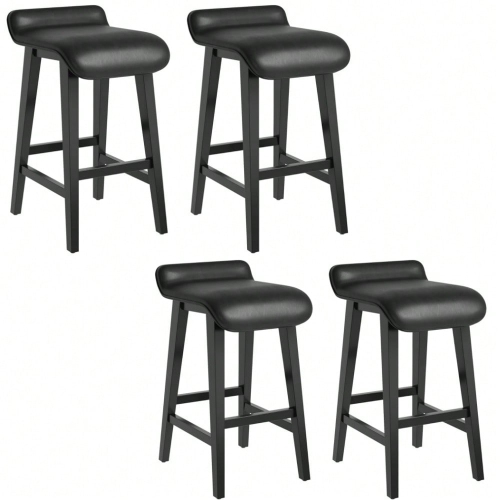
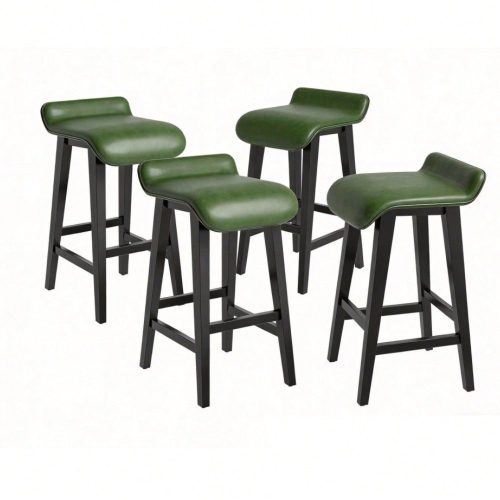
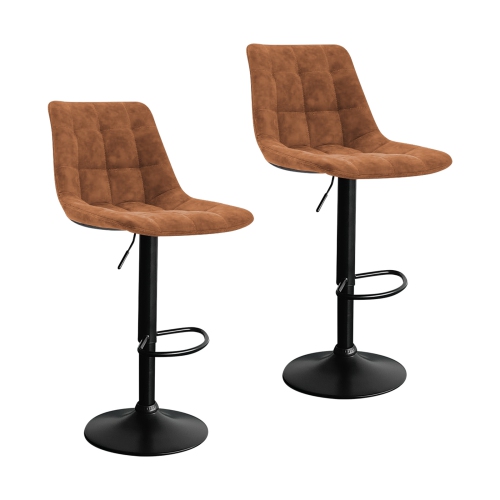
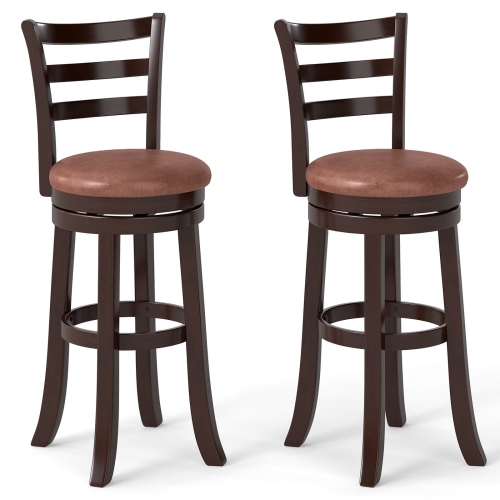

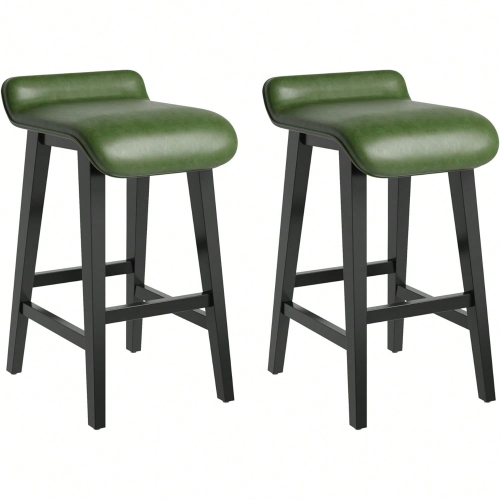
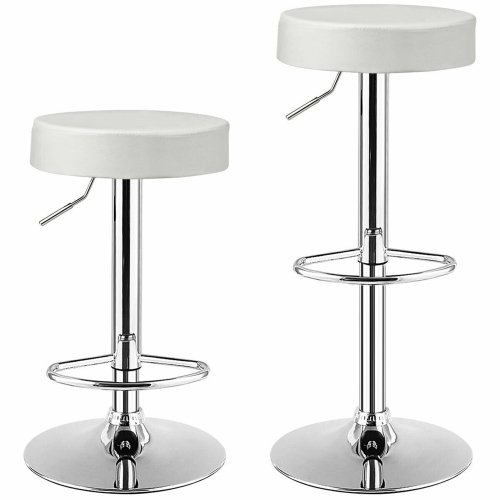
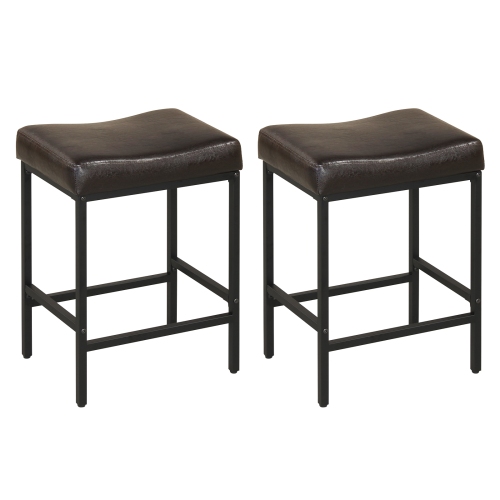
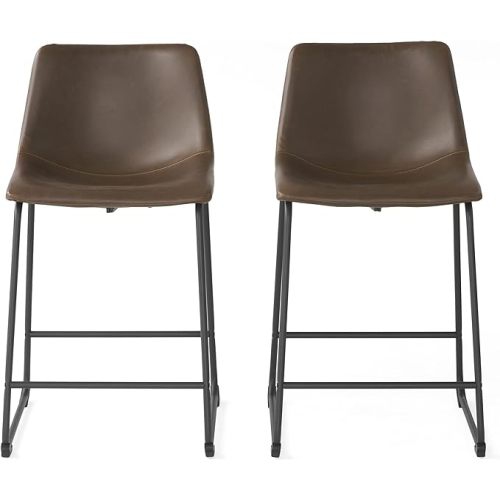
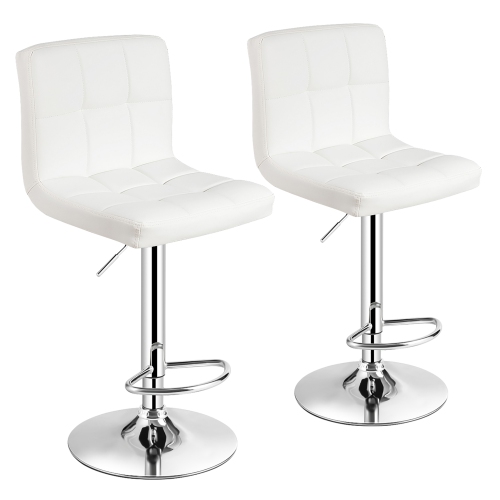
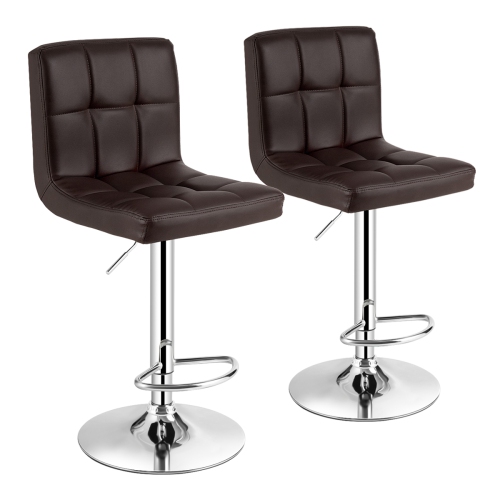
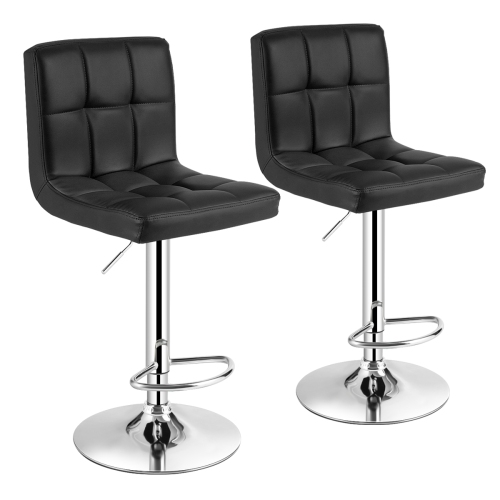
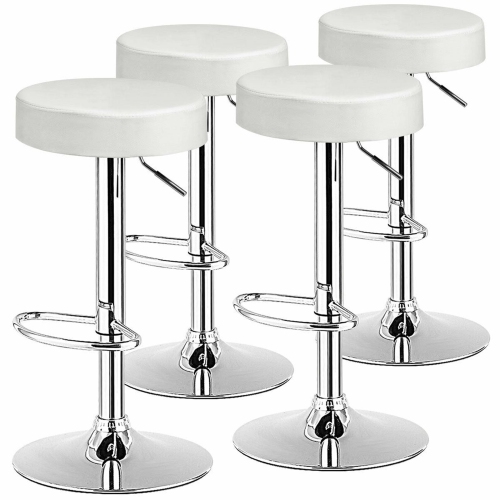
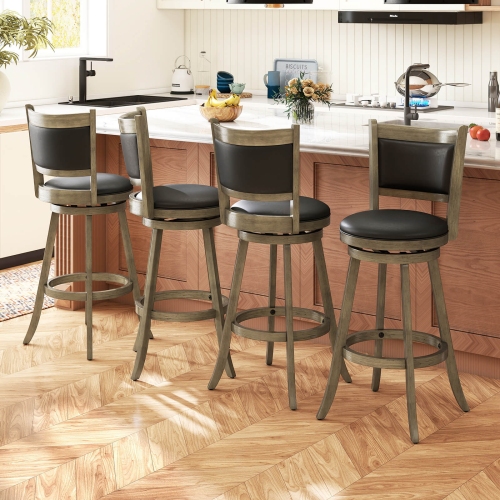
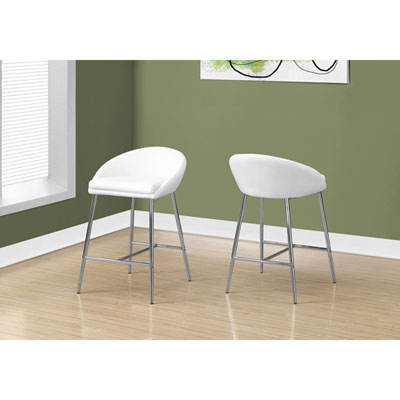
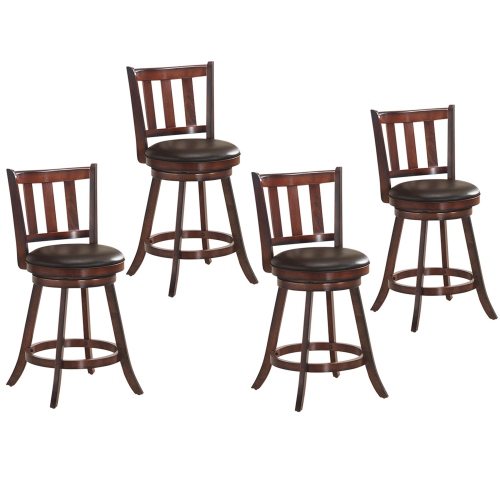
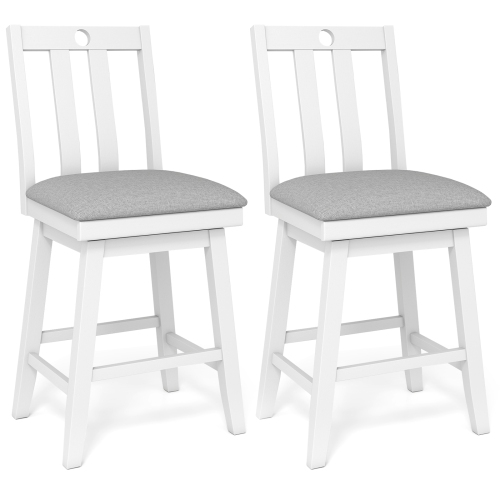
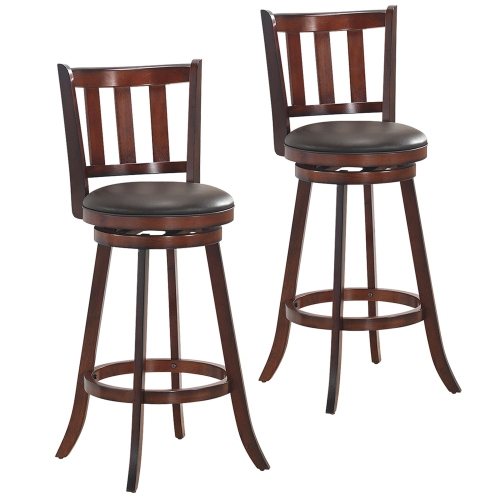

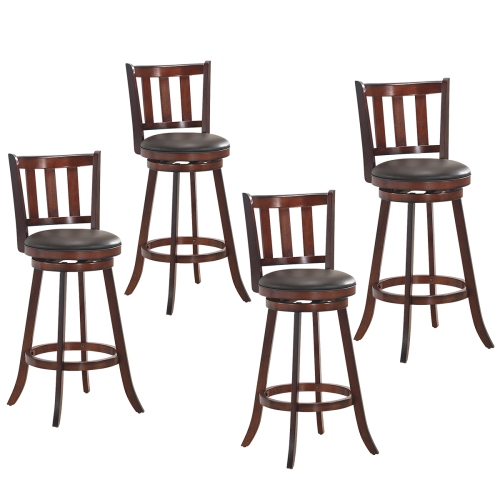
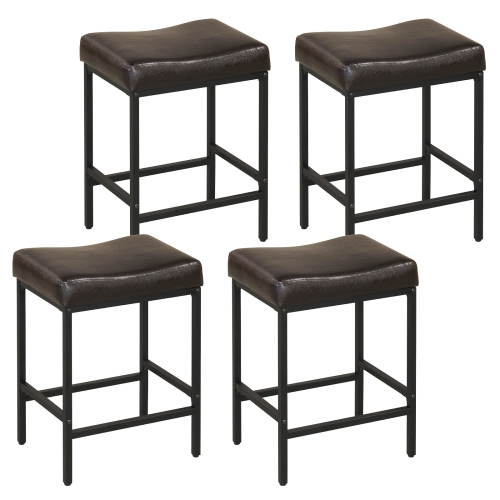
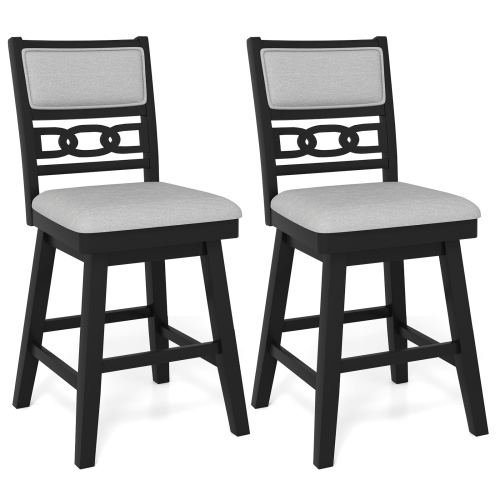
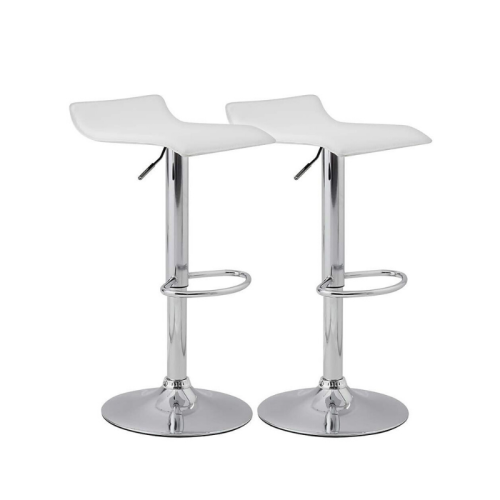
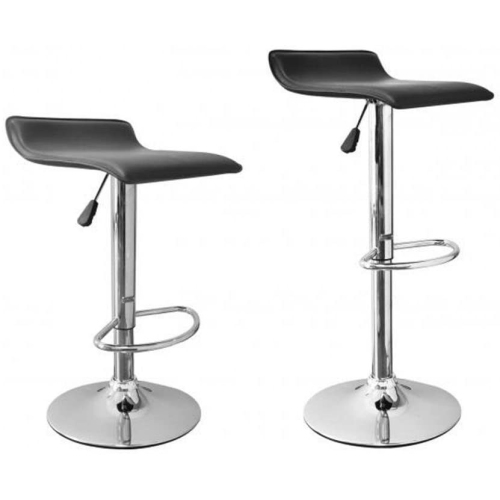
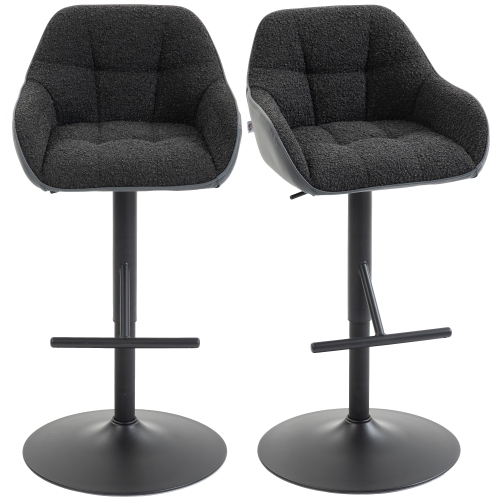
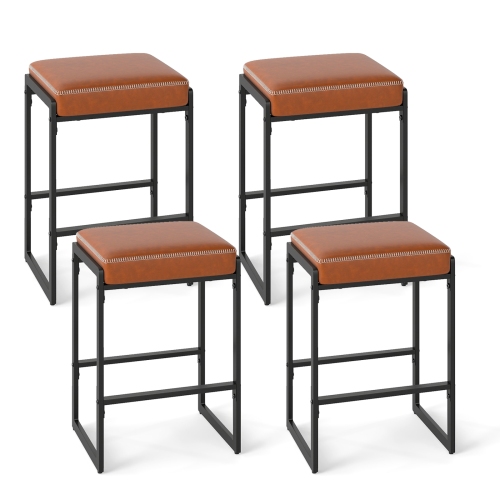
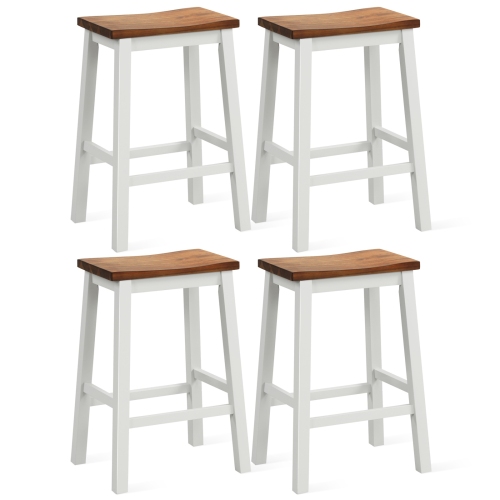

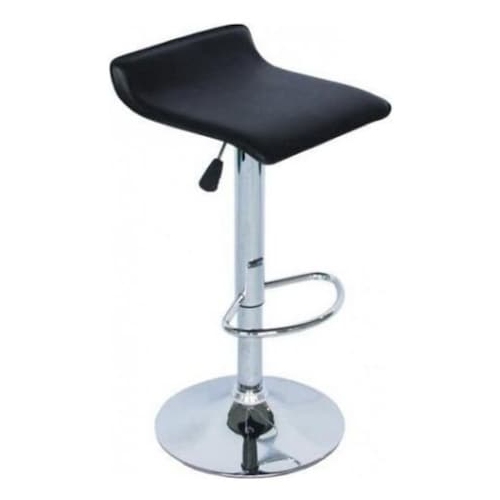
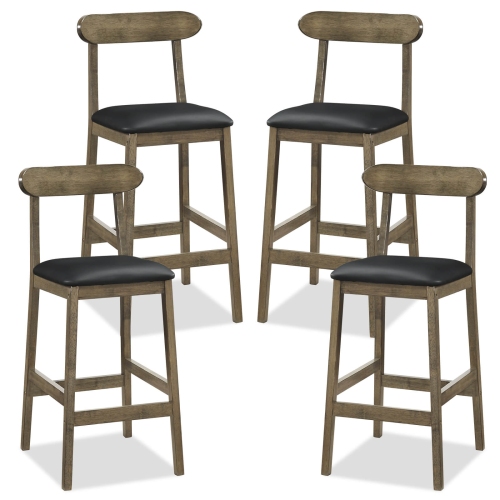
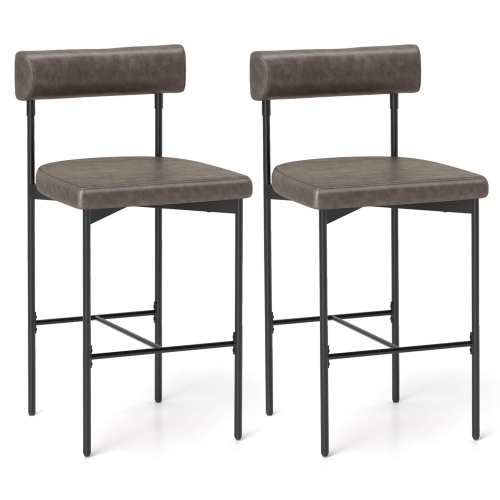
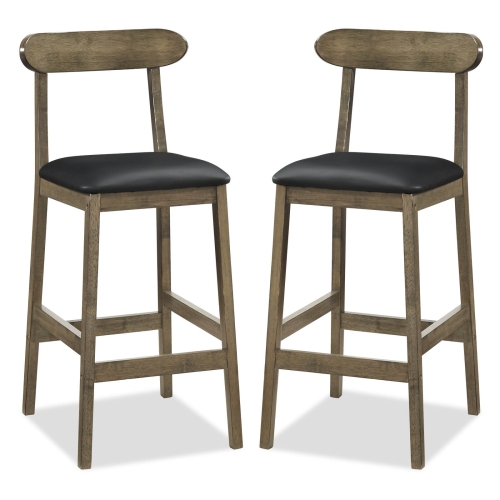
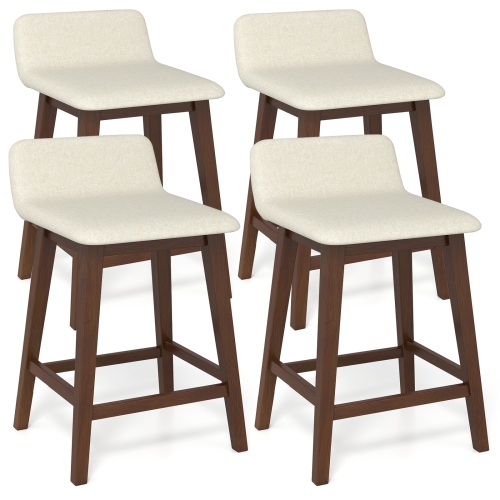
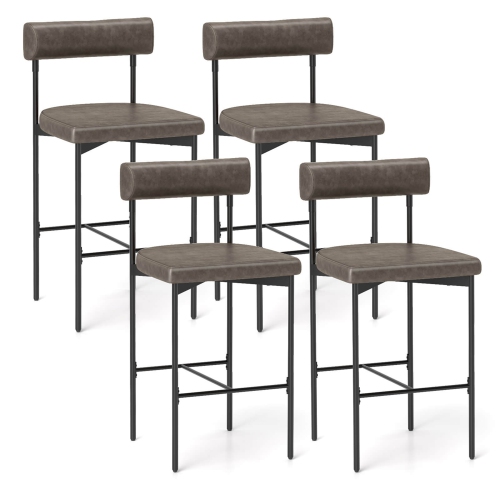
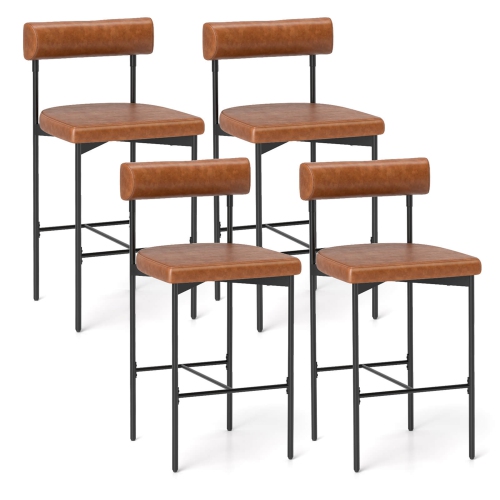
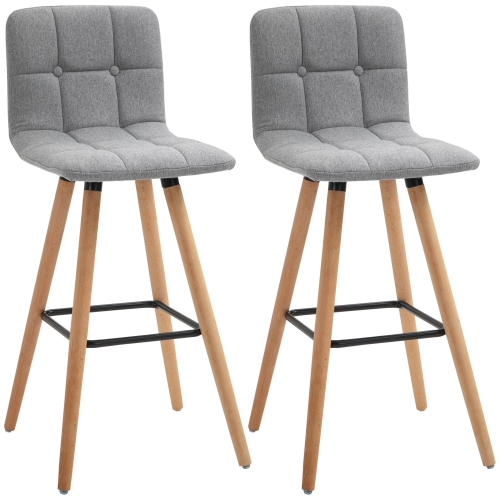
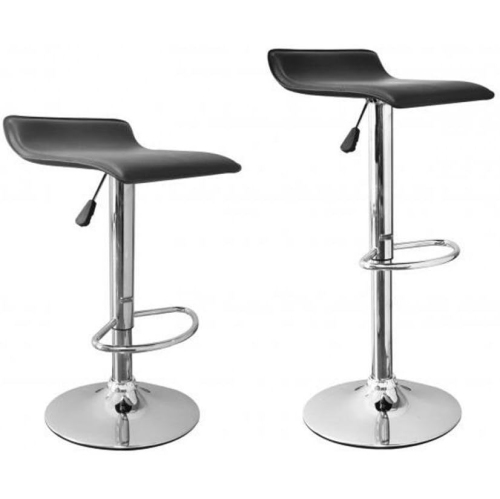
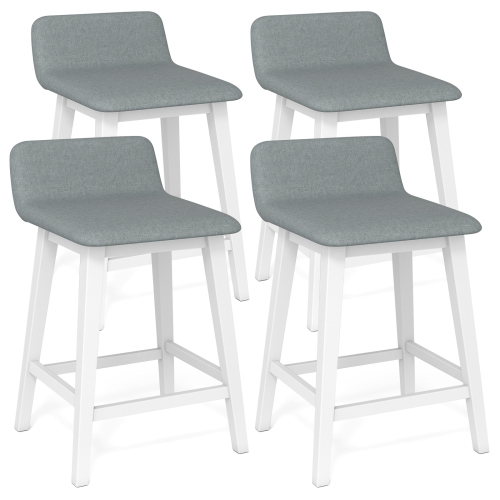
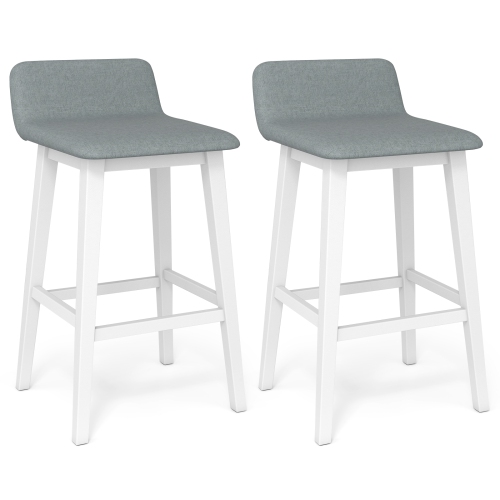
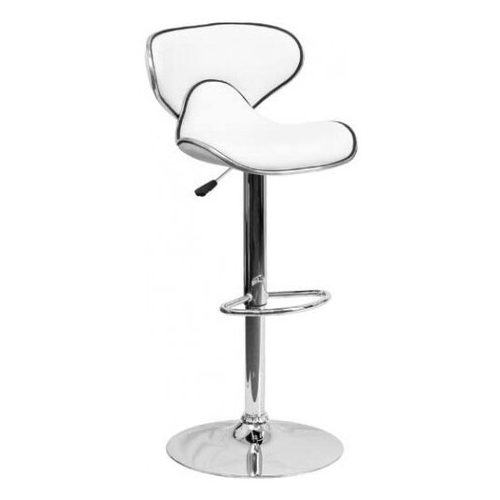
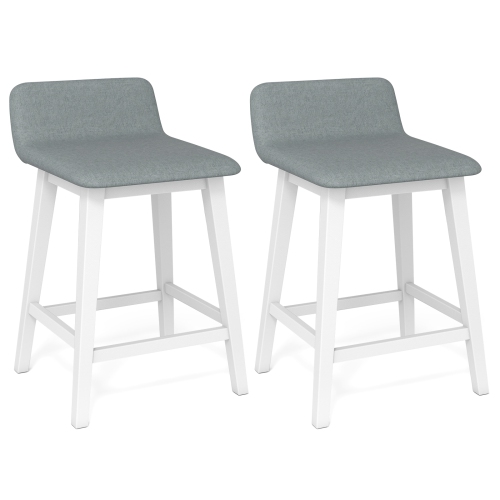
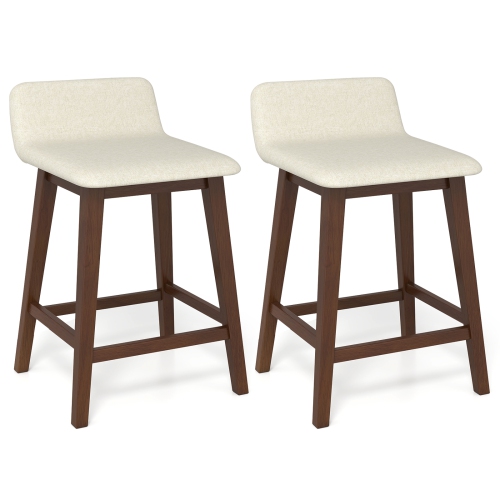
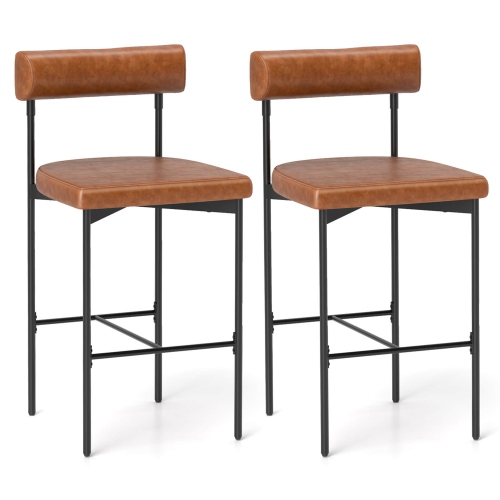
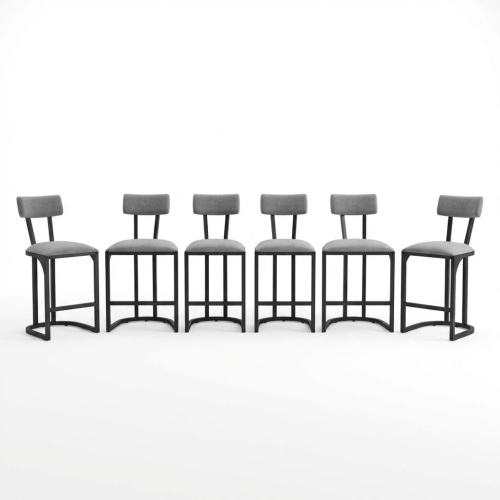
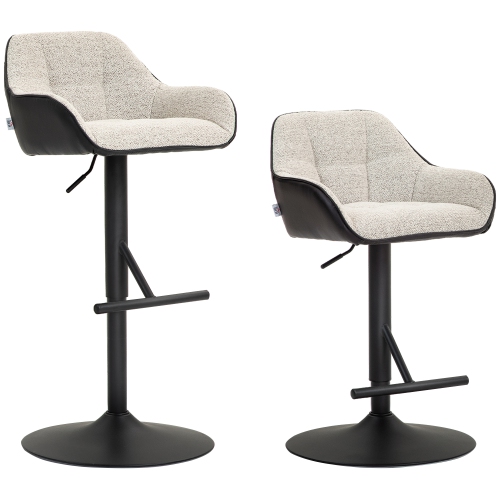
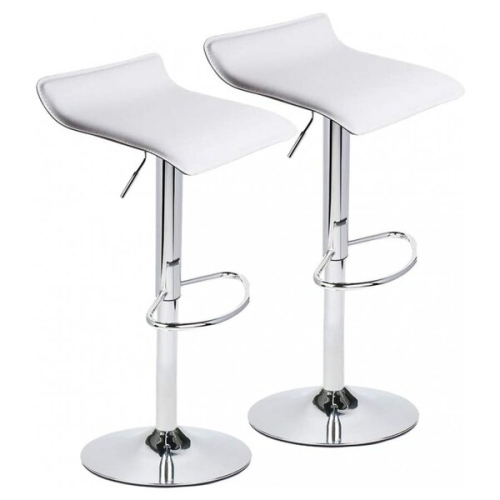
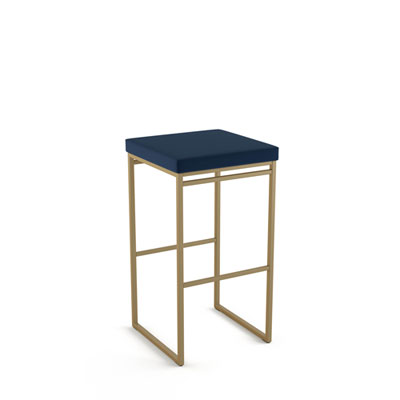
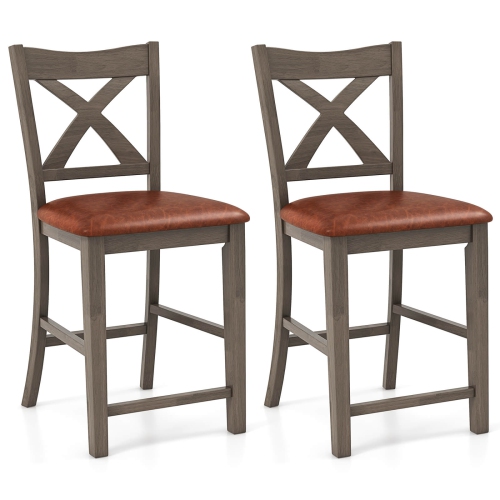
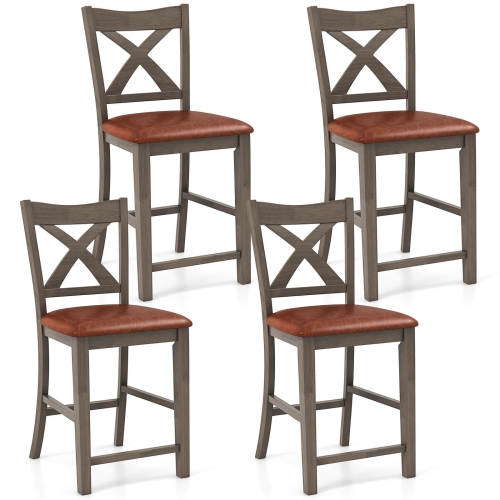
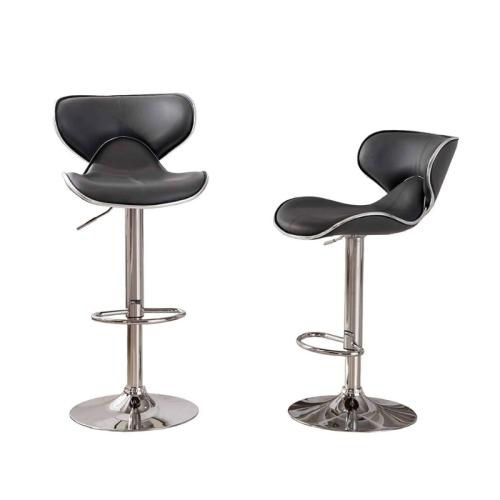
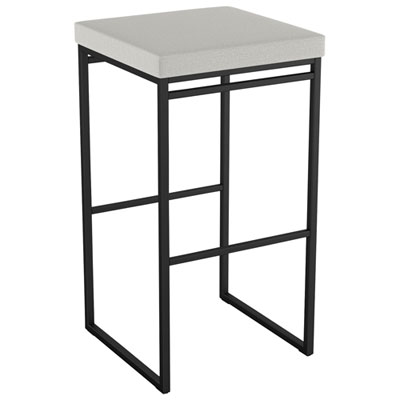
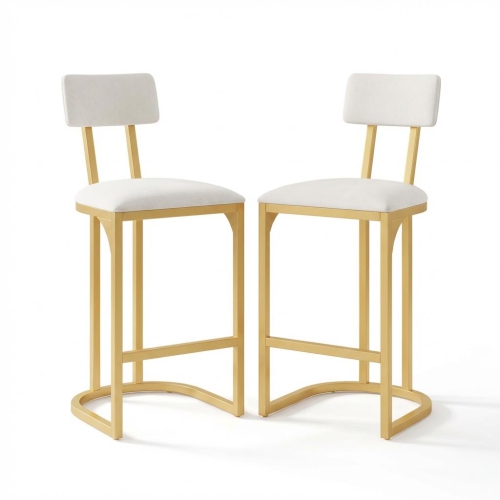
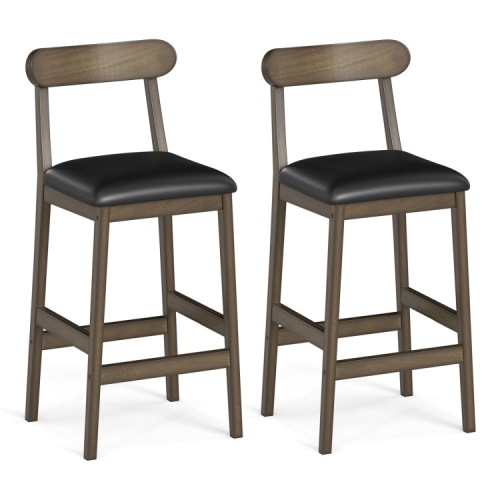
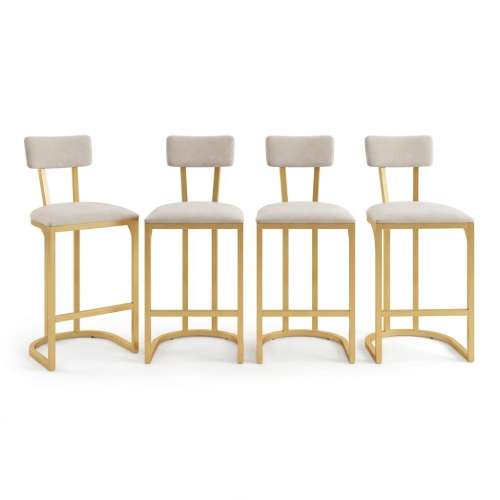
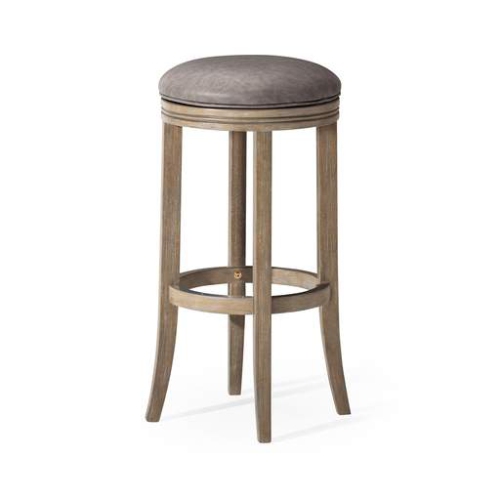
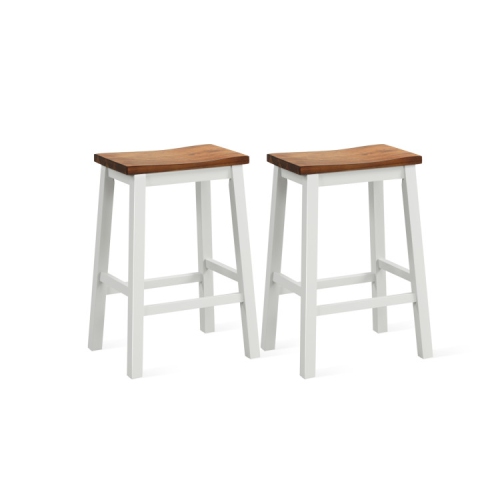
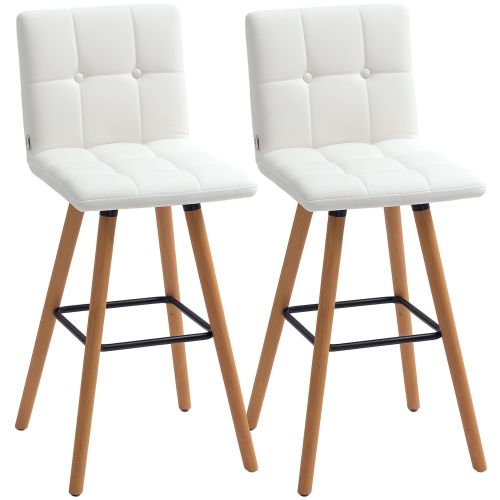
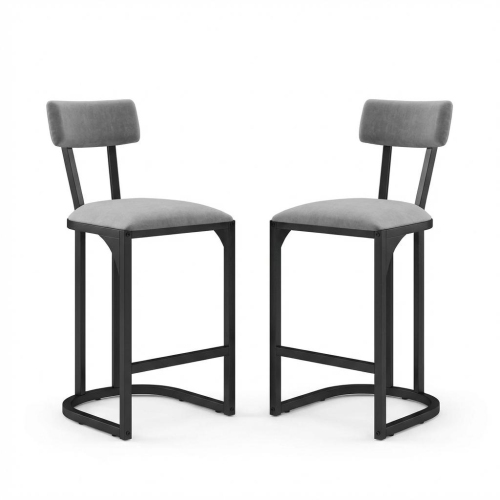
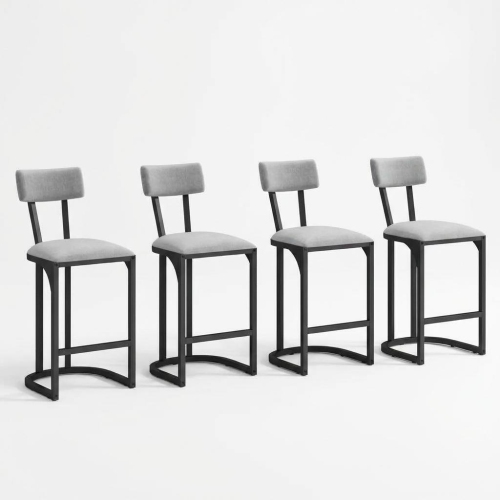
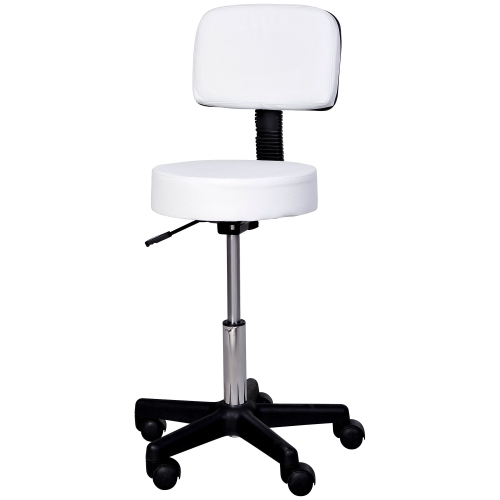

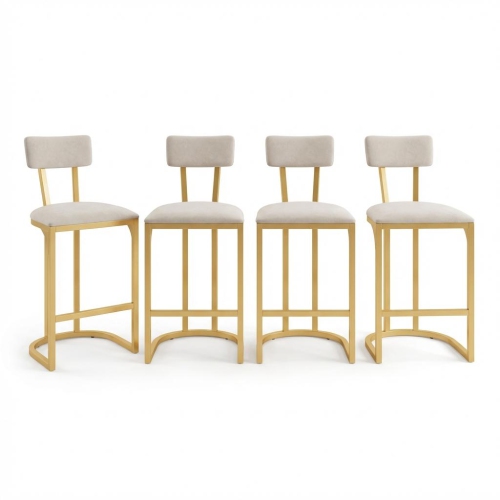
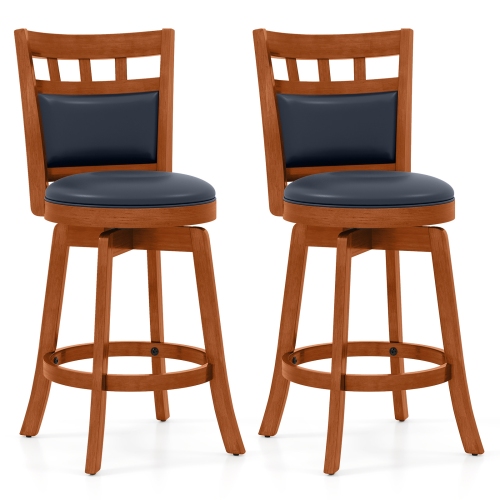
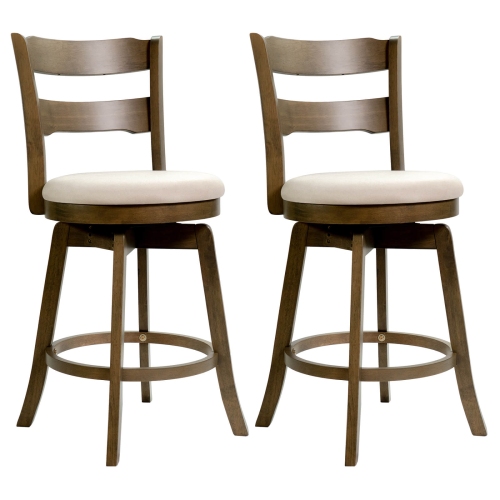
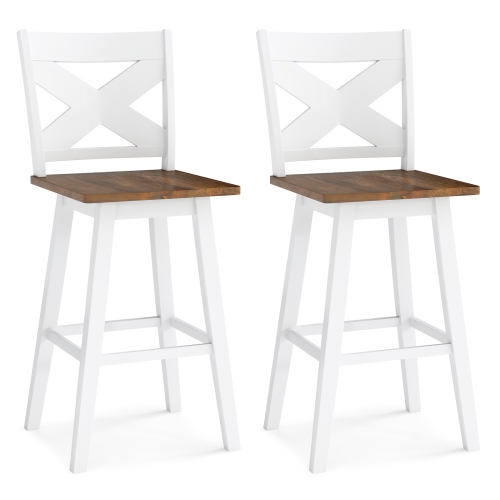
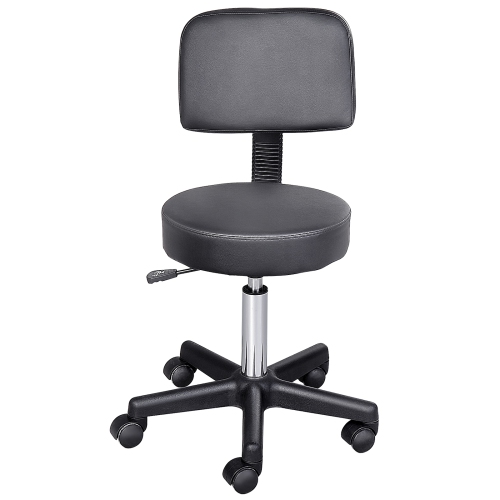
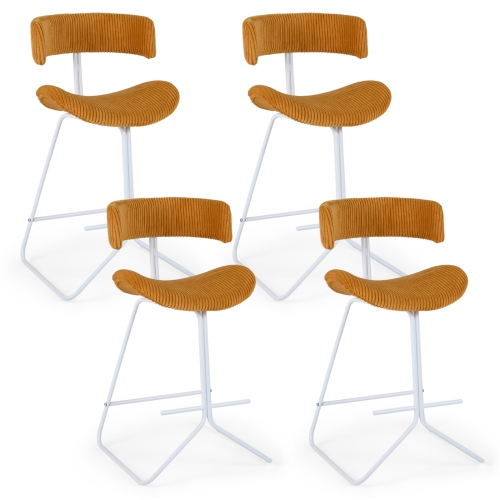
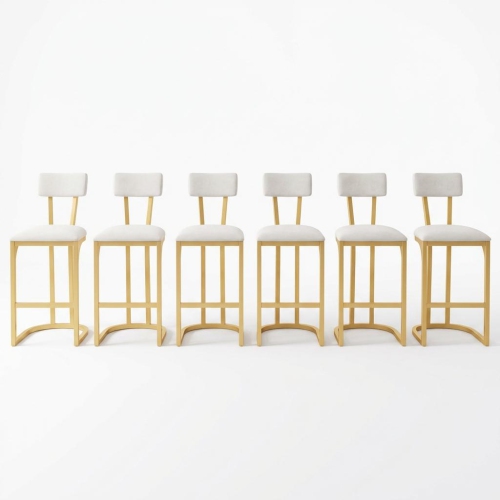
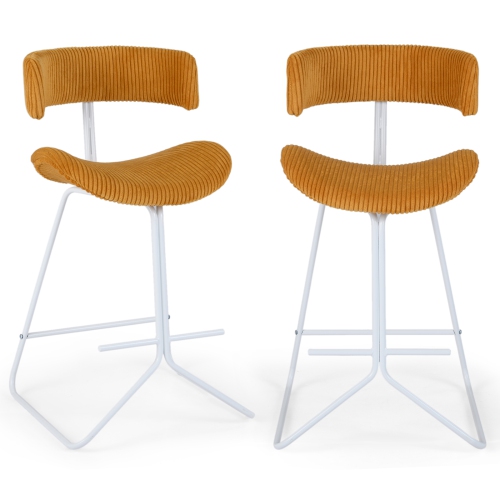
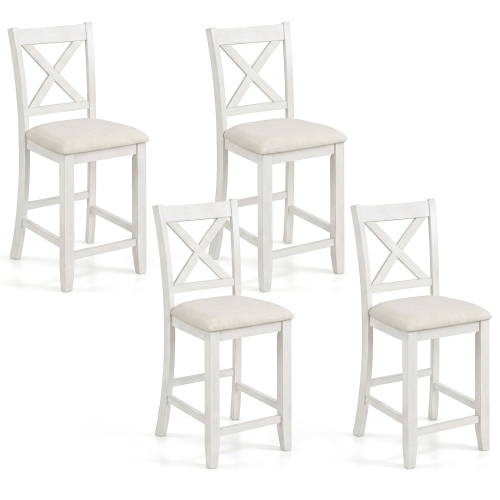
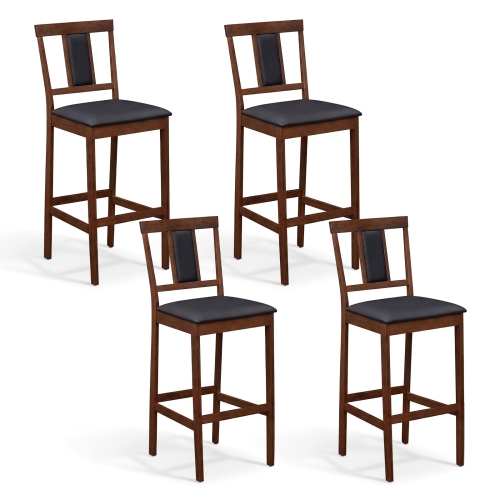
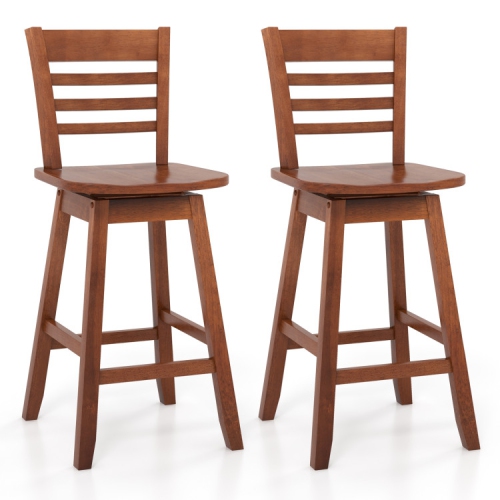
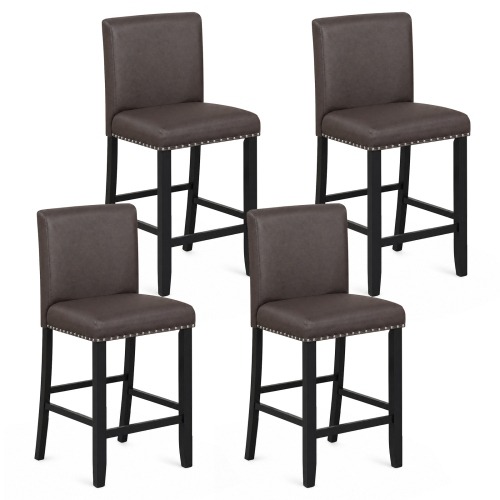
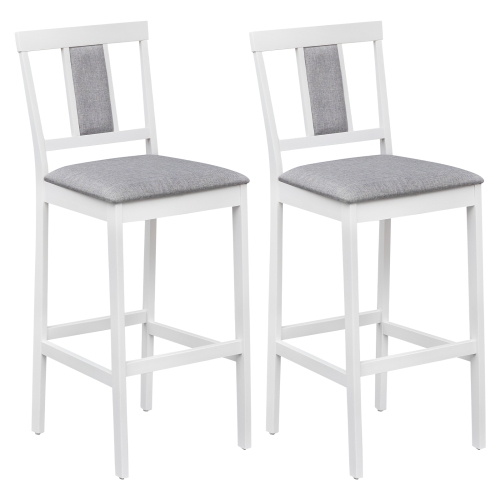
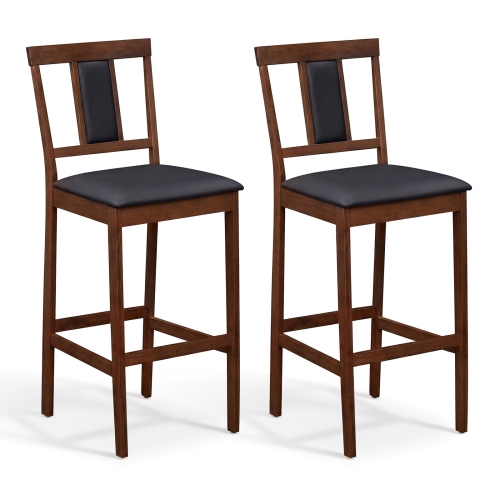
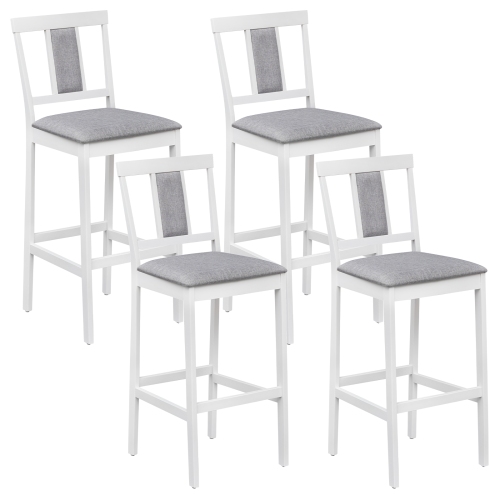
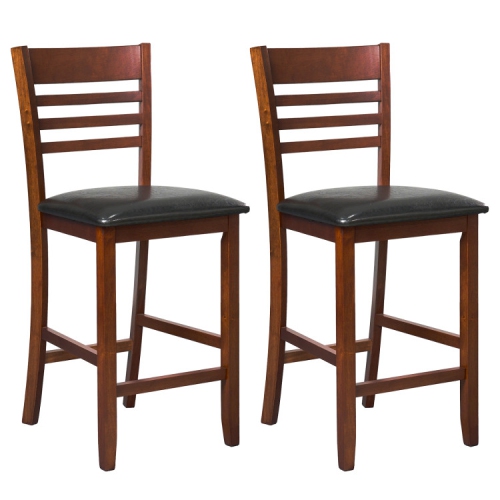
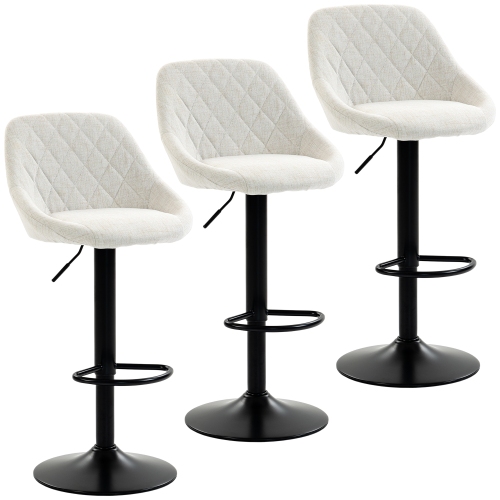
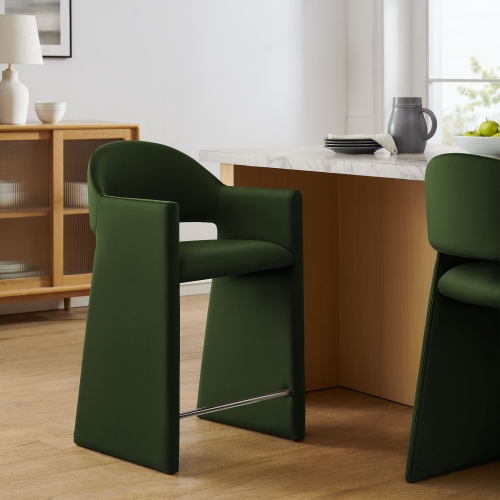
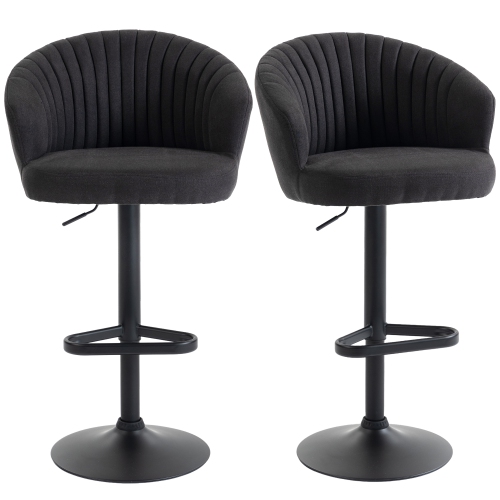
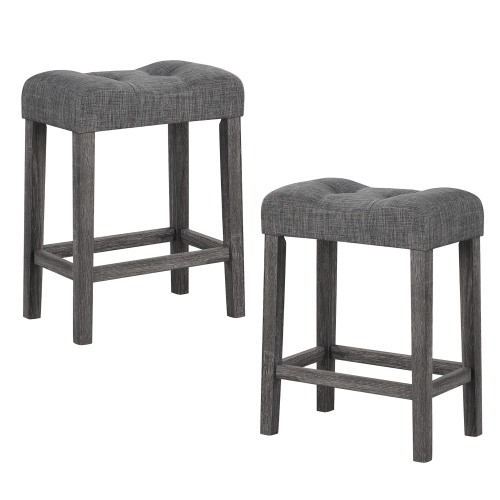
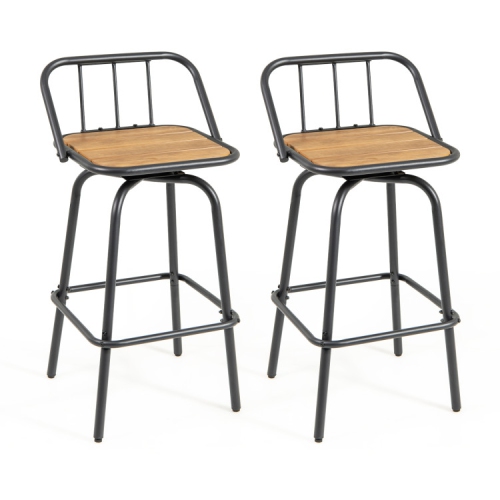
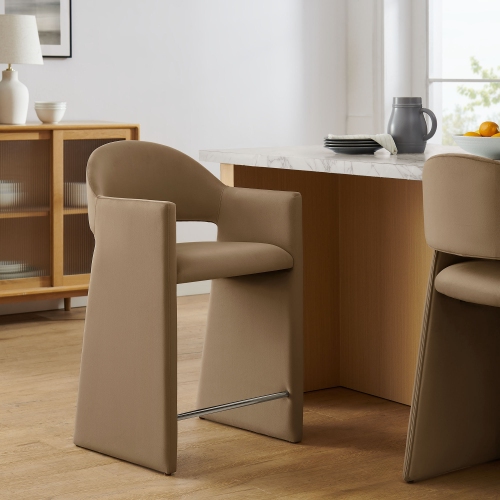
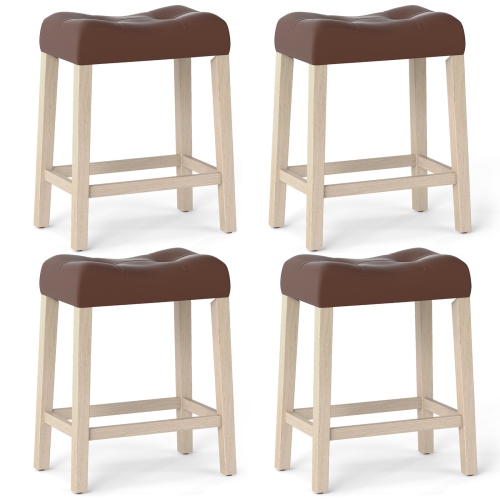
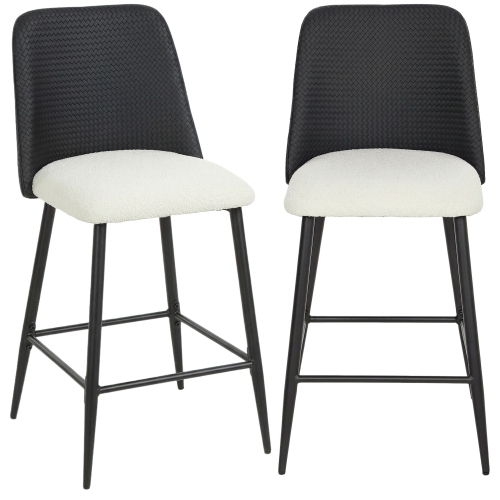
The right height and upholstery make island seating comfortable
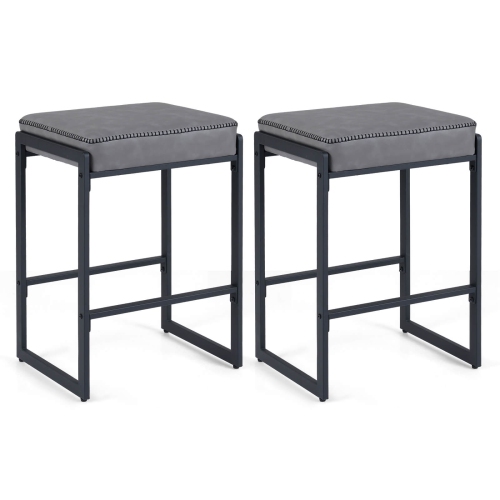
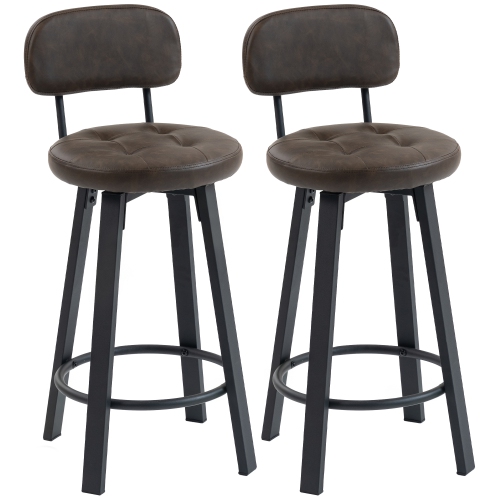
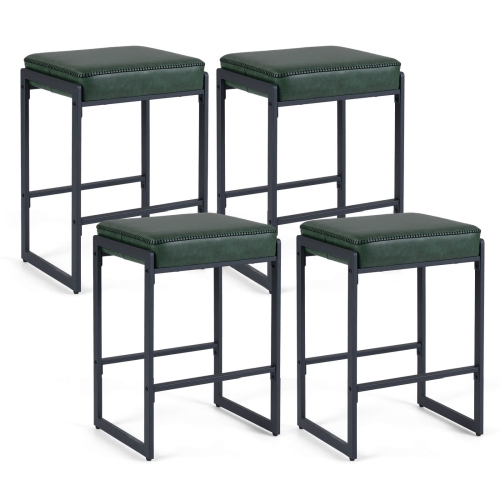
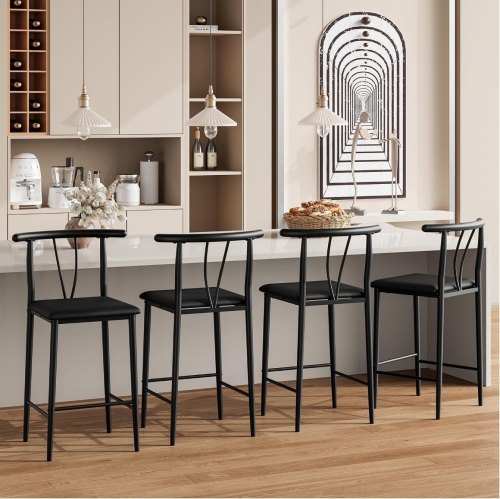
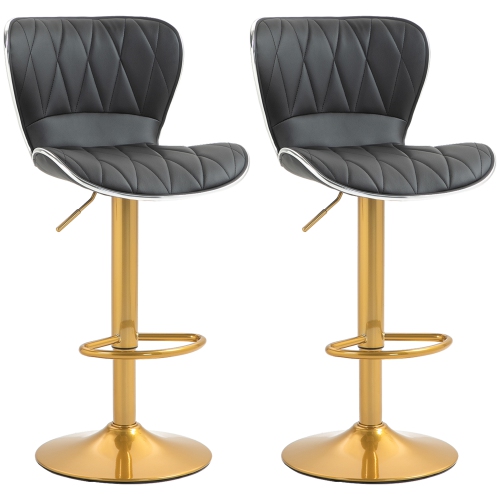
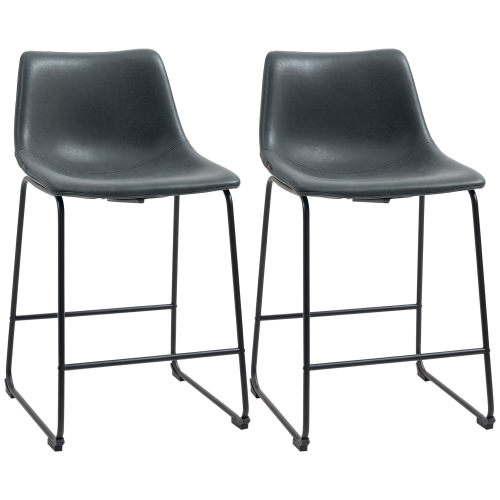
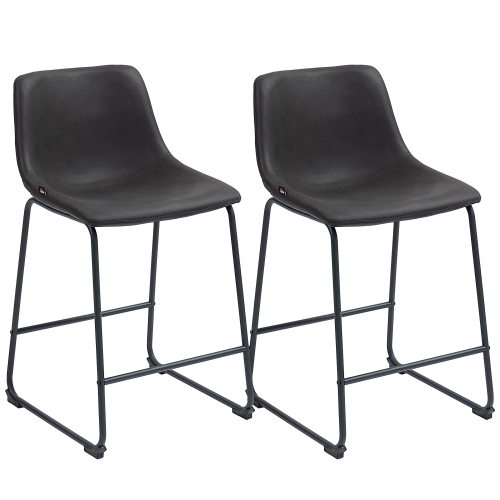
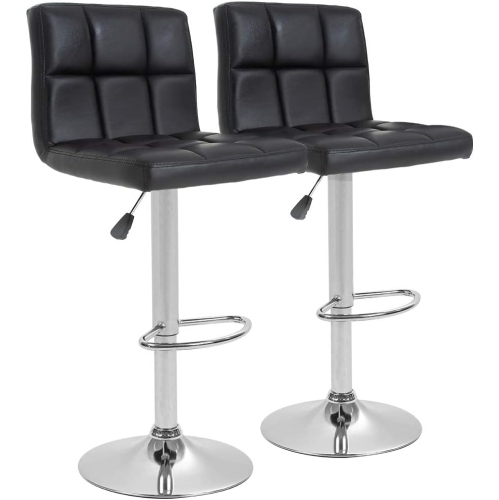
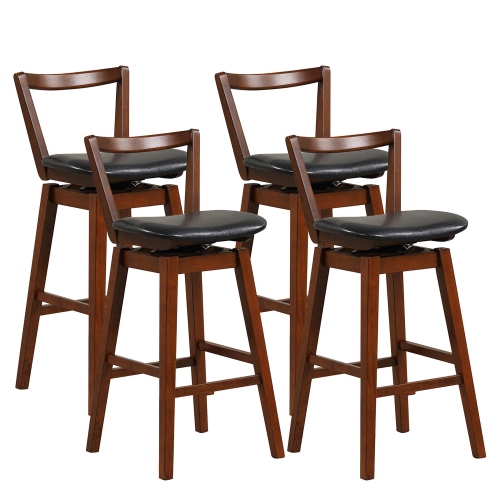
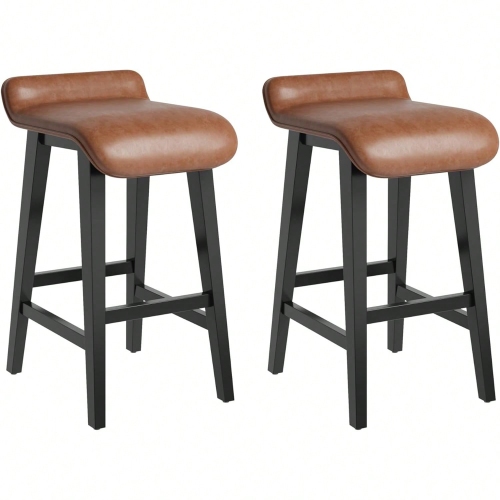
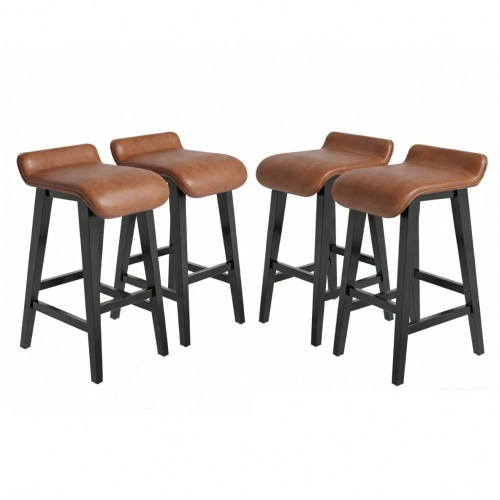
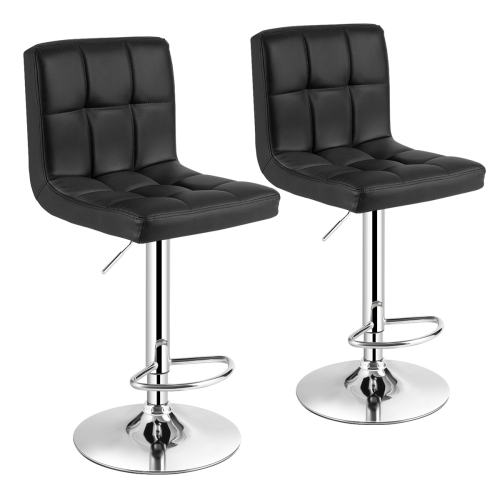
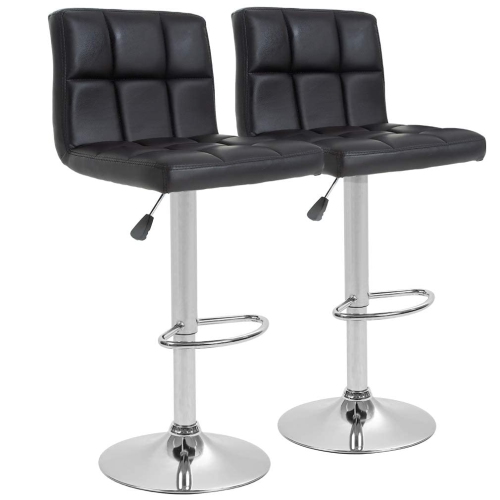
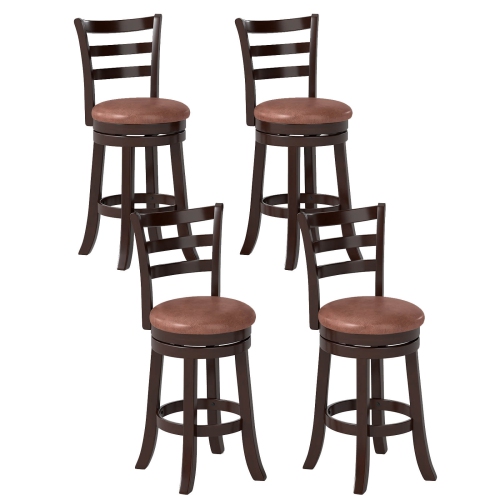
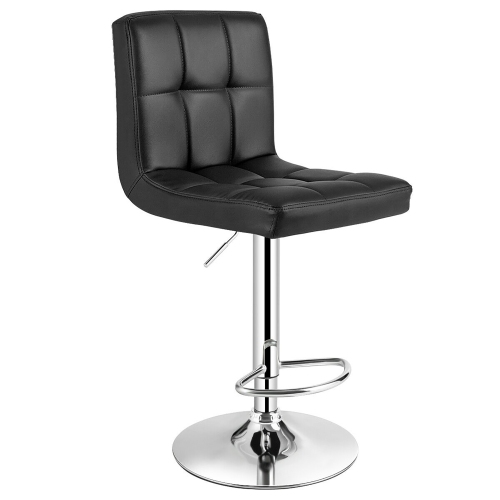
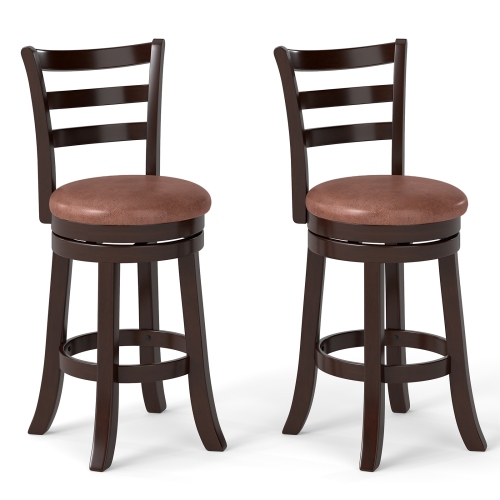
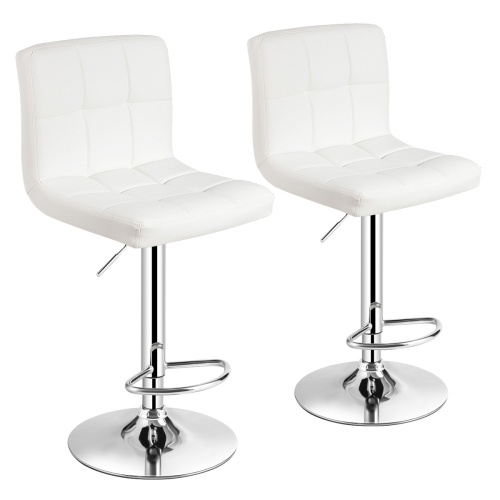
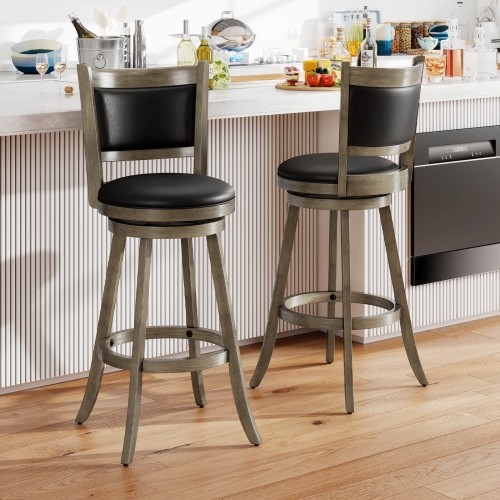
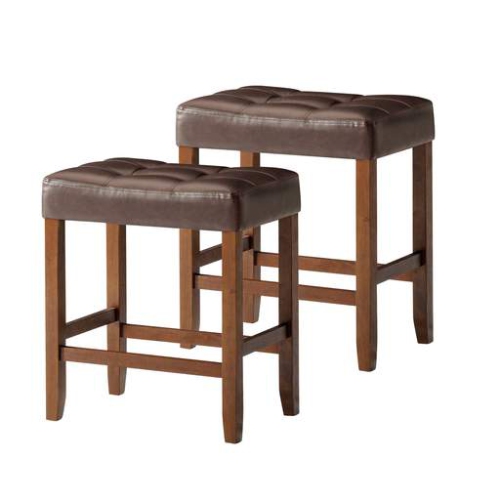
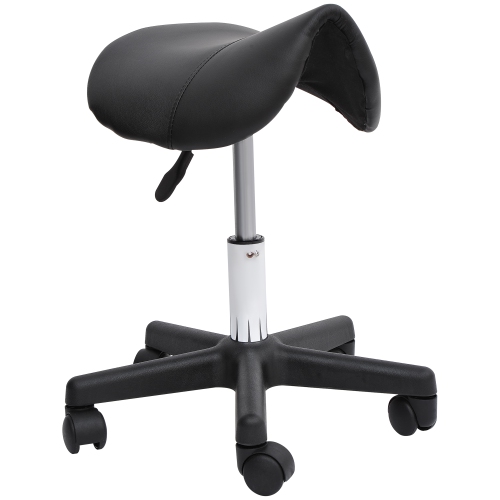
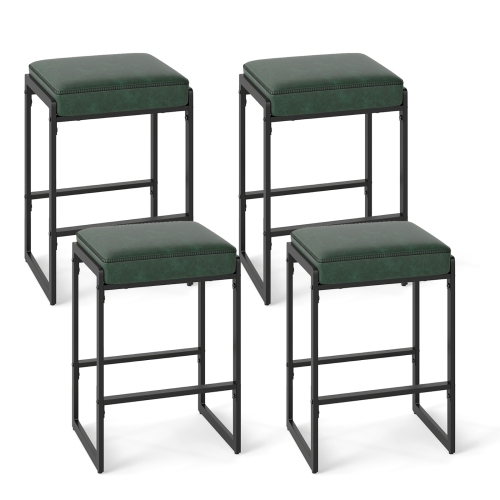
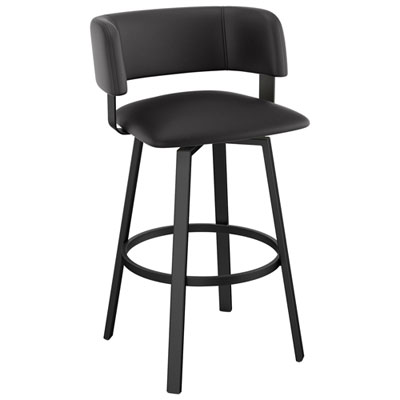
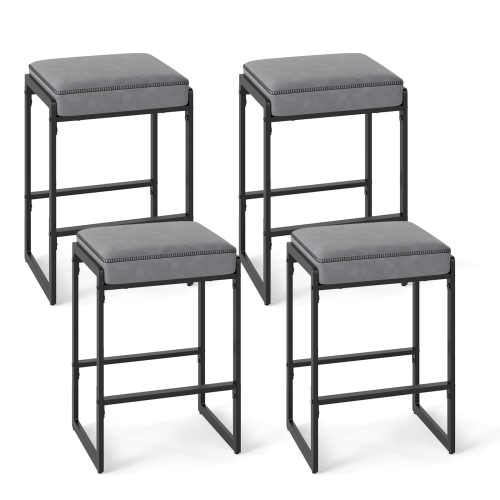
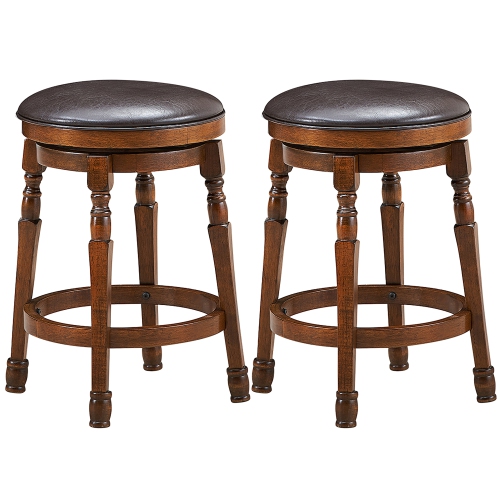
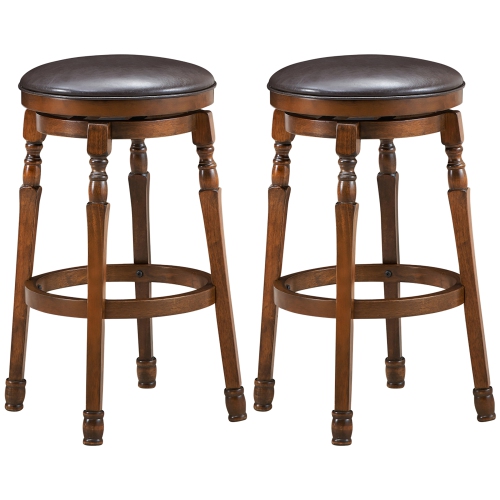
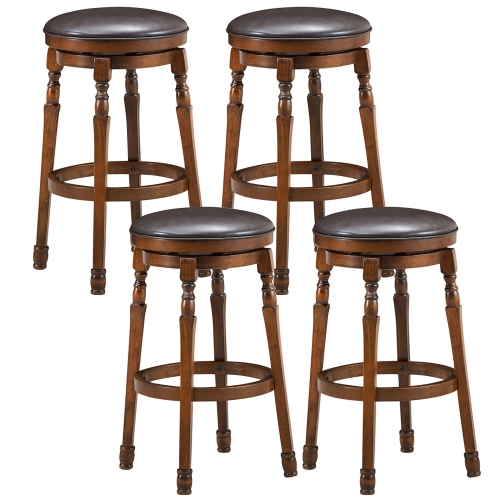
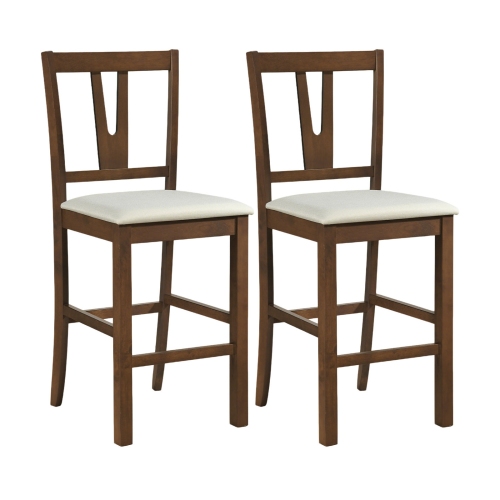
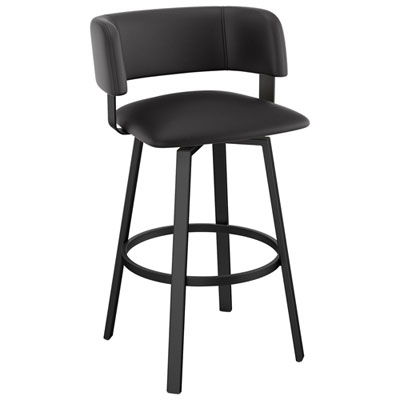
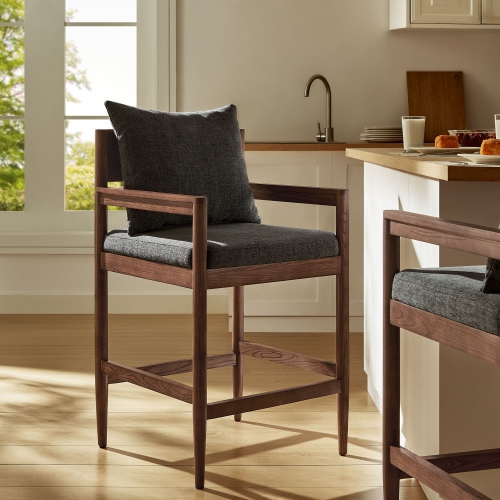
Leather stools for kitchen island seating bring together everyday comfort and a polished, welcoming look. They can make an island feel more like the heart of the home, whether it is used for quick breakfasts, homework, coffee with friends, or a relaxed dinner at the end of a busy day. The first consideration is height. Most kitchen islands and counters require counter-height stools with a seat height of approximately 24 to 26 inches. To check the fit, measure from the floor to the underside of the island counter, then look for roughly 10 to 12 inches of open space between the seat and the counter surface. This gives knees and legs enough room to sit comfortably without feeling cramped. Bar-height stools are taller and are generally intended for raised bar counters, so choosing them for a standard kitchen island can make the seating feel awkward and uncomfortable. It is also helpful to measure the available width before choosing a set. Allowing about 24 to 26 inches of space per seat gives each person room to sit, turn slightly, and get in and out without bumping elbows. A smaller island may work best with backless stools that slide completely underneath, while a larger island can accommodate wider seats, supportive backs, or armrests. For homes where the island doubles as a work surface, stools with backs can make a noticeable difference during longer meals, laptop sessions, or craft projects. Backless designs offer a cleaner profile and are easy to tuck away when the kitchen needs extra room for food preparation or entertaining. Swivel seats can make it easier to join a conversation or move away from the counter, while stationary stools often have a simple, grounded feel that suits traditional and transitional spaces.
Leather and faux-leather upholstery each offer useful qualities for a kitchen setting, and the right choice depends on how the stools will be used. Genuine leather has a supple feel and can develop a deeper, more characterful appearance over time. Its natural variations in grain and colour can add warmth beside wood cabinetry, stone counters, or painted islands. Leather is best treated as a material that benefits from thoughtful care: wipe up spills promptly, use a soft cloth, and follow the upholstery manufacturer’s cleaning recommendations rather than applying household cleaners at random. Faux leather, including polyurethane upholstery, offers a smooth finish and is often appreciated in busy kitchens because many everyday spills can be cleaned more easily with a damp cloth. It is available in a wide range of colours and textures, from soft neutrals to rich brown and dramatic black, making it easier to coordinate the stools with appliances, cabinet hardware, flooring, and nearby dining furniture. For a high-traffic family kitchen, look for upholstery with neat, durable stitching, a well-padded seat, and a surface that does not feel overly slippery. A footrest is another small detail that has a big effect on comfort, especially when stools are used for a full meal. Metal legs and pedestal bases can complement contemporary or industrial interiors, while wood frames often pair naturally with farmhouse, classic, or transitional décor. Check the base construction, floor protectors, and overall stability, particularly if the stools will be used by children or by guests who may lean back while chatting. A low-profile seat can help a compact room feel open, whereas a generously shaped back and thicker cushioning can create a more substantial, lounge-like presence. For a coordinated look without making the room feel overly matched, consider repeating one detail—such as black legs, warm brown upholstery, or brushed metal accents—through nearby lighting, cabinet pulls, or dining furniture. If a darker palette suits the space, Black Stools for Kitchen Island can create a crisp contrast against a light counter or blend smoothly with dark fixtures.
These stools can suit a wide range of households and routines. A couple in a smaller condo may value backless seats that disappear beneath the island and preserve a clear walkway, while a family may prefer wipeable faux-leather upholstery, rounded edges, and sturdy footrests for frequent breakfasts and snack time. Someone who enjoys hosting can choose comfortable stools with supportive backs so guests have a pleasant place to linger while meals are prepared. They can also be a thoughtful housewarming gift for someone settling into a new home, particularly when the kitchen island is still missing the finishing touch that makes it feel ready for company. Before purchasing, consider the island’s shape, the direction of foot traffic, and whether drawers or dishwasher doors need to open behind the stools. Look at the full seat width, not only the height, and check whether arms will fit beneath the counter when the stool is pushed in. Colour is worth considering in the context of natural and artificial light: tan or cognac leather can bring a warm glow to a pale kitchen, while charcoal, espresso, or black can add definition to a room with white or light-grey cabinetry. During the cooler months, leather seating can make the kitchen feel especially inviting, giving family members a comfortable spot to gather over soup, baking, board games, or a cup of tea. A balanced choice combines the correct counter height with supportive construction, practical upholstery, and a silhouette that fits the room. With those details in mind, leather stools for a kitchen island can provide dependable everyday seating while giving the space a refined, lived-in character.
Leather and faux-leather upholstery each offer useful qualities for a kitchen setting, and the right choice depends on how the stools will be used. Genuine leather has a supple feel and can develop a deeper, more characterful appearance over time. Its natural variations in grain and colour can add warmth beside wood cabinetry, stone counters, or painted islands. Leather is best treated as a material that benefits from thoughtful care: wipe up spills promptly, use a soft cloth, and follow the upholstery manufacturer’s cleaning recommendations rather than applying household cleaners at random. Faux leather, including polyurethane upholstery, offers a smooth finish and is often appreciated in busy kitchens because many everyday spills can be cleaned more easily with a damp cloth. It is available in a wide range of colours and textures, from soft neutrals to rich brown and dramatic black, making it easier to coordinate the stools with appliances, cabinet hardware, flooring, and nearby dining furniture. For a high-traffic family kitchen, look for upholstery with neat, durable stitching, a well-padded seat, and a surface that does not feel overly slippery. A footrest is another small detail that has a big effect on comfort, especially when stools are used for a full meal. Metal legs and pedestal bases can complement contemporary or industrial interiors, while wood frames often pair naturally with farmhouse, classic, or transitional décor. Check the base construction, floor protectors, and overall stability, particularly if the stools will be used by children or by guests who may lean back while chatting. A low-profile seat can help a compact room feel open, whereas a generously shaped back and thicker cushioning can create a more substantial, lounge-like presence. For a coordinated look without making the room feel overly matched, consider repeating one detail—such as black legs, warm brown upholstery, or brushed metal accents—through nearby lighting, cabinet pulls, or dining furniture. If a darker palette suits the space, Black Stools for Kitchen Island can create a crisp contrast against a light counter or blend smoothly with dark fixtures.
These stools can suit a wide range of households and routines. A couple in a smaller condo may value backless seats that disappear beneath the island and preserve a clear walkway, while a family may prefer wipeable faux-leather upholstery, rounded edges, and sturdy footrests for frequent breakfasts and snack time. Someone who enjoys hosting can choose comfortable stools with supportive backs so guests have a pleasant place to linger while meals are prepared. They can also be a thoughtful housewarming gift for someone settling into a new home, particularly when the kitchen island is still missing the finishing touch that makes it feel ready for company. Before purchasing, consider the island’s shape, the direction of foot traffic, and whether drawers or dishwasher doors need to open behind the stools. Look at the full seat width, not only the height, and check whether arms will fit beneath the counter when the stool is pushed in. Colour is worth considering in the context of natural and artificial light: tan or cognac leather can bring a warm glow to a pale kitchen, while charcoal, espresso, or black can add definition to a room with white or light-grey cabinetry. During the cooler months, leather seating can make the kitchen feel especially inviting, giving family members a comfortable spot to gather over soup, baking, board games, or a cup of tea. A balanced choice combines the correct counter height with supportive construction, practical upholstery, and a silhouette that fits the room. With those details in mind, leather stools for a kitchen island can provide dependable everyday seating while giving the space a refined, lived-in character.
Top selling and popular products
-
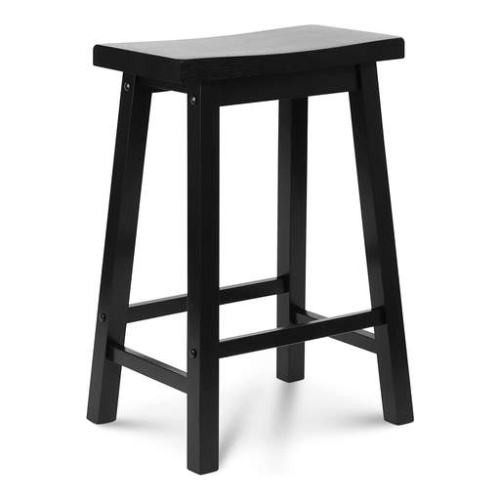 Your price for this item is $88.99
 -
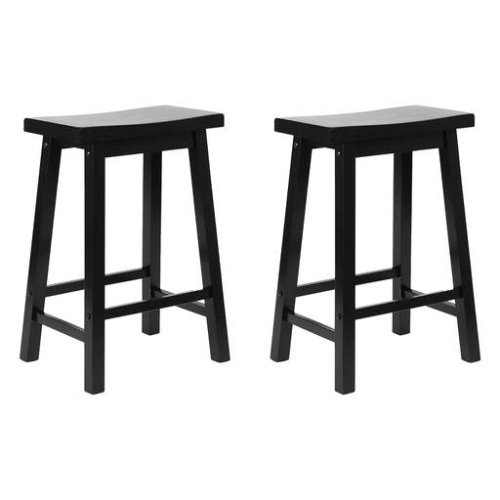 Your price for this item is $174.99
 -
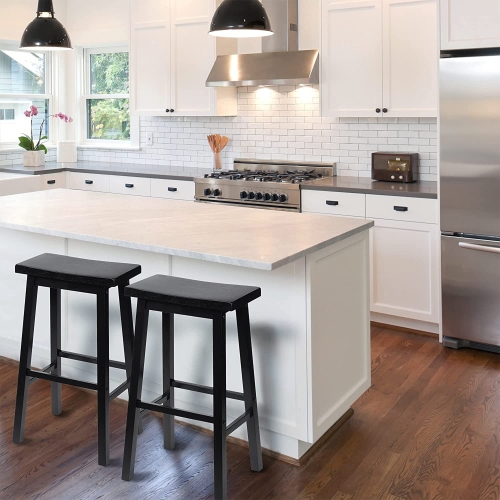 Your price for this item is $437.99
 -
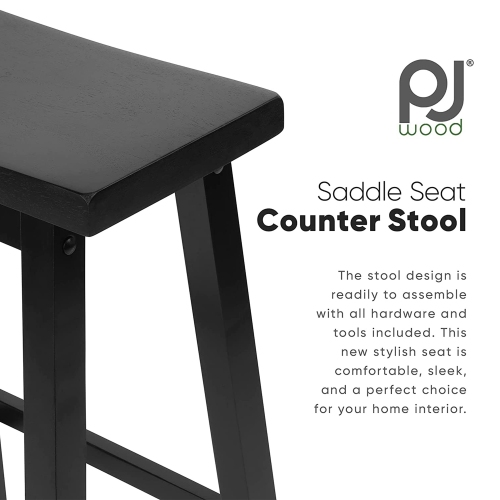 Your price for this item is $173.99
 -
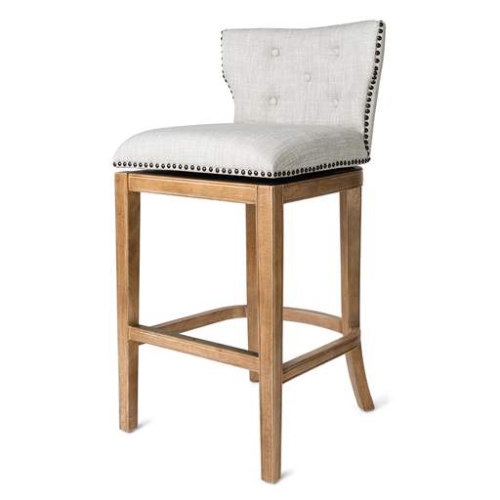 Your price for this item is $406.99
 -
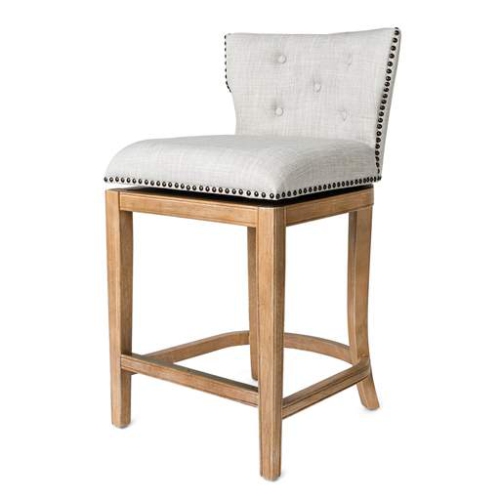 Your price for this item is $431.99
 -
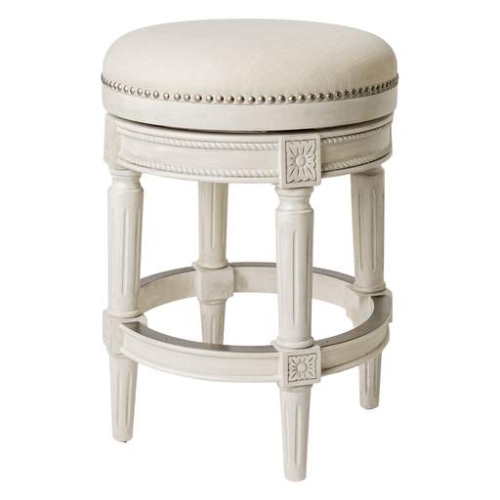 Your price for this item is $350.99
 -
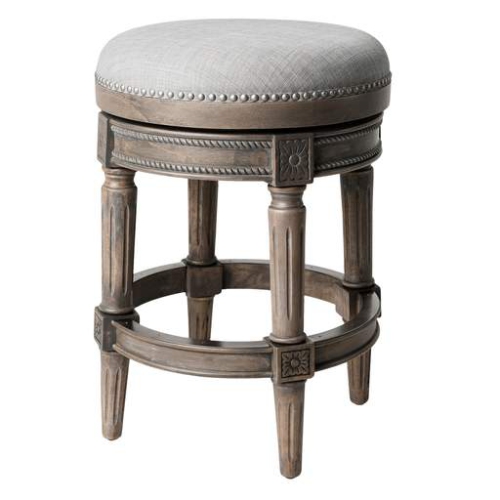 Your price for this item is $364.99
Discover more categories related to Leather Stools for Kitchen Island
Top Collections:
Pokemon Centers, Best Cameras for Sports Photography, Kindle Devices, Samsung Galaxy Phones, Canon G7X Cameras, Pokémon 30th Celebration Cards, Refurbished Apple Laptops, iPhone 15 Apple, Laptops for Students, Budget Smartphones
Some products may be subject to Environmental Handling Fees
(EHF) depending on your province.
Learn more about EHFs.