LED Motion Sensor Lights
Looking to enhance the security and convenience of your home? Look no further than our collection of LED motion sensor lights. These innovative lighting solutions are designed to detect movement and automatically illuminate your surroundings, providing you with added peace of mind and effortless navigation in the dark. Whether you're looking for outdoor security lights or indoor night lights, our range of LED motion sensor lights offers a variety of styles and features to suit your needs. Say goodbye to fumbling for light switches or worrying about intruders. With LED motion sensor lights, you can enjoy a brighter, safer, and more efficient living space.
Sort
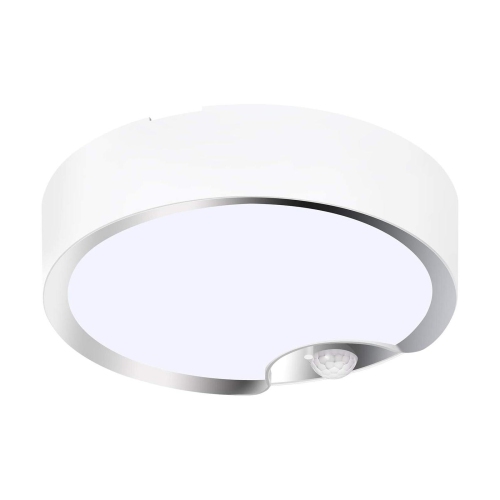
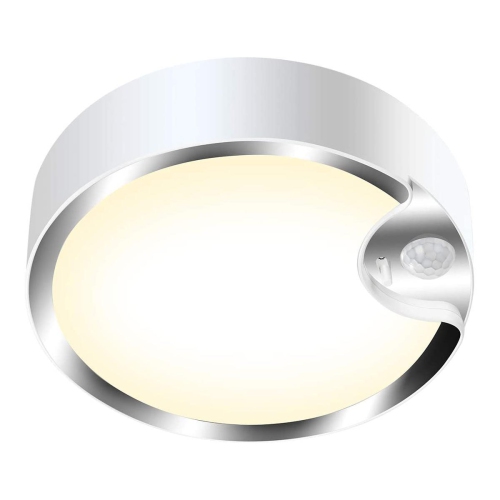
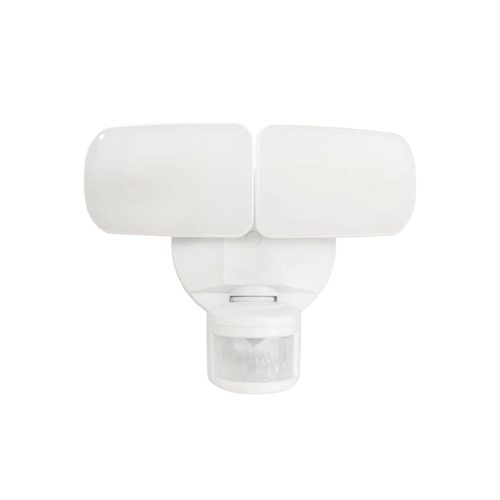


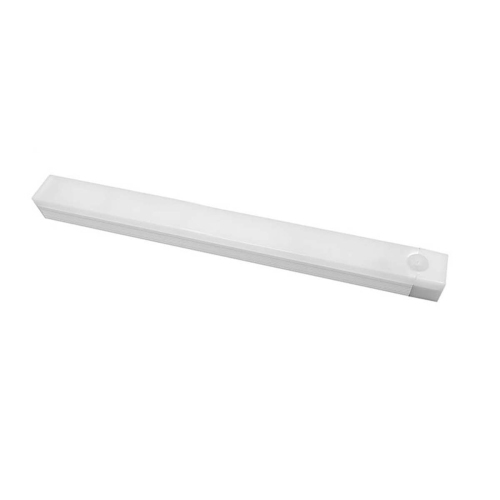
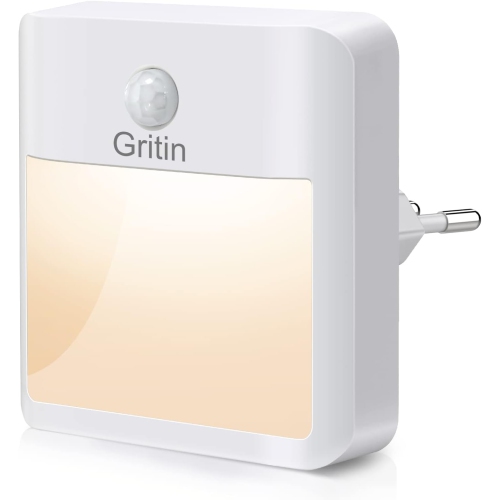
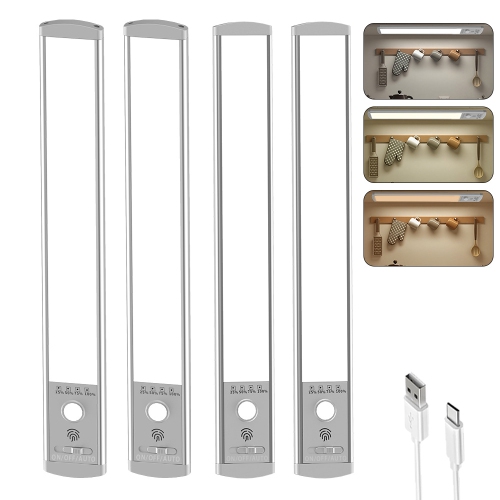

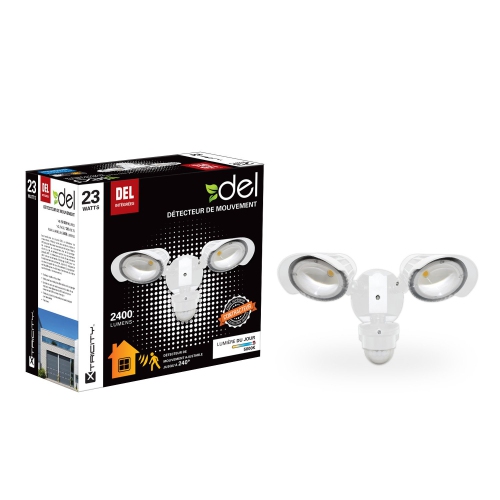


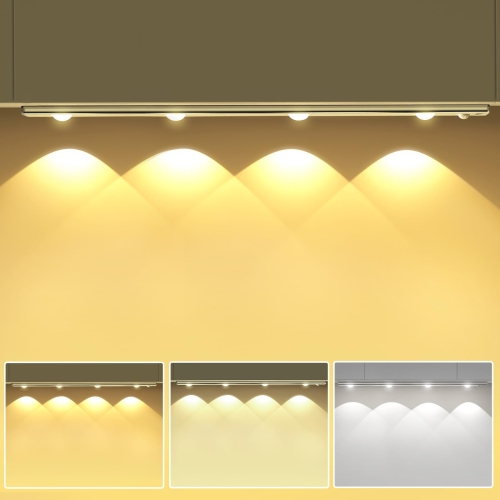

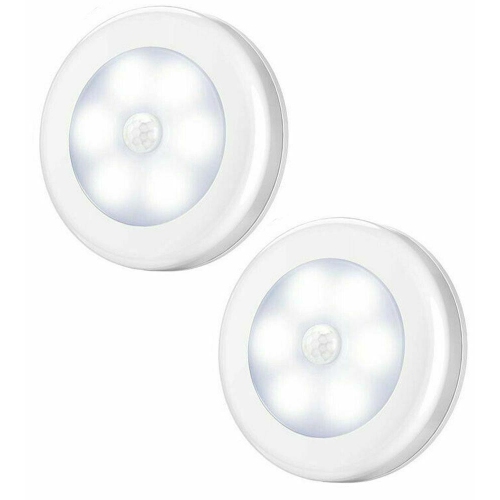

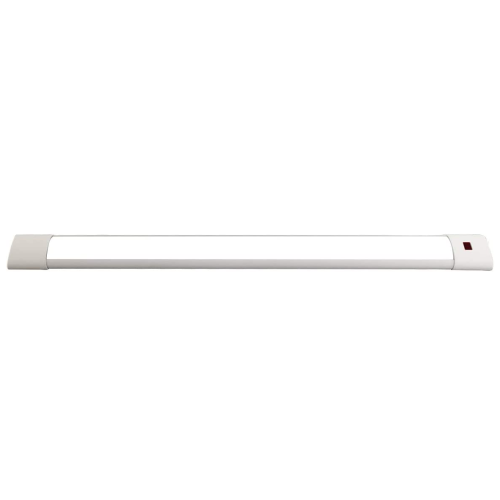
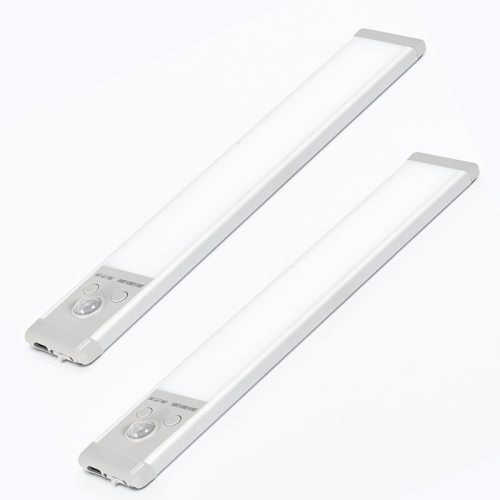

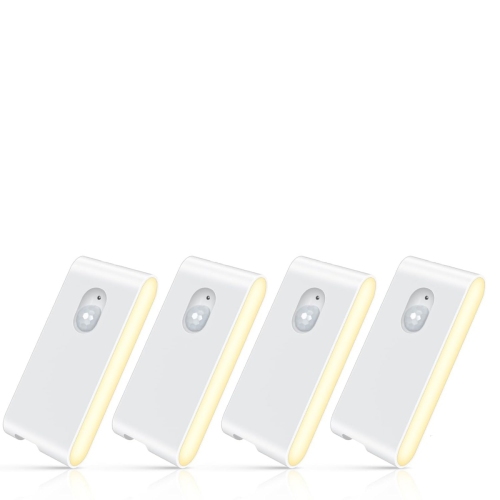


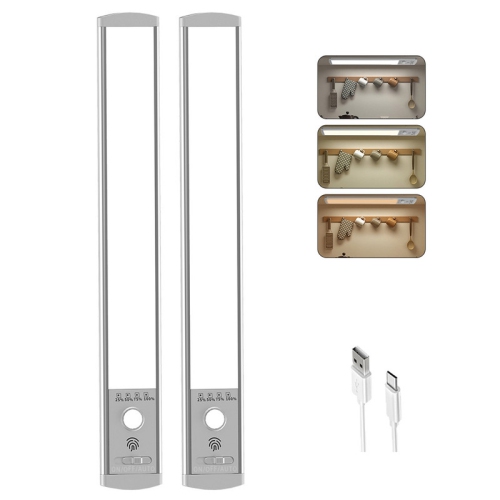

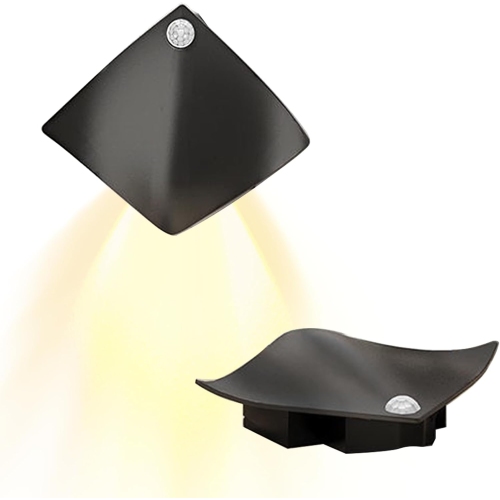
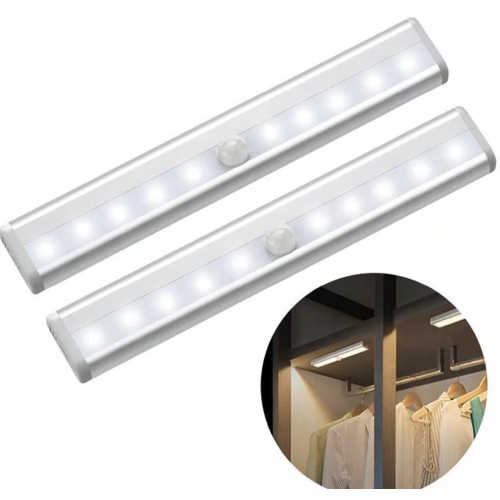
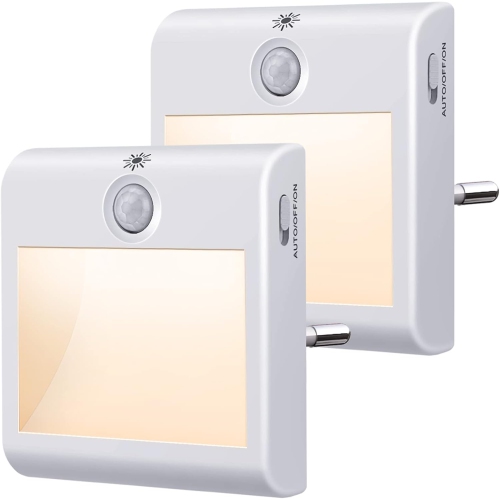
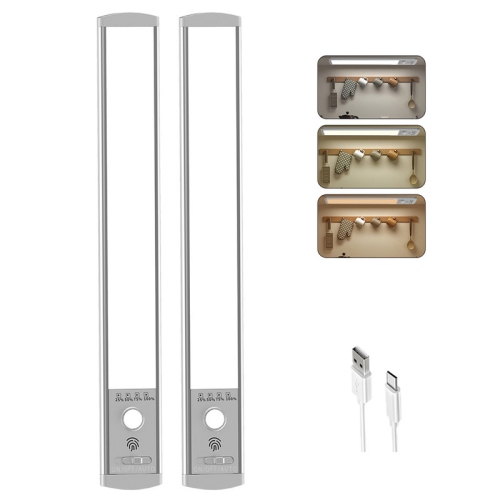

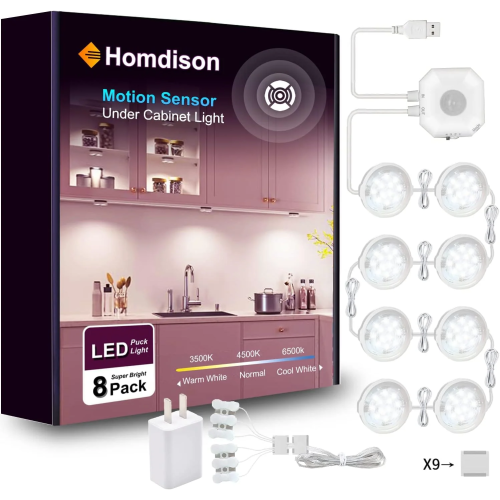
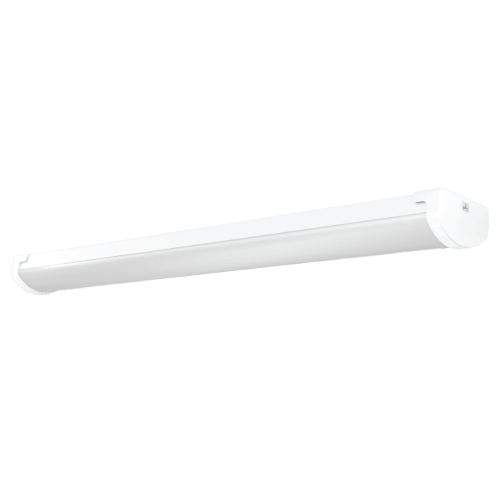
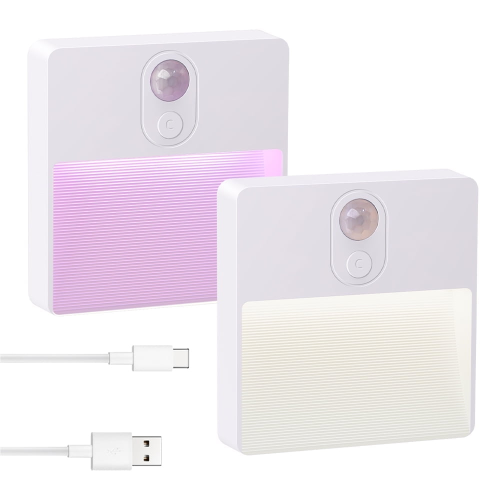

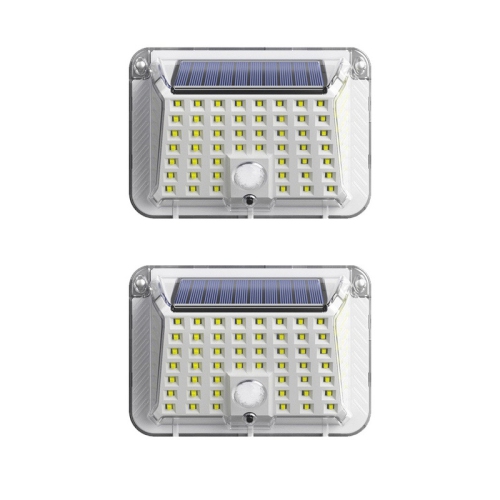


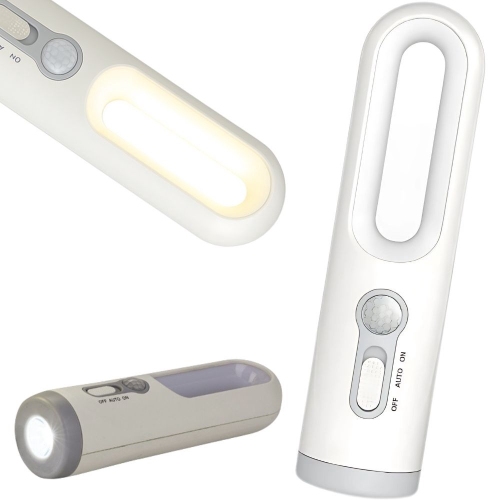
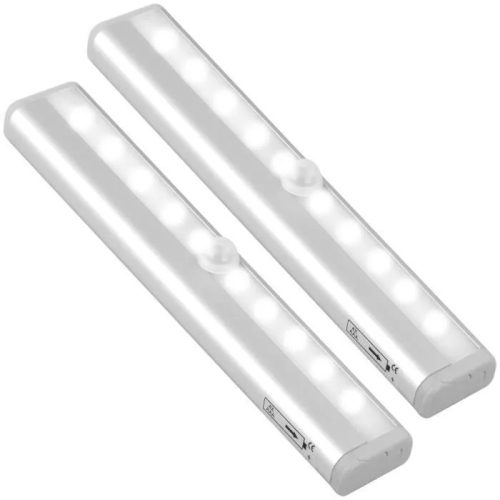
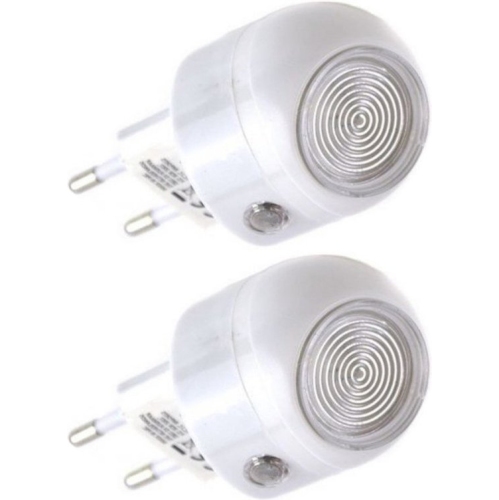
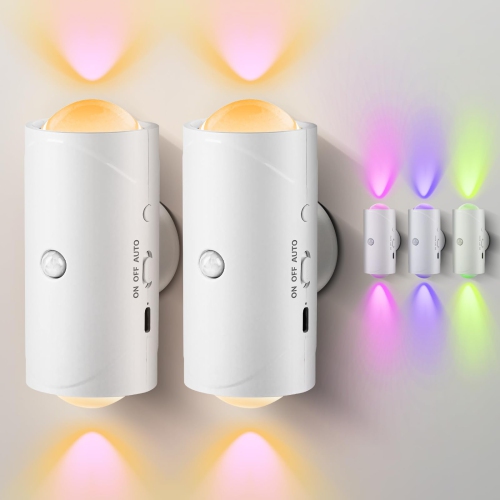
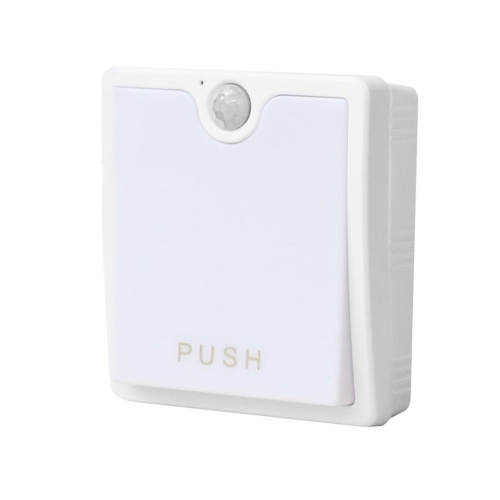
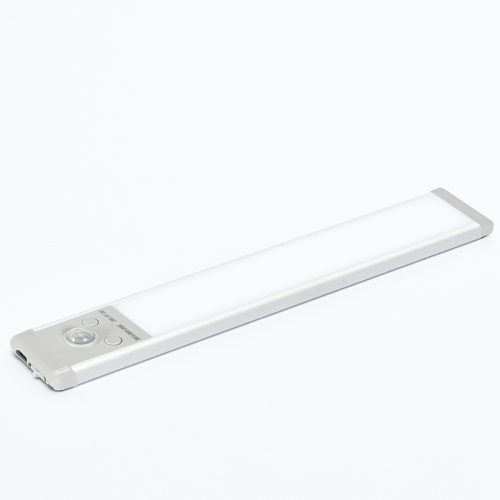
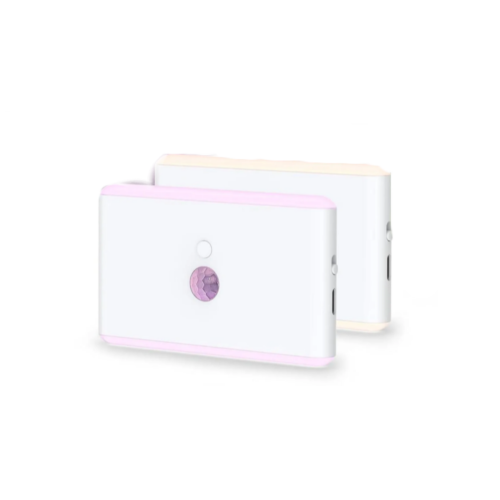





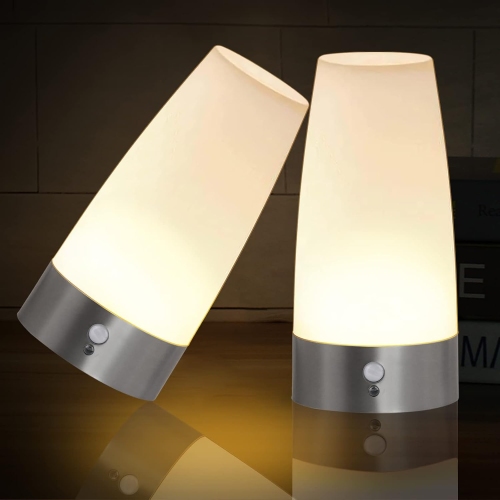


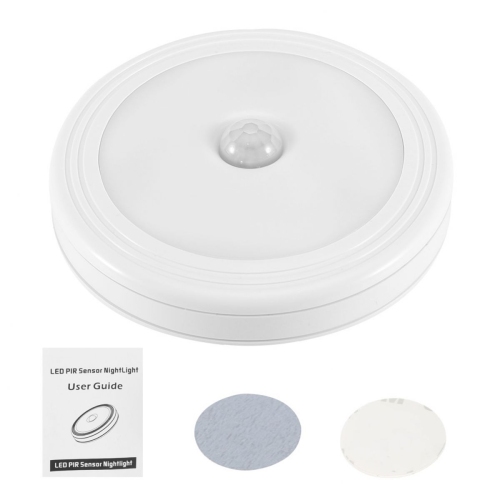
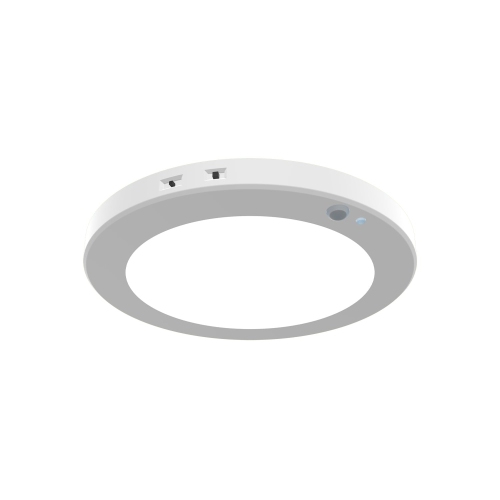
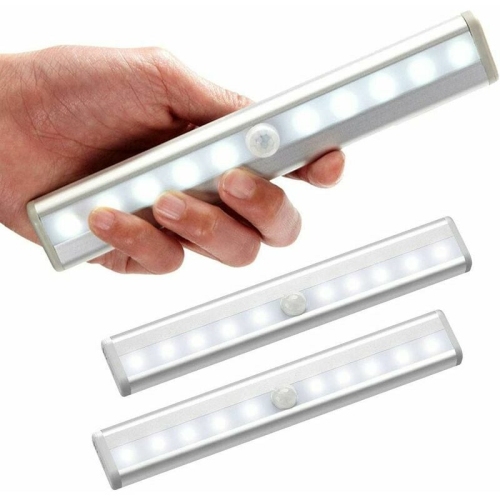
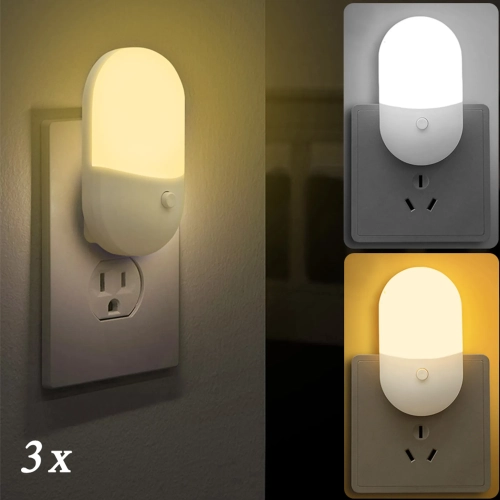
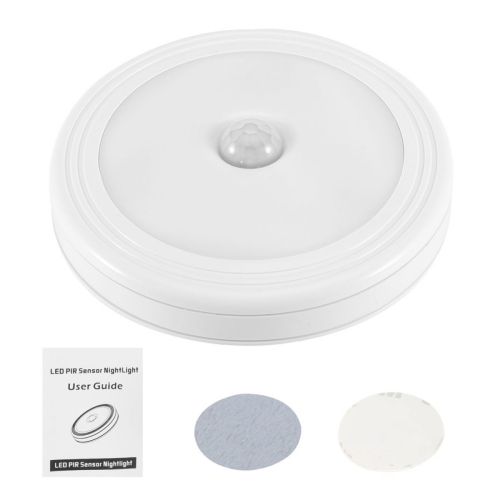
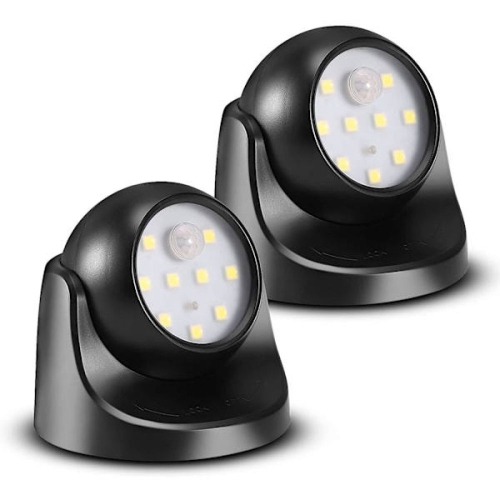

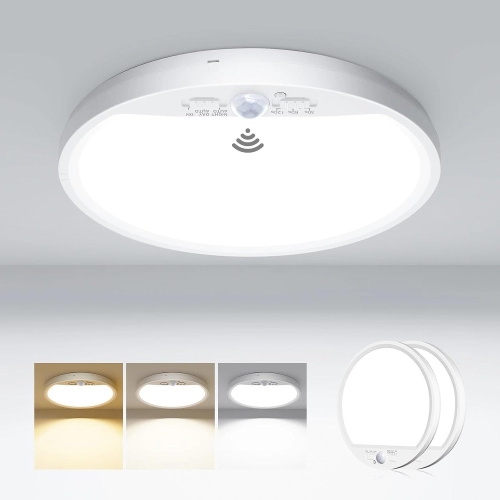




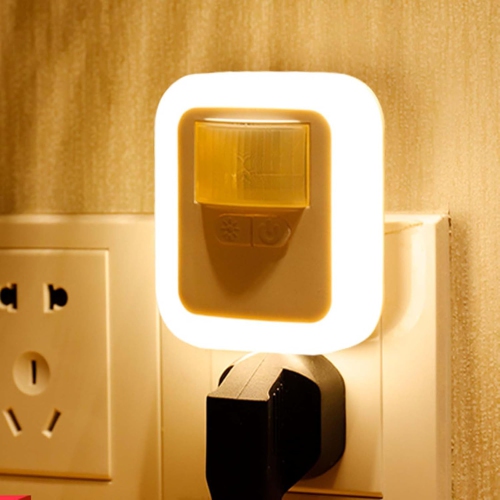
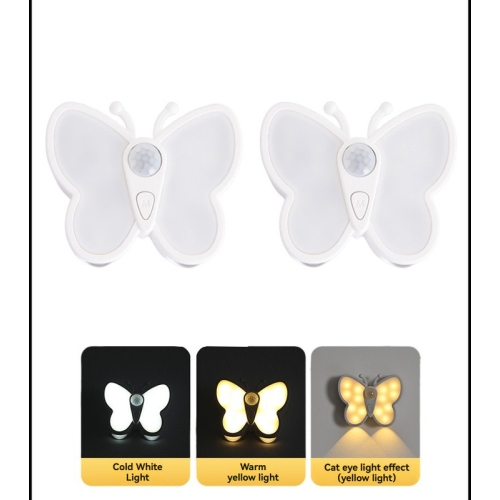

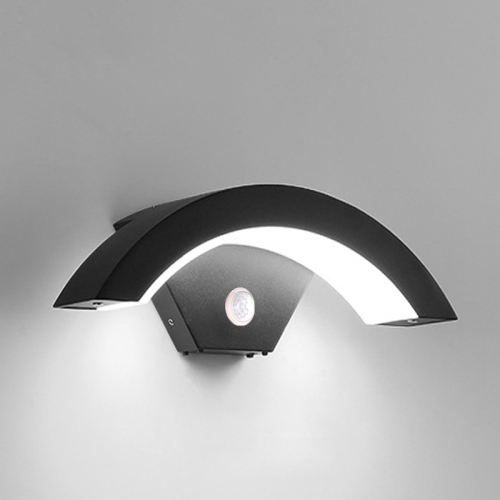

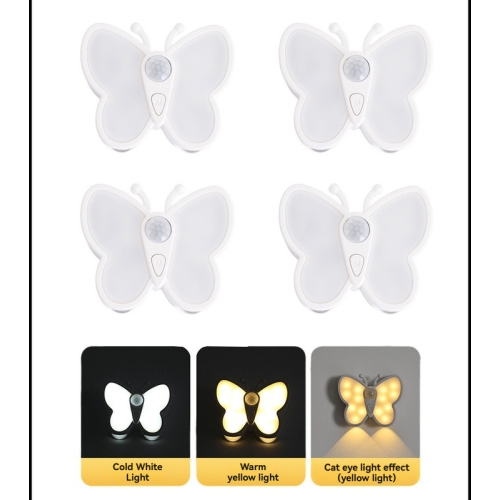
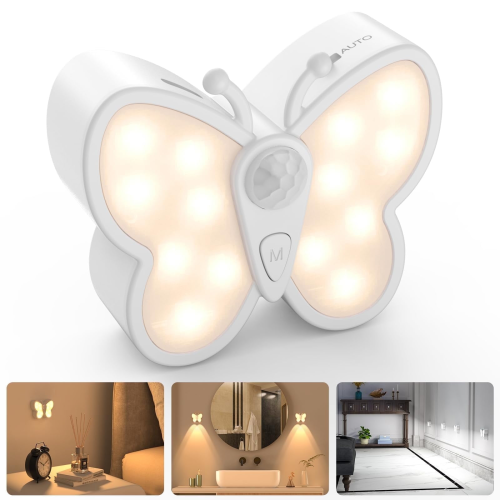


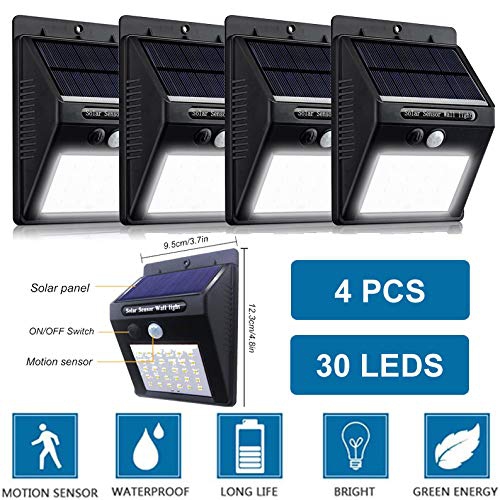
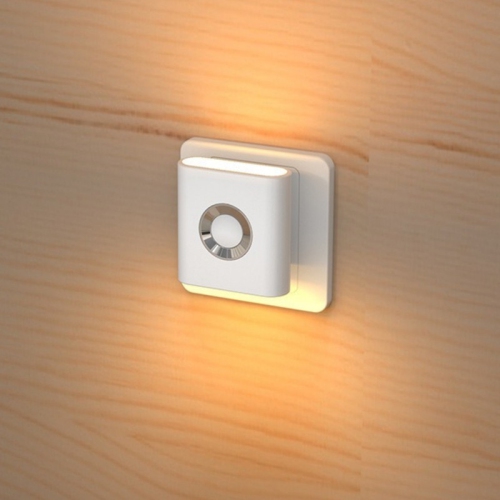
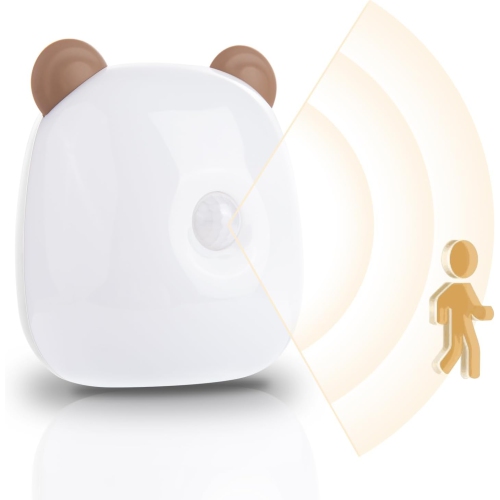


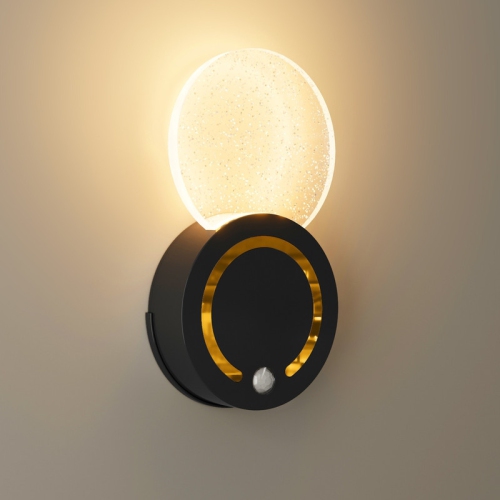

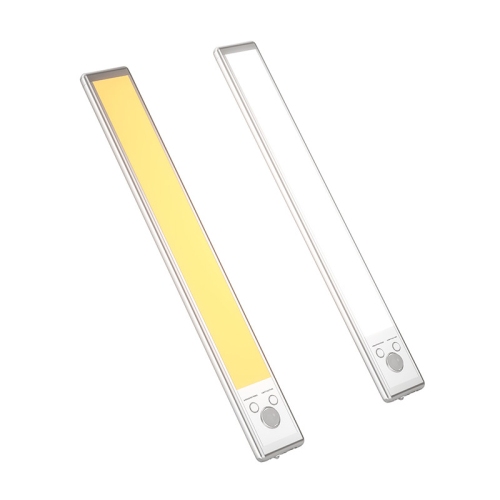

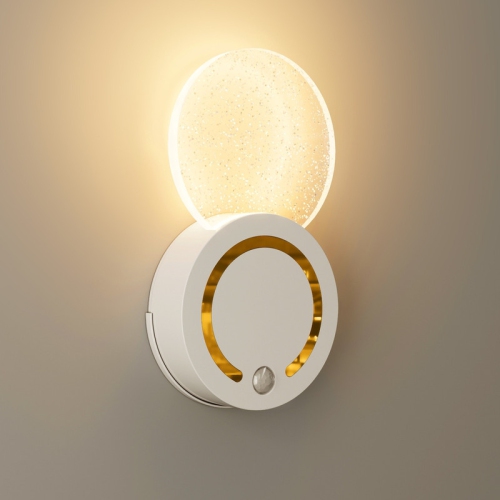
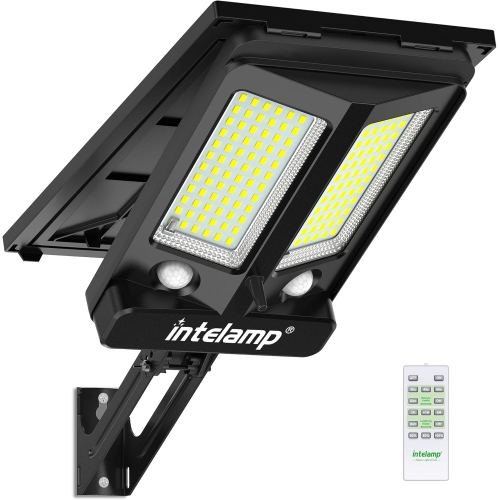
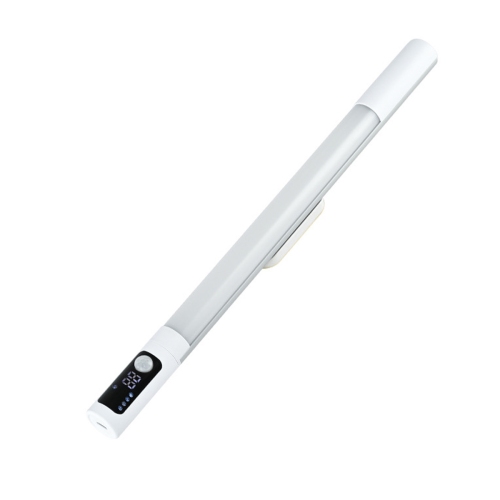
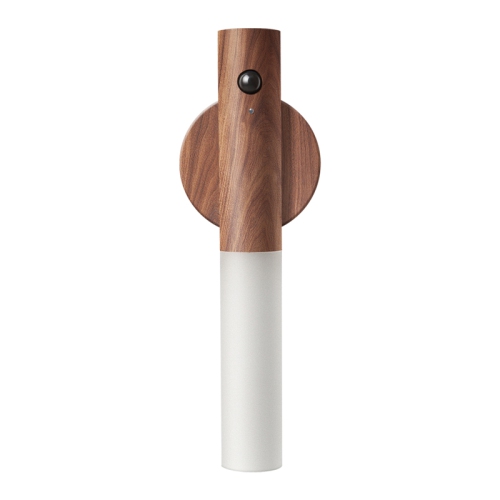

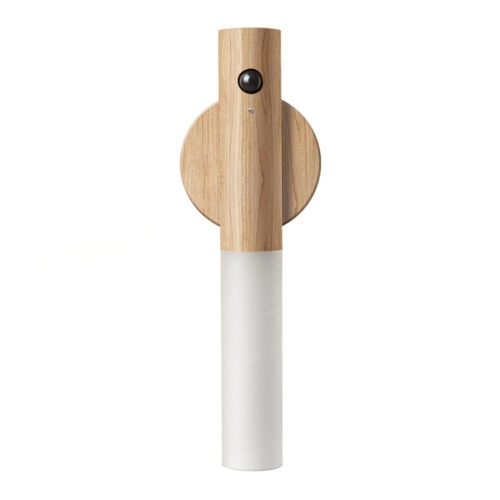
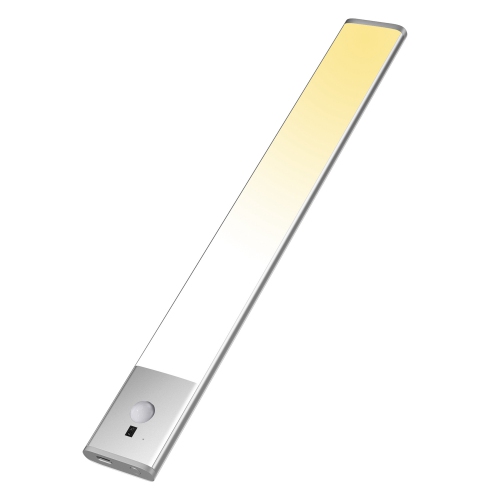




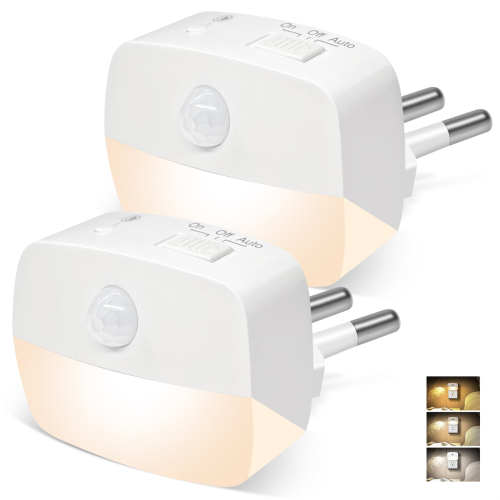
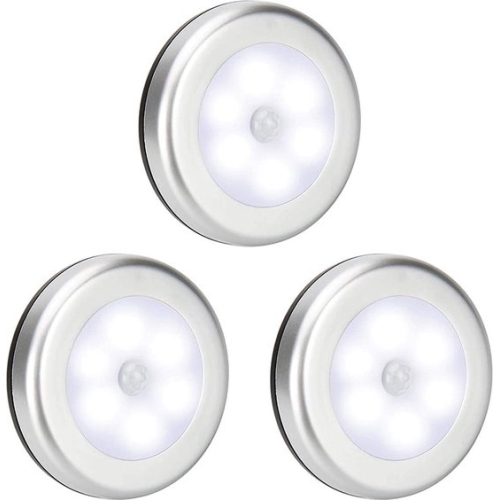

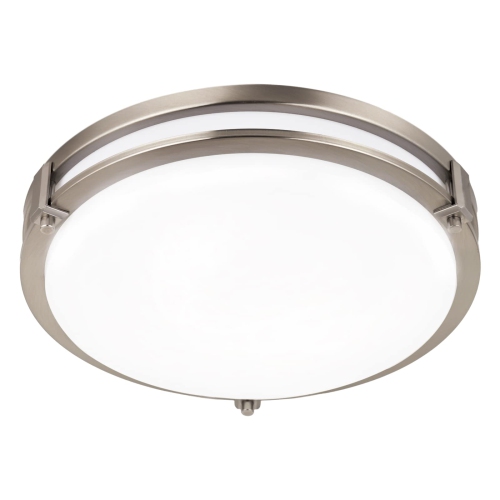
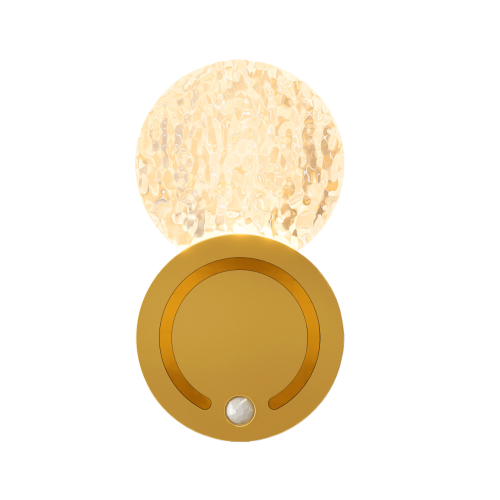

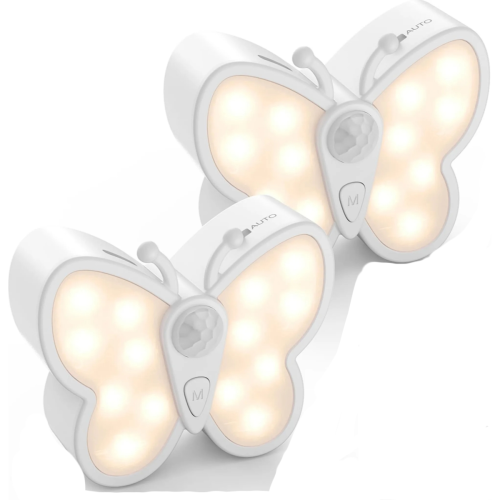
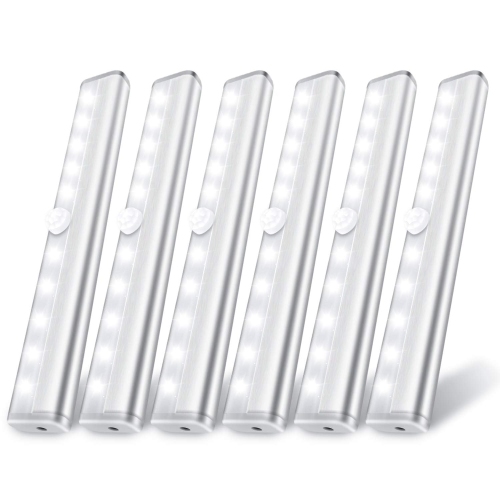
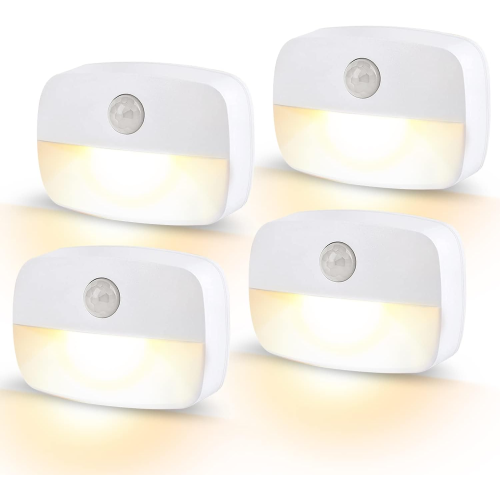


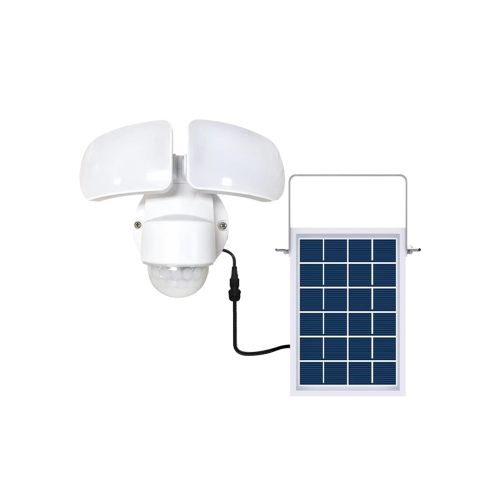

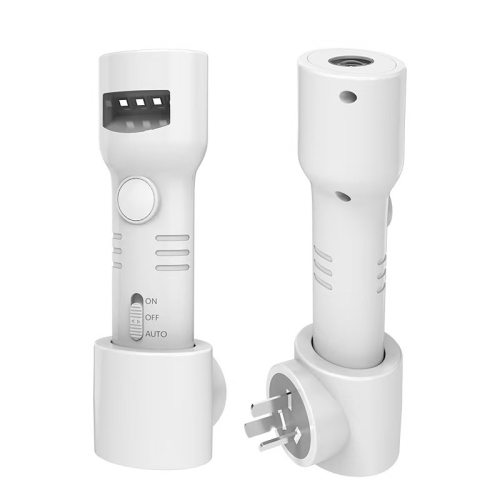
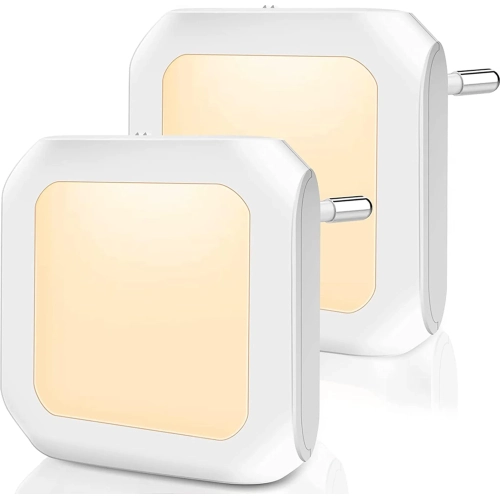
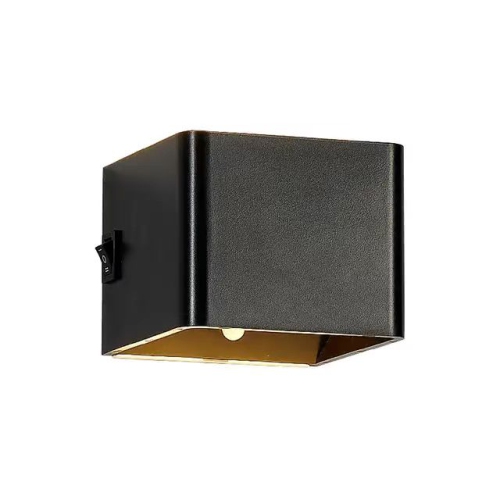
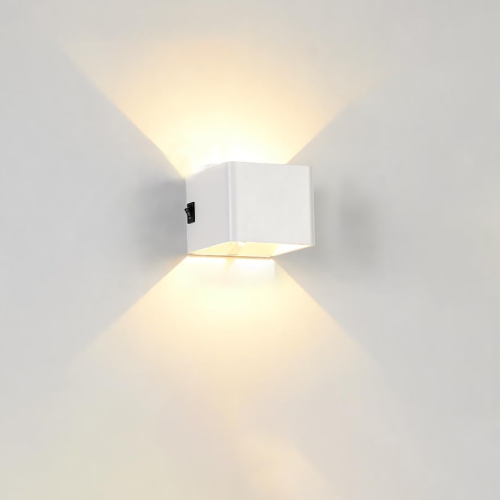
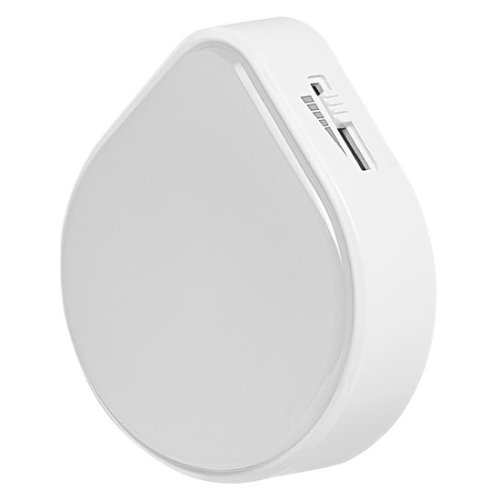
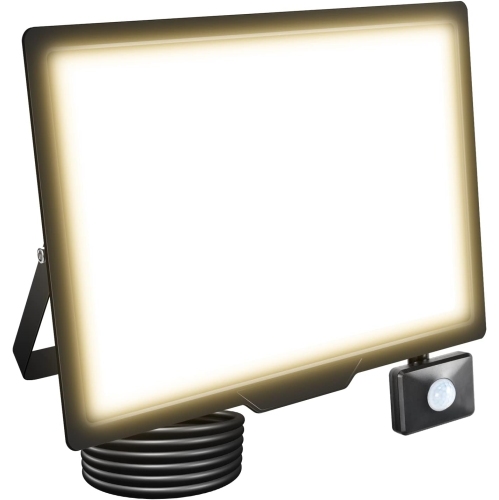
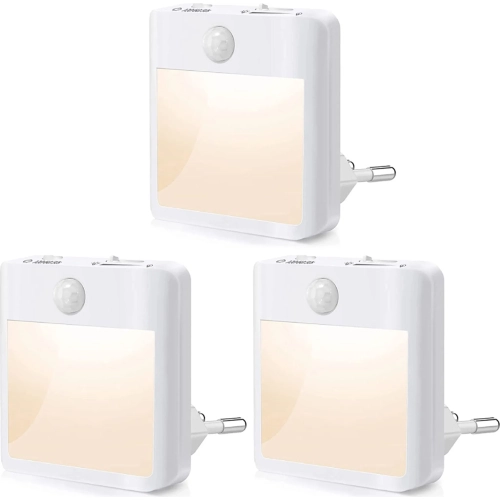
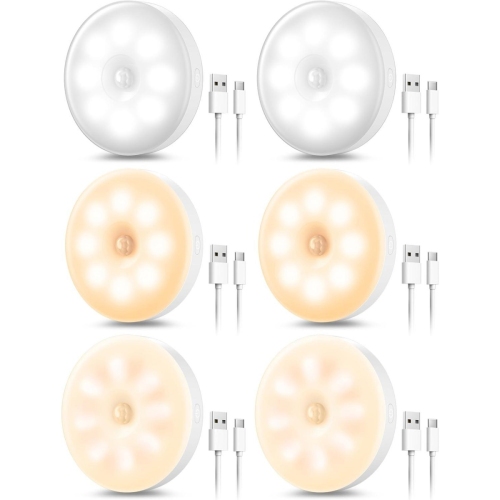














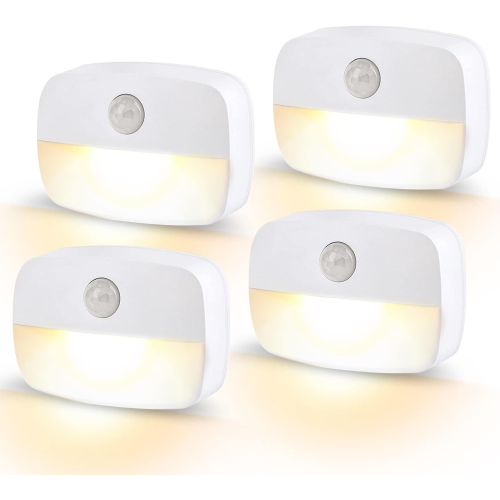


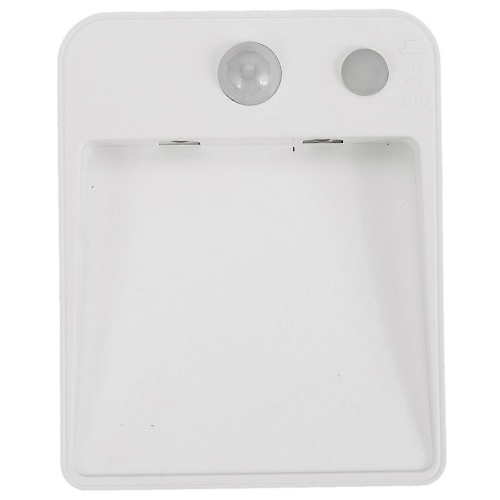

Automatic illumination when your hands are full
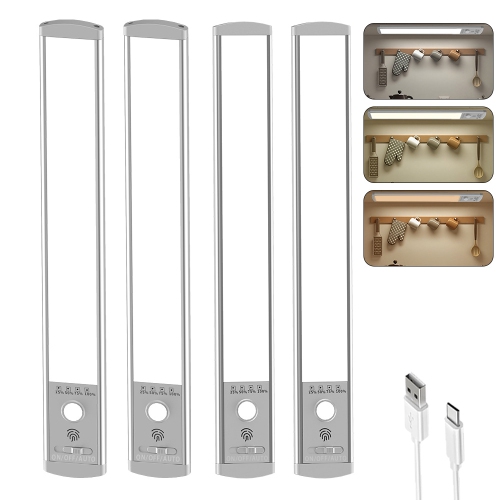
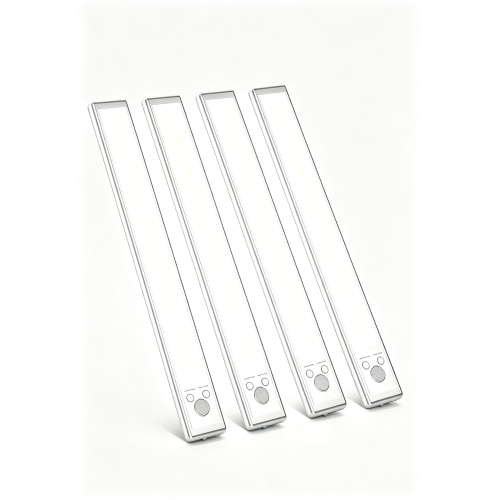
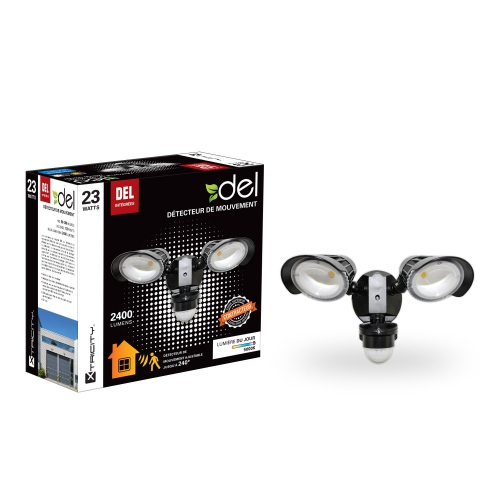
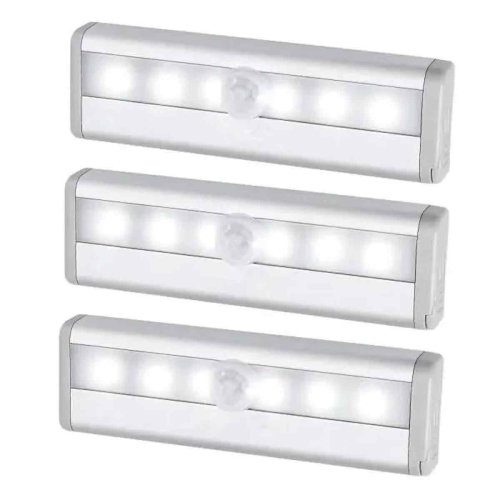
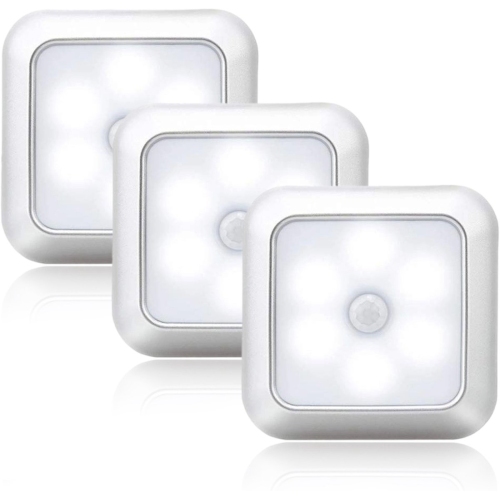
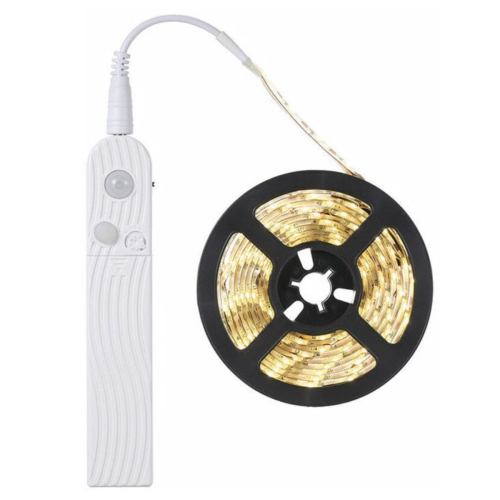
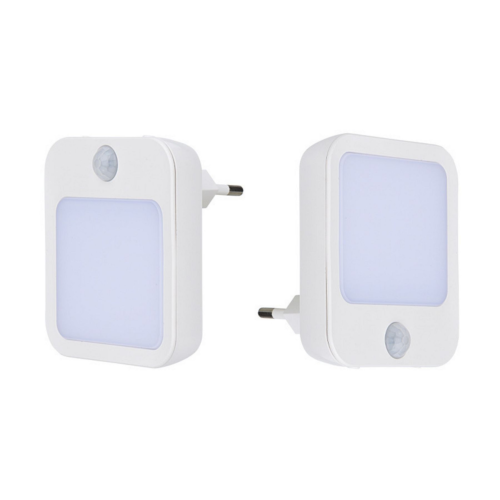
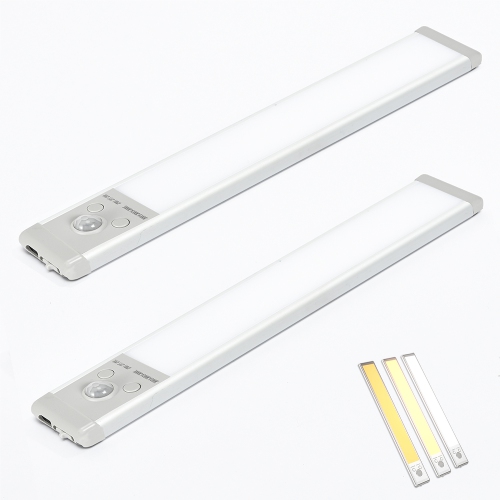
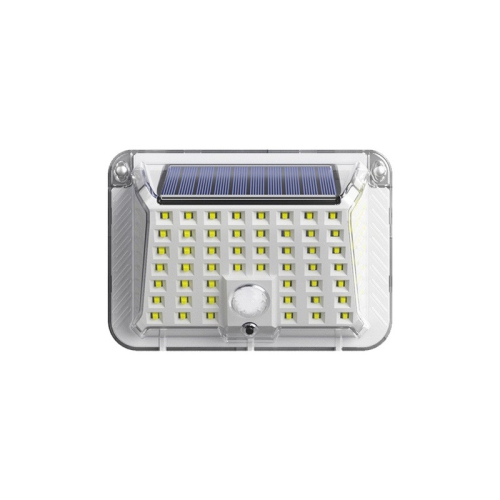
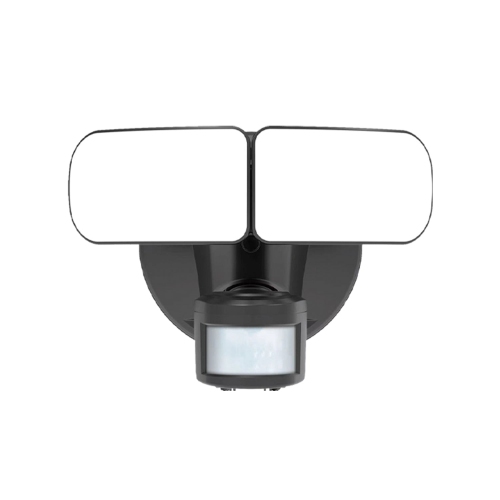
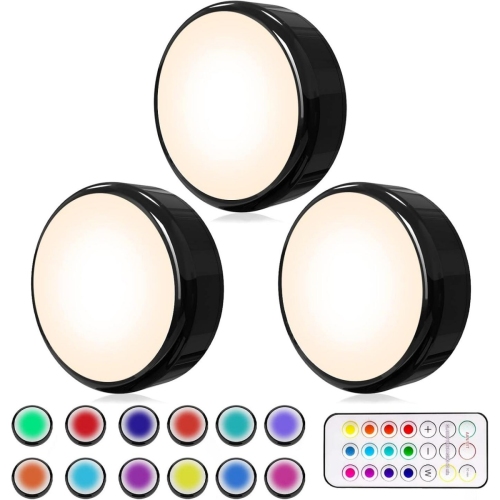
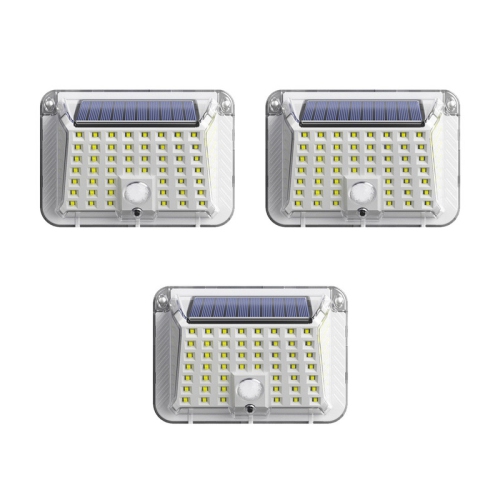
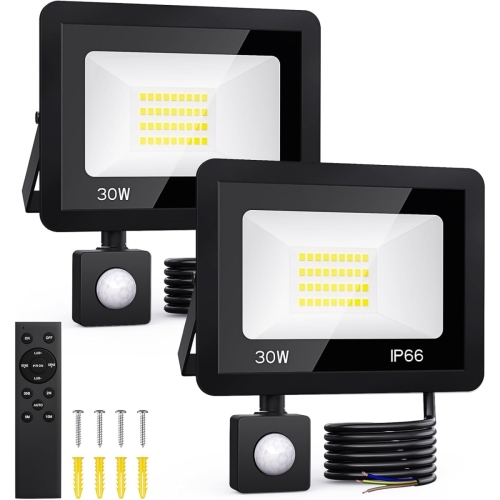
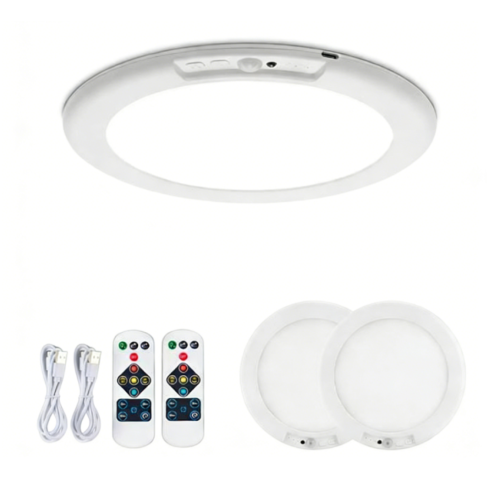
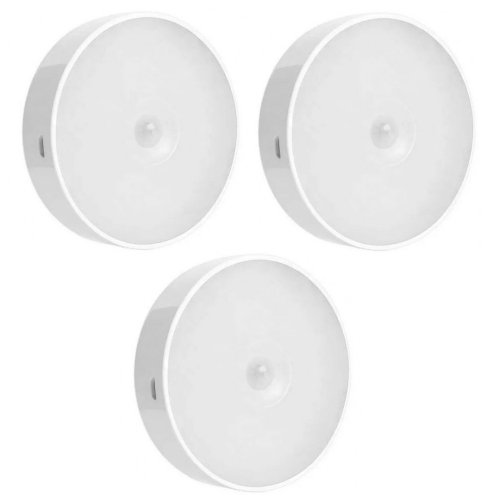
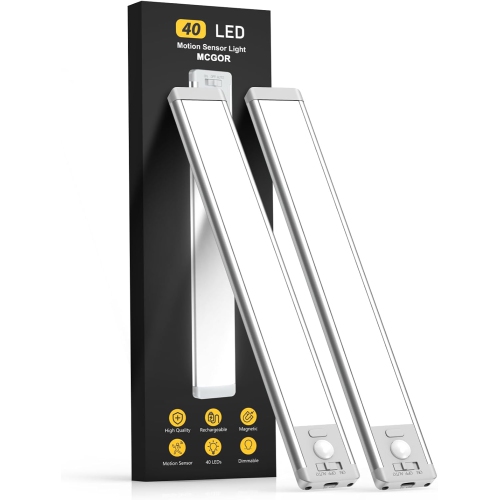
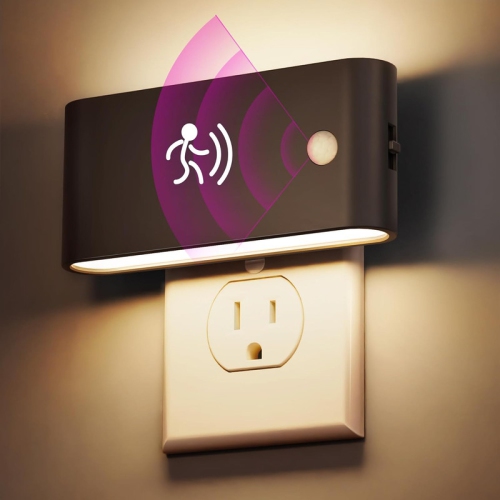
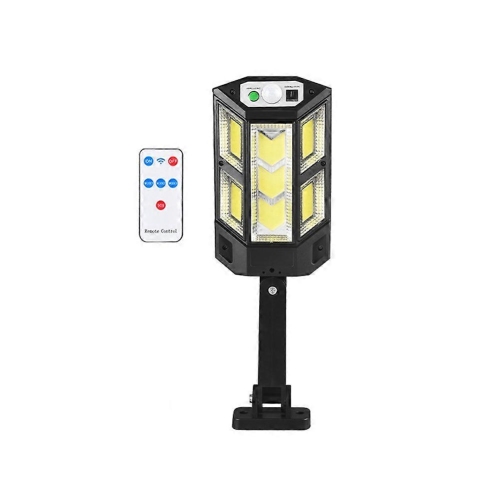
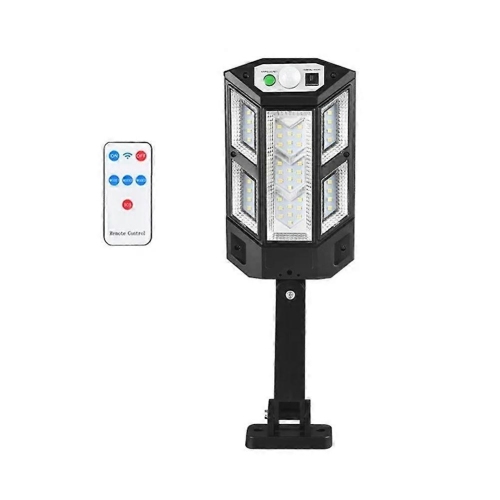
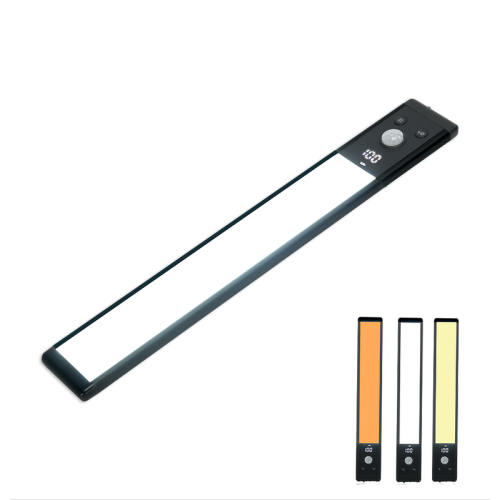
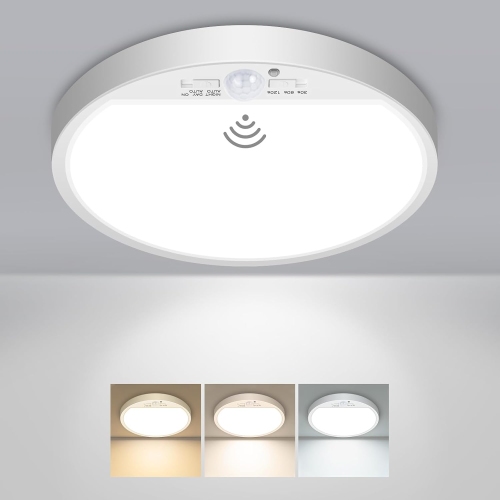
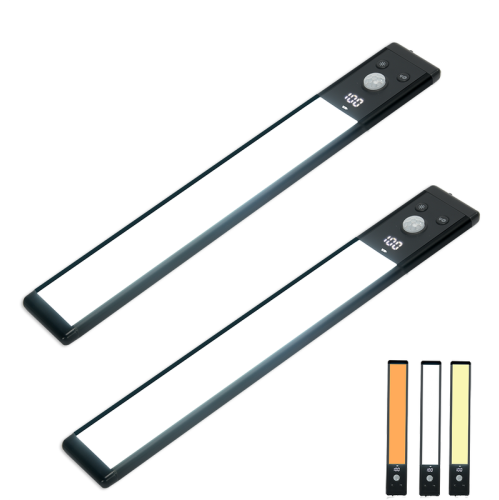
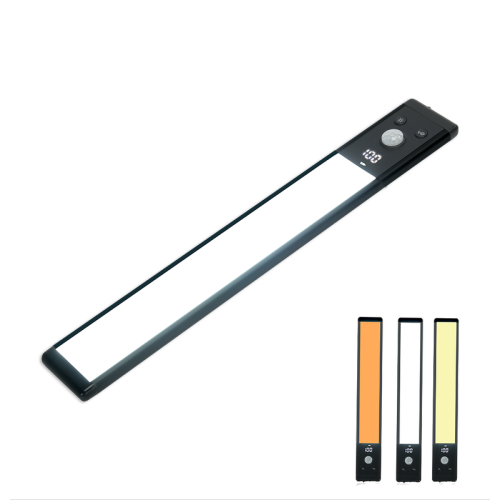
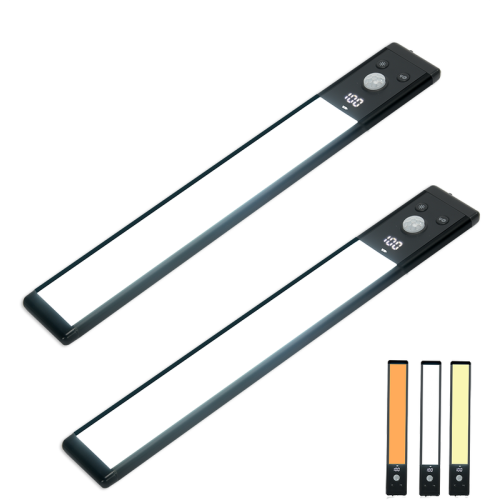
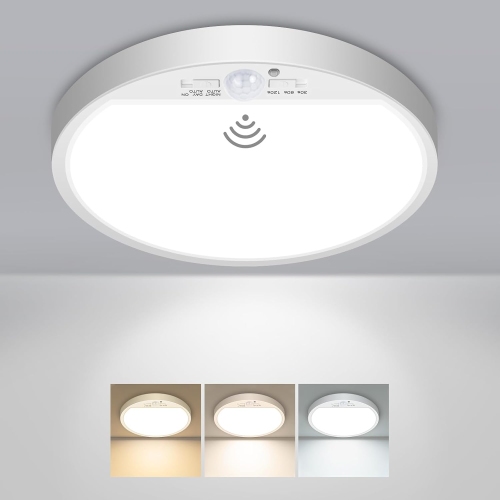
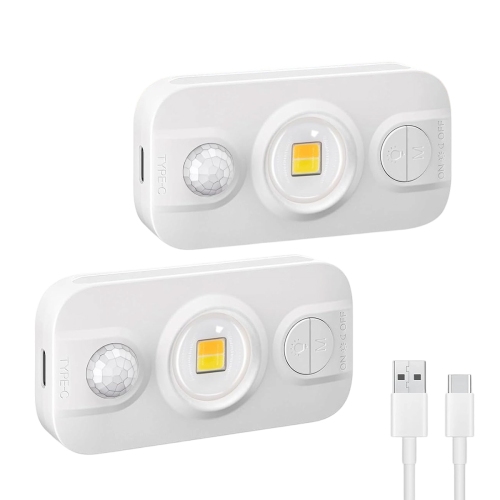
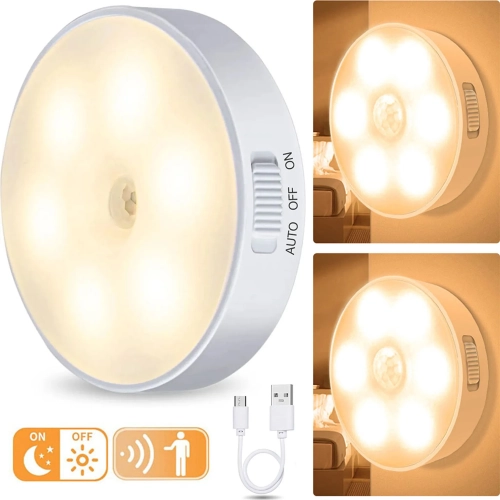
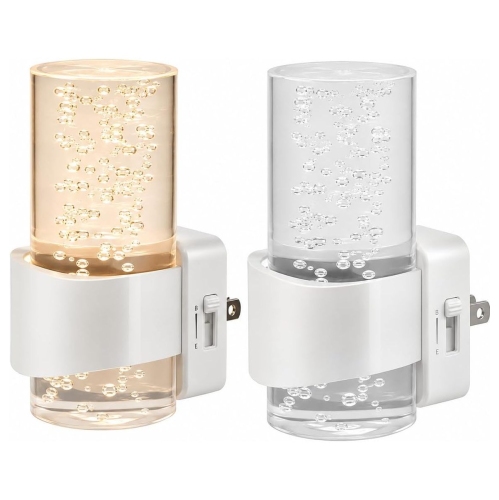
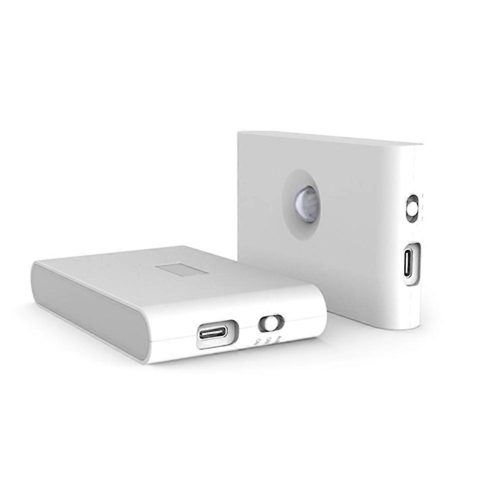
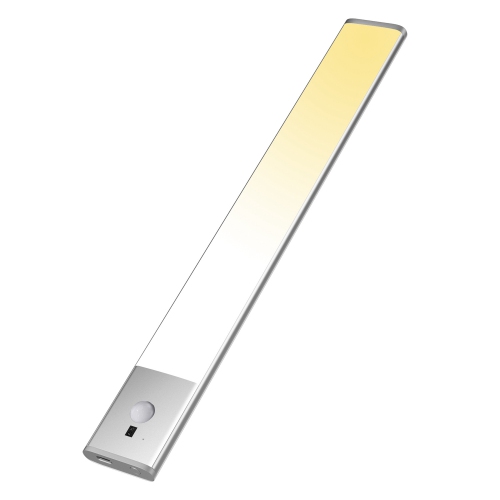
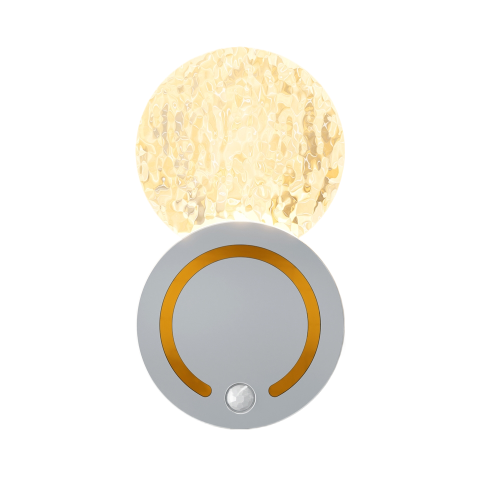
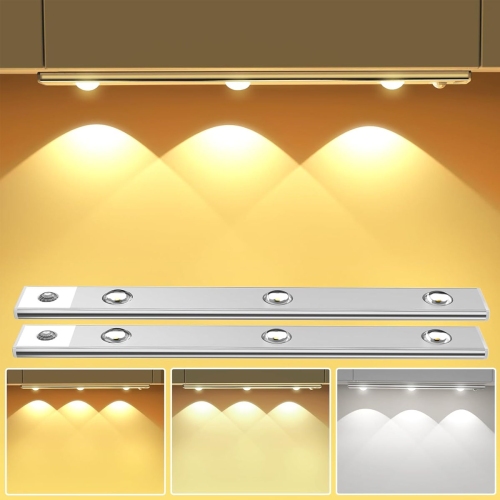
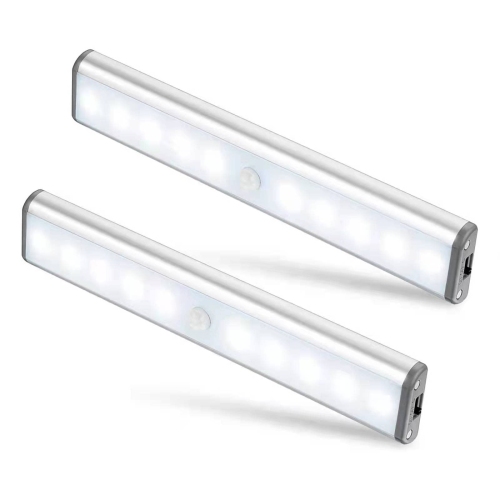
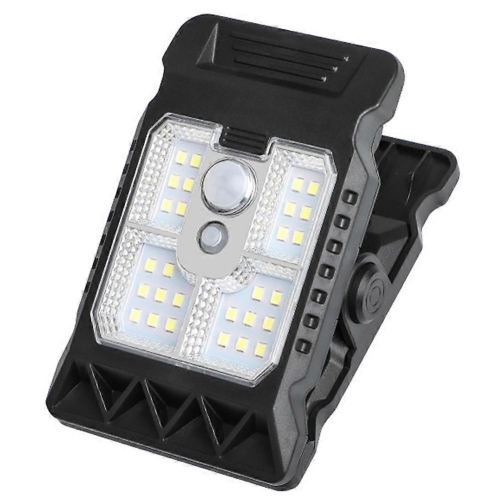
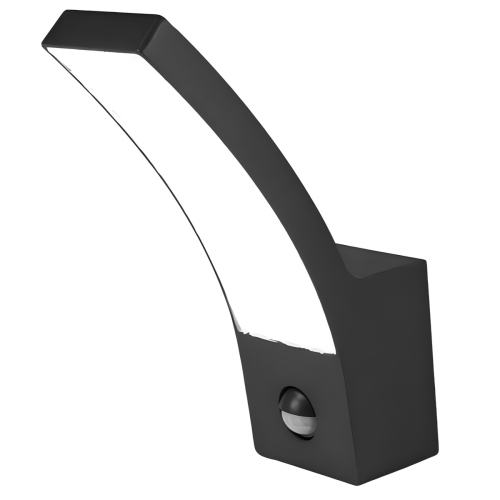
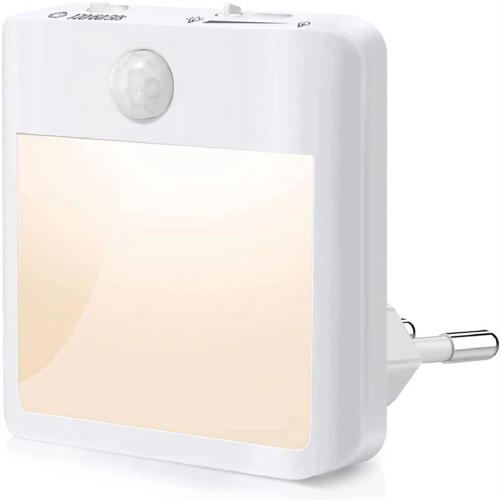
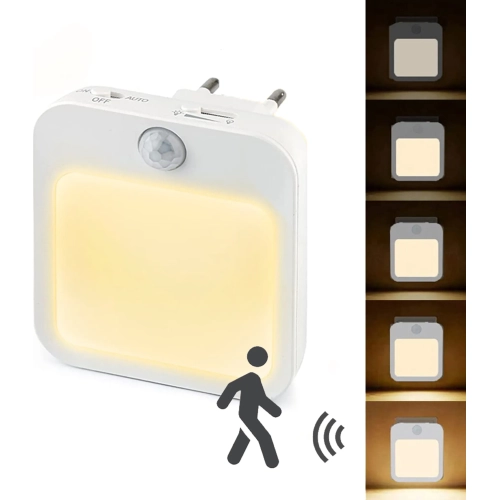
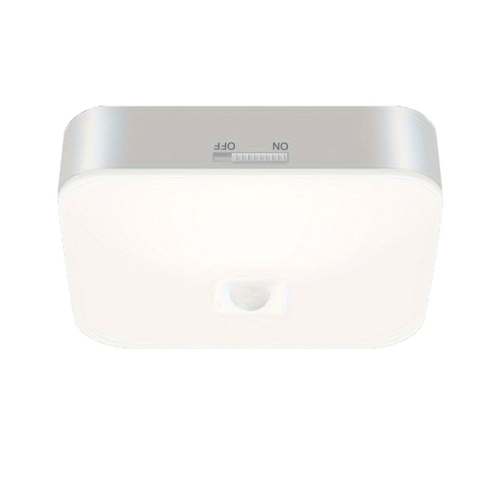
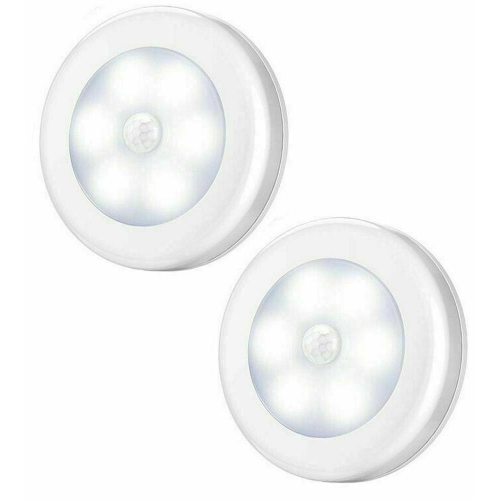
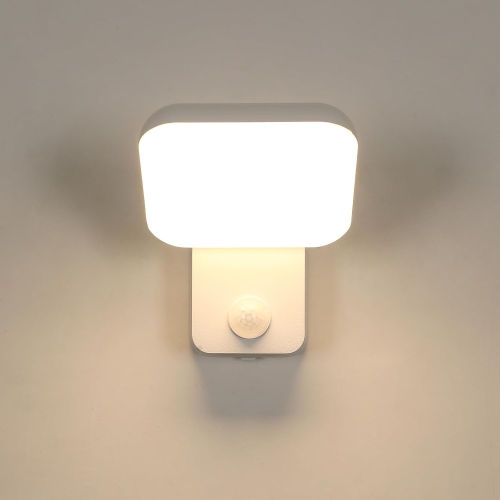
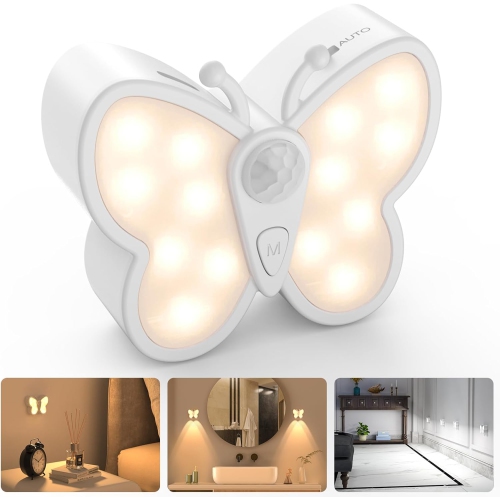
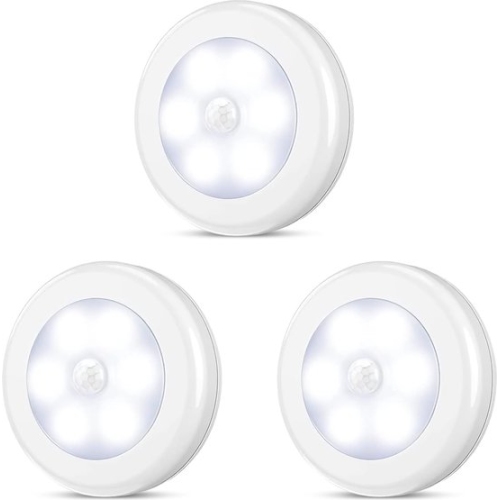
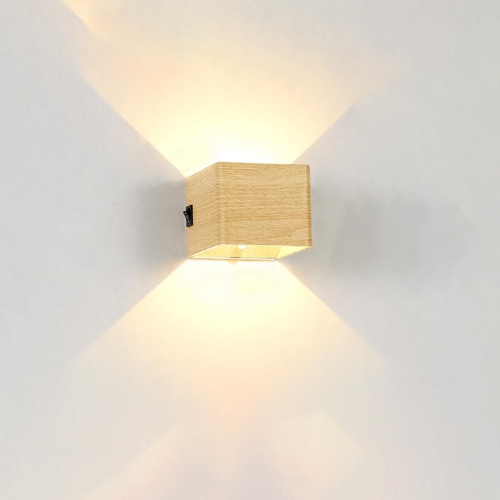
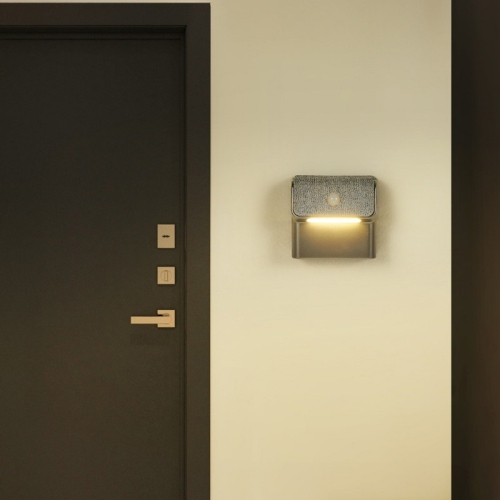
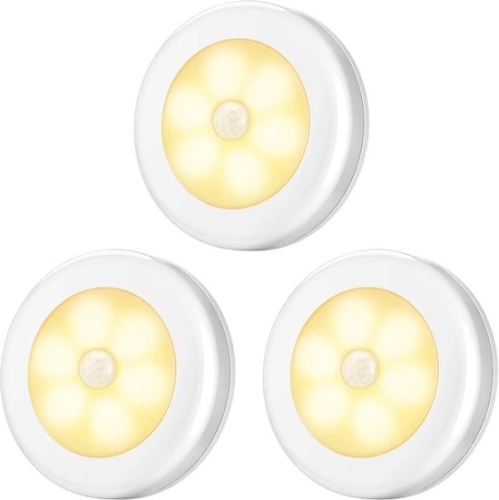
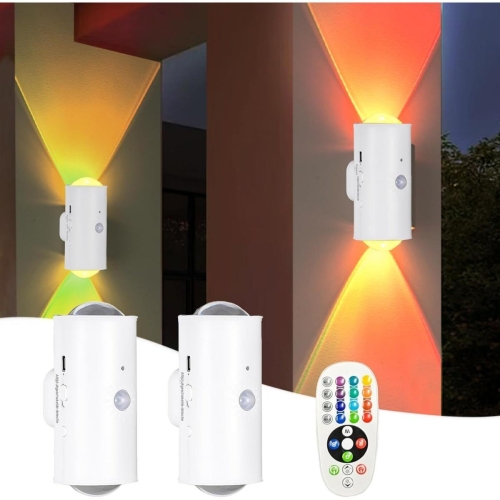
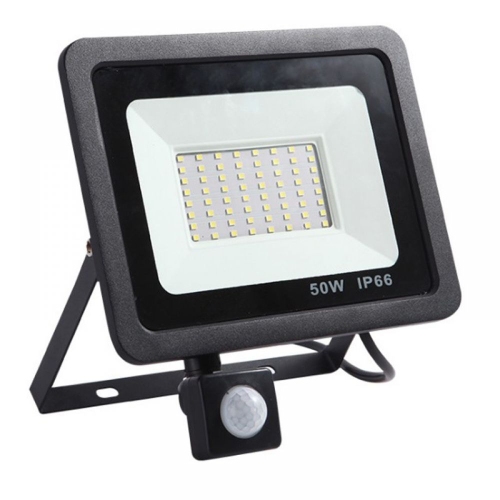
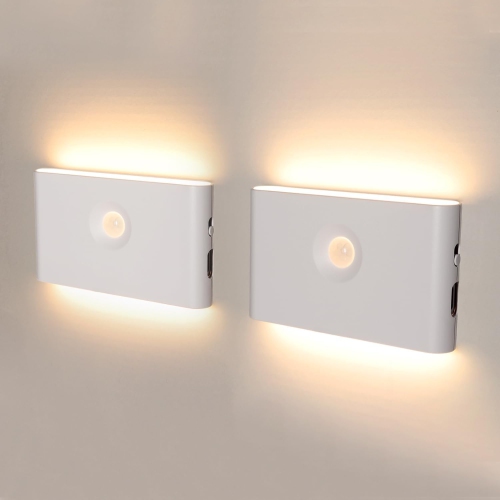
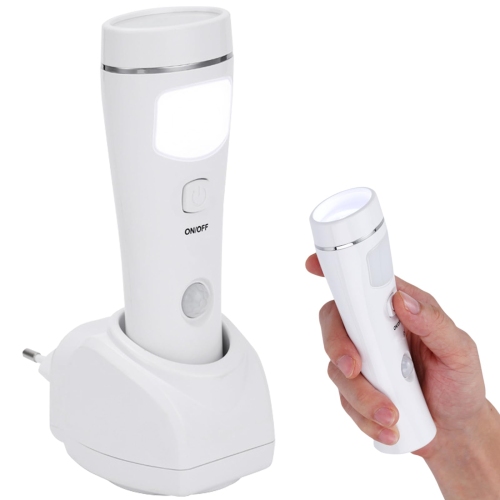
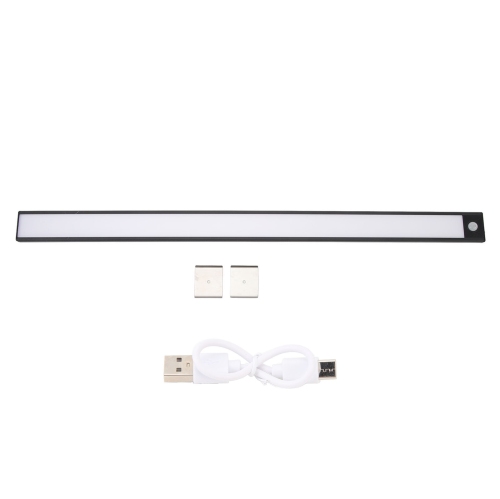
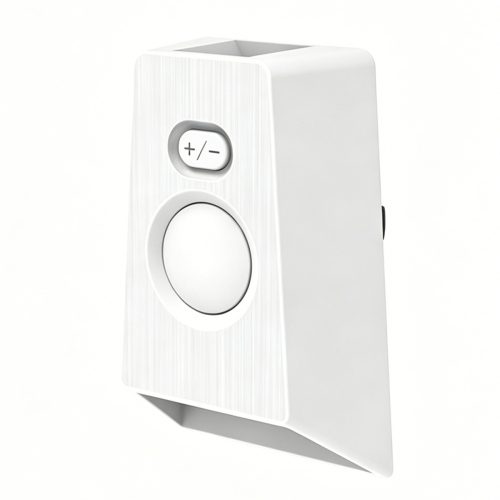
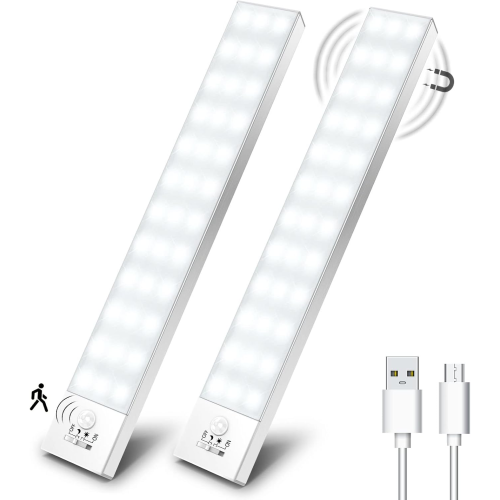
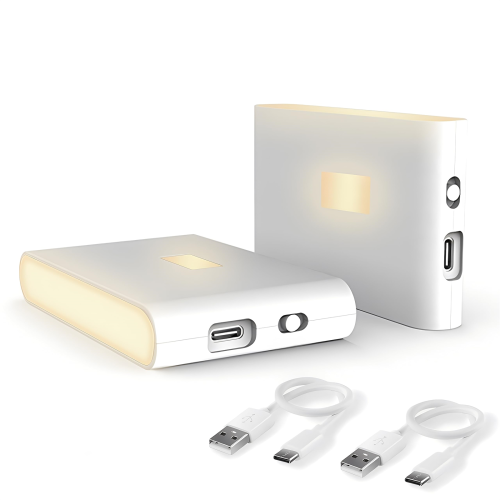
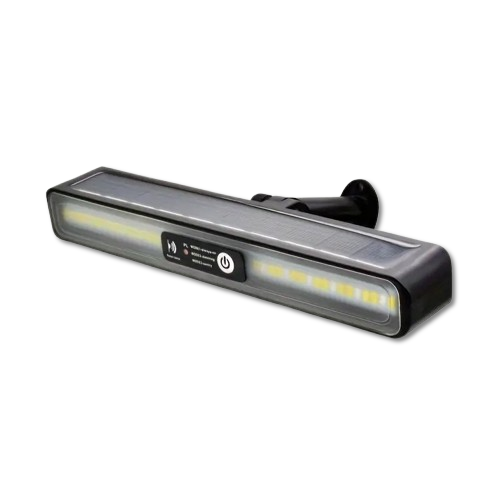
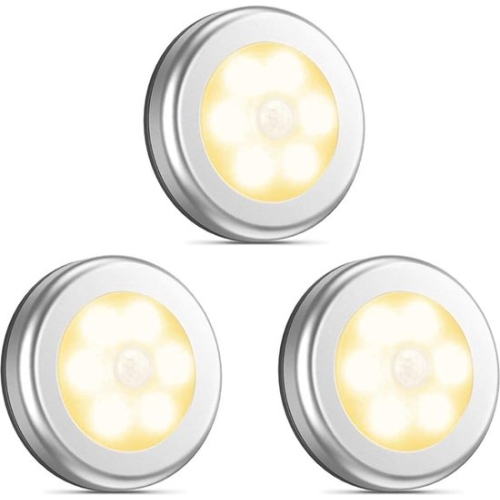
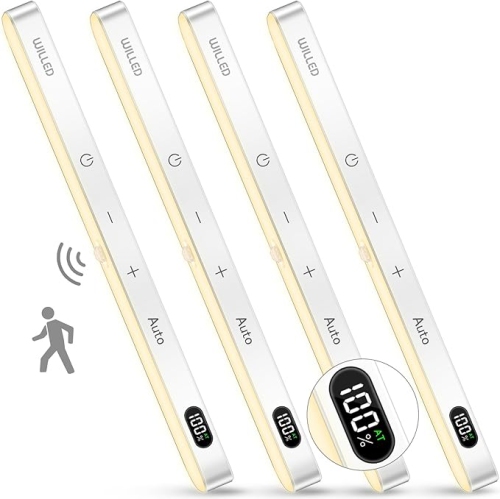
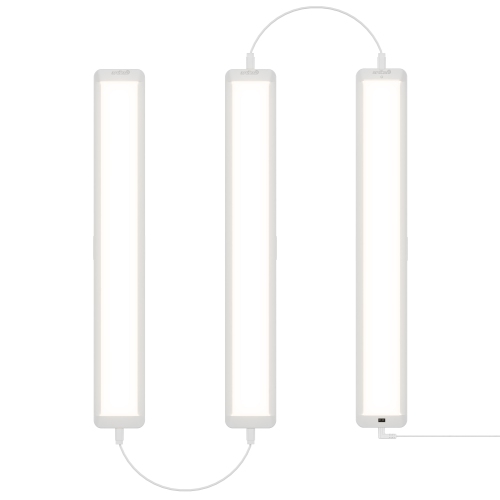
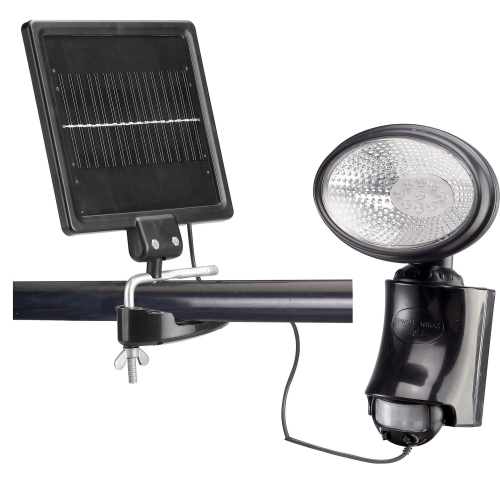
LED motion sensor lights provide automatic illumination when movement is detected, making it easier to find a cupboard handle, walk along a hallway, or see the doorstep with full hands. They combine an LED light source with a sensor that activates the light within a defined detection area. Depending on the design, a built-in light sensor may also prevent activation when the surrounding space is already bright. This makes motion-activated lighting useful for places where a light is needed briefly rather than continuously, including closets, pantries, laundry rooms, stairways, garages, and entrances. Different formats suit different tasks. Slim light bars can spread illumination along a shelf or beneath a cabinet, while compact puck lights fit into smaller compartments. Plug-in motion sensor nightlights use a wall outlet and provide low-level lighting along familiar routes, such as the path from a bedroom to a bathroom. Screw-in LED bulbs with integrated sensors can add motion activation to compatible light fixtures, although the fixture must allow the sensor to detect movement as intended. Hardwired wall lights and floodlights suit entrances and larger outdoor areas where broader coverage is useful. Battery-operated and rechargeable designs offer more flexibility where an electrical connection is inconvenient, particularly inside wardrobes or storage spaces. For lighting that does not require a hardwired connection, wireless motion sensor lights include options suited to furniture, interior passageways, and other locations where cable routing would be awkward. Solar-powered outdoor designs use a panel to charge a battery, so their performance depends on sufficient sunlight reaching the panel. The most suitable format depends on the job: a gentle glow near the floor serves a different purpose from a bright beam across a driveway. Automatic lighting can be especially helpful for anyone carrying laundry, bringing in groceries, or reaching into a deep cupboard where the room’s main light leaves the contents in shadow.
Brightness, light colour, and sensor behaviour all affect how LED motion sensor lighting feels in everyday use. Lumens describe visible light output, while watts describe electrical power use; a higher wattage alone does not establish how useful a light will be in a particular space. A compact nightlight needs only enough output to make nearby obstacles visible, whereas a work surface or entrance may benefit from stronger, more evenly distributed illumination. A frosted diffuser can soften the appearance of individual LEDs, and a broad light bar can help reduce the concentrated bright spot associated with a smaller light source. Warm white light generally creates a softer effect in bedrooms and hallways, while neutral or cool white can suit utility spaces where distinguishing tools, labels, and stored belongings matters. Adjustable brightness and selectable colour temperature are useful when a space serves more than one purpose. Sensor coverage deserves equal attention. Detection distance indicates how far away movement may activate the light, while the detection angle describes the width of the monitored area. Both vary by design, mounting position, and surrounding obstacles, so coverage should match the actual approach to a doorway, cabinet, or path rather than simply offer the longest reach. Many motion lights use passive infrared sensors, which detect changes in infrared energy associated with movement. These sensors generally need an unobstructed view and may respond differently to someone crossing their field of view than to someone walking straight towards them. Adjustable sensitivity can help limit unwanted activation from nearby activity. An adjustable shutoff delay lets the light remain on for a suitable interval after motion is no longer detected. Someone searching a pantry may appreciate a longer interval, while a pass-through hallway may need only brief illumination. Because a person standing still may not keep a motion-only light activated, a manual override or continuous-on setting can be valuable for folding clothes, sorting supplies, or completing a task.
Physical fit, mounting method, and access for maintenance are just as important as the lighting features. Before fitting an under-cabinet light, allow space for doors, hinges, shelf edges, and any charging cable that must connect while the light is mounted. A shallow housing can remain tucked behind a cabinet lip, but the lip should not block the sensor or cast an unwanted shadow across the work surface. Magnetic mounts can make rechargeable lights easier to remove for charging, while screw-mounted brackets provide a more permanent attachment. Adhesive mounting depends on the surface finish, preparation, and supported weight; it may not hold equally well on textured walls, unfinished timber, or dusty surfaces, and removal can affect paint or finishes. Renters may find removable designs convenient, but the mounting instructions and property requirements still matter. Plastic housings are often lightweight, while metal housings can offer a more rigid structure; overall durability also depends on construction, secure mounting, and suitability for the intended location. Outdoor lights need an appropriate outdoor-use rating, and fixtures near sinks or other sources of moisture require a rating that matches their placement. An IP rating describes protection against the entry of solids and water, but it does not replace the manufacturer’s installation requirements. Hardwired fixtures should be installed by a qualified electrician where required, and screw-in sensor bulbs must match the fixture’s base, electrical requirements, and enclosure restrictions. For battery-powered designs, battery access and charging convenience influence how practical the light remains over time. Frequent activation, brighter settings, and longer shutoff delays generally shorten the interval between charging or battery replacement. Routine care is usually straightforward: disconnect power where applicable, wipe the housing and sensor gently as directed, and keep the lens free of dust that could interfere with detection or light output. Check mounting points periodically, especially on lights that are removed often for charging. With suitable placement and manageable upkeep, LED motion sensor lights can bring useful illumination to overlooked corners without requiring someone to find a switch each time.
Top selling and popular products
-
 Your price for this item is $274.99
-
 Your price for this item is $49.99
-
 Your price for this item is $48.2
-
 Your price for this item is $89.99
-
 Your price for this item is $89.99
-
 Your price for this item is $29.99
-
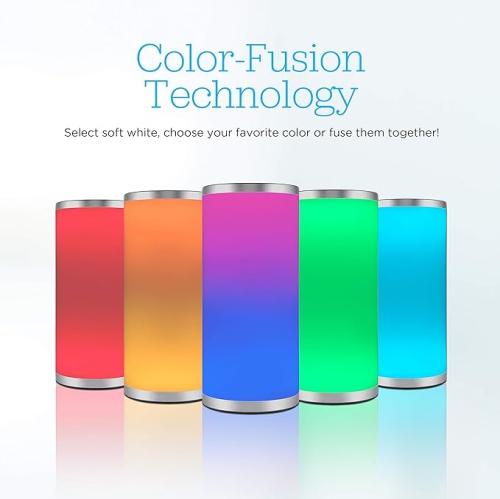 Your price for this item is $26.99
-
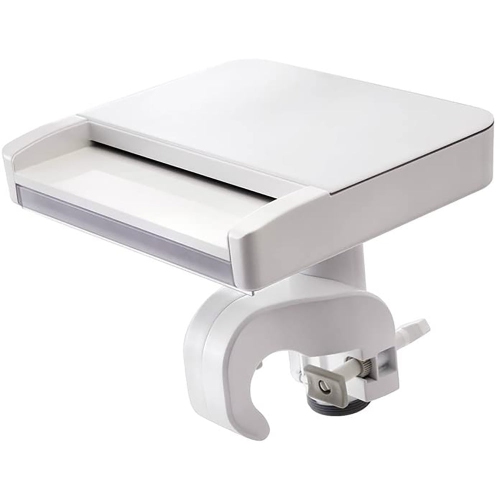 Your price for this item is $99.99
Discover more categories related to LED Motion Sensor Lights
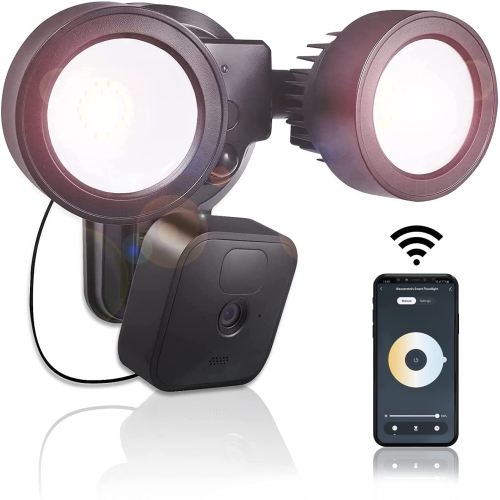
Top Collections:
Pokemon Centers, Kindle Devices, Best Cameras for Sports Photography, Pokémon 30th Celebration Cards, Apple iPhones 16, Canon G7X Cameras, iPhone 15 Apple, Flip Phones, Samsung Galaxy Phones, Alarm Clock
Some products may be subject to Environmental Handling Fees
(EHF) depending on your province.
Learn more about EHFs.