LED Replacement Bulbs
Upgrade your lighting fixtures with energy-efficient and long-lasting LED replacement bulbs. Say goodbye to traditional incandescent bulbs and make the switch to LED technology for brighter, more vibrant lighting in your home or office. These versatile bulbs come in a variety of shapes, sizes, and color temperatures to suit any room or fixture. Whether you're looking to save on energy costs, reduce your carbon footprint, or simply brighten up your space, LED replacement bulbs are the perfect solution. Browse our selection today and illuminate your world with eco-friendly brilliance.
Sort


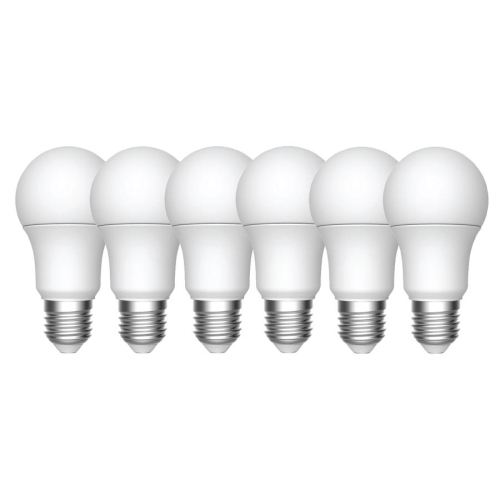
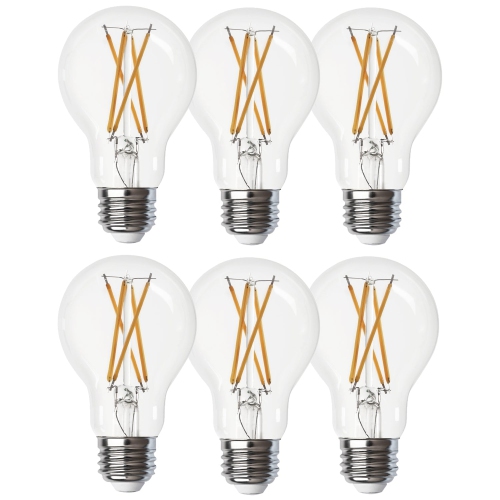
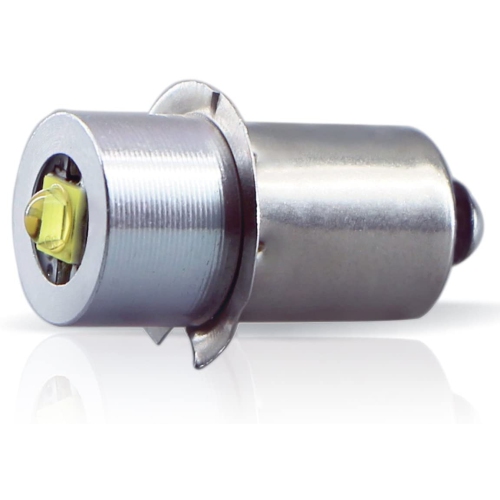
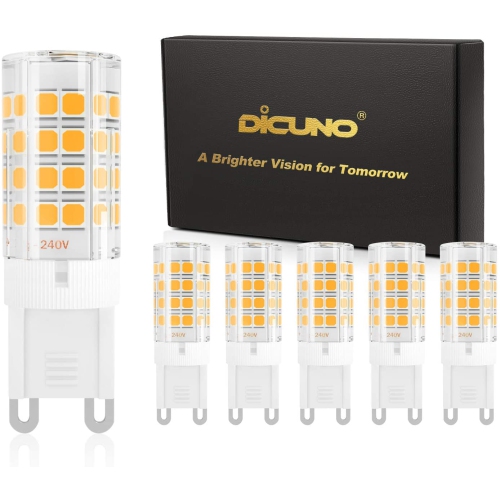

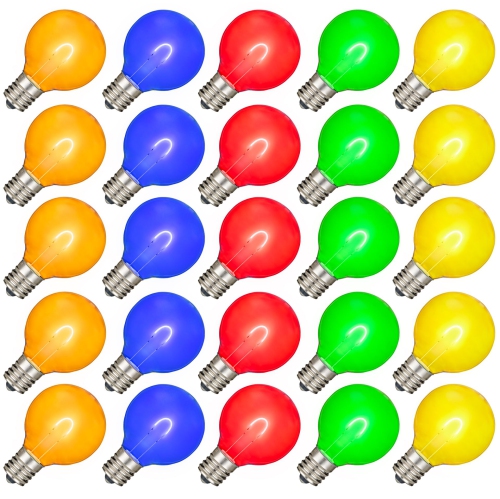
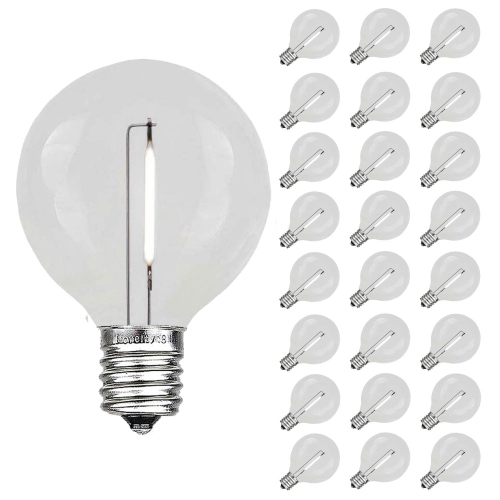
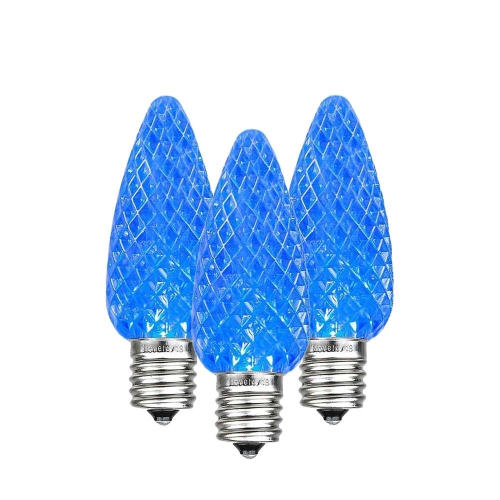
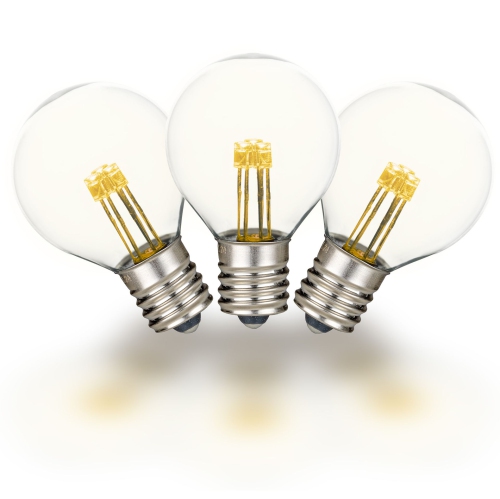

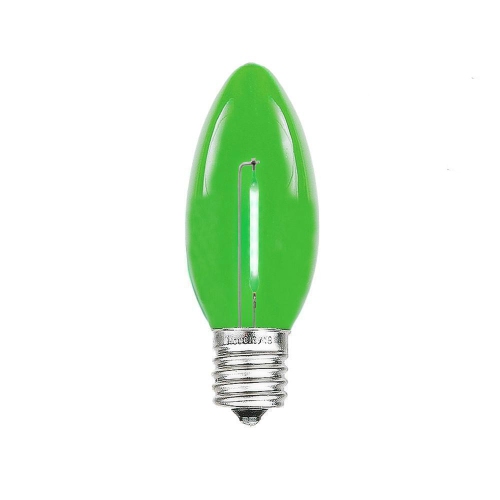
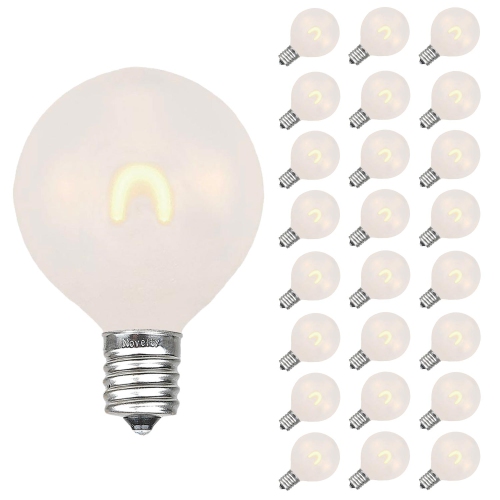

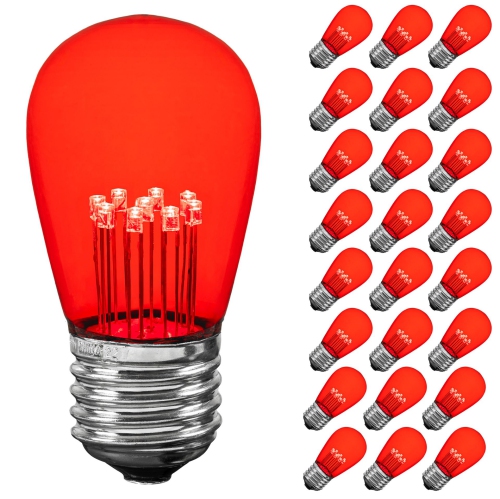
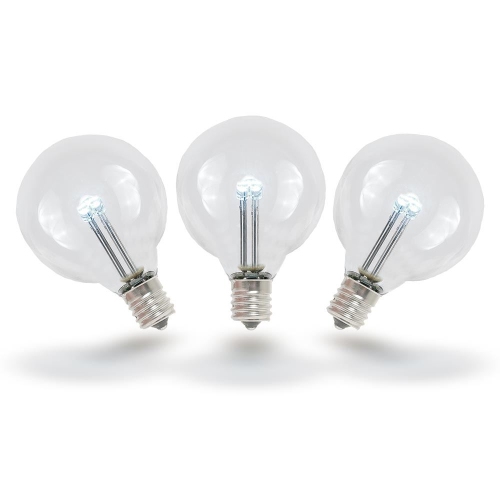

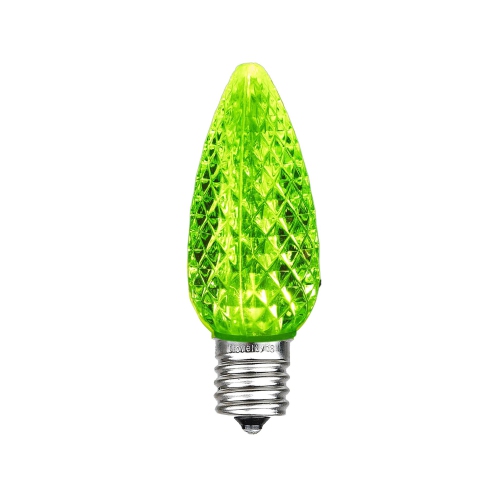
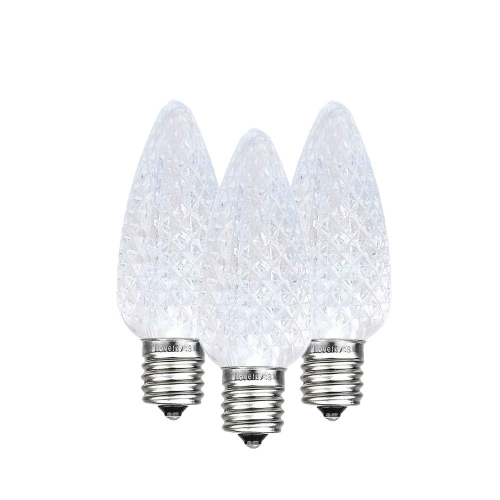
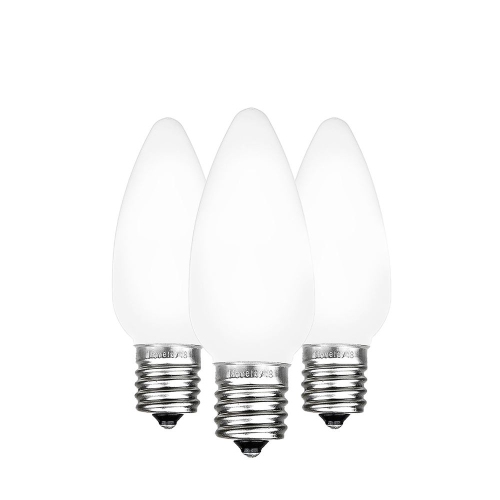
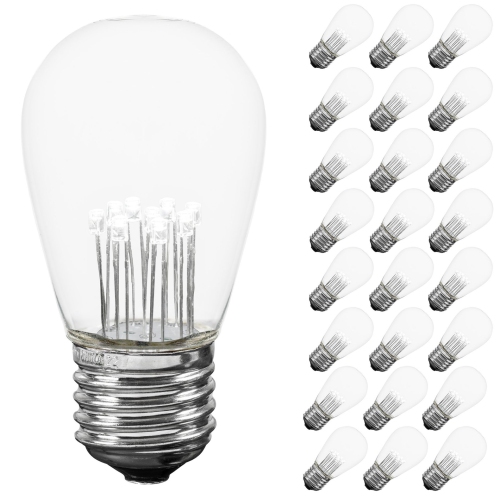


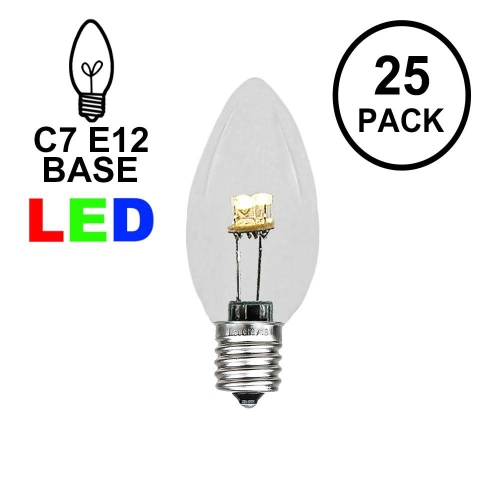
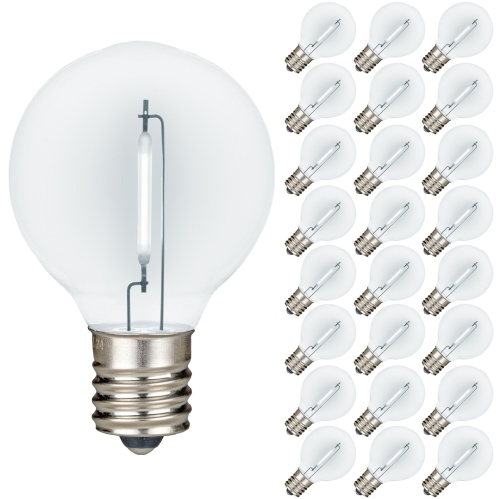
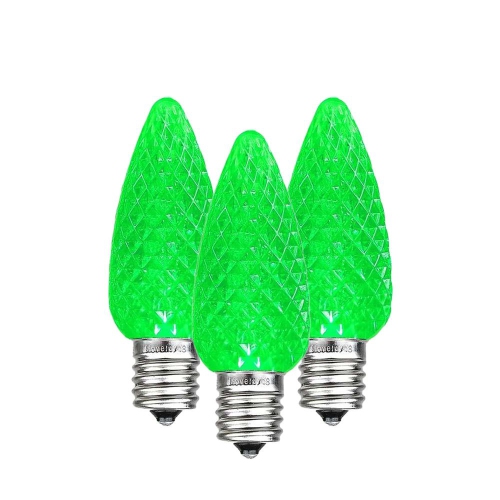
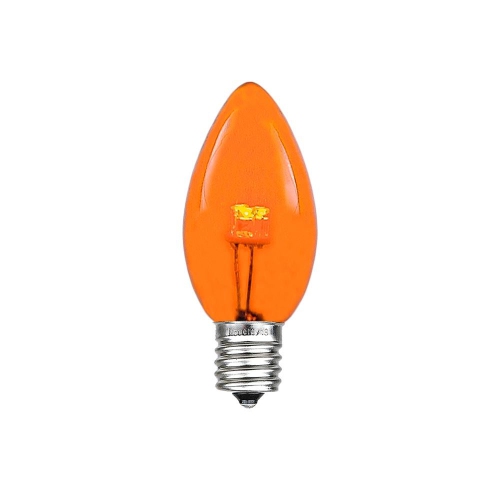
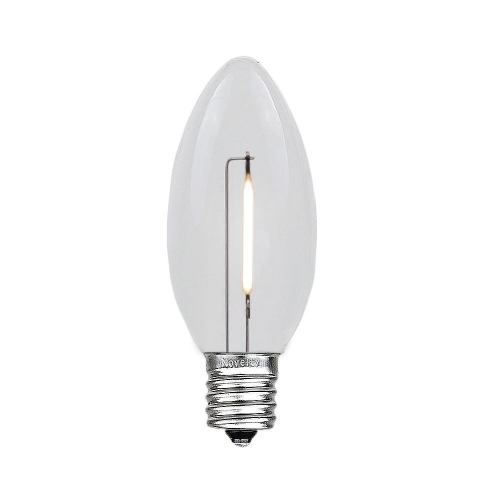
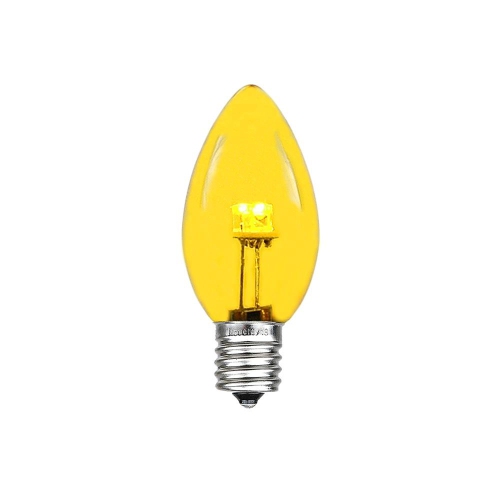
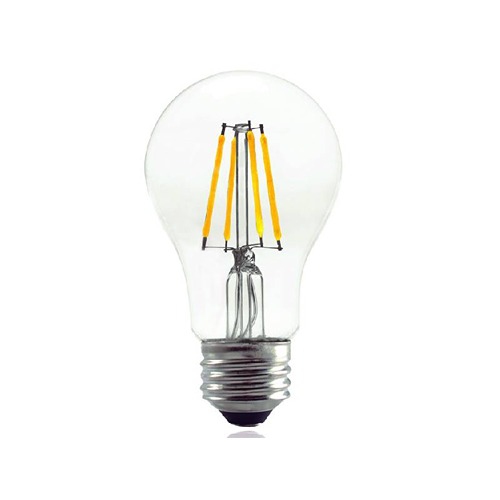
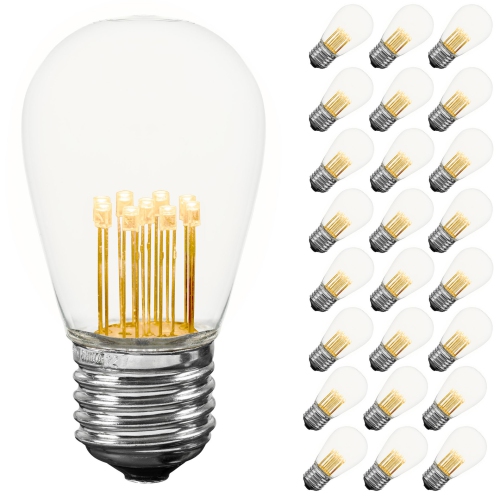

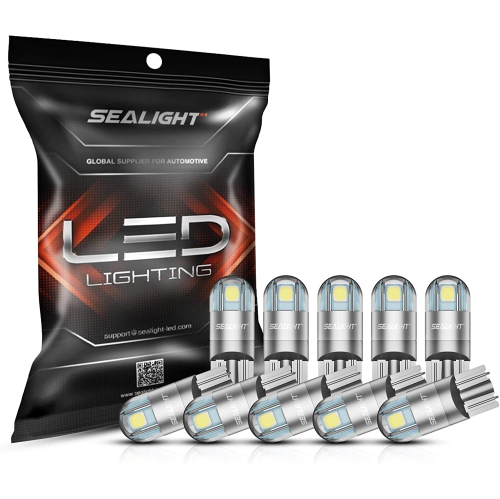
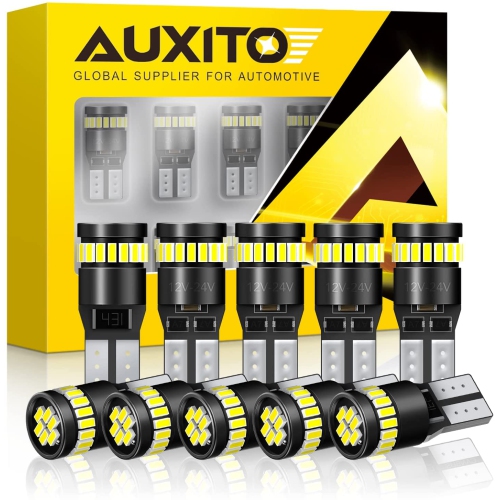
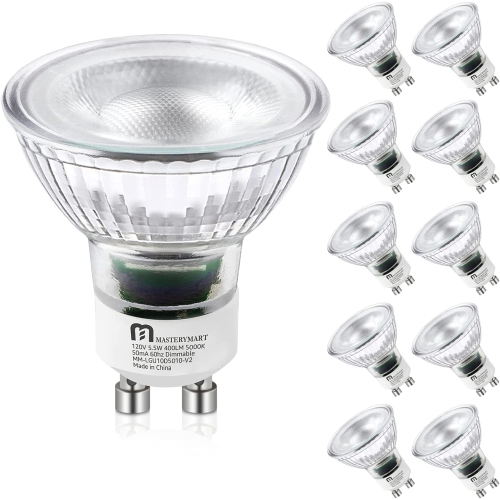
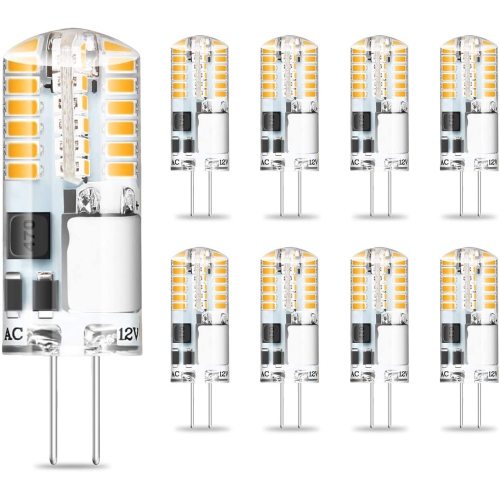

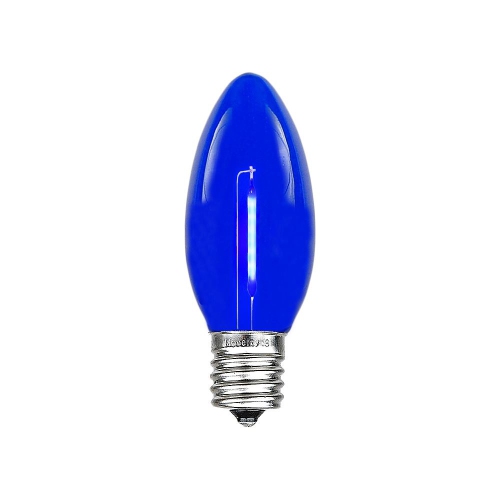
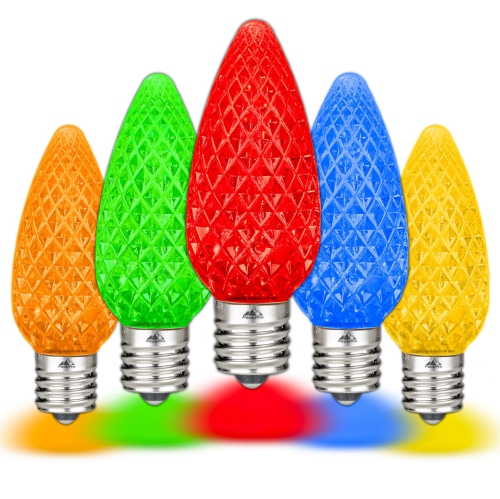
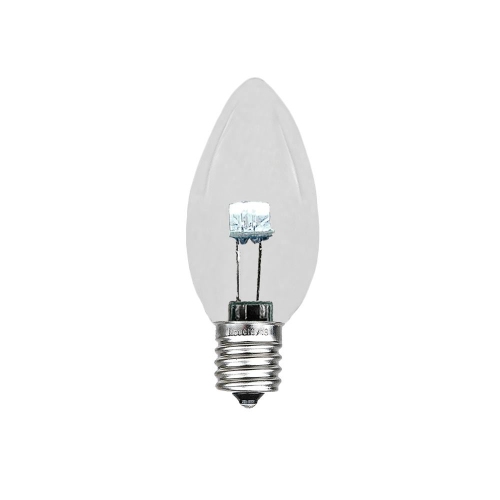
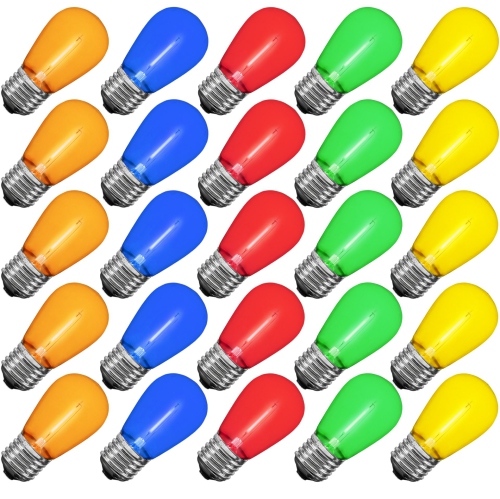
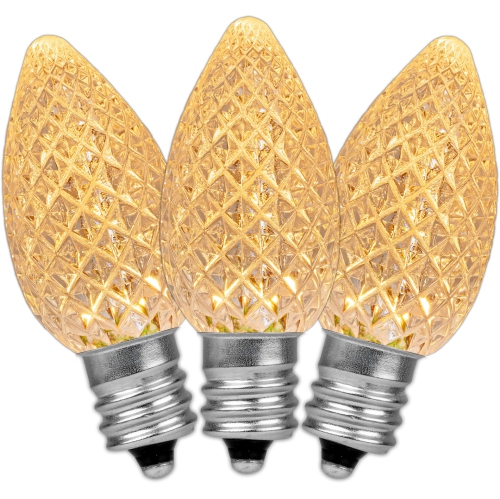
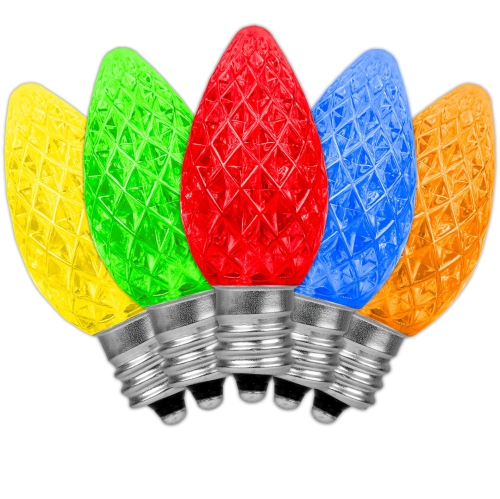
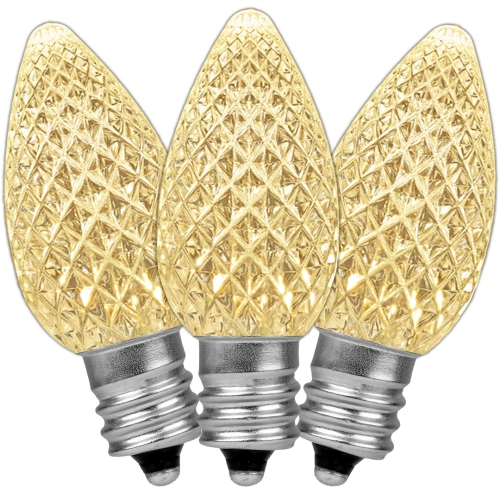
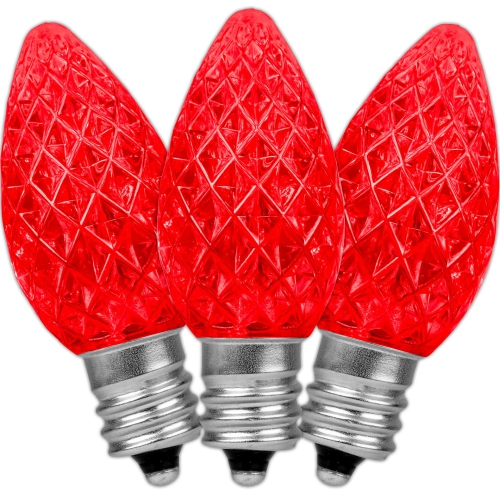
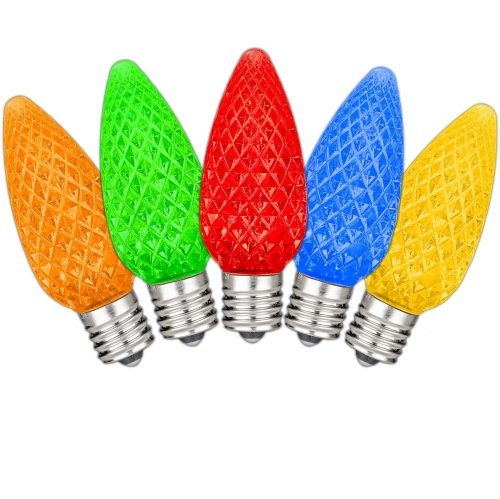
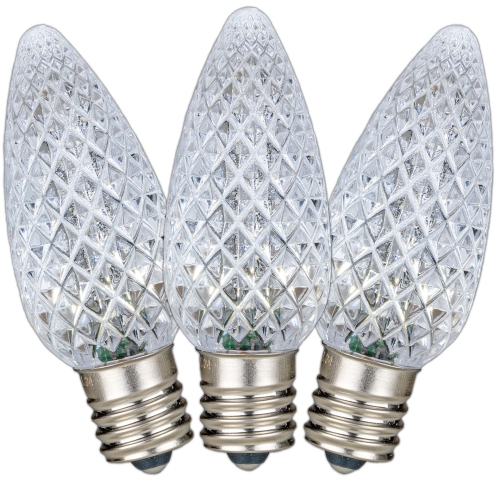
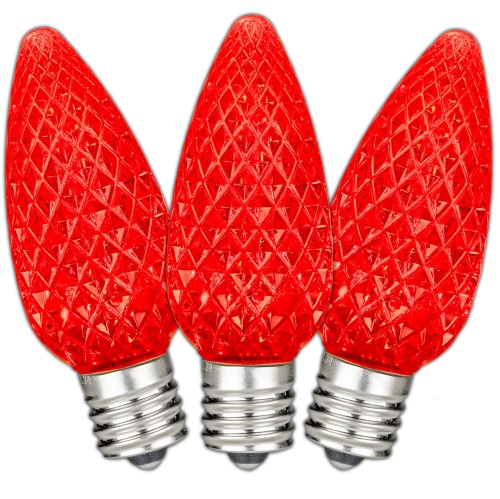
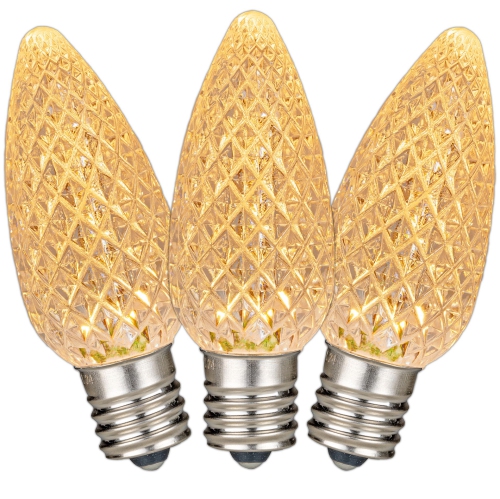
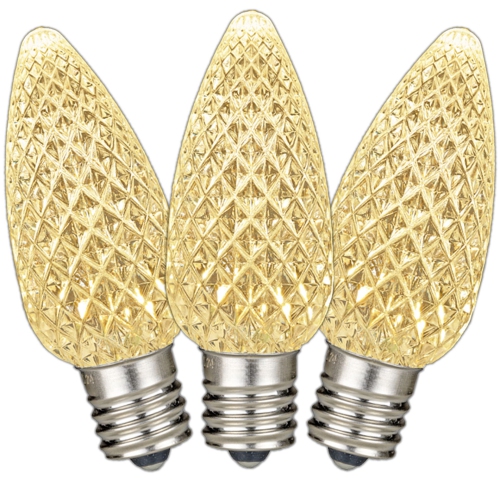
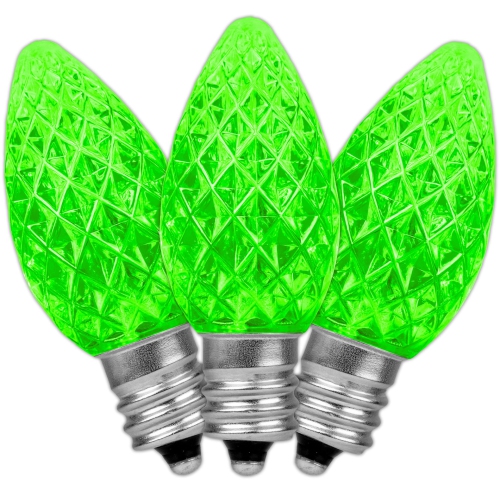
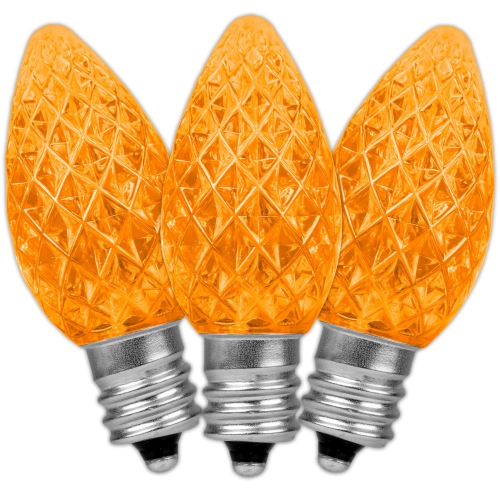
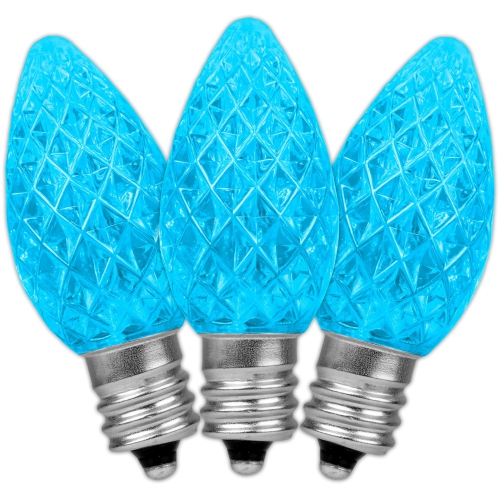
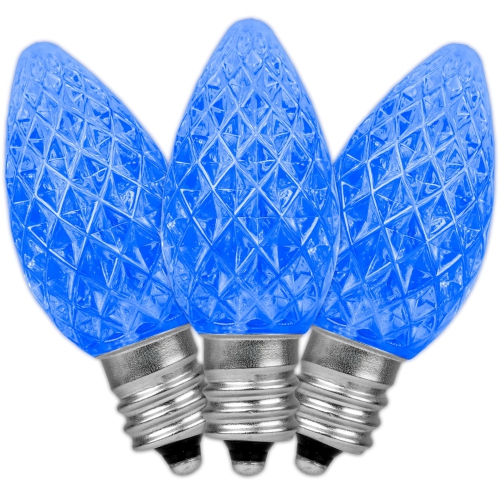
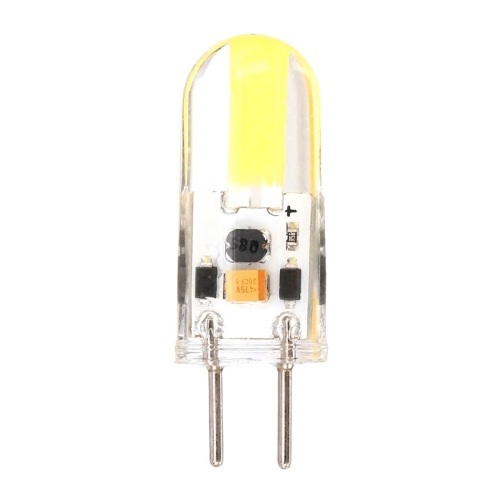
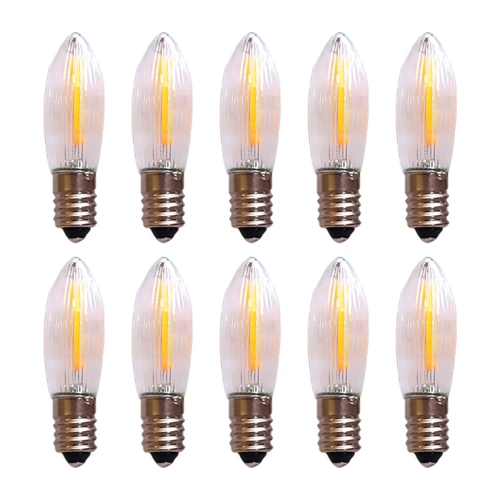
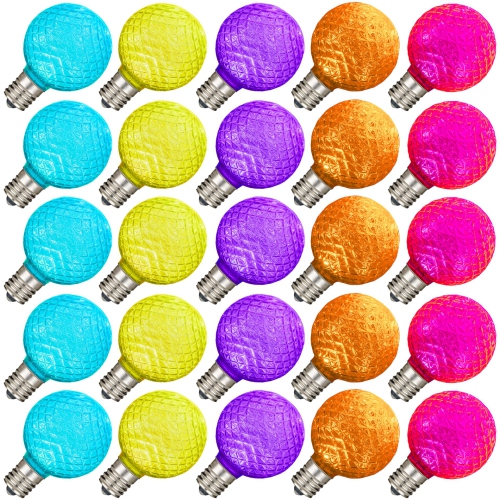
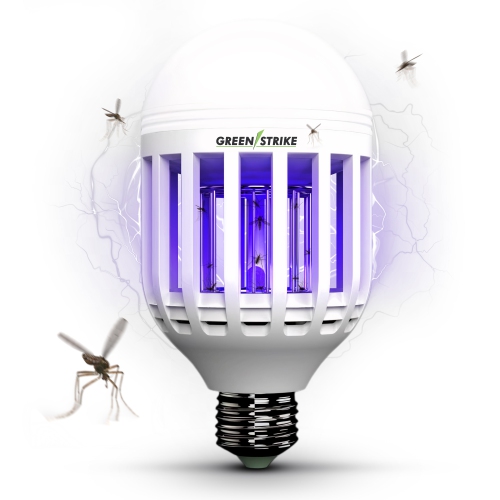
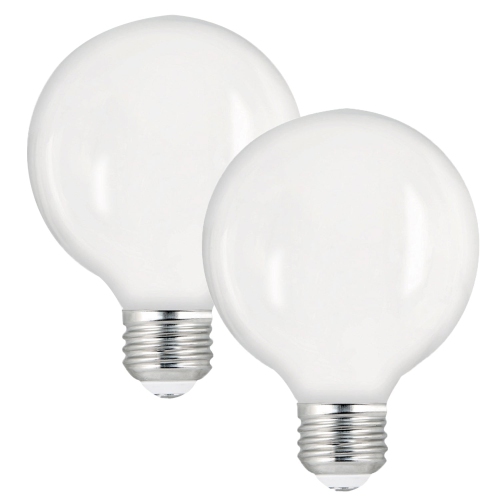
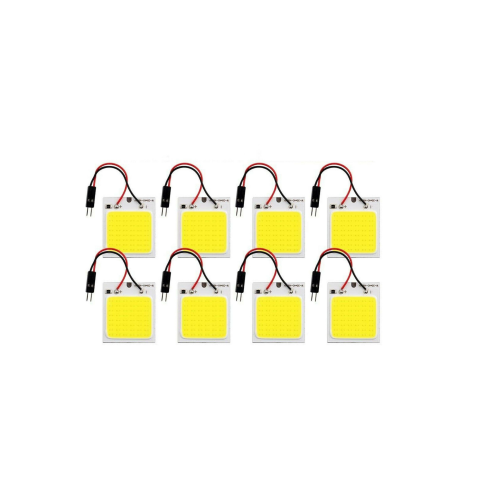
The right bulb needs more than a matching base
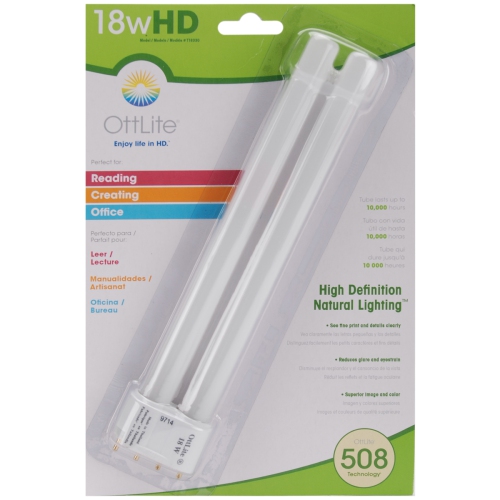
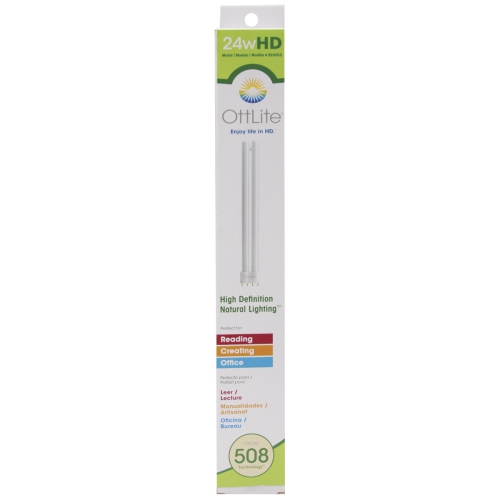
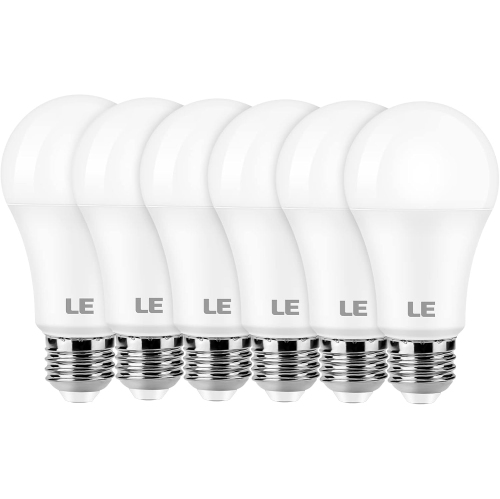
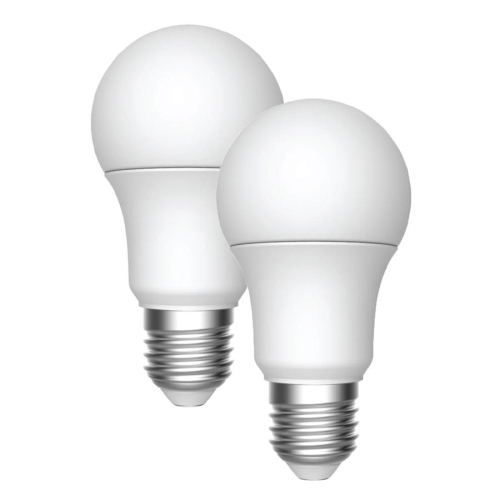
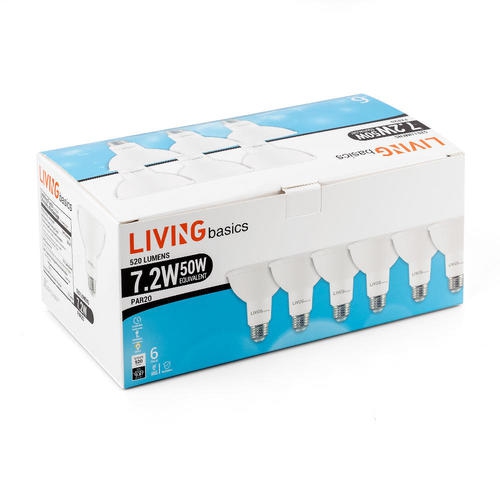
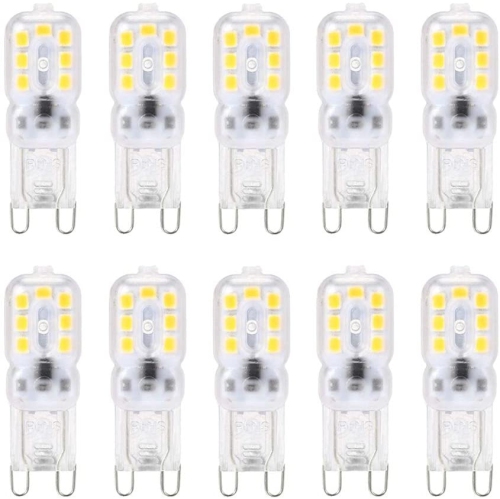
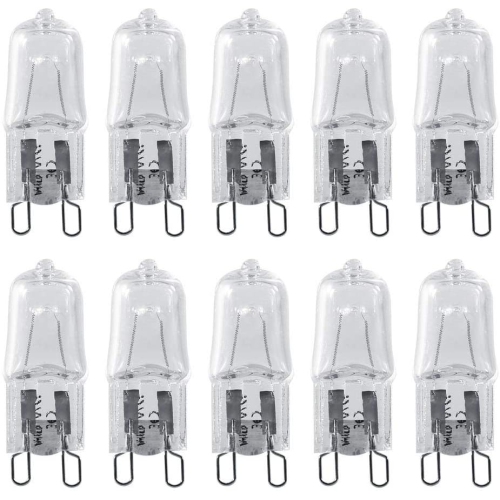
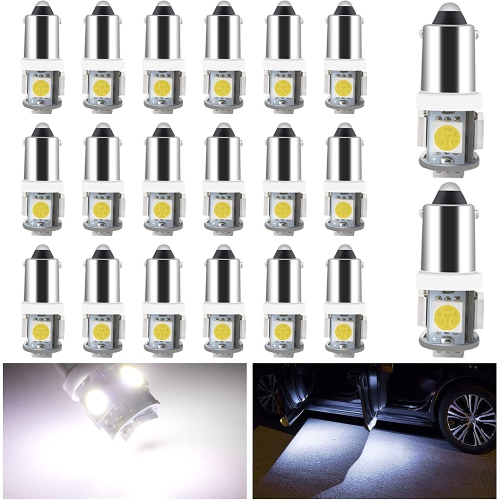
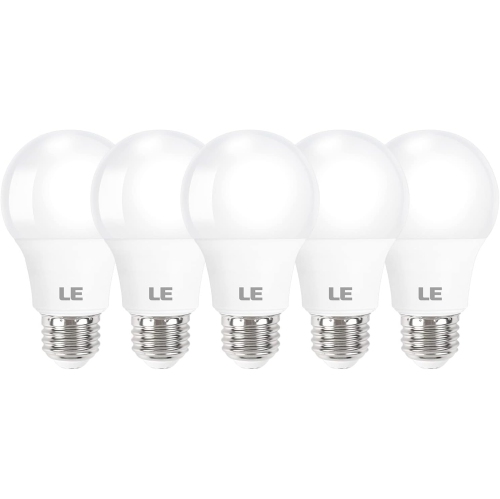
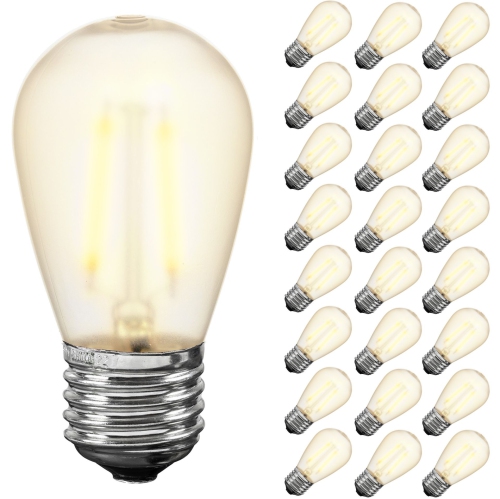
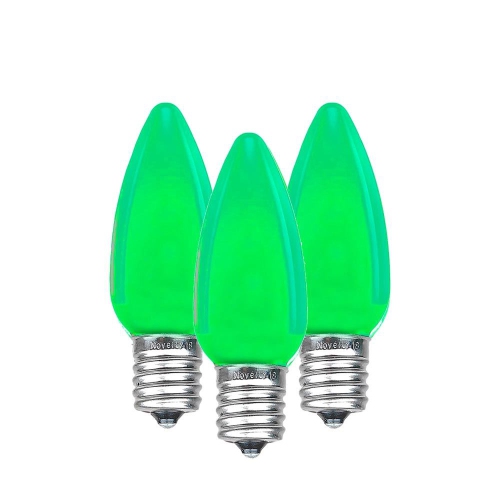
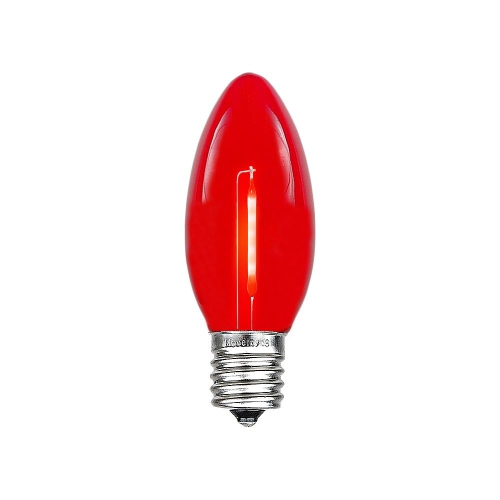
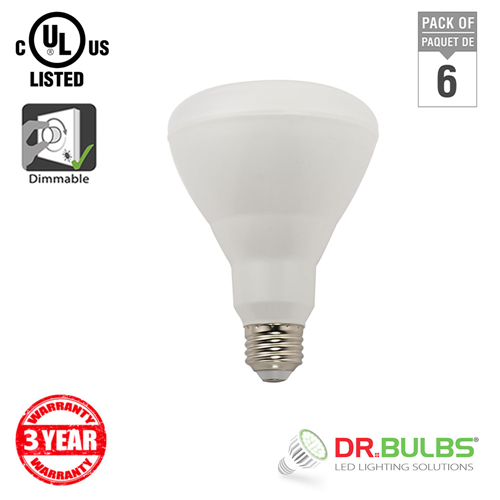
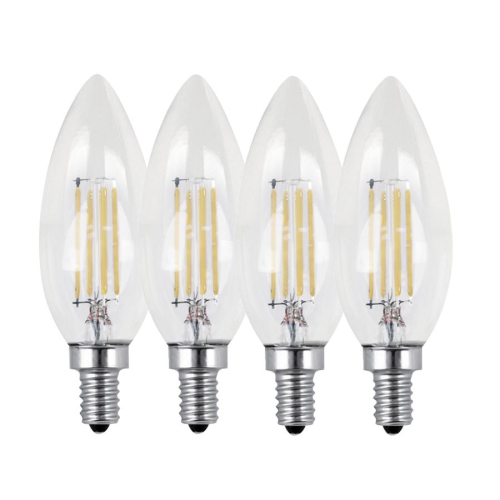
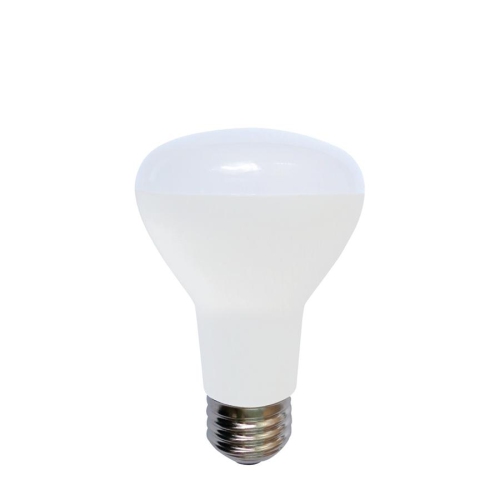
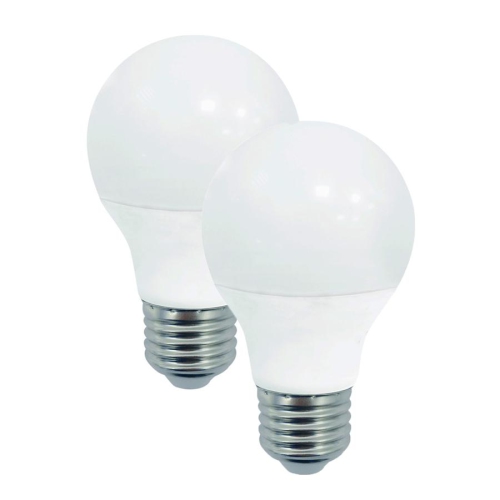
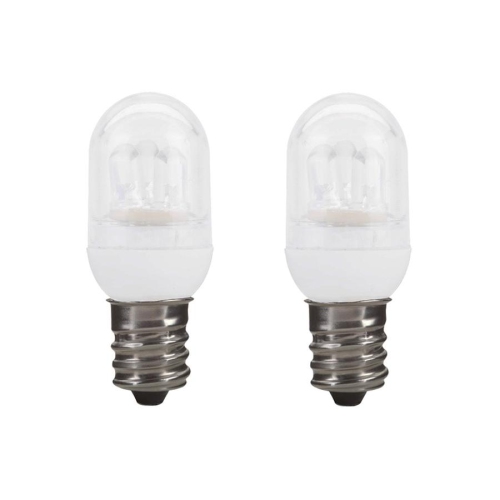
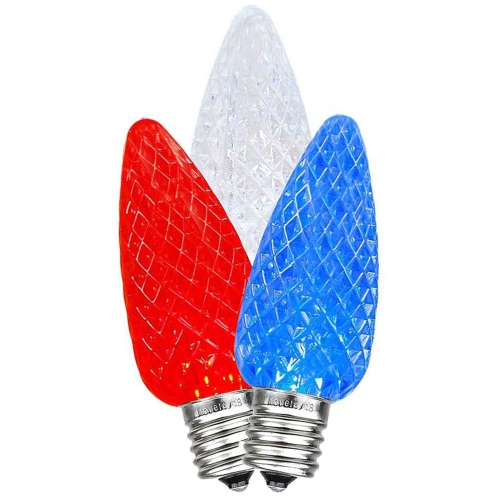
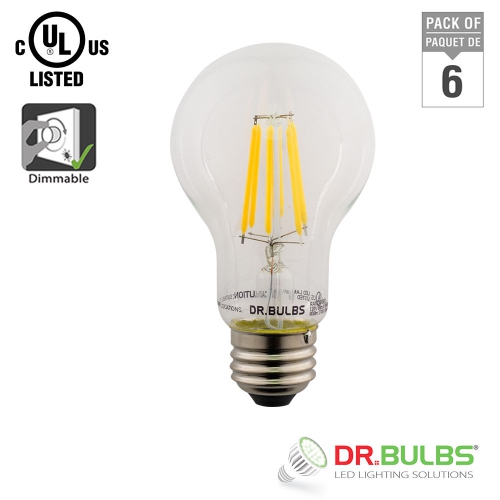
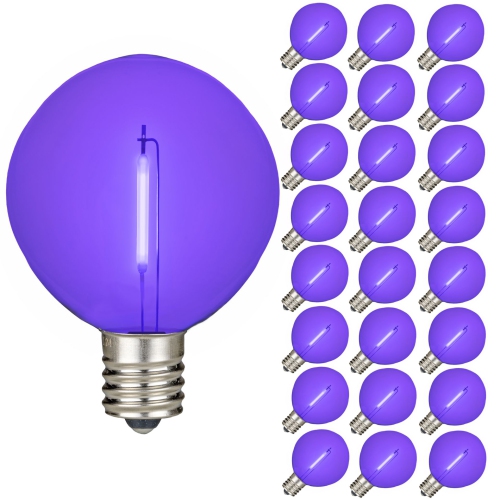
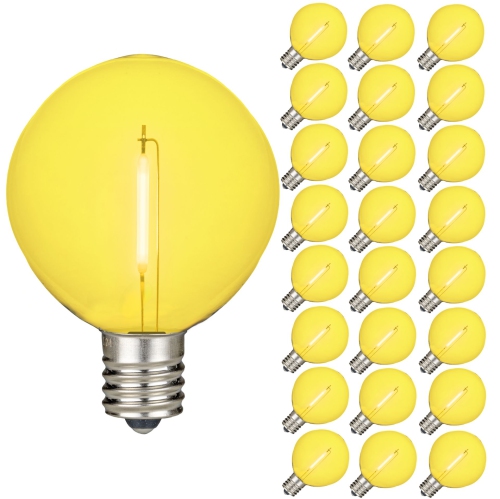
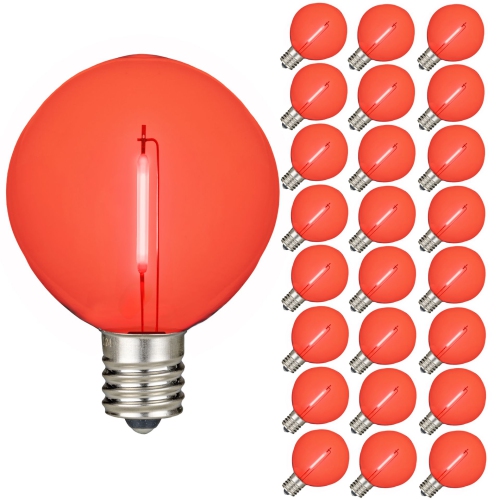
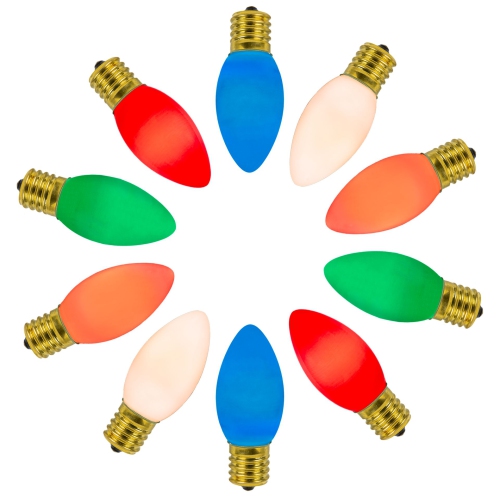
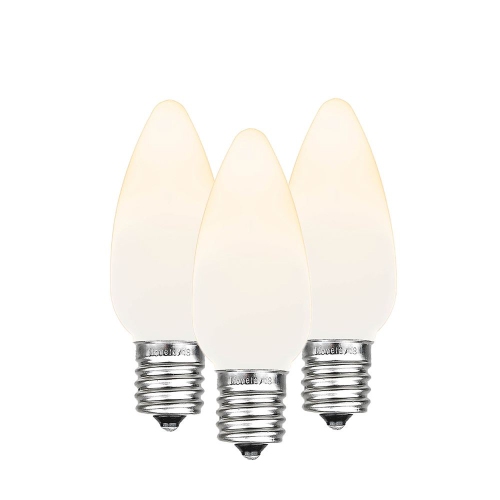
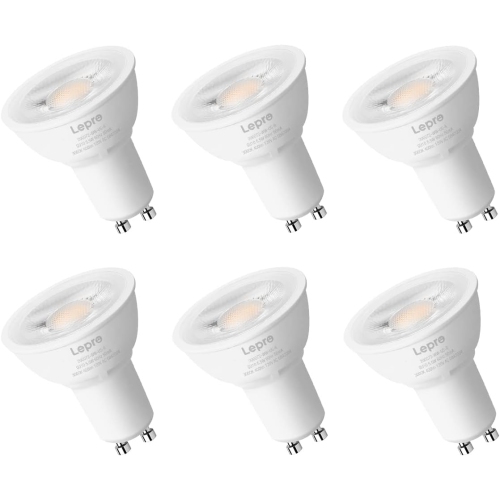
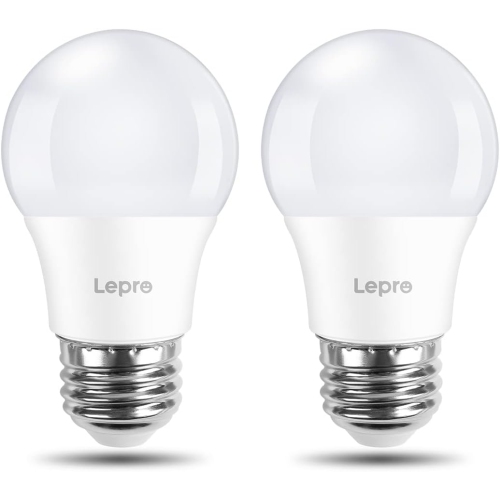
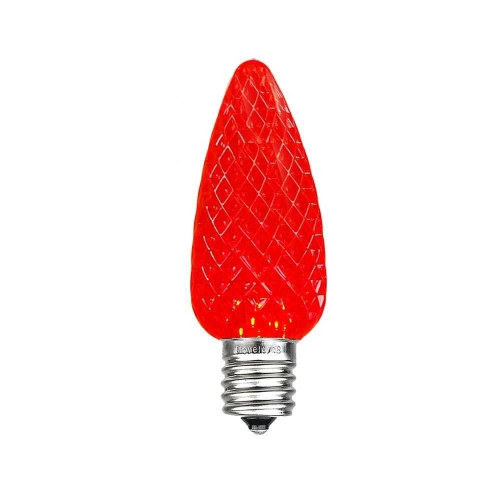
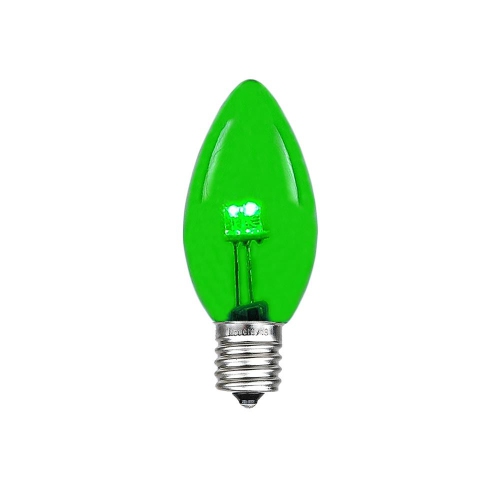
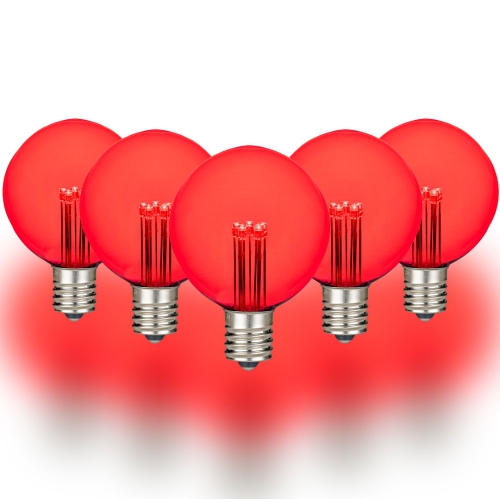
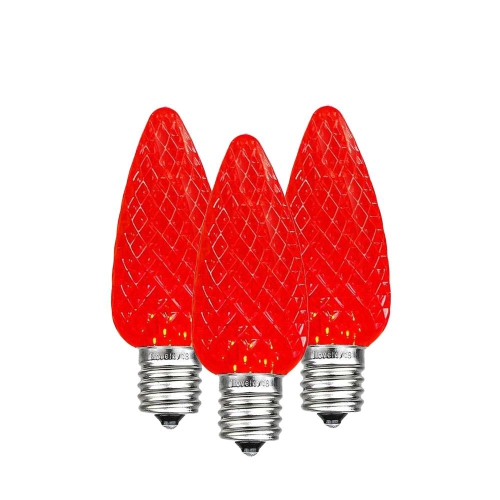
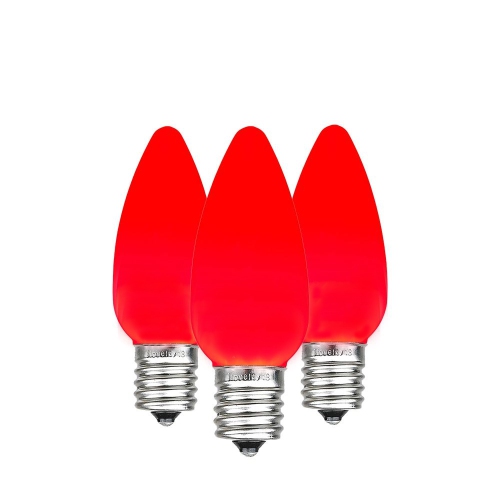
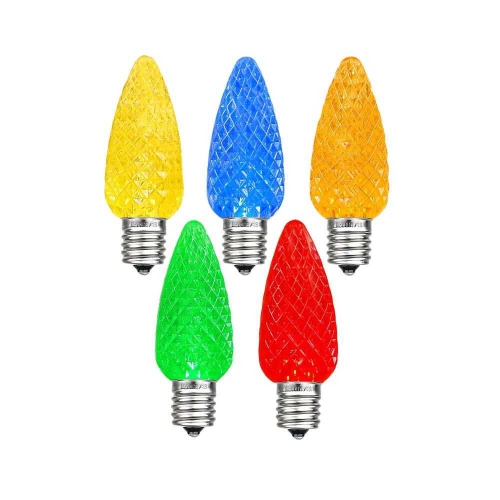
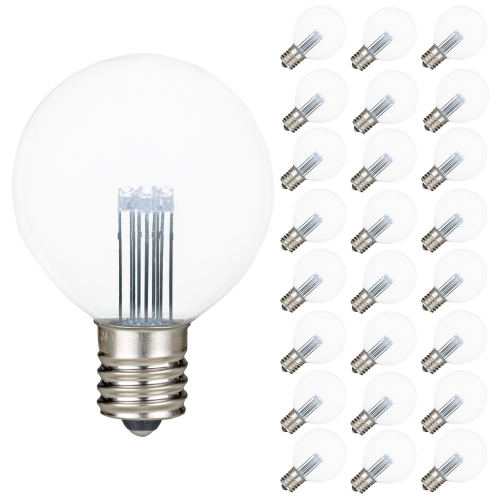
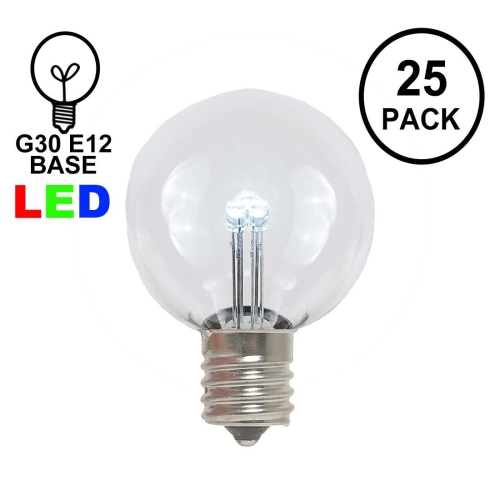
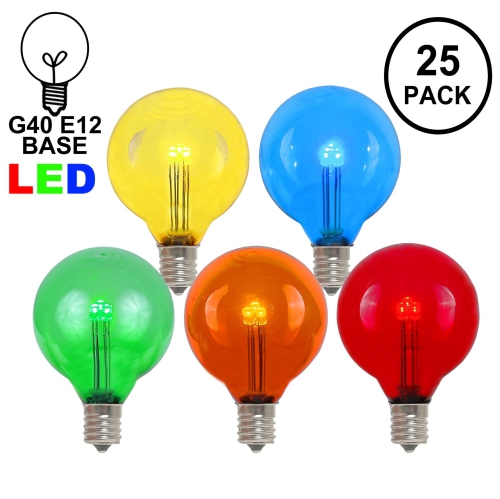
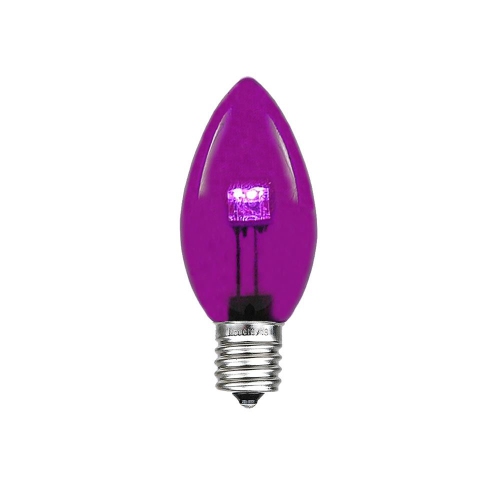
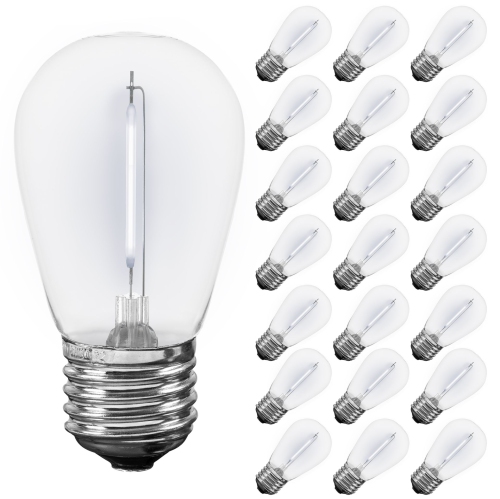
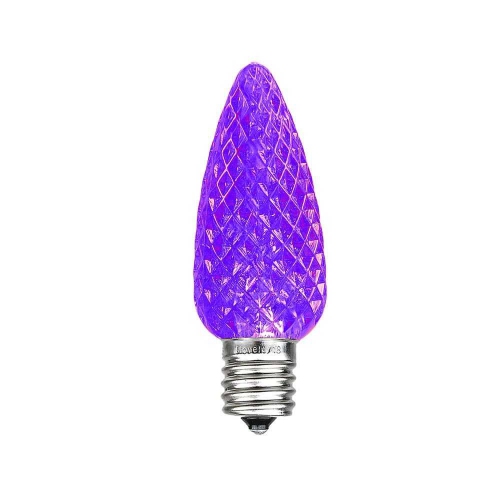
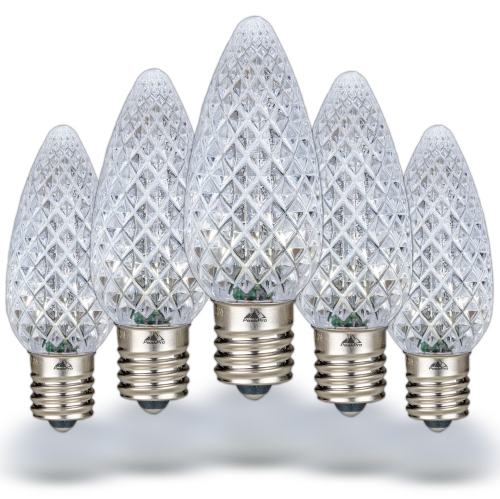
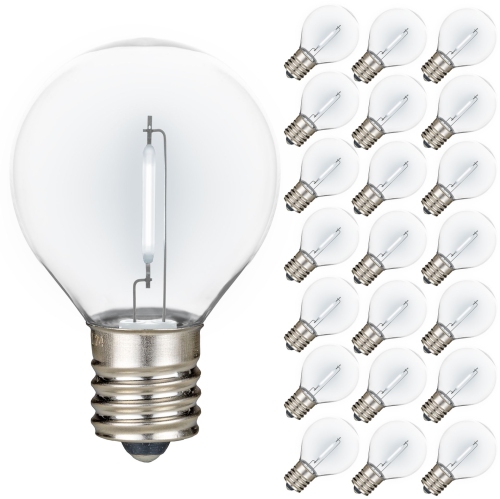
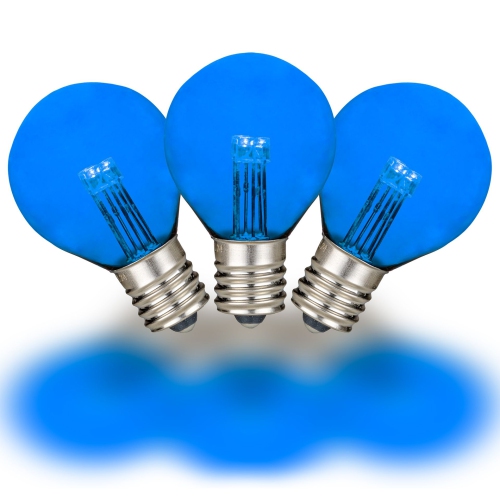
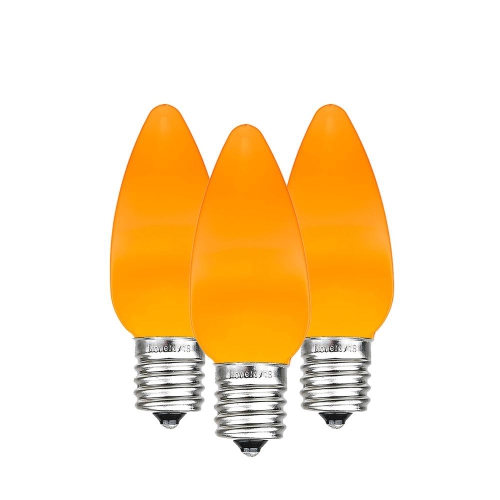
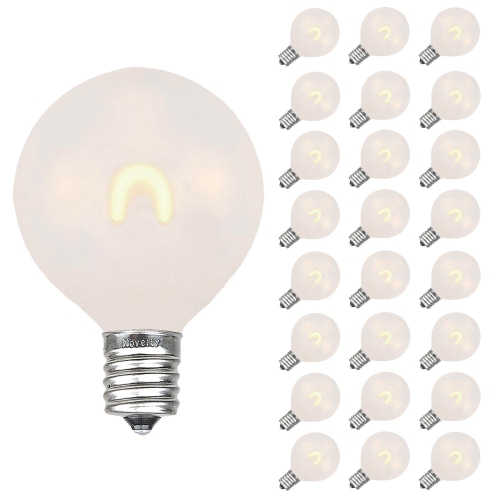
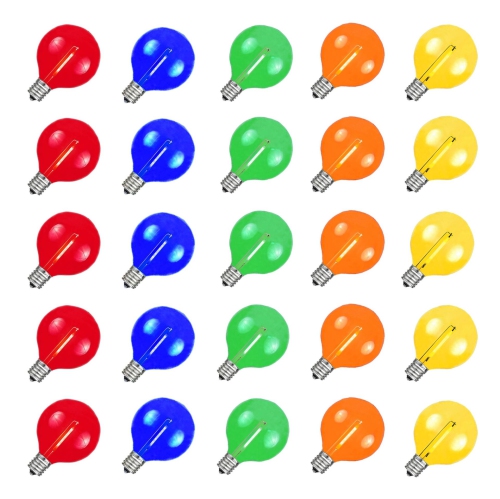
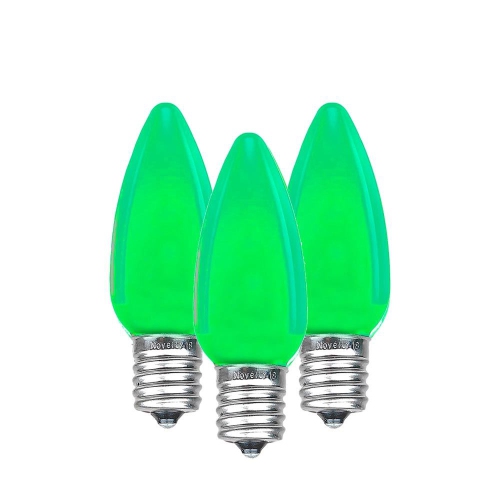
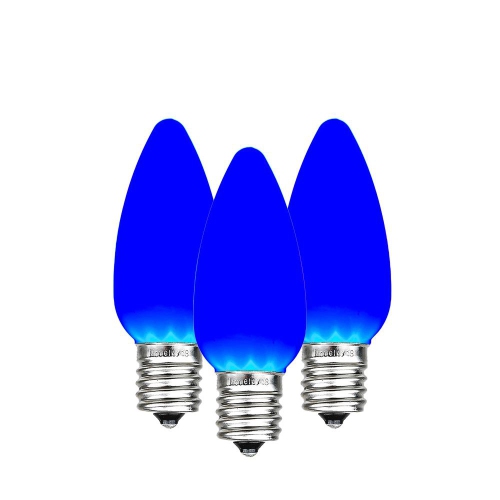
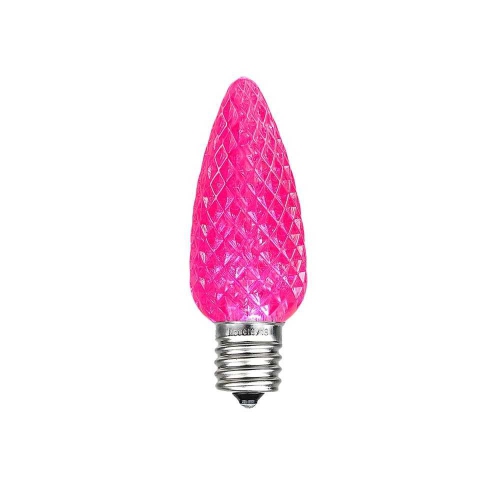
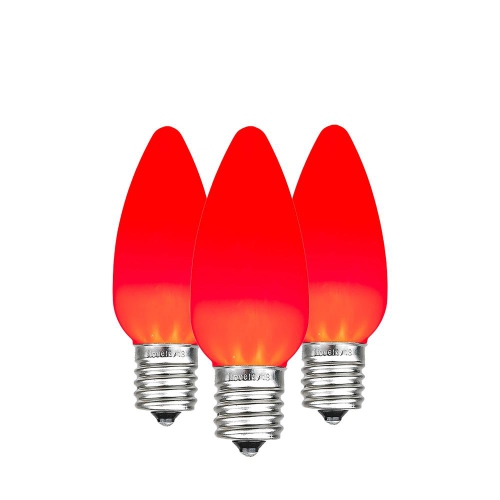
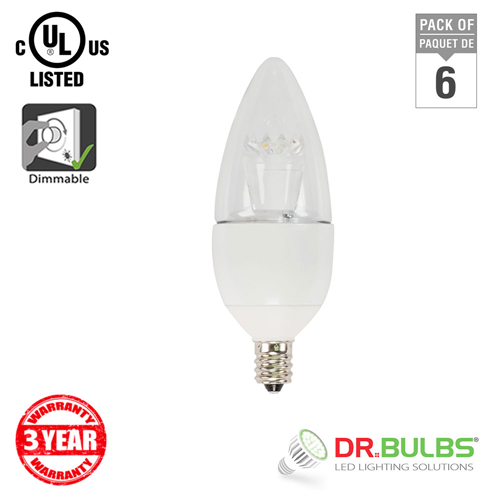
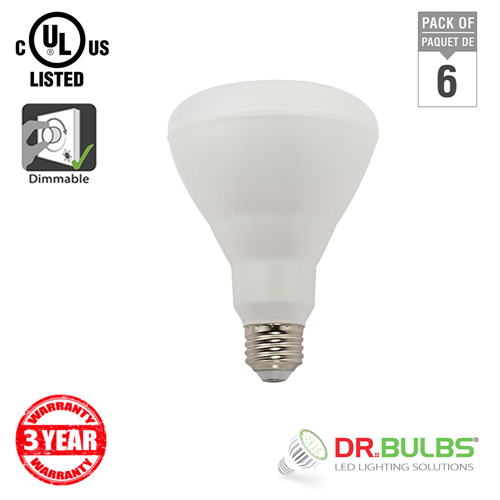
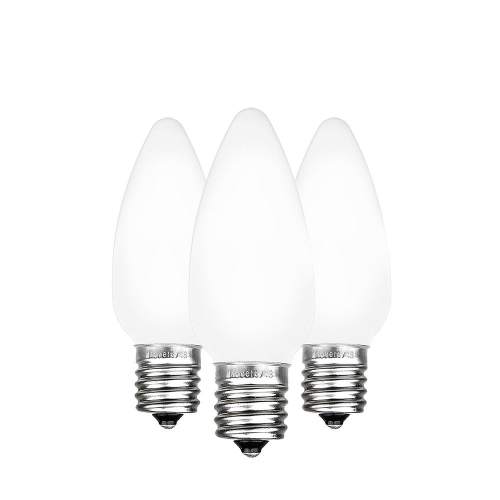
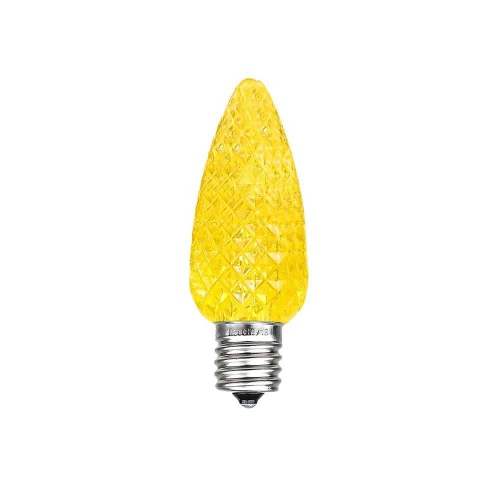
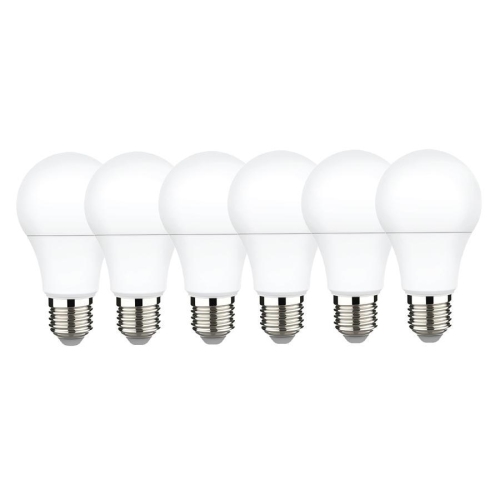
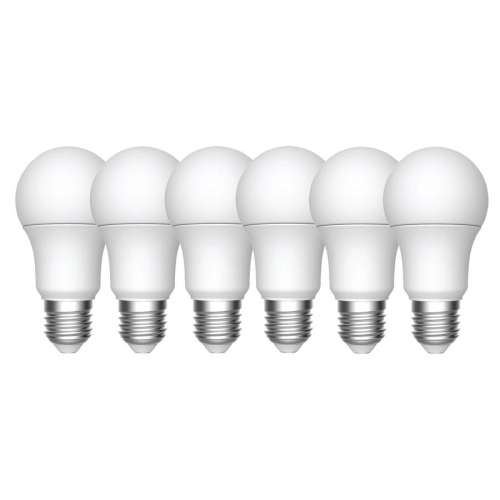
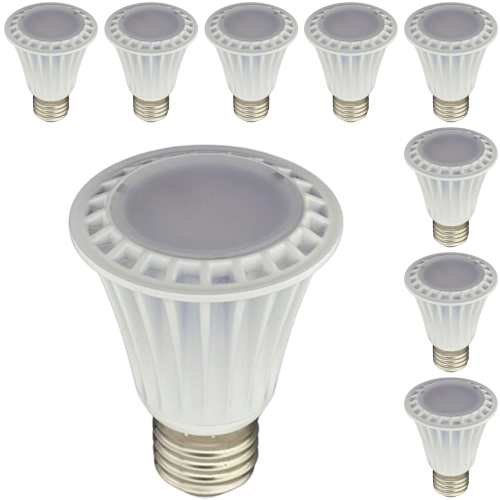
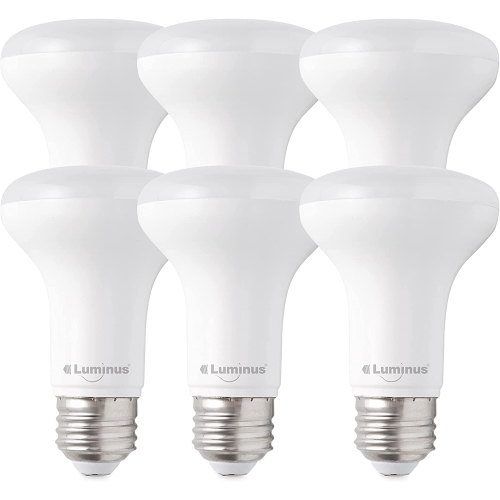
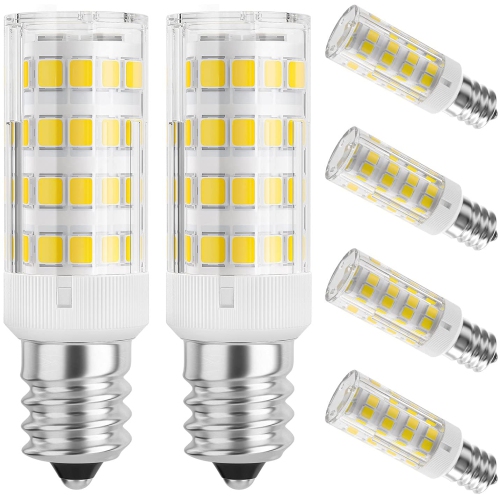
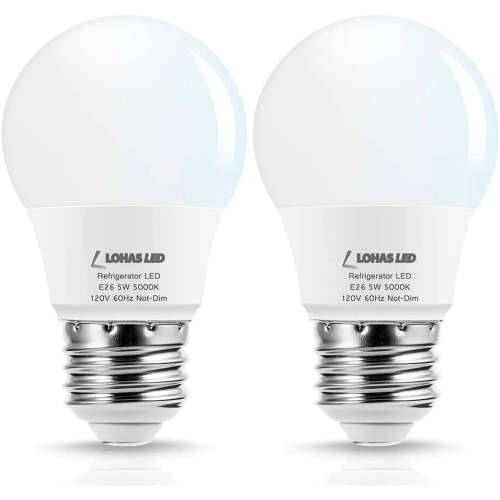
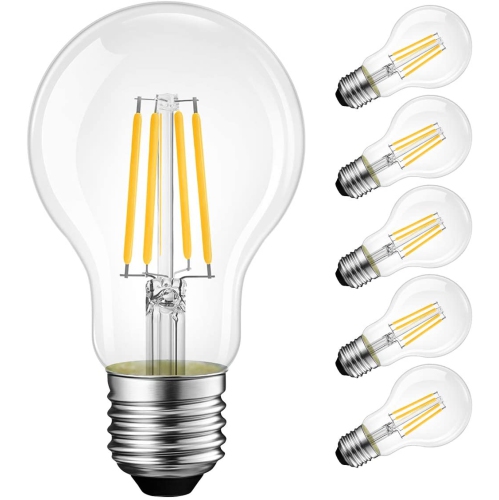
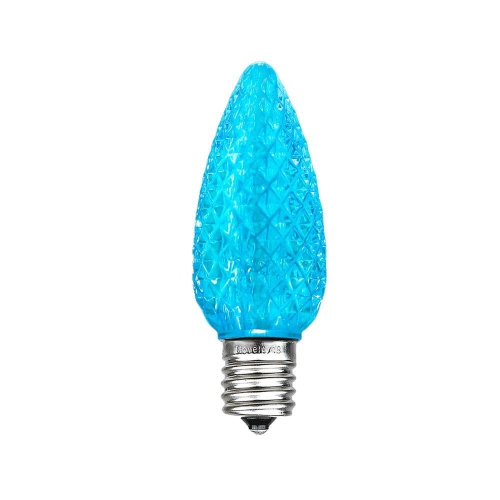
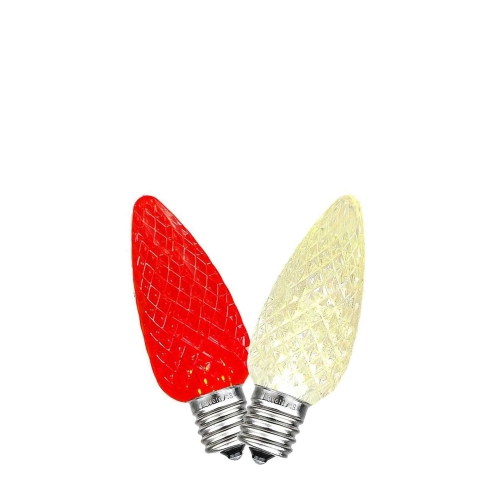
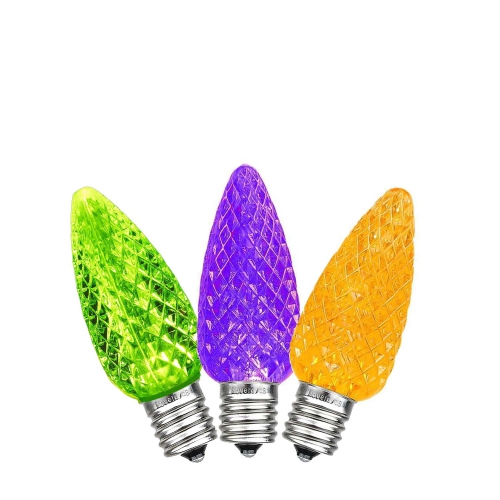
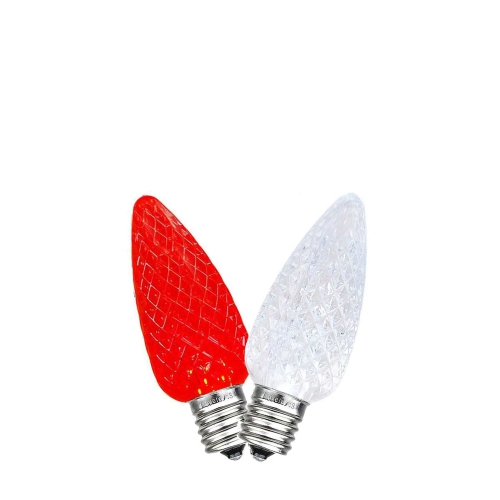
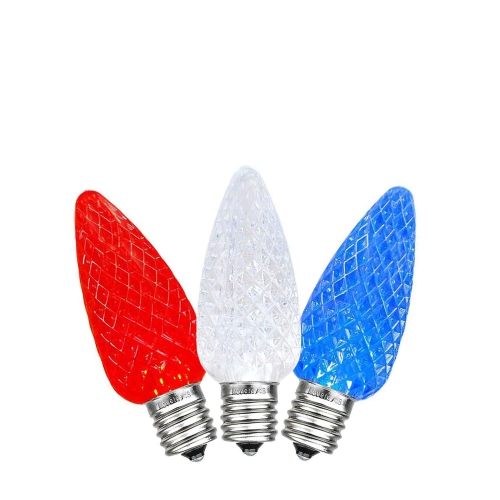
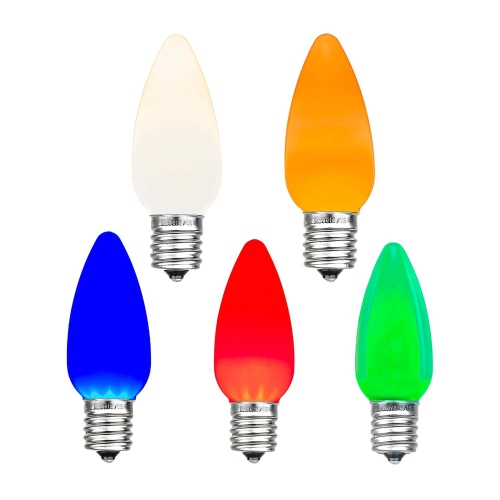
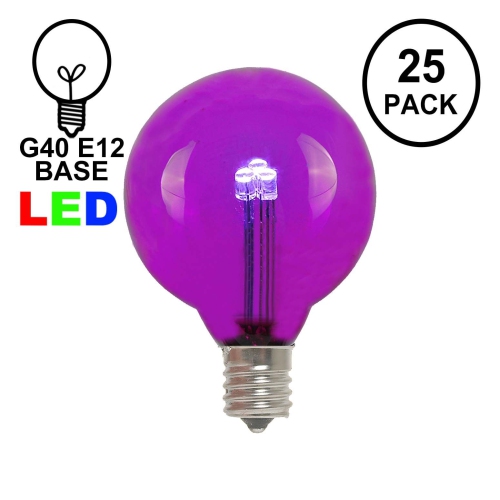
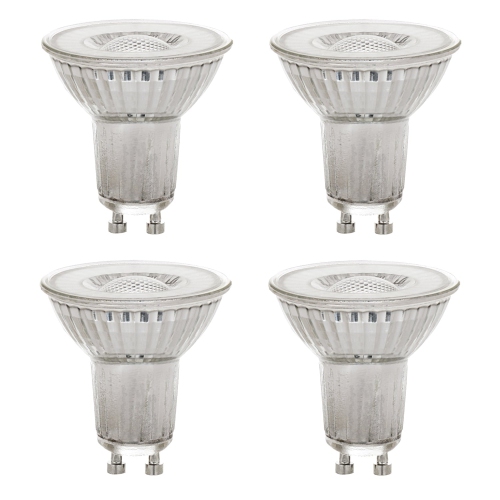
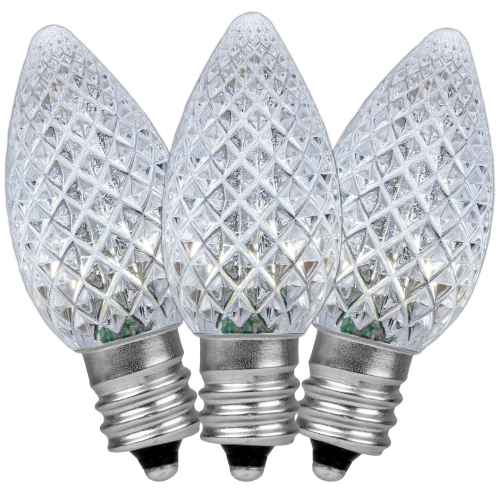
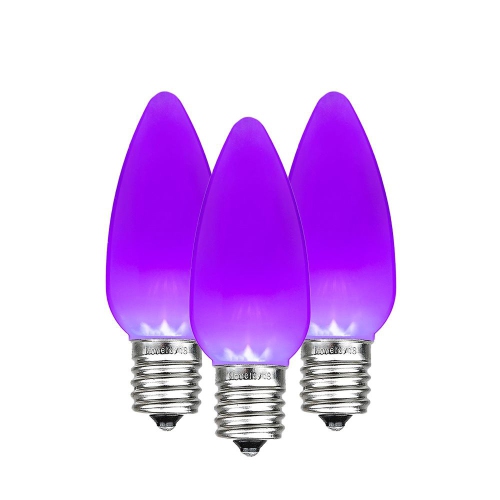
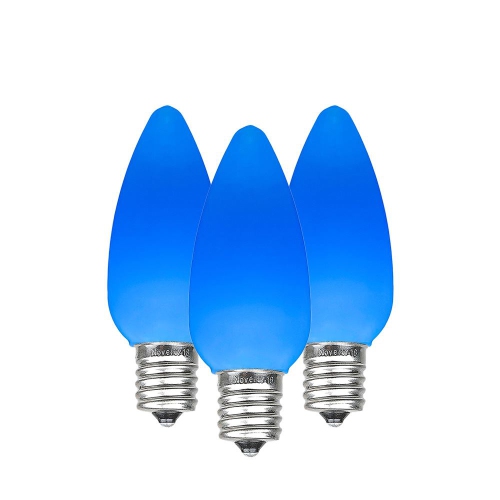
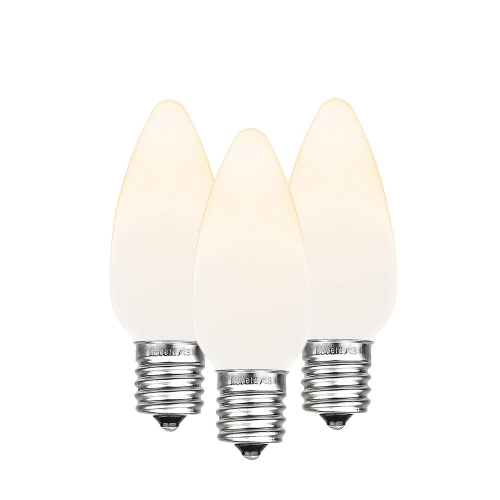
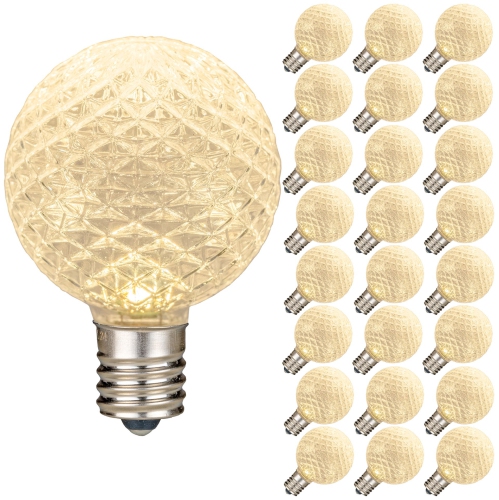
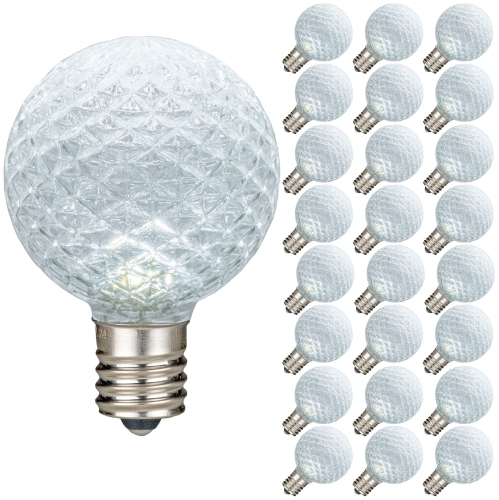
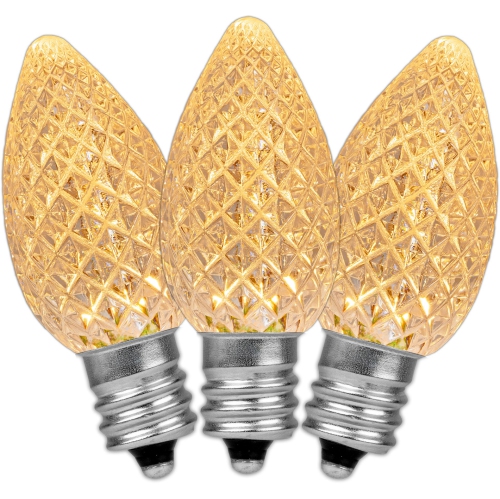
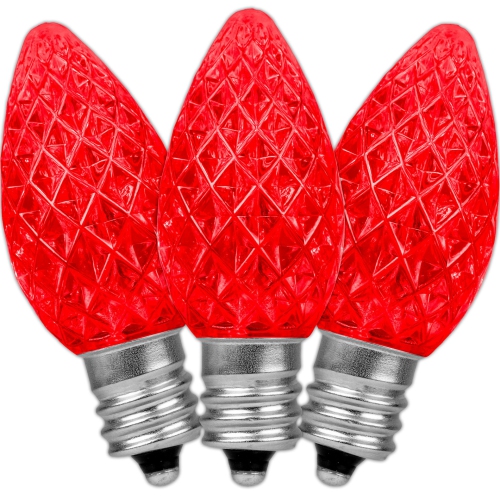
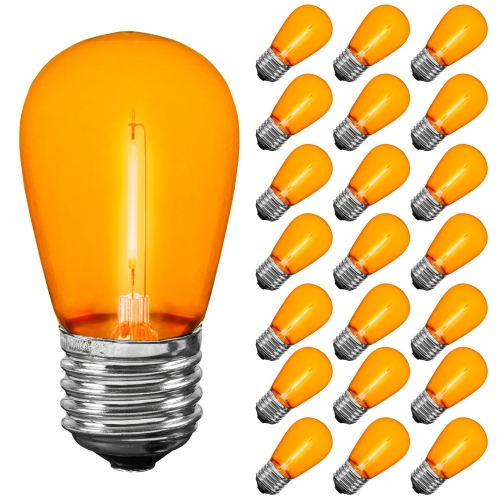
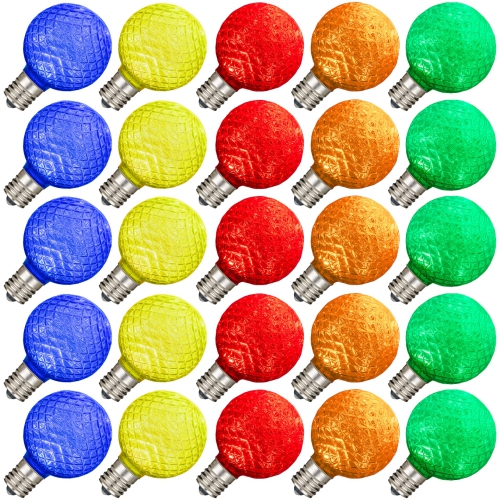
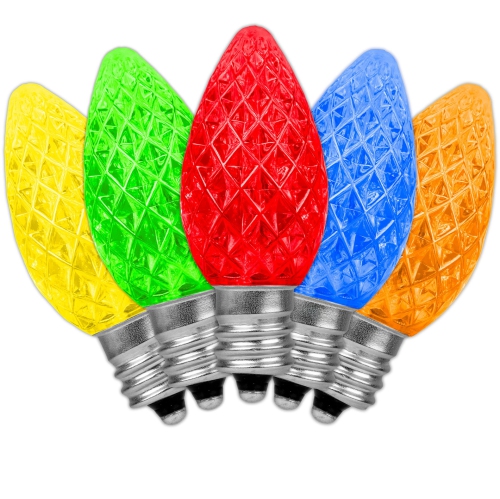
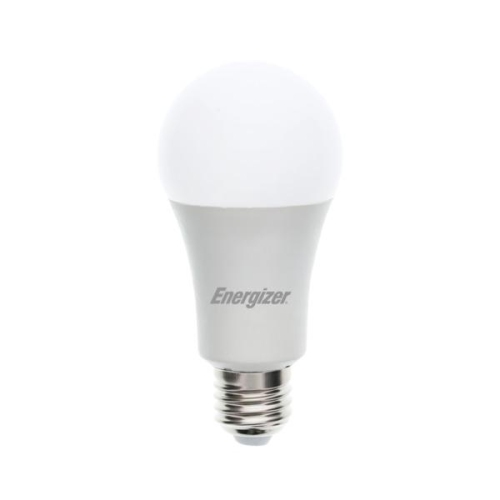
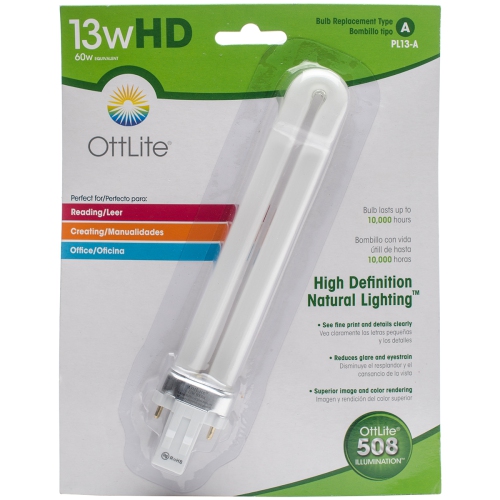
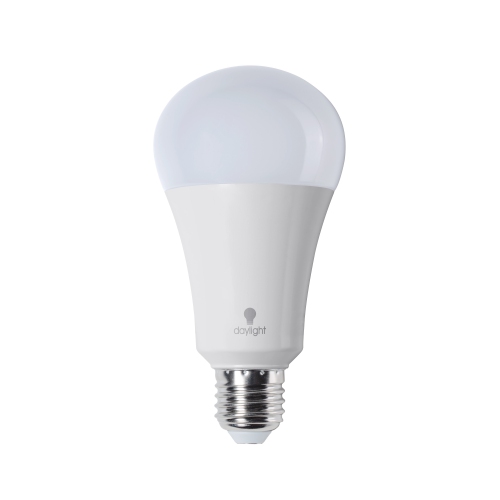
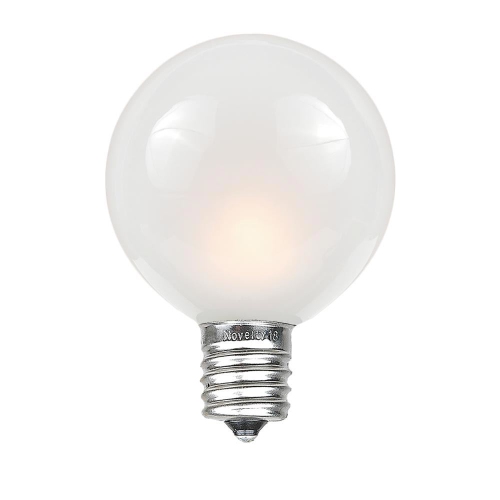
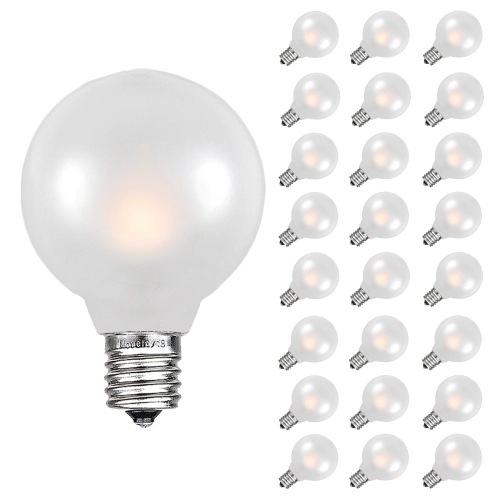
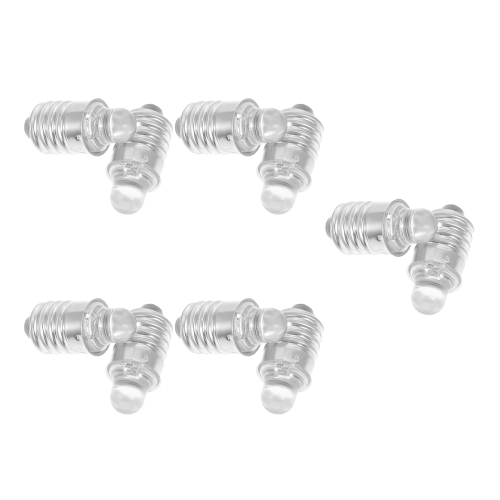
LED replacement bulbs bring familiar lamps and light fixtures into everyday use with a choice of brightness levels, light colours, shapes, and controls. They use light-emitting diodes rather than a heated filament to produce light, and generally draw less electricity than incandescent bulbs that deliver similar brightness. For most household replacements, the useful starting points are the existing bulb’s base, its shape and dimensions, and the amount of light needed in the room. An A19 bulb has the familiar rounded shape used in many table lamps, while E26 describes the medium screw base commonly found in Canadian homes; these markings describe different parts of the bulb and are not interchangeable. Smaller candelabra bases, pin bases, and twist-lock connections require their own matching sockets. A bulb also needs enough clearance beneath a shade or inside a fixture cover, even when its base fits correctly. Brightness is measured in lumens, whereas watts describe electrical power consumption. As a general comparison, around 450 lumens can replace the light output of a traditional 40-watt incandescent bulb, around 800 lumens corresponds to 60 watts, and around 1,600 lumens corresponds to 100 watts. These are approximate comparisons, so the lumen rating offers a more useful reference than the replacement wattage alone. A shaded bedside lamp may call for gentle, localized light, while a ceiling fixture over a busy kitchen needs enough output to illuminate a broader area. The shade, diffuser, wall colours, and number of bulbs in a fixture all affect how bright a space feels. A dark fabric shade absorbs more light than a pale translucent one, and an exposed bulb can feel harsh if its output is too high for the position. The wider range of LED Light Bulbs includes different combinations of shape, output, and functionality, making it possible to match replacement lighting to both the fixture and the way a room is used.
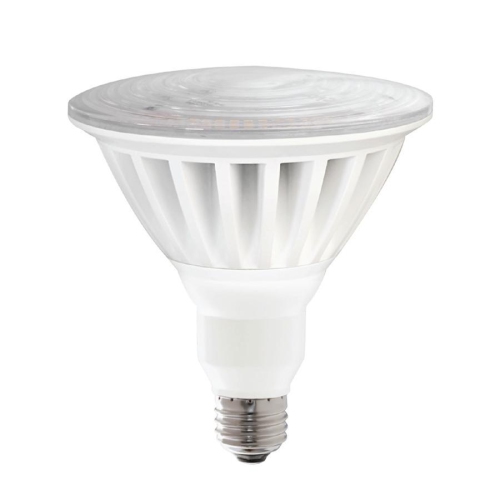
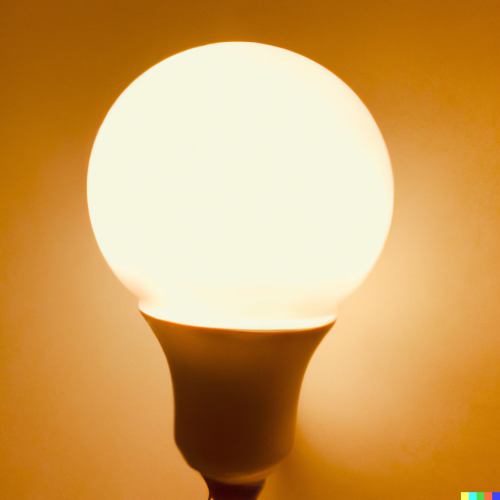
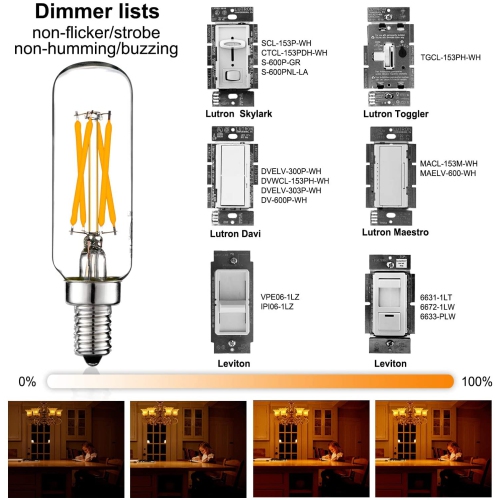
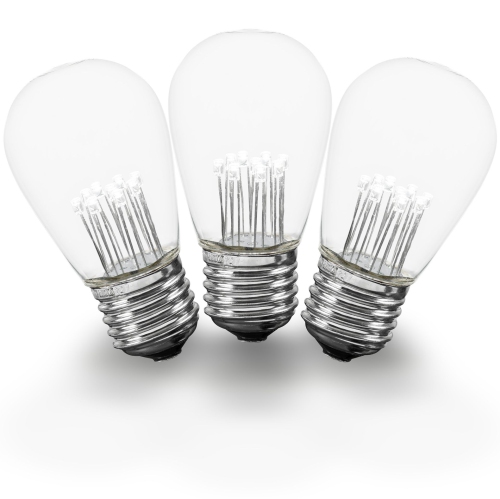
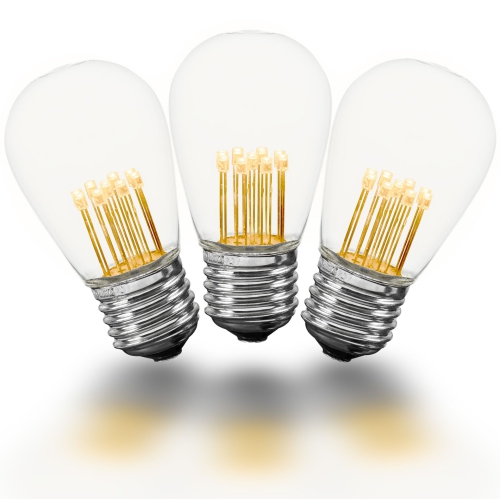
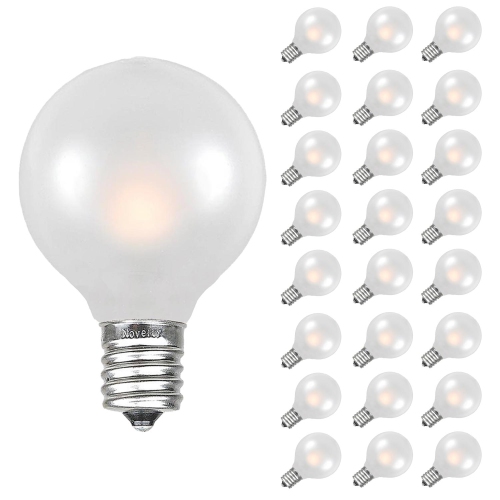
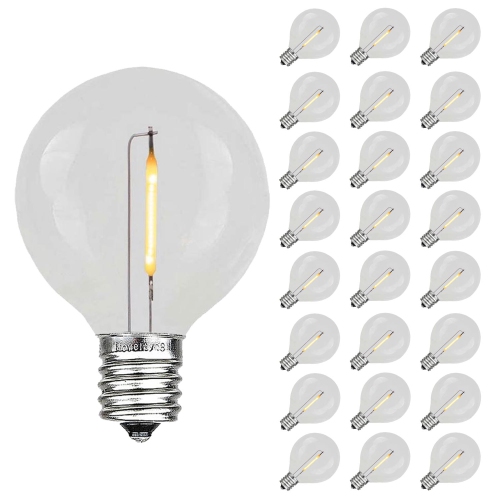
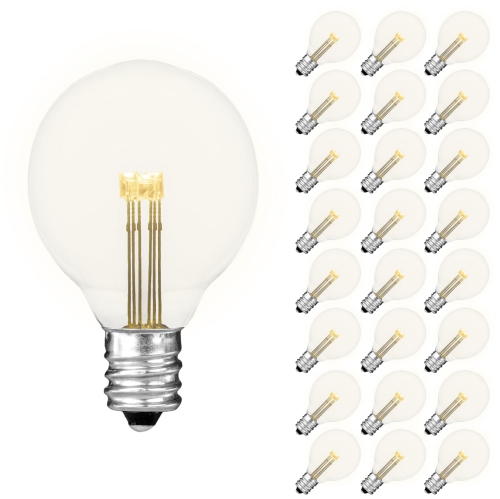
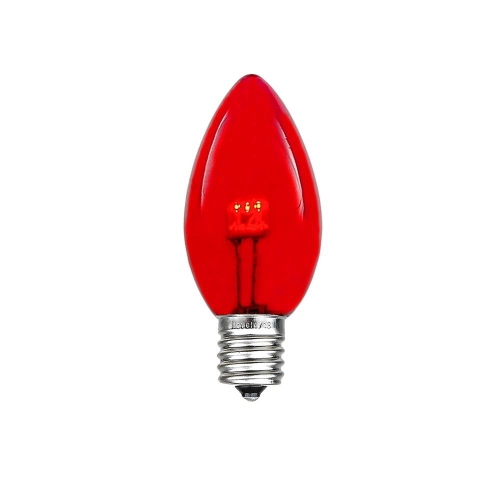
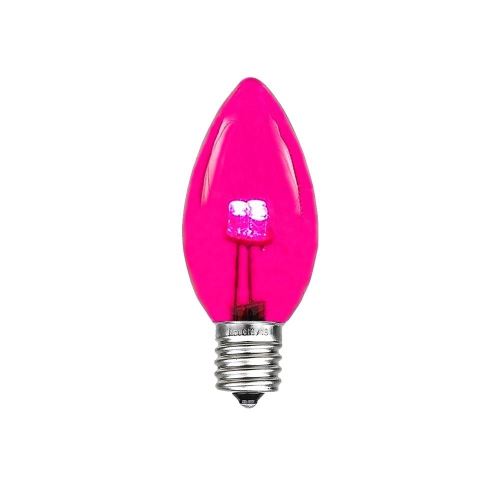
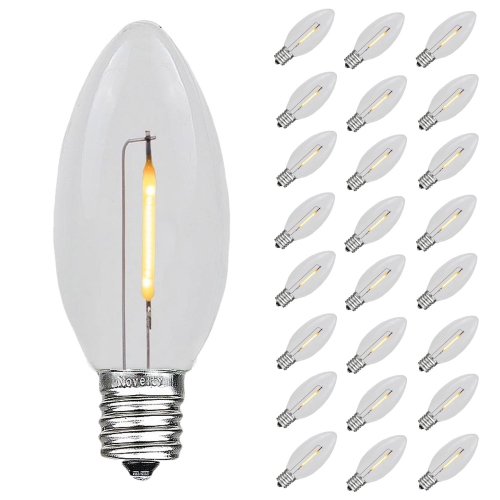
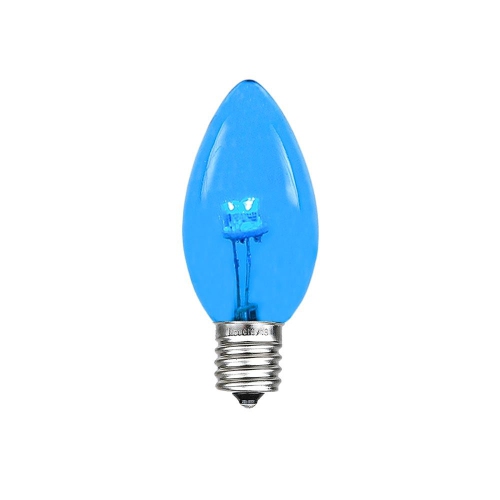
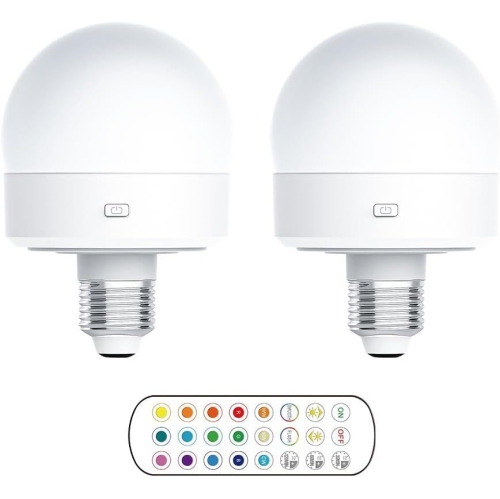
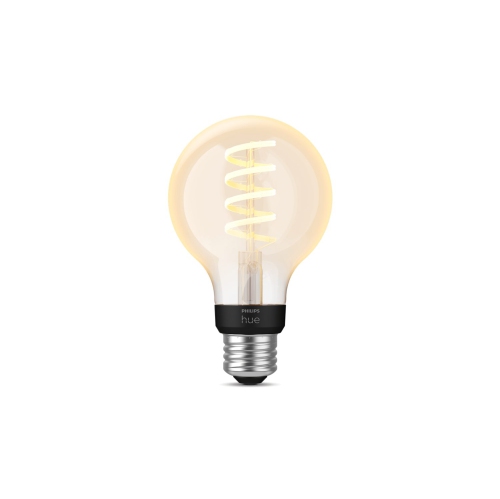
Light colour makes an equally noticeable difference to the finished space. Colour temperature is expressed in kelvins: approximately 2,700K produces a warm, yellow-white appearance, 3,000K offers a slightly crisper warm white, and 4,000K to 5,000K produces a more neutral to daylight-like appearance. Terms such as soft white, bright white, and daylight can vary between manufacturers, so the kelvin figure is the clearer comparison when matching bulbs across a room. Warm white often suits living rooms and bedside lamps, where light falls across upholstery, wood furniture, and reading spaces. A more neutral white can suit kitchen preparation areas, laundry rooms, or a desk where clear visibility matters. Higher colour temperature does not automatically mean greater brightness; a warm-white bulb and a daylight bulb can have the same lumen output. Colour rendering is another consideration, particularly around mirrors, artwork, clothing storage, or food preparation surfaces. A higher colour rendering index, often shown as CRI, generally helps colours appear more faithful under the light, with ratings of 90 or above useful where colour accuracy matters. Bulb finishes and beam patterns shape that light further. Frosted covers soften the appearance of the light source, while clear glass makes the internal light elements visible and can suit open fixtures designed around the bulb’s appearance. Reflector bulbs direct light towards a work surface or display, whereas many general-purpose bulbs spread it more broadly. For a row of ceiling lights or a fixture with several sockets, matching brightness, kelvin rating, and beam angle helps avoid alternating patches of yellow-white and blue-white light. Dimming adds another layer of control, but both the bulb and the dimmer need to be compatible. A dimmable LED bulb may not perform smoothly on every older dimmer, and flickering, buzzing, or an abrupt shutoff at low settings can indicate a mismatch. Some bulbs maintain their light colour as they dim, while warm-dimming designs become more amber at lower output. That distinction matters in a dining area that serves as both a homework space and a place for relaxed meals.
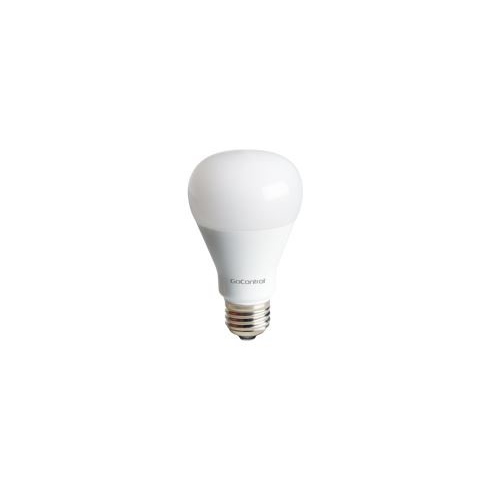
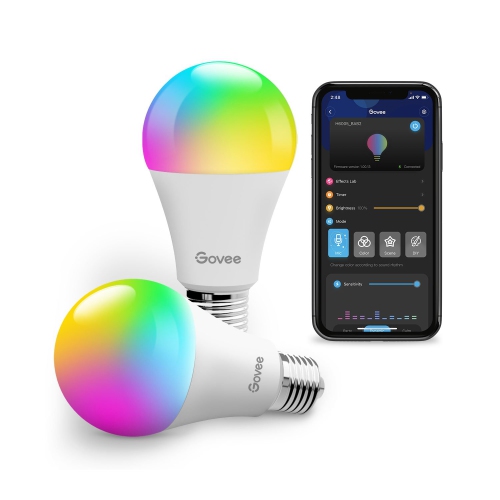
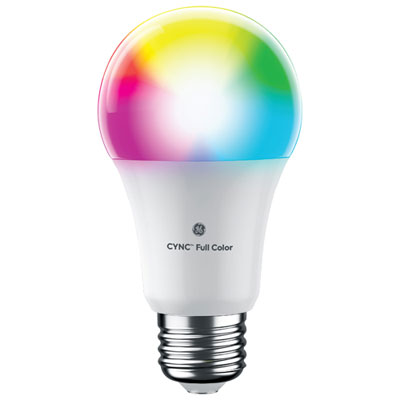
Construction, fixture ratings, and intended use help determine how well LED replacement bulbs hold up over time. Depending on the design, a bulb may combine a glass or plastic cover with electronic components and a heat-dissipating body. LEDs still generate heat, and the ability to move that heat away from the electronics affects performance and service life. A bulb used behind a sealed ceiling cover needs an explicit rating for enclosed fixtures; a general-purpose bulb is not automatically suitable simply because it fits. The fixture’s permitted wattage refers to actual power consumption rather than the incandescent-equivalent figure printed on the bulb package. Moisture exposure also matters: damp-location and wet-location ratings serve different applications, and a covered porch fixture has different demands from a fitting exposed directly to rain. Appliance lights, range hoods, and other specialized fittings may require bulbs designed for those uses, so a standard household LED is not a universal substitute. Replacement LED tubes introduce further compatibility considerations because some work with an existing ballast while others require wiring changes. Those installations need to follow the lamp and fixture instructions, with electrical modifications handled by a qualified professional. For everyday household bulbs, simple care starts with switching off the power and allowing the bulb to cool before handling it. A soft, dry cloth can remove dust from an accessible bulb without wetting the base or socket, and gentle installation avoids overtightening a screw base. Rated life is an estimate under specified conditions, not a guarantee of identical performance in every fixture; heat buildup, frequent switching, and control compatibility can influence results. Renters refreshing table lamps, homeowners matching ceiling fixtures, and people setting up a comfortable reading or work area can all benefit from paying attention to these practical details. Connected replacement bulbs can also add scheduling, adjustable whites, or colour control, although their app, network, and hub requirements vary. Together, the right fit, suitable light output, and compatible controls make a replacement feel like a natural part of the room rather than a noticeable compromise.
Light colour makes an equally noticeable difference to the finished space. Colour temperature is expressed in kelvins: approximately 2,700K produces a warm, yellow-white appearance, 3,000K offers a slightly crisper warm white, and 4,000K to 5,000K produces a more neutral to daylight-like appearance. Terms such as soft white, bright white, and daylight can vary between manufacturers, so the kelvin figure is the clearer comparison when matching bulbs across a room. Warm white often suits living rooms and bedside lamps, where light falls across upholstery, wood furniture, and reading spaces. A more neutral white can suit kitchen preparation areas, laundry rooms, or a desk where clear visibility matters. Higher colour temperature does not automatically mean greater brightness; a warm-white bulb and a daylight bulb can have the same lumen output. Colour rendering is another consideration, particularly around mirrors, artwork, clothing storage, or food preparation surfaces. A higher colour rendering index, often shown as CRI, generally helps colours appear more faithful under the light, with ratings of 90 or above useful where colour accuracy matters. Bulb finishes and beam patterns shape that light further. Frosted covers soften the appearance of the light source, while clear glass makes the internal light elements visible and can suit open fixtures designed around the bulb’s appearance. Reflector bulbs direct light towards a work surface or display, whereas many general-purpose bulbs spread it more broadly. For a row of ceiling lights or a fixture with several sockets, matching brightness, kelvin rating, and beam angle helps avoid alternating patches of yellow-white and blue-white light. Dimming adds another layer of control, but both the bulb and the dimmer need to be compatible. A dimmable LED bulb may not perform smoothly on every older dimmer, and flickering, buzzing, or an abrupt shutoff at low settings can indicate a mismatch. Some bulbs maintain their light colour as they dim, while warm-dimming designs become more amber at lower output. That distinction matters in a dining area that serves as both a homework space and a place for relaxed meals.
Construction, fixture ratings, and intended use help determine how well LED replacement bulbs hold up over time. Depending on the design, a bulb may combine a glass or plastic cover with electronic components and a heat-dissipating body. LEDs still generate heat, and the ability to move that heat away from the electronics affects performance and service life. A bulb used behind a sealed ceiling cover needs an explicit rating for enclosed fixtures; a general-purpose bulb is not automatically suitable simply because it fits. The fixture’s permitted wattage refers to actual power consumption rather than the incandescent-equivalent figure printed on the bulb package. Moisture exposure also matters: damp-location and wet-location ratings serve different applications, and a covered porch fixture has different demands from a fitting exposed directly to rain. Appliance lights, range hoods, and other specialized fittings may require bulbs designed for those uses, so a standard household LED is not a universal substitute. Replacement LED tubes introduce further compatibility considerations because some work with an existing ballast while others require wiring changes. Those installations need to follow the lamp and fixture instructions, with electrical modifications handled by a qualified professional. For everyday household bulbs, simple care starts with switching off the power and allowing the bulb to cool before handling it. A soft, dry cloth can remove dust from an accessible bulb without wetting the base or socket, and gentle installation avoids overtightening a screw base. Rated life is an estimate under specified conditions, not a guarantee of identical performance in every fixture; heat buildup, frequent switching, and control compatibility can influence results. Renters refreshing table lamps, homeowners matching ceiling fixtures, and people setting up a comfortable reading or work area can all benefit from paying attention to these practical details. Connected replacement bulbs can also add scheduling, adjustable whites, or colour control, although their app, network, and hub requirements vary. Together, the right fit, suitable light output, and compatible controls make a replacement feel like a natural part of the room rather than a noticeable compromise.
Top selling and popular products
-
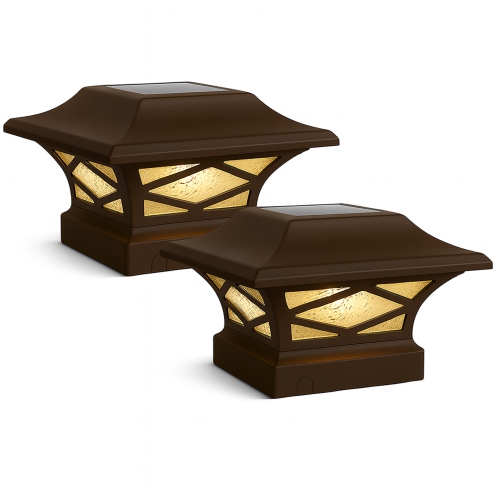 Your price for this item is $99.99
 -
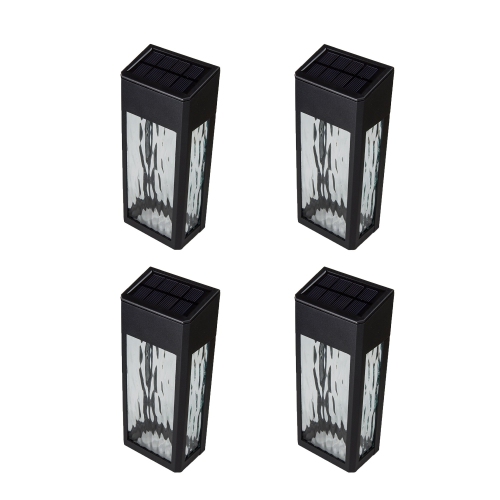 Your price for this item is $73.99
 -
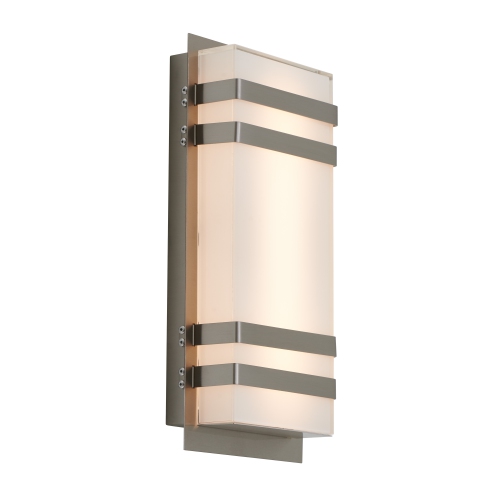 Your price for this item is $69.99
 -
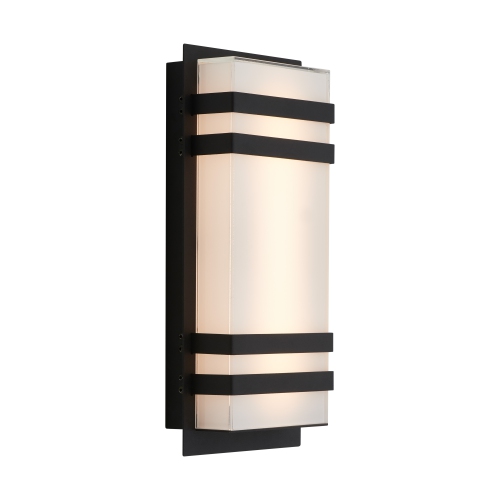 Your price for this item is $59.99
 -
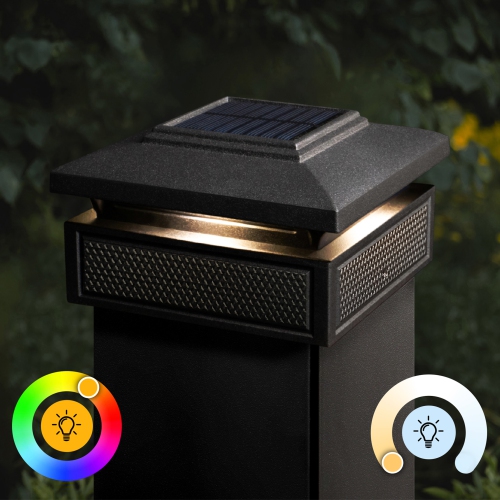 Your price for this item is $99.99
 -
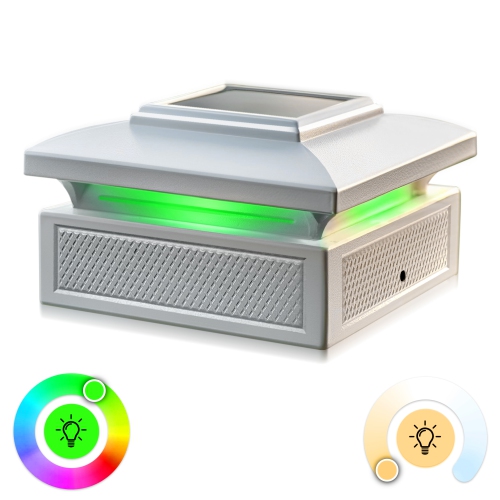 Your price for this item is $99.99
 -
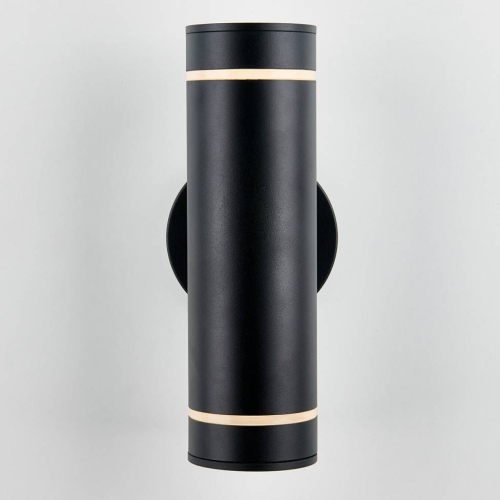 Your price for this item is $99
 -
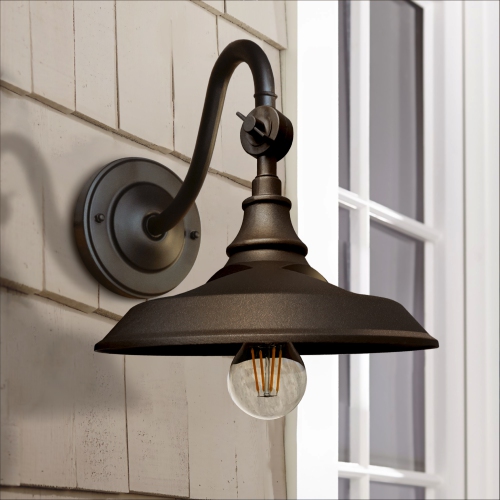 Your price for this item is $108.99
Discover more categories related to LED Replacement Bulbs
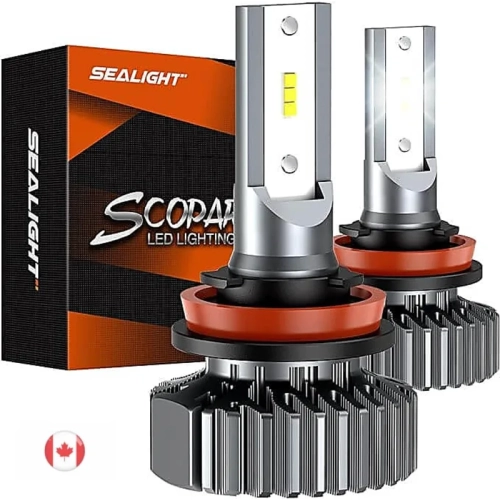
Top Collections:
Pokemon Centers, Best Budget Office Chairs, Budget 4K TVs, Kindle Devices, Best Laptops for Writers, Canon G7X Cameras, Apple iPhones 16, iPhone 15 Apple, Laptops for Business Work, Xiaomi Phones
Some products may be subject to Environmental Handling Fees
(EHF) depending on your province.
Learn more about EHFs.