12V LED Bulbs
Upgrade your lighting with our selection of 12V LED bulbs, perfect for a variety of applications. Whether you're looking to enhance the ambiance in your home, upgrade your vehicle's lighting, or illuminate your outdoor space, these energy-efficient bulbs offer long-lasting brightness and durability. With easy installation and a range of styles and sizes to choose from, finding the right 12V LED bulbs to suit your needs has never been easier.
Sort
























Why socket fit is only part of bulb compatibility
12V LED bulbs provide low-voltage lighting for compatible fixtures in RVs, boats, cabins, display cabinets, and landscape lighting systems. The 12V rating describes the electrical supply the bulb needs, not its brightness or the shape of its base. These bulbs use light-emitting diodes rather than a heated filament, generally drawing less power than comparable incandescent or halogen bulbs while producing useful light for everyday tasks. That lower draw can help extend lighting time on a battery-powered system, although actual runtime depends on battery capacity, other connected equipment, and the bulbs’ combined wattage. Compatibility starts with the power source: a bulb marked 12V DC is intended for direct current, while a bulb marked 12V AC/DC can operate on either type of supply within its stated specifications. A landscape transformer may provide alternating current, whereas an RV battery system typically supplies direct current. Those differences matter even when two bulbs look identical. A 12V bulb must not be connected directly to a standard 120V household lighting circuit, including when its screw base happens to fit the socket. Battery charging can also raise a system’s voltage above its nominal 12V level, so the bulb’s accepted input range needs to suit the installation. Some DC bulbs are polarity-sensitive, meaning their positive and negative contacts must line up with the fixture’s wiring. For an RV owner replacing a reading light above a bunk, or a boat owner refreshing a cabin lamp, the most useful starting points are the existing bulb’s markings, the fixture label, and the power supply specifications. Low voltage does not remove the need for sound wiring, suitable circuit protection, or correctly rated components. Where the supply or fixture requirements are unclear, a qualified electrician or service technician can confirm the setup before a replacement is fitted. A well-matched bulb delivers light where it is needed without relying on assumptions about socket shape or an older bulb’s appearance.
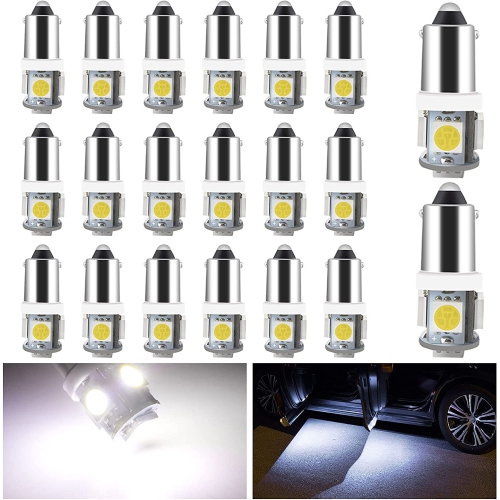
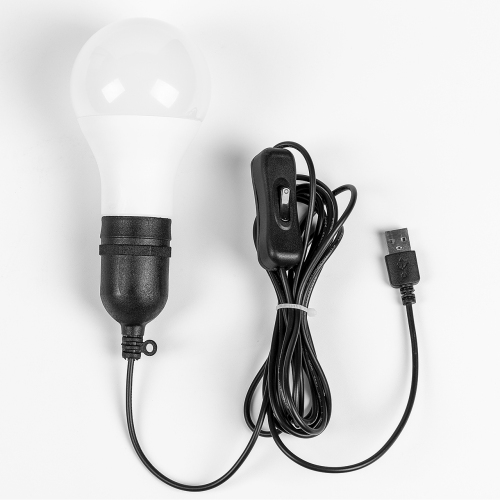
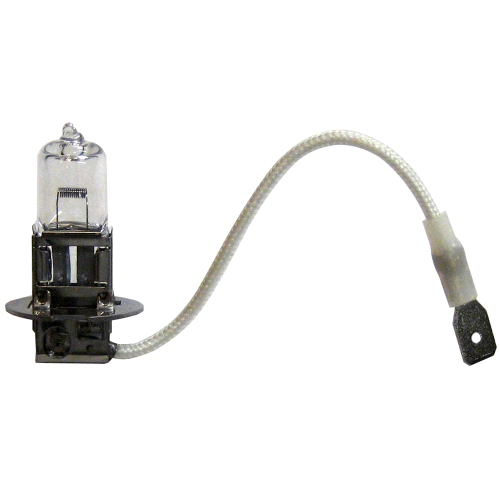
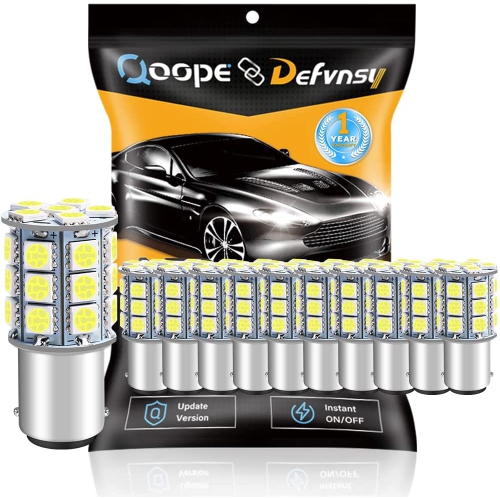
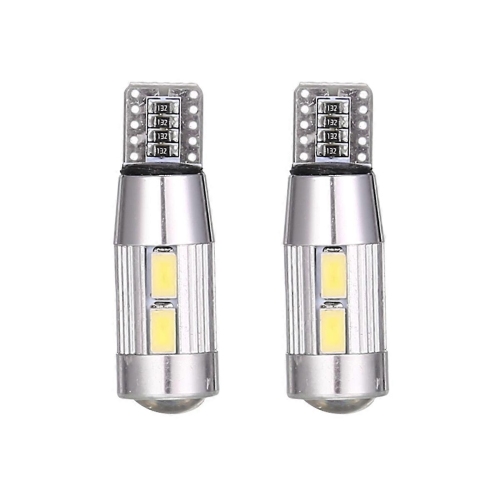
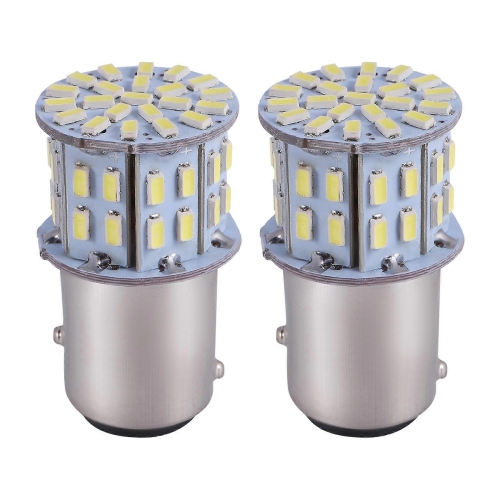
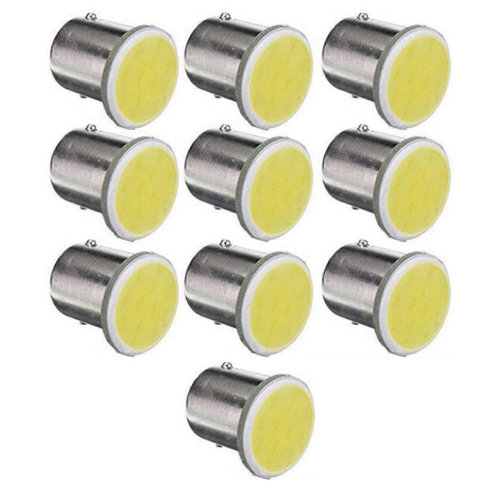
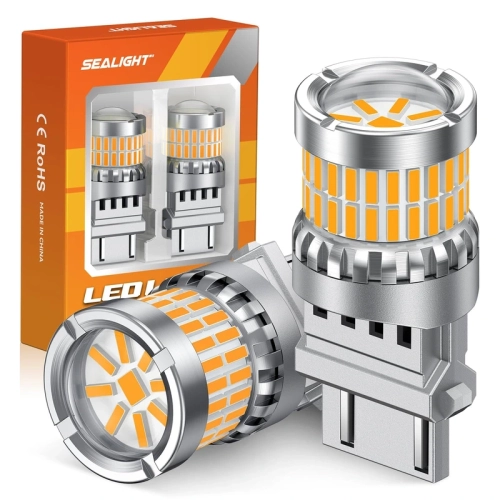
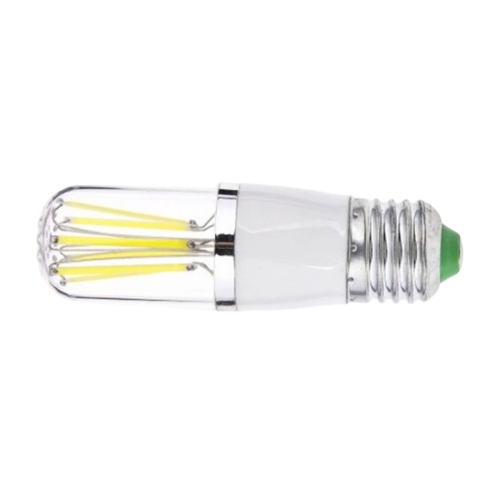
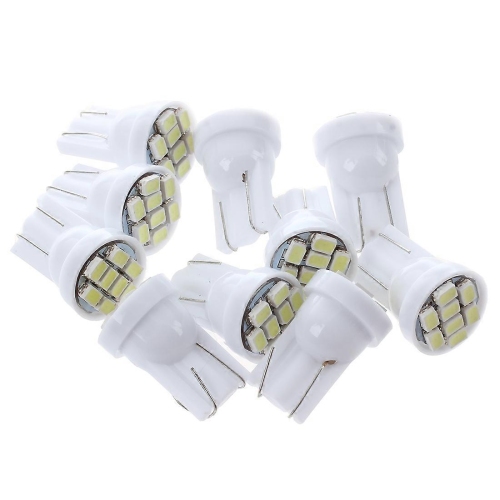
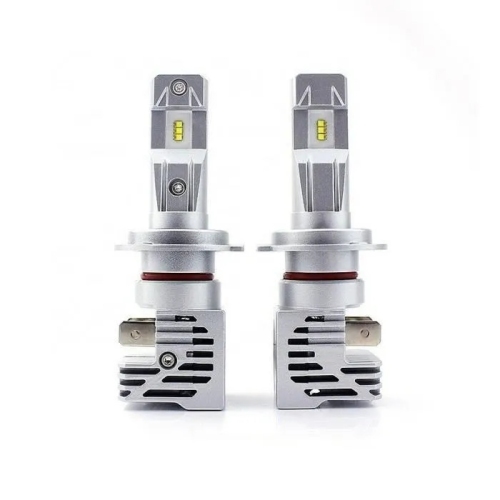
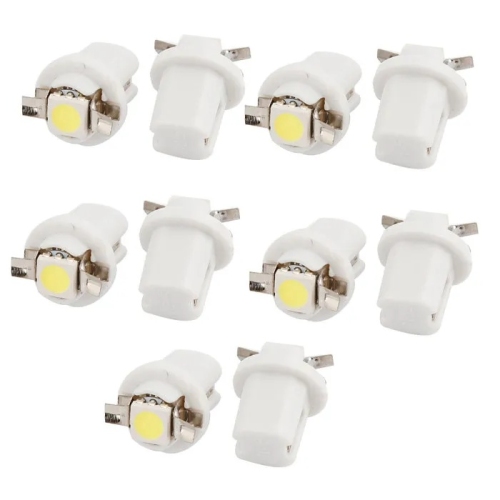
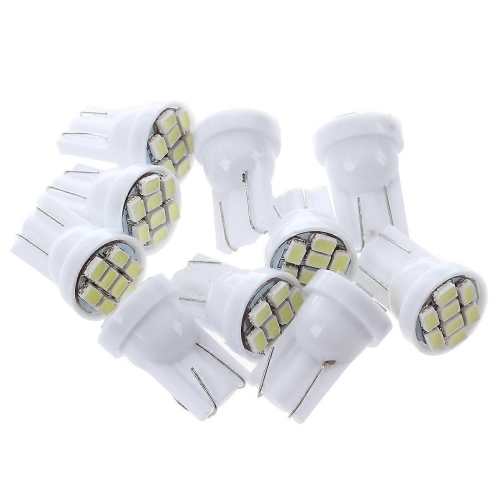
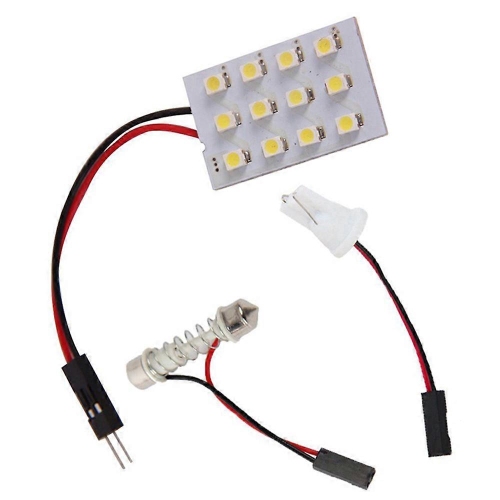
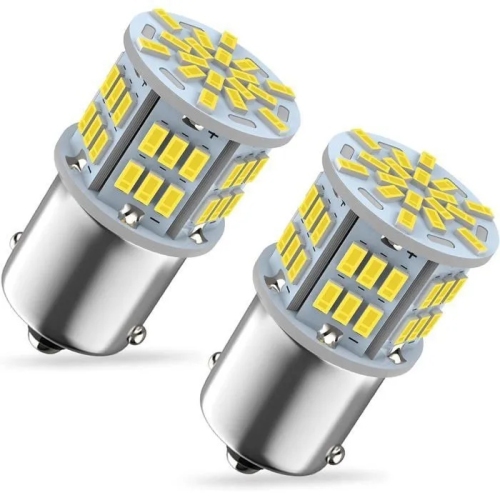
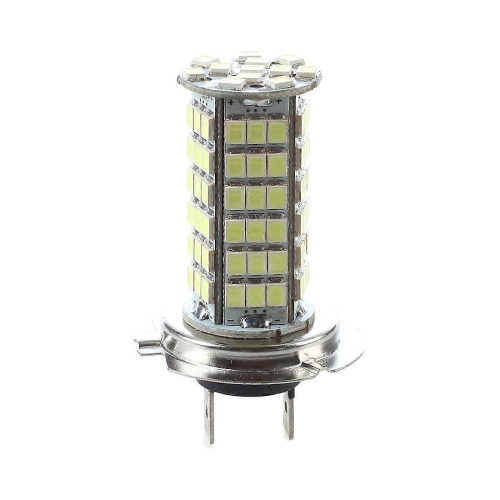
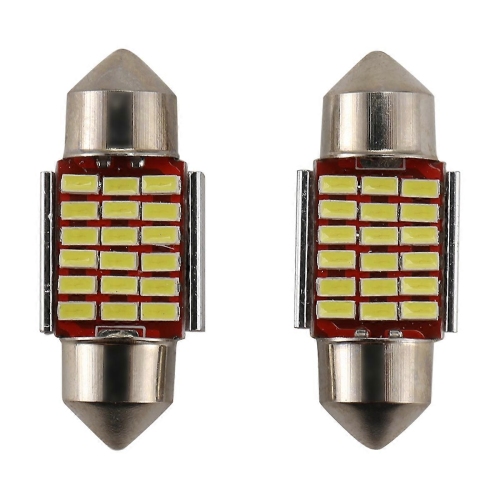
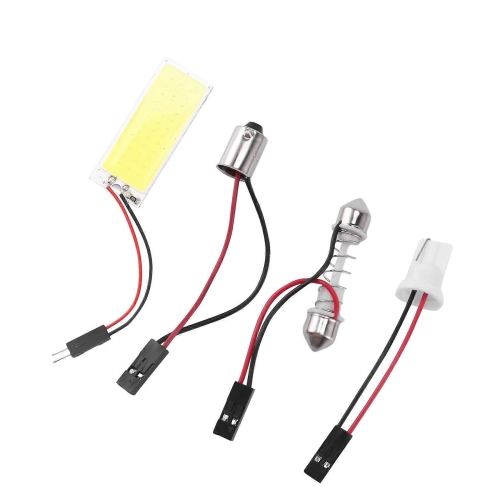
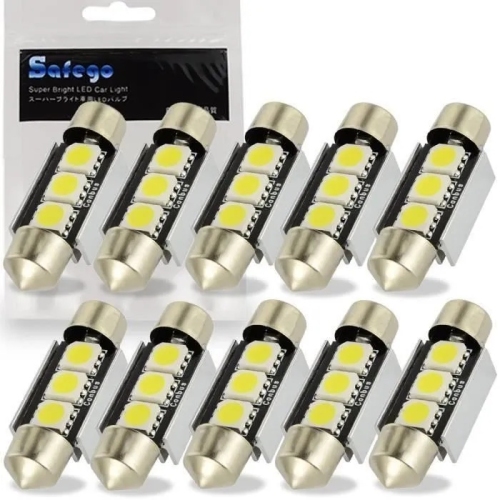
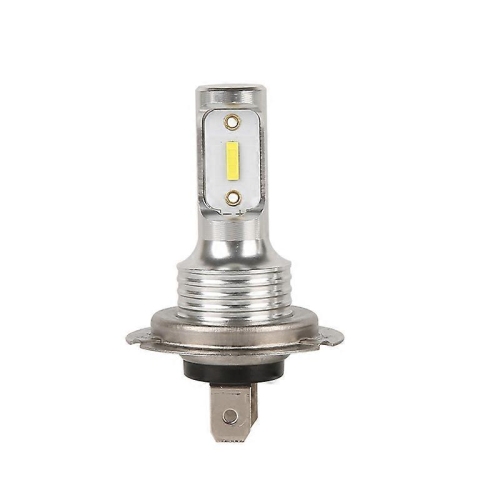
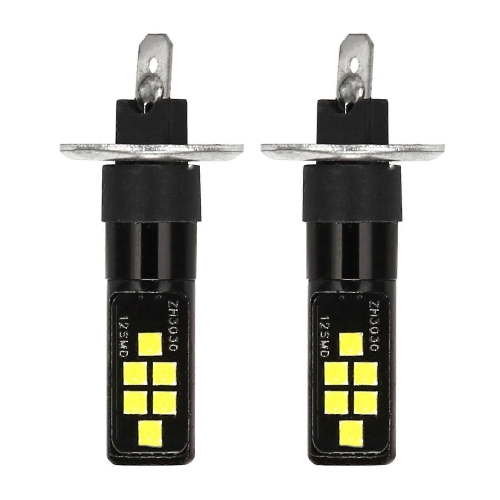
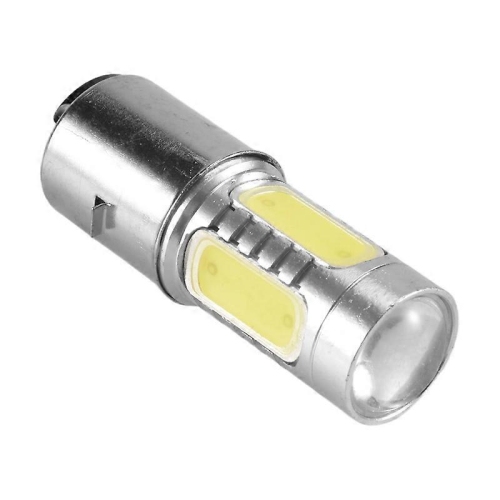
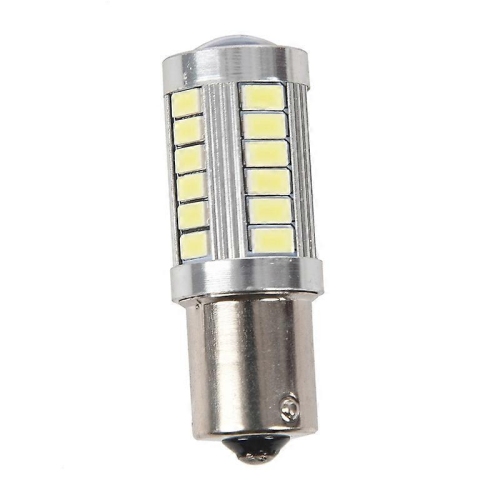
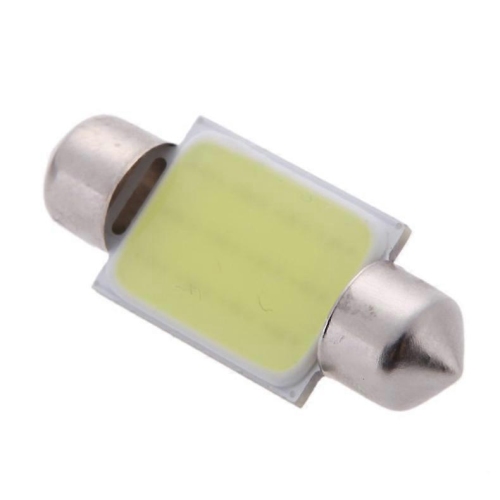
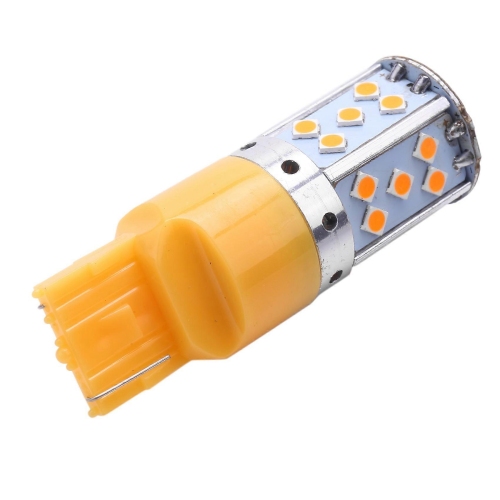
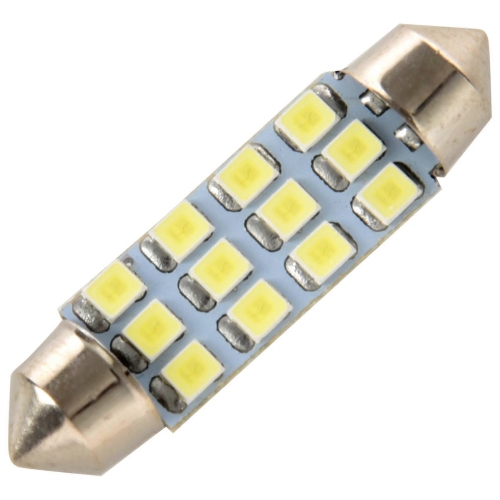
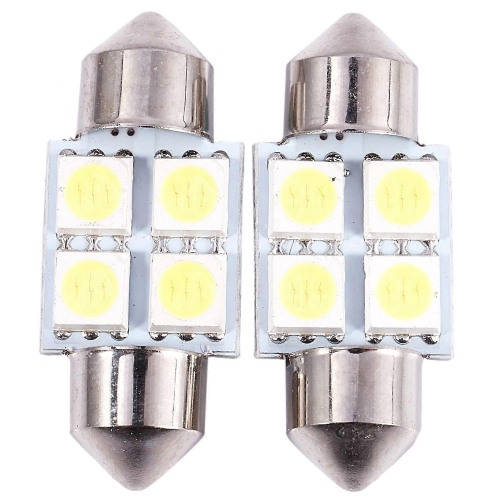
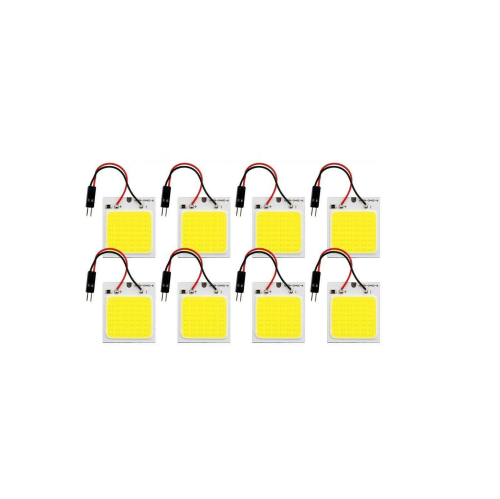
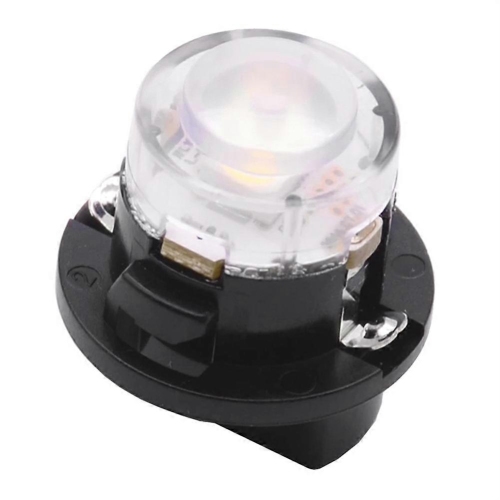
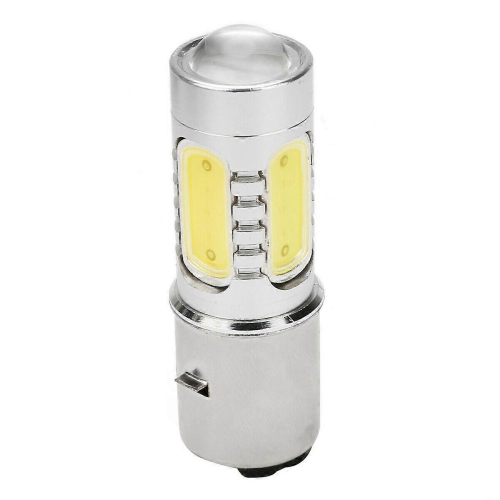
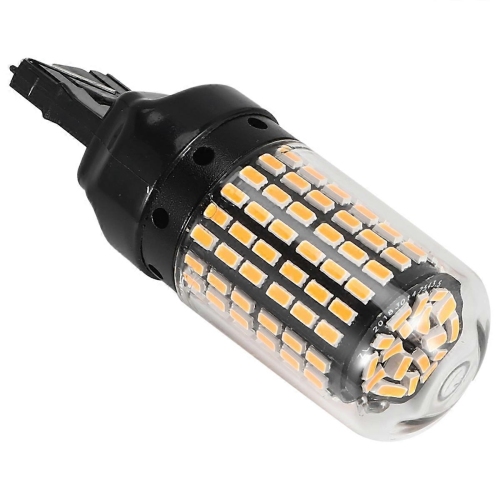
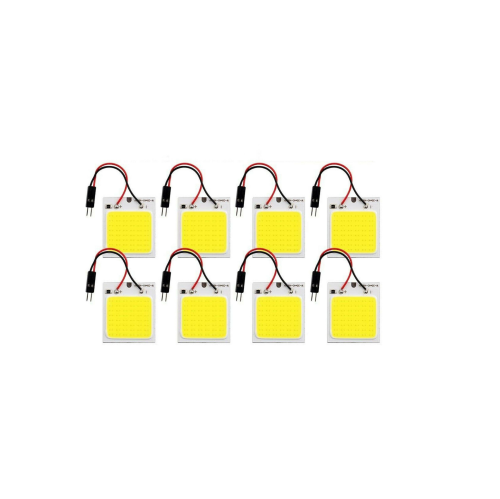
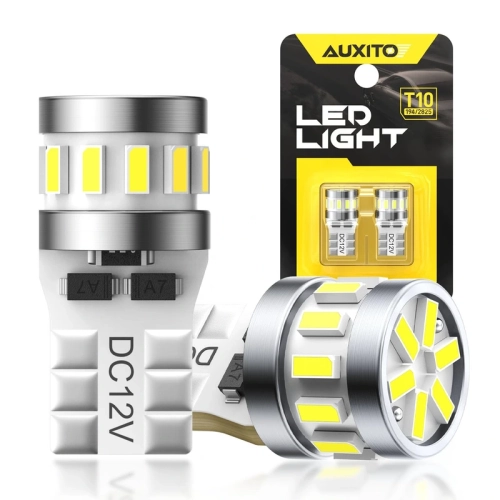
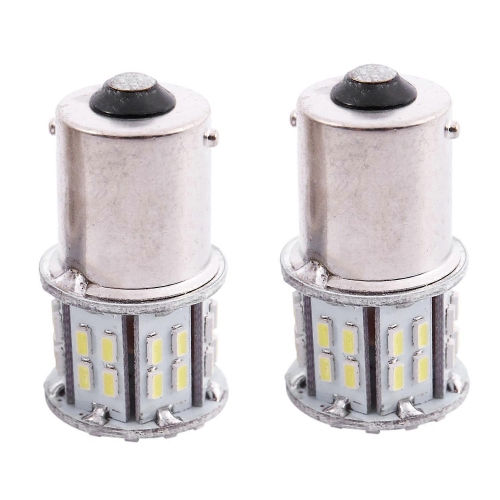
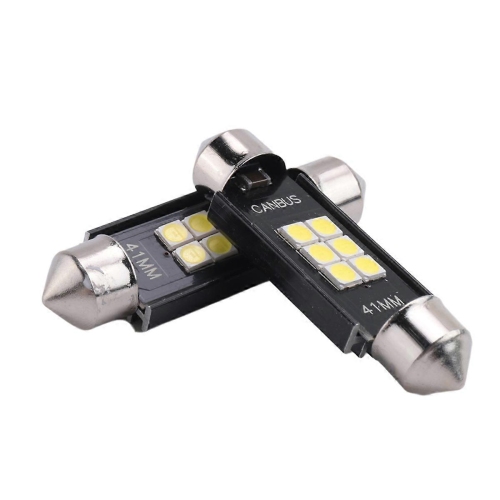
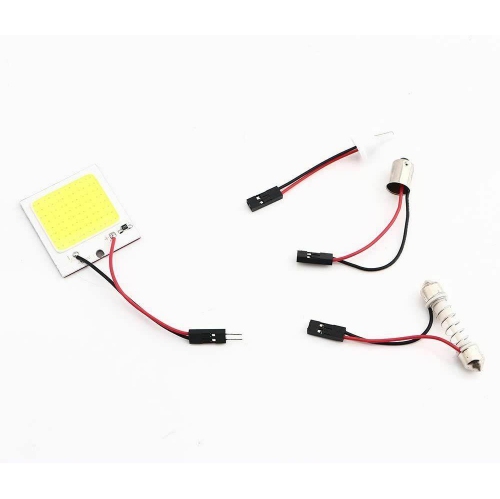
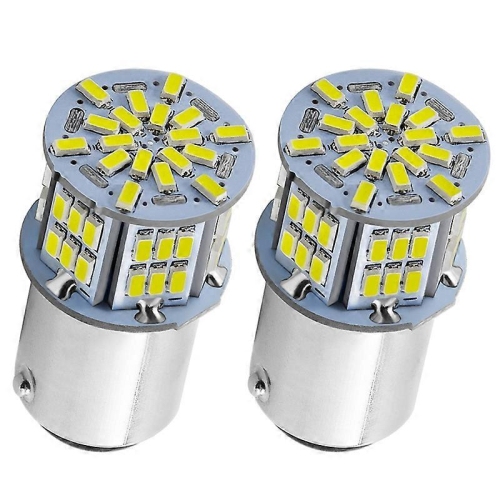
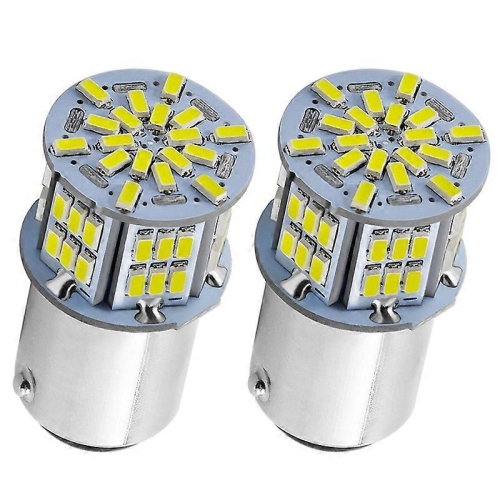
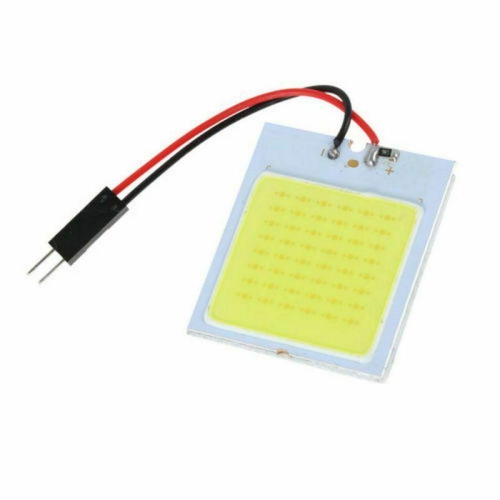
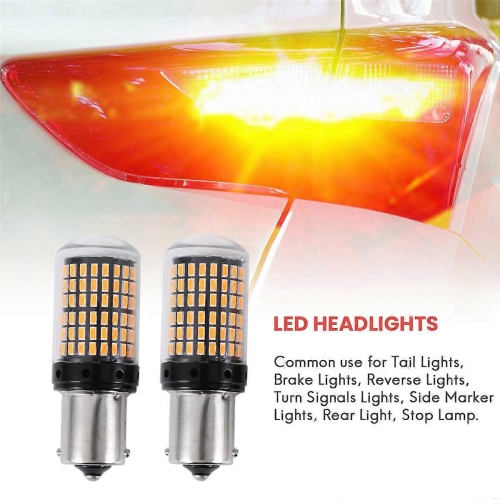
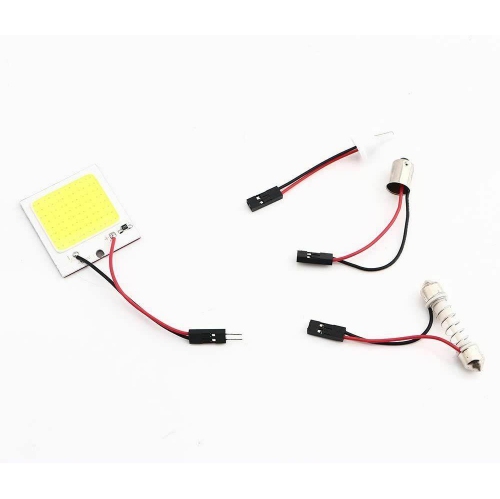
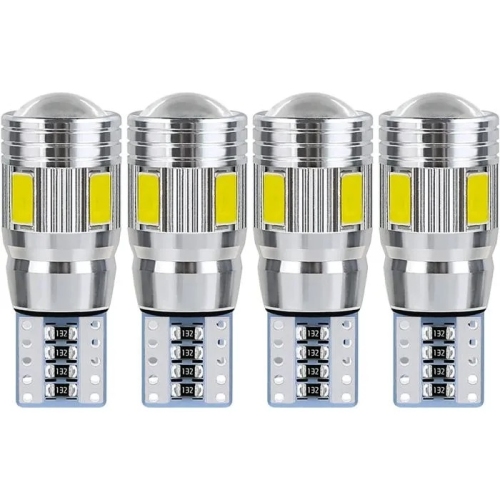
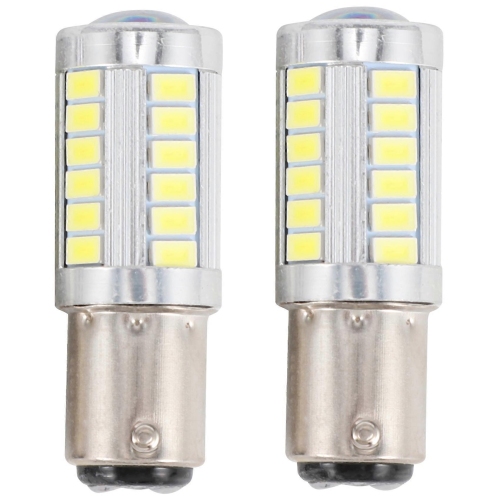
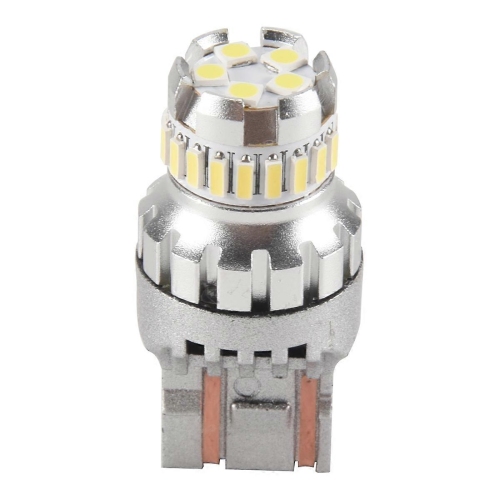
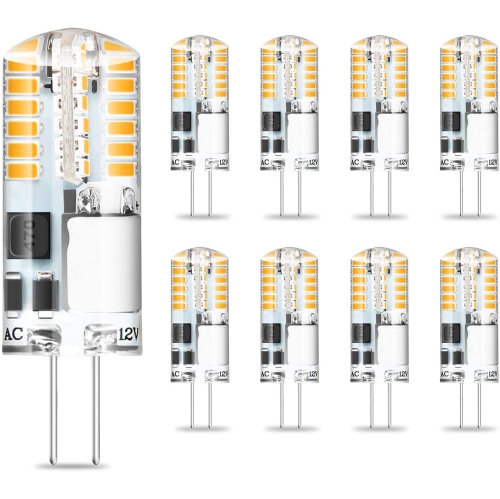
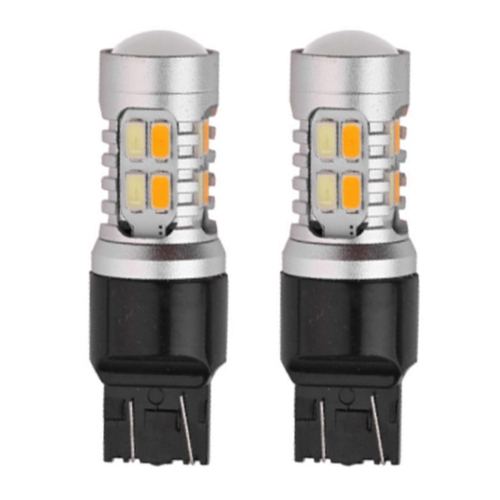
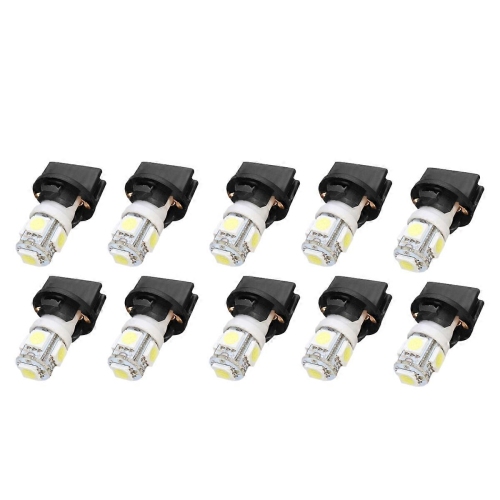
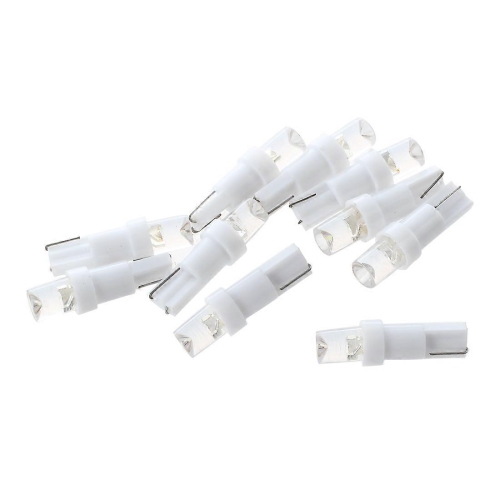
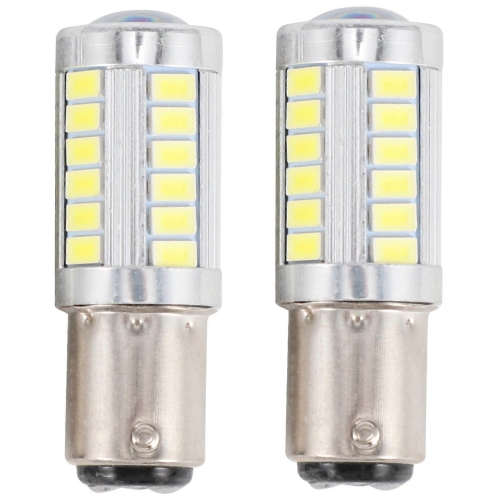
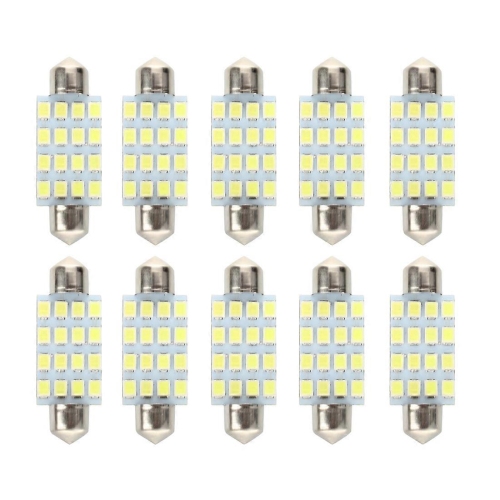
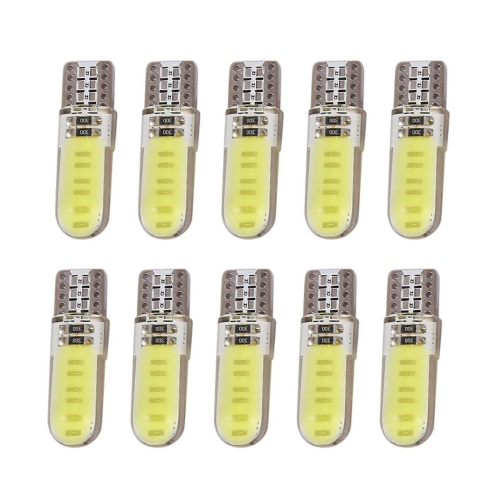
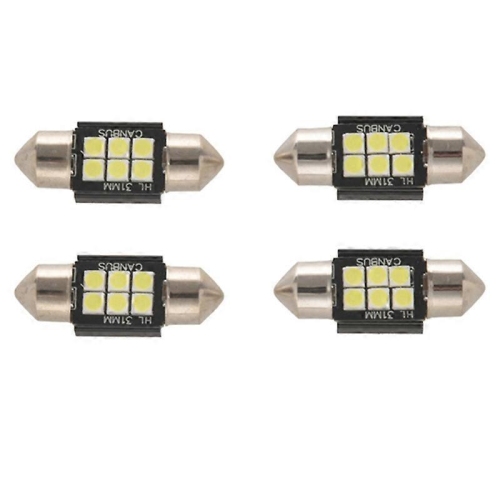
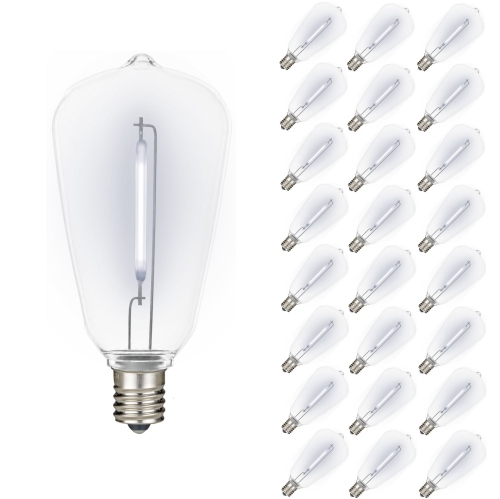
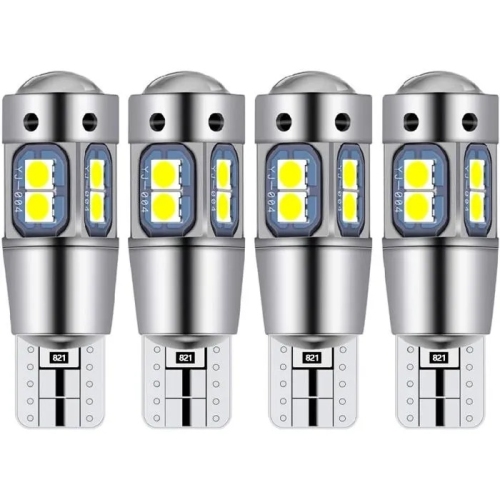
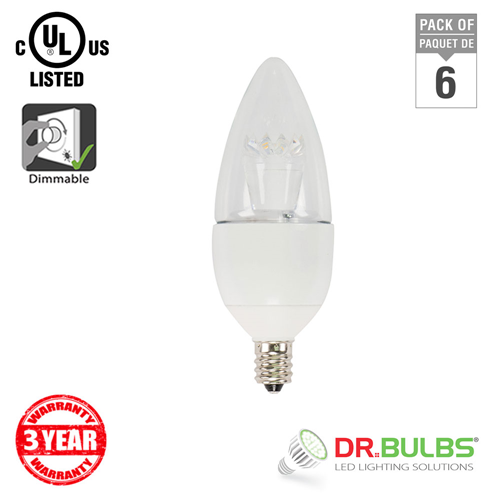
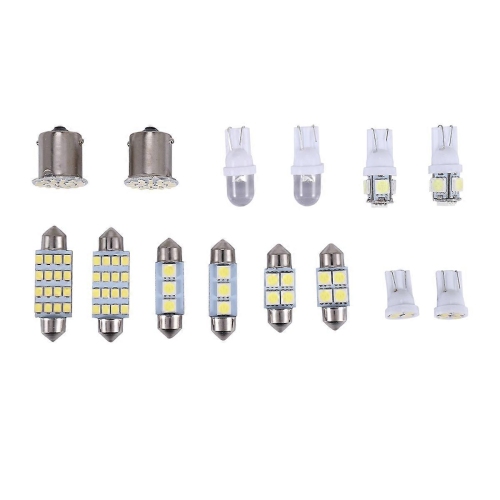
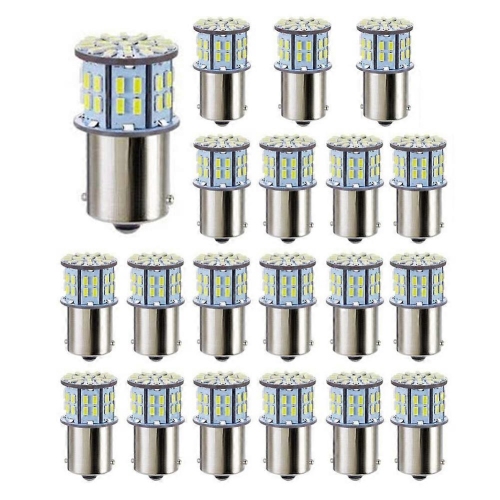
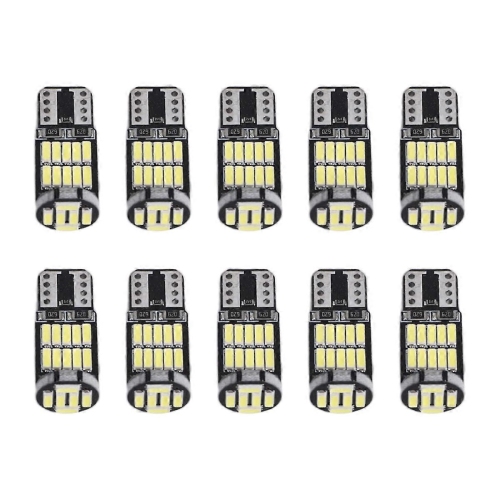
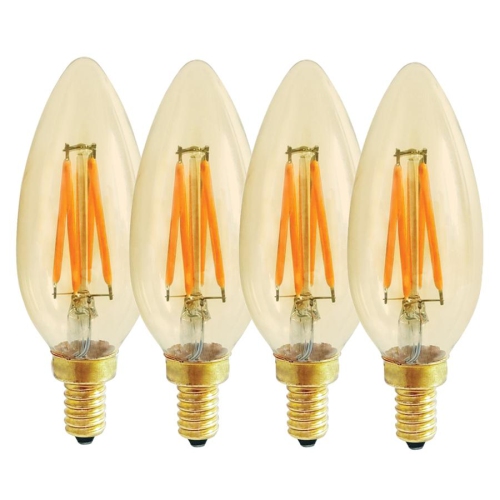
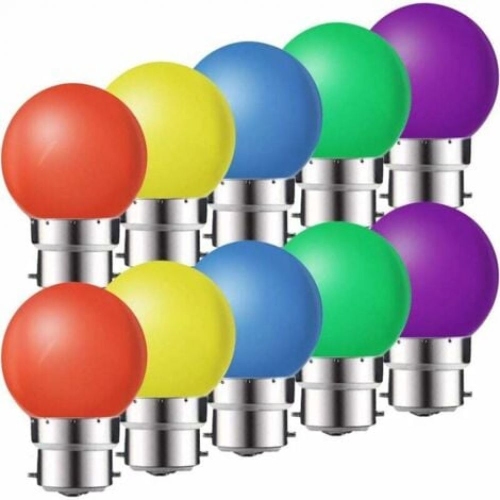
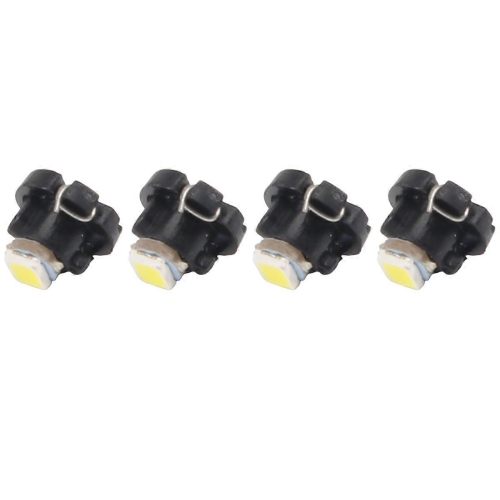
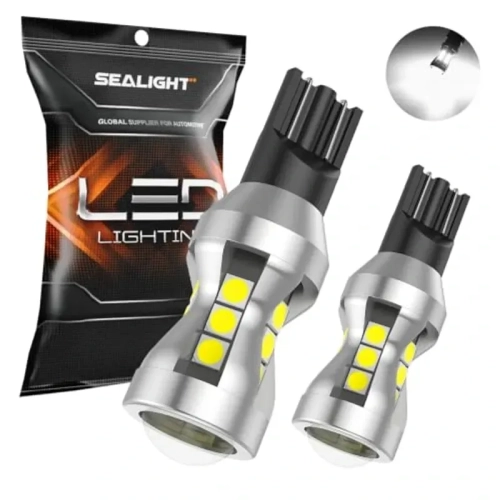
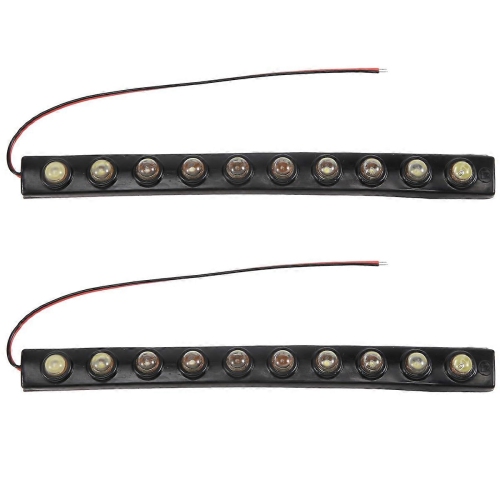
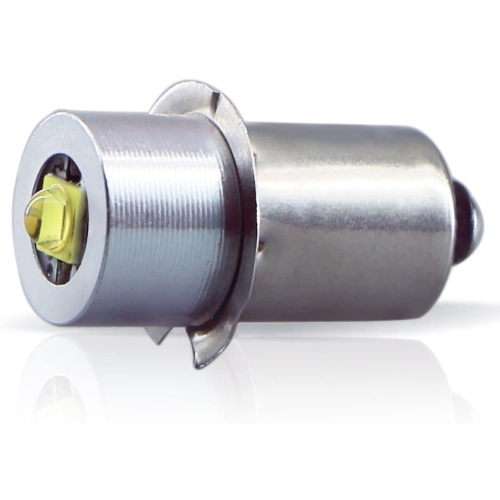
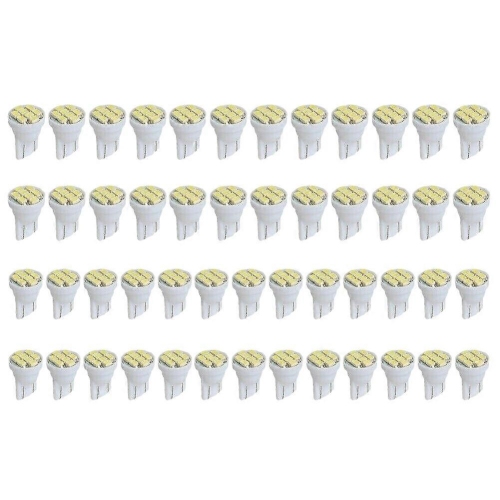
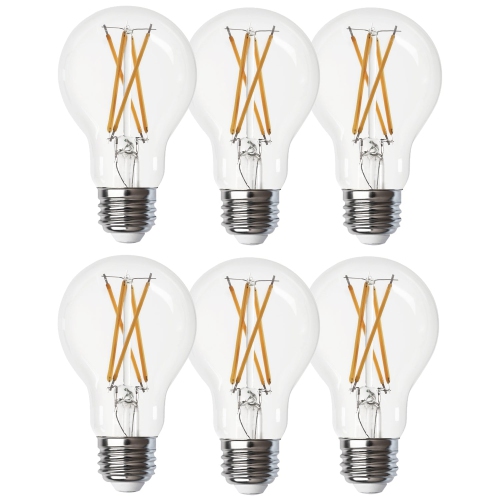
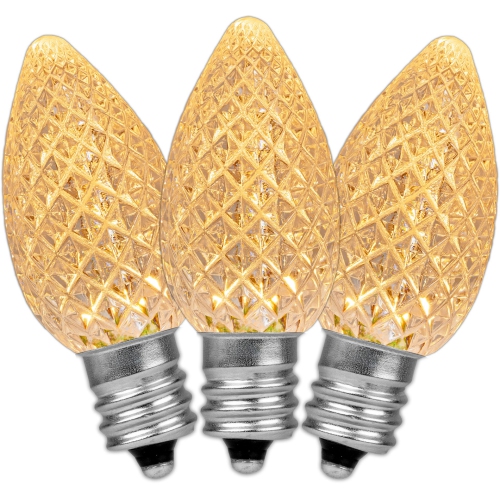
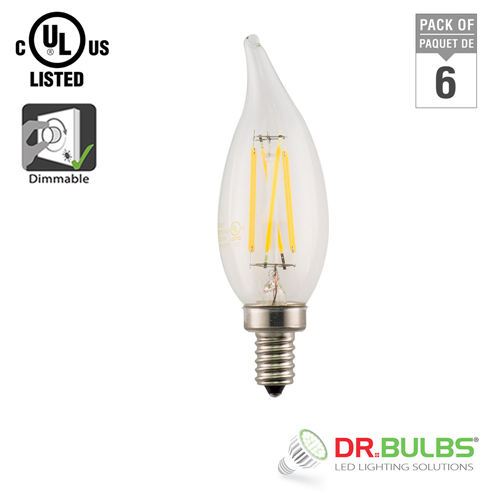
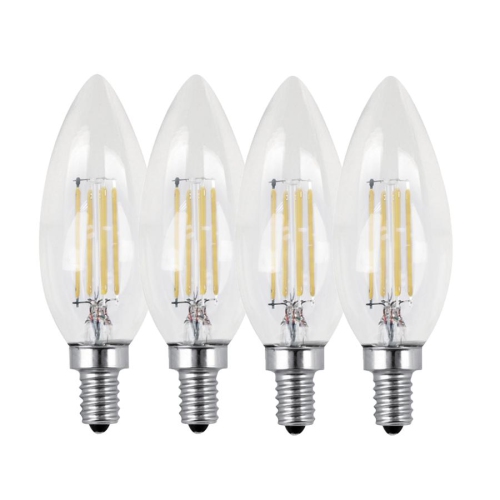
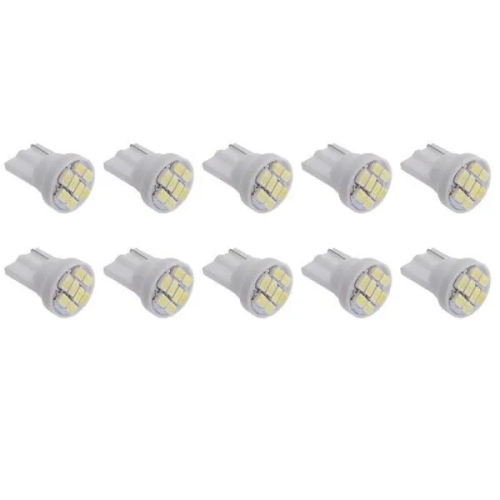
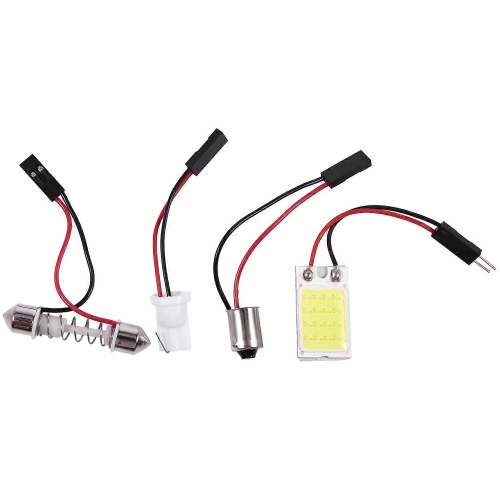
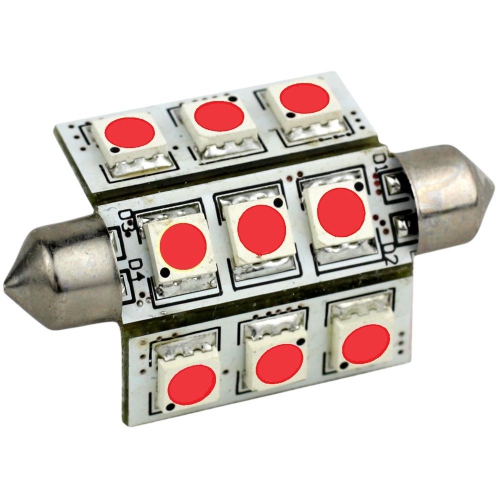
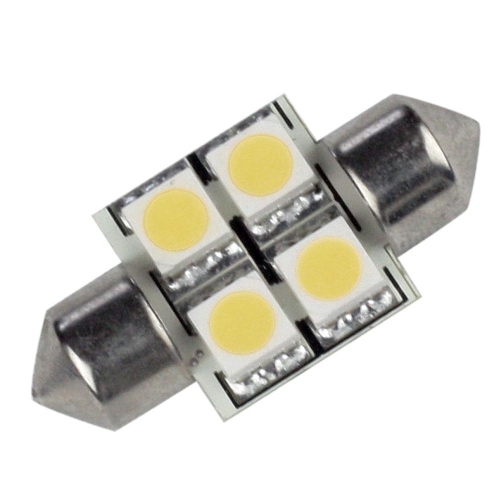
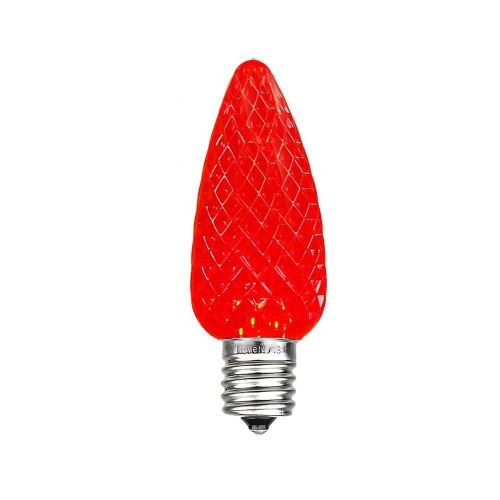
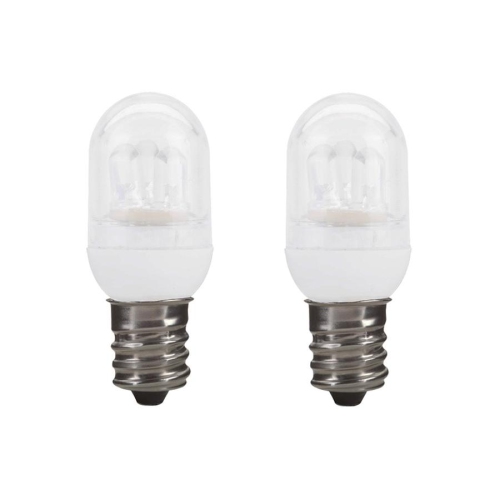
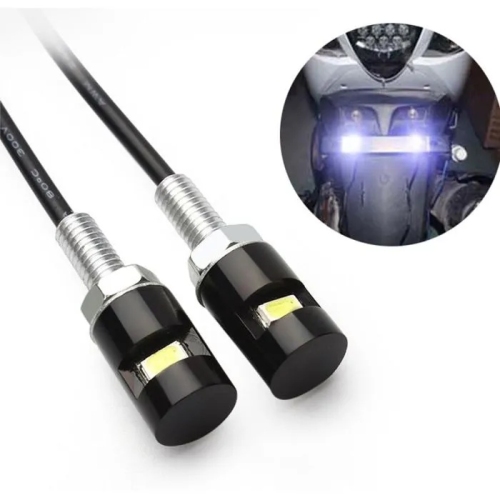
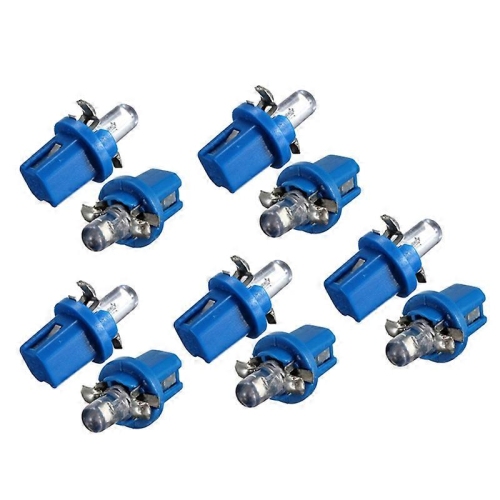
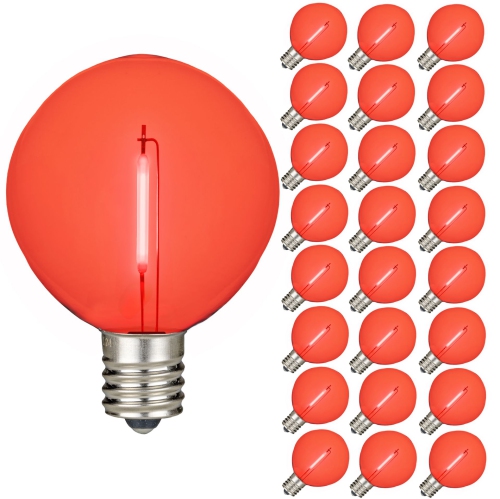
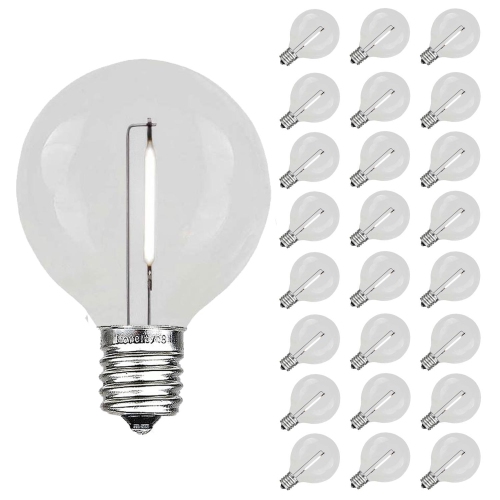
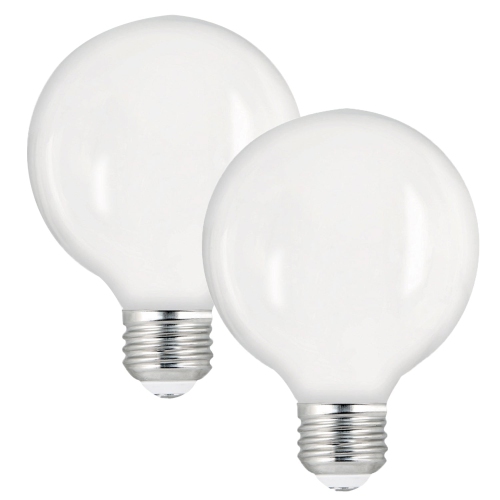
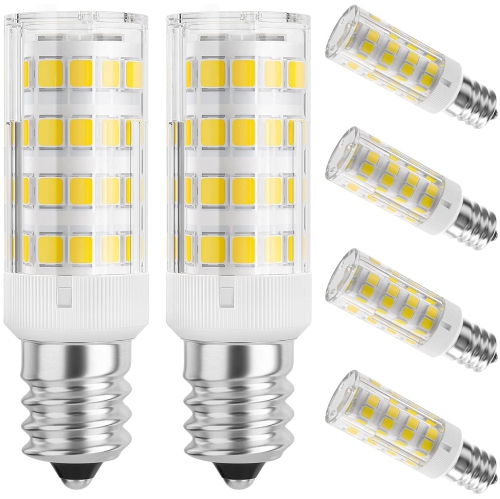
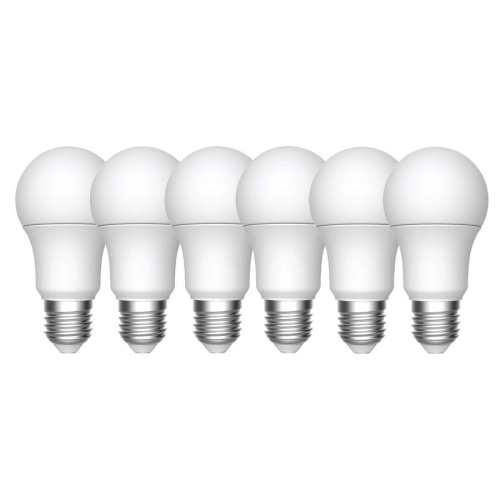
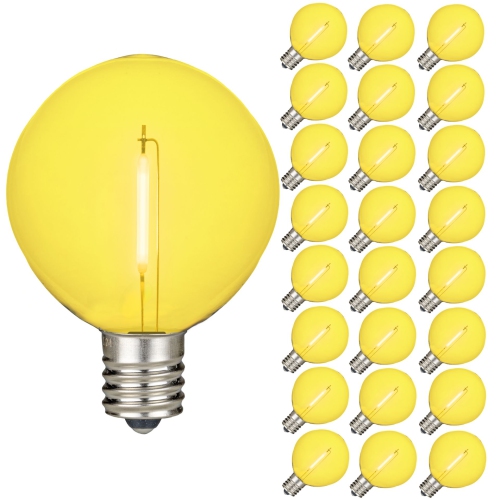
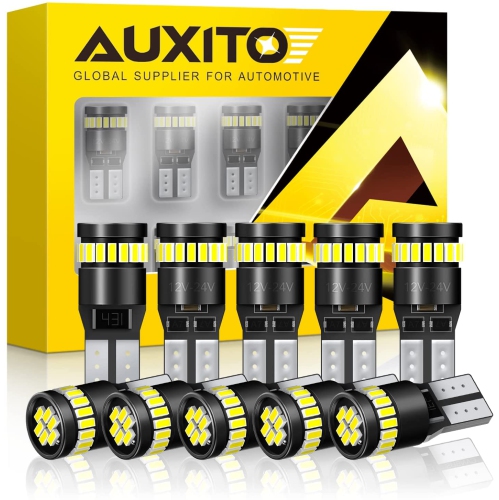
Base type and physical dimensions determine whether a 12V LED bulb will sit securely inside a fixture. G4 bulbs have two small pins spaced 4 mm apart and are often associated with compact puck lights, cabinet fittings, and small lamps. MR16 describes a reflector-style bulb shape rather than a voltage rating or base specification; many low-voltage versions use a GU5.3 two-pin base, but the markings still need to be checked. Single-contact bayonet bases, such as BA15s, lock into place with a push and a turn and appear in some RV and marine interior fittings. Wedge bases push into matching sockets and are used in various small accent, vehicle, and trailer lights. E26 and E27 screw bases can also appear on bulbs designed for 12V systems, despite their resemblance to household bulbs. Pin spacing, contact arrangement, and locking-pin position all matter, and a similar-looking base is not necessarily interchangeable. Clearance deserves equal attention: an LED replacement may be wider or longer than the original, preventing a lens or shade from closing properly. Flat, disc-shaped bulbs can suit shallow housings, while capsule and reflector designs distribute light differently within a fitting. Materials may include glass or plastic covers, metal contacts, and aluminium sections that help move heat away from the LEDs. A frosted cover softens the appearance of individual light points, which can be more comfortable in an exposed bedside fixture. Clear covers and directional reflectors may suit applications where a more defined beam is useful. Durability depends on the complete construction, including the driver electronics, contact quality, and suitability for vibration or moisture. A bulb used near a boat’s companionway or in a pathway fixture needs the appropriate protection for its location; the enclosure’s rating matters as well as the bulb’s own suitability. For vehicle signal or exterior lighting, socket fit alone is not enough: the replacement must also meet the application’s electrical, optical, and road-use requirements.
Brightness and light distribution shape how useful a 12V LED bulb feels once installed. Lumens describe light output, while watts describe electrical power consumption, so comparing lumens is more informative than choosing by wattage alone. Around 150 to 200 lumens may be suitable for a small accent light, while a reading area or work surface may need several hundred lumens or multiple fixtures. These are starting points rather than fixed rules: mounting height, shade design, beam angle, and the colour of nearby surfaces all affect the result. A narrow beam can put light directly onto a book or countertop, whereas a broader beam spreads illumination across a seating area. Colour temperature, measured in kelvins, describes whether white light appears warm or cool. Bulbs around 2700K to 3000K give a warm appearance that often suits sleeping and lounging spaces; higher ratings, such as 4000K to 5000K, create a more neutral to cool appearance for utility areas and detailed tasks. Colour rendering is another useful consideration when lighting food preparation surfaces, clothing storage, or hobby materials, where distinguishing similar shades matters. Dimming requires compatibility among the bulb, dimmer, and power supply; a dimmable label alone does not guarantee that an existing control will work smoothly. Older transformers designed for halogen lighting may also have minimum-load requirements that a small LED load does not meet, potentially causing flicker or unreliable operation. For comparison with household lighting, 60W LED Bulbs may use 60W to describe an incandescent-equivalent brightness class rather than actual power consumption; that designation does not establish compatibility with a 12V system. Ongoing care is straightforward: disconnect power before handling bulbs, let them cool, and remove dust with a soft, dry cloth as permitted by the manufacturer. Keeping contacts clean and housings properly closed helps maintain reliable operation. LEDs still generate heat, so enclosed fixtures require bulbs specifically suited to that use. Matching voltage, base, dimensions, output, and fixture requirements makes low-voltage lighting a practical fit for everything from a compact reading nook to a carefully lit cabin interior.
Top selling and popular products
-
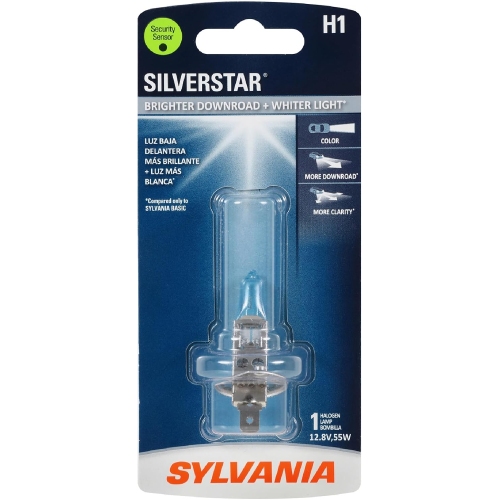 Your price for this item is $50.9
-
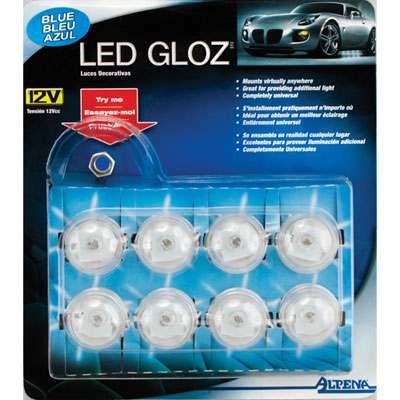 Your price for this item is $16.99
-
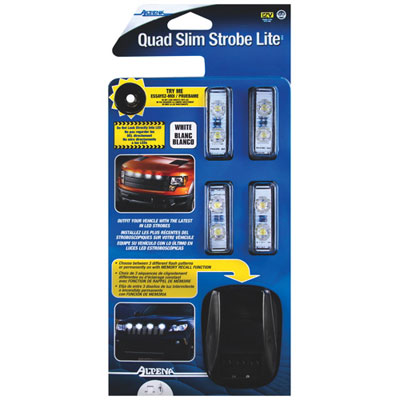 Your price for this item is $48.99
-
 Your price for this item is $36.99
-
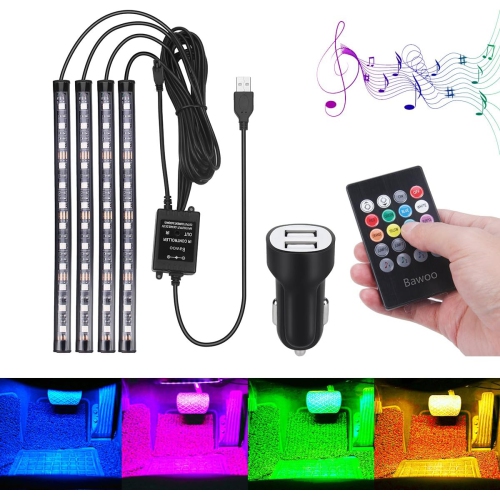 Your price for this item is $36.49
-
 Your price for this item is $30.99
-
 Your price for this item is $41.99
-
 Your price for this item is $20.01
Discover more categories related to 12V LED Bulbs
Top Collections:
Pokemon Centers, Best Black Friday Deals This Year, Best Black Friday Deals On Electronics, Kindle Devices, Best Budget Office Chairs, Best Black Friday Deals On Apple Products, Best Cameras for Sports Photography, Pokémon 30th Celebration Cards, Dyson Airwrap, Canon G7X Cameras
Some products may be subject to Environmental Handling Fees
(EHF) depending on your province.
Learn more about EHFs.