Led Worklight
Looking to brighten up your workspace and enhance productivity? Look no further than our wide selection of LED worklights. These energy-efficient lighting solutions are designed to provide optimal illumination for any task or project. Whether you're a DIY enthusiast, a professional tradesperson, or simply need some extra light in your garage or workshop, our LED worklights offer the perfect combination of brightness, durability, and versatility. With their long-lasting performance and superior efficiency, these worklights are sure to become an essential tool in your arsenal. Explore our range of LED worklights today and take your workspace to the next level.
Sort
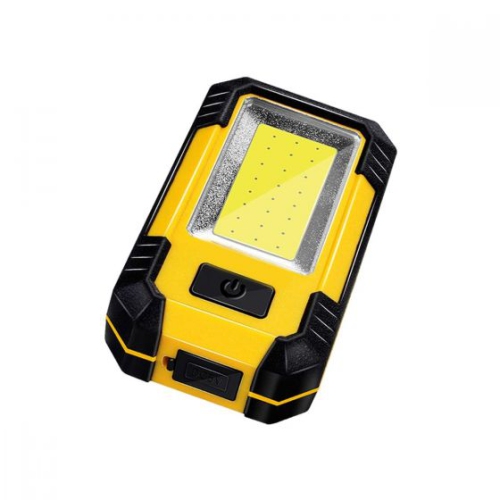
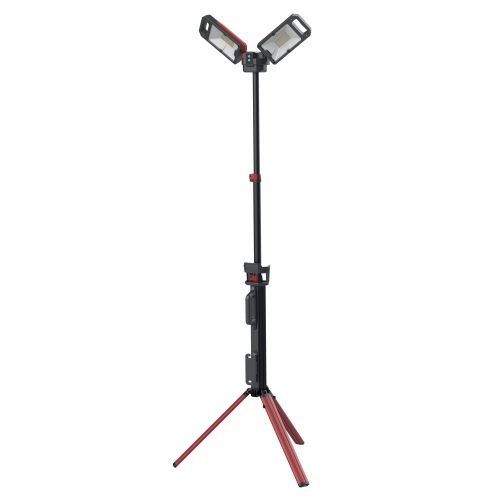
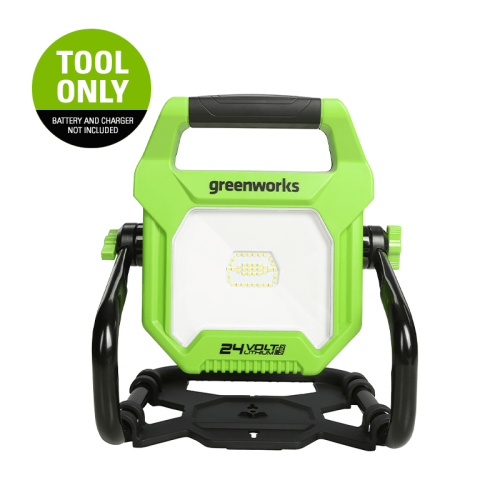
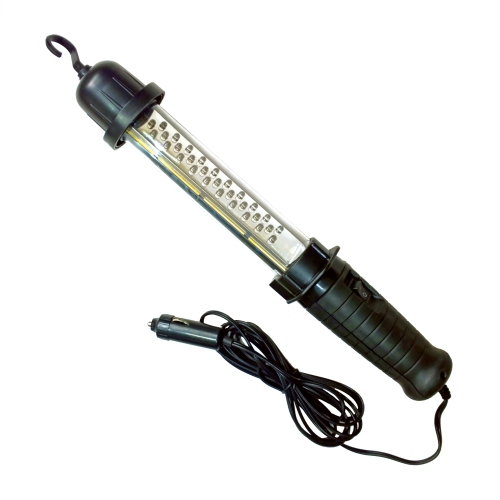
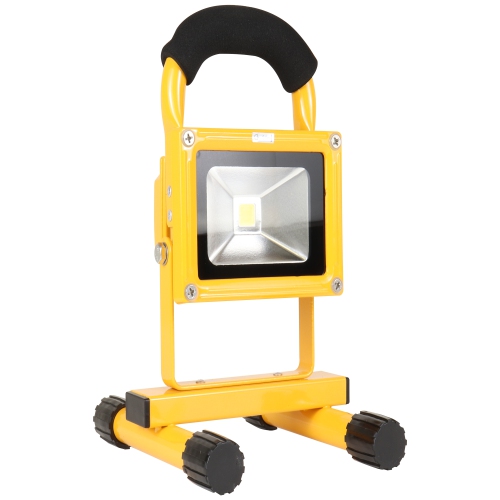
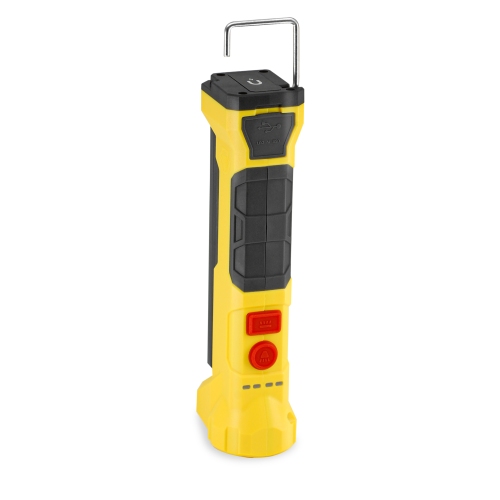
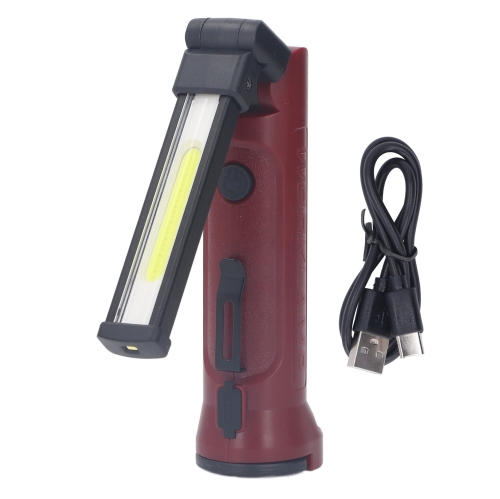
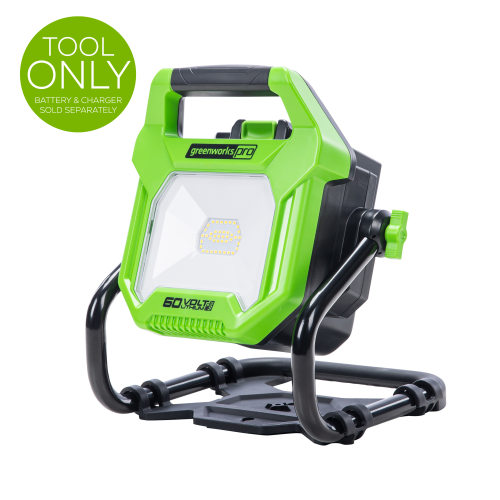


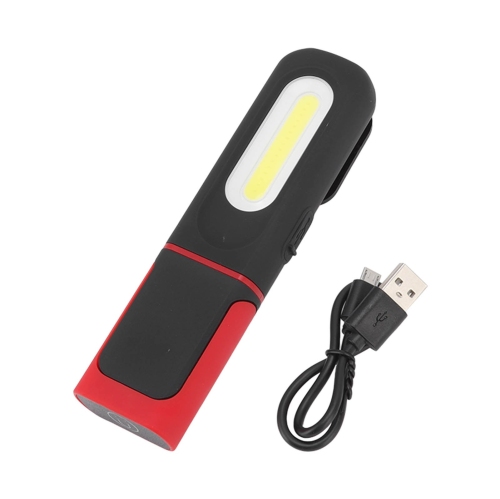
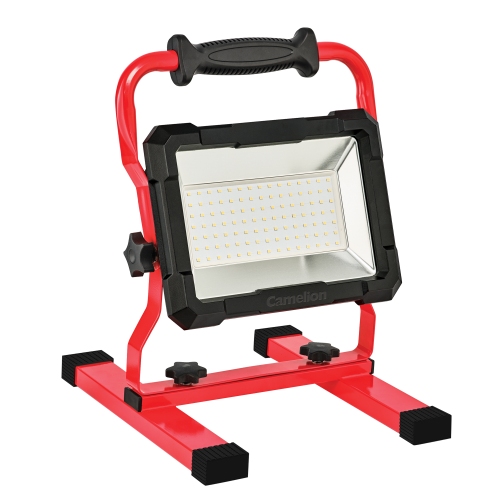


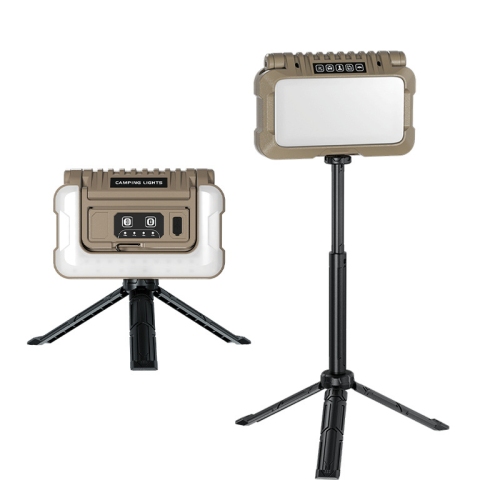

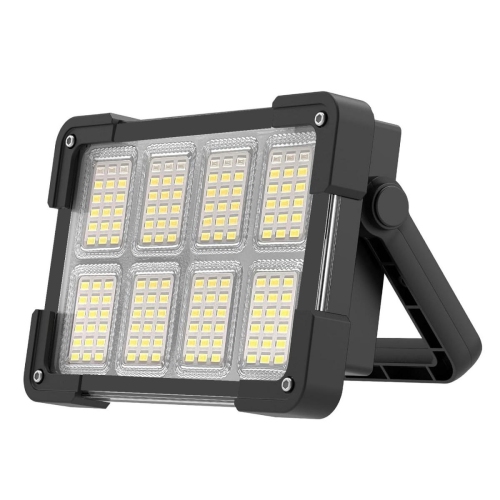

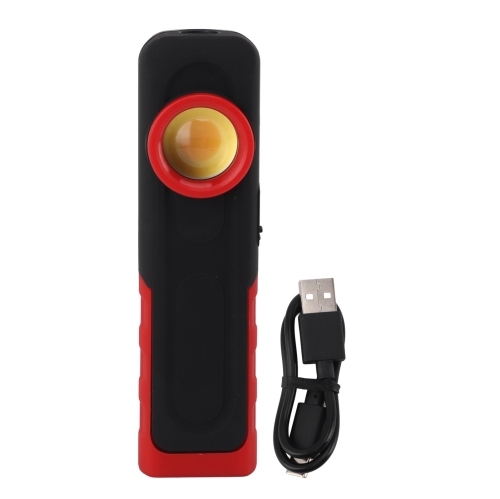

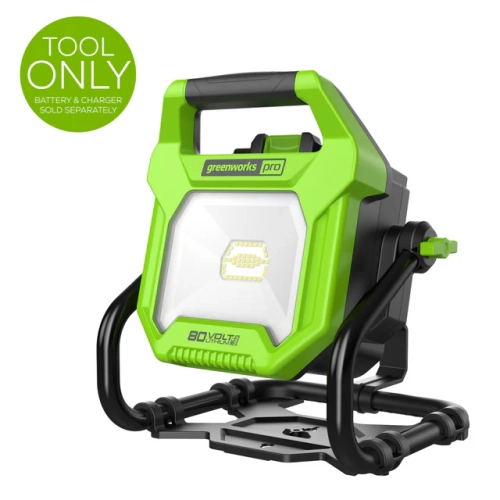
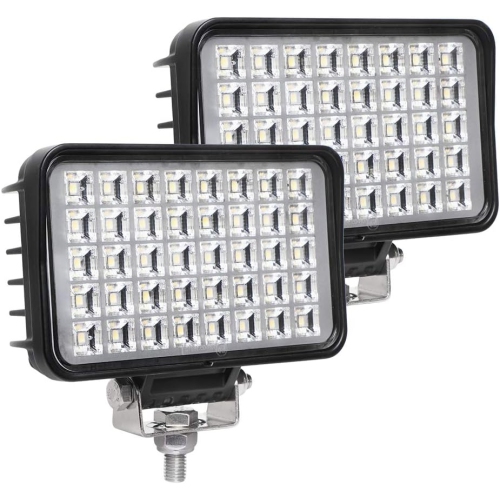


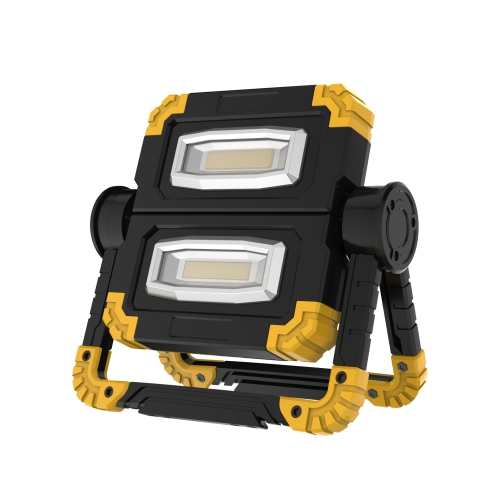


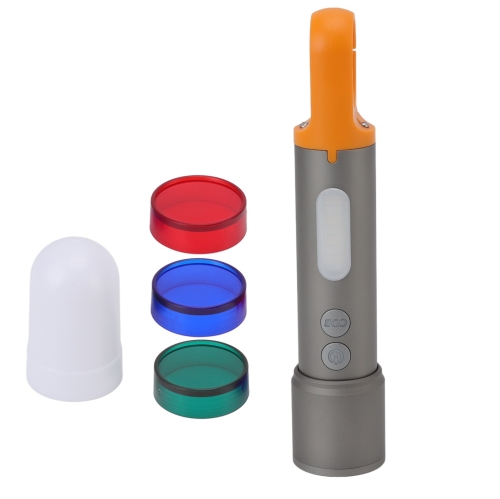

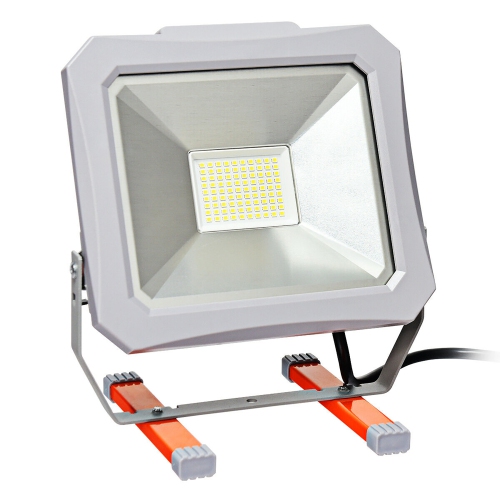

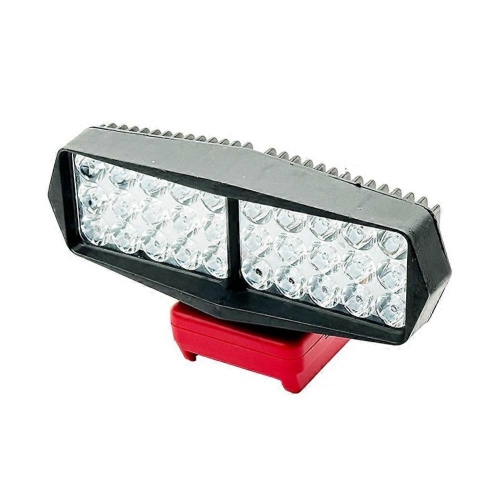


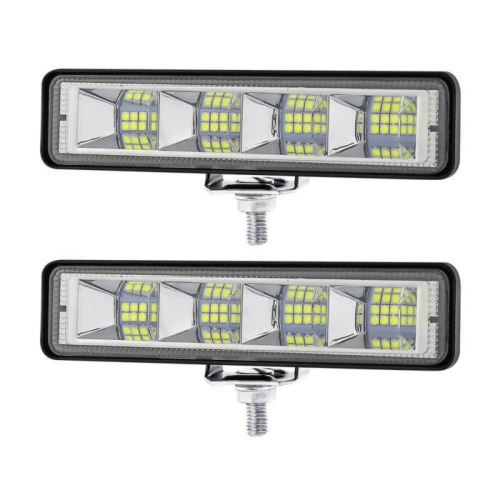

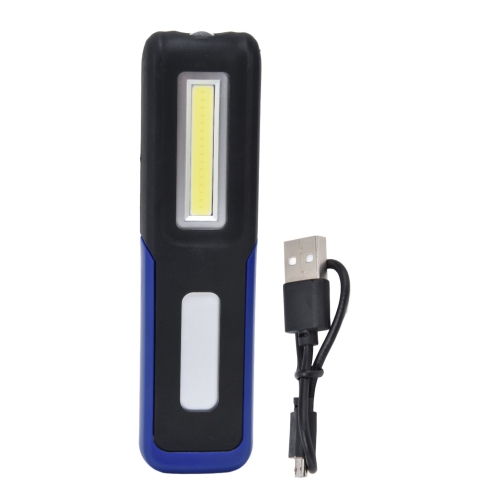


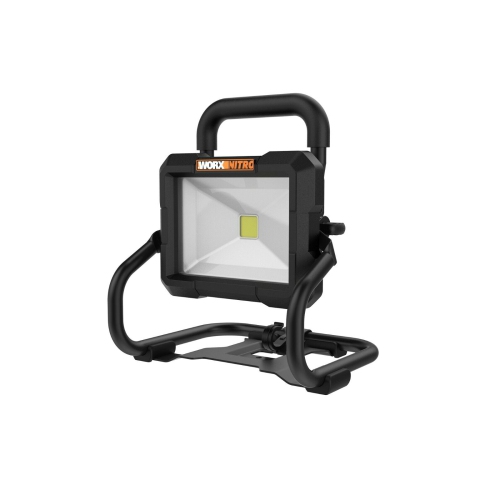
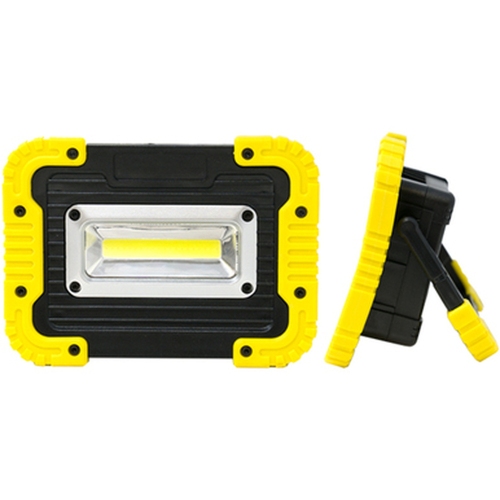


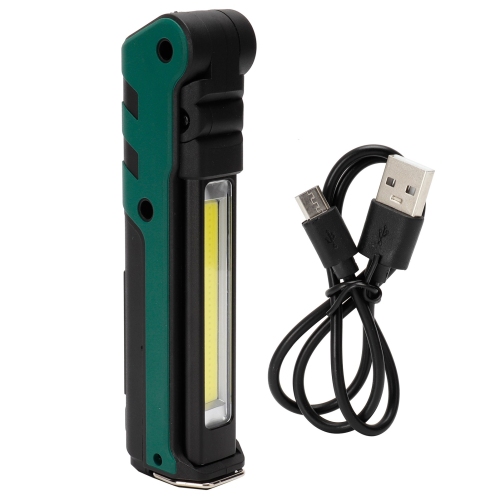


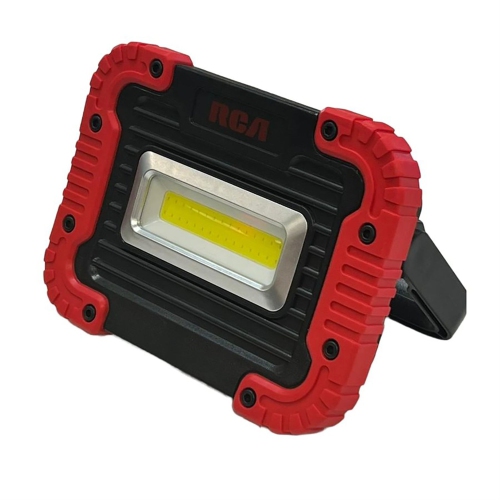
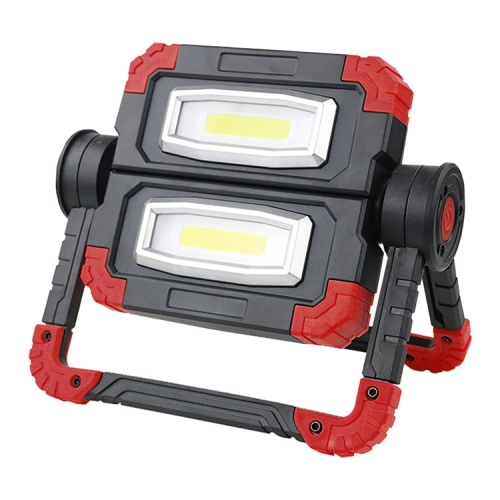
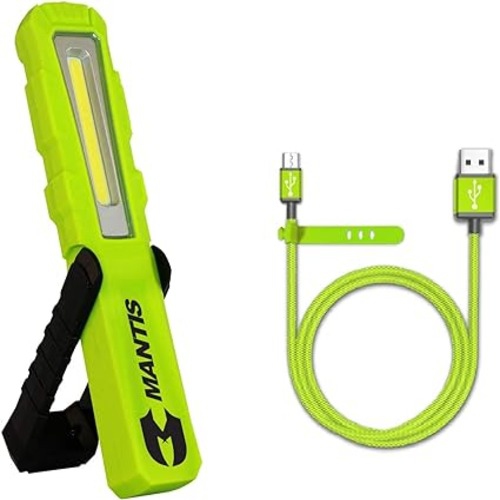
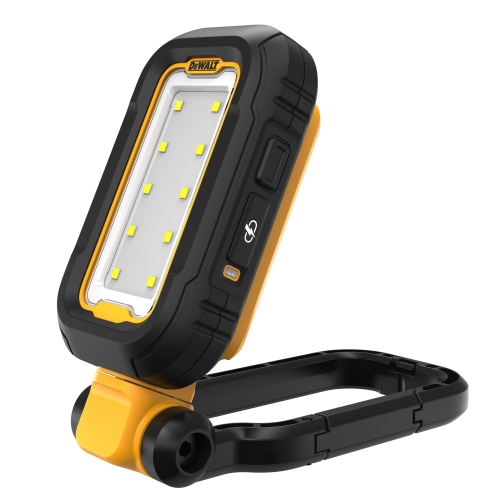
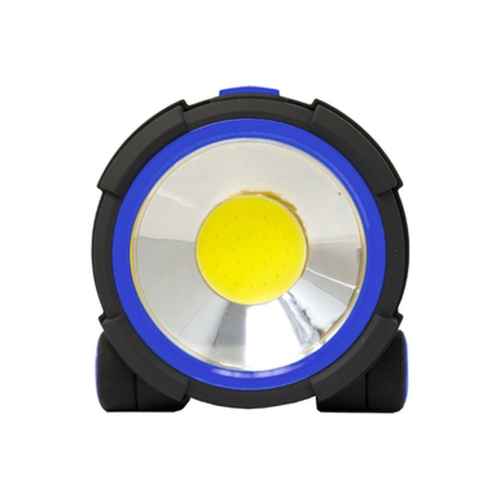

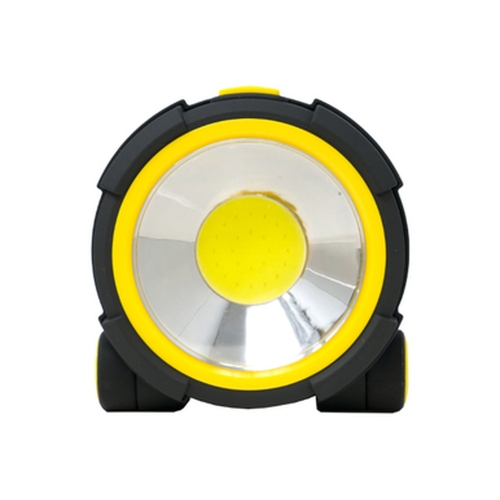
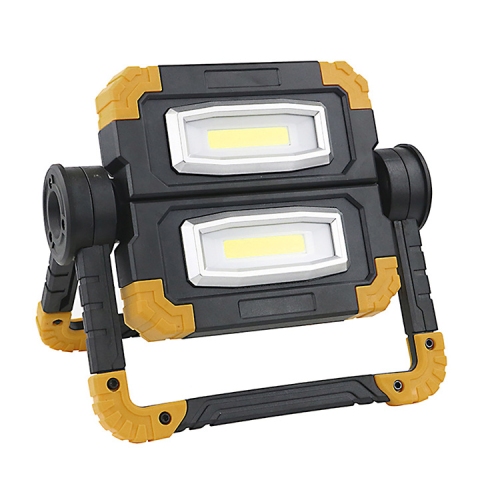
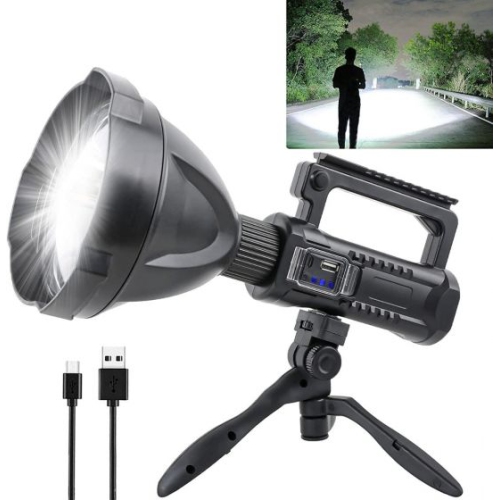
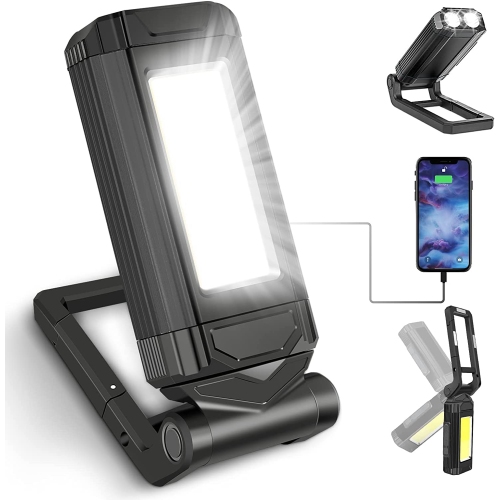


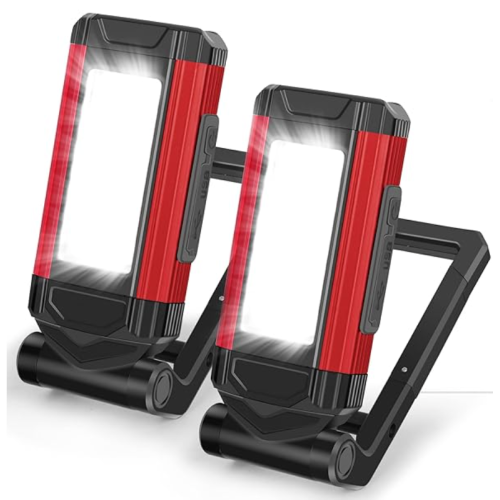


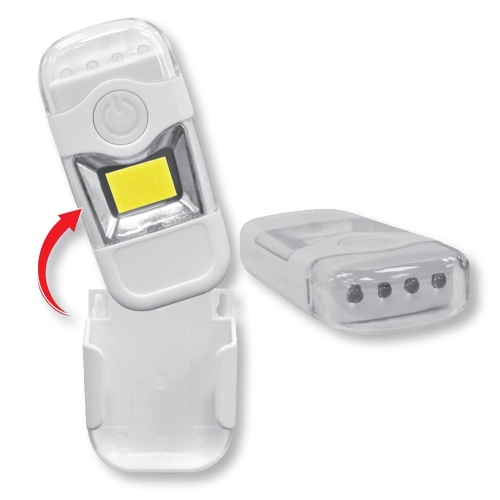


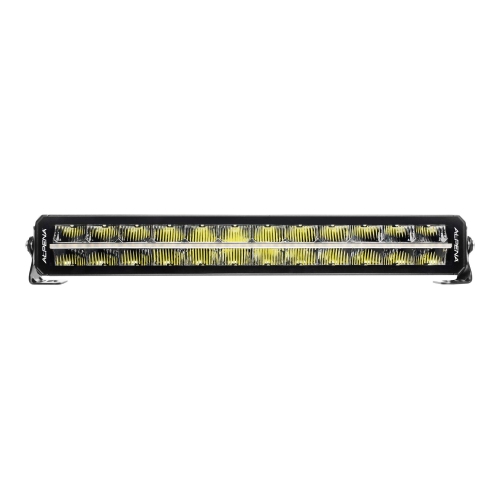
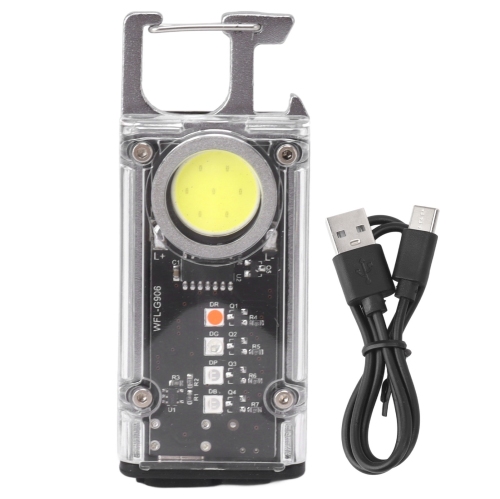
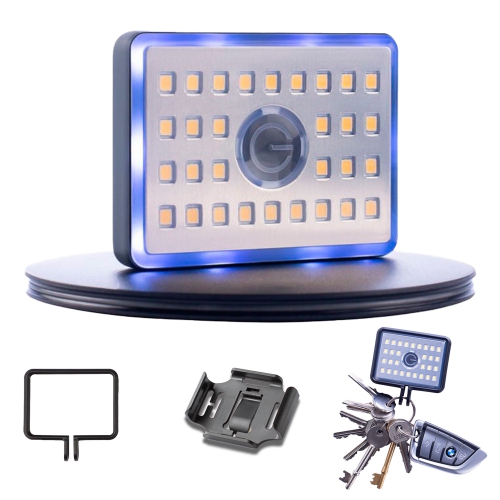

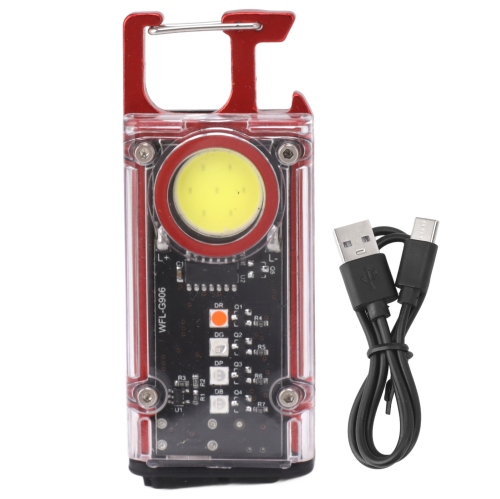
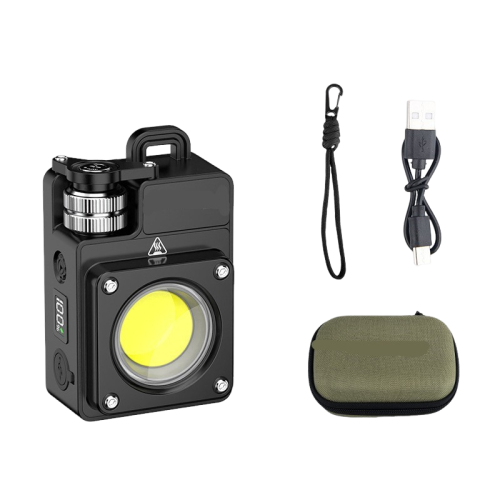
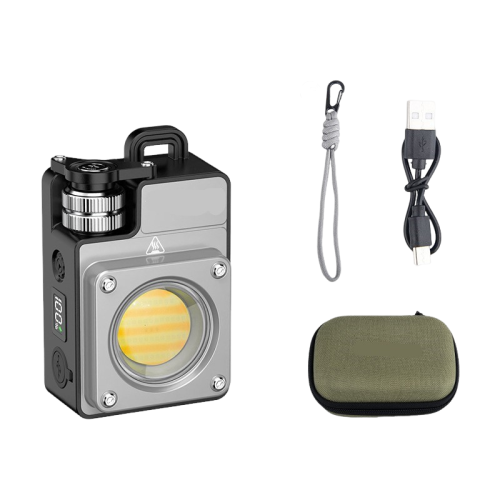

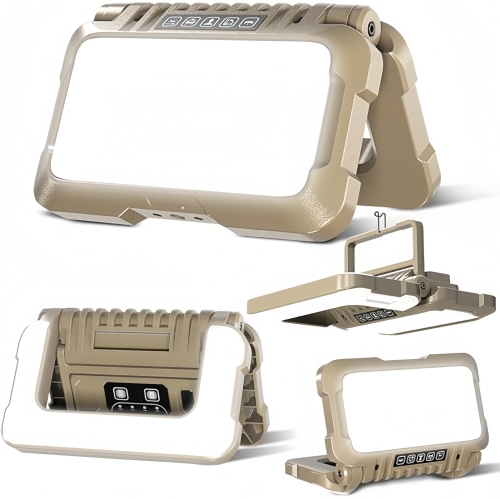
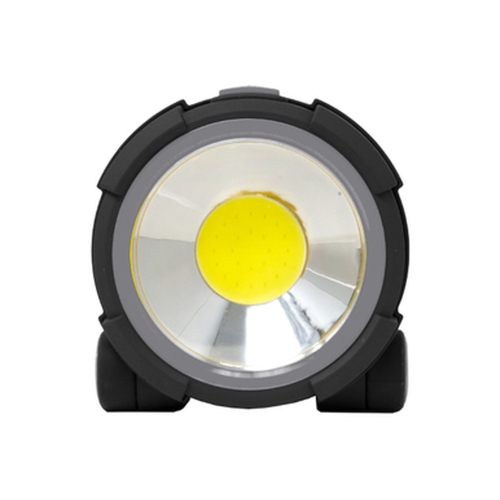

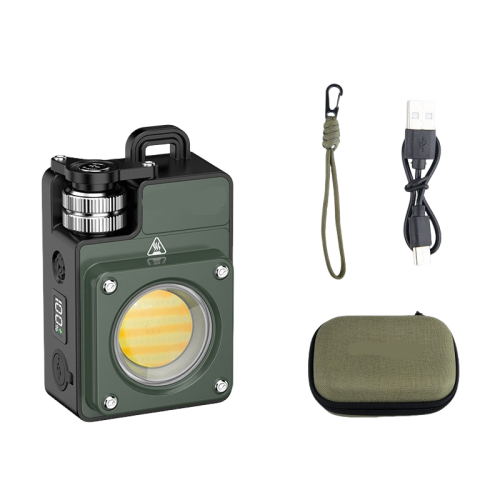
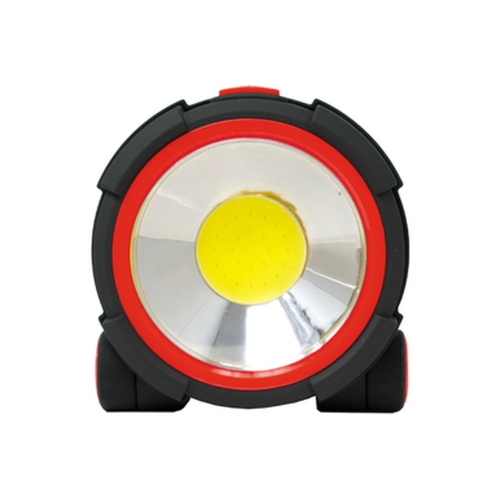


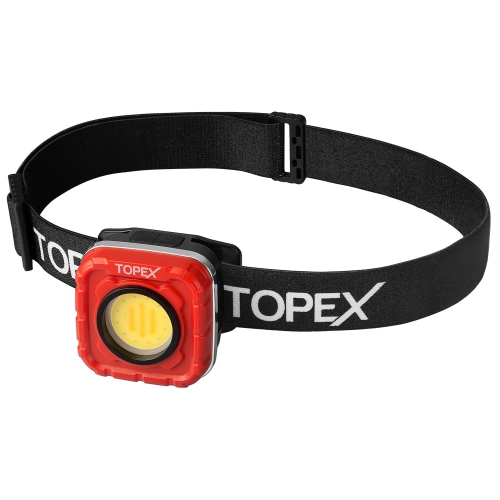

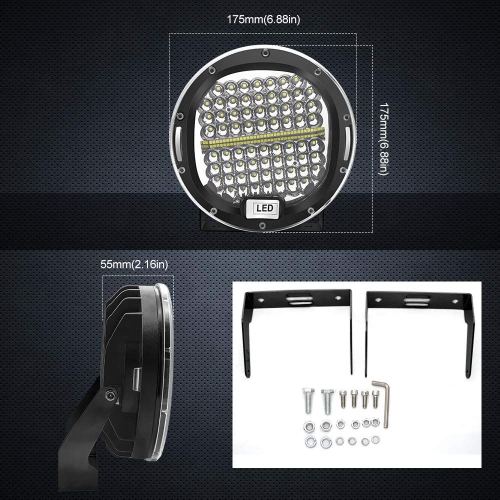


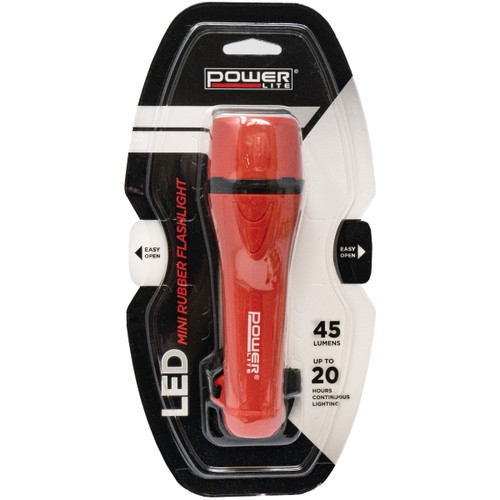
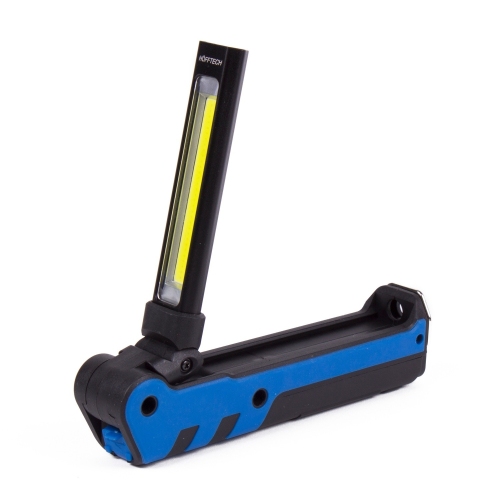
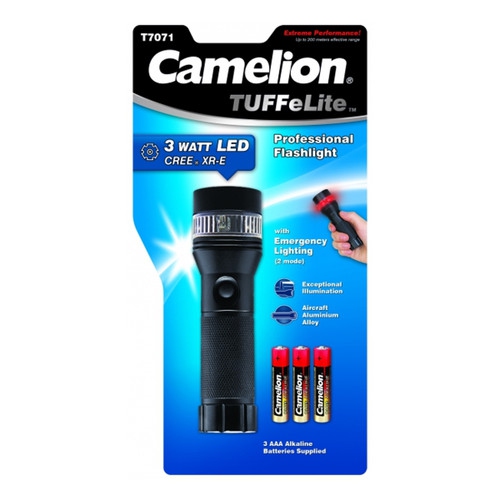

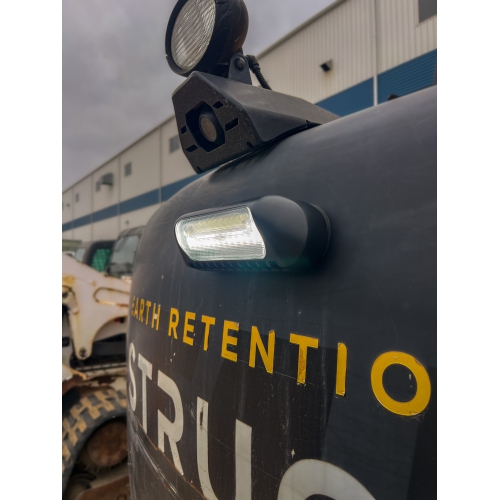

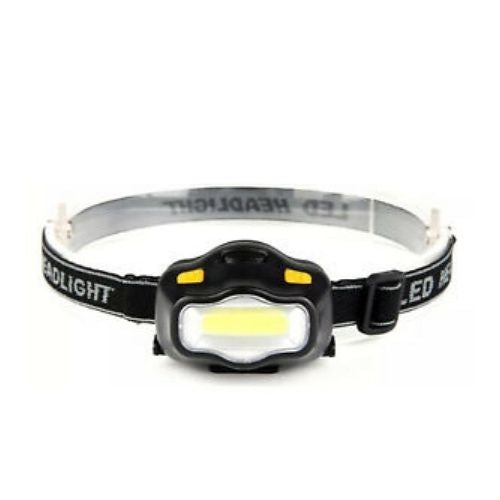

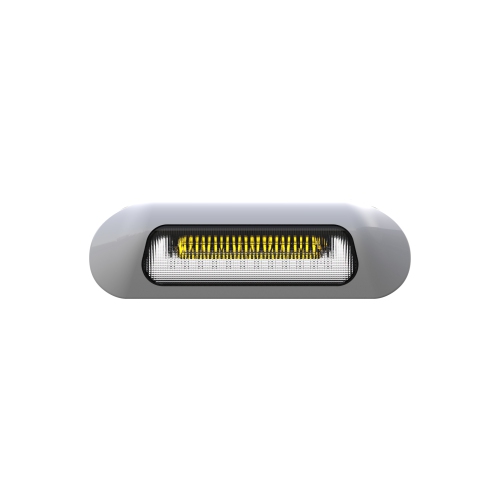
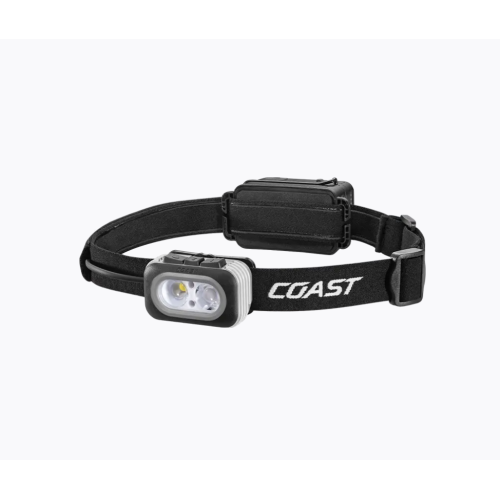
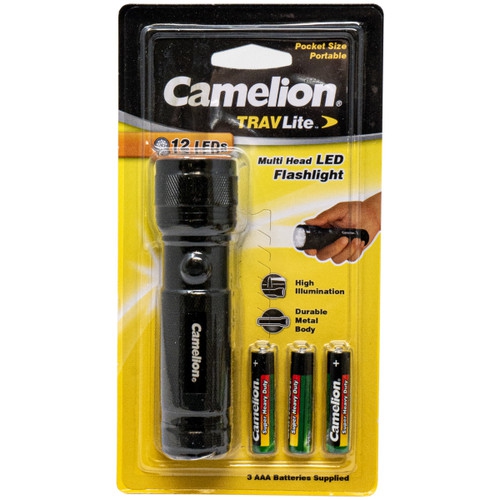


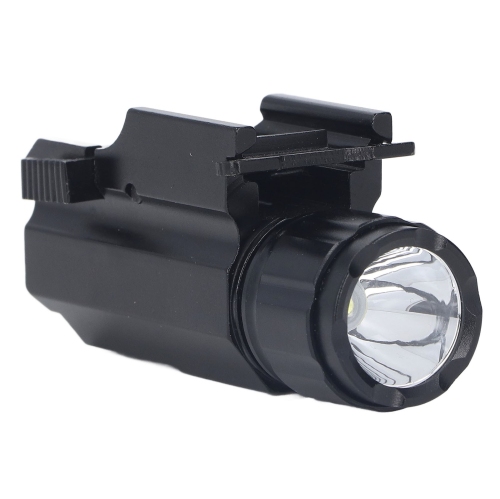
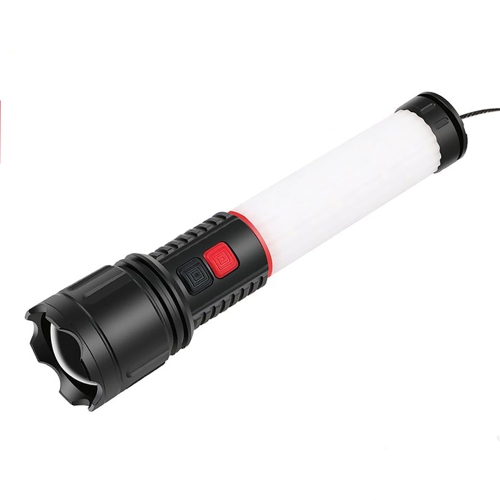
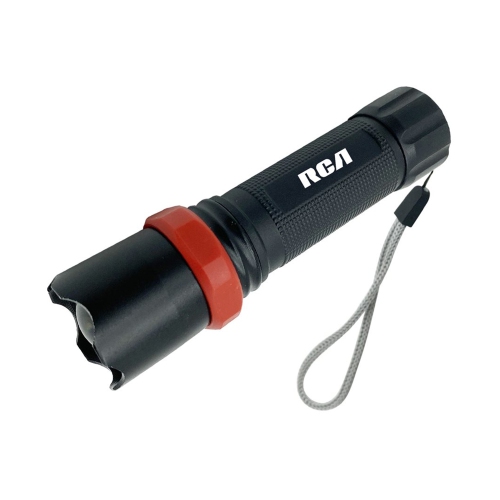
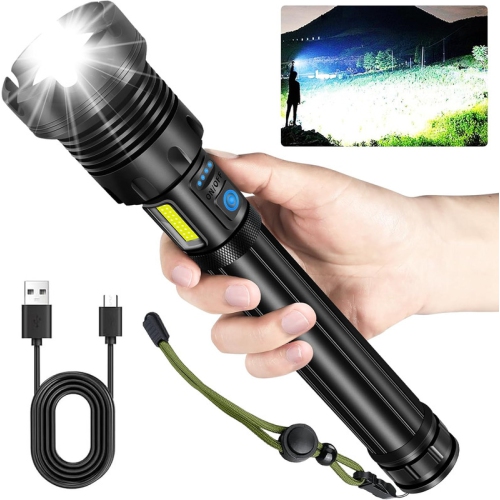
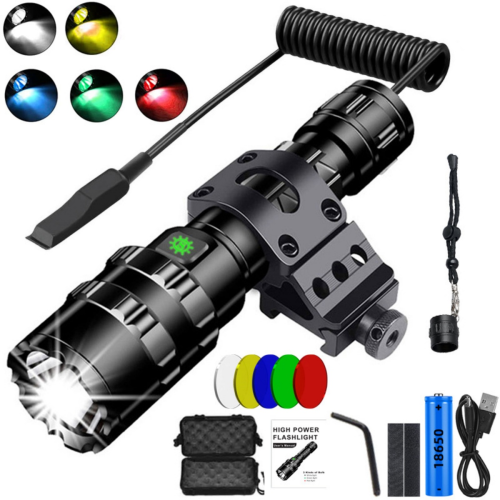
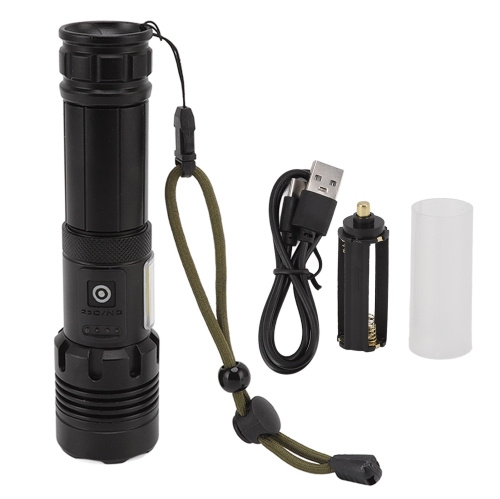
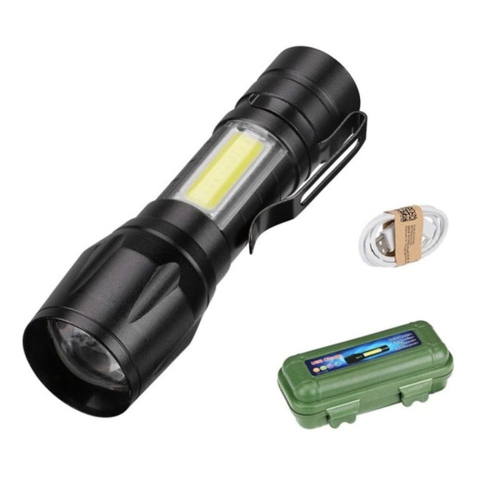
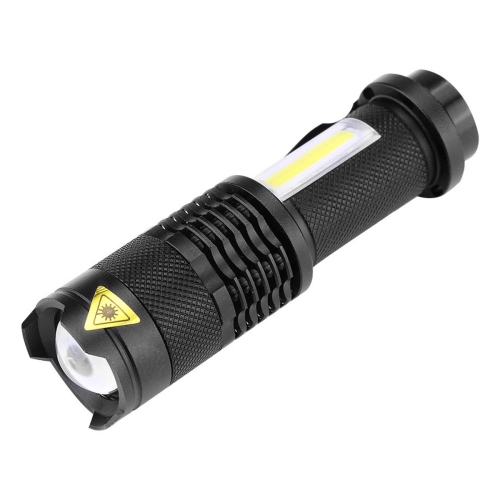
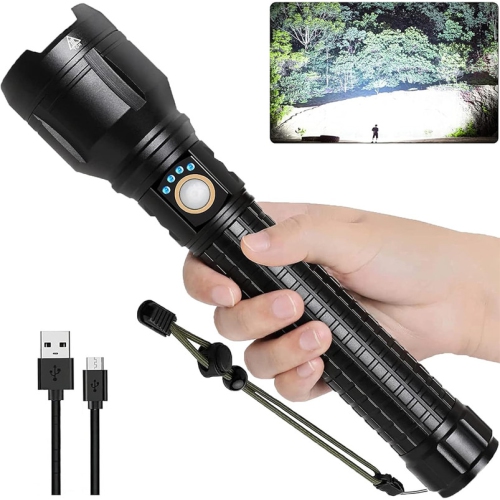
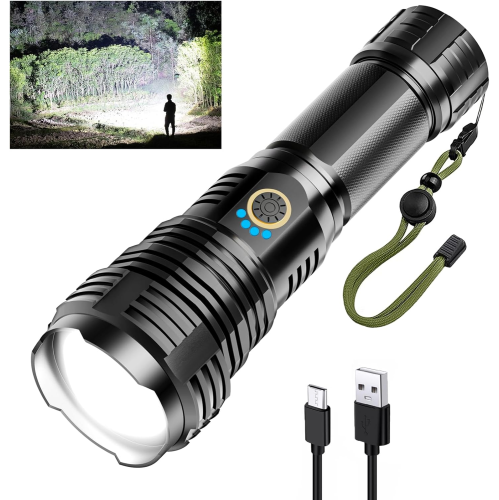

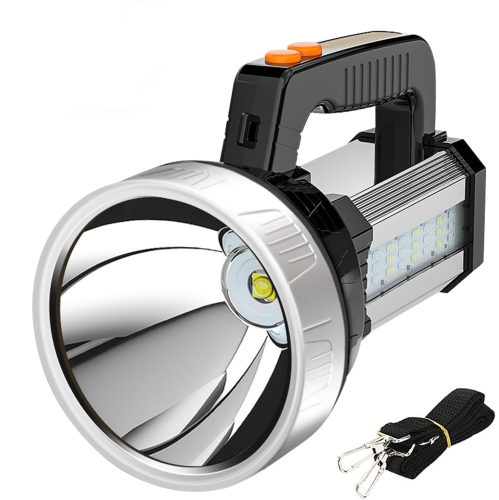
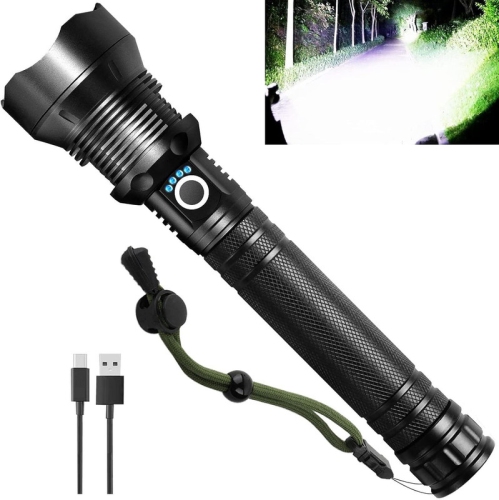


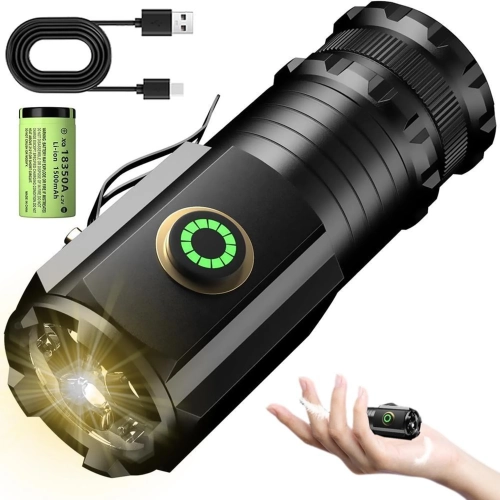

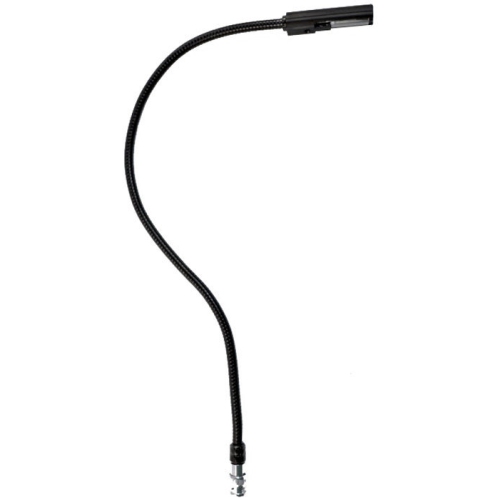


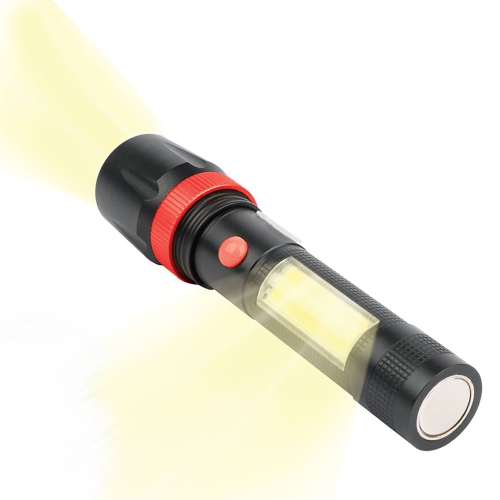
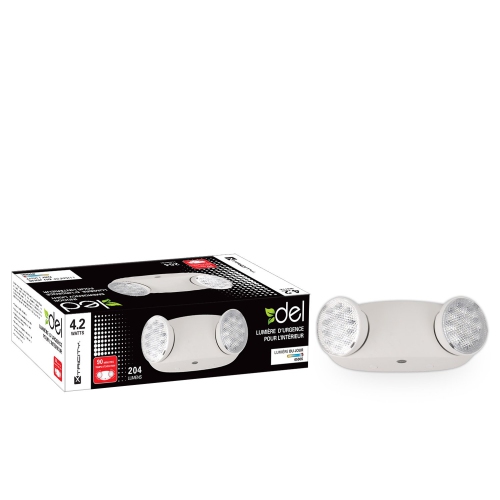

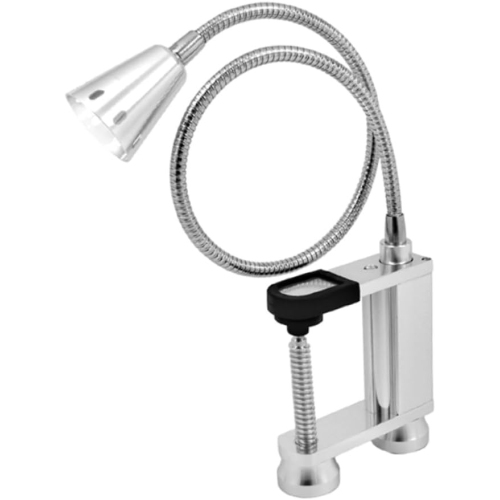
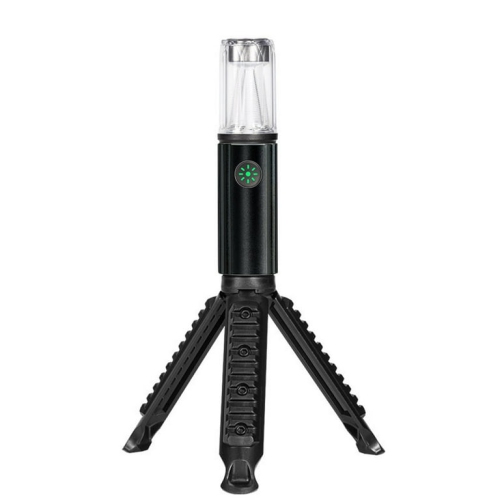
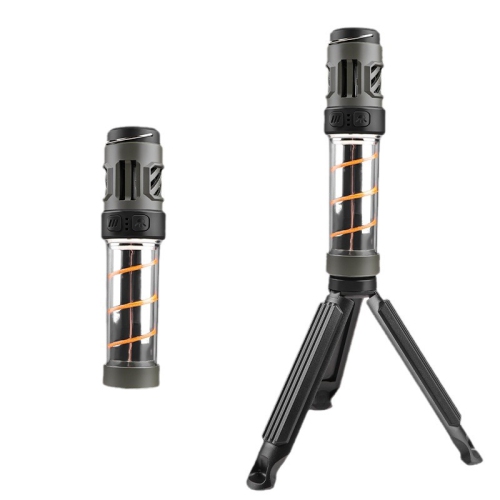
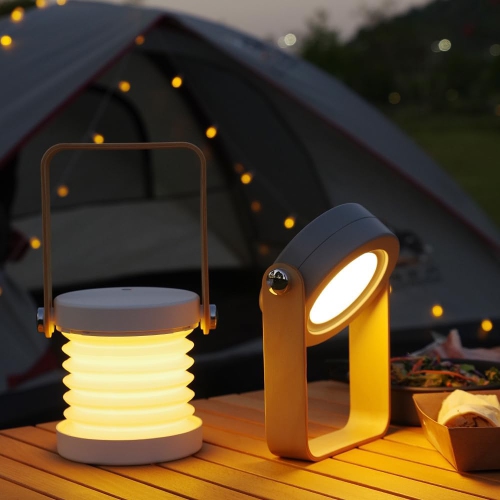
Focused light for detailed tasks and hard-to-reach spaces
An LED work light provides focused or wide-area illumination for repairs, assembly, maintenance, and other hands-on tasks. It brings light closer to the job than a ceiling fixture can, helping reveal pencil marks on timber, fasteners inside a cabinet, or wiring tucked behind an access panel. LED work lights range from compact inspection lights that fit into confined spaces to broad floodlights designed to illuminate a larger work area. The most useful format depends on where the light needs to reach and how much room surrounds the task. A slim light bar can slip beneath a shelf, while a freestanding light can brighten a section of a garage floor without occupying the workbench. For close inspection, a concentrated beam makes small details easier to see; for painting, assembly, or general workshop activity, a wider beam spreads illumination across the working surface. Lumens describe light output, but beam shape, distance, and placement also affect how bright a task appears. A high-output light aimed directly at a glossy surface may create more glare than a lower-output light positioned to the side. Adjustable brightness helps balance visibility with comfort, particularly when moving between a small enclosed space and an open work area. An adjustable head is useful when hands, tools, or equipment block light coming from above. Colour temperature influences whether the illumination looks warmer or cooler, while colour rendering affects how faithfully colours appear under the light. Good colour rendering can be helpful when comparing paint samples, sorting coloured wires, or checking the finish on a repaired surface. A broad, even beam with fewer distracting shadows is often more practical than a bright central spot surrounded by darkness. For detailed work over longer periods, the ability to position the light outside the direct line of sight can make the workspace more comfortable without sacrificing visibility. Together, these characteristics make LED work lights useful to tradespeople, vehicle owners, hobbyists, and anyone maintaining a home workshop.
Power options shape how an LED work light fits into a working routine. Corded work lights suit longer sessions near a suitable outlet, offering continuous operation without stopping to recharge a battery. Cable length and outlet placement matter, especially when the light needs to sit beyond the edge of a bench or beside a vehicle. Cords should remain clear of walkways, sharp edges, and moving equipment, with any extension cord matched to the electrical requirements and intended use. Rechargeable work lights offer more freedom of placement, making them convenient for cabinets, storage areas, and repairs away from an outlet. Battery runtime varies with brightness settings and operating modes, so a maximum runtime figure may refer to a lower-output setting rather than full brightness. A battery indicator helps make the remaining charge easier to judge before starting a longer task. Charging connections also deserve attention: USB charging can be convenient, but connector type, required power input, and included charging accessories differ between designs. Work lights that accept removable tool batteries may fit an existing tool setup, provided the battery platform is explicitly compatible. Similar-looking connections do not establish compatibility. Physical construction matters just as much as the power source when a light moves frequently between jobs. Impact-resistant plastic housings can keep weight manageable, while metal housings and frames may provide rigidity and help manage heat. Rubberized contact points can improve grip or cushion everyday knocks, though no material alone establishes a light’s drop resistance. A protected lens, recessed controls, and a sturdy carrying handle are useful details when a light travels in a tool bag. Published impact and ingress-protection ratings provide more meaningful information about durability than rugged styling alone. Dust resistance and protection against moisture vary, and a light intended for dry indoor use should stay within those limits. Even LED fixtures can become hot during operation, so ventilation openings need clearance and handling should follow the manufacturer’s directions.
Mounting and adjustment determine whether a work light stays useful once both hands are occupied. A broad base can provide stability on a level floor, while a folding stand offers positioning flexibility without requiring a permanent installation. Tripod-mounted designs can raise the beam above nearby objects, although the footprint needs enough clear space to avoid becoming a trip hazard. Magnetic mounts can hold a compact light against suitable steel surfaces, but they will not attach reliably to every metal, painted panel, or curved surface. Hooks and clamps offer other placement options, with secure attachment depending on the supporting surface and the mount’s stated limits. A pivoting head that holds its angle matters when a small change in position sends the beam away from a repair. For a dedicated assembly or hobby station, LED workbench lights can provide illumination along the working surface, while a portable work light adds coverage inside drawers, beneath equipment, or behind a project. Keeping both the light and its mounting hardware clean helps preserve visibility and dependable adjustment. Once the light is switched off, disconnected from power where applicable, and allowed to cool, dust can usually be removed with a soft cloth according to the care instructions. Abrasive cleaners can scratch lenses, and liquid should not enter charging ports, switches, or ventilation openings. Before reuse, a quick check for damaged cords, cracked housings, loose hinges, or insecure mounts can catch problems that affect safe operation. Storage is easier when stands fold neatly, charging leads have a designated place, and the lens is protected from loose tools. For someone who repairs bicycles, builds models, works on vehicles, or tackles household maintenance, an LED work light can also be a practical gift. A manageable weight, straightforward controls, and a mounting style suited to the recipient’s workspace often matter more than maximum output alone. The best fit is a light that reaches the task, stays securely positioned, and remains easy to handle throughout the work.
Top selling and popular products
-
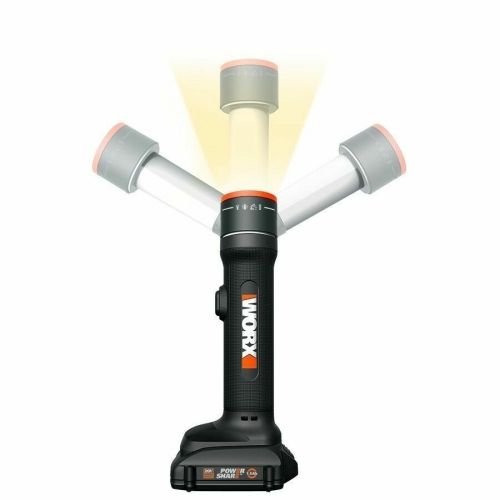 Your price for this item is $129.99
-
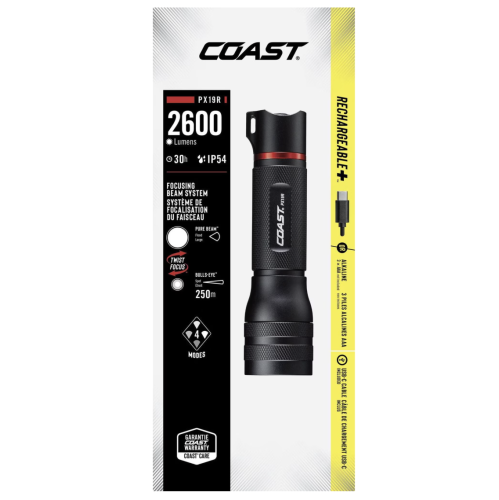 Your price for this item is $39.99
-
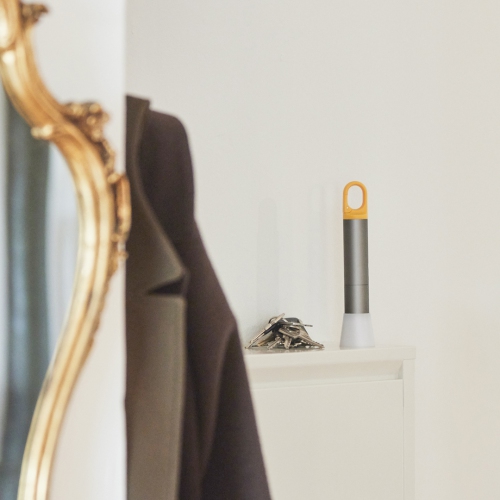 Your price for this item is $64.99
-
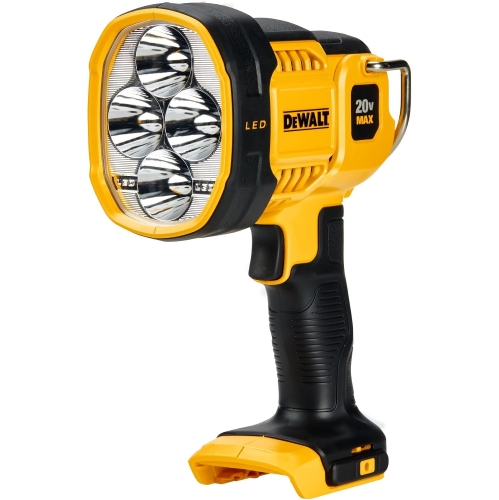 Your price for this item is $74.99
-
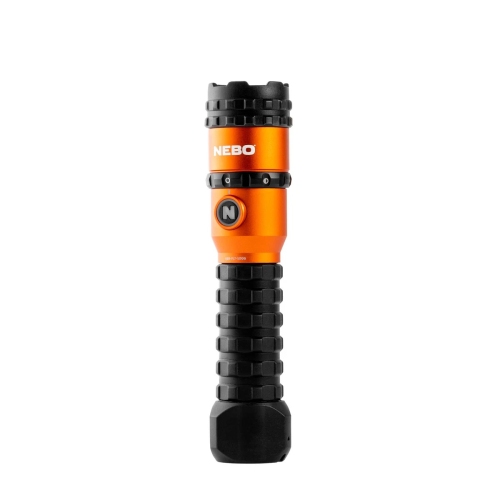 Your price for this item is $104.99
-
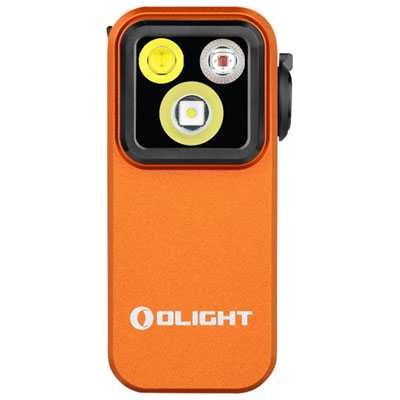 Your price for this item is $49.99
-
 Your price for this item is $139.99
-
 Your price for this item is $49.99
Discover more categories related to Led Worklight
Top Collections:
Pokemon Centers, Pokémon 30th Celebration Cards, Best Budget Office Chairs, Kindle Devices, Best Cameras for Sports Photography, Canon G7X Cameras, Best Black Friday Deals On Electronics, Best Laptops for Writers, iPhone 15 Apple, Jackery Power Stations
Some products may be subject to Environmental Handling Fees
(EHF) depending on your province.
Learn more about EHFs.