Left Corner Desks
Looking to maximize your workspace while adding a touch of style to your home or office? Look no further than our selection of left-corner desks. These versatile and functional pieces are designed to make the most of your available space, allowing you to work efficiently and comfortably. Whether you need a dedicated area for studying, working from home, or pursuing your hobbies, left-corner desks offer the perfect solution. Here are some great options available.
Sort
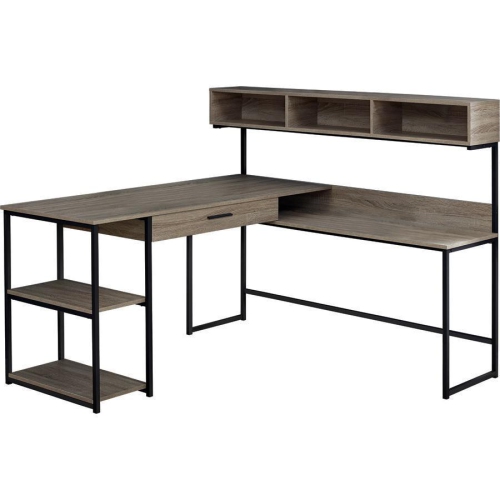
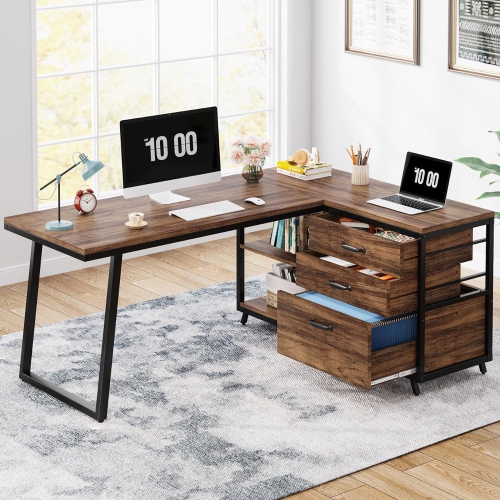
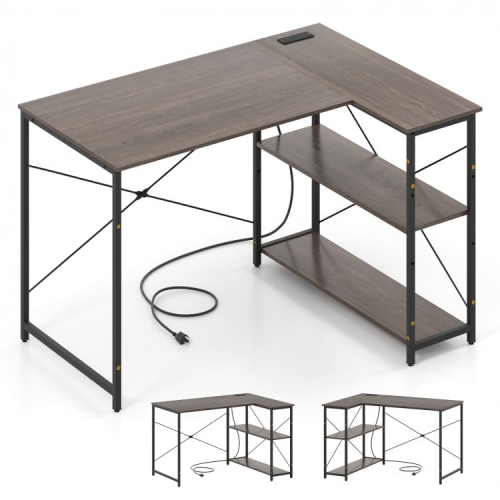
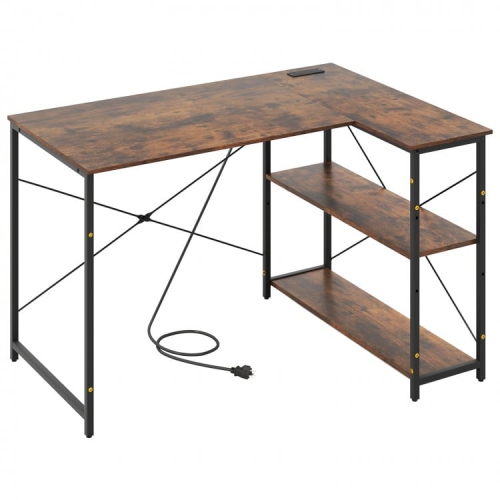
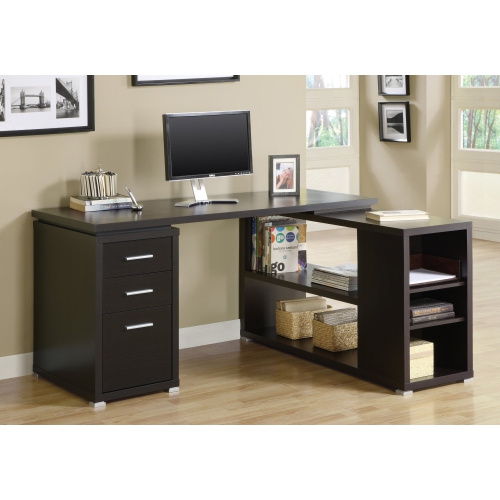
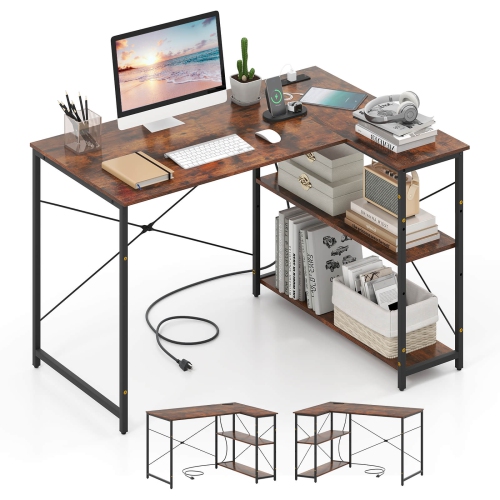
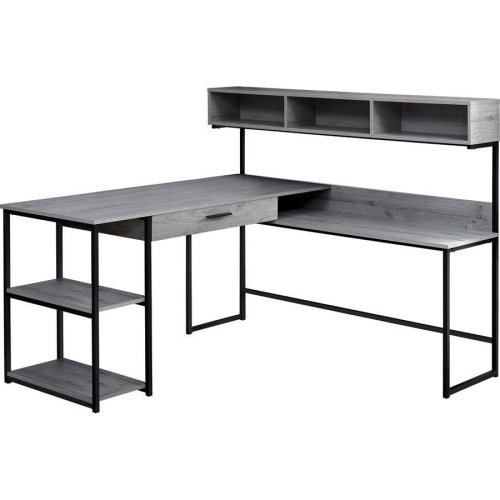
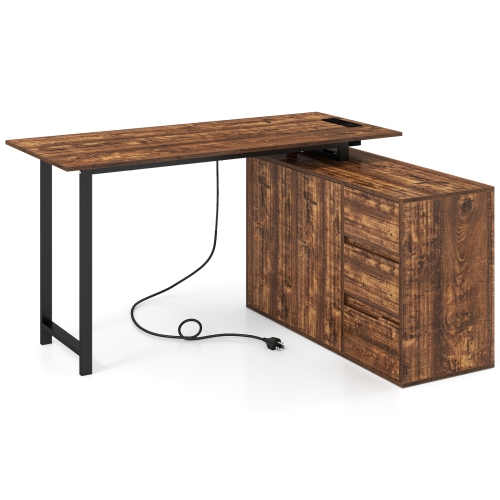

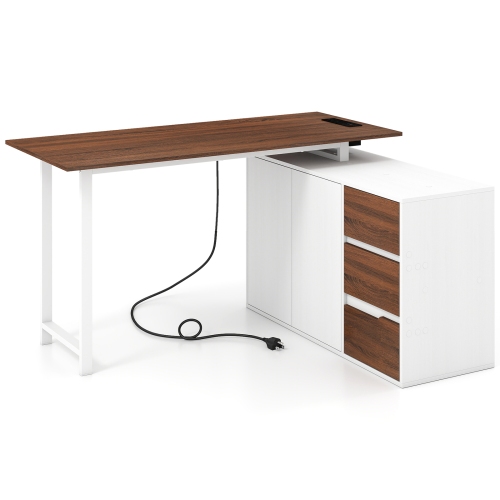
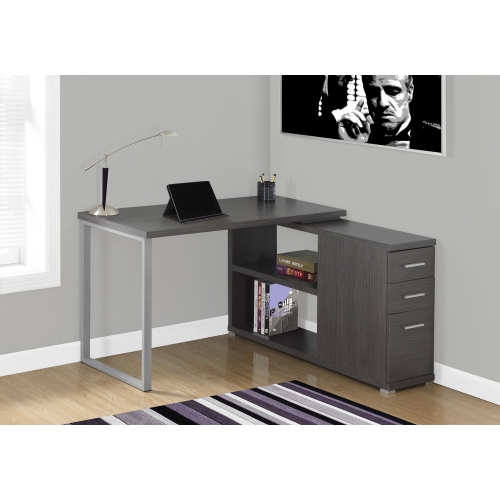
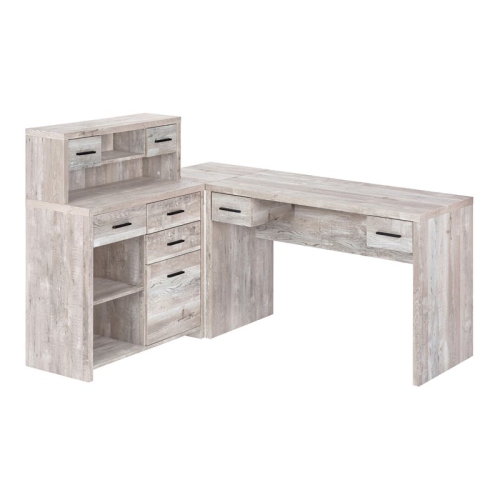
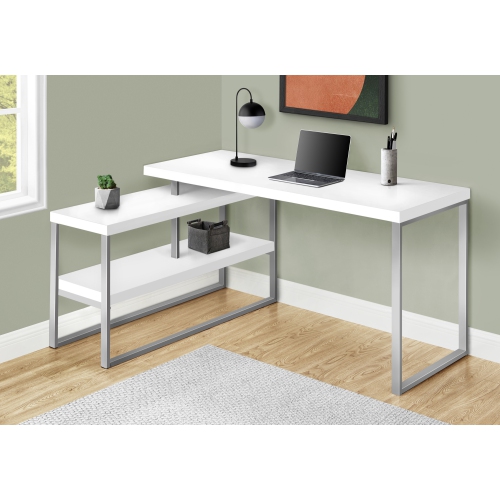
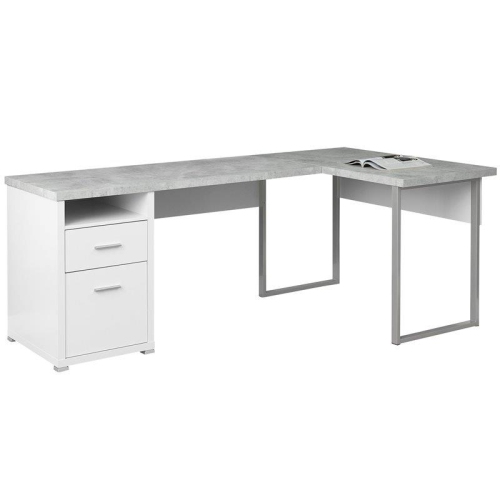
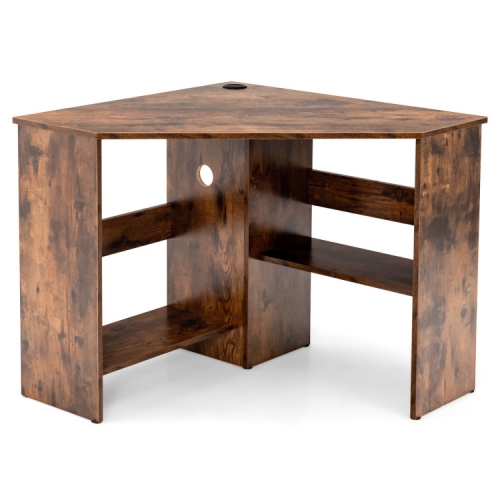
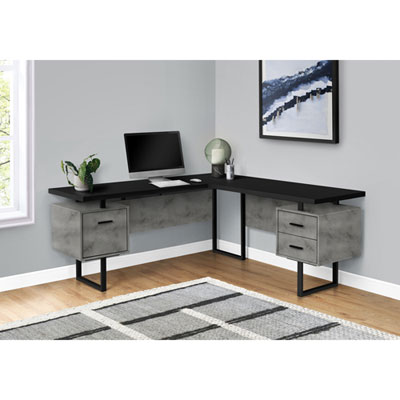

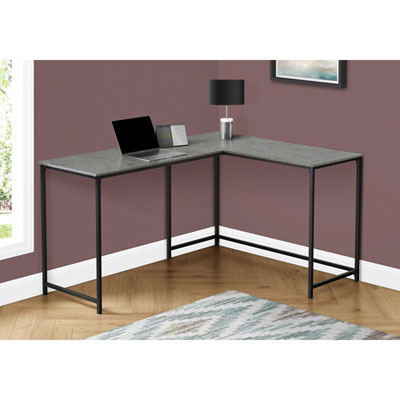
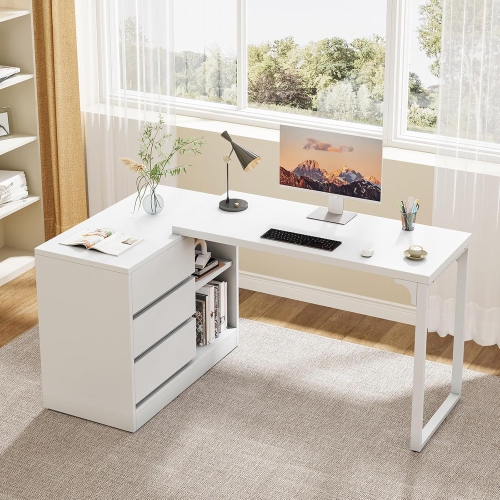
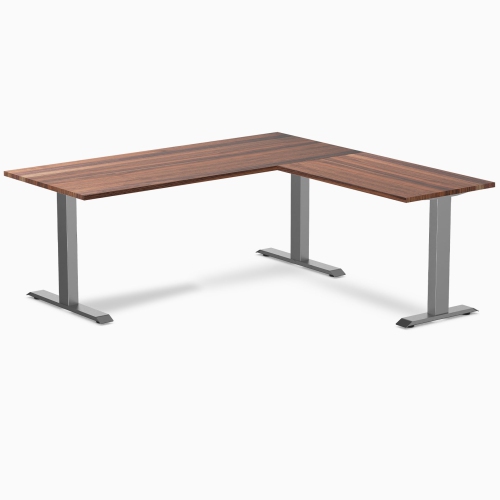
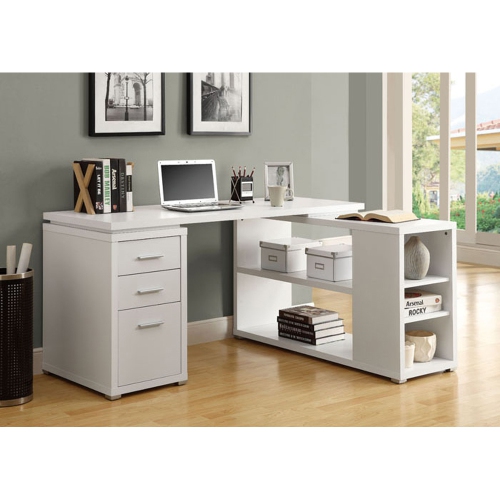
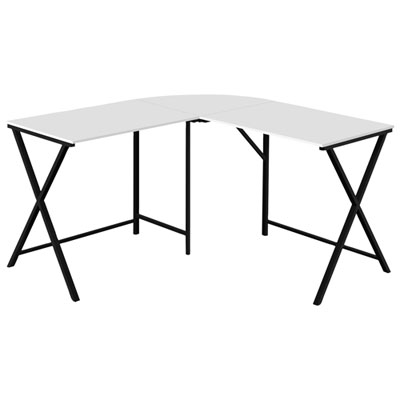
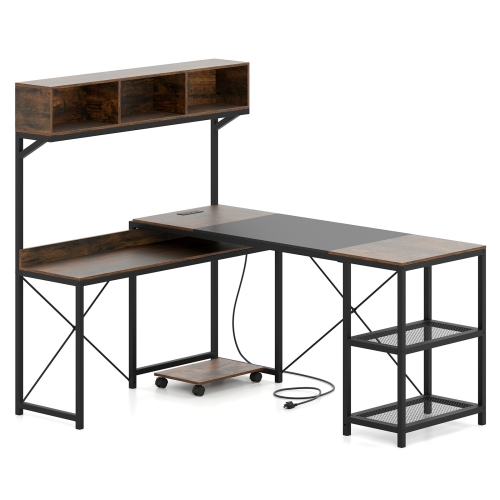
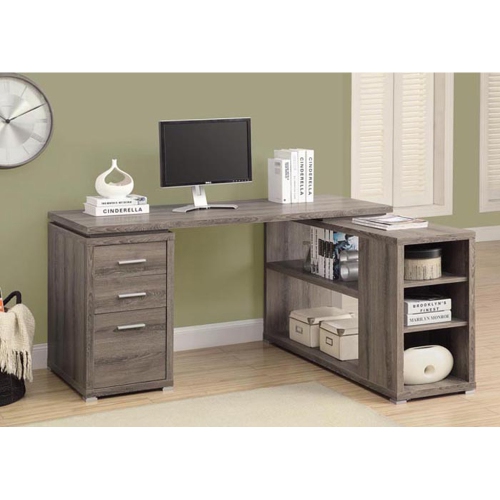
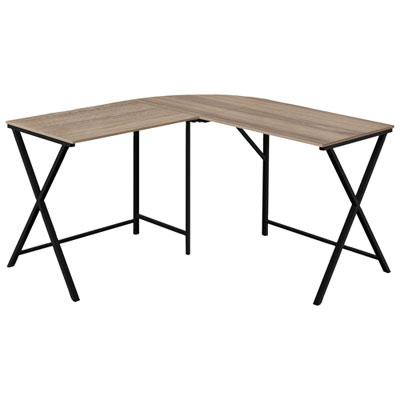
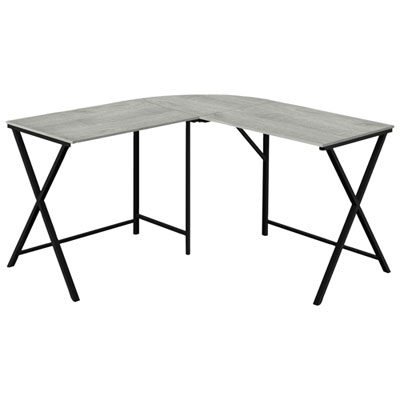
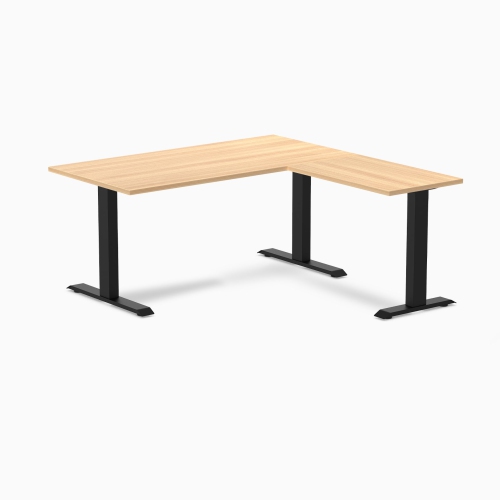
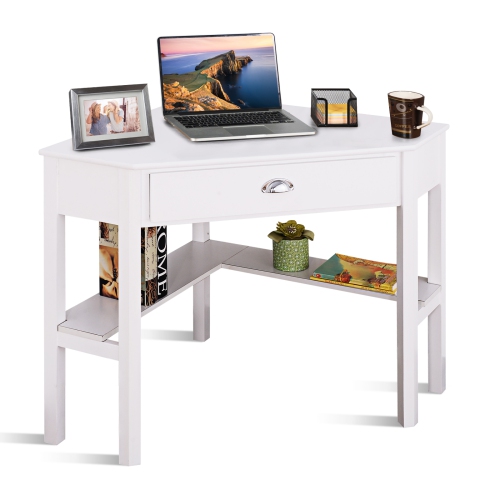
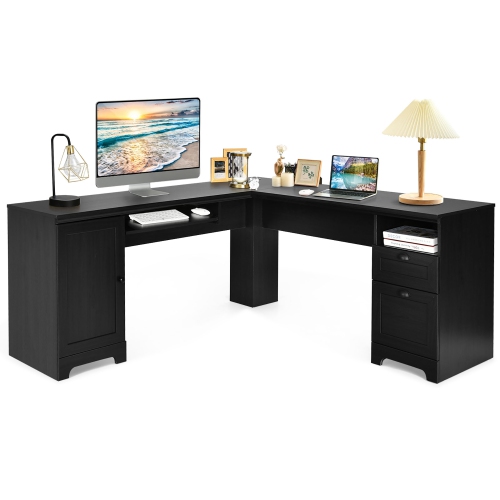
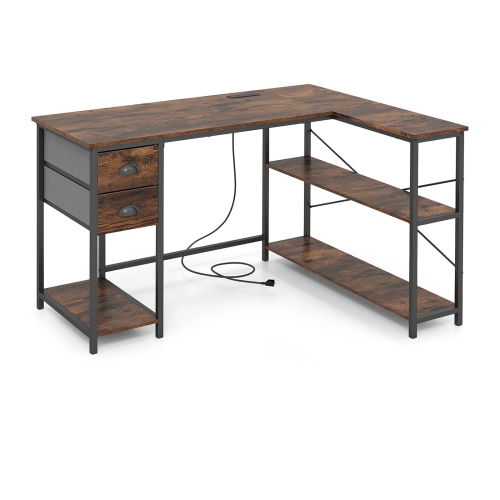
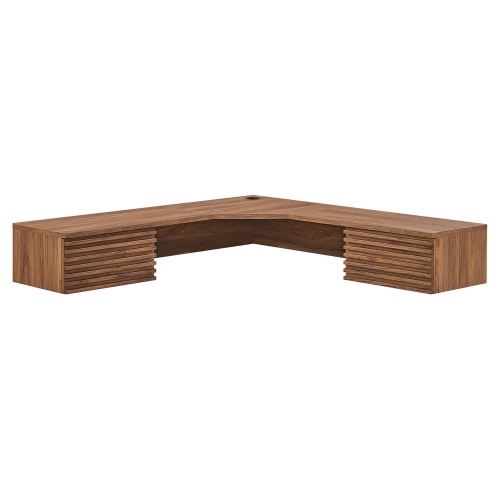
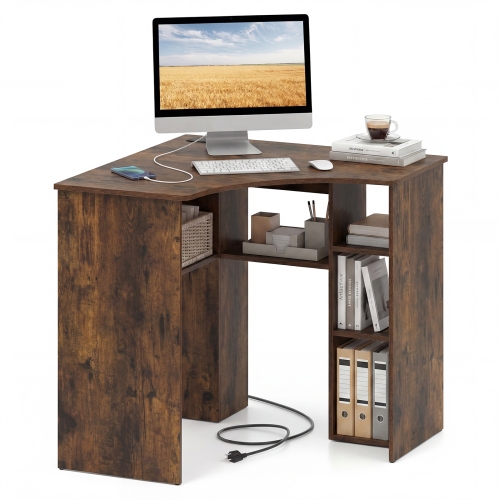
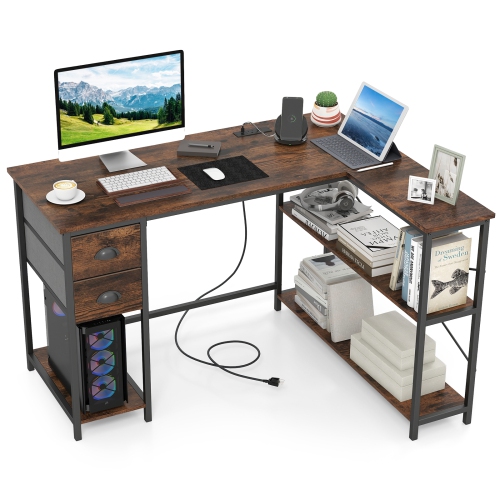
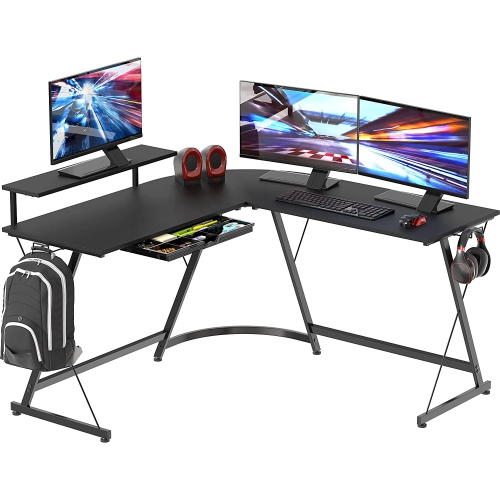
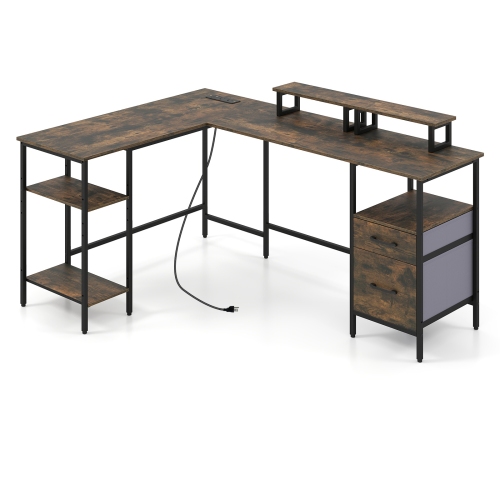
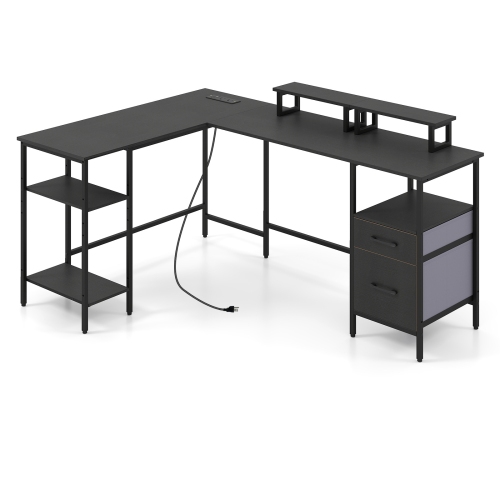
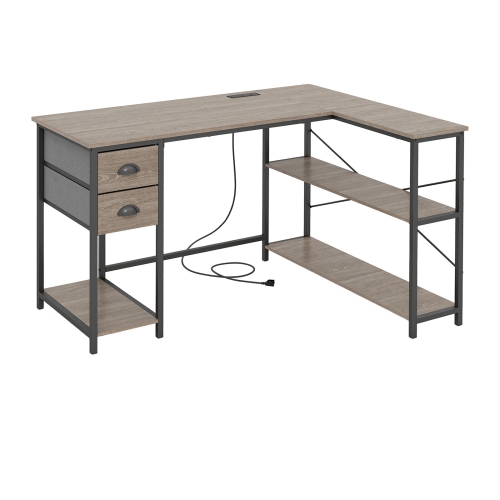
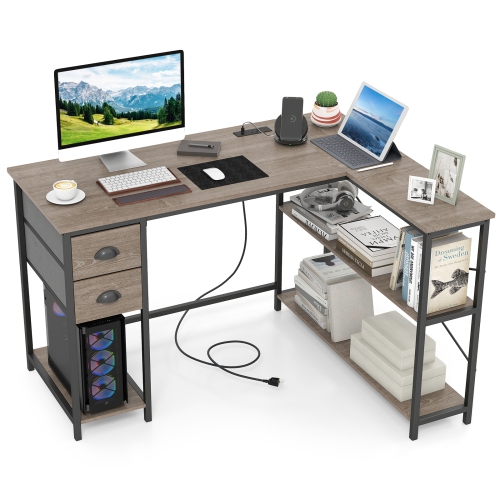
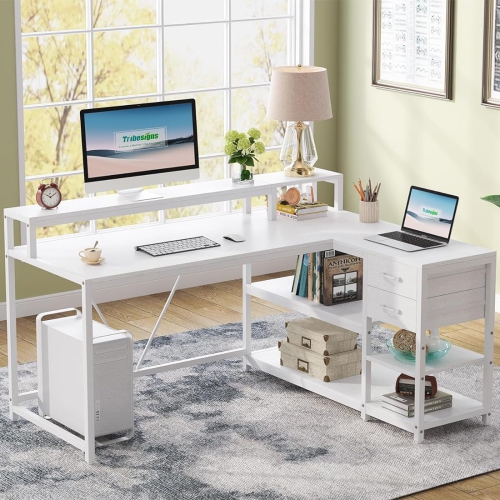
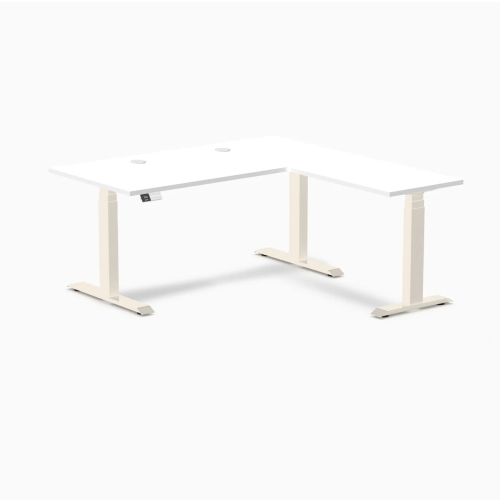
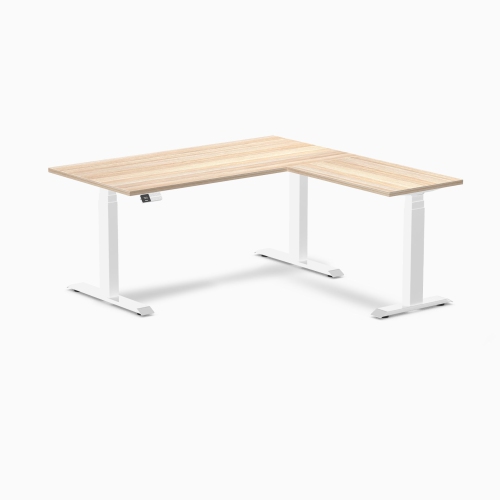
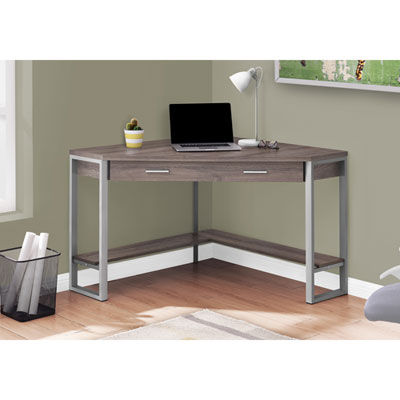
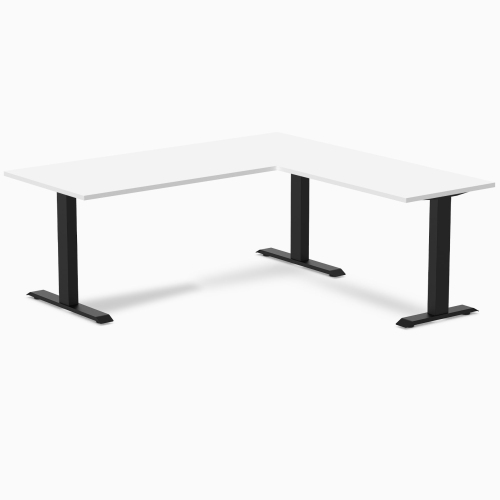
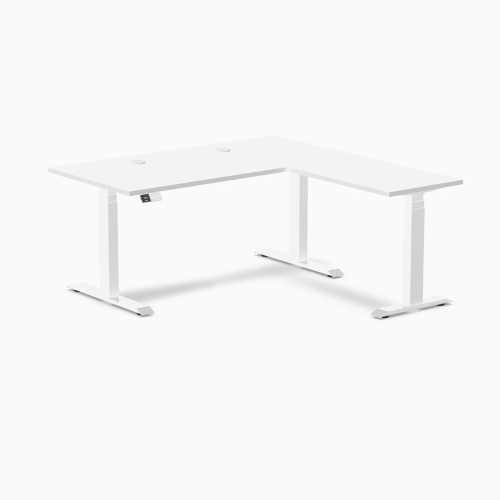
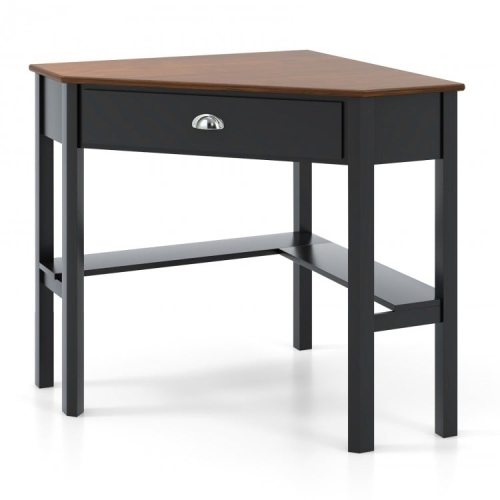
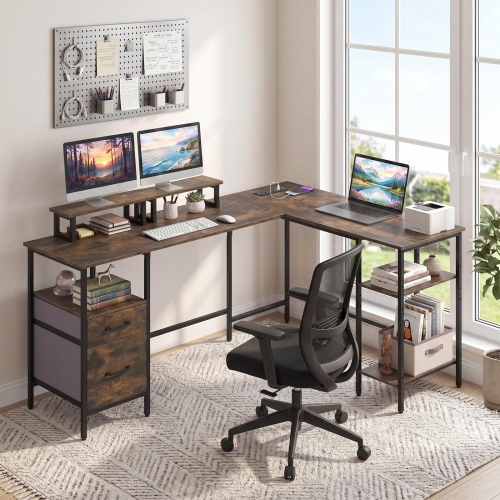
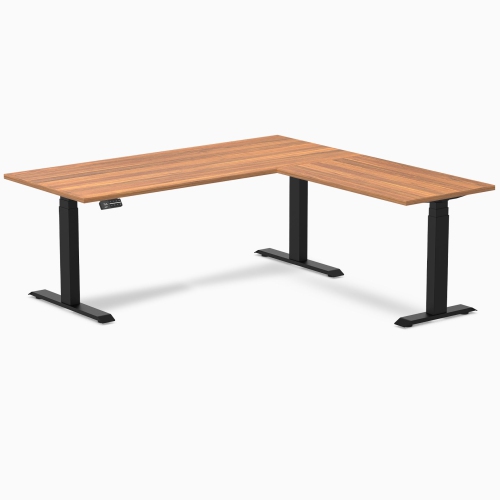
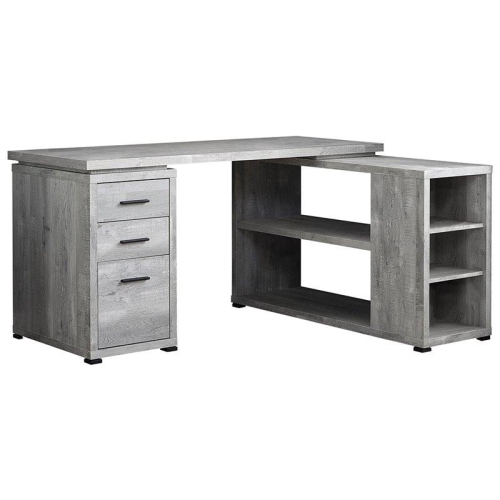
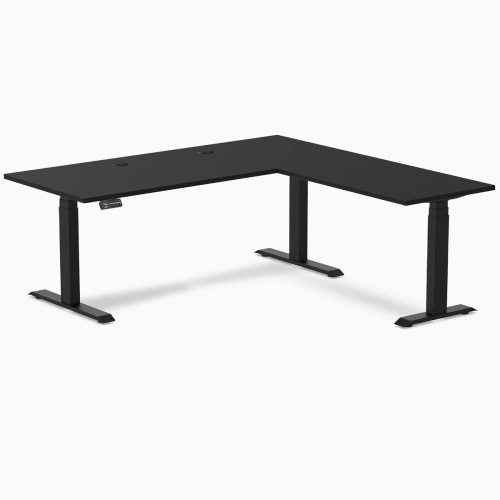
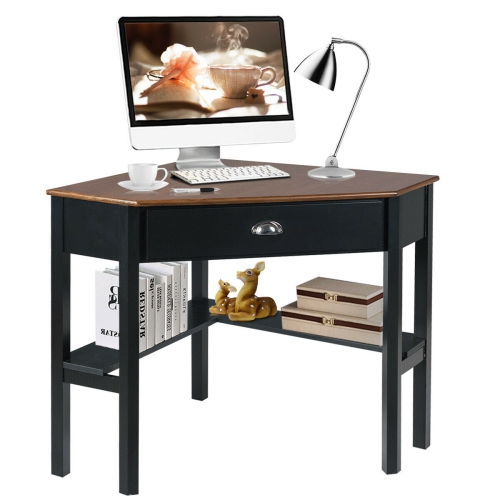
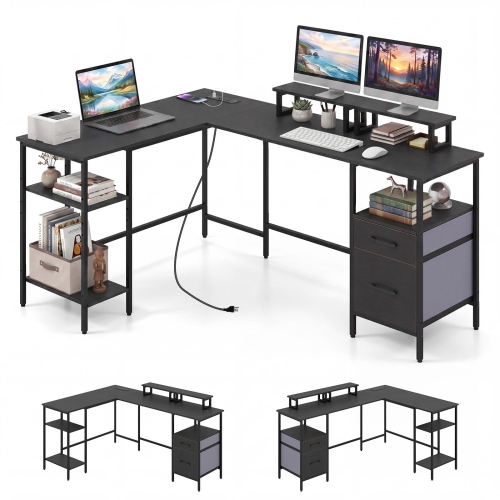
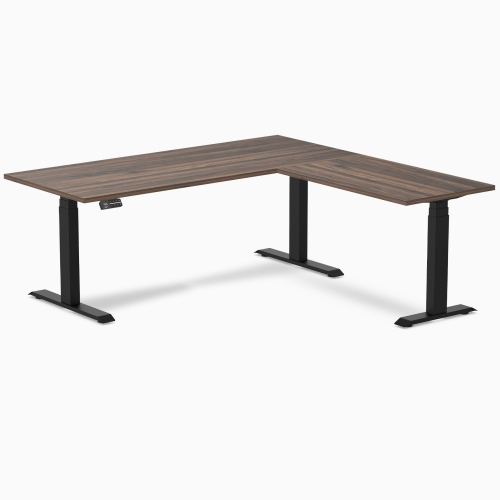
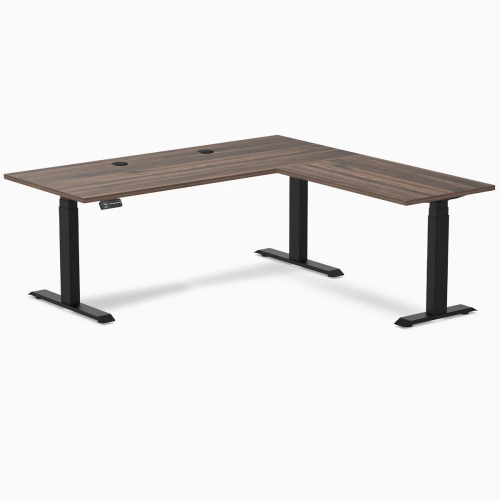

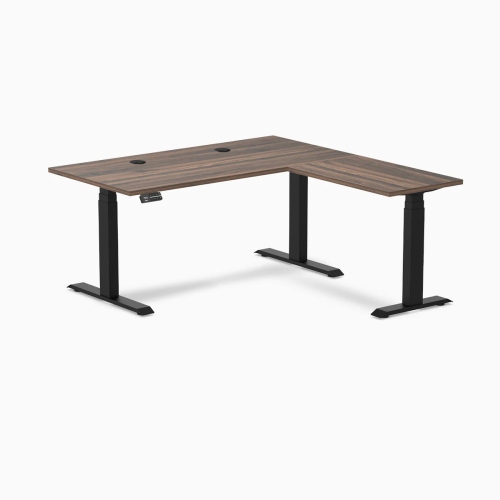
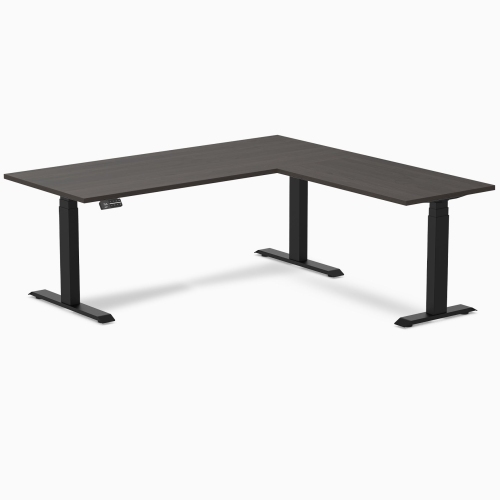
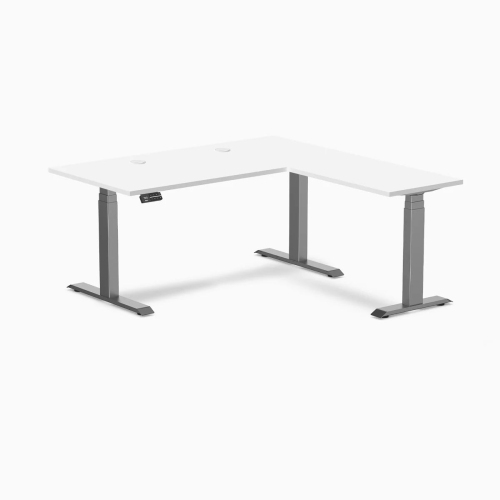
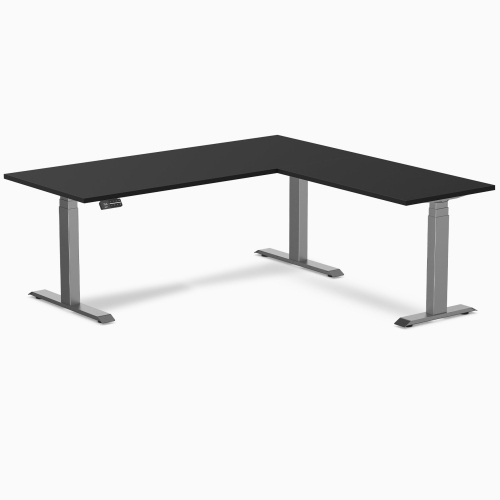
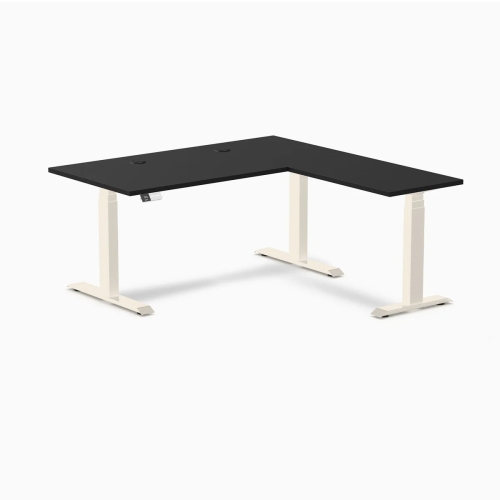
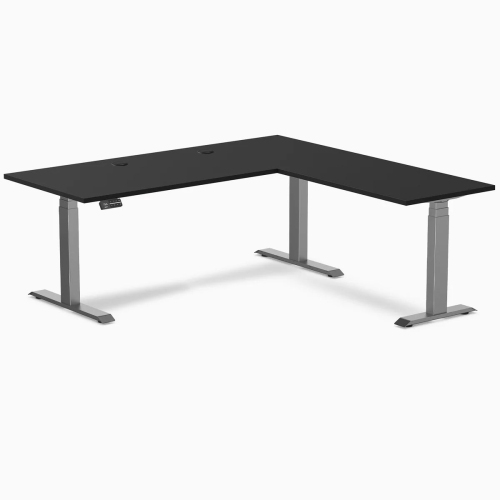
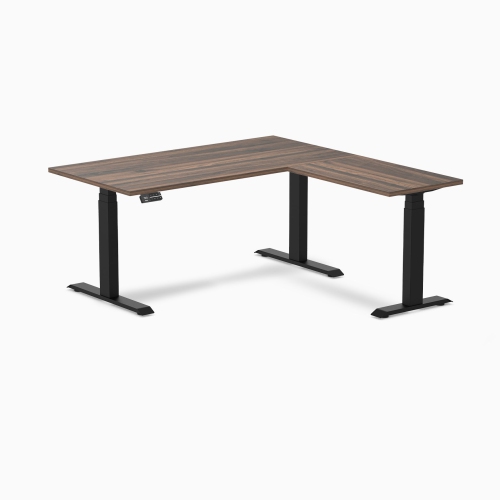
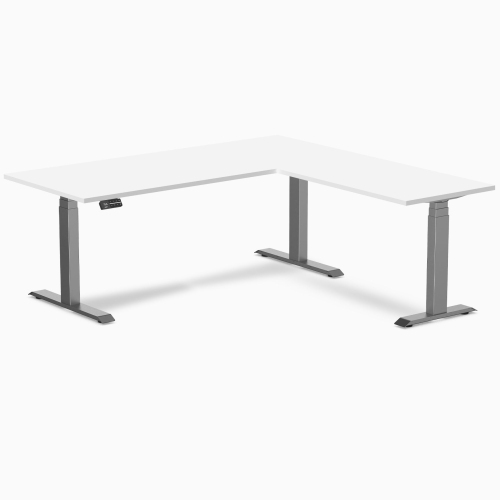
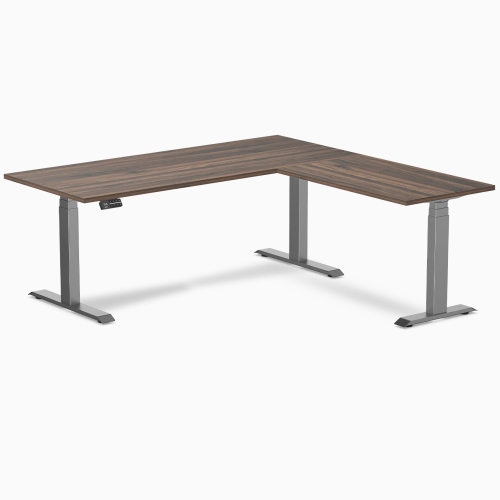
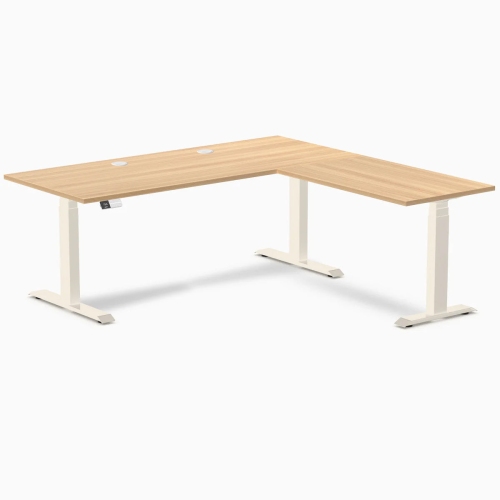
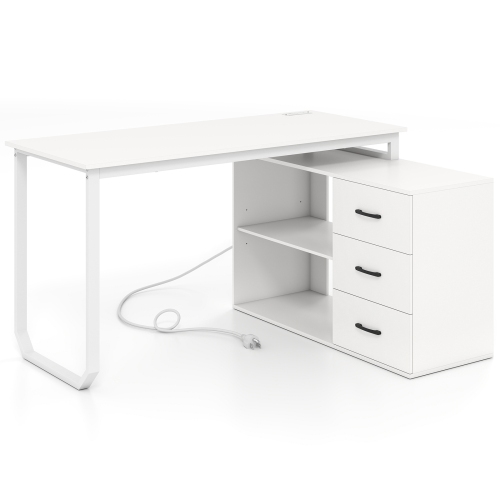
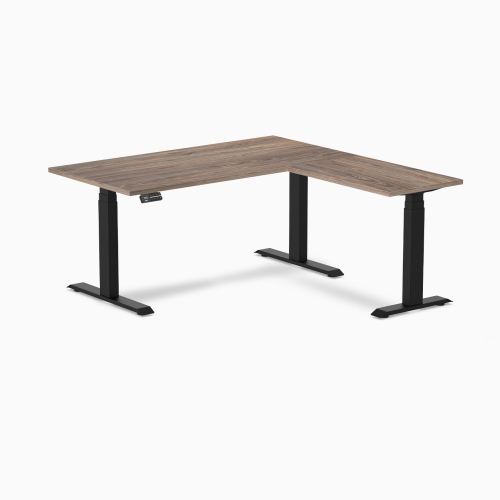
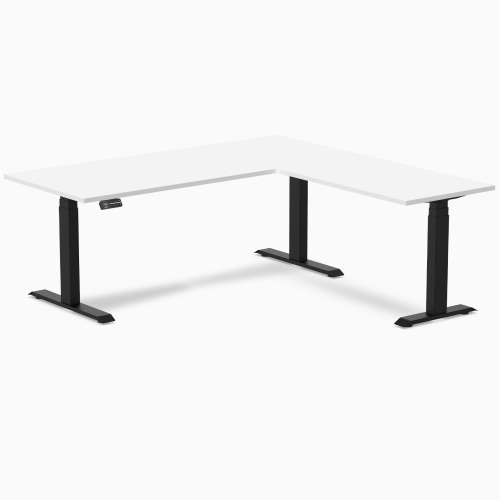
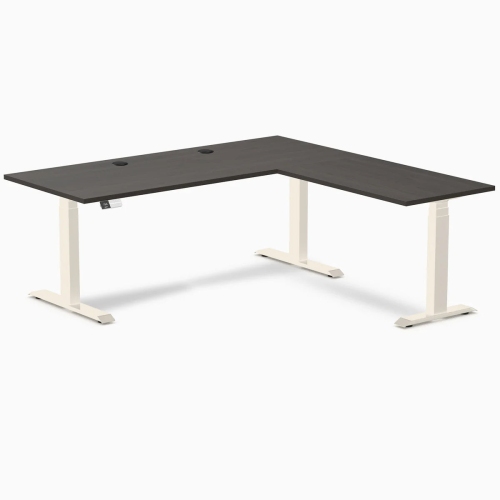
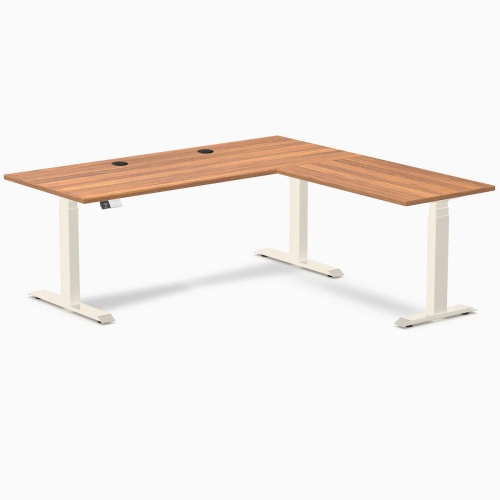
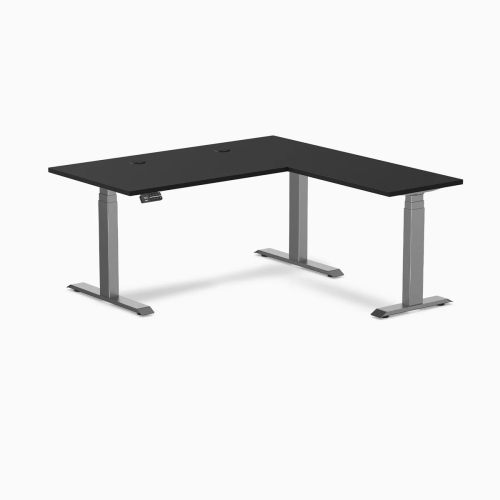
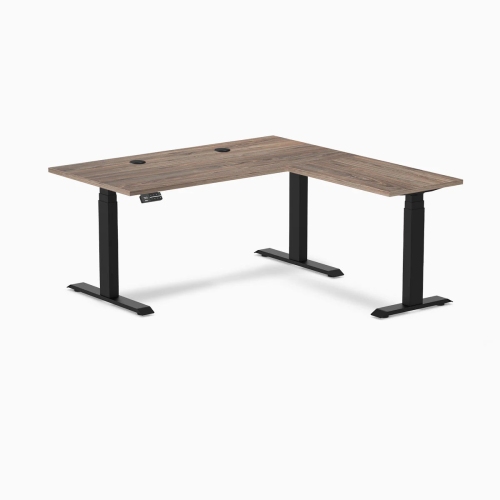
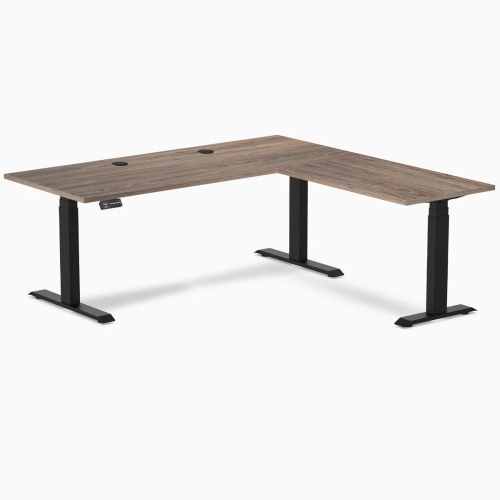
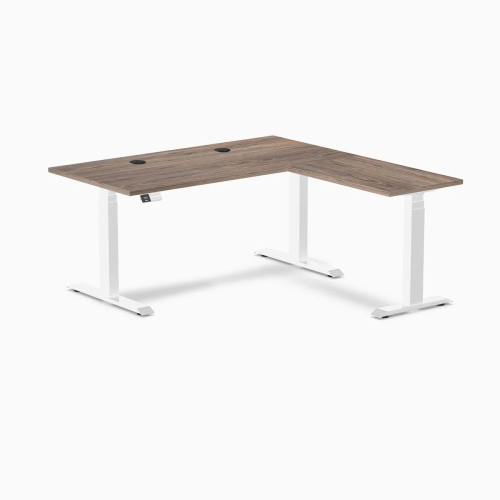
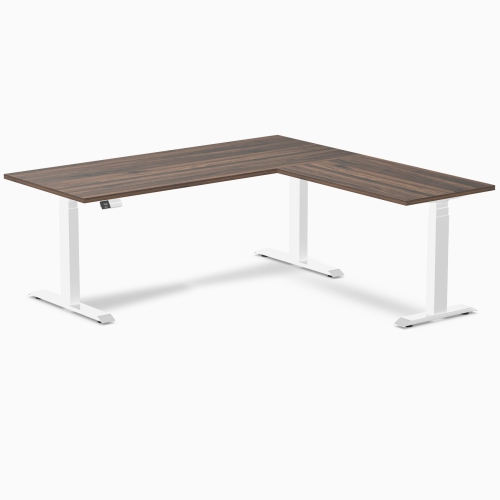
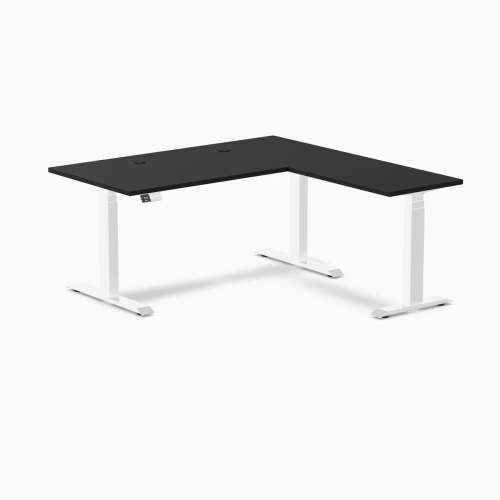
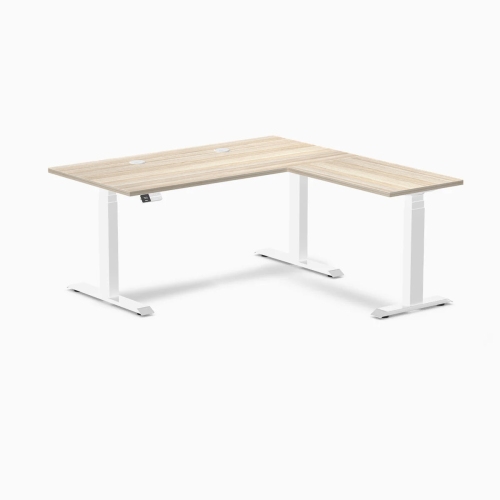
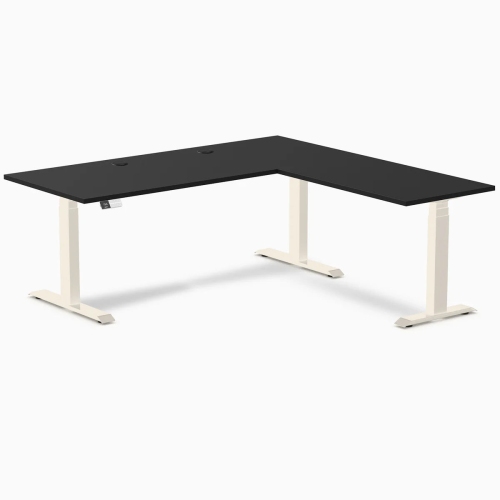
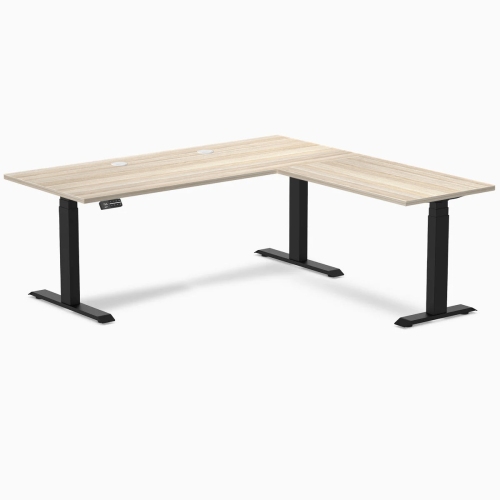
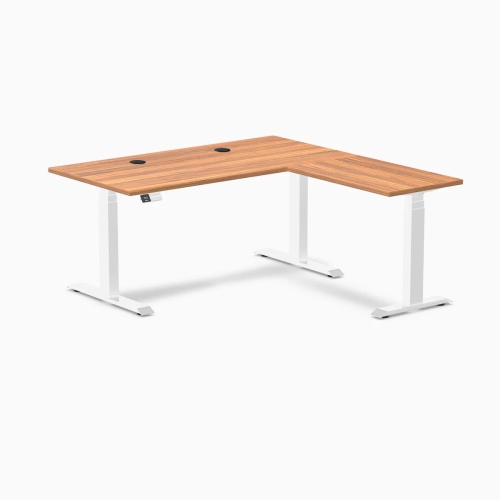
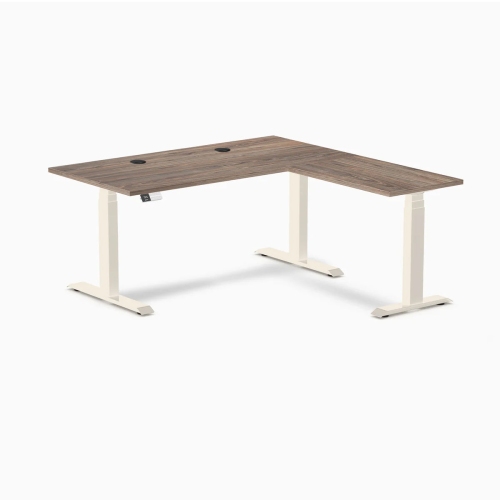
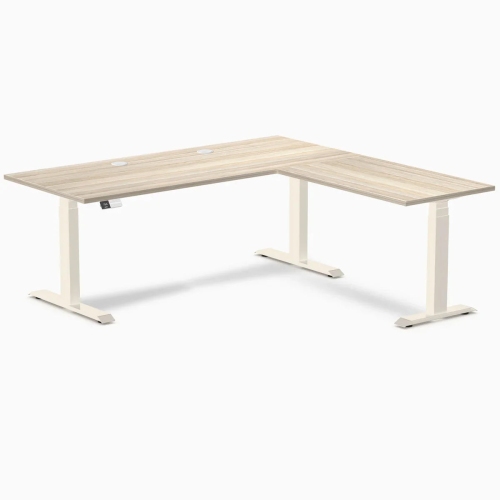
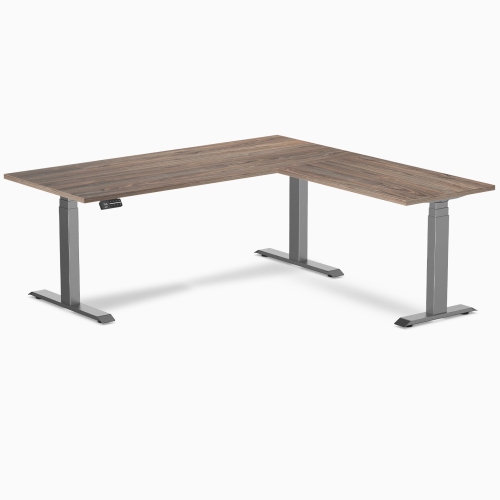
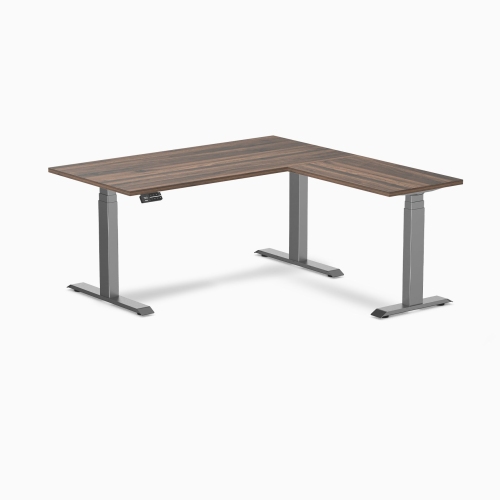
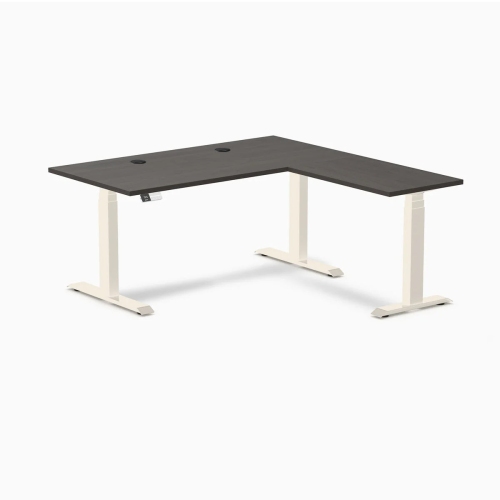
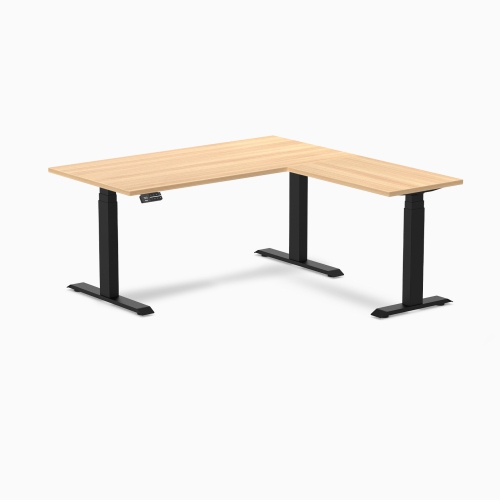
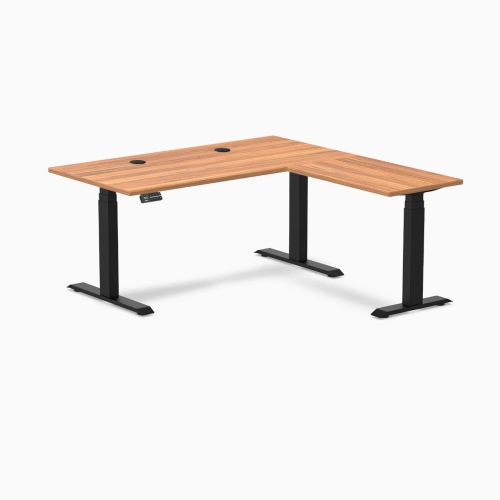
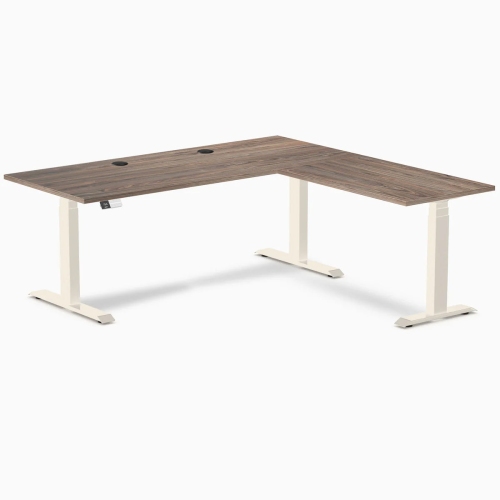
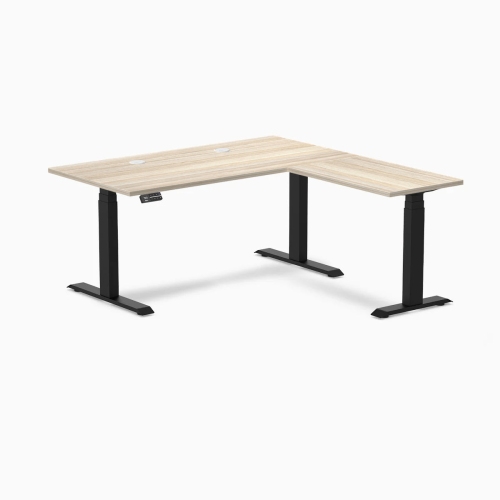
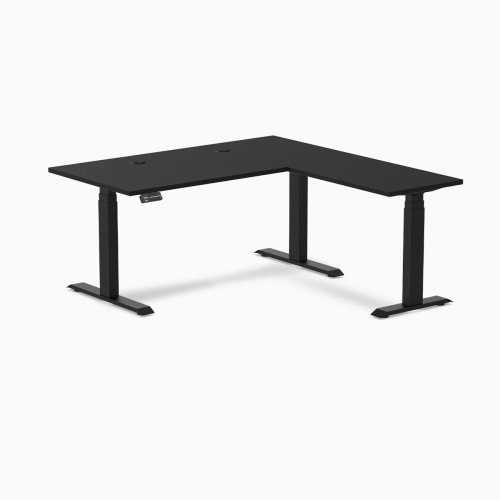
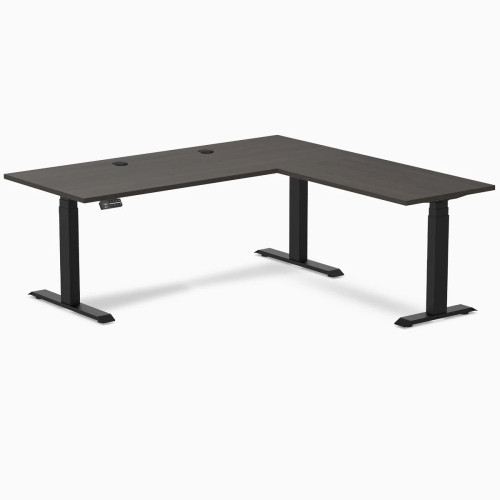
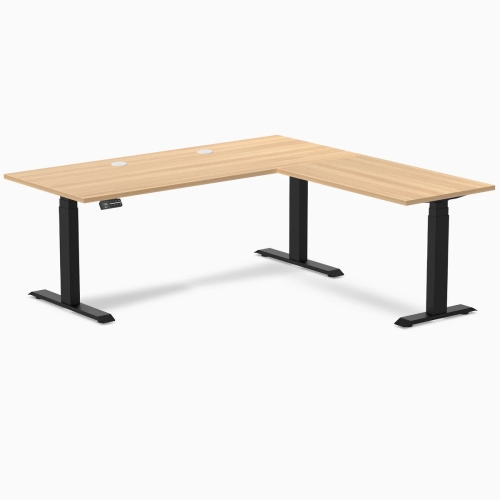
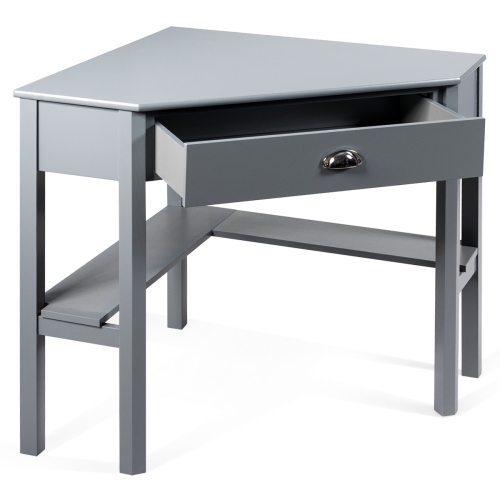
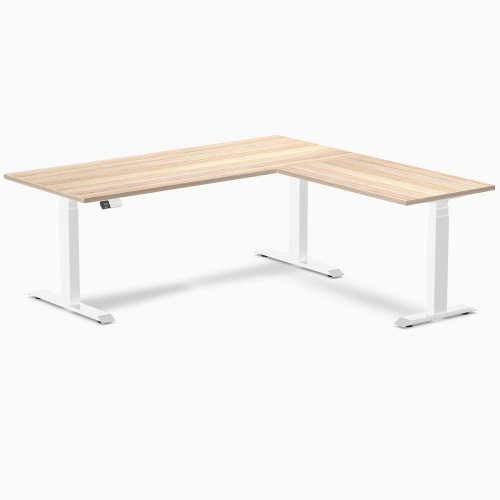
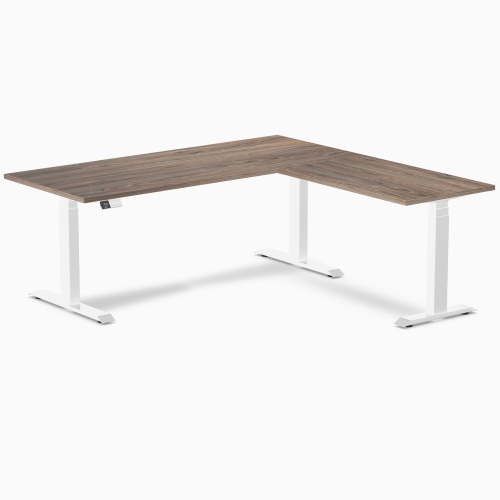
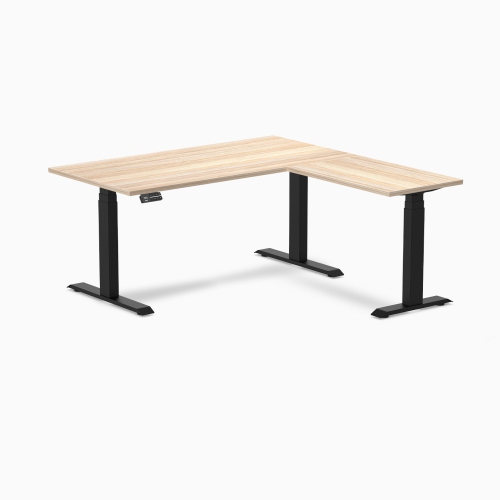
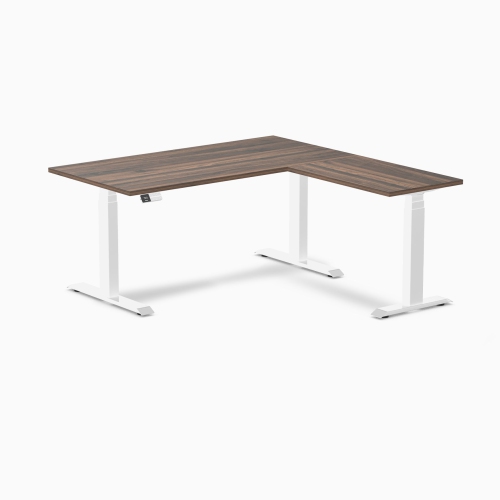
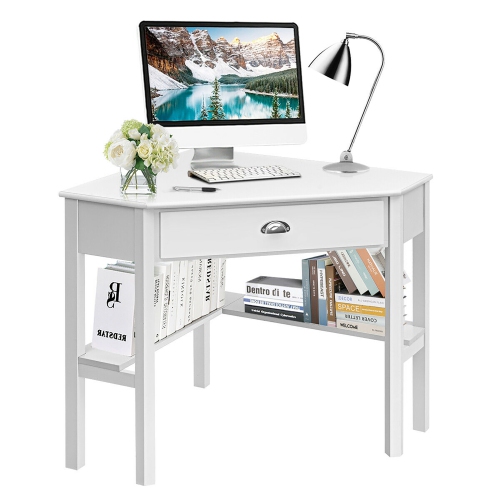
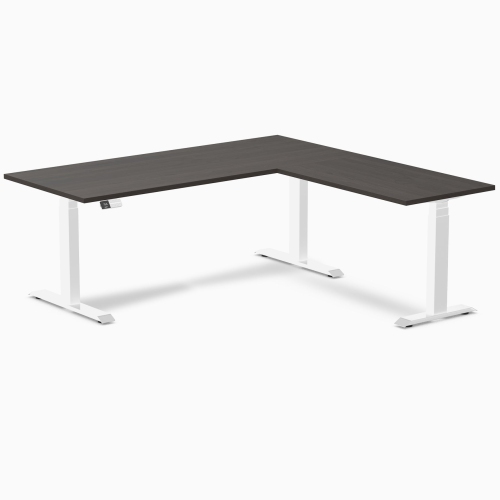
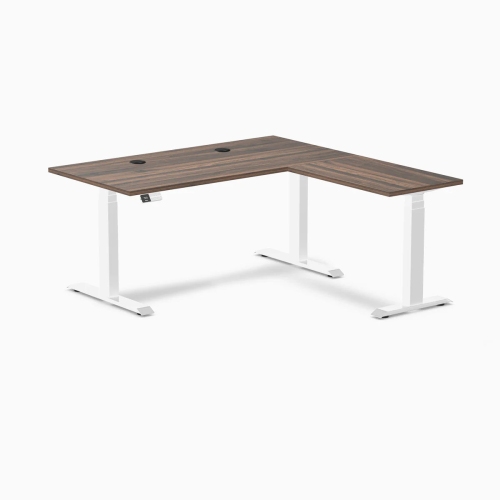
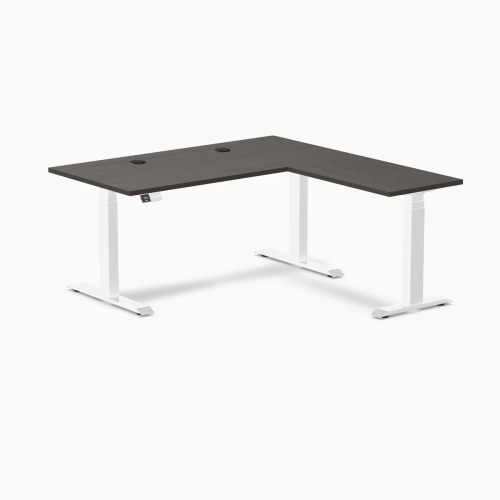
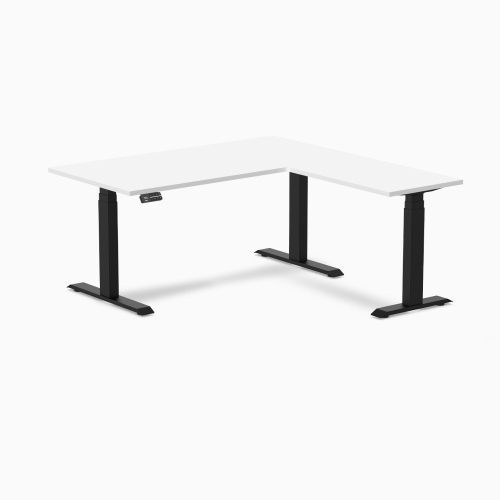
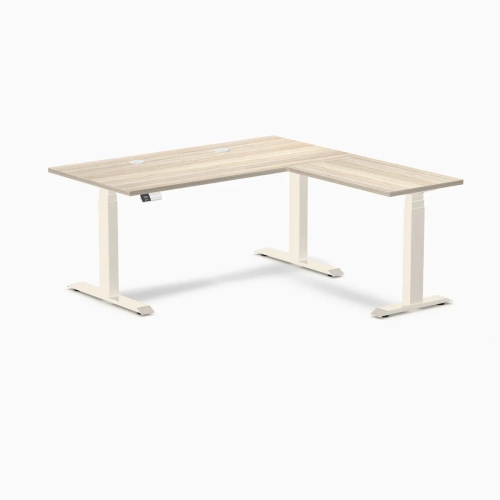
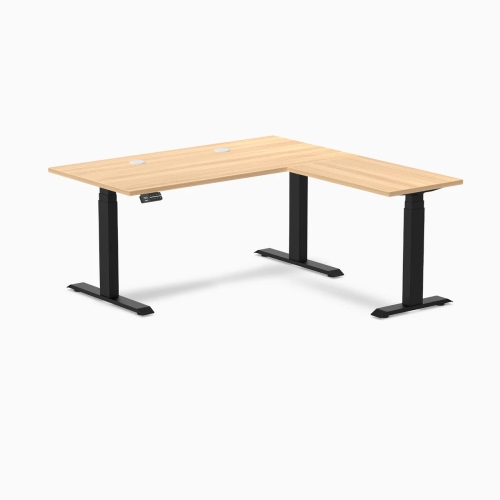
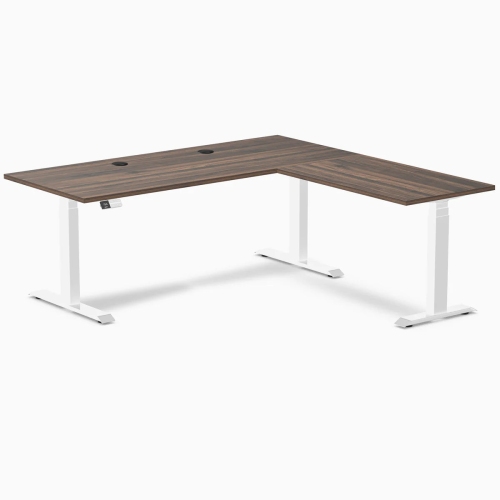
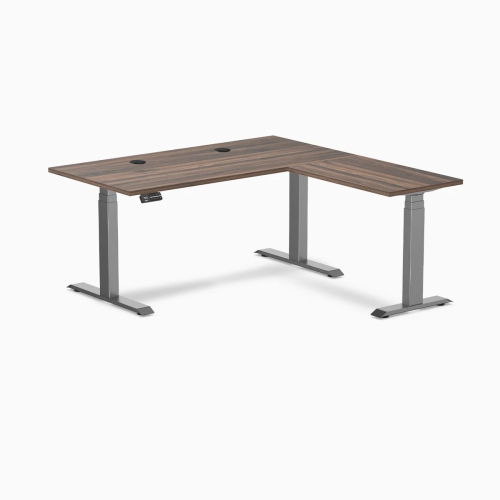
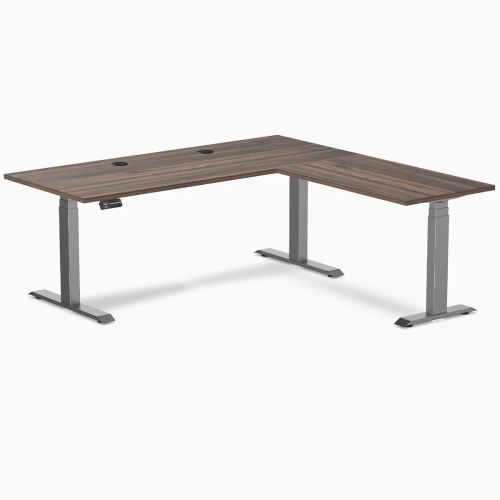
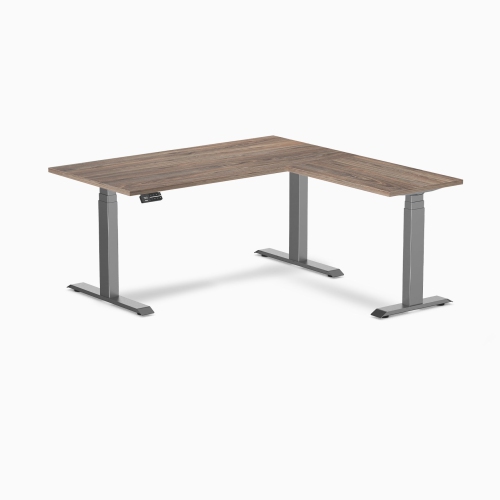
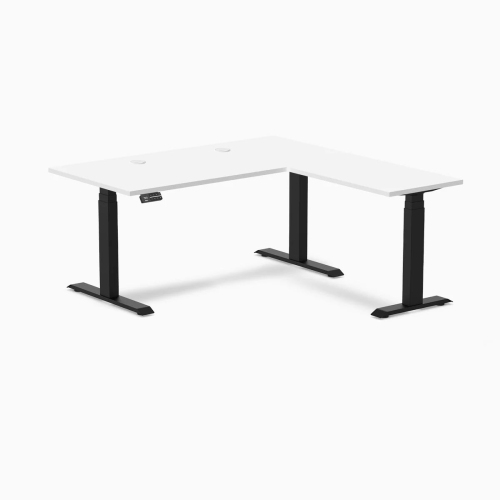
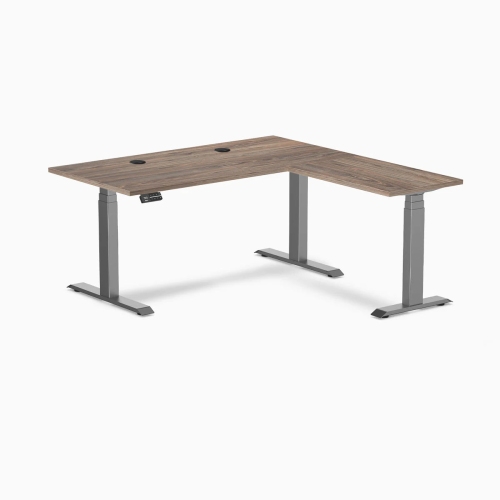
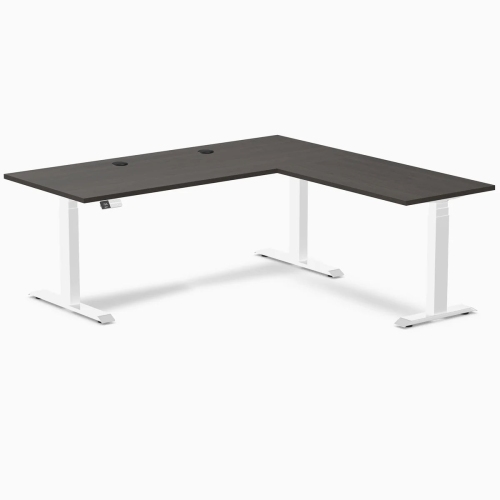
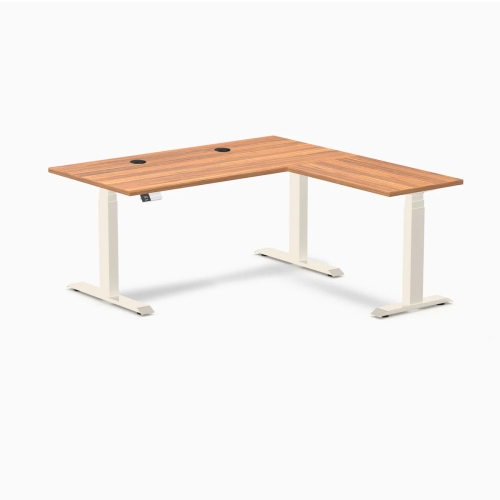
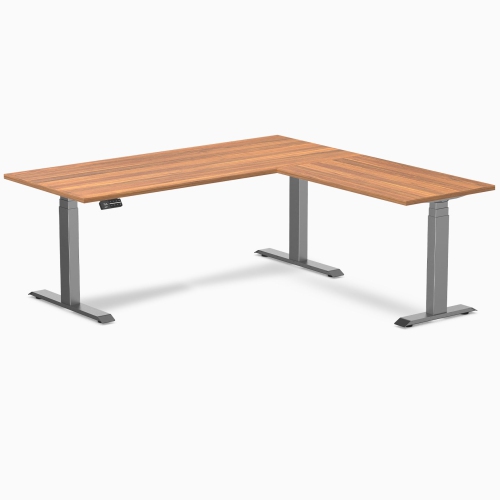
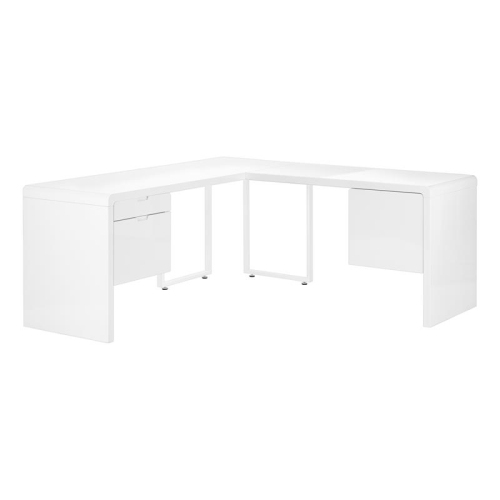
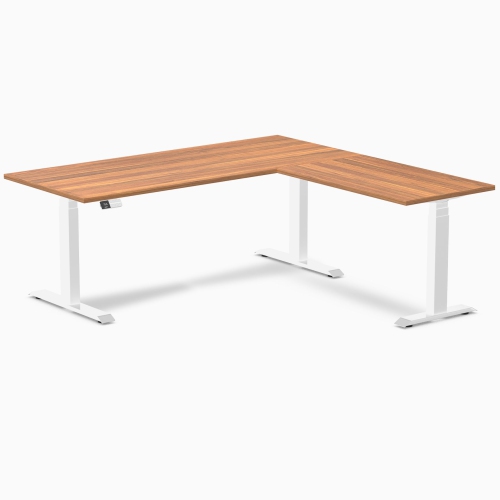
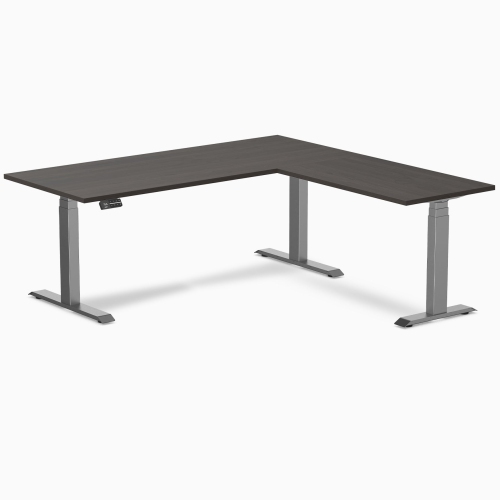
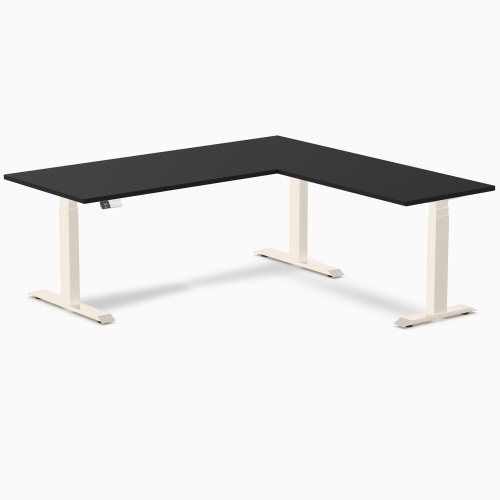
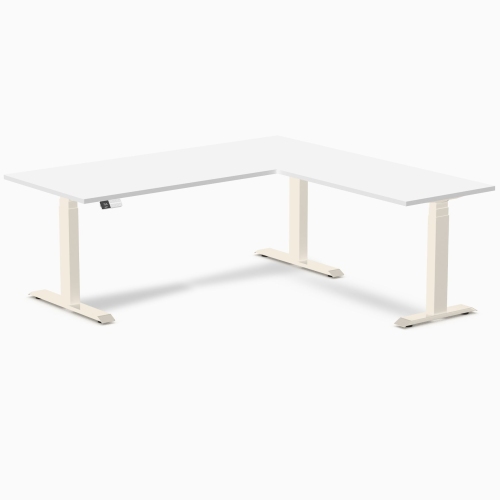
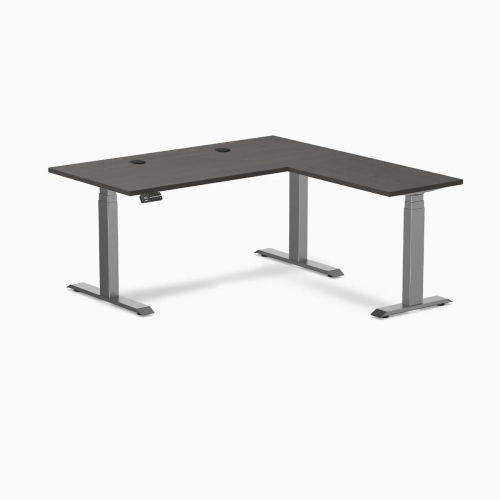
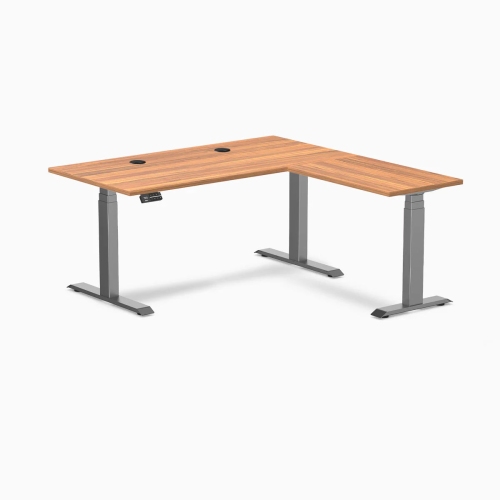
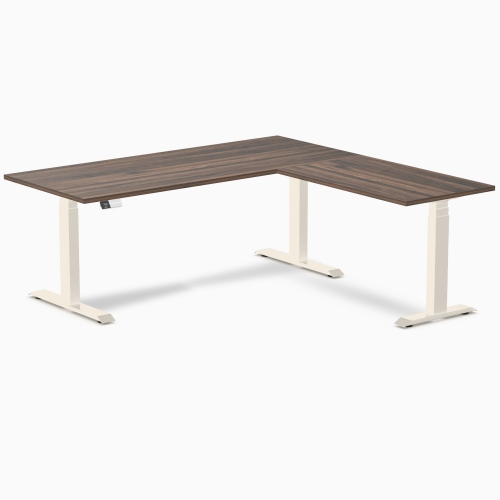
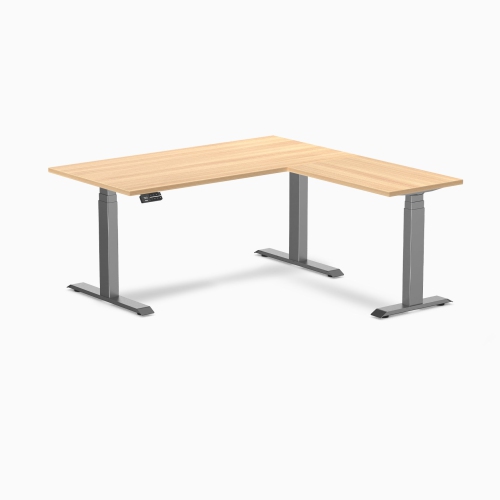
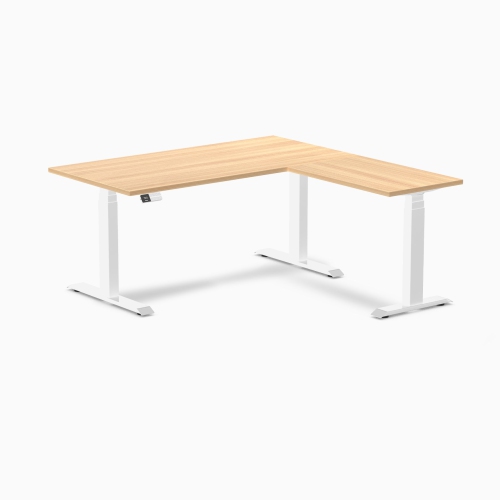
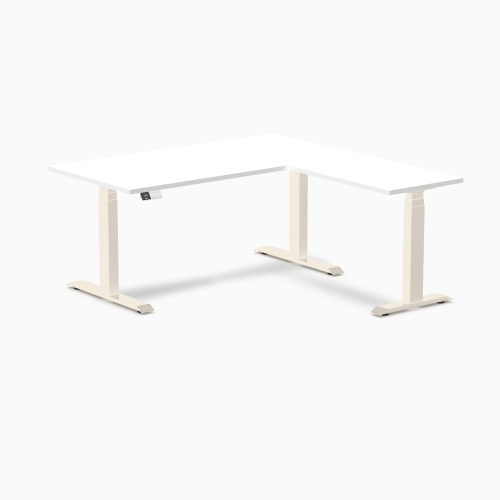
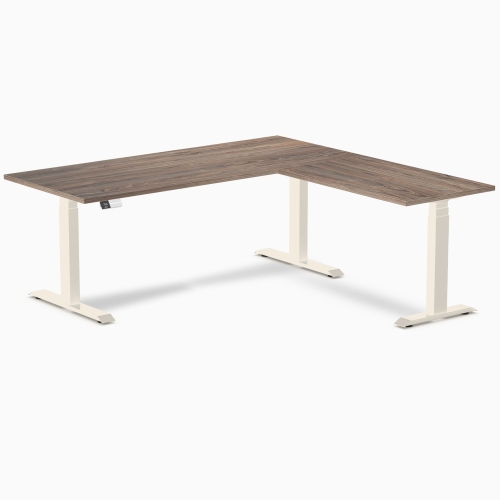
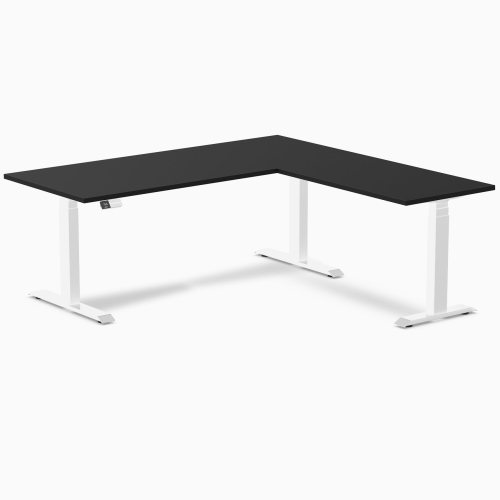
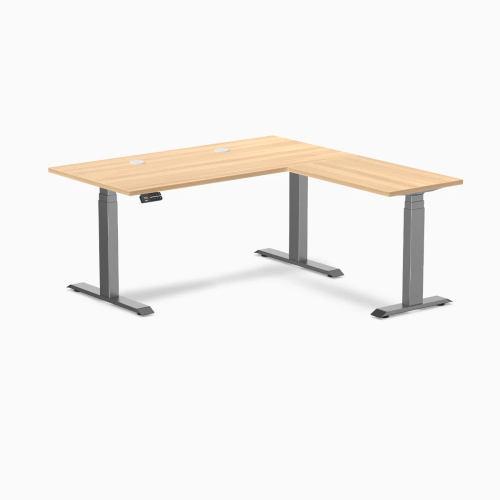
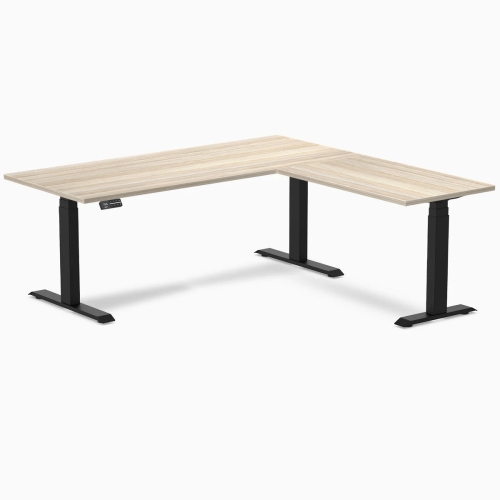
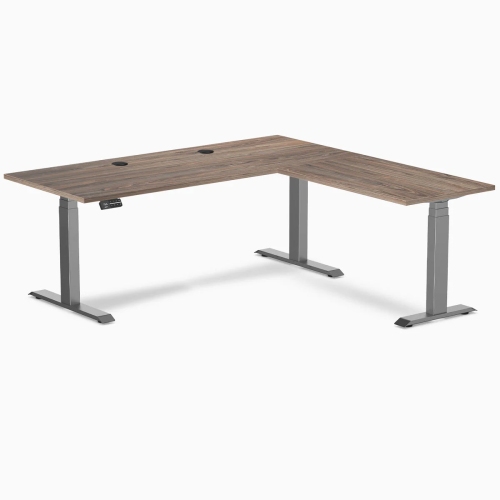
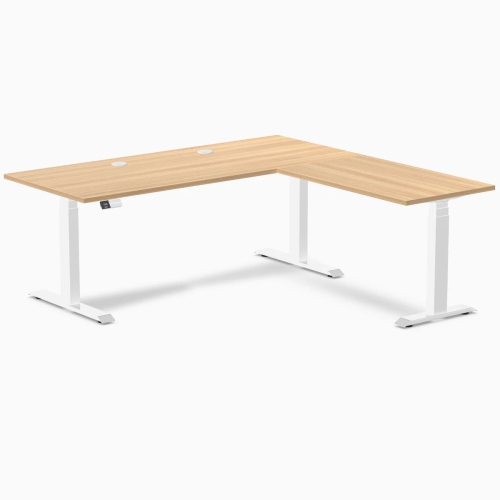
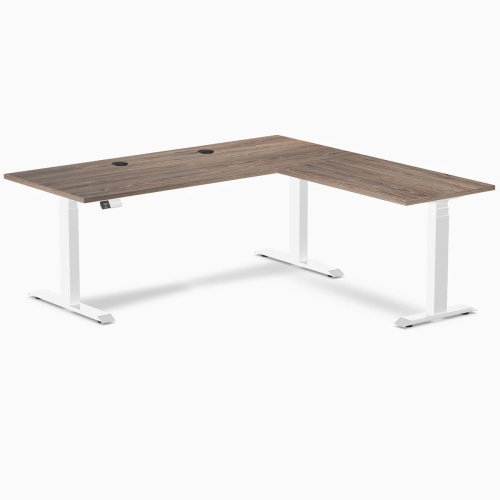
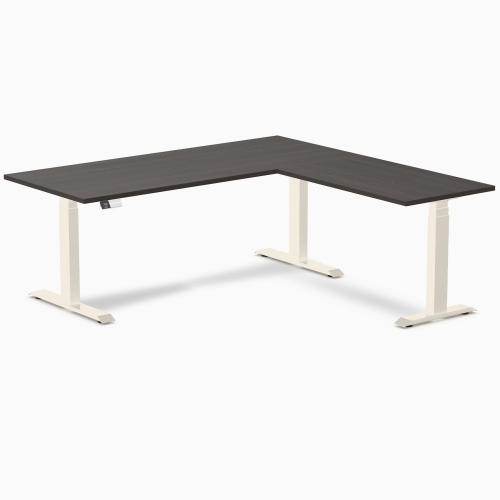
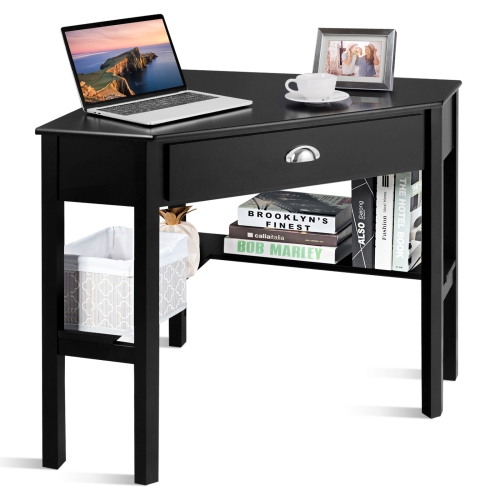
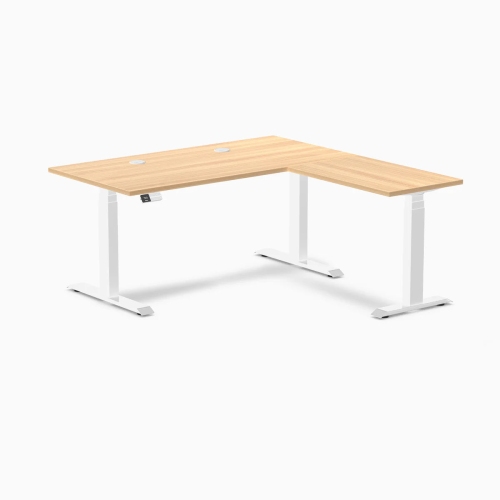
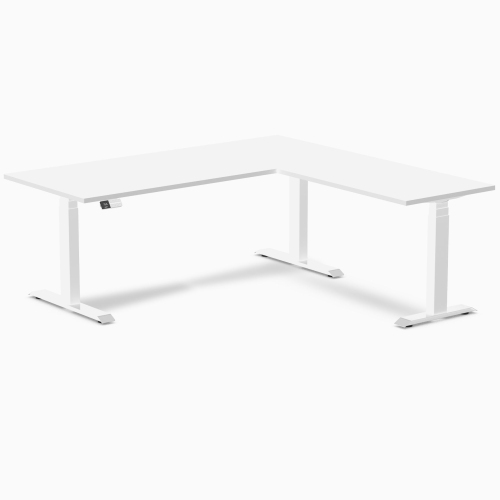
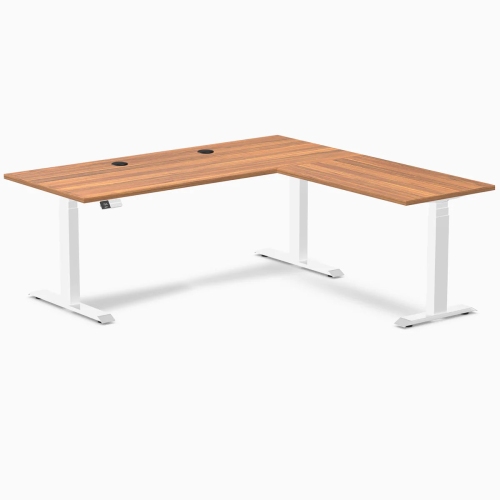
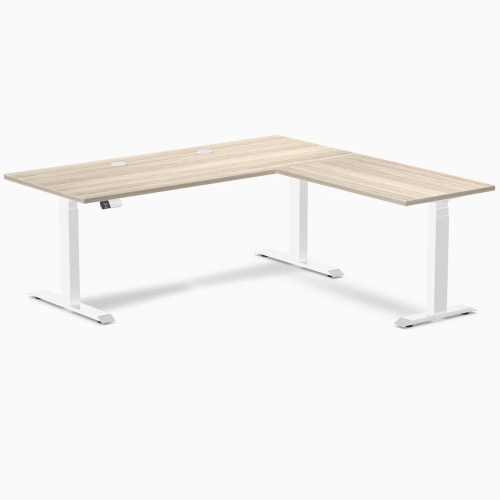
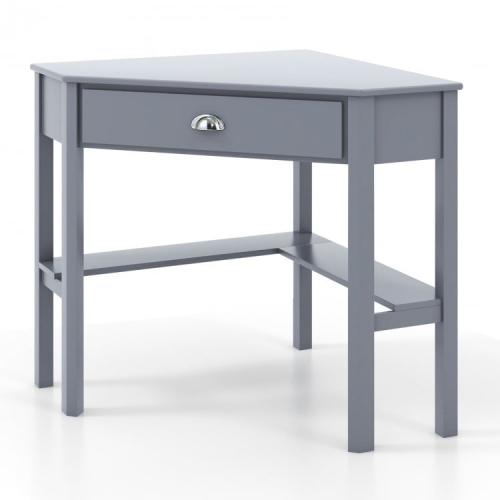
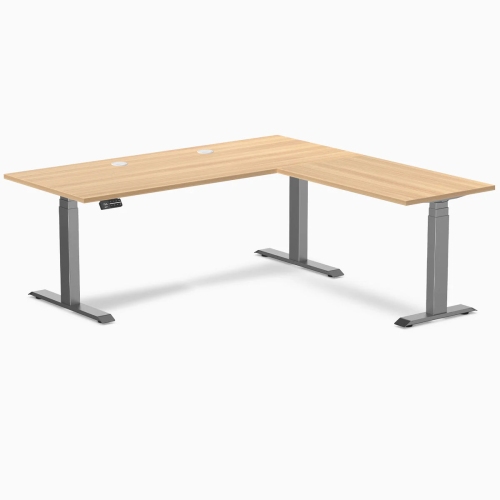
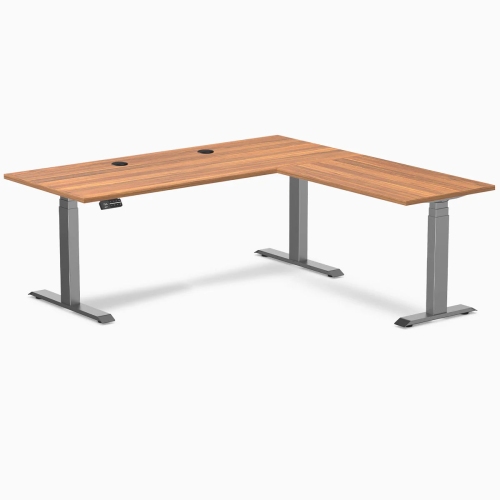
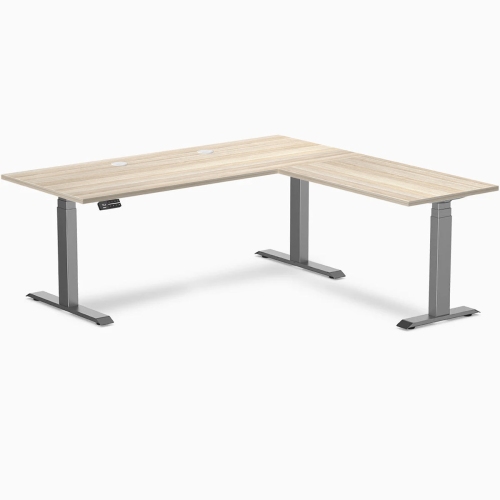
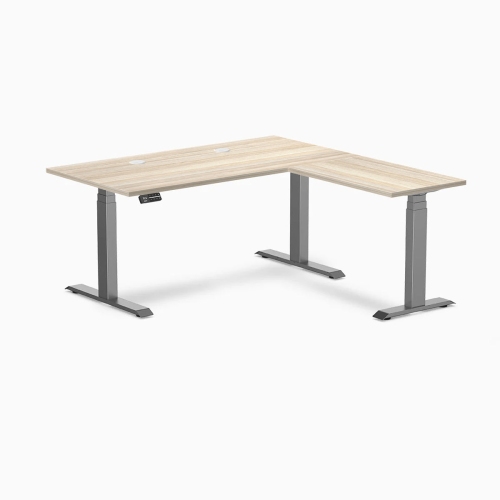
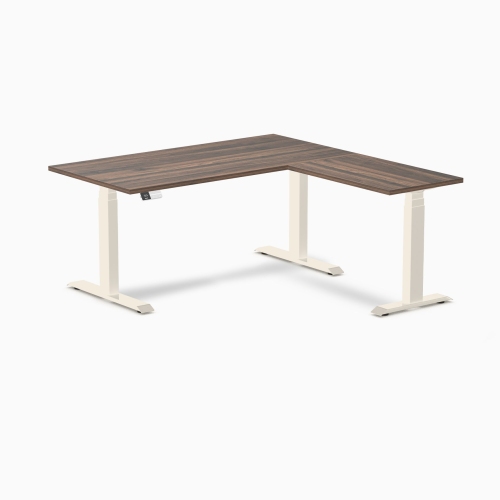
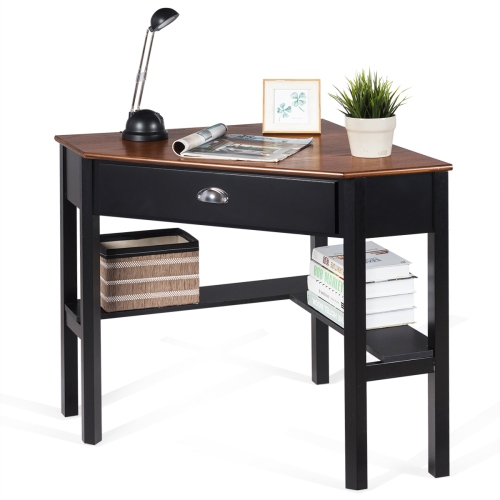
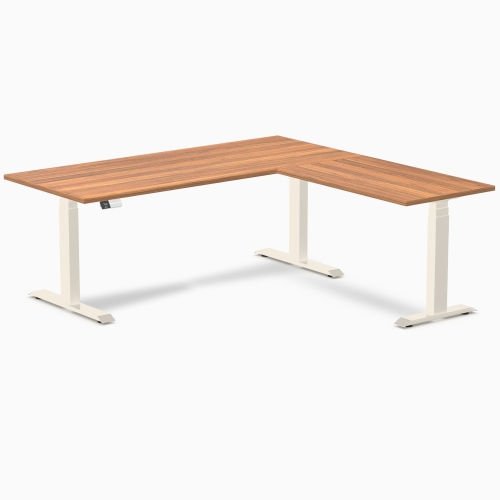
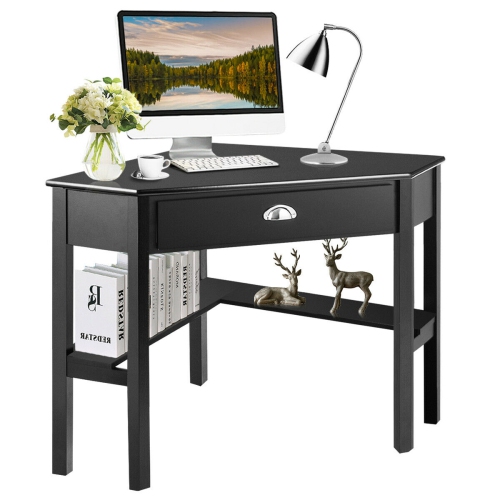
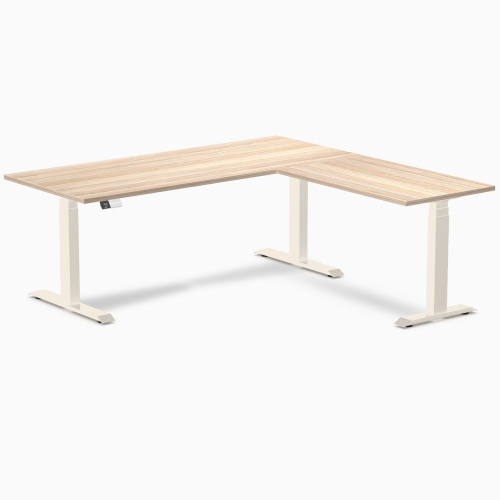
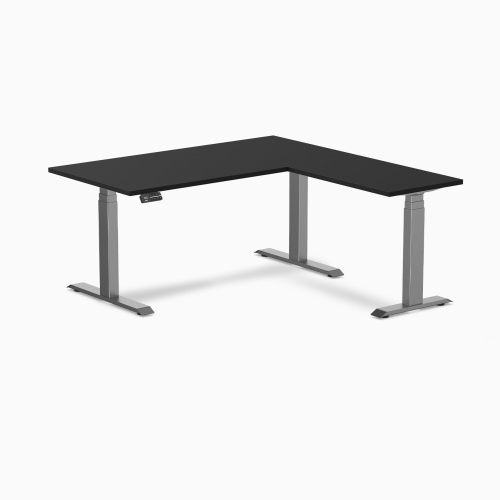
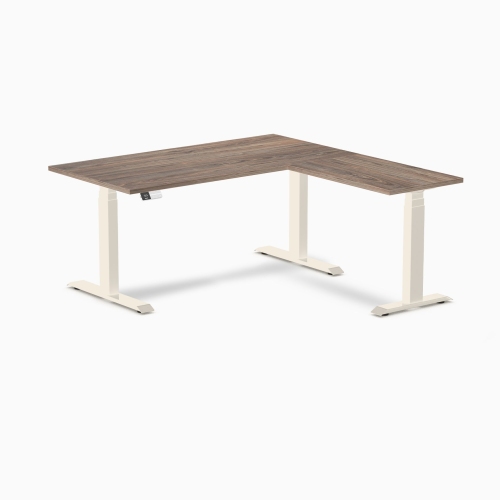
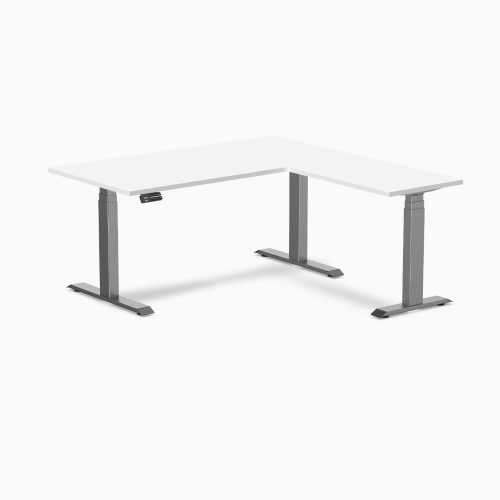
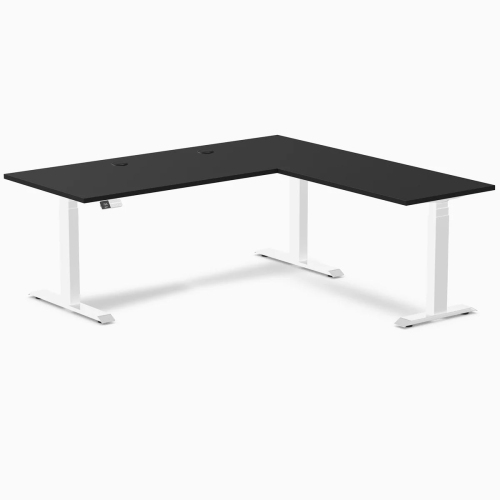
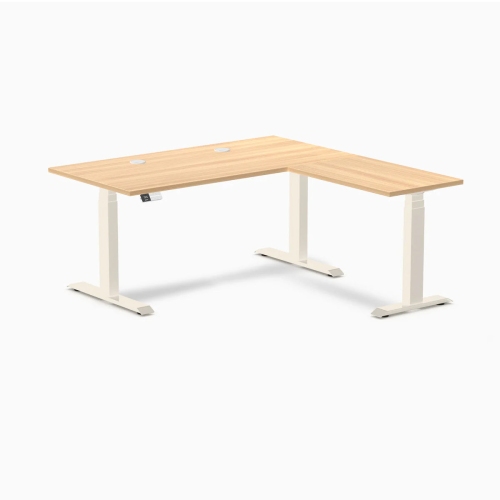
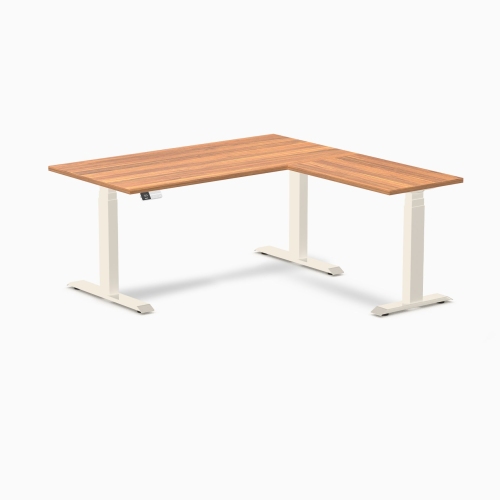
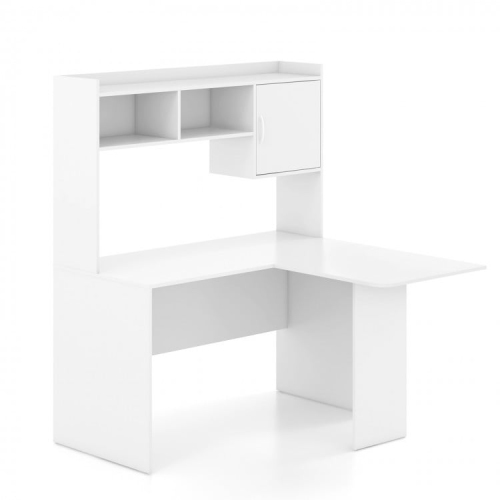
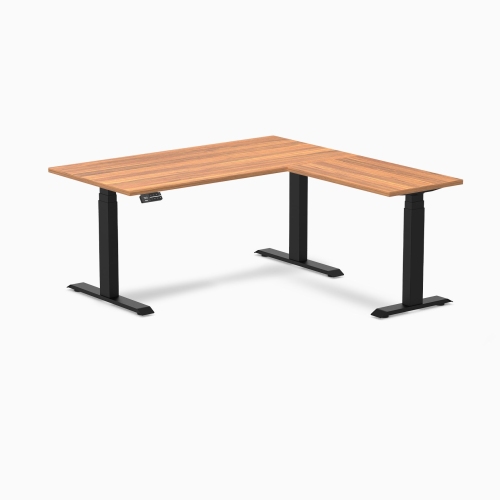
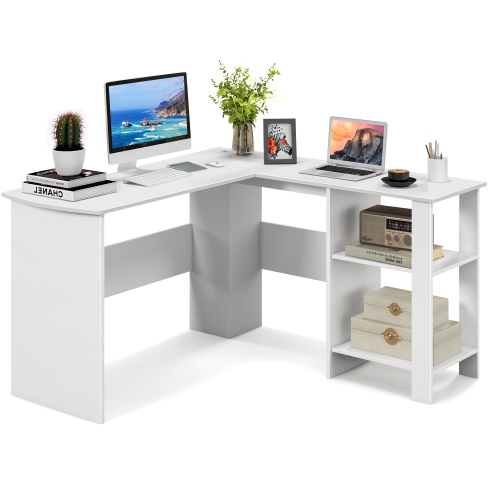
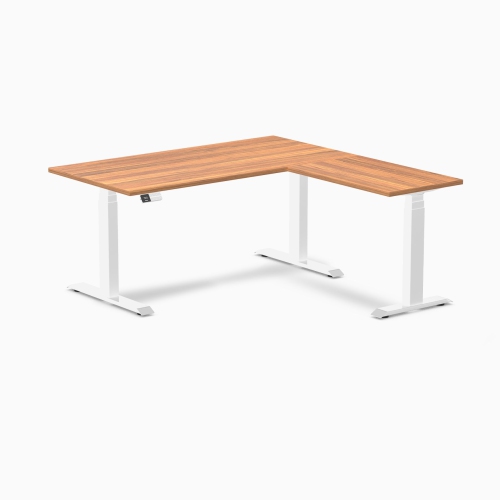
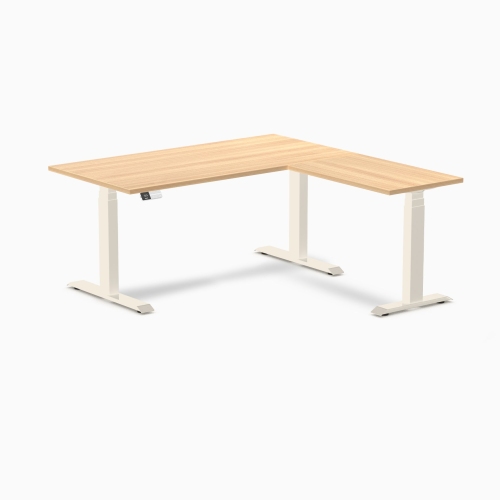
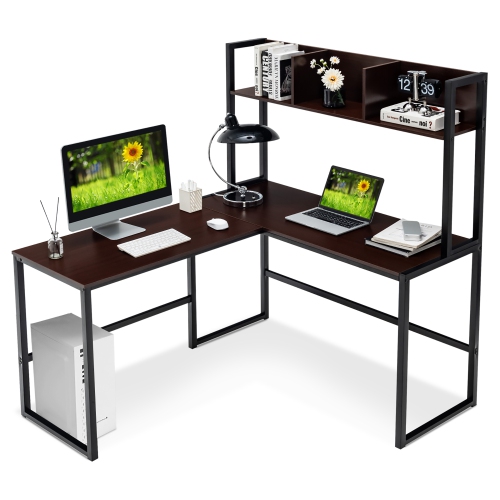
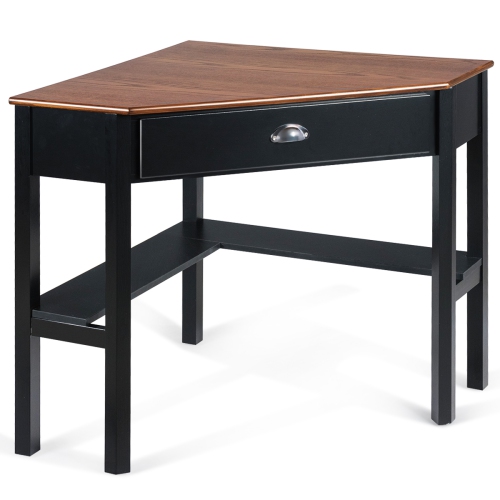
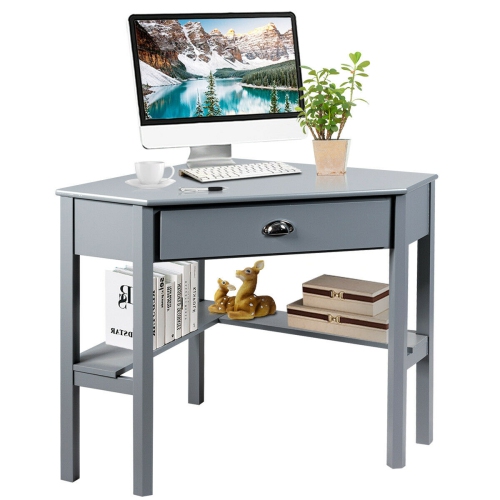
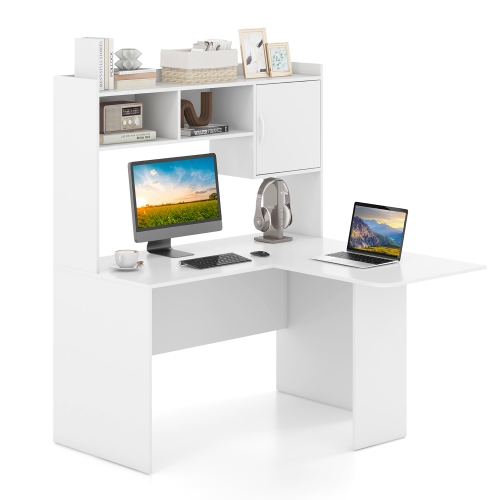
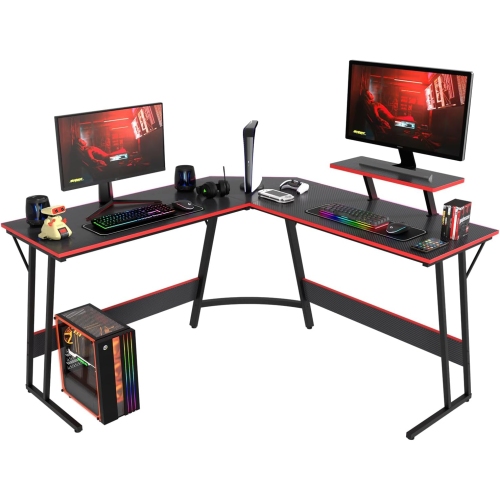
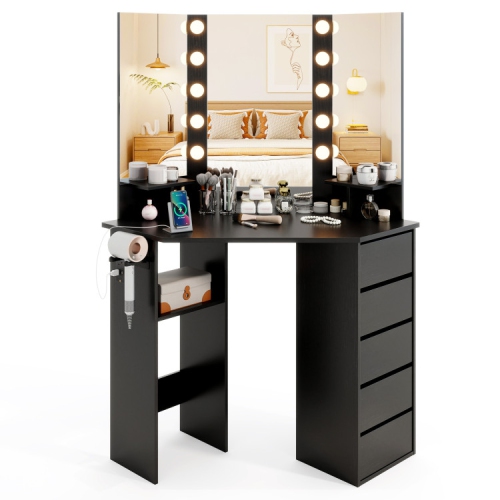
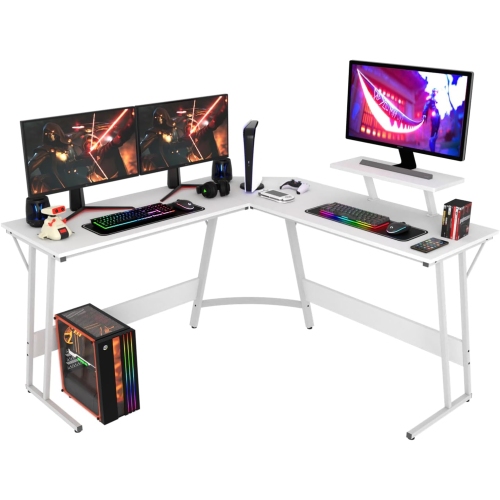
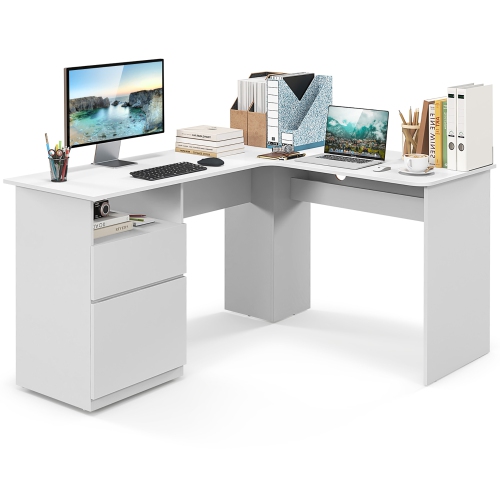
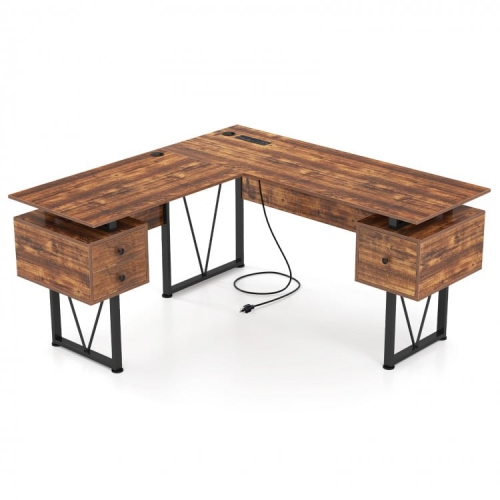
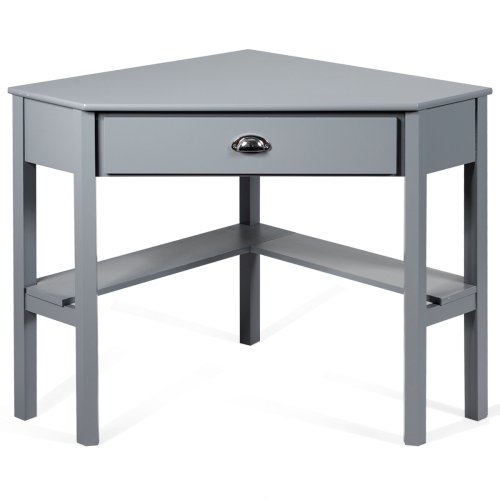
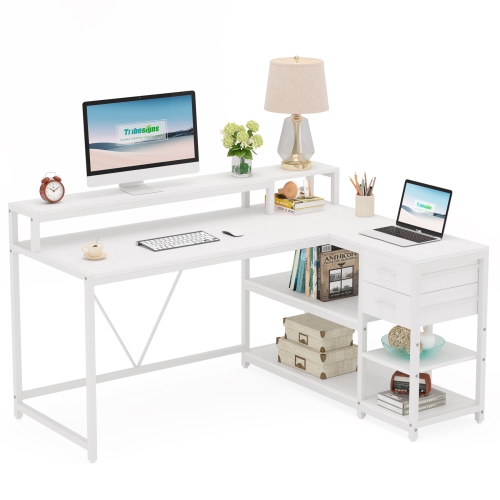
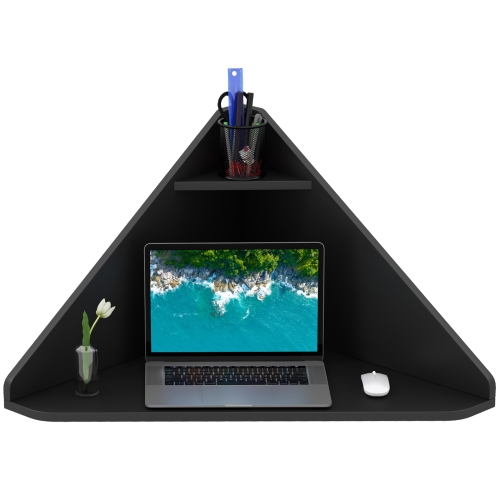
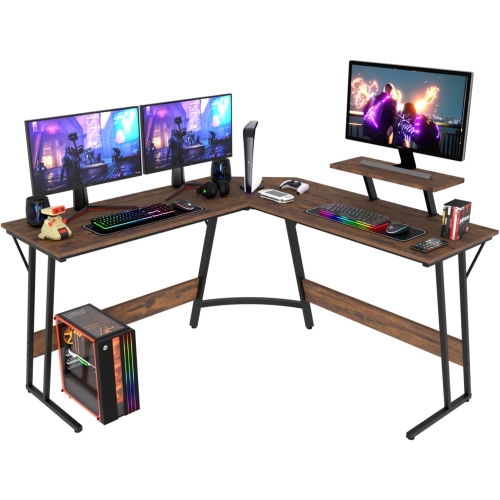

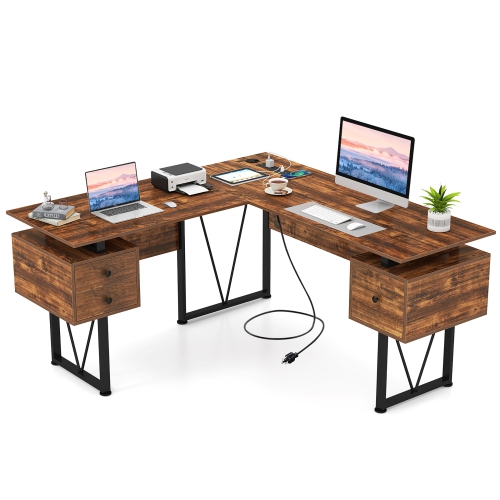
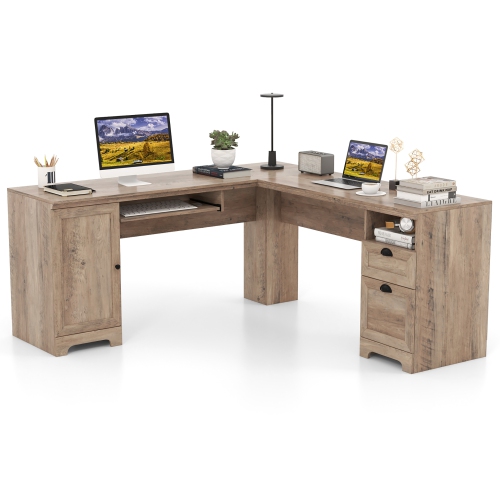
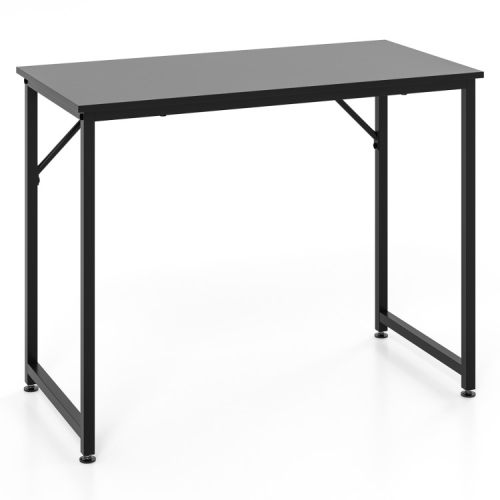
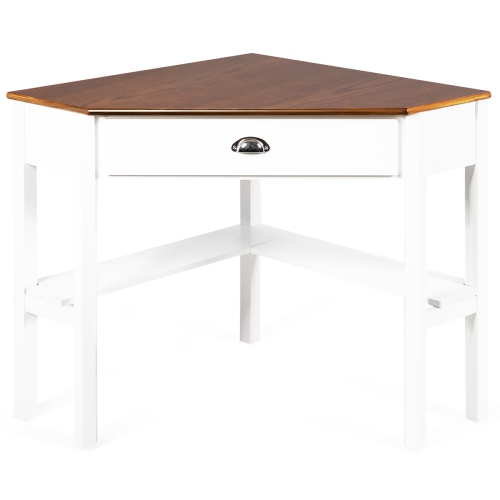
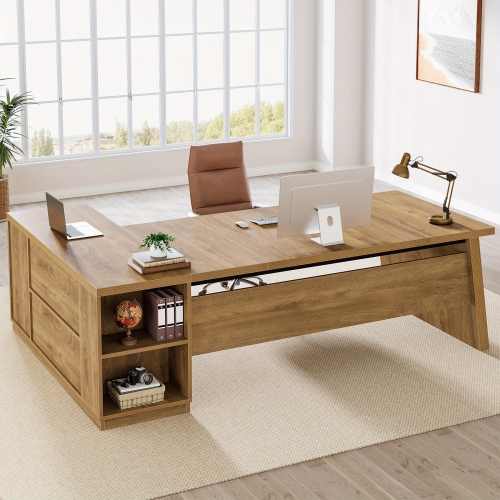
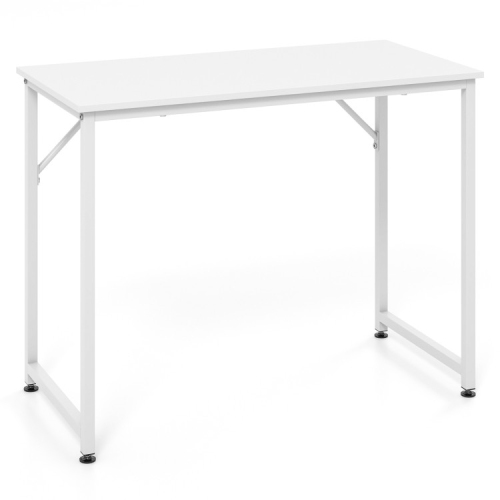
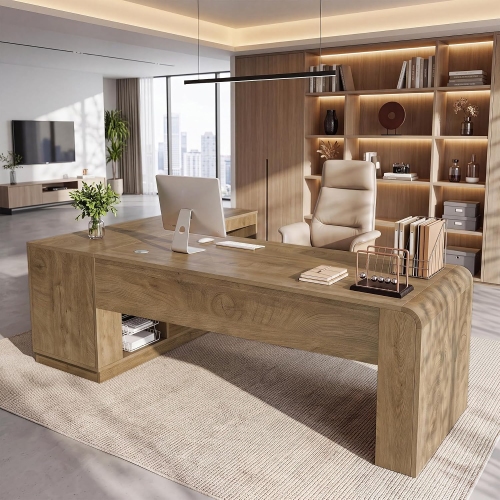
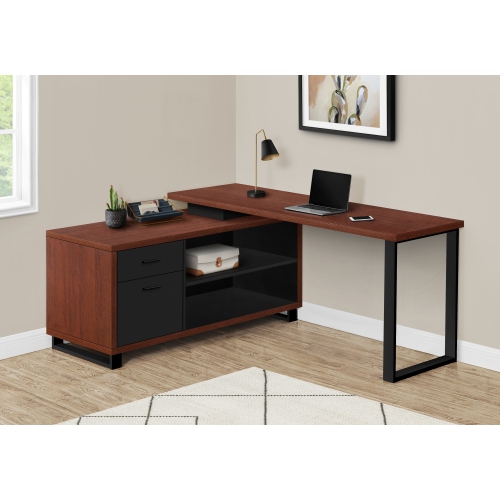
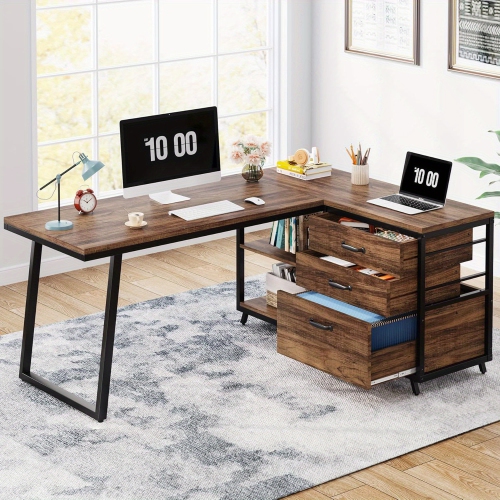
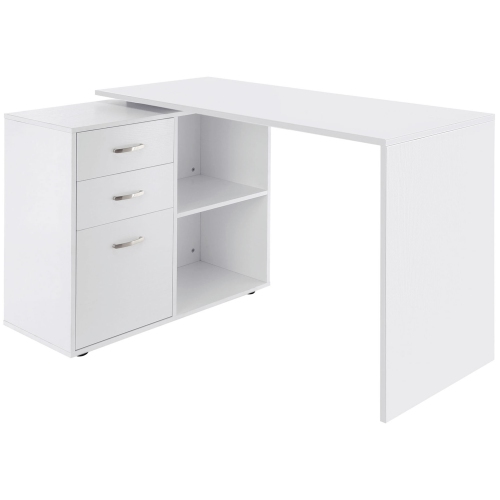

Two connected surfaces for a more organized workday
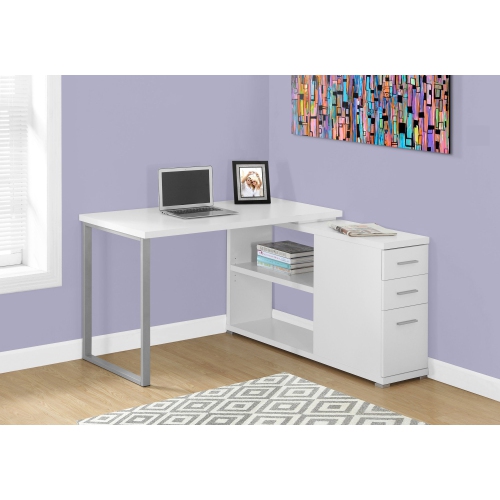
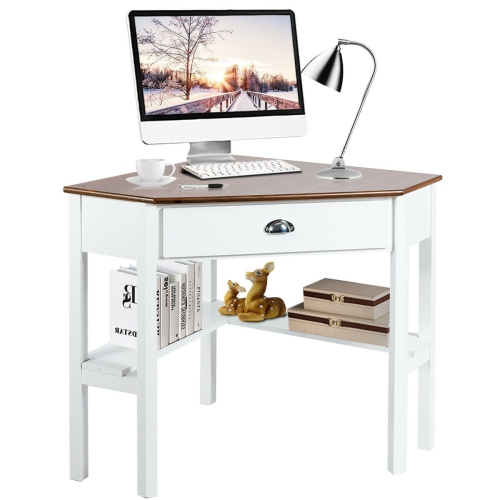
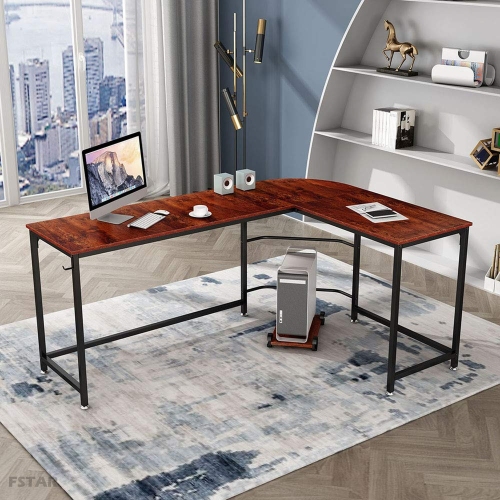
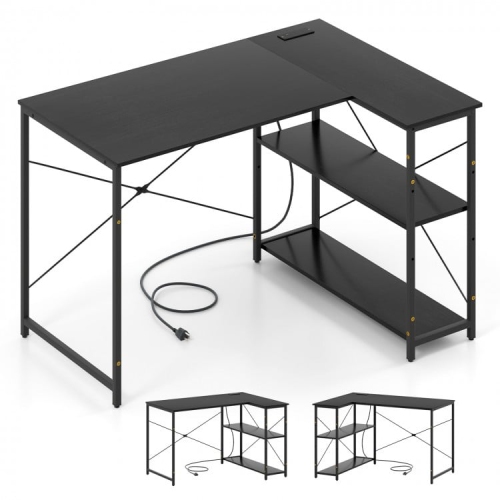
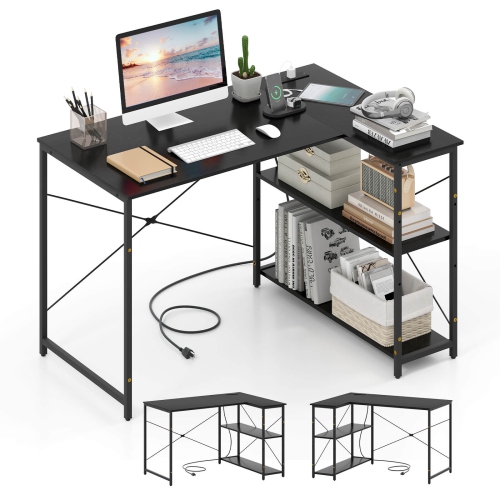
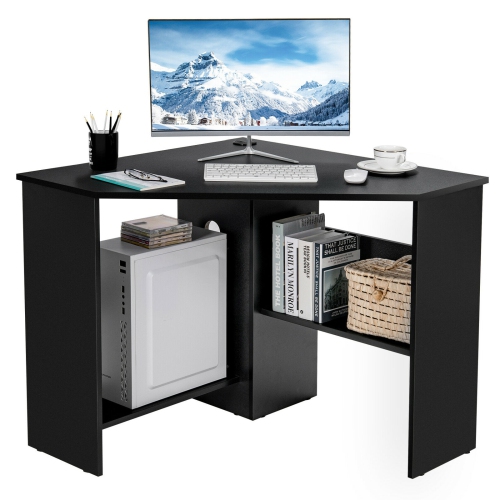
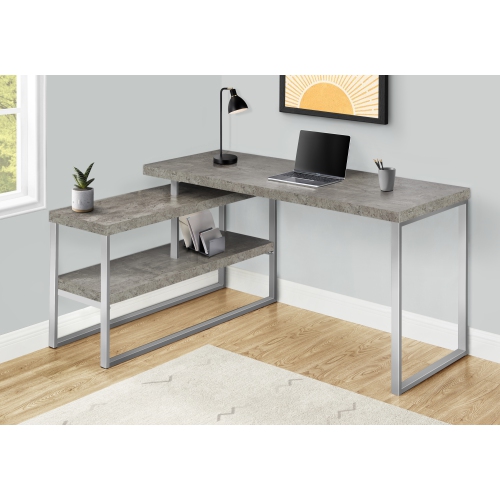
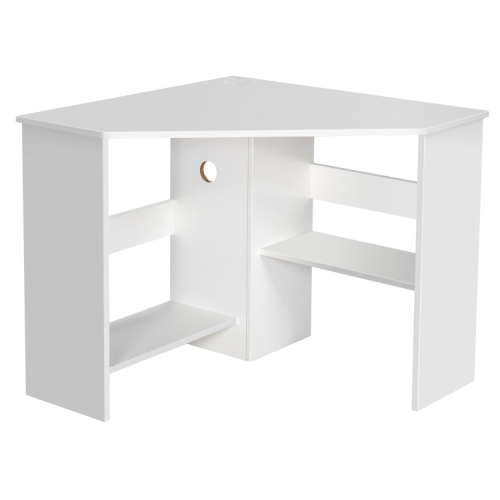
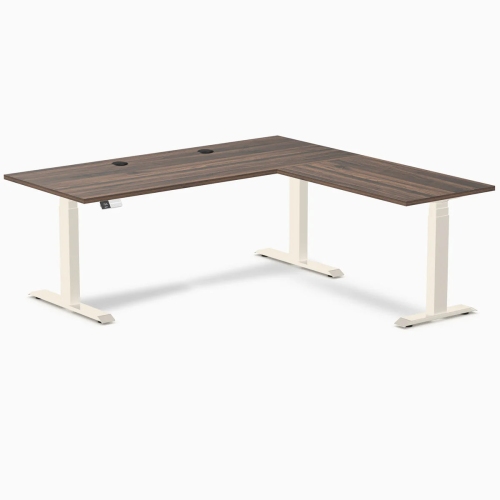
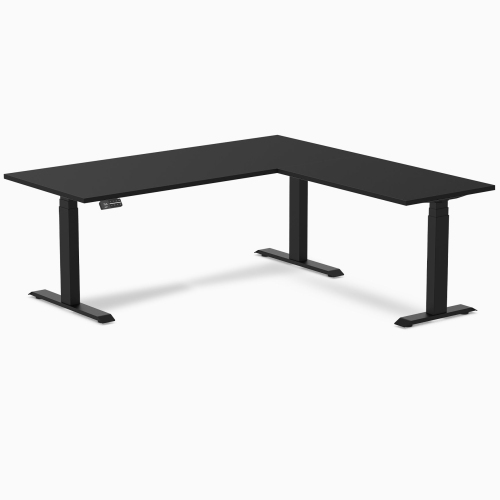
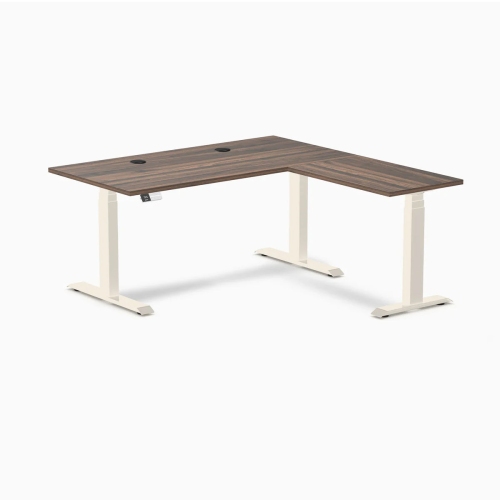
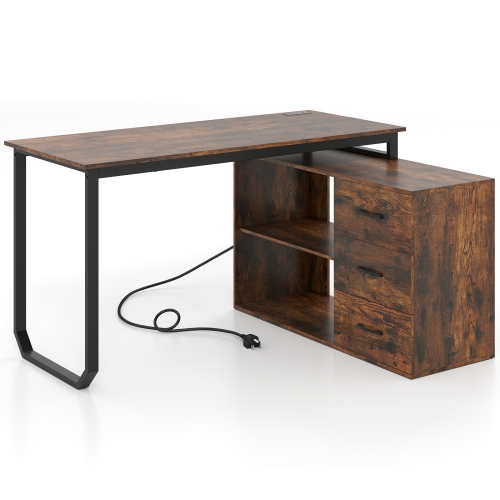
Left corner desks bring two connected work surfaces into an L-shaped layout, with the return extending to the left of the main seated position. That extra surface can hold paperwork, writing supplies, or a laptop beside a larger screen, keeping different tasks within reach without spreading them across the room. The related Left Side L Shaped Desks category centres on the same left-hand configuration. Orientation is worth checking carefully because a desk photographed from the front can appear different from the layout experienced while seated. Assembly diagrams and overhead views help distinguish a fixed left return from a reversible design that can be assembled on either side. A fixed configuration suits a dedicated office with an established furniture arrangement, while a reversible layout offers flexibility when moving rooms or rearranging a shared space. Neither configuration is reserved for left-handed users; the best fit depends on how the room works and where the extra surface is most useful. In a compact study, the return can follow an adjoining wall, leaving the middle of the room open. In a larger office, it can extend into the room to separate a work area from nearby seating. Overall width and return length describe only part of the footprint: desktop depth, leg placement, and the space needed to roll a chair back also affect everyday comfort. Baseboards, floor vents, outlets, and door swings can limit how closely a desk sits against a wall. Drawers and cupboards need room to open without blocking a doorway or striking another piece of furniture. A corner near a window may offer a pleasant place to work, although screen placement matters when reflections fall across the display. The most useful layout leaves a clear route to the chair and enough open space beneath both surfaces for natural movement.
Materials influence the appearance, weight, upkeep, and everyday feel of left corner desks. Solid wood brings visible grain and natural variation, while wood veneer provides a real wood surface over a supporting core. Engineered wood with a laminate or melamine finish offers a more uniform appearance and is commonly used for smooth desktops, drawer fronts, and shelving. Metal frames can create an open look beneath the work surface, and glass tops give a lighter visual impression while making fingerprints and cable placement more noticeable. Finish colour also changes how a desk sits within a room. Pale wood tones and white surfaces can blend with lighter cabinetry, while dark finishes provide contrast against light walls. A desk used for several hours each day benefits from more than an appealing finish: stable supports, well-fitted joints, protected edges, and suitable weight limits all contribute to dependable use. A heavy monitor setup places different demands on the surface than a notebook and a reading lamp, and stated load limits may apply separately to the main desktop, return, and shelves. Clamp-mounted monitor arms also need a compatible desktop thickness and a suitable attachment point, especially where support rails or storage units sit below the back edge. Routine care is usually straightforward but depends on the finish. A soft cloth removes dust, and prompt attention to spills helps protect seams and exposed edges from moisture. Coasters and desk mats reduce contact with drink rings, pen marks, and repeated mouse movement. Glass surfaces require an appropriate cleaning method, while wood and veneered surfaces may need gentler treatment than their appearance suggests. Manufacturer care instructions remain the best reference for cleaning products and surface protection. Correct assembly matters just as much as cleaning; a level position and securely fitted hardware help prevent wobbling, particularly where the return joins the main desk.
The appeal of a left corner desk is often the ability to give each part of the workday its own place. A student might keep a computer on the main surface and leave the return clear for textbooks and handwritten notes. Someone working from home can position a keyboard and monitor directly ahead, with reference documents to the left rather than stacked beneath the screen. For creative work, the return can provide space for sketching or sorting materials while the main desktop stays ready for digital tasks. Storage changes how well that arrangement holds up over time. Open shelves keep frequently used supplies visible, while drawers conceal small accessories that otherwise collect around the keyboard. File storage is useful for paperwork, provided the drawer dimensions match the intended folder size. An enclosed cupboard can keep less frequently used materials out of sight, although its position should not reduce comfortable legroom. For a desktop computer, a storage bay needs adequate ventilation and access to connections rather than simply enough space to hold the case. Cable openings and under-desk trays can help route cords away from feet and chair wheels, with sufficient slack for moving equipment safely. Comfort depends on the relationship between the desk, chair, and screen rather than the shape alone. A suitable working height allows relaxed shoulders, supported feet, and room for the thighs beneath the surface. The monitor should sit directly in front of the primary working position, not permanently off to one side simply because the desk has a return. Enough depth for a comfortable viewing distance is particularly helpful with larger screens. Height-adjustable configurations introduce further considerations, including clearance around nearby furniture and cord length throughout the lifting range. Whether the desk supports coursework, remote work, household administration, or a shared family computer, its strongest advantage is practical separation: a clear main work surface, a useful extension to the left, and storage that supports the tasks happening there.
Top selling and popular products
-
 Your price for this item is $97.99
-
 Your price for this item is $89.99
-
 Your price for this item is $84.99
-
 Your price for this item is $97.99
-
 Your price for this item is $649
-
 Your price for this item is $749
-
 Your price for this item is $649
-
 Your price for this item is $649
Discover more categories related to Left Corner Desks
Top Collections:
Best Black Friday Deals This Year, Best Black Friday Deals On Electronics, Kindle Devices, Pokemon Centers, Best Black Friday Deals On Apple Products, Best Cameras for Sports Photography, Dyson Airwrap, Pokémon 30th Celebration Cards, Apple iPhone 17 Pro, Canon G7X Cameras
Some products may be subject to Environmental Handling Fees
(EHF) depending on your province.
Learn more about EHFs.