Leg Pillows
Whether you're seeking relief from lower back pain, improving circulation, or simply enhancing your comfort while sleeping, leg pillows can be a game-changer. These specialized pillows are designed to provide support and alignment for your legs, helping to reduce pressure on your joints and promote better spinal alignment. With various shapes and materials available, finding the perfect leg pillow to suit your needs has never been easier. Discover the benefits of incorporating a leg pillow into your bedtime routine and experience the difference in your overall sleep quality and well-being.
Sort
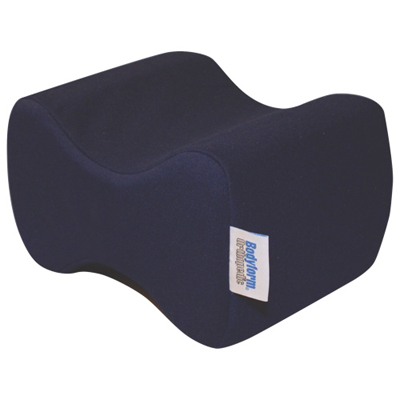
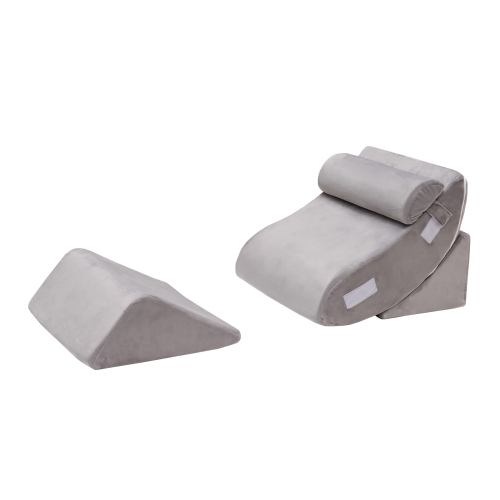
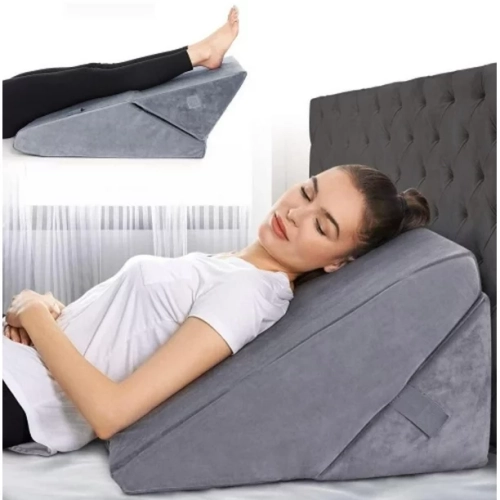
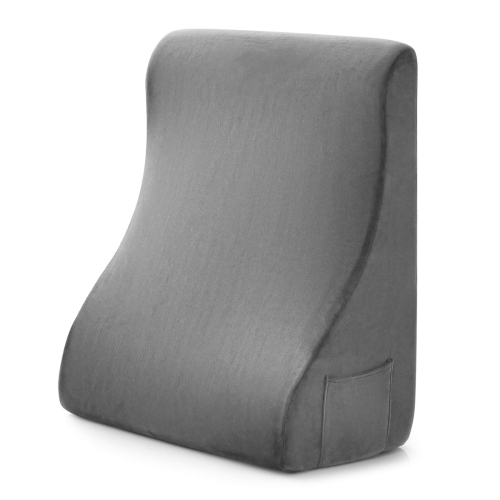
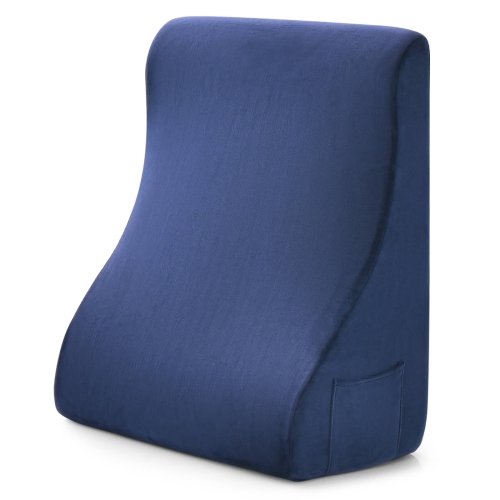
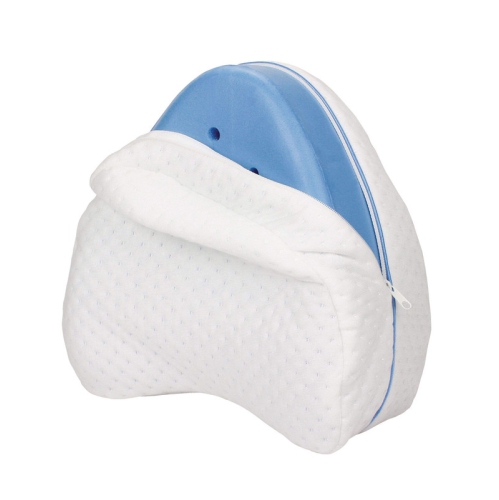
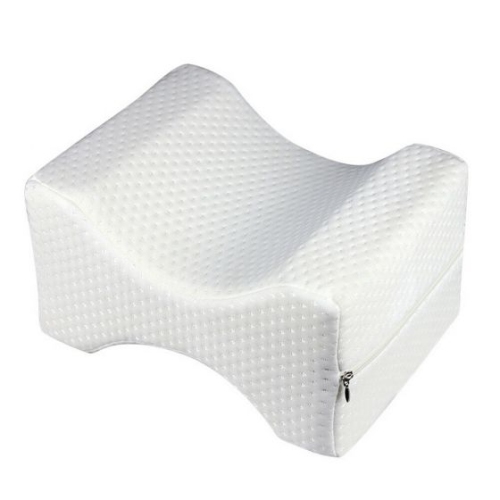
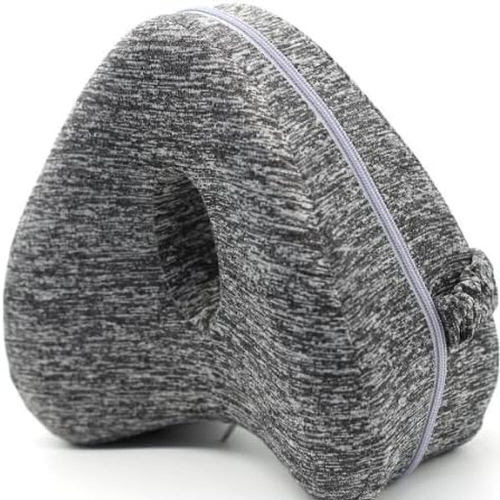
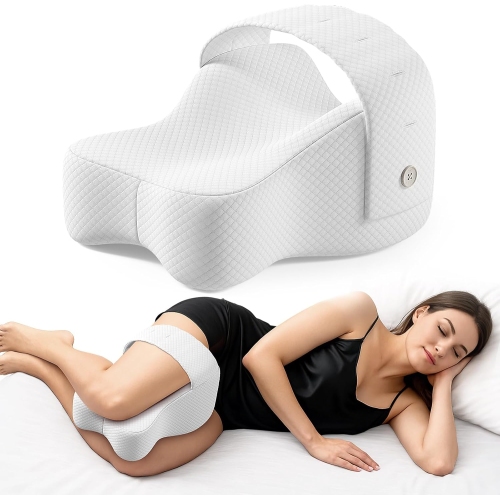
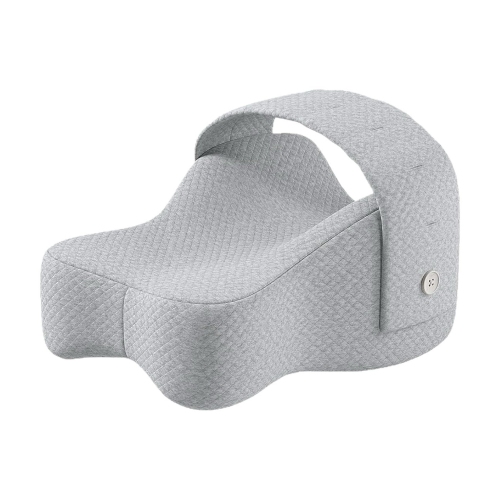
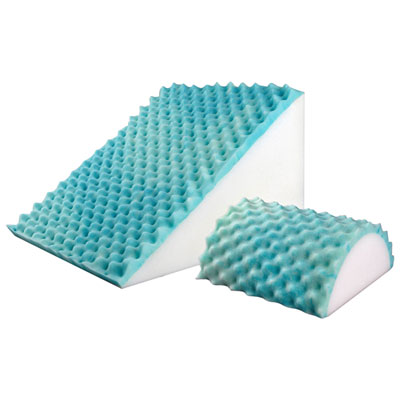
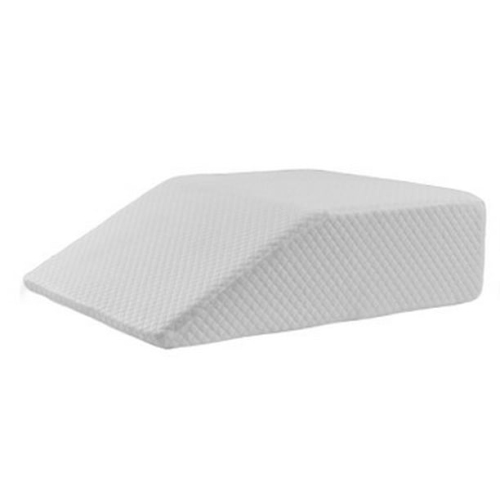
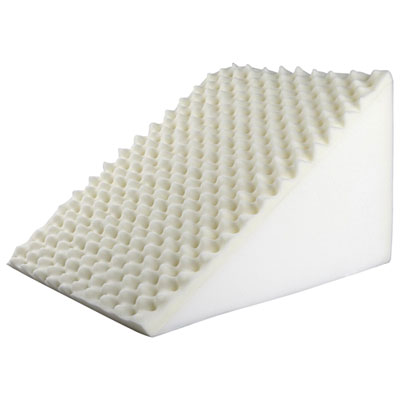
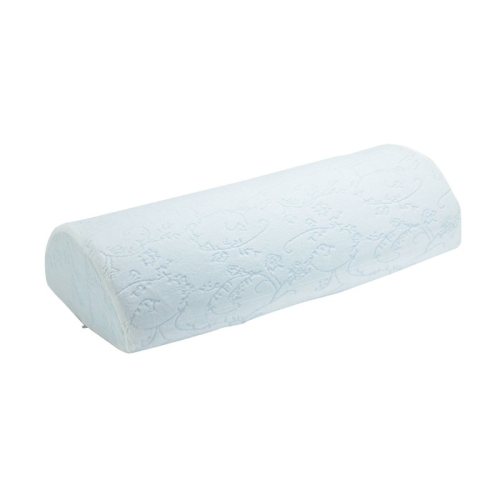
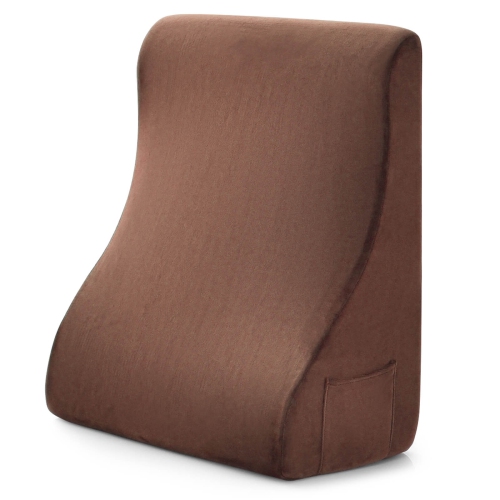
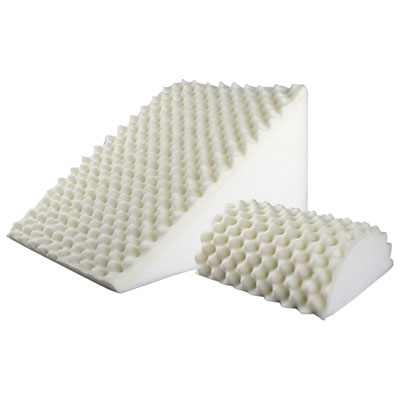
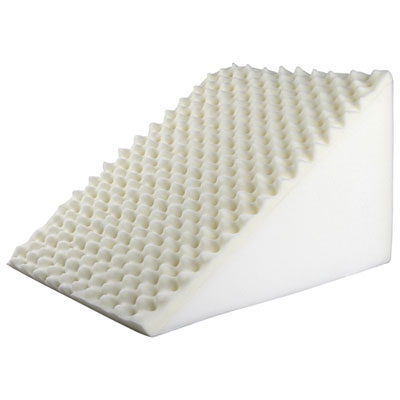
Supportive leg positioning for more comfortable rest and recovery
Leg pillows are supportive cushions designed to help you position your legs more comfortably while sleeping, resting or recovering. Depending on their shape and construction, they can be placed between the knees, beneath the legs or under the ankles to encourage a more balanced posture and reduce pressure on areas that can become strained during long periods of rest. Side sleepers often choose a contoured knee pillow because it helps keep the knees and hips separated, preventing the upper leg from rotating forward and pulling the pelvis out of alignment. Back sleepers may prefer a leg elevation cushion that gently raises the calves and lower legs, while a full-length body pillow can provide continuous support from the hips down to the ankles. These cushions can be useful for people who experience occasional lower-back tension, hip pressure, knee discomfort or stiffness after a busy day, as well as anyone who simply prefers a more supported sleeping position. They may also be helpful during periods of recovery following certain knee, hip or leg procedures, although a healthcare professional should always provide guidance about safe positioning after surgery or injury. A leg pillow can be especially comforting during the cooler months, when evenings spent reading, watching television or relaxing in bed naturally become part of a slower daily routine. It can also be a thoughtful gift for someone who enjoys a well-organized sleep space, spends many hours on their feet, travels frequently or appreciates practical comfort accessories that fit easily into an existing bedroom setup.
When choosing a leg pillow, begin with the position in which it will be used most often. A knee spacer should be wide enough to keep the legs comfortably apart without forcing the hips into an unnatural angle, and an hourglass, butterfly or contoured shape can help it stay centred between the thighs and knees. For back sleepers, a firm wedge or ramp can support the full length of the lower legs and distribute pressure more evenly than a small cushion placed beneath the ankles. If the goal is elevation, explore Wedge Pillows for Leg Elevation that provide a stable incline and enough surface area for the calves. Full-length pillows are a versatile choice for people who shift positions during the night or like to hug a cushion while sleeping on their side. The filling also affects the experience: high-density memory foam generally offers a moulded, supportive feel, while softer foam or fibre-filled designs may feel more flexible and easy to reposition. Gel-infused layers can be appealing for people who tend to sleep warm, particularly when a pillow remains in close contact with the legs for several hours. Pay attention to dimensions as well as firmness, since a cushion that is too short may leave the ankles unsupported, while one that is too tall can create unwanted pressure at the hips or knees. A washable, breathable cover is valuable for regular use, and a zippered design makes it easier to remove the cover for cleaning. Straps, connecting panels or non-skid bases can help keep a knee pillow in place, which is useful for restless sleepers who do not want to adjust their cushion throughout the night. Storage and portability may matter as well; a compact design can be convenient for moving between the bed, sofa and guest room, while a larger support pillow may be better suited to a dedicated sleep setup.
Leg pillows are intended to complement a comfortable sleep environment, not replace advice for persistent pain, swelling, numbness or circulation concerns. A gradual adjustment period is normal, especially when changing the angle between the knees or raising the lower legs for the first time. Start by using the pillow for a short rest or part of the night, then adjust its position until the hips, knees and ankles feel relaxed rather than compressed. The cushion should support the legs without creating a sharp bend, placing pressure behind the knees or causing the feet to tingle. People managing arthritis, sciatica, joint inflammation, varicose veins, swelling or recovery from a medical procedure should check with a qualified healthcare professional before relying on elevation or a particular sleeping posture. For everyday use, look for a design that suits the recipient’s preferred sleep position, available bed space and desired firmness rather than focusing on appearance alone. A side sleeper may value a compact knee pillow with a secure shape, while someone who rests on their back may appreciate a broader elevation cushion that supports both legs at once. Couples can choose separate pillows when each person prefers a different position, and a guest room can benefit from a versatile option that accommodates visitors with varied comfort needs. Keep the pillow clean according to the care instructions, allow foam to air out when recommended, and replace it when the filling becomes permanently compressed or no longer provides even support. With the right shape, height and cover, a leg pillow can make ordinary rest feel more settled, whether it is used after a long day, during a quiet weekend morning or while creating a more comfortable bedtime routine as the weather changes.
When choosing a leg pillow, begin with the position in which it will be used most often. A knee spacer should be wide enough to keep the legs comfortably apart without forcing the hips into an unnatural angle, and an hourglass, butterfly or contoured shape can help it stay centred between the thighs and knees. For back sleepers, a firm wedge or ramp can support the full length of the lower legs and distribute pressure more evenly than a small cushion placed beneath the ankles. If the goal is elevation, explore Wedge Pillows for Leg Elevation that provide a stable incline and enough surface area for the calves. Full-length pillows are a versatile choice for people who shift positions during the night or like to hug a cushion while sleeping on their side. The filling also affects the experience: high-density memory foam generally offers a moulded, supportive feel, while softer foam or fibre-filled designs may feel more flexible and easy to reposition. Gel-infused layers can be appealing for people who tend to sleep warm, particularly when a pillow remains in close contact with the legs for several hours. Pay attention to dimensions as well as firmness, since a cushion that is too short may leave the ankles unsupported, while one that is too tall can create unwanted pressure at the hips or knees. A washable, breathable cover is valuable for regular use, and a zippered design makes it easier to remove the cover for cleaning. Straps, connecting panels or non-skid bases can help keep a knee pillow in place, which is useful for restless sleepers who do not want to adjust their cushion throughout the night. Storage and portability may matter as well; a compact design can be convenient for moving between the bed, sofa and guest room, while a larger support pillow may be better suited to a dedicated sleep setup.
Leg pillows are intended to complement a comfortable sleep environment, not replace advice for persistent pain, swelling, numbness or circulation concerns. A gradual adjustment period is normal, especially when changing the angle between the knees or raising the lower legs for the first time. Start by using the pillow for a short rest or part of the night, then adjust its position until the hips, knees and ankles feel relaxed rather than compressed. The cushion should support the legs without creating a sharp bend, placing pressure behind the knees or causing the feet to tingle. People managing arthritis, sciatica, joint inflammation, varicose veins, swelling or recovery from a medical procedure should check with a qualified healthcare professional before relying on elevation or a particular sleeping posture. For everyday use, look for a design that suits the recipient’s preferred sleep position, available bed space and desired firmness rather than focusing on appearance alone. A side sleeper may value a compact knee pillow with a secure shape, while someone who rests on their back may appreciate a broader elevation cushion that supports both legs at once. Couples can choose separate pillows when each person prefers a different position, and a guest room can benefit from a versatile option that accommodates visitors with varied comfort needs. Keep the pillow clean according to the care instructions, allow foam to air out when recommended, and replace it when the filling becomes permanently compressed or no longer provides even support. With the right shape, height and cover, a leg pillow can make ordinary rest feel more settled, whether it is used after a long day, during a quiet weekend morning or while creating a more comfortable bedtime routine as the weather changes.
Top selling and popular products
-
 Your price for this item is $300
 -
 Your price for this item is $350
 -
 Your price for this item is $175
 -
 Your price for this item is $150
 -
 Your price for this item is $295
 -
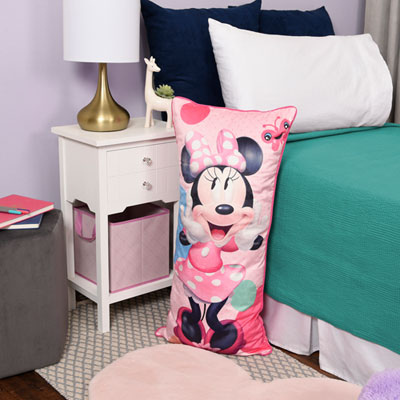 Your price for this item is $24.99
 -
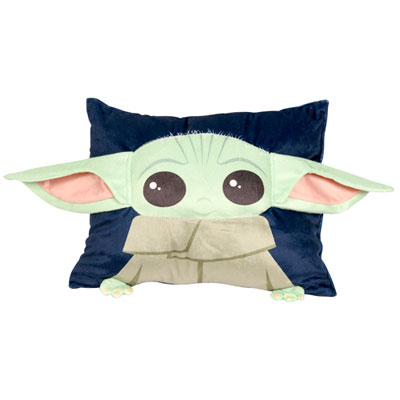 Your price for this item is $19.99
 -
 Your price for this item is $24.98
Discover more categories related to Leg Pillows
Top Collections:
Pokemon Centers, Kindle Devices, Best Budget Office Chairs, Apple iPhones 16, Canon G7X Cameras, iPhone 15 Apple, Alarm Clock, Refurbished Apple Laptops, Flip Phones, Best Laptops for Writers
Some products may be subject to Environmental Handling Fees
(EHF) depending on your province.
Learn more about EHFs.