Lighting Solutions for Apartments
Lighting Solutions for Apartments can transform any living space into a warm and inviting retreat. The right lighting enhances ambiance, highlights décor, and creates functional zones within compact areas. Whether you're looking to brighten up a cozy corner or add style to your entire home, discover options that suit every room and personal taste. Explore versatile choices designed to complement apartment living and elevate your everyday experience.
Sort
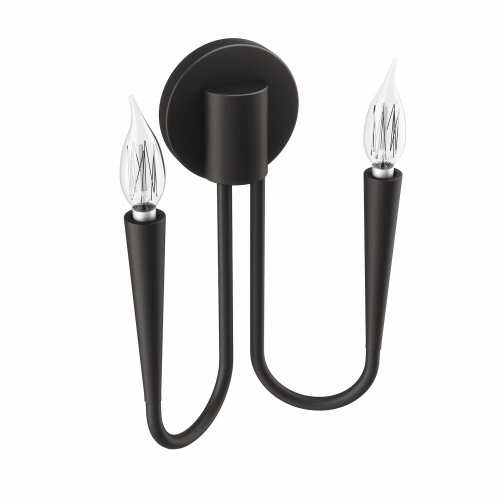
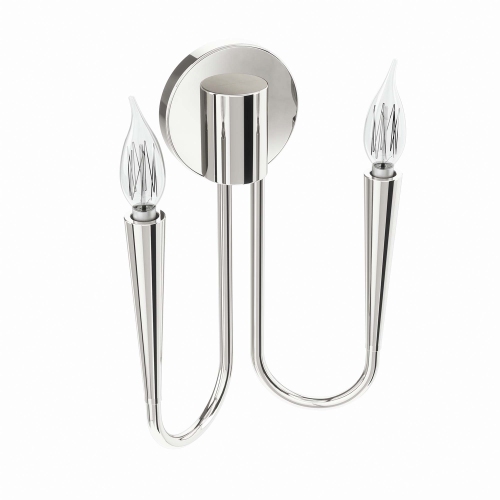
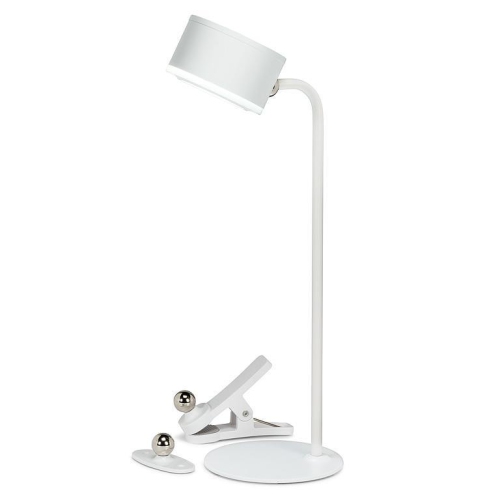
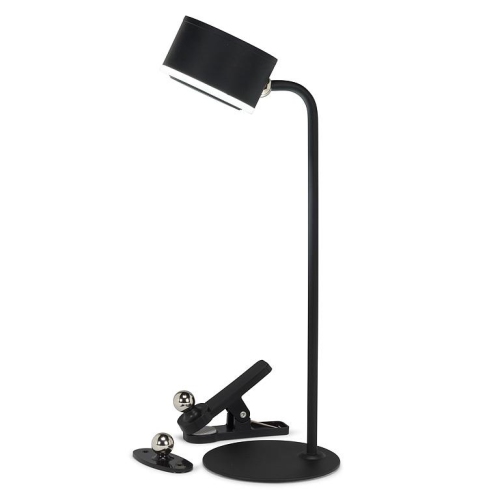
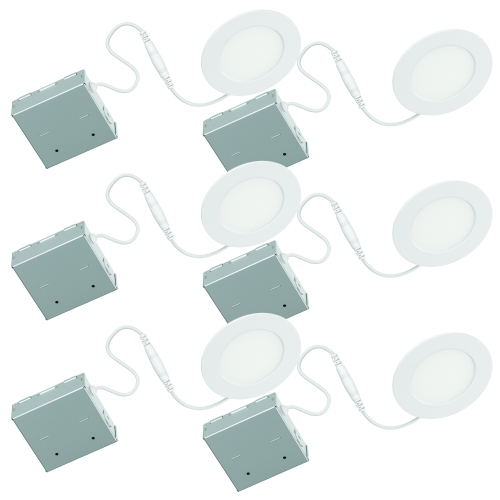
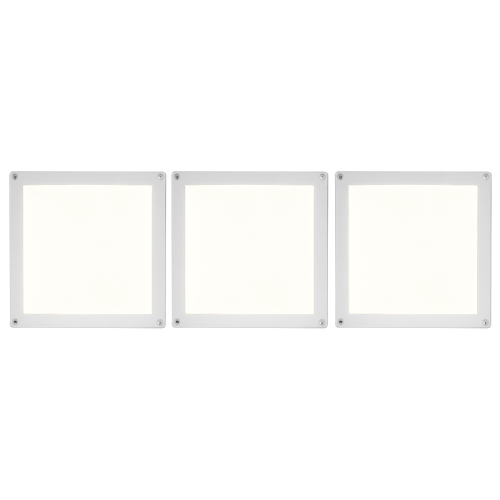
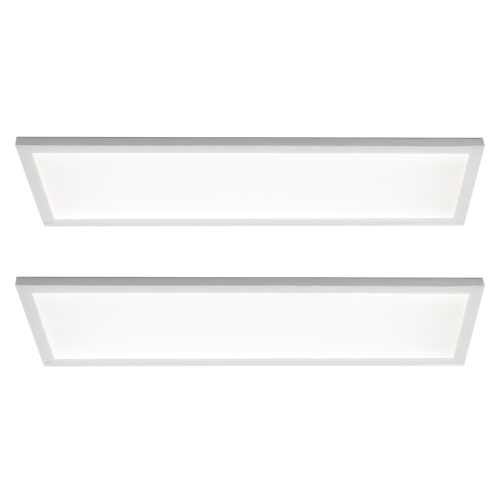
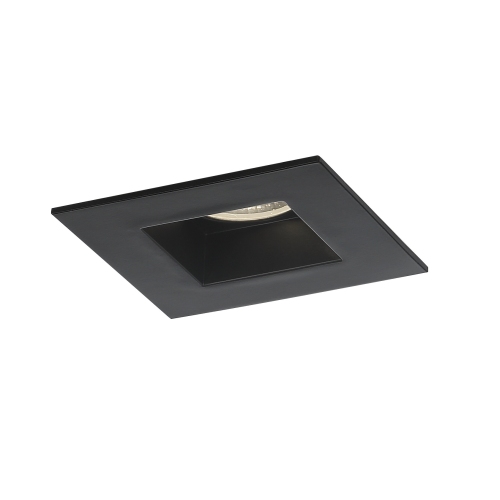
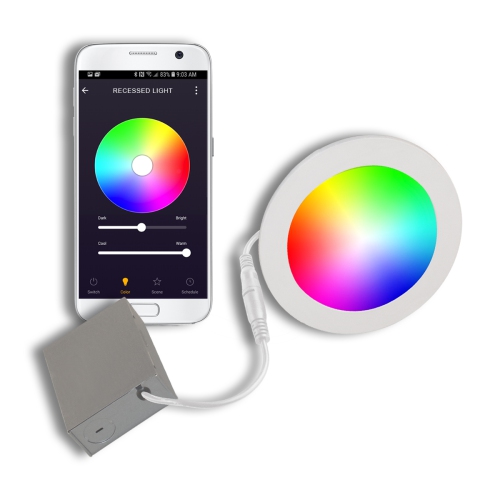
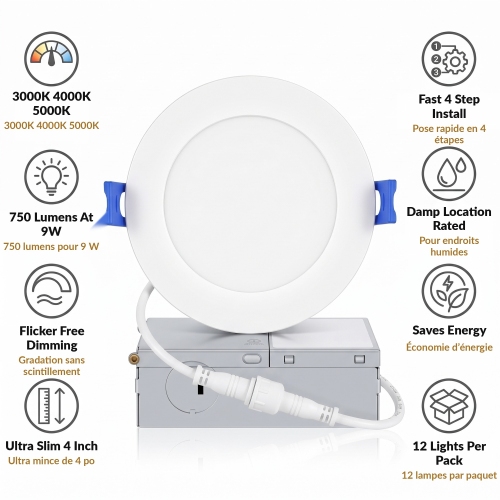
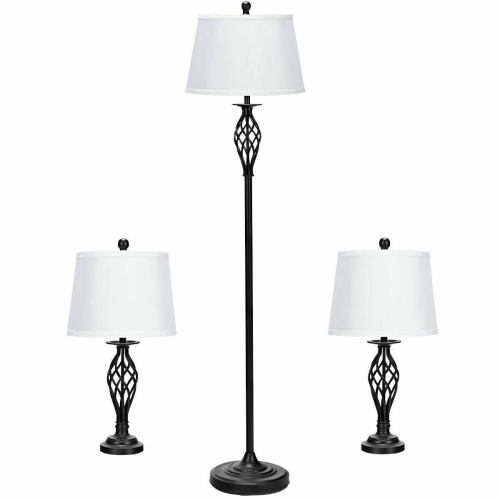
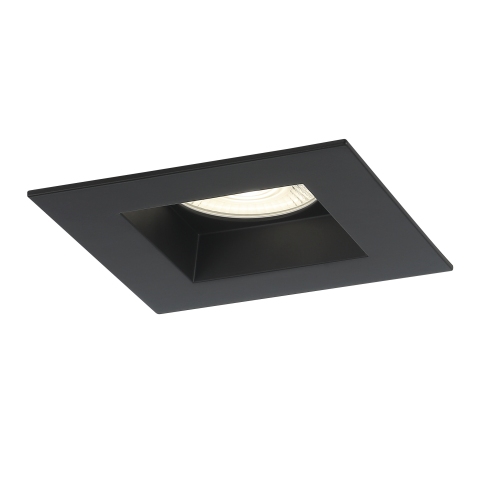
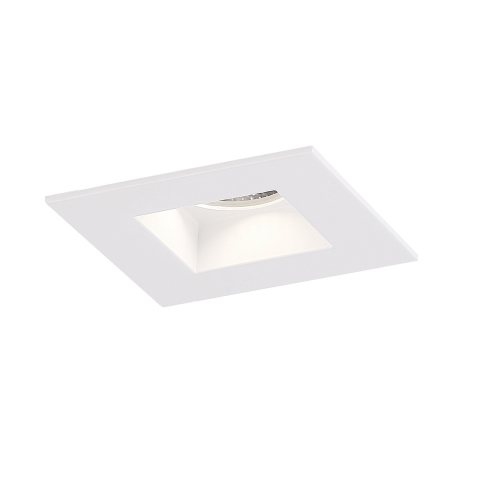
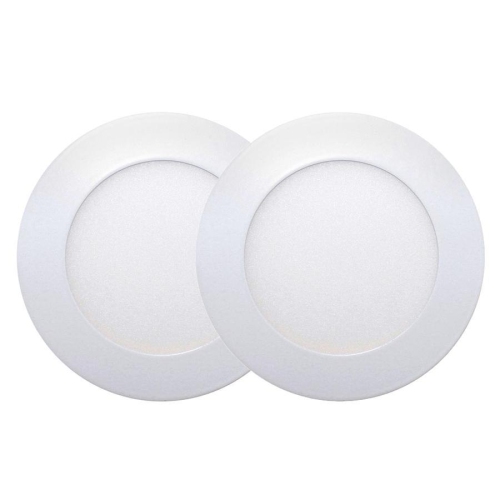
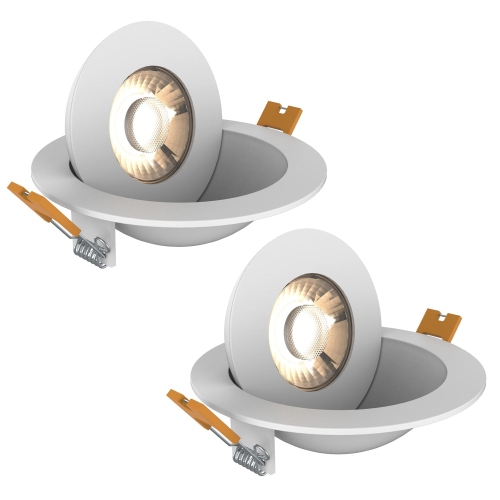
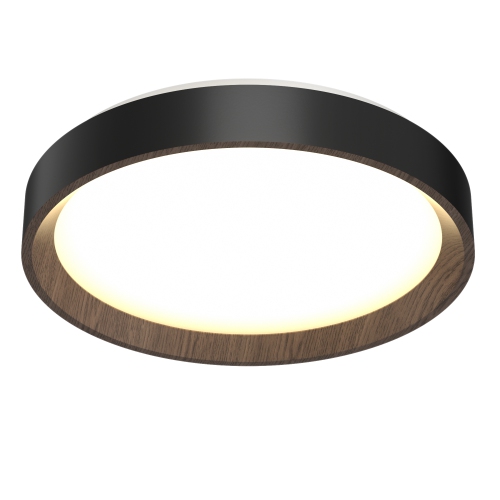
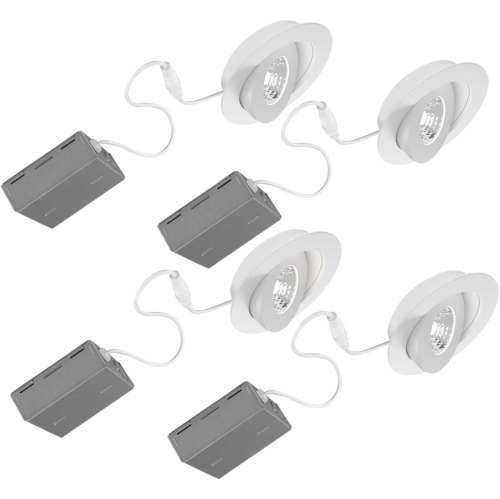
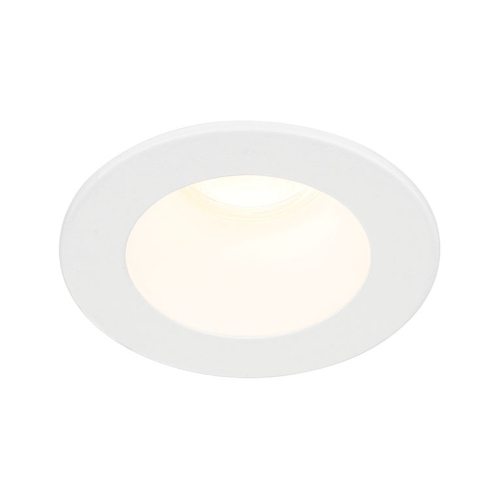
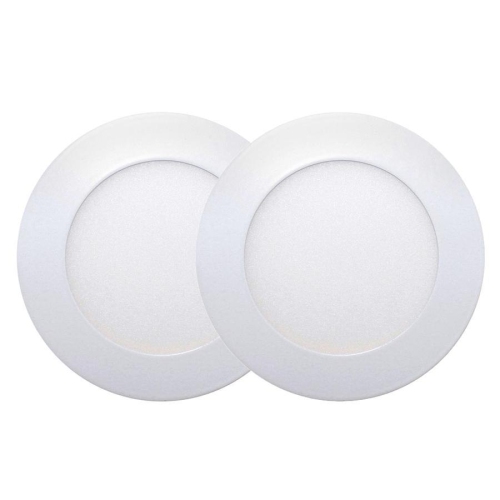
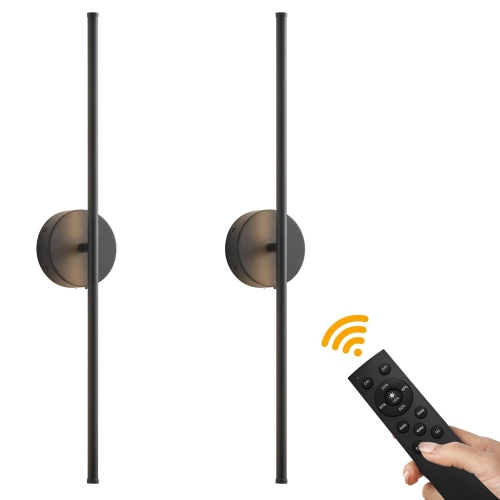

Layered lighting for small spaces without rewiring
Plug-in floor lamps, table lamps, task lights, and accent lighting can brighten an apartment without changes to its permanent wiring. These lighting solutions for apartments offer a practical alternative to relying on a single ceiling fixture, especially in rentals where electrical alterations may not be permitted. Layered lighting combines general illumination for moving comfortably through a room, focused light for activities such as reading or preparing meals, and softer accents that bring depth to shelves, artwork, and seating areas. In a studio, these layers can also help distinguish a sleeping corner from a workspace or dining area without adding a physical divider. A floor lamp beside a sofa creates a comfortable reading spot, while a shaded table lamp on a sideboard gives the room a softer glow when brighter overhead lighting is unnecessary. Scale matters as much as brightness in smaller homes. Slim bases can fit beside furniture without taking over valuable floor space, and adjustable arms can bring light closer to a book or keyboard without requiring a larger fixture. A compact lamp may suit a narrow bedside surface, while an upward-facing shade can spread light across a ceiling and make a room feel more open. Shade construction also changes the effect: translucent fabric diffuses light, opaque metal directs it, and clear glass leaves more of the bulb visible. Wood, ceramic, metal, and glass bases introduce different textures, allowing practical lighting to sit comfortably alongside upholstered furniture, shelving, and kitchen finishes. A cohesive apartment does not require every lamp to match. Similar proportions, a repeated finish, or a consistent shade colour can connect different areas while leaving room for personal taste. For renters, students, couples, and people furnishing a first home, movable lighting is particularly useful because it can shift with changing furniture arrangements and serve a different purpose in the next apartment.
The quality of the light affects everyday comfort just as much as the shape of the fixture. Brightness is measured in lumens, while a bulb’s wattage describes its power use rather than how bright it appears. A shaded lamp intended for quiet bedside reading has different demands from a task light illuminating a desk, so output is best considered alongside distance, shade material, and the size of the area being lit. Colour temperature describes whether white light looks warm or cool. Warm white light, often around 2700 K to 3000 K, tends to suit bedrooms and relaxed seating areas; neutral white light can provide a clearer appearance for cooking, paperwork, and other detailed tasks. Keeping nearby lights within a similar colour range helps an open-plan apartment feel visually connected, although a separate task light can offer a different setting where needed. Good colour rendering is also useful where the appearance of food, clothing, or artwork matters. Glare deserves attention in compact rooms, where a lamp may sit close to eye level or within view of a television. Diffused shades, adjustable heads, and thoughtfully positioned light sources can illuminate the activity without shining directly into someone’s eyes or reflecting across a screen. Dimmable lighting adds flexibility when one space serves several purposes, provided the bulb and dimmer are compatible. Smart lighting may offer app controls, schedules, or voice control, but connection requirements vary: some options use Wi-Fi, others use Bluetooth, and some require a separate hub. Physical switches and accessible controls remain useful in shared apartments, where guests or roommates may prefer a straightforward way to turn on a light. For a kitchen counter tucked beneath upper cabinets, focused lighting can make preparation areas easier to see; near a desk, a movable head can keep the working surface bright while limiting spill towards a neighbouring bed or lounge area.
Fit, construction, and care help determine how well apartment lighting works over time. A sturdy base is valuable beside a busy walkway, and a fixture’s full height, shade width, and cord length all affect where it can sit safely. In a narrow living room, a lamp that looks compact at its base may still have a shade that projects into a walking route. Cords need a clear path to an appropriate outlet without being pinched behind furniture, stretched across doorways, or tucked beneath rugs. Plug-in lighting avoids changes to permanent wiring, but wall-mounted designs may still need screws or other fixings; adhesive mounts also depend on the wall finish, surface preparation, and stated weight limits. Rental agreements and building requirements matter whenever installation could alter a surface, and hardwired lighting requires the appropriate permission and qualified electrical work. Rechargeable and battery-operated lights offer flexibility where an outlet is inconvenient, with charging frequency and operating time depending on brightness settings and use. For bathrooms, balconies, or other locations exposed to moisture, fixtures need a rating appropriate to their intended location rather than simply a suitable appearance. Durability also comes down to everyday details: secure joints, stable switches, smooth adjustments, and finishes that tolerate regular handling. Replaceable-bulb designs allow a compatible bulb to be changed independently, while integrated LED fixtures have different replacement and servicing considerations. Routine care usually involves switching the light off, unplugging it where applicable, allowing it to cool, and cleaning according to its care instructions. Fabric shades can collect dust, glass can show fingerprints, and delicate finishes may need gentler treatment than a sturdy painted surface. Portable lighting can also make a thoughtful housewarming gift when the size, controls, and style suit the recipient’s space. For more ways to connect practical illumination with compact layouts, explore Lighting Ideas for Small Apartments.
Top selling and popular products
-
 Your price for this item is $49.95
-
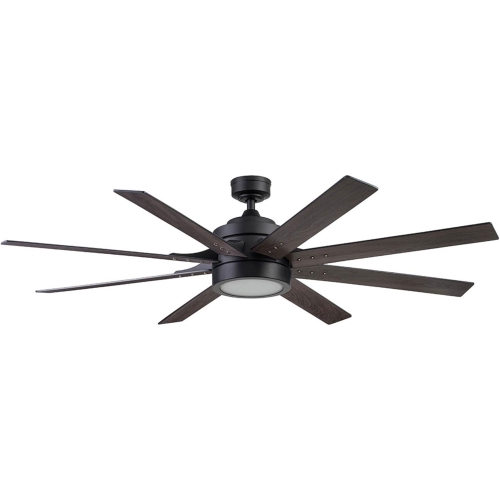 Your price for this item is $491.99
-
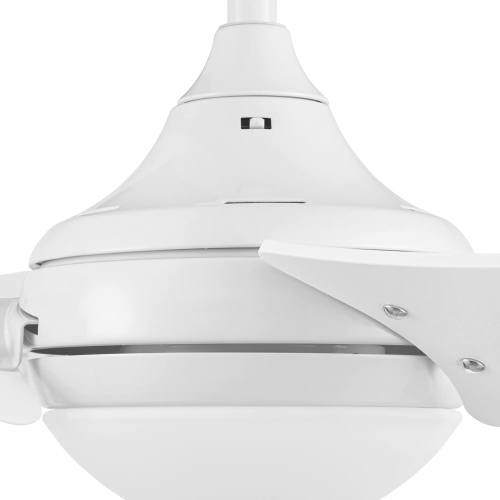 Your price for this item is $239.99
-
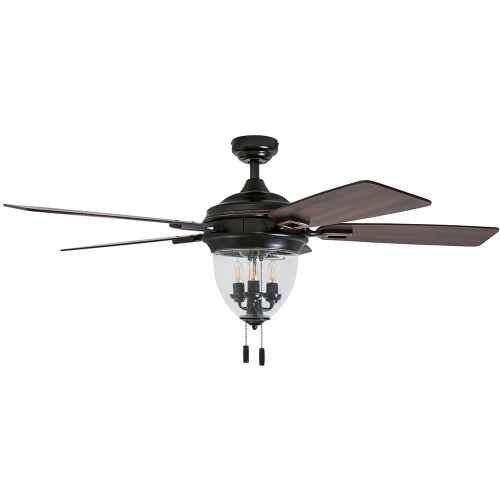 Your price for this item is $368.99
-
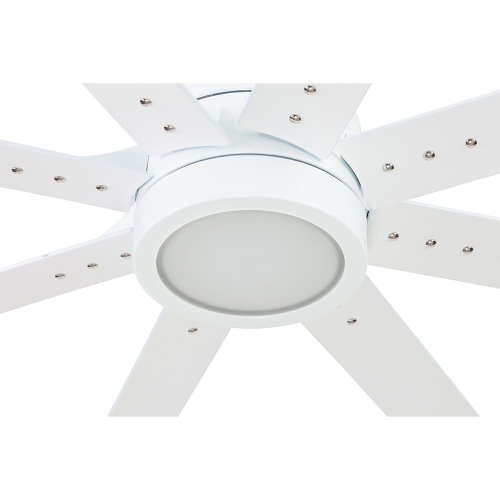 Your price for this item is $502.99
-
 Your price for this item is $299
-
 Your price for this item is $239.99
-
 Your price for this item is $536.99
Discover more categories related to Lighting Solutions for Apartments

Top Collections:
Best Black Friday Deals This Year, Best Black Friday Deals On Electronics, Kindle Devices, Pokemon Centers, Best Black Friday Deals On Apple Products, Best Cameras for Sports Photography, Dyson Airwrap, Pokémon 30th Celebration Cards, Apple iPhone 17 Pro, Canon G7X Cameras
Some products may be subject to Environmental Handling Fees
(EHF) depending on your province.
Learn more about EHFs.