Lighting Solutions for Renters
Lighting Solutions for Renters make it easy to brighten up any living space without the need for permanent changes. Whether you're looking to enhance your apartment, condo, or rental home, discover a range of versatile options designed to fit your style and needs. Find creative ways to illuminate every room, add ambiance, and create a comfortable atmosphere with lighting solutions that are perfect for renters.
Sort
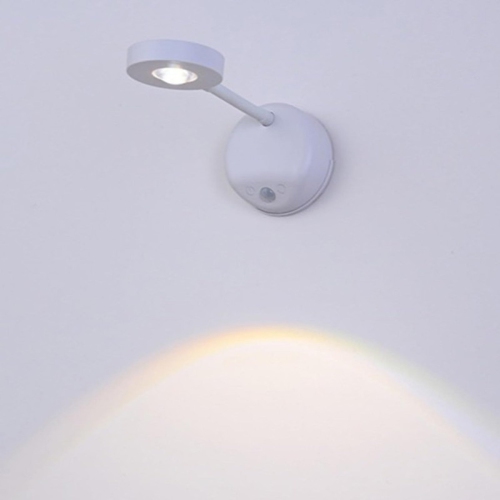
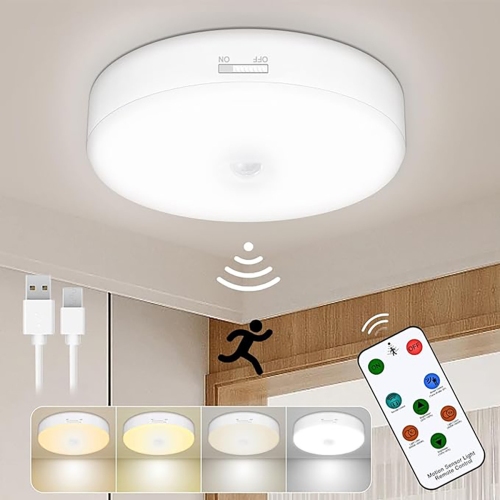
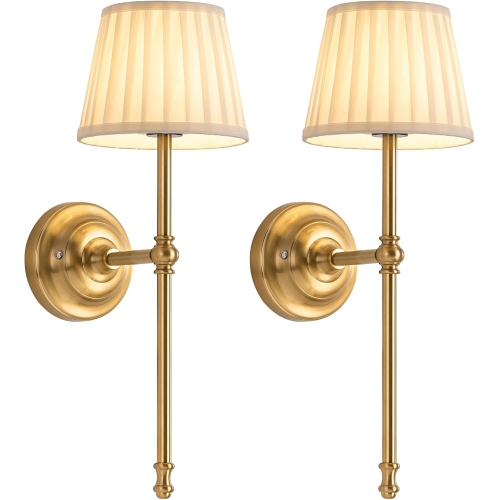
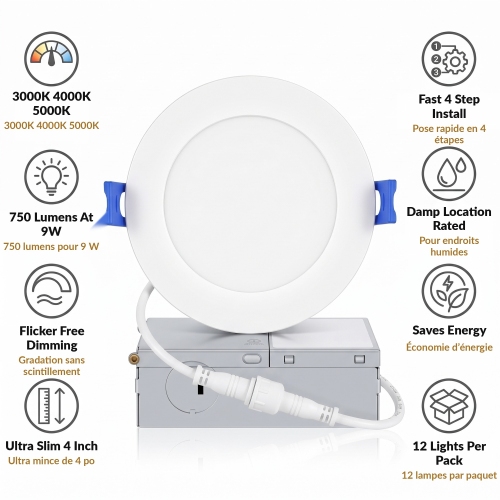
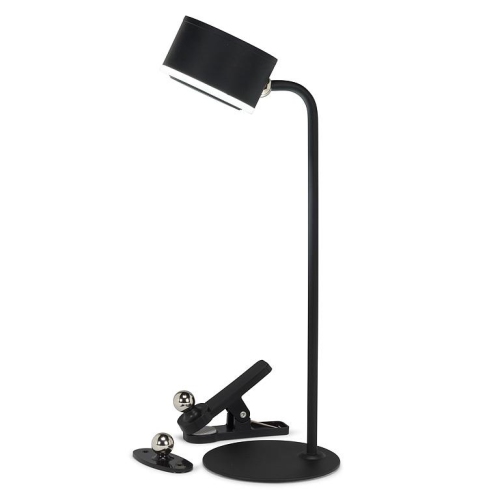
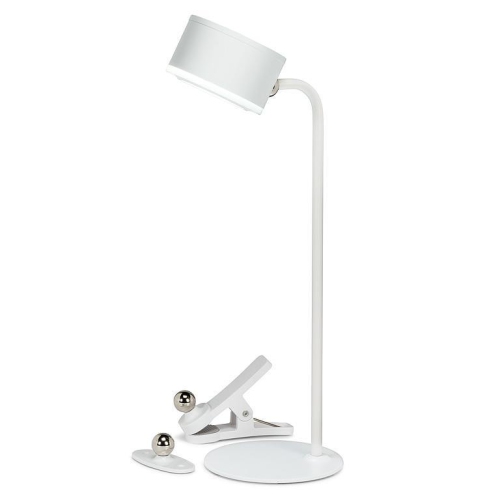
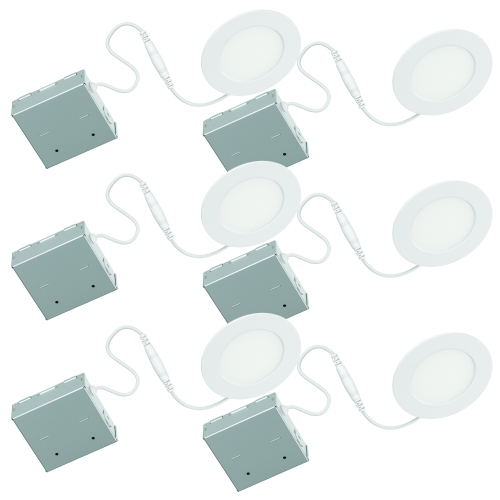

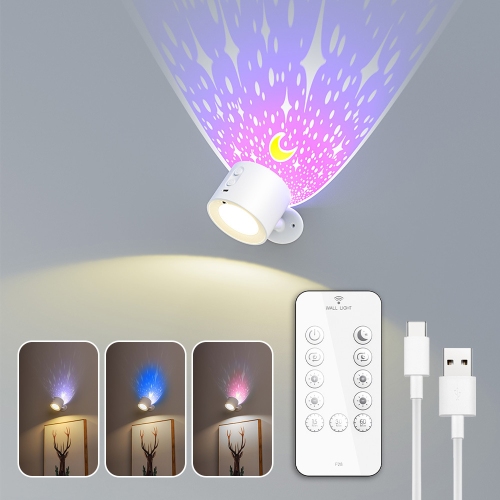
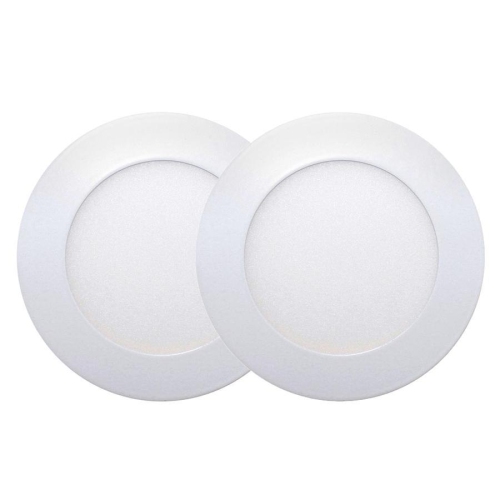
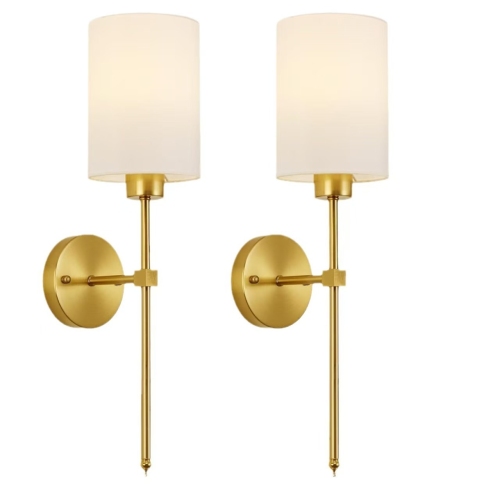

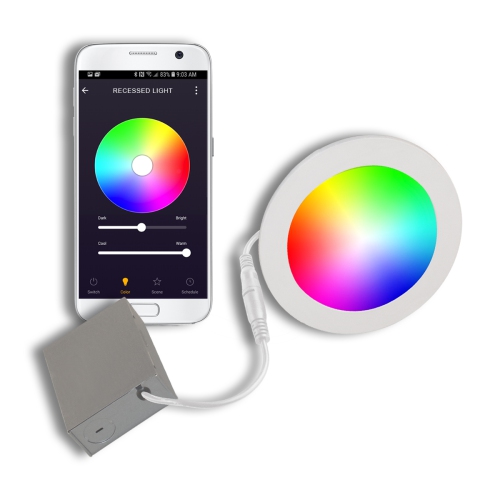

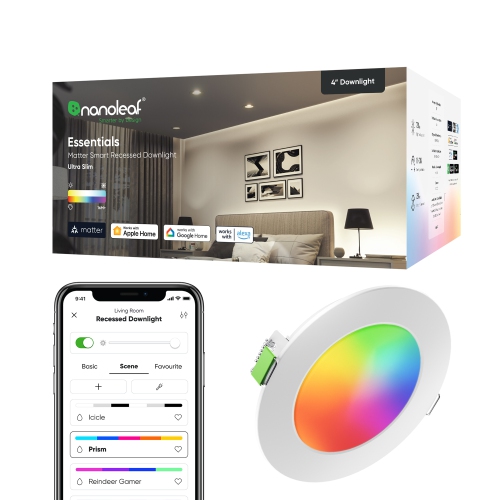

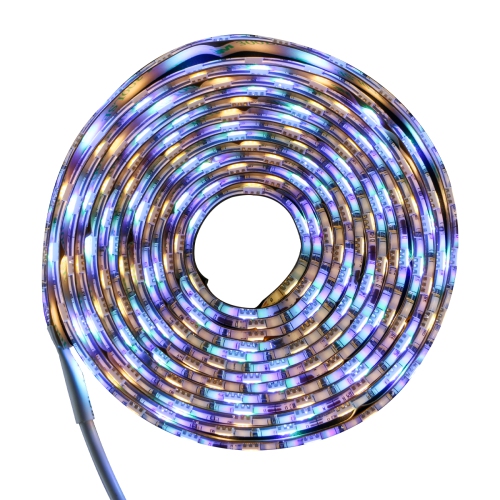
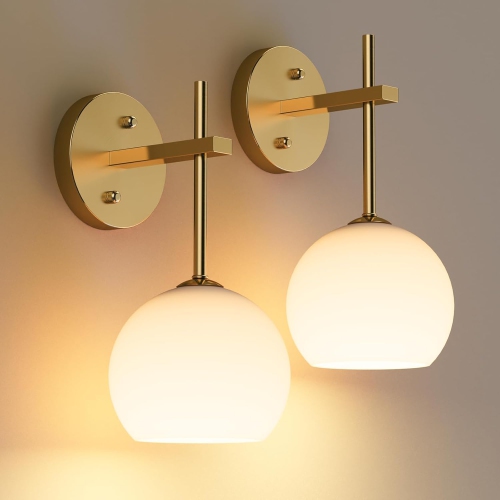
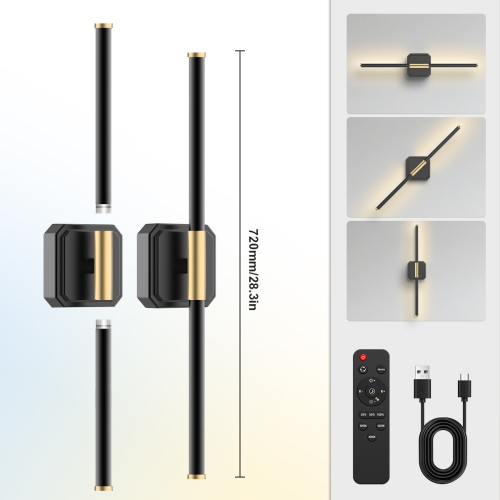
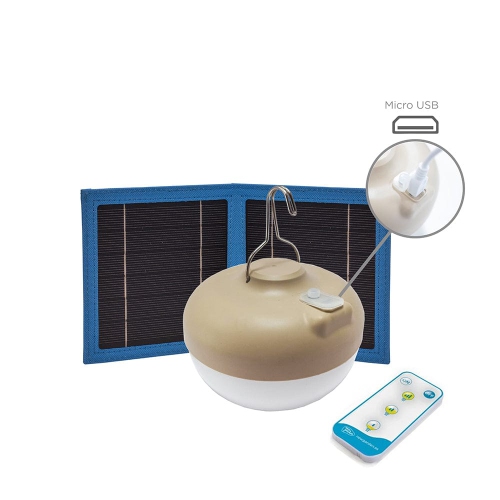
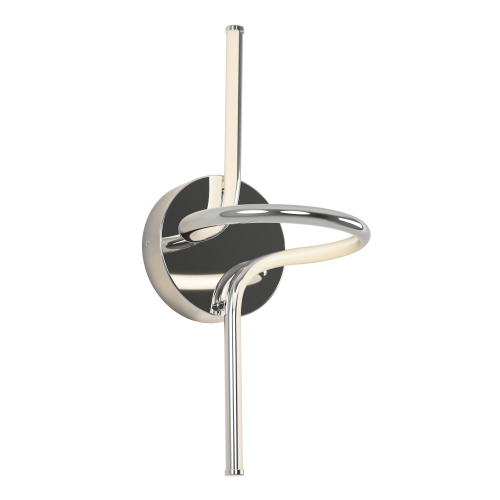

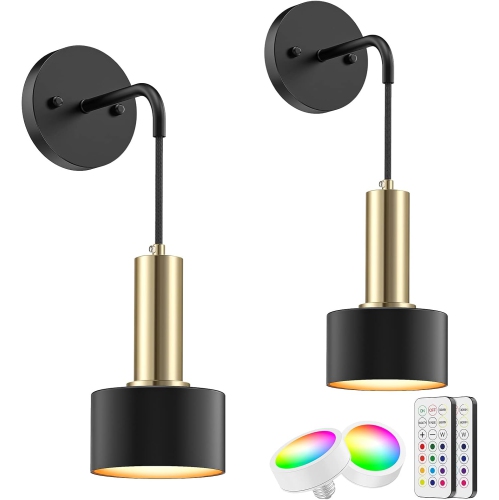
Layered lighting without changing your rental’s fixed wiring
Lighting solutions for renters include plug-in lamps, rechargeable wall lights, battery-operated puck lights, and adhesive LED strips that add illumination without altering fixed wiring. These options suit spaces where the ceiling fixture is poorly placed, a bedroom has no overhead light, or permanent alterations require the property owner’s permission. Their appeal is flexibility: a reading lamp can move from beside the sofa to a desk, while a portable light can follow its owner into the next home. A comfortable room usually benefits from a mix of ambient lighting for general visibility, task lighting for focused activities, and accent lighting that brings attention to a shelf, artwork, or textured wall. These layers do not need to come from built-in fixtures. A floor lamp that directs light towards the ceiling can soften a living room, a shaded table lamp can make a seating area feel inviting, and an adjustable desk lamp can illuminate paperwork without lighting the entire room. Placement matters as much as the number of lights. Several thoughtfully positioned sources can reduce the contrast between a bright centre and shadowy corners, although there is no fixed number that suits every layout. In a studio apartment, separate pools of light can distinguish the sleeping area from the dining table without adding furniture or partitions. Slim bases, compact shades, and articulated arms are particularly useful where surfaces are limited. A lamp beside a sofa needs enough reach to illuminate a book, while a bedside light should be easy to operate without getting up. Shade height also affects comfort: a visible bulb at seated eye level can produce glare, even when its light output is modest. Measuring the intended spot, including the shade’s width and the route to an outlet, helps establish whether a fixture will fit naturally into daily life rather than crowding a walkway.
Plug-in and cordless lighting serve different needs, especially in rooms with few accessible outlets. Plug-in wall lamps and pendants can provide light above a bedside table or dining surface without a new electrical connection, but their brackets, hooks, and cable supports may still require mounting. Permission for holes or alterations depends on the rental agreement, and a plug-in design does not automatically mean an installation is free of permanent changes. Freestanding lamps avoid wall mounting altogether, making them a straightforward fit for renters who prefer not to attach anything to painted surfaces. Rechargeable sconces and portable lamps are useful where a visible cable would be awkward, such as beside a bed positioned away from an outlet. Their suitability depends on more than their appearance: operating time can vary with brightness, and a light used for several hours each evening needs a convenient charging routine. Removable light modules can make charging easier than taking down an entire fixture. Battery-operated puck lights and adhesive light bars can brighten a cupboard, wardrobe, or shelf, while under-cabinet strips can illuminate a worktop that is shaded by upper cupboards. Light direction is important in these locations, since an exposed strip can reflect sharply from a glossy counter. Adhesive mounting also deserves realistic expectations. Some adhesives can lift paint, leave residue, or lose their grip on textured, dusty, or unsuitable surfaces; the light’s weight, the mounting instructions, and the condition of the finish all matter. Removable does not necessarily mean damage-free. Cables need an equally considered route, clear of doorways, moving furniture, cooking surfaces, and places where they could be pinched. A cord cover can create a tidier appearance, but power cables should not run beneath rugs. In kitchens and bathrooms, suitability for moisture and the intended location matters more than a fixture’s style. Products with electrical certification accepted in Canada, used according to their instructions, provide a sound starting point, while changes to fixed wiring belong with a qualified electrician and require any necessary property approval.
Light quality, construction, and everyday upkeep help distinguish a good-looking fixture from one that remains pleasant to use. Lumens describe light output, while colour temperature describes whether white light appears warmer or cooler. Warm white light around 2700K–3000K often suits bedrooms and living areas, particularly where a shaded lamp is intended to create a relaxed atmosphere. A workspace may benefit from a more neutral white light, although sufficient brightness, good positioning, and glare control are just as important for reading or detailed tasks. Adjustable brightness allows one fixture to support different activities, provided the bulb, lamp, and dimming controls are compatible. Smart bulbs can add scheduling, remote control, or adjustable colour temperature to a suitable existing lamp, but compatibility may depend on the socket, the home’s Wi-Fi network, or a separate hub. Physical switches remain useful in shared homes and guest rooms, where not everyone wants to use an app. For compact layouts, related options in Lighting for Apartment offer another way to consider fixtures in relation to room size and everyday use. Materials influence both appearance and care: metal bases can provide stability, glass shades need careful handling, and fabric shades soften light but tend to collect dust. Lightweight paper or woven shades add texture, though their suitability depends on the fixture’s specified bulb type and clearance requirements. A stable base, secure joints, and an accessible switch are especially valuable for lamps that may be moved frequently. Replaceable bulbs allow a different brightness or light colour to be chosen later; integrated LED designs have their own servicing and replacement considerations. Gentle dusting, cleaning only as directed, and keeping charging connections dry help maintain the finish and function. For students, people furnishing a first rental, or anyone sharing a home, a portable lamp can also make a practical housewarming gift, particularly when its size, controls, and light output suit the recipient’s space.
Top selling and popular products
-
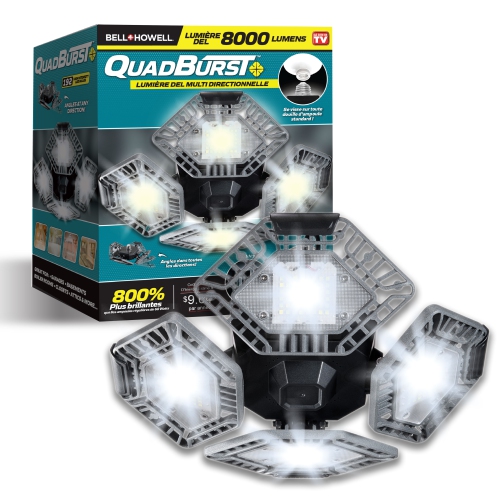 Your price for this item is $49.95
-
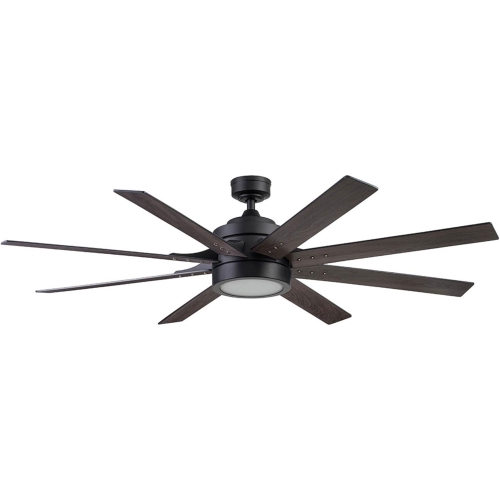 Your price for this item is $491.99
-
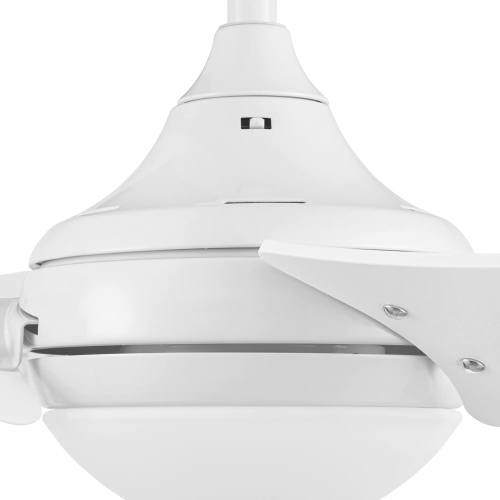 Your price for this item is $239.99
-
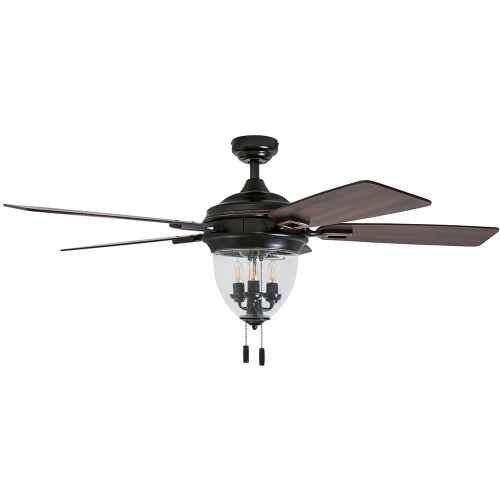 Your price for this item is $368.99
-
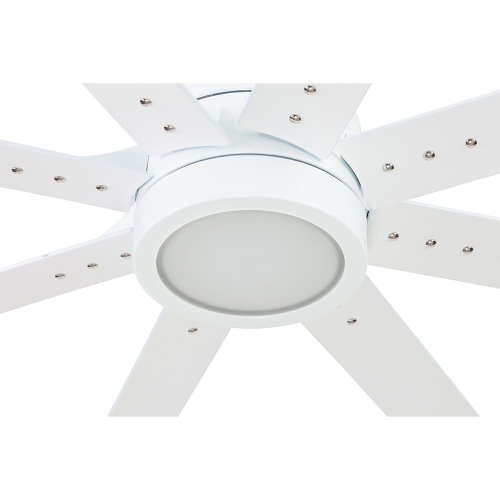 Your price for this item is $502.99
-
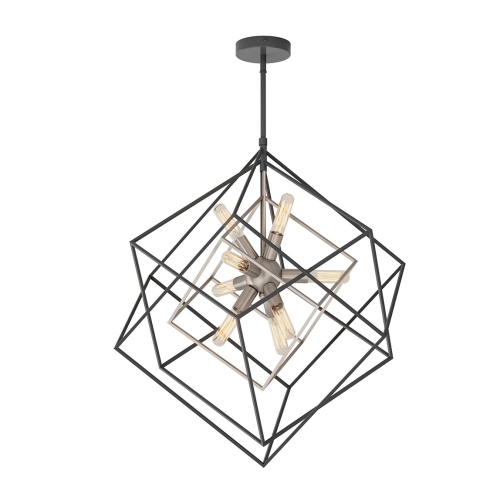 Your price for this item is $299
-
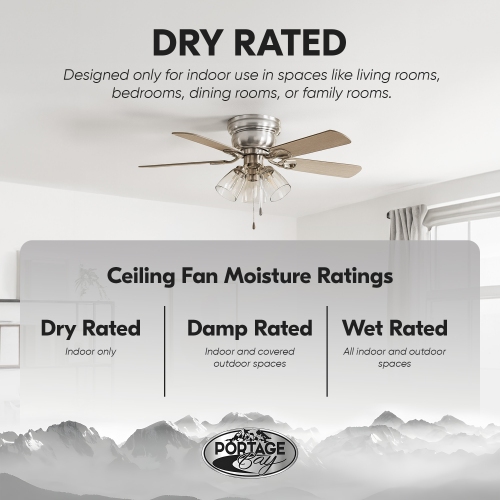 Your price for this item is $239.99
-
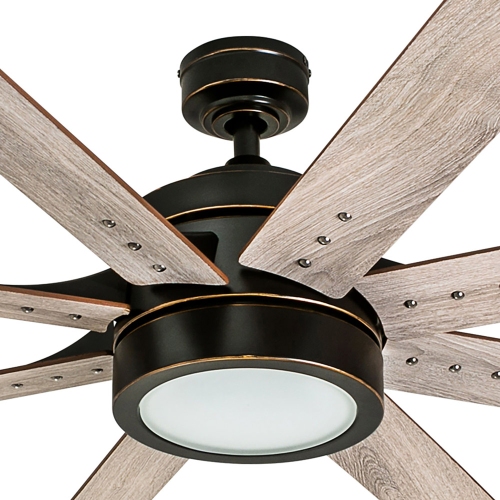 Your price for this item is $536.99
Discover more categories related to Lighting Solutions for Renters

Top Collections:
Best Black Friday Deals This Year, Best Black Friday Deals On Electronics, Kindle Devices, Pokemon Centers, Best Black Friday Deals On Apple Products, Best Cameras for Sports Photography, Dyson Airwrap, Pokémon 30th Celebration Cards, Apple iPhone 17 Pro, Canon G7X Cameras
Some products may be subject to Environmental Handling Fees
(EHF) depending on your province.
Learn more about EHFs.