Liquid Dispensers
Optimize your kitchen, bathroom, or workspace with sleek and efficient liquid dispensers that combine functionality with style. Whether you need a soap dispenser for your sink, a lotion dispenser for your vanity, or a sanitizer dispenser for your office, our selection offers versatile options to suit any decor. Each dispenser is designed to provide a convenient and mess-free solution for dispensing liquids, ensuring hygiene and ease of use. Discover durable materials, innovative designs, and various capacities to find the perfect fit for your needs.
Sort
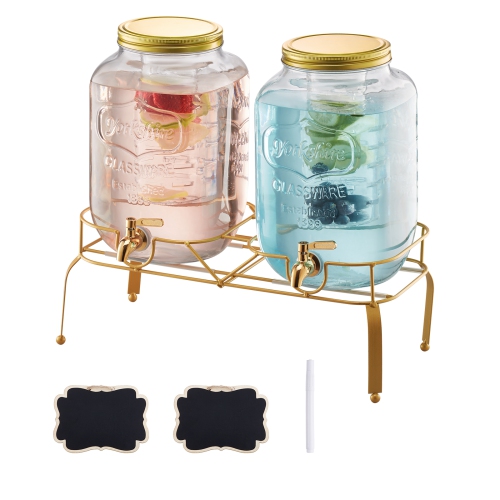
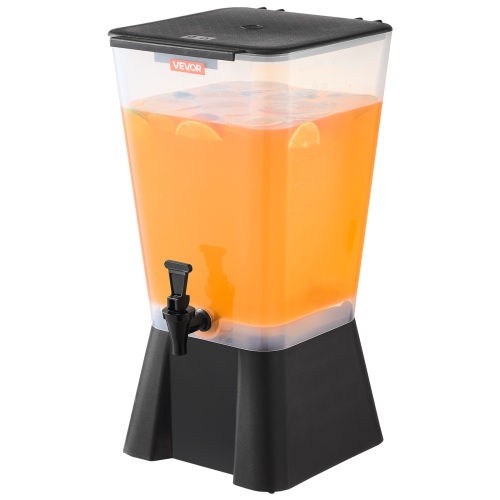
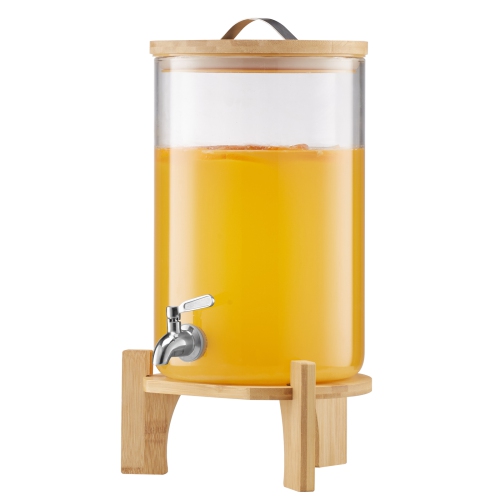
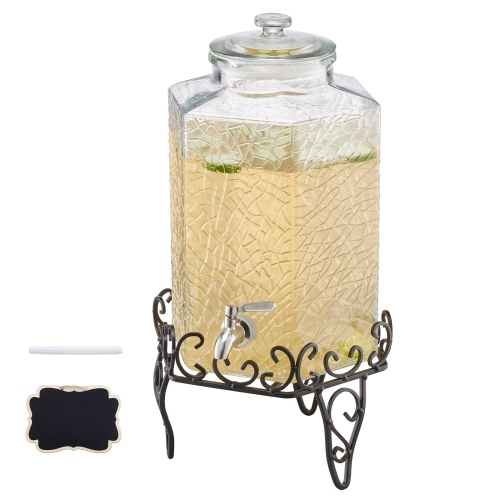




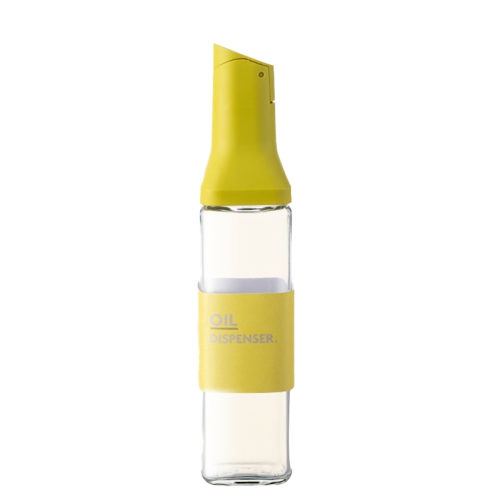
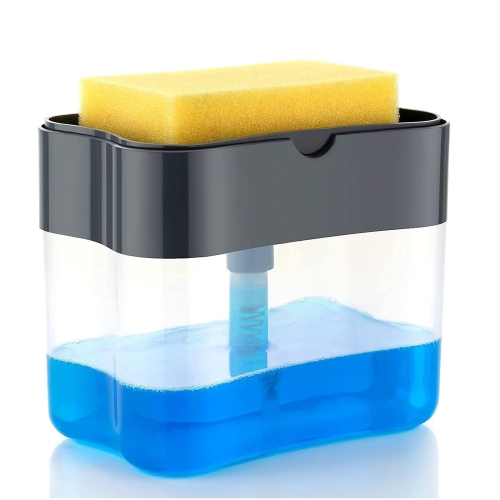
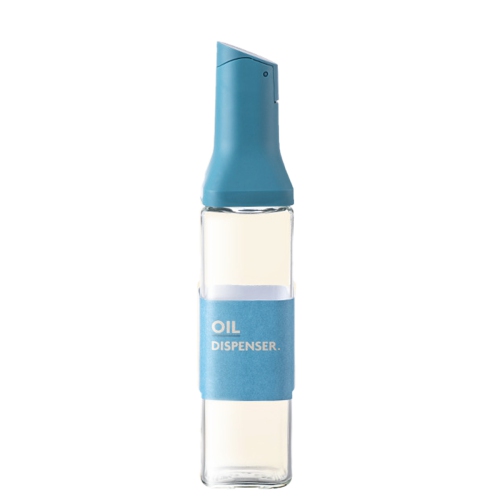
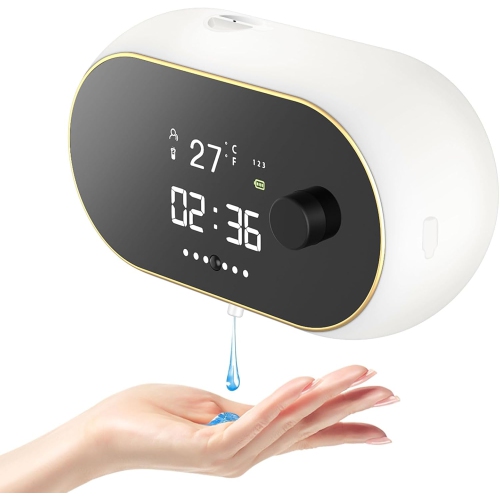
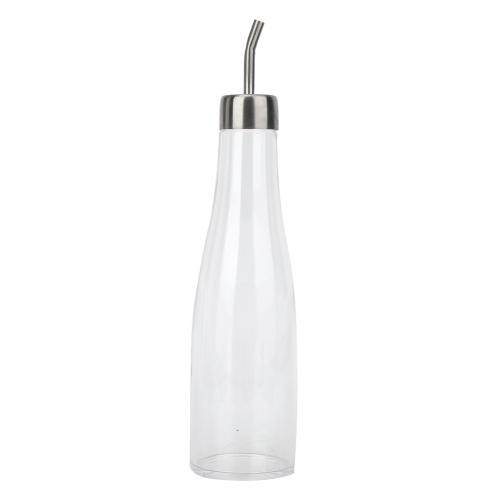
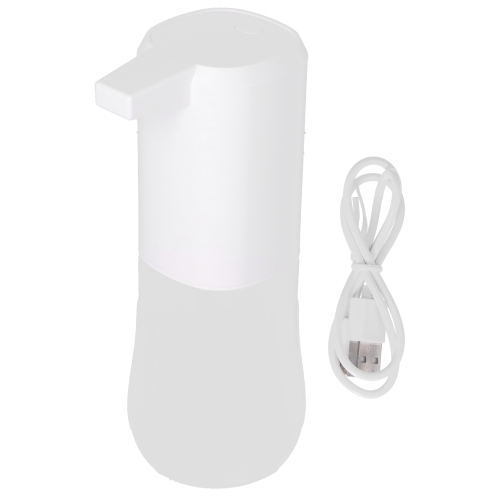
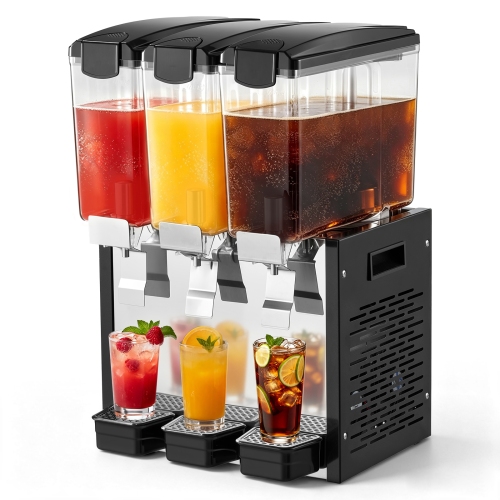
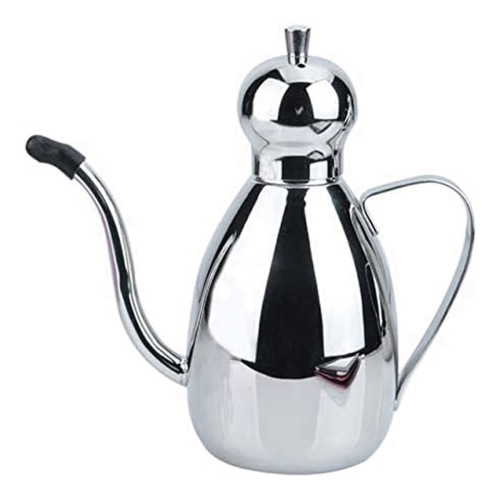
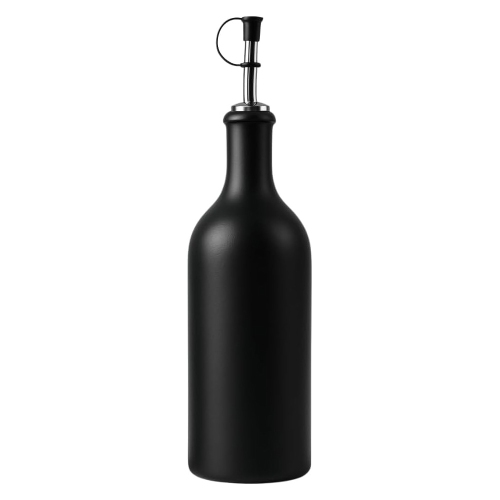
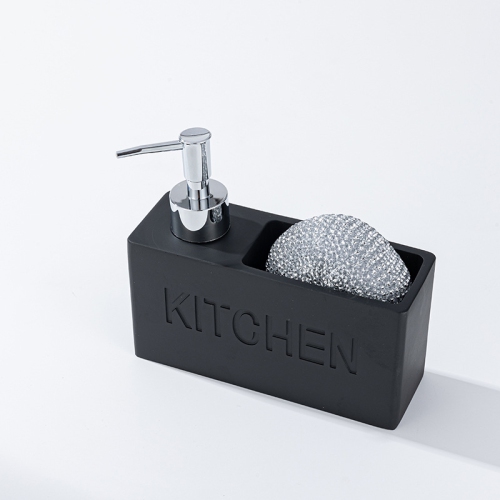
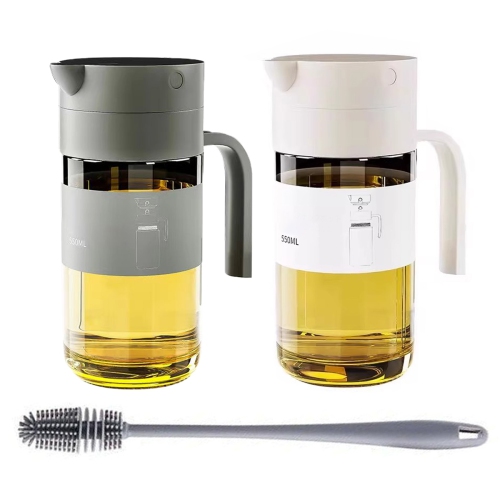
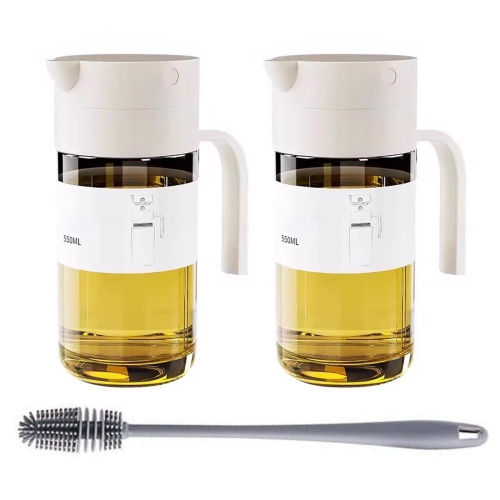
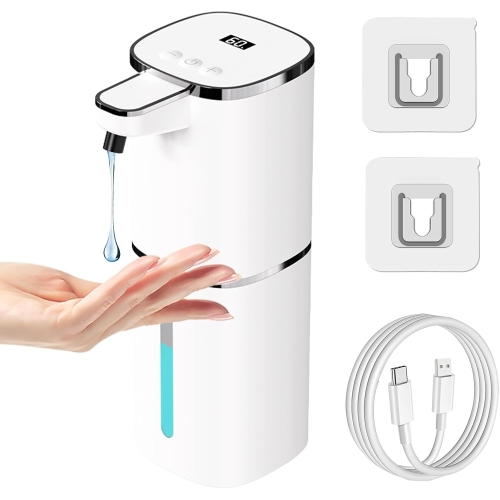
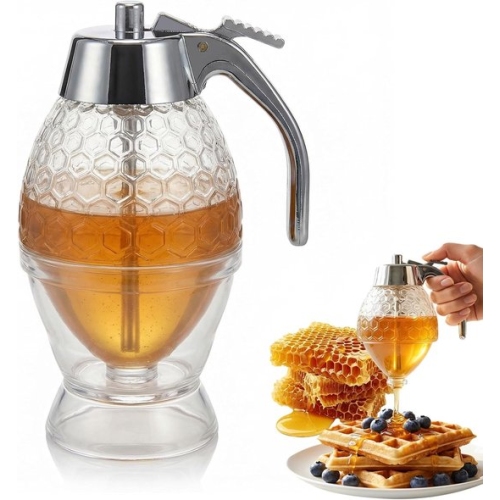
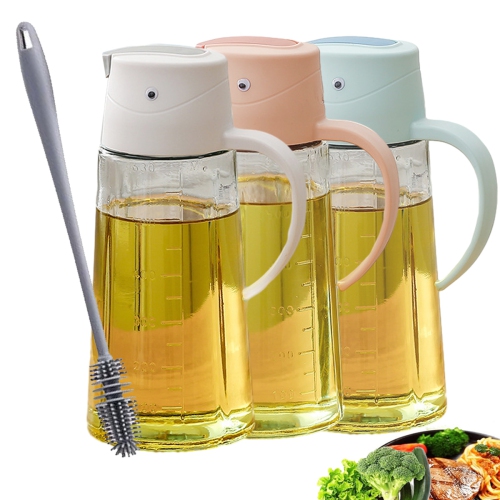
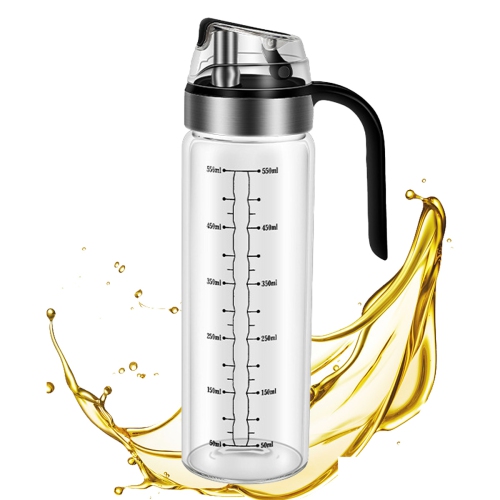
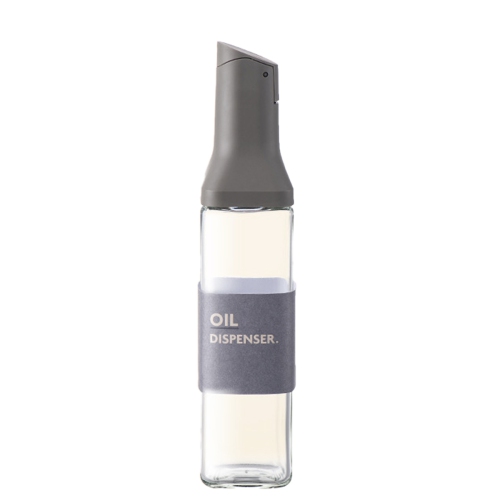
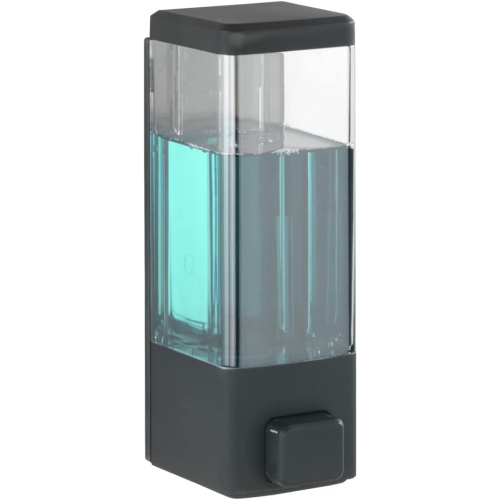
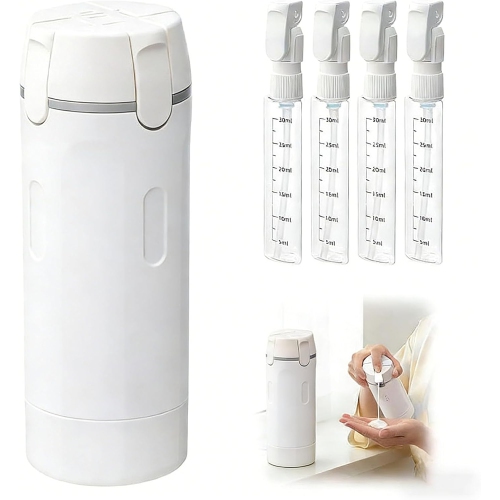
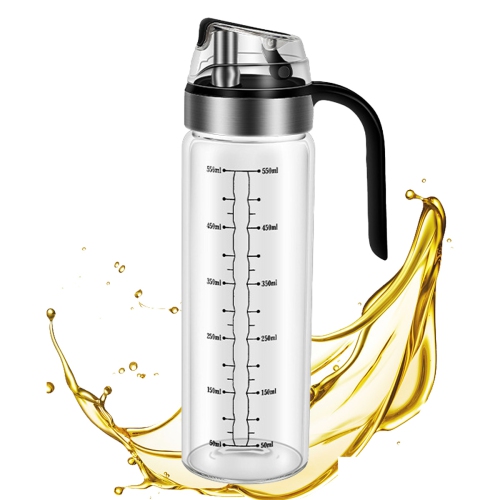
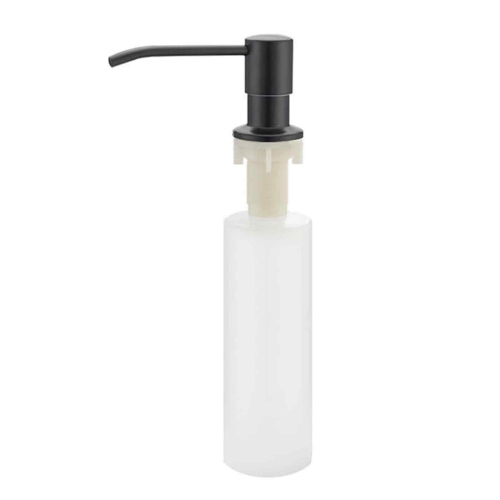
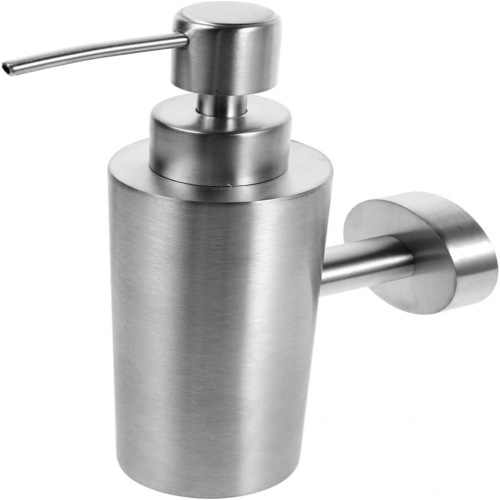
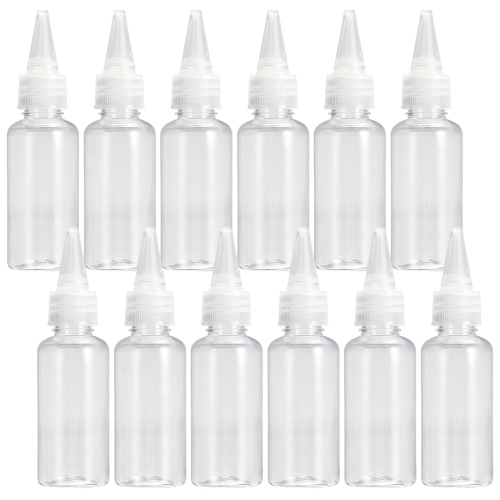
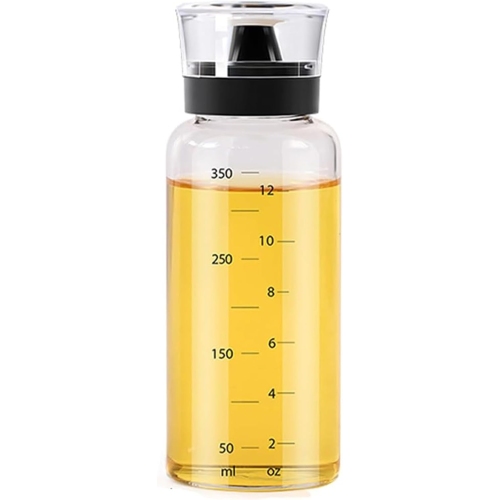
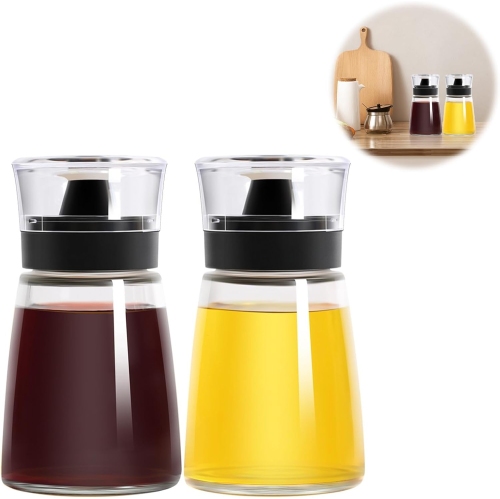
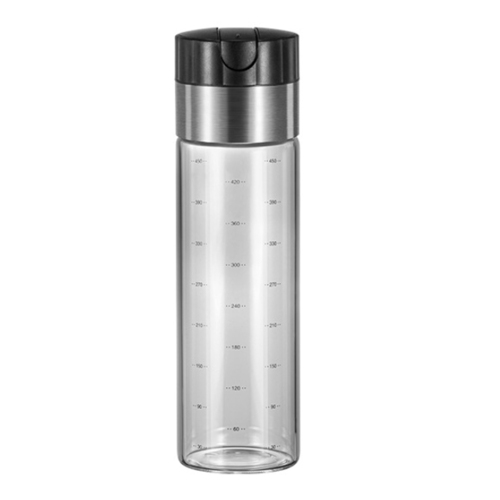
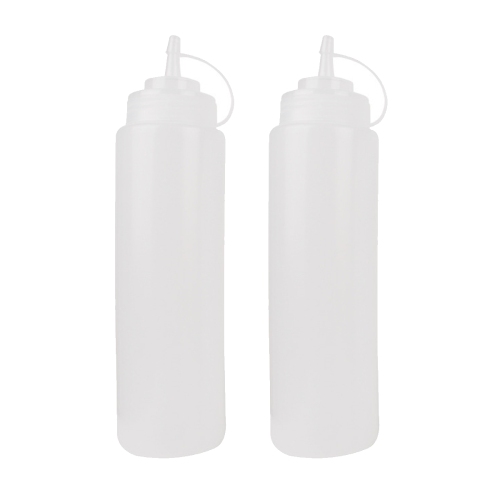
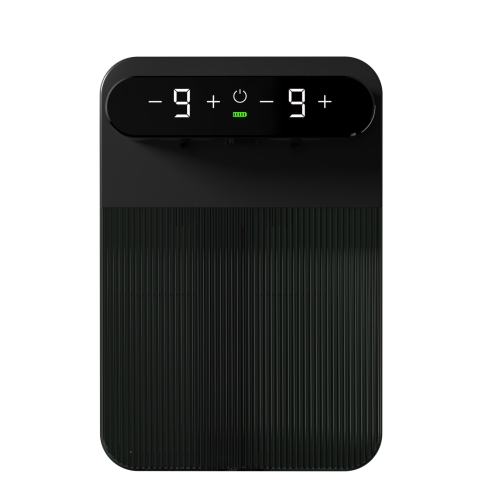
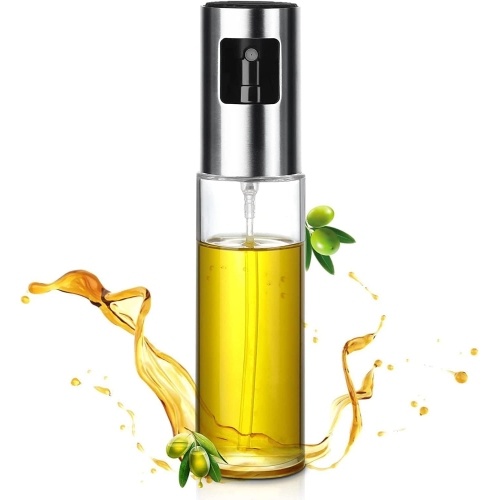
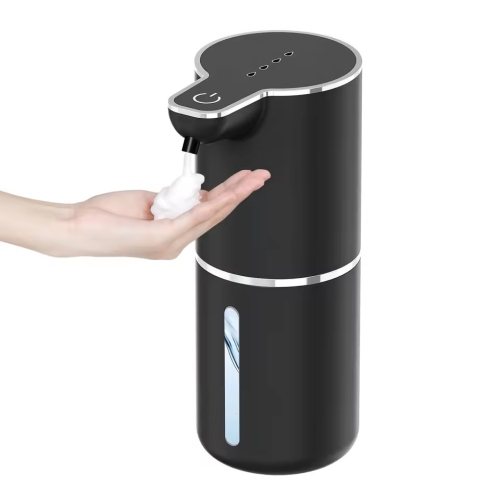
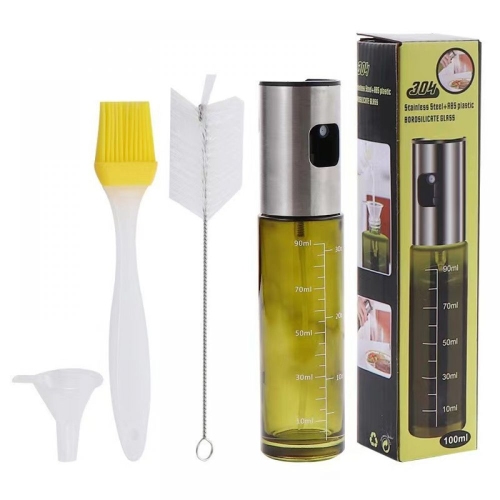
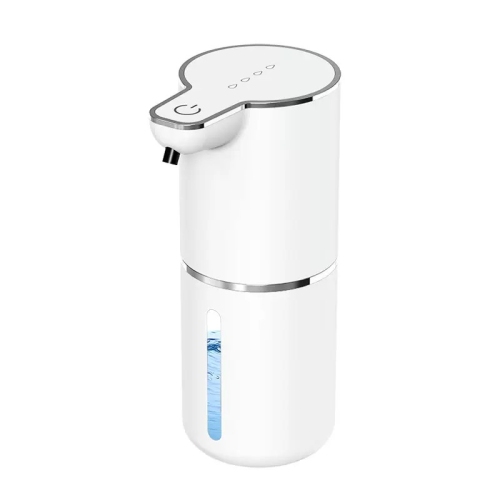
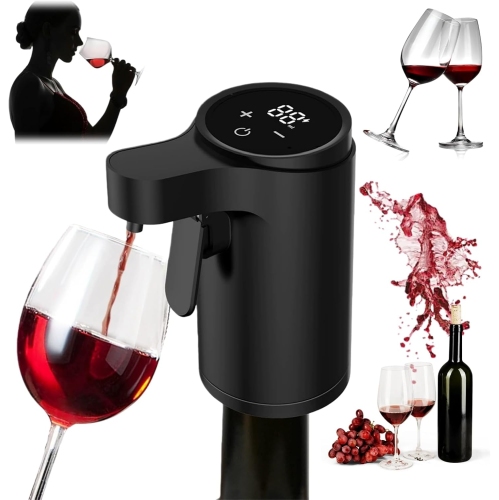
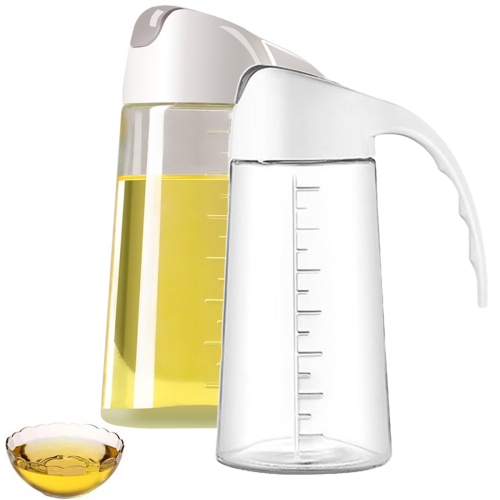
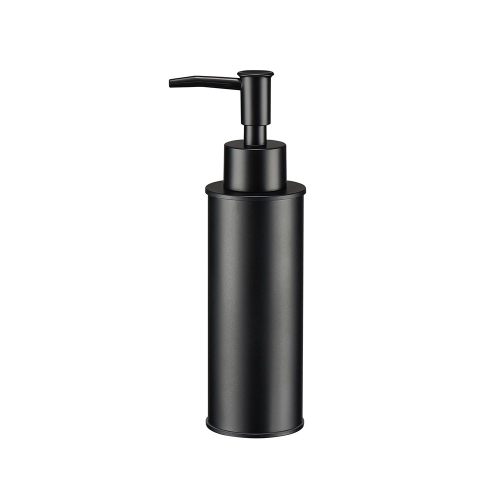
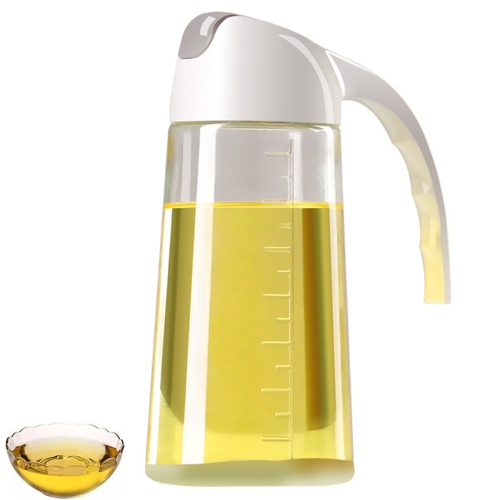
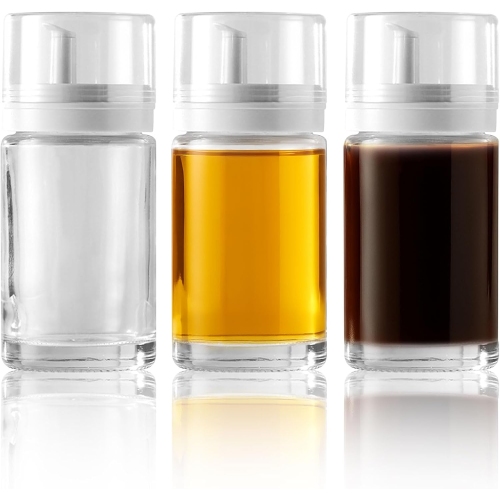
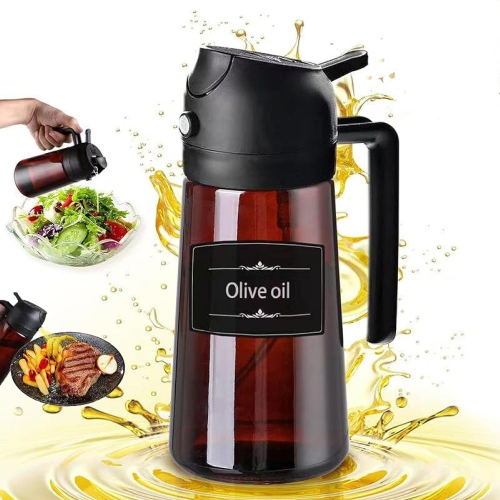
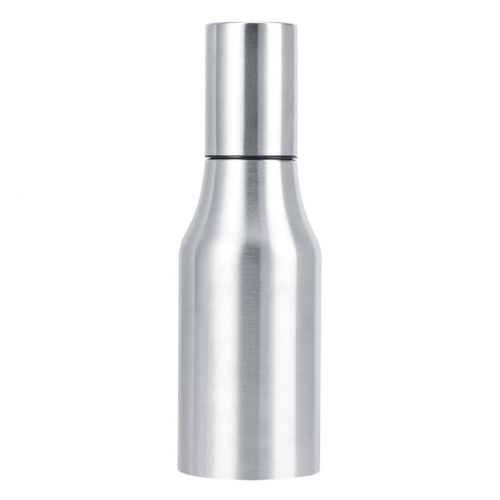
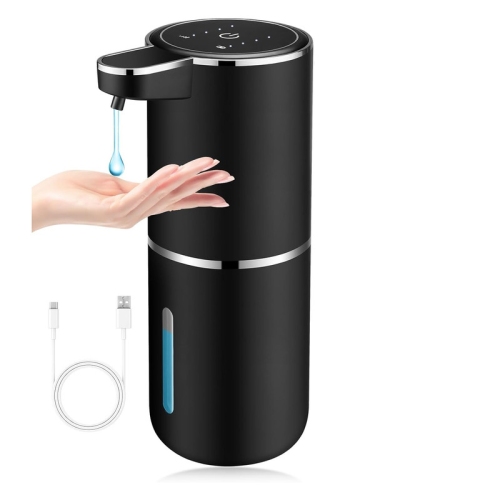
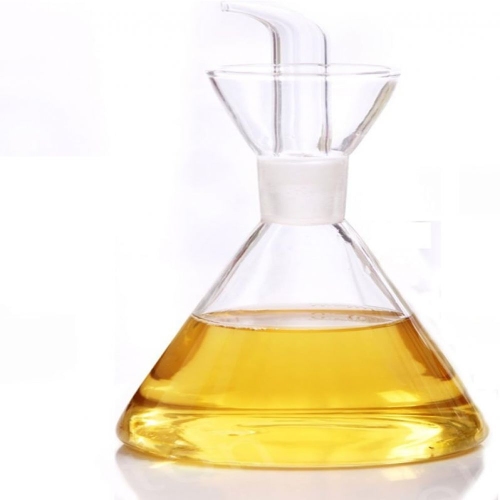

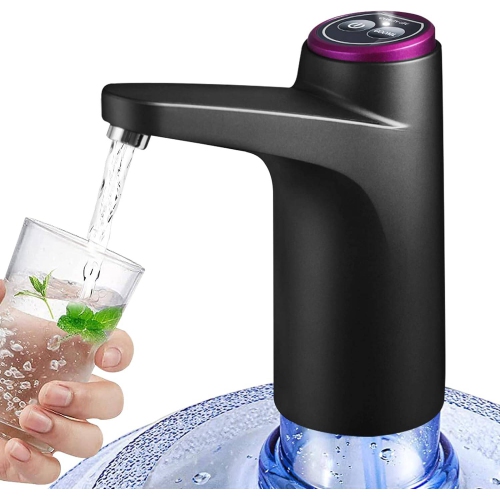
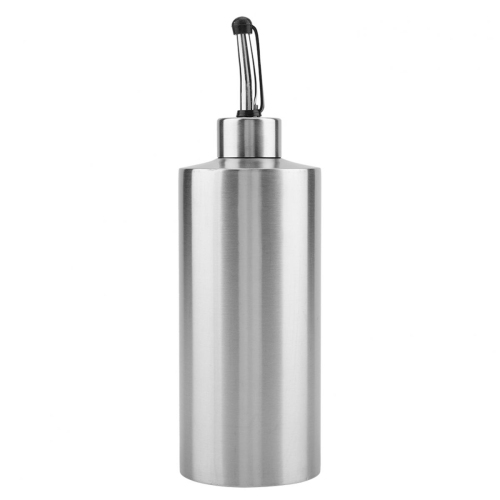
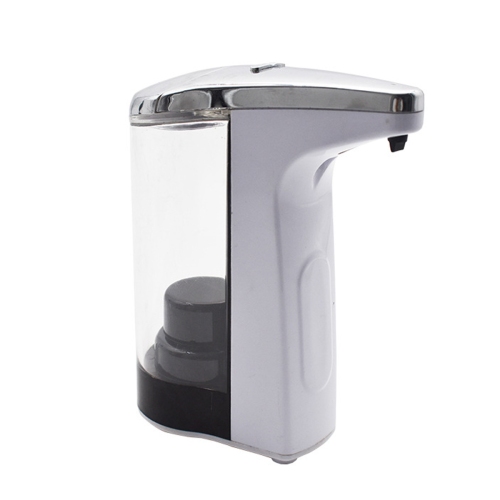
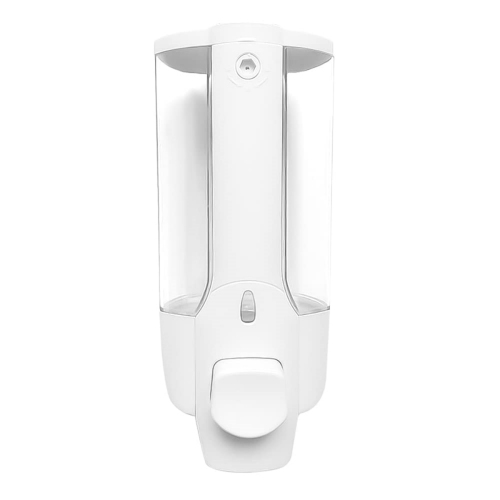
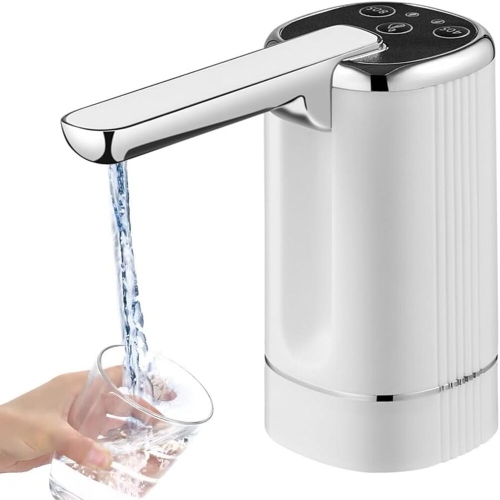
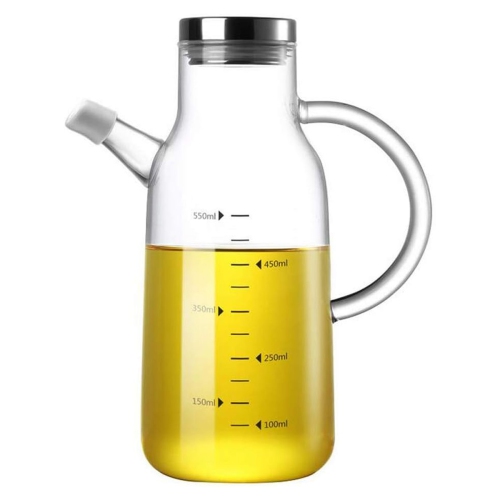
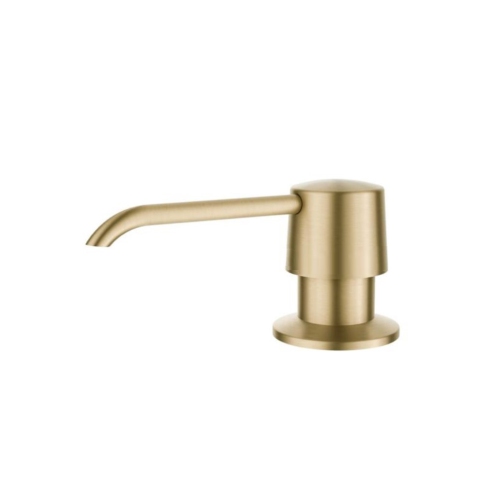
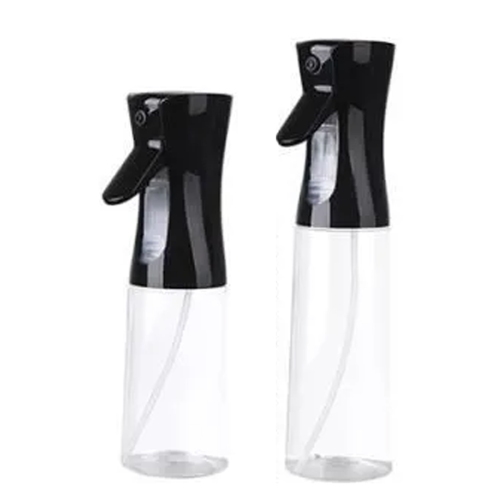

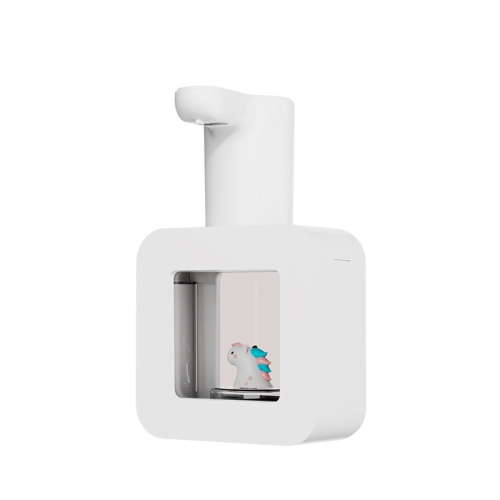

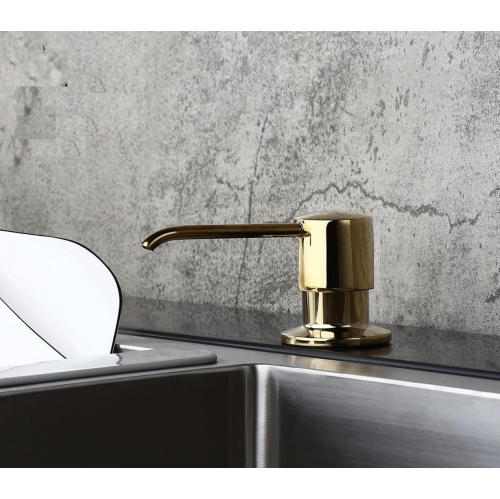
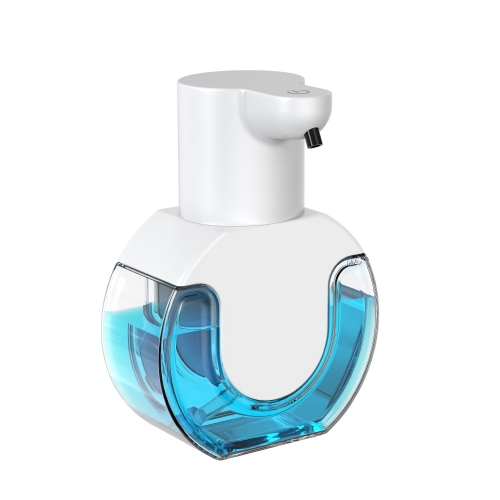
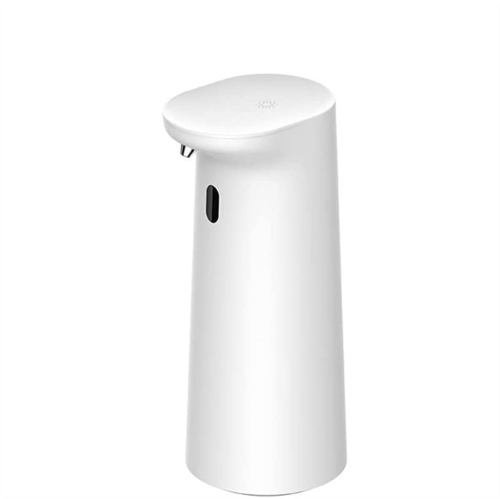
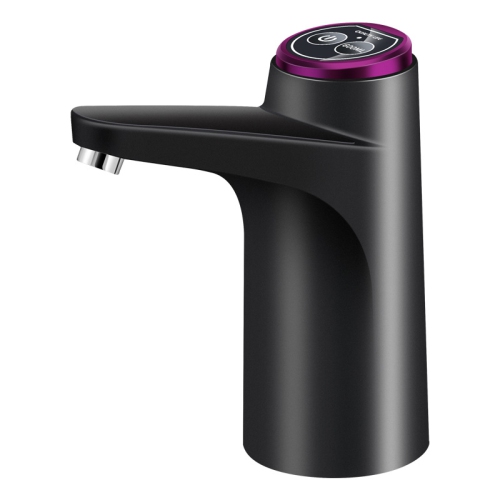
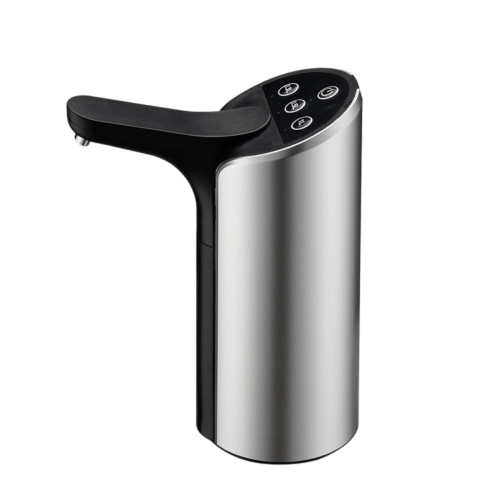
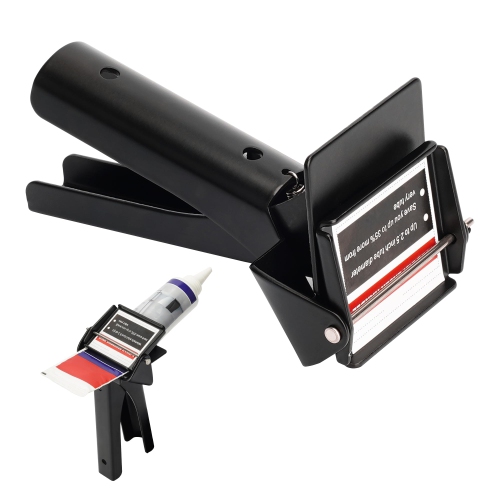
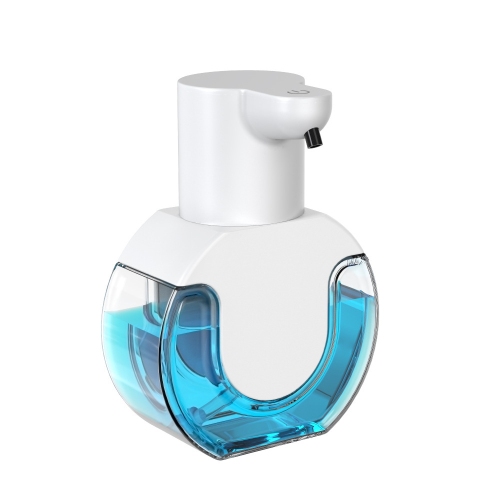
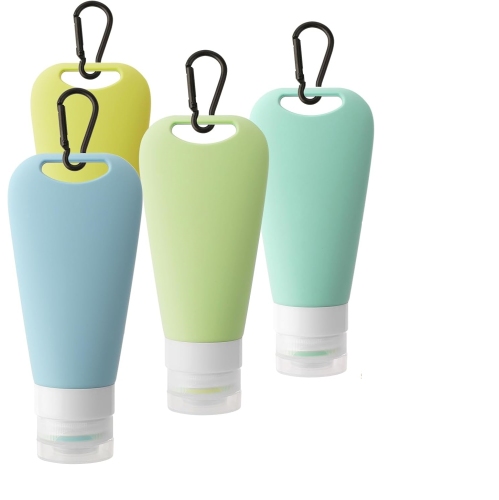
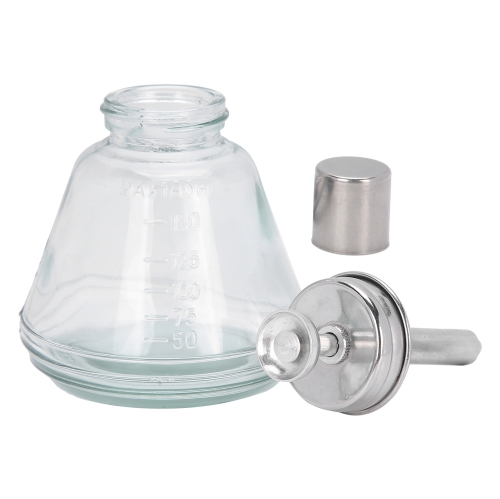
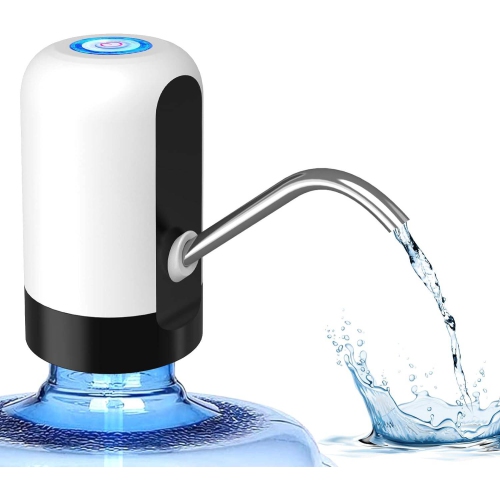
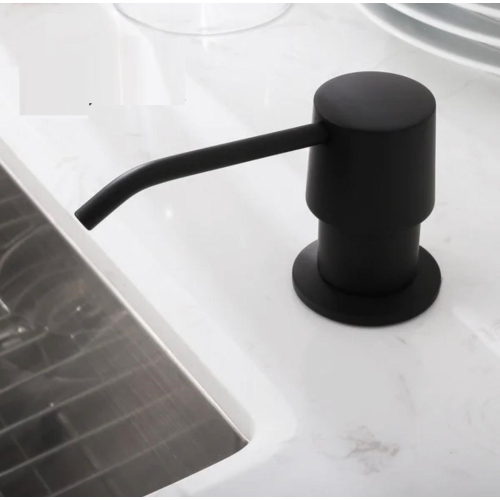
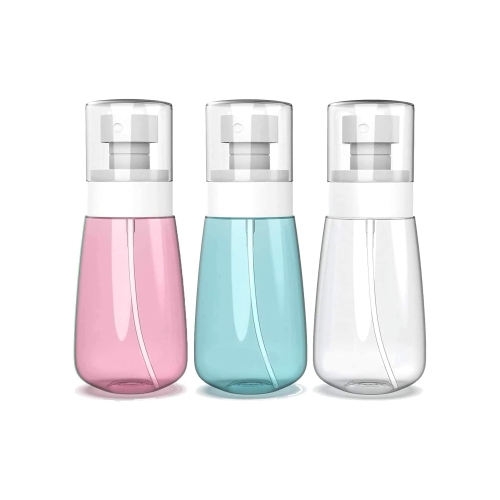
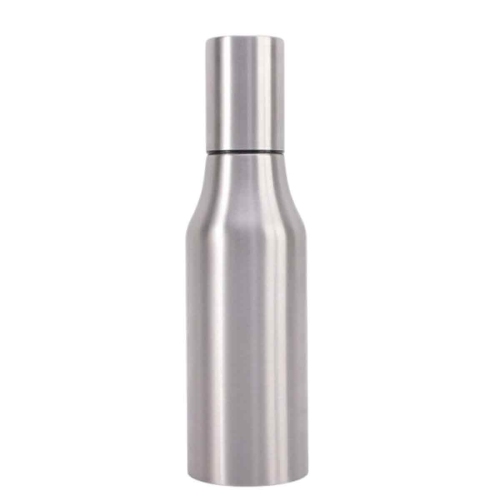

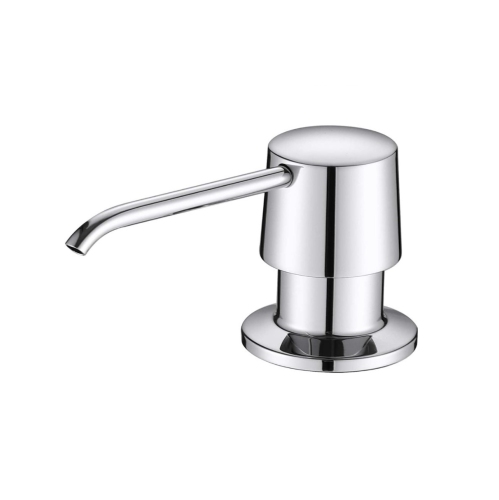
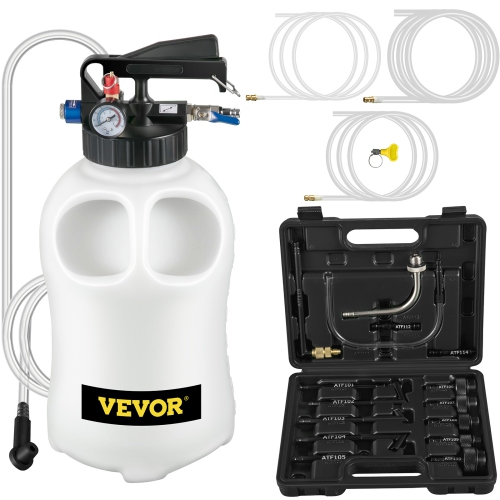
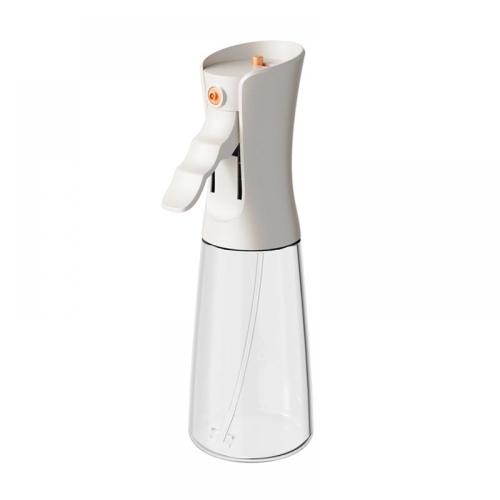
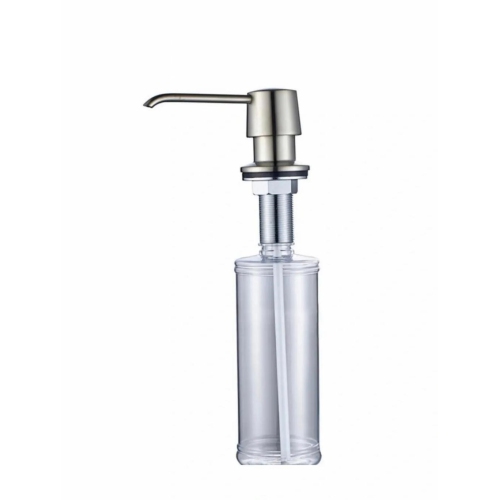

The design details behind a smoother pump or pour
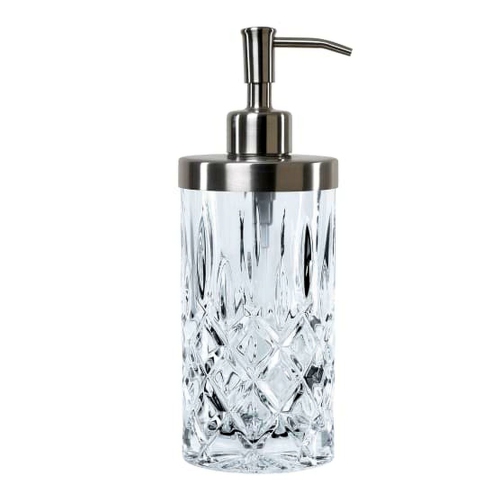
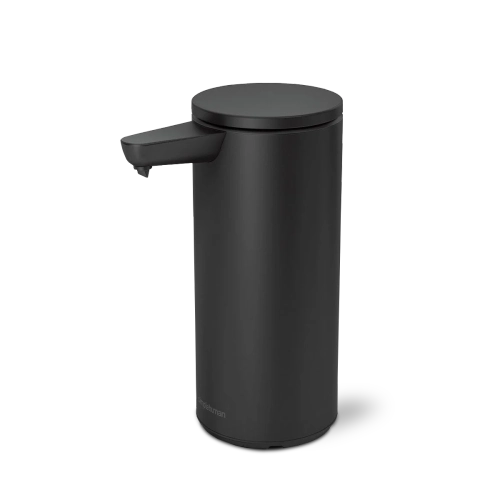
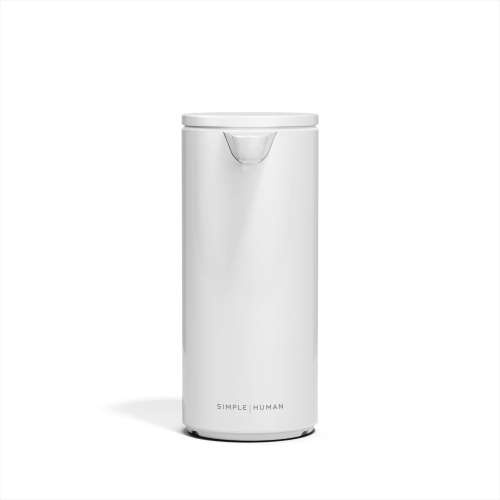
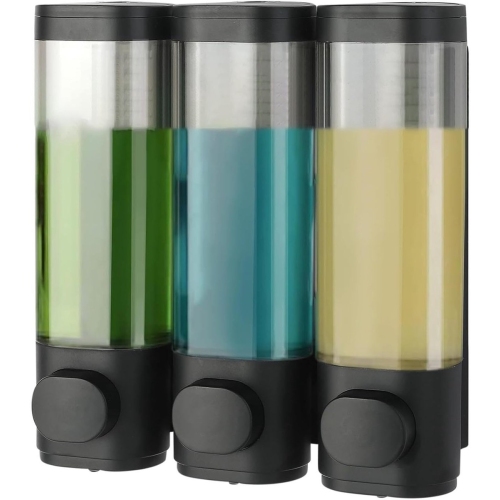
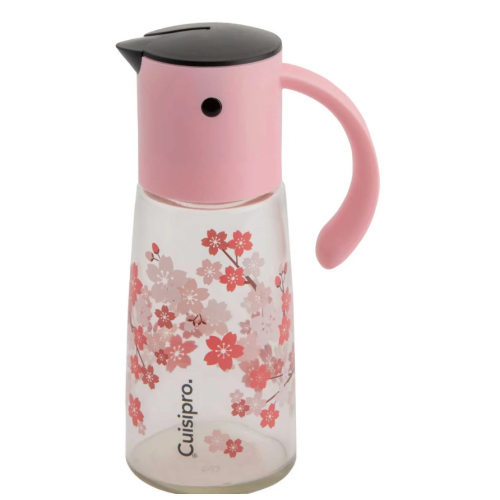
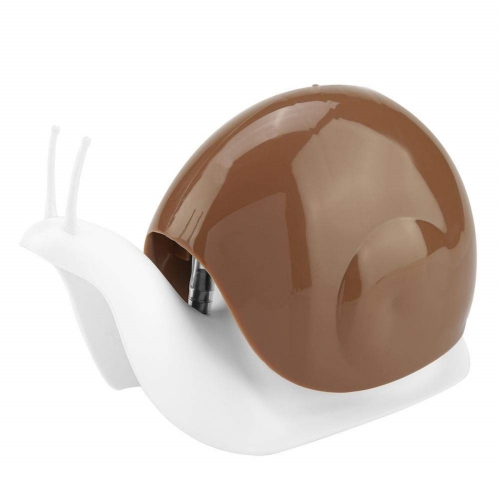
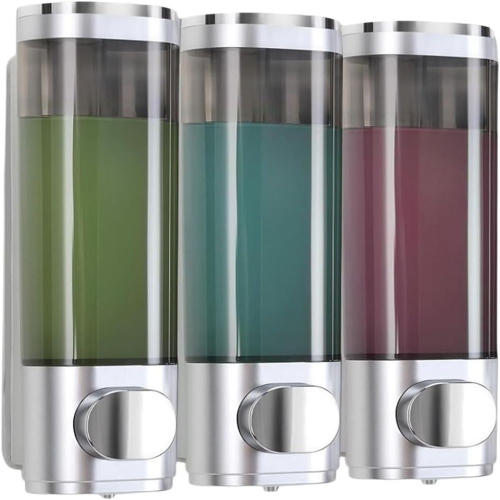
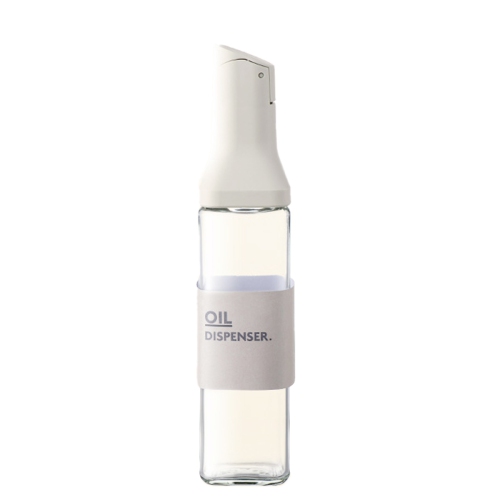
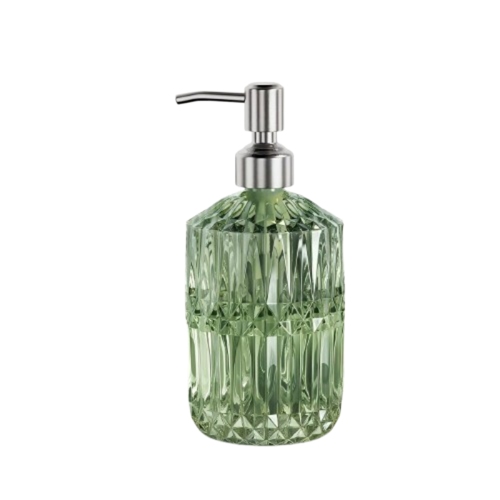
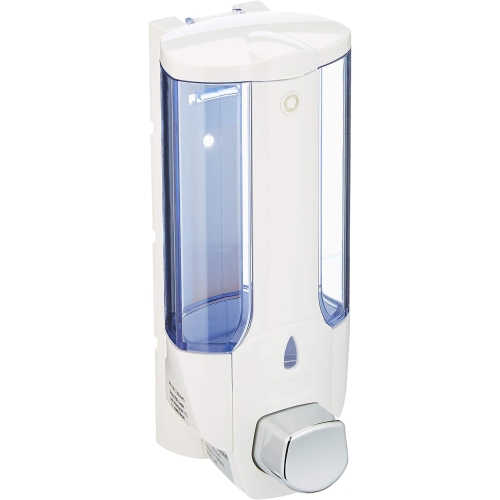
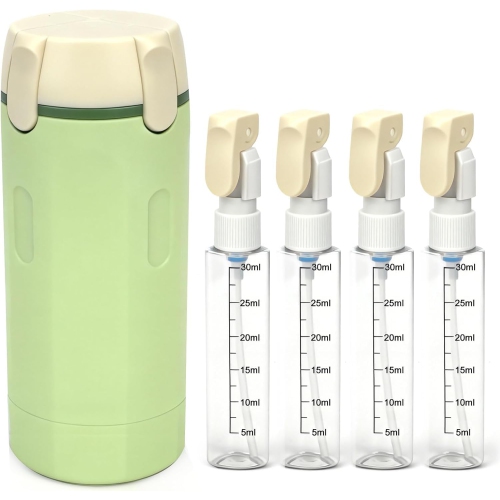
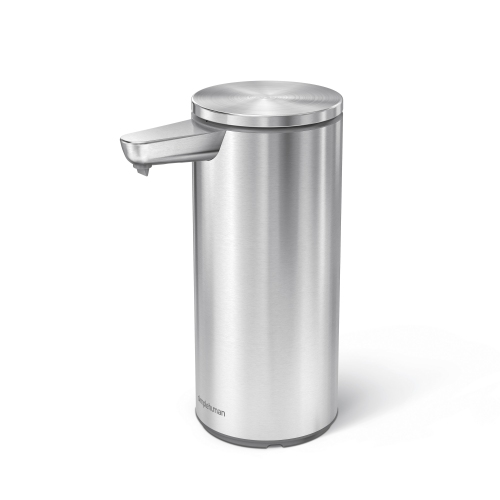
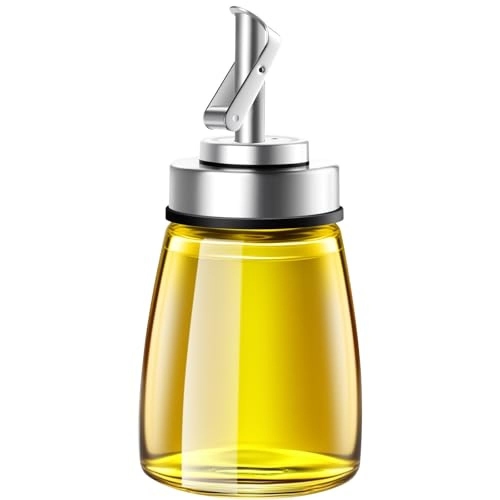
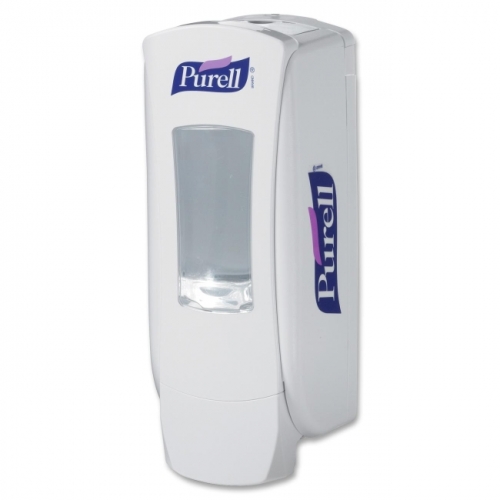
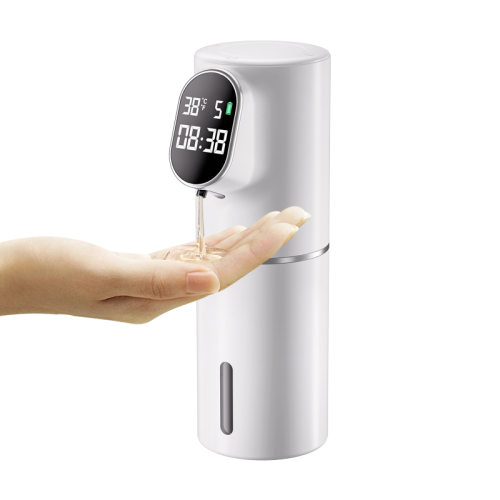
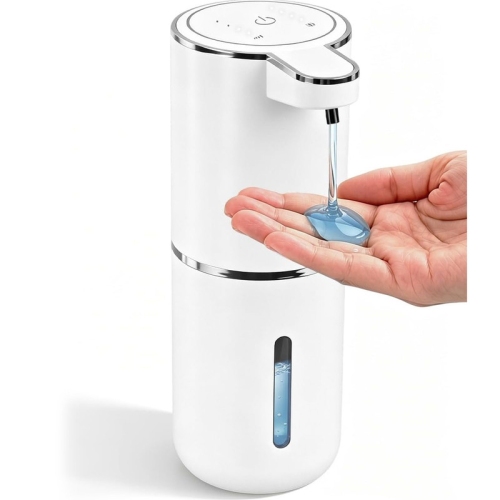
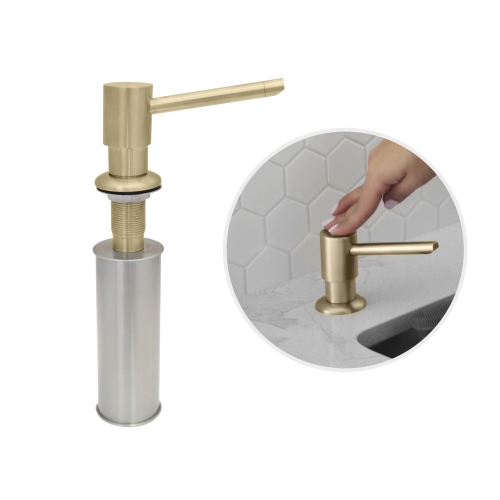
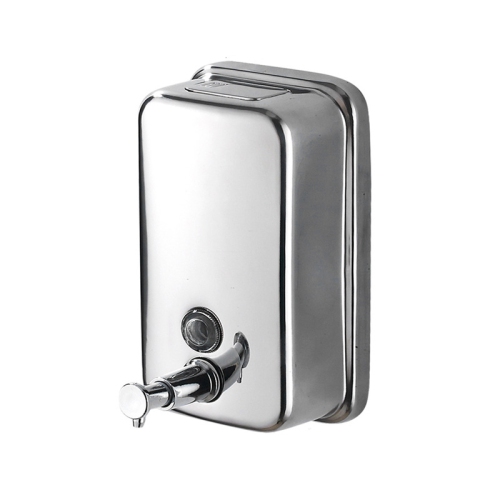
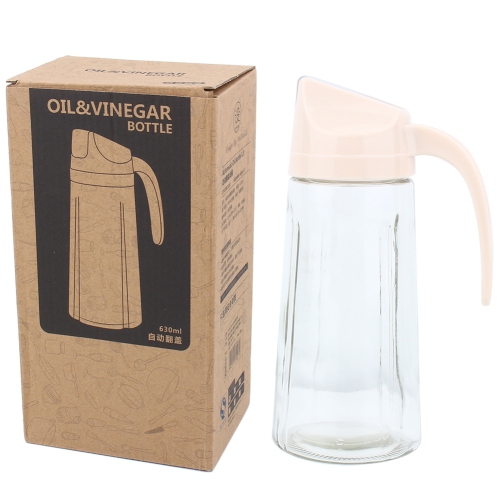
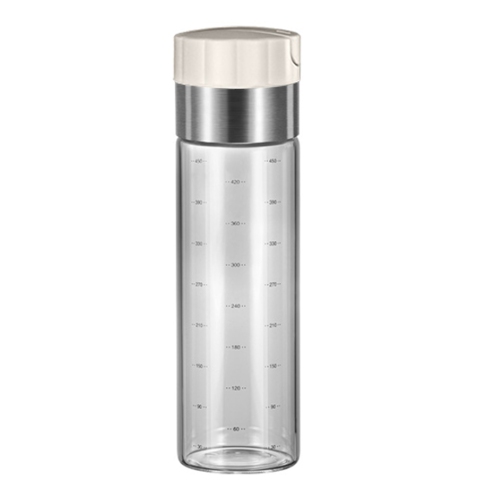
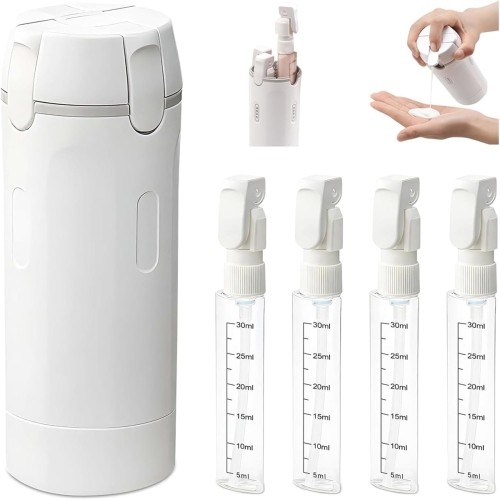
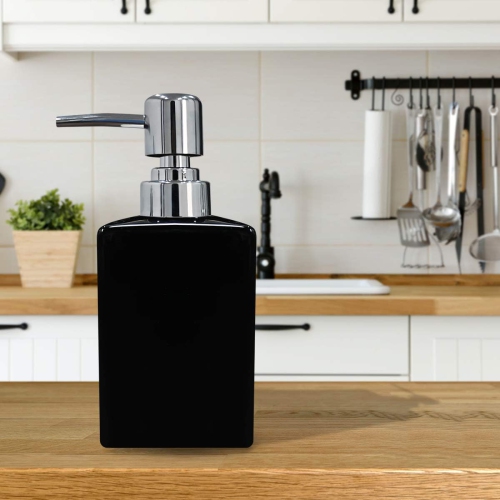
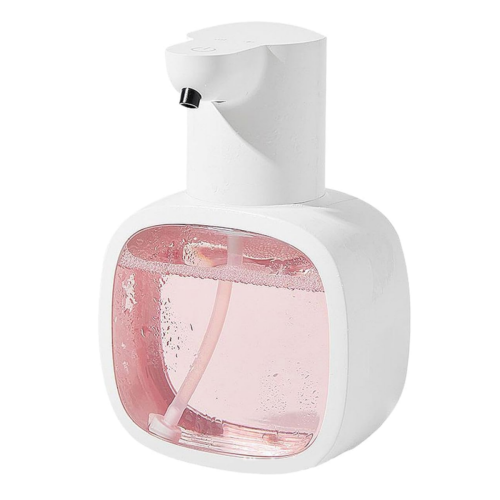
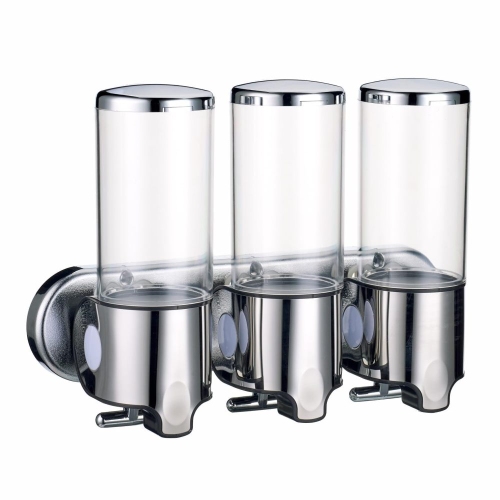
Liquid dispensers are containers or dispensing units that release liquids through a pump, sensor-operated outlet, tap, or valve. They provide a controlled way to dispense everyday essentials such as hand soap, dish detergent, lotion, sanitizer, and beverages, with different designs suited to different liquids and settings. A soap pump beside a bathroom basin serves a different purpose from a large drink dispenser on a dining table, but both bring the outlet within easy reach and help contain the liquid between uses. Countertop dispensers can move between suitable locations, while wall-mounted and built-in designs keep surfaces clear and establish a dedicated dispensing point. Materials influence appearance, weight, care, and durability. Glass offers a clear view of the contents and a substantial feel, although it needs careful handling around hard sinks and tiled floors. Plastic is generally lighter and less prone to shattering, making it practical for frequently handled containers, shared bathrooms, and spaces used by children. Stainless steel provides a durable exterior, with finishes that range from polished to brushed, though resistance to corrosion depends on the grade, construction, and care. Ceramic dispensers bring colour and texture to a vanity or kitchen counter, but their opaque walls can make a viewing window or regular refill check useful. The materials inside the dispenser matter just as much as its outer shell: seals, tubing, pump components, and reservoirs all need to be compatible with the intended contents. For drinks, every surface that touches the liquid should be suitable for food contact. A stable base, securely fitted lid, and comfortable pump action make a noticeable difference during ordinary tasks, whether someone is washing their hands before dinner or dispensing dish soap while holding a sponge. Coordinating containers can also give neighbouring liquids a consistent appearance, provided clear labels keep soap, lotion, and other contents easy to distinguish.
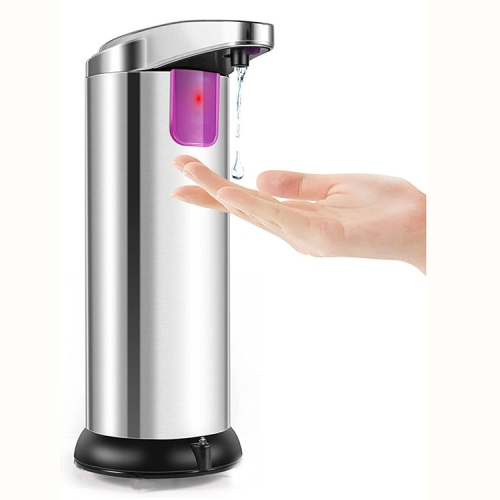
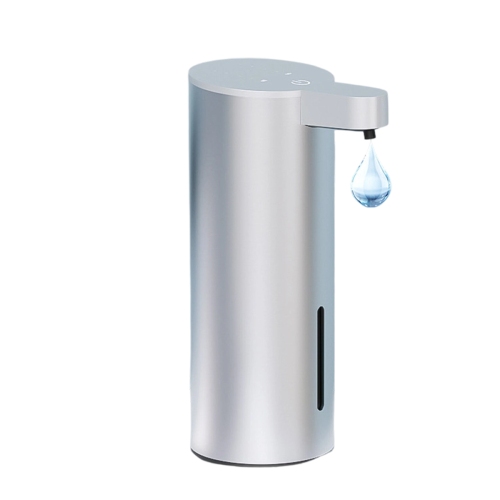
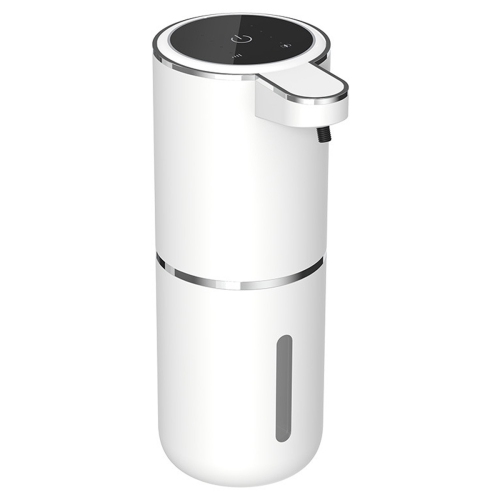
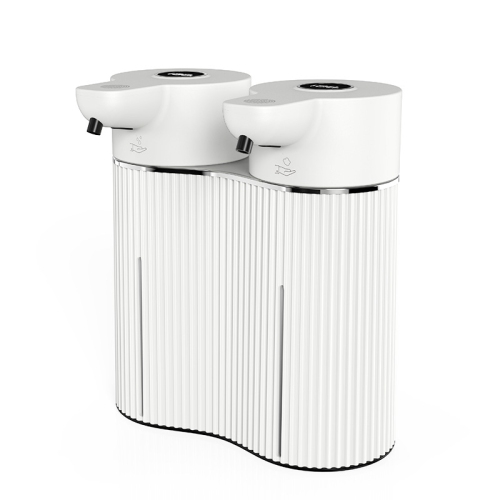
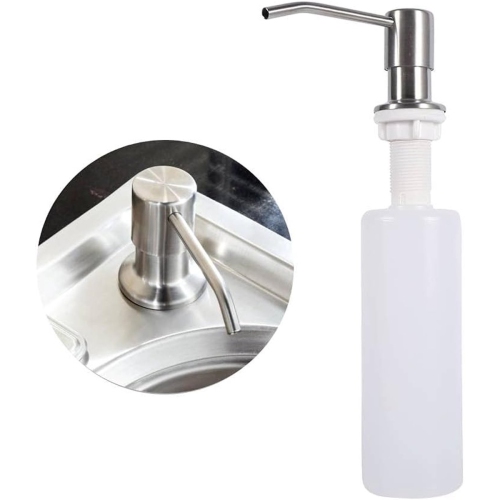
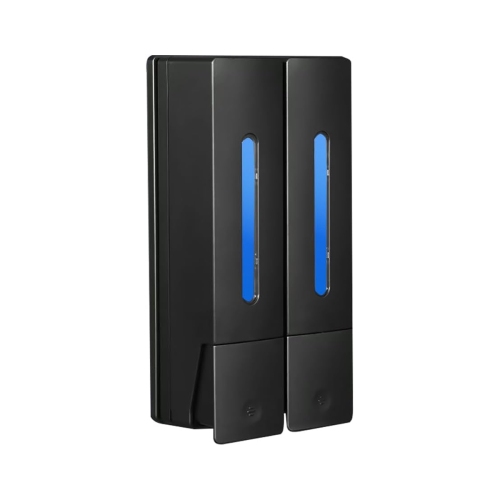
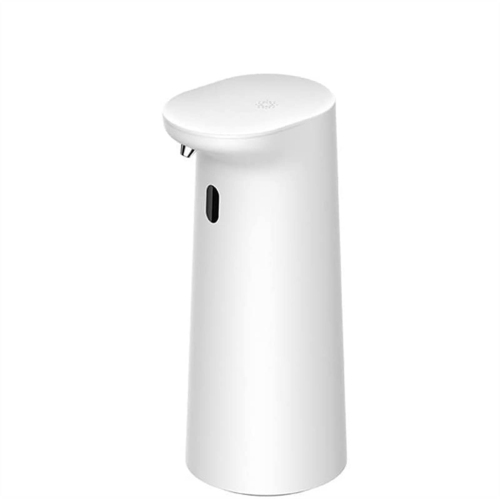
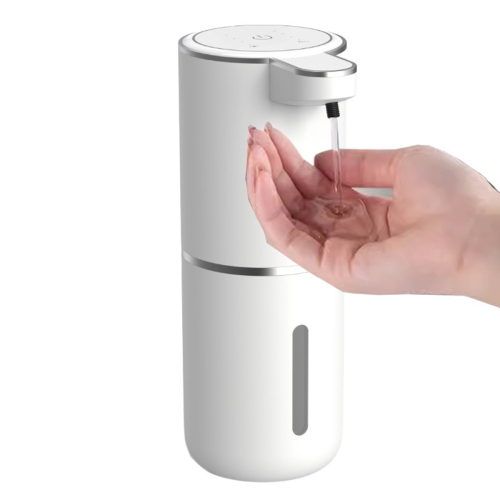
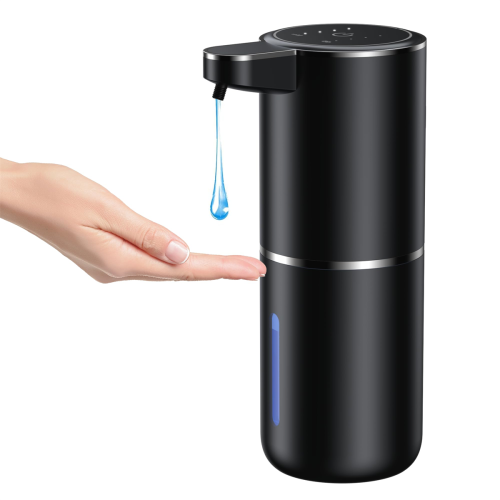
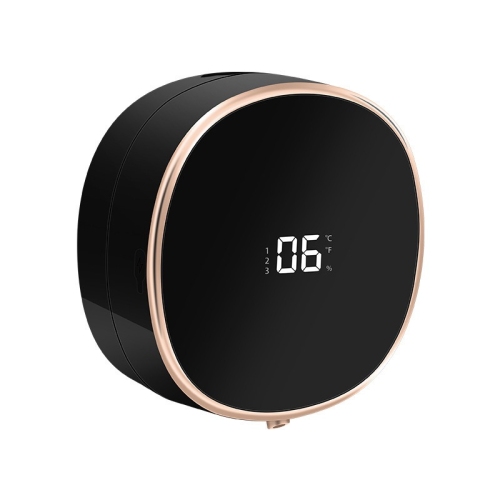
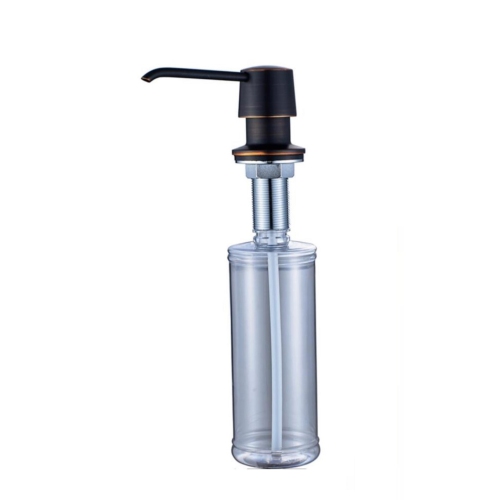
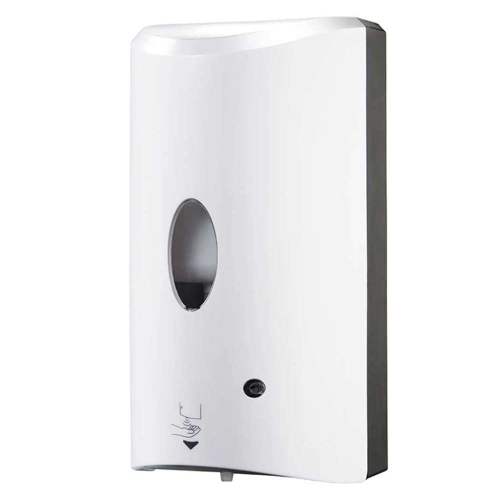
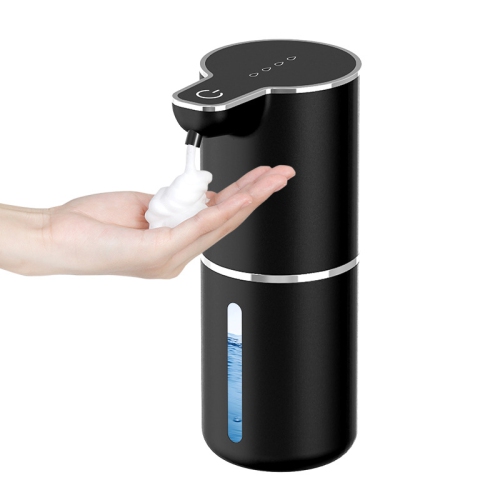
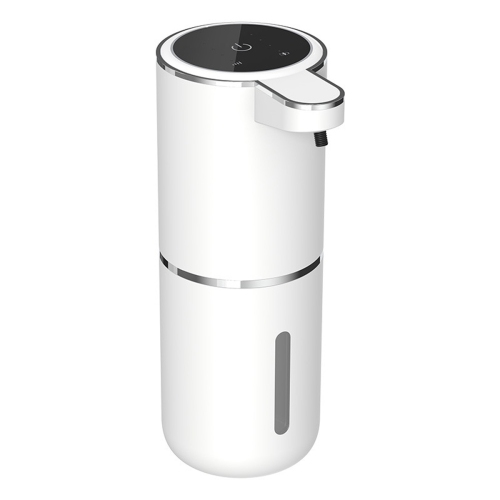
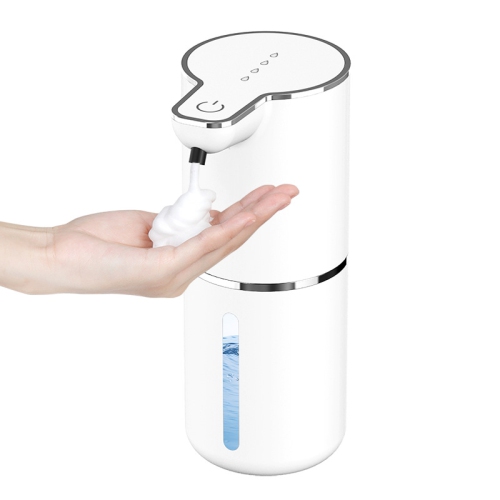
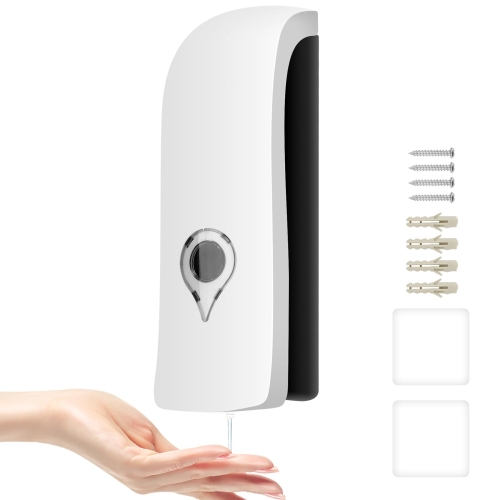
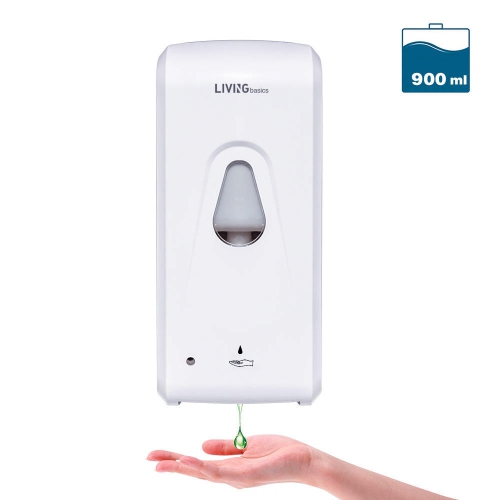
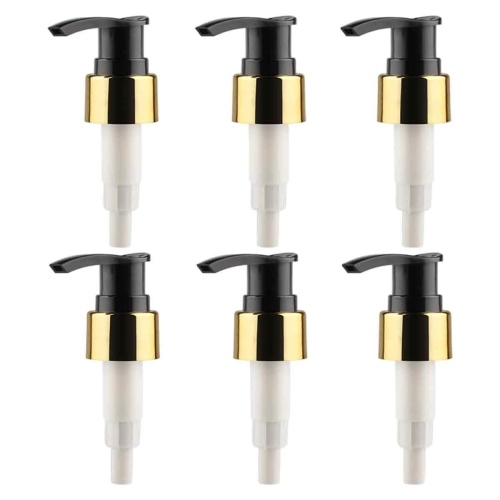
The dispensing mechanism determines how a liquid dispenser feels in daily use. Manual pumps offer straightforward operation without batteries or a power connection, and a broad pump head can be easier to press with the palm of a hand. Touchless dispensers use a sensor to activate dispensing without pressing a shared pump surface; depending on the design, they may run on replaceable batteries, a rechargeable battery, or an external power supply. Sensor placement and outlet clearance affect how naturally a hand fits underneath, while adjustable dispensing settings, where included, allow the output to suit the task. Liquid consistency is an important part of that match. A pump designed for thin hand soap may struggle with a thick lotion, and a foaming dispenser typically requires a compatible foaming formulation rather than ordinary gel soap. Sanitizer dispensers likewise need components rated for the formulation they hold. The result should be a manageable portion delivered where it is needed, rather than a stream that overshoots the hand or drips down the container. Size and placement shape that experience, too. A compact dispenser can fit a narrow vanity ledge, while a larger reservoir may better suit a busy family kitchen, workplace washroom, or shared utility area. Greater capacity means less frequent refilling, but also adds weight and takes up more room. A long spout can reach over a sink, provided there is enough clearance from the faucet and basin edge. Built-in sink soap dispensers need a suitable mounting opening, compatible counter thickness, and space for the reservoir below. Wall-mounted designs depend on a secure installation appropriate for the surface, especially when the container is full or the pump receives repeated pressure. For anyone with limited grip strength or dexterity, a stable container, low-effort activation, and an accessible refill opening can make regular use more comfortable. These practical details often matter more than matching the finish of nearby fixtures.
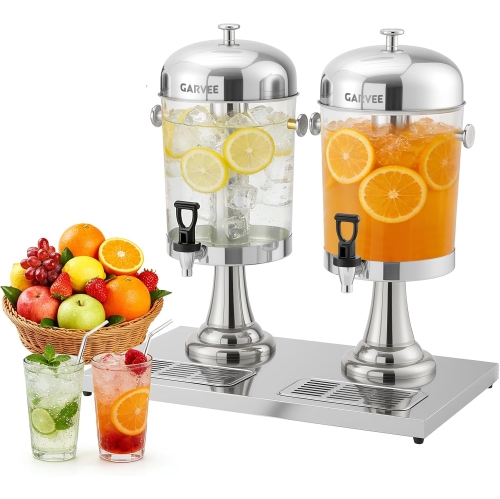
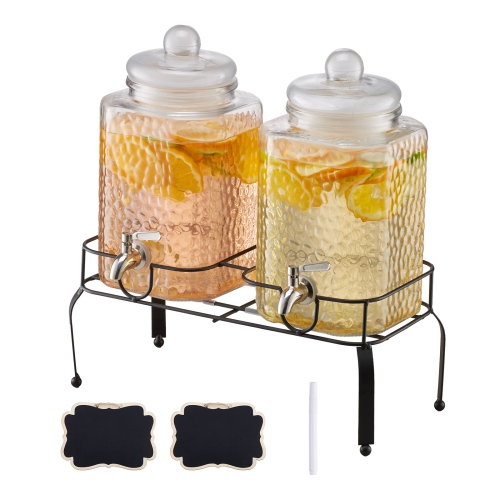
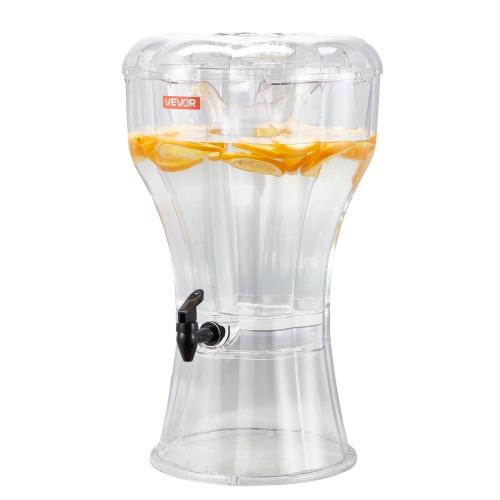
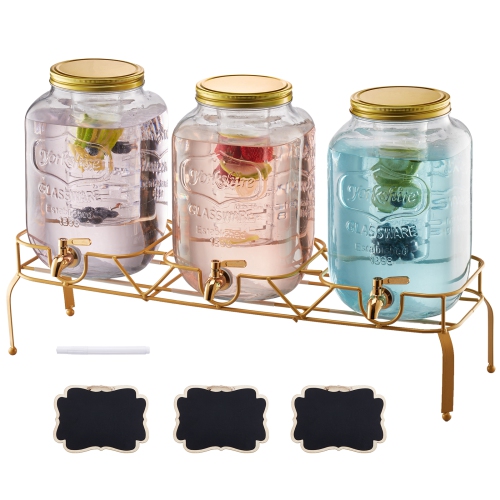
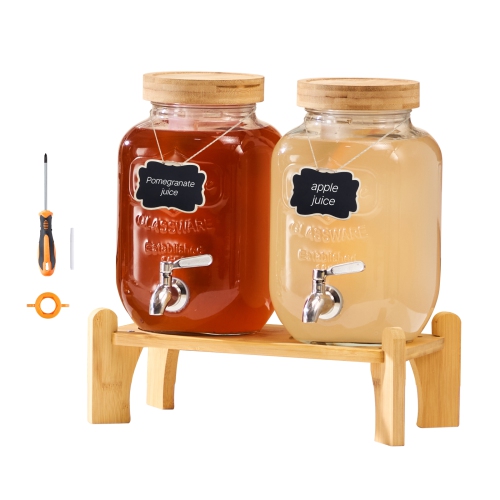
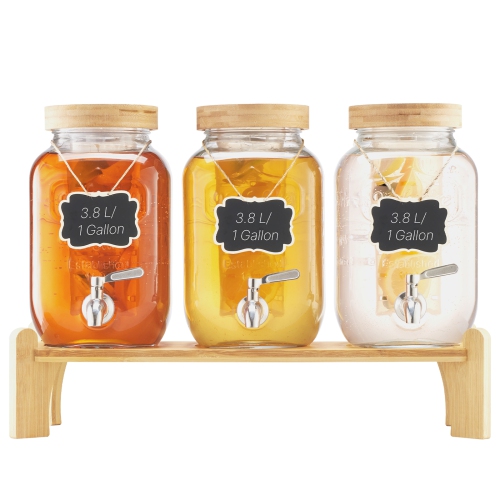
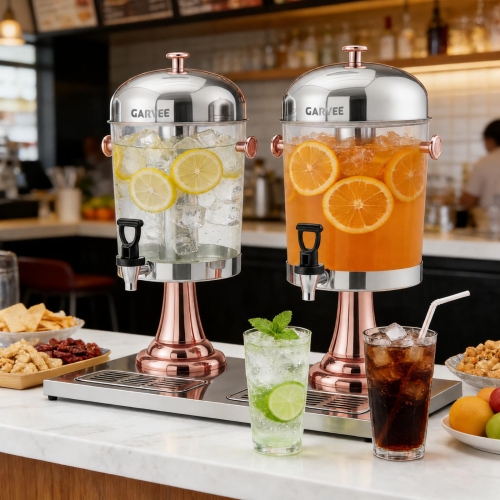
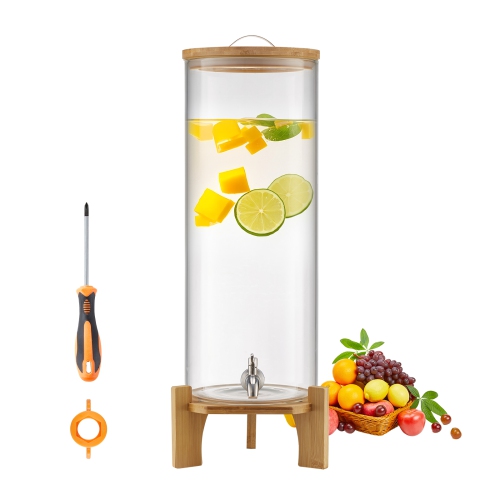
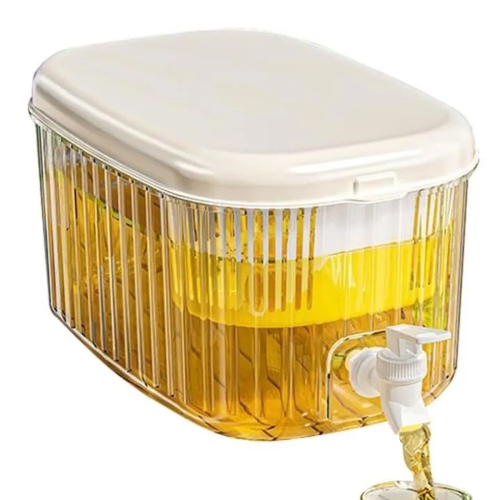
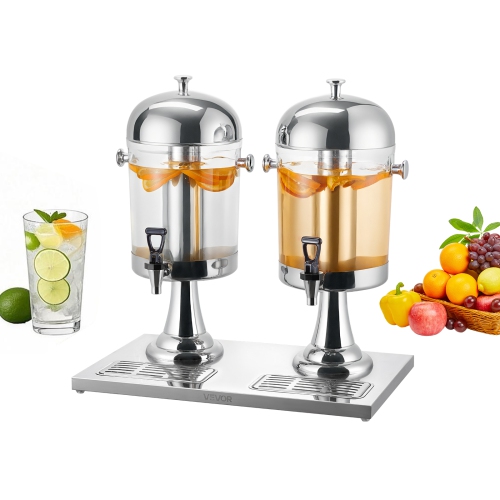
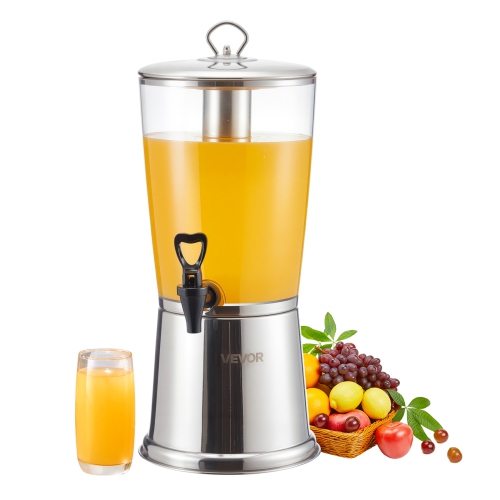
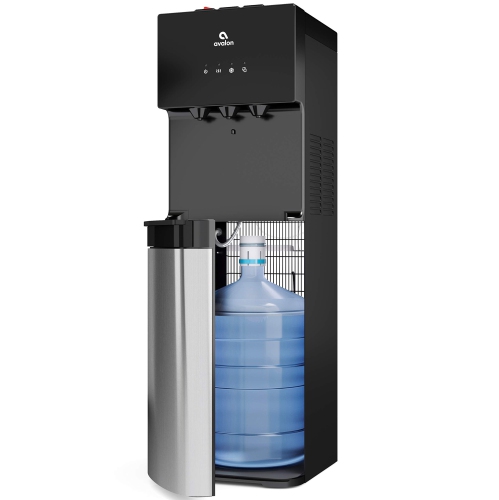
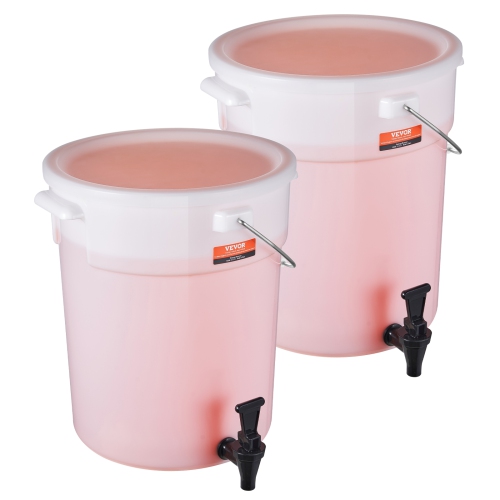
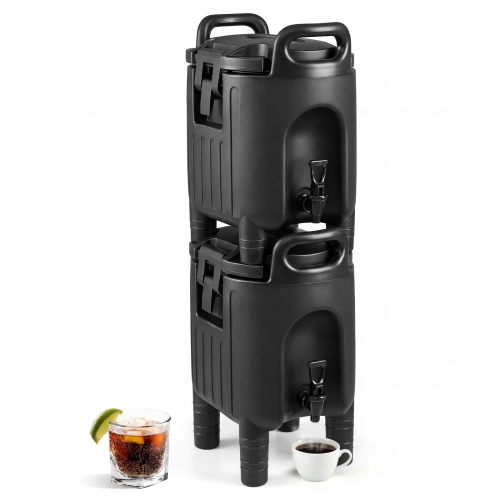
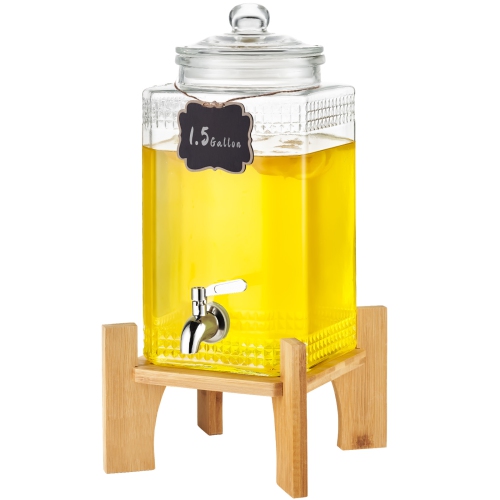
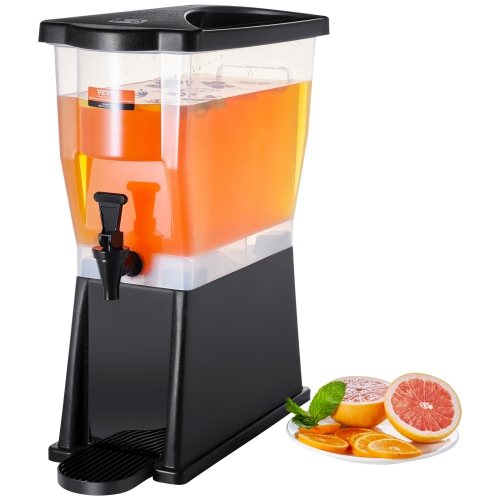
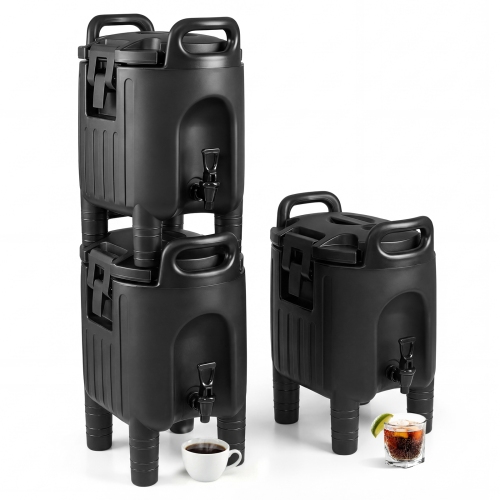
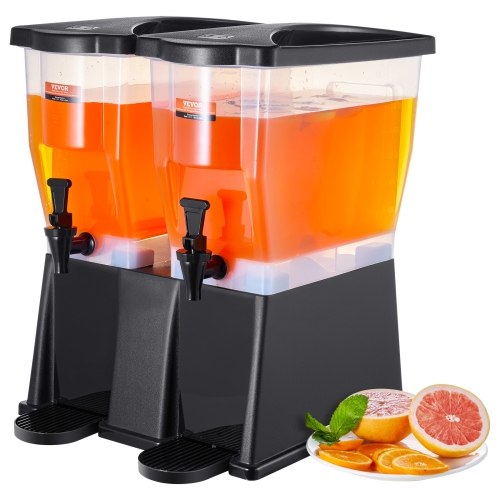
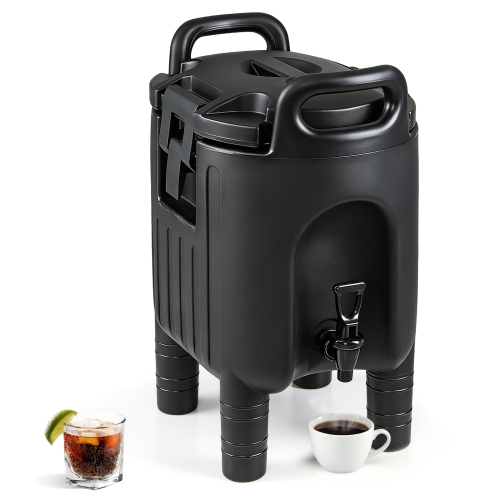
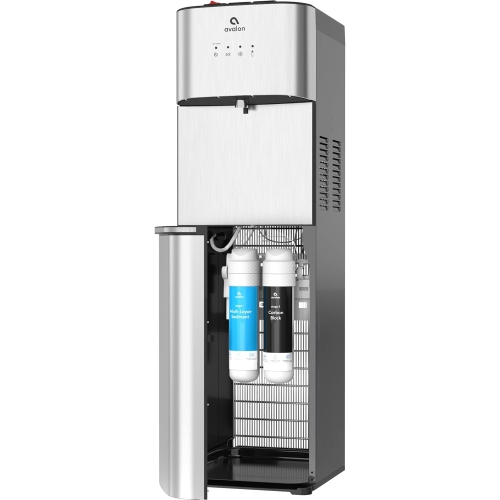
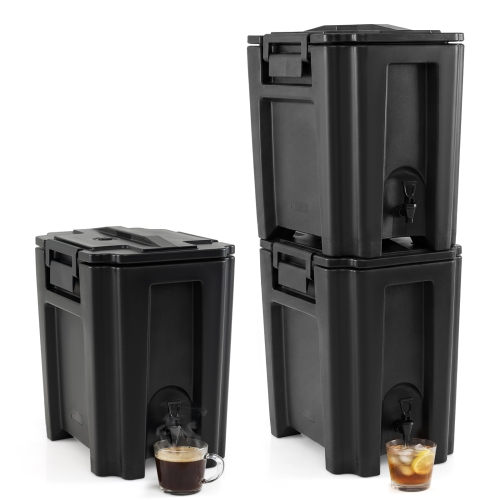
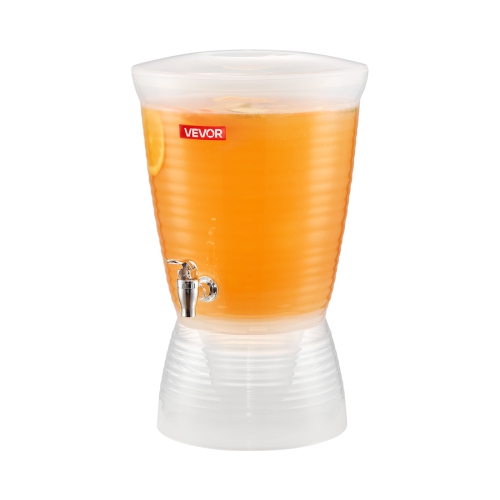
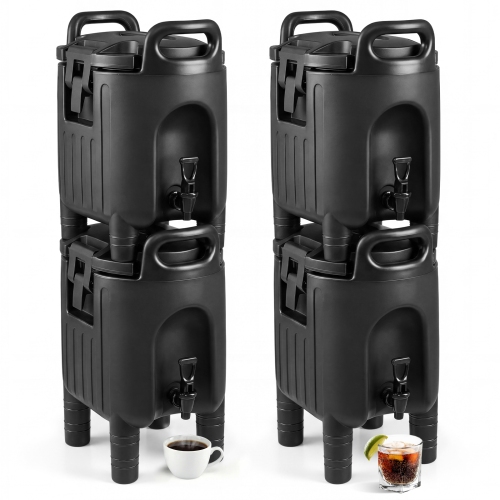
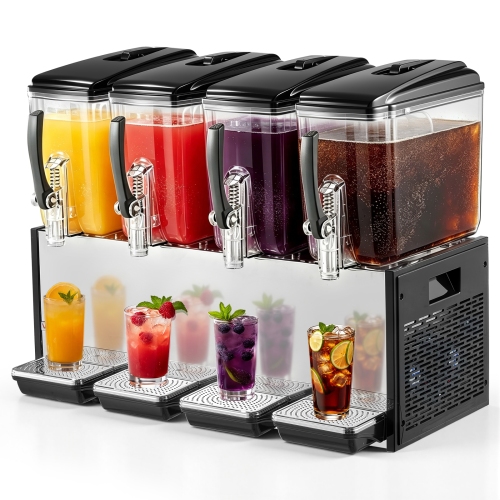
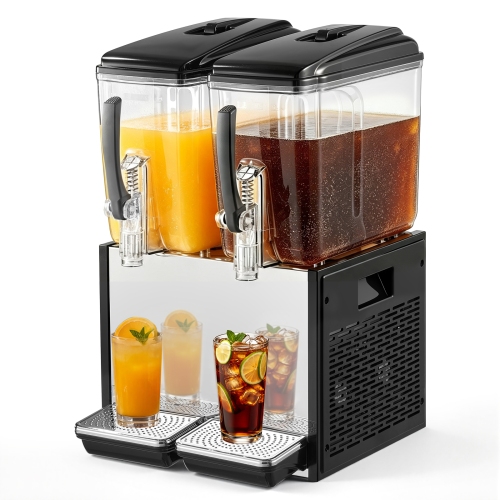
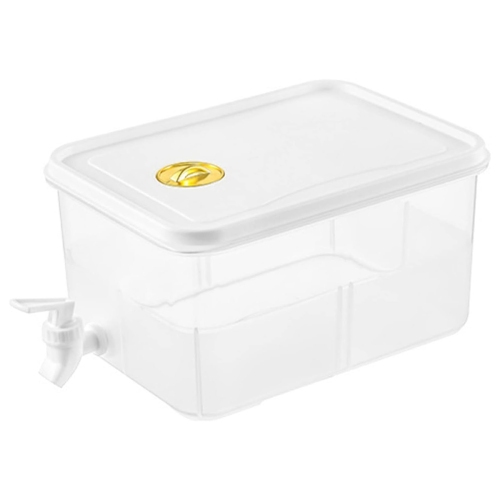
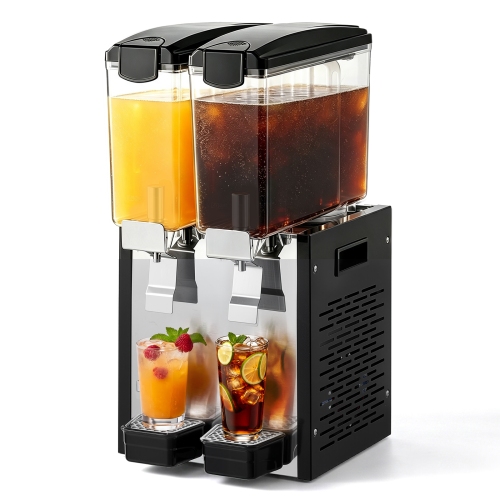
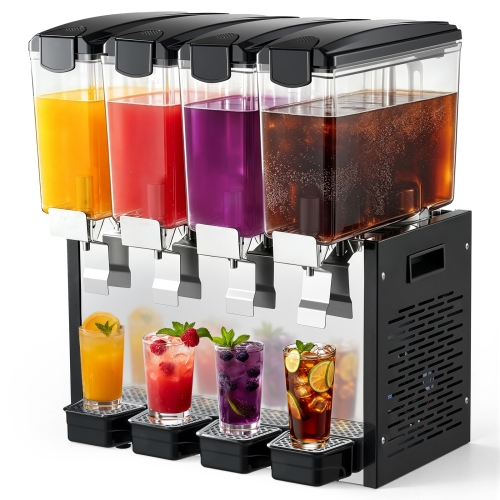
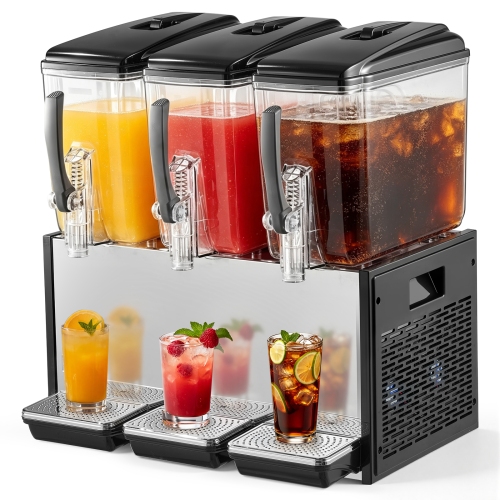
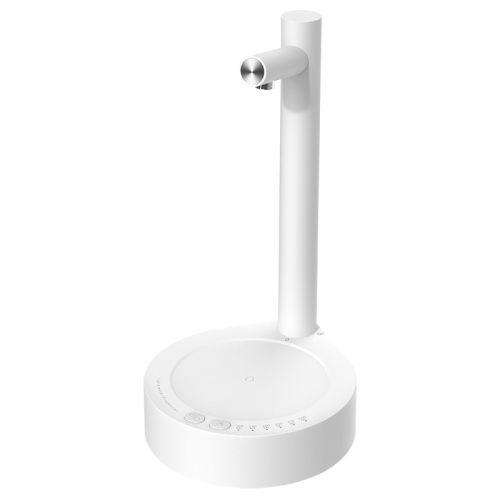
Beverage dispensers bring the same controlled-pouring principle to meals, gatherings, and shared spaces. A covered reservoir with a tap lets guests serve themselves without lifting and tilting a heavy jug, while a transparent body makes the remaining drink level easy to see. Capacity works best when it reflects both the number of people being served and the space available on the table or counter. There also needs to be room beneath the outlet for a glass, with a stable, appropriately designed stand where extra height is required. Tap construction, a secure lid, and a drip tray can help keep the serving area tidy. Infusion chambers, when included, hold ingredients separately, though fruit pieces, pulp, and seeds still need to be compatible with the outlet to avoid blockages. For a dedicated drinking-water setup, Water Dispensers offer a related category focused on serving water rather than soap, lotion, or other household liquids. Across dispenser types, care depends on the contents and construction. Wide openings and removable reservoirs make refilling and cleaning easier, while accessible taps and detachable pump parts help reach places where residue can collect. Dishwasher suitability should be confirmed for each component rather than assumed from the container material. Electronic housings need care that protects their sensors, battery compartments, and charging connections from moisture. For refillable soap and lotion containers, emptying and cleaning the reservoir as directed helps prevent old residue from building up; mixing different formulations or adding water can change how the contents perform. Household chemicals and drinks belong in separate, clearly identified dispensers, never in interchangeable containers. For a housewarming or another practical gift occasion, an easy-care soap dispenser or a beverage dispenser can suit someone setting up a kitchen, refreshing a bathroom, or enjoying casual hosting. The most useful fit comes from the recipient’s habits: a tidy sink-side setup for frequent handwashing, an accessible pump for daily personal care, or a generous serving vessel that keeps drinks within reach around a shared table.
Top selling and popular products
-
 Your price for this item is $130
-
 Your price for this item is $150
-
 Your price for this item is $150
-
 Your price for this item is $109.99
-
 Your price for this item is $79.99
-
 Your price for this item is $87.99
-
 Your price for this item is $100
-
 Your price for this item is $120
Discover more categories related to Liquid Dispensers

Top Collections:
Best Black Friday Deals This Year, Best Black Friday Deals On Electronics, Kindle Devices, Dyson Airwrap, Best Cameras for Sports Photography, Best Budget Office Chairs, Canon G7X Cameras, PS5 Pro Consoles, Best Black Friday Deals On Apple Products, XBOX One S Consoles
Some products may be subject to Environmental Handling Fees
(EHF) depending on your province.
Learn more about EHFs.