Automatic Dispensers
Automatic dispensers are revolutionizing the way we manage everyday tasks, offering a seamless blend of convenience and efficiency. Whether you're looking to streamline your kitchen, bathroom, or workplace, these innovative devices provide a hands-free solution to dispensing liquids, powders, or even solid items. Perfect for maintaining hygiene while minimizing waste, automatic dispensers cater to a variety of needs and settings. Discover how these versatile tools can enhance your space with their sleek designs and advanced technology.
Sort

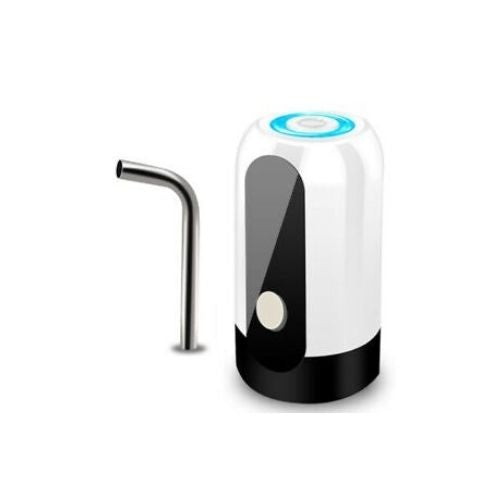
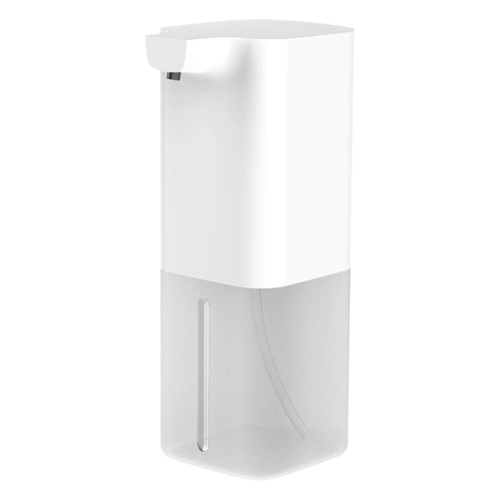
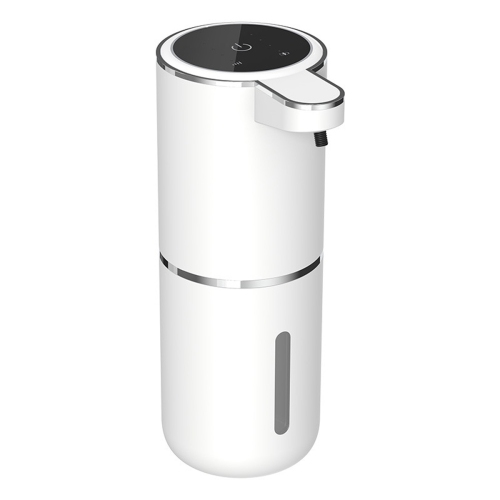
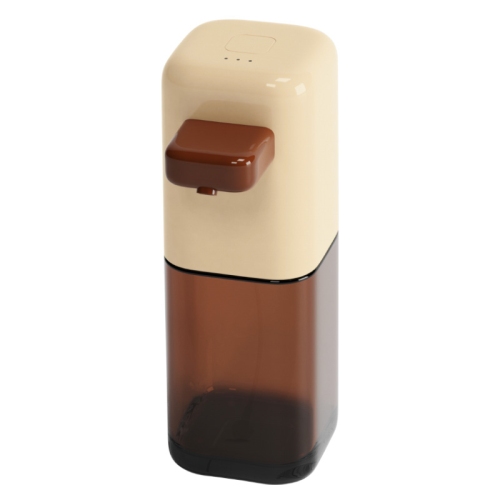
Why automatic dispensing is not always hands-free
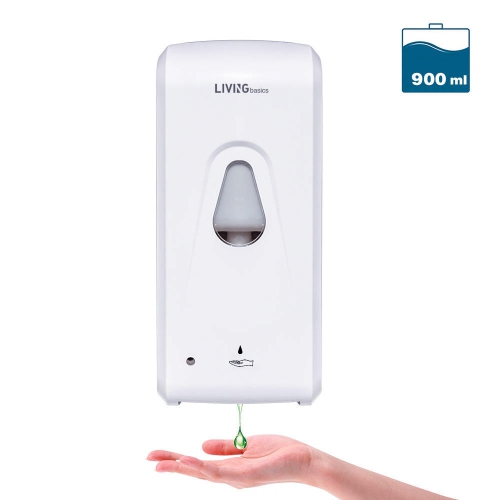
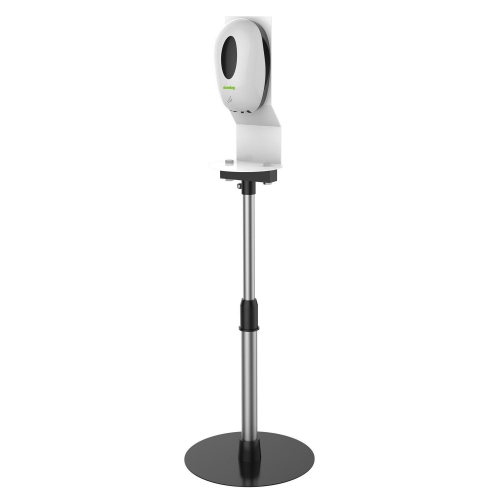
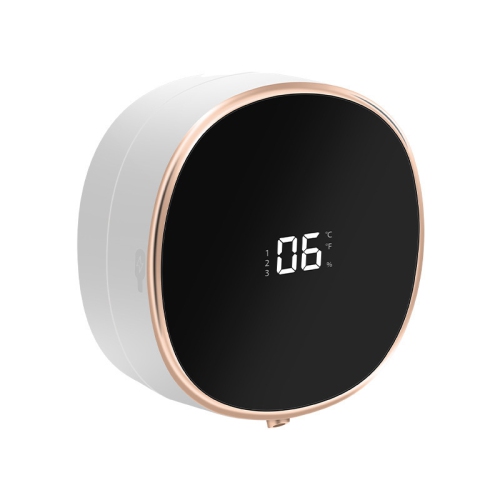
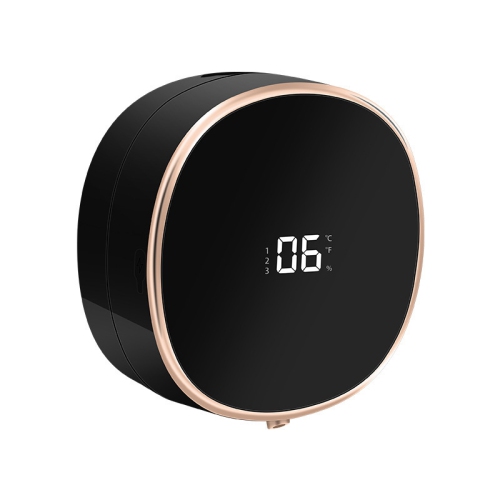
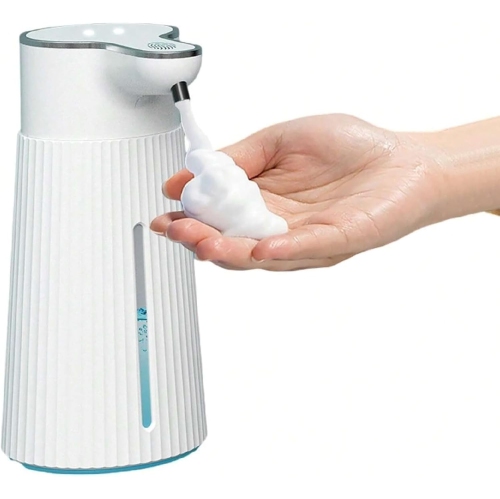
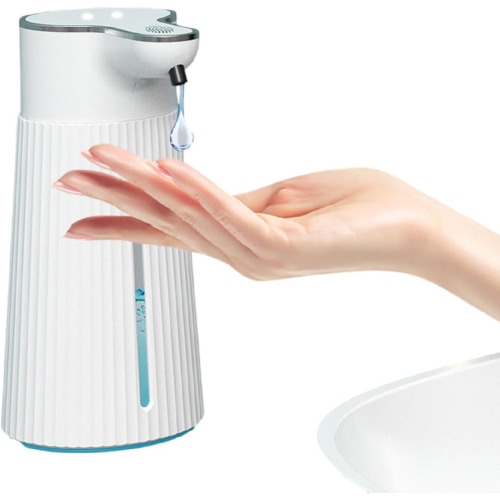
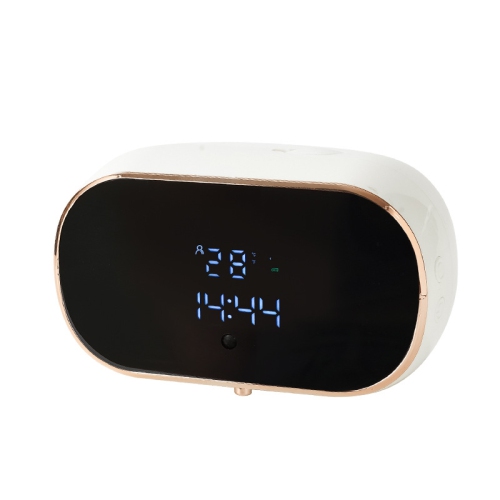
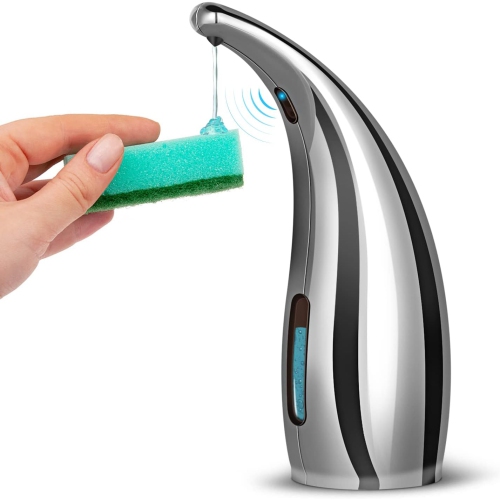
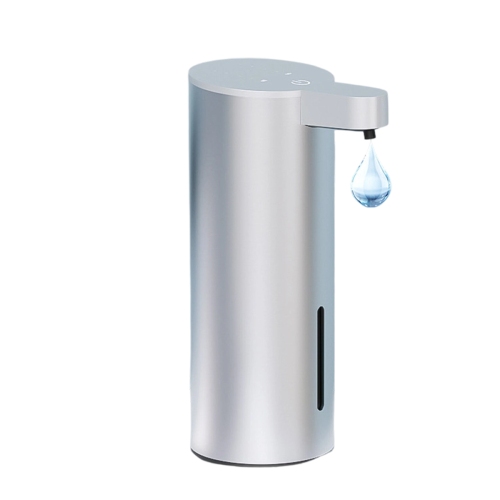
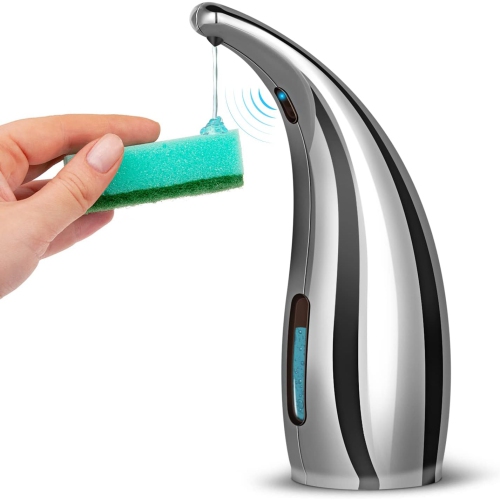
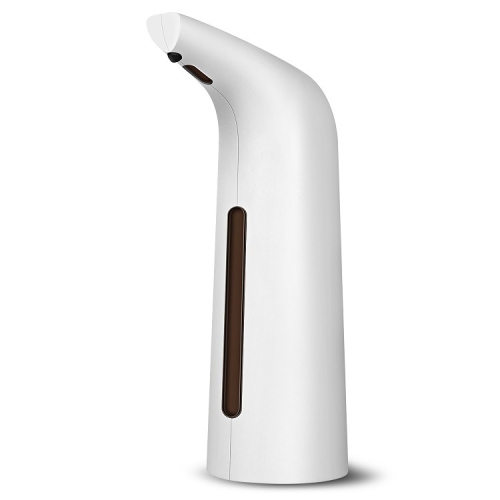
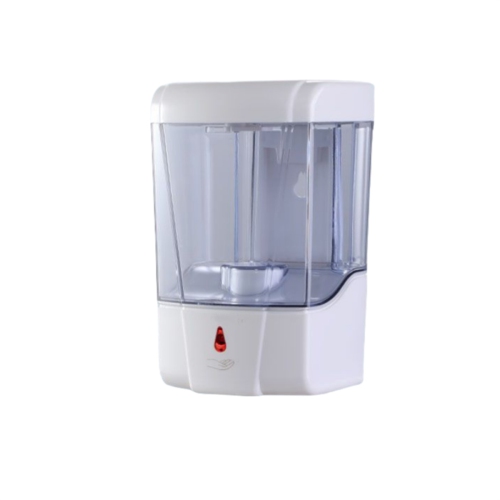
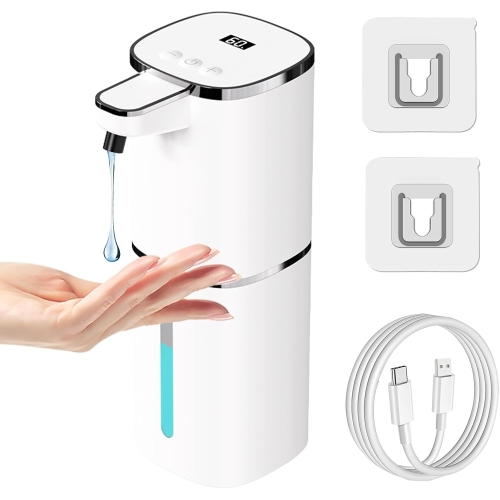
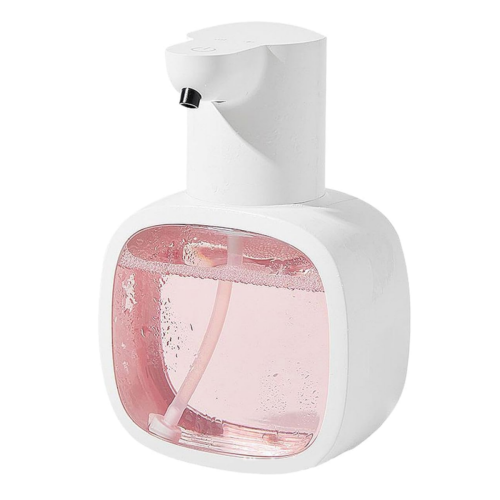
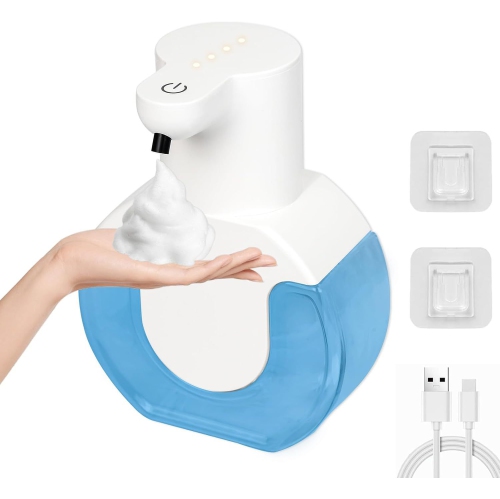
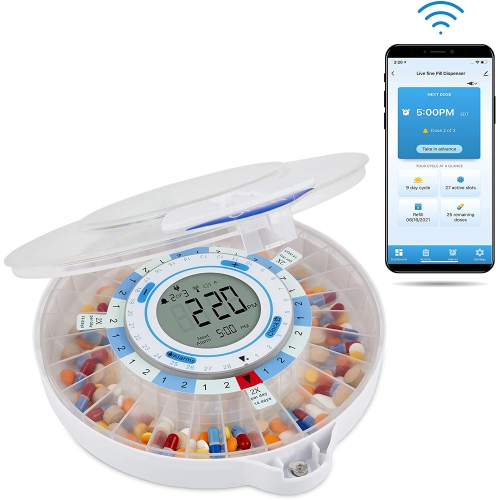
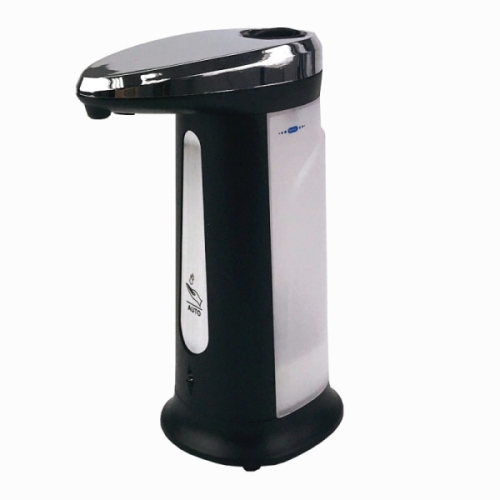
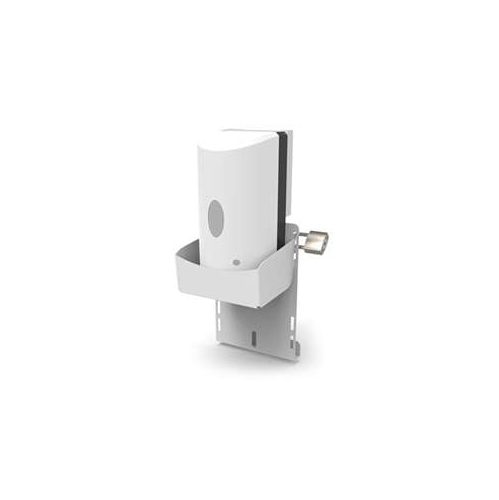
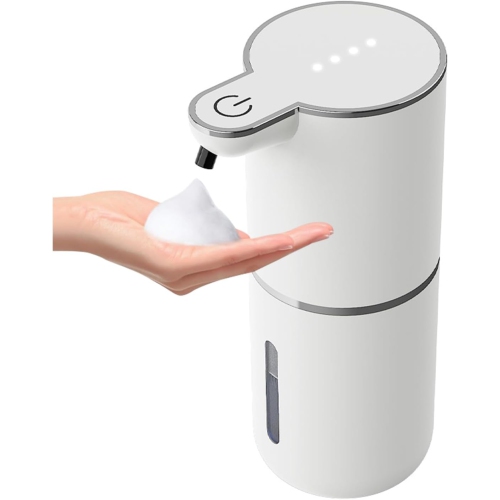
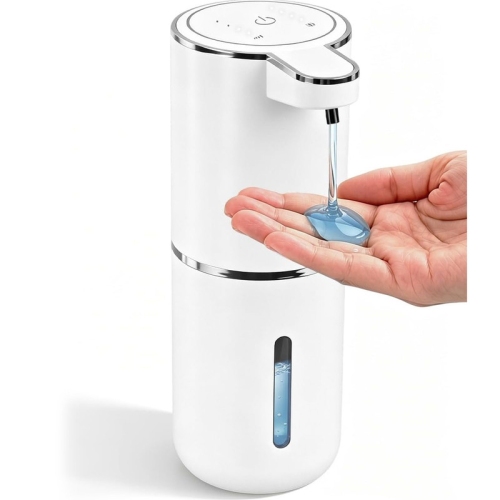
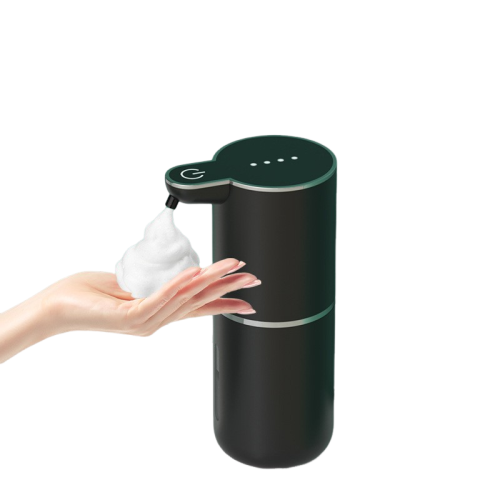
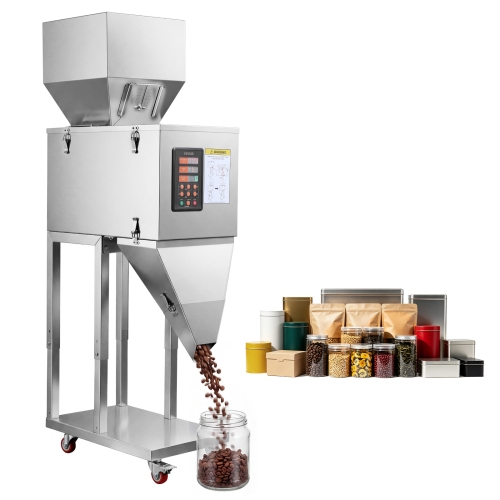
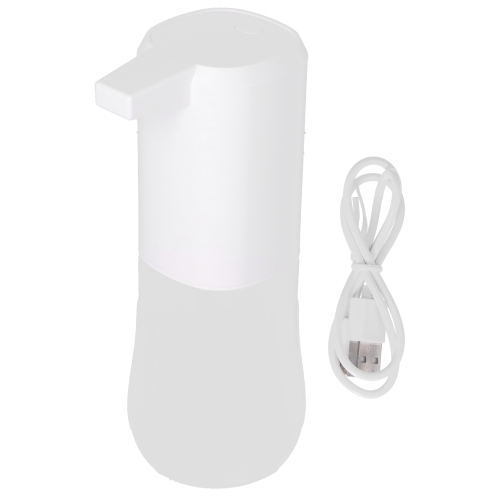
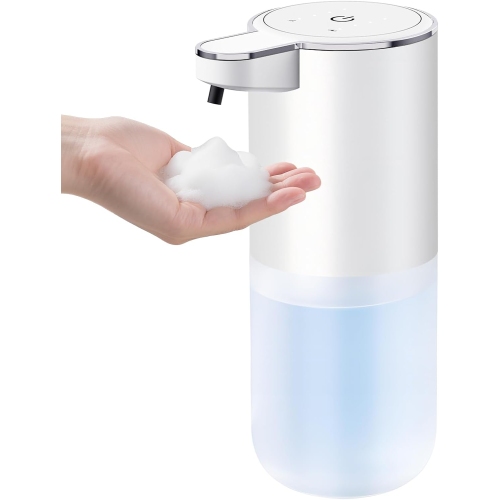
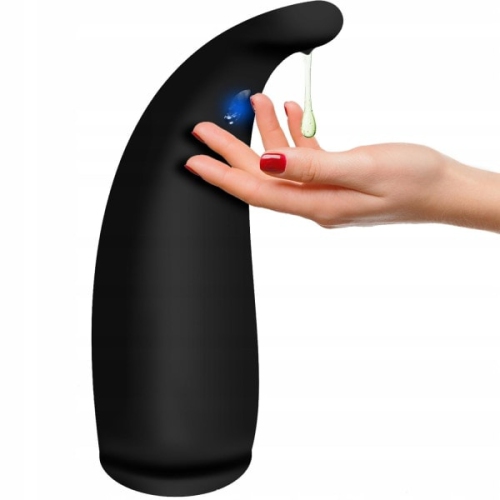
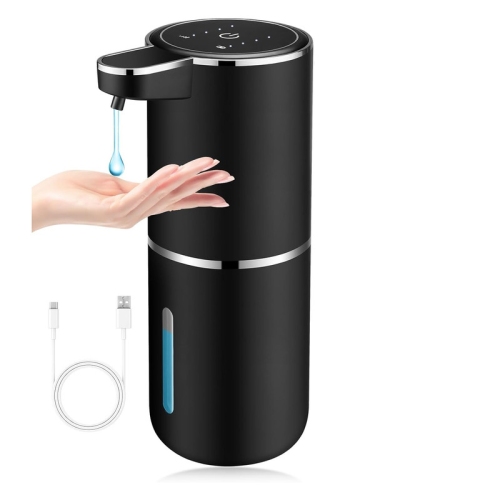
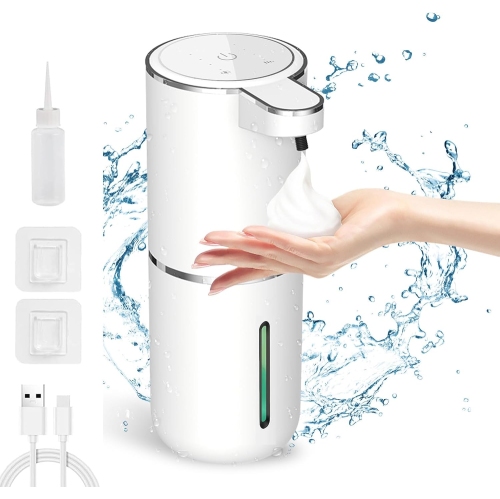
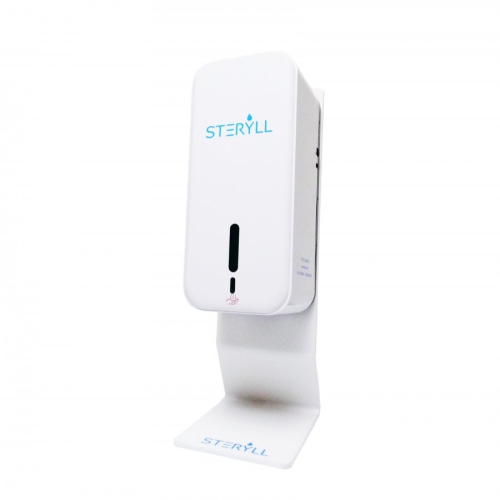
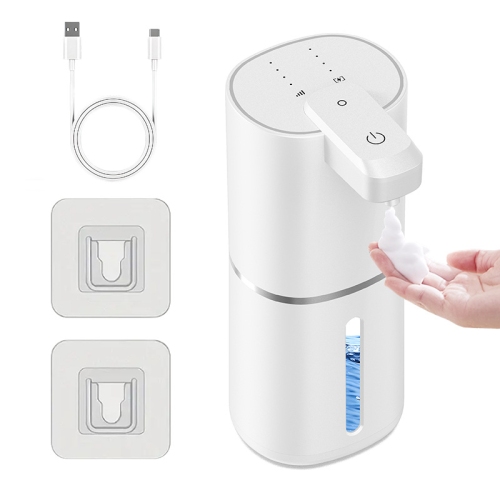
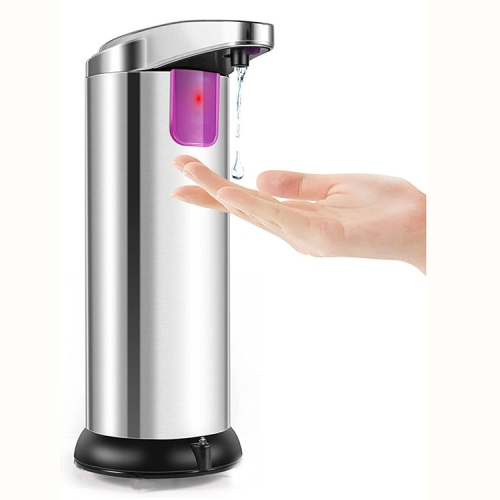
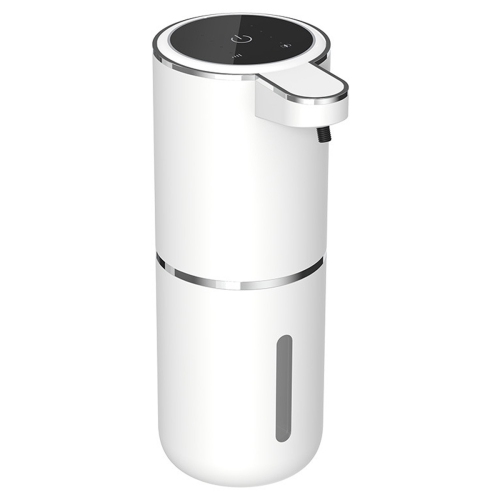
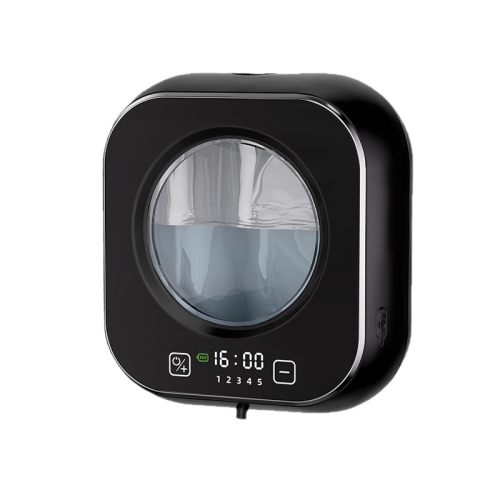
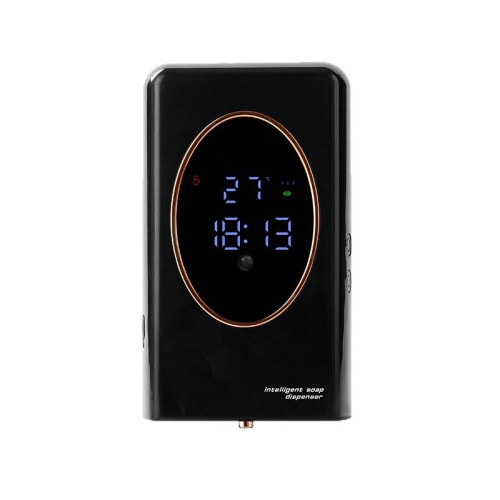
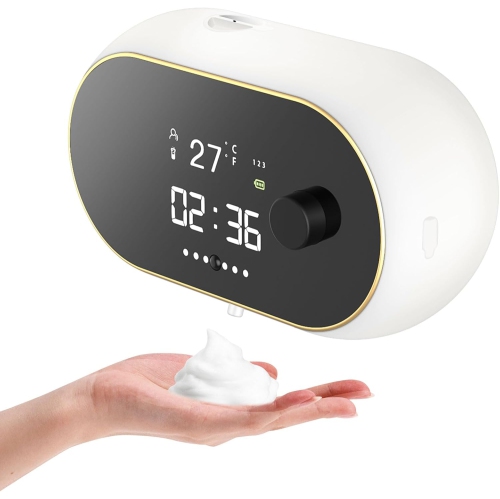
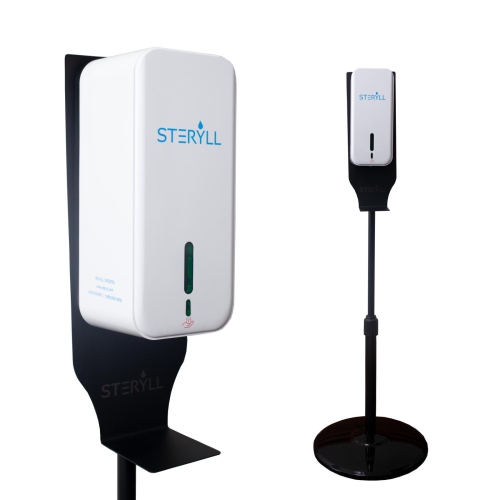
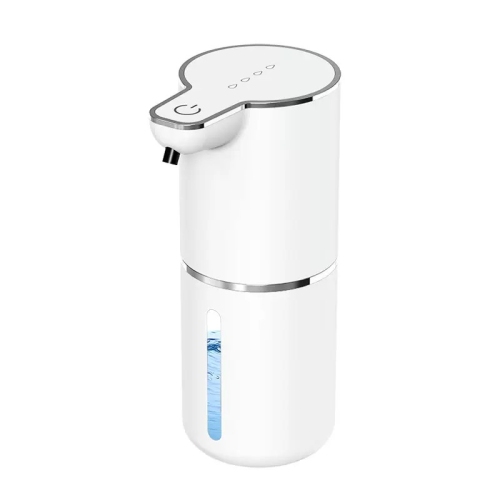
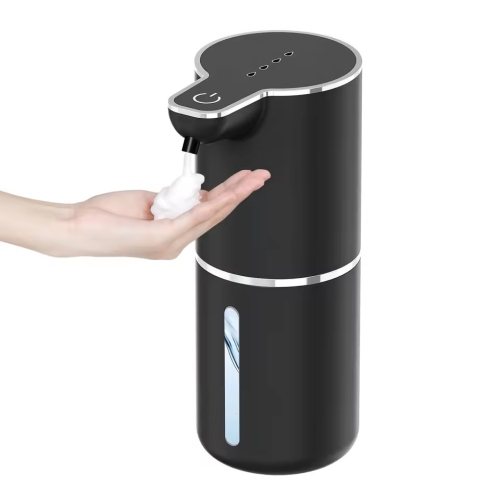
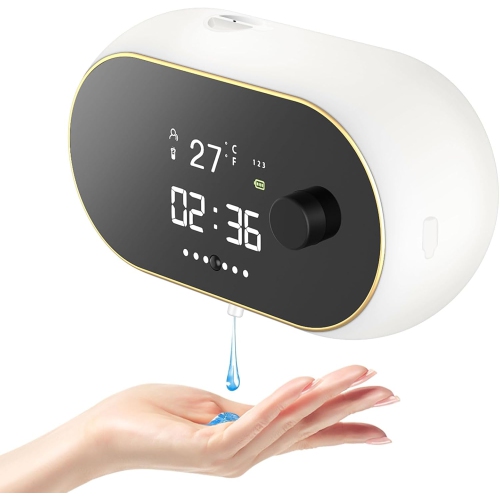
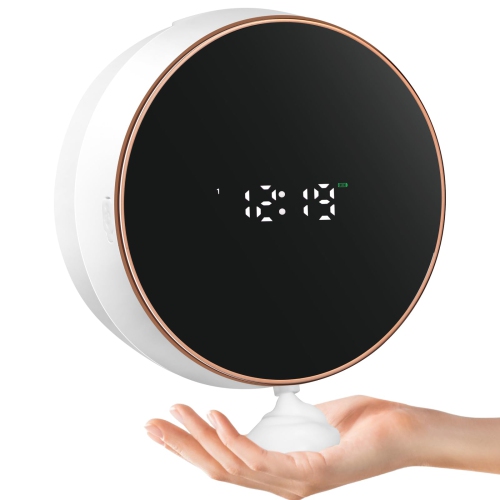
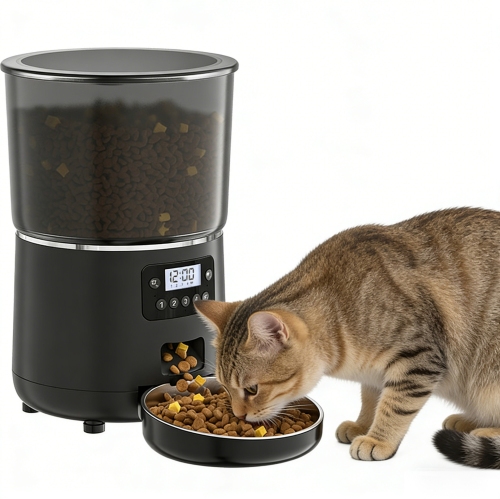
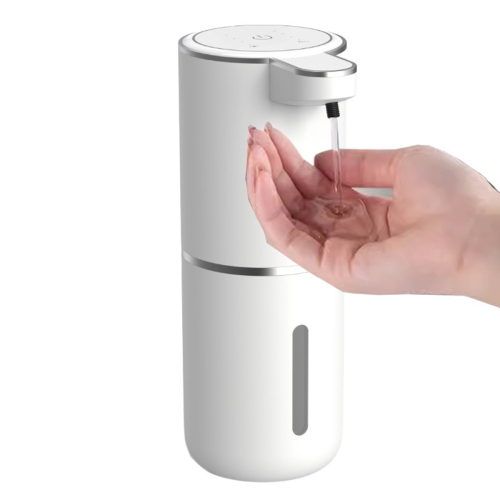
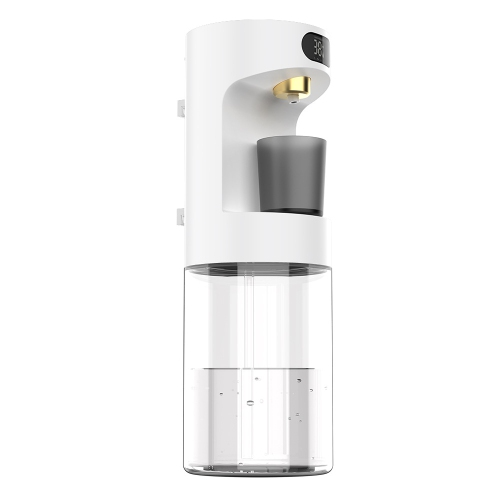
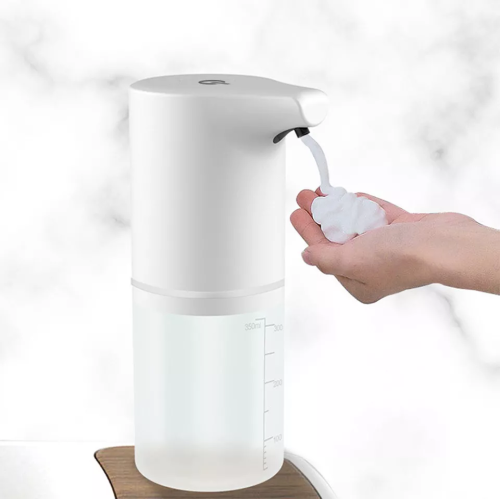
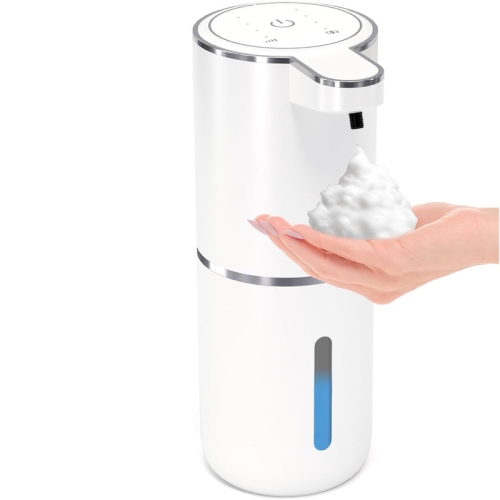
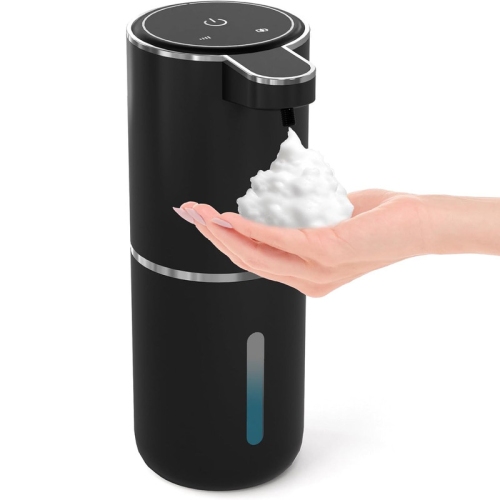
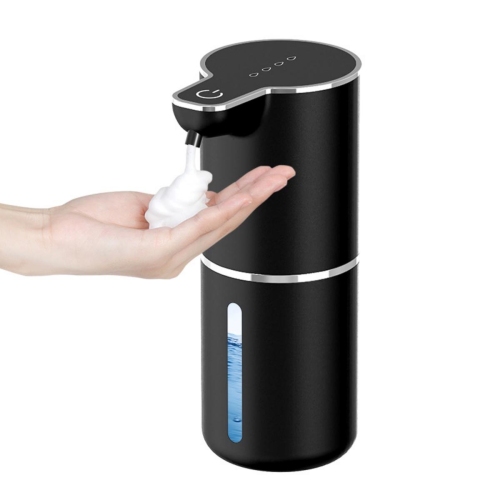
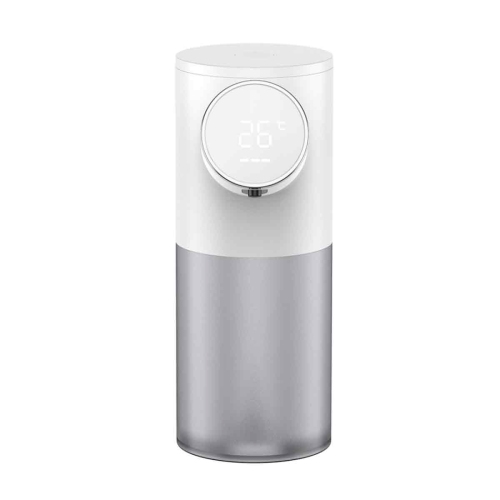
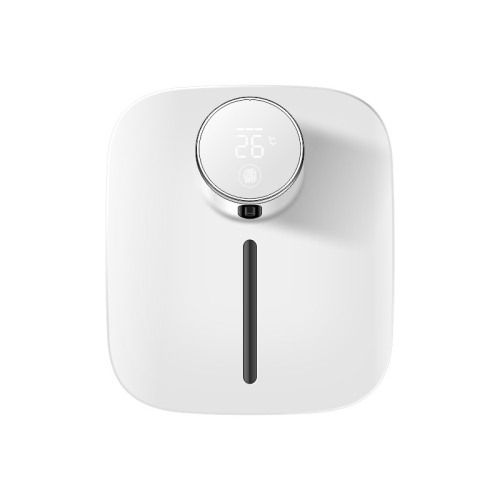
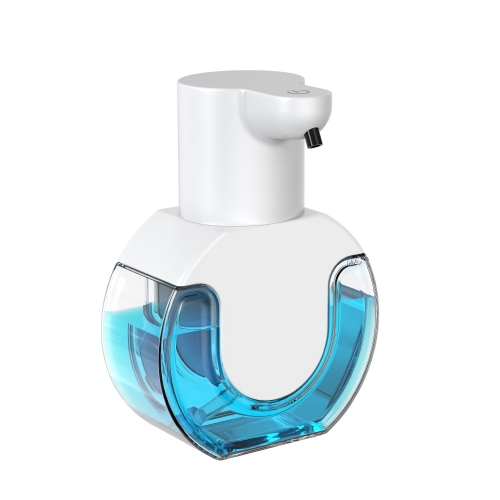
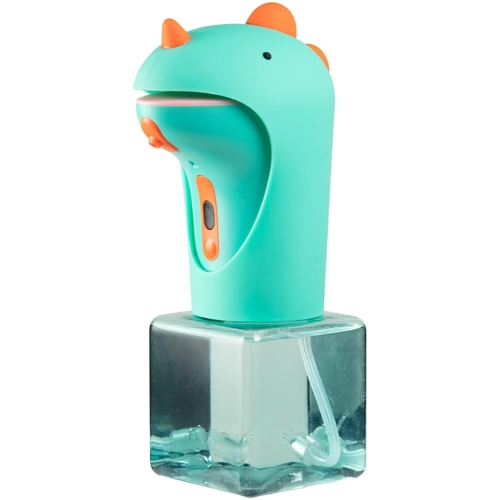
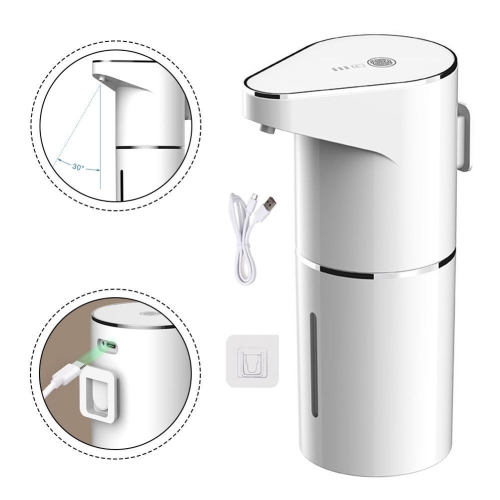
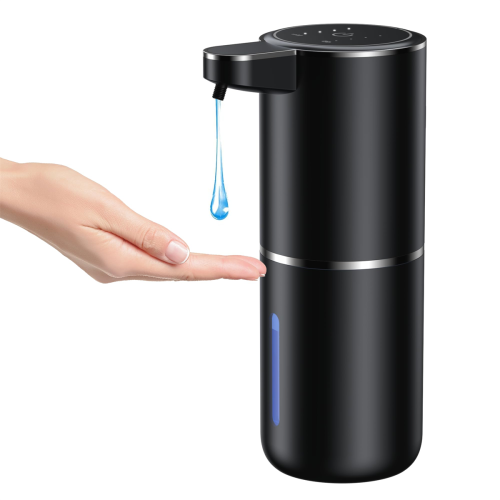
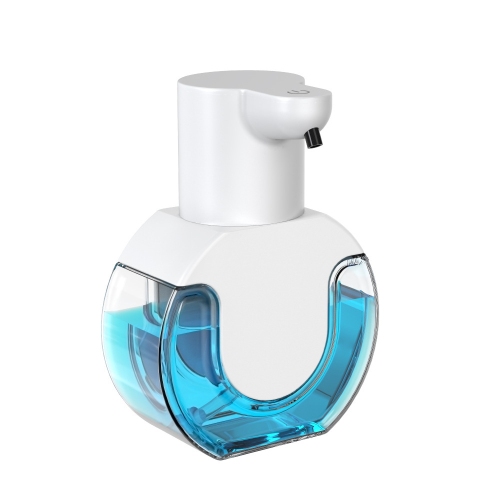
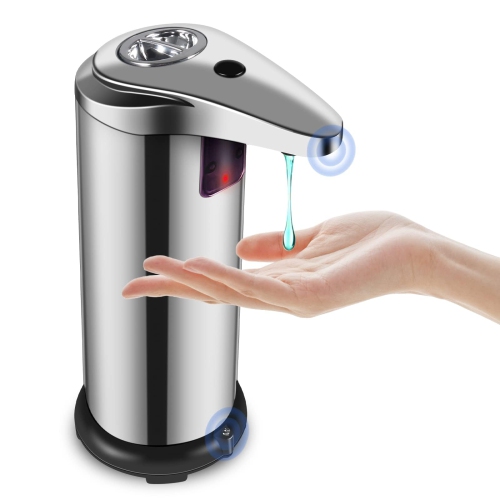
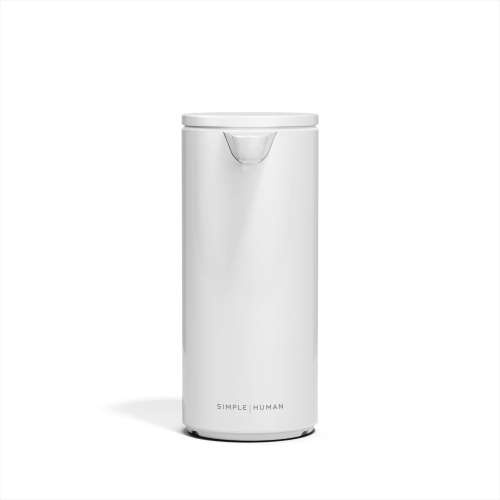
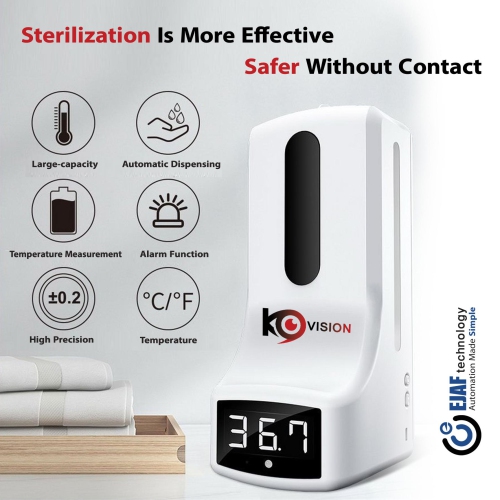
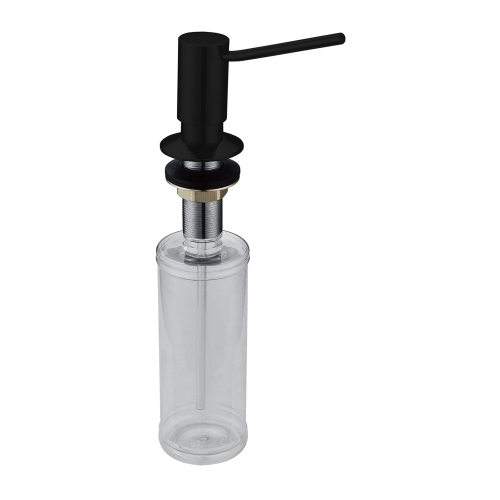
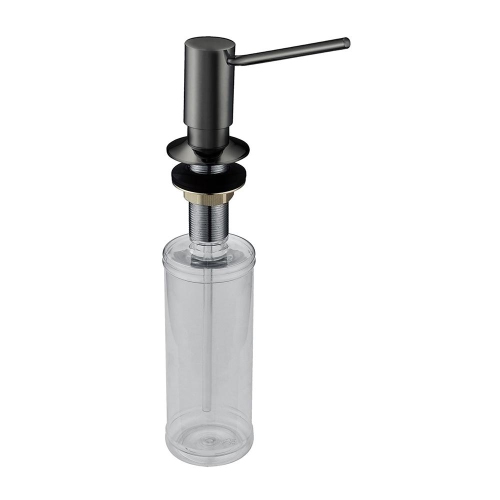
Automatic dispensers release a controlled amount of liquid, food, or another everyday supply using a sensor, a powered pump, or a programmed setting. Touchless soap and hand sanitizer dispensers are familiar examples: a hand placed beneath the outlet triggers a portion without anyone pressing a shared pump. Other designs dispense drinking water, deliver paper towels, or release pet food at scheduled times. The useful distinction is how each dispenser starts and stops, since automatic operation does not always mean hands-free operation. Around a kitchen sink, a sensor-operated soap dispenser can be convenient when hands are covered in bread dough or food residue. In a washroom or shared workspace, it keeps the dispensing point easy to use without adding another handle to touch. Soap compatibility matters as much as appearance. Liquid soap, foaming soap, and hand sanitizer require dispensers designed for their particular consistency and formulation; they are not necessarily interchangeable. A foam dispenser typically needs an appropriate foaming refill, while a liquid pump may struggle with a formula that is too thick. Adjustable portions can help match the amount dispensed to the task, while a clearly visible reservoir makes refill levels easier to check. Materials affect both the look and the upkeep: plastic bodies are generally lightweight, stainless steel can suit metal fixtures, and glass reservoirs offer a clear view of the contents but need more careful handling. A stable base is useful beside a busy sink, while wall-mounted designs keep the counter clear and need a suitable mounting surface. Placement also affects performance. The nozzle needs enough clearance for a hand, and the sensor should not face an obstruction that could trigger an unintended release. Battery compartments, charging ports, and refill openings should remain accessible once the dispenser is in position. For households with children or people with limited grip strength, an easy-to-reach sensor and a straightforward refill system can make the dispenser more comfortable to use.
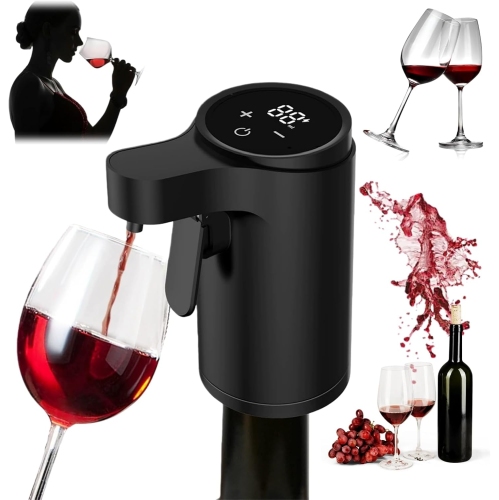
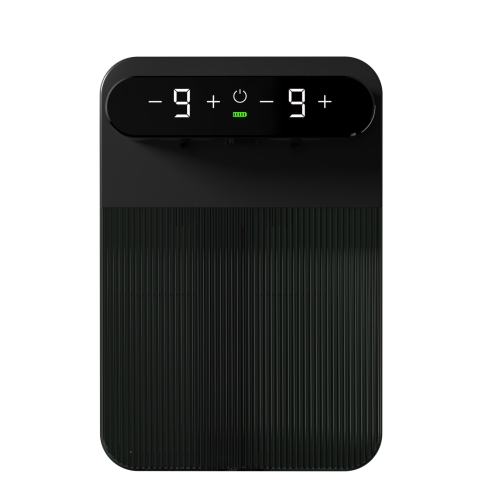
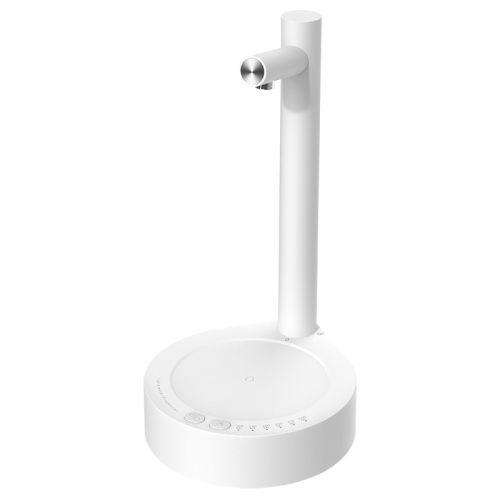
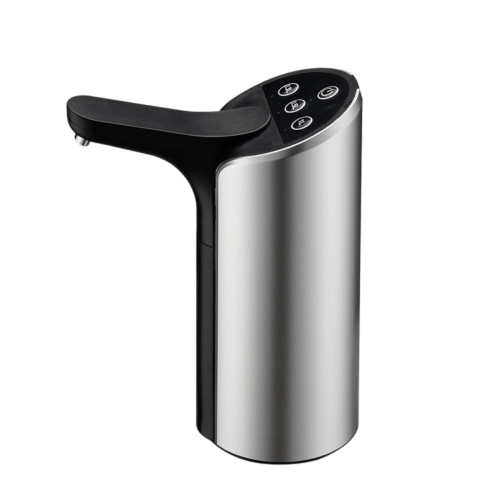
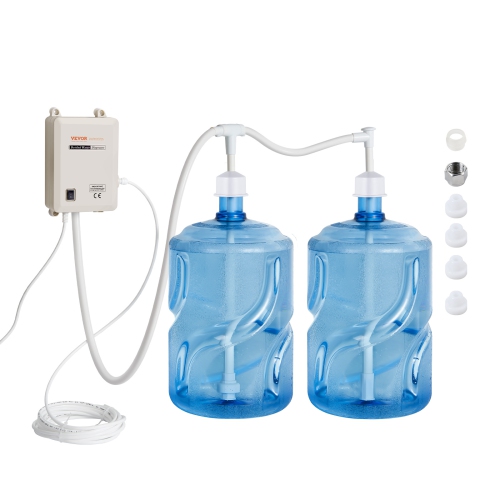
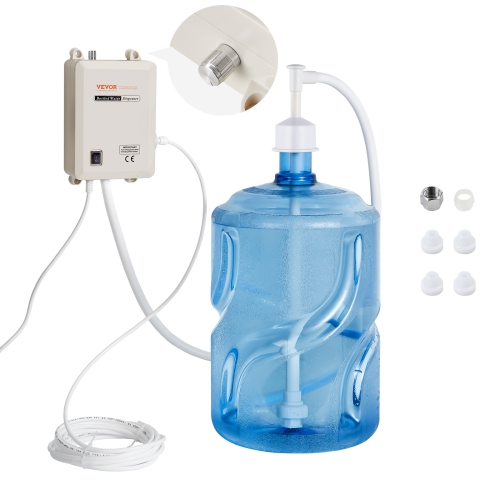
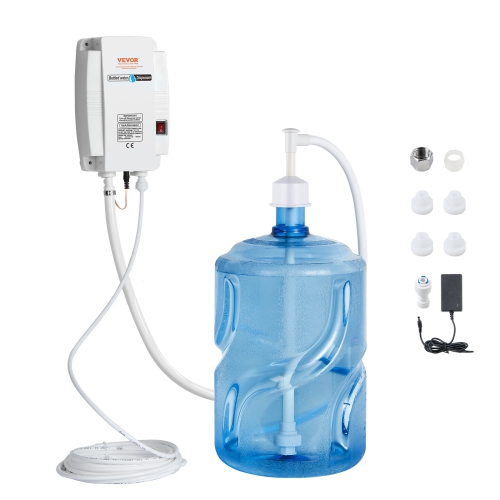
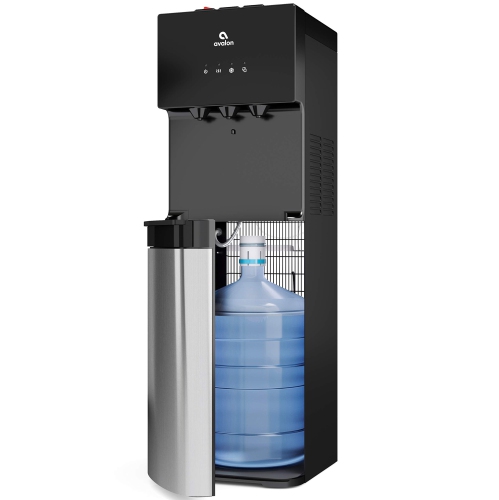
Automatic dispensing also has a place wherever drinking water and other compatible beverages are served. A powered bottle pump can move water from a container into a glass without lifting and tipping the full bottle, while a countertop or freestanding unit provides a dedicated dispensing station. The broader selection of Water Dispensers includes different formats for kitchens, dining areas, offices, and shared spaces, with operation and features varying by design. The right physical fit involves more than the space occupied by the base. There needs to be room for the intended cup or bottle beneath the spout, access to any reservoir or bottle-loading area, and appropriate clearance around the unit according to its installation requirements. A drip tray can catch small splashes, but its size and removal method affect how easily it can be emptied and washed. For bottle-mounted pumps, the bottle opening, attachment style, and intake tube length must be compatible so the pump sits securely and reaches the water as intended. Beverage compatibility deserves equal attention. A dispenser intended only for water should not be assumed suitable for milk, juice, syrup, or hot liquids, because ingredients and temperatures can affect tubing, seals, and cleaning requirements. Food-contact components should be intended for the liquid being served, and removable parts can make regular washing more manageable. Where heated water is supported, controls that help prevent accidental dispensing are especially relevant in homes with children. Powered delivery is also separate from filtration: a pump moves water, but it does not purify it unless a suitable treatment system is explicitly part of the design. In a home office, an accessible dispenser can make filling a glass straightforward between tasks; in a shared kitchen, clear controls and enough space beneath the outlet help different users fill their preferred cups without awkward tilting.
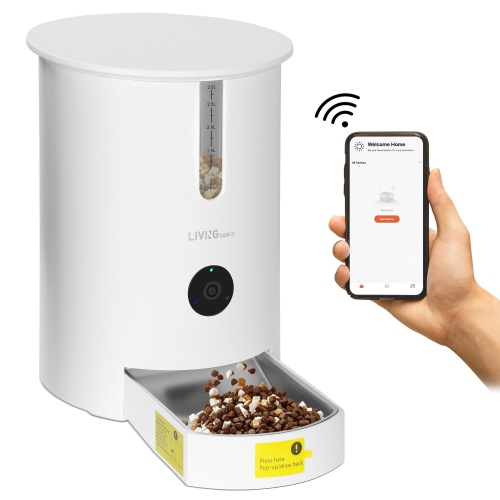
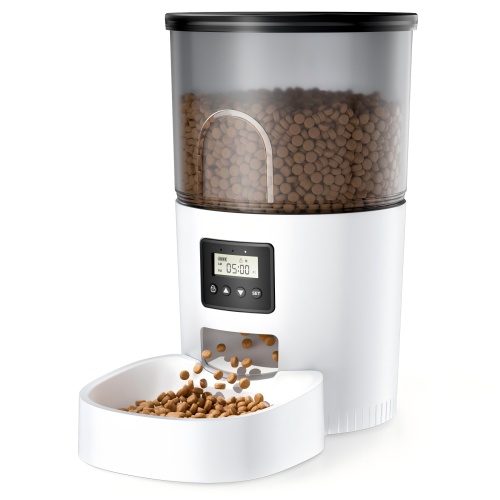
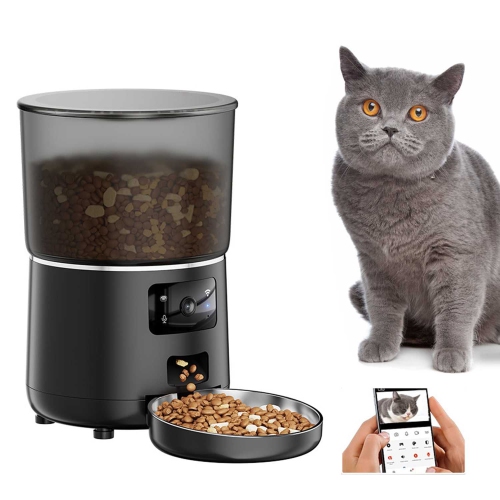
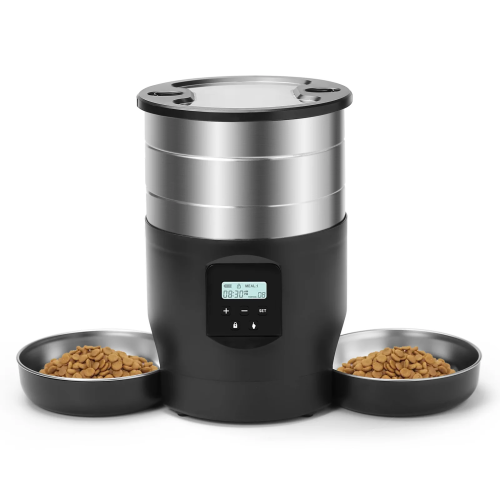
Beyond liquids, automatic dispensers can support other repeat routines, although the mechanism needs to suit what is being dispensed. An automatic paper towel dispenser relies on the correct roll format and a clear path for the sheet, with mounting height and space below the outlet affecting everyday use. A timed pet feeder has different priorities: the food must match the mechanism, portions need to suit the animal, and the feeding area should be easy to keep clean. Dry-food feeders are not automatically suitable for wet food, and food size or shape can affect how reliably it passes through an opening. Scheduled feeding can support an established routine, but it does not replace checking that a pet is eating normally, has fresh water, and receives appropriate care. Across dispenser types, durability is closely tied to the parts handled most often. Refill lids, hinges, seals, buttons, and removable trays should feel secure and be accessible without forcing pieces apart. A dispenser used repeatedly in a shared washroom faces different demands from one used occasionally in a guest room, so capacity and ease of refilling should reflect the setting. Care usually involves cleaning the outlet, washing compatible removable components, and keeping moisture away from electrical sections; only parts identified as dishwasher-safe belong in the dishwasher. Cleaning products and methods also need to suit the finish, since abrasive pads can mark some surfaces. Rechargeable and replaceable-battery designs have different upkeep needs, while corded designs require a suitable outlet and sensible cable placement. For a housewarming gift or a practical addition to a family home, an automatic dispenser is most useful when it fits an existing routine rather than adding an unfamiliar refill requirement. A compact soap dispenser beside a small sink, an easy-fill water station near a dining area, or a feeder matched to a pet’s established meals each serves a distinct purpose. The strongest fit comes from matching the contents, controls, capacity, and cleaning needs to the people using it every day.
Top selling and popular products
-
 Your price for this item is $80
-
 Your price for this item is $135
-
 Your price for this item is $180
-
 Your price for this item is $100
-
 Your price for this item is $107
-
 Your price for this item is $59.95
-
 Your price for this item is $63.2
-
 Your price for this item is $79
Discover more categories related to Automatic Dispensers

Top Collections:
Best Black Friday Deals This Year, Best Black Friday Deals On Electronics, Kindle Devices, Dyson Airwrap, Best Cameras for Sports Photography, Best Budget Office Chairs, Canon G7X Cameras, PS5 Pro Consoles, Best Black Friday Deals On Apple Products, XBOX One S Consoles
Some products may be subject to Environmental Handling Fees
(EHF) depending on your province.
Learn more about EHFs.