Living Room Bar Stools
Living Room Bar Stools instantly elevate your home’s entertainment space, offering both style and functionality for gatherings, casual meals, or relaxing evenings. Whether you’re looking to create a cozy breakfast nook or add extra seating to your living area, these versatile stools seamlessly blend with a variety of décor styles. Explore options that complement your taste and enhance the comfort of your living room setup with the perfect bar stools for any occasion.
Sort
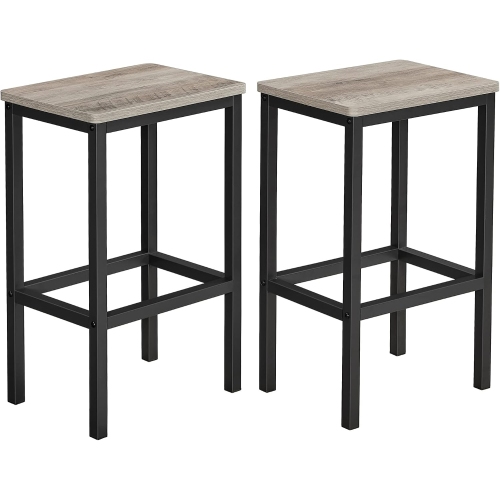
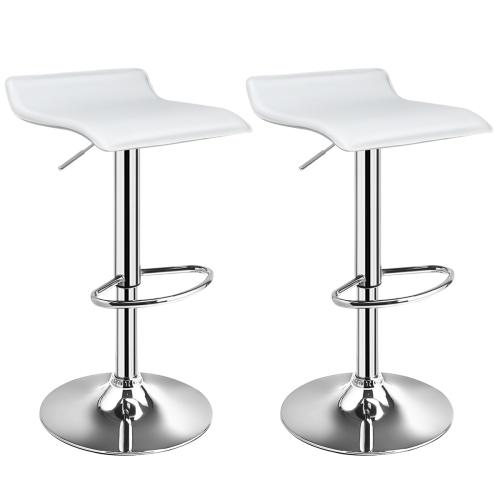
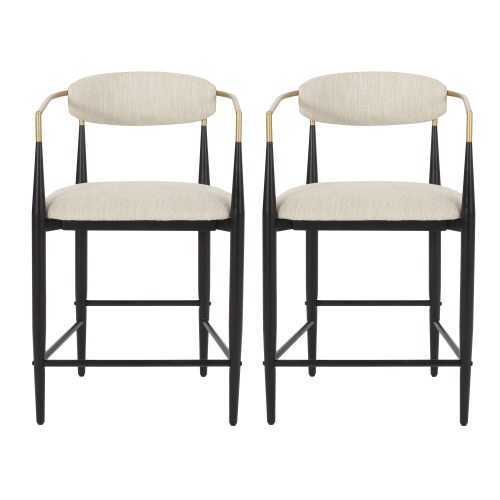
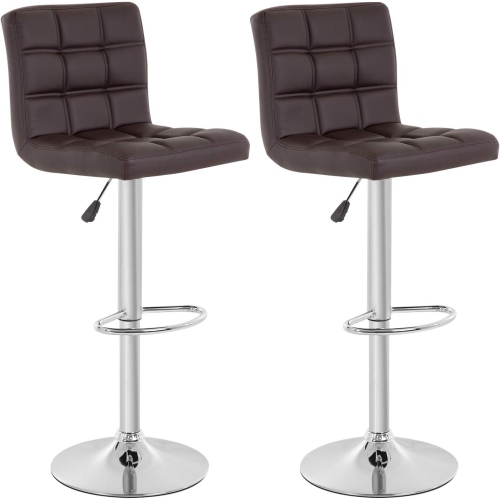
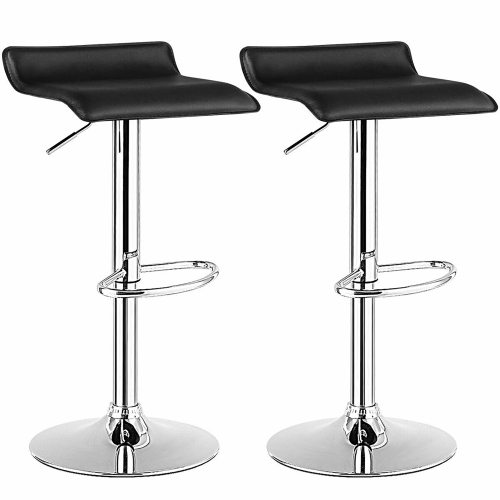
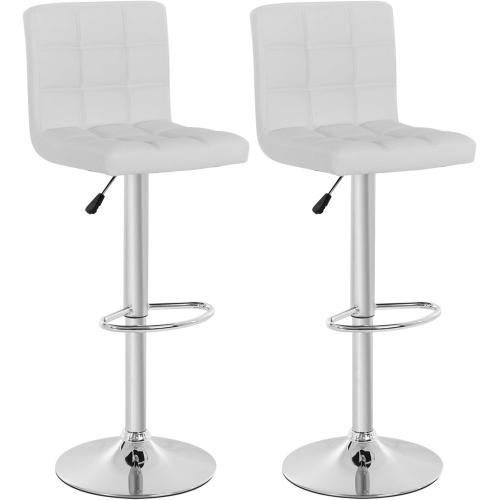
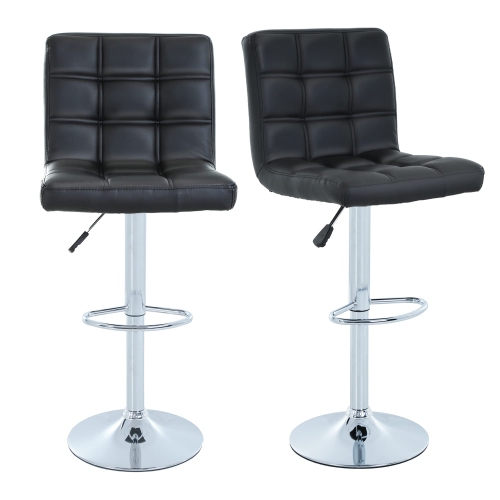
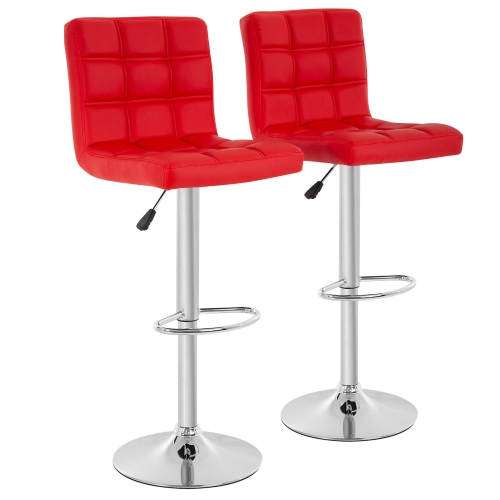
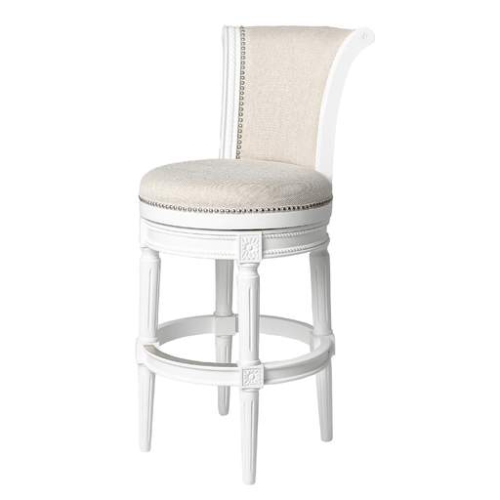
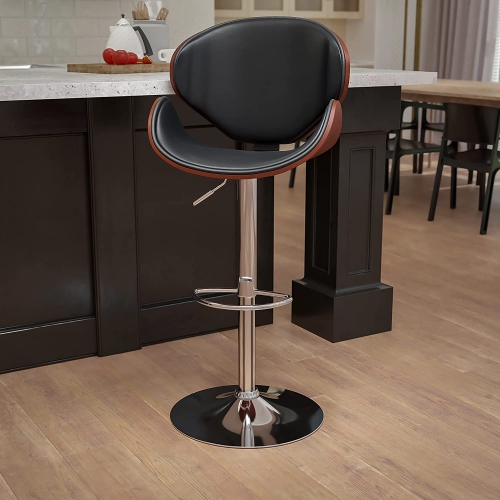
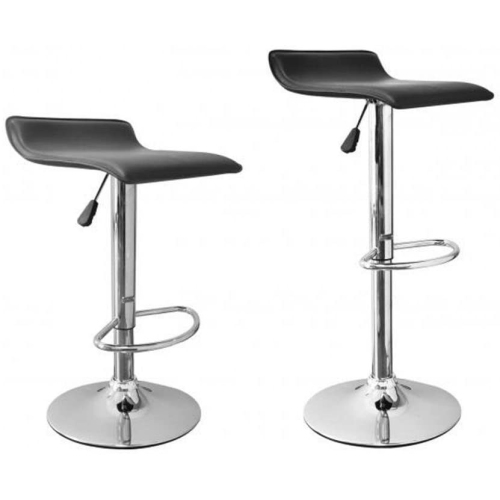
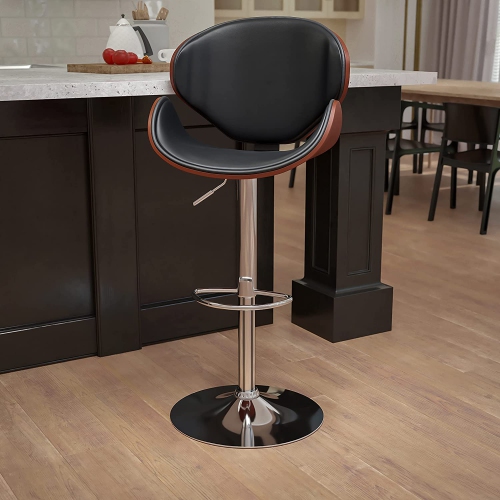
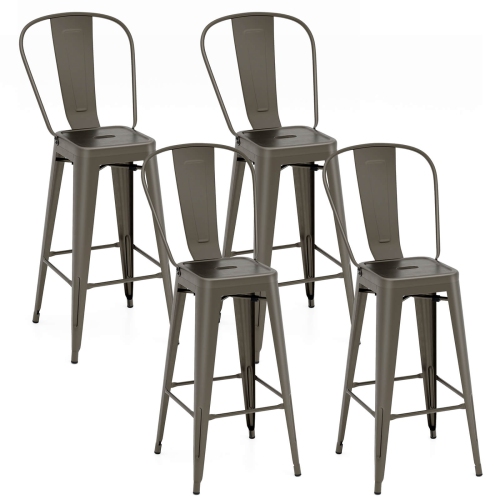
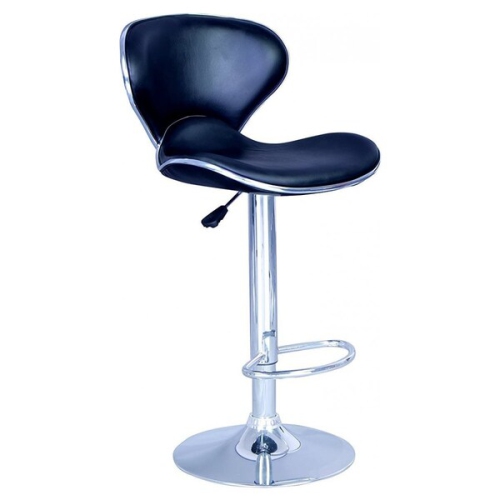
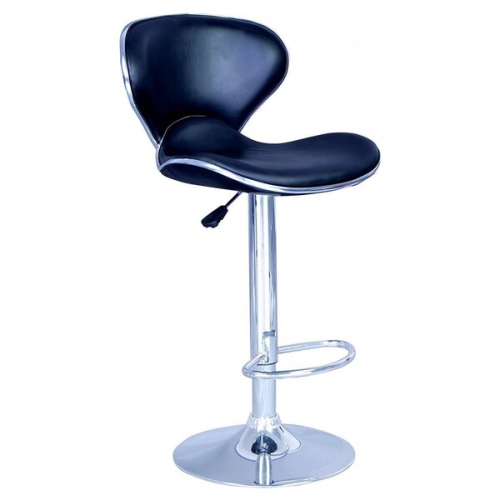
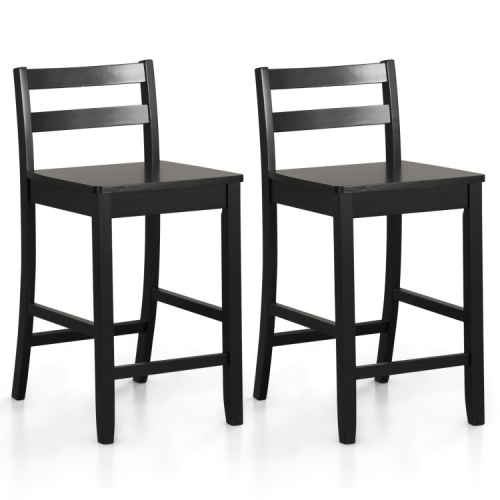
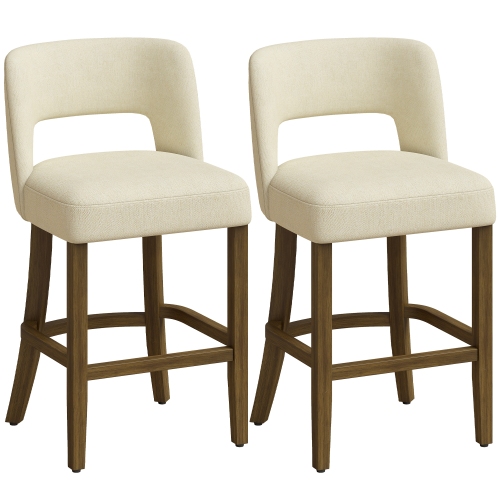
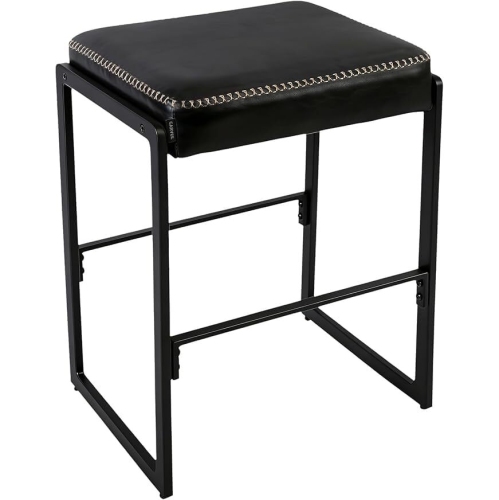
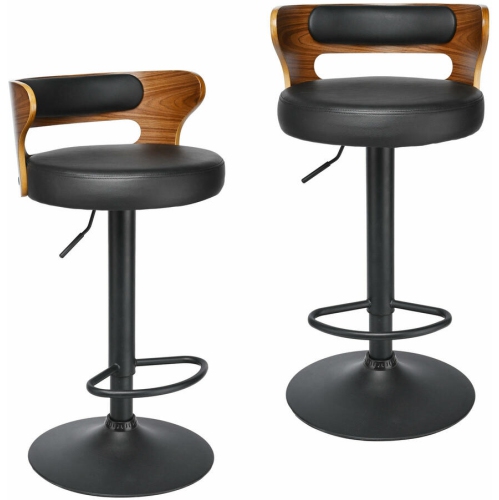
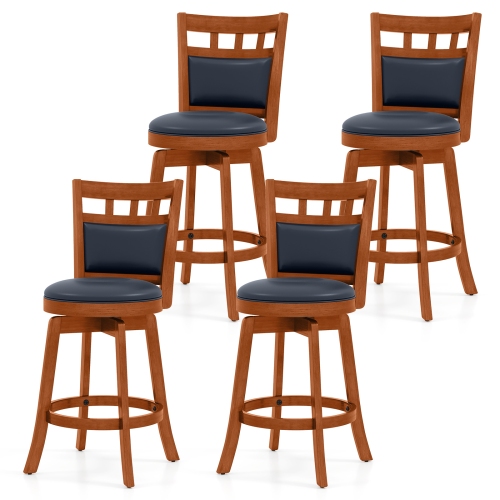
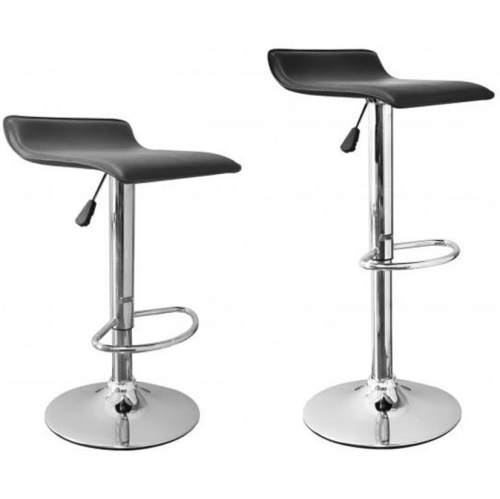
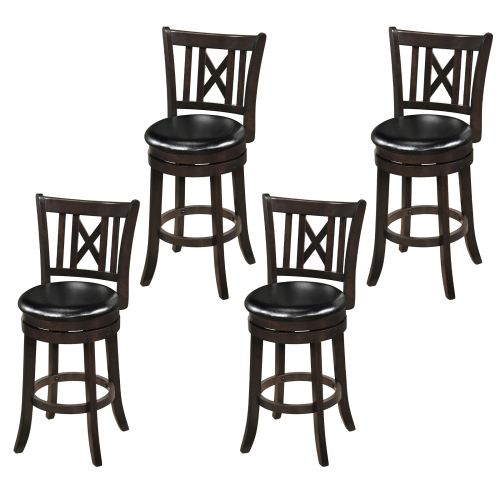
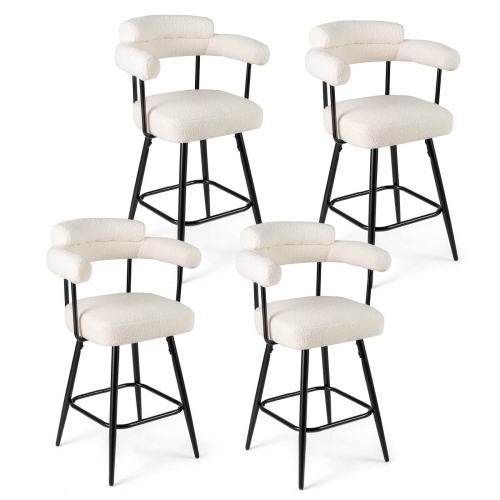
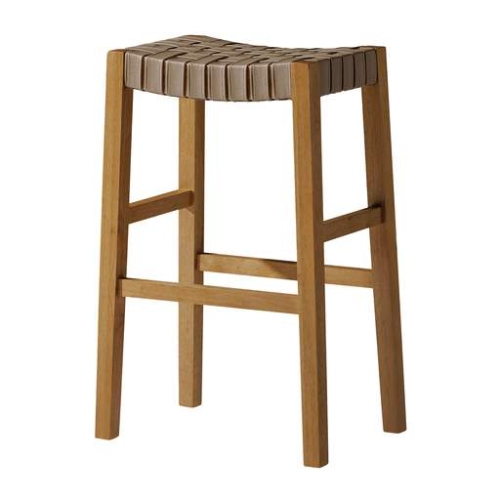
Raised seating that fits the way you gather
Living room bar stools bring comfortable, raised seating to the spaces where people gather, whether that means a compact drinks counter beside a bookcase, a tall table behind the sofa, or a dedicated home bar. Their proportions make them distinct from accent chairs and ottomans: they work best with a surface at a matching height, giving guests somewhere to rest a glass, set down a small plate, or join a conversation without crowding the main seating area. In an open-plan room, a row of stools can mark the boundary between the lounge and an adjoining eating space while keeping the view across the room open. Backless designs tend to have a lighter visual presence and may tuck beneath a suitable counter, while stools with backs create a more defined place to sit. Low backs offer some support without rising far above the surrounding furniture; taller backs can feel more inviting for an extended chat or a board game played at a high table. Arms add another point of support, although they need enough clearance to slide beneath the tabletop or counter edge. The relationship between seat height and surface height matters more than the overall height of the stool. A gap of roughly 10 to 12 inches between the seat and the underside of the surface is a useful starting point, with extra attention to thick tabletops, support rails, and armrests that reduce usable space. Counter-height and bar-height seating are not interchangeable, so measurements help distinguish a comfortable perch from one that leaves knees squeezed or the tabletop awkwardly high. Width matters just as much when several people sit together. Space between seats allows elbows to move naturally, and room behind each stool lets someone get up without brushing against the sofa. In a smaller living room, a slim frame and a seat that fits fully beneath the surface can help keep the route to a doorway or media cabinet clear.
Materials give living room bar stools much of their character, particularly because they sit alongside upholstered sofas, wood shelving, rugs, and other familiar furnishings. Wood frames can introduce grain and warmth, with lighter finishes lending a relaxed look and darker finishes adding visual weight. Natural variations in grain mean wood does not need to match every nearby table exactly; a shared undertone or similar level of contrast can make the room feel coordinated without looking overly matched. Metal frames often create a more streamlined outline, whether the finish is matte, brushed, or polished. Powder-coated surfaces can be practical for regular use, though their care requirements still depend on the finish. Upholstered seats soften the appearance of taller furniture and can make a home bar feel like part of the lounge rather than a separate dining zone. Woven fabric adds texture, while velvet has a noticeable change in appearance as its pile catches the light. Leather and faux leather offer different textures and care needs, so neither should be treated as a direct substitute for the other when cleaning. Smooth, unupholstered seats can be convenient where drinks and snacks are served, while cushioning may be preferable for people who linger over conversation. Comfort also depends on shape: a gently contoured seat, a supportive back, and a well-positioned footrest can matter as much as padding. For durability, useful details include secure joints, reinforced connections, and a frame suited to the intended frequency of use. Each stool’s stated weight capacity remains important, especially for shared household seating. Cleaning is usually simplest when spills are addressed promptly using methods approved for the material. Fabric may require vacuuming with an upholstery attachment, while finished wood and metal generally benefit from gentle wiping rather than soaking. Harsh cleaners, abrasive pads, and unsuitable leather treatments can damage surfaces, so care instructions are worth keeping close at hand. Removable cushions or covers, where included, should only be washed as directed.
The way a stool moves can shape how naturally it fits into daily life. A swivel seat lets someone turn from the counter towards a conversation on the sofa without dragging the whole frame across the floor. That movement needs clearance, particularly beside walls, cabinet handles, and neighbouring seats. Adjustable-height stools can accommodate different users or compatible surfaces, but their listed height range and operating instructions determine what they can actually suit. Fixed-height frames keep the setup straightforward when the seating will remain at one counter. A broad pedestal base and a four-legged frame each occupy floor space differently, so the footprint deserves attention alongside the seat dimensions. Floor protectors appropriate to the flooring can help limit scuffs, while a stool should always sit securely on a level surface rather than wobble at the edge of a rug. Footrests provide a place for feet, not an extra step for reaching shelves, and stools should not serve as ladders. These practical details are particularly relevant in a busy living room where people pass behind seated guests or children share the space. For hosting, a comfortable arrangement keeps snacks within reach without placing seating directly in front of a television, speaker, or frequently opened cabinet. For quieter routines, a single stool at a tall console can create a spot for a crossword, a quick call, or a cup of coffee, provided the surface and seat heights suit one another. Households connecting a lounge with an adjoining eating area may also find complementary styles among Dining Room Bar Stools. Repeating one feature, such as a wood tone, frame finish, or upholstery colour, can tie the spaces together without requiring identical furniture throughout. The most useful living room bar stools balance that visual connection with everyday comfort, leaving enough room to sit, turn, and move through the space easily.
Top selling and popular products
-
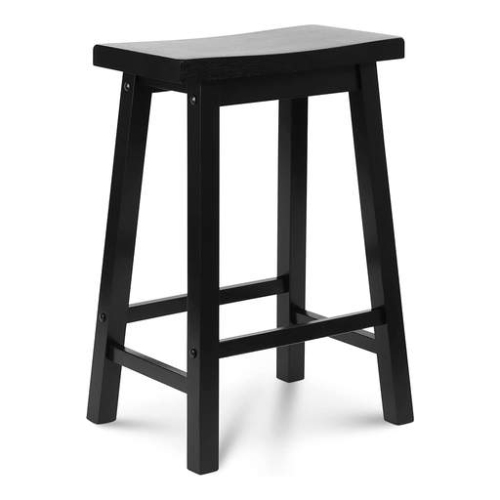 Your price for this item is $93.99
-
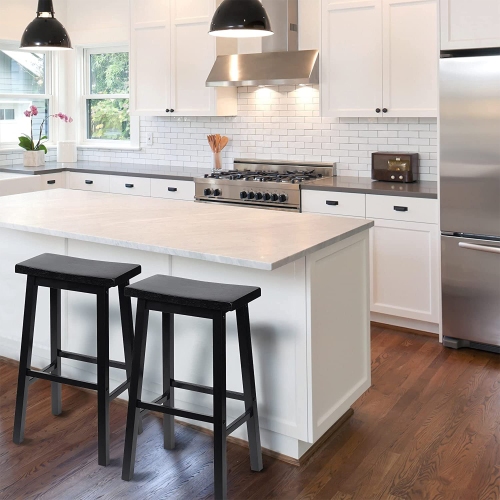 Your price for this item is $563.99
-
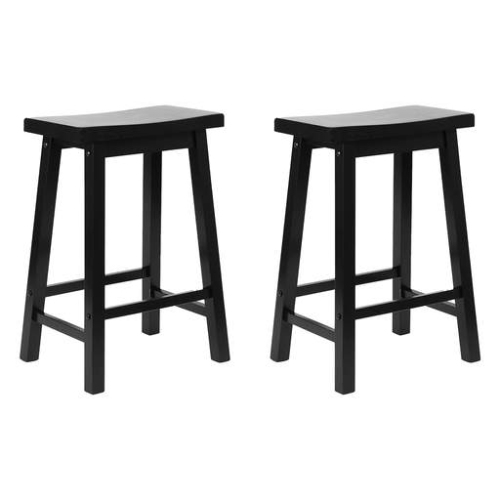 Your price for this item is $224.99
-
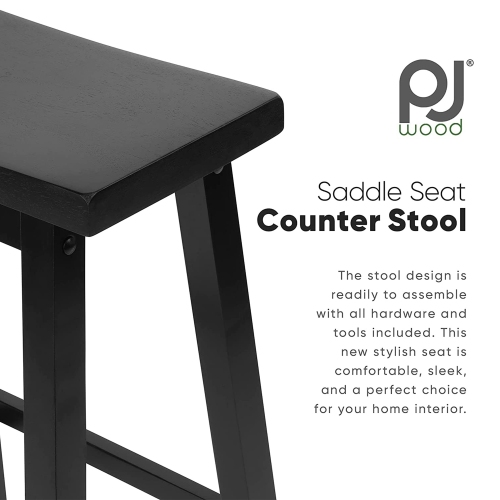 Your price for this item is $202.99
-
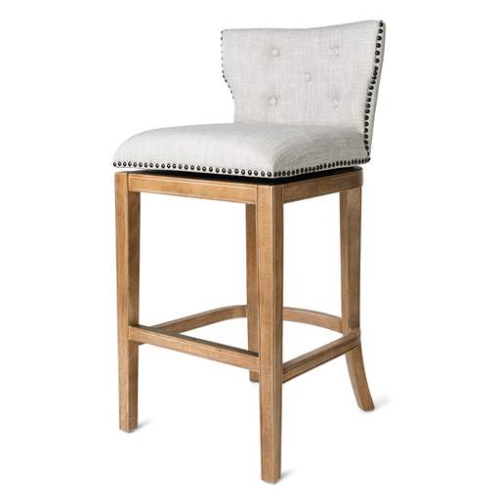 Your price for this item is $508.99
-
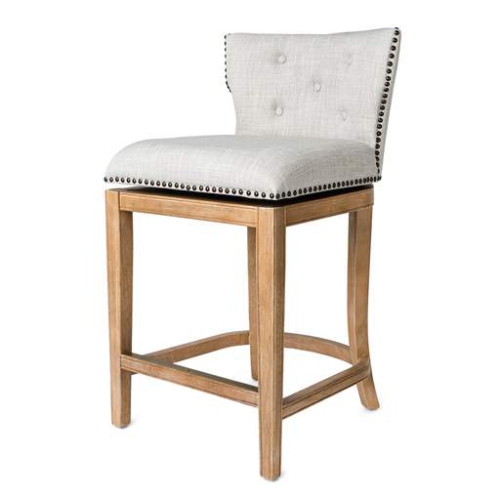 Your price for this item is $559.99
-
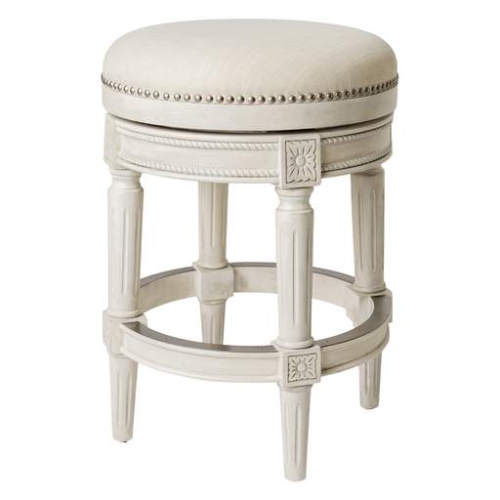 Your price for this item is $512.99
-
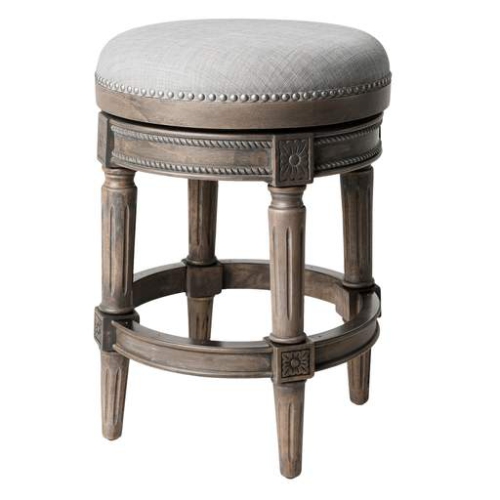 Your price for this item is $482.99
Discover more categories related to Living Room Bar Stools
Top Collections:
Best Black Friday Deals This Year, Best Black Friday Deals On Electronics, Kindle Devices, Pokemon Centers, Best Black Friday Deals On Apple Products, Best Cameras for Sports Photography, Dyson Airwrap, Pokémon 30th Celebration Cards, Apple iPhone 17 Pro, Canon G7X Cameras
Some products may be subject to Environmental Handling Fees
(EHF) depending on your province.
Learn more about EHFs.