Living Room Clocks
Enhance the ambiance of your living room with these stunning clocks. Timeless and functional, these stylish timepieces are the perfect addition to almost any space, adding a touch of elegance and sophistication. Whether you prefer modern designs or classic styles, this range of living room clocks offers something for every taste and decor. From sleek wall clocks to trendy desk clocks, you'll find the perfect piece to complement your living room's aesthetic.
Sort
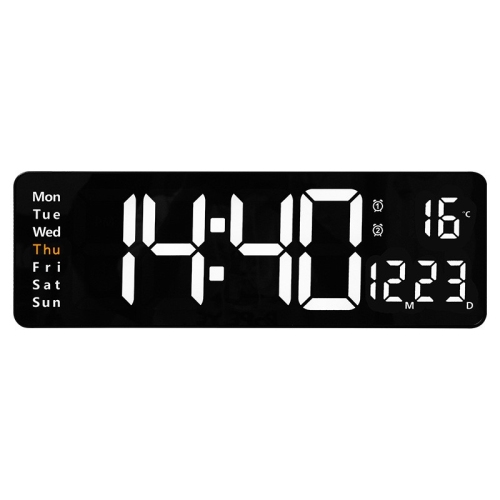
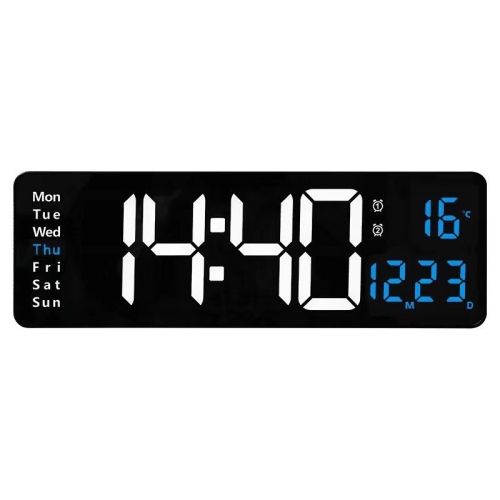

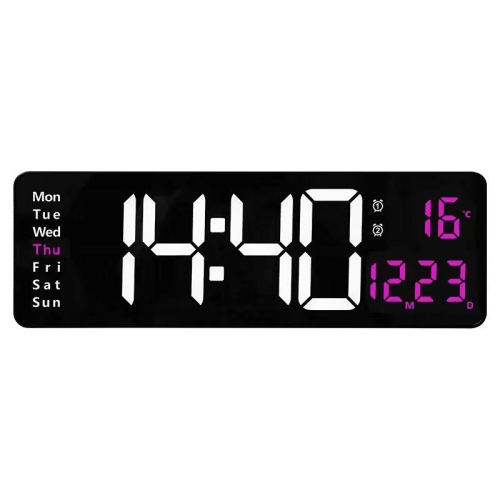

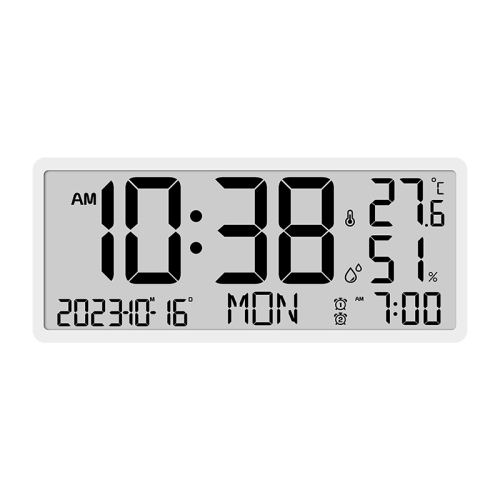
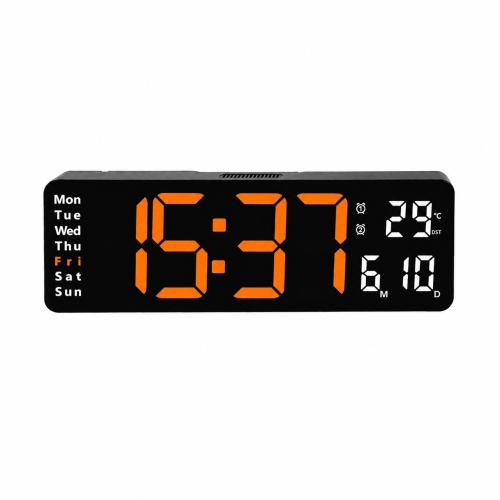
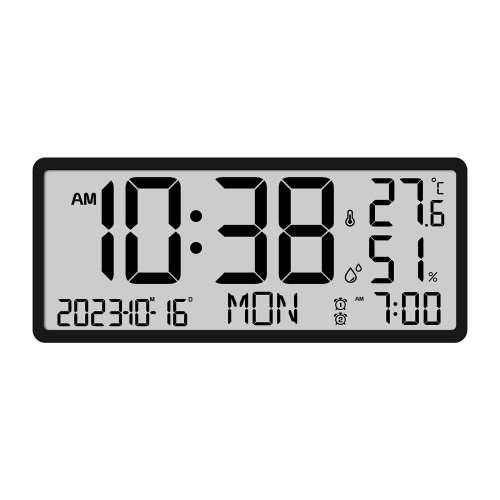


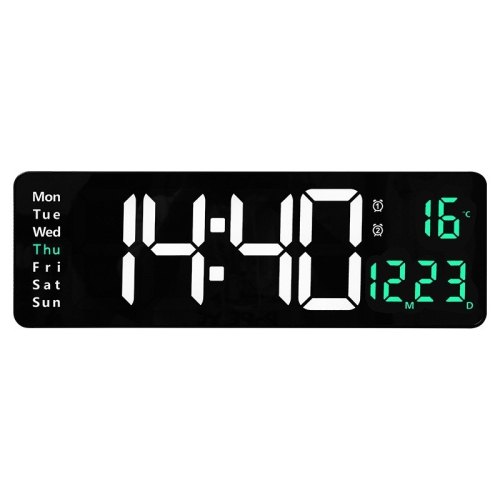
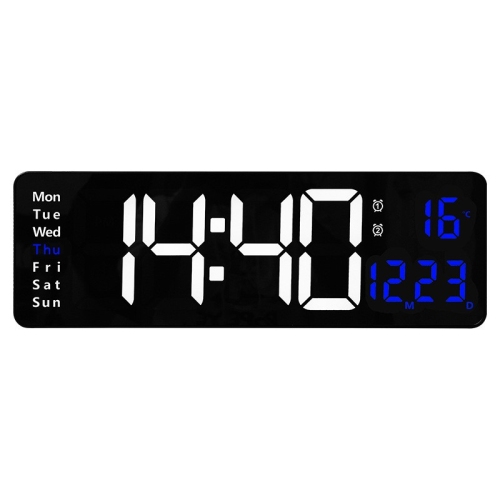

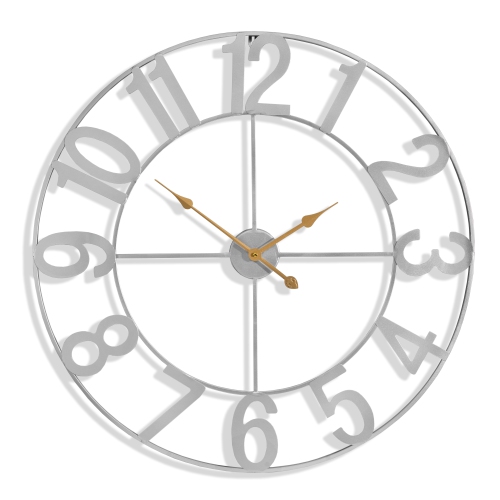
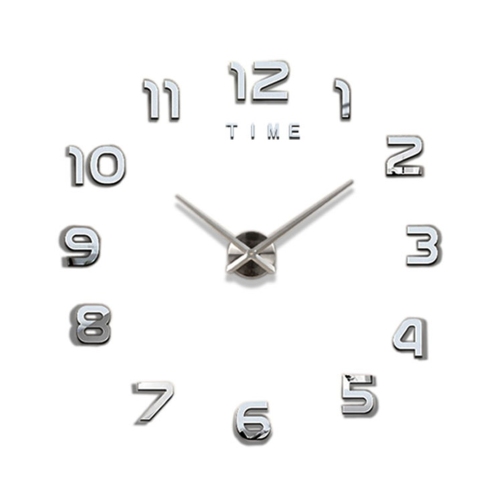


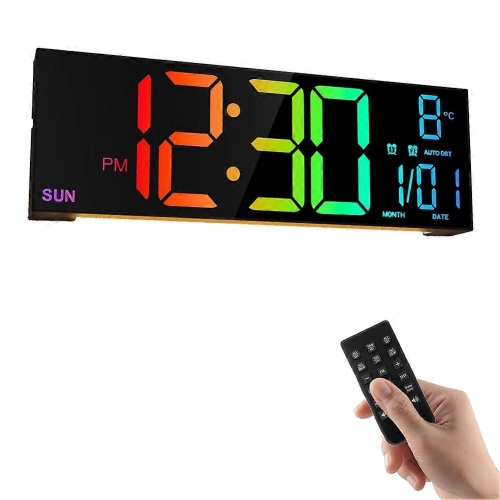


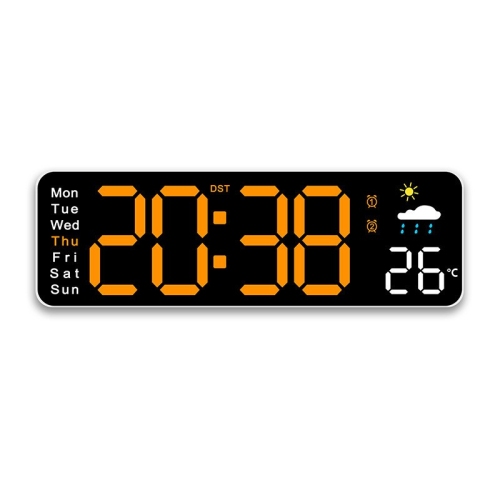
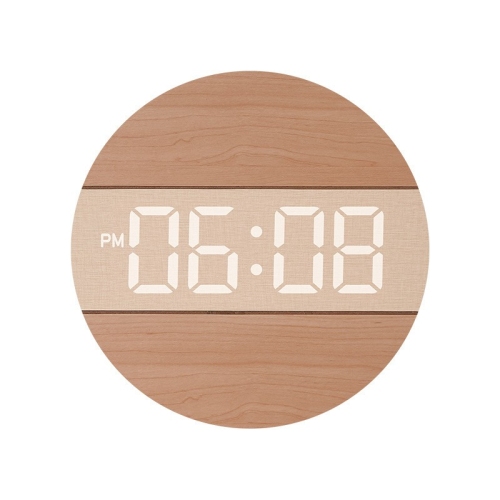

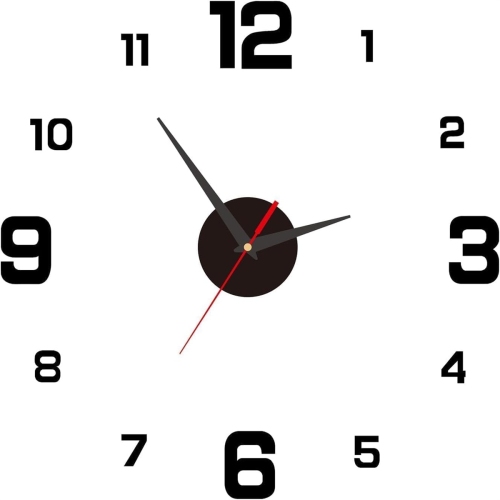


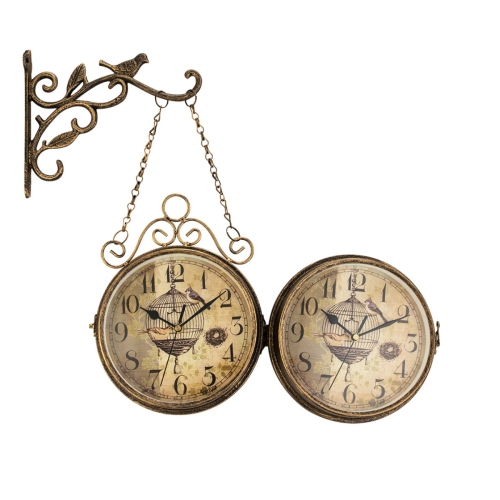
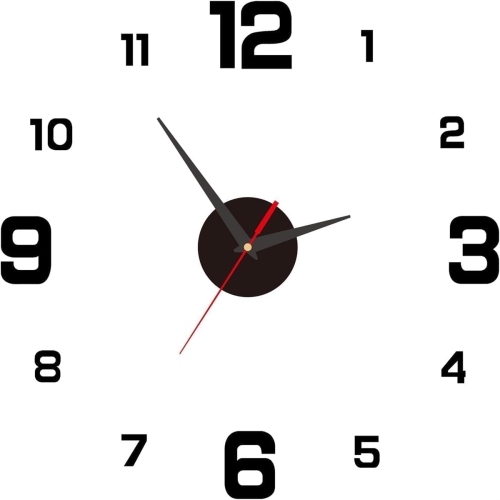

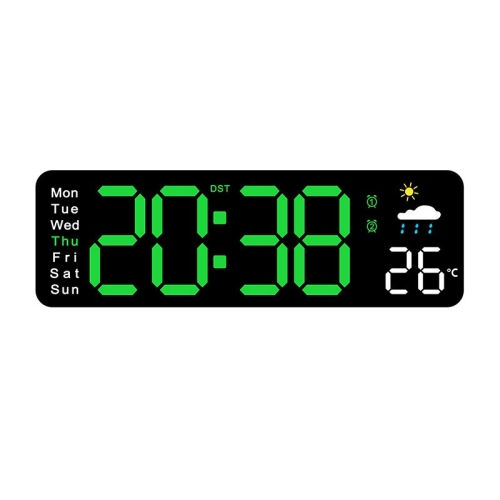
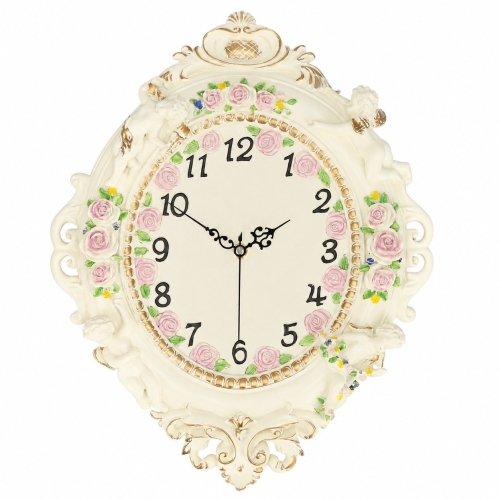
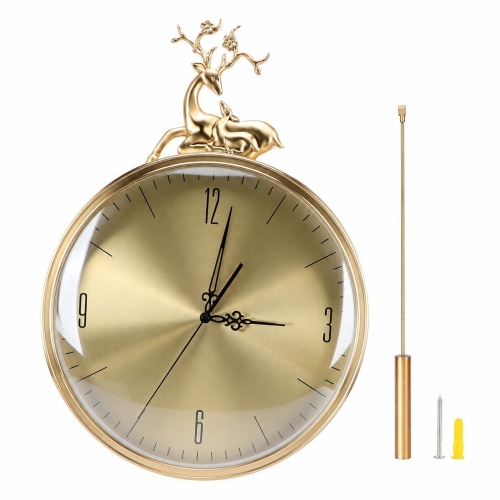

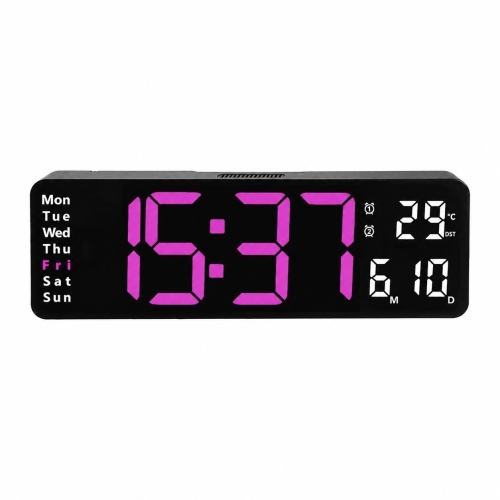
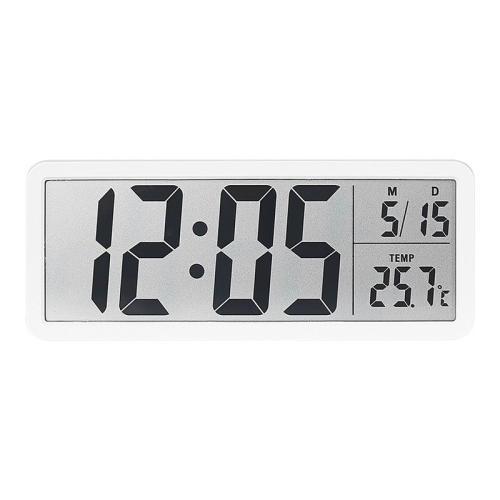

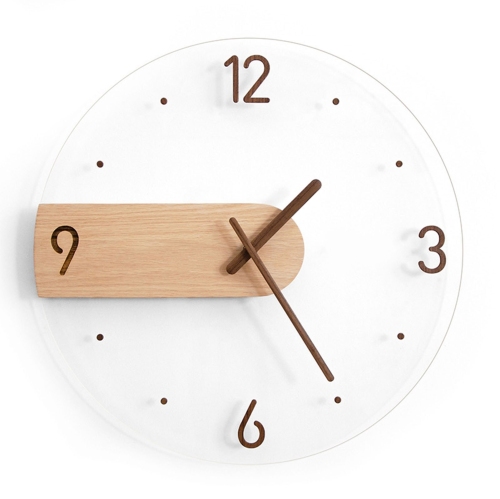
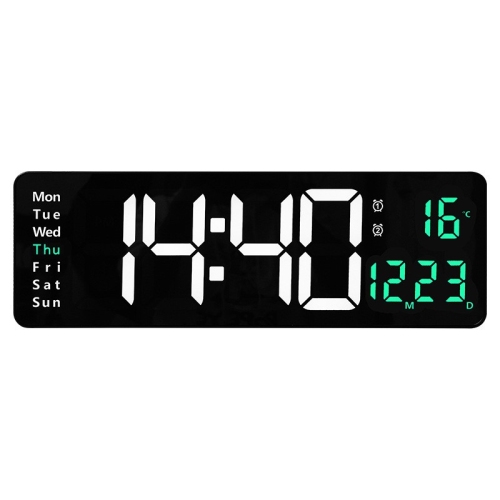
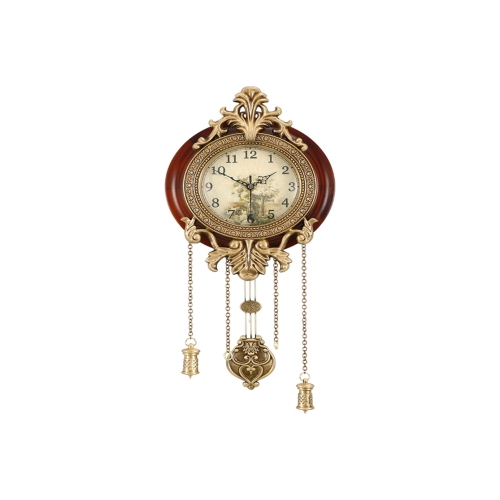
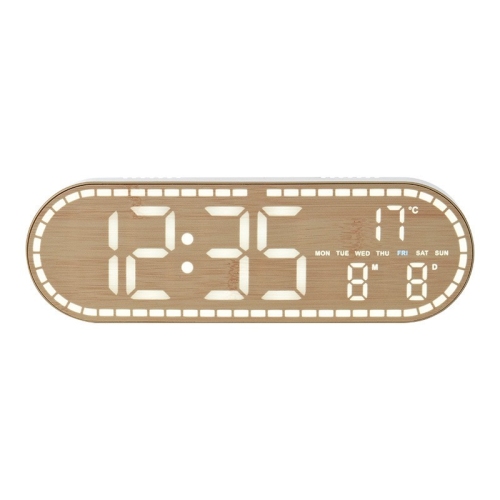


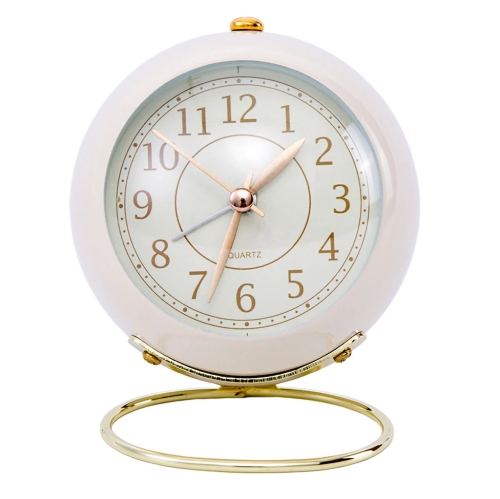
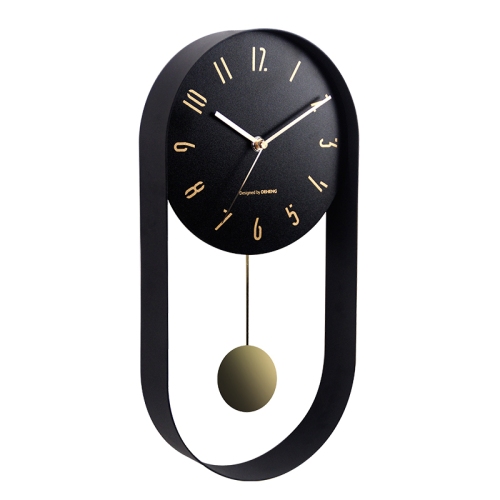
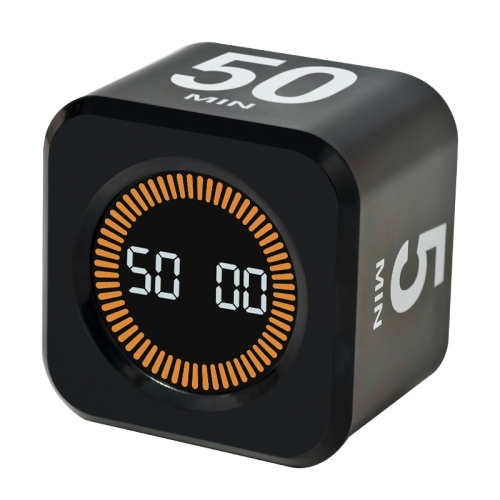

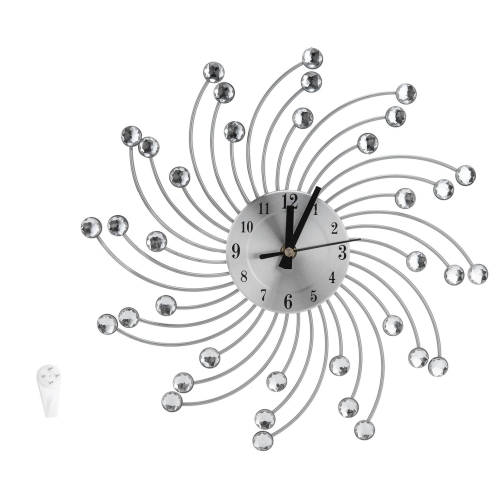
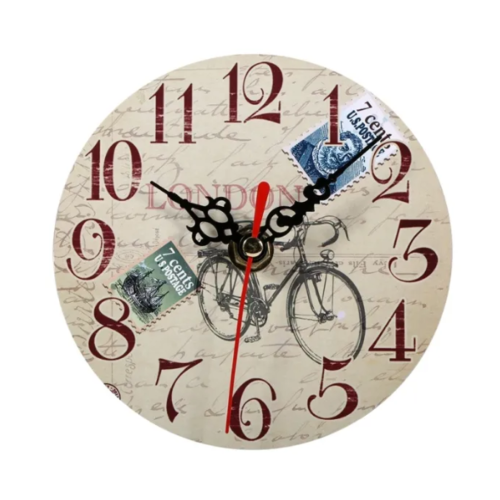
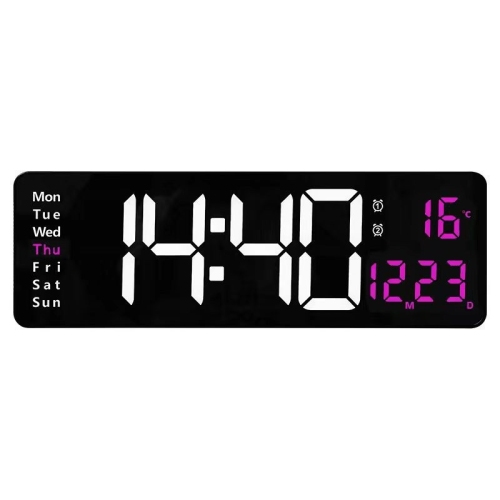

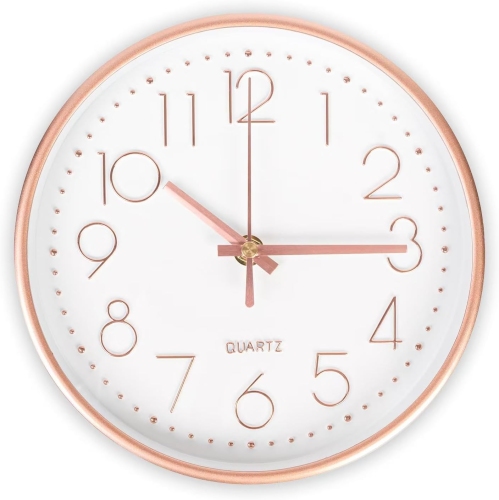
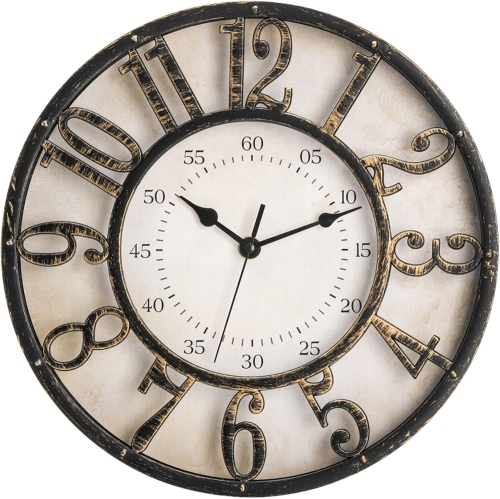
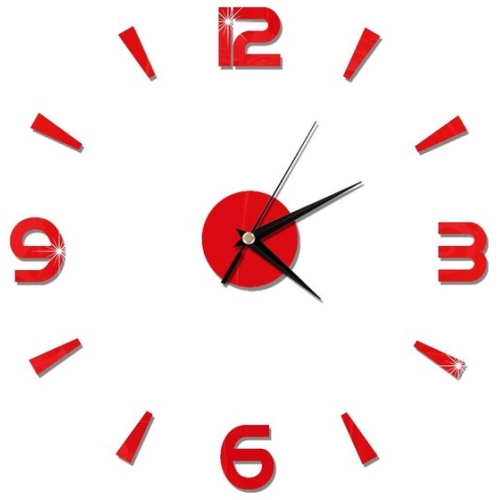
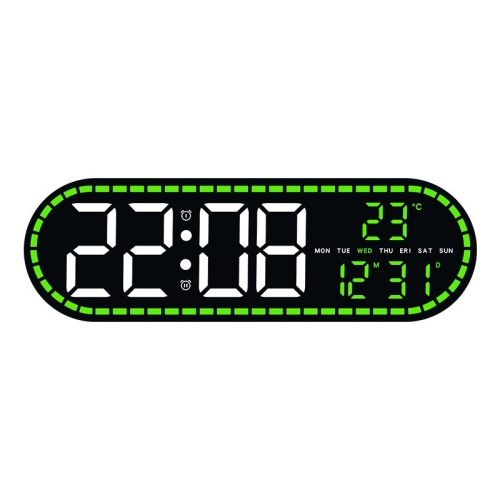
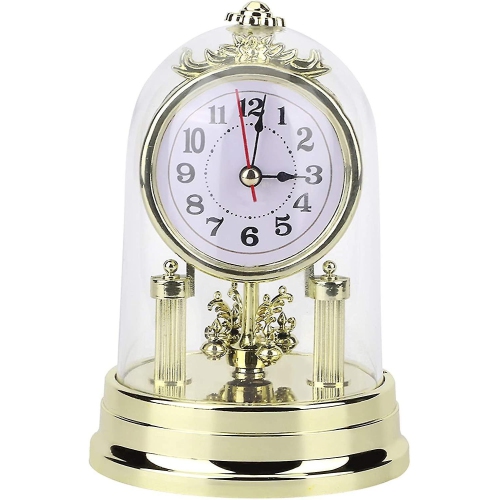
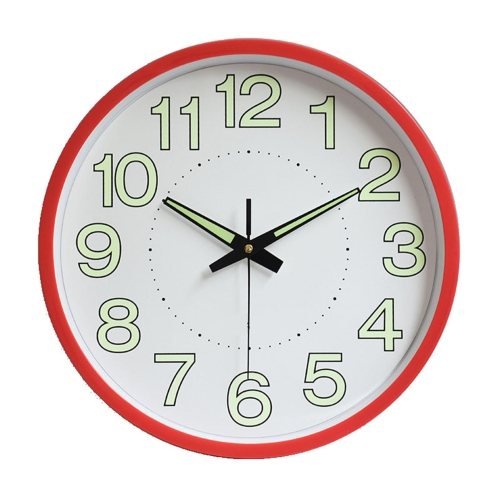

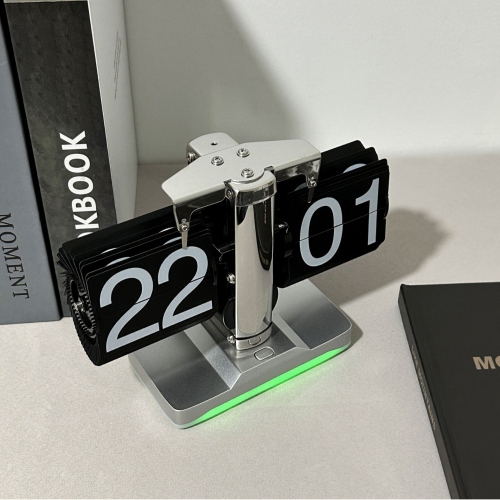
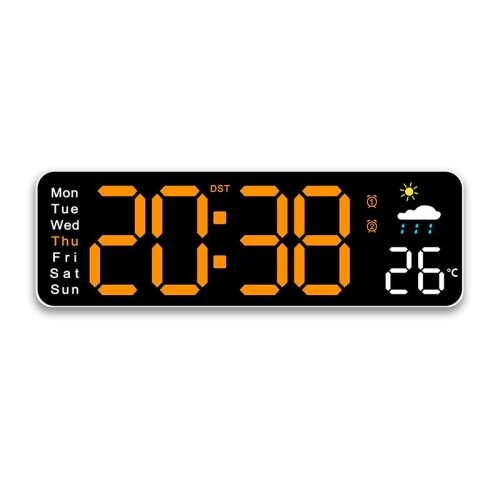

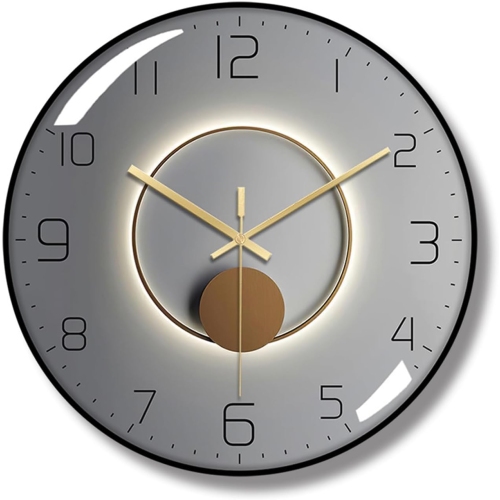
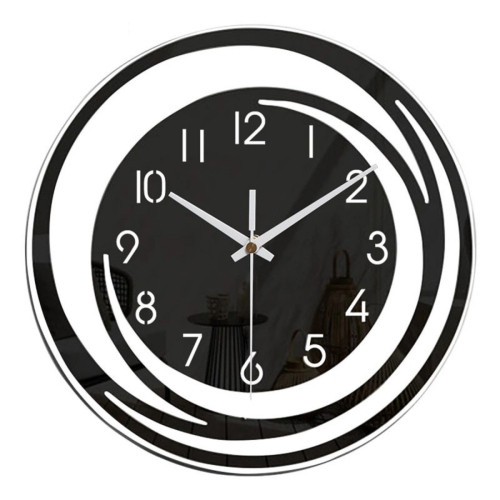
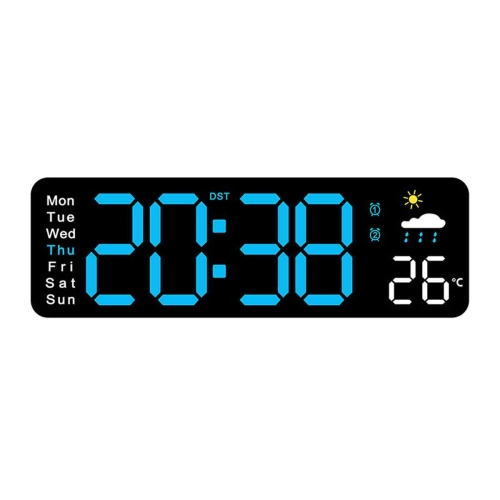
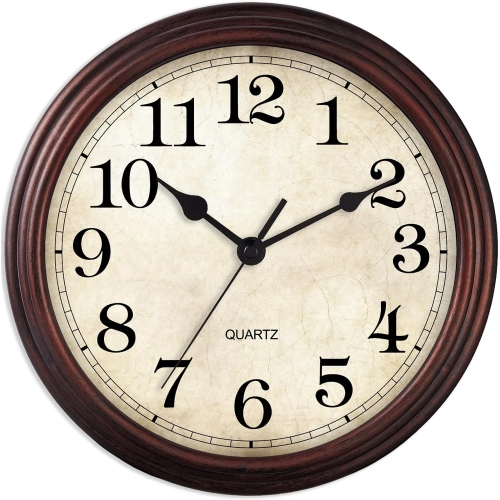

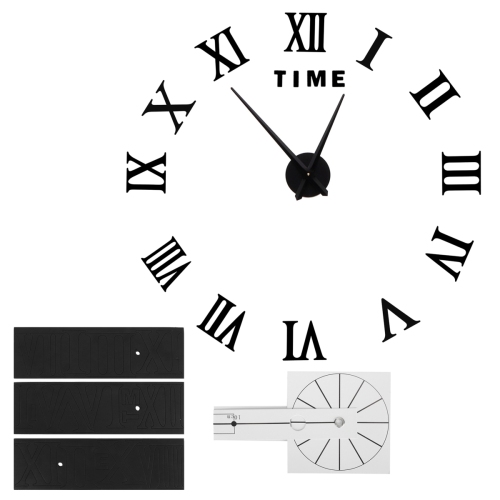
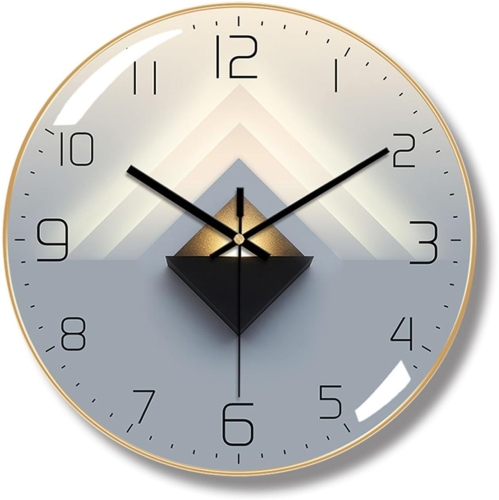
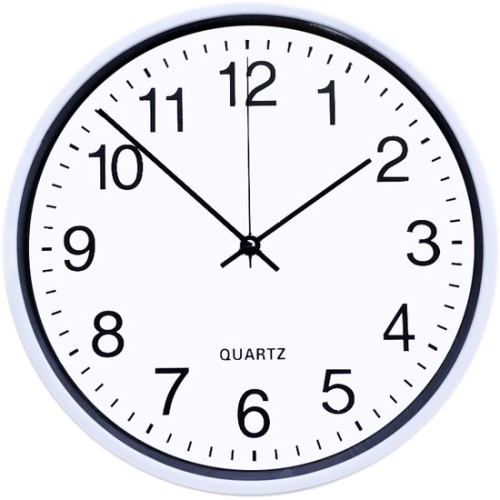
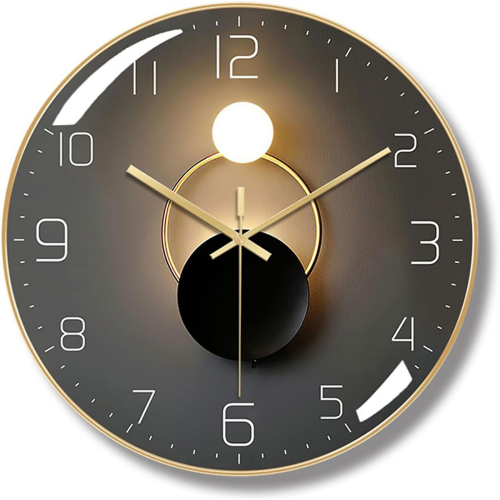
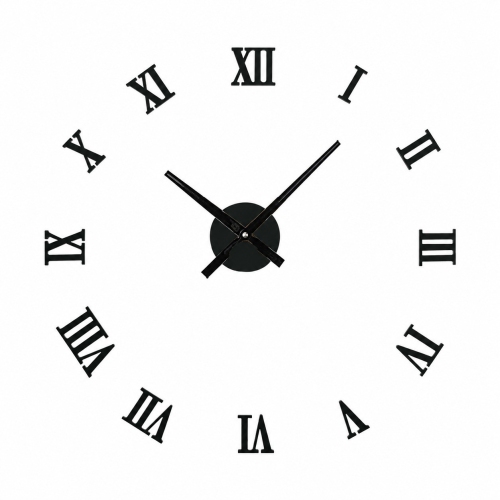
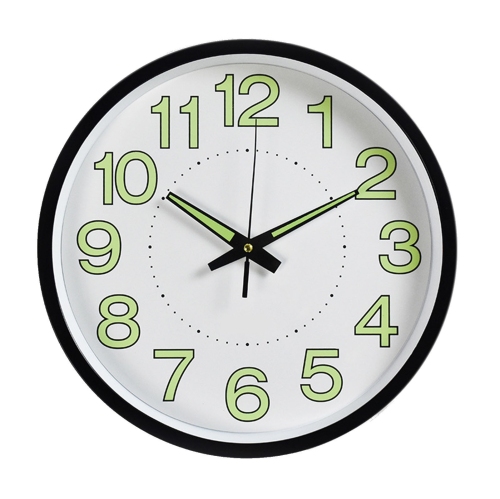

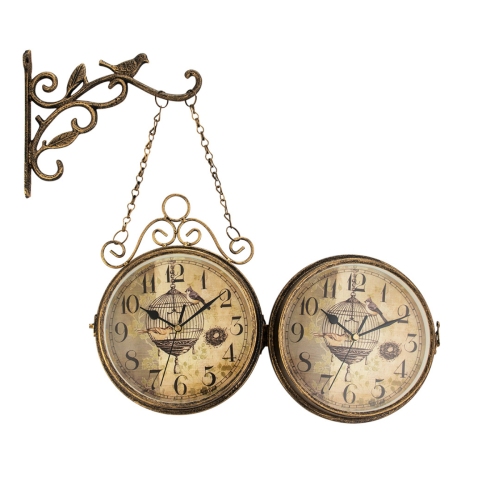
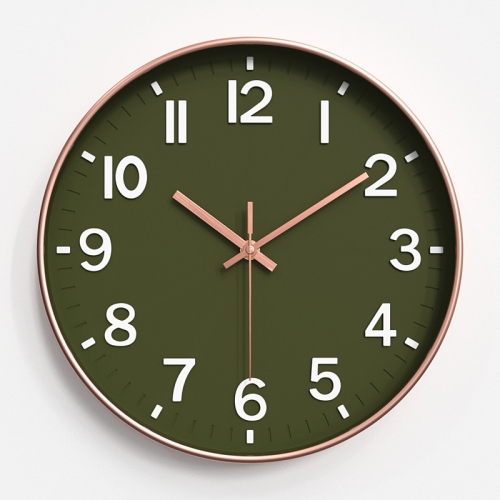

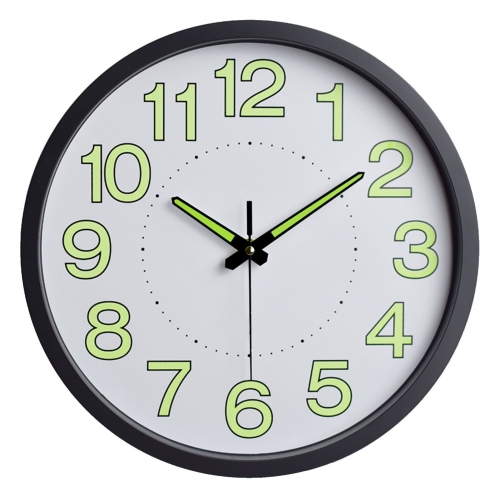

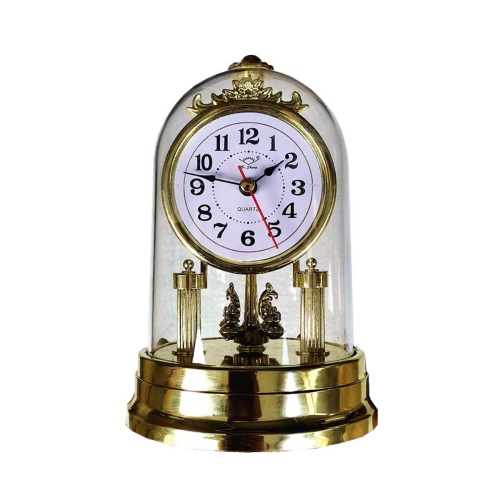

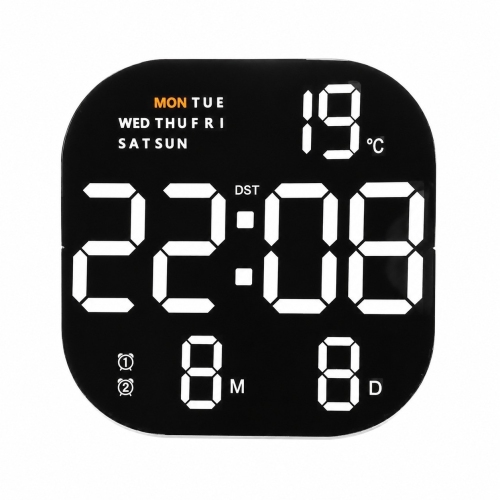

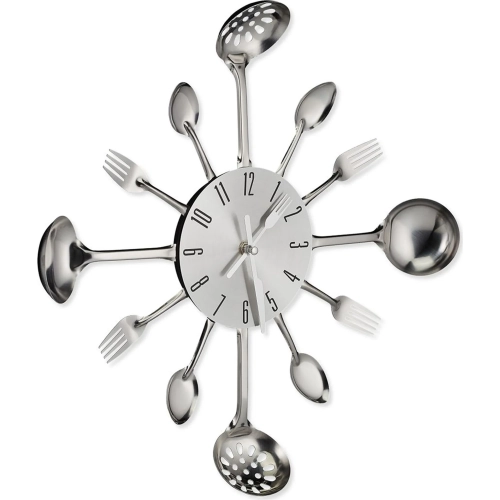
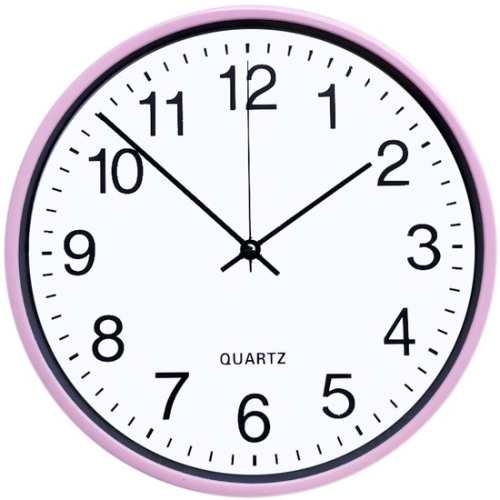
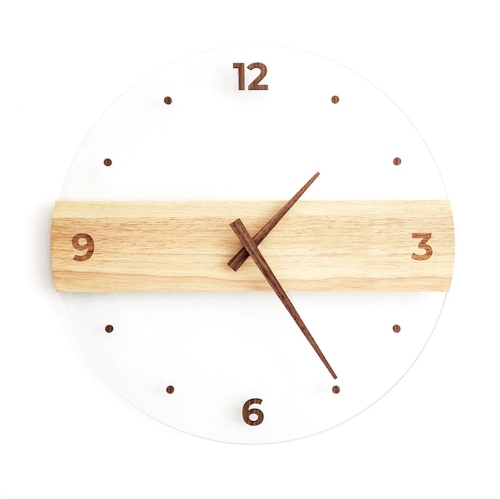
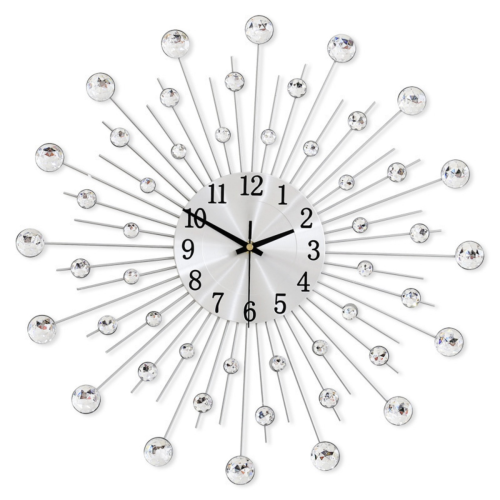
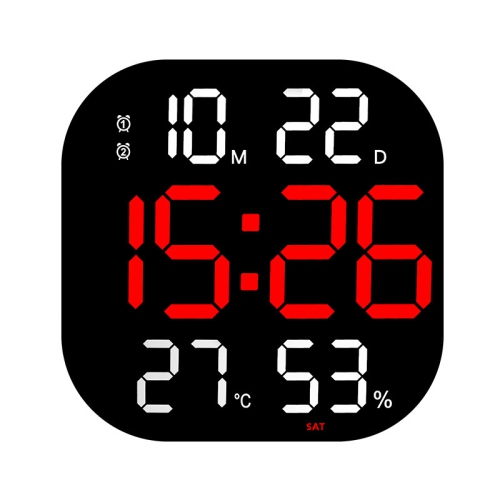


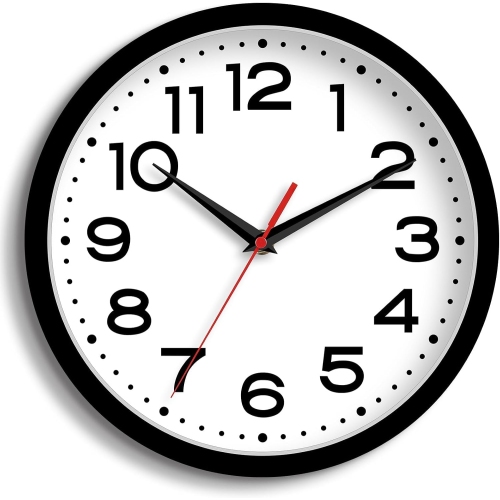
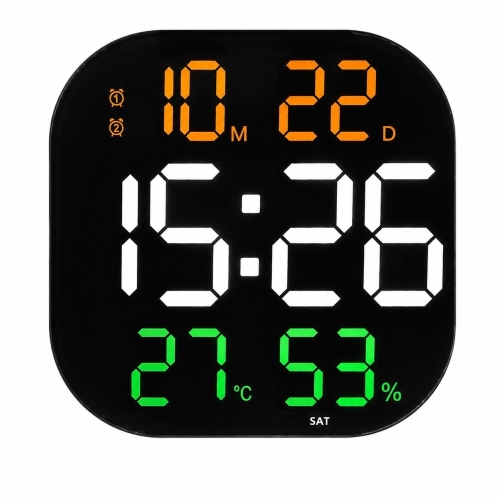
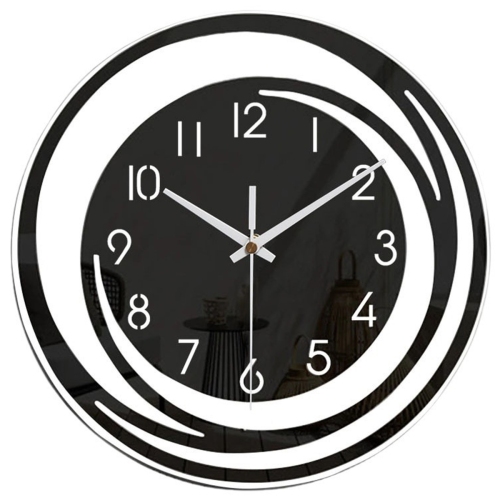
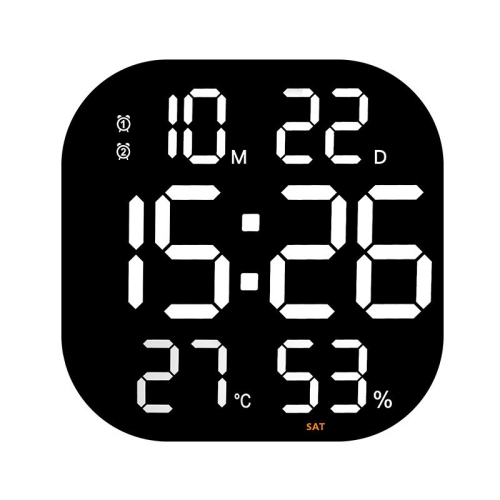
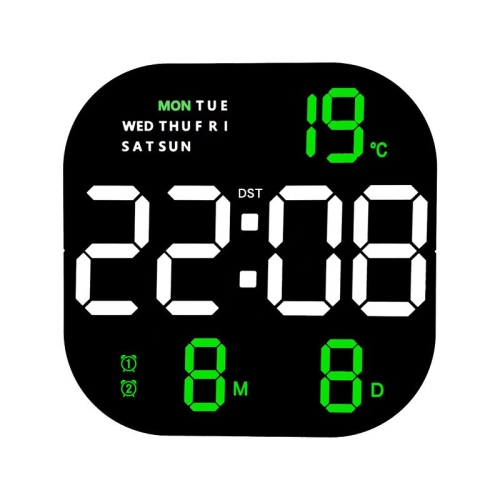
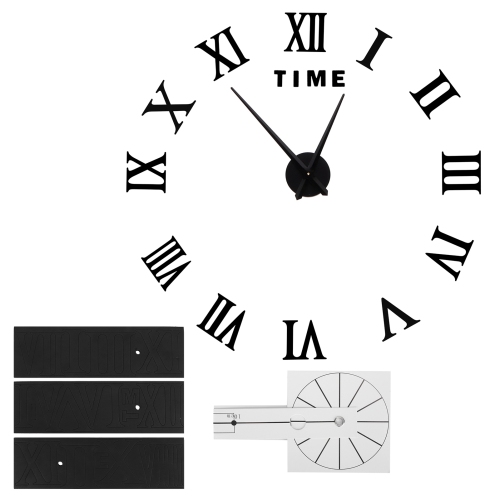

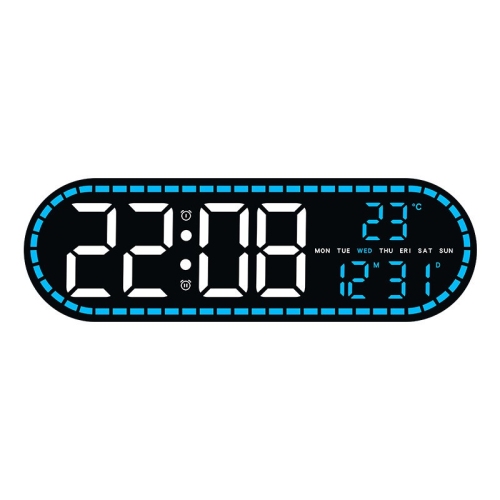
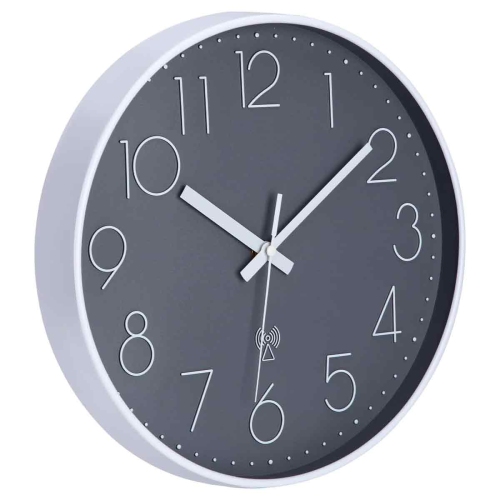
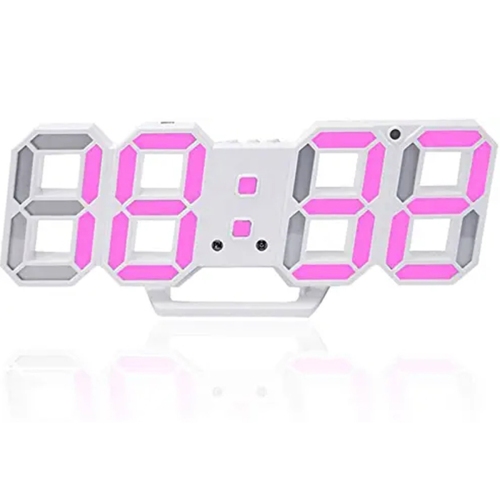
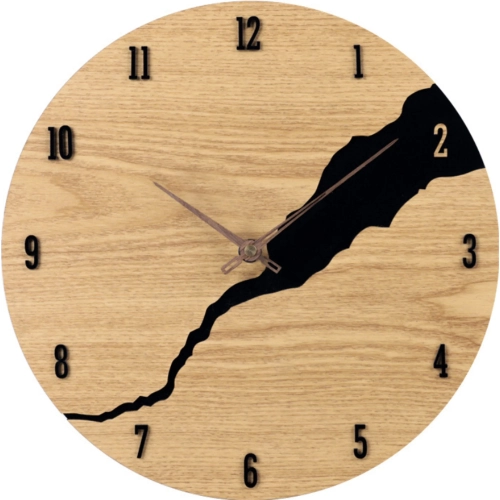
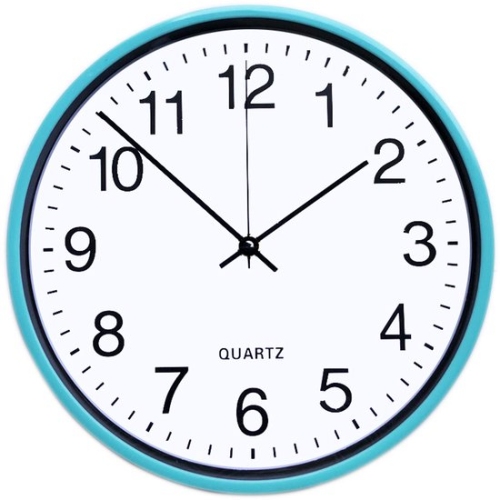


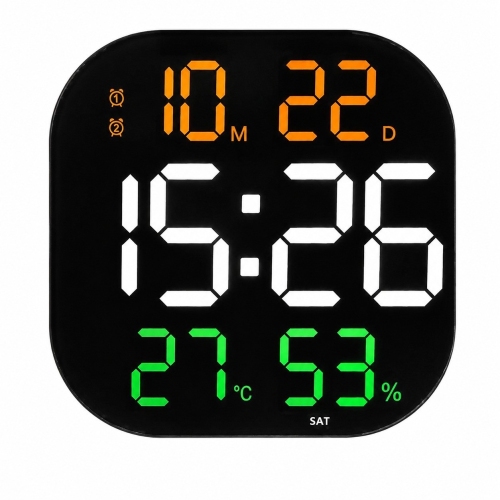
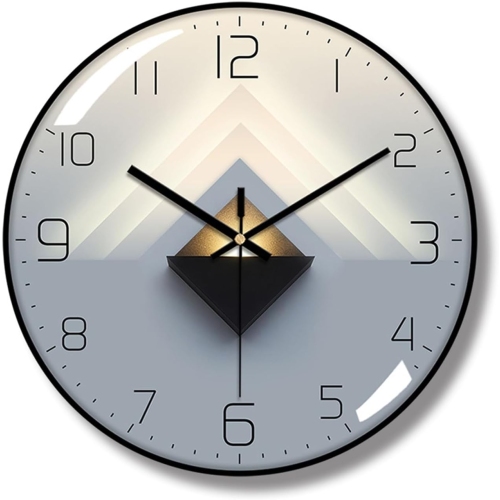
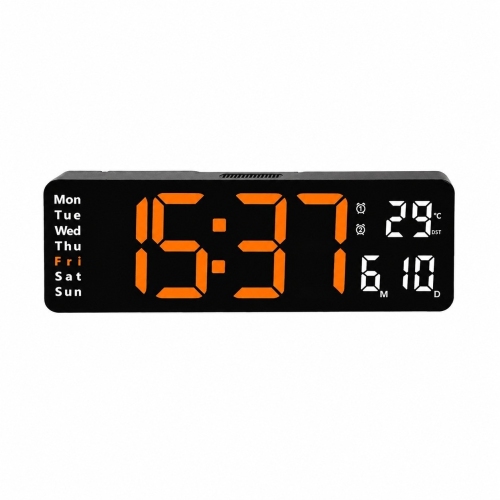
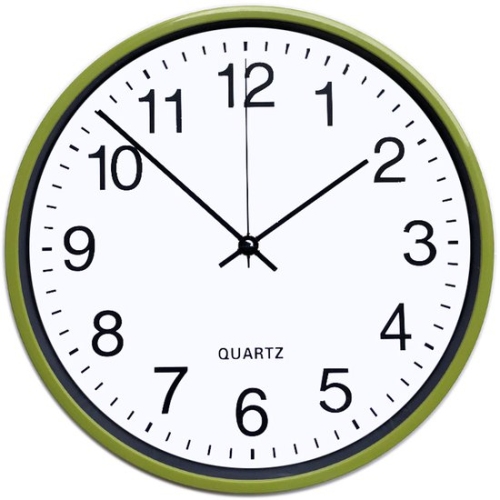
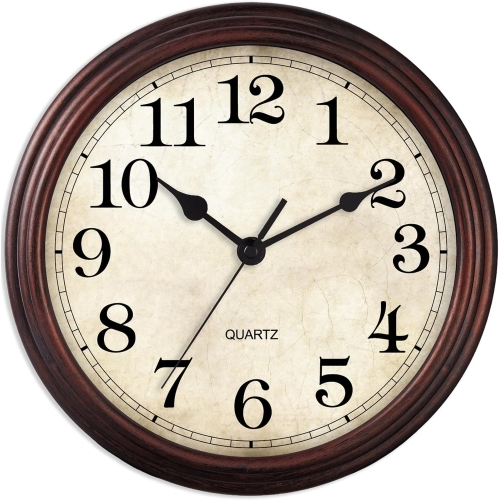
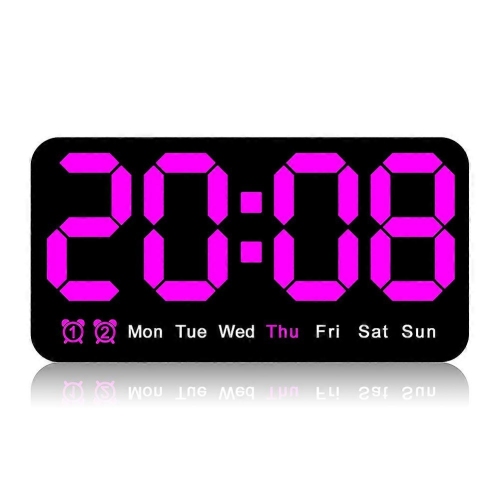
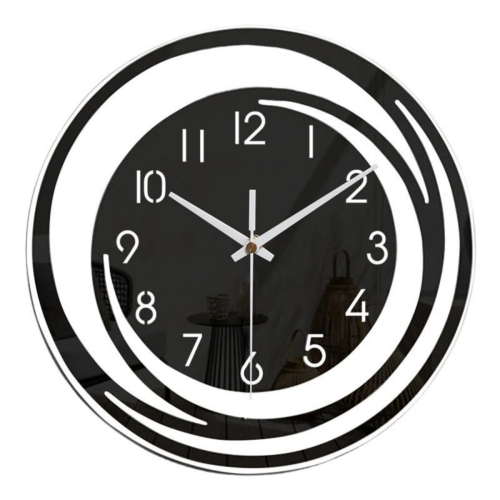

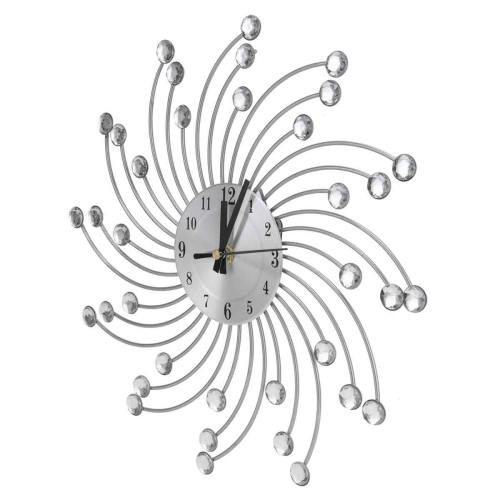


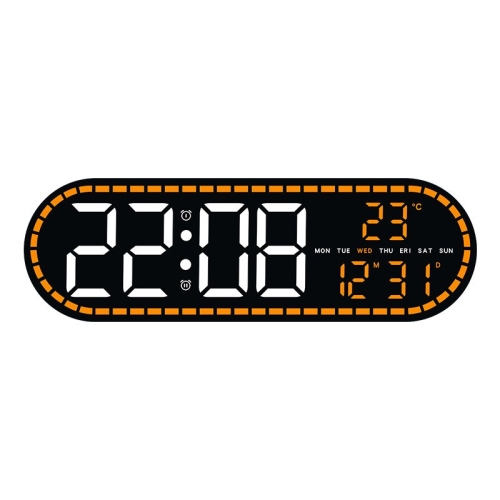
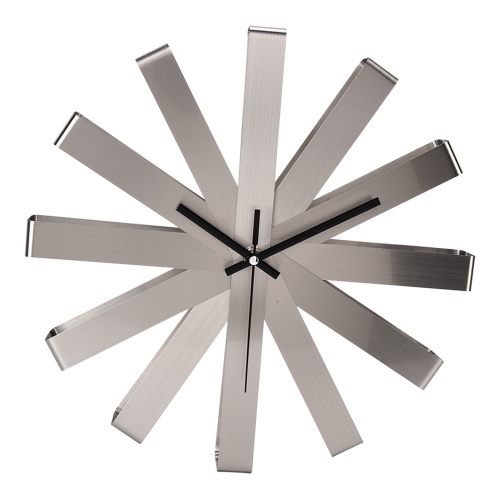


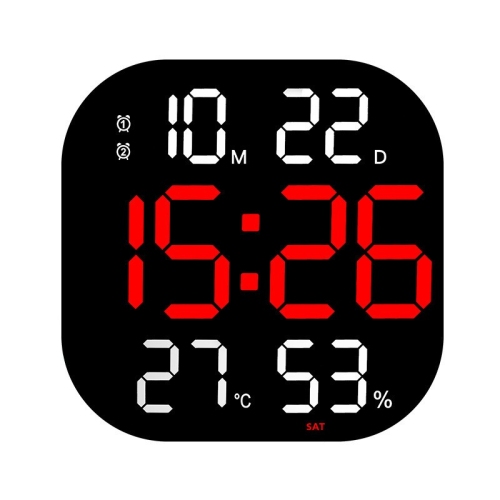
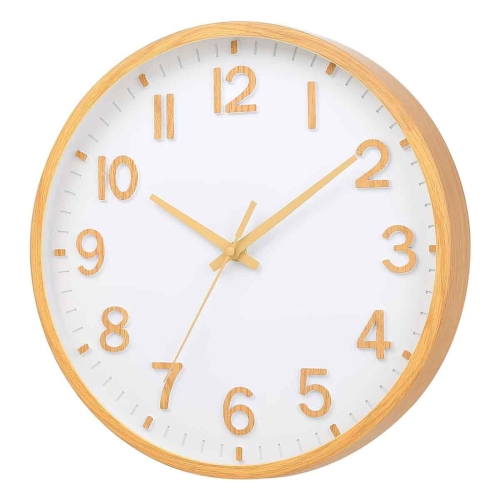

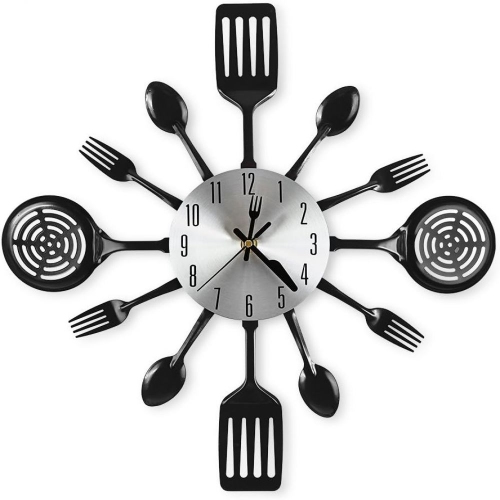
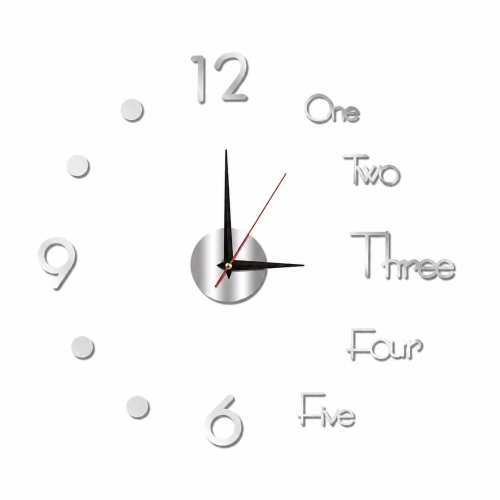


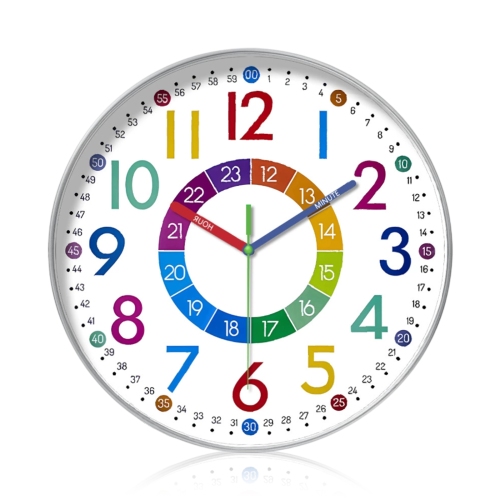

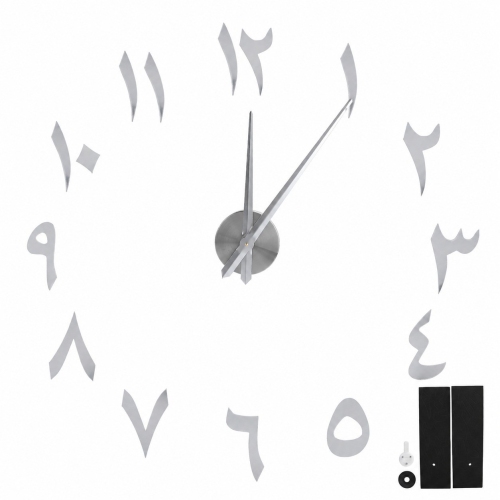
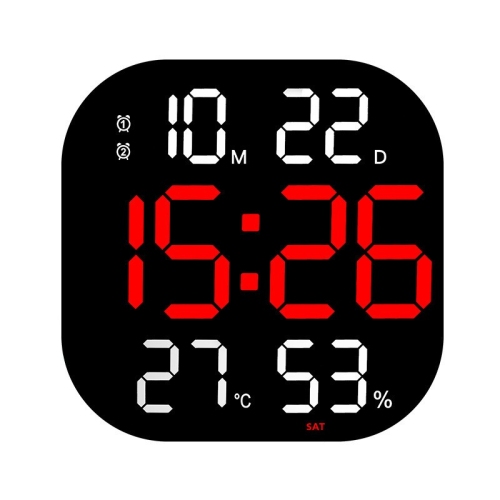
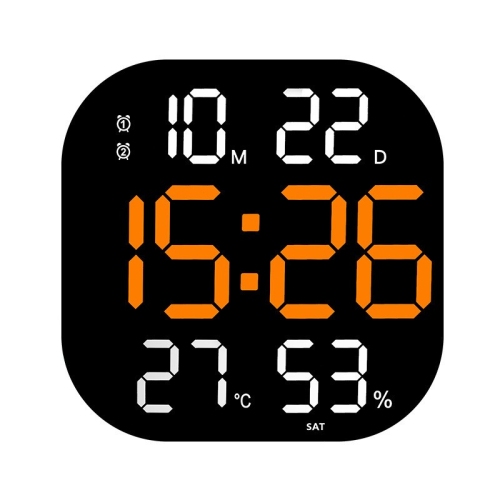


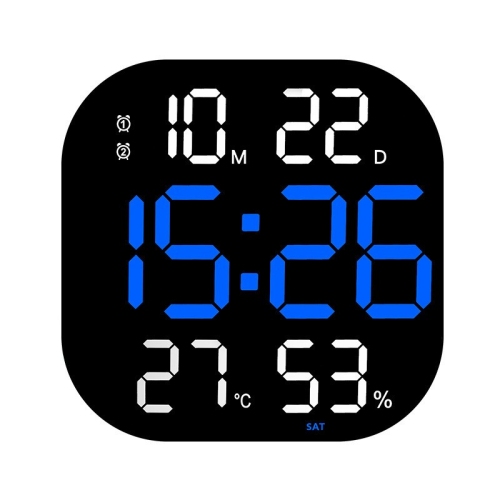


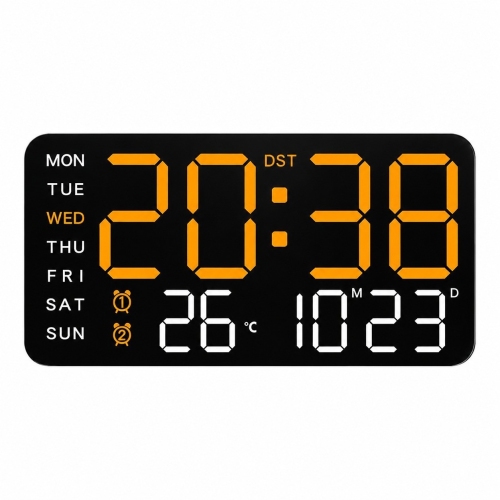
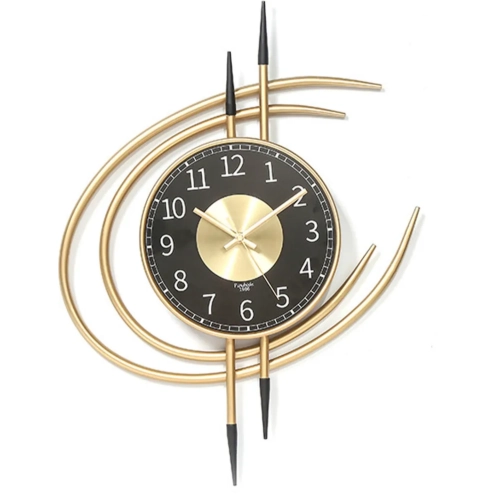


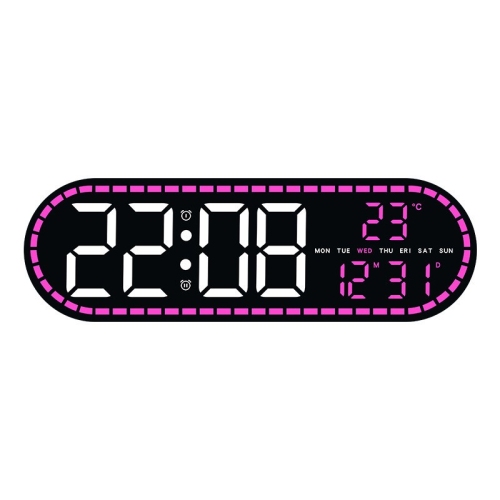


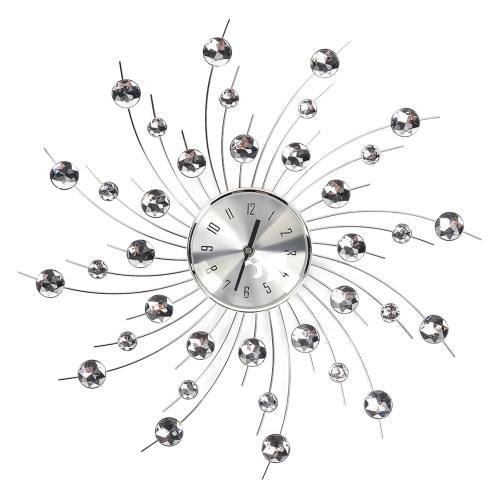


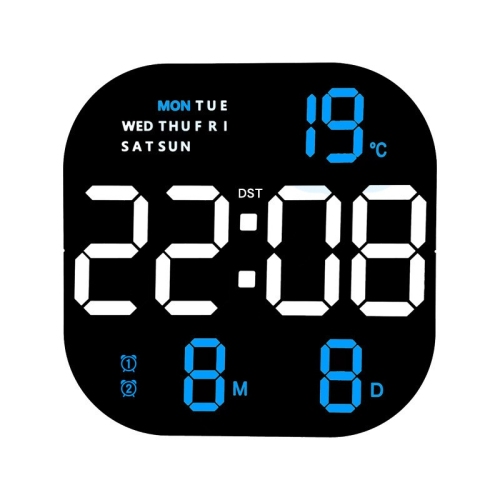
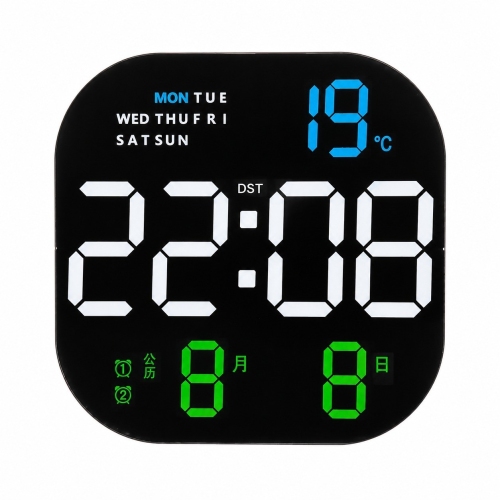


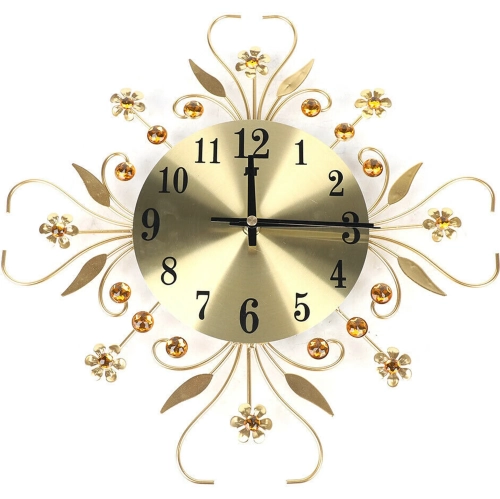

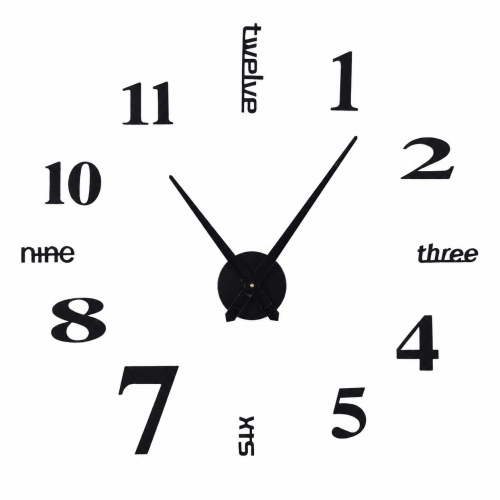
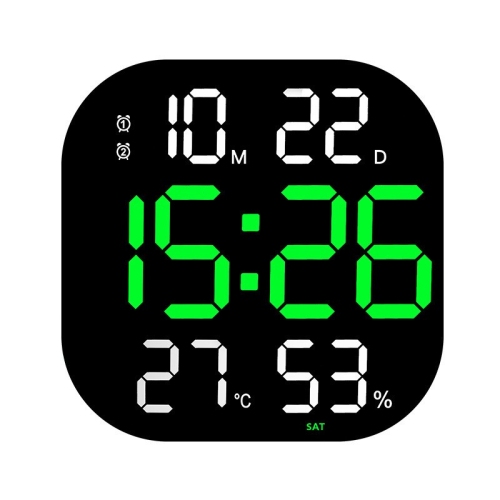

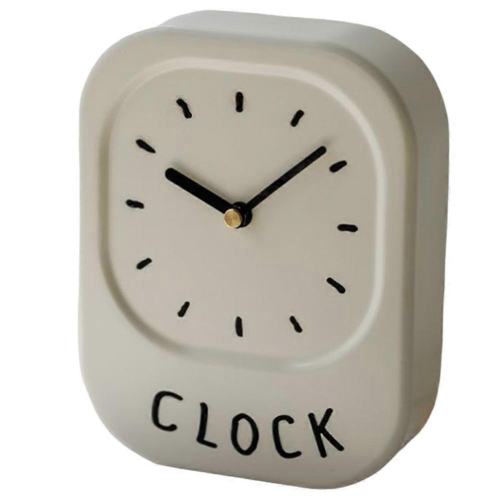
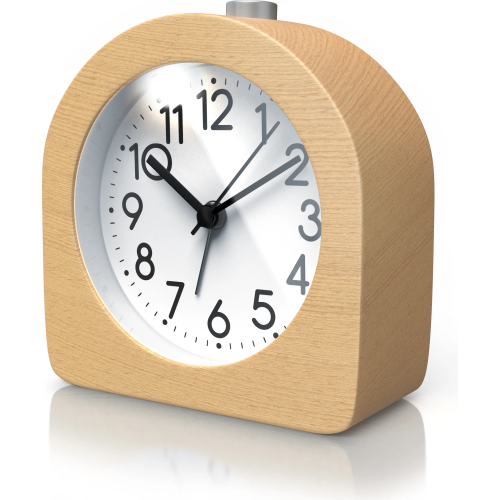

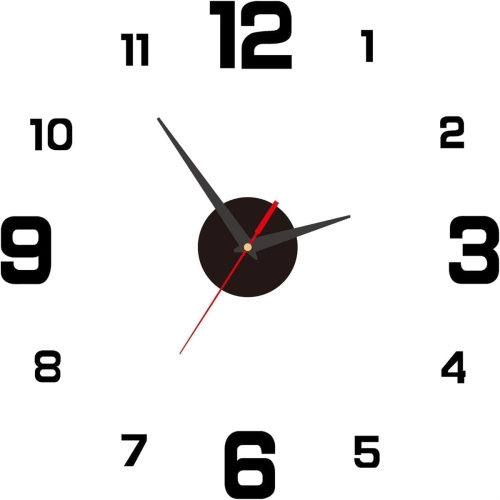
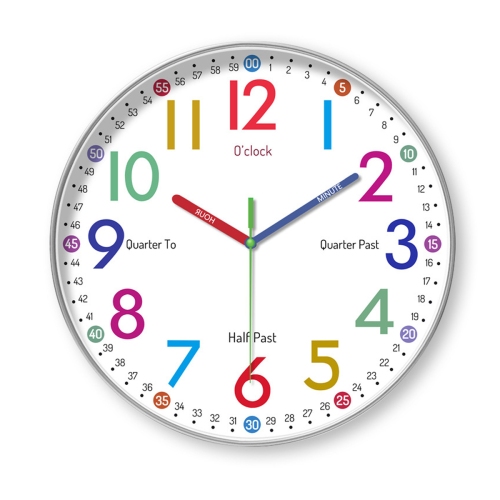

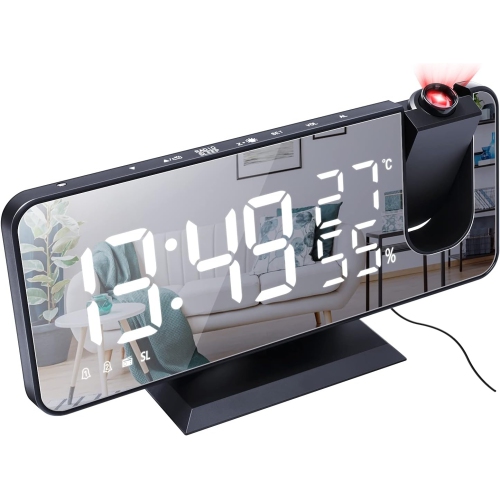


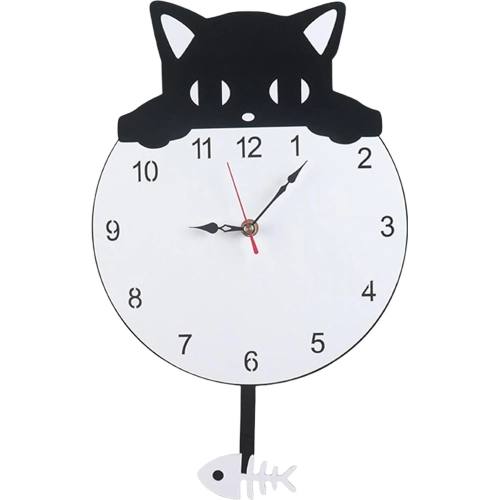

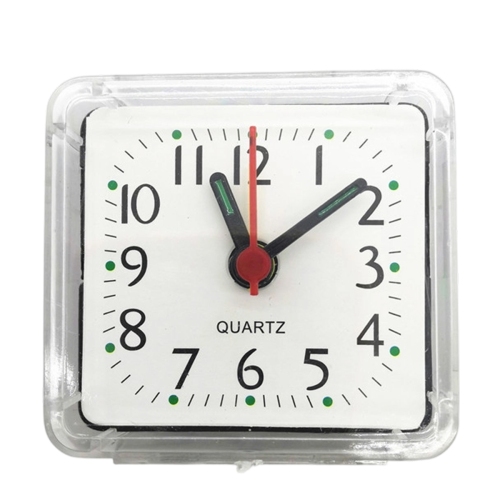


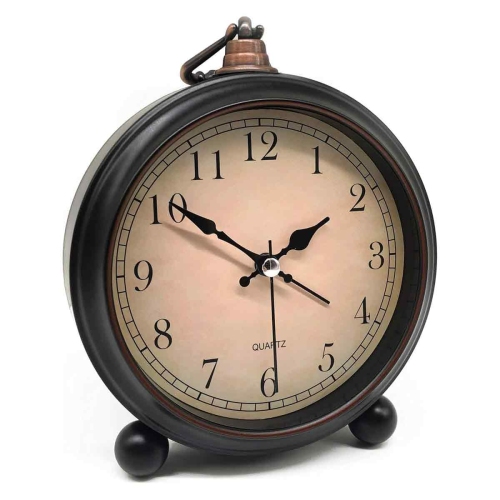
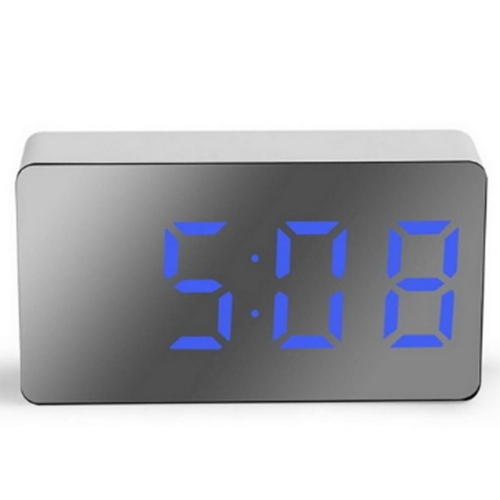

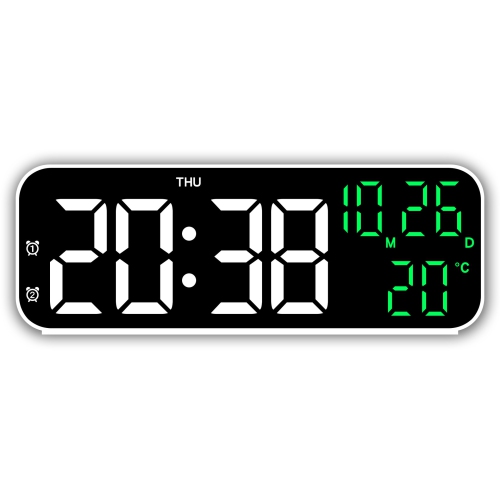
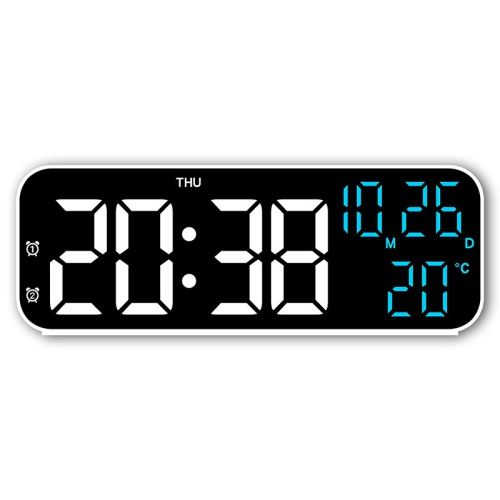

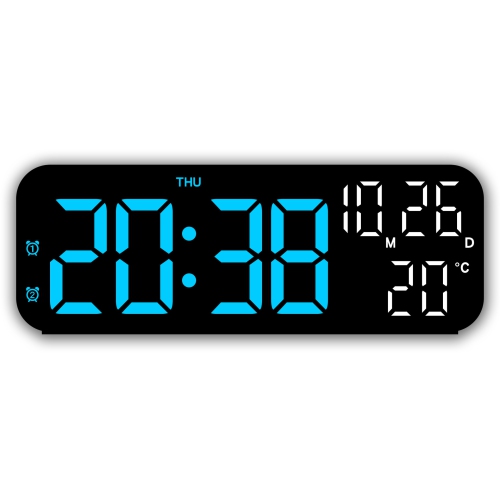
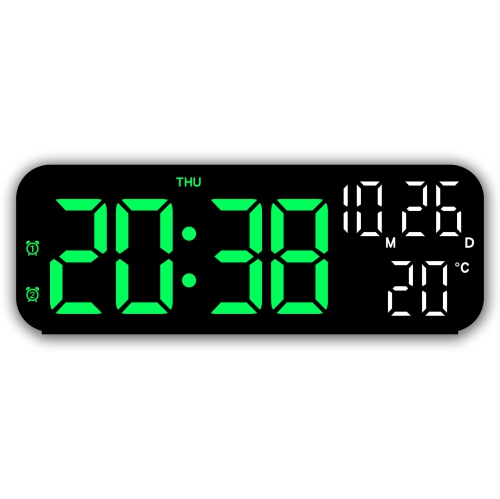
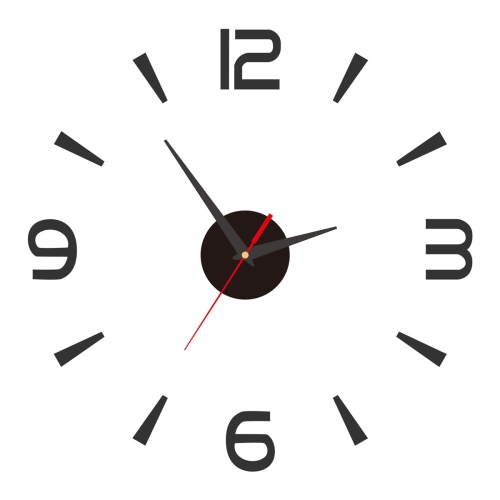
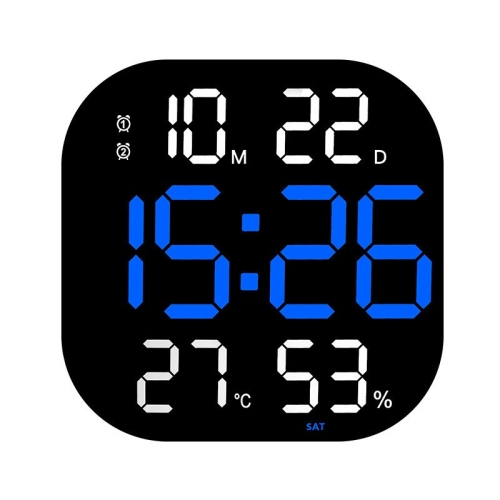

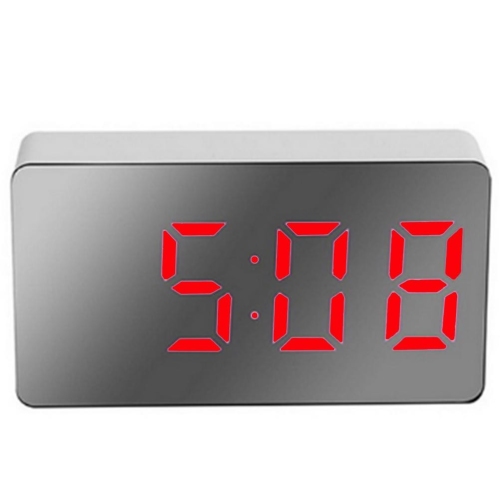

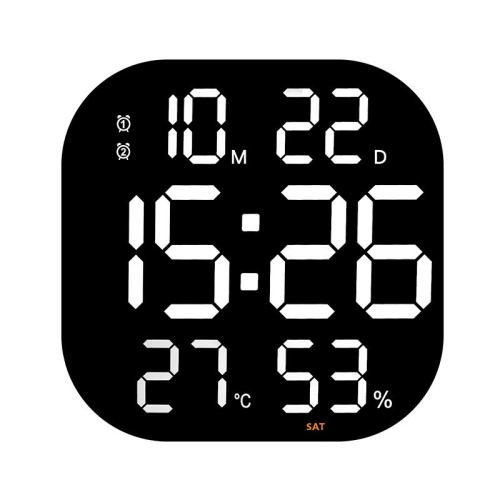
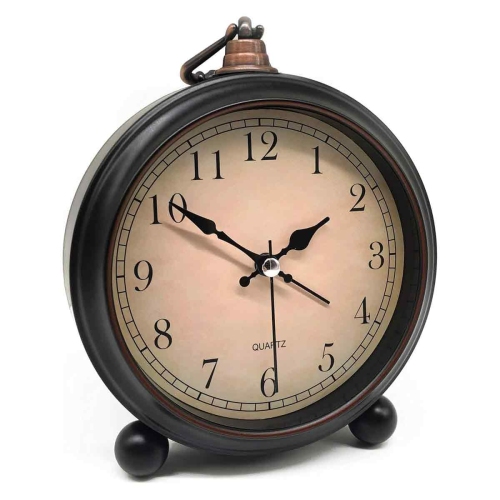
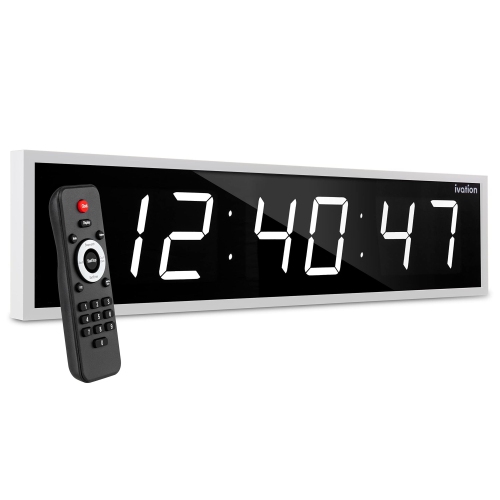
A clock’s size and placement shape the whole room
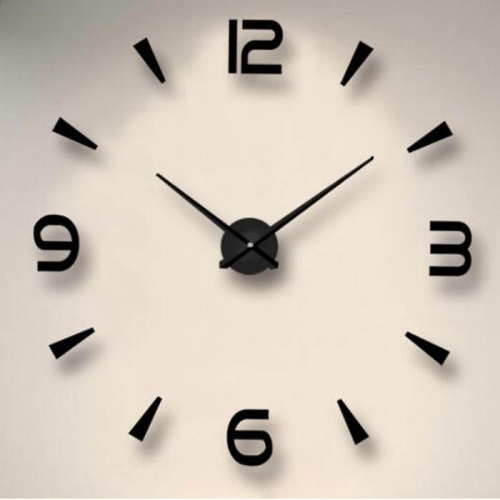
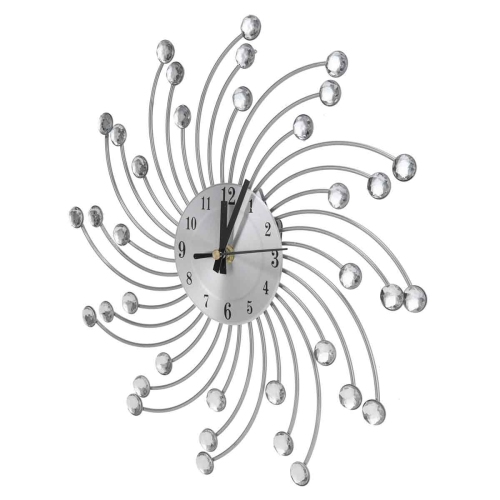
Living room clocks bring a useful everyday detail into the space where people gather, unwind, and spend time together. Beyond keeping the hour in view, a clock can give a bare wall a focal point, balance a furniture arrangement, or add character to a mantel or bookcase. Wall clocks suit rooms where surface space is limited, while mantel and tabletop clocks sit comfortably among framed photographs, books, and ceramics. The right scale depends on the wall, the furniture below it, and the distance from which the time needs to be read. A large wall clock measuring 24 inches or more in diameter can make a strong statement above a sofa or on an open feature wall, provided there is enough clear space around it. A smaller clock often feels more at home beside a reading chair, over a narrow console, or within a gallery wall. Measuring the intended position and marking out the shape with removable paper helps reveal whether the clock will feel balanced before anything is hung. Round faces offer a familiar shape that softens the straight lines of shelving, television screens, and rectangular furniture. Circular Living Room Wall Clocks can complement both traditional seating arrangements and more streamlined interiors, with the frame and dial determining much of their character. Square, rectangular, and sculptural shapes create a different effect, especially where other furnishings are simple. Slim metallic edges and uncluttered faces suit a modern setting; visible wood grain, distressed finishes, and Roman numerals bring a more traditional feel. Mirrored surrounds and polished details catch the light, while matte finishes create a quieter visual presence. Repeating a finish already found on a lamp base, cabinet handle, or coffee table can help the clock feel connected to the room without making every accessory match. A clock can also provide a deliberate contrast, such as a dark frame against a pale wall or a warm wood tone beside neutral upholstery.
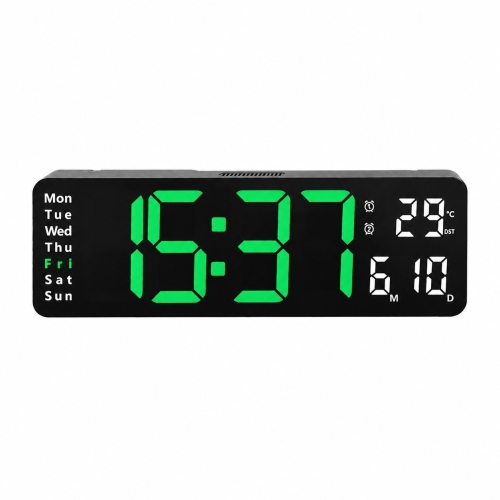
Readability matters just as much as appearance, particularly when a living room clock needs to be visible from the far end of a sectional or an adjoining dining area. Clear numerals, distinct hour and minute hands, and strong contrast between the hands and face make the time easier to pick out at a glance. A large outer frame does not necessarily mean a large readable dial, so the proportions of the actual time display deserve attention. Open-frame designs let the wall colour show through, which makes the background part of the clock’s appearance and affects how clearly its hands stand out. Minimalist faces without numbers can look elegant, though they may be less practical for someone who prefers precise markers or for children learning to tell time. Glazed faces help shield the dial from dust, but reflections from windows and lamps can obscure the display at certain angles. Placement away from direct glare improves visibility without requiring a different style. Analogue clocks offer the familiar movement of hands around a dial, while digital clocks present the time in numerals and may include a date display or adjustable brightness, depending on the design. In a room used for watching films, a bright display can become distracting, making dimming controls a useful consideration. Sound is another detail that becomes noticeable once the room is quiet. A traditional ticking movement may feel familiar and comforting, but a quieter movement can be preferable near a reading nook, a work area, or a sofa used by overnight guests. Sweep movements generally reduce the distinct tick associated with step movements, although a silent designation does not guarantee that no sound will be audible at close range. Chiming and pendulum clocks add a more pronounced sense of rhythm and tradition; volume adjustment or a chime shut-off, where included, provides greater flexibility in a shared space. Battery-powered clocks allow placement without a nearby outlet, while plug-in designs need an accessible power source and a tidy route for the cord.
Materials, construction, and placement all influence how well a living room clock fits into daily life. Wood and wood-veneer frames introduce grain and warmth, with natural variations giving each surface a slightly different appearance. Metal frames can look crisp and architectural or textured and traditional, depending on their finish. Plastic and resin offer a broad range of shapes and colours and can be lighter to handle, although the finished weight depends on the complete construction. Glass adds a smooth, clear covering over a dial, while acrylic is lighter and less prone to shattering but can scratch more easily. Weight alone is not a reliable measure of durability; a secure frame, well-fitted components, and mounting hardware appropriate to the wall matter more in everyday use. Large or heavy wall clocks need support suited to both their weight and the wall material, following the manufacturer’s installation instructions. Mounting above seating deserves particular care, and a position clear of opening doors and busy walkways helps prevent accidental knocks. For mantel and tabletop clocks, a level, stable surface with adequate depth keeps the base fully supported. Tall designs are better placed away from shelf edges, especially in homes with children or pets. Routine care is usually straightforward: gentle dusting with a soft cloth keeps the frame and face looking clean, while any cleaning solution should be used only as directed for the material. Spraying liquid directly onto a clock can allow moisture to reach the movement or damage a finish. Direct sunlight may fade some surfaces, and placement immediately above a working fireplace may expose the case and mechanism to excessive heat. Accessible battery compartments and easy-to-reach setting controls make maintenance less awkward, particularly on clocks mounted high on a wall. A living room clock can also be a thoughtful housewarming or wedding gift when its size, sound, and style suit the recipient’s home. For a shared household, an easy-to-read face and a finish that works with existing furnishings often have lasting appeal, combining a practical purpose with a detail people see and use every day.
Top selling and popular products
-
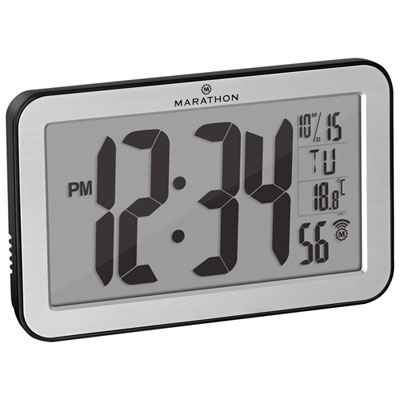 Your price for this item is $44.99
-
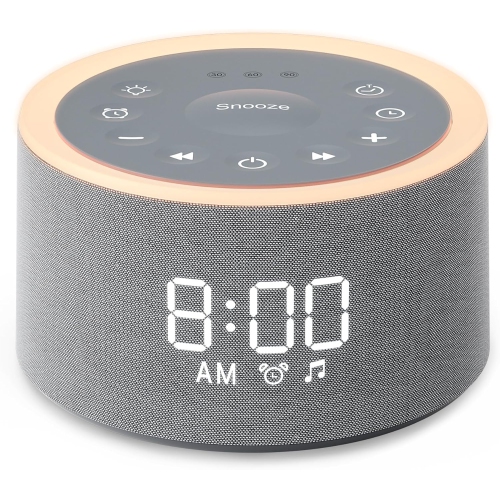 Your price for this item is $44.99
-
 Your price for this item is $89.99
-
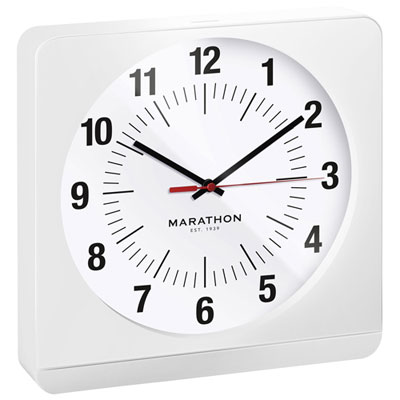 Your price for this item is $114.99
-
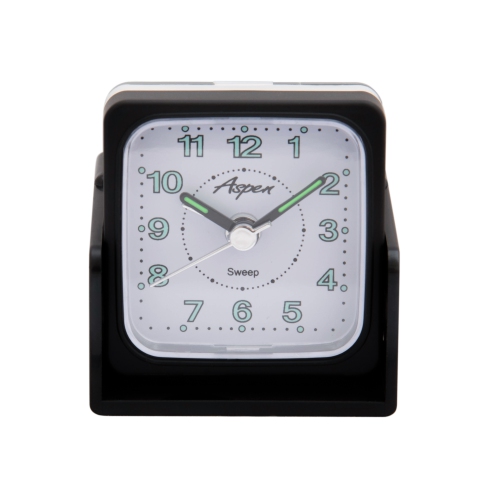 Your price for this item is $19.95
-
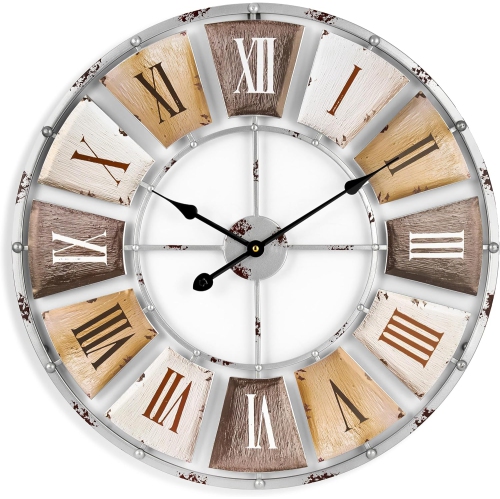 Your price for this item is $79.99
-
 Your price for this item is $45.99
-
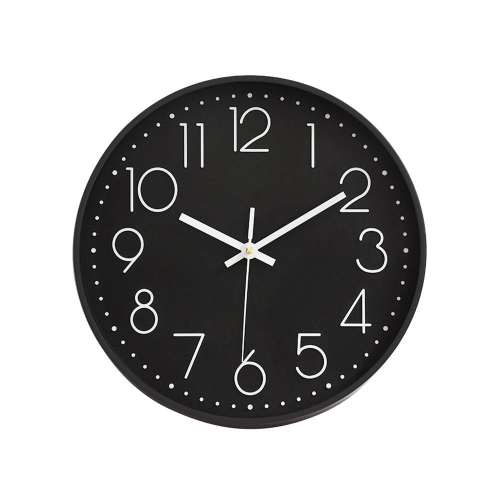 Your price for this item is $19.99
Discover more categories related to Living Room Clocks


Top Collections:
Pokemon Centers, Best Cameras for Sports Photography, Kindle Devices, Samsung Galaxy Phones, Canon G7X Cameras, Pokémon 30th Celebration Cards, Refurbished Apple Laptops, iPhone 15 Apple, Laptops for Students, Budget Smartphones
Some products may be subject to Environmental Handling Fees
(EHF) depending on your province.
Learn more about EHFs.