Living Room Furniture With Drawers
Elevate your home’s organization and style with living room furniture with drawers. Discover a wide selection of pieces designed to help you keep essentials neatly tucked away while enhancing the look of your space. Whether you’re looking for storage solutions or simply want to add a touch of sophistication to your living area, find the perfect options to complement your décor and meet your everyday needs.
Sort
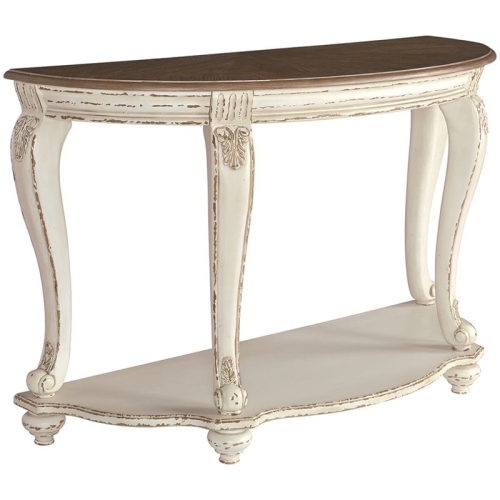
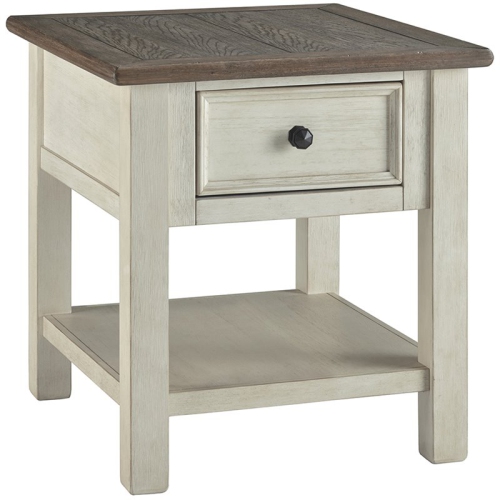
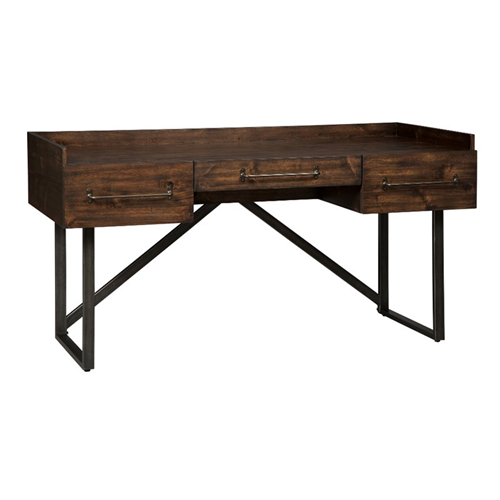
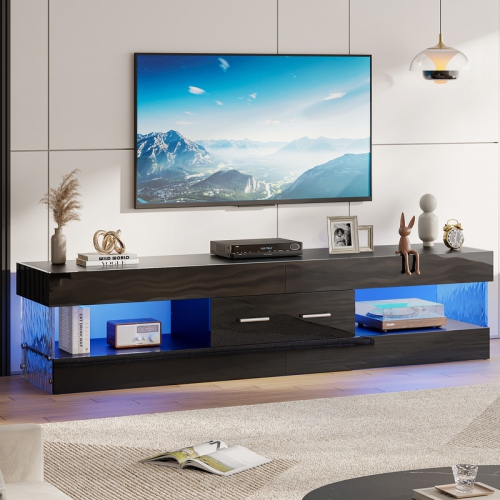
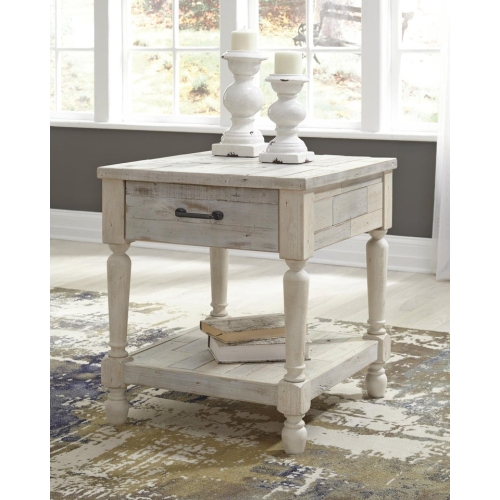

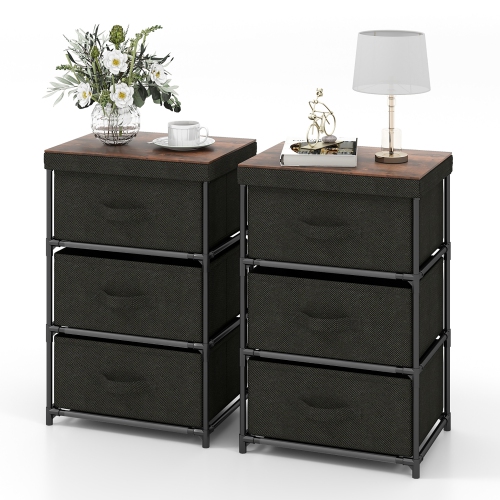
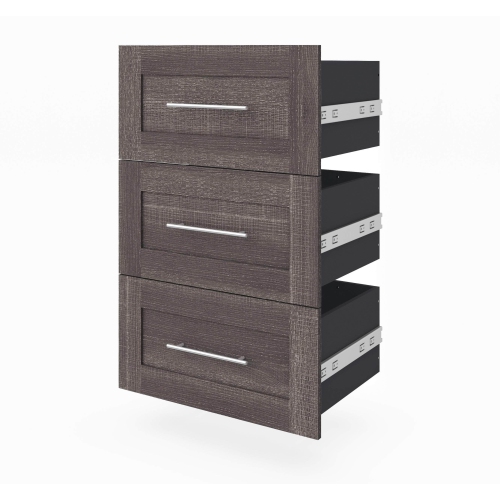

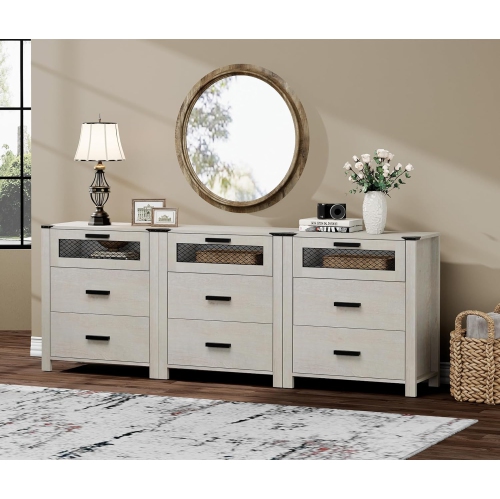
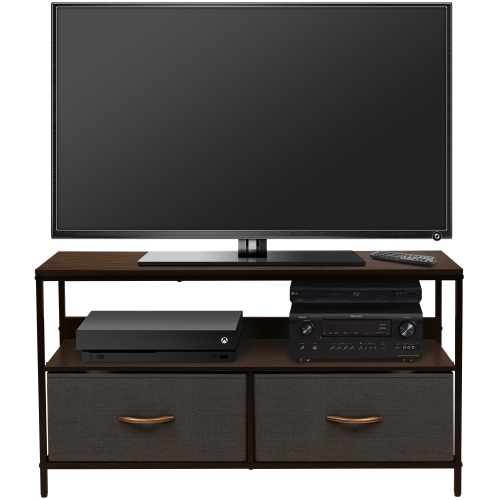

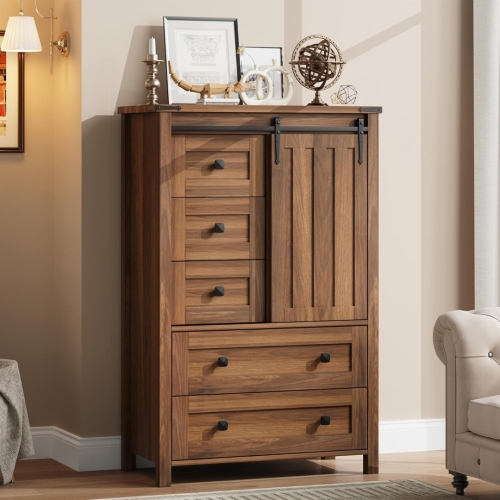
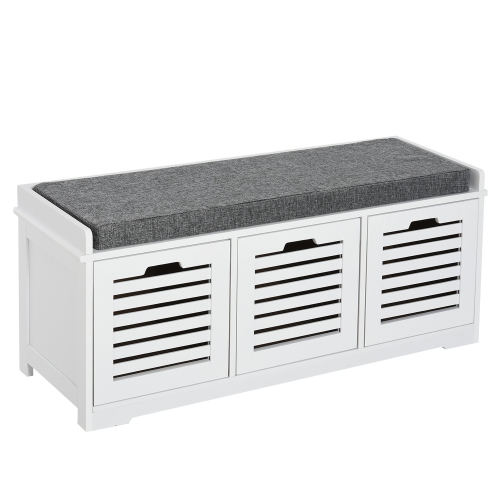
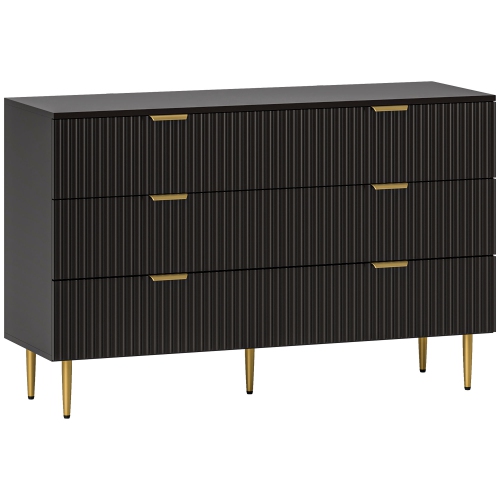


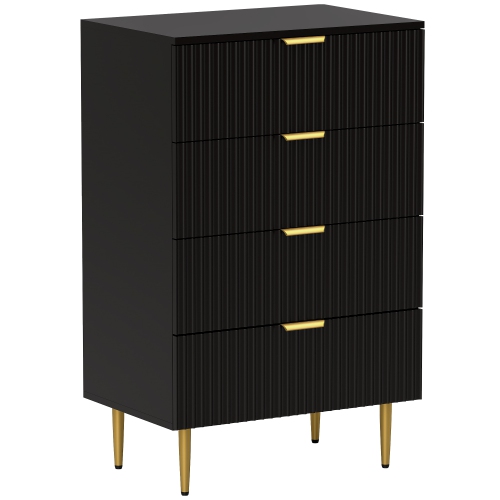
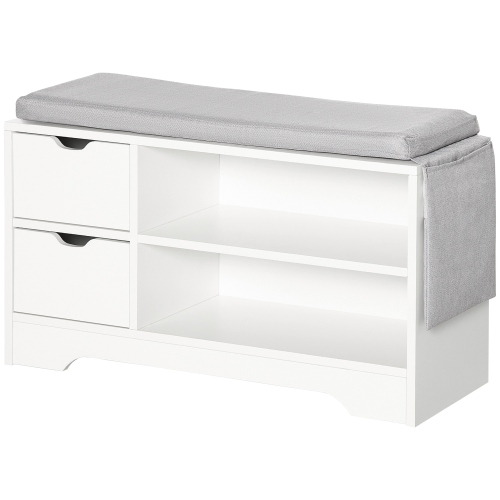


Everyday essentials within reach and out of sight
Living room furniture with drawers combines everyday surfaces with enclosed storage for the things that tend to gather around a sofa, television, or favourite chair. Coffee tables, end tables, TV stands, media consoles, and narrow console tables can all provide drawer space, but each serves a different part of the room. A coffee table keeps remotes, coasters, and a notebook close to the main seating area while leaving the tabletop clear for drinks or a board game. For storage at the centre of a seating arrangement, living room coffee tables with drawers bring that function within reach of the sofa. End tables offer a smaller landing spot beside an armchair, with room below for reading glasses, charging cables, or other frequently used belongings. A console table behind a sofa can hold stationery and spare chargers without taking up the depth of a larger cabinet. TV stands and media consoles pair a surface for entertainment equipment with compartments for controllers, headphones, and physical media. Drawers are particularly useful for keeping small accessories together, while open shelves can accommodate equipment that needs easy access and ventilation. The most useful storage arrangement depends less on the number of drawers than on what needs a home: shallow drawers suit small accessories, while deeper compartments can accommodate larger belongings when their internal dimensions allow. In an apartment, a table with drawers can handle storage that might otherwise require a separate cabinet. In a shared family room, separate drawers can give household members their own space for games, craft supplies, or reading materials. Someone who regularly works from the sofa may appreciate a place to put away a keyboard and notebook at the end of the day. These enclosed spaces help a living room move between quiet reading, casual work, and time with guests without requiring every personal belonging to remain on display.
Materials and construction influence both the appearance of living room storage furniture and how it handles daily use. Solid wood brings natural grain variation, and some finishes can be repaired or refinished, depending on their composition and condition. Wood veneer provides a real wood surface over a supporting core, giving drawer fronts and tabletops a grain pattern without solid wood construction throughout. Engineered wood with a laminate or other applied finish offers a wide range of colours and surface effects; its durability depends on the core, finish, edge treatment, and assembly quality. Metal frames can create a slim outline around storage compartments, while upholstered or fabric drawers offer a softer appearance and are generally better suited to lightweight belongings. Glass details may lighten the visual effect of a larger table, although fingerprints and smudges tend to be more noticeable. The parts inside a drawer deserve as much attention as the finish outside it. Drawer runners influence how smoothly a drawer moves, and full-extension runners allow access farther towards the back. Soft-close hardware, where included, slows the final movement, while stops help prevent accidental removal during ordinary use. A well-supported drawer base matters when storing books or other heavier belongings, and the stated weight capacity remains the best reference for intended loads. Handles also affect comfort: a recessed pull creates a flatter front, while a projecting handle may be easier to grasp. Style can come from these practical details rather than ornament alone. Pale wood tones and simple fronts can sit comfortably alongside textured upholstery; darker finishes can give a media wall more visual weight. Painted surfaces, ribbed fronts, and contrasting hardware introduce different levels of detail. Matching every finish is not necessary for a cohesive room, but repeating a wood tone, metal colour, or shape can help connect the furniture.
Fit includes the space a piece occupies, the room needed to use its drawers, and its relationship to nearby seating. A coffee table that looks balanced between a sofa and chairs still needs enough clearance for people to walk past and for drawers to open without striking upholstery. An end table feels more convenient when its surface is close to the height of the sofa arm, keeping a lamp, drink, or book within comfortable reach. Behind a sofa, a console needs sufficient depth for useful storage without narrowing a walkway. Drawer direction matters too: storage facing the seating area may be easy to reach, while drawers opening towards a wall or another table can become awkward. Internal measurements are worth distinguishing from the overall dimensions, since drawer sides, runners, and dividers reduce usable space. For TV furniture, the television’s stand footprint and weight need to fit within the furniture’s stated limits; screen size alone does not establish compatibility. Cable openings and ventilation space also matter when entertainment equipment shares a unit with closed storage. Stability is especially important in homes with children or pets, and furniture supplied with an anti-tip restraint should be secured according to its assembly instructions. Everyday care helps preserve both the finish and the drawer movement. A soft cloth removes dust, while spills are best wiped up promptly rather than left around seams or edges. Coasters protect surfaces from drink rings, and a protective pad beneath a planter helps separate moisture from the tabletop. Cleaning products should suit the stated material and finish, since treatments intended for solid wood may not be appropriate for laminate, veneer, glass, or painted surfaces. Keeping drawer loads within their limits and checking loose handles or fittings can help prevent avoidable wear. With suitable proportions, accessible storage, and materials matched to daily habits, furniture with drawers can make a living room easier to use while retaining space for the objects that deserve to be seen.
Top selling and popular products
-
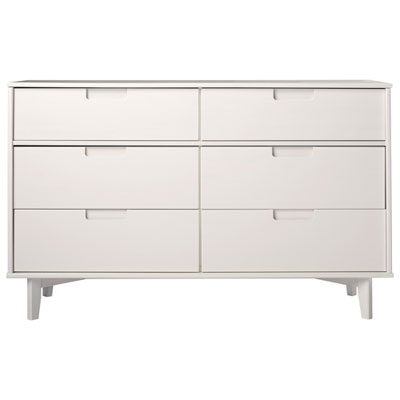 Your price for this item is $569.99
-
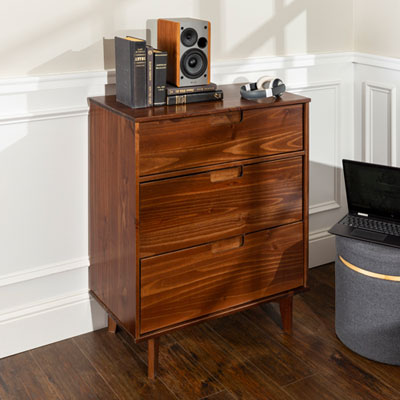 Your price for this item is $364.99
-
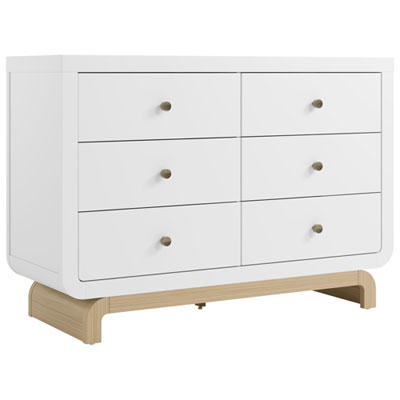 Your price for this item is $899.99
-
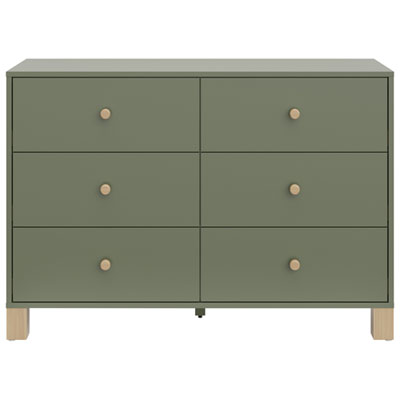 Your price for this item is $699.99
-
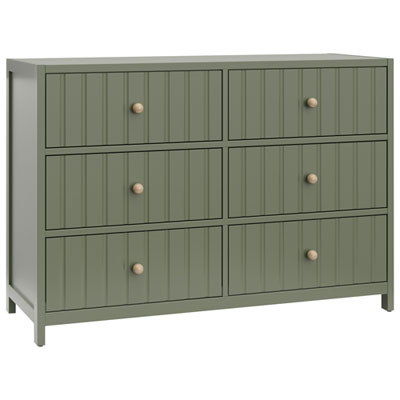 Your price for this item is $699.99
-
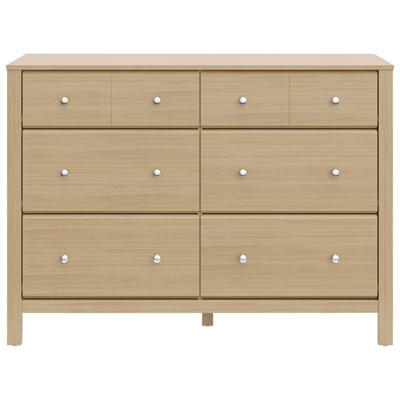 Your price for this item is $399.99
-
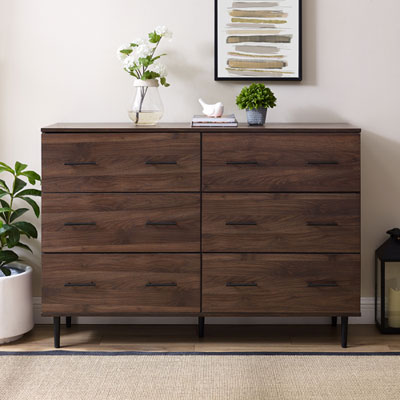 Your price for this item is $886.99
-
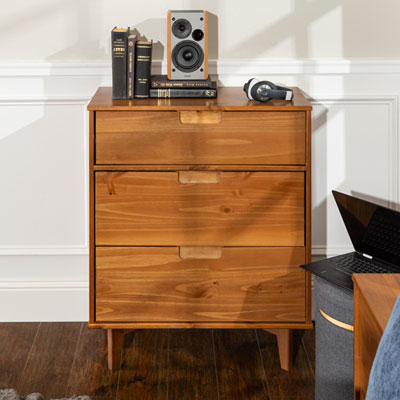 Your price for this item is $364.99
Discover more categories related to Living Room Furniture With Drawers

Top Collections:
Pokemon Centers, Best Cameras for Sports Photography, Kindle Devices, Samsung Galaxy Phones, Canon G7X Cameras, Pokémon 30th Celebration Cards, Refurbished Apple Laptops, iPhone 15 Apple, Laptops for Students, Budget Smartphones
Some products may be subject to Environmental Handling Fees
(EHF) depending on your province.
Learn more about EHFs.