Living Room Glass Doors
Living Room Glass Doors offer a stylish way to enhance the look and feel of your home’s main gathering space. Designed to create an open, airy atmosphere, these doors make it easy to connect rooms while maintaining a sense of separation when needed. Whether you’re updating your décor or aiming for a modern touch, Living Room Glass Doors provide a versatile solution that complements a variety of interior styles. Discover options that blend seamlessly with your living room layout and help you achieve the perfect balance between functionality and elegance.
Sort
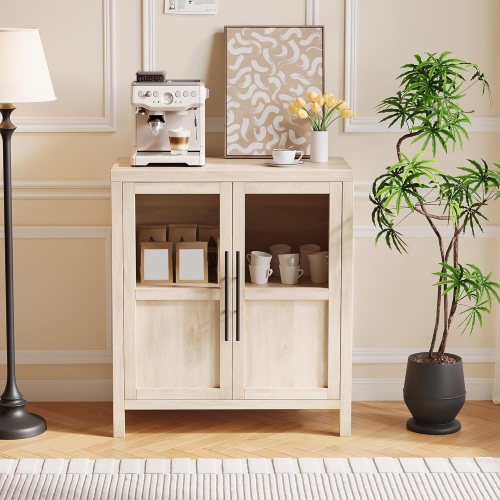

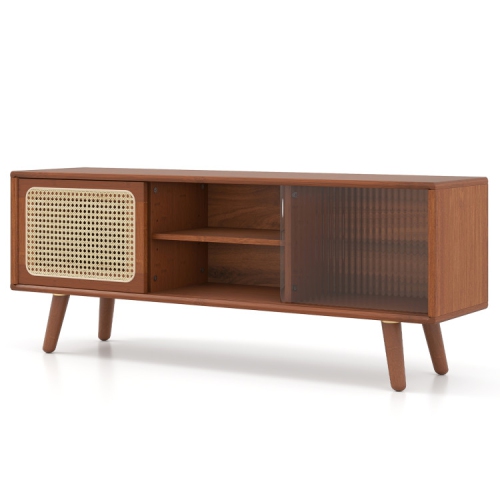
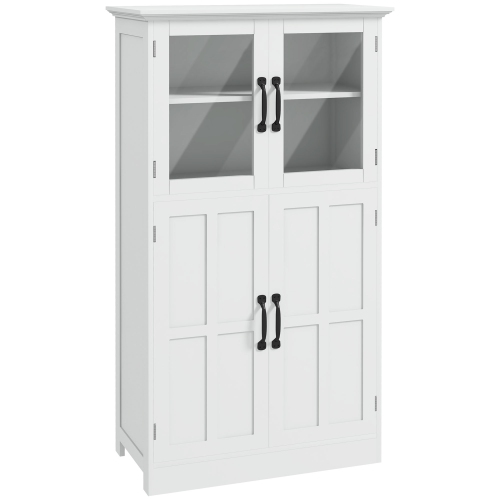
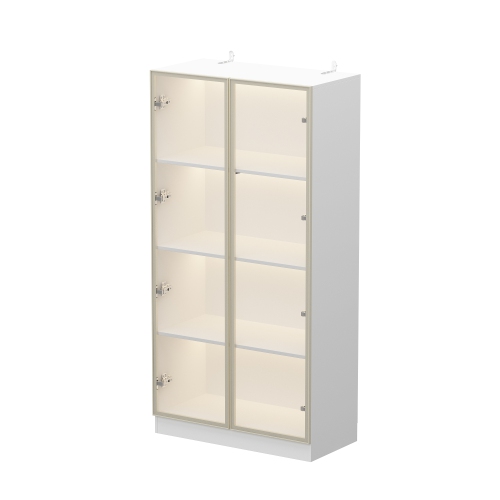

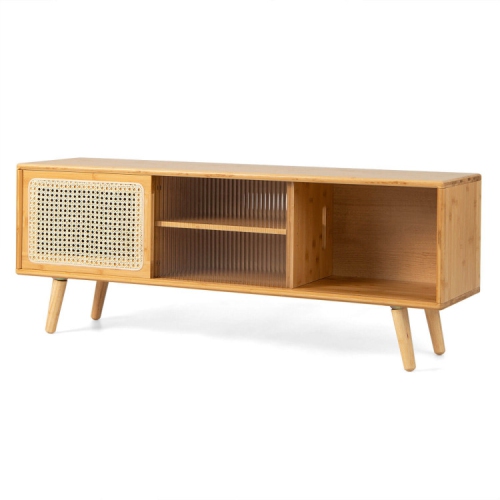


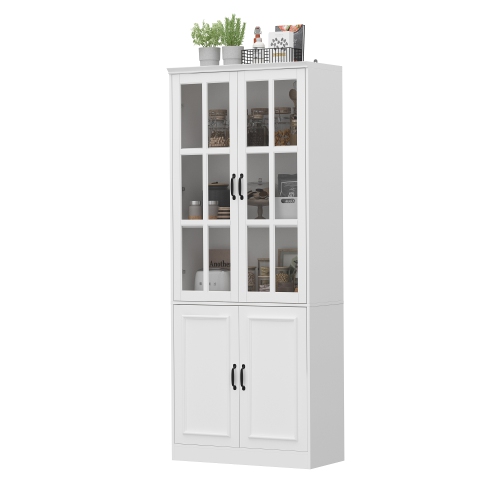


Room separation that lets daylight travel farther
Living room glass doors bring light and definition to a space, creating a boundary between adjoining rooms without the visual weight of a solid door. They can separate a lounge from a hallway, dining area, kitchen, or home office while keeping neighbouring spaces connected. In a home where the living room borrows daylight from another room, a glazed opening can help that light travel farther into the floor plan. The effect depends on the size of the glass panels, the frame design, and the rooms on either side. Clear glass preserves the longest sightlines, making it useful when an uninterrupted view matters more than privacy. Frosted glass obscures detail while allowing light through, although silhouettes may remain visible when one side is brightly lit. Reeded and other textured glass introduces a patterned surface that breaks up the view; the degree of privacy varies with the pattern, lighting, and distance from the door. These differences matter when a living room doubles as a workspace or sits beside a busy kitchen. A clear panel keeps conversation and activity visually connected, while a more obscured finish makes everyday clutter less noticeable. Frame materials also shape the room’s character. Wood offers warmth and can coordinate with existing trim, while metal frames create a more defined outline around the glass. The clean lines of Black Framed Glass Doors can connect with dark window trim, lighting fixtures, or furniture legs without requiring every finish in the room to match. Narrow frames place more emphasis on the view beyond the doorway; divided panes add rhythm and a stronger architectural presence. For a balanced result, consider the door from both adjoining rooms. A design that complements a living room’s furniture should also feel at home beside the flooring, wall colour, and trim visible through the glass.
The way a glass door opens has as much influence on daily use as its appearance. Hinged doors need a clear swing area, so the position of a sofa arm, side table, or floor lamp can determine whether an otherwise suitable door feels comfortable in practice. Double doors can create a generous passage between living and dining areas, provided there is enough room for the leaves to open without blocking circulation. Sliding doors travel along a track rather than swinging into the room, but they still need somewhere to go: a surface-mounted panel requires clear wall space beside the opening, while a pocket door needs a suitable cavity within the wall. Not every sliding arrangement exposes the full doorway when open. Check the clear passage width, not just the overall frame dimensions, particularly along a route used to move furniture. Before choosing a size, measure the opening at several points and distinguish between the existing finished doorway and the rough opening required for installation. Walls and floors are not always perfectly square or level, especially in older homes. Frame depth, trim, floor finishes, track position, and the weight of the glazed panels all affect the fit. A large panel needs hardware and support designed for its weight; a ceiling finish alone should not be assumed to provide adequate support for an overhead track. Professional assessment is worthwhile when installation involves changing an opening, opening a wall, or working near wiring and plumbing. Renters and condominium residents may also need permission before making alterations. Consider the threshold as carefully as the frame: a raised track can interrupt an otherwise smooth route through the room. Handles should be easy to reach and operate without catching nearby curtains or colliding with adjacent walls. Where the doorway forms part of an exit route or an accessible path, the opening arrangement and hardware should meet the applicable local requirements.
Glass type, construction, and maintenance determine how well living room doors stand up to everyday use. Tempered and laminated glass are different safety-glazing options, and the appropriate choice depends on the door design and applicable requirements. Tempered glass is heat-treated and designed to break into small fragments rather than large shards; laminated glass contains an interlayer that helps hold broken pieces together. Neither description makes a door unbreakable. The complete assembly, including the frame, hinges, rollers, and fixings, matters just as much as the glass itself. In a household with children or pets, a very clear panel can be easy to overlook, so visible framing or a suitable contrasting marking can make the closed door more noticeable. Soft-close hardware may help control movement, but it does not replace supervision or careful use. For a living room beside a home office, pay attention to how the door closes against its frame. Sound reduction depends on the whole assembly, especially gaps and seals, so a glazed door should not be assumed to provide private conversations simply because it separates two rooms. Care is usually straightforward when it follows the manufacturer’s directions. A soft, lint-free cloth and a cleaner approved for the glass finish help remove fingerprints without damaging coatings. Avoid abrasive pads, and do not assume that a cleaner suitable for plain glass is also suitable for a painted frame, wood finish, or decorative surface. Wipe frames gently, keep sliding tracks free of grit, and check for loose hardware or changes in operation. Scraping, sticking, or uneven movement deserves attention before extra force becomes a habit. Plan for easy access to both sides of the glass, especially beside furniture. A door that opens comfortably, offers the right level of privacy, and can be cleaned without rearranging the room is more likely to remain a practical part of the living space.
Top selling and popular products
-
 Your price for this item is $274.99
-
 Your price for this item is $299.99
-
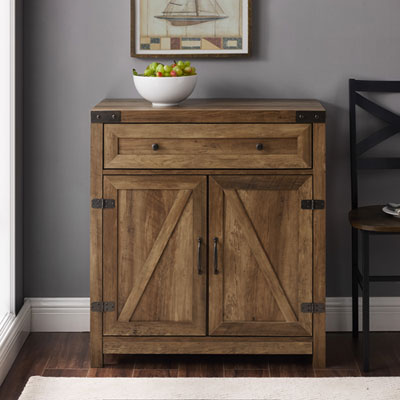 Your price for this item is $401.99
-
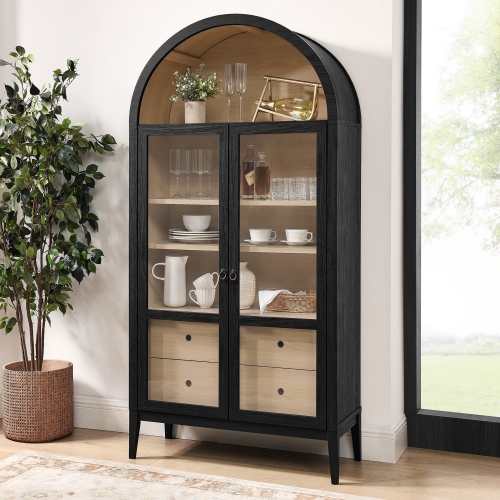 Your price for this item is $1155.71
-
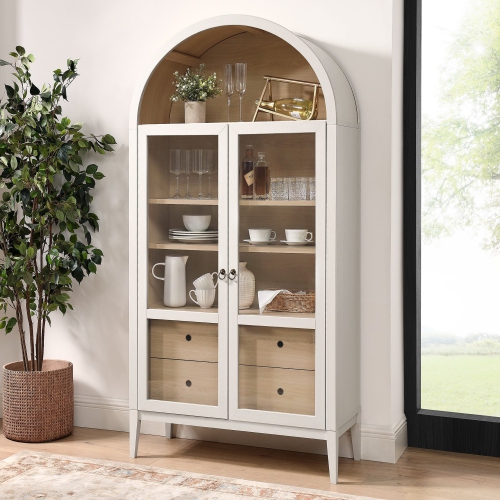 Your price for this item is $1155.71
-
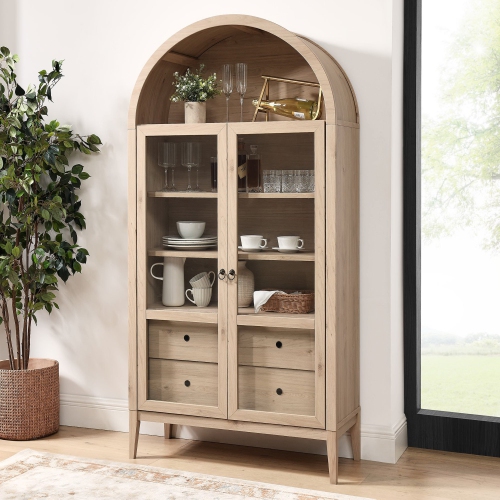 Your price for this item is $1155.71
-
 Your price for this item is $593.99
-
 Your price for this item is $144.99
Discover more categories related to Living Room Glass Doors

Top Collections:
Pokemon Centers, Best Cameras for Sports Photography, Kindle Devices, Samsung Galaxy Phones, Canon G7X Cameras, Pokémon 30th Celebration Cards, Refurbished Apple Laptops, iPhone 15 Apple, Laptops for Students, Budget Smartphones
Some products may be subject to Environmental Handling Fees
(EHF) depending on your province.
Learn more about EHFs.