Locking Metal Cabinets
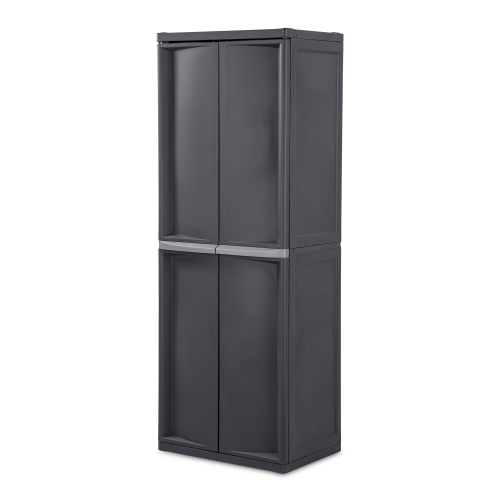
Looking for a reliable and secure storage solution? Look no further than our selection of locking metal cabinets. These sturdy and durable cabinets are designed to keep your belongings safe and organized, whether you're using them in your office, garage, or almost any other space. With their lockable doors, you can have peace of mind knowing that your valuable items are protected from unauthorized access. Here are some great options available.
Sort

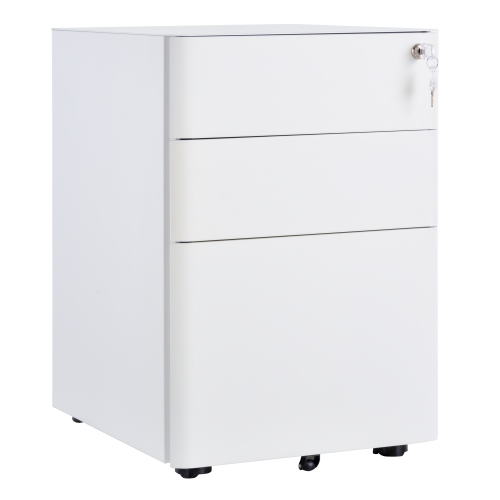
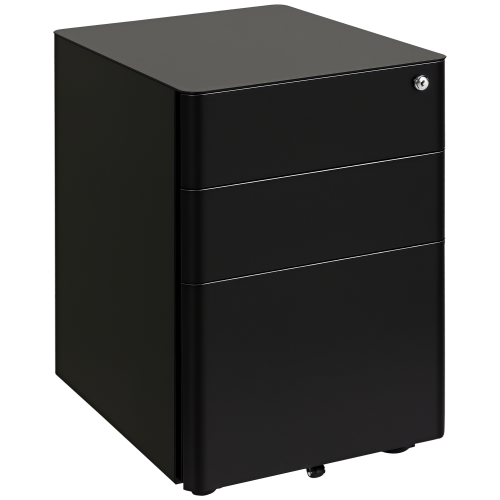
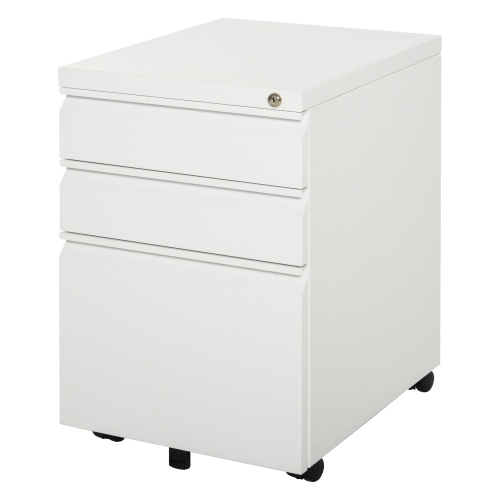
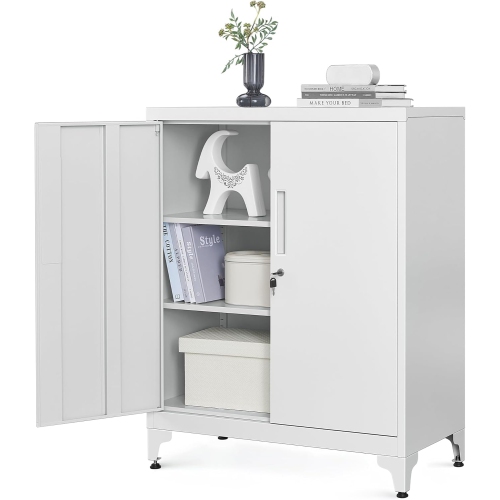
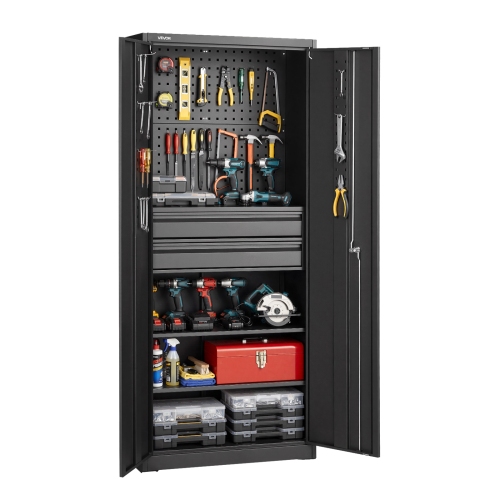
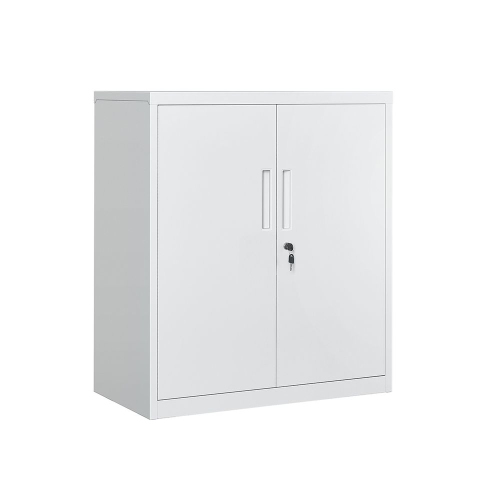
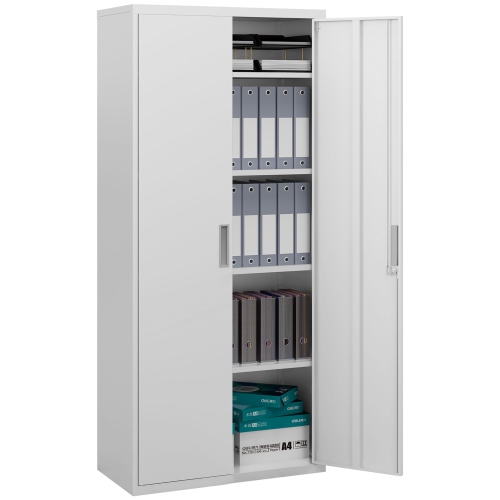
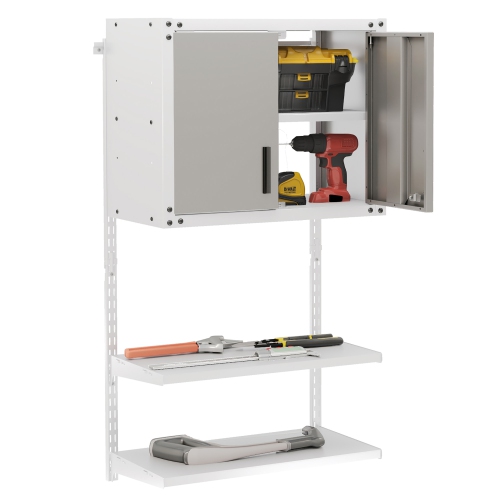
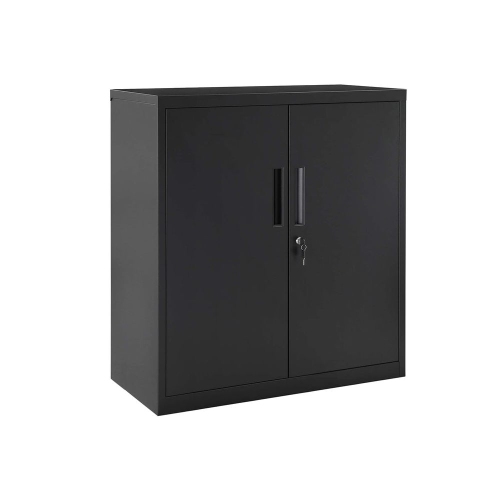
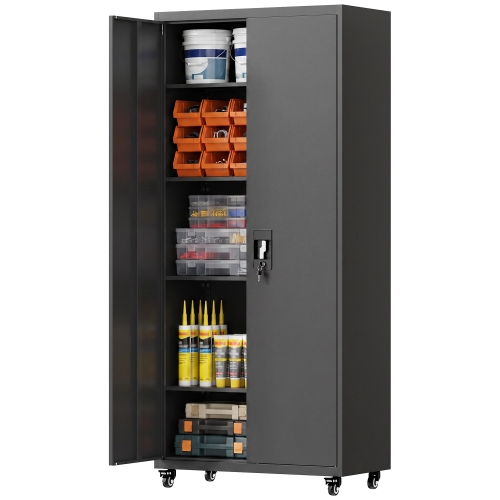
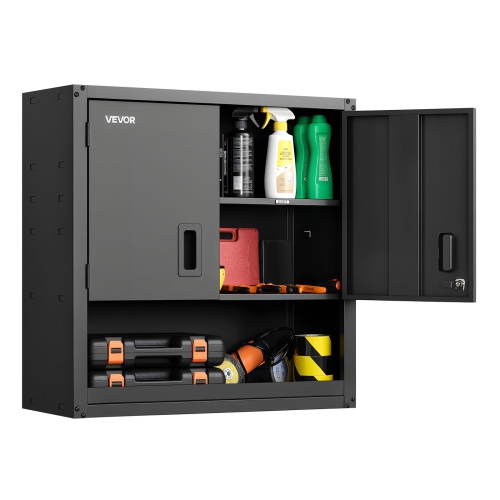
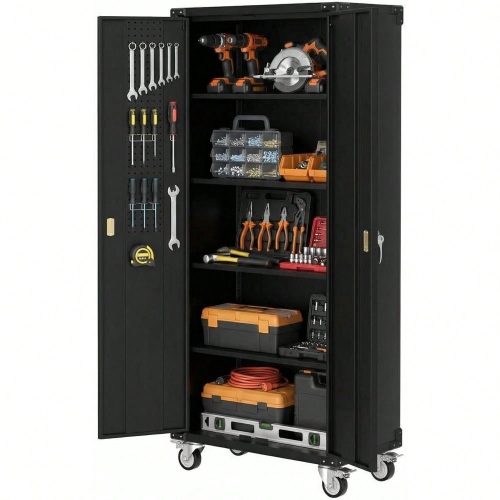
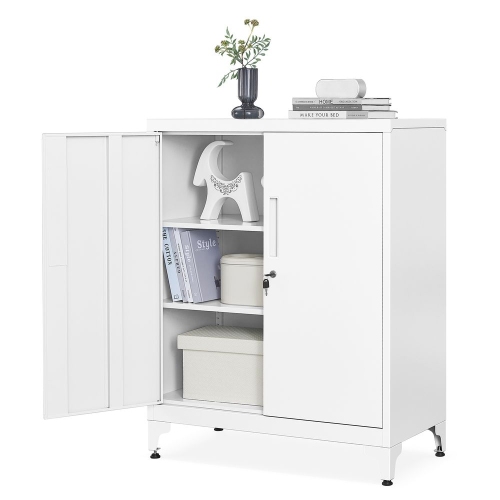
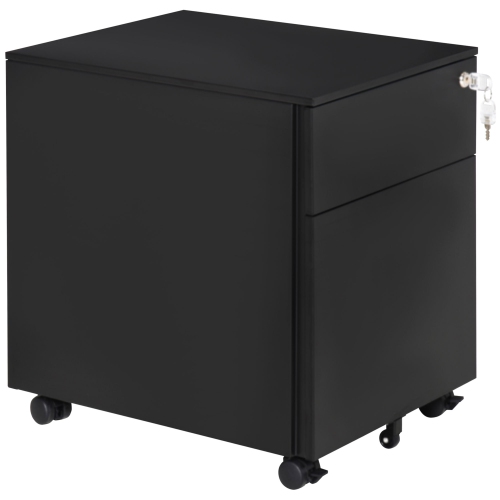
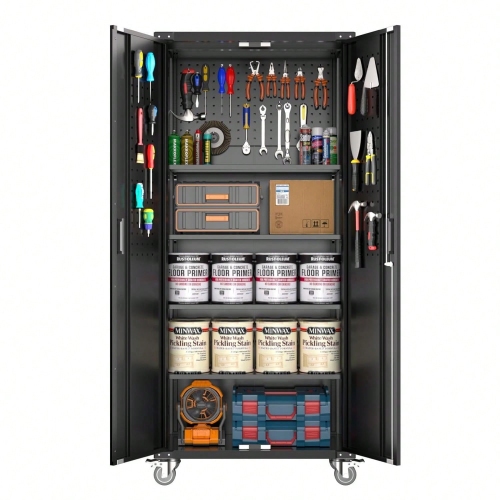
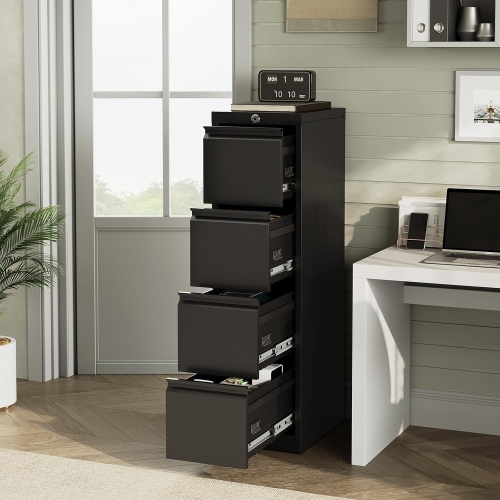
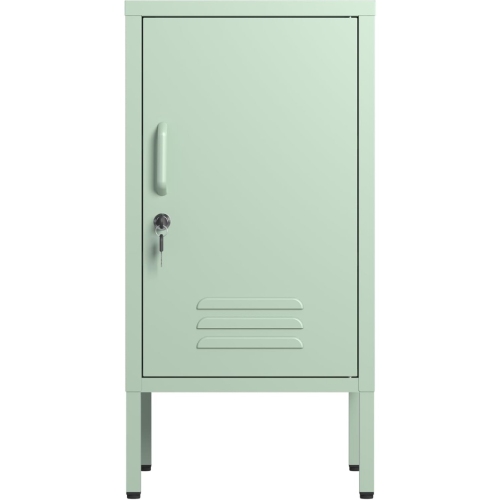
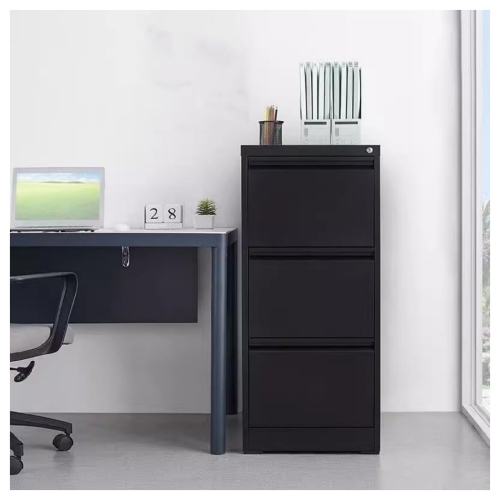
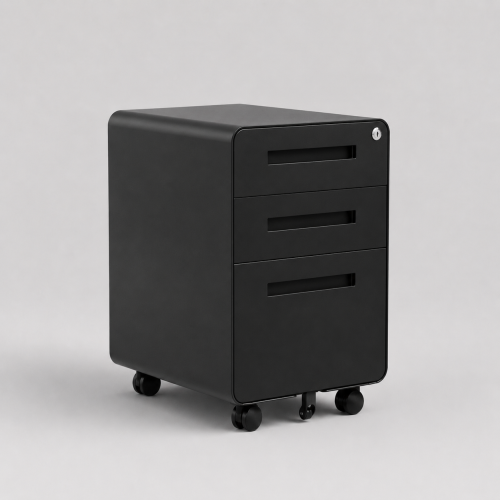
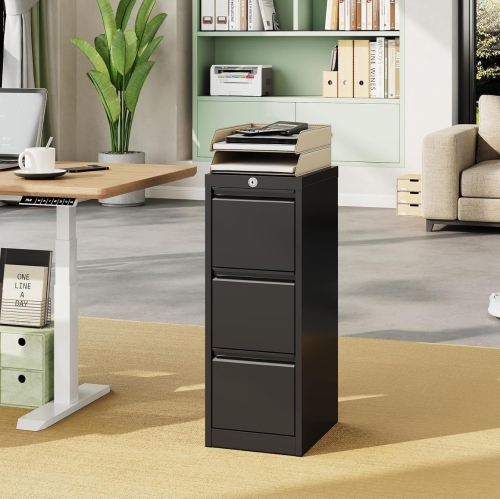
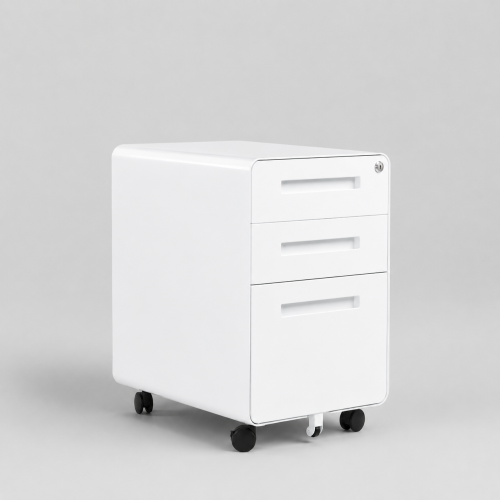
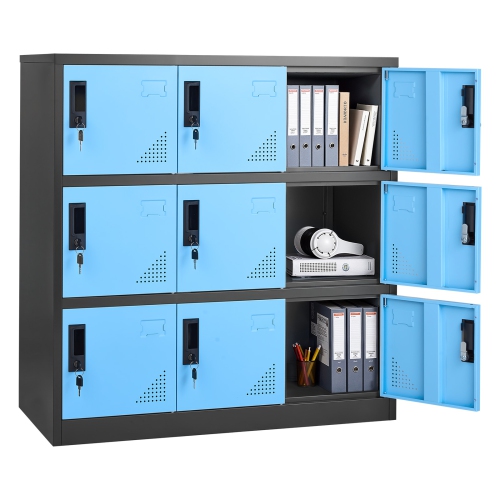
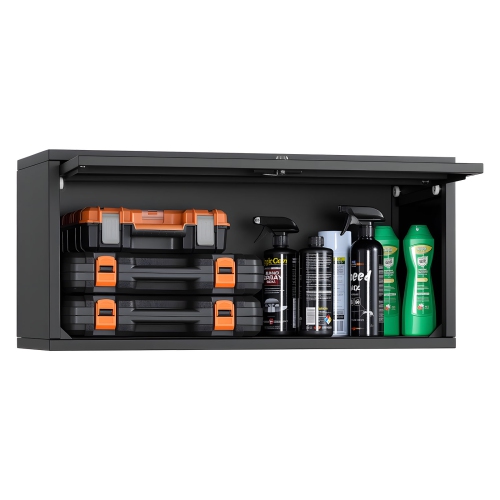
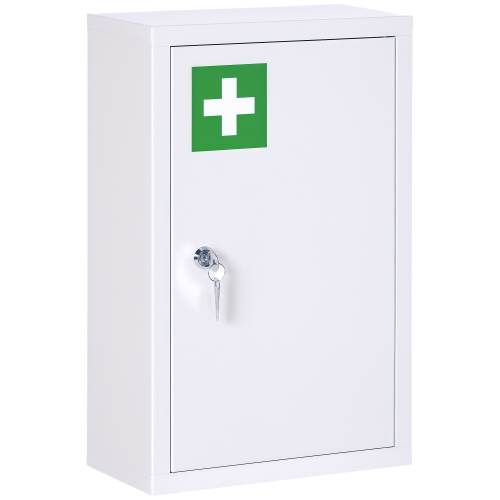
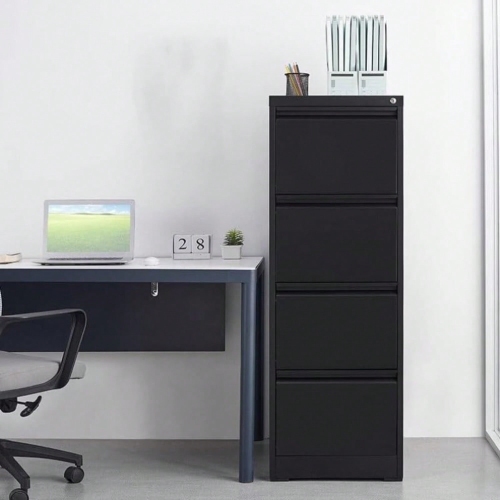
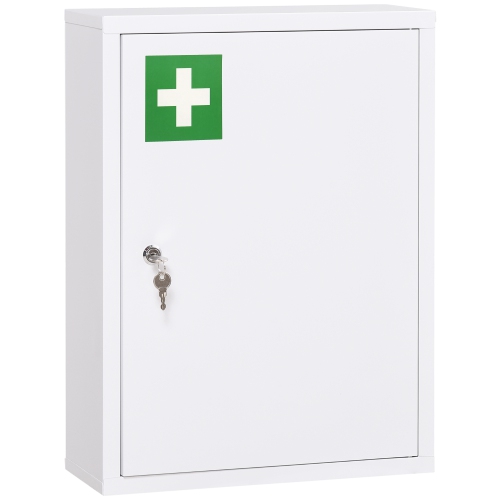
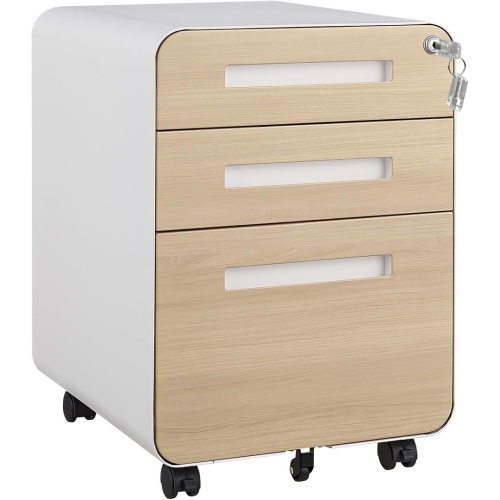
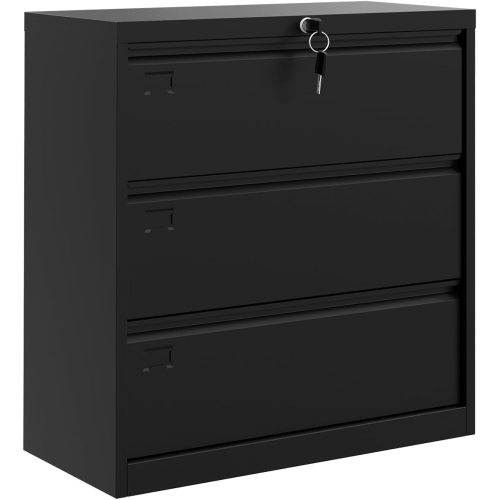

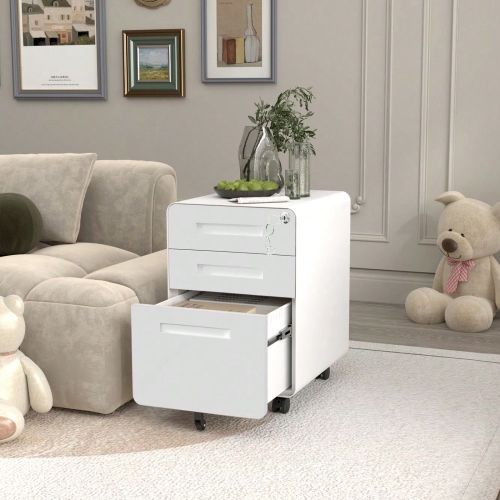
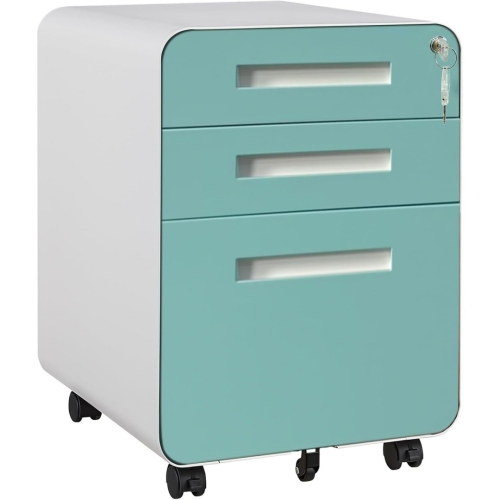
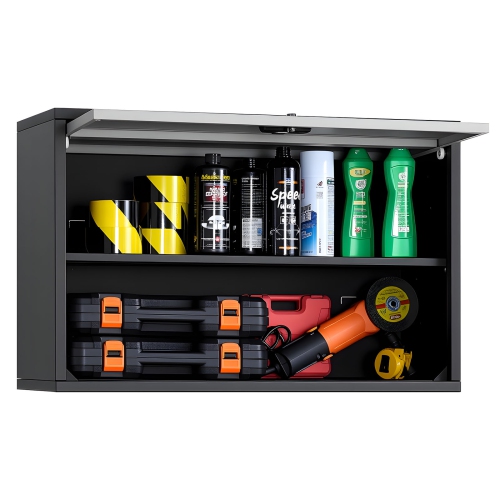
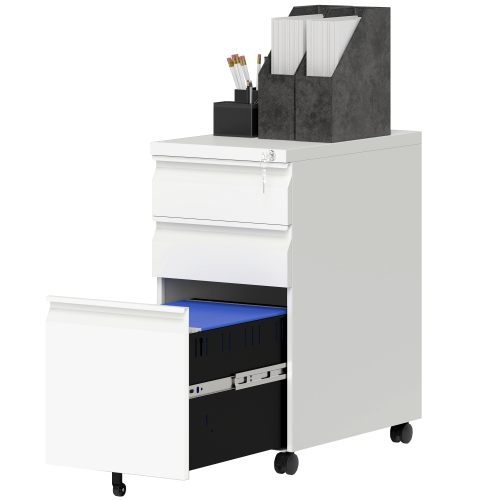
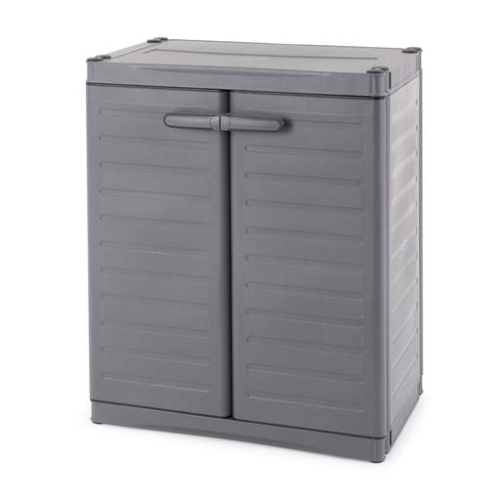
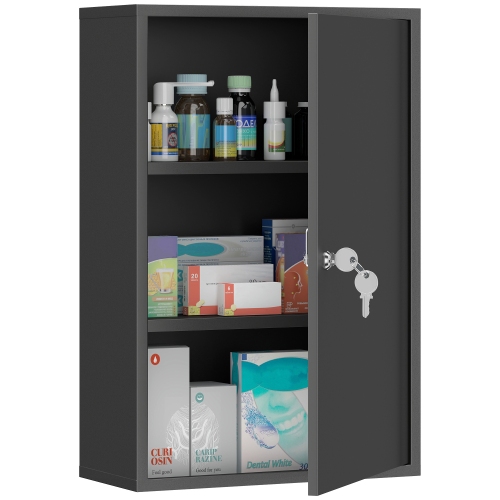
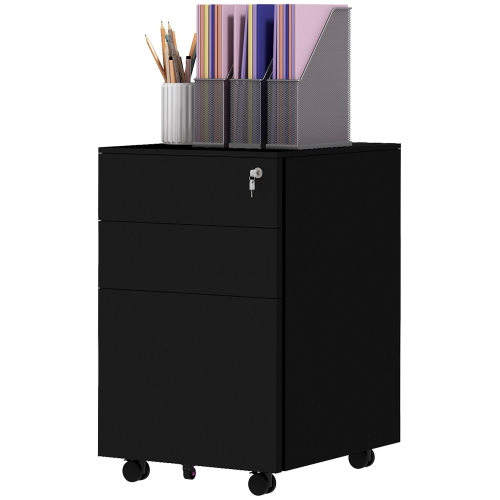
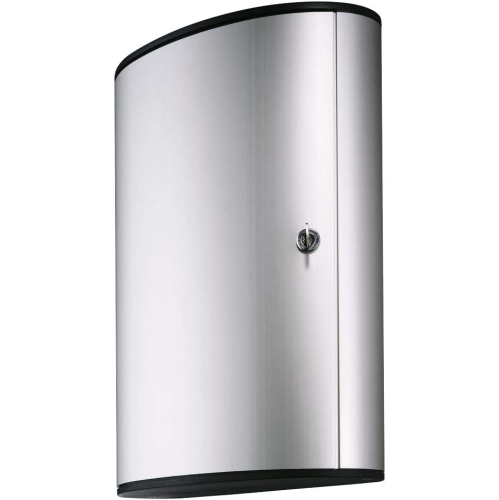
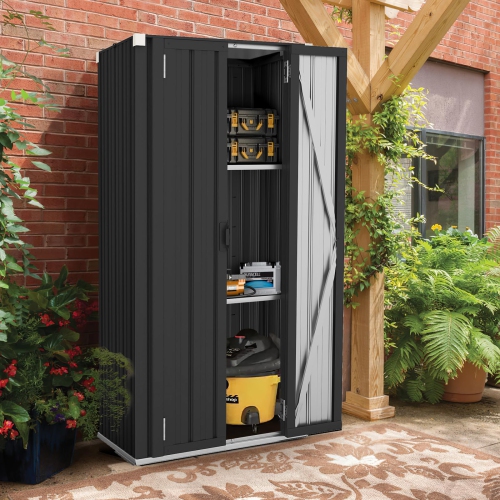
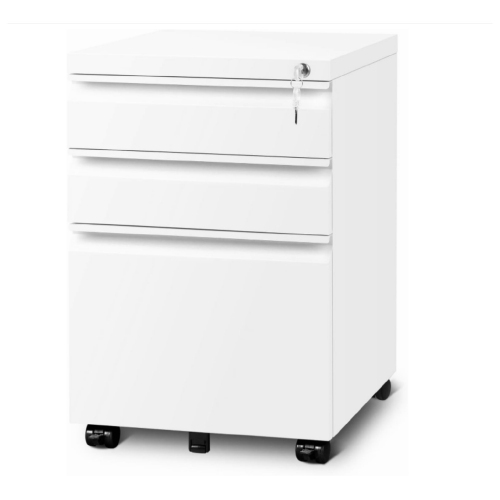
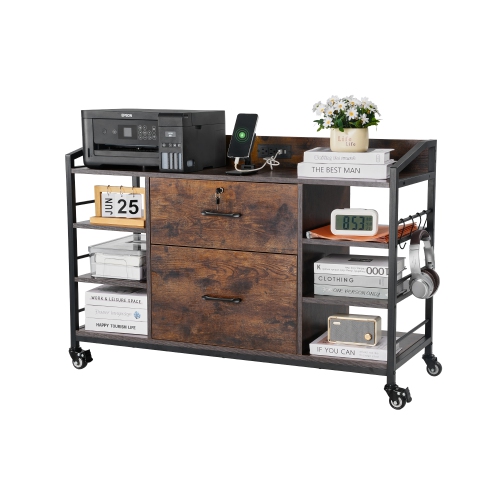
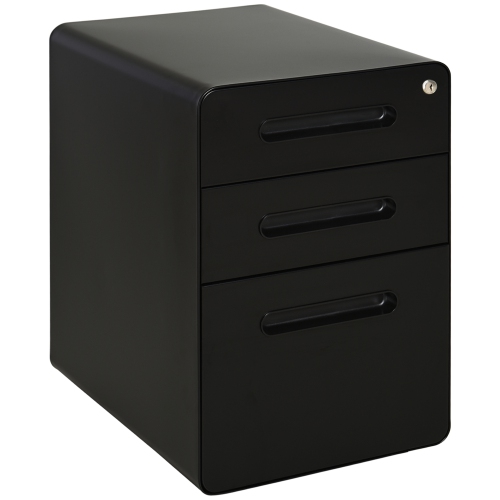
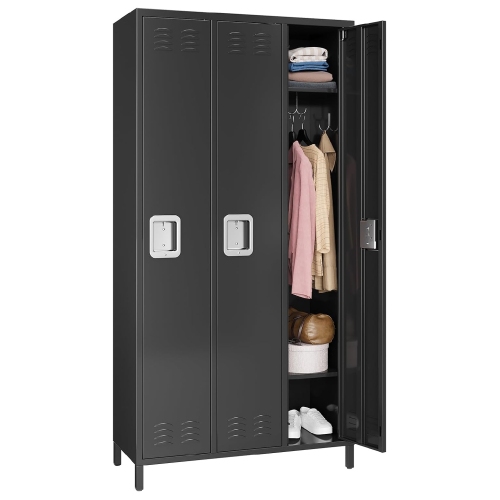
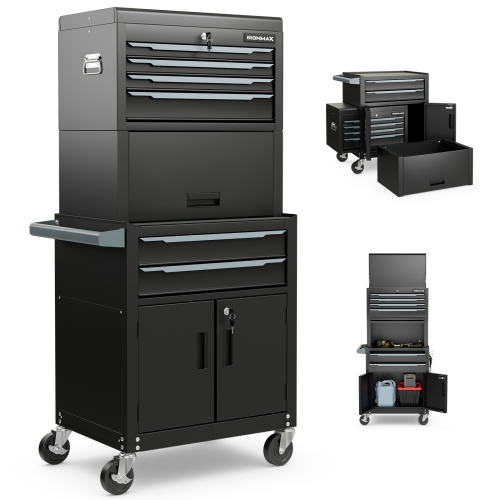
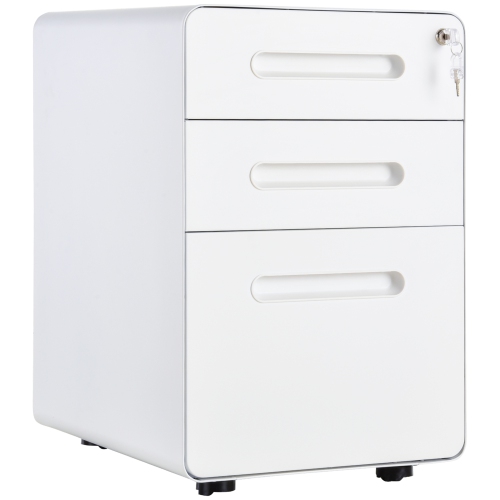
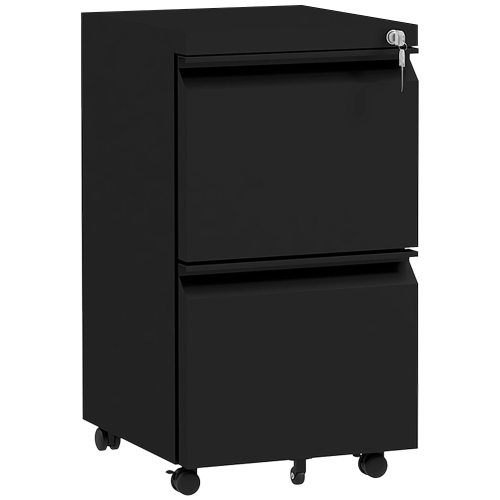
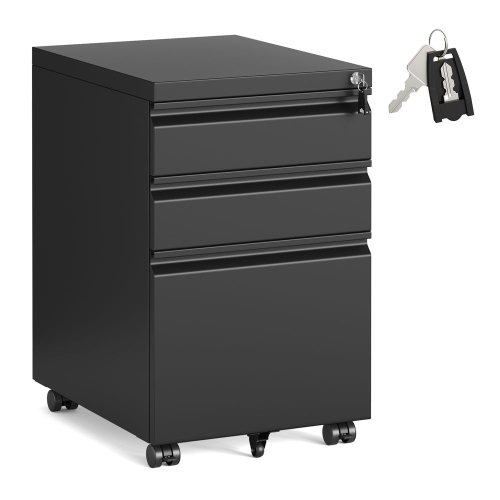
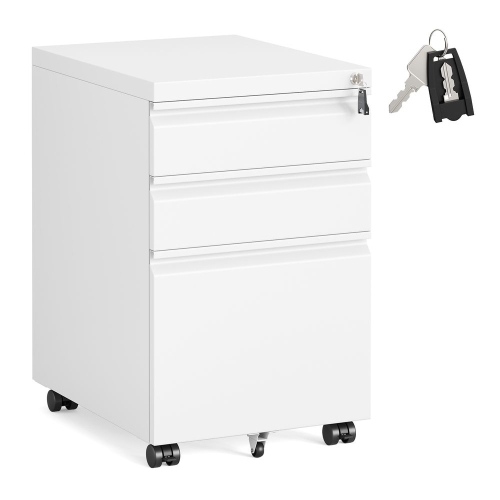
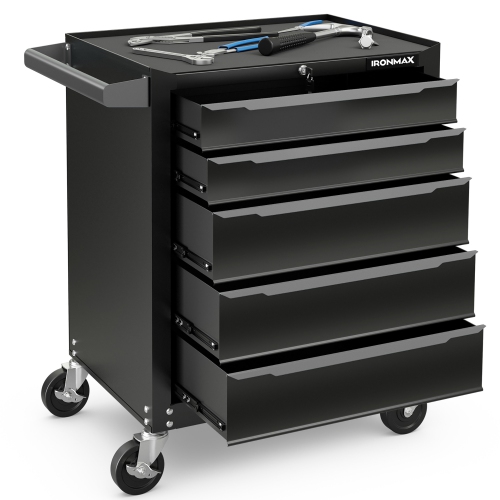
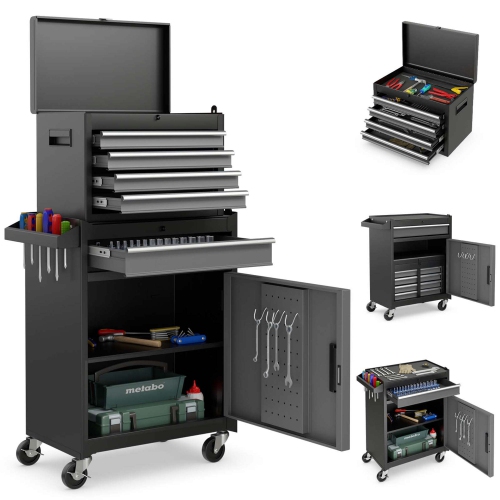
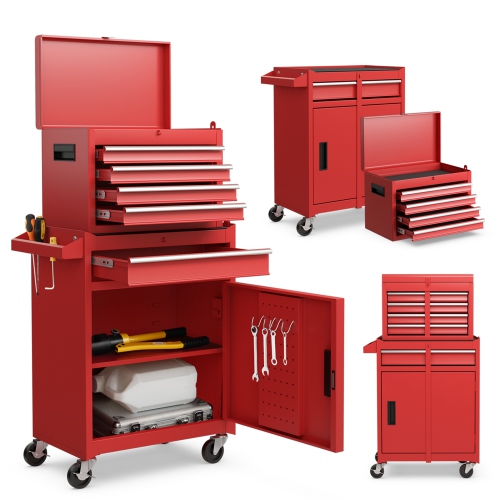
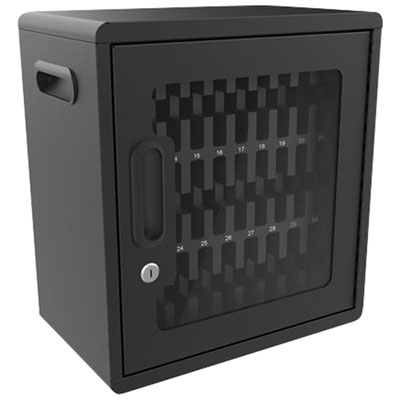
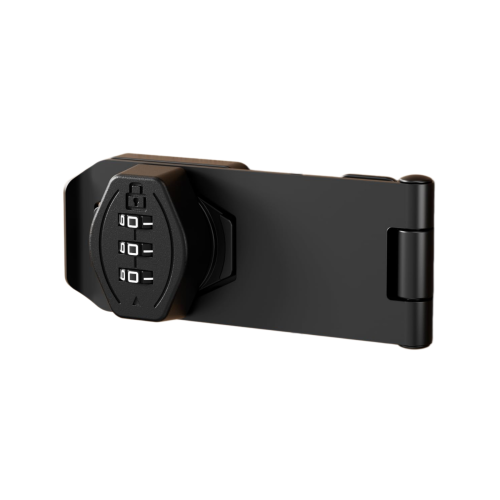
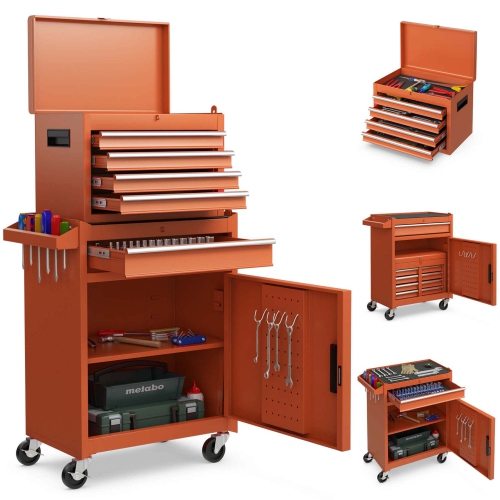
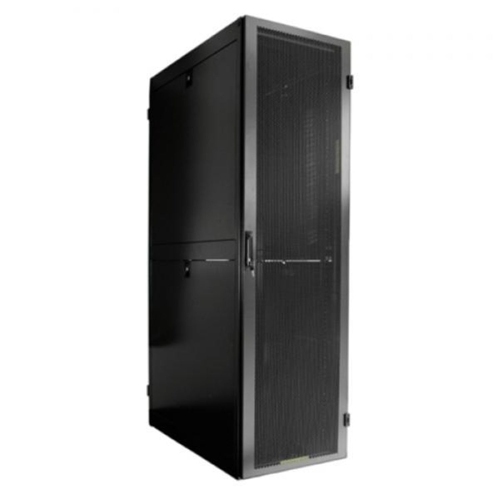
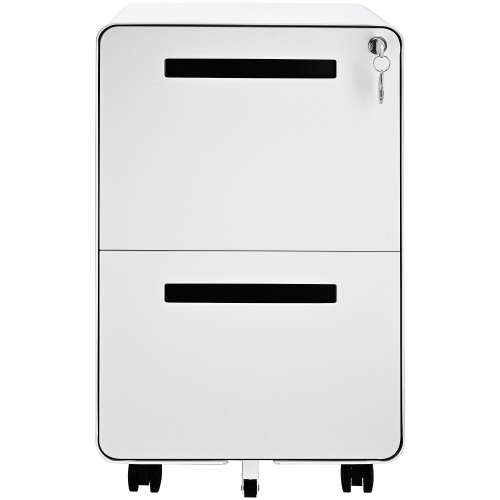
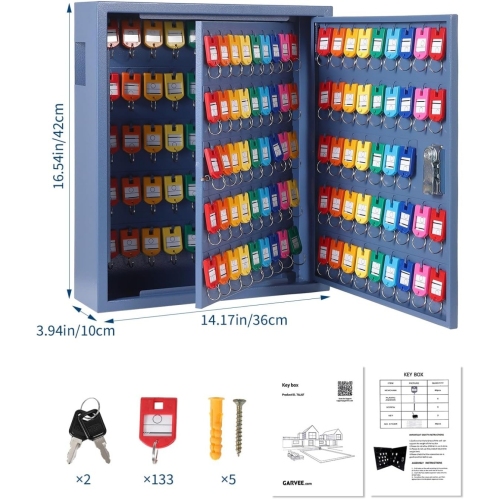
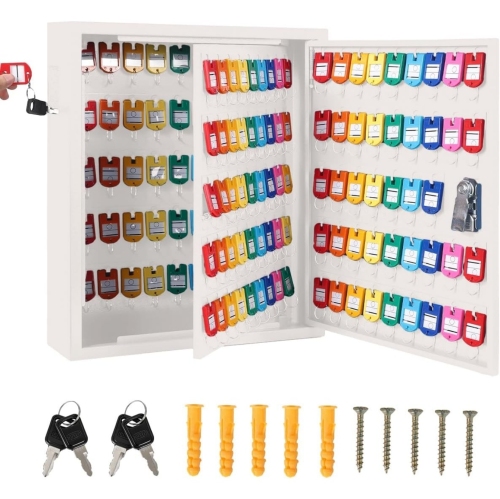
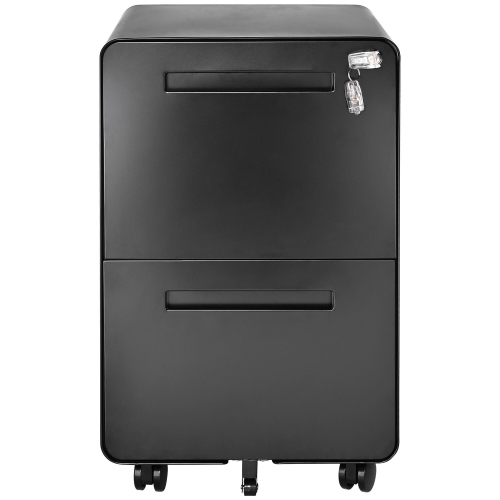
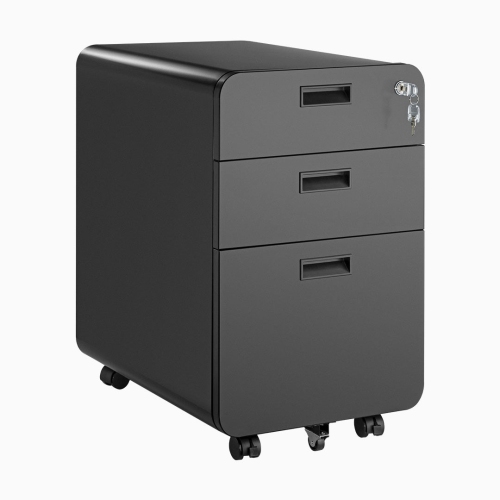
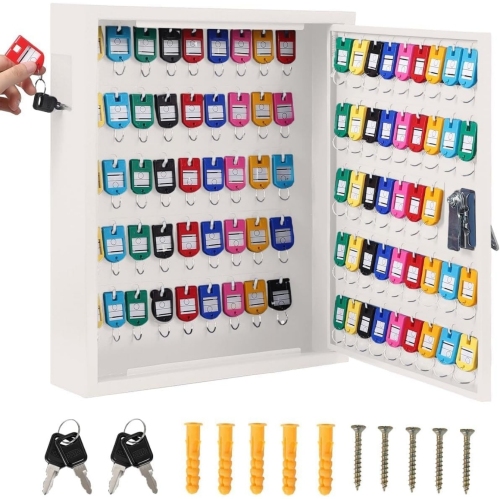
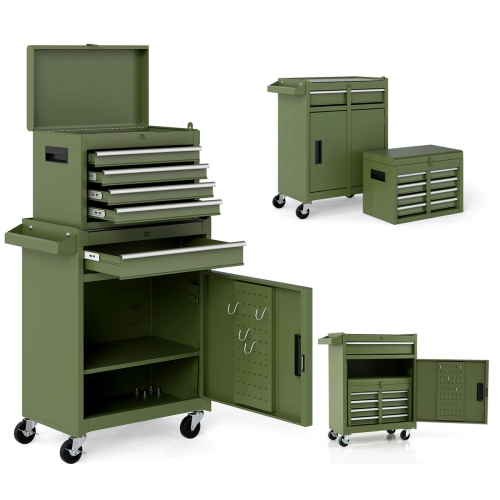
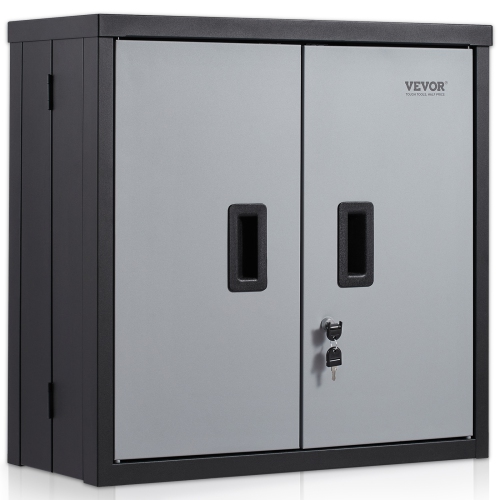
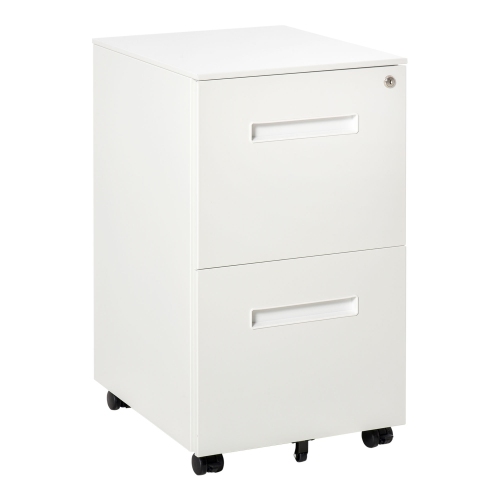
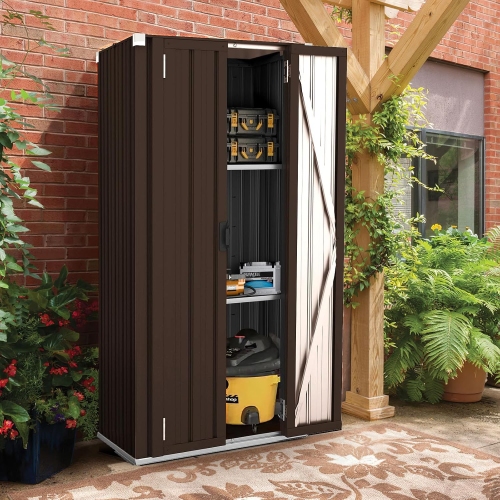
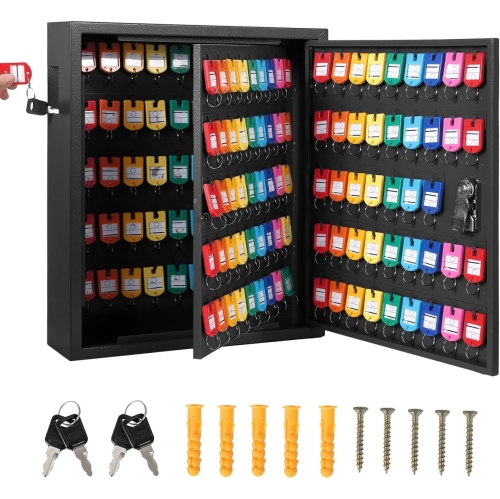
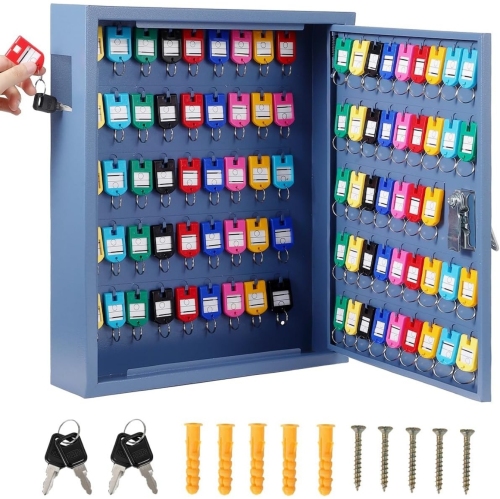
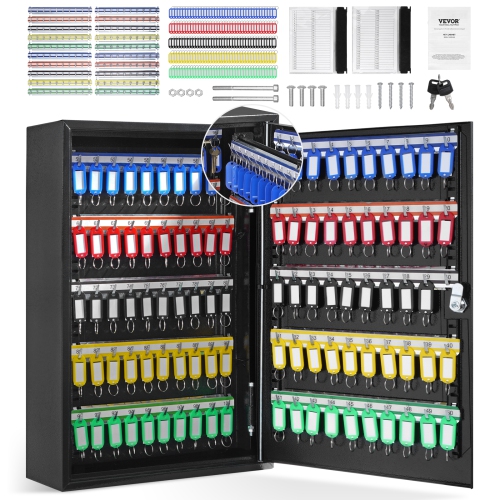
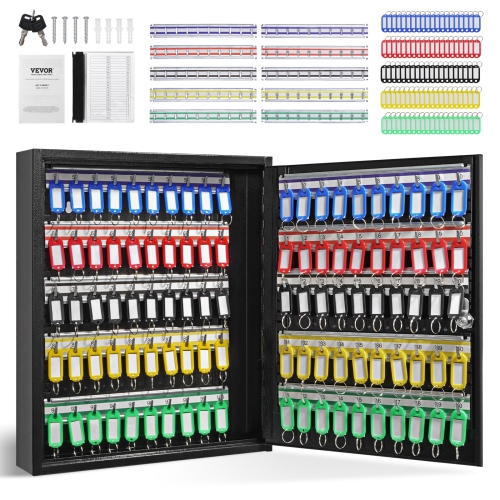
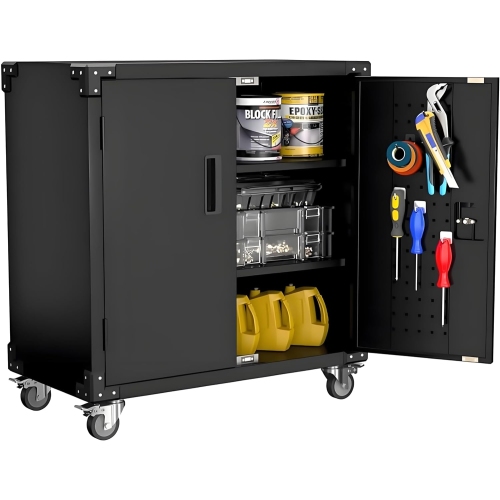
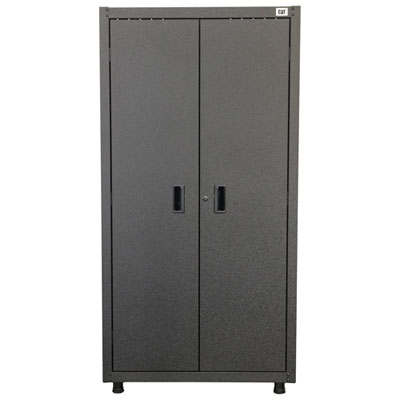
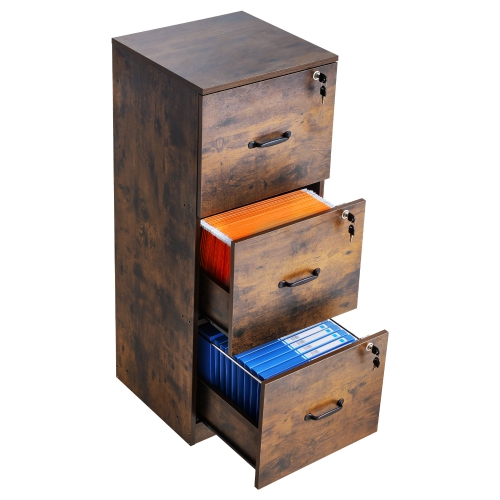
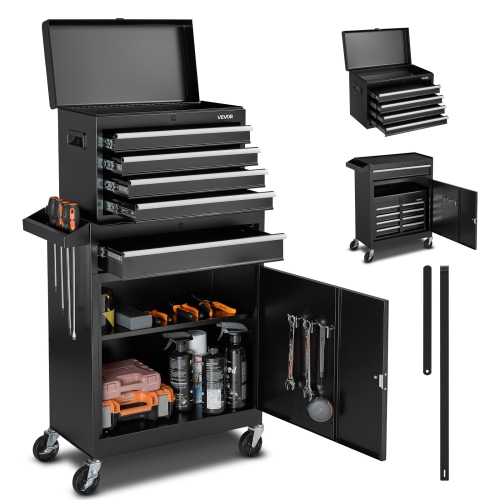
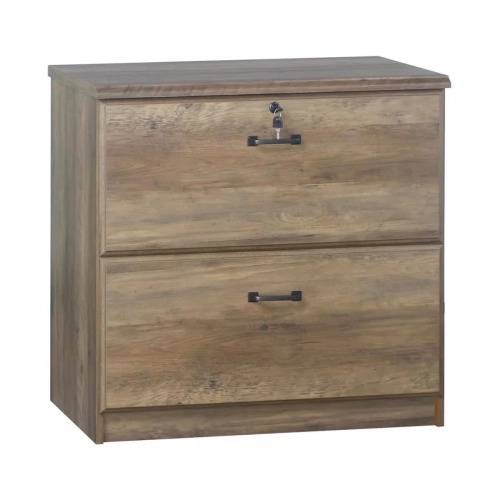
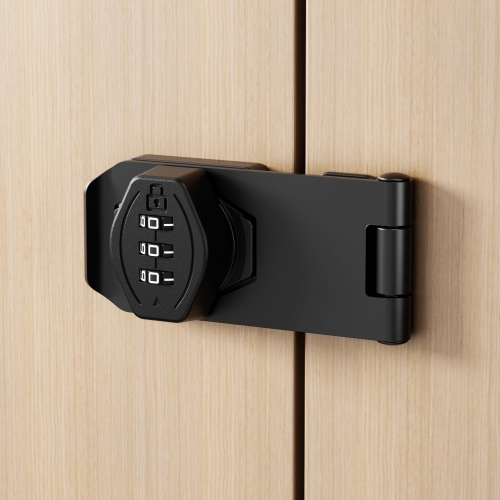
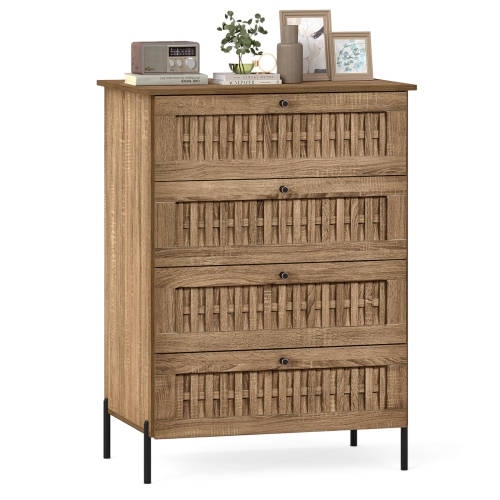

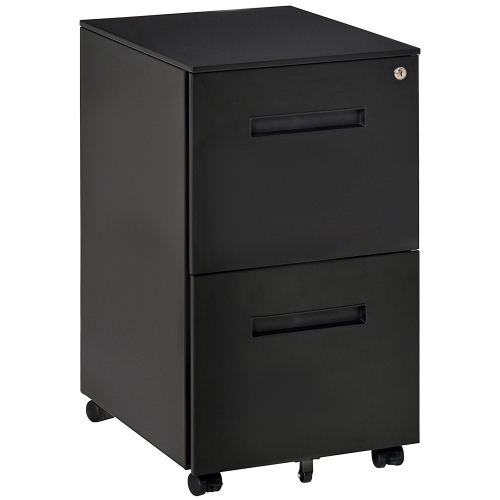
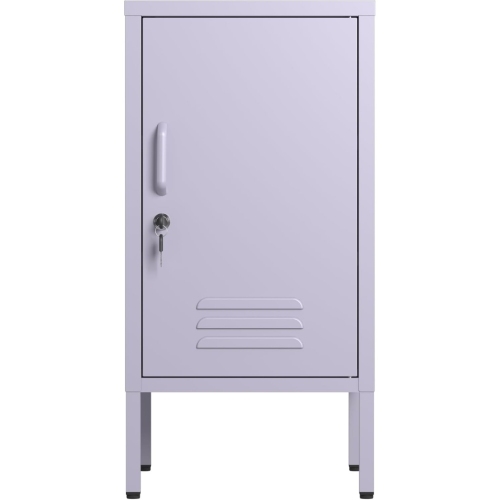
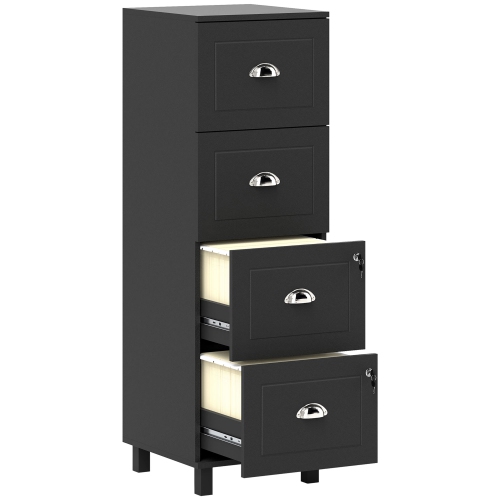
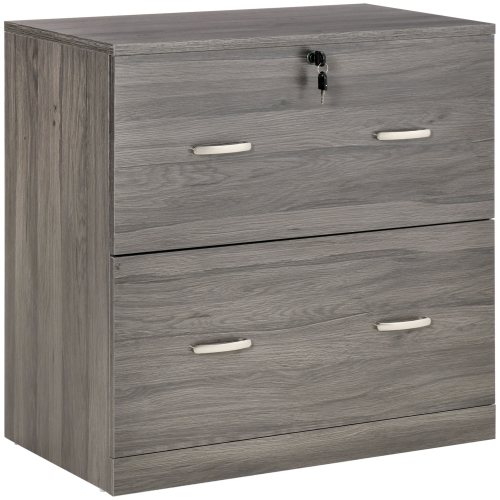
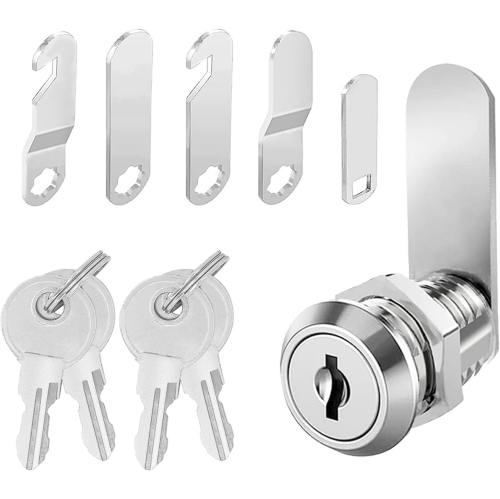
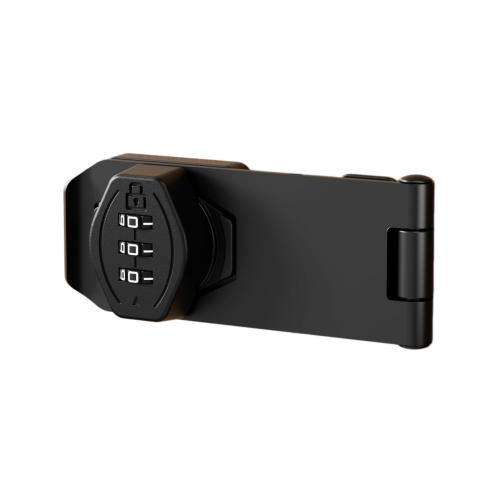
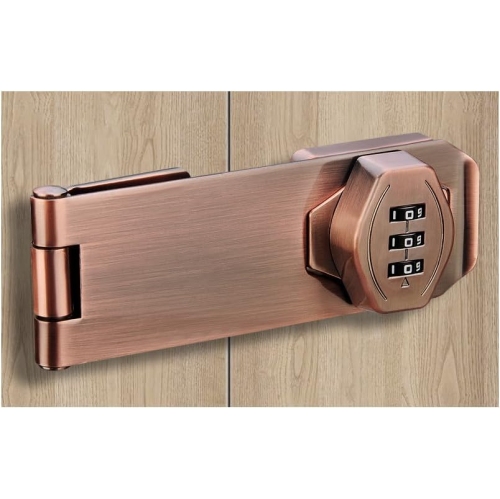
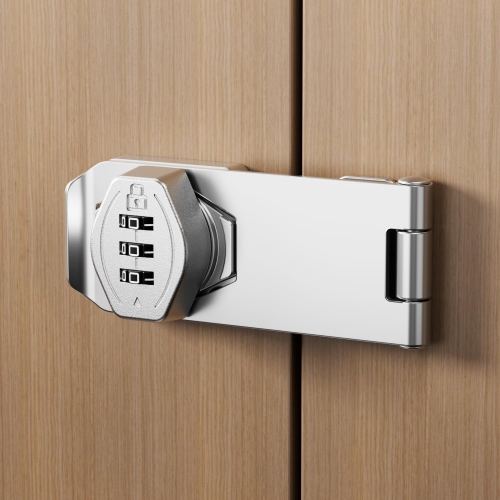
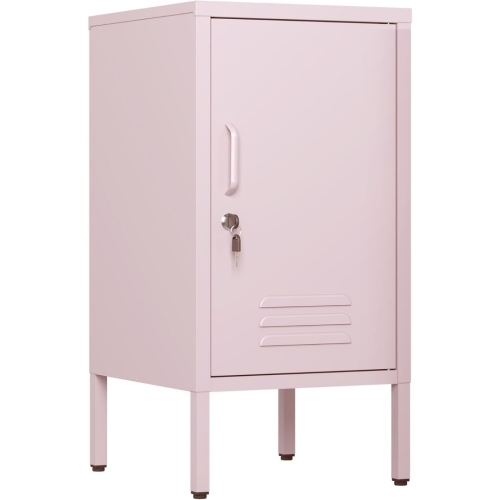

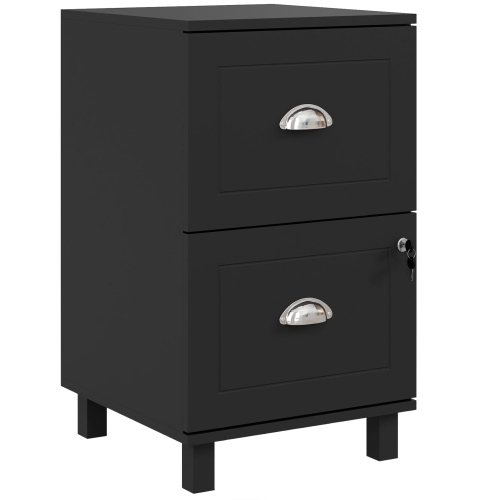
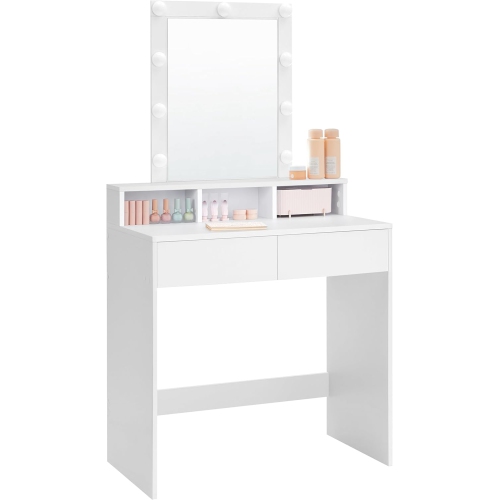
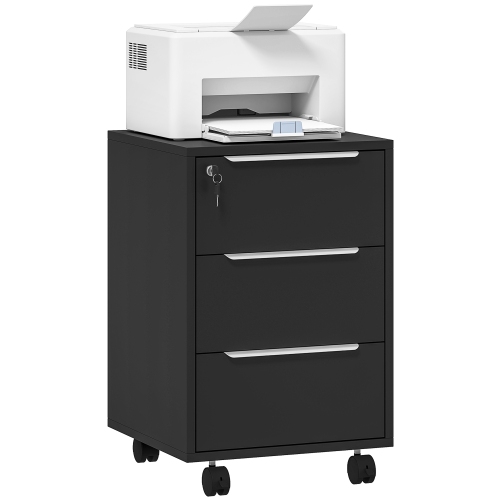

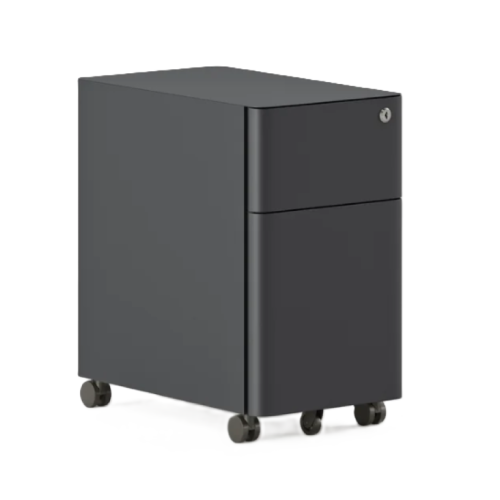
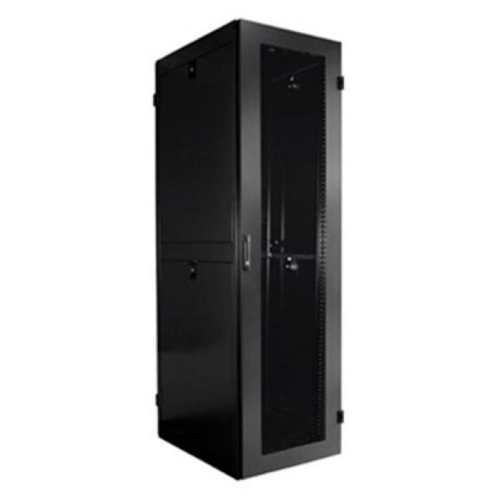
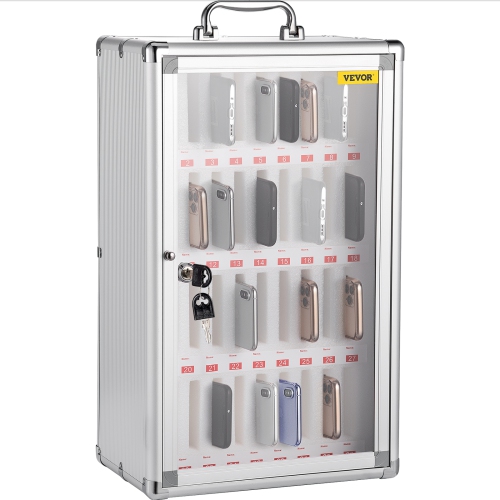
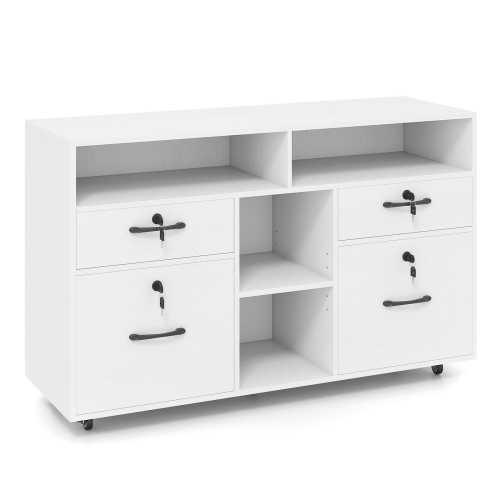
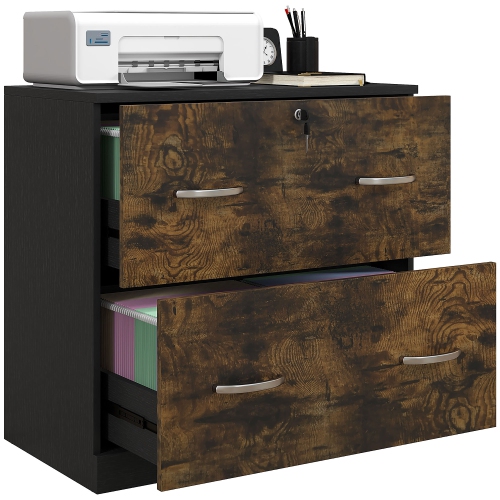
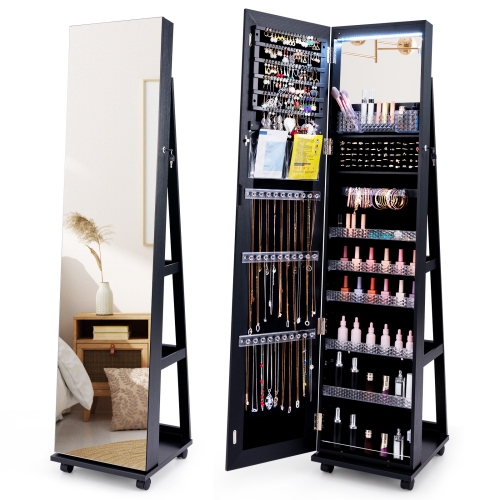
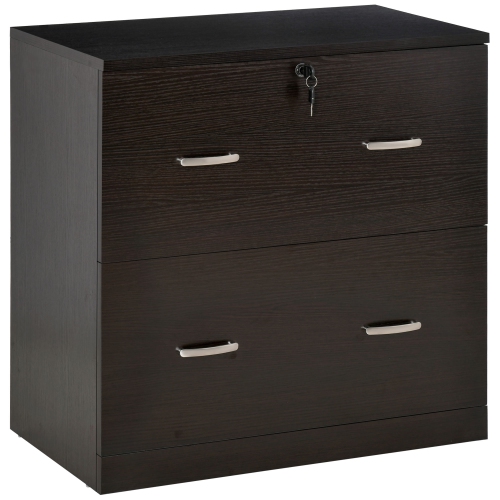


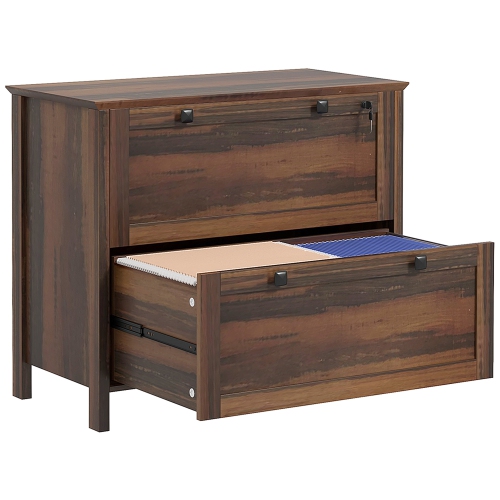
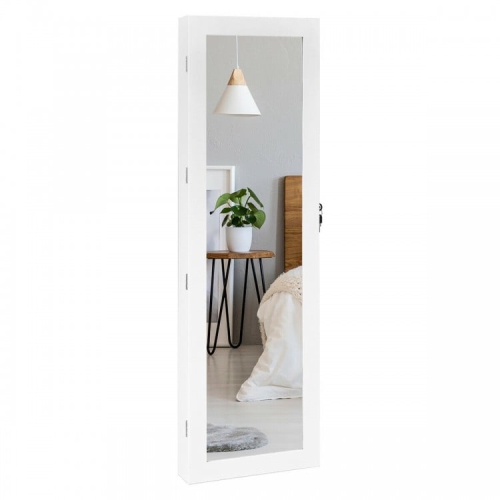
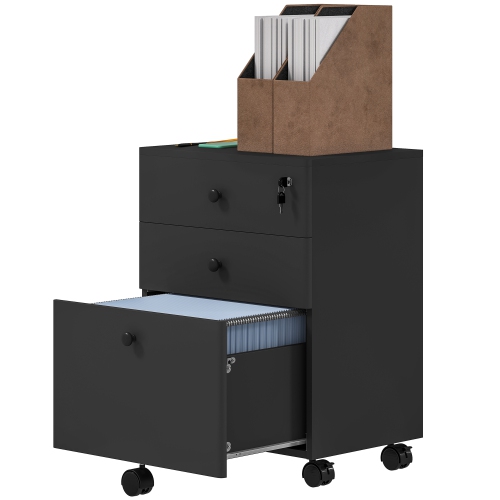

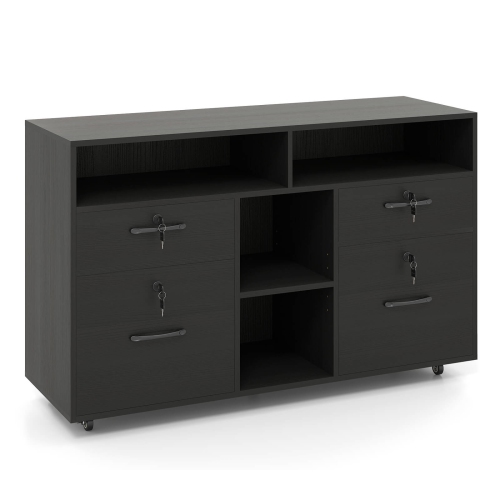
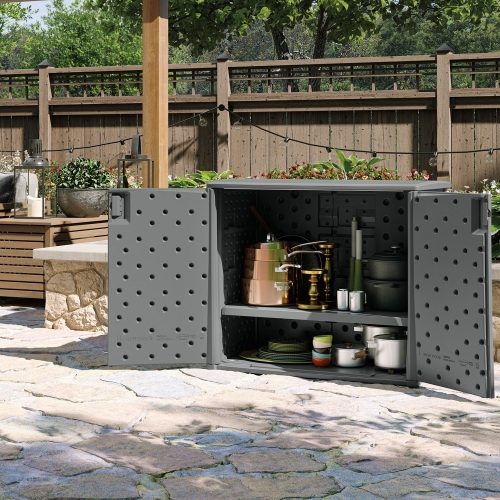
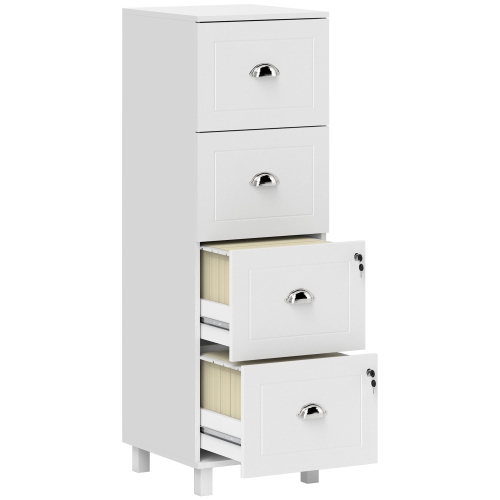
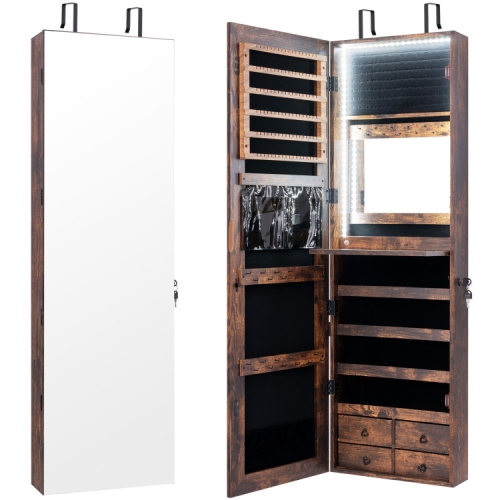
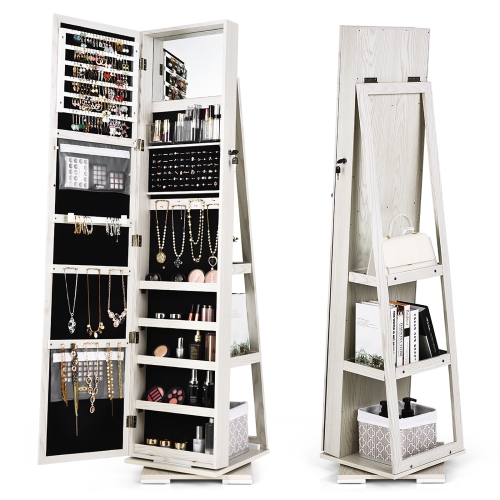
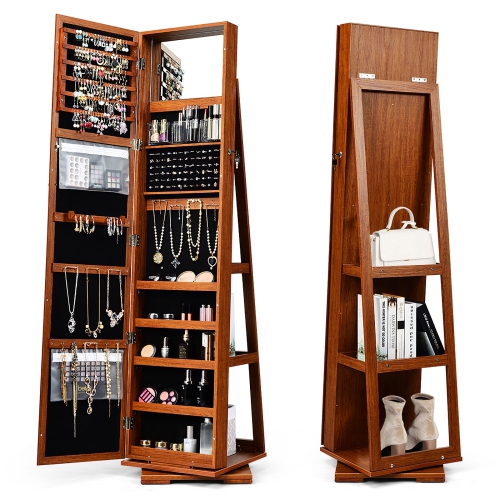
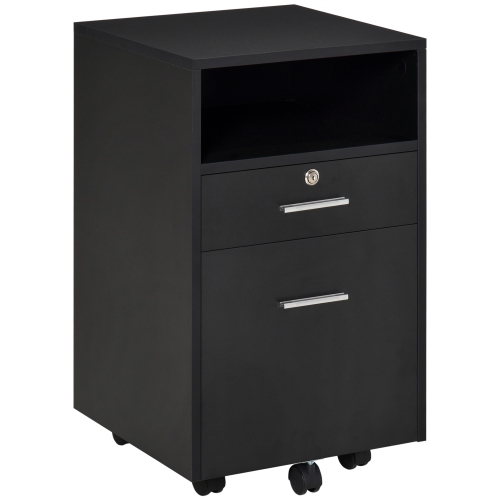
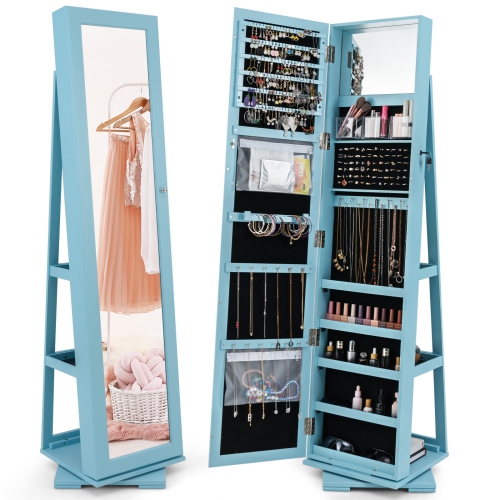
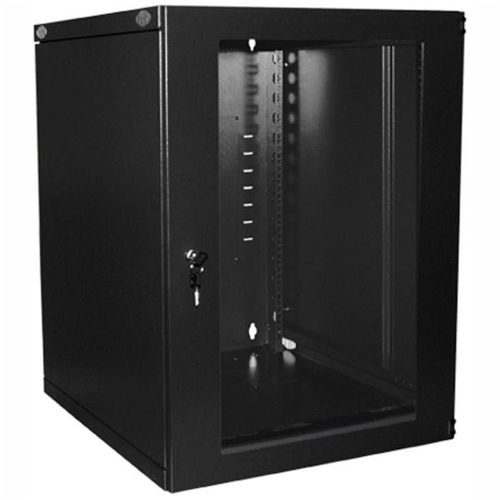
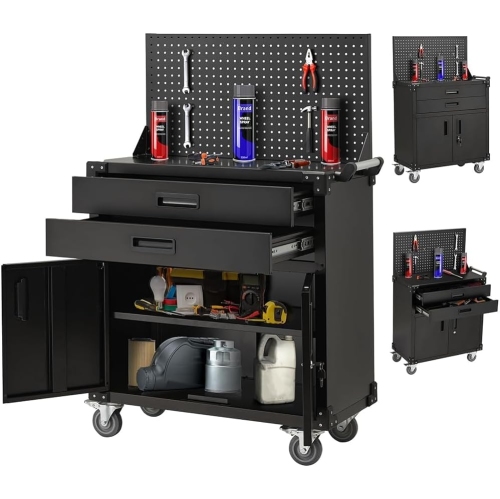
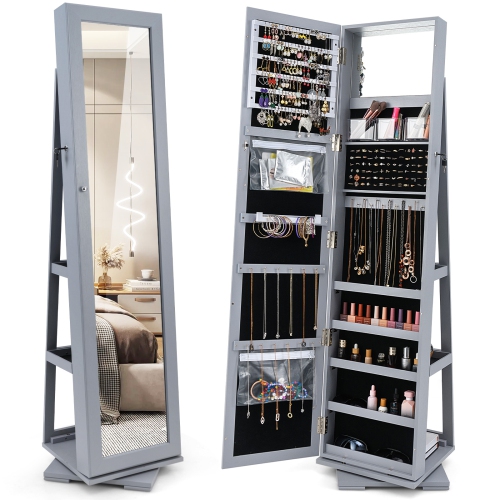
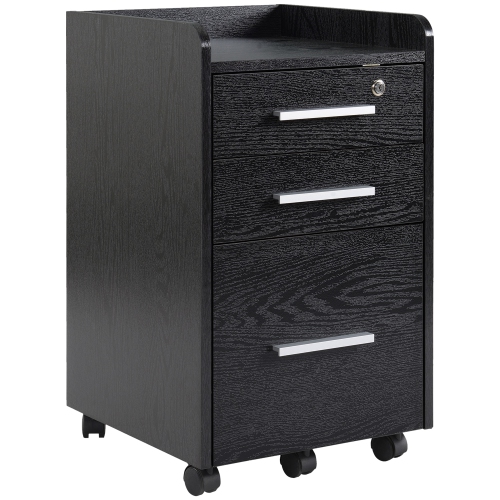

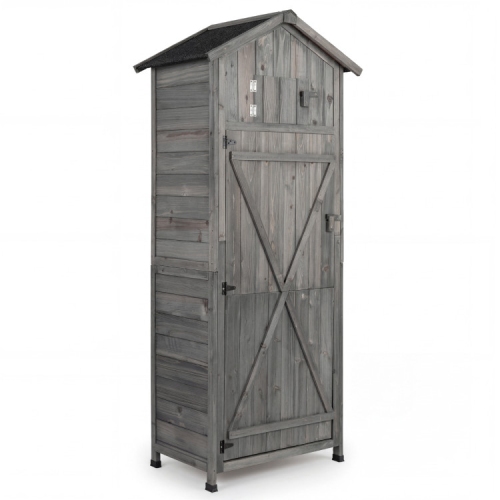
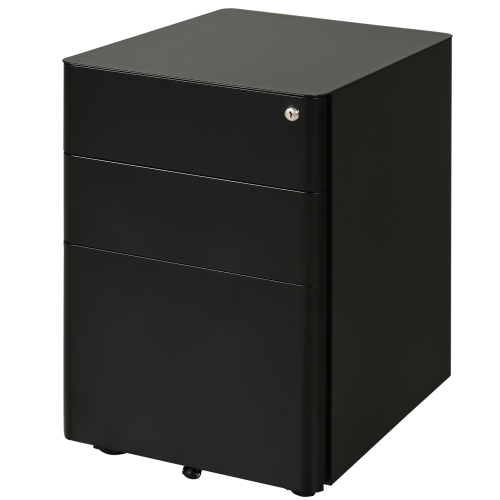
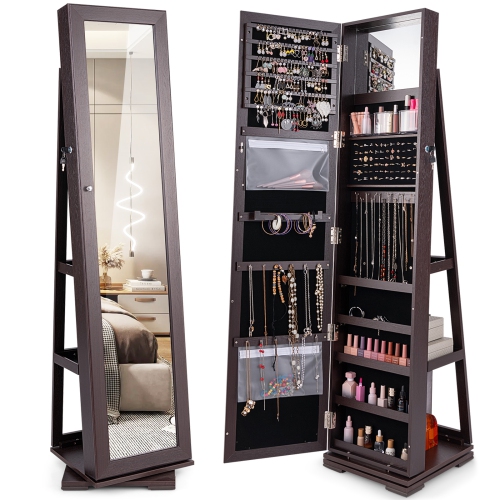
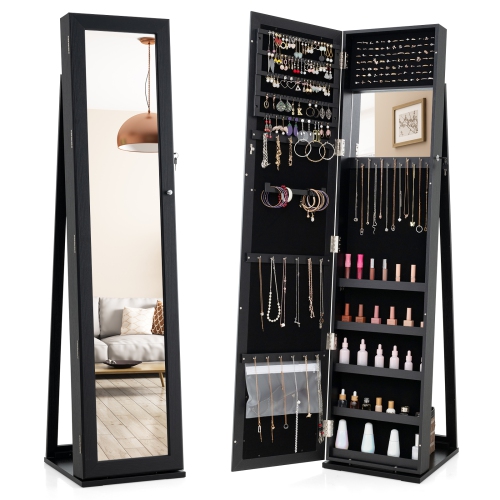
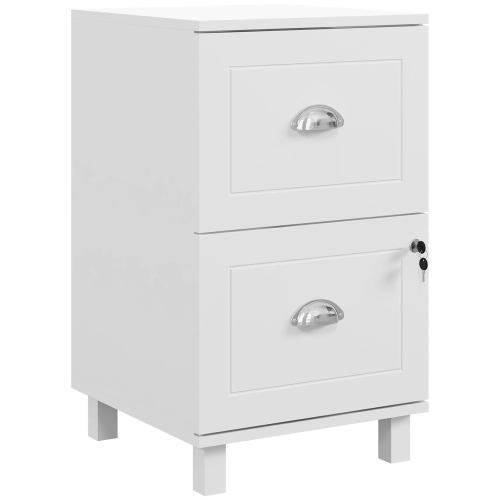
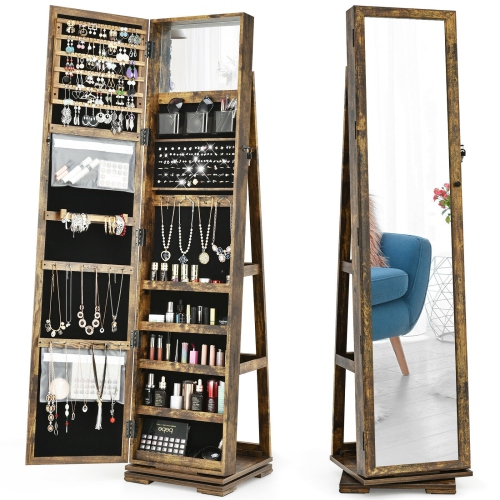
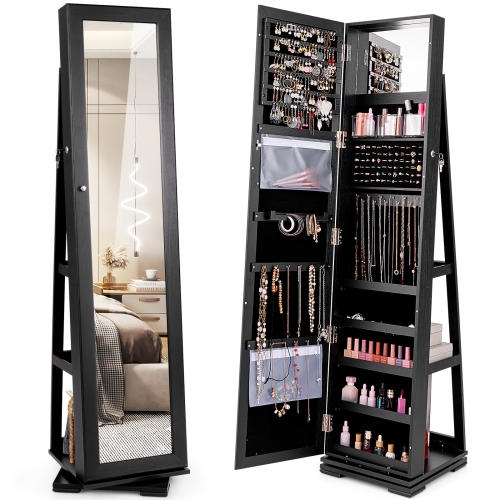
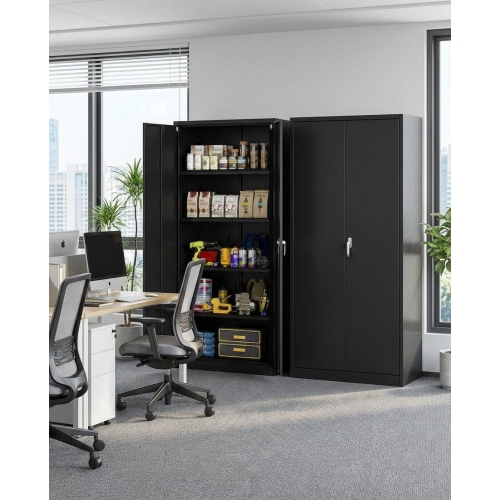
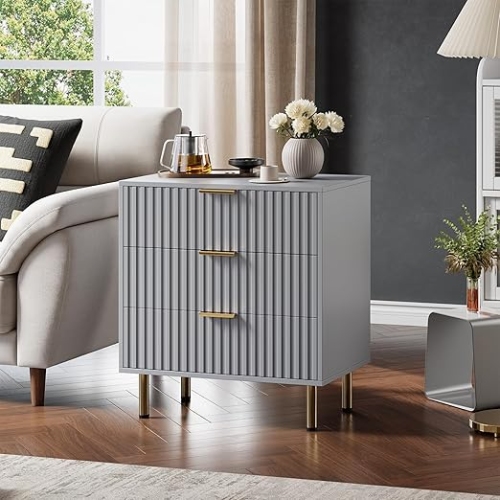
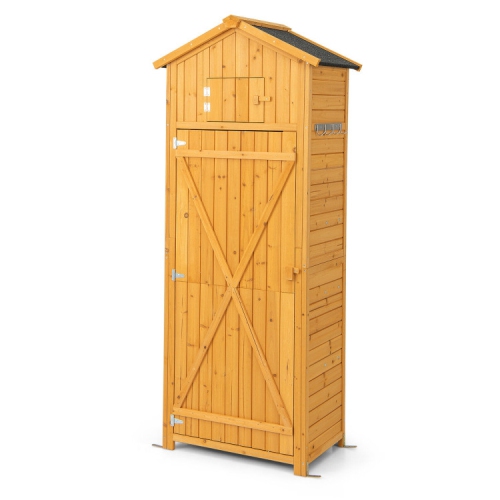
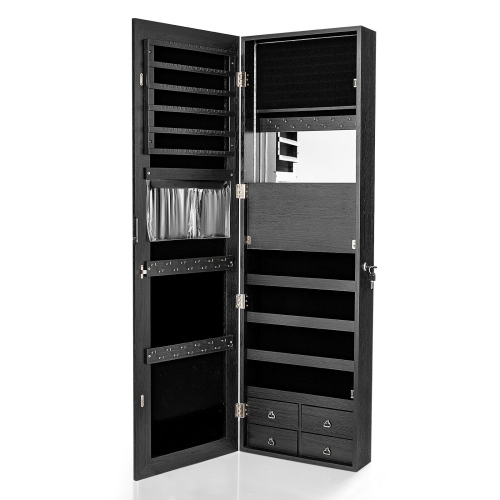
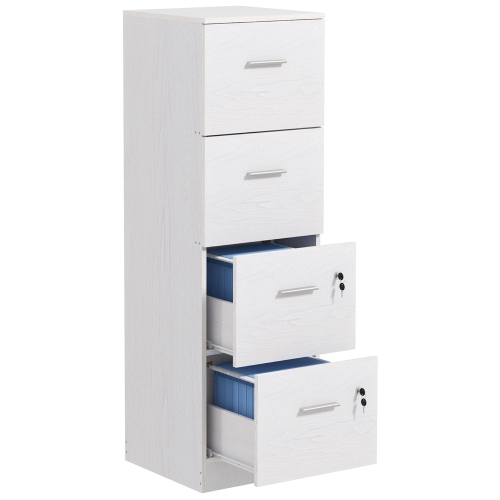
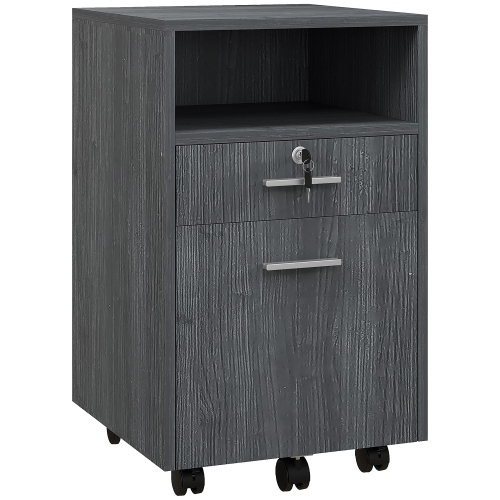

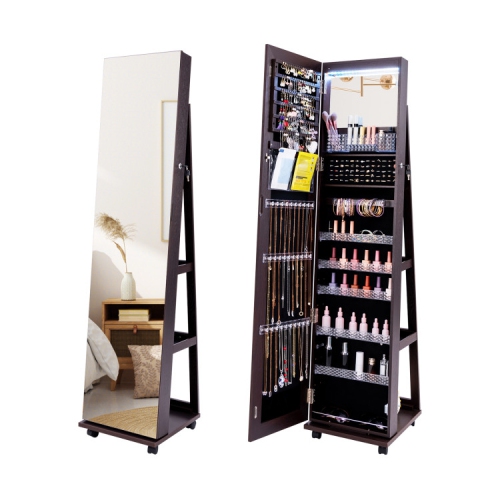
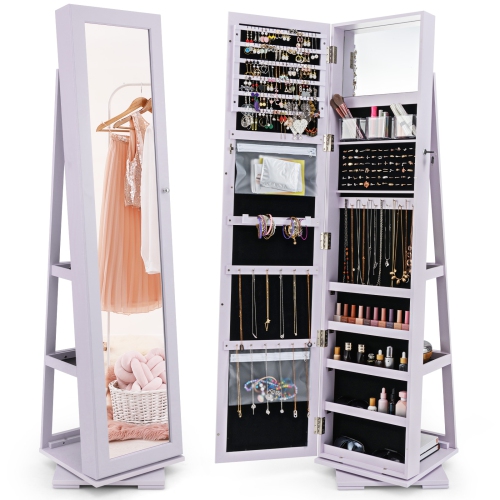
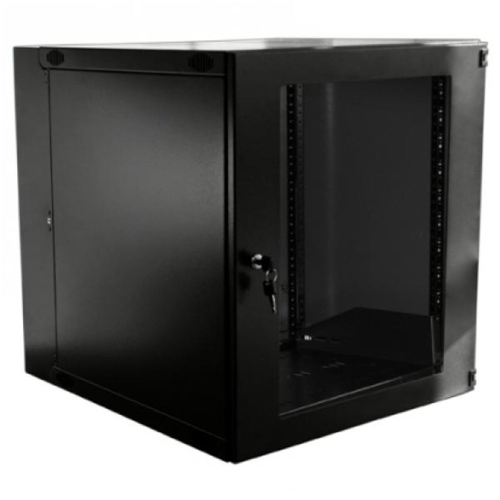
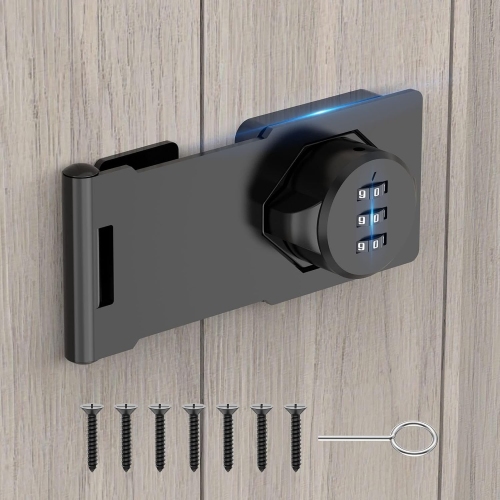
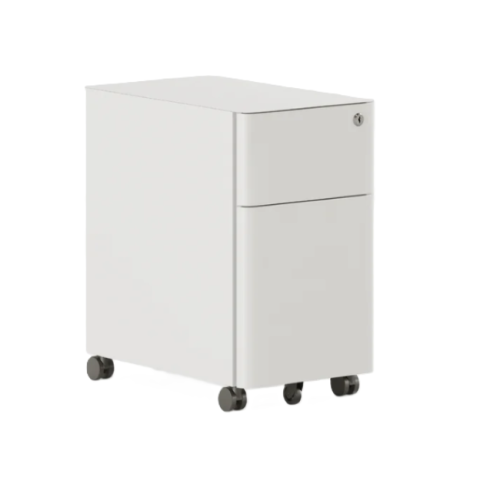
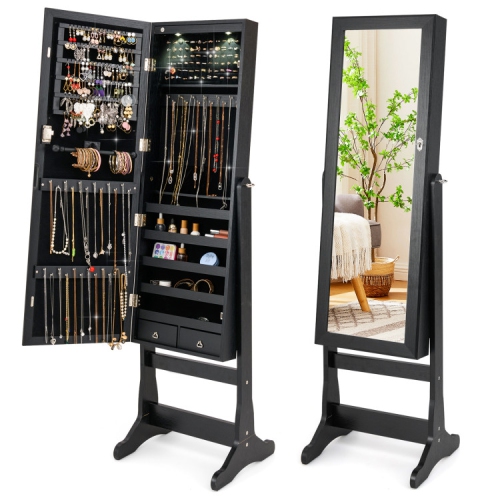
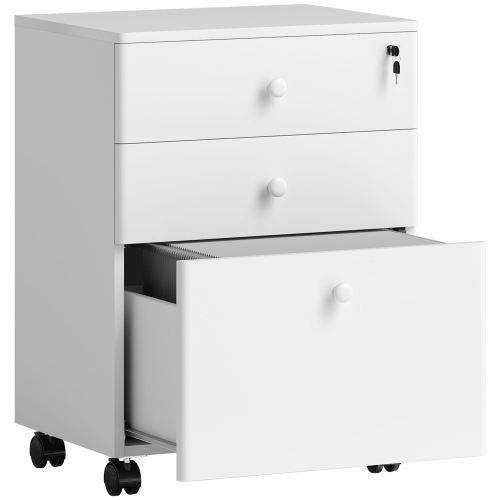
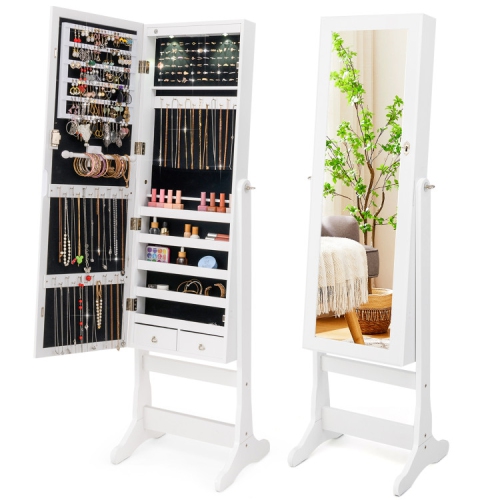

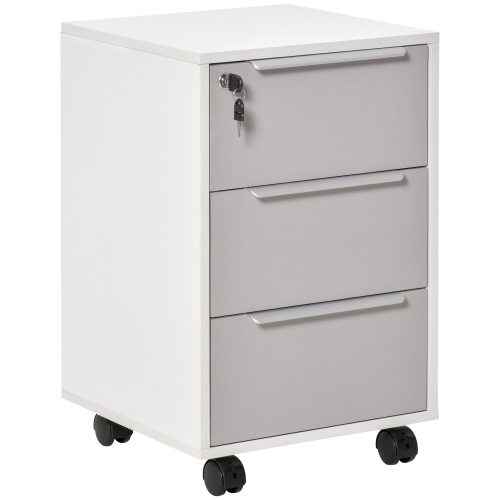
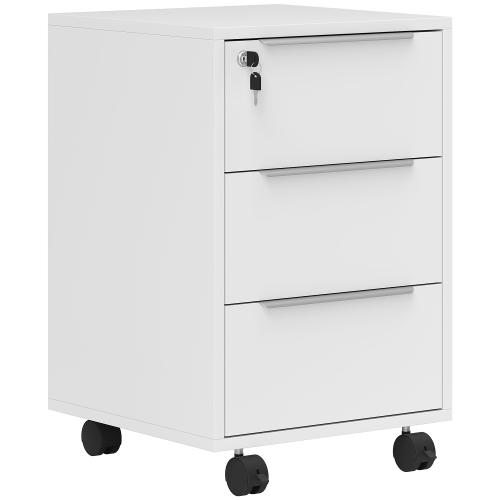
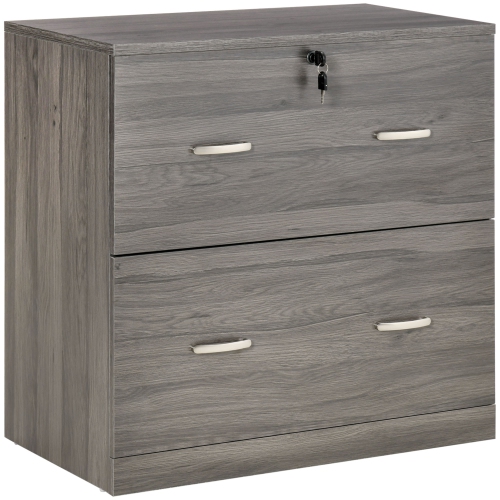
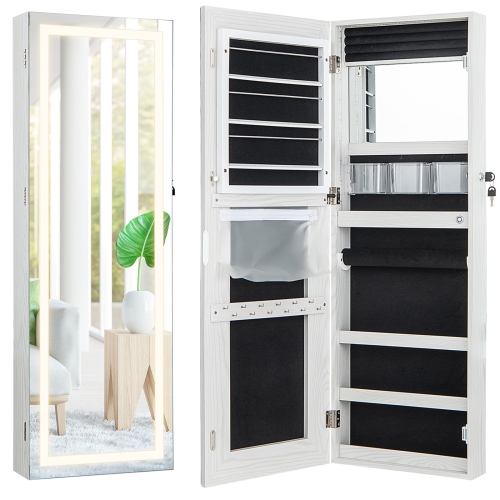

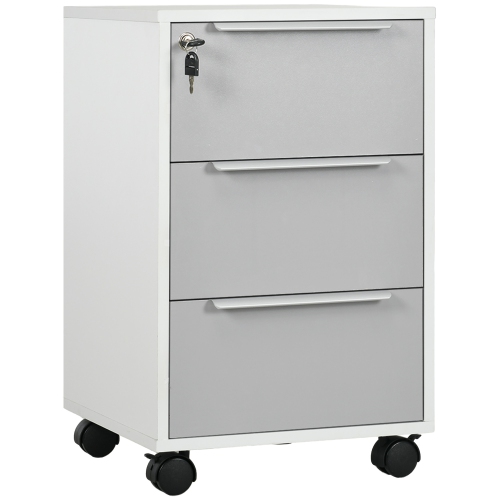
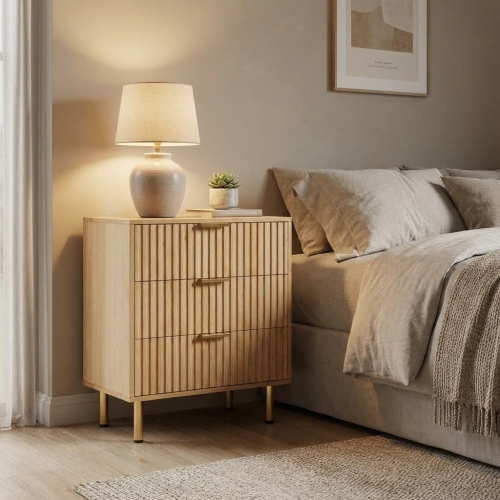
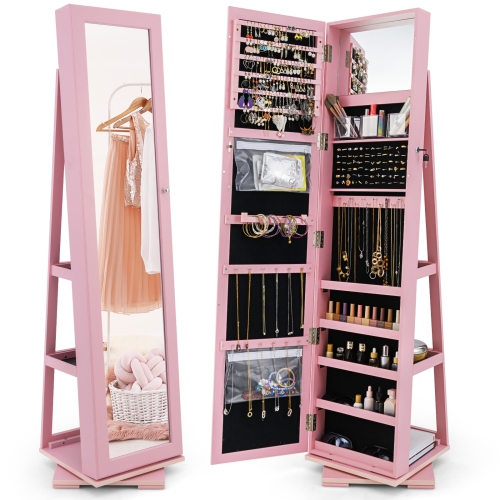
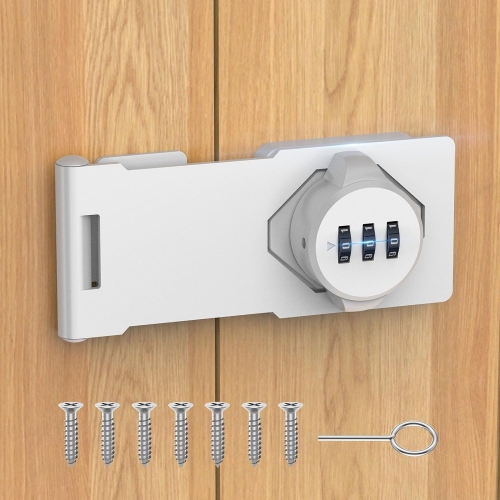
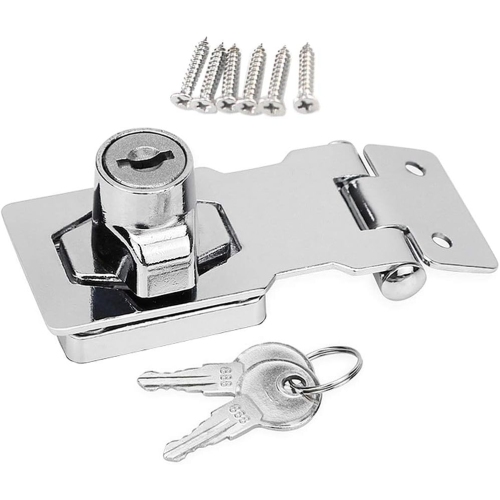
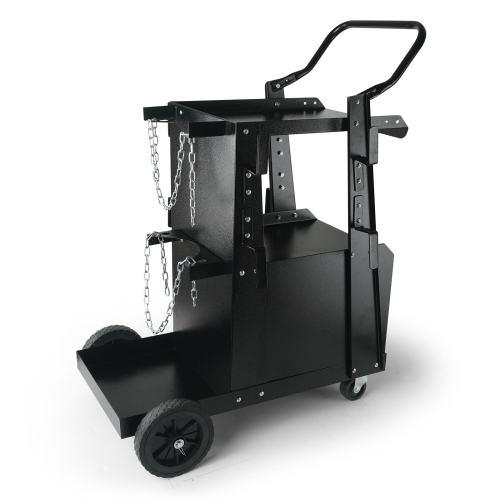
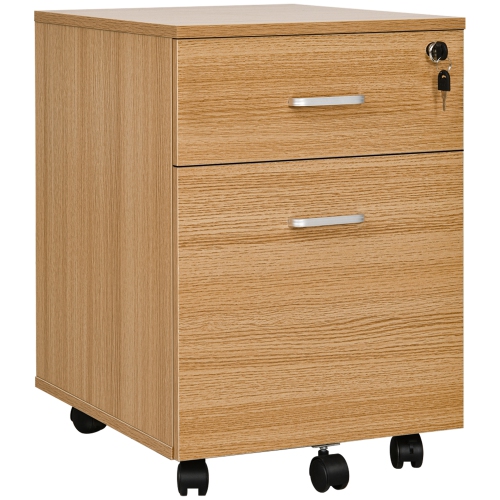
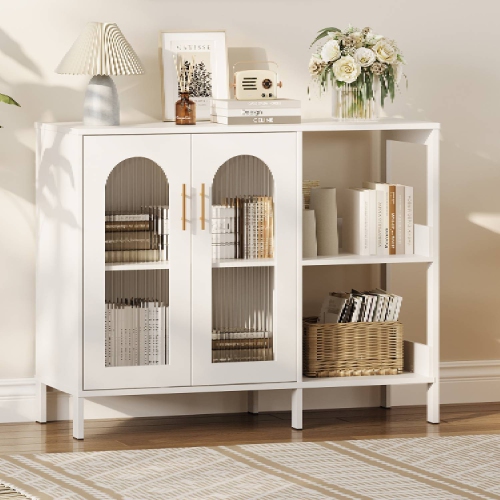
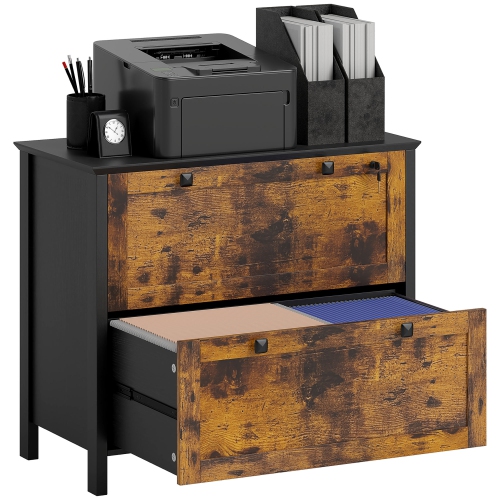
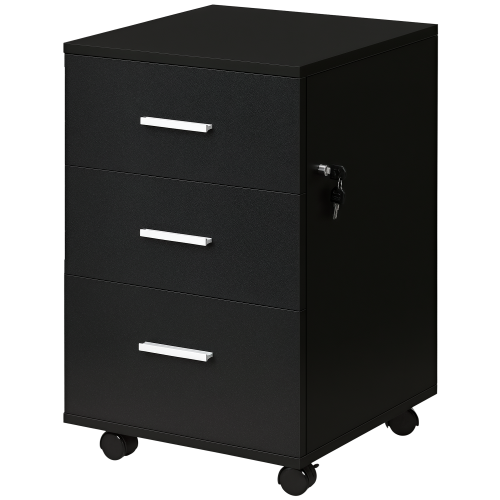
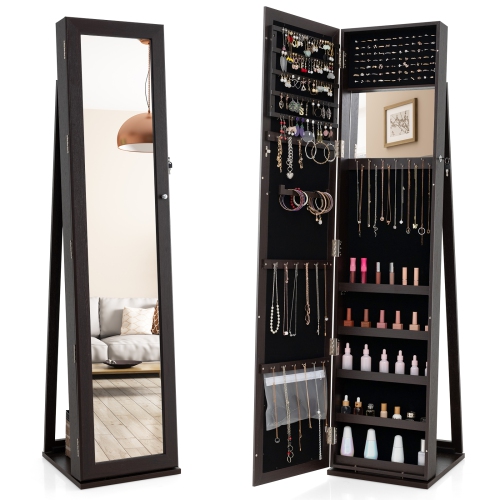
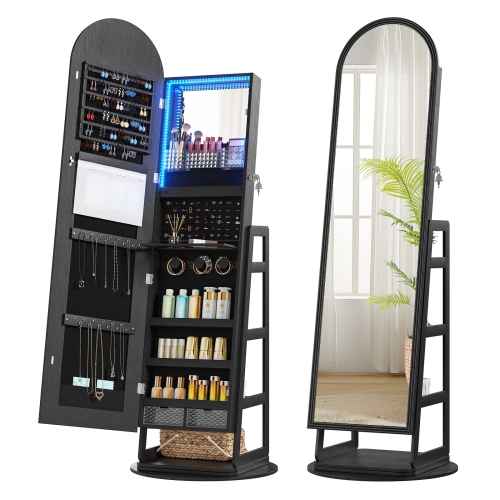

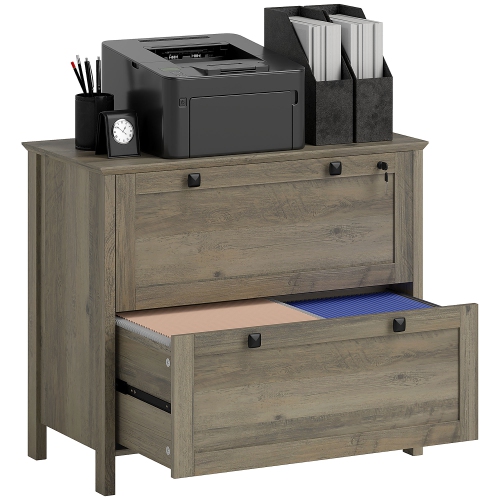
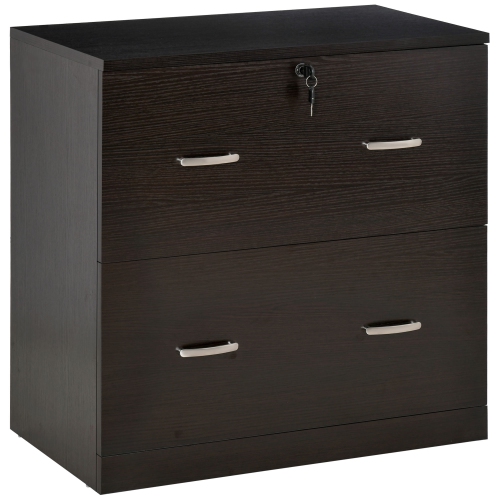

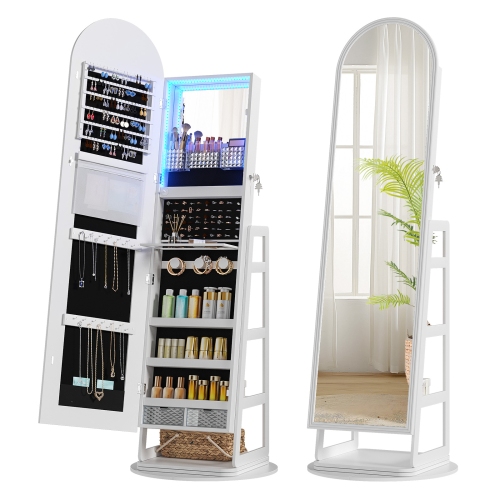
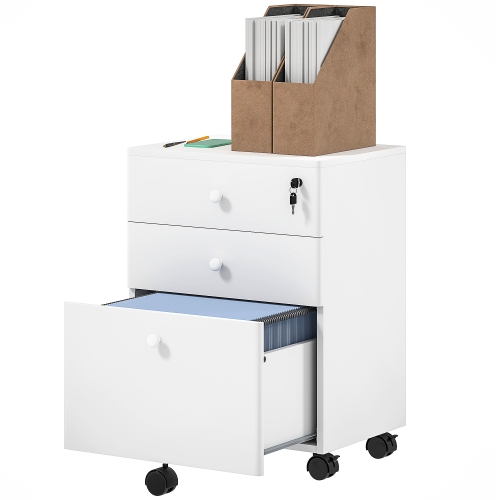
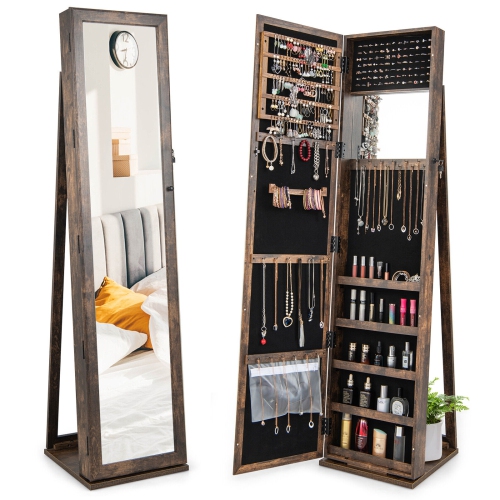
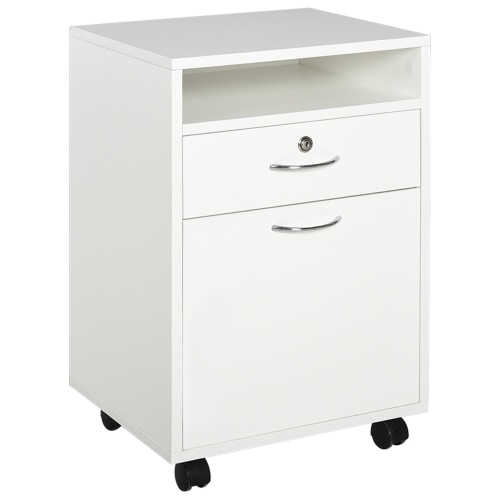

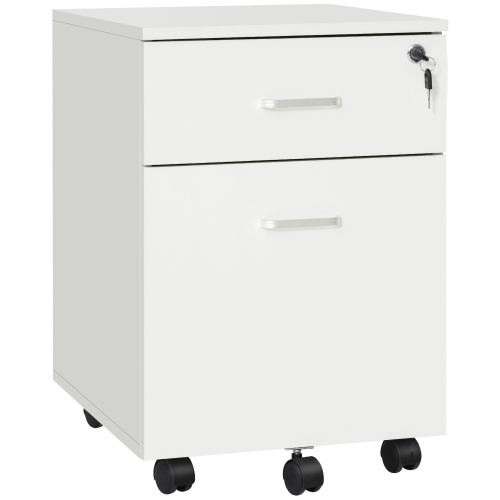
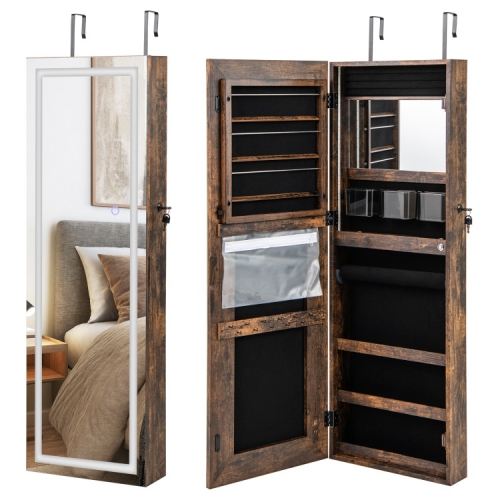
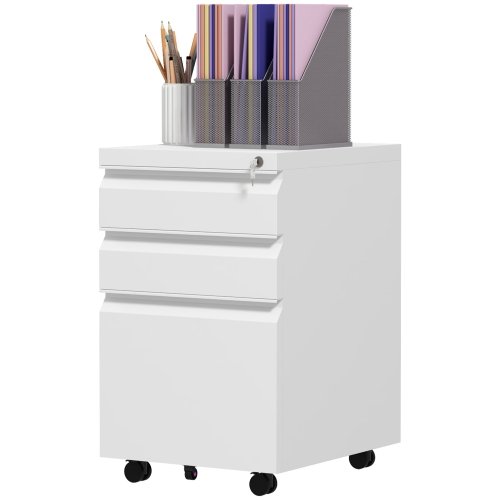
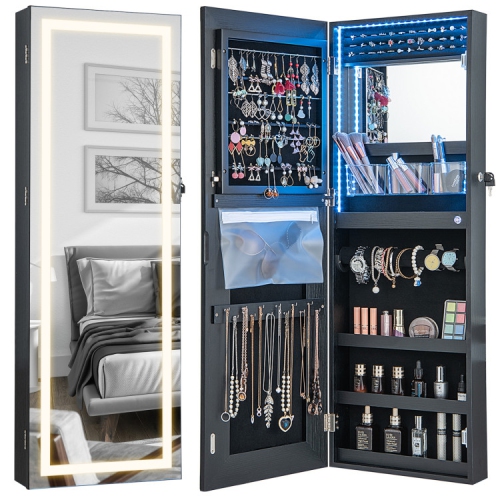
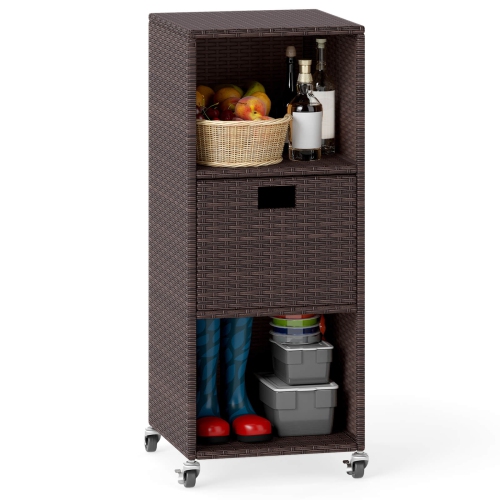
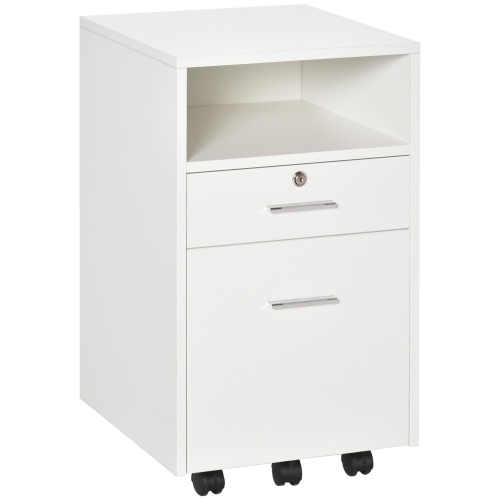
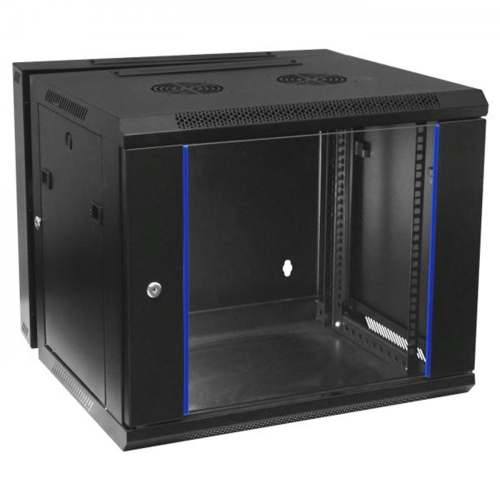
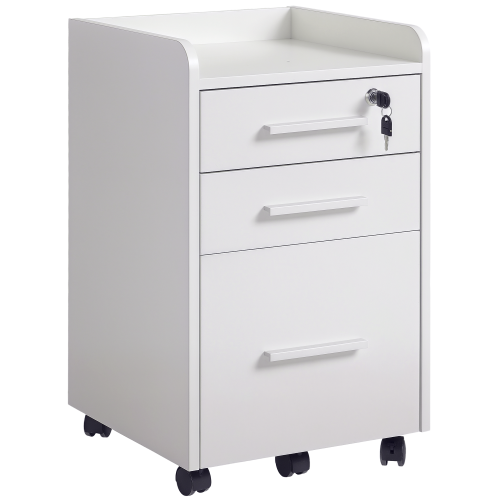
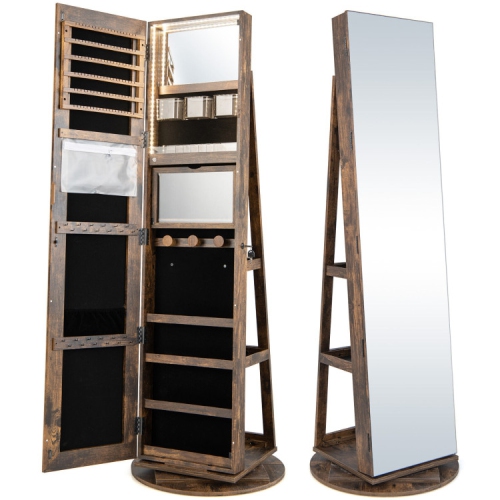

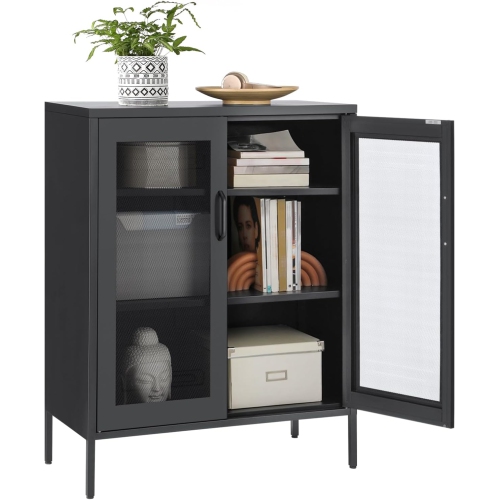
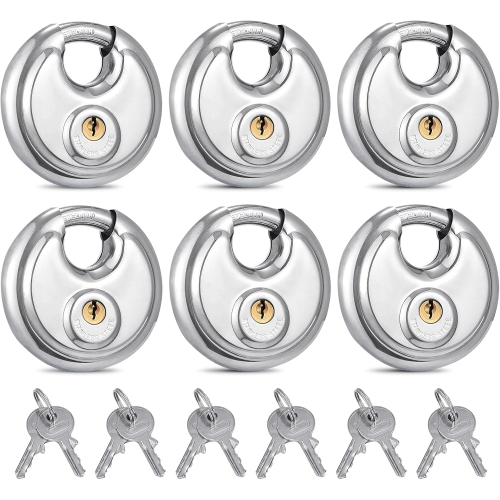

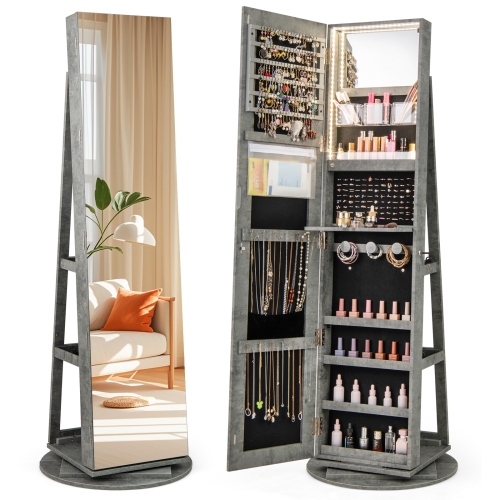
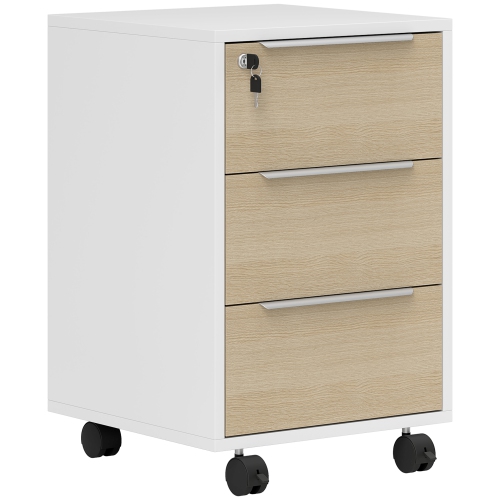
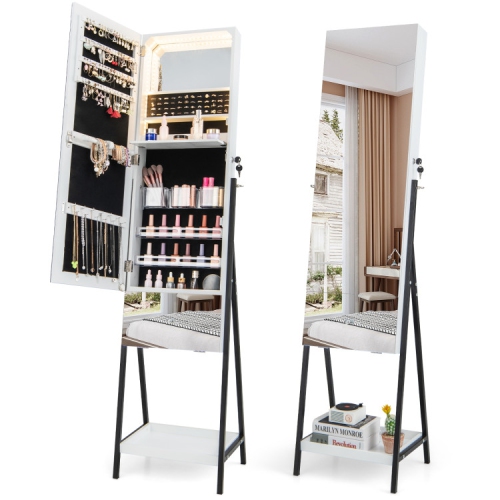
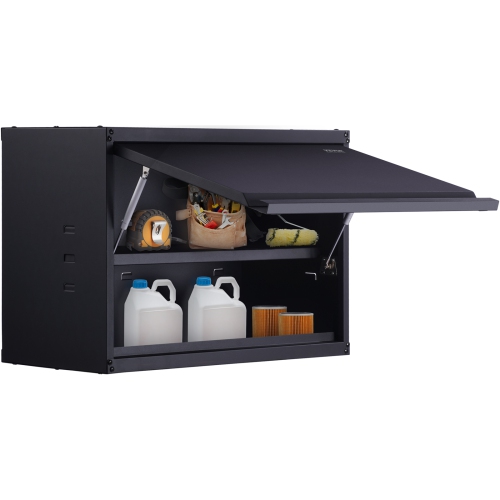
Organized storage with controlled access for shared spaces
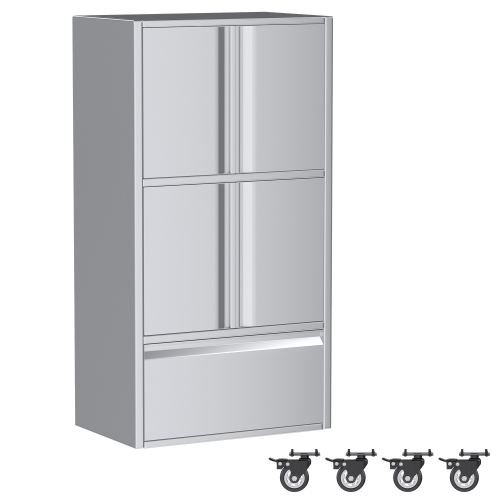
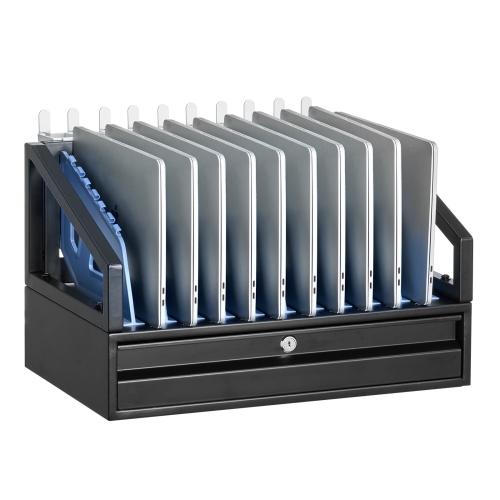
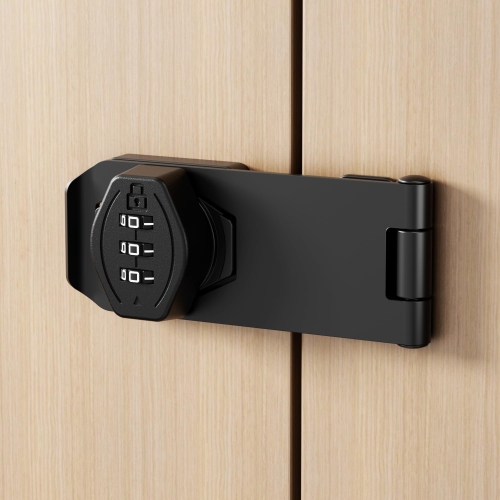
Locking metal cabinets provide enclosed, lockable storage for tools, office supplies, documents, and household essentials, helping keep frequently used belongings organized and access controlled. Their appeal is straightforward: a sturdy metal body, shelves behind closed doors, and a locking mechanism that adds a measure of privacy in spaces used by more than one person. In a home office, a cabinet can hold printer paper, spare cables, stationery, and folders without leaving everything visible beside a desk. In a workshop, it can bring hand tools, measuring equipment, and project supplies together in one place. Shared offices, studios, utility rooms, and hobby spaces can also benefit from storage that separates everyday supplies from belongings that need restricted access. The most suitable configuration depends as much on the contents as on the room. Tall cabinets make use of vertical space, while lower units can fit beneath shelving or alongside a work surface, provided the dimensions allow it. A full-width interior accommodates larger cases and bins; divided sections help keep unrelated supplies apart. Adjustable shelves offer flexibility when storage needs change, such as replacing stacks of paper with taller equipment cases. Exterior measurements tell only part of the story, since the usable shelf depth and clear door opening determine whether a bulky container will actually fit inside. Door swing matters, too: a cabinet beside a doorway or across from a workbench needs enough clearance to open without blocking a passage. Handles, hinges, and any projecting lock hardware also contribute to the space required. For documents, the distinction between general shelving and purpose-built filing storage is important. A metal cabinet may hold folders in boxes or desktop organizers without having the rails or drawers needed for hanging files. The lock itself deserves similar attention. Keyed locks are common, but the number of locking points and the way doors engage with the frame vary. A locked cabinet can discourage casual access, but it should not be assumed to offer the burglary resistance of a rated safe.
Construction influences how a locking metal cabinet feels in daily use and how well it suits the weight and shape of its contents. Steel is a common material, often finished with a painted or powder-coated surface that helps protect the underlying metal from routine wear. Sheet thickness, formed edges, reinforced doors, and the strength of shelf supports all contribute to rigidity; a substantial appearance alone does not establish a cabinet’s load capacity. For heavier supplies, the stated rating for each shelf and the total cabinet rating are more useful than broad descriptions such as heavy-duty. Those ratings may assume an evenly distributed load, so a dense toolbox resting in one small area places different demands on a shelf than several lightweight storage bins. Keeping heavier belongings on lower shelves can improve stability and make lifting more manageable. Smaller supplies benefit from trays, dividers, or labelled containers, since a deep shelf can otherwise hide loose screws, adapters, or craft materials at the back. Door construction also affects convenience. Hinges should allow the doors to move freely, and a closing mechanism that engages cleanly makes repeated access less frustrating. Some designs secure both doors through a central lock, while others use separate latches or locking arrangements; the details determine how the cabinet closes and which sections remain accessible. Fixed cabinets suit spaces where storage has a permanent place, while models with casters can help move supplies between work areas. Mobility brings its own considerations, including caster ratings, suitable flooring, wheel locks, and whether the cabinet is designed to be moved while loaded. Levelling feet can help a stationary unit sit properly on an uneven floor, but they do not replace any required anchoring. Tall cabinets, especially those holding heavy equipment, should be installed with the anti-tip hardware and fastening method specified by the manufacturer. Cabinets with ventilation openings may suit some storage tasks, but openings can also admit dust. Neither a metal shell nor a lock establishes fire resistance, water resistance, or suitability for hazardous substances; those uses require storage specifically designed and rated for the purpose.
The best fit for a room is often the cabinet that makes ordinary routines easier without adding obstacles. In a compact office, that might mean a narrow footprint with enough shelf depth for paper cartons and equipment manuals. In a craft room, it could mean shelves spaced to hold fabric bins, cutting tools, and project boxes without stacking them into awkward towers. In a shared workspace, separate storage zones can reduce confusion over which supplies belong to whom. Storage Locker Cabinets with individually lockable compartments offer another approach when personal belongings need to be kept separate rather than grouped behind a single set of doors. For any layout, handle height, key access, and the reach required for upper shelves affect everyday comfort. Frequently used supplies are easier to retrieve when they sit within a comfortable reach, while less-used belongings can occupy the remaining space without exceeding shelf limits. Assembly requirements are another practical distinction: a flat-pack cabinet may need its panels squared and fasteners tightened correctly before the doors align, while a preassembled unit still needs a clear delivery route and proper positioning. Ongoing care is generally uncomplicated, though the finish and hardware should be treated according to the manufacturer’s directions. A soft cloth and a suitable mild cleaner can remove fingerprints and dust without scouring the surface; spills should be wiped away promptly, and abrasive pads can damage protective coatings. Hinges, shelf clips, handles, and fasteners benefit from occasional checks, particularly in a cabinet opened many times a day. Any lubrication should be compatible with the lock or hinge rather than applied indiscriminately. Spare keys are best kept separately from the cabinet, with a clear arrangement for access in shared spaces. With suitable dimensions, sensible load placement, and a layout matched to the contents, a locking metal cabinet can provide dependable organization while keeping work areas clearer and stored belongings less exposed.
Top selling and popular products
-
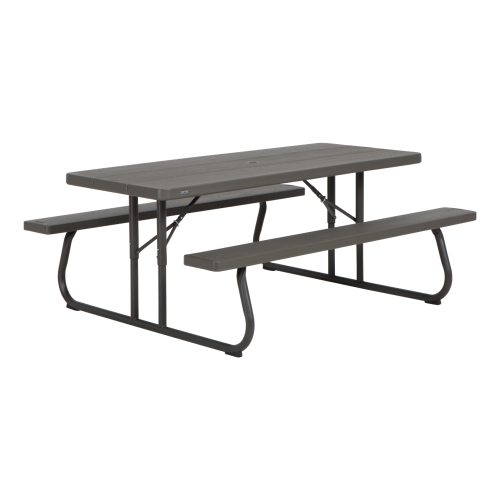 Your price for this item is $399.99
-
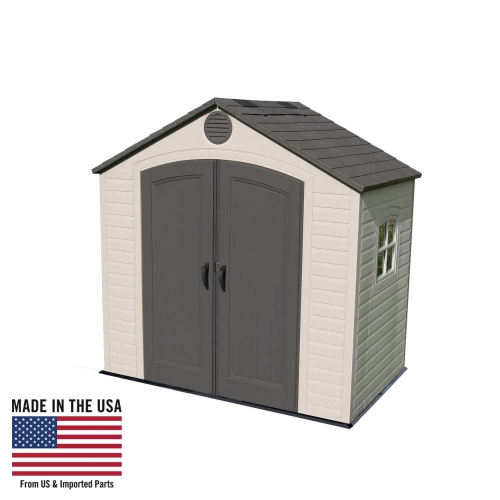 Your price for this item is $2399.99
-
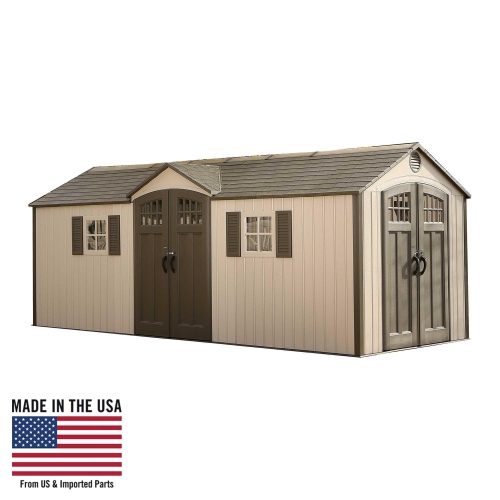 Your price for this item is $5999.99
-
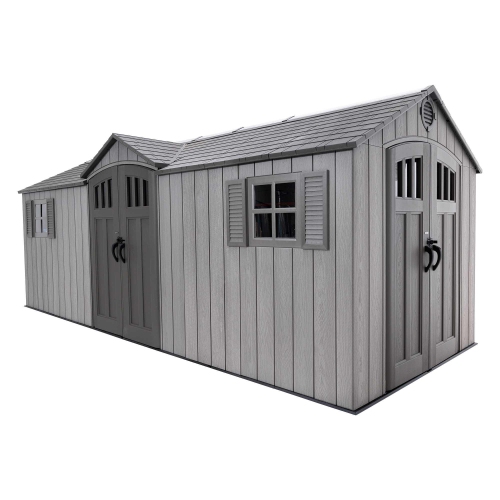 Your price for this item is $5999.99
-
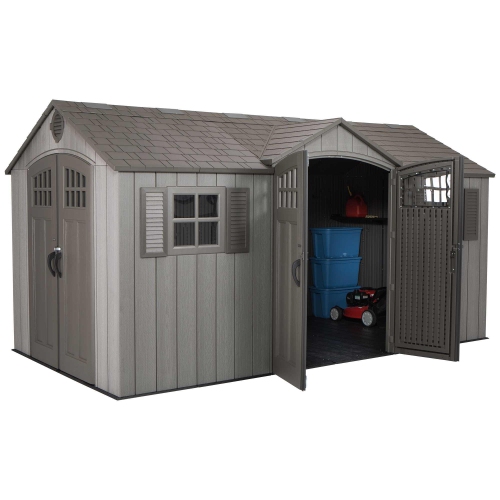 Your price for this item is $4499.99
-
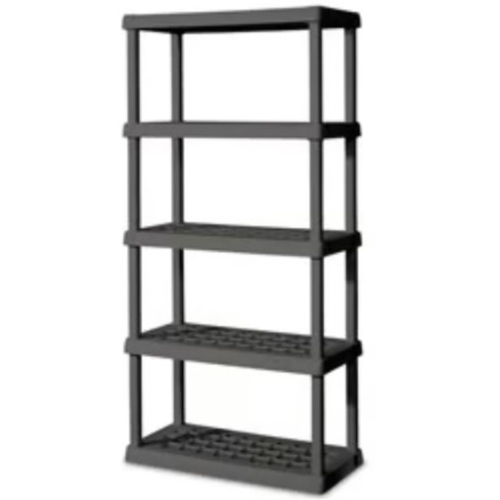 Your price for this item is $691.99
-
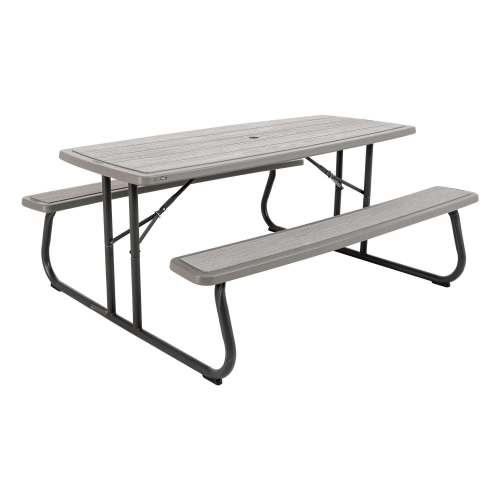 Your price for this item is $399.99
-
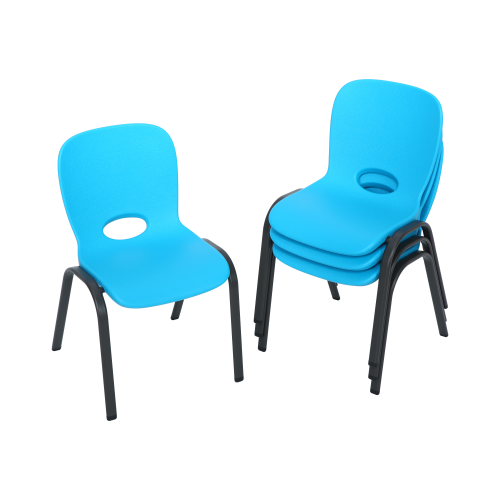 Your price for this item is $134.99
Discover more categories related to Locking Metal Cabinets
Top Collections:
Best Black Friday Deals This Year, Best Black Friday Deals On Electronics, Kindle Devices, Pokemon Centers, Best Black Friday Deals On Apple Products, Best Cameras for Sports Photography, Dyson Airwrap, Pokémon 30th Celebration Cards, Apple iPhone 17 Pro, Canon G7X Cameras
Some products may be subject to Environmental Handling Fees
(EHF) depending on your province.
Learn more about EHFs.