Long Runner Rugs
Looking to add a touch of elegance and style to your living space? Look no further than our collection of Decorative Rugs. These versatile and eye-catching rugs are the perfect solution for adding warmth and personality to hallways, entryways, and other narrow spaces in your home. Whether you prefer traditional patterns or modern designs, our wide selection of long runner rugs offers something for every taste and decor style. Enhance the visual appeal of your home while also protecting your floors with these durable and high-quality rugs. Explore our collection today and find the perfect long runner rug to elevate your home's aesthetic.
Sort

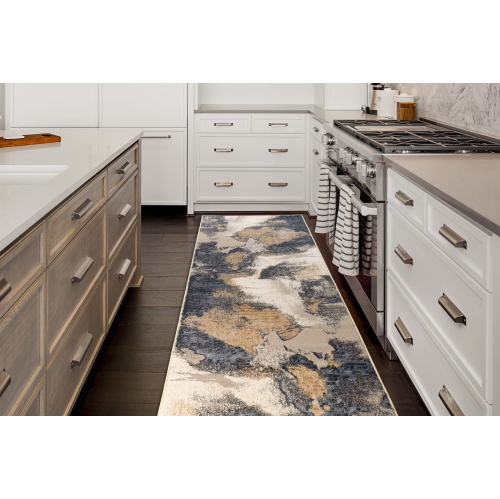


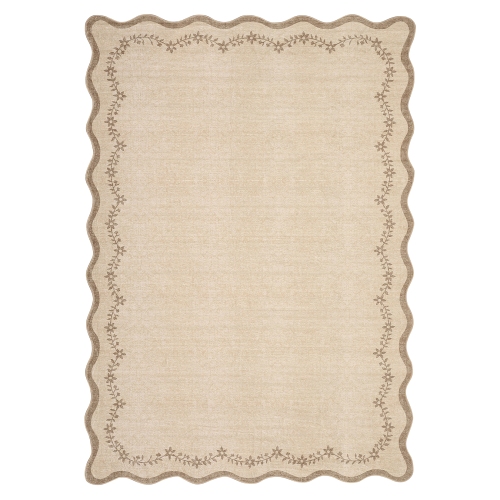
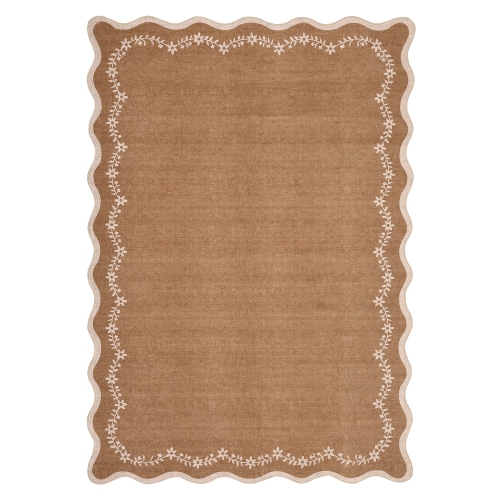
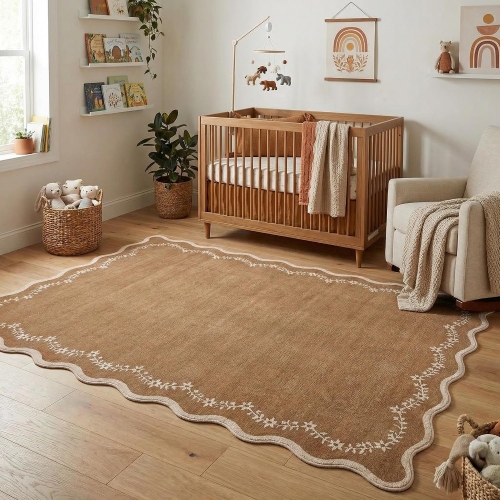
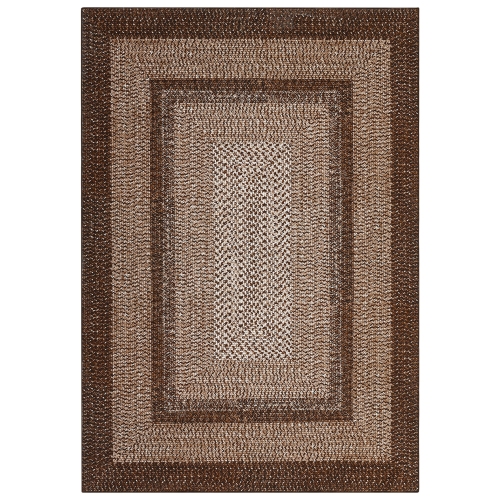
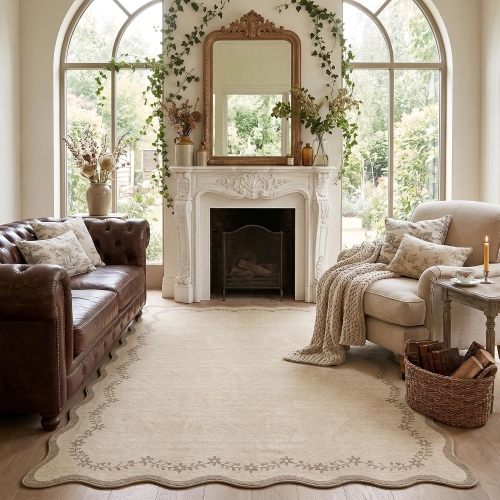
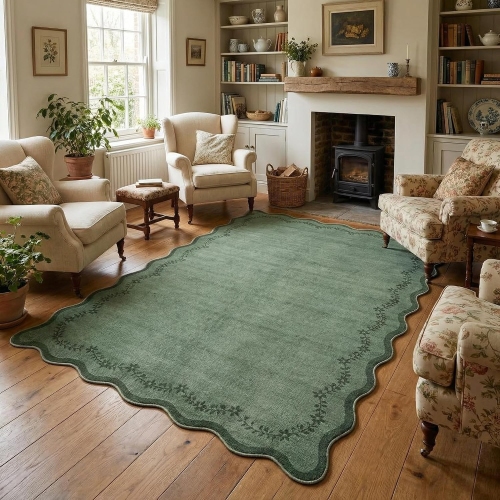
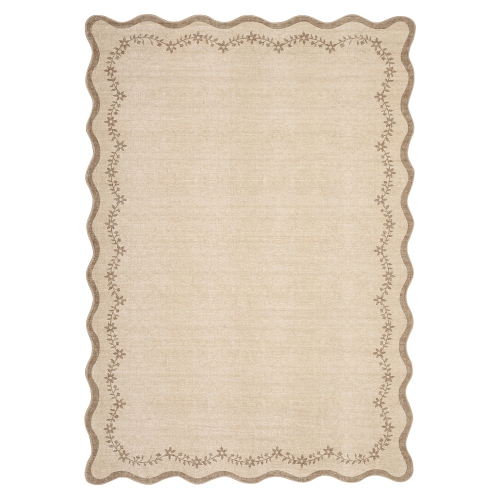
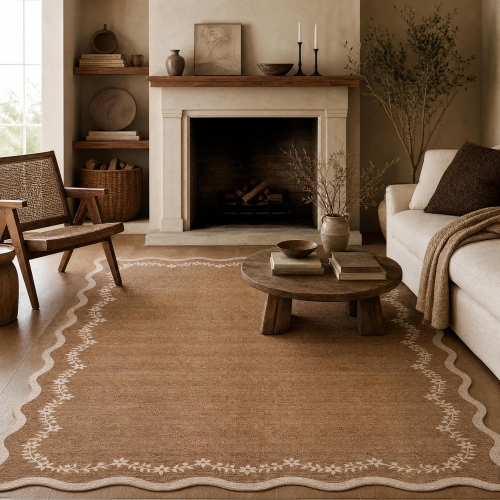
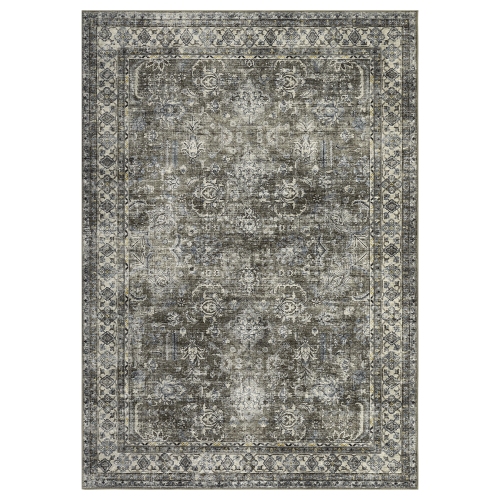
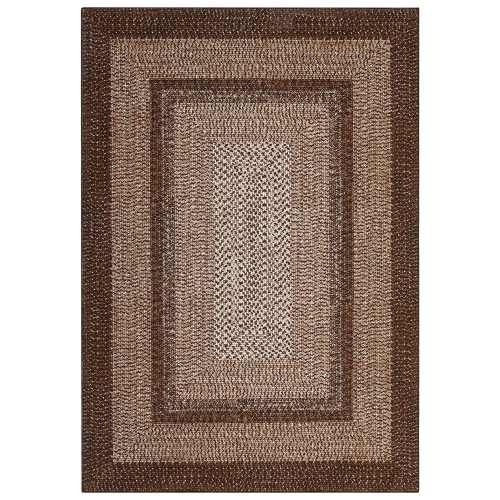
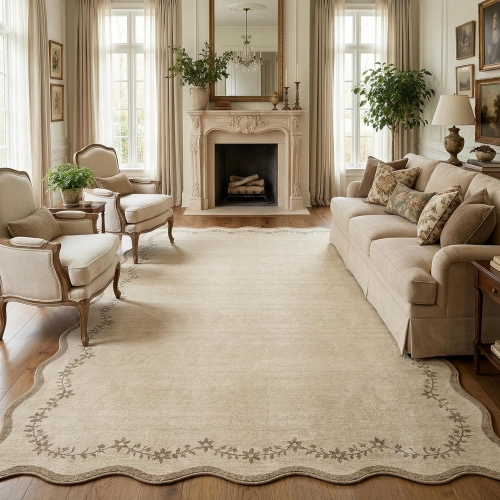
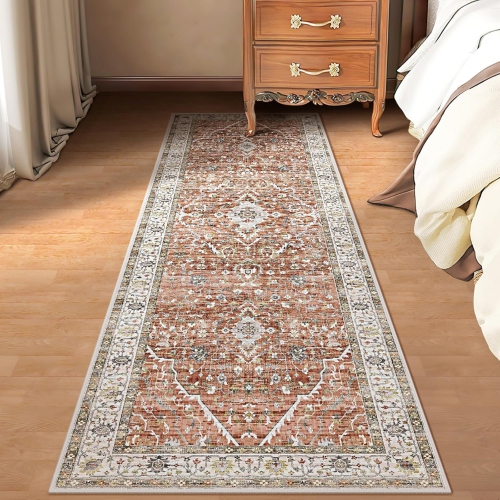
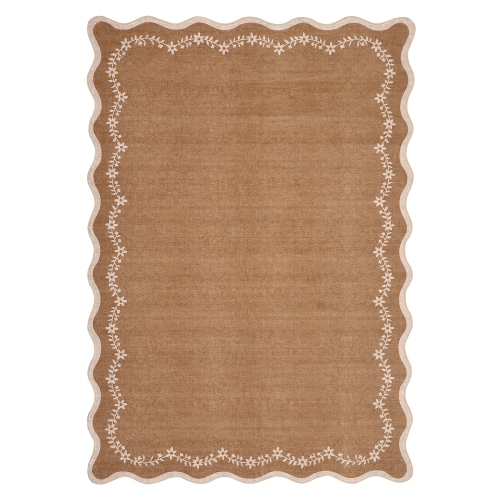
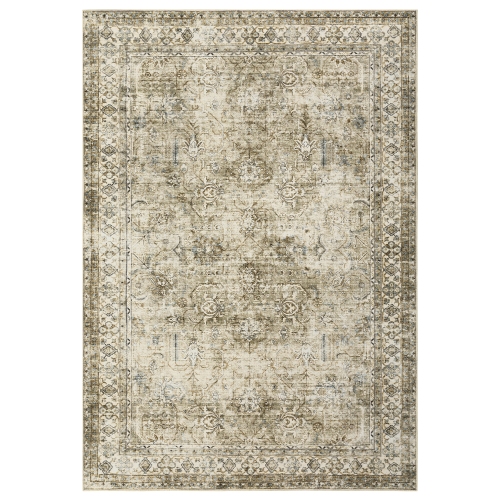
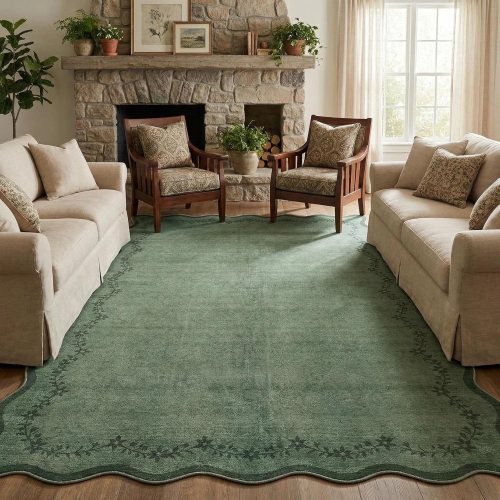
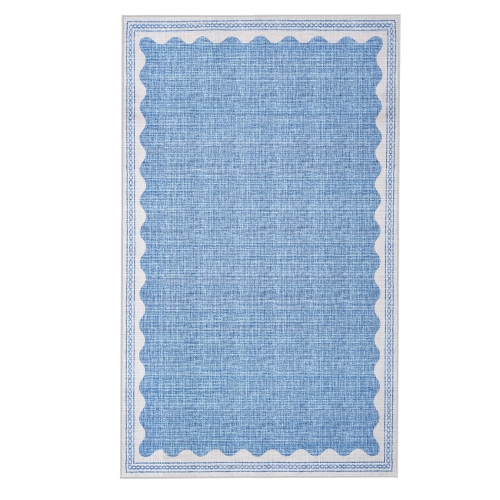
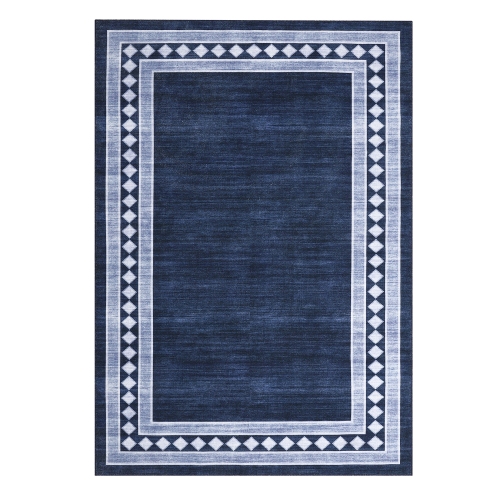
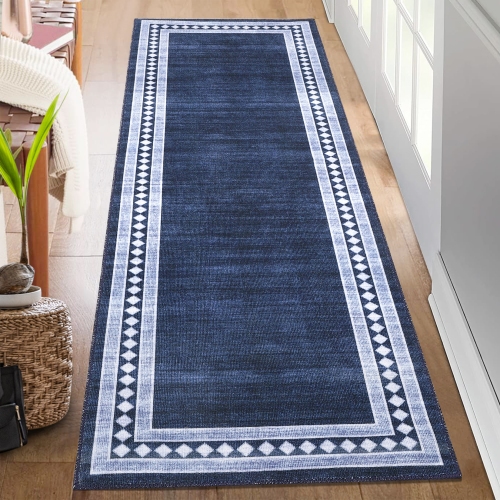
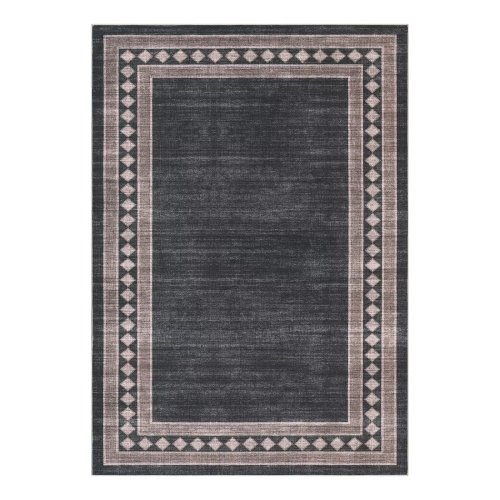
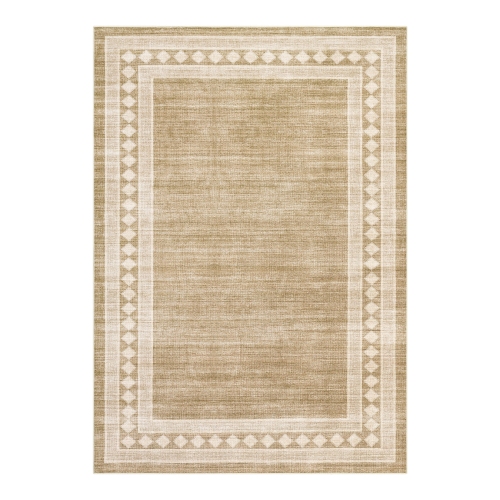
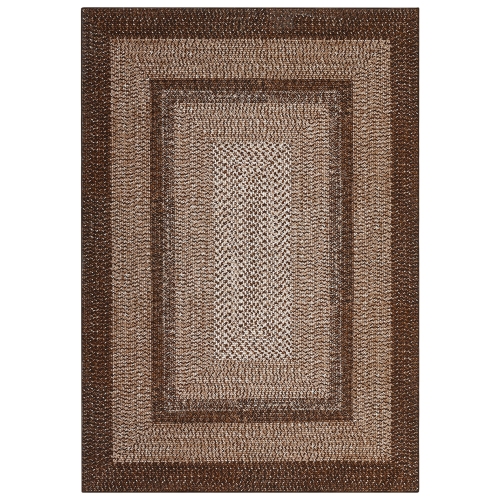
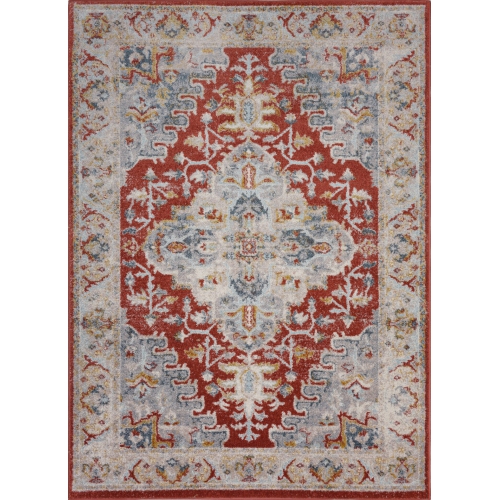
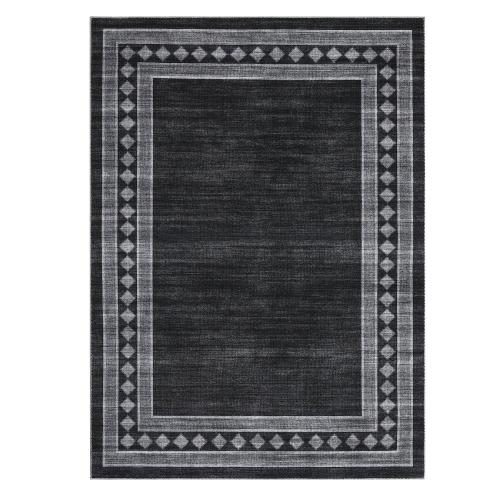
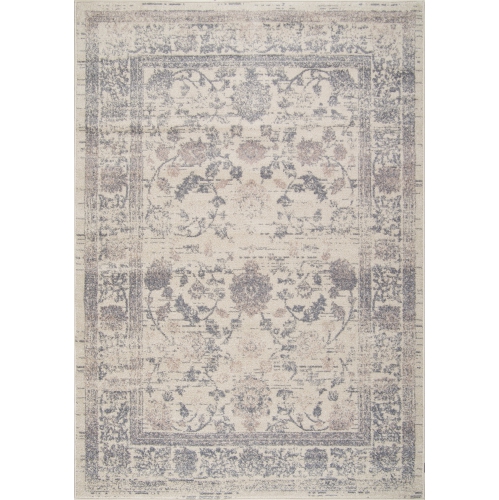
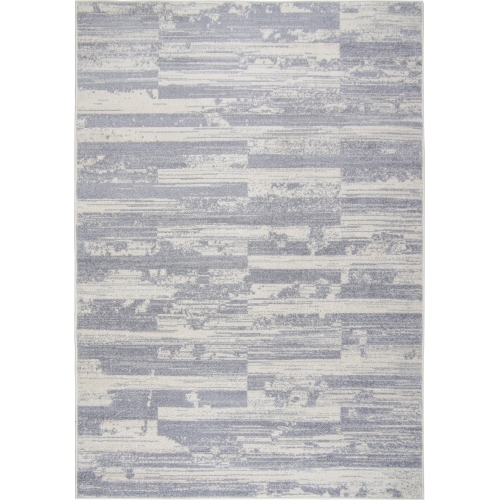
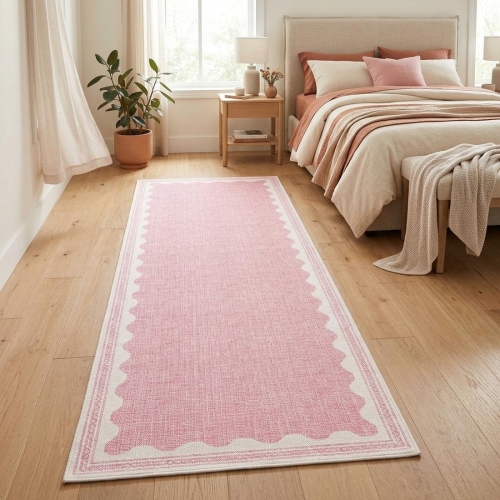
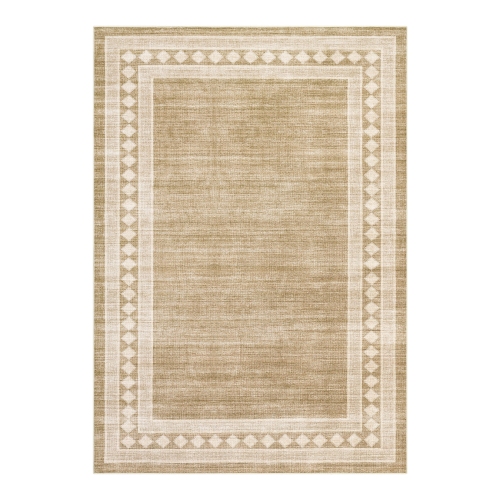
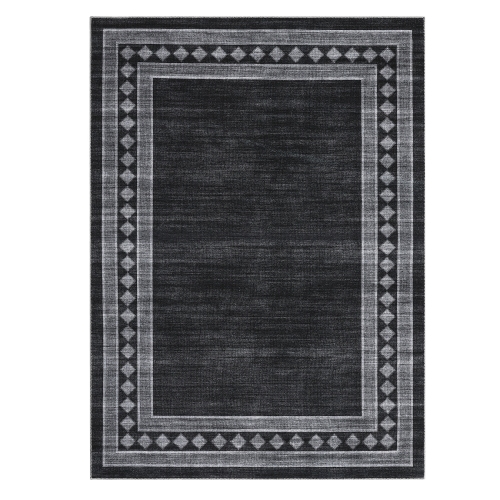

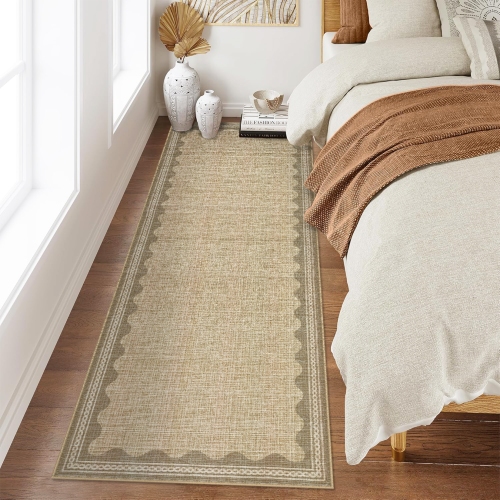
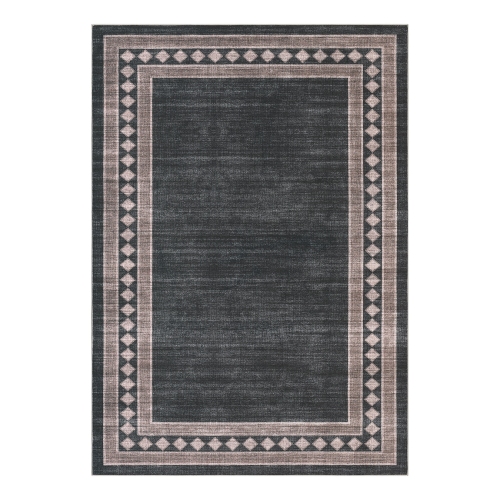
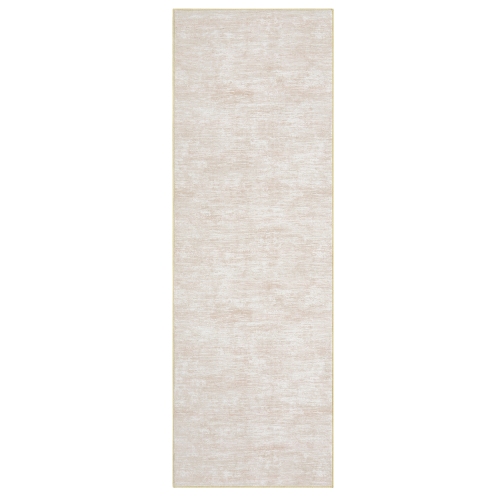
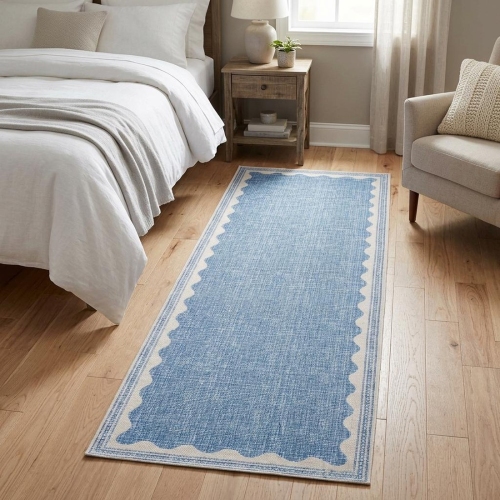
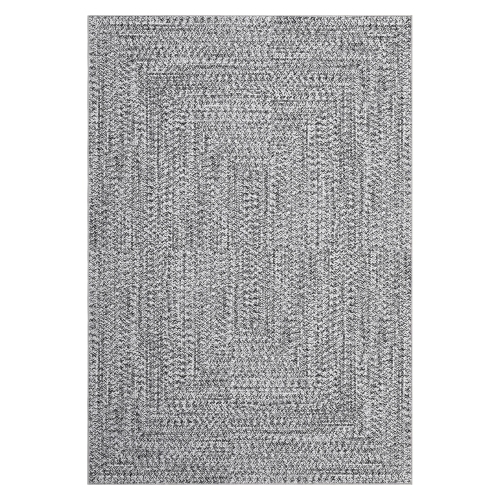
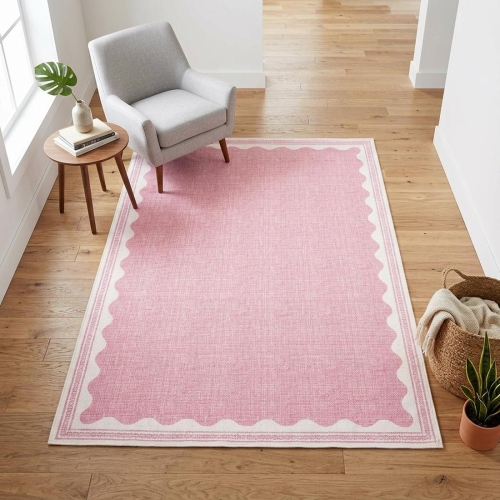
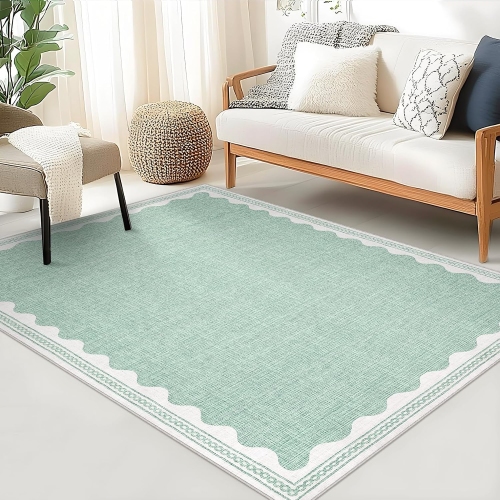


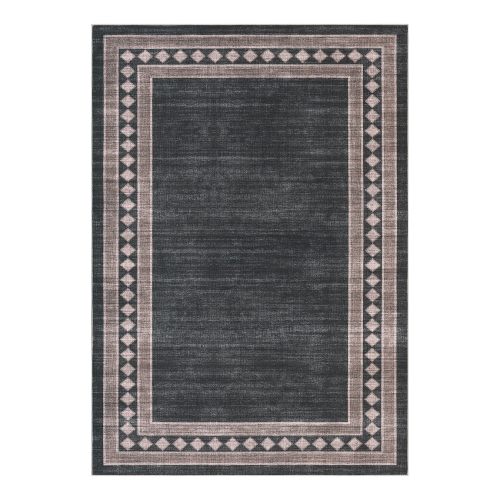

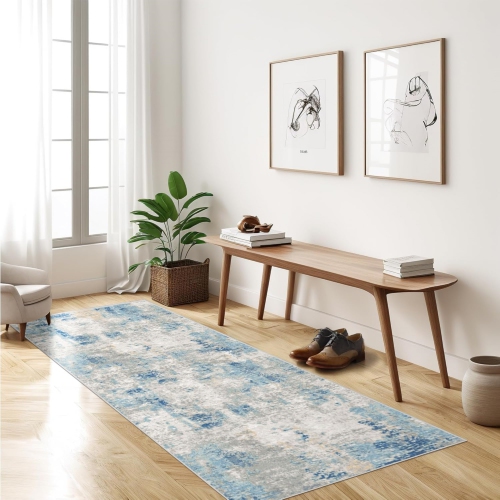
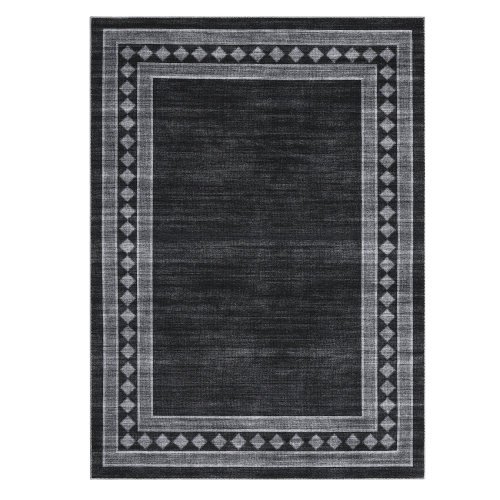
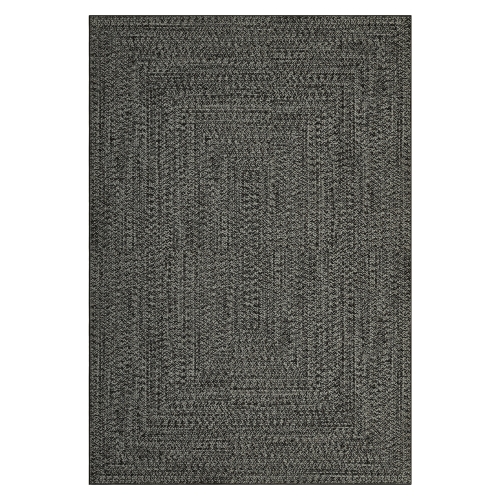
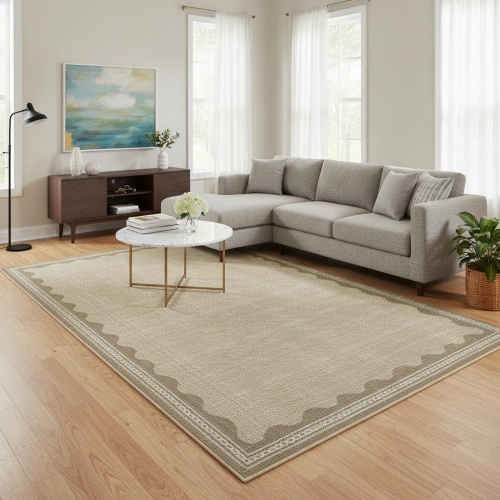
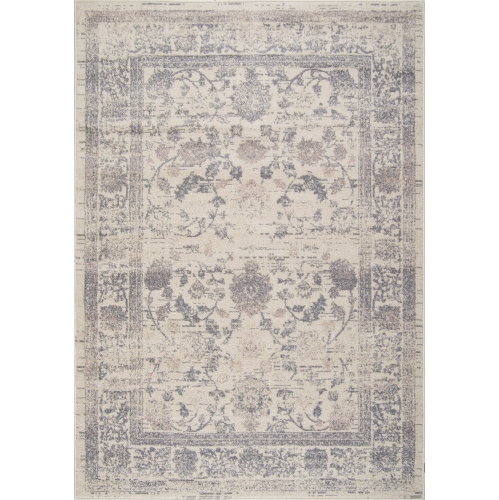
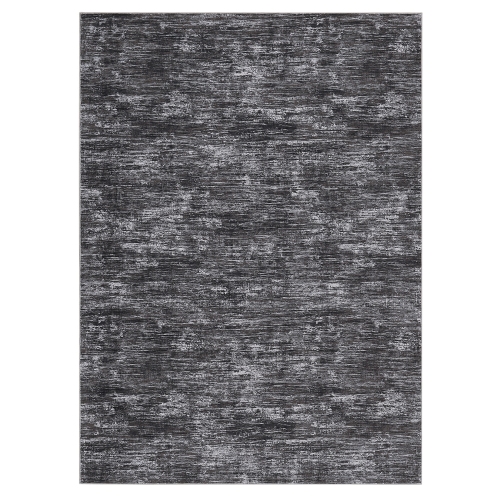
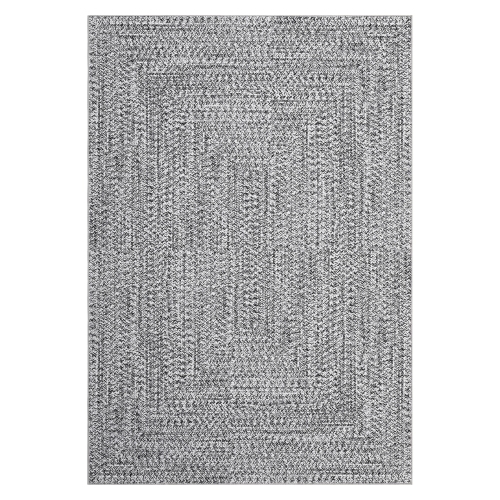
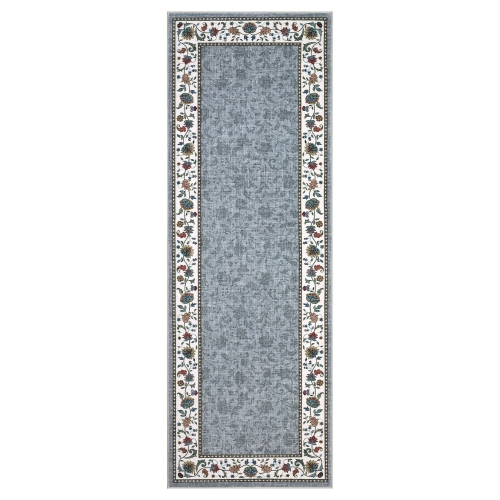
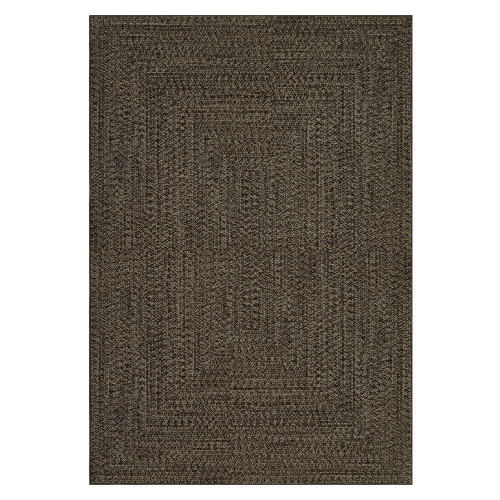

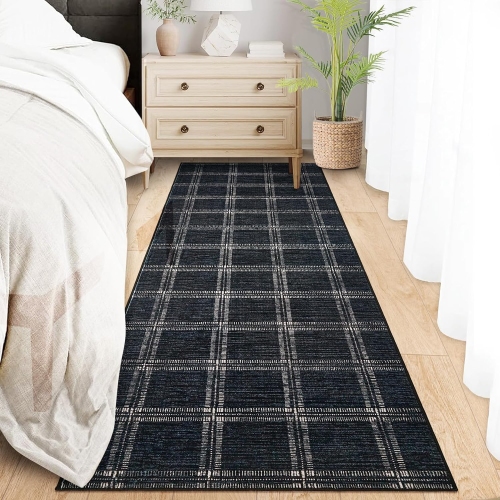
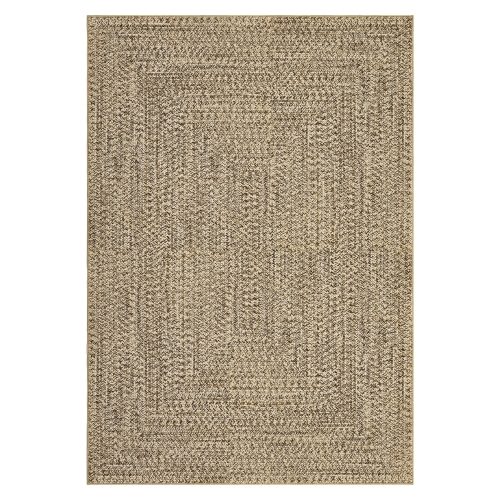

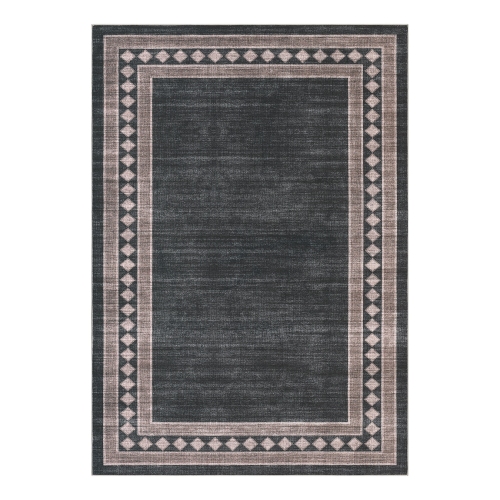

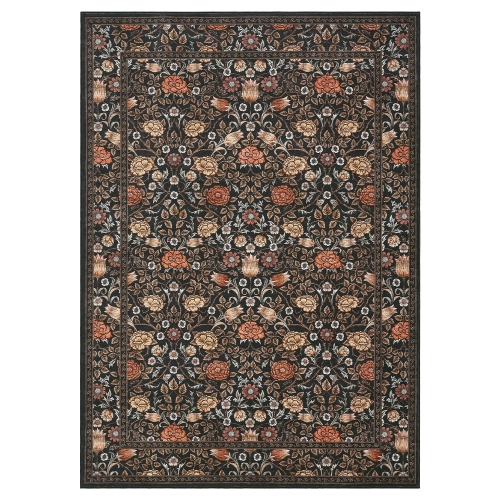

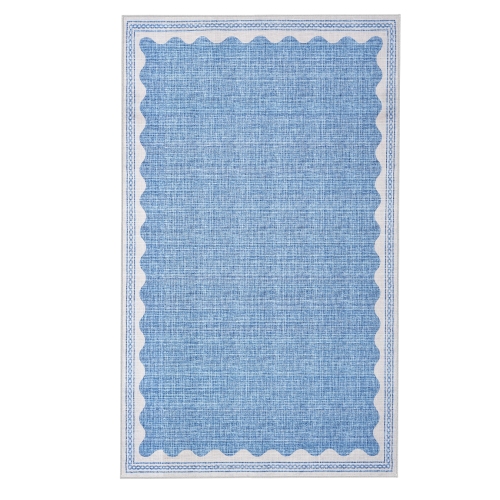
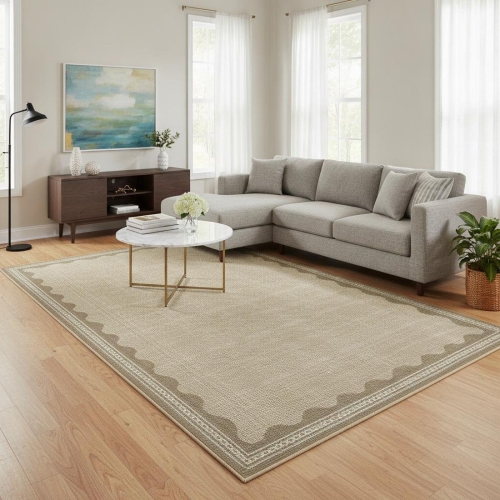
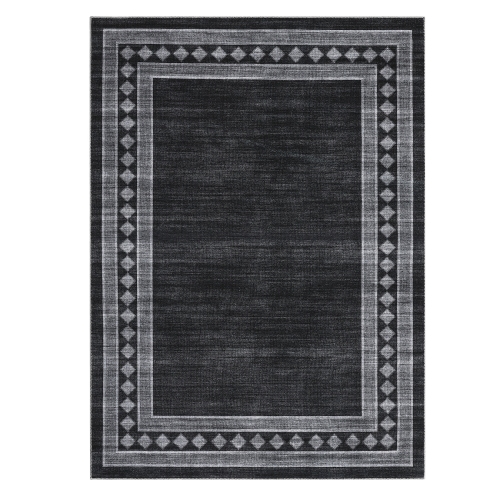

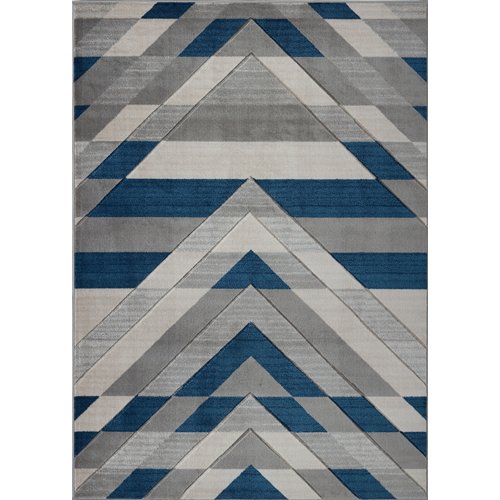

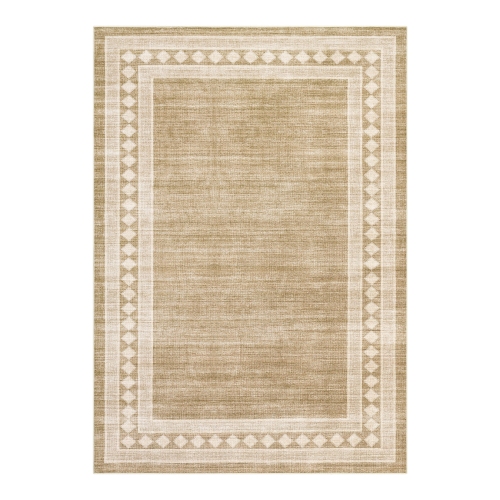
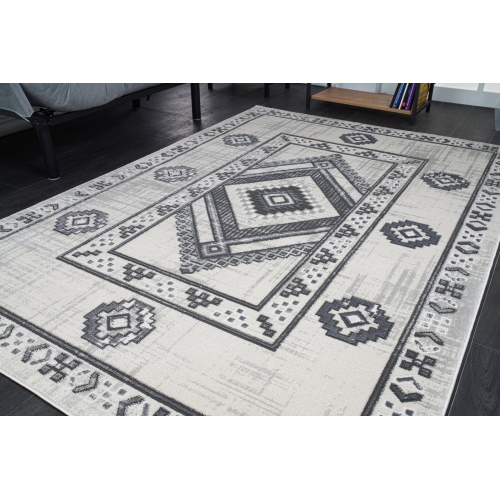
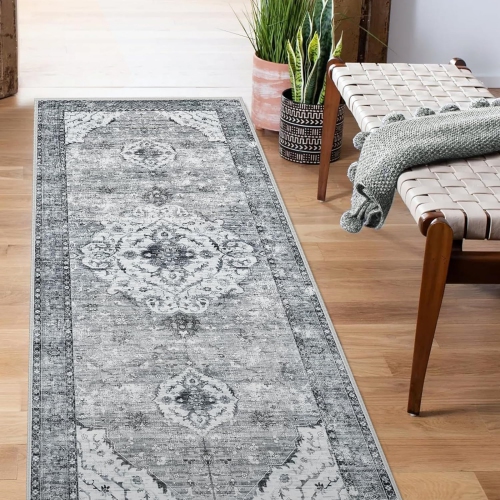
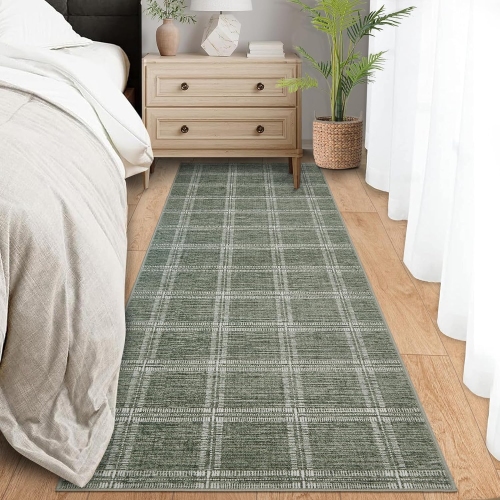
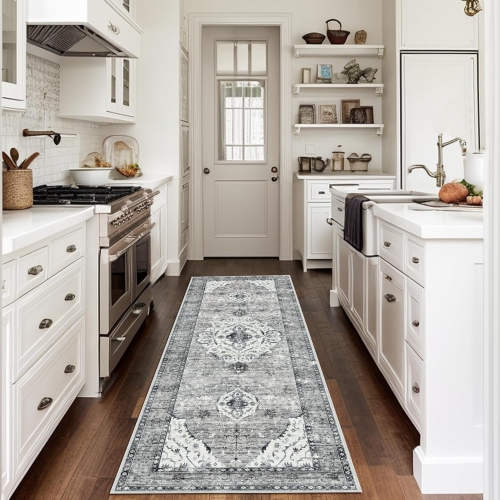


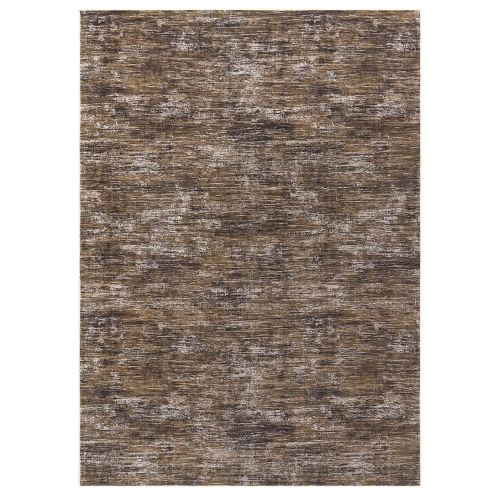
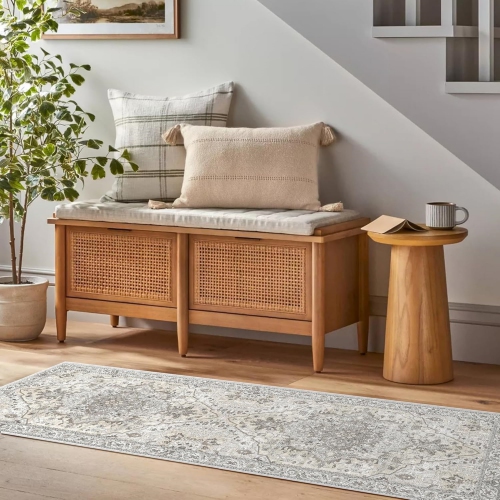


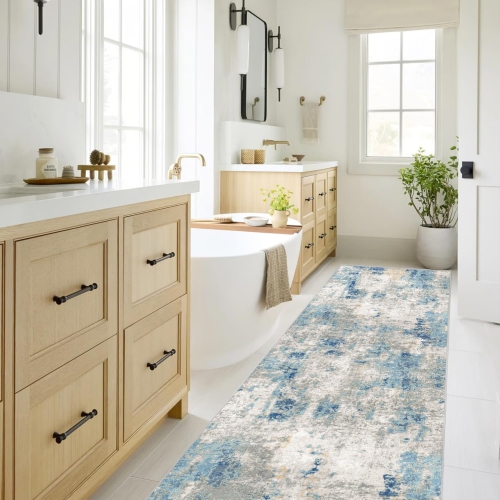
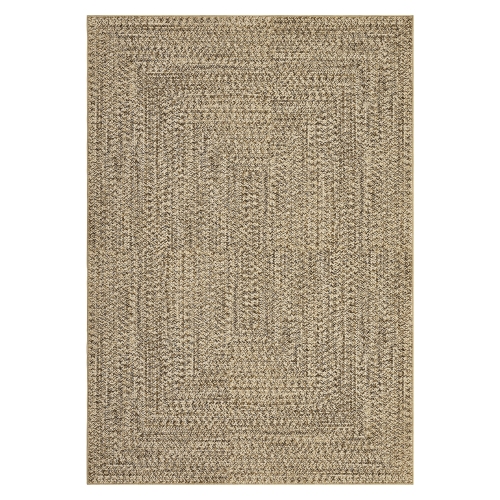


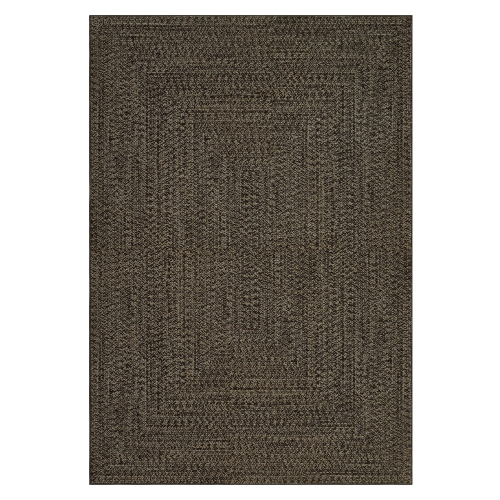
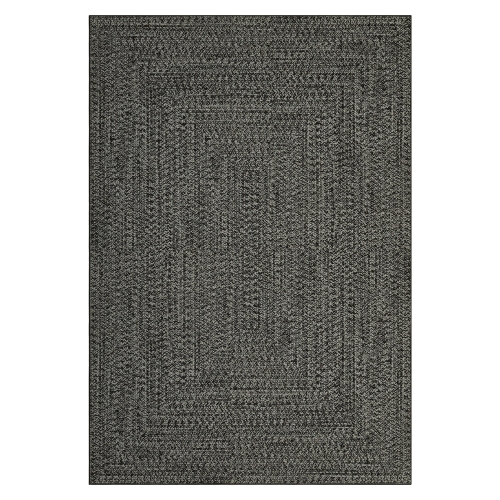


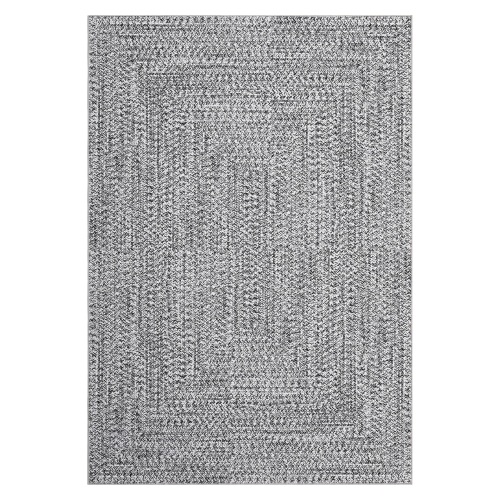


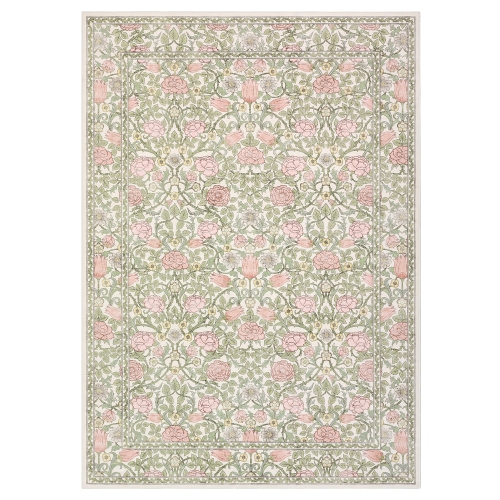
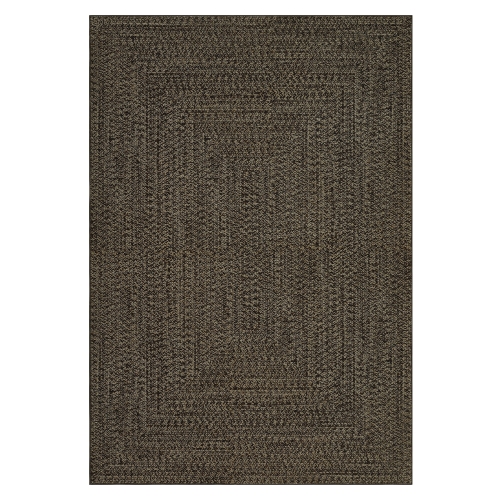

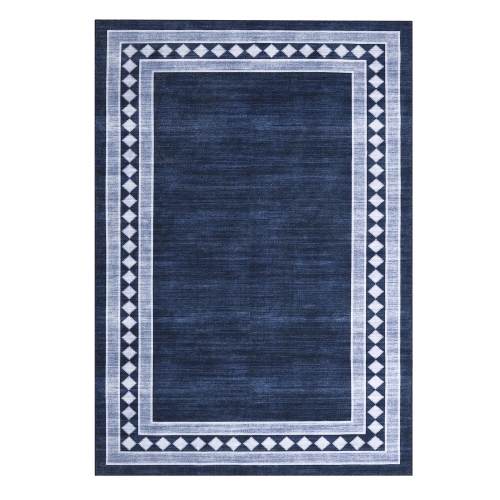
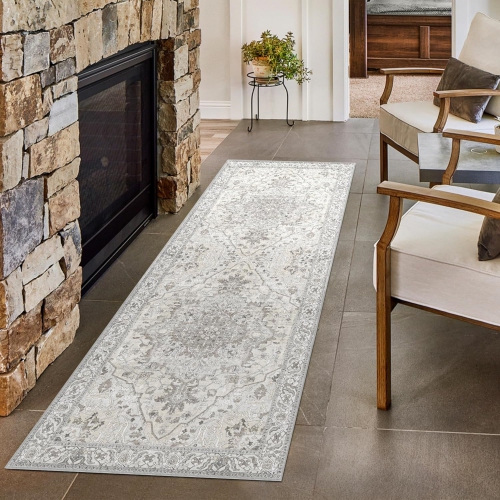
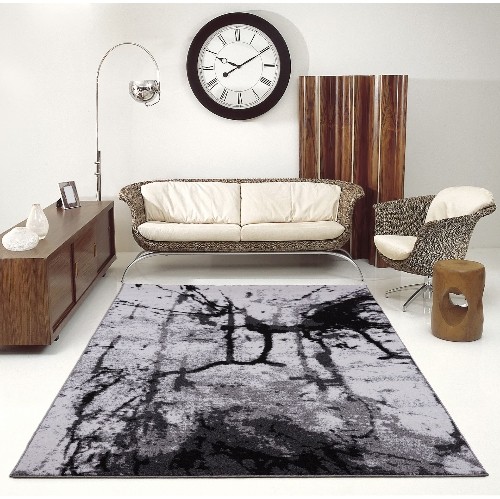
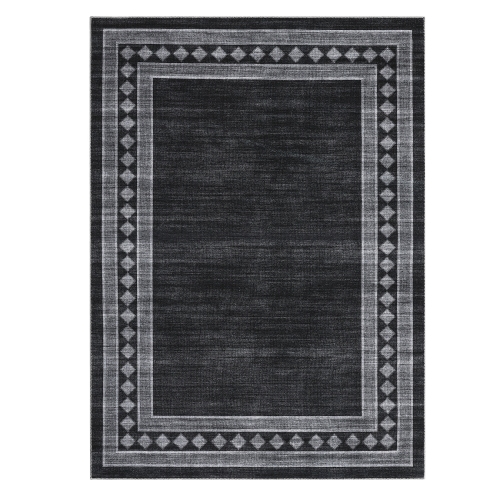
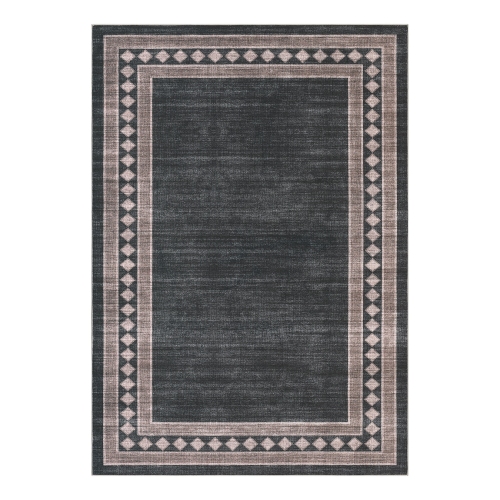

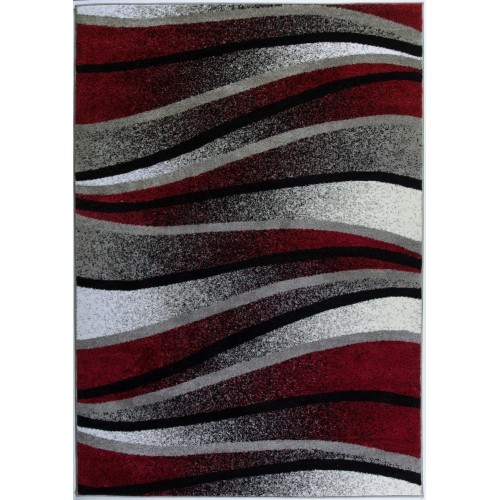

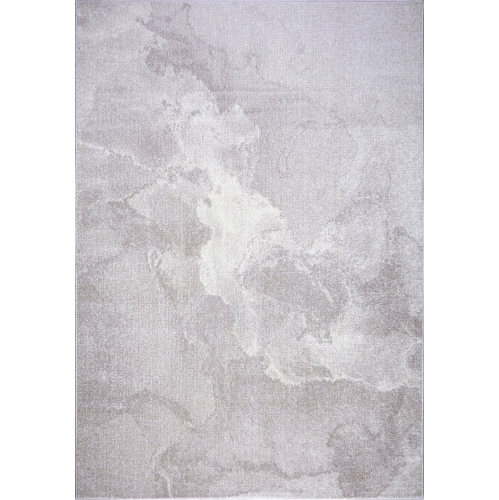
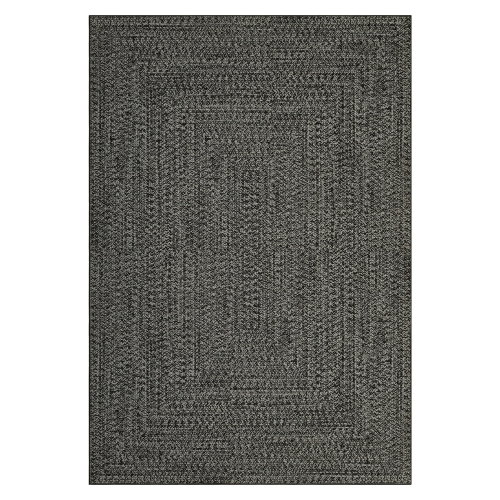
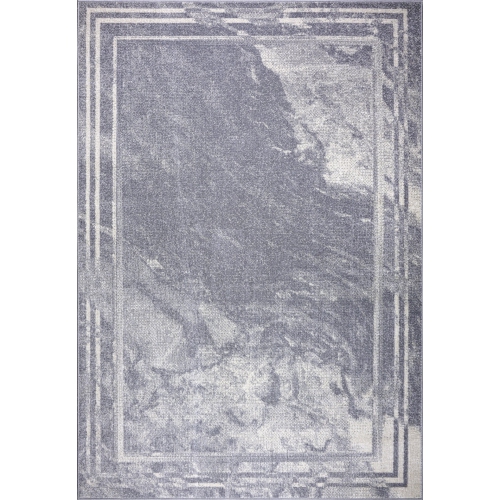
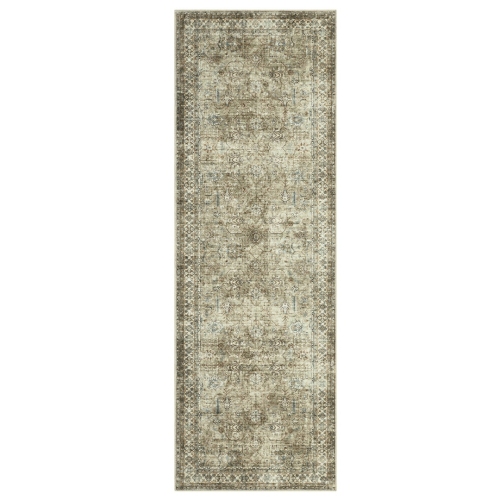

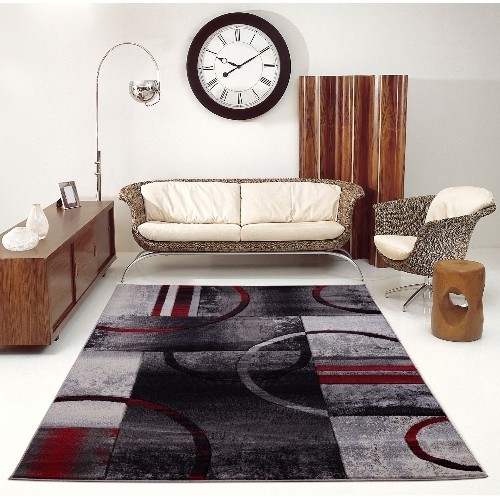


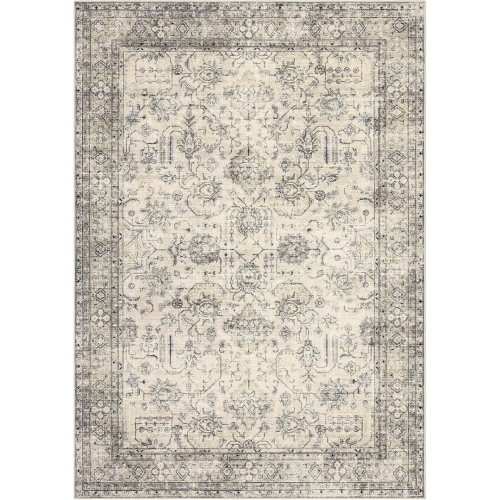

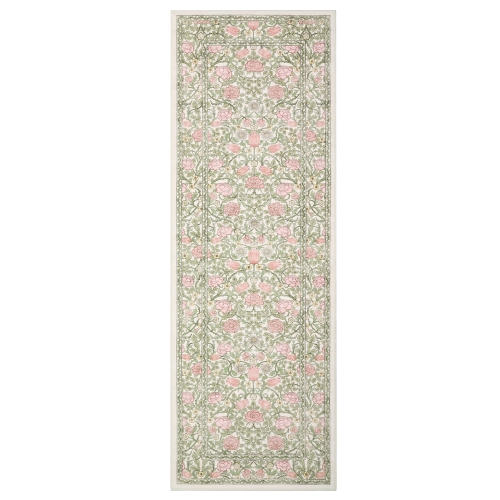
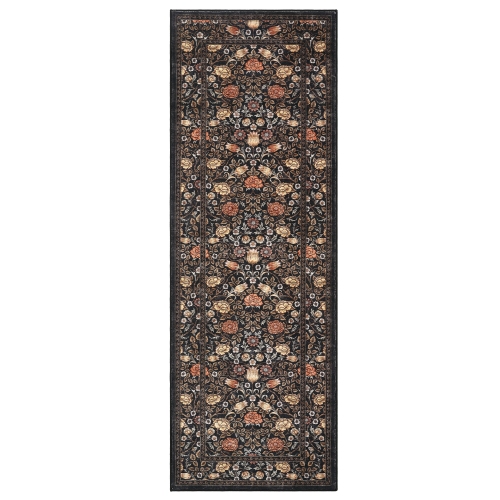
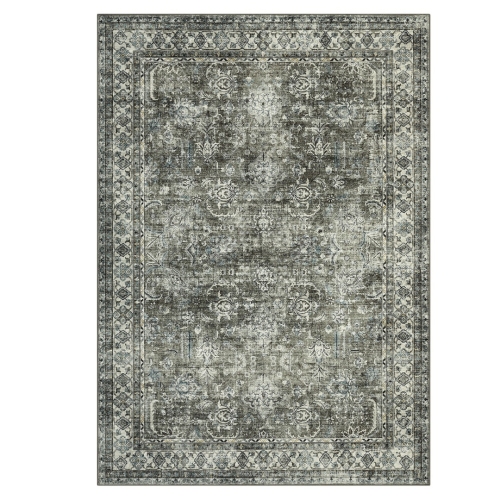
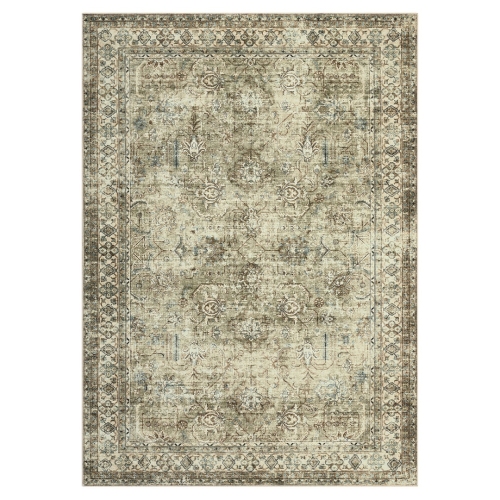
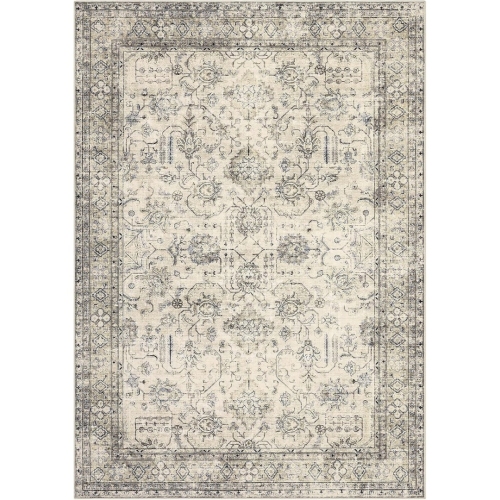
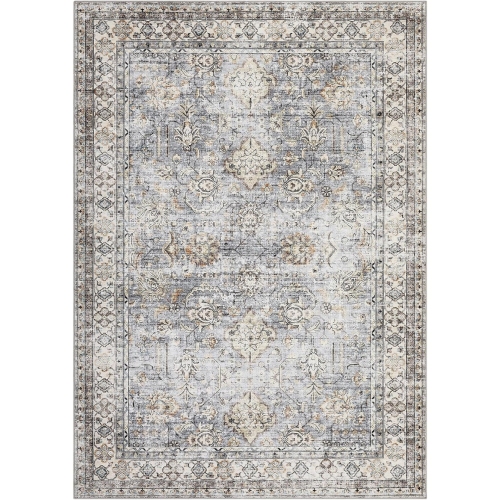
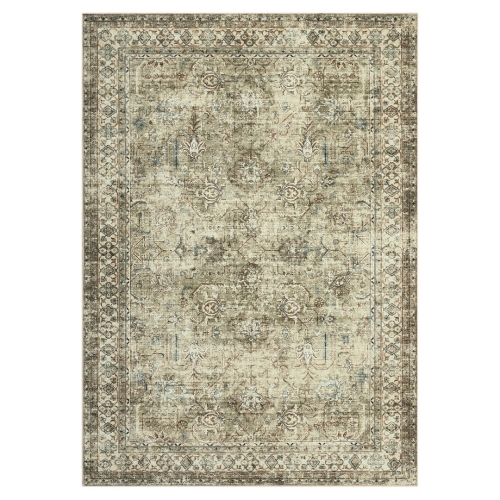
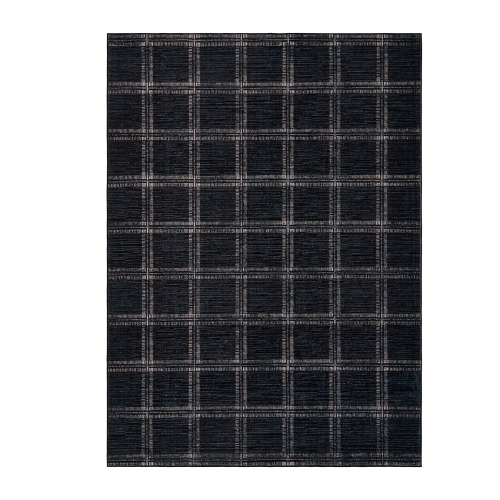
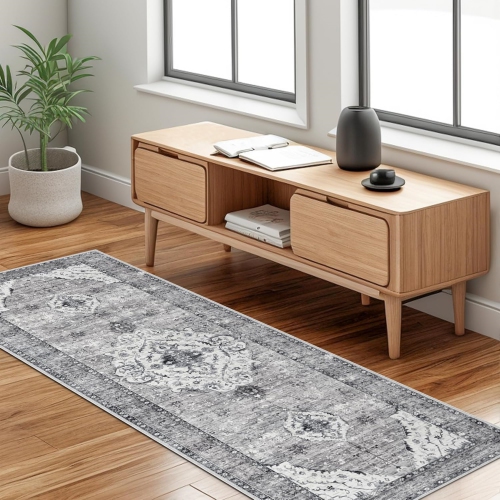
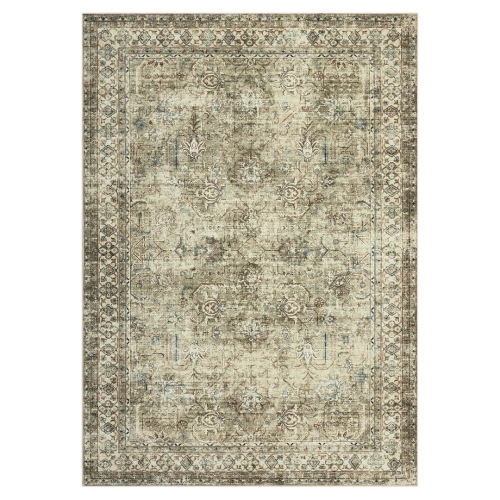
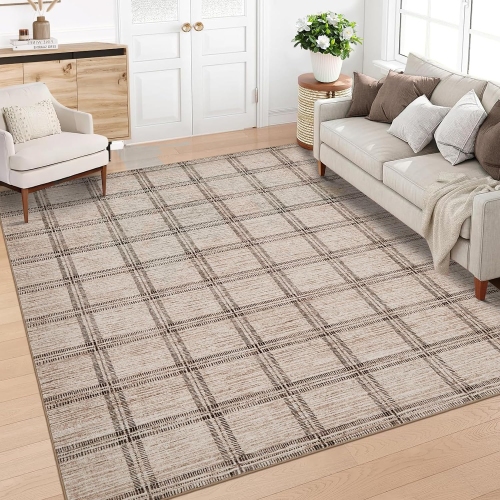
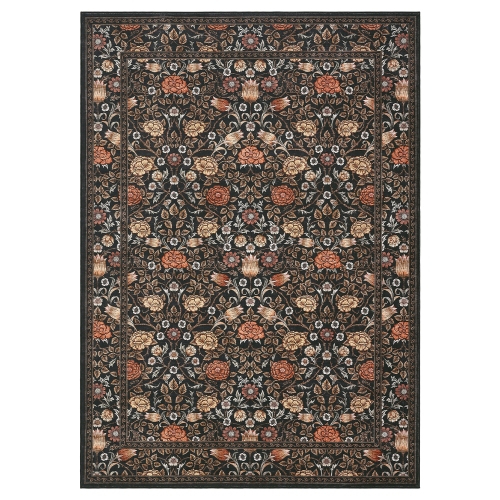
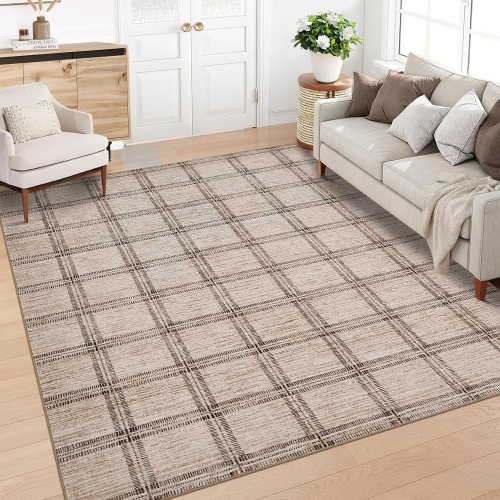


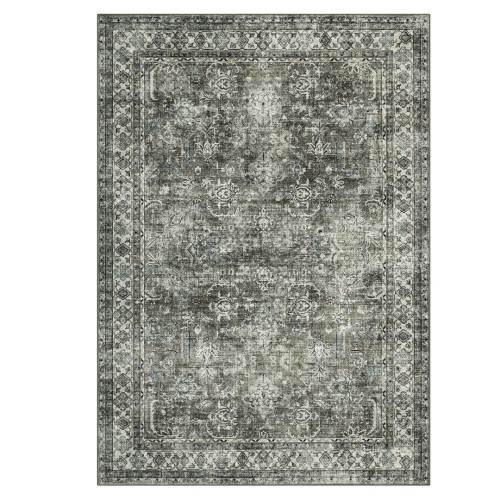
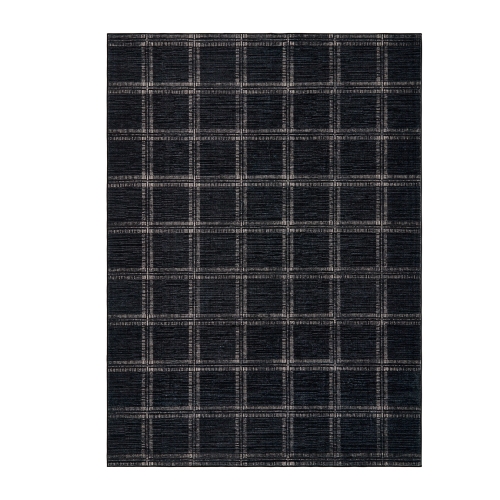
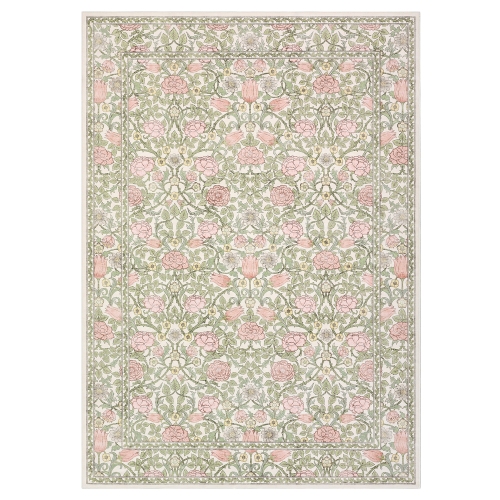
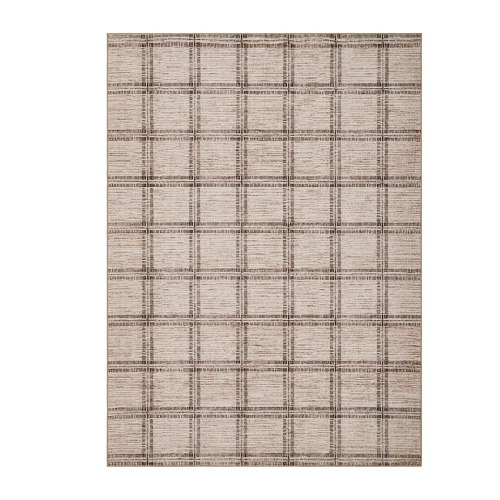


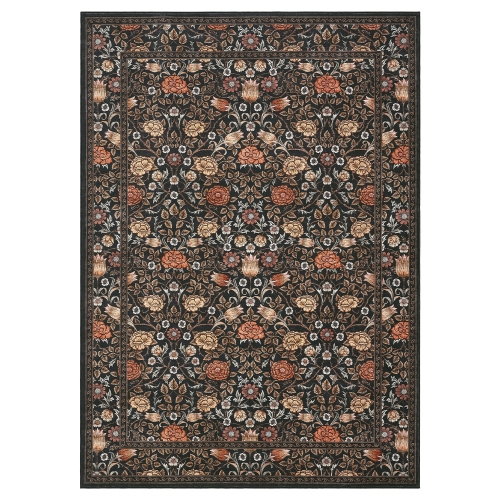
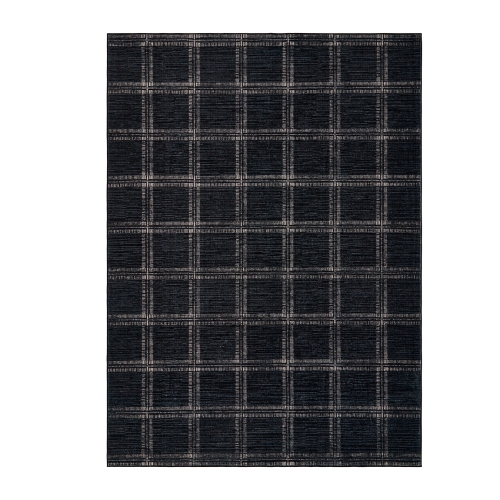

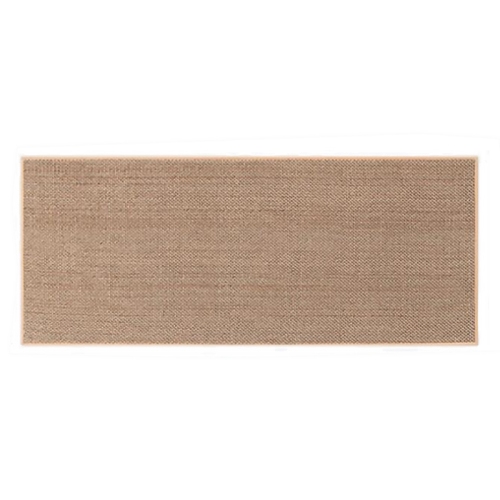
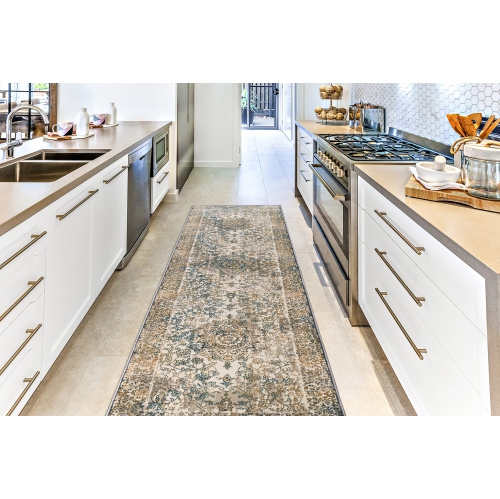

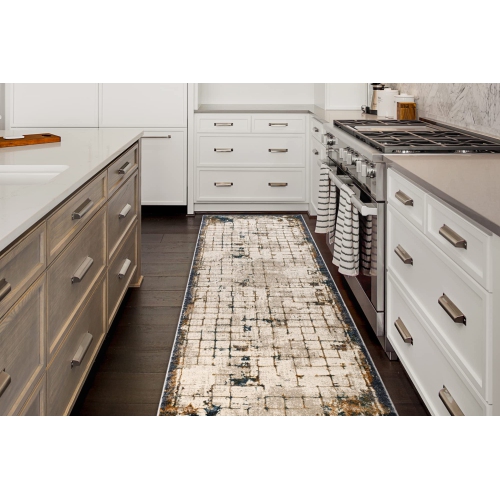


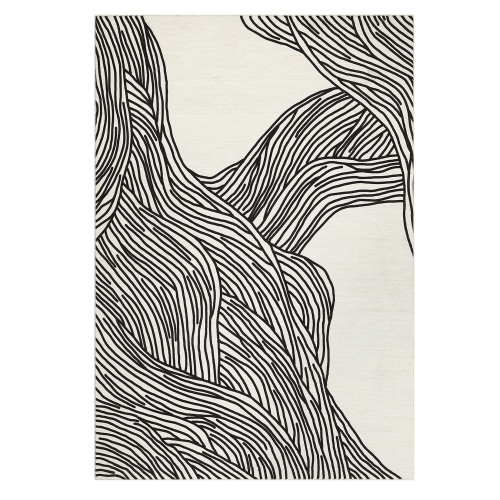
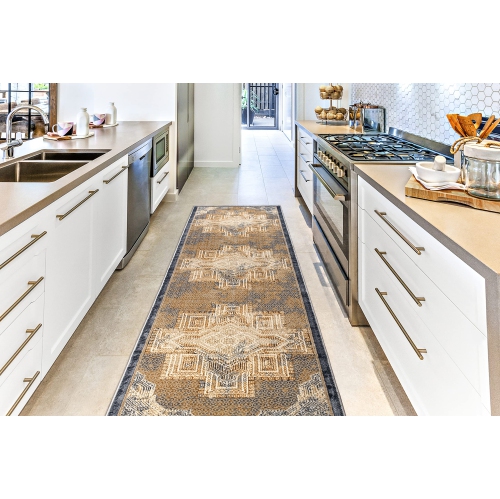


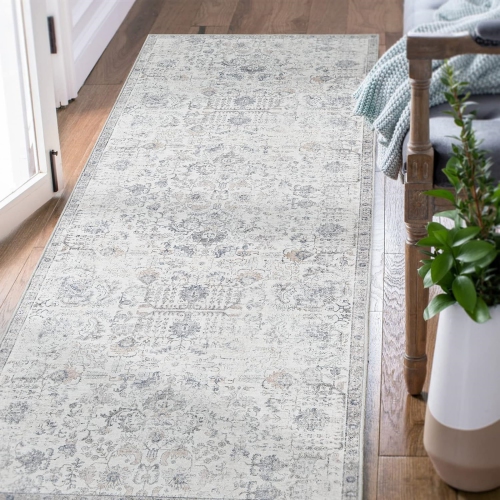
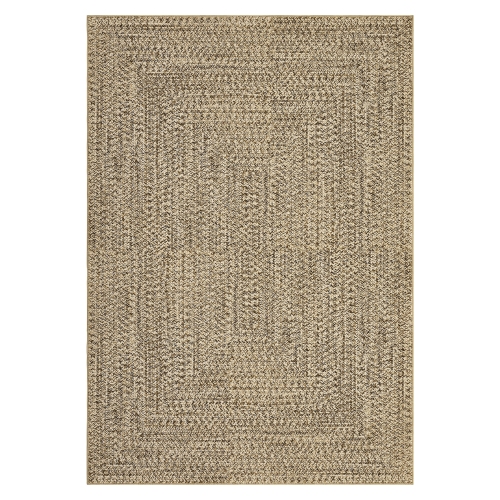
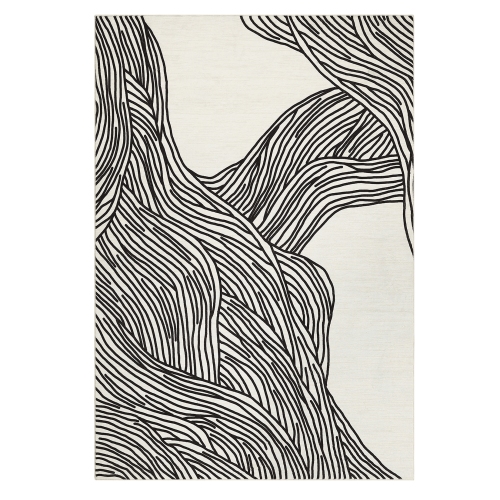

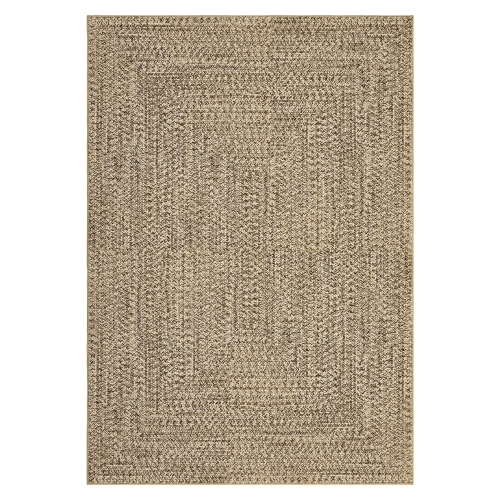

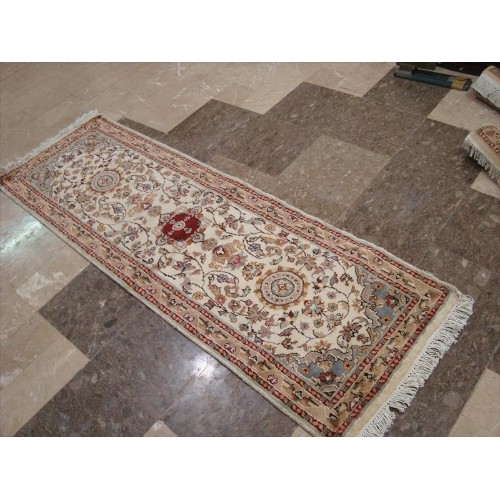
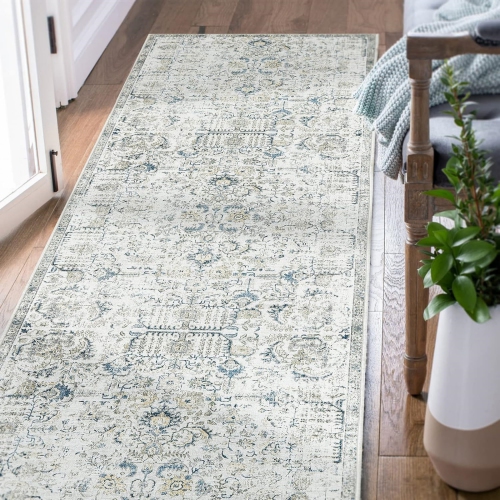


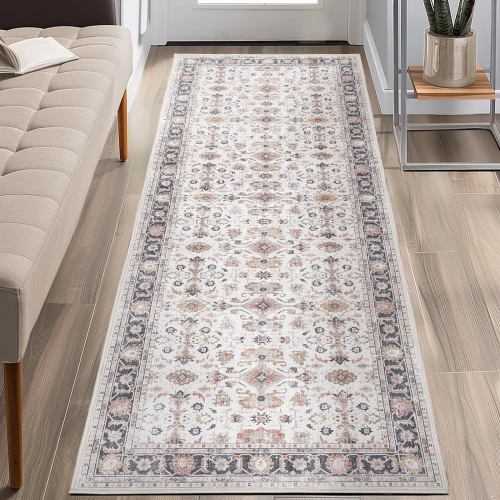


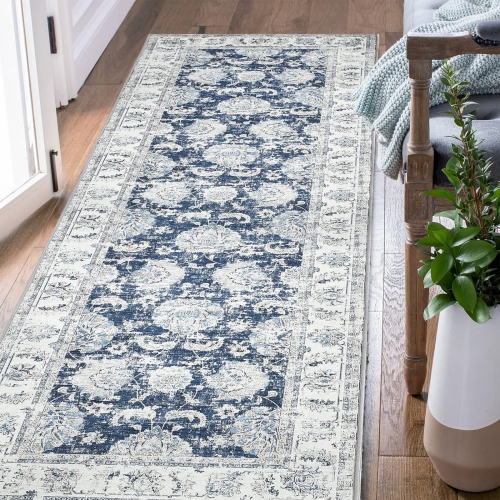


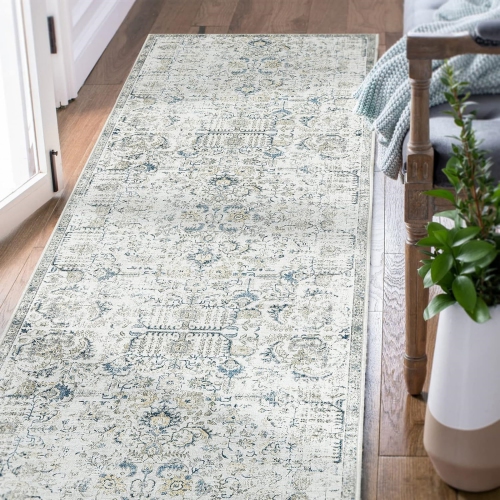

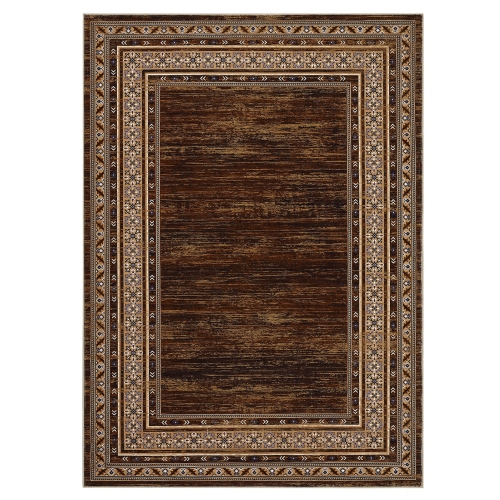
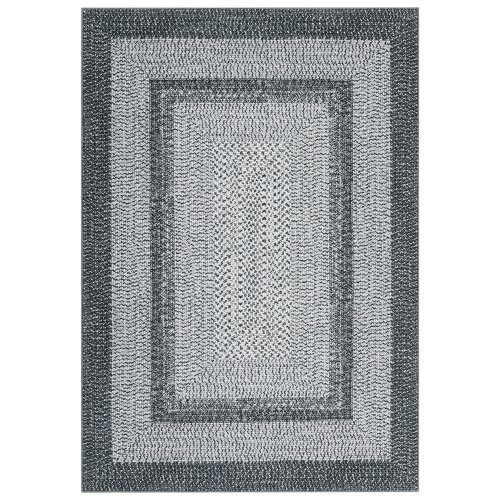

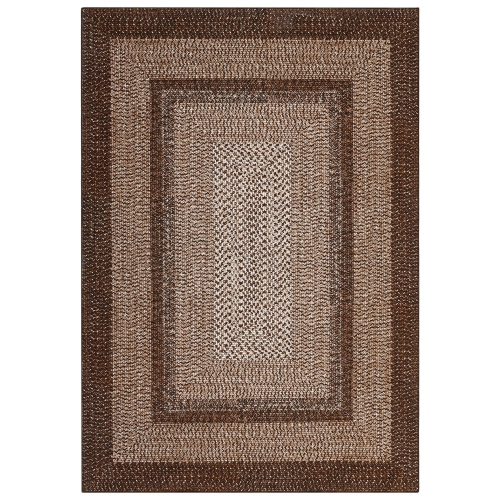

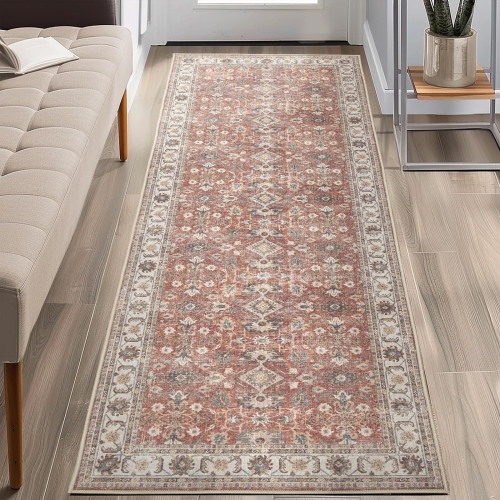

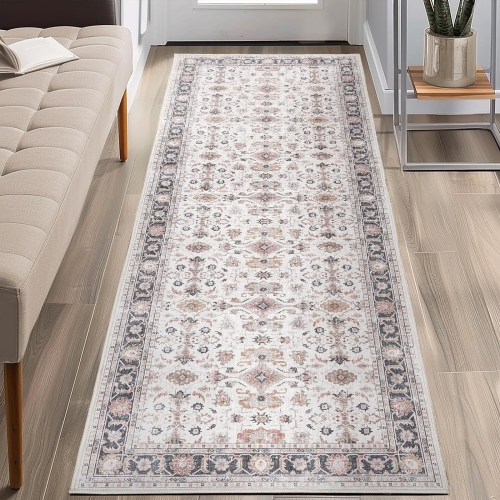
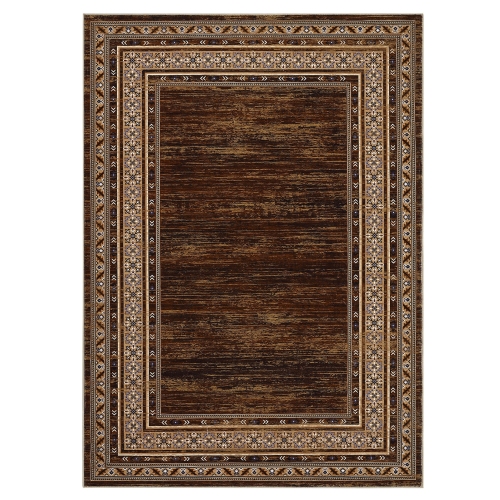


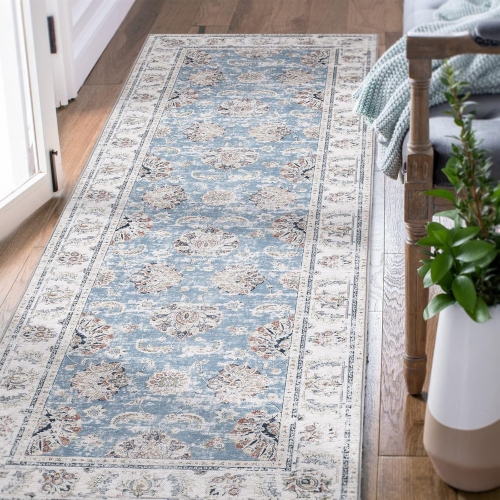
Softness underfoot without covering the entire floor
Long runner rugs bring softness, colour, and definition to narrow spaces without covering the entire floor. Their elongated shape suits extended hallways, spacious entryways, galley kitchens, and the walking space beside a bed or a bank of cabinets. Many long runners measure approximately two to three feet wide and 10 to 20 feet long, with longer lengths suited to particularly extended corridors. Dimensions vary, so the usable floor area matters more than the description alone. A runner that follows the proportions of a hallway can make the route between rooms feel connected, while a shorter rug placed in a much longer passage may look isolated. Visible flooring along both sides helps frame the rug and keeps its outline distinct. Leaving approximately 12 to 24 inches of exposed floor at each end can also create a balanced appearance where the layout allows, although doorways, landings, and intersecting passages may call for different spacing. The most useful measurements account for furniture legs, radiator covers, floor vents, and any doors that open across the runner’s path. In an entryway, a console table may narrow the walking area; in a kitchen, an open dishwasher door can reveal a clearance issue that is not obvious when everything is closed. Rug thickness includes the pile, backing, and any separate pad underneath, so all three affect whether a door can swing freely. Low-profile runners often suit spaces with limited clearance, but the actual combined thickness still needs to fit. Placement also influences everyday comfort. A long runner beside kitchen cabinets can soften the surface underfoot while keeping the work area visually separate from an adjoining room. Along a bedroom floor, it creates a comfortable landing without extending beneath every piece of furniture. For adjoining hallways, consistent width, colour, or pattern can establish continuity even when each passage requires a different length. A clear, uninterrupted route remains important, particularly in homes where people use mobility aids or where several doorways meet.
Materials and construction shape how a long runner rug feels, wears, and responds to cleaning. Wool offers a resilient fibre and a comfortable texture, with a pile that can recover from some everyday compression. It may shed initially, and suitable cleaning methods depend on the rug’s dyes, backing, and construction. Cotton runners can feel soft and relaxed, and some are washable, although laundering may affect their dimensions or shape unless the care instructions specifically allow it. Synthetic fibres such as polypropylene, polyester, and nylon are common choices for busy spaces. Polypropylene typically resists moisture absorption, polyester can provide a soft feel and clear colour, and nylon is often valued for resilience under repeated foot traffic. None of these qualities makes a rug immune to staining or wear; construction and maintenance matter alongside the fibre itself. Jute and sisal bring a textured appearance that pairs well with wood flooring, but their sensitivity to moisture can make them less practical near sinks or in entrances where spills are frequent. Flatwoven runners have little or no raised pile, giving them a streamlined profile that can be easier to vacuum. Low-pile rugs offer some cushioning while keeping the surface relatively even. A plush pile feels softer underfoot but may hold more debris and create greater resistance for doors or wheeled furniture. Households with children or pets often benefit from a construction that tolerates regular cleaning, along with a pattern that makes small marks less conspicuous between cleaning sessions. Looped textures deserve particular attention around pets whose claws may catch in the surface. Machine-washable runners can simplify care, but washability needs to apply to the relevant rug component, and a long runner must fit within the washer’s stated capacity. Some designs have a removable washable cover rather than a washable base. Finished edges, secure binding, and a backing appropriate for the floor all contribute to a runner that holds its shape through repeated use.
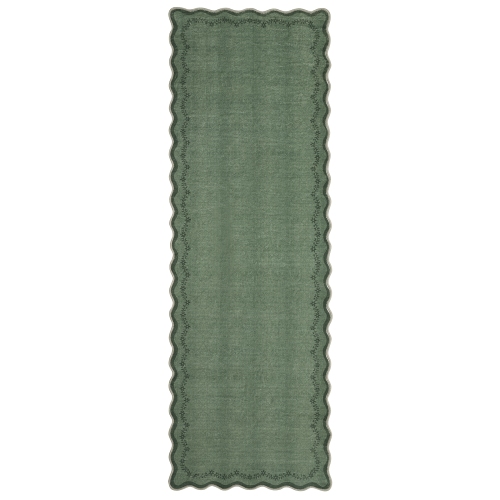
Colour and pattern help a long runner rug belong to the room rather than simply fill an empty strip of flooring. A quiet, tonal design can complement patterned wallpaper or richly grained wood, while a bolder motif gives a plain hallway a distinct focal point. Repeated geometric shapes can emphasize a corridor’s length; a border can frame the walking area and echo the lines of nearby trim. Lighter shades often create a more open visual impression, although they can make tracked-in dirt and spills easier to see. Deeper colours and varied patterns may disguise minor marks, but they still need routine cleaning. For spaces with botanical artwork, warm wood furniture, or muted accent colours, Green Runner Rugs offer another way to carry a colour palette along a hallway or kitchen floor. The colour is best considered alongside the room’s lighting, since the same shade can look different under daylight and overhead fixtures. Practical details remain just as important as appearance. A rug pad or suitable grip layer can help reduce movement, provided it is compatible with both the rug and the flooring manufacturer’s recommendations. Some backing materials can affect particular floor finishes, and a pad should not extend beyond the rug’s edges. Corners that lift, bunching near doorways, and a runner that slides underfoot warrant attention before continued use. Loose hallway runners are not a substitute for stair runners, which require appropriate sizing and secure installation. Regular vacuuming, using settings suitable for the construction, removes grit that can work into the fibres. Prompt blotting helps limit the spread of spills, while approved cleaning methods protect the finish and texture. Allowing a cleaned rug to dry fully before placing it back on the floor helps avoid trapped moisture. Rotating a runner where its shape and placement permit can distribute wear from frequently used routes. With suitable dimensions and manageable care requirements, a long runner can become a useful part of everyday routines rather than an obstacle to them.
Top selling and popular products
-
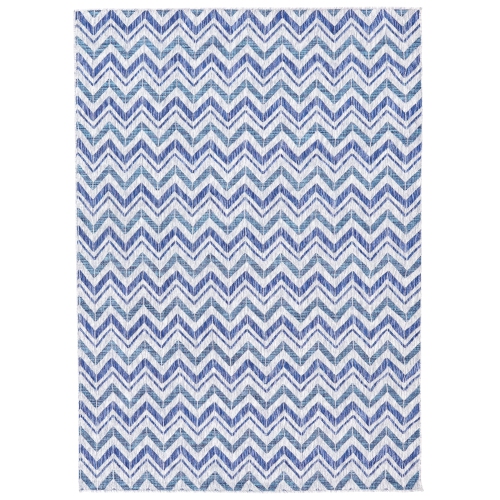 Your price for this item is $129.15
-
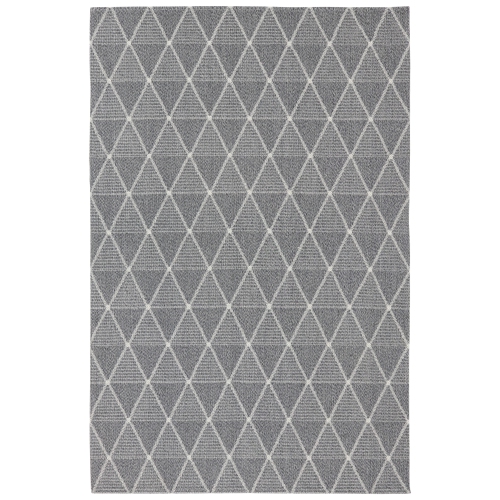 Your price for this item is $130.55
-
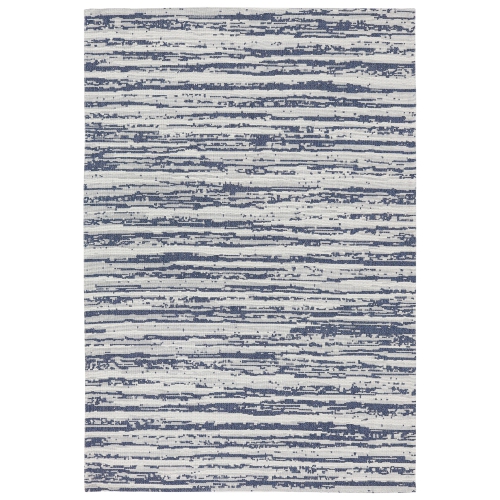 Your price for this item is $130.55
-
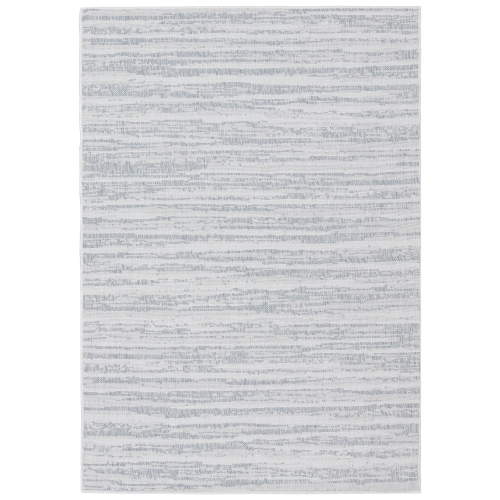 Your price for this item is $129.15
-
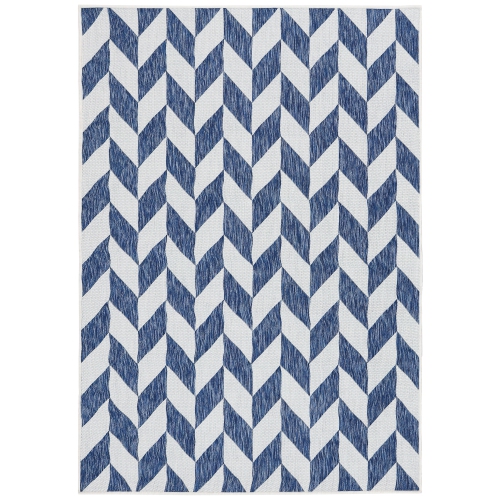 Your price for this item is $129.15
-
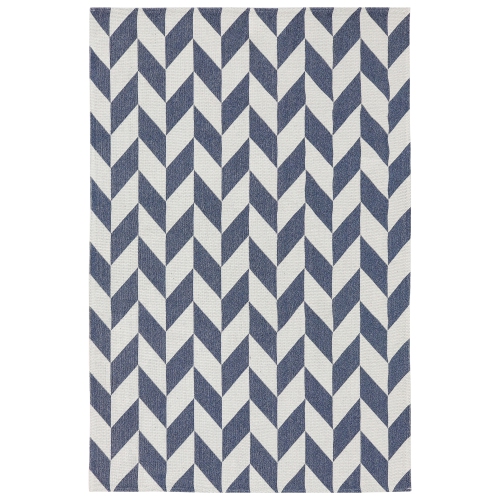 Your price for this item is $130.55
-
 Your price for this item is $111.99
-
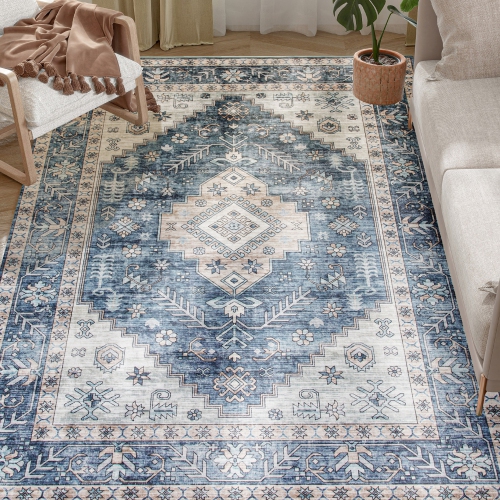 Your price for this item is $124.99
Discover more categories related to Long Runner Rugs


Top Collections:
Pokemon Centers, Kindle Devices, Best Cameras for Sports Photography, Pokémon 30th Celebration Cards, Apple iPhones 16, Canon G7X Cameras, iPhone 15 Apple, Flip Phones, Samsung Galaxy Phones, Alarm Clock
Some products may be subject to Environmental Handling Fees
(EHF) depending on your province.
Learn more about EHFs.