Loomed Rug
Add a touch of warmth and sophistication to your space with our loomed rugs. Whether you're looking to create a cozy ambiance in your living room, add a pop of color to your bedroom, or define a welcoming entryway, loomed rugs offer endless possibilities. Explore our wide selection of loomed rugs and discover the perfect piece to transform your home today.
Sort


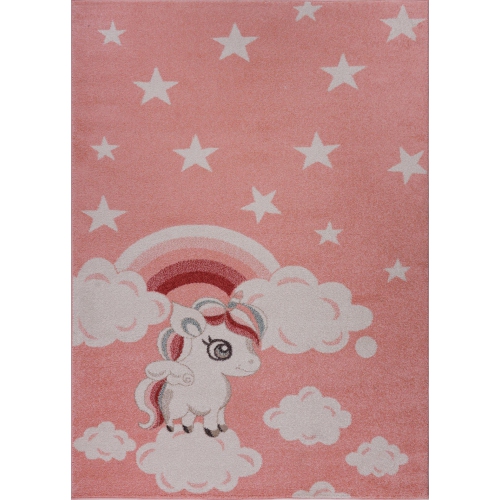
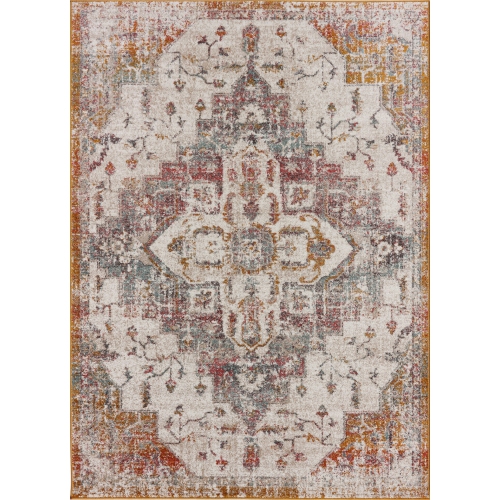
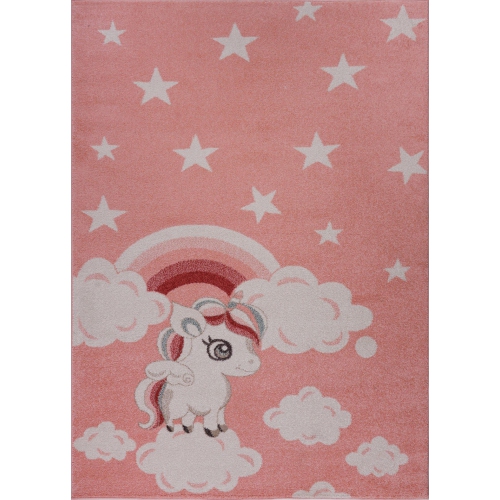
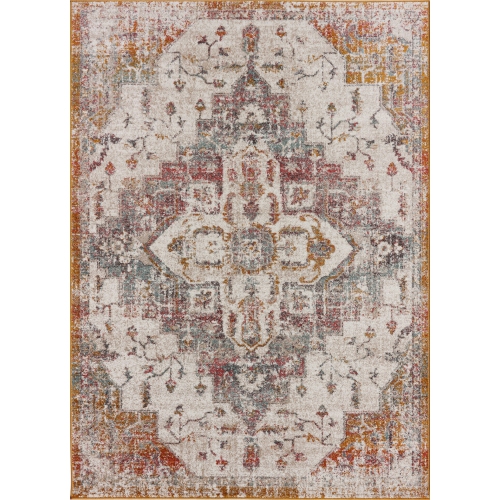
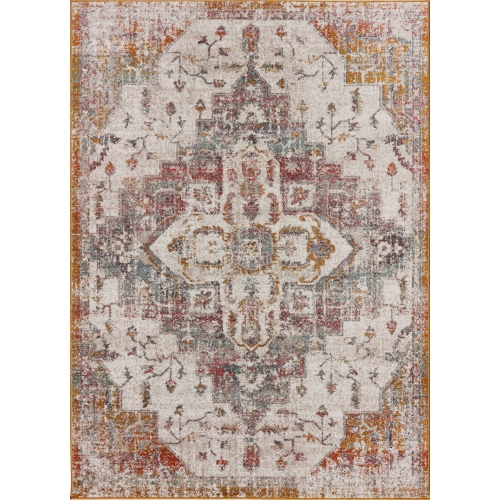
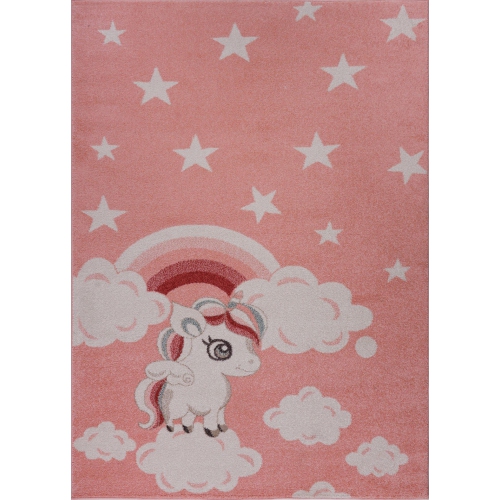

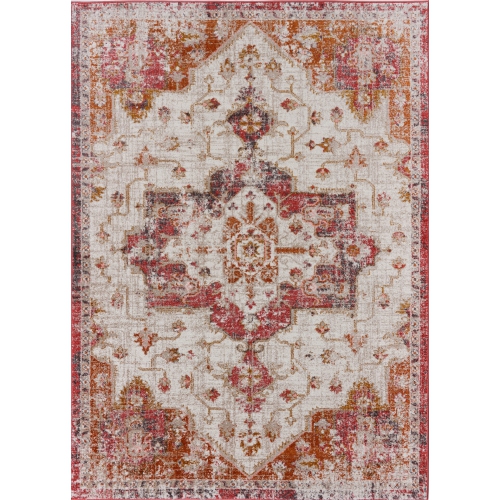
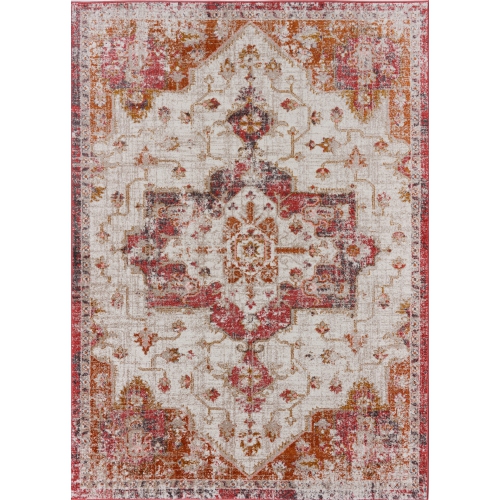
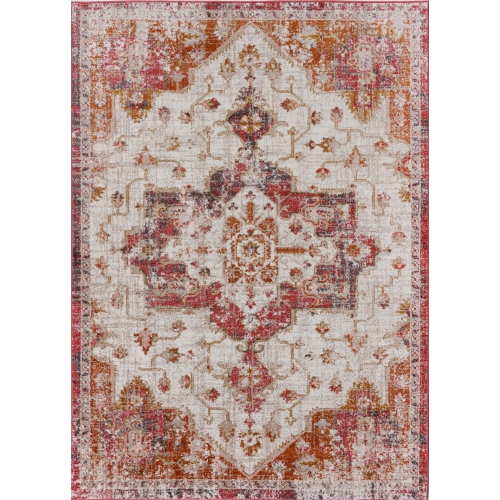


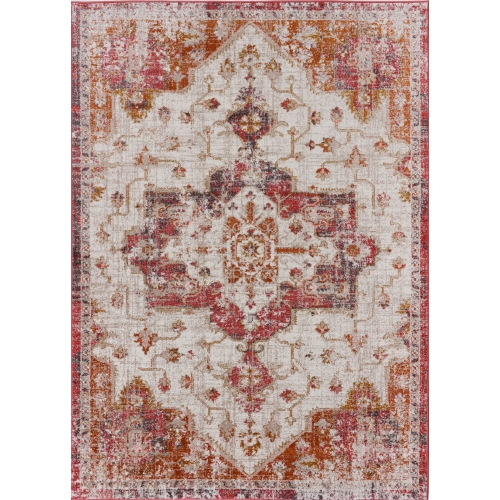


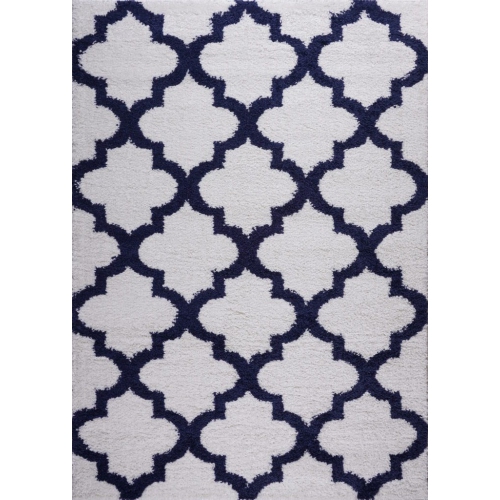
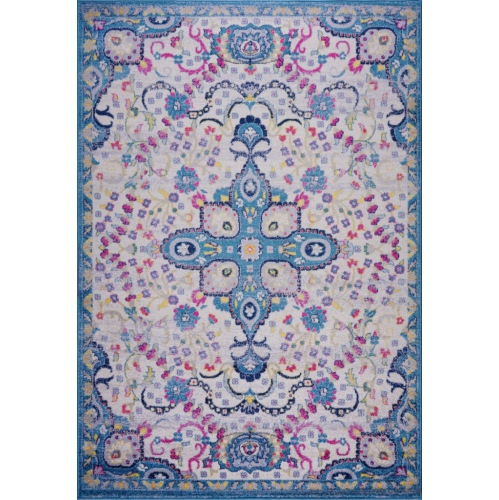
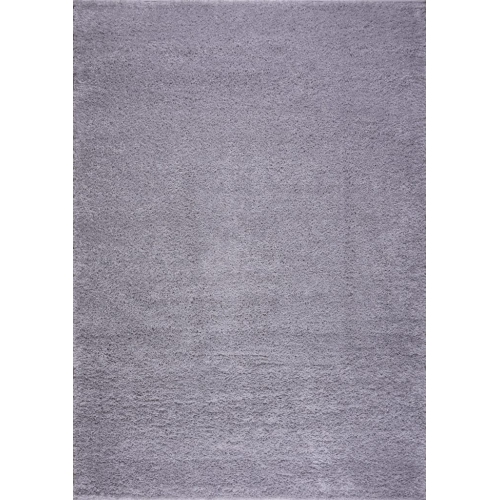
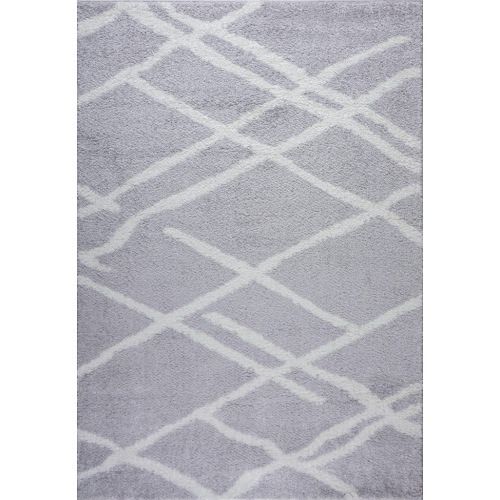
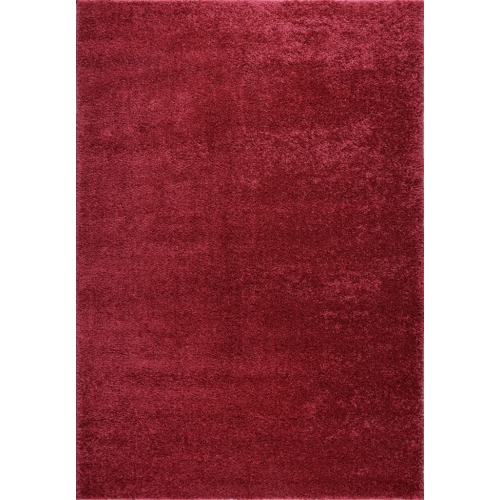




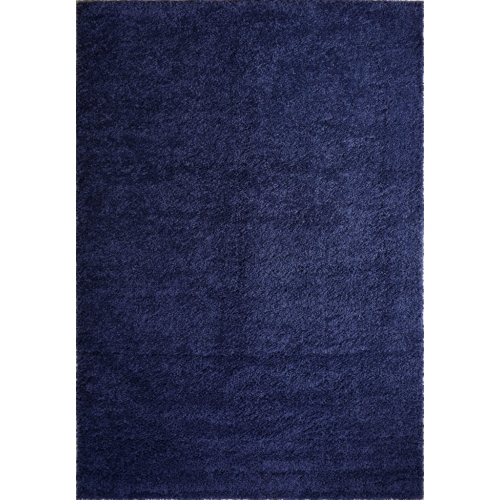


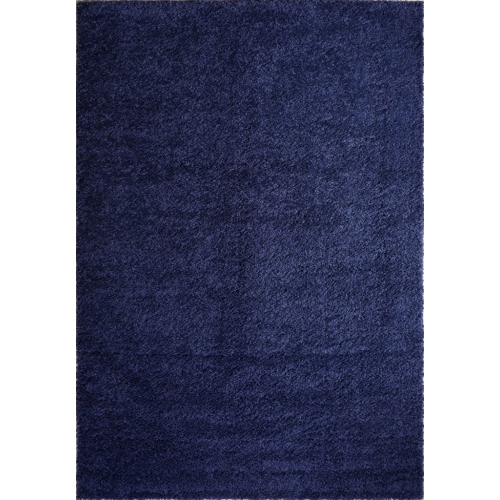
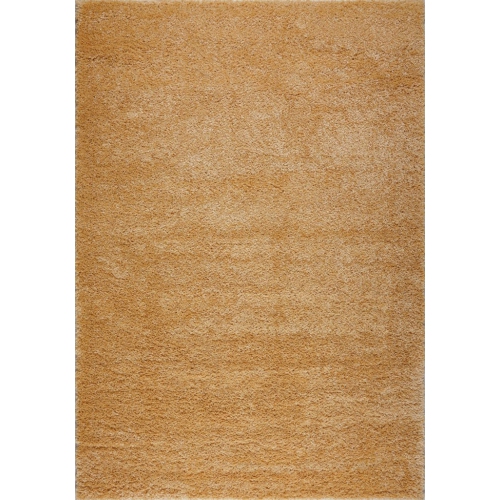
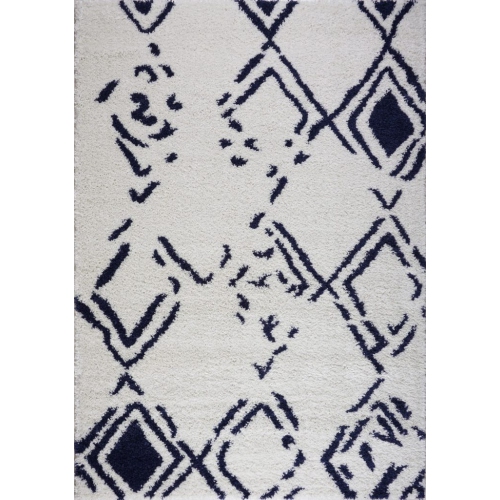
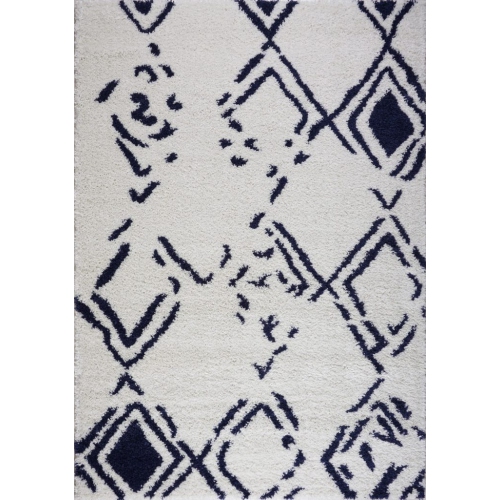
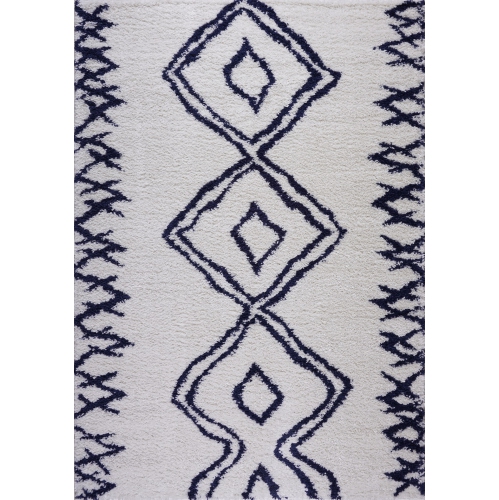
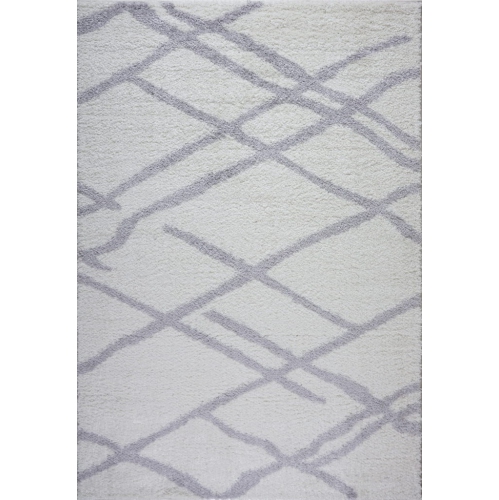




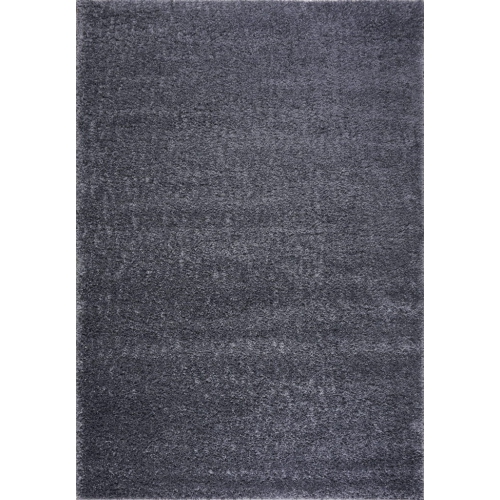
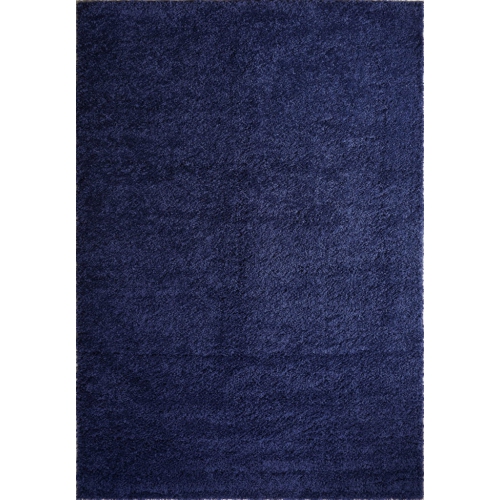


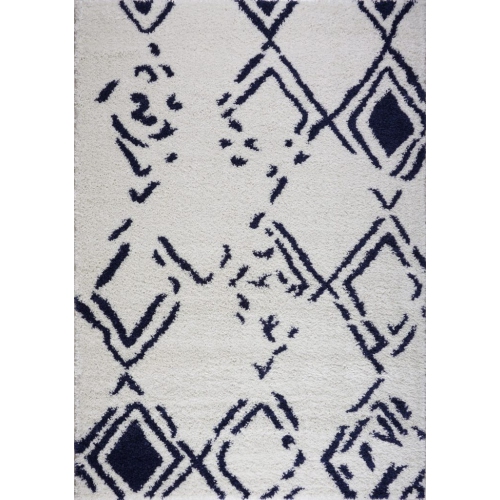

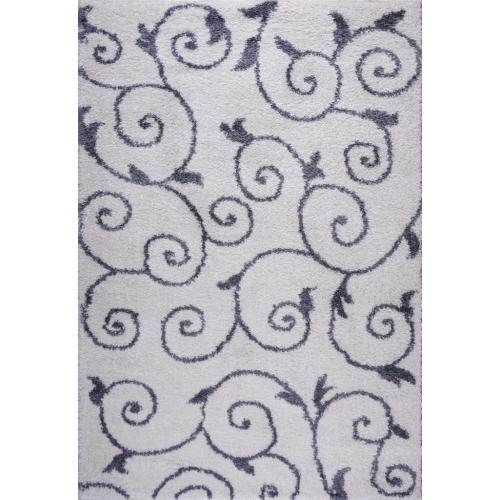

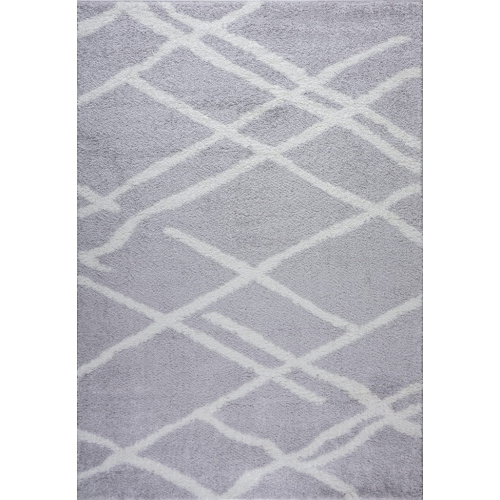
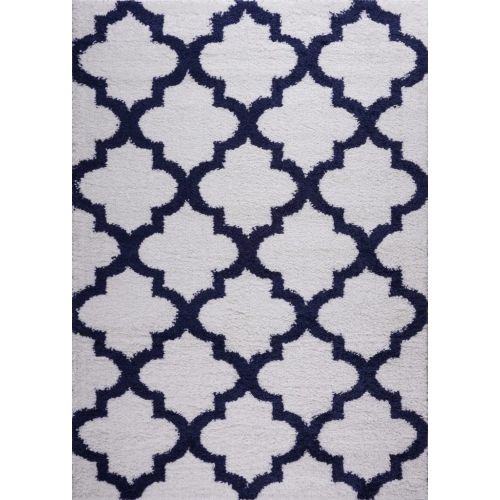


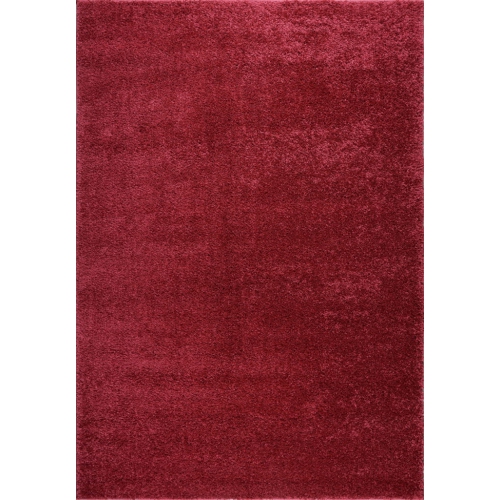
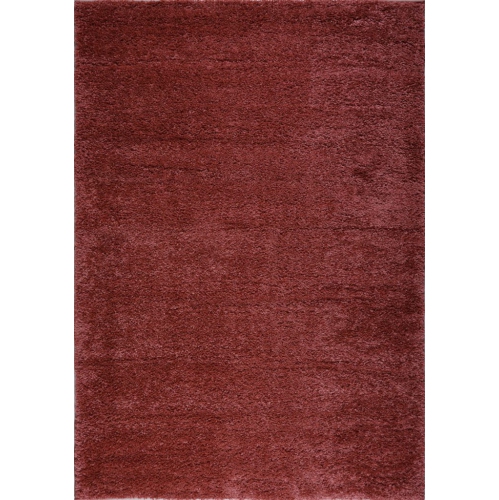
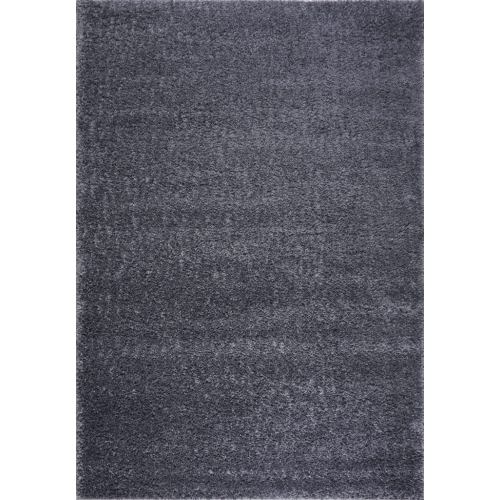
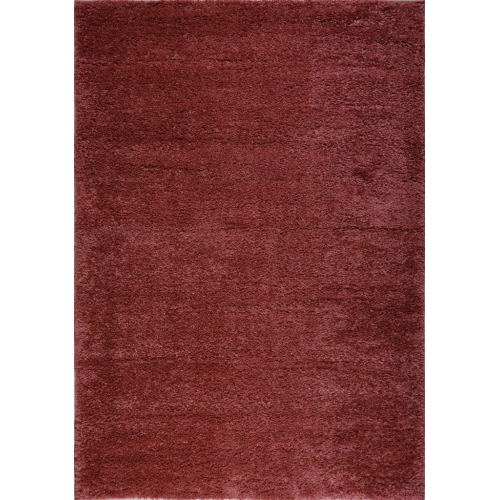



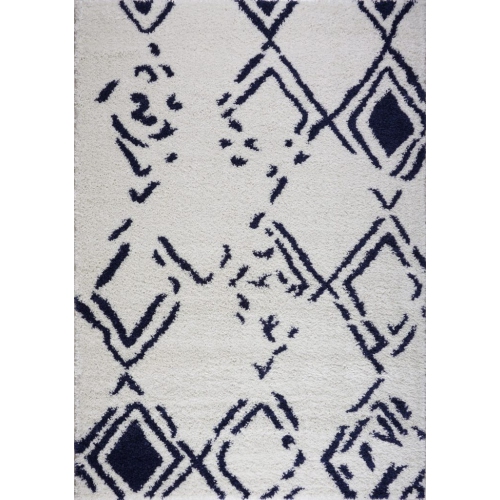


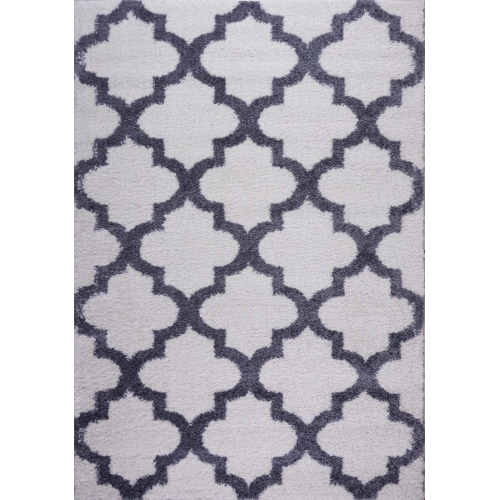
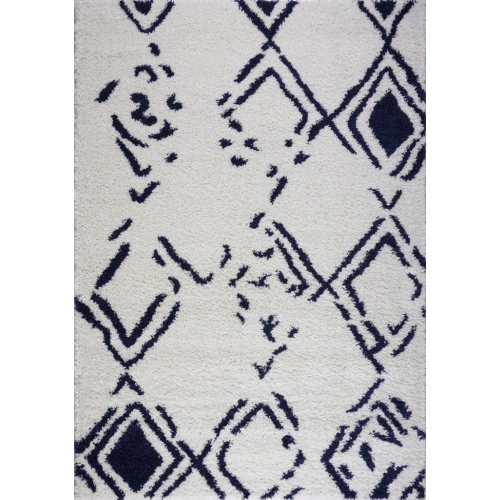
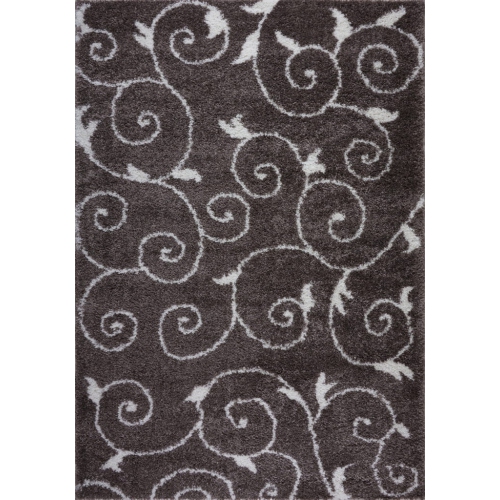
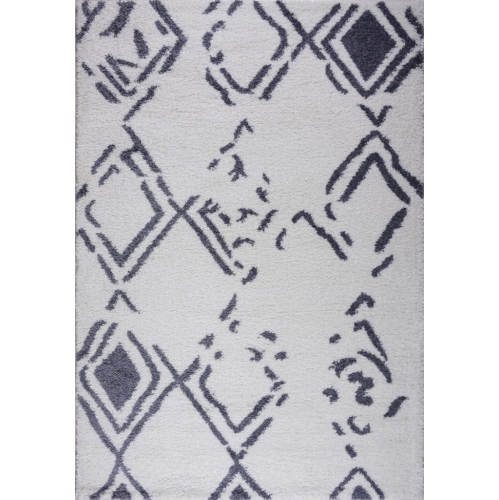
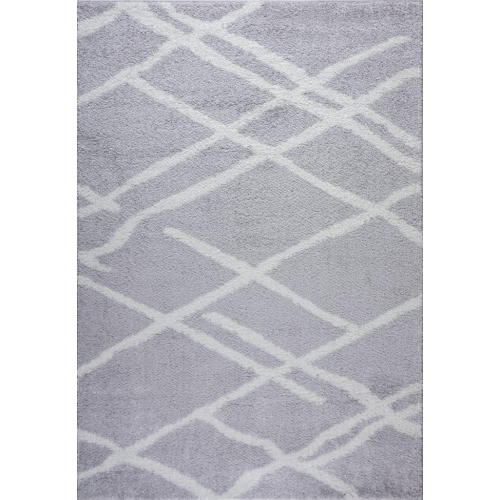

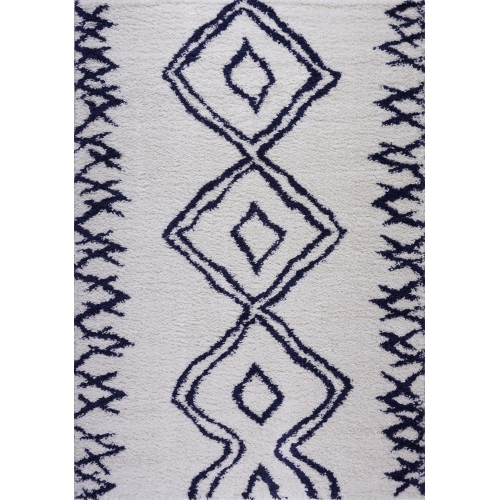
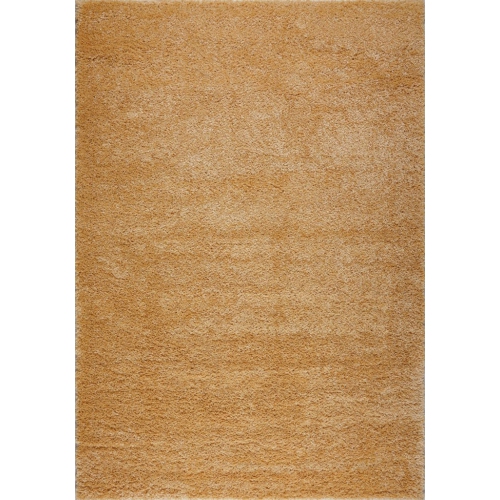


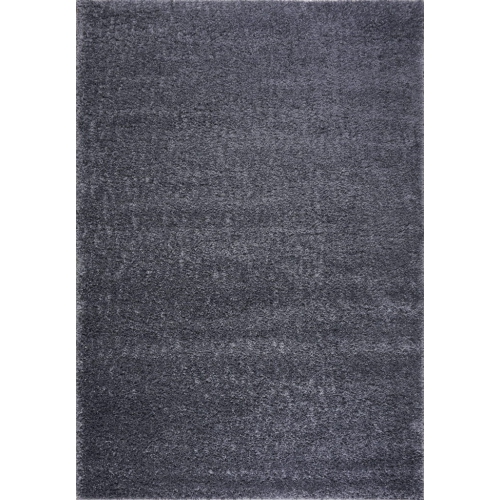

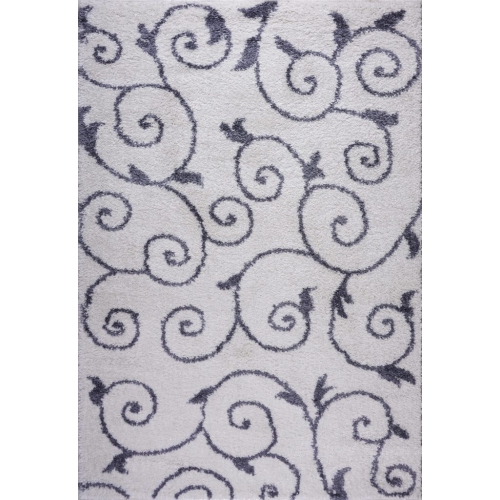


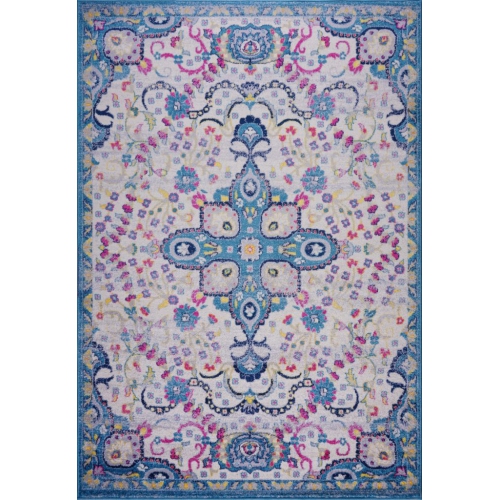

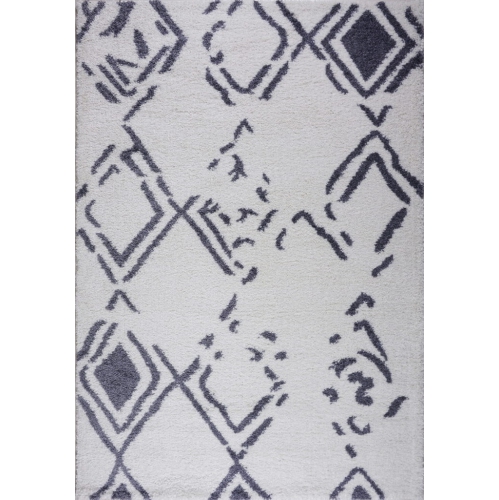


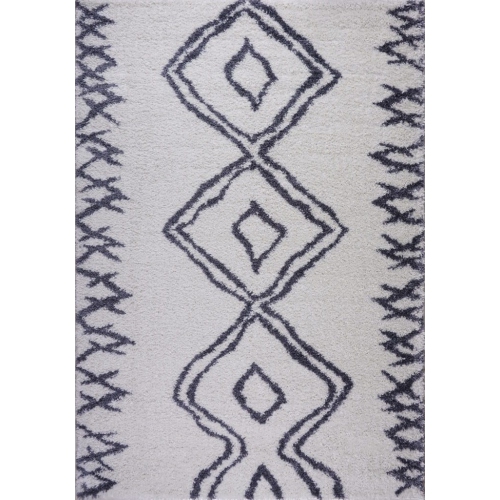

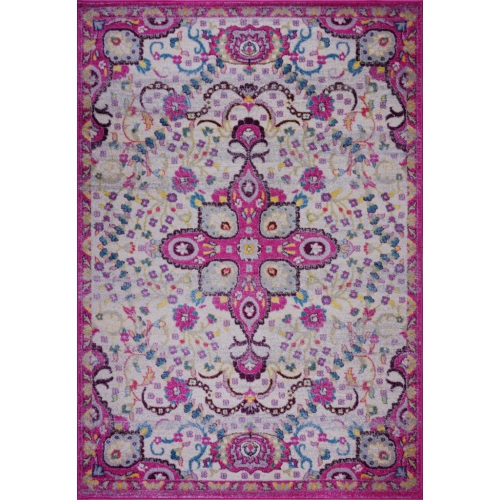


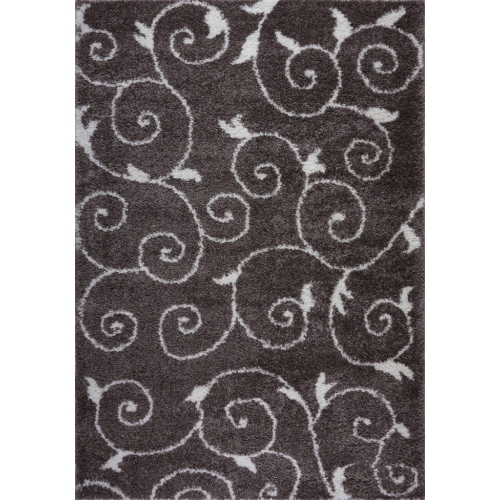


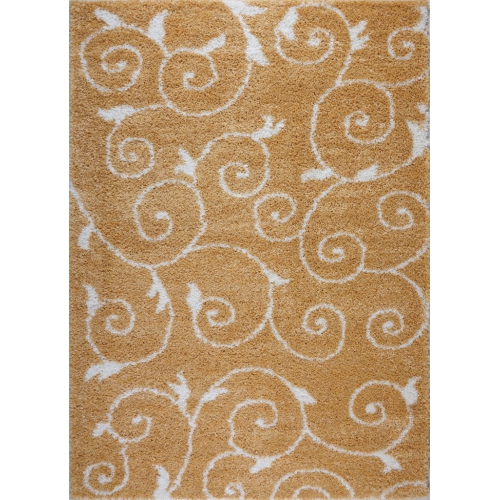


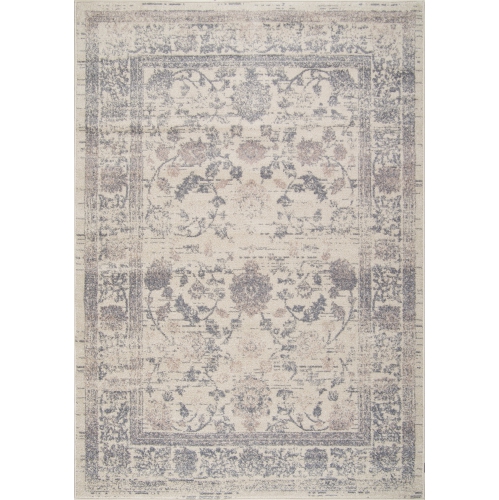

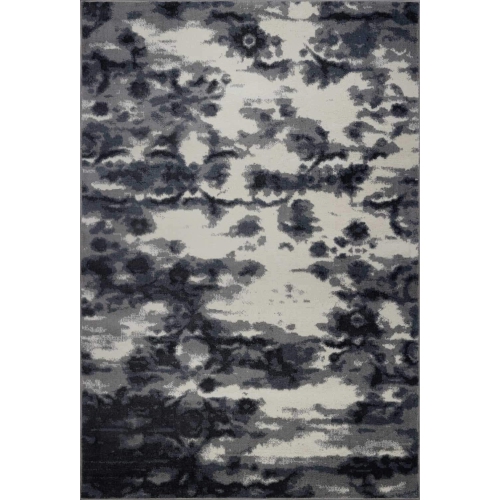
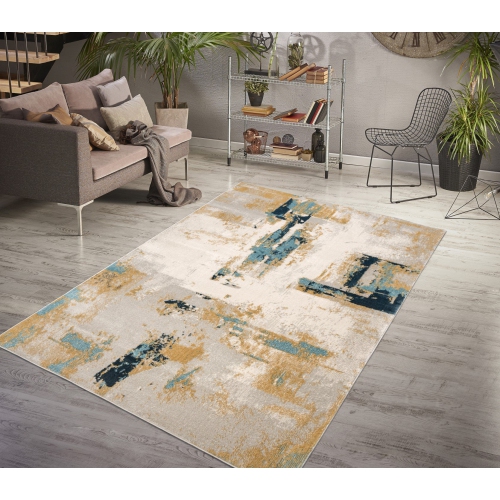

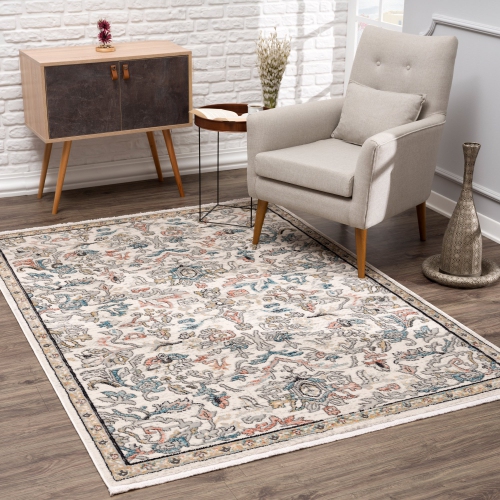











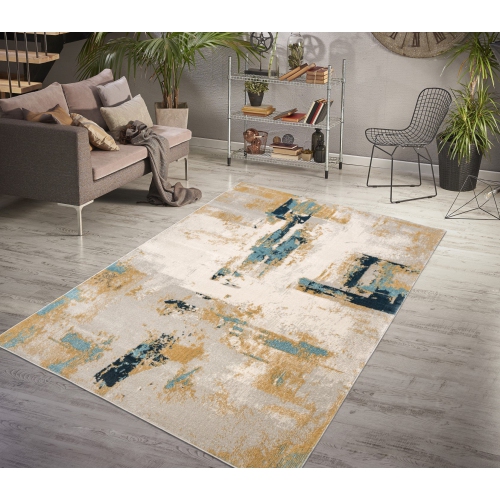


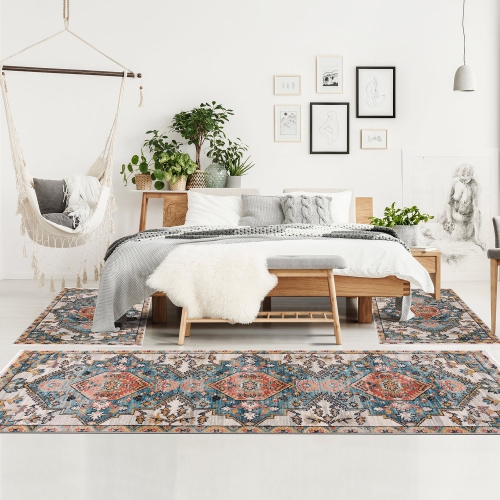
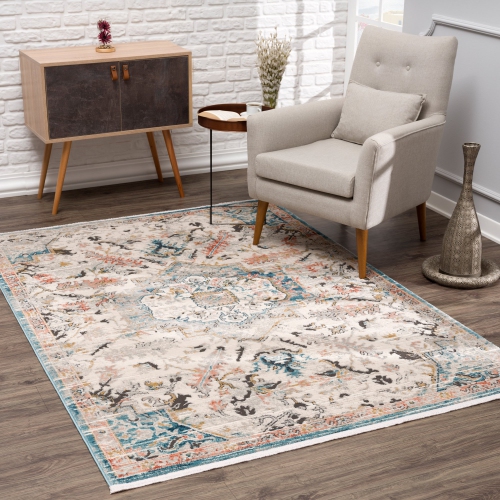


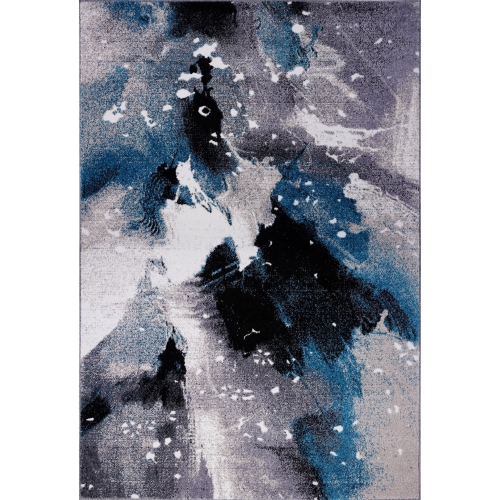

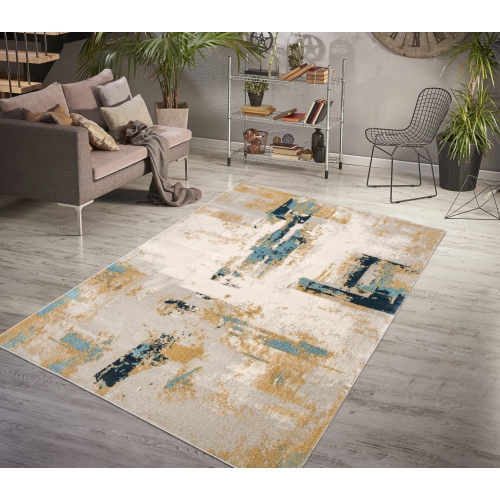
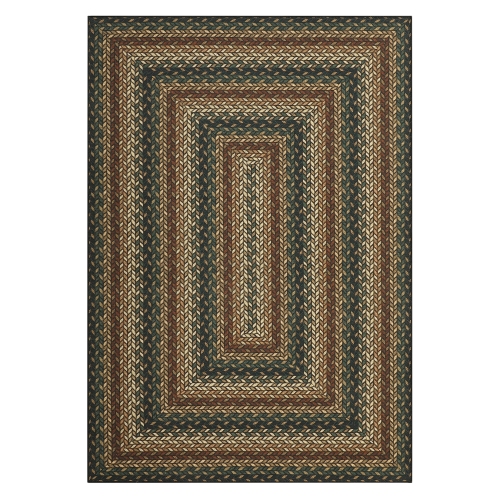
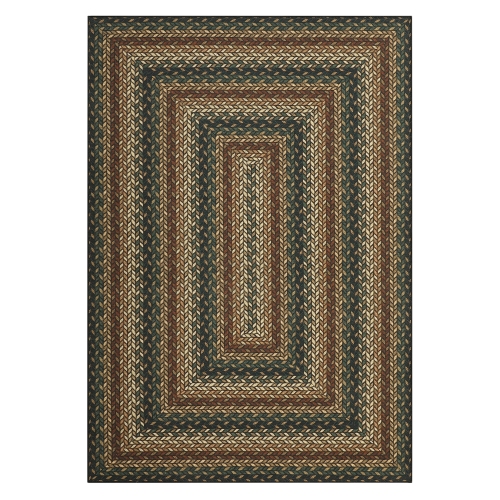

How rug construction shapes comfort and everyday use
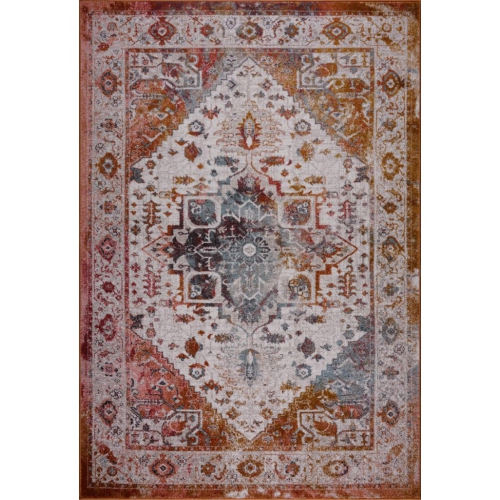
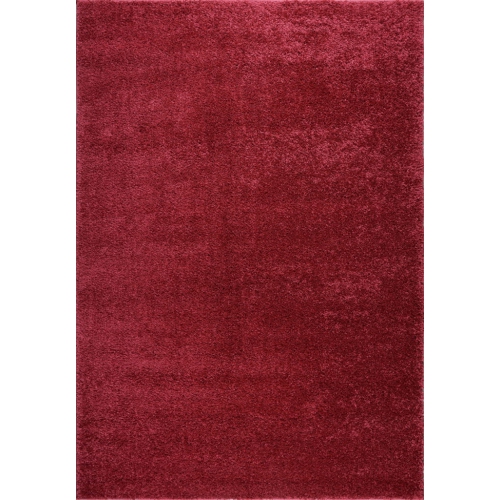
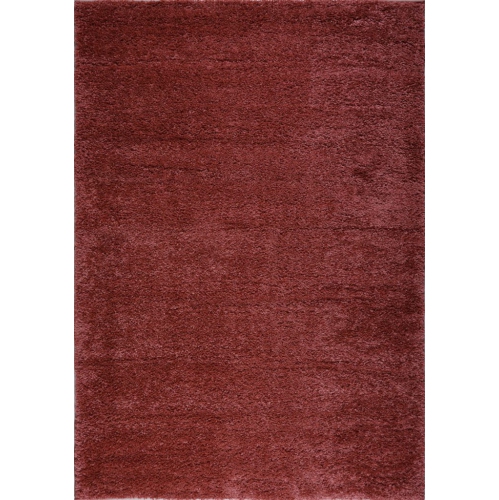
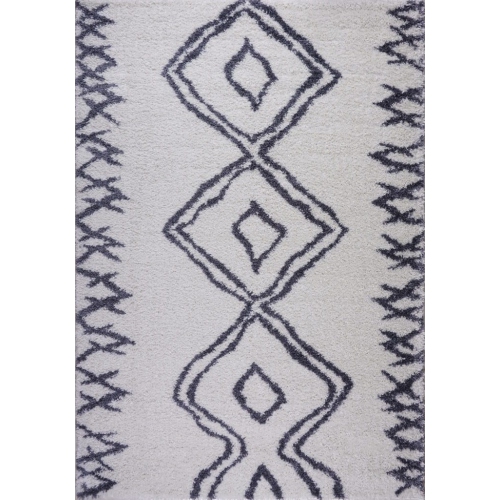
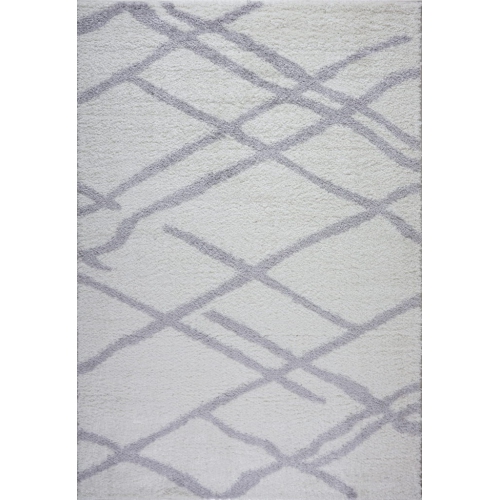
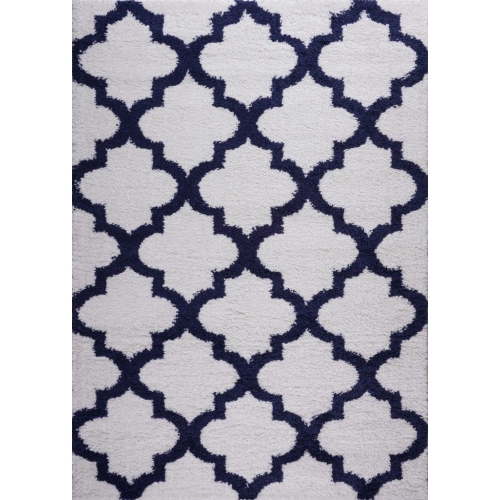
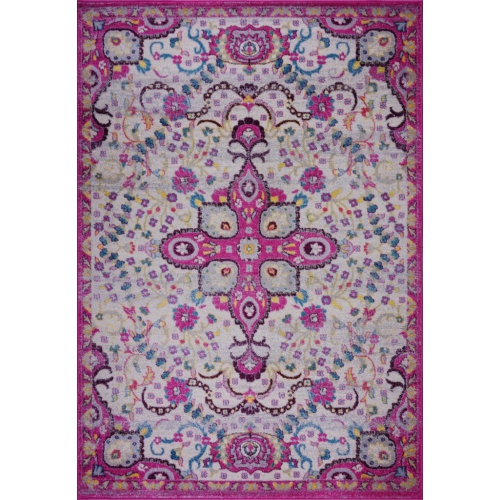
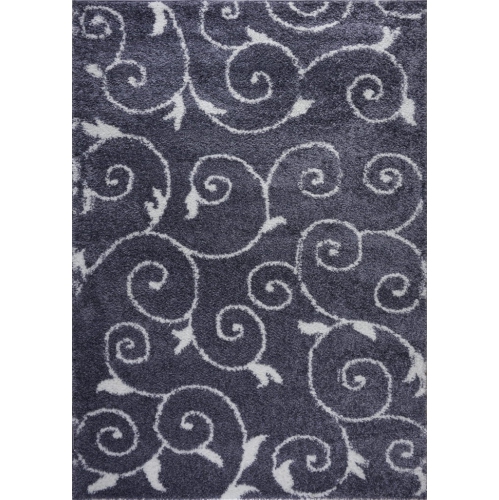
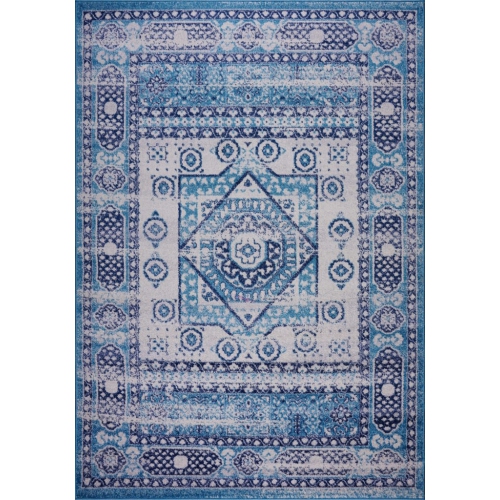
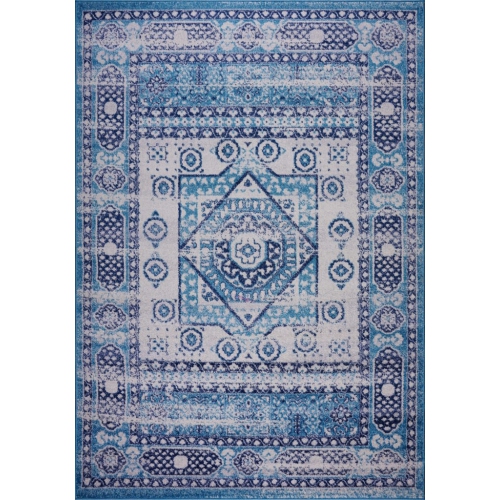
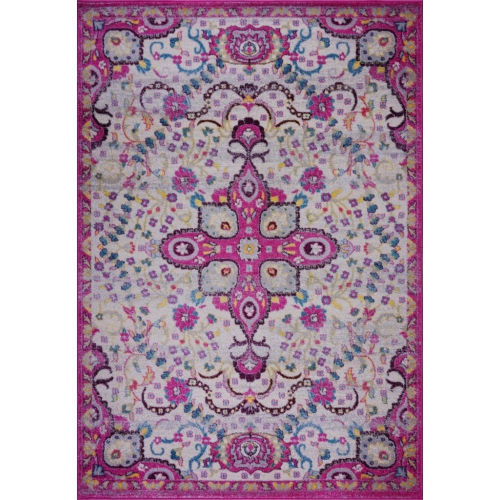
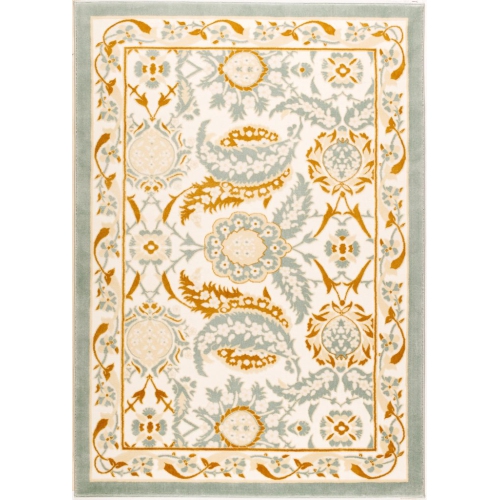
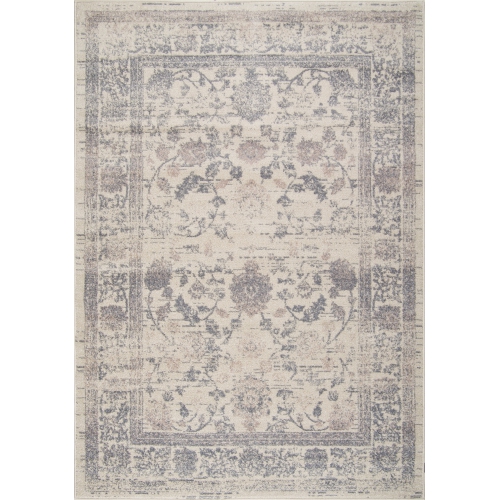
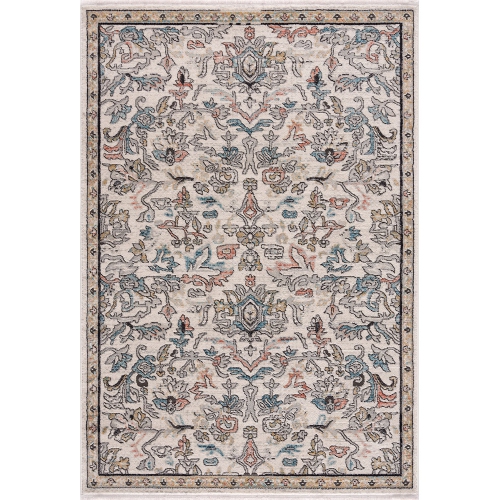
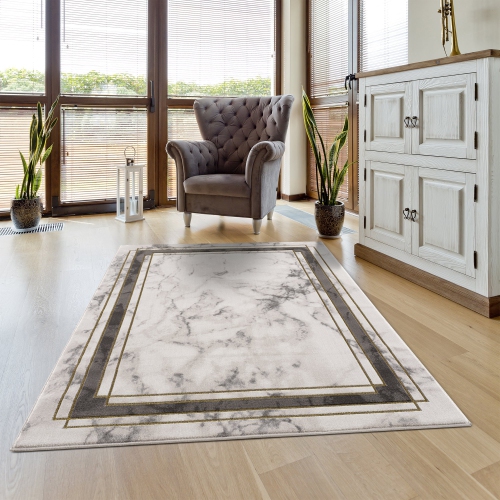
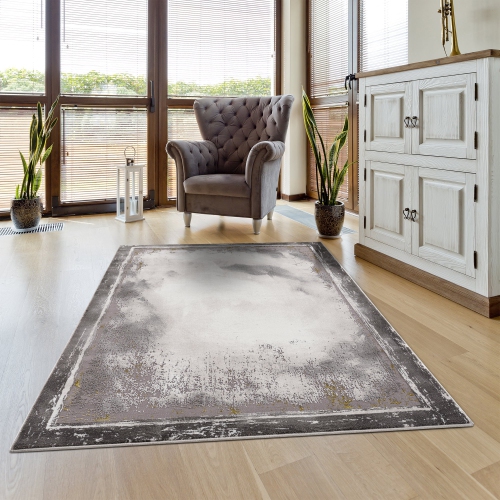
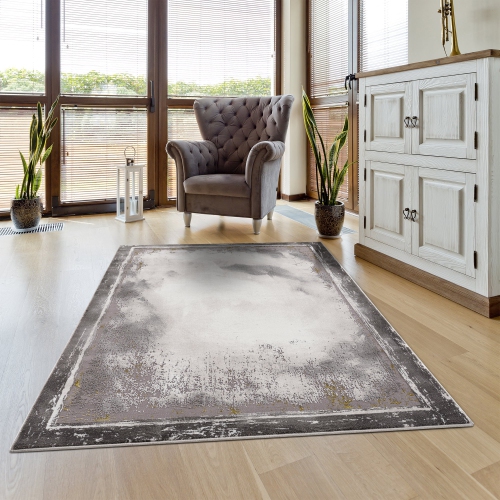
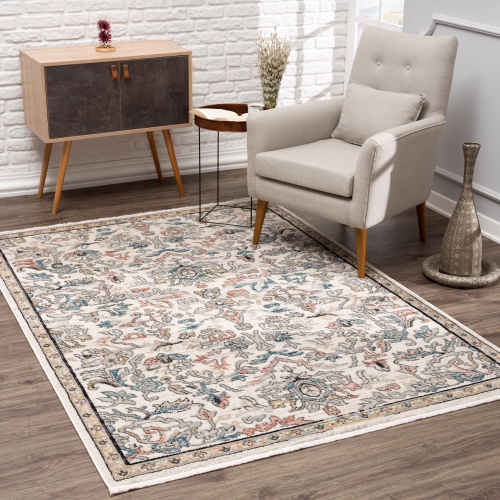
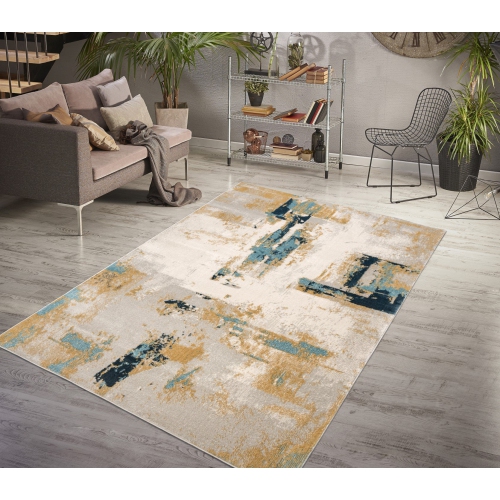
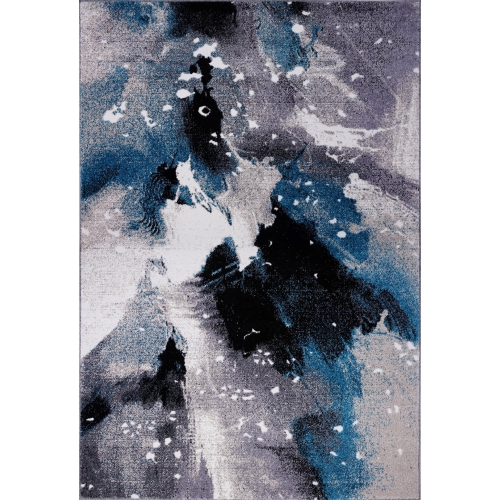
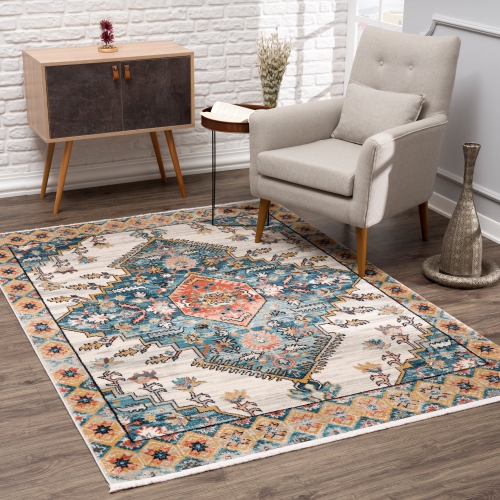
A loomed rug is a floor covering made by interlacing lengthwise warp yarns with crosswise weft yarns on a loom. The term covers both hand-loomed and machine-loomed rugs, with differences in texture, pattern, finish, and production method. Hand-loomed rugs are woven by a person operating a loom, and may show subtle variations in the weave or edges that contribute to their individual appearance. Machine-loomed rugs, also called power-loomed rugs, are produced on powered equipment that can create intricate patterns with consistent spacing and dimensions. A loomed rug may have a flat surface or a raised pile, depending on how its yarns are worked into the construction. Although hand-knotted rugs are also made on looms, a rug described as hand-loomed generally uses a different construction from one made by individually tying pile knots. Loomed construction also differs from tufting, where yarn is inserted through a backing material. The word “loomed” alone does not identify the fibre, pile height, backing, or cleaning requirements, so those details matter when comparing floor coverings for a particular room. Visually, this broad category can range from quiet, closely woven neutrals to richly patterned designs with a plush surface. A rug with fine tonal variation can soften the appearance of a living room without competing with patterned upholstery, while a geometric weave can give a simple seating area a more defined centre. Raised and flat sections within the same rug add depth that becomes especially noticeable where light falls across the floor. Fringed ends, bound edges, and slight variations in yarn thickness also influence the overall finish. For someone furnishing a first apartment, refreshing a family room, or bringing separate pieces of furniture together, a loomed area rug provides both a visual foundation and a distinct surface underfoot. Its suitability depends less on the production label alone than on the combination of weave, materials, dimensions, and intended use.
Fibre choice has a direct effect on how a loomed rug feels and performs in daily life. Wool offers resilience and a soft, substantial feel, making it a common choice for living spaces where comfort matters. Some wool rugs shed loose fibres, particularly when new, and benefit from gentle vacuuming suited to their construction. Cotton often creates a lighter, more flexible weave, but a cotton rug is not automatically machine washable; its size, dyes, backing, and finishing all affect the care method. Jute and sisal bring a pronounced woven texture and a firmer feel underfoot. They are generally better suited to dry indoor areas because moisture can leave marks or affect their fibres. Synthetic materials such as polypropylene and polyester can offer useful stain resistance and straightforward maintenance, although performance varies with the yarn, weave, and finish. Nylon is valued for its resilience in frequently used spaces. Viscose can create a soft sheen, but it may be sensitive to spills and require more specialized cleaning, making placement particularly important. Blended yarns combine different characteristics, so the full fibre composition is more informative than a single material named in a description. Pile height is another practical distinction. A lower pile can make it easier to move dining chairs, open doors, and vacuum crumbs, while a deeper pile adds cushioning in a bedroom or a relaxed seating area. Dense construction can support durability, but thickness by itself is not a reliable measure of quality. A firmly finished edge and a weave appropriate to the amount of foot traffic are just as relevant. In a home with pets, pronounced loops or loose fringe may catch claws or invite chewing. Around a dining table, a flatter surface with a pattern that makes small marks less noticeable can be more forgiving than a pale, deeply textured pile. For a reading corner, softness may take priority over easy chair movement. These everyday differences help determine whether a rug will remain comfortable and practical beyond its initial appearance.
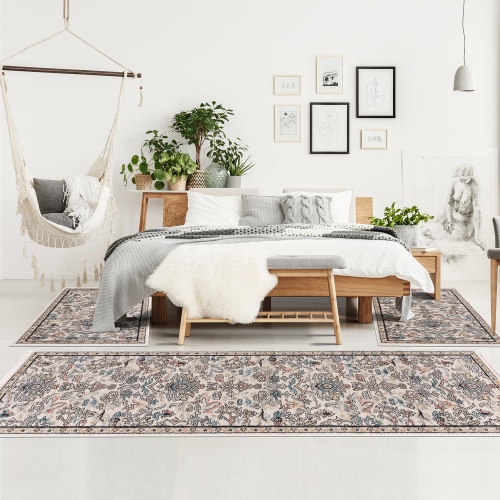
Size and placement shape how well a loomed rug works with the room around it. In a living room, a rug large enough to sit beneath the front legs of the main seating pieces can connect the arrangement, rather than leaving a small rectangle isolated beneath the coffee table. In a dining area, enough rug should extend beyond the tabletop for chairs to remain on it when pulled out for sitting. A bedroom rug can extend beside and beyond the foot of the bed, giving bare feet a softer landing without needing to cover the entire floor. For narrow spaces, long rugs can suit hallways, bedside placement, or the open stretch between furniture, provided their width leaves appropriate clearance. Measuring the usable floor area, checking door swing, and marking the proposed outline with removable tape can make proportions easier to judge. A suitable rug pad can reduce movement, add cushioning, and help protect the floor, but its material should be compatible with both the rug backing and the flooring manufacturer's recommendations. Total thickness matters near doors and along walking routes, where curled corners or raised edges can become tripping hazards. Regular care starts with the rug's own instructions: vacuum settings, brush-roll use, spot-cleaning methods, and professional cleaning requirements can differ considerably between fibres and constructions. Blot spills promptly with a clean, absorbent cloth rather than rubbing them deeper into the weave, and test any permitted cleaning solution in an inconspicuous area first. Avoid soaking a rug unless its care directions specifically allow it, since trapped moisture can affect the backing or floor underneath. Rotating a rug periodically can distribute wear from familiar walking paths and repeated furniture use. Beneath heavy furniture, appropriate protectors may help limit concentrated pressure, while occasional attention to the floor below prevents grit from accumulating unnoticed. With thoughtful placement and material-appropriate care, a loomed rug can bring texture, comfort, and a more settled sense of proportion to everyday spaces.
Top selling and popular products
-
 Your price for this item is $129.15
-
 Your price for this item is $130.55
-
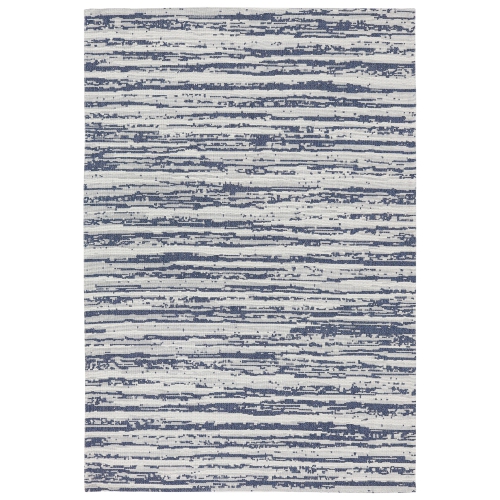 Your price for this item is $130.55
-
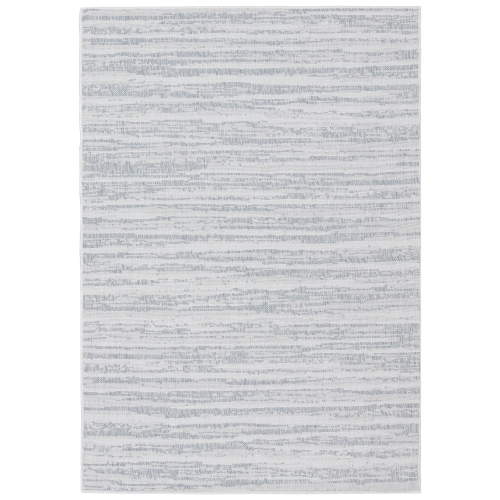 Your price for this item is $129.15
-
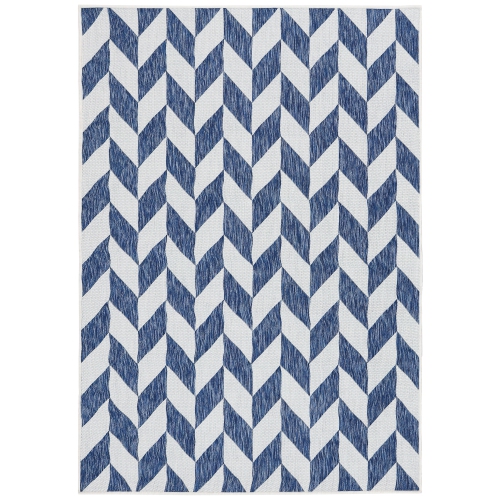 Your price for this item is $129.15
-
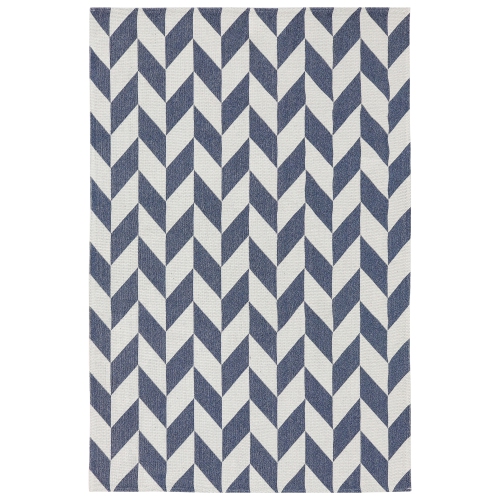 Your price for this item is $130.55
-
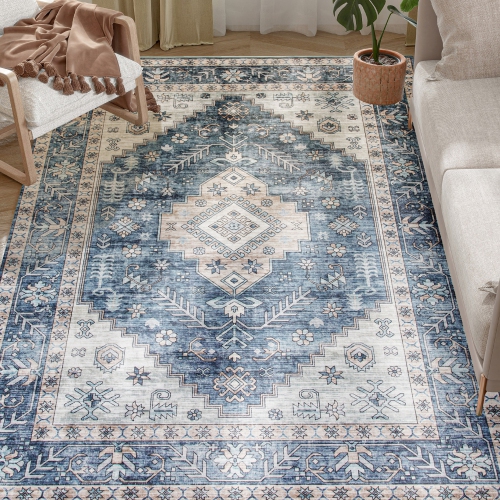
 Your price for this item is $111.99
-
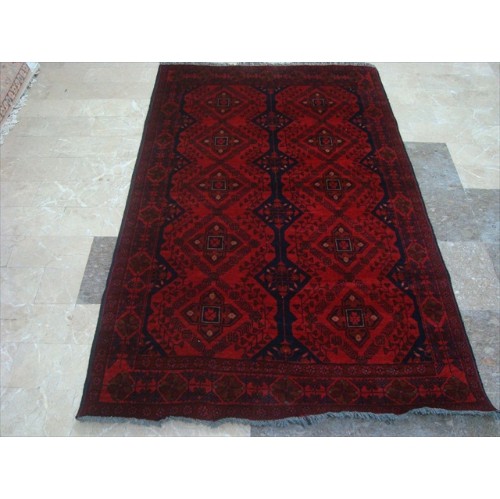
 Your price for this item is $124.99
Discover more categories related to Loomed Rug

Top Collections:
Pokemon Centers, Kindle Devices, Best Cameras for Sports Photography, Pokémon 30th Celebration Cards, Apple iPhones 16, Canon G7X Cameras, iPhone 15 Apple, Flip Phones, Samsung Galaxy Phones, Alarm Clock
Some products may be subject to Environmental Handling Fees
(EHF) depending on your province.
Learn more about EHFs.