Long Rugs
Looking to add a touch of elegance and style to your home? Look no further than our collection of long rugs. These versatile and eye-catching floor coverings are perfect for adding warmth and comfort to any room. Whether you're looking for a statement piece to anchor your living room or a soft landing spot in your bedroom, our selection of rugs will complenet your Accent Furniture For Living Room. With a variety of sizes, patterns, and materials to choose from, finding the perfect rug to suit your unique style has never been easier. Transform your space with the simple addition of a long rug and create a cozy atmosphere that will make you never want to leave.
Sort



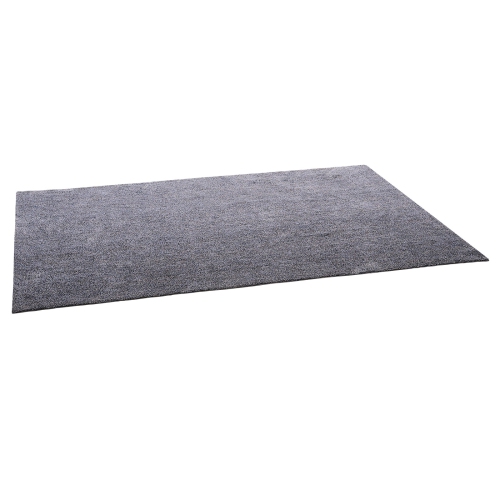
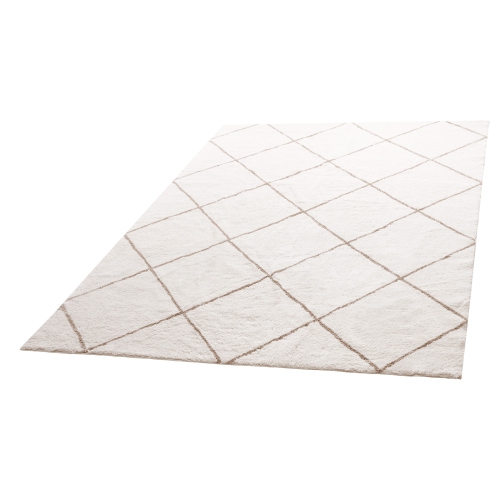


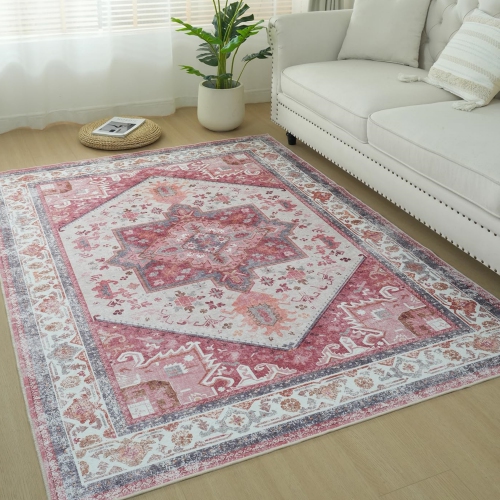
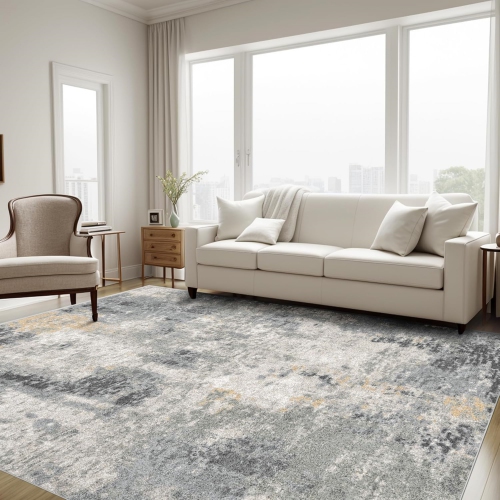
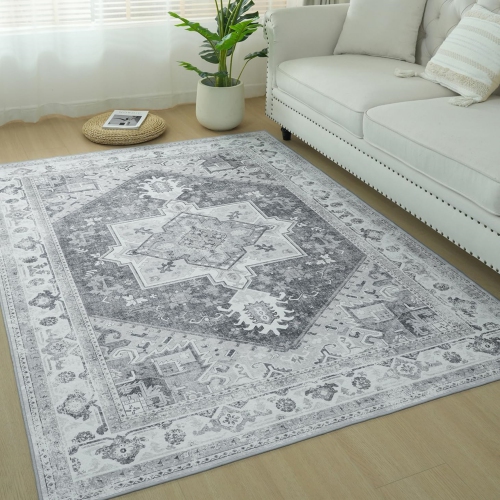
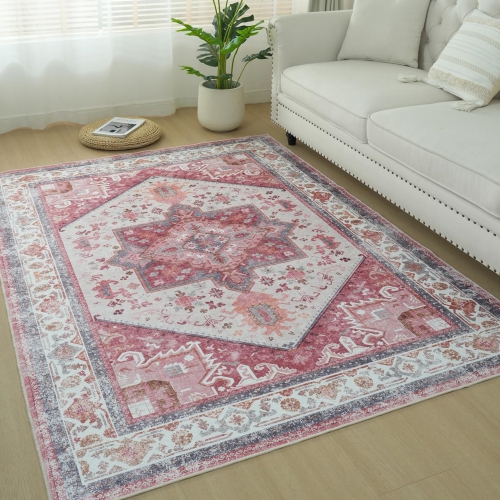

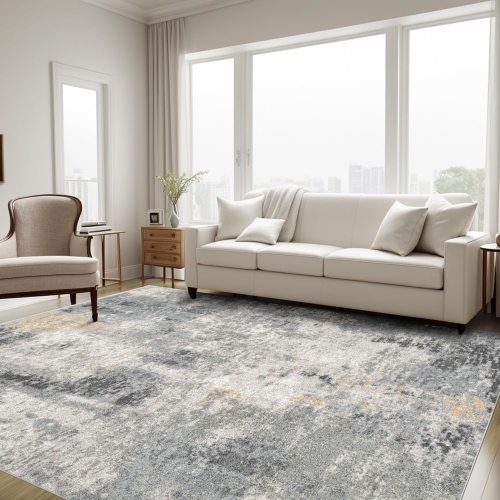


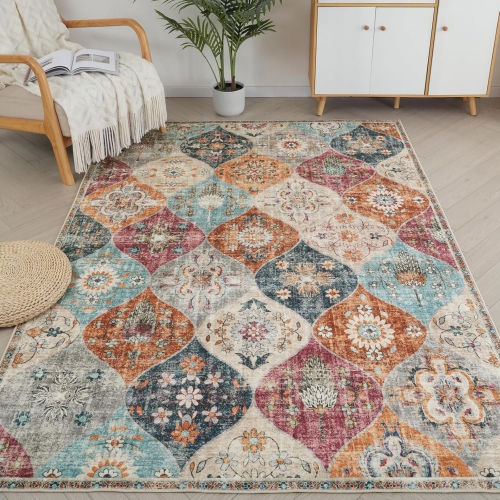
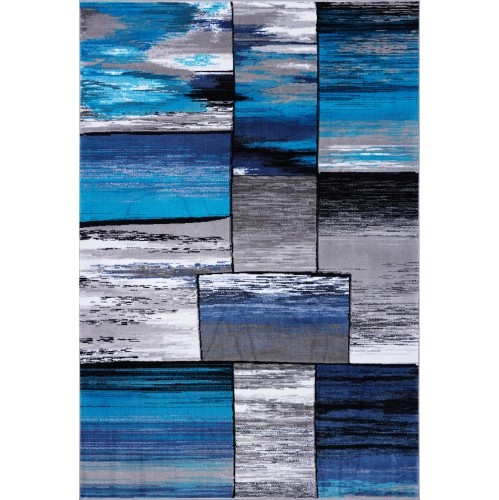

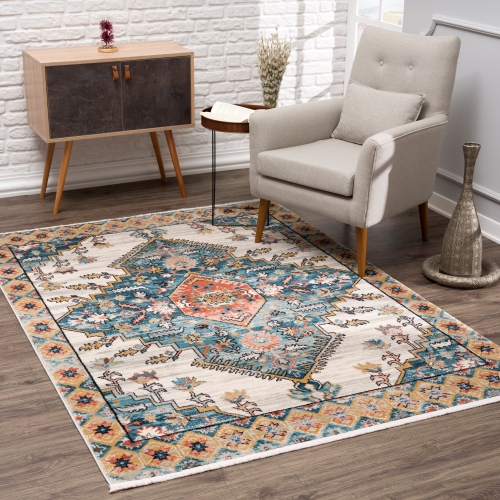
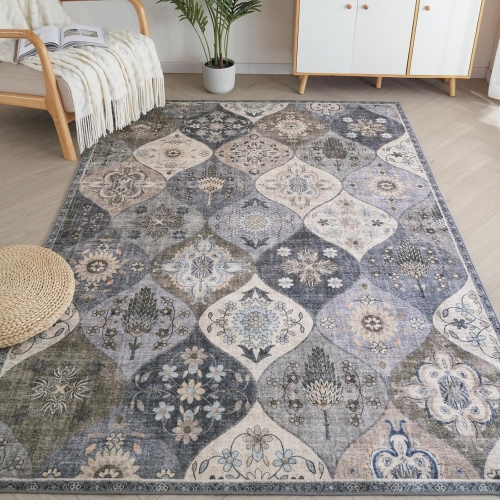
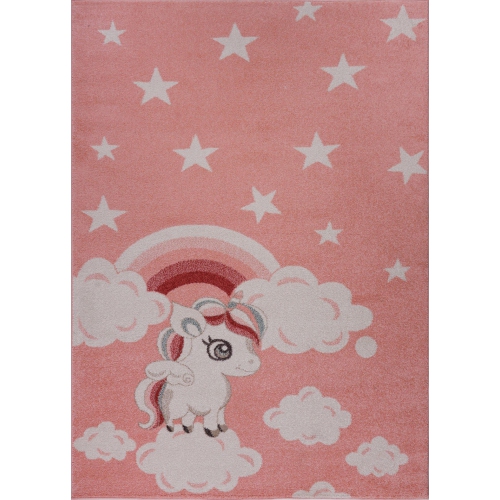
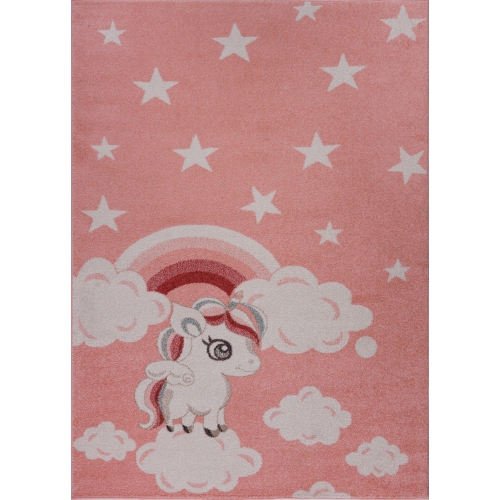
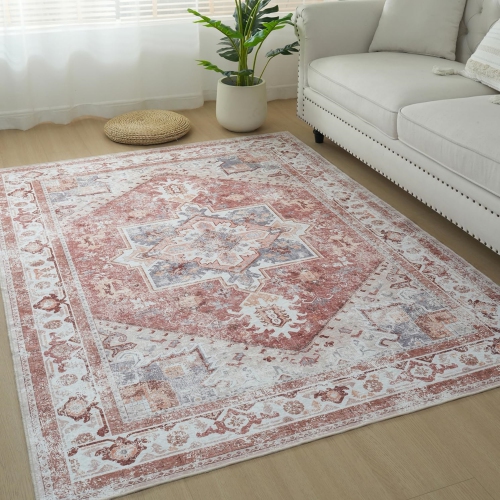


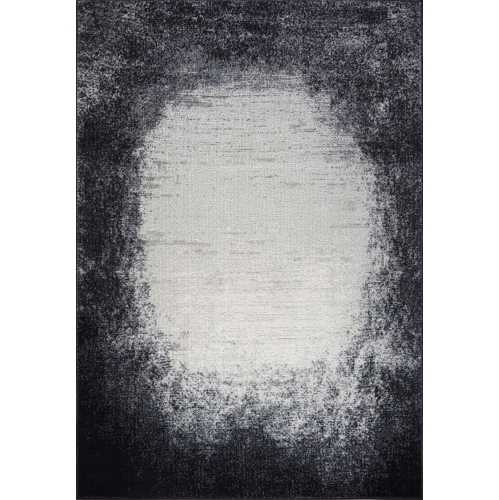

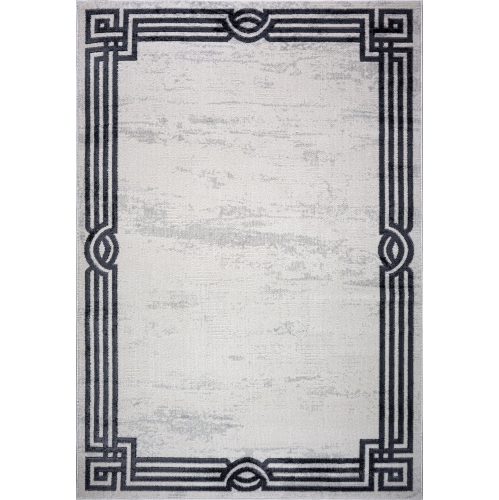
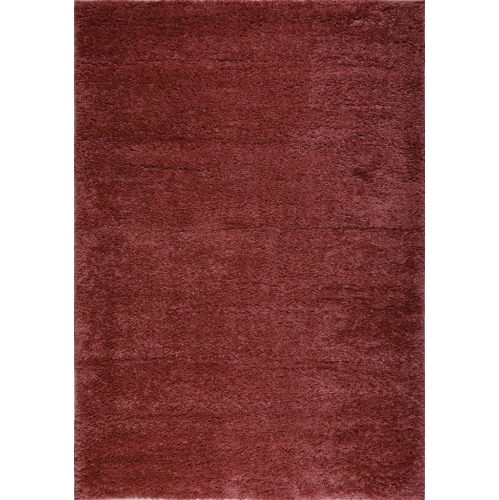


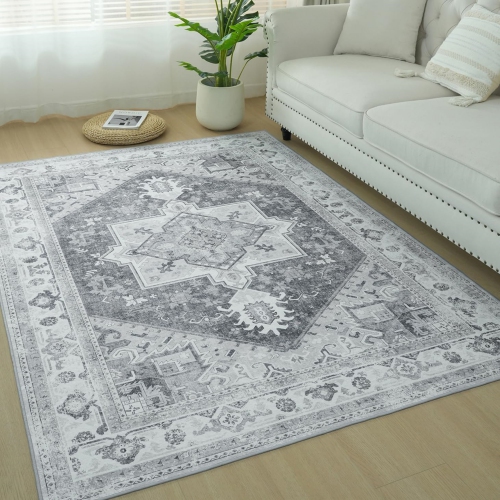


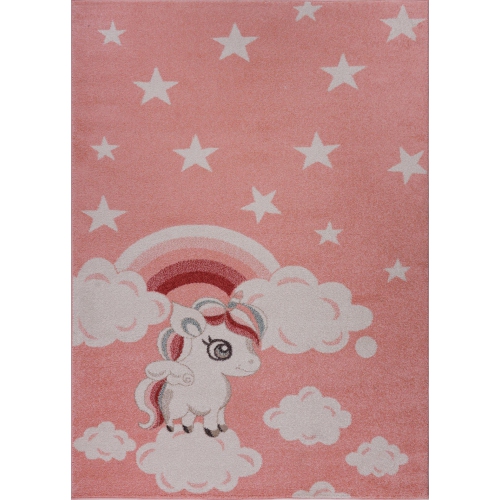

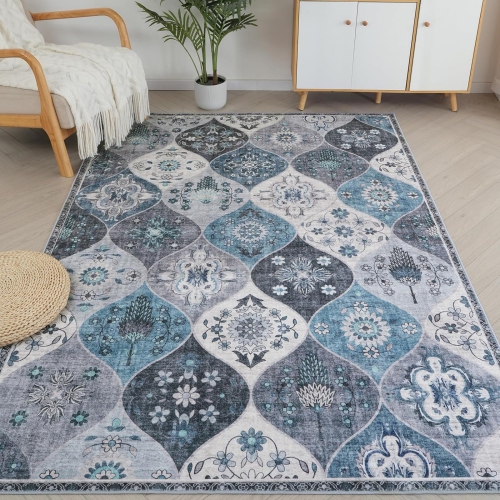

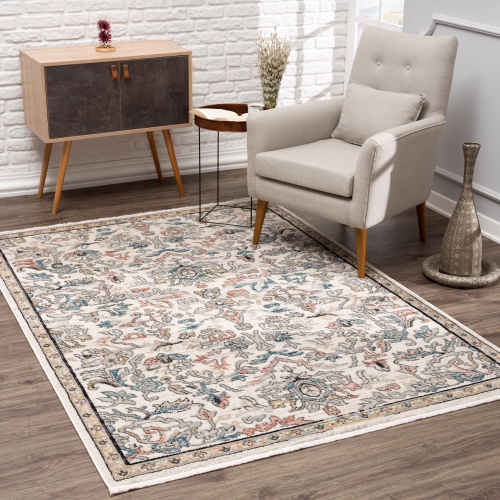
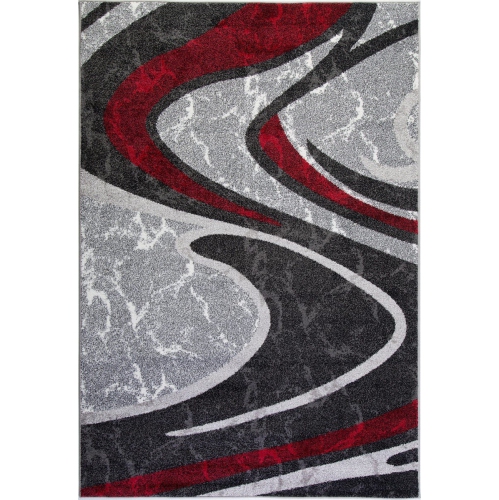
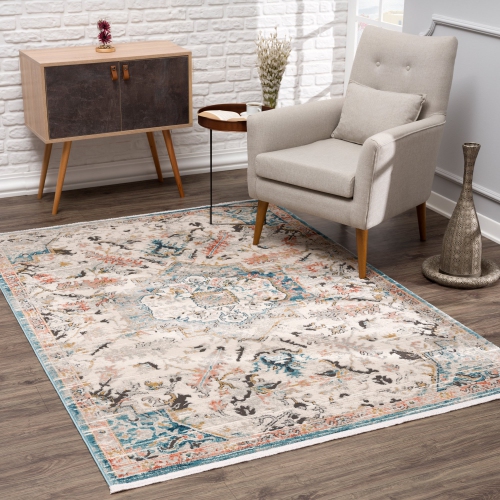


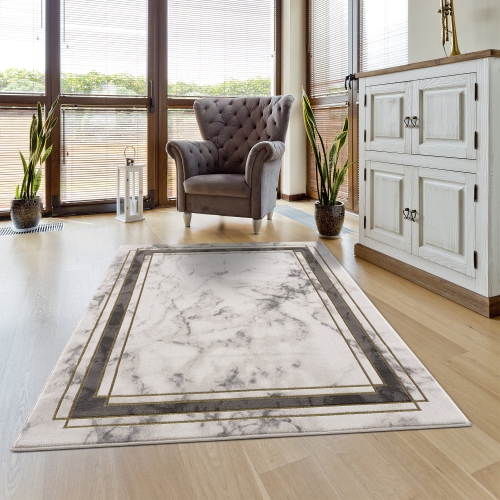


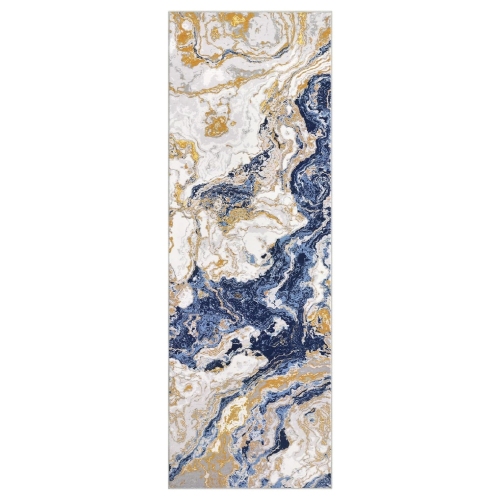


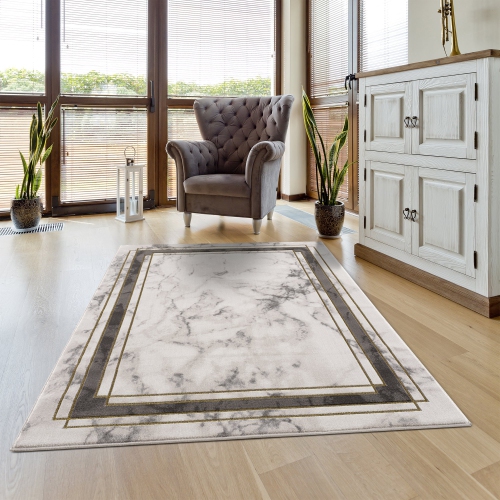
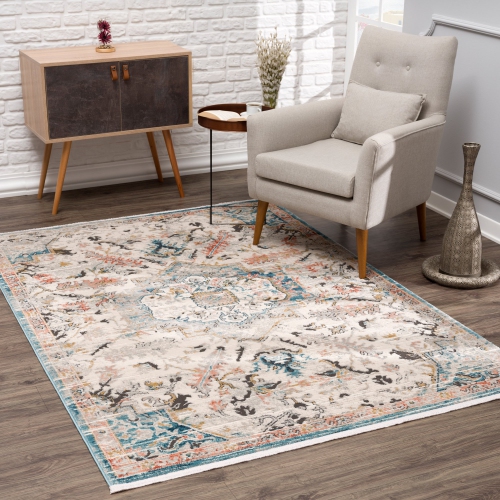


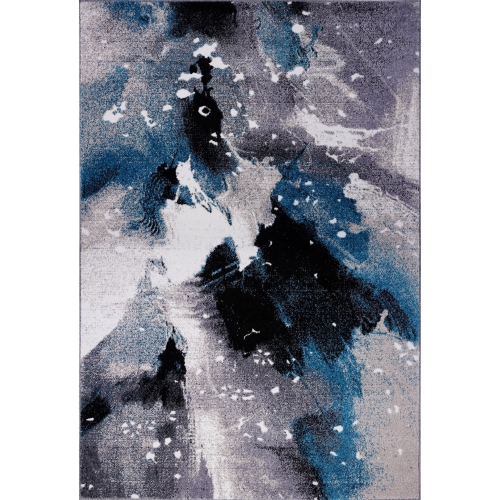


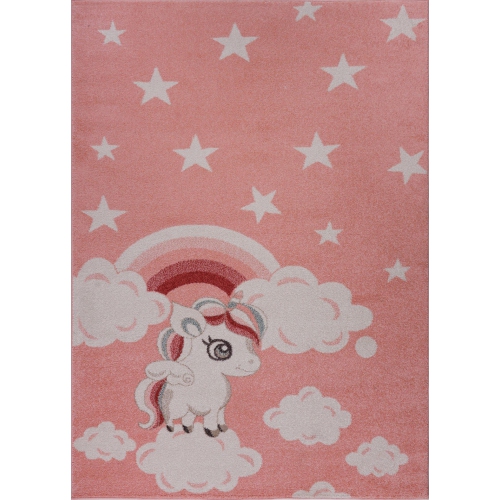

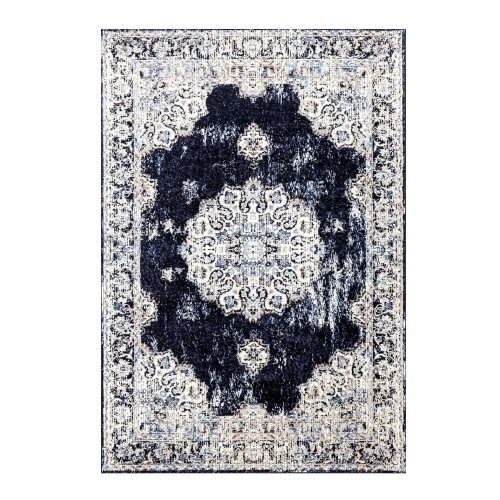

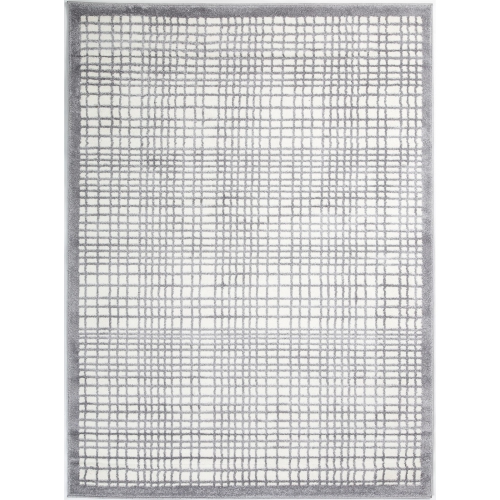

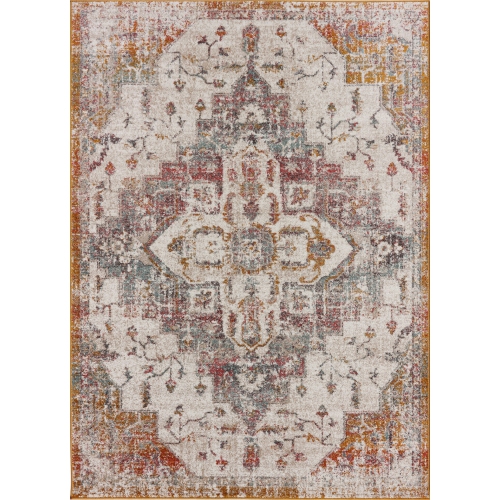


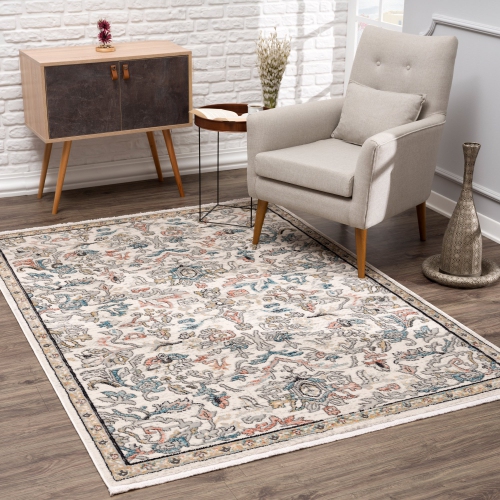
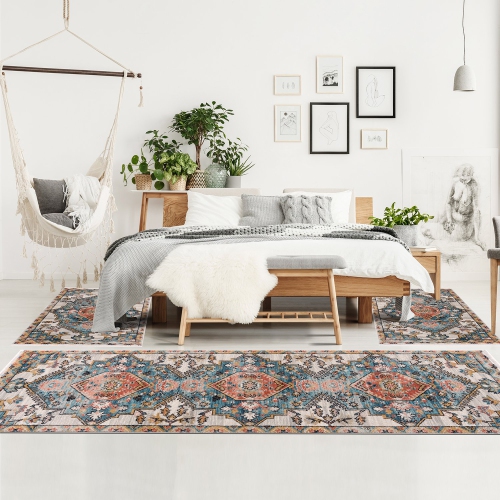

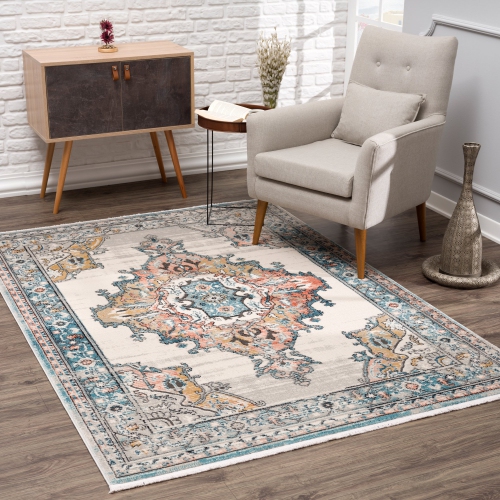
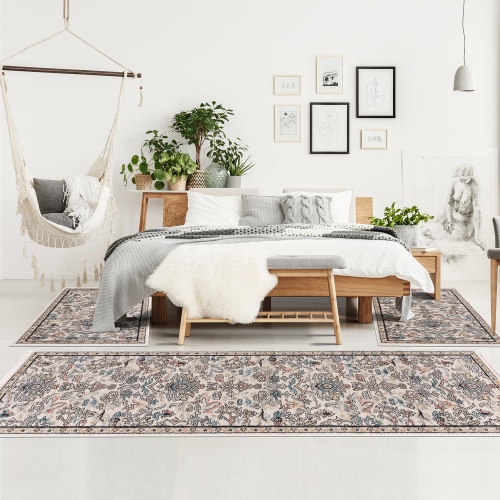


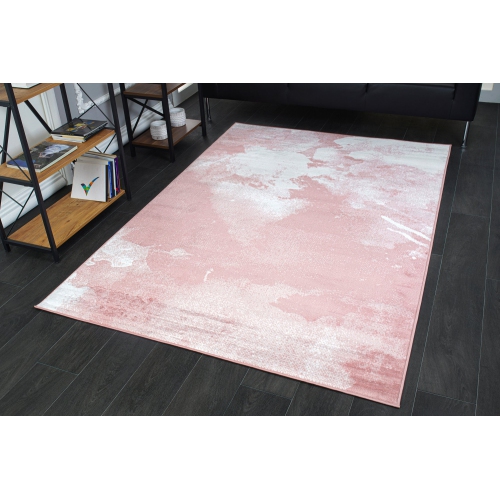


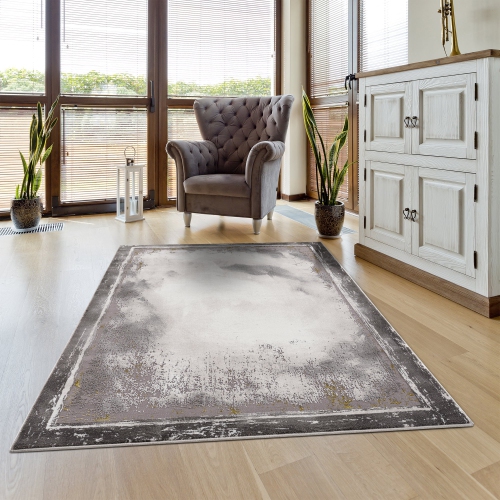


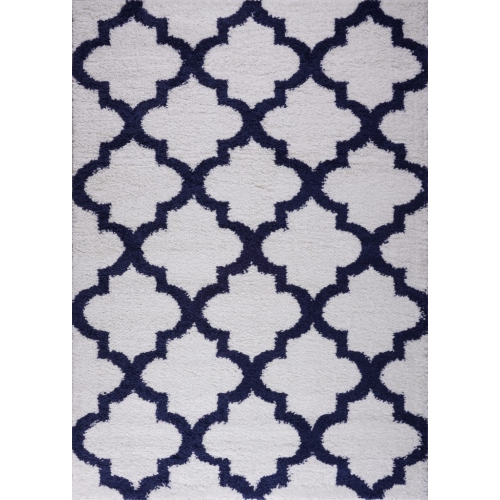
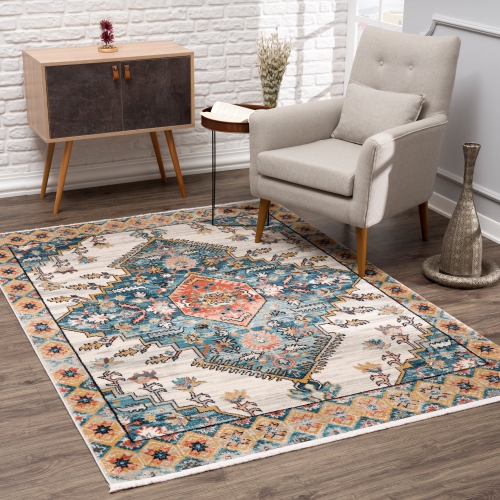

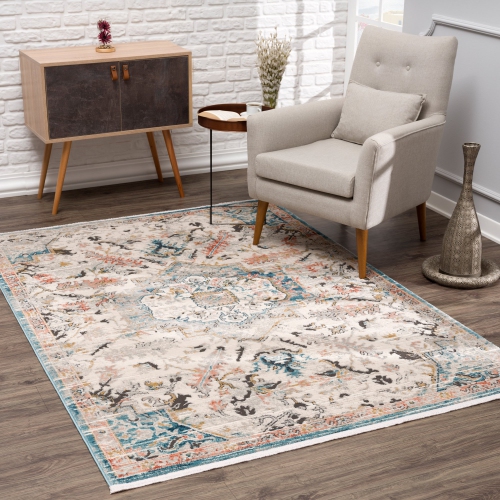


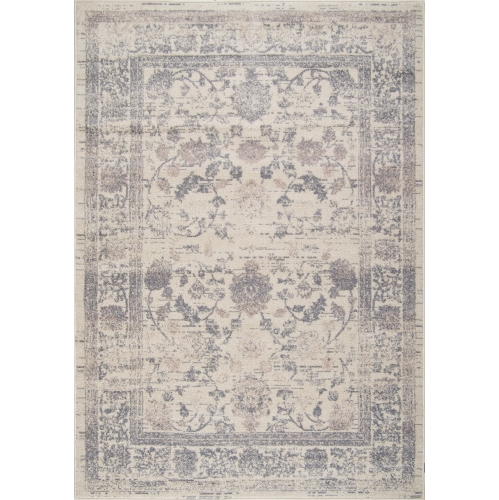
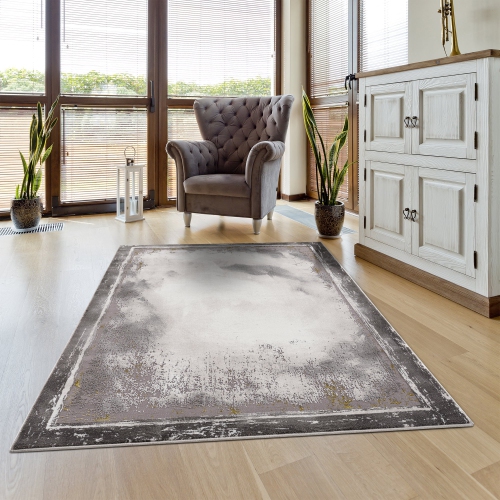


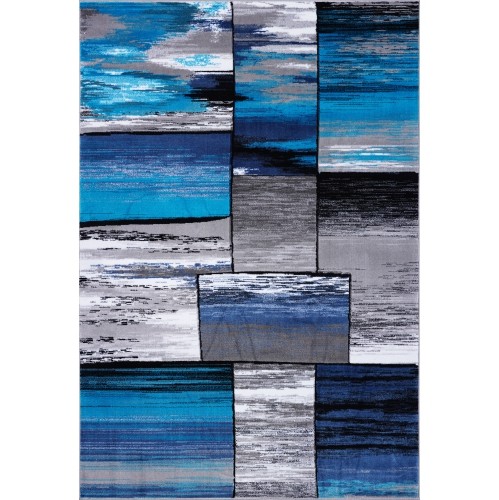


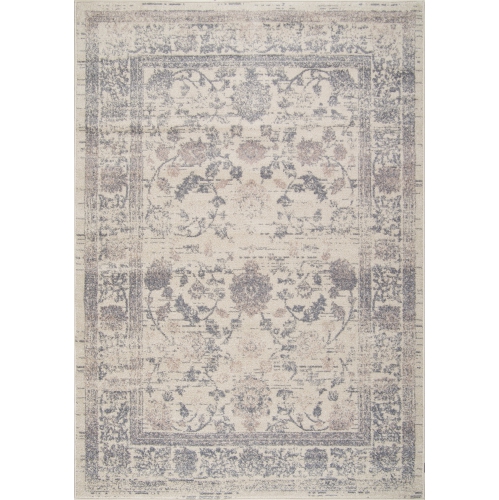


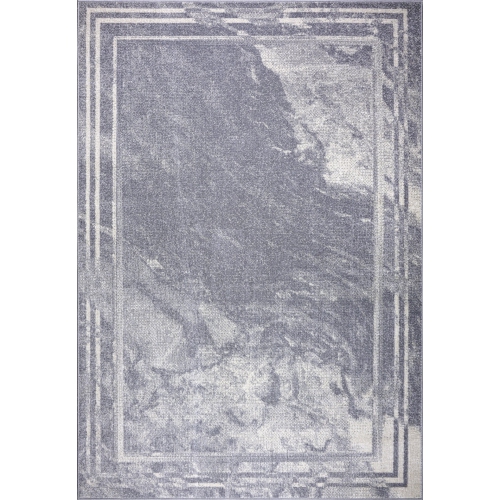
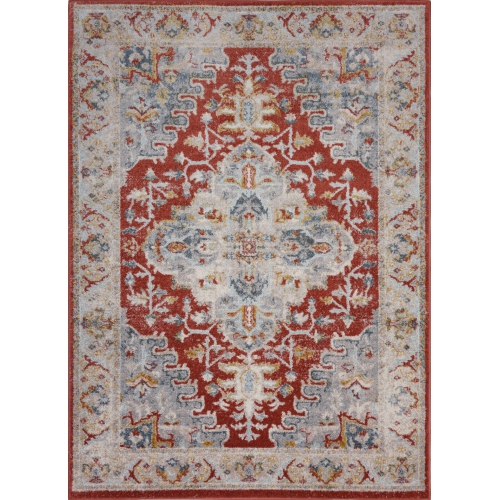

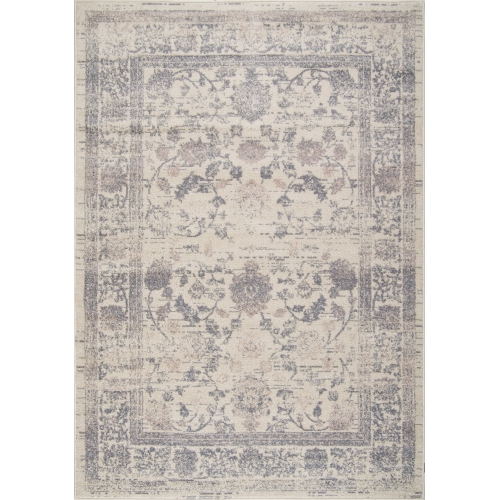

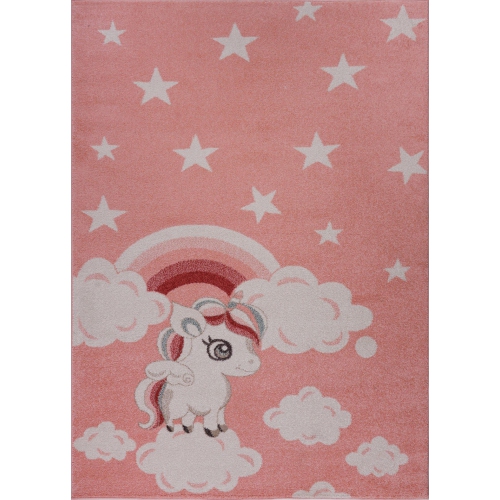
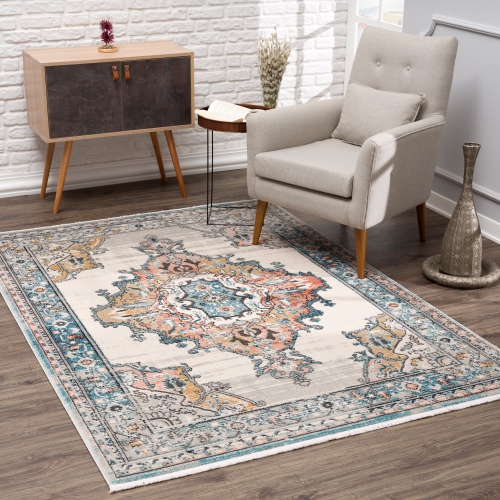

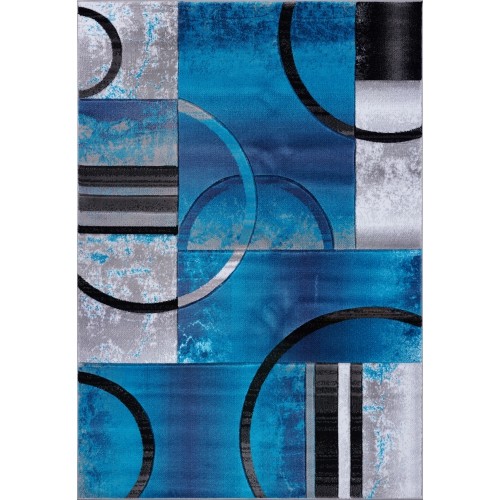


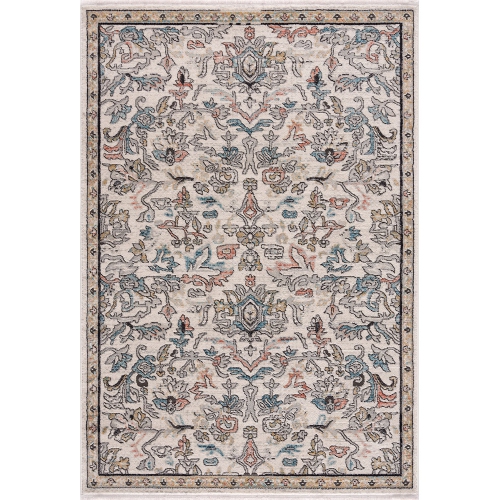
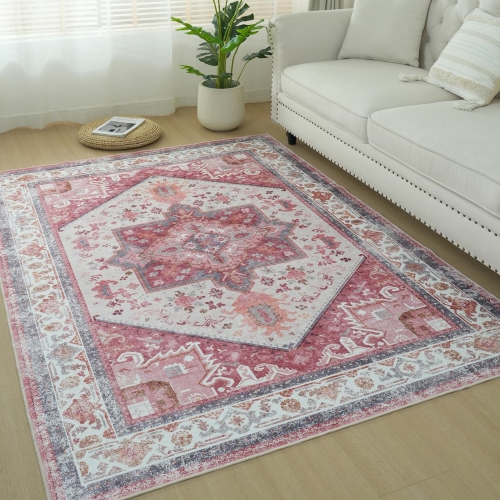

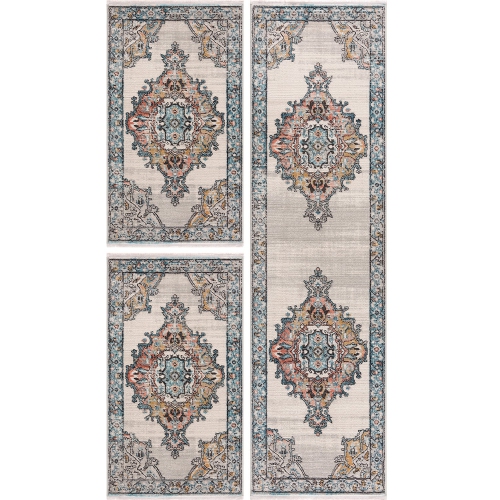
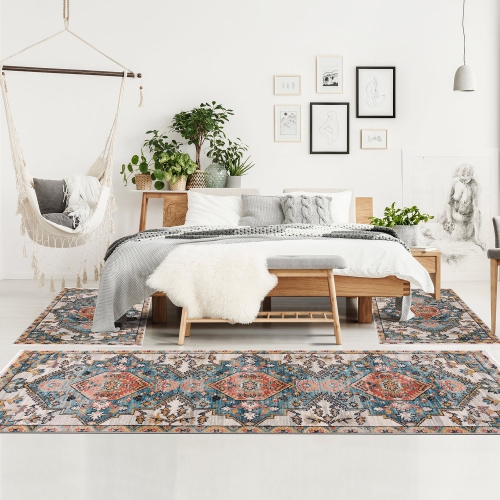


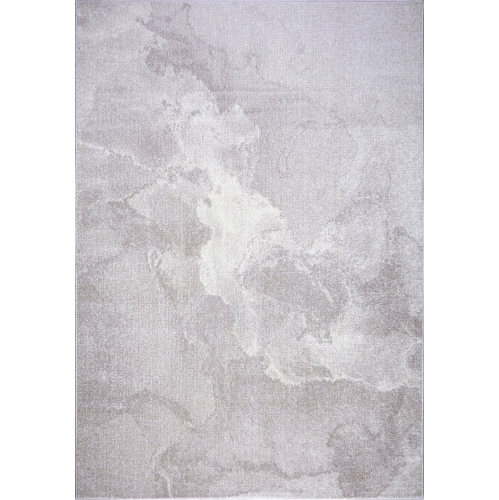
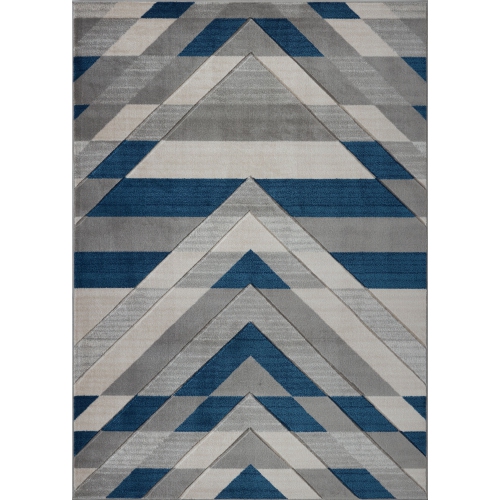


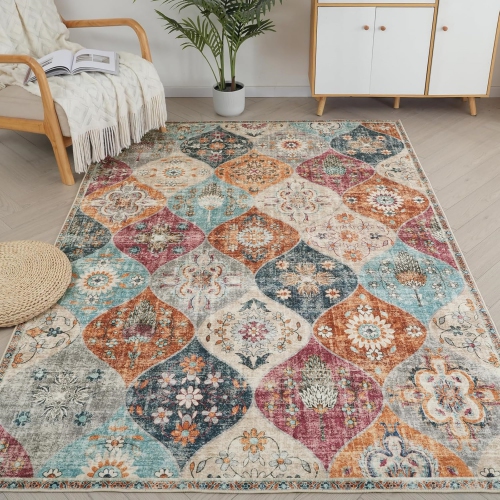
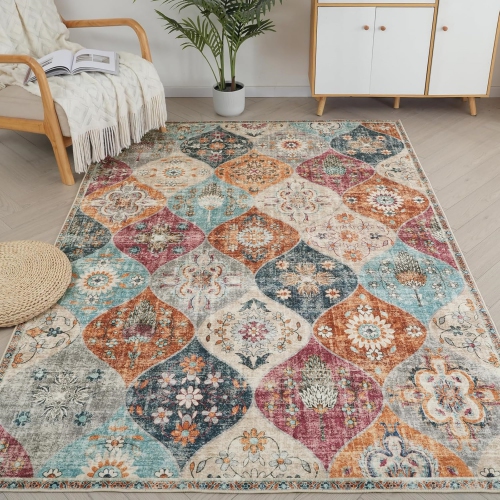
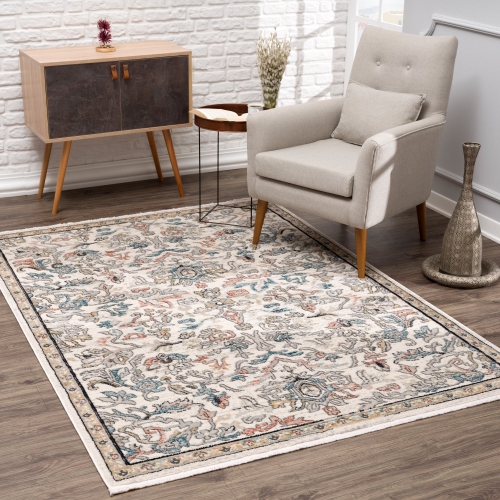


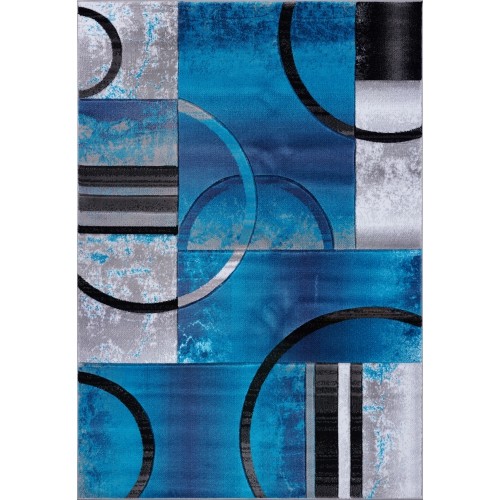

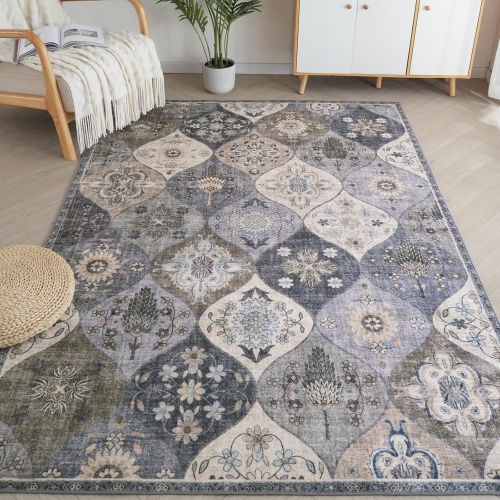


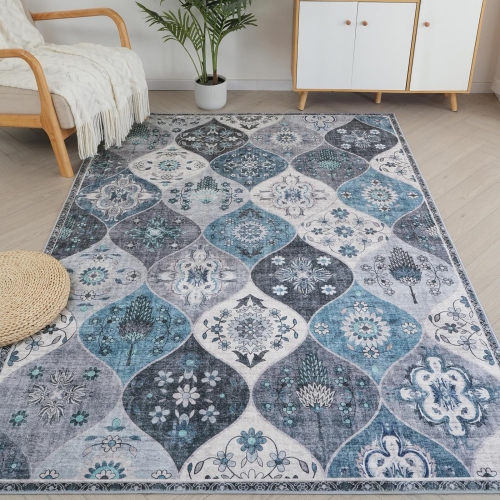
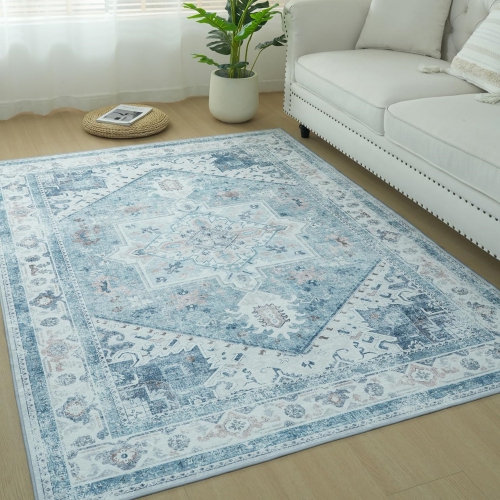

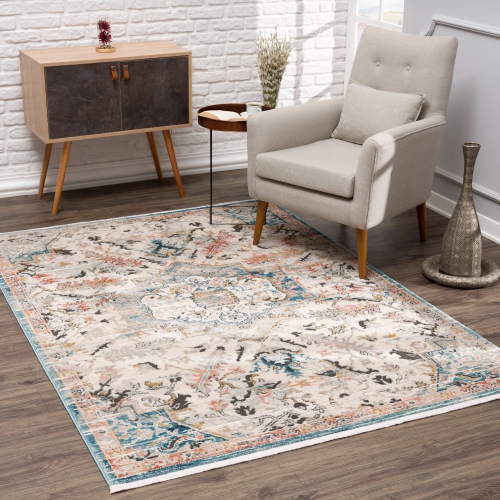
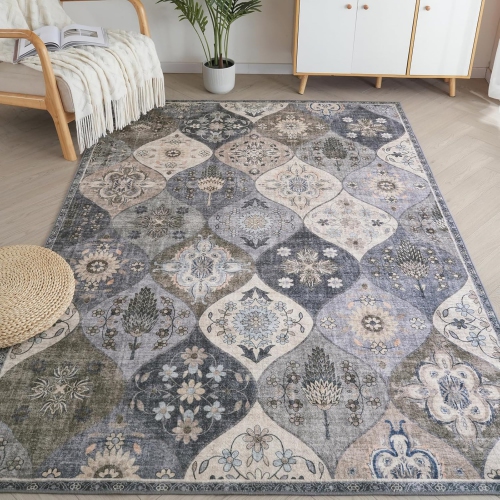


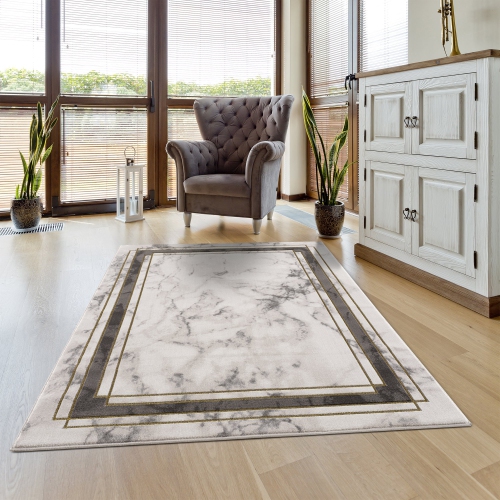
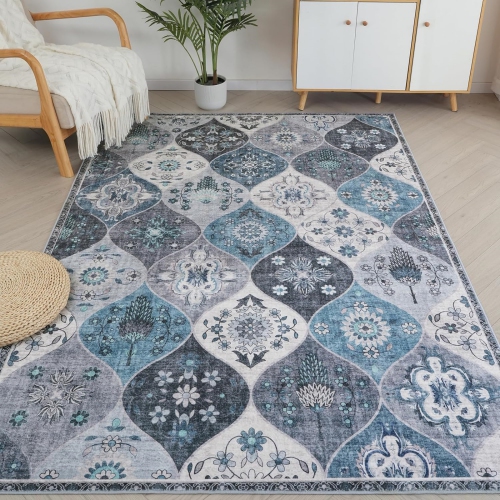

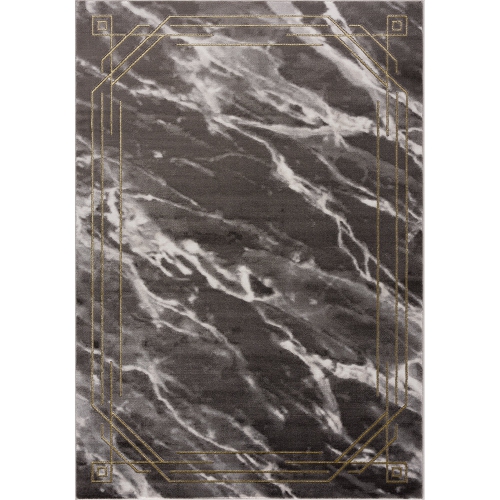


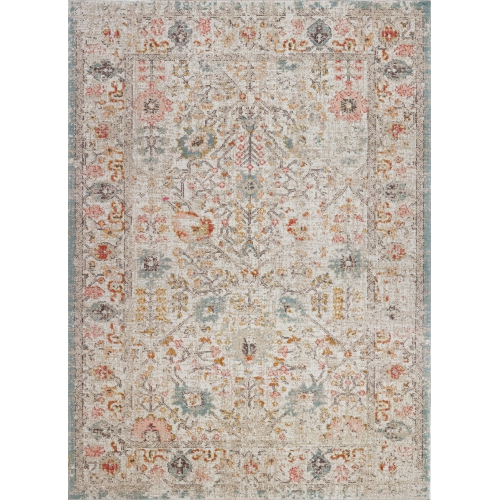

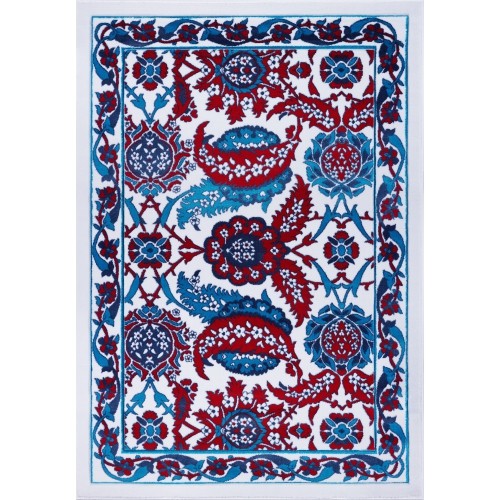


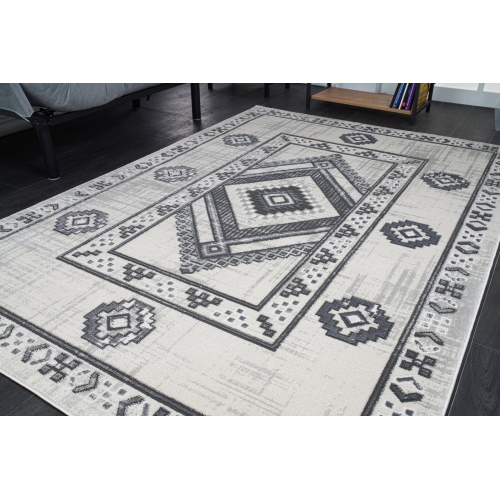

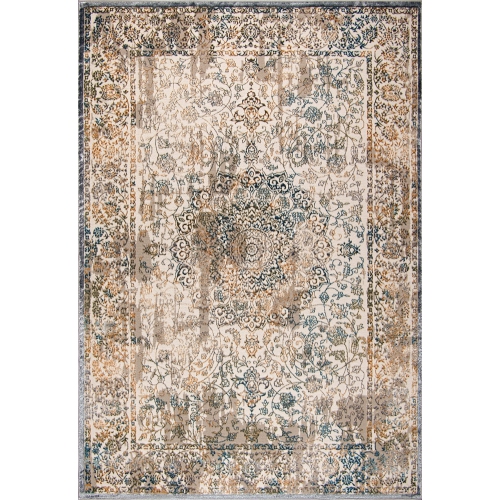
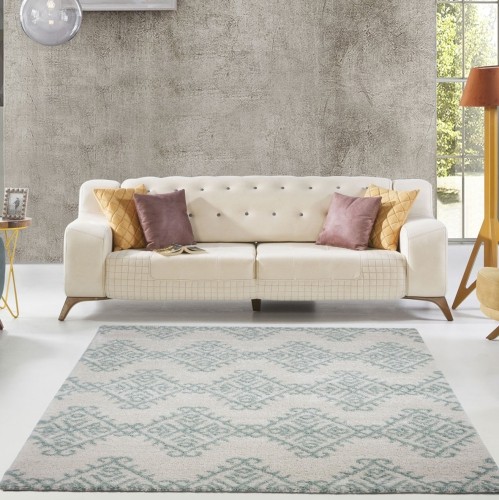


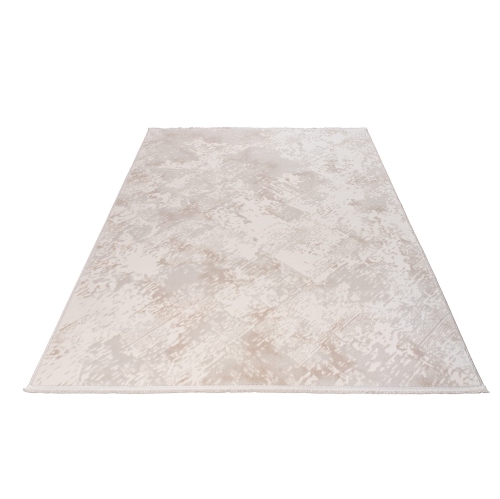
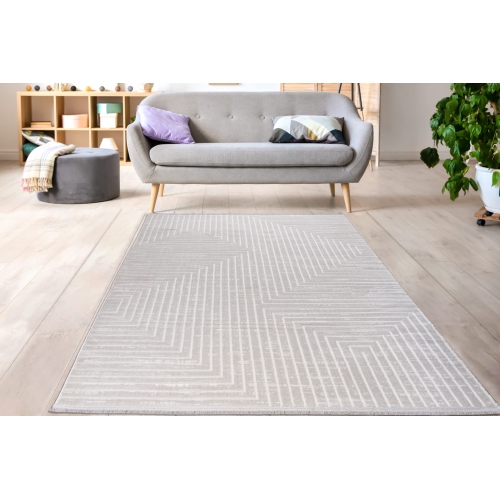
A softer path through your home’s narrow spaces
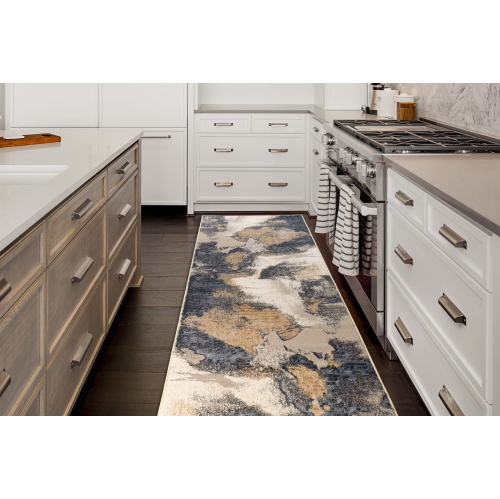
Long rugs, commonly called runner rugs, are elongated floor coverings that bring softness, colour, and definition to narrow spaces. Their proportions suit hallways, entryways, galley kitchens, and the open strip of floor beside a bed, where a conventional rectangular area rug may be too wide. Many runners measure approximately 2 to 3 feet wide and 6 to 14 feet long, while extra-long runners can extend to 15 to 20 feet or more. These dimensions are useful starting points, but the best fit depends on the floor space, nearby furniture, and how people move through the room. In a hallway, a runner creates a continuous path between rooms without covering the entire floor. In a kitchen, it can soften the stretch between a sink and a preparation area, making frequently used workspaces feel more comfortable underfoot. Beside a bed, a narrow rug provides a gentle landing on chilly mornings without requiring a large rug beneath the furniture. Measuring both the length and width of the intended space helps establish the right proportions. A balanced border of exposed flooring, often around 4 to 6 inches on each side when the layout allows, keeps a runner from looking crowded against the walls. The ends also need breathing room, particularly near thresholds, stair landings, and doorways. Painter’s tape can help mark out the proposed footprint before settling on dimensions, making it easier to picture how a long hallway rug will sit alongside a console table or an open closet door. Door clearance matters just as much as floor coverage: account for the combined height of the rug and any underlay, rather than judging by pile alone. A door should move freely without catching the edge or bunching the fabric. For wider passages, a slightly broader runner may feel more balanced, while a very narrow passage benefits from a size that leaves the walking route clear and the edges away from moving doors.
Materials and construction influence how a long rug feels, how it wears, and where it works best. Wool runners offer natural resilience and a soft, substantial feel, making them appealing for bedrooms and living spaces where comfort matters. Some wool rugs shed loose fibres, particularly when new, and their care requirements may include professional cleaning. Cotton runners are often lighter and more flexible, although washability depends on the complete construction, including the backing. Synthetic fibres such as polypropylene, polyester, and nylon are common choices for busy households because they can offer practical combinations of wear resistance, easy care, and colour retention. Performance varies by fibre, weave, and finish, so a material name alone does not establish whether a rug can handle repeated spills or heavy foot traffic. Jute and sisal add noticeable texture and a firmer feel, but they are generally better suited to dry areas than locations exposed to wet boots or kitchen splashes. Pile height is another important distinction. Flatwoven and low-pile runners usually allow easier movement for dining chairs, rolling carts, and mobility aids, provided the rug stays flat and secure. They also tend to be easier to vacuum than deep, loose piles. A denser, cushioned surface can feel inviting beside a bed or in a quiet sitting area; Thick Rugs offer a different underfoot feel for spaces where extra depth will not interfere with doors or movement. In active hallways, tightly constructed surfaces and securely finished edges are useful details to consider. Homes with pets may benefit from a low, dense pile rather than prominent loops that could catch claws. For kitchens, a runner with manageable cleaning needs and a stable backing is often more practical than a delicate texture. Ordinary runners are not a substitute for properly fitted stair carpeting: stairs require coverings and installation methods specifically suited to that use. On hard flooring, a correctly sized rug pad can help reduce shifting and add cushioning, but its material must be compatible with the floor finish, especially on vinyl or treated wood.
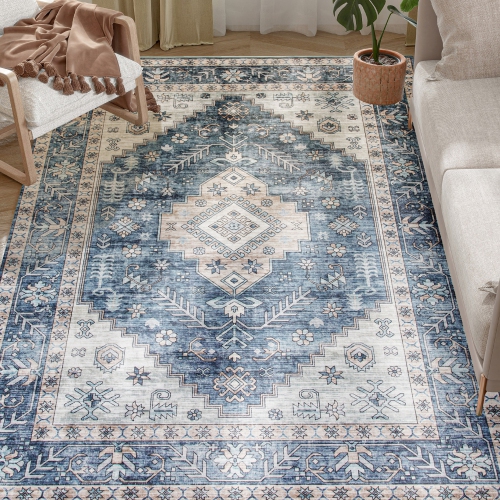
Colour and pattern give long rugs much of their visual impact, particularly in passages with little room for furniture or artwork. A muted pattern can connect adjoining rooms without competing with their furnishings, while a strong geometric design gives a plain corridor a distinct focal point. Stripes running lengthwise draw attention along the passage, and crosswise motifs can shift emphasis towards its width. In an entrance shared by muddy shoes, school bags, and pet paws, a medium-toned, varied pattern often makes everyday marks less noticeable than a pale solid colour. That does not replace cleaning, but it can make a hardworking space easier to live with between vacuuming sessions. During the cooler months, a separate entrance mat for wet footwear helps limit the moisture and grit reaching an indoor runner. Regular vacuuming removes abrasive debris before it settles into the pile; the appropriate suction level and brush setting depend on the fibre and construction. Fringe and raised details may need gentler handling to avoid snagging. Spills are generally easier to address promptly by blotting rather than rubbing, followed by the cleaning method specified on the care label. Machine-washable runners can be convenient for family kitchens and pet-friendly homes, but both the washing instructions and the capacity of the machine matter. A long rug can become bulky and heavy when wet, and some washable designs require the cover to be separated from its base. Drying instructions deserve equal attention, since heat or incomplete drying may affect the rug’s shape or backing. Rotating a runner periodically, where its shape and placement allow, can help distribute wear in areas with repeated foot traffic or uneven daylight. Check edges and corners after cleaning to ensure they lie flat, and replace a worn or slipping underlay as needed. With proportions, texture, and upkeep matched to the room, a long rug can make a busy passage feel more welcoming, bring comfort to a bedside walkway, or give a practical kitchen a warmer, more finished appearance.
Top selling and popular products
-
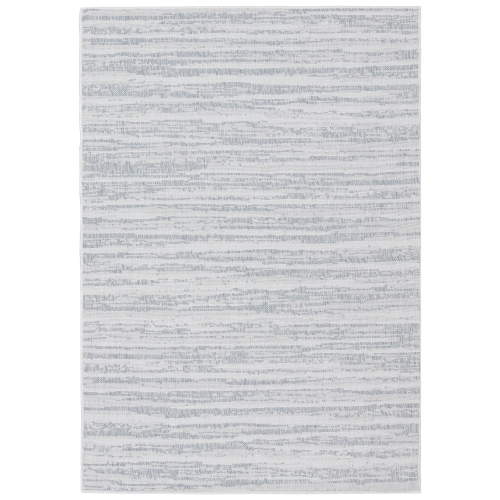 Your price for this item is $129.15
-
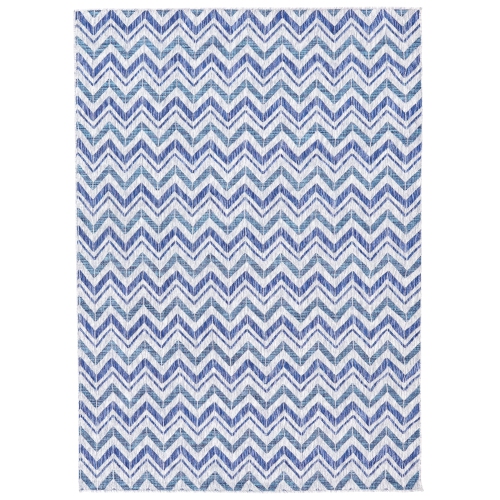 Your price for this item is $129.15
-
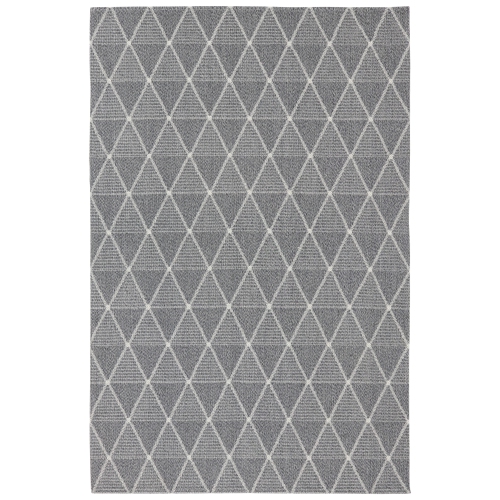 Your price for this item is $130.55
-
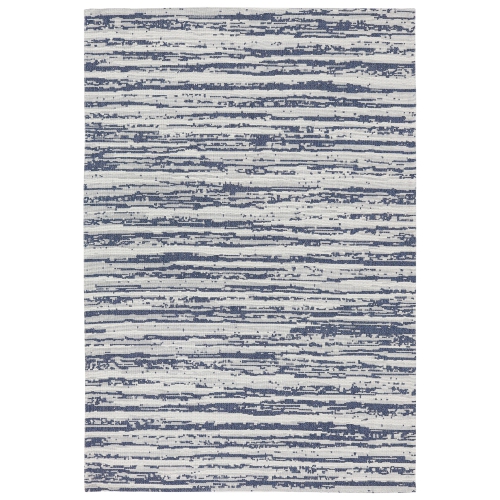 Your price for this item is $130.55
-
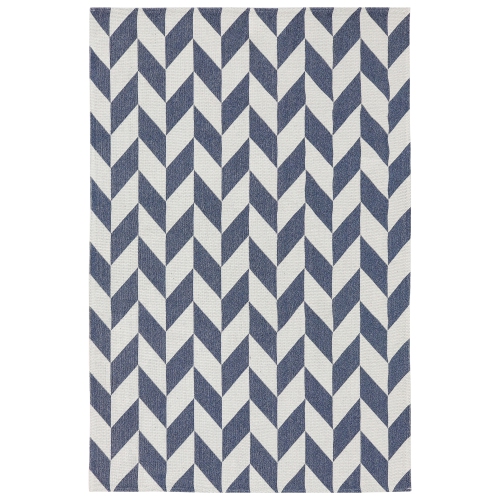 Your price for this item is $130.55
-
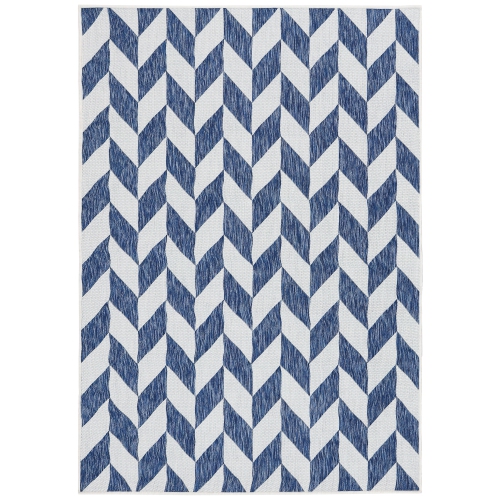 Your price for this item is $129.15
-
 Your price for this item is $111.99
-
 Your price for this item is $124.99
Discover more categories related to Long Rugs

Top Collections:
Pokemon Centers, Kindle Devices, Best Cameras for Sports Photography, Pokémon 30th Celebration Cards, Apple iPhones 16, Canon G7X Cameras, iPhone 15 Apple, Flip Phones, Samsung Galaxy Phones, Alarm Clock
Some products may be subject to Environmental Handling Fees
(EHF) depending on your province.
Learn more about EHFs.