Low Back Chairs
Looking for a comfortable seating solution that provides excellent support for your lower back? Look no further than our collection of low-back chairs. Designed with ergonomics in mind, these chairs are specifically crafted to provide optimal lumbar support, helping you maintain good posture and reduce strain on your lower back. Whether you're working from home, studying, or simply relaxing, our low-back chairs offer the perfect combination of style and functionality.
Sort
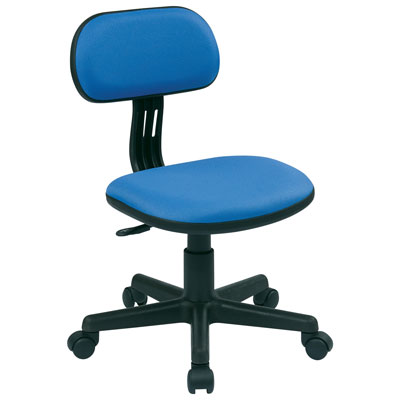
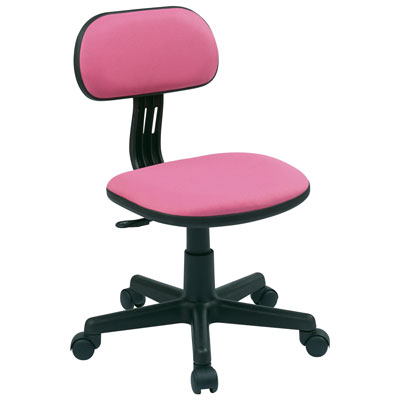
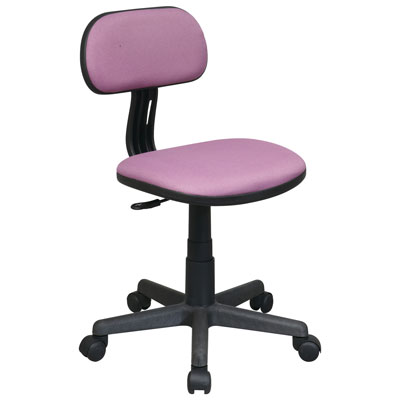
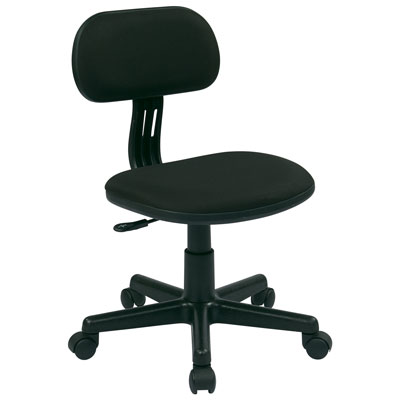
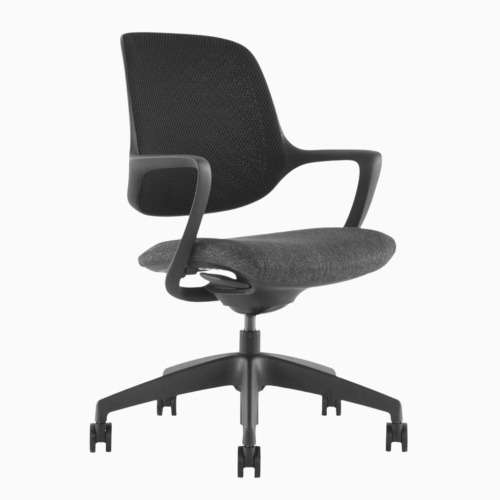
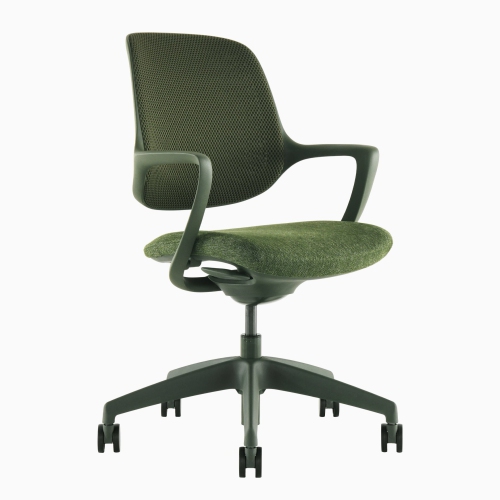
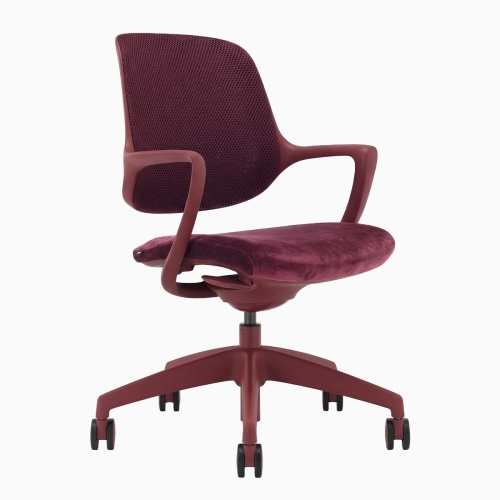
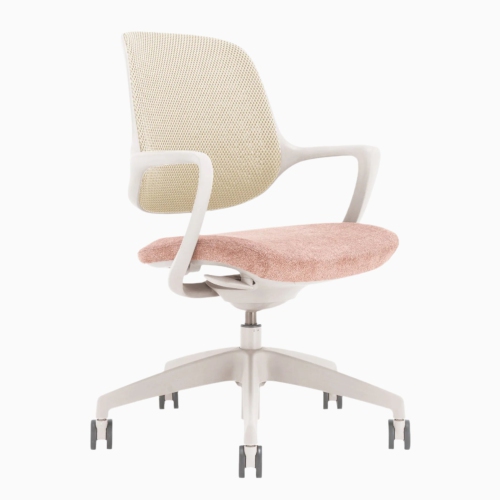
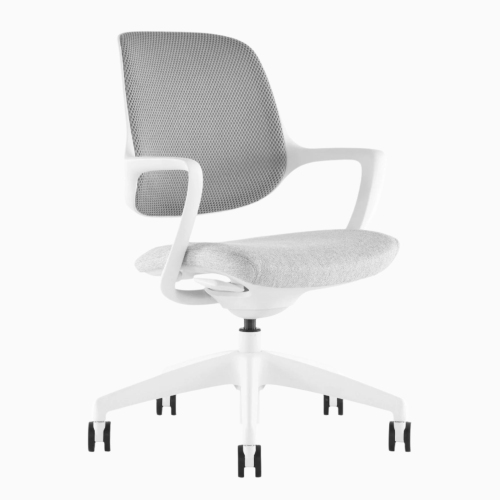
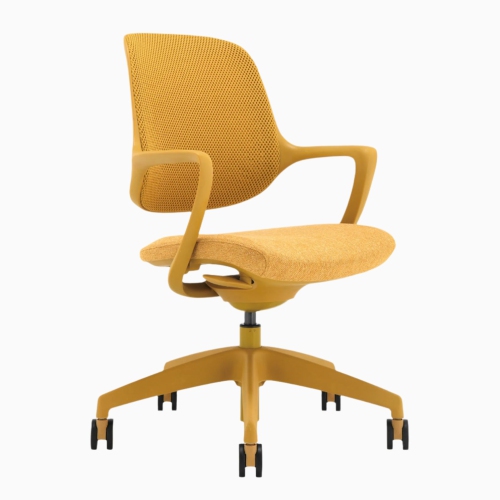
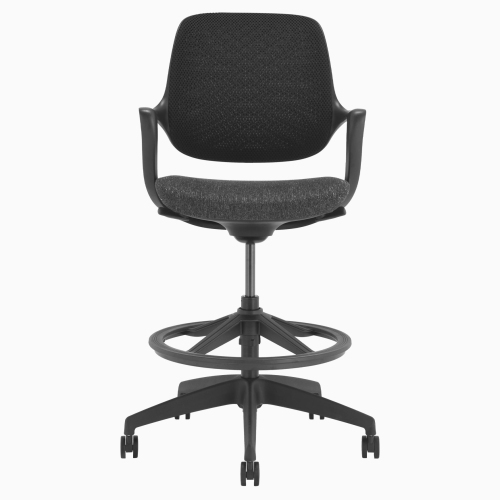
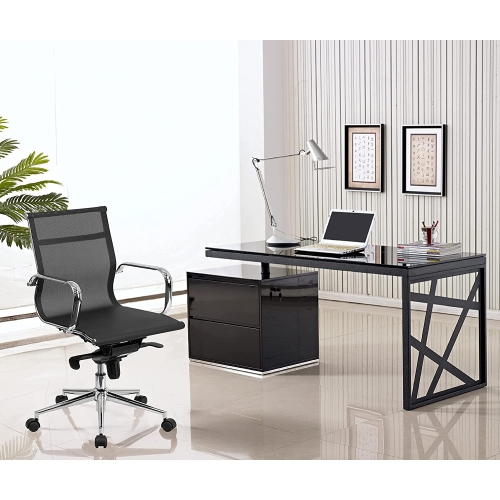
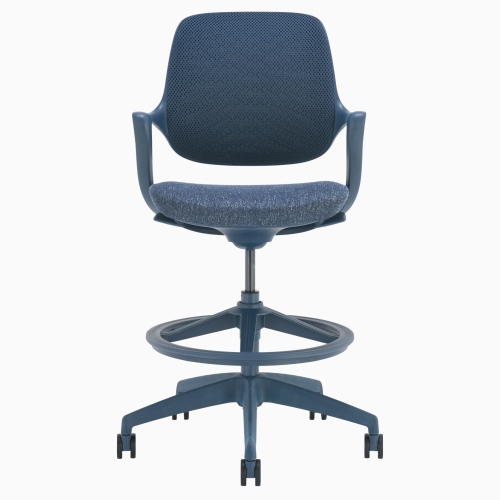
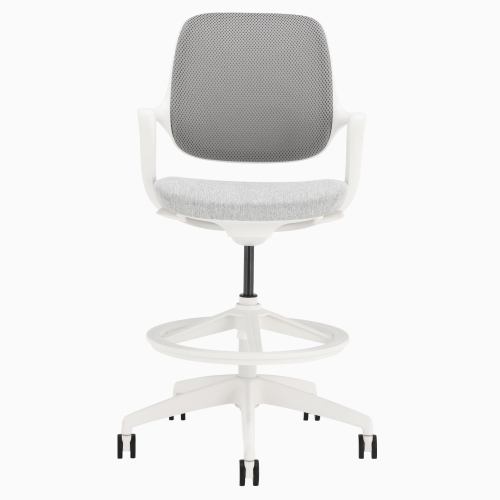
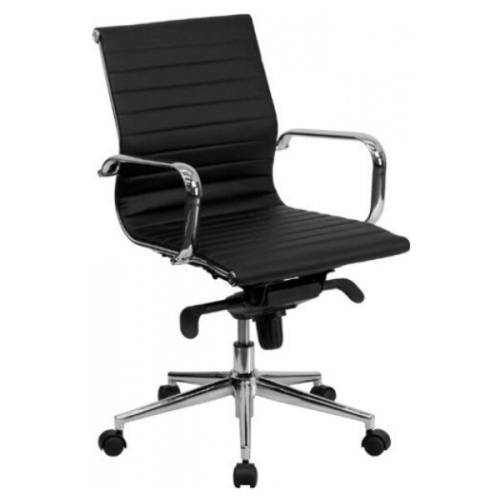
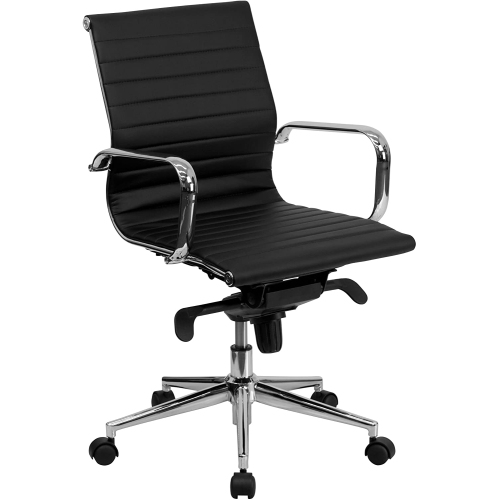
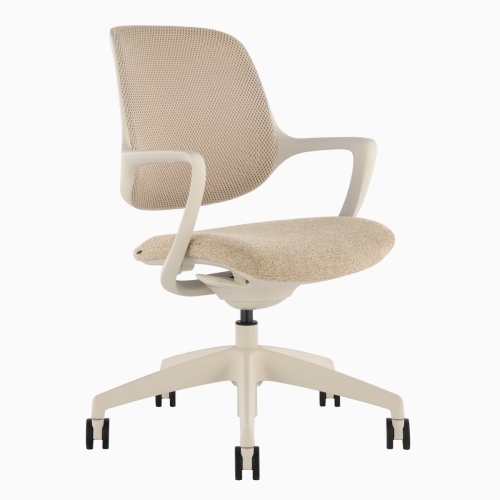
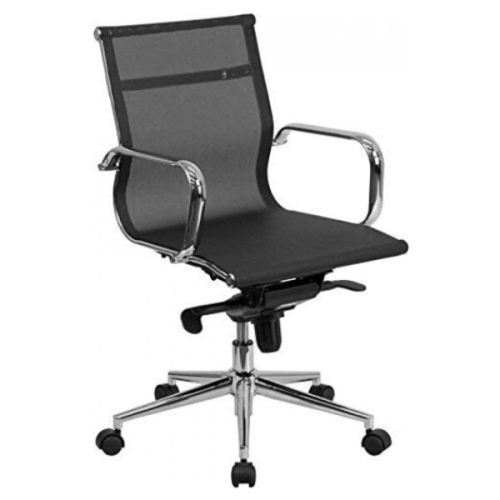
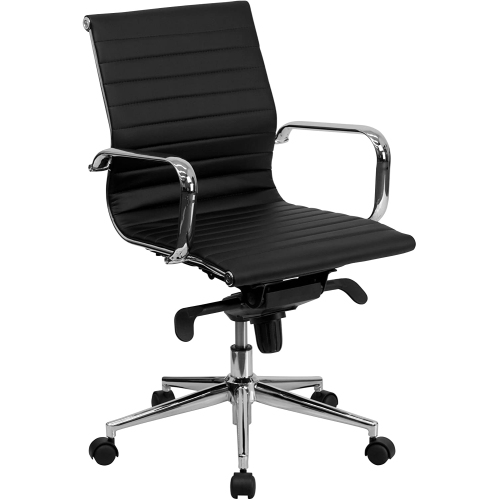
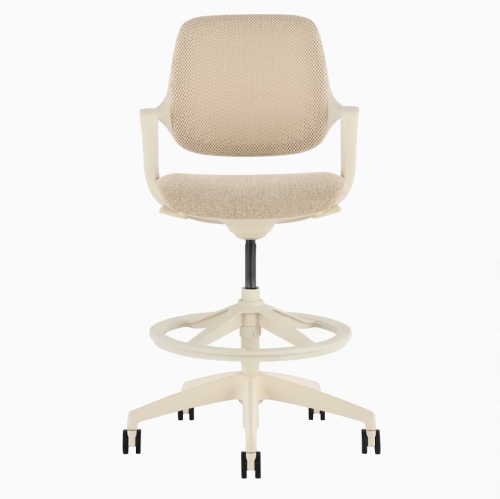
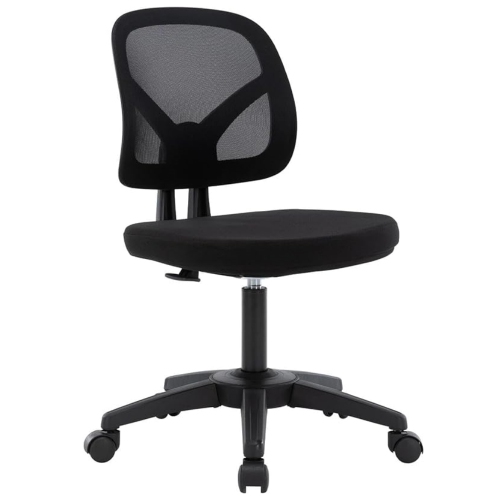
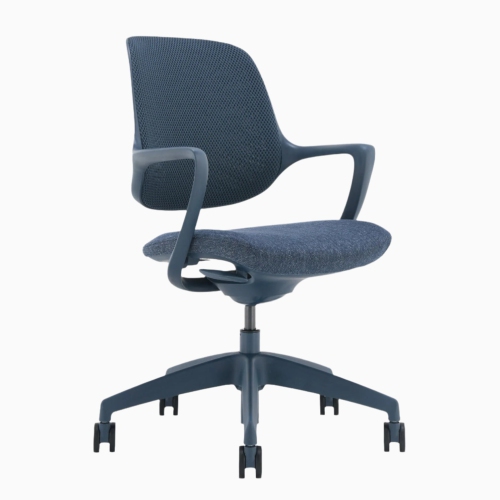
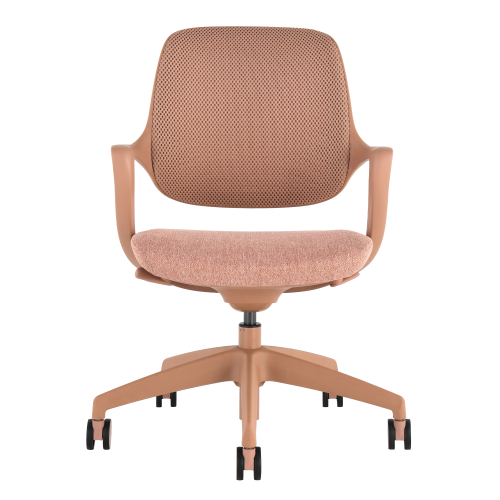
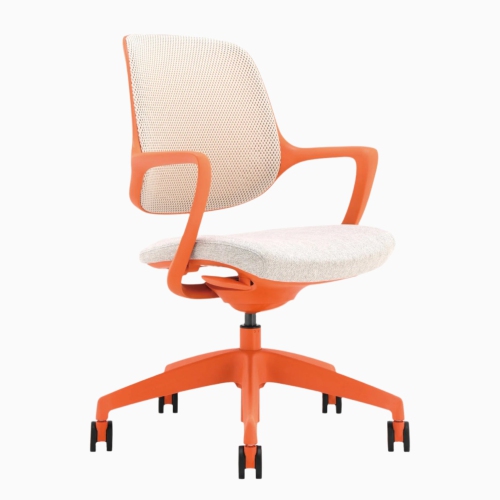
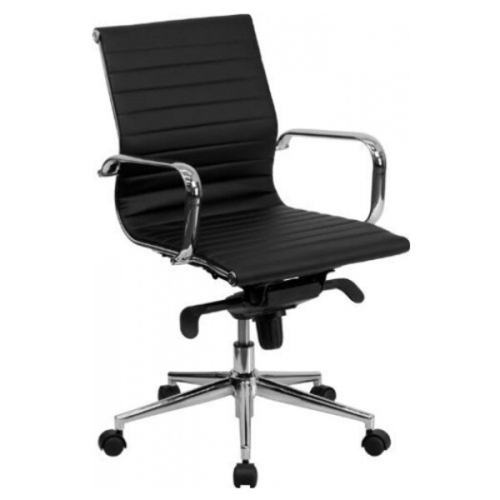
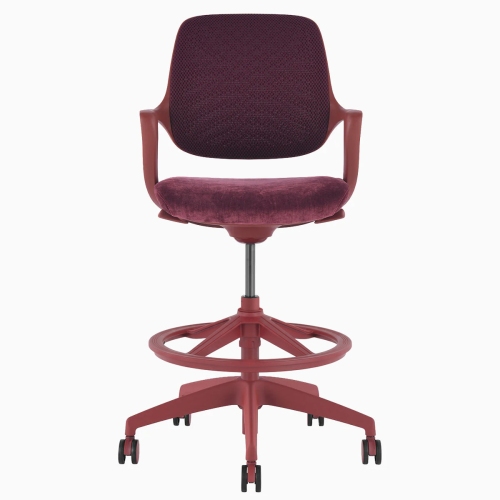
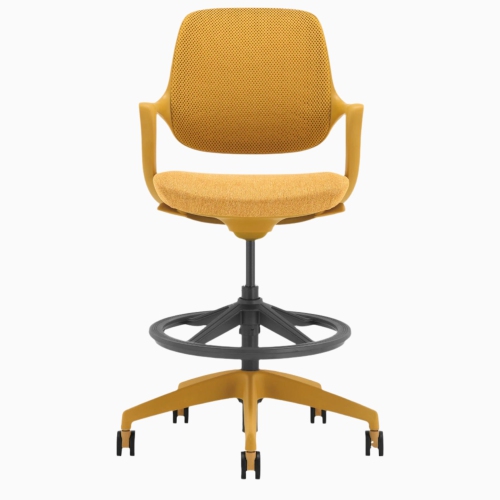
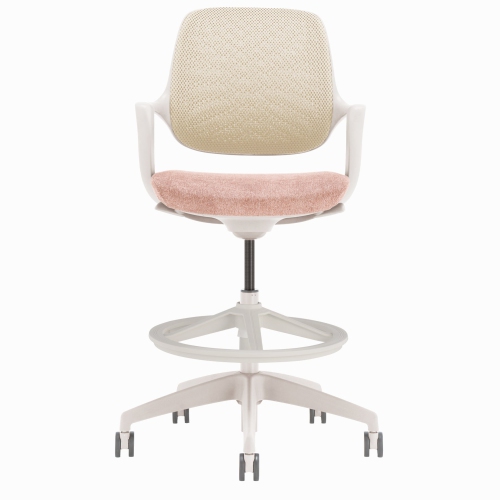
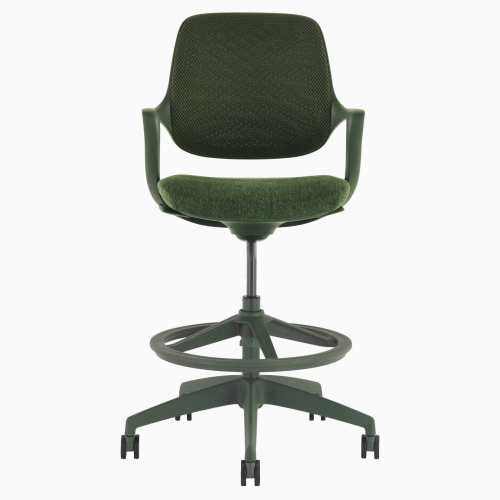
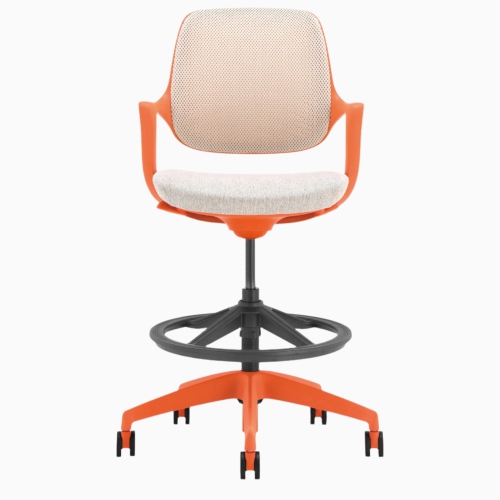
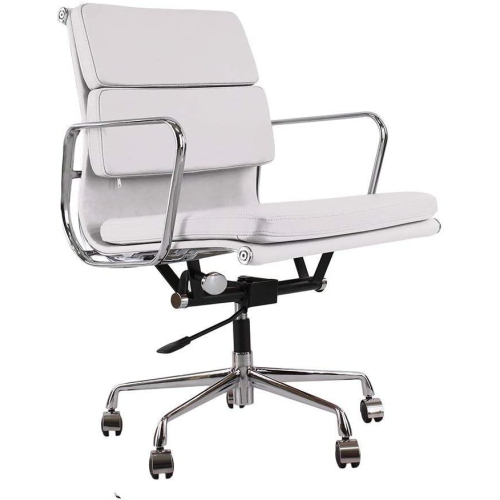

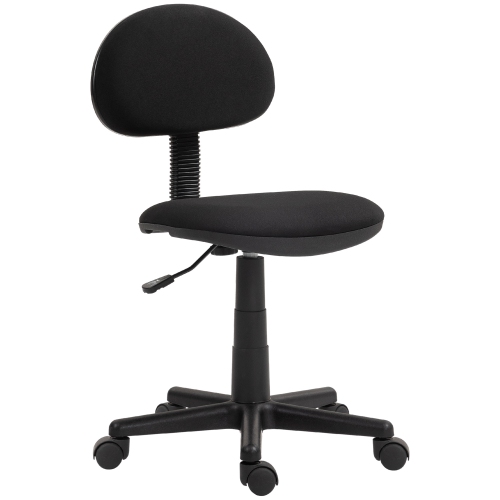
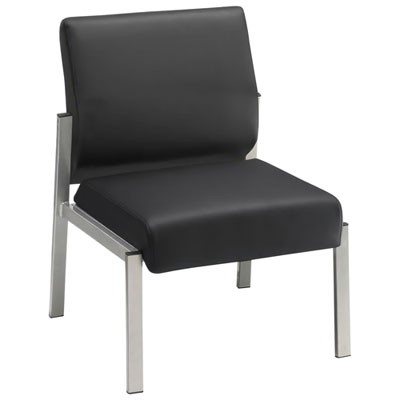
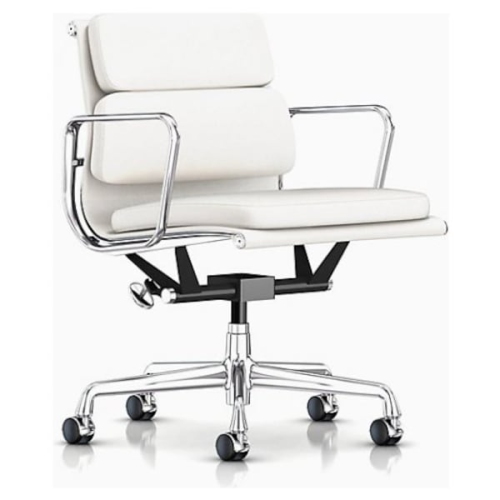
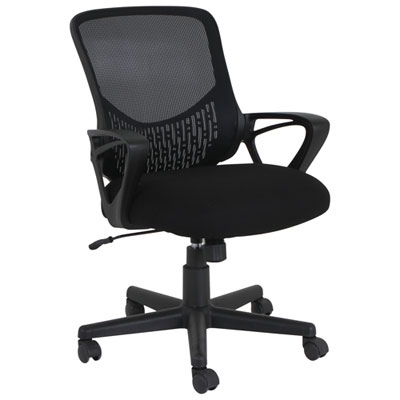
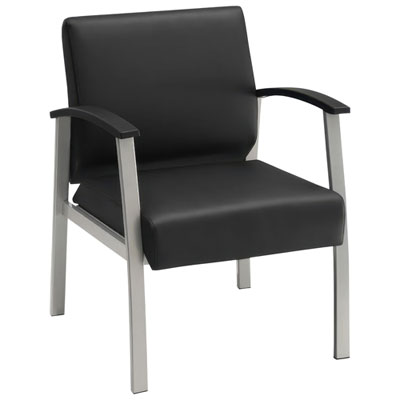
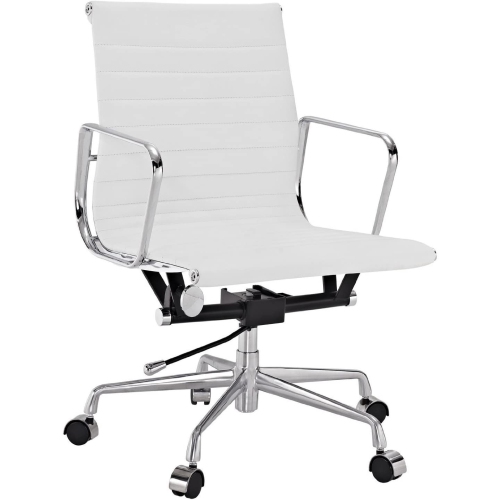
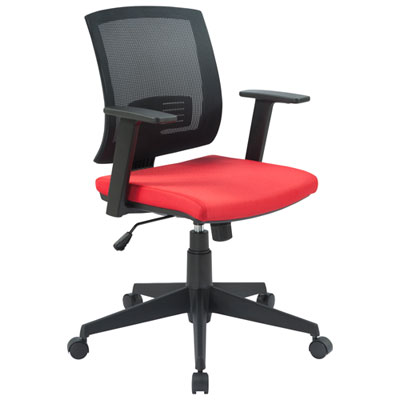
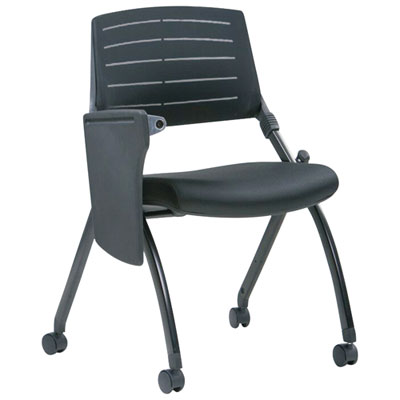

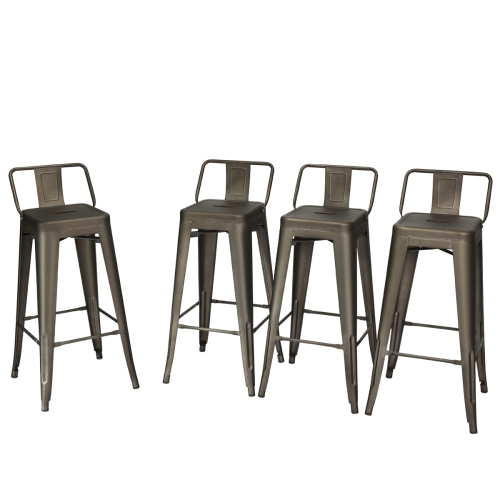
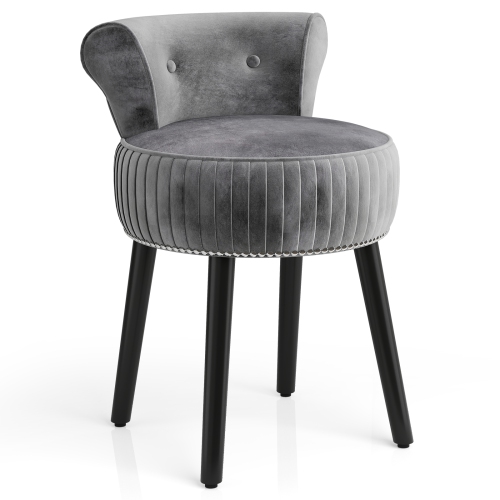
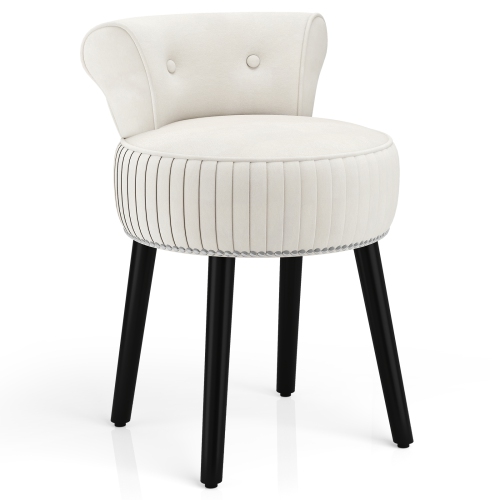
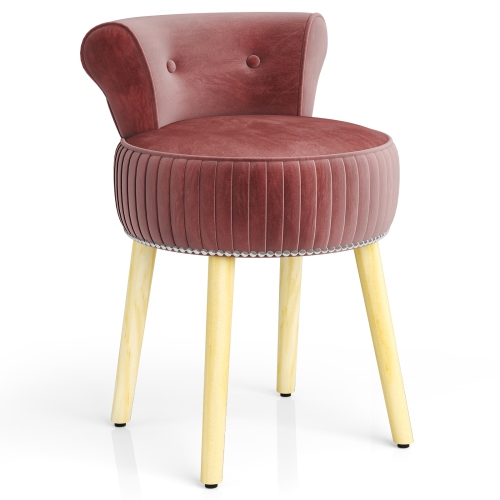
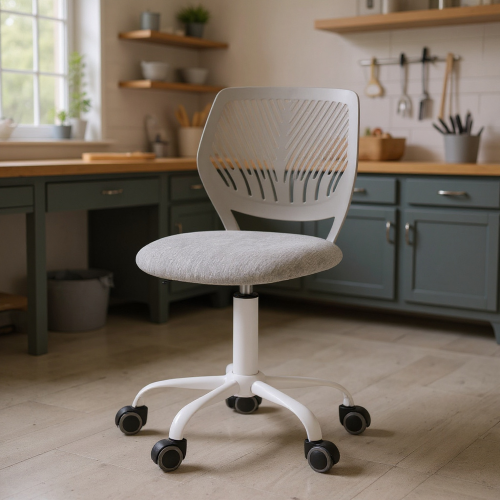
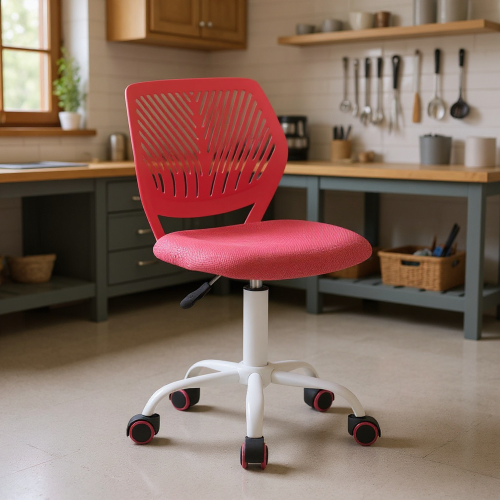


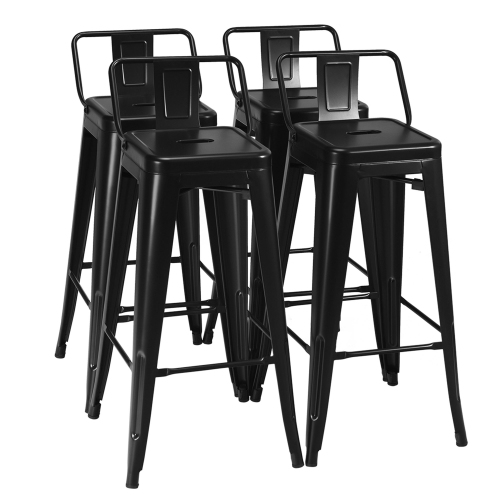
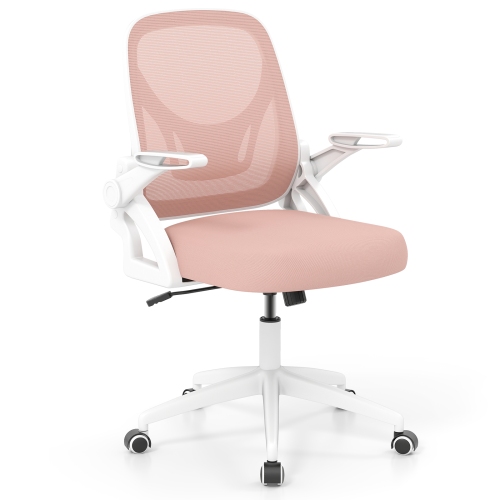
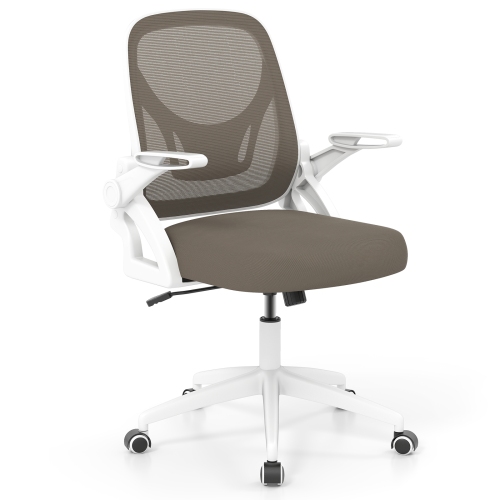
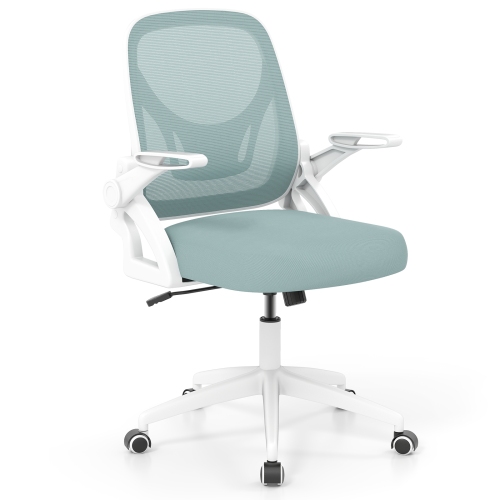
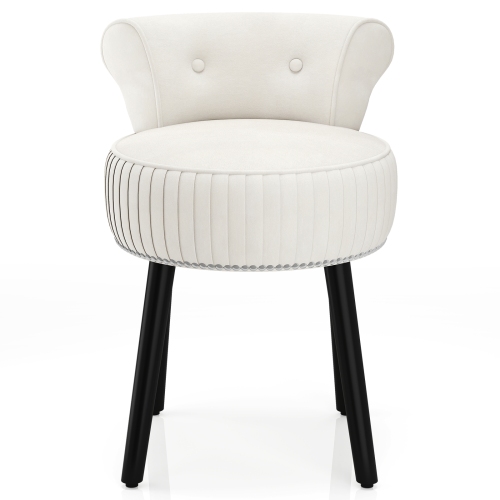
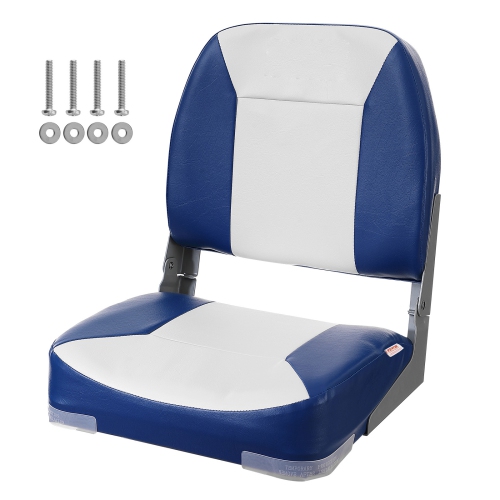
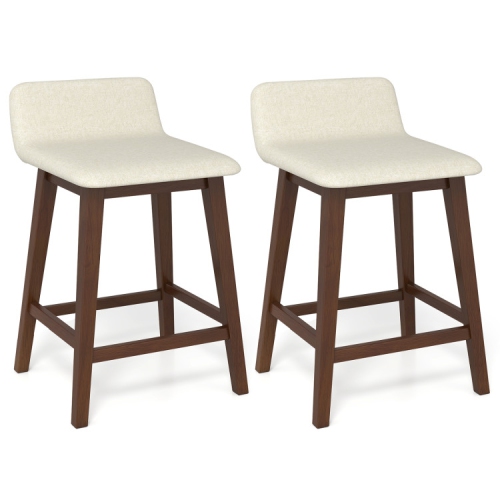

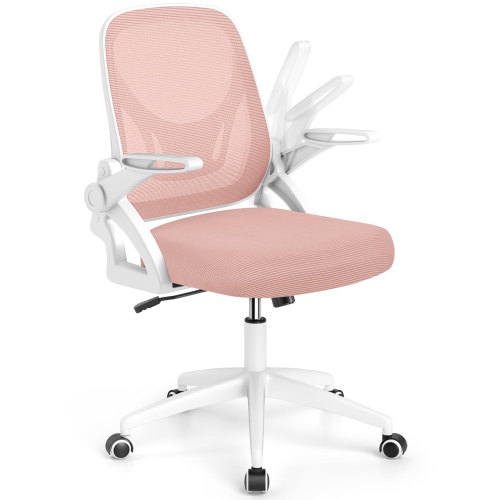

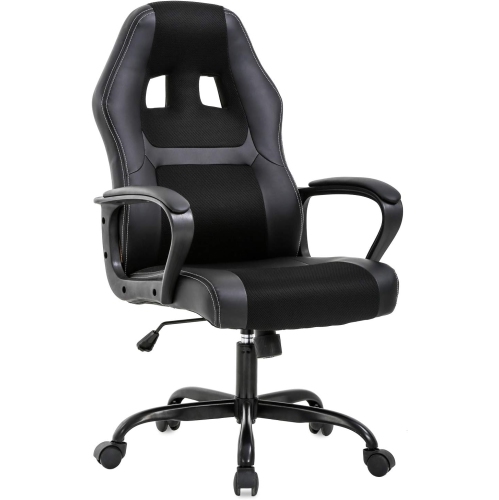
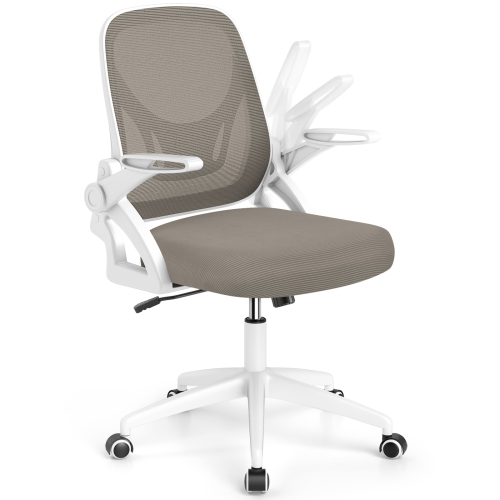
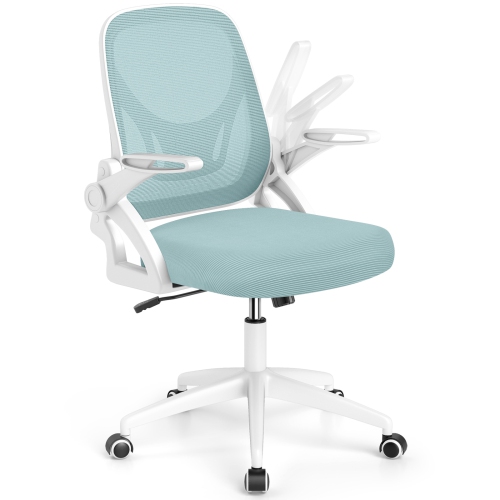
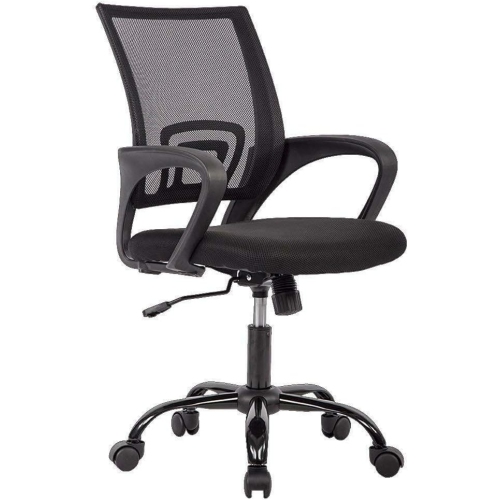
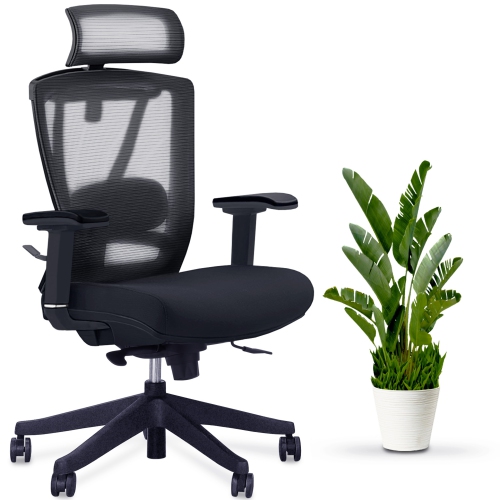
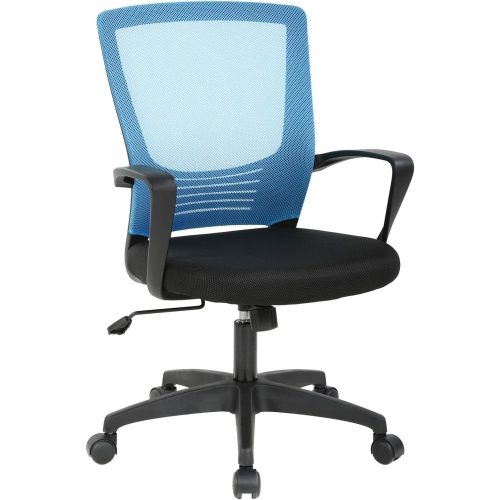
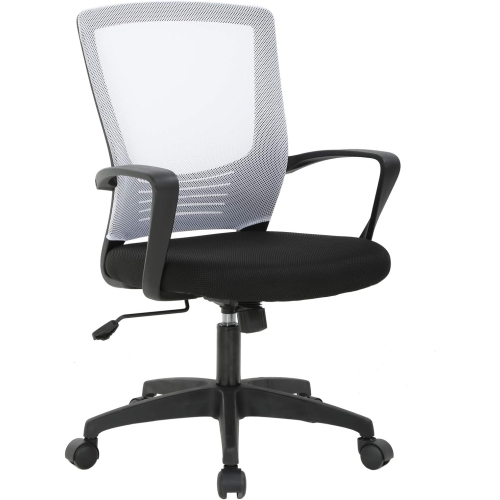
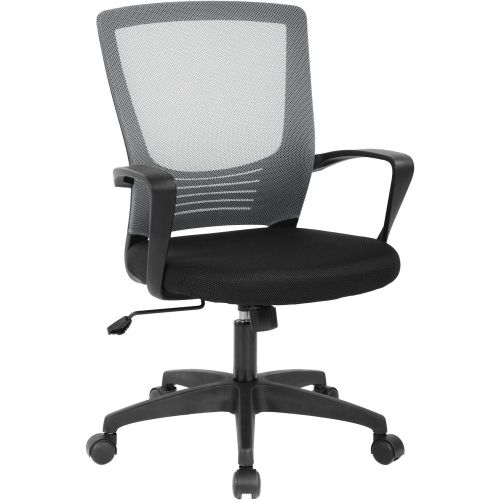
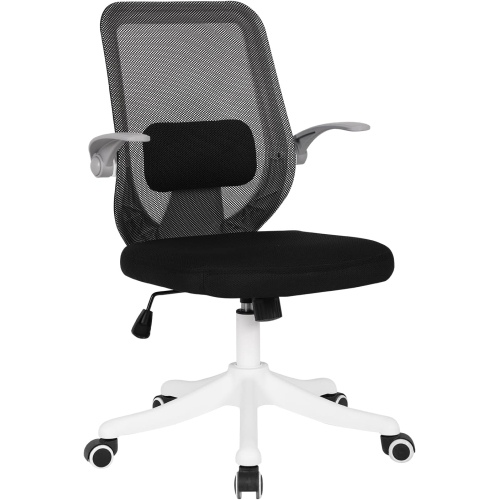
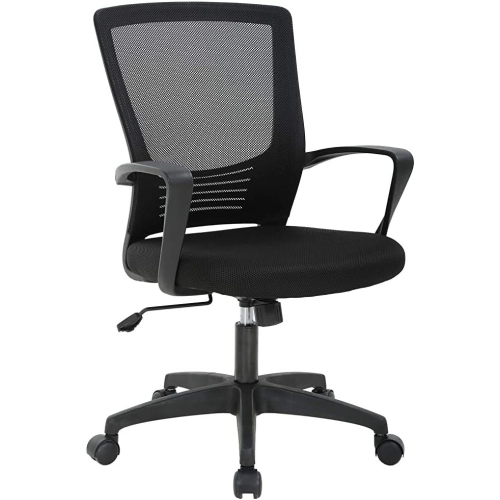
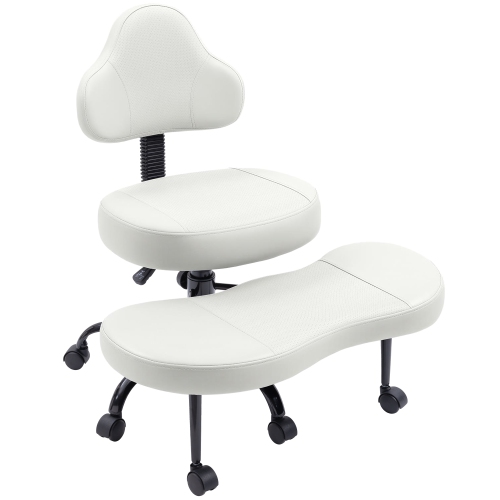
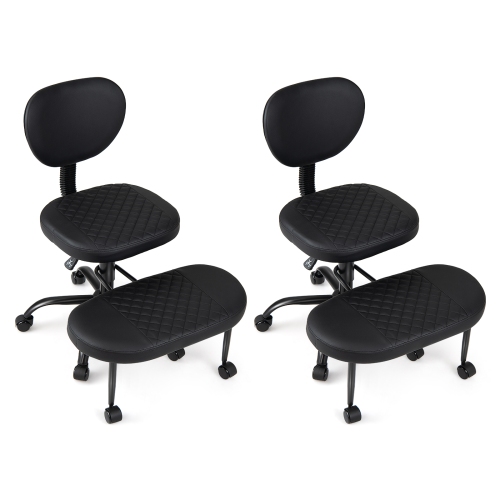
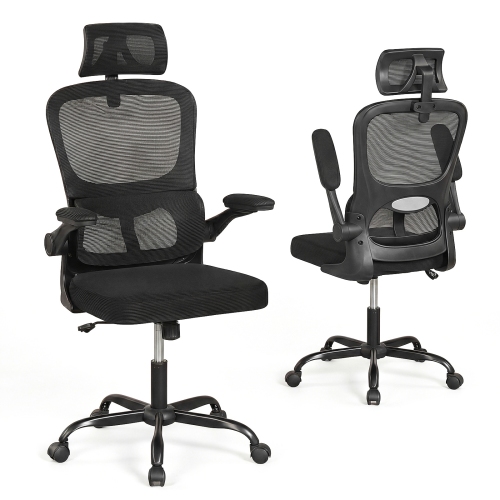
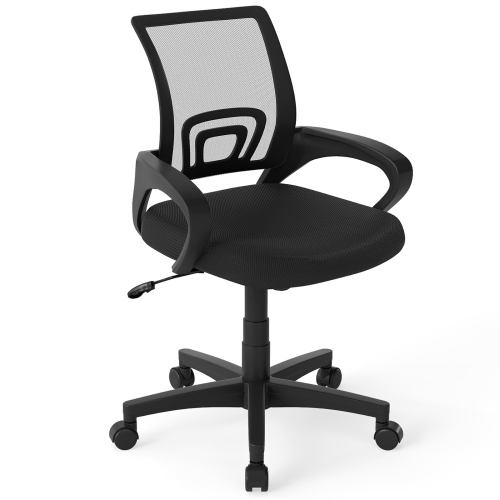
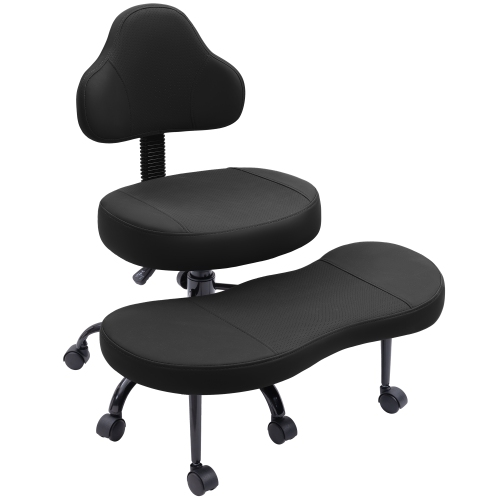
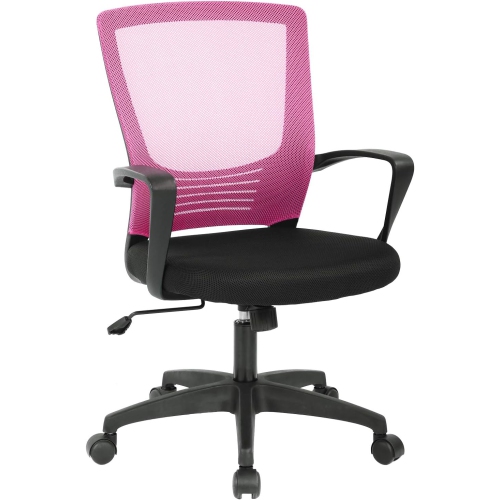
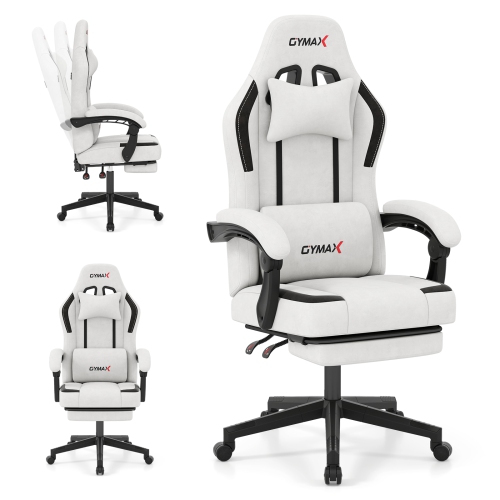
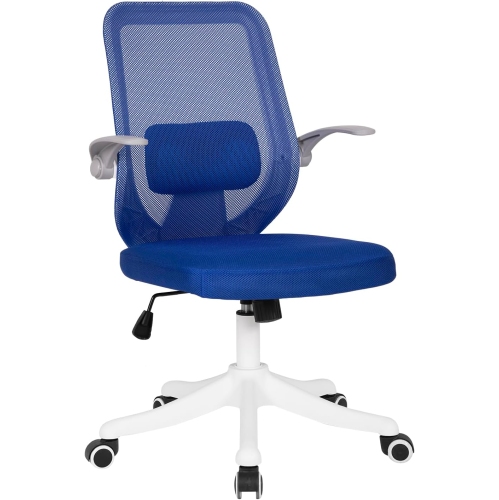
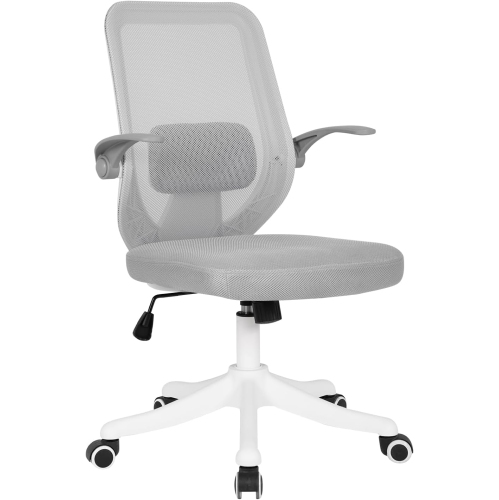
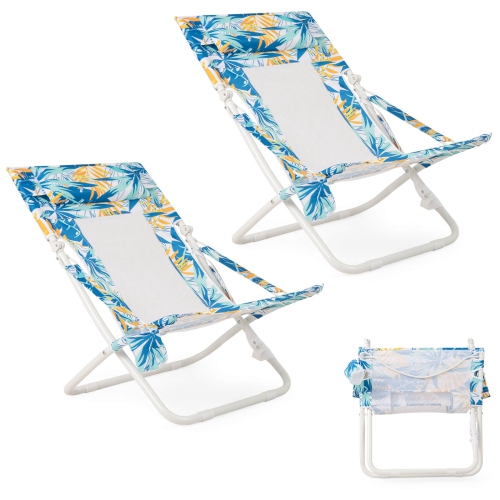
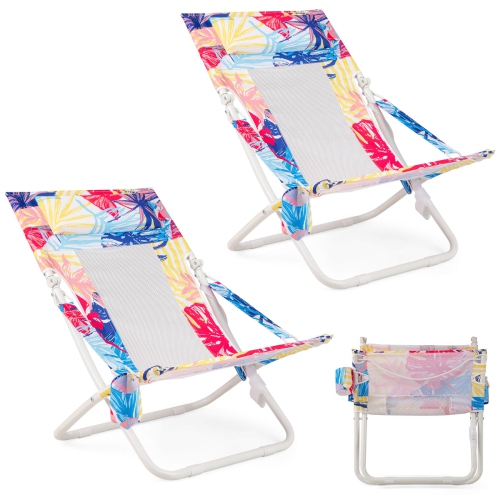
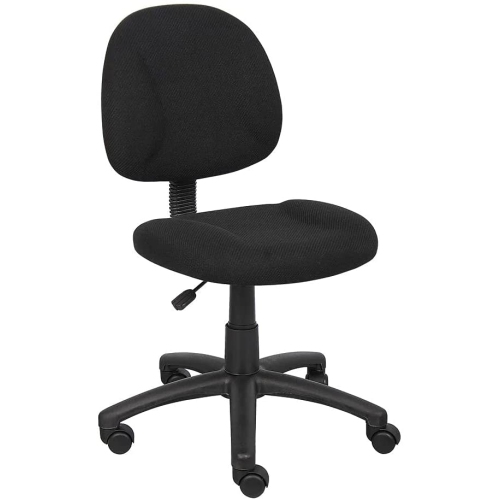
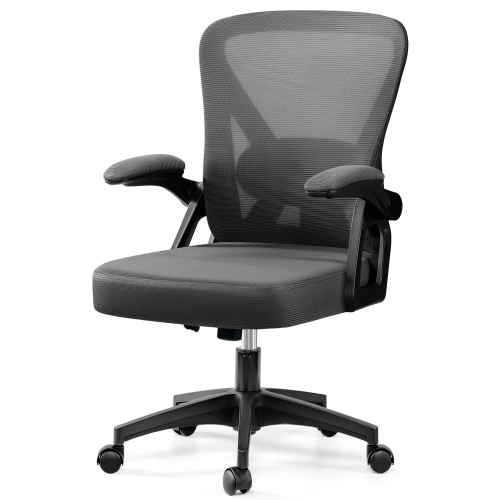
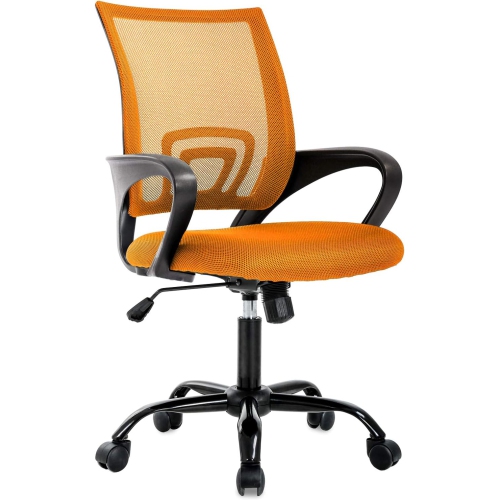
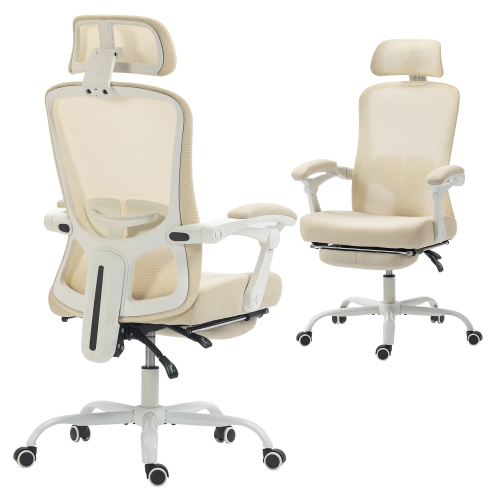
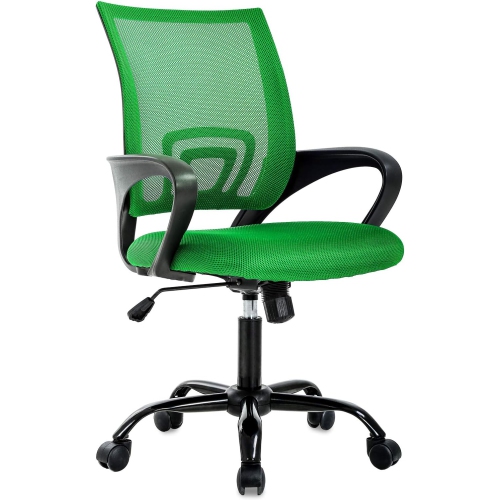
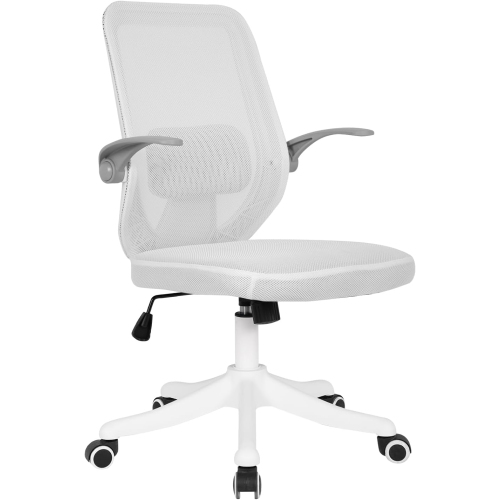
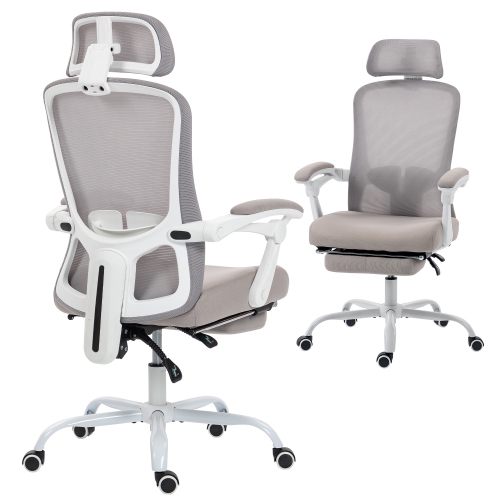
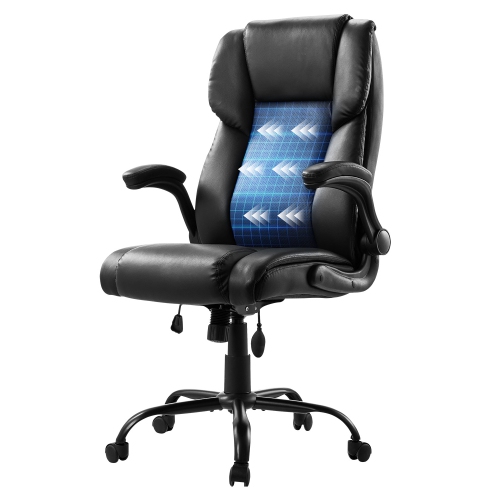
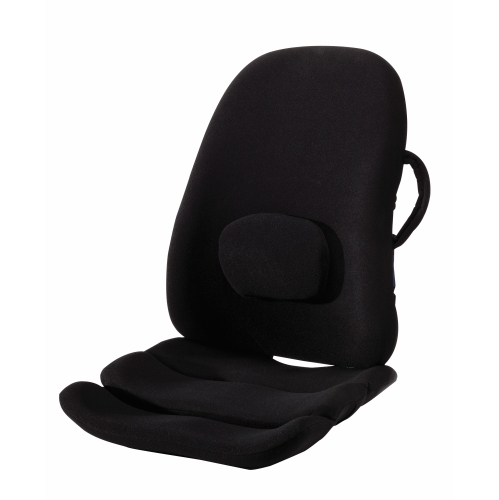
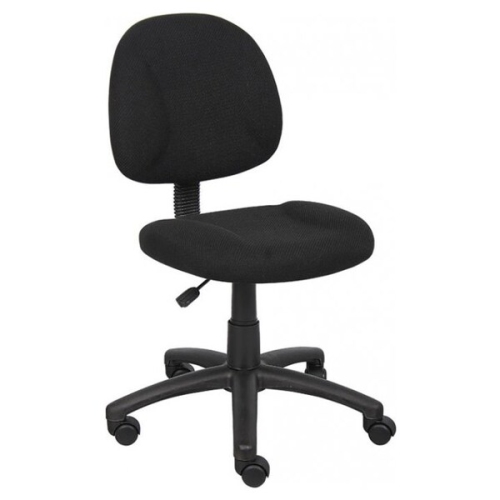
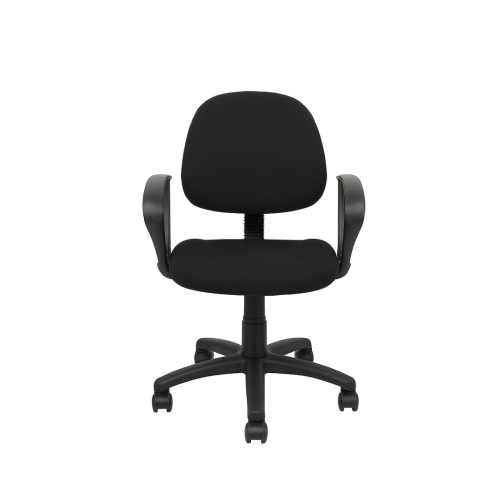
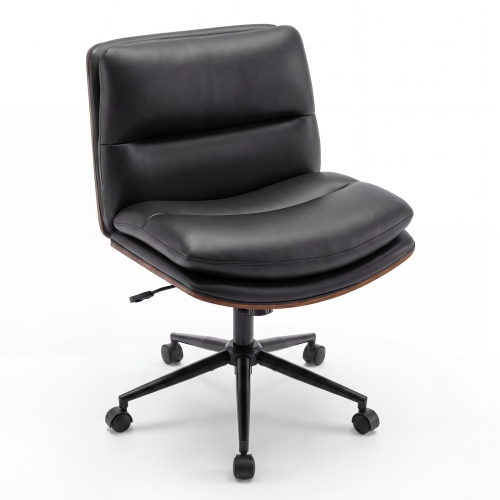
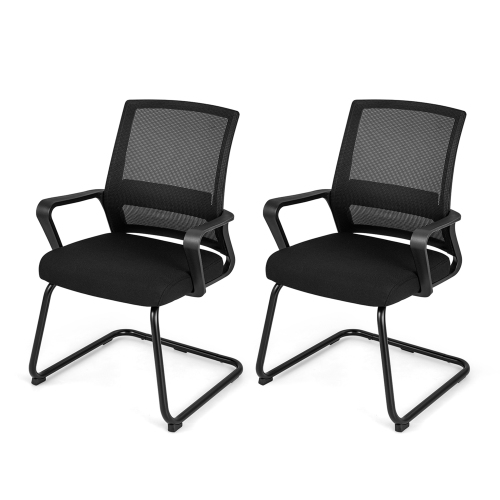
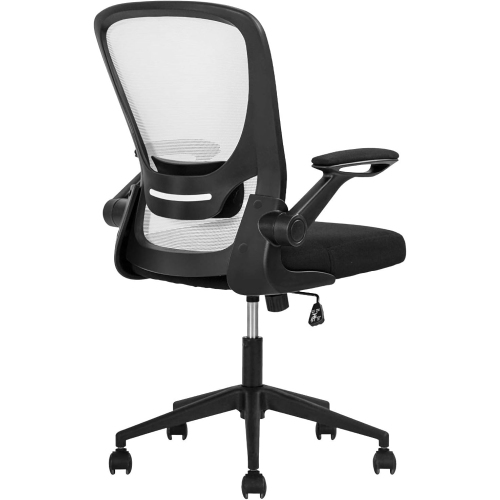
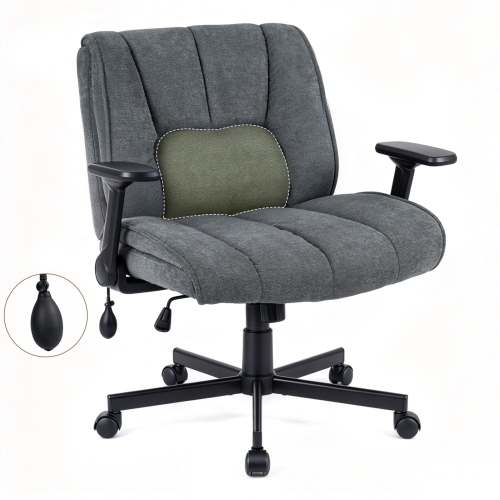
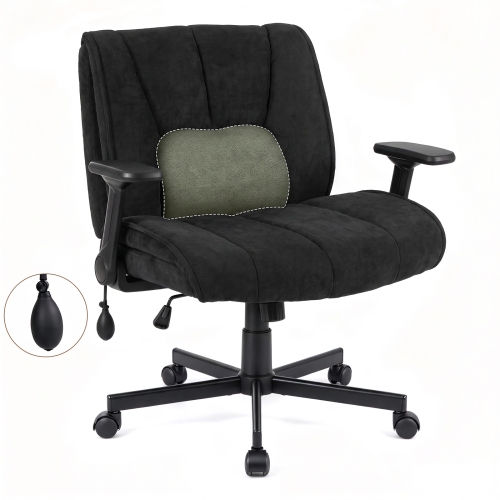
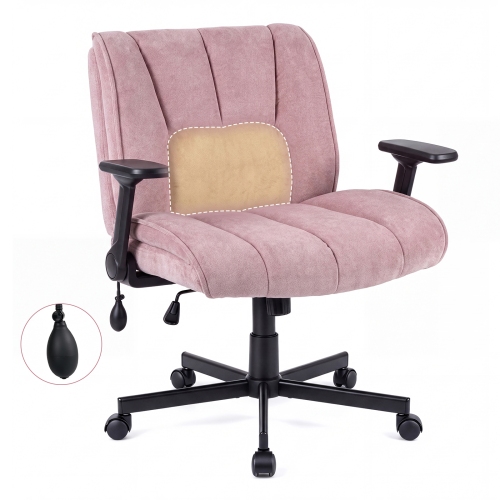
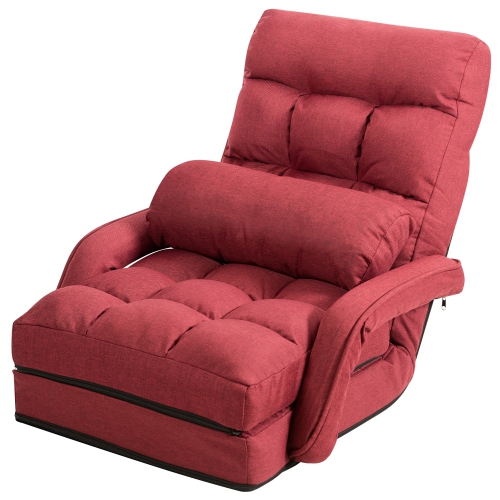
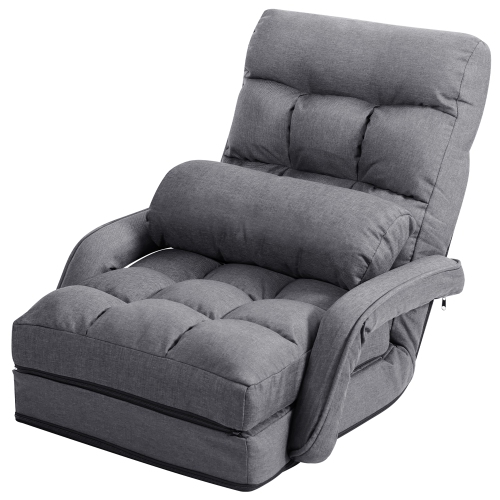
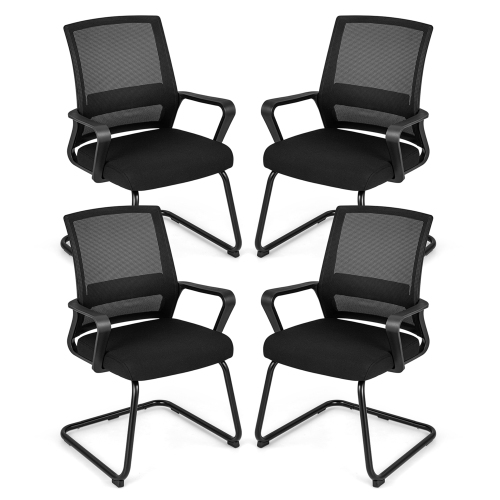
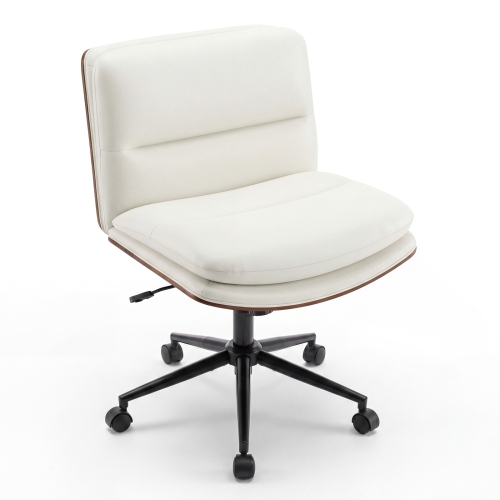
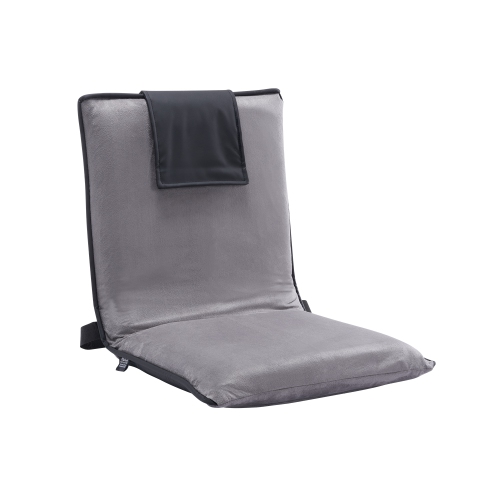
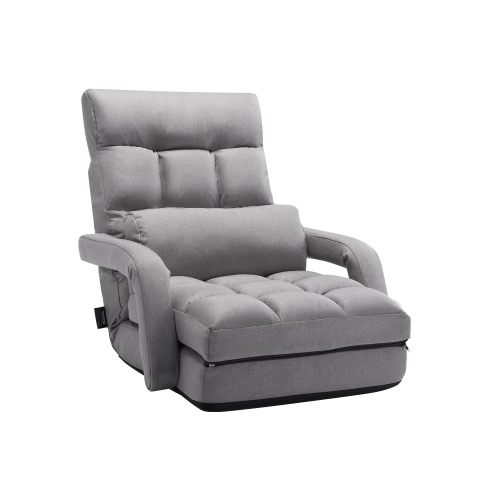
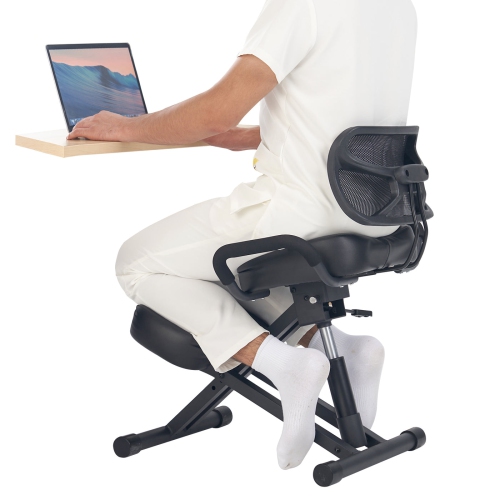
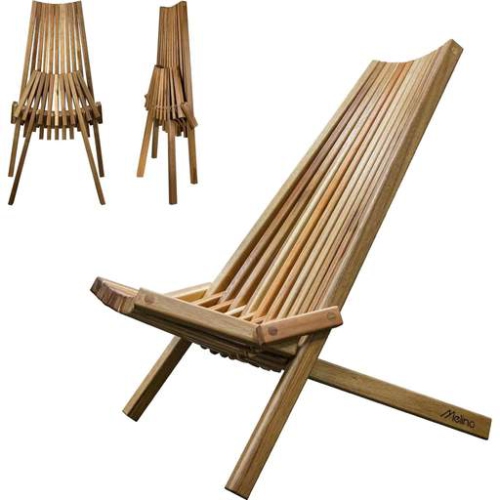
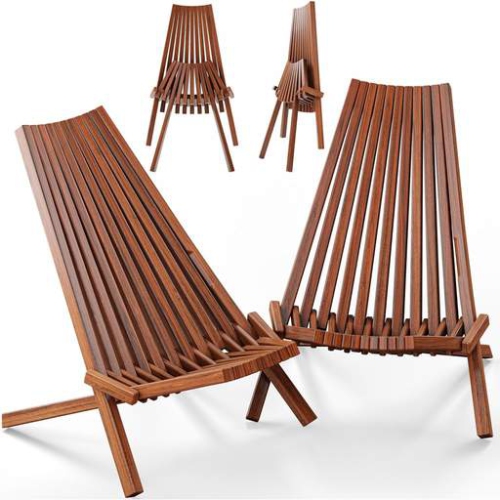
A shorter backrest does not guarantee a smaller footprint
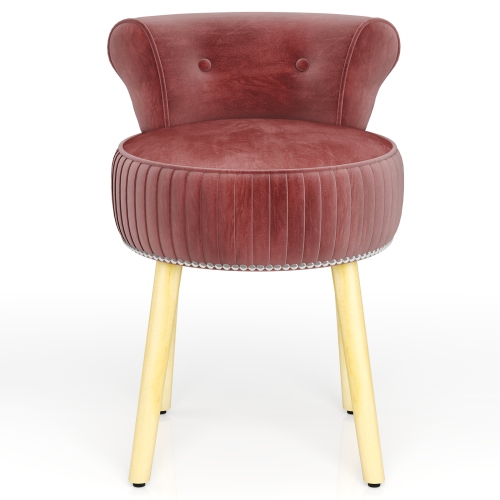
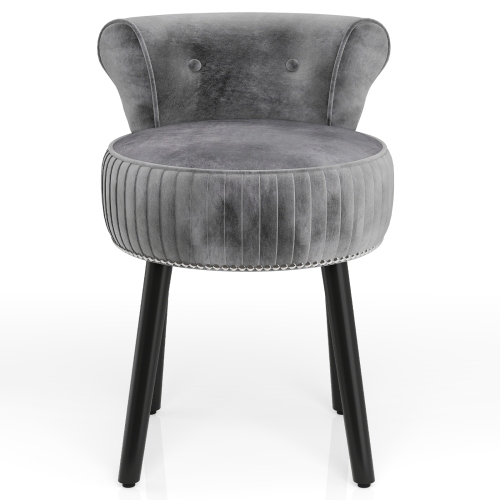
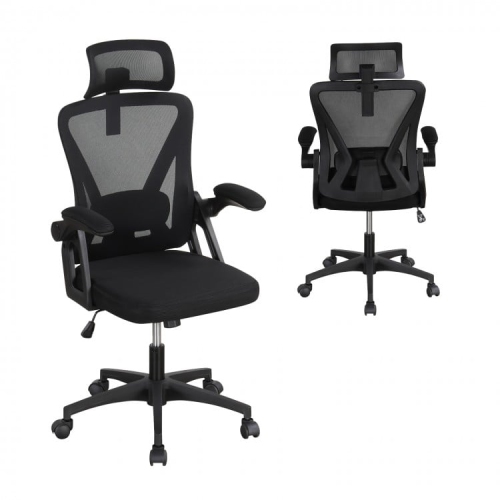
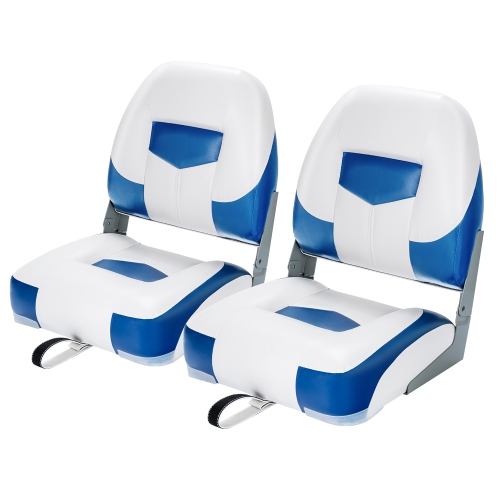
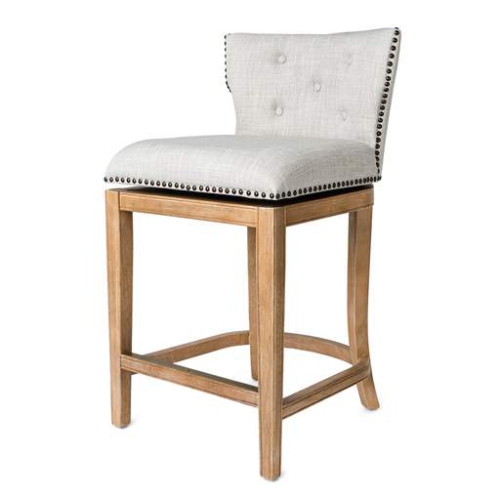
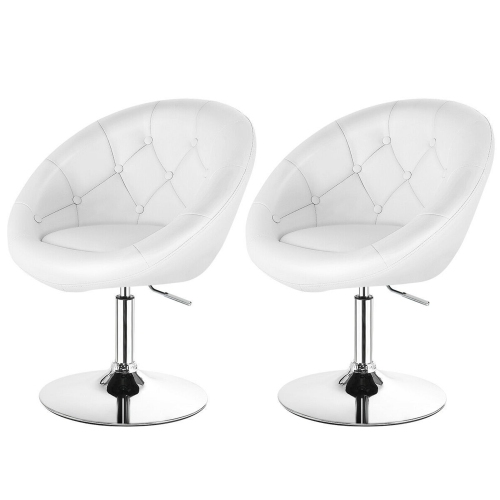
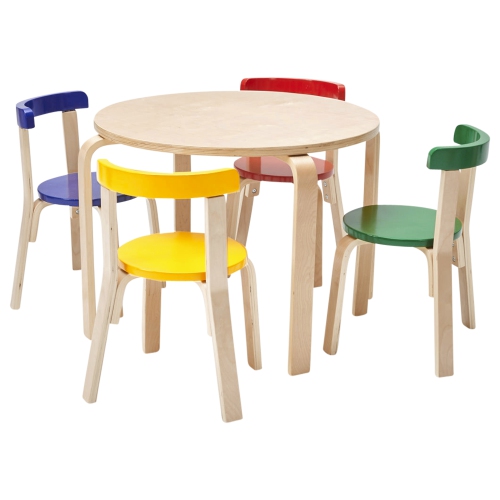
Low back chairs have shorter backrests than high-back seating, usually supporting the lower or middle part of the back while leaving the shoulders more open. The term describes the backrest rather than the seat height, so a low-back chair is not necessarily a low chair. This style appears in office chairs, dining chairs, accent seating, and some patio and camping designs, with different shapes suited to different activities. At a desk, a compact task chair can provide a place to sit without a tall back dominating the room. Around a dining table, shorter backs keep sightlines open and can make conversation across the table feel more natural. In a living room, a low-profile accent chair can sit beneath artwork or beside a sofa without competing with surrounding furniture. That lighter visual presence is especially useful in a condo, shared home office, or open-plan living area, although the chair’s actual footprint still matters. A wide seat, splayed legs, or generous arms can take up considerable floor space even when the back is short. Compare the overall width and depth with the intended spot, and leave enough room to pull the chair out, turn it, or walk behind it. For dining and desk use, check the seat height against the underside of the table rather than judging the fit by appearance alone. Armrests also need clearance if the chair is meant to tuck away. Armless designs can be easier to position closely around a table, while arms may offer a comfortable place to rest between tasks. A gently curved back can make a small dining nook feel inviting; a straightforward swivel design may be more practical at a workstation where reaching a printer or nearby shelf is part of the routine. The best match starts with how the chair will be used, not simply how compact it looks.
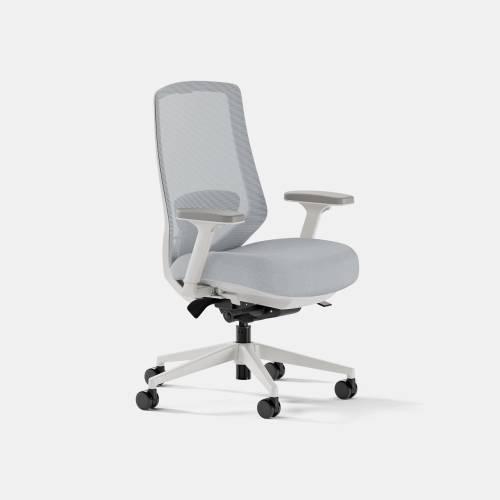
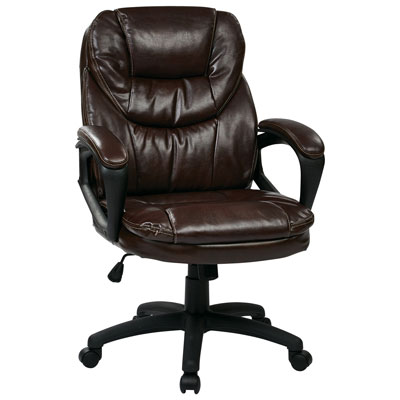
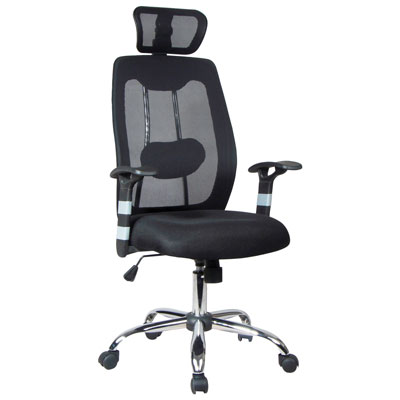
Materials influence the feel, appearance, and everyday upkeep of low-back seating. Mesh backrests allow air to pass through and often suit task chairs where a lighter-looking profile is preferred. The tension and shape of the mesh matter: it should feel supportive without pressing sharply against the back or allowing the body to sink into the frame. Upholstered chairs offer a softer appearance, with woven fabric, textured finishes, and padded seats bringing different levels of cushioning and visual warmth. A tightly woven fabric can be practical in a frequently used dining space, but cleaning requirements and stain resistance vary, so the care label deserves attention. Leather and leather-look upholstery can provide a smooth surface that is easy to wipe after minor spills when the manufacturer permits it. They require different care, however, and neither should be treated with a cleaner intended for the other. Wood gives dining and accent chairs a defined shape, with curved backs and contoured seats sometimes providing comfort without thick padding. Metal frames can create a slim profile, while moulded seats offer continuous curves that are easy to inspect and clean. Durability depends on construction as much as material: secure joints, a stable base, firmly attached upholstery, and components suited to the intended use all contribute to lasting performance. Check the stated weight capacity and follow any assembly and maintenance directions, including periodic hardware checks where recommended. On hard flooring, suitable glides can help limit marks; on a rolling office chair, casters should be appropriate for the floor surface. Routine care is usually straightforward: vacuum fabric seams with a suitable attachment, remove dust from frames, and blot spills promptly using the approved method. Avoid soaking cushions or using harsh cleaners unless the care instructions specifically allow them. For patio or camping use, choose seating designed for that purpose and follow its cleaning and storage requirements rather than assuming an indoor chair can serve the same role. Colour and texture can tie the seating into a room, but maintenance needs should fit the household’s routines.
Comfort in a low-back chair comes from the relationship between the seat, backrest, and person using it. When seated, feet should rest securely on the floor or a suitable footrest, with enough space behind the knees that the front edge does not press into the legs. A seat that is too deep can make it difficult to reach the backrest without slouching; one that is too shallow may leave the thighs feeling poorly supported. Seat width should allow comfortable movement without forcing the arms outward. For computer work, adjustable seat height is particularly useful, and features such as backrest adjustment, tilt control, or movable armrests can help refine the fit when included. A shorter backrest does not automatically mean less useful support, but it generally offers less coverage for the upper back and does not provide a headrest. Anyone who prefers taller support during desk work or while reclining may also want to compare High Back Chairs, paying attention to the backrest shape and adjustment options rather than height alone. For meals, conversation, or occasional paperwork, a well-proportioned fixed chair may be entirely suitable. For longer seated tasks, the ability to change position and take regular movement breaks remains important regardless of chair style. Consider the details that affect everyday use: a swivel base can make moving between a desk and side cabinet easier, while a fixed base keeps dining seating straightforward and predictable. A firm seat may feel supportive during a meal, whereas a softly padded accent chair may be better suited to relaxed reading than typing at a desk. Shared seating benefits from a fit that works for several people or adjustments that are easy to use. When choosing a chair as a gift for a student, a new homeowner, or someone setting up a workspace, confirm the room dimensions, preferred style, and practical needs beforehand. A chair earns its place through comfortable proportions, dependable construction, and a design that suits the activity it will support.
Top selling and popular products
-
 Your price for this item is $129.99
-
 Your price for this item is $539.1
-
 Your price for this item is $539.1
-
 Your price for this item is $539.1
-
 Your price for this item is $459.99
-
 Your price for this item is $343.2
-
 Your price for this item is $343.2
-
 Your price for this item is $343.2
Discover more categories related to Low Back Chairs
Top Collections:
Best Black Friday Deals This Year, Best Black Friday Deals On Electronics, Kindle Devices, Dyson Airwrap, Best Cameras for Sports Photography, Best Budget Office Chairs, Canon G7X Cameras, PS5 Pro Consoles, Best Black Friday Deals On Apple Products, XBOX One S Consoles
Some products may be subject to Environmental Handling Fees
(EHF) depending on your province.
Learn more about EHFs.