Low Profile Bathroom Rugs
Low Profile Bathroom Rugs offer a sleek and practical solution for any bathroom space. Designed to fit seamlessly under doors and provide a smooth, unobtrusive surface, these rugs are ideal for those seeking comfort without added bulk. With a variety of colors, patterns, and sizes available, Low Profile Bathroom Rugs make it easy to enhance your bathroom’s style while maintaining a tidy appearance. Discover options that blend effortlessly with your décor and create a welcoming atmosphere in your home.
Sort
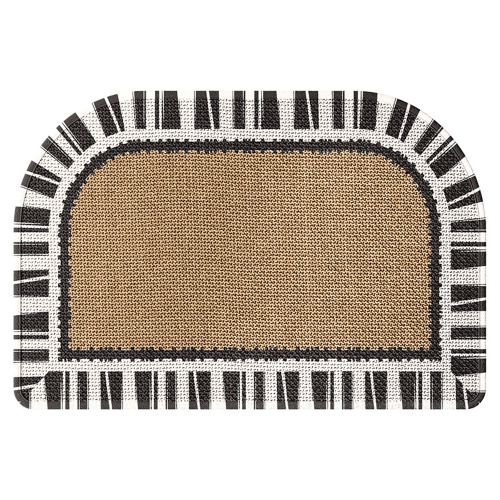
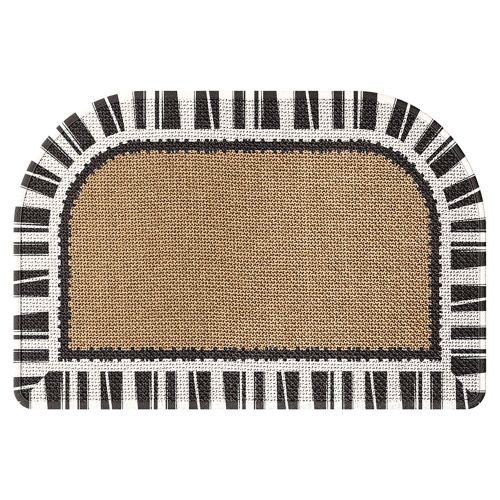
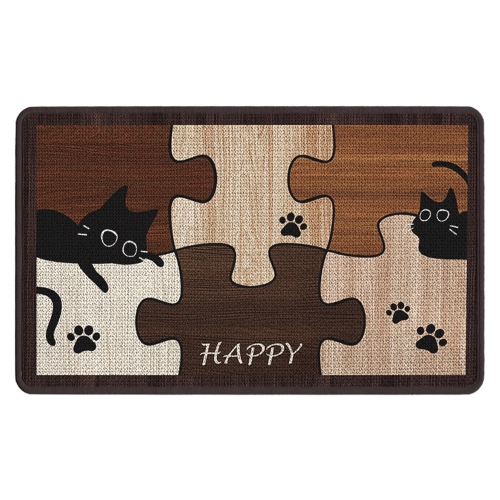
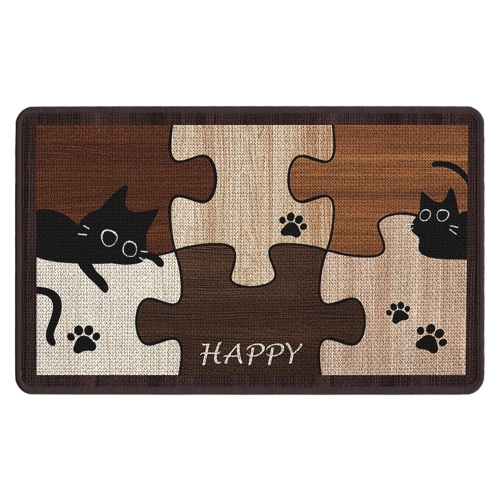
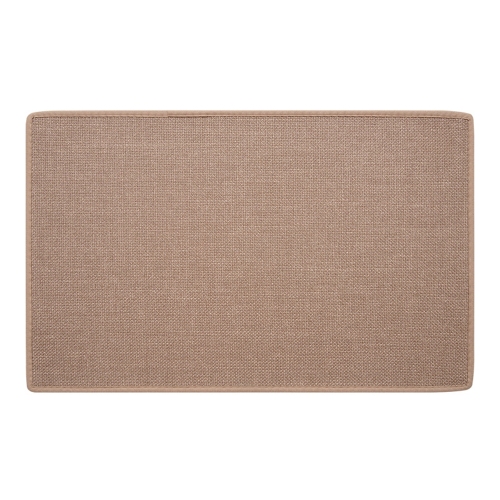
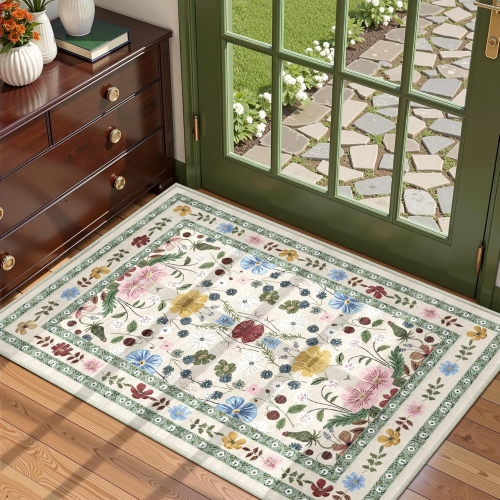
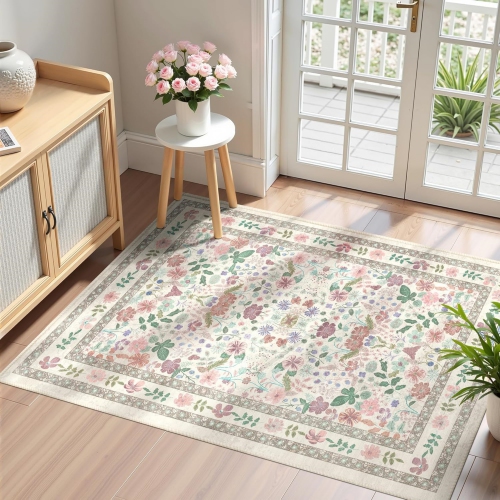
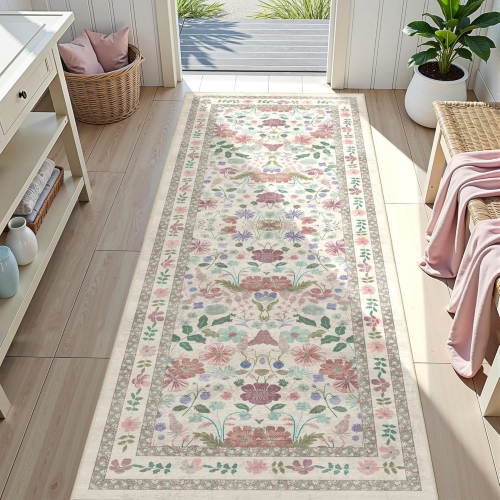
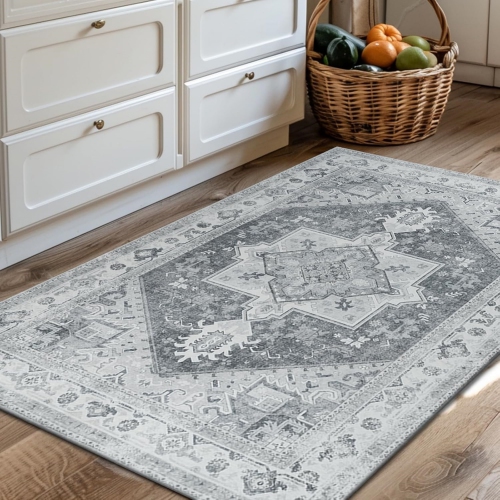
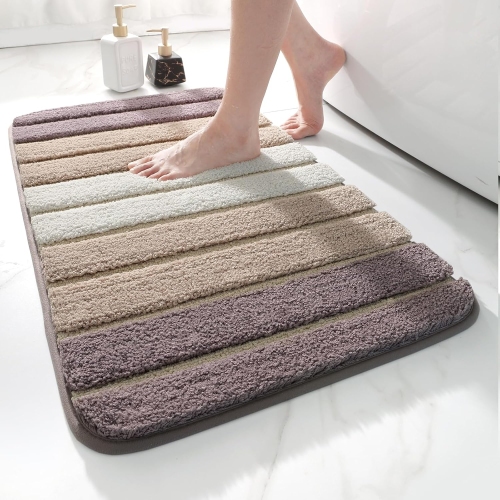

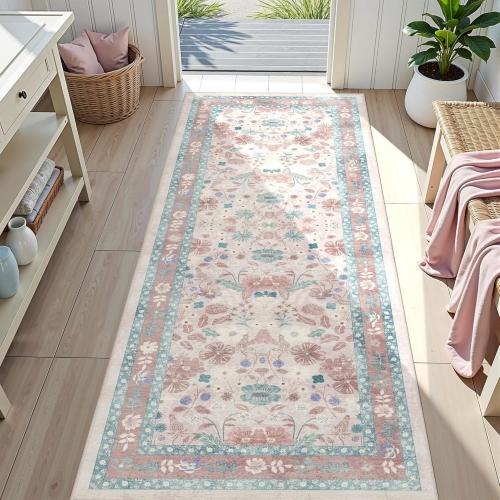
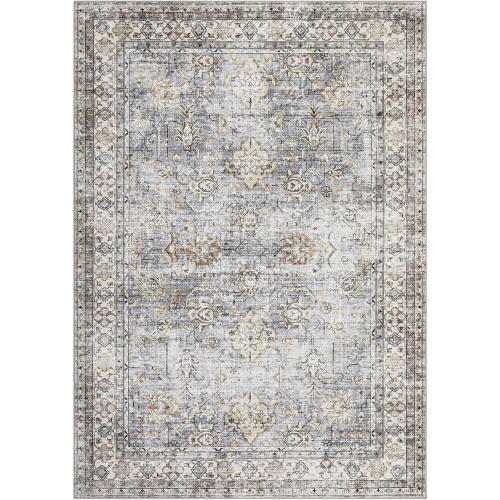

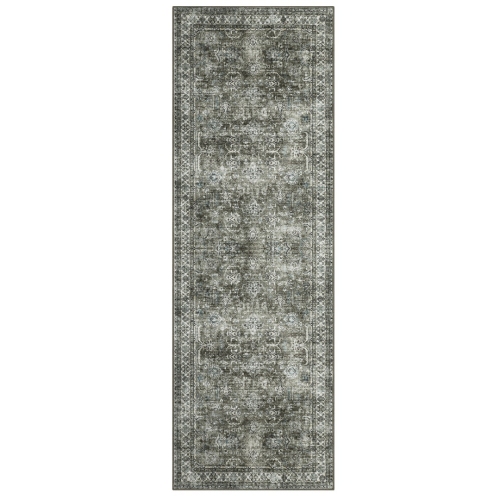
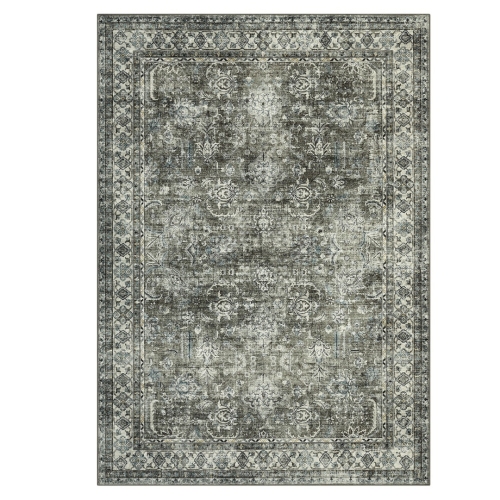
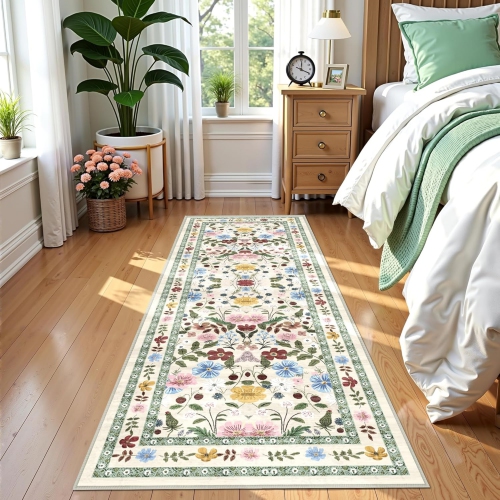
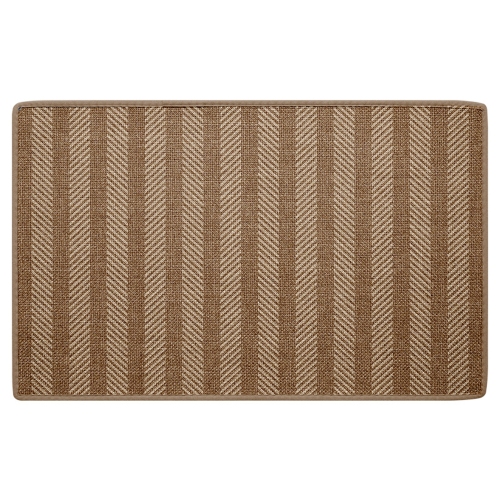

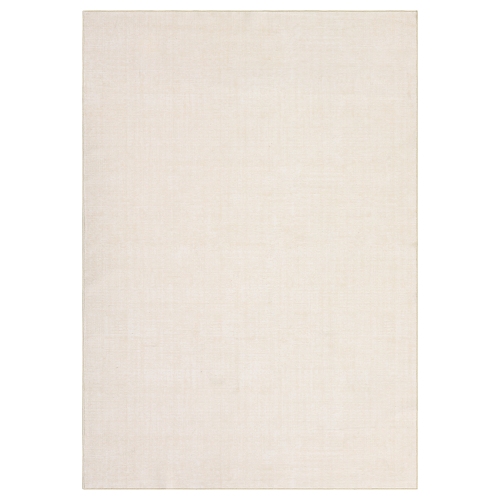
Bathroom comfort with room for the door to swing
Low-profile bathroom rugs add a soft, absorbent surface beside a tub, shower, or vanity without the depth of a thick, plush pile. Their defining feature is a slim construction that sits close to the floor, helping them fit into spaces where door clearance and easy movement matter. A bathroom door that catches on a bulky mat, a narrow walkway between the vanity and tub, or a compact powder room can all make a flatter rug especially useful. Low profile does not describe one standard thickness, however: the pile, backing, and finished edges all contribute to the rug’s overall height. A rug that looks thin in a photograph may still have a raised border or cushioned base, so total thickness is more useful than pile height alone when comparing it with the gap beneath a swinging door. Within the broader range of Bathroom Rugs, these slimmer designs offer a less bulky look while still bringing texture and colour to the room. Rectangular shapes work naturally in front of a sink or along the edge of a bathtub, while a longer runner can span a double vanity without dividing the floor into several small sections. The best fit leaves enough visible floor around the rug for it to lie flat, rather than pressing against a toilet base, cabinet, or doorway. In a small bathroom, a simple outline and a subtle pattern can make the floor feel less crowded; in a larger room, a longer shape can connect two sink areas visually. Neutral shades blend easily with tile and cabinetry, while deeper colours or small-scale patterns can add definition around pale fixtures. For an accurate sense of proportion, the useful measurement is the open floor space where feet actually land, not the full width of the room. That distinction helps keep the rug centred on its purpose without blocking a door or extending awkwardly into a walking path.
Materials influence how a low-profile bath rug feels underfoot, how it handles everyday splashes, and how much attention it needs between washes. Cotton is absorbent and can provide a familiar towel-like feel, particularly in flatter woven constructions. Its drying time depends on the density of the fabric, the amount of water it holds, and the airflow around it; a slim cotton rug can still stay damp when left against a wet floor. Microfibre and other polyester constructions can offer a soft surface with a short pile, making them an option for anyone who wants a little cushioning without a deep, fluffy finish. A compact loop or tightly woven surface has a different feel from a brushed pile, even when both rugs have similar dimensions. Texture also affects everyday upkeep: longer loops and raised patterns can catch lint or hair, while some flatter surfaces make loose debris easier to see and remove. Cushioning deserves separate attention because a low-looking surface may conceal a thicker foam layer underneath. For a vanity where someone stands to brush their teeth or get ready, a modest amount of cushioning may be welcome; directly behind a close-fitting door, overall thinness may matter more. The underside is just as important as the face fabric. Some bathroom rugs have an attached slip-resistant backing, while others need a separate pad that is suitable for both the rug and the flooring. Any added pad increases the total height. Backing materials can also have flooring restrictions, so compatibility with vinyl, sealed wood, or other surfaces should be confirmed rather than assumed. Slip-resistant backing is intended to help limit movement on an appropriate clean, dry floor, but it does not make a wet surface slip-proof. Low-profile bathroom rugs belong outside the bathing area unless expressly designed for another use; they are not substitutes for mats made for use inside a tub or shower. Their role is to catch light splashes and provide a comfortable place to step, not to waterproof the floor.
Everyday care makes a noticeable difference to how well a bathroom rug keeps its shape and performs over time. In a shared bathroom, repeated showers can leave even an absorbent rug damp before it has had a chance to dry. Lifting it after heavy use, allowing air to reach the underside, and keeping the floor beneath it dry can help avoid persistent moisture. A washable construction may be particularly practical in homes with children, pets, or frequent guests, but “machine washable” does not mean every rug tolerates the same cycle, detergent, or drying method. Care labels determine whether a rug needs a gentle wash, low heat, or air drying, and whether its dimensions and weight are suitable for a household machine. Backed rugs can require different handling from unbacked cotton designs, especially when heat could affect the underside. Between washes, loose hair and dust can often be shaken out or removed using a cleaning method permitted by the manufacturer; aggressive brush rolls may be unsuitable for delicate loops or bound edges. Durable construction shows up in details such as secure stitching, a border that lies flat, and a surface that holds its shape after repeated care. Curling corners, cracked backing, and edges that no longer settle against the floor are signs that a rug needs attention or replacement. A thin profile alone does not eliminate a tripping hazard, particularly if the rug shifts or wrinkles. For anyone using a mobility aid, the rug’s placement, stability, and edge height deserve as much consideration as softness. In a busy family bathroom, a secure, easy-care design may take priority, while a guest bathroom may call for a coordinated colour and a smaller footprint. A low-profile rug can also be a thoughtful housewarming gift when the recipient’s floor space and preferred style are known. Across these settings, its appeal is straightforward: a neatly fitted layer of softness that supports daily routines without adding unnecessary bulk.
Top selling and popular products
-
 Your price for this item is $130.55
-
 Your price for this item is $129.15
-
 Your price for this item is $130.55
-
 Your price for this item is $129.15
-
 Your price for this item is $129.15
-
 Your price for this item is $130.55
-
 Your price for this item is $144.99
-
 Your price for this item is $103.99
Discover more categories related to Low Profile Bathroom Rugs
Top Collections:
Best Black Friday Deals This Year, Best Black Friday Deals On Electronics, Kindle Devices, Dyson Airwrap, Best Cameras for Sports Photography, Best Budget Office Chairs, Canon G7X Cameras, PS5 Pro Consoles, Best Black Friday Deals On Apple Products, XBOX One S Consoles
Some products may be subject to Environmental Handling Fees
(EHF) depending on your province.
Learn more about EHFs.