Low Profile Entryway Rugs
Low Profile Entryway Rugs offer a stylish and practical solution for high-traffic areas in your home. Designed to fit seamlessly under doors and in compact spaces, these rugs help keep entryways tidy while adding a touch of warmth to your décor. With a variety of colors, patterns, and sizes available, Low Profile Entryway Rugs make it easy to enhance the look of your foyer or hallway without sacrificing functionality. Explore options that blend effortlessly with any interior style and create an inviting atmosphere right at your doorstep.
Sort
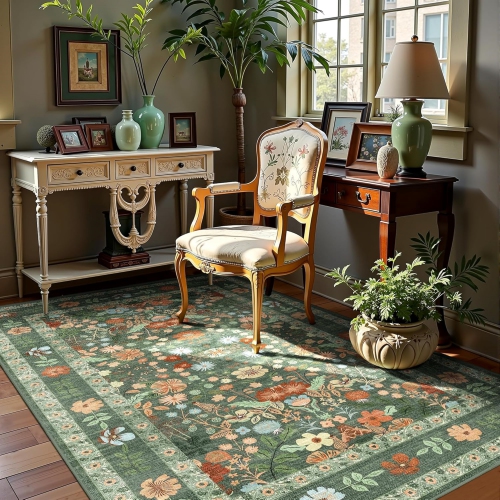
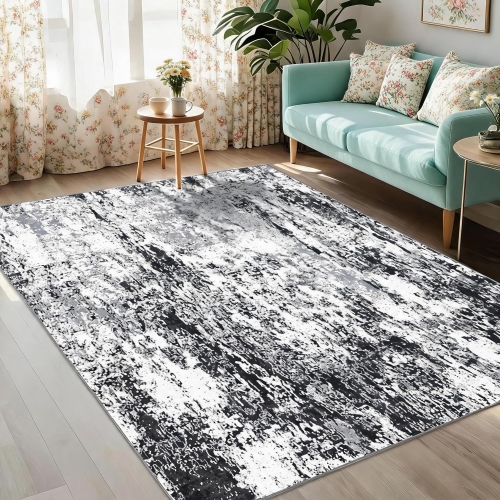
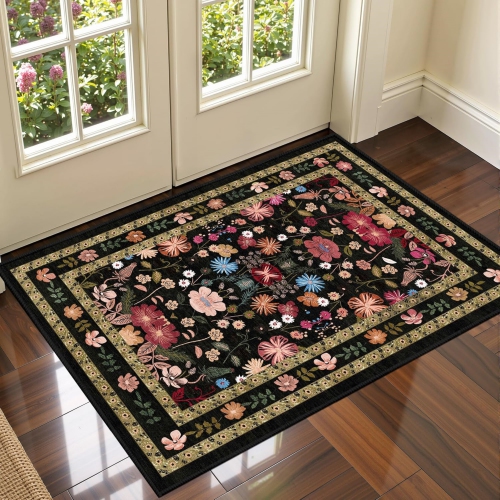
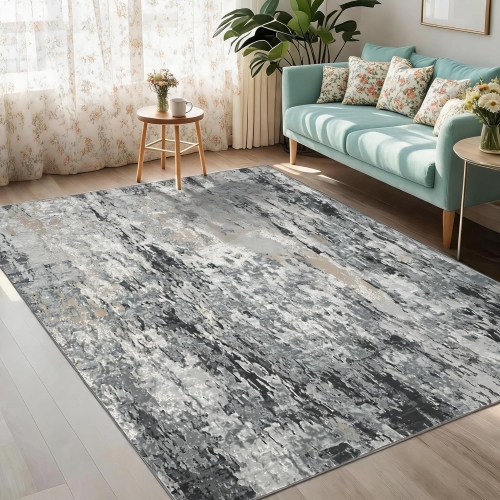
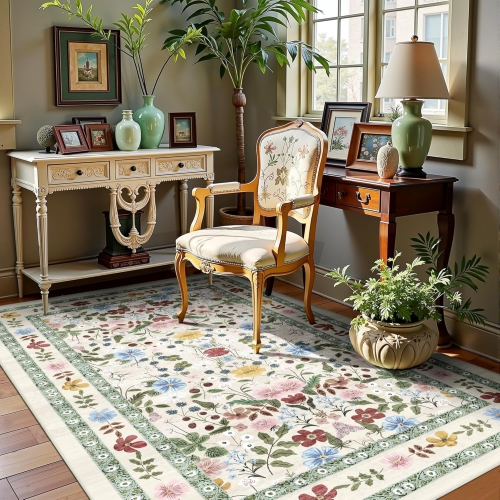

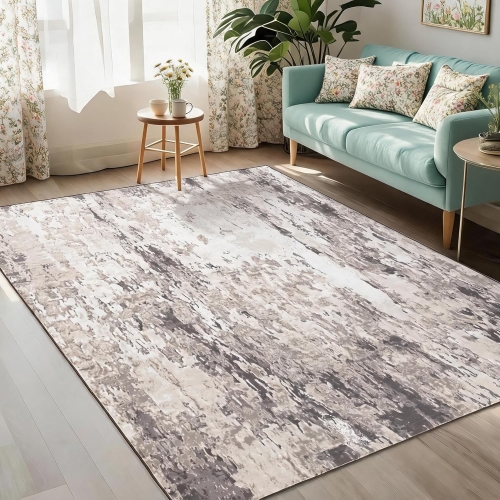
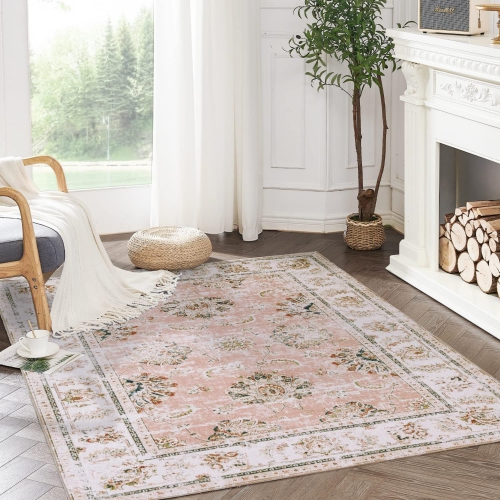
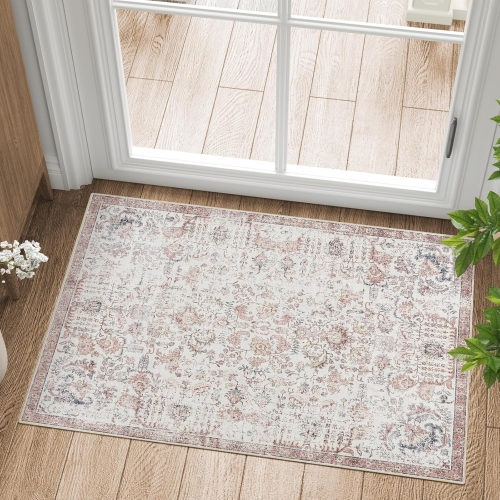







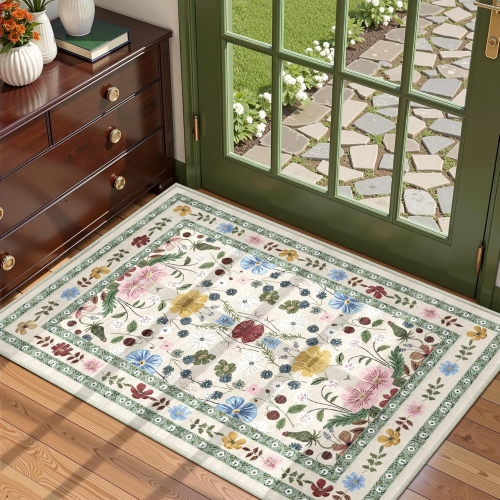
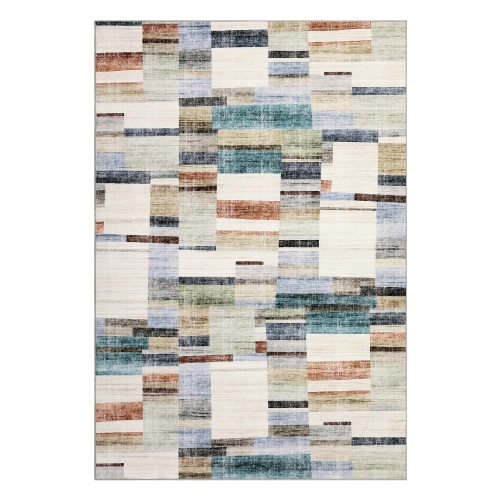
Door clearance matters more than pile height alone
Low-profile entryway rugs add texture and a comfortable landing place inside the front door without the bulk of a deep pile. Their flatter construction suits spaces where a door swings over the rug, shoes come off beside a bench, or foot traffic moves directly into a hallway. Flatwoven rugs and short-pile mats are common options, but “low profile” does not describe one universal thickness. Door clearance depends on the rug’s total height, including its backing, bound edges, and any separate rug pad. A low pile alone does not guarantee that a door will pass over it. The smallest gap beneath the door throughout its swing is the useful measurement, particularly where flooring is uneven or a threshold changes height. If that gap is less than 1/4 inch, even a slim rug may interfere with movement. Size and placement matter just as much as thickness. A compact rectangular mat can define the spot where shoes are removed, while a runner can carry that surface farther into a narrow entrance. A wider rug may better suit a foyer with double doors or a bench along one wall. Leaving a visible border of flooring helps the space feel balanced, and keeping edges away from stair landings and door tracks reduces potential obstructions. In a busy household, the most useful placement gives people room to step fully onto the rug rather than landing with one foot on bare flooring. It also leaves space for a shoe cabinet to open and for bags to be set down without blocking the entrance. Low-profile construction can be convenient where a stroller or mobility aid passes through, although secure edges, suitable backing, and an unobstructed route remain essential. For apartments, condos, and larger homes alike, these rugs offer a way to make an entrance feel finished while keeping everyday movement through the doorway practical.
Material and construction shape how an entryway rug feels, how it handles dirt, and how much care it needs. Polypropylene is commonly used in short-pile rugs because it resists moisture absorption and can be straightforward to clean, although the finished rug’s care requirements also depend on its backing and construction. Polyester can provide a soft surface and clear colour definition, while nylon is often chosen for its resistance to abrasion in frequently used spaces. Cotton flatweaves offer a flexible, relatively lightweight option, and some are machine washable when their care labels allow it. Wool brings a springy feel and textured appearance, but it generally needs more careful cleaning and may shed loose fibres, especially early in use. Jute and sisal provide a firm, visibly woven texture; they are usually better suited to dry indoor entrances than locations where damp footwear is regularly left on the rug. Rubber and vinyl mats offer a different feel from woven textiles and may suit utility-focused entrances, provided they are intended for the location and compatible with the flooring beneath them. Surface texture also affects performance. A fine weave can be easier to vacuum than a deeply textured surface, while some ribbed or textured mats help collect loose grit from shoe soles. Neither a thin profile nor a textured surface automatically means a rug is absorbent, waterproof, or suitable outdoors; those qualities need to be stated for the rug itself. For an entrance shared with pets, a tightly woven surface without long fringe may be more practical around claws and frequent vacuuming. In a quieter foyer, a softer finish or a subtle woven pattern may take priority. Mid-tone colours, small repeating motifs, and heathered textures can make everyday dust and footprints less noticeable between cleanings. Pale shades create an airy look but may show marks sooner, while very dark solids can reveal lint and light-coloured pet hair. These details let the rug complement nearby flooring and furniture without losing sight of how the entrance is actually used.
Everyday durability depends on more than the face fibres. Firmly finished edges, a stable backing, and a construction that lies flat all contribute to how a low-profile entryway rug performs under repeated footsteps. A backing described as non-slip can help limit movement, but its grip varies with the flooring, dust underneath, and wear over time. Any separate pad needs to be compatible with both the rug and the floor, and thin enough to preserve door clearance. Some rubber or latex backings are unsuitable for certain floor finishes, so flooring care requirements matter as much as the rug’s own instructions. Regular removal of loose grit helps protect the fibres and keeps debris from collecting underneath. Vacuum settings should suit the construction; delicate weaves, loose edges, and fringe may need suction without a rotating brush. Washability is another useful distinction rather than an assumption. A machine-washable label applies only within the stated care limits, and the rug must fit the washer’s capacity without being forced into the drum. Other rugs may require spot cleaning or professional cleaning instead. Blotting spills promptly, using an appropriate cleaner, and allowing both the rug and flooring to dry fully before replacing it help keep the entrance clean and comfortable. Edges that begin to curl, a backing that cracks, or a rug that repeatedly shifts deserve attention because a slim surface is only useful when it stays flat and secure. For households looking for a similarly streamlined feel elsewhere, Low Profile Bathroom Rugs offer another room-specific option, with absorbency and care requirements suited to that setting. At the entrance, the strongest fit is a rug whose dimensions, overall thickness, material, and maintenance needs work together: enough surface for daily arrivals, enough clearance for the door, and a finish that holds up to the household’s routine.
Top selling and popular products
-
 Your price for this item is $130.55
-
 Your price for this item is $129.15
-
 Your price for this item is $130.55
-
 Your price for this item is $129.15
-
 Your price for this item is $129.15
-
 Your price for this item is $130.55
-
 Your price for this item is $144.99
-
 Your price for this item is $103.99
Discover more categories related to Low Profile Entryway Rugs

Top Collections:
Best Black Friday Deals This Year, Best Black Friday Deals On Electronics, Kindle Devices, Dyson Airwrap, Best Cameras for Sports Photography, Best Budget Office Chairs, Canon G7X Cameras, PS5 Pro Consoles, Best Black Friday Deals On Apple Products, XBOX One S Consoles
Some products may be subject to Environmental Handling Fees
(EHF) depending on your province.
Learn more about EHFs.