Machine Stands
Machine stands are versatile pieces of furniture that can be used for a variety of purposes. These stands are designed to support a variety of machines, such as computers, printers, scanners, and other electronic devices. Here are some great options available.
Sort
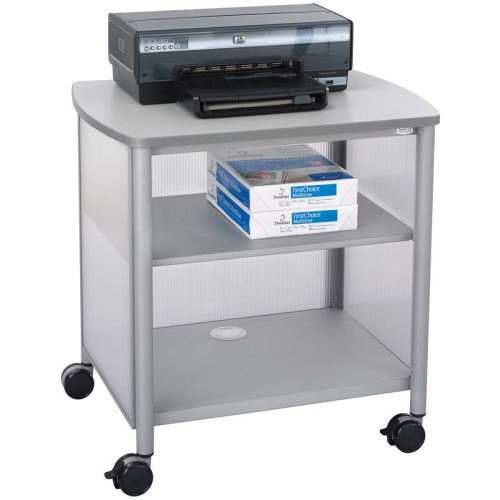
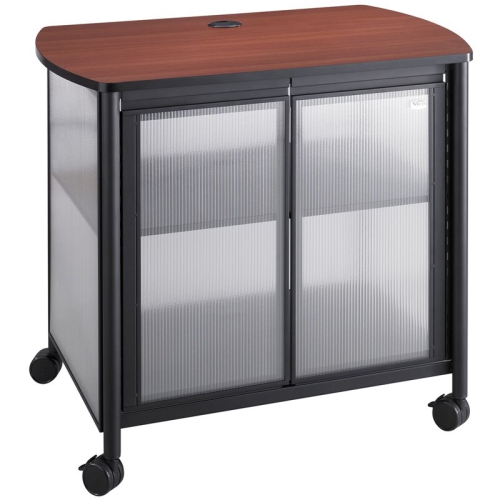
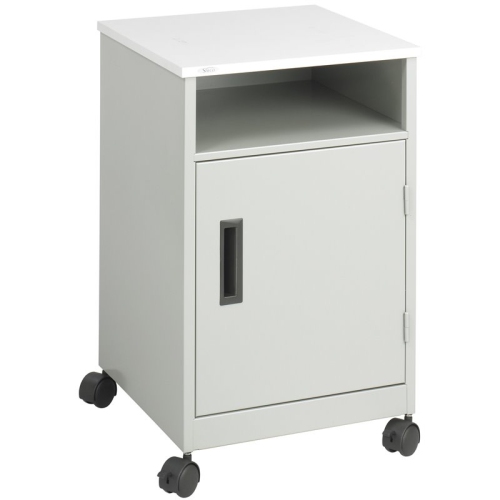
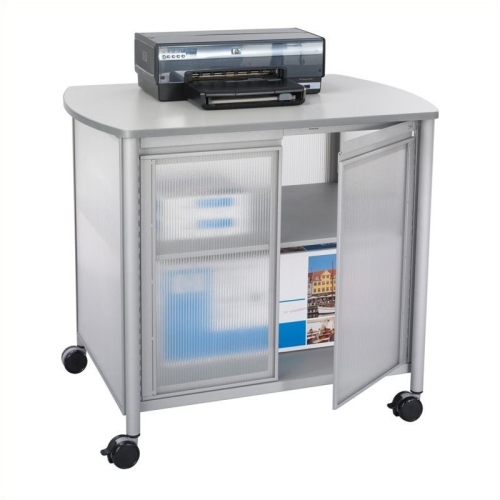

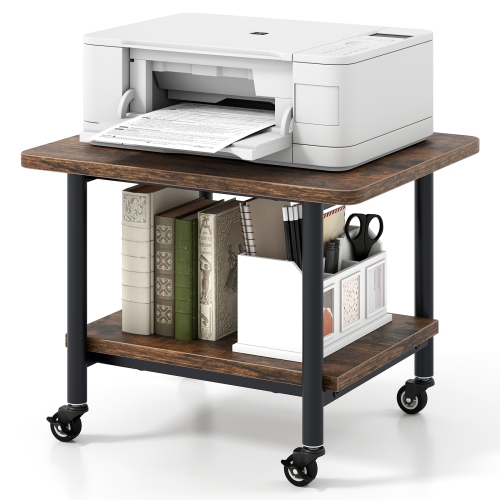
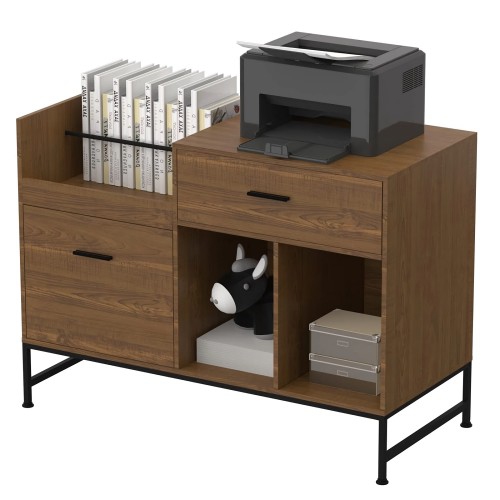
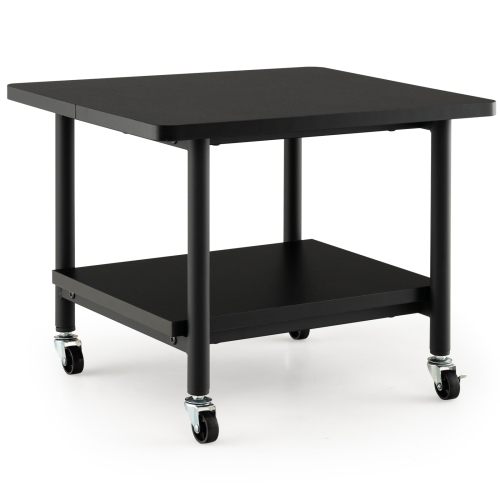
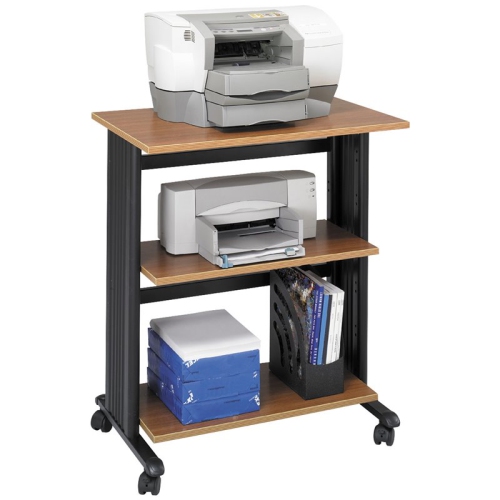
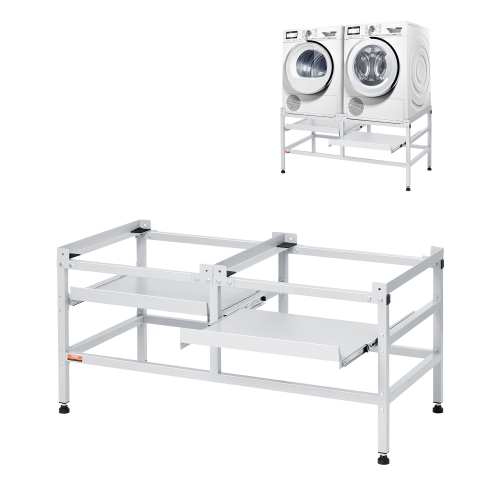
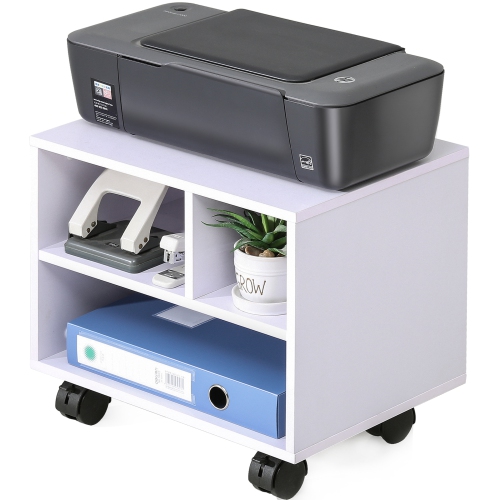
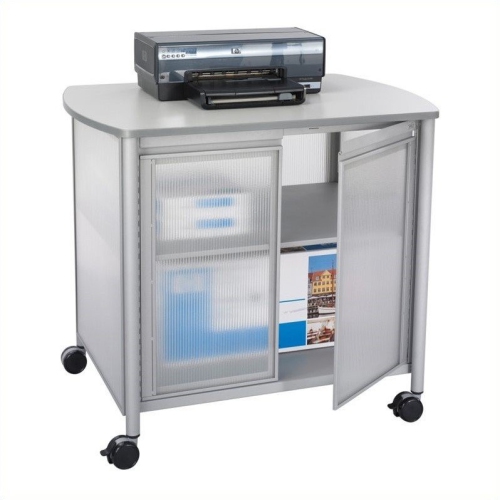
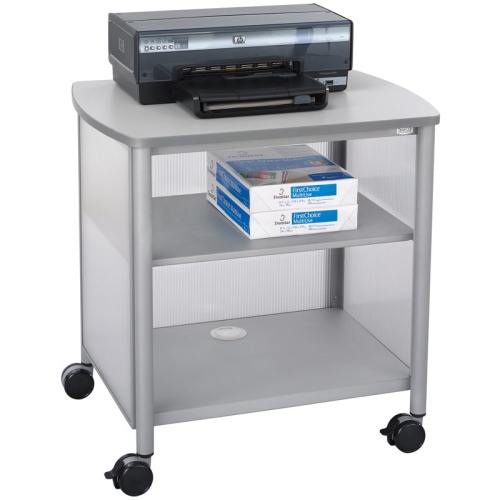
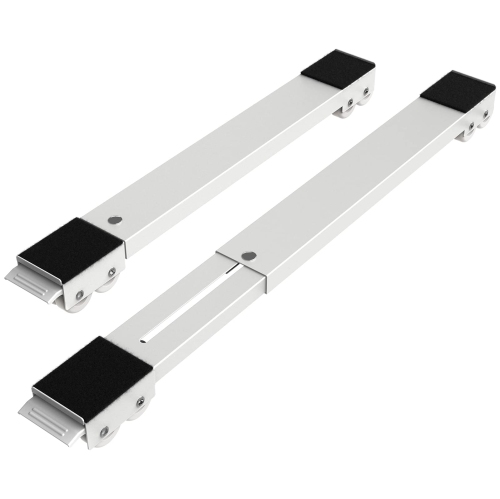
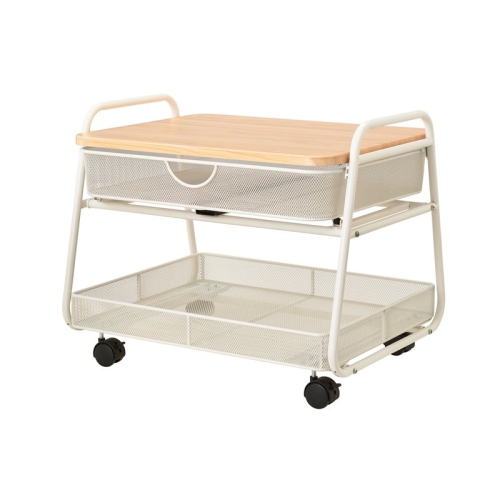
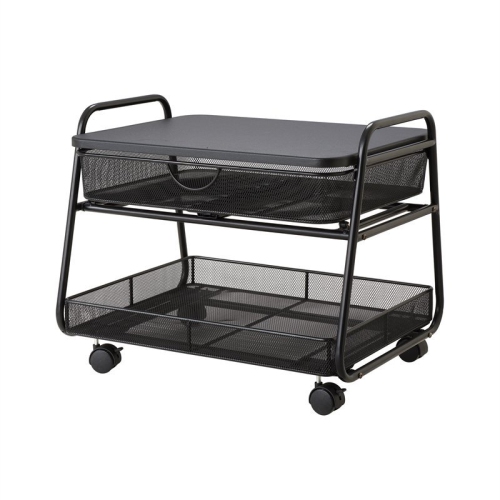
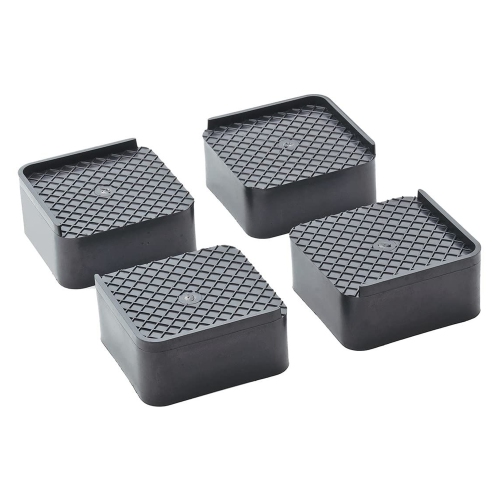
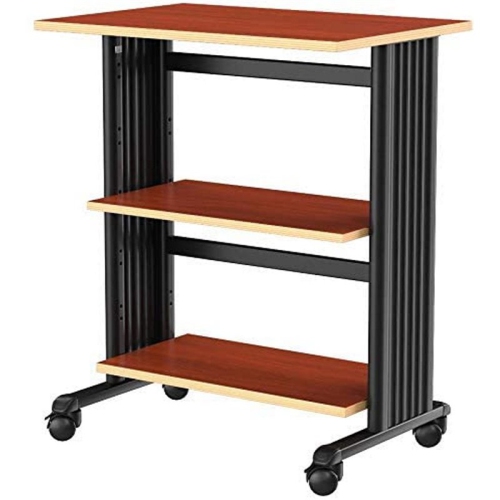
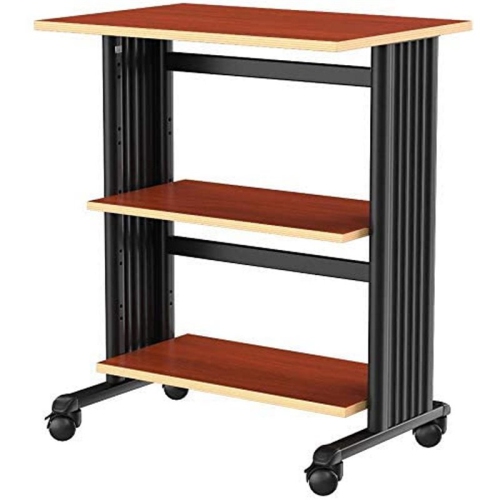
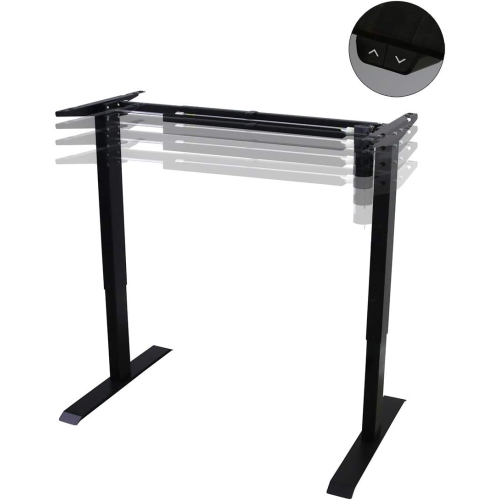
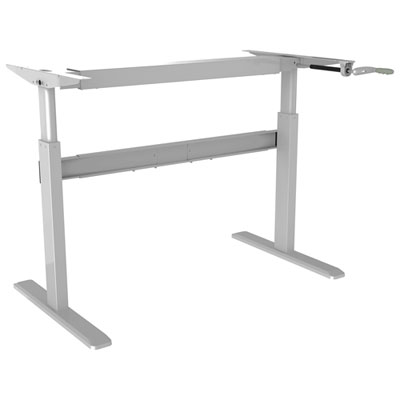
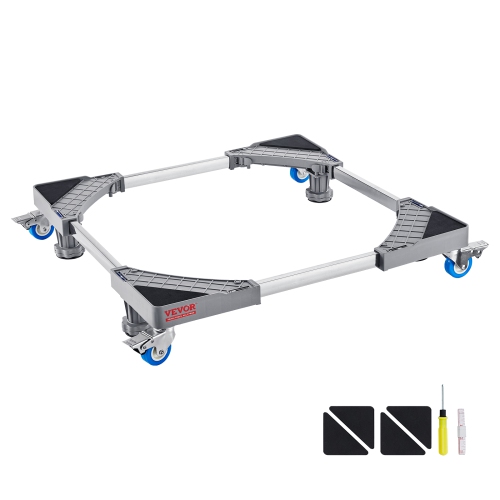
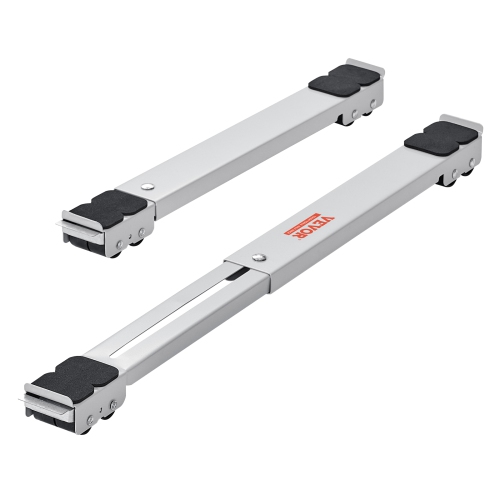
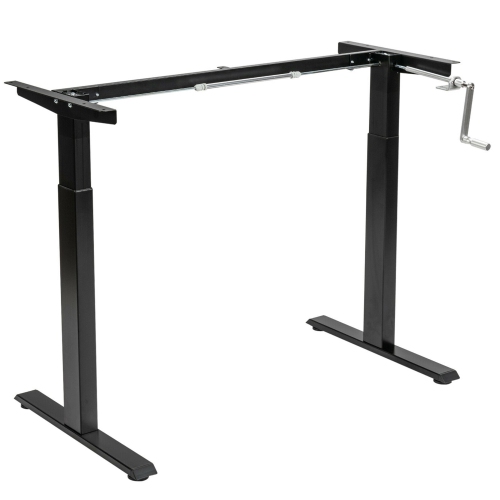
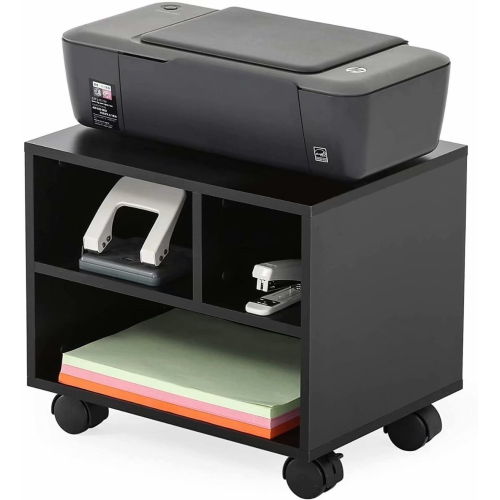

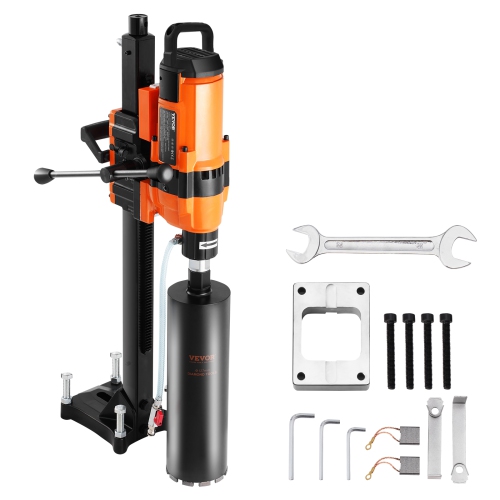
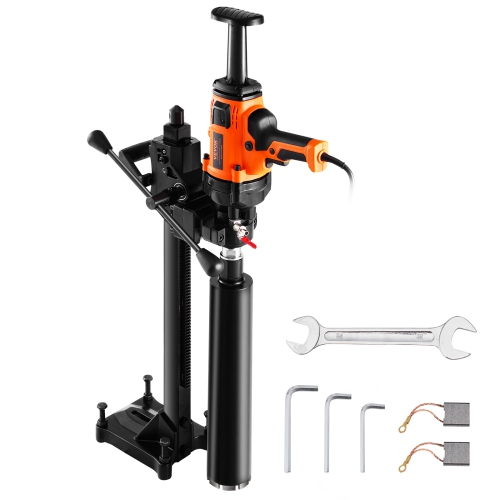
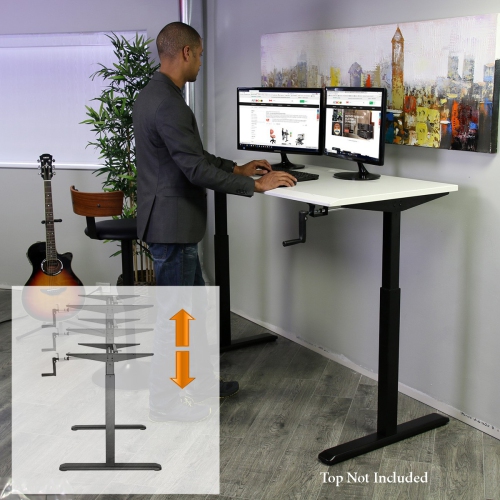
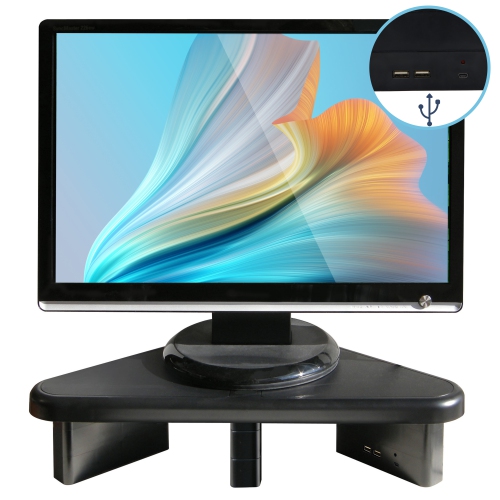


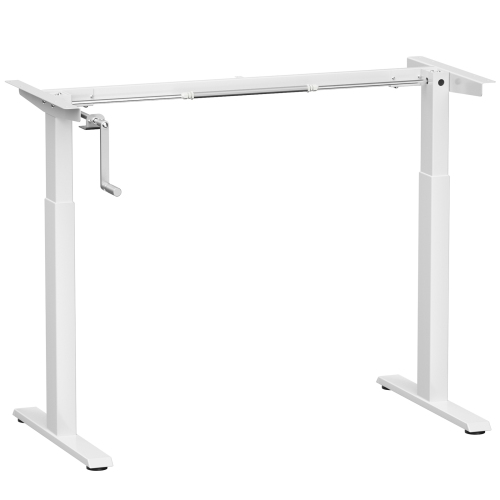
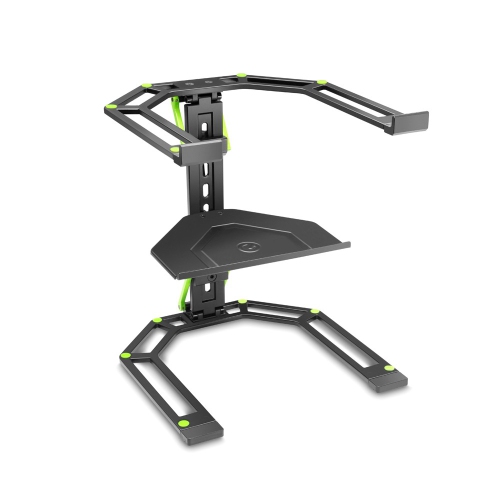
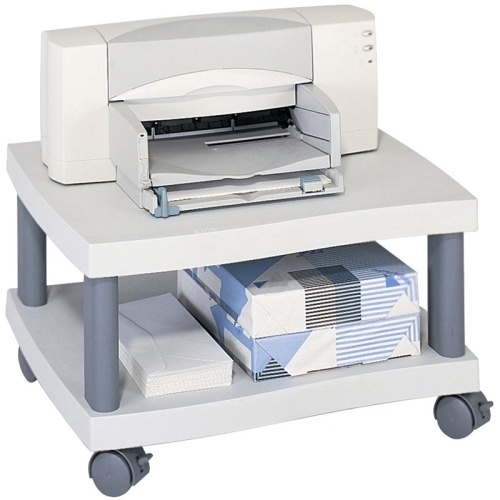
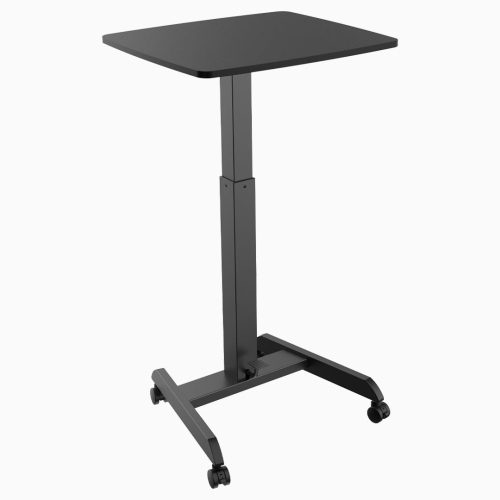
Factors for stable, comfortable, and adaptable machine use
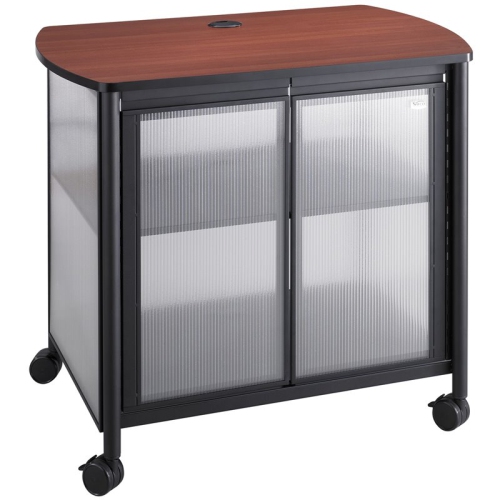
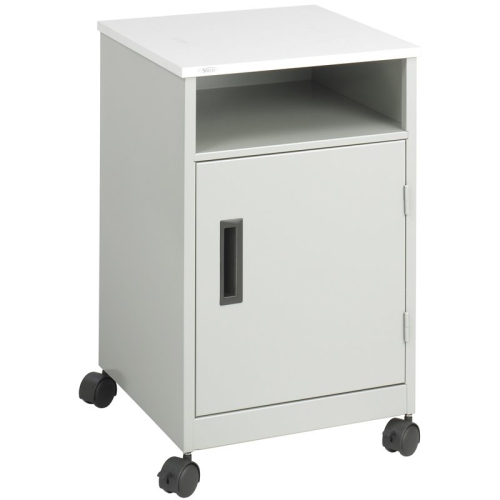
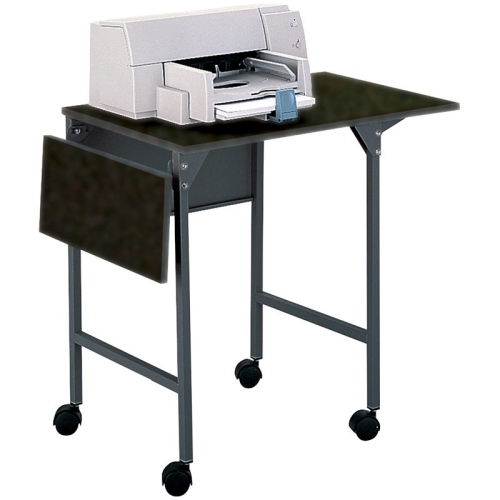
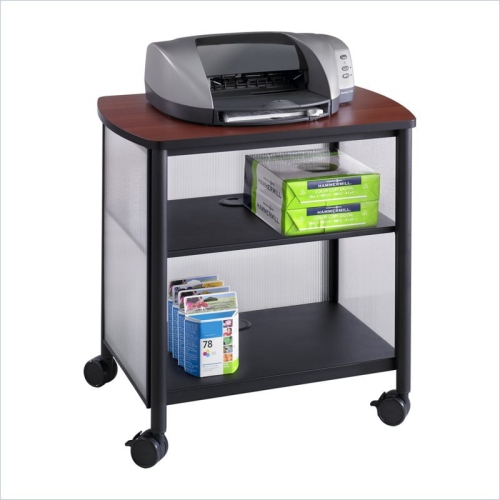
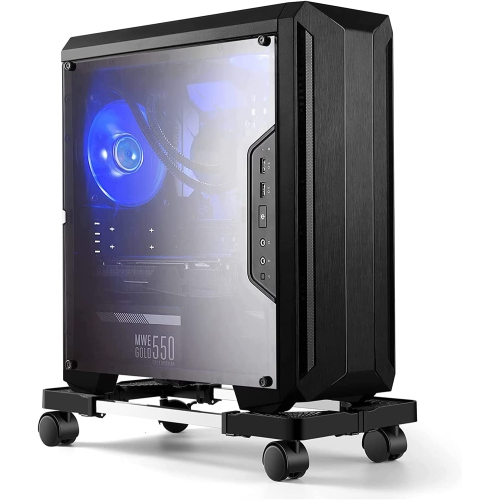
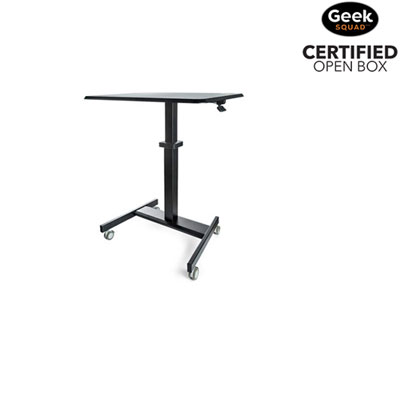
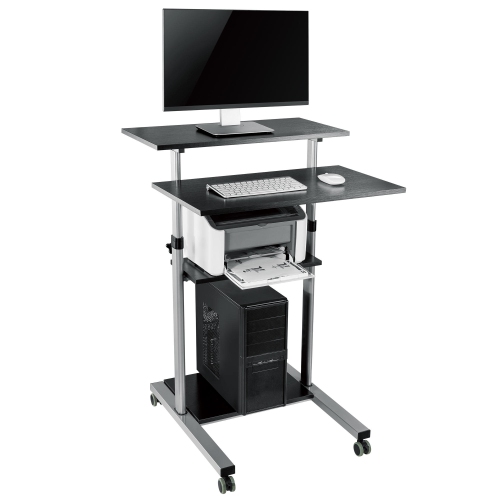
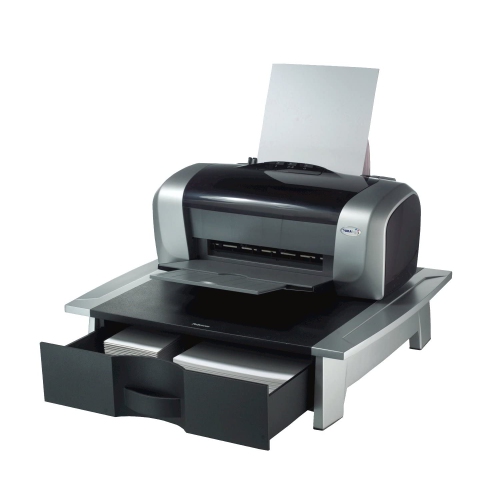
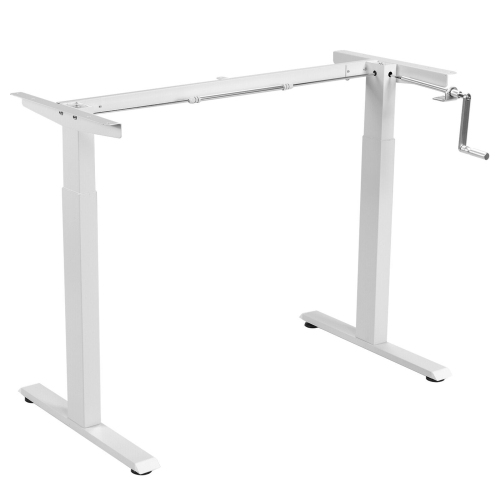
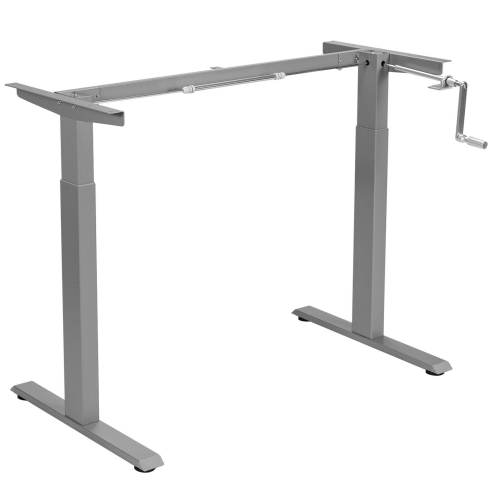
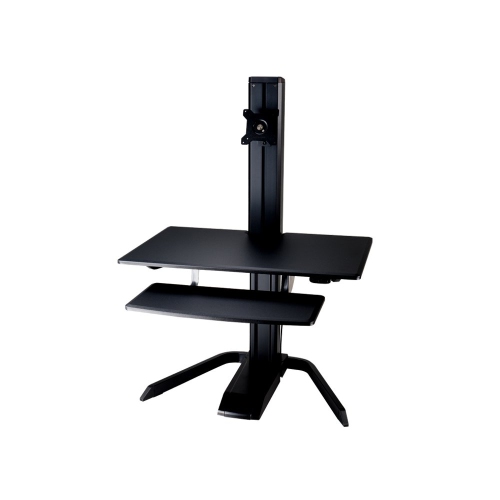
Machine stands provide a stable, practical foundation for heavy tools and equipment, helping create a more organized and comfortable workspace in a home garage, workshop, renovation area, or professional setting. Depending on the design, a machine stand may support a saw, drill, press, grinder, planer, or another benchtop machine while bringing it to a more convenient working height. A sturdy stand can reduce the need to balance equipment on an improvised table, spare lumber, or a crowded workbench, giving the machine a dedicated place where it can be used with greater control. When comparing stands, begin with the machine’s dimensions, mounting pattern, operating height, and total weight. The stand’s stated weight capacity should comfortably exceed the combined weight of the machine and the material being handled, especially when a project involves long boards, dense stock, or repeated pressure. A stand rated for light-duty equipment may be suitable for occasional home repairs, while a heavy-duty welded frame with a high load rating is better suited to demanding workshop use. Steel construction is often chosen for its rigidity and resistance to flexing, while a thick wood or composite work surface can provide a useful mounting area for equipment with a less common footprint. Check whether the stand includes mounting hardware, pre-drilled holes, a lower shelf, or a work surface, since these features can affect both setup time and compatibility. The shape of the frame matters as well: wide feet and a low centre of gravity can help keep a machine steady, while cross-bracing can add support when the equipment is running. For a workshop that handles long pieces of lumber or other oversized materials, roller support can help guide the workpiece and reduce the chance of it tipping or catching at the edge of the machine. A stand with adjustable height may be especially useful for people who share a workspace, switch between seated and standing tasks, or want to align one machine with another. Height adjustment can also help reduce awkward bending during longer projects, when a comfortable working position makes it easier to concentrate on accurate cuts, drilling, sanding, or assembly.
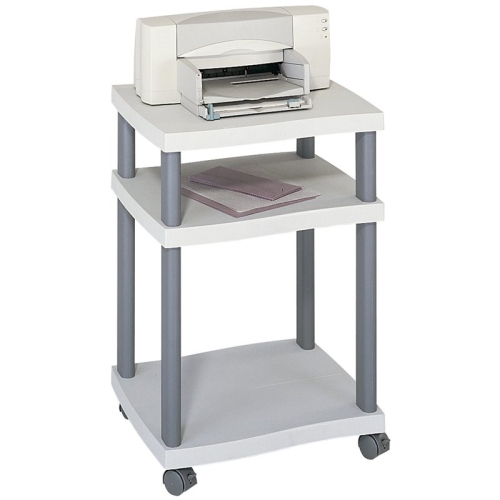
Mobility is another important consideration. A fixed machine stand can be a good choice when equipment remains in one location and maximum stability is the priority. If a garage doubles as a parking area, storage room, or seasonal project space, a mobile stand with casters can make it easier to move equipment out of the way when the area needs to be cleared. Locking wheels are essential for this type of setup: they should hold the stand firmly in place during use and release smoothly when the machine needs to be repositioned. Some compact stands fold for storage or use support legs that can be adjusted to suit uneven floors, which can be helpful in a multipurpose workshop or a smaller home workspace. Look for strong locking mechanisms, solid joints, and feet that sit evenly rather than relying on a stand that rocks or shifts under pressure. A bolt-down design may be preferable for a permanent installation, particularly where the machine is large, powerful, or used frequently. It is also worth considering access to power. Built-in outlets or an integrated power-management area can keep cords closer to the work surface, although extension cords should never be routed where they can become a tripping hazard or interfere with moving parts. Measure the available floor space, doorways, and storage areas before choosing a stand, and leave enough room around the machine to feed materials, make adjustments, and work safely. For household appliances, a stand has a different role and should be selected specifically for the appliance’s size, ventilation requirements, door clearance, and installation instructions. Shoppers arranging a laundry area may also find useful options among Washer And Dryer Stands, while workshop machinery should remain on a stand designed for the appropriate tool and load.
Machine stands can suit experienced tradespeople, hobbyist woodworkers, home renovators, makers, and anyone building a more capable work area without committing to a permanent bench. They may also be a thoughtful gift for someone setting up a first workshop, upgrading a garage, or preparing for indoor projects during the cooler months, particularly when the recipient already owns a benchtop machine that needs a more suitable base. Before purchasing for someone else, confirm the machine model, dimensions, weight, and mounting requirements; a stand that appears universal may not fit every base or control layout. For personal use, think about the way projects actually move through the space. A person who makes occasional repairs may favour a compact, foldable frame that can be stored against a wall, while someone who spends weekends building furniture may appreciate a rigid stand with a shelf for accessories, adjustable feet, and room to organize blades, clamps, measuring tools, or finishing supplies. A lower shelf can help keep essentials close at hand, but it should not become so crowded that it affects the stand’s balance or obstructs foot placement. Inspect the materials and finish for signs of durable construction, and consider how easily the stand can be assembled, levelled, cleaned, and maintained. In a busy workshop, small details such as accessible fasteners, smooth height adjustments, protective feet, and clearly marked weight limits can make a noticeable difference. The best machine stand is one that matches the equipment, the available space, and the way the work is performed, creating a dependable base that feels steady when a project calls for careful measuring, controlled movement, and consistent results.
Mobility is another important consideration. A fixed machine stand can be a good choice when equipment remains in one location and maximum stability is the priority. If a garage doubles as a parking area, storage room, or seasonal project space, a mobile stand with casters can make it easier to move equipment out of the way when the area needs to be cleared. Locking wheels are essential for this type of setup: they should hold the stand firmly in place during use and release smoothly when the machine needs to be repositioned. Some compact stands fold for storage or use support legs that can be adjusted to suit uneven floors, which can be helpful in a multipurpose workshop or a smaller home workspace. Look for strong locking mechanisms, solid joints, and feet that sit evenly rather than relying on a stand that rocks or shifts under pressure. A bolt-down design may be preferable for a permanent installation, particularly where the machine is large, powerful, or used frequently. It is also worth considering access to power. Built-in outlets or an integrated power-management area can keep cords closer to the work surface, although extension cords should never be routed where they can become a tripping hazard or interfere with moving parts. Measure the available floor space, doorways, and storage areas before choosing a stand, and leave enough room around the machine to feed materials, make adjustments, and work safely. For household appliances, a stand has a different role and should be selected specifically for the appliance’s size, ventilation requirements, door clearance, and installation instructions. Shoppers arranging a laundry area may also find useful options among Washer And Dryer Stands, while workshop machinery should remain on a stand designed for the appropriate tool and load.
Machine stands can suit experienced tradespeople, hobbyist woodworkers, home renovators, makers, and anyone building a more capable work area without committing to a permanent bench. They may also be a thoughtful gift for someone setting up a first workshop, upgrading a garage, or preparing for indoor projects during the cooler months, particularly when the recipient already owns a benchtop machine that needs a more suitable base. Before purchasing for someone else, confirm the machine model, dimensions, weight, and mounting requirements; a stand that appears universal may not fit every base or control layout. For personal use, think about the way projects actually move through the space. A person who makes occasional repairs may favour a compact, foldable frame that can be stored against a wall, while someone who spends weekends building furniture may appreciate a rigid stand with a shelf for accessories, adjustable feet, and room to organize blades, clamps, measuring tools, or finishing supplies. A lower shelf can help keep essentials close at hand, but it should not become so crowded that it affects the stand’s balance or obstructs foot placement. Inspect the materials and finish for signs of durable construction, and consider how easily the stand can be assembled, levelled, cleaned, and maintained. In a busy workshop, small details such as accessible fasteners, smooth height adjustments, protective feet, and clearly marked weight limits can make a noticeable difference. The best machine stand is one that matches the equipment, the available space, and the way the work is performed, creating a dependable base that feels steady when a project calls for careful measuring, controlled movement, and consistent results.
Top selling and popular products
-
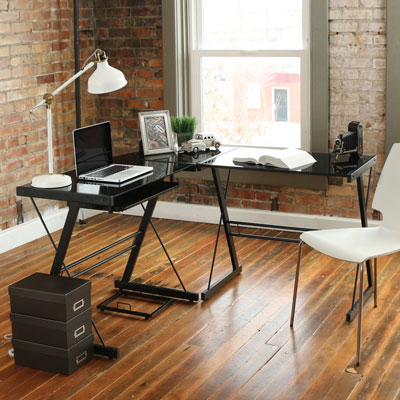 Your price for this item is $304.99
 -
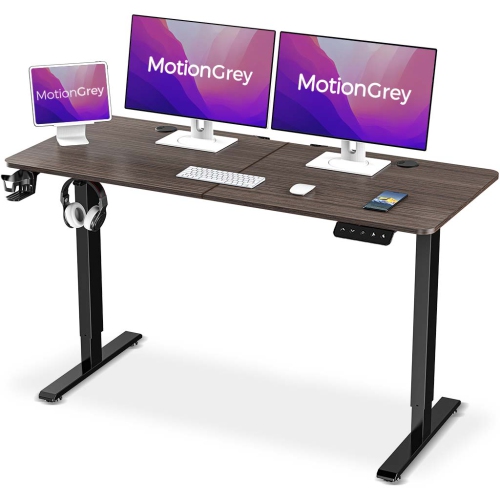 Your price for this item is $93.99
 -
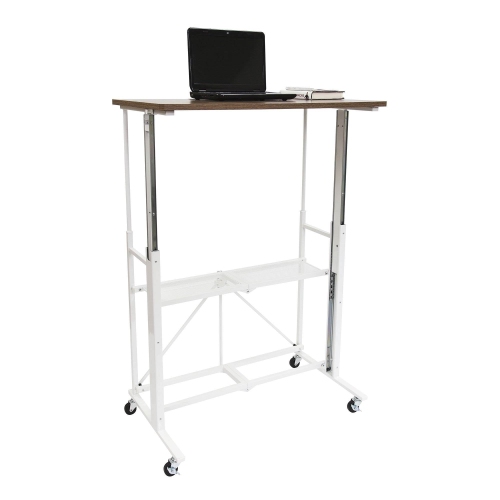 Your price for this item is $248.99
 -
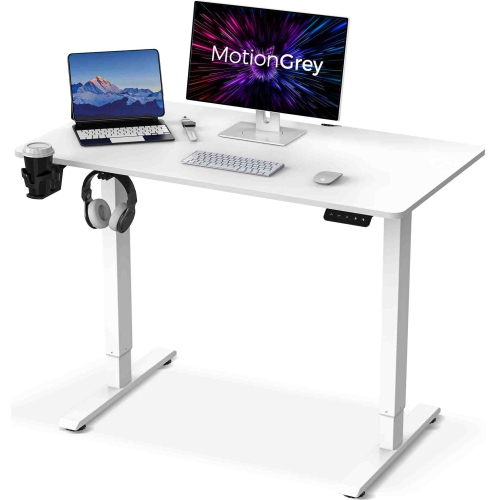 Your price for this item is $83.99
 -
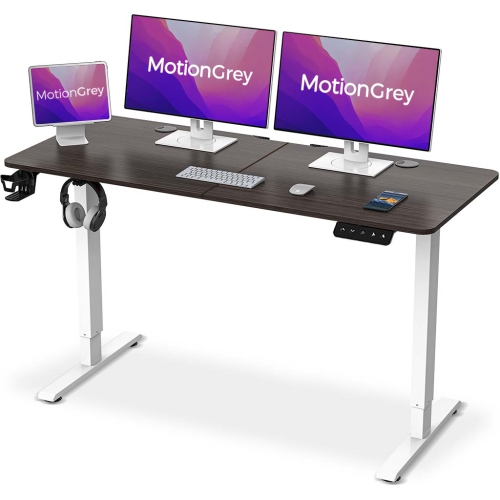 Your price for this item is $108.99
 -
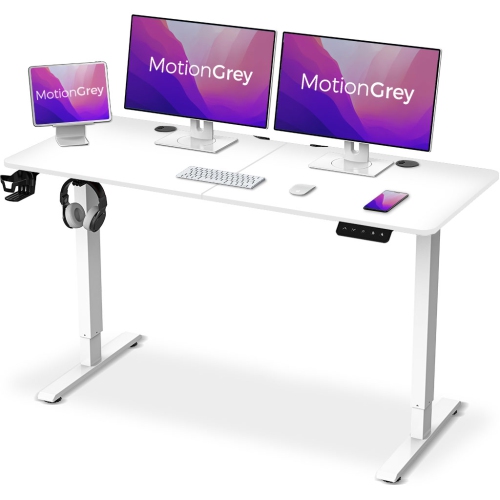 Your price for this item is $94.99
 -
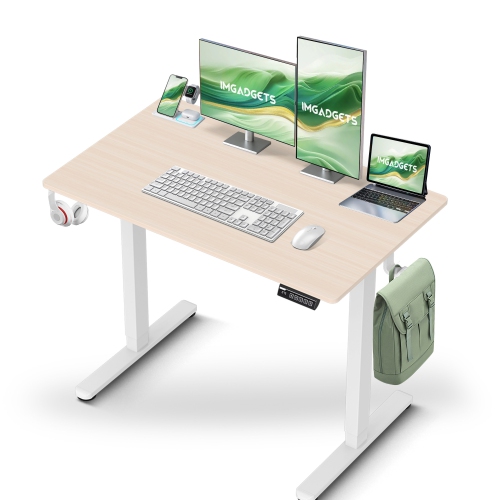 Your price for this item is $74.97
 -
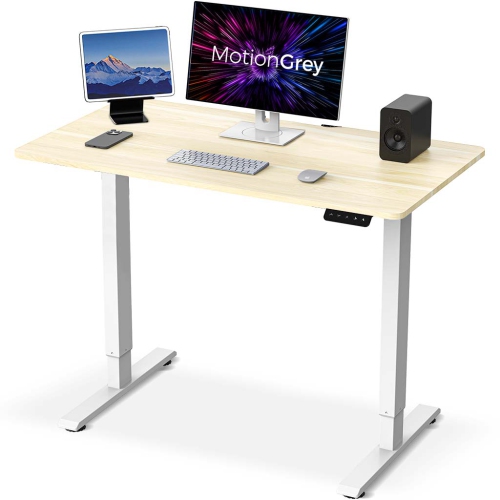 Your price for this item is $83.95
Discover more categories related to Machine Stands
Top Collections:
Pokemon Centers, Kindle Devices, Best Budget Office Chairs, Apple iPhones 16, Best Laptops for Writers, iPhone 15 Apple, Canon G7X Cameras, Refurbished Apple Laptops, Alarm Clock, Motorola Razr Phones
Some products may be subject to Environmental Handling Fees
(EHF) depending on your province.
Learn more about EHFs.