Machining Tools
Looking to take your DIY projects to the next level? Look no further than our wide selection of machining tools. Whether you're a seasoned professional or just starting out, these tools are designed to help you achieve precision and accuracy in all your woodworking, metalworking, and crafting endeavors. From lathes and milling machines to drill presses and bandsaws, we have everything you need to bring your creative ideas to life. With top-notch quality and performance, our machining tools will surely become your go-to companions in the workshop. Get ready to unleash your creativity and make your projects shine with our exceptional range of machining tools.
Sort


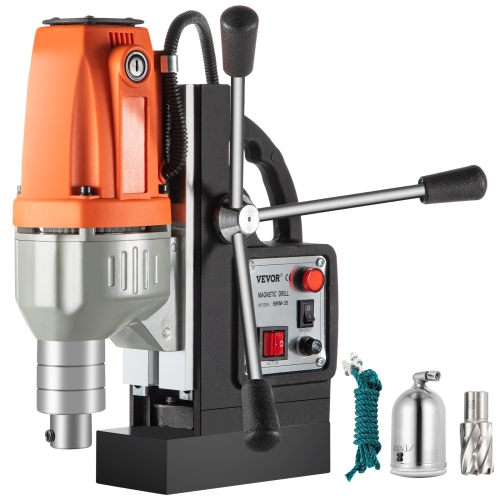
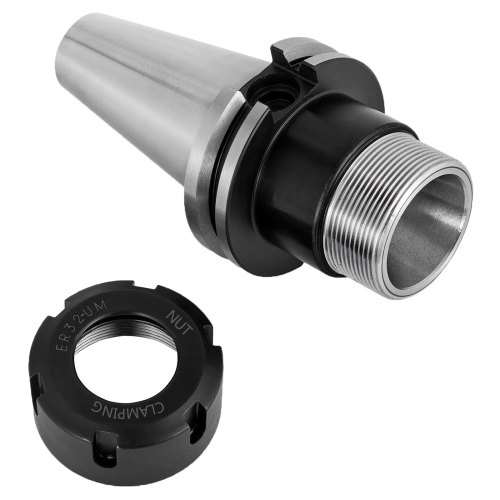
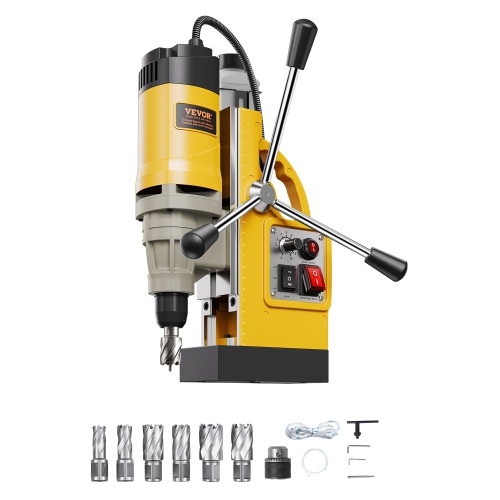
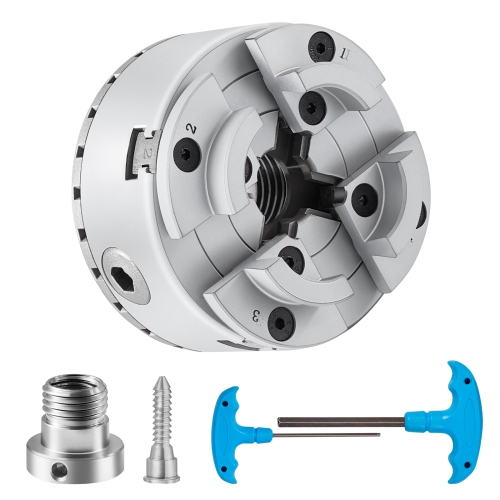


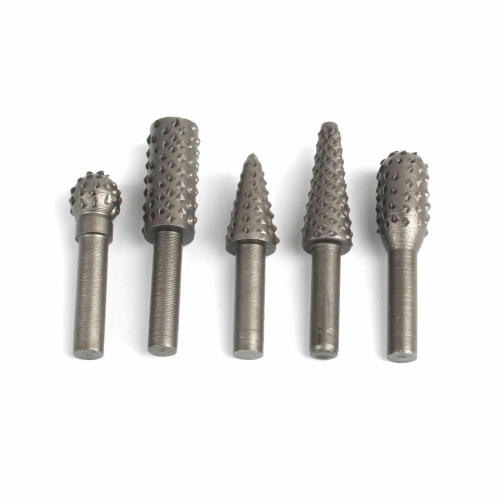
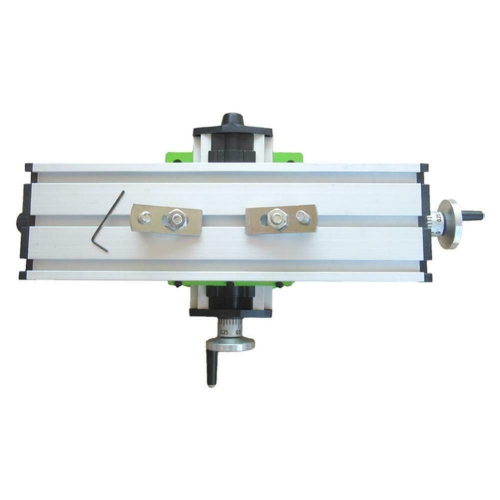
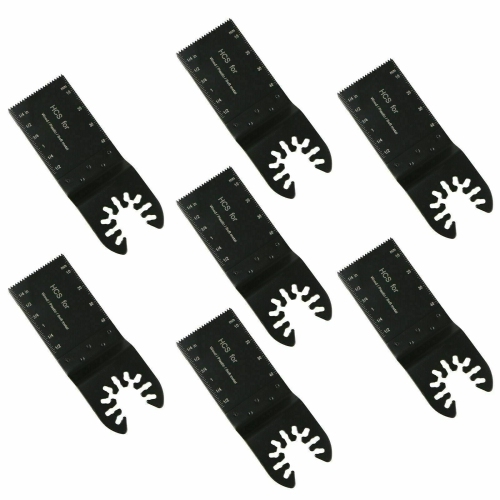
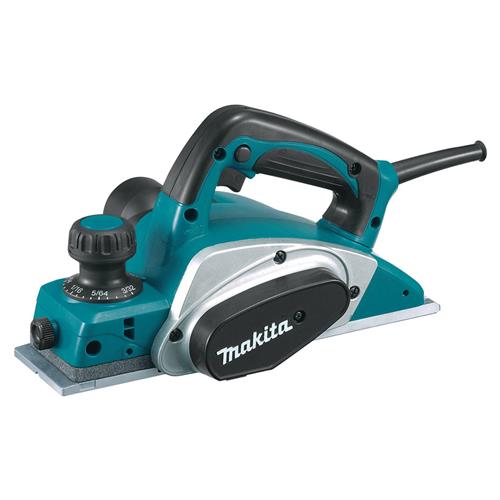
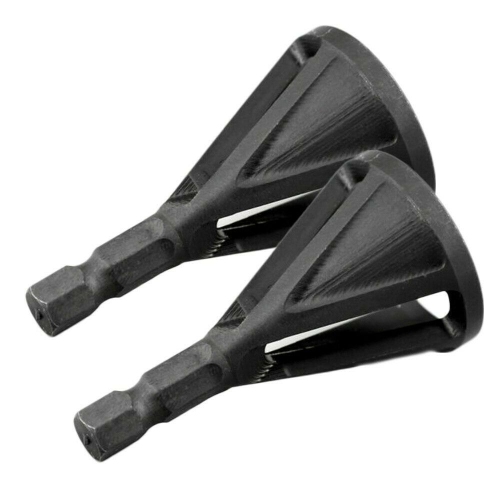
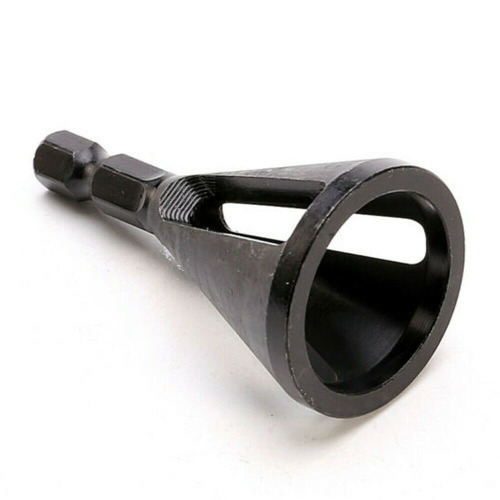
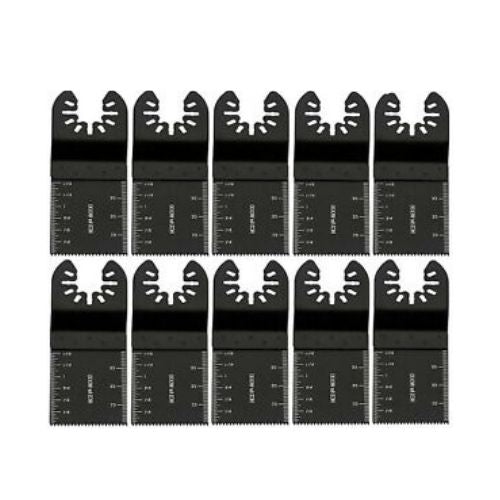
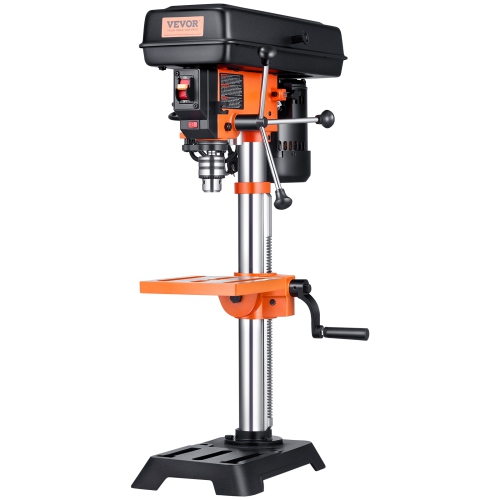
Precision across every cut, hole, and finished surface
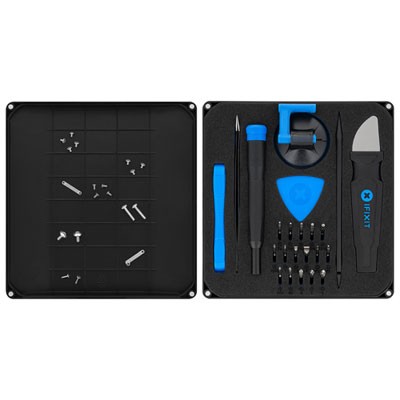
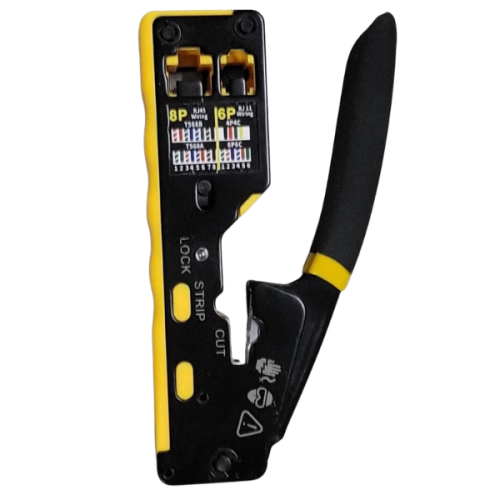
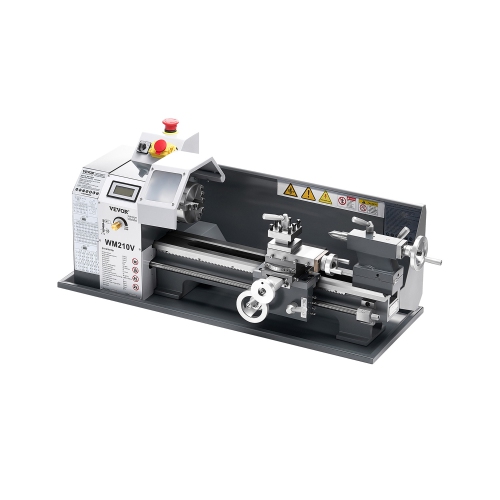
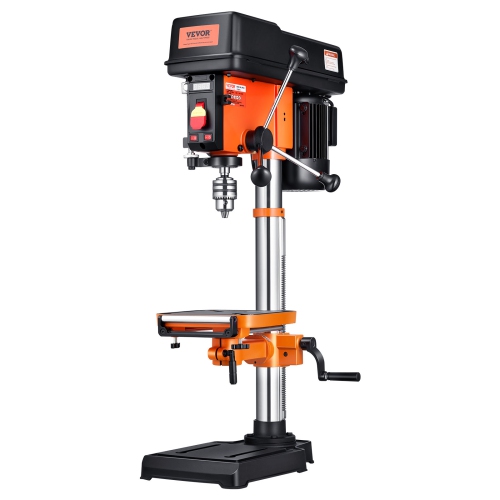
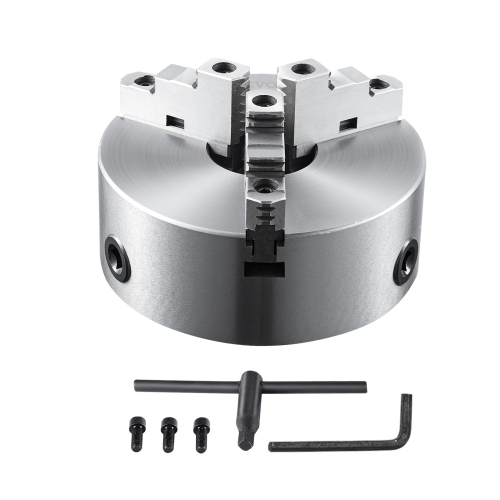
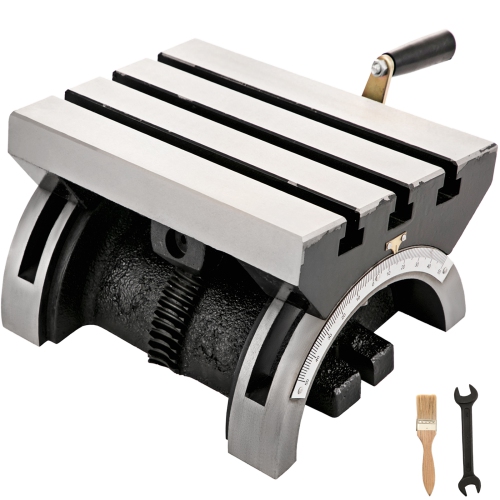
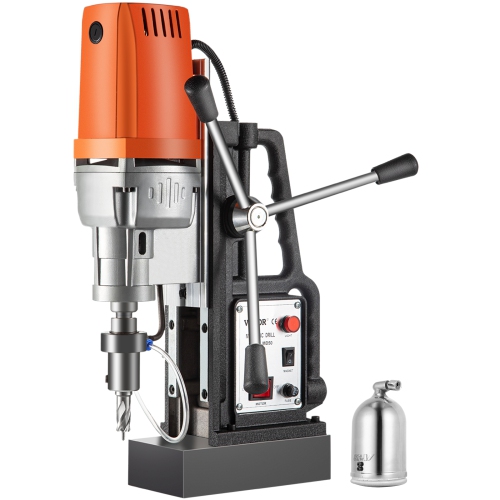
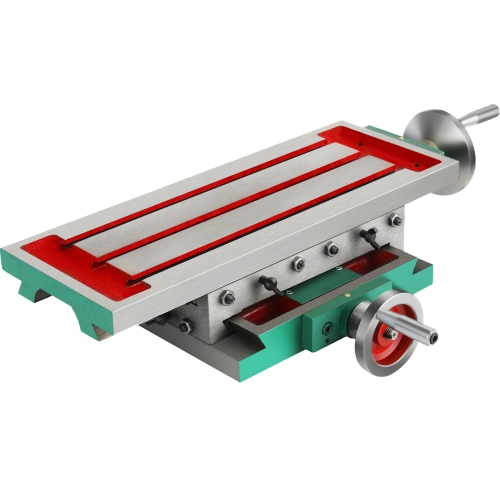
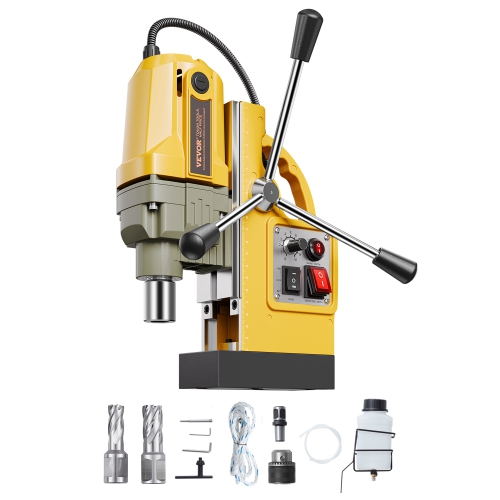
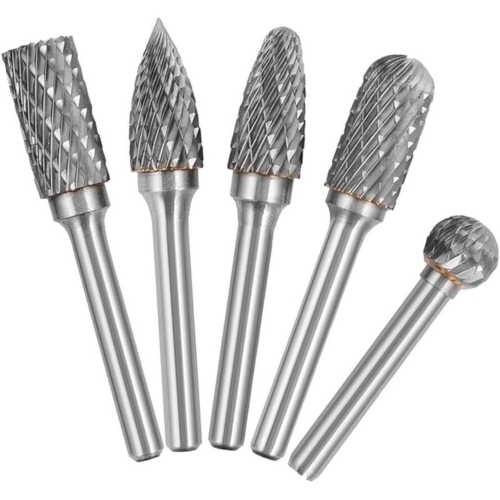
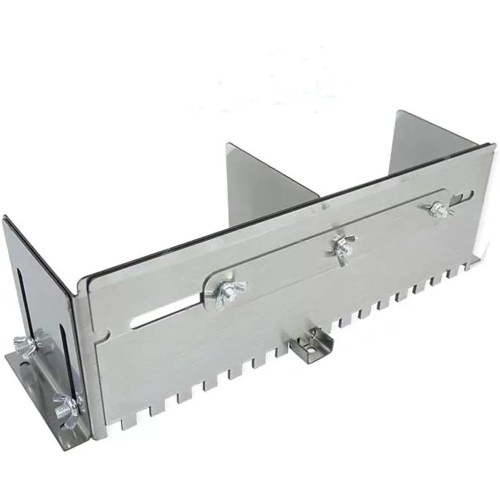
Machining tools are power-driven machines, hand tools, and accessories used to cut, shape, drill, grind, smooth, and finish metal, wood, plastic, and other rigid materials. They can support anything from careful hobby work at a home bench to repeatable fabrication in a professional workshop. A lathe rotates a secured workpiece against a cutting tool, making it suitable for turning cylindrical parts, facing ends, cutting grooves, and creating threads. A milling machine uses a rotating cutter to remove material from a stationary or moving workpiece, allowing users to produce slots, flat surfaces, pockets, and more detailed profiles. Drill presses help create straight, consistent holes with controlled depth, while grinders use abrasive wheels to refine edges, remove excess material, or prepare a surface for finishing. Compact benchtop equipment can be a practical fit for a garage, classroom, or small workshop where space and electrical capacity are limited, while larger machines are intended for demanding workloads and dedicated work areas. When browsing machining tools, consider the materials you plan to work with, the dimensions of the parts, the precision required, and how often the equipment will be used. A tool designed for light aluminium work may not be suitable for heavier steel stock, and a machine with a generous swing, throat depth, table size, or cutting capacity may be more useful for larger projects. Speed control, spindle power, compatible tooling, dust or chip management, and the availability of replacement parts can also influence long-term usefulness. Read the specifications carefully and confirm that the machine will fit through the intended doorway, sit securely on its stand or bench, and operate with the available power supply.
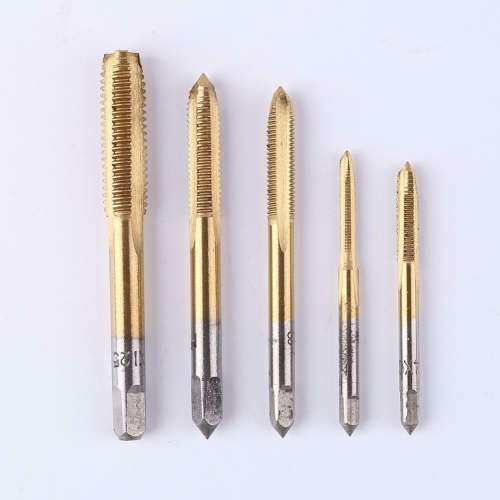
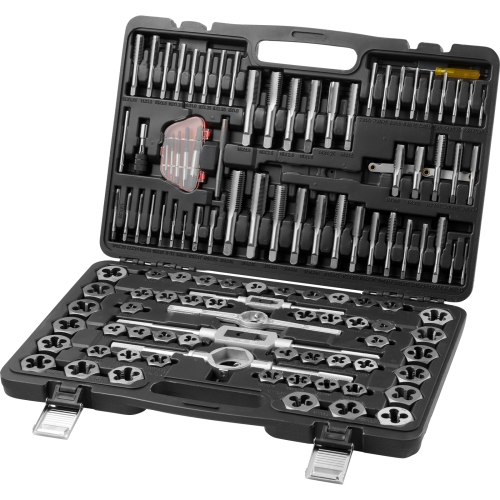
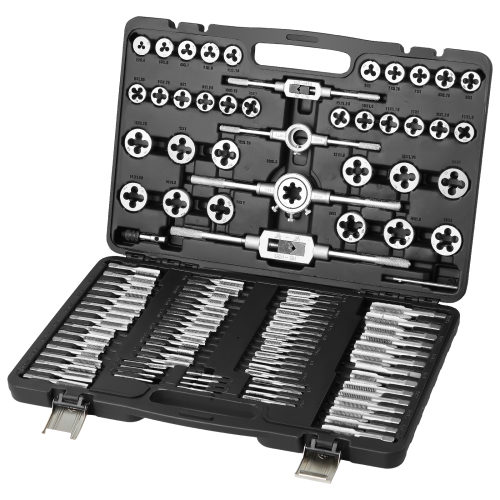
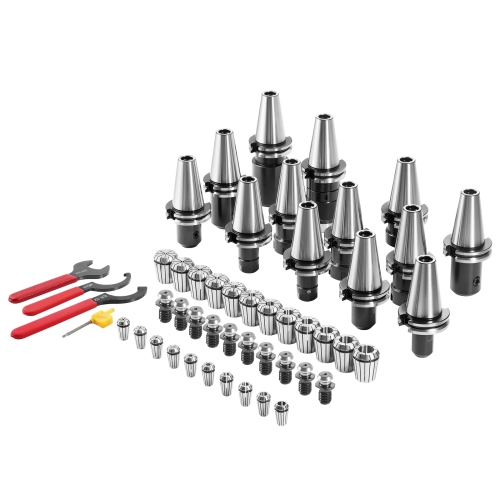
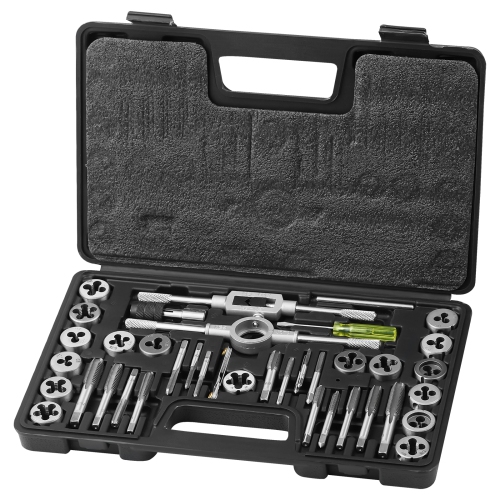
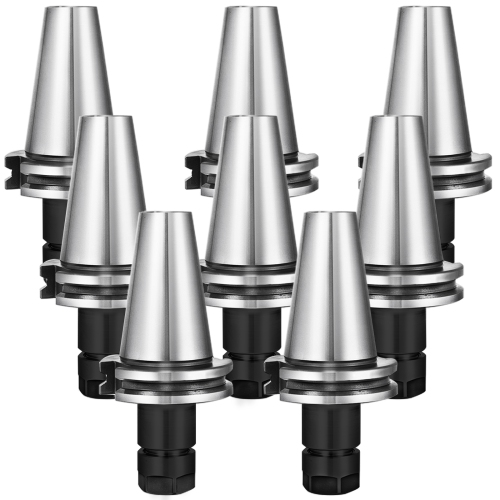
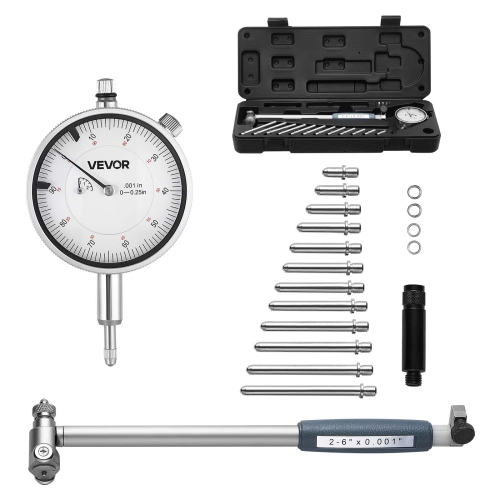
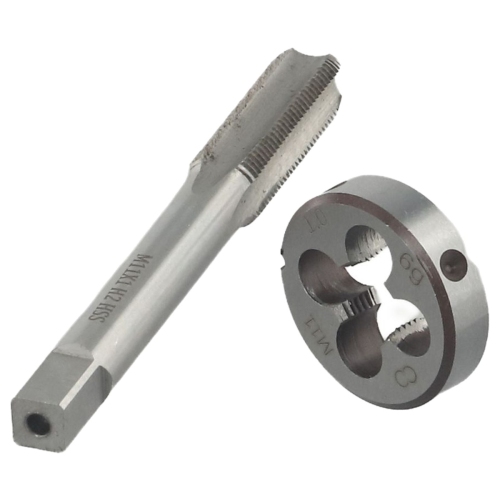
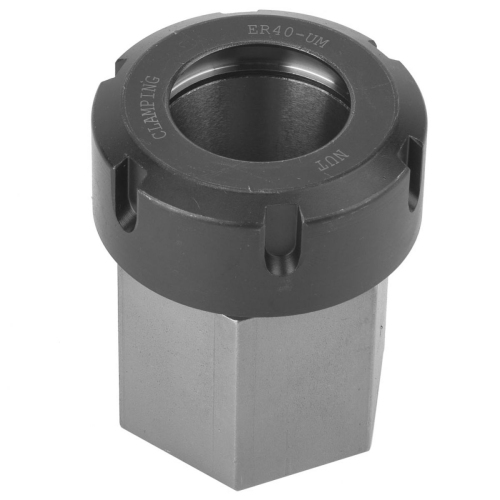
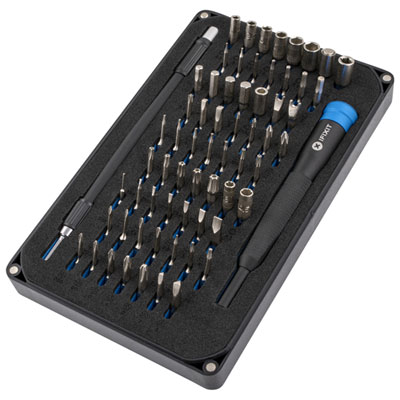
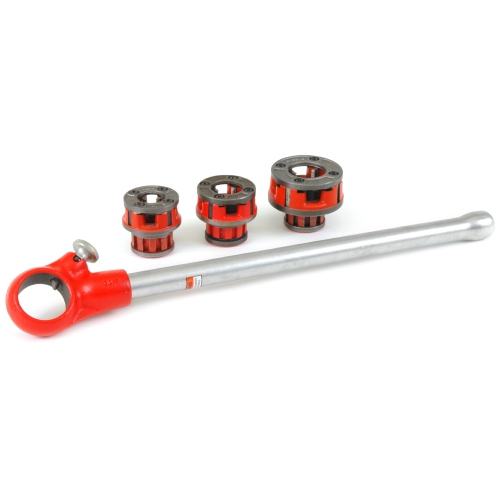
Accuracy is built from more than the machine itself. Reliable measuring and layout tools help users check dimensions before, during, and after an operation, reducing the risk of removing too much material. Calipers are useful for taking inside, outside, and depth measurements, while micrometers provide more precise readings when close tolerances matter. A steel rule, square, dial indicator, or height gauge can help with marking, alignment, and setup. Supporting tools such as centre drills, edge finders, collets, chucks, clamps, vises, boring bars, and cutting tools make it easier to hold a workpiece securely and position it accurately. Indexable tooling uses replaceable inserts, which can be changed when an edge becomes worn instead of sharpening the entire tool; this can be convenient for repeated turning and boring operations. For projects involving internal or external threads, a selection of Thread Cutting Tools can help match the operation to the required thread size and material. The right accessories should match the machine’s chuck, spindle, arbor, collet system, thread size, and maximum workpiece dimensions. Material also affects tool choice: high-speed steel and carbide options behave differently, and cutting speed, feed rate, lubrication, and chip clearance may need to be adjusted between mild steel, stainless steel, brass, aluminium, hardwood, and engineering plastics. For anyone setting up a first workshop, it is often sensible to balance machine capability with measuring equipment and workholding rather than choosing a large machine without the accessories needed to use it effectively. A sturdy vise, secure clamping method, proper lighting, and a clear work surface can make a noticeable difference when a project involves small parts or repeated measurements.
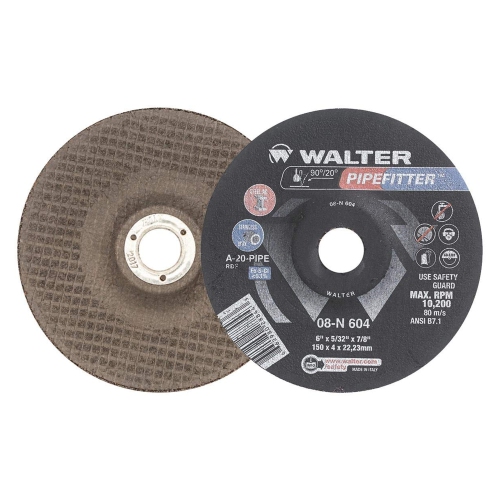
Machining tools may appeal to experienced machinists, maintenance technicians, metalworkers, woodworkers, model builders, makers, educators, and do-it-yourselfers who enjoy repairing or creating functional parts. A home user might use a lathe to restore a worn shaft, make a spacer, or shape a custom fitting; a milling machine can help produce a bracket or modify a plate; and a drill press can make a series of accurately positioned holes for a workshop project. Grinders are useful for tidying rough edges, preparing welds, sharpening compatible tools, and refining surfaces, although the correct wheel and operating method are essential for each material. These tools can also be thoughtful gifts for someone building a workshop, learning a trade, taking a technical course, or moving from occasional repairs into more involved fabrication. For a gift, accessories and measuring instruments can be especially practical because they complement equipment the recipient may already own and are generally easier to store than a full-size machine. During the cooler months, a well-organized indoor workshop can become a satisfying place to work through repair tasks, restoration projects, and carefully planned builds, provided the space has suitable ventilation, lighting, flooring, and electrical service. Safety should remain part of every purchase decision: eye protection, hearing protection, appropriate footwear, secure clothing, and careful chip handling are important around rotating machinery and abrasive wheels. Users should follow the manufacturer’s instructions, inspect cutters and wheels for damage, secure the workpiece before starting, keep hands away from moving parts, and allow the machine to reach a complete stop before making adjustments. With suitable capacity, dependable measurement, compatible accessories, and a workspace that supports safe operation, machining tools can help turn raw stock into accurate components while making each project feel more controlled, capable, and rewarding.
Accuracy is built from more than the machine itself. Reliable measuring and layout tools help users check dimensions before, during, and after an operation, reducing the risk of removing too much material. Calipers are useful for taking inside, outside, and depth measurements, while micrometers provide more precise readings when close tolerances matter. A steel rule, square, dial indicator, or height gauge can help with marking, alignment, and setup. Supporting tools such as centre drills, edge finders, collets, chucks, clamps, vises, boring bars, and cutting tools make it easier to hold a workpiece securely and position it accurately. Indexable tooling uses replaceable inserts, which can be changed when an edge becomes worn instead of sharpening the entire tool; this can be convenient for repeated turning and boring operations. For projects involving internal or external threads, a selection of Thread Cutting Tools can help match the operation to the required thread size and material. The right accessories should match the machine’s chuck, spindle, arbor, collet system, thread size, and maximum workpiece dimensions. Material also affects tool choice: high-speed steel and carbide options behave differently, and cutting speed, feed rate, lubrication, and chip clearance may need to be adjusted between mild steel, stainless steel, brass, aluminium, hardwood, and engineering plastics. For anyone setting up a first workshop, it is often sensible to balance machine capability with measuring equipment and workholding rather than choosing a large machine without the accessories needed to use it effectively. A sturdy vise, secure clamping method, proper lighting, and a clear work surface can make a noticeable difference when a project involves small parts or repeated measurements.
Machining tools may appeal to experienced machinists, maintenance technicians, metalworkers, woodworkers, model builders, makers, educators, and do-it-yourselfers who enjoy repairing or creating functional parts. A home user might use a lathe to restore a worn shaft, make a spacer, or shape a custom fitting; a milling machine can help produce a bracket or modify a plate; and a drill press can make a series of accurately positioned holes for a workshop project. Grinders are useful for tidying rough edges, preparing welds, sharpening compatible tools, and refining surfaces, although the correct wheel and operating method are essential for each material. These tools can also be thoughtful gifts for someone building a workshop, learning a trade, taking a technical course, or moving from occasional repairs into more involved fabrication. For a gift, accessories and measuring instruments can be especially practical because they complement equipment the recipient may already own and are generally easier to store than a full-size machine. During the cooler months, a well-organized indoor workshop can become a satisfying place to work through repair tasks, restoration projects, and carefully planned builds, provided the space has suitable ventilation, lighting, flooring, and electrical service. Safety should remain part of every purchase decision: eye protection, hearing protection, appropriate footwear, secure clothing, and careful chip handling are important around rotating machinery and abrasive wheels. Users should follow the manufacturer’s instructions, inspect cutters and wheels for damage, secure the workpiece before starting, keep hands away from moving parts, and allow the machine to reach a complete stop before making adjustments. With suitable capacity, dependable measurement, compatible accessories, and a workspace that supports safe operation, machining tools can help turn raw stock into accurate components while making each project feel more controlled, capable, and rewarding.
Top selling and popular products
-
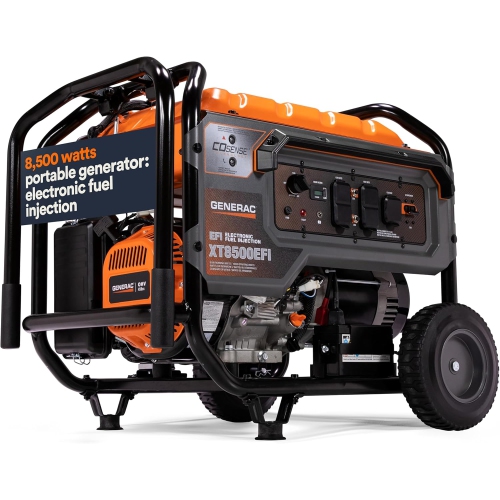 Your price for this item is $3000
 -
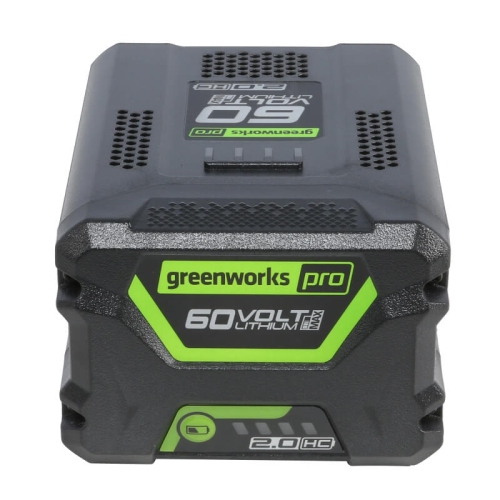 Your price for this item is $124.45
 -
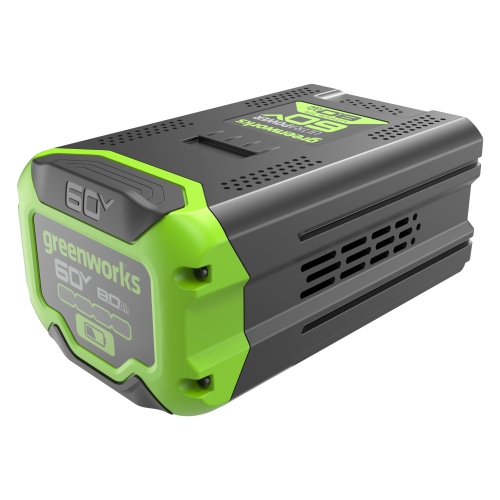 Your price for this item is $329.99
 -
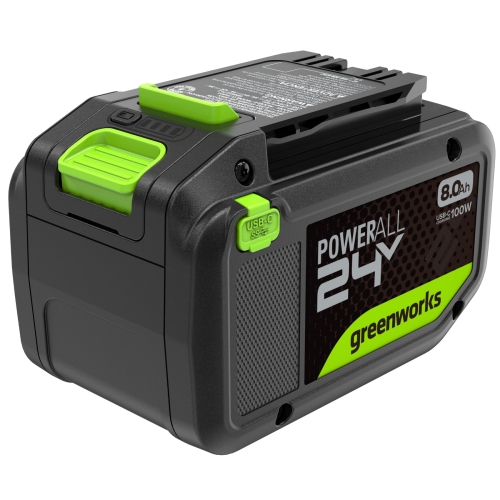 Your price for this item is $139.99
 -
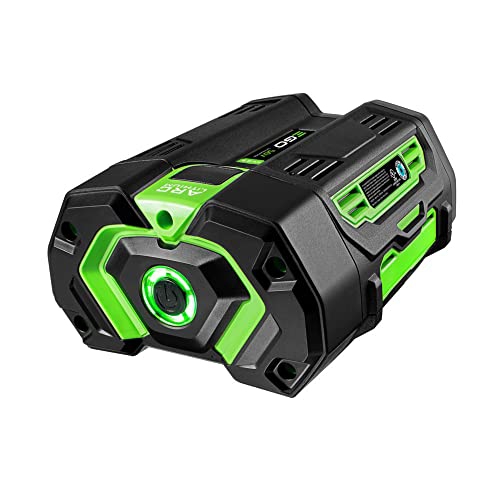 Your price for this item is $264
 -
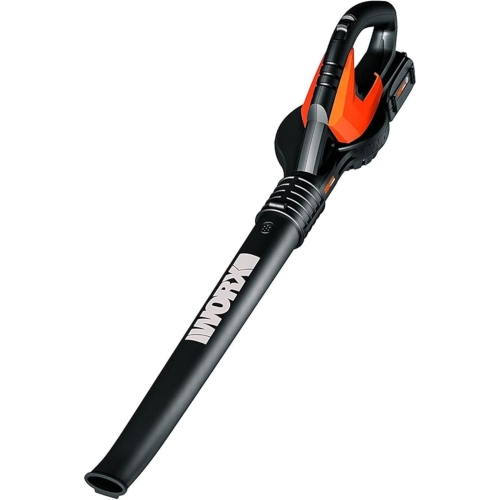 Your price for this item is $217.55
 -
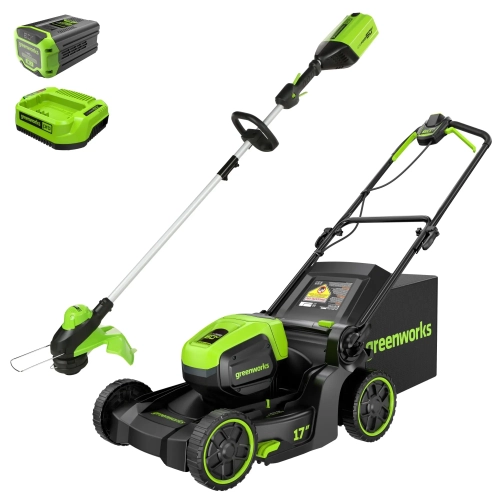 Your price for this item is $739.99
 -
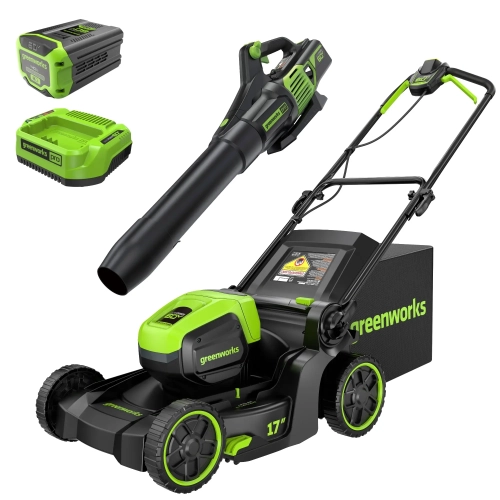 Your price for this item is $599.99
Discover more categories related to Machining Tools
Top Collections:
Pokemon Centers, Kindle Devices, Best Budget Office Chairs, Apple iPhones 16, Canon G7X Cameras, iPhone 15 Apple, Alarm Clock, Refurbished Apple Laptops, Flip Phones, Best Laptops for Writers
Some products may be subject to Environmental Handling Fees
(EHF) depending on your province.
Learn more about EHFs.