Thread Cutting Tools
If you're in need of precision tools for cutting threads with accuracy and efficiency, you've come to the right place. Our selection of thread cutting tools is designed to meet the needs of professionals and DIY enthusiasts alike. From taps and dies to thread mills and thread chasers, we offer a range of high-quality options to help you achieve clean and precise threads on various materials. Whether you're working on a home improvement project or tackling industrial applications, these tools are essential for creating strong and reliable connections.
Sort
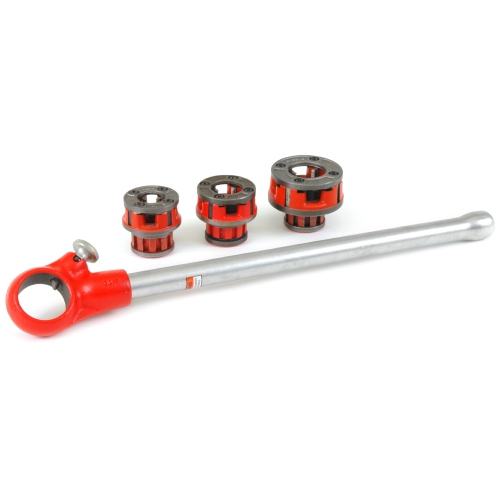
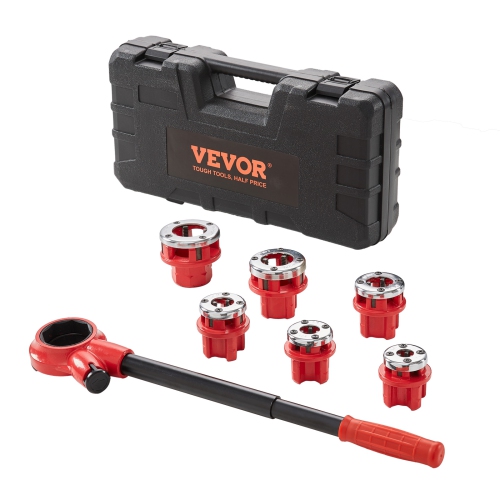
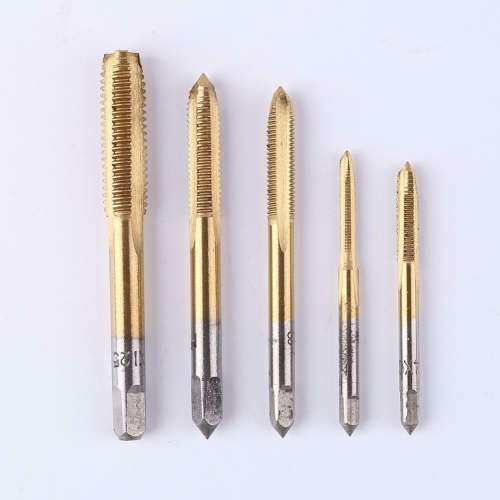
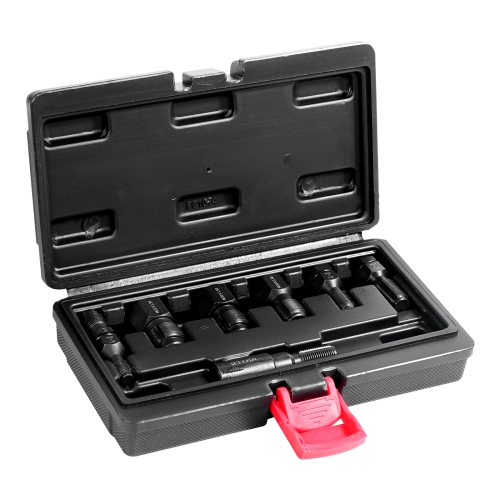
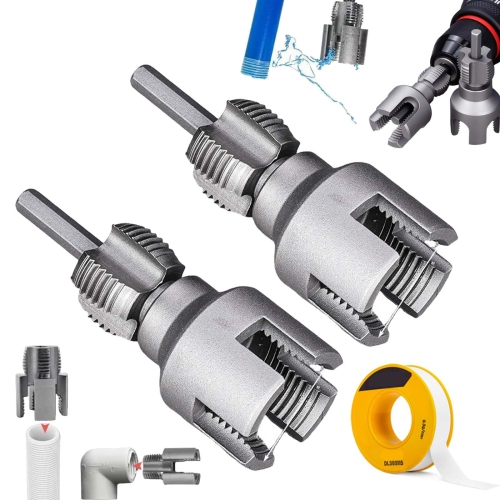
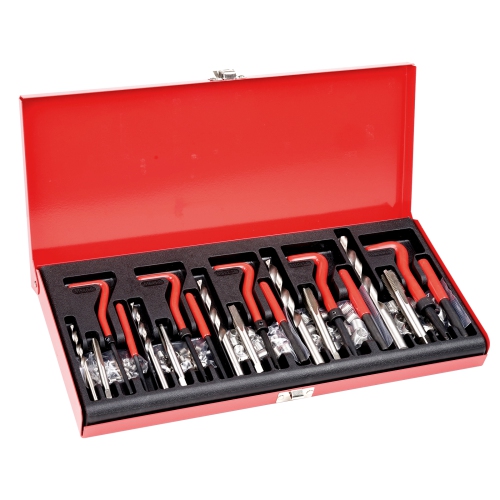
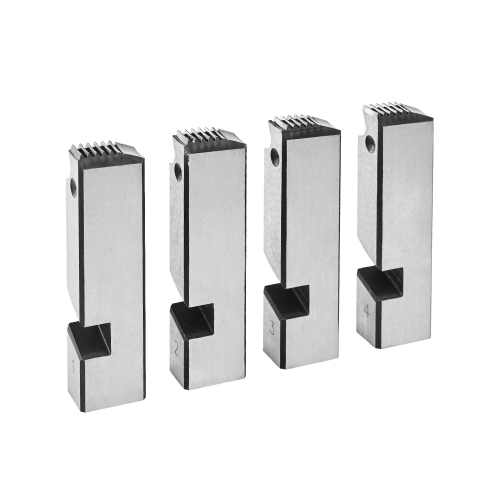
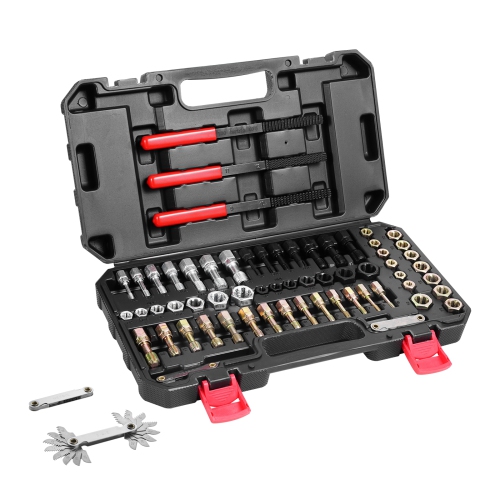
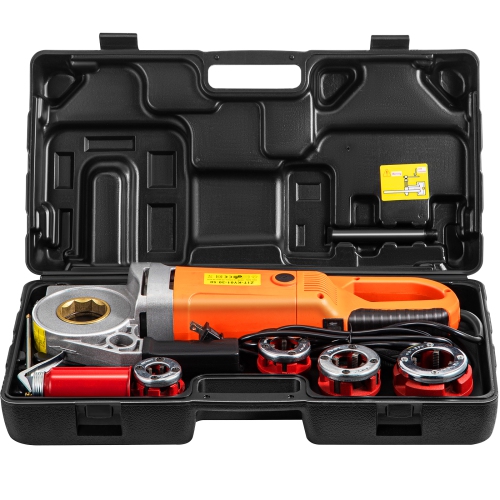
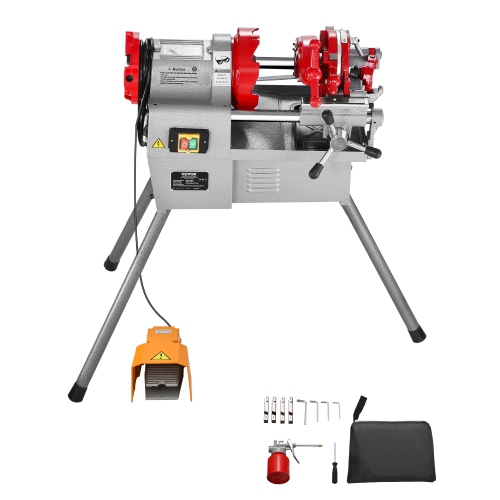
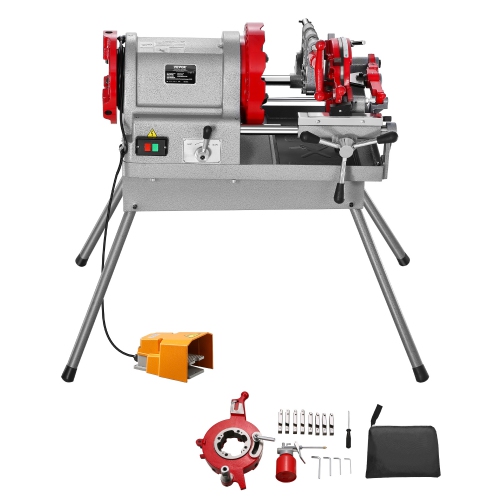
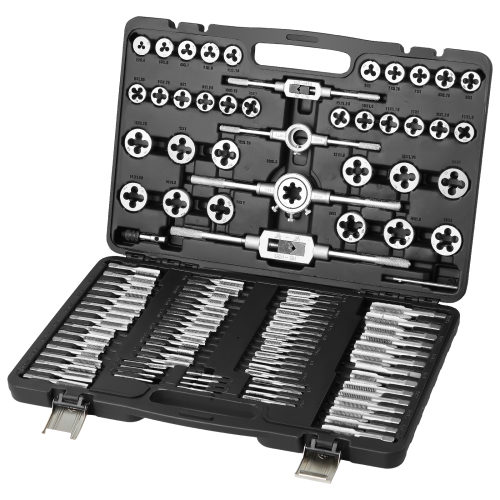
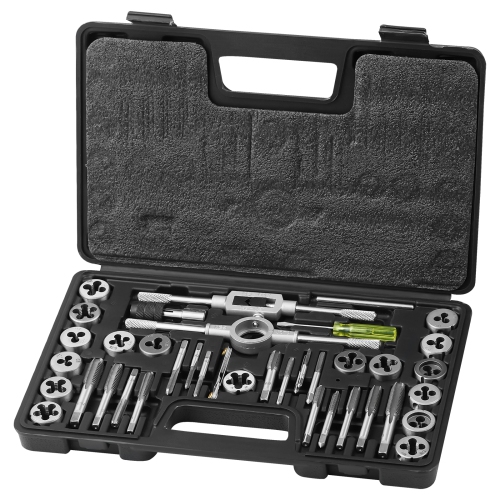
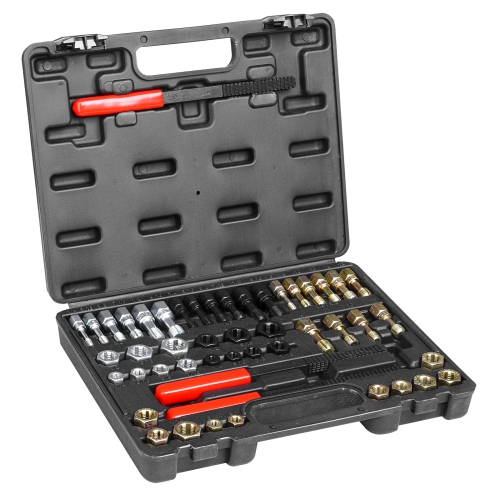
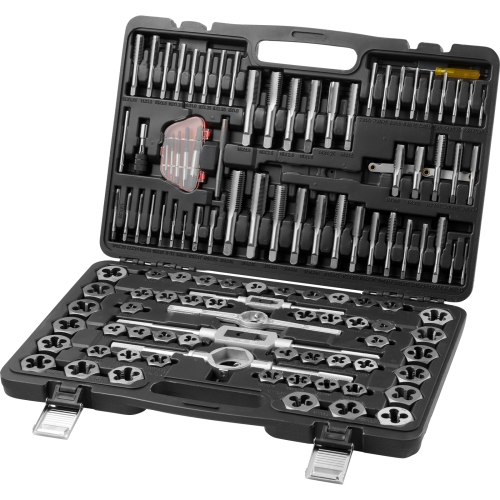
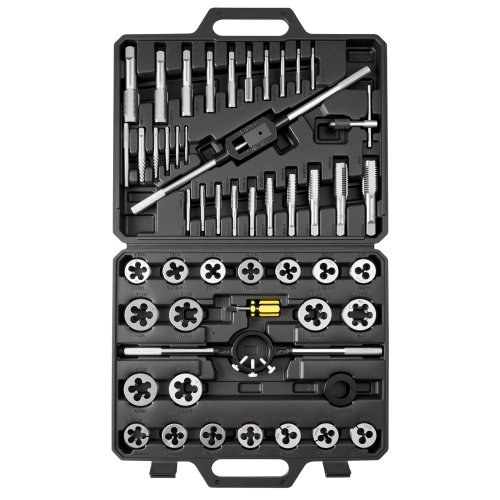
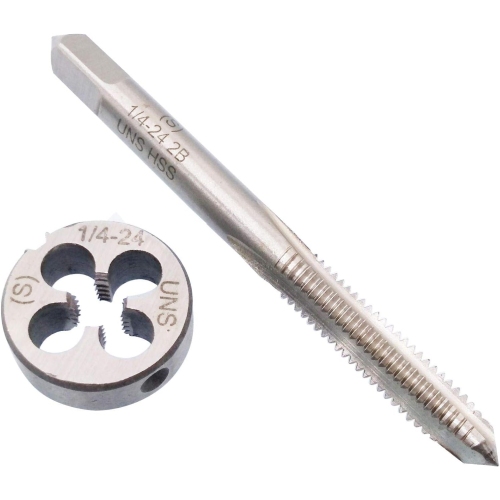
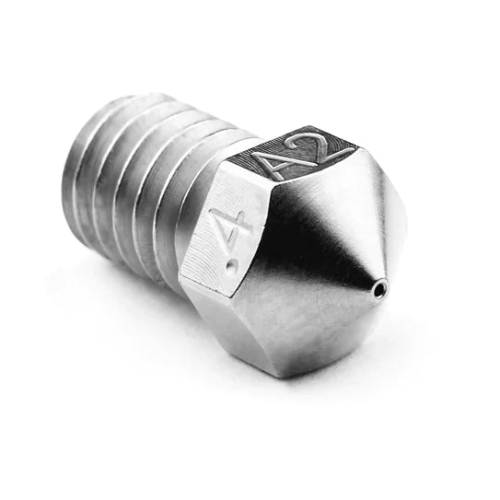
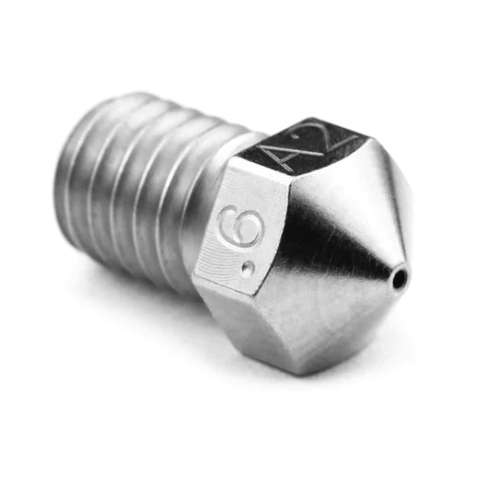
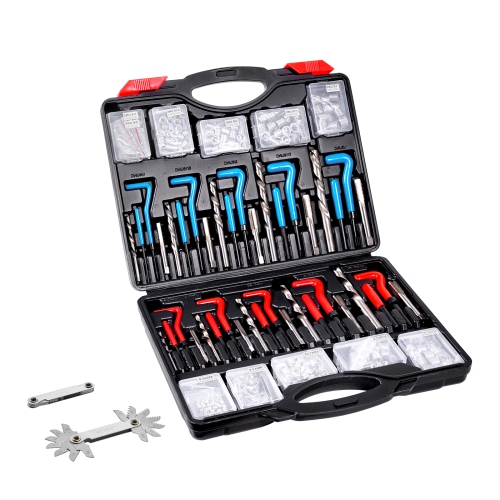
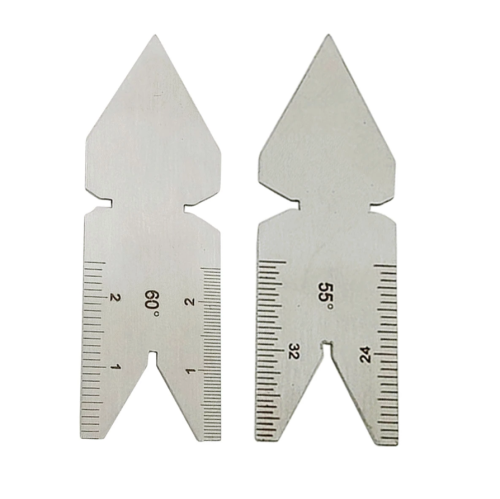
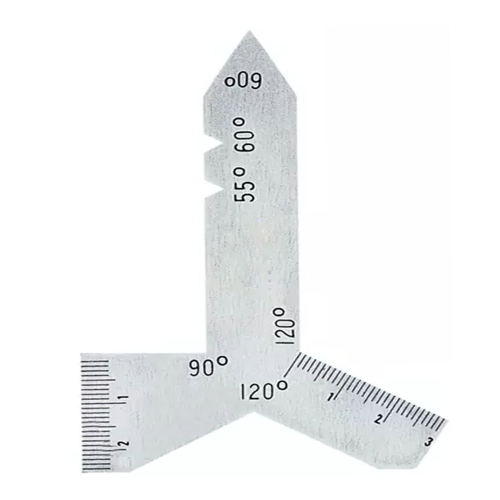

The right setup turns thread repairs into precise connections
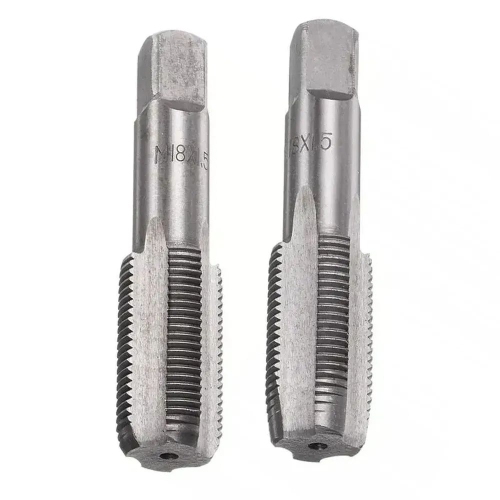
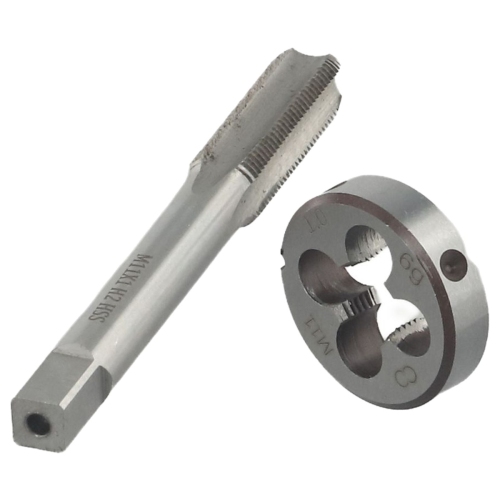
Thread cutting tools are designed to create clean, usable screw threads on metal and other suitable materials, making them valuable for repairs, fabrication, maintenance, restoration, and workshop projects. A tap cuts internal threads inside a drilled hole so it can accept a screw, bolt, or threaded fitting, while a die forms external threads on a rod, bolt, or other cylindrical workpiece. Together, taps and dies can help restore damaged threads, adapt components, or produce a custom fastener when an off-the-shelf option is not the right size. These tools are used by machinists, automotive technicians, maintenance professionals, metalworkers, plumbers, and experienced do-it-yourselfers. They can also be a practical gift for someone setting up a home workshop, restoring a motorcycle or older vehicle, building custom furniture with metal hardware, or learning the fundamentals of machining. A well-chosen set can live in a tool chest for years, ready for the small jobs that often appear unexpectedly: repairing a stripped hole on a bracket, renewing the threads on a bolt, or preparing a metal component for a secure connection. Thread cutting tools may be used by hand for careful repair work or with workshop equipment for repeatable, precise production, depending on the design and the material being worked.
When comparing thread cutting tools, start by considering the thread standards and sizes needed for the projects ahead. Metric and imperial thread forms are not interchangeable, and matching the tap or die to the fastener’s diameter, pitch, and thread profile is essential for a proper fit. A tap and die set may include several sizes for general maintenance, while a more focused selection may be preferable for automotive work, machinery repair, plumbing-related applications, or a particular fabrication project. Hand taps are commonly used for internal threads and may be supplied in different cutting stages, allowing the user to begin gently and finish the thread with greater control. Spiral-point taps can help move chips forward when used in suitable through holes, while other tap designs may be better suited to blind holes or specific materials. Dies may be solid for straightforward sizing or adjustable for greater control over the cut. For computer-controlled machining, thread mills use a rotating cutter and coordinated tool movement to produce internal or external threads with precision, including thread forms that may be difficult to achieve with a conventional tap. On a lathe, a single-point threading tool or carbide insert can create custom or large-diameter threads while following the workpiece’s exact dimensions. Tool material also matters: high-speed steel is a versatile choice for many general-purpose applications, while carbide cutting edges can offer hardness and wear resistance when used with compatible equipment and suitable cutting conditions. Look for clearly marked sizes, durable storage, secure holders, and a format that suits the available workspace. If the tools will be used around pipes or fittings, a dedicated selection of Pipe Cutting Tools may be more appropriate than a general thread cutting assortment.
Successful threading depends as much on preparation and technique as it does on the tool itself. For internal threads, drill the correct pilot or core hole before tapping; a hole that is too small can cause excessive friction, damage the cutting edges, or break the tap, while one that is too large may produce shallow threads with reduced holding strength. Check a reliable size chart for the exact thread specification rather than estimating from the fastener alone. Secure the workpiece firmly, align the tap or die squarely with the material, and apply an appropriate cutting oil or tapping fluid to reduce friction, manage heat, improve chip removal, and help extend tool life. When hand-tapping, use steady pressure and controlled turns. Depending on the tap design and material, reversing the tool periodically can help break and clear chips; forcing a jammed tap is likely to damage both the workpiece and the tool. External threading benefits from a clean, properly sized rod with a small chamfer at the leading end, which helps the die start straight. Keep cutting speeds appropriate for the material and tool, and avoid using a powered method unless the equipment, workholding, and tooling are designed for it. Eye protection is essential, and gloves should be used thoughtfully around rotating machinery, where loose material can catch. Clean chips from the work area with a brush rather than bare hands, wipe cutting fluid from tools after use, and store taps, dies, cutters, and inserts so their edges do not knock against one another. With the right size, thread standard, cutting method, lubrication, and patience, thread cutting tools can turn a difficult repair into a precise, dependable connection.
When comparing thread cutting tools, start by considering the thread standards and sizes needed for the projects ahead. Metric and imperial thread forms are not interchangeable, and matching the tap or die to the fastener’s diameter, pitch, and thread profile is essential for a proper fit. A tap and die set may include several sizes for general maintenance, while a more focused selection may be preferable for automotive work, machinery repair, plumbing-related applications, or a particular fabrication project. Hand taps are commonly used for internal threads and may be supplied in different cutting stages, allowing the user to begin gently and finish the thread with greater control. Spiral-point taps can help move chips forward when used in suitable through holes, while other tap designs may be better suited to blind holes or specific materials. Dies may be solid for straightforward sizing or adjustable for greater control over the cut. For computer-controlled machining, thread mills use a rotating cutter and coordinated tool movement to produce internal or external threads with precision, including thread forms that may be difficult to achieve with a conventional tap. On a lathe, a single-point threading tool or carbide insert can create custom or large-diameter threads while following the workpiece’s exact dimensions. Tool material also matters: high-speed steel is a versatile choice for many general-purpose applications, while carbide cutting edges can offer hardness and wear resistance when used with compatible equipment and suitable cutting conditions. Look for clearly marked sizes, durable storage, secure holders, and a format that suits the available workspace. If the tools will be used around pipes or fittings, a dedicated selection of Pipe Cutting Tools may be more appropriate than a general thread cutting assortment.
Successful threading depends as much on preparation and technique as it does on the tool itself. For internal threads, drill the correct pilot or core hole before tapping; a hole that is too small can cause excessive friction, damage the cutting edges, or break the tap, while one that is too large may produce shallow threads with reduced holding strength. Check a reliable size chart for the exact thread specification rather than estimating from the fastener alone. Secure the workpiece firmly, align the tap or die squarely with the material, and apply an appropriate cutting oil or tapping fluid to reduce friction, manage heat, improve chip removal, and help extend tool life. When hand-tapping, use steady pressure and controlled turns. Depending on the tap design and material, reversing the tool periodically can help break and clear chips; forcing a jammed tap is likely to damage both the workpiece and the tool. External threading benefits from a clean, properly sized rod with a small chamfer at the leading end, which helps the die start straight. Keep cutting speeds appropriate for the material and tool, and avoid using a powered method unless the equipment, workholding, and tooling are designed for it. Eye protection is essential, and gloves should be used thoughtfully around rotating machinery, where loose material can catch. Clean chips from the work area with a brush rather than bare hands, wipe cutting fluid from tools after use, and store taps, dies, cutters, and inserts so their edges do not knock against one another. With the right size, thread standard, cutting method, lubrication, and patience, thread cutting tools can turn a difficult repair into a precise, dependable connection.
Top selling and popular products
-
 Your price for this item is $3000
 -
 Your price for this item is $124.45
 -
 Your price for this item is $329.99
 -
 Your price for this item is $139.99
 -
 Your price for this item is $264
 -
 Your price for this item is $217.55
 -
 Your price for this item is $739.99
 -
 Your price for this item is $599.99
Discover more categories related to Thread Cutting Tools
Top Collections:
Pokemon Centers, Kindle Devices, Best Budget Office Chairs, Apple iPhones 16, Canon G7X Cameras, iPhone 15 Apple, Alarm Clock, Refurbished Apple Laptops, Flip Phones, Best Laptops for Writers
Some products may be subject to Environmental Handling Fees
(EHF) depending on your province.
Learn more about EHFs.