Marble Dining Room Tables
Create an elegant and timeless dining experience with a marble dining room table. With their sleek design and smooth surfaces, marble dining room tables exude sophistication and add a touch of opulence to your home decor. Whether you're hosting a formal dinner party or enjoying a casual family meal, these tables provide a stunning backdrop for memorable moments and conversations. Here are some great options available.
Sort
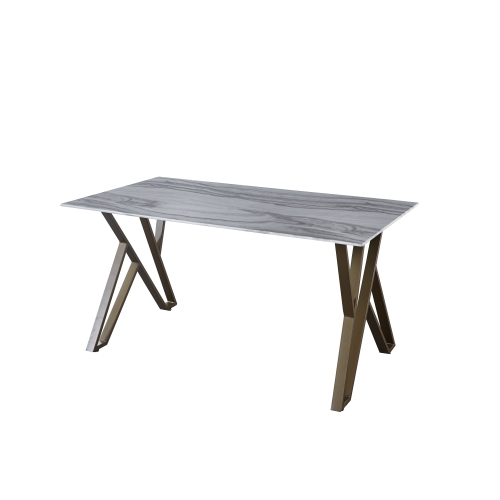

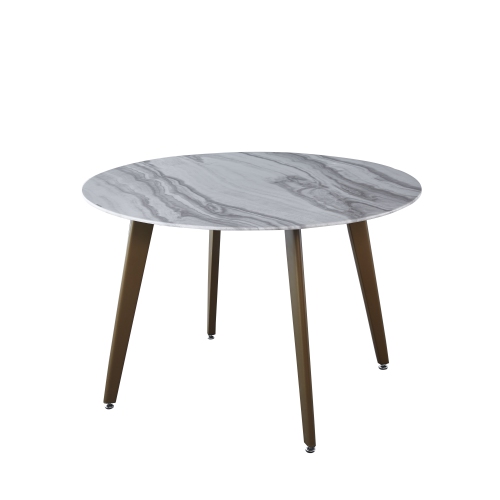

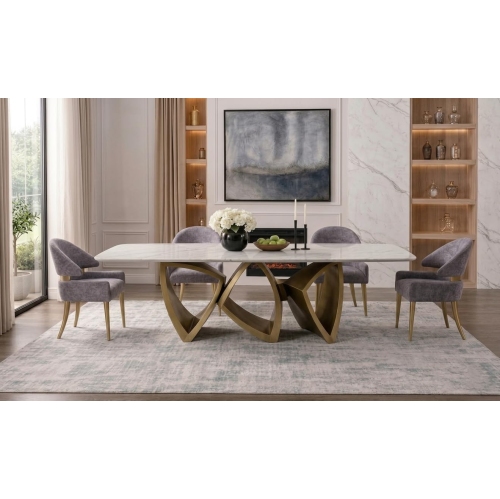

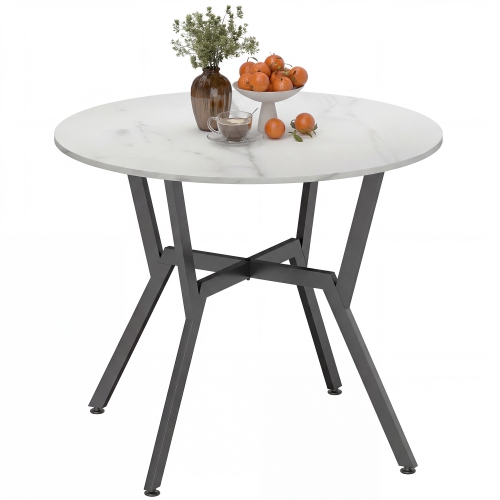

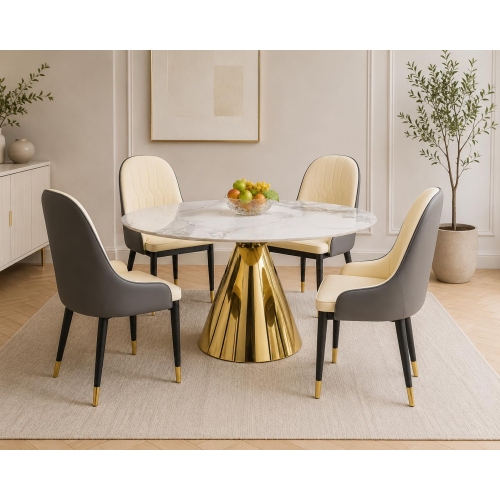
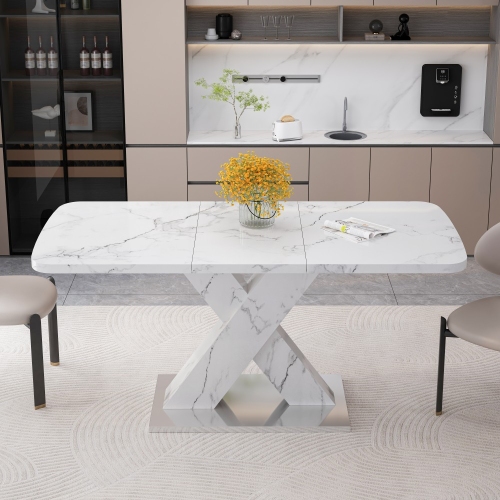
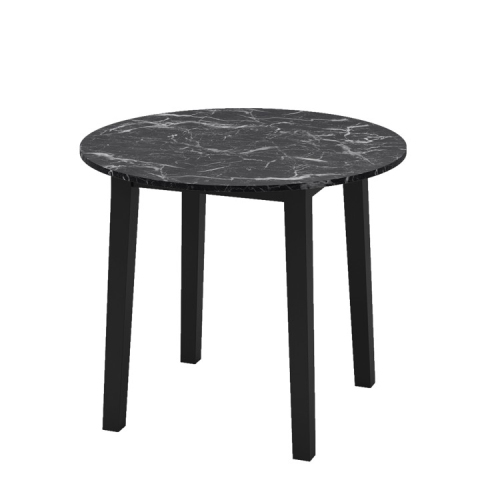
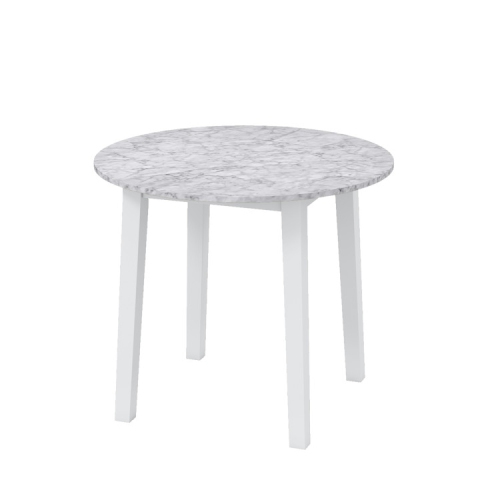
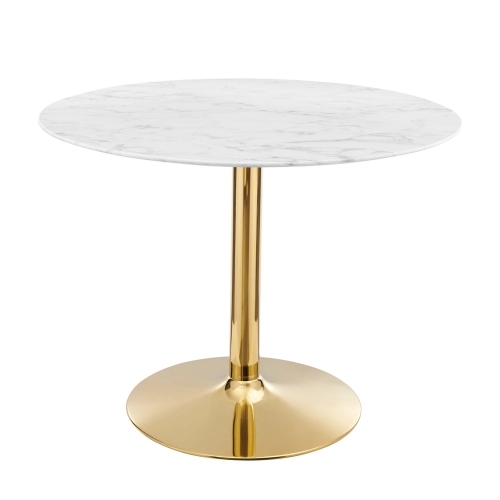
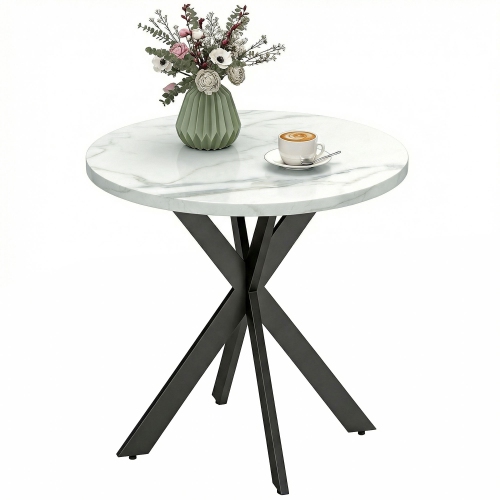
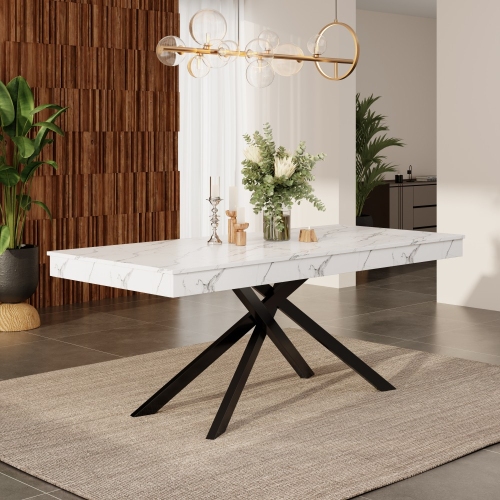
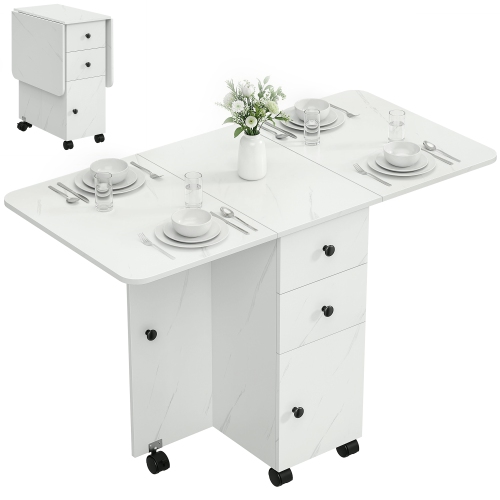
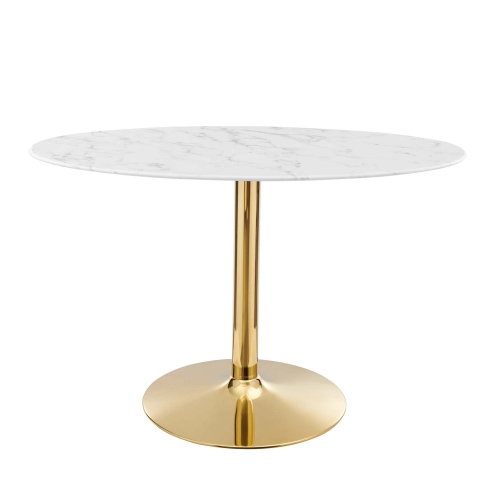
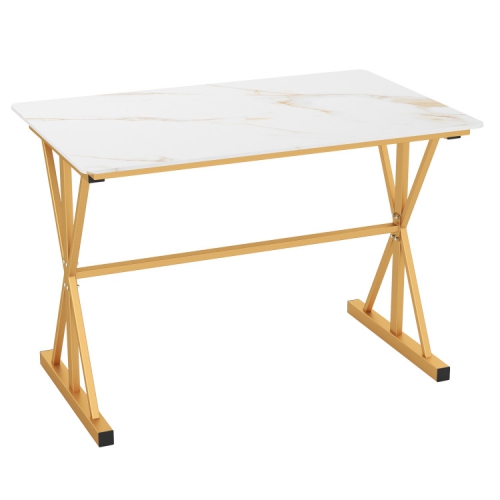
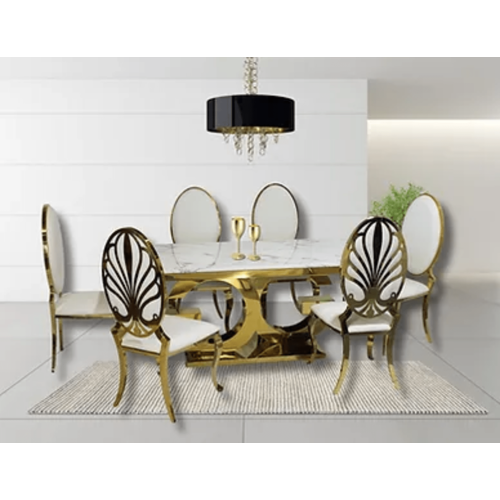
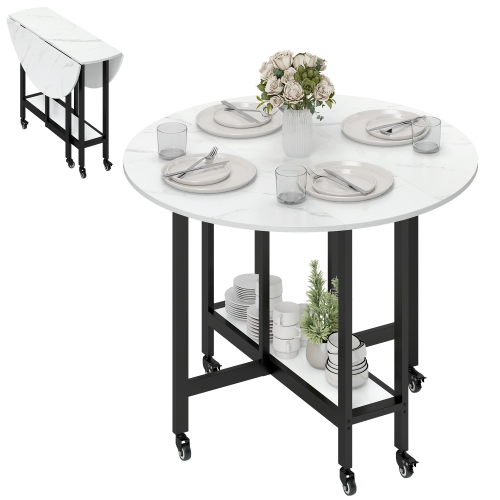


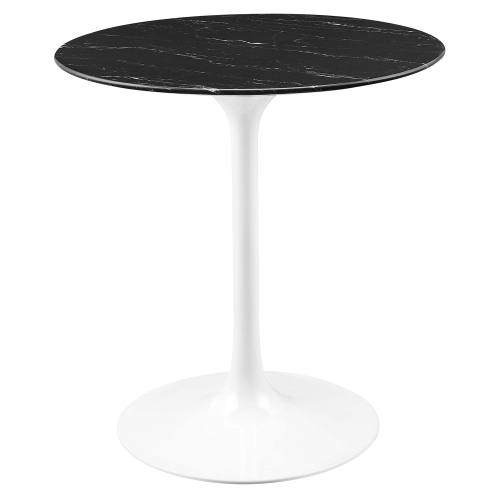
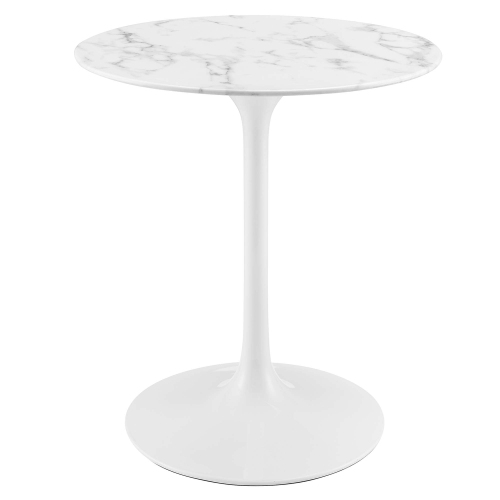
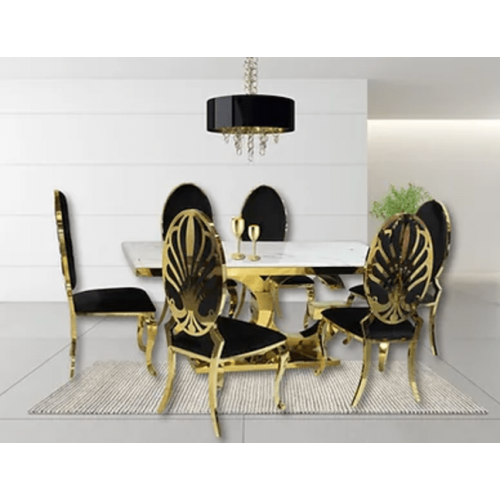
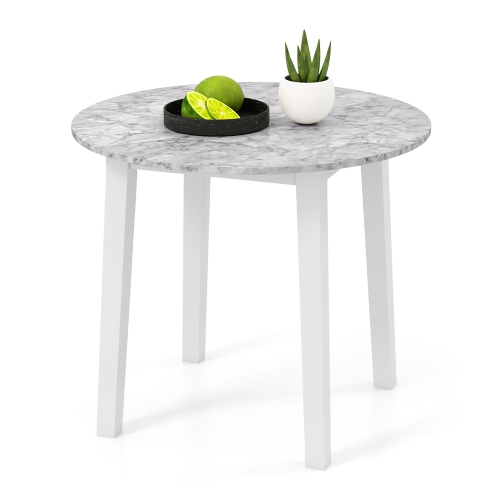
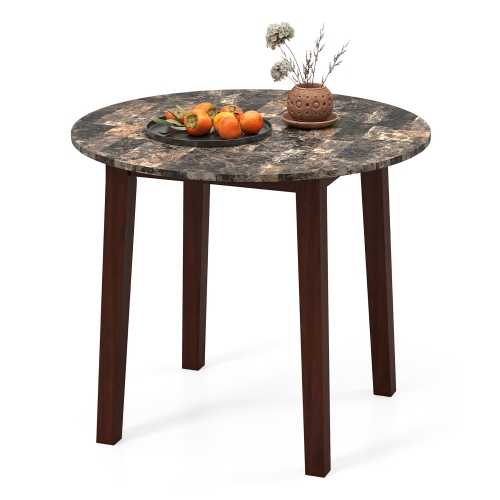
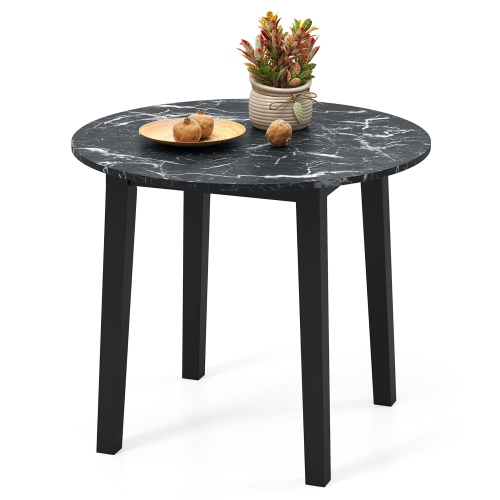
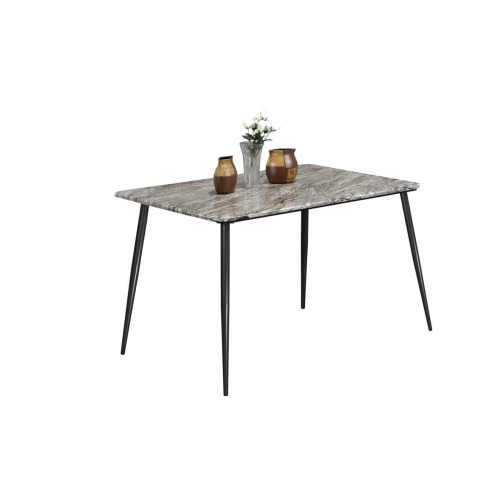
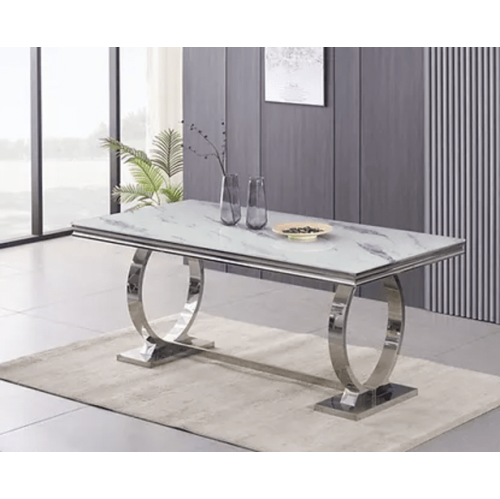
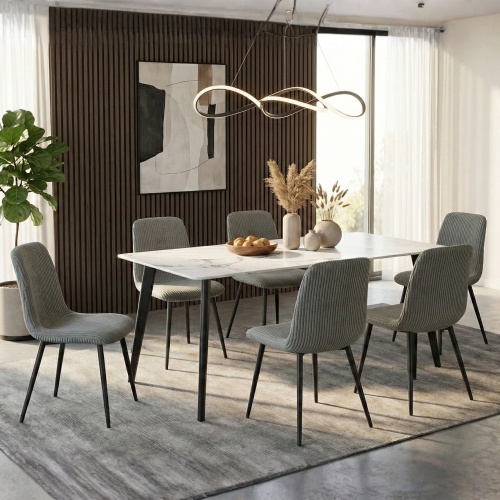
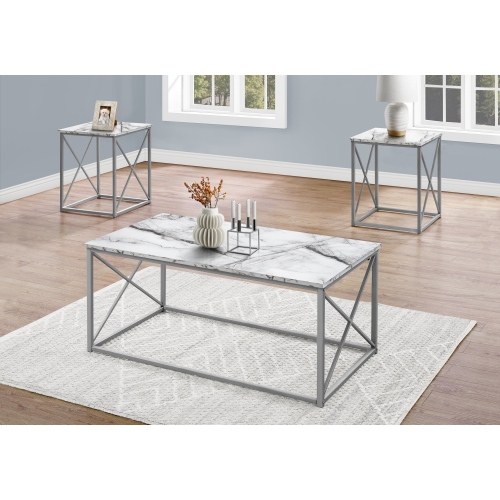
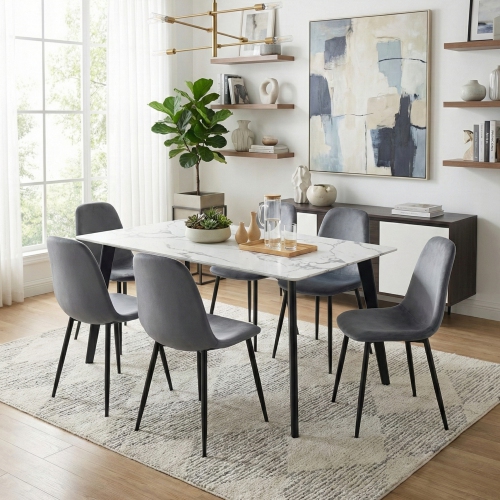
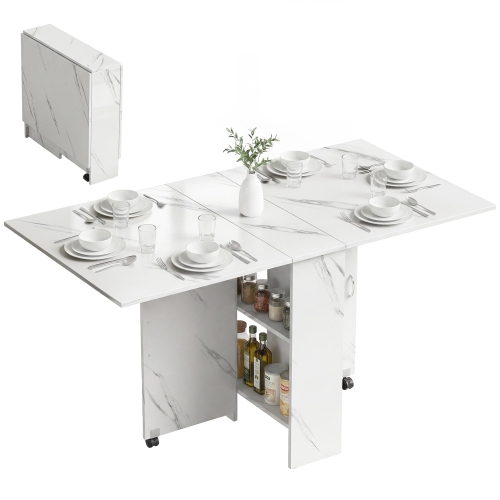
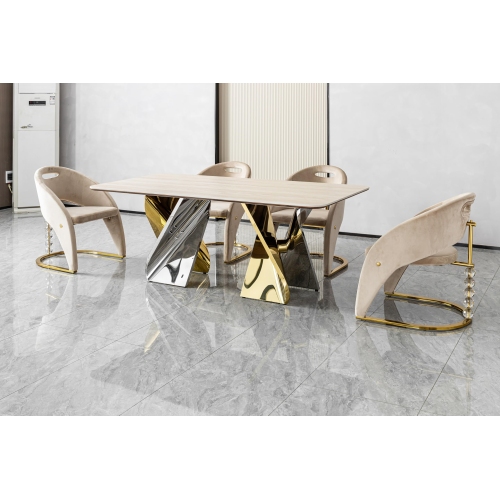
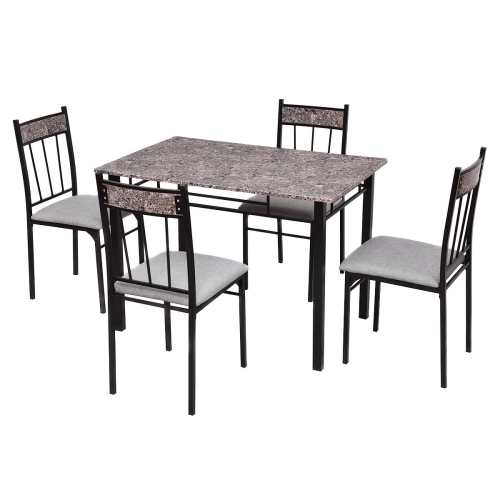
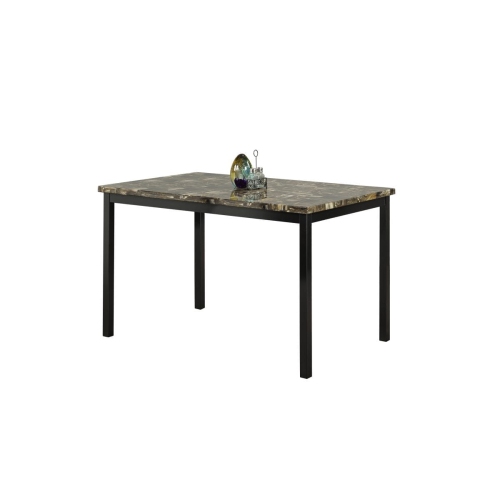
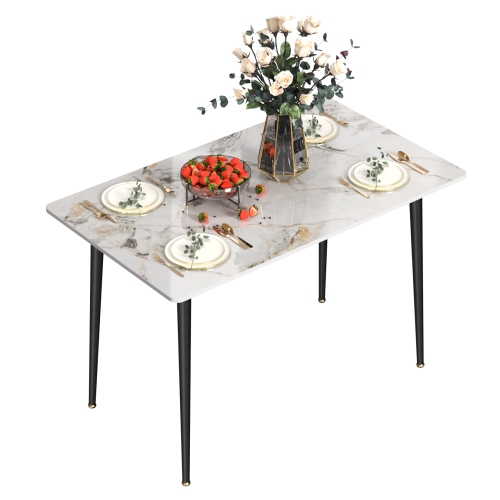
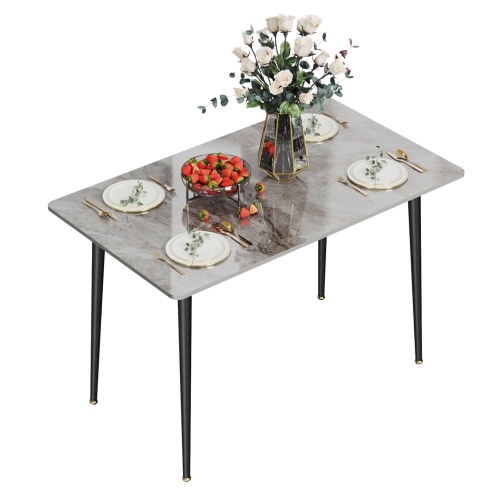
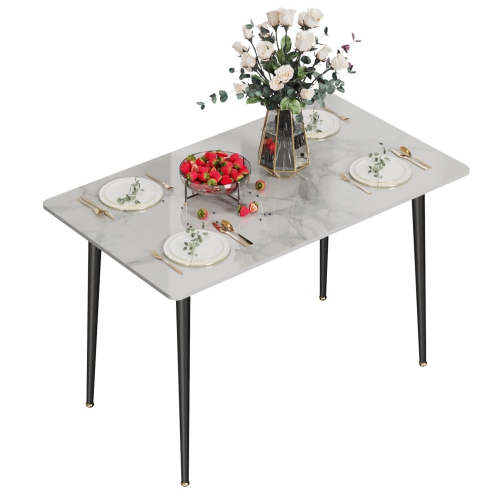

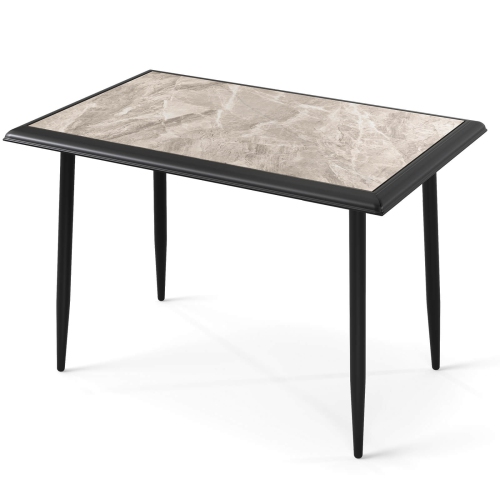


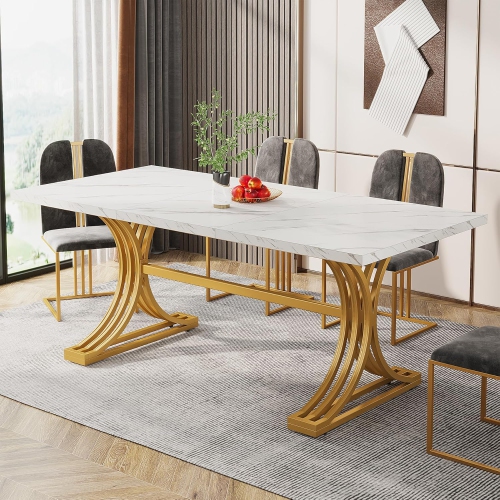
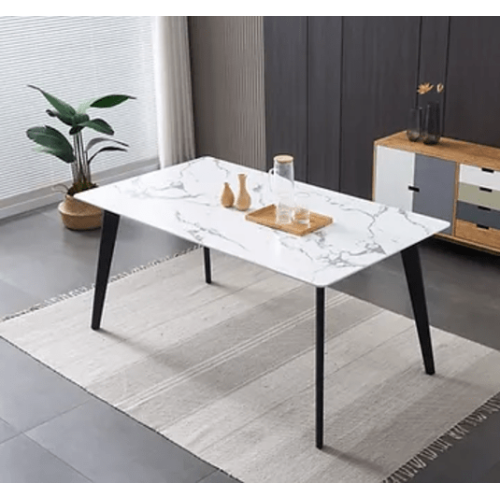
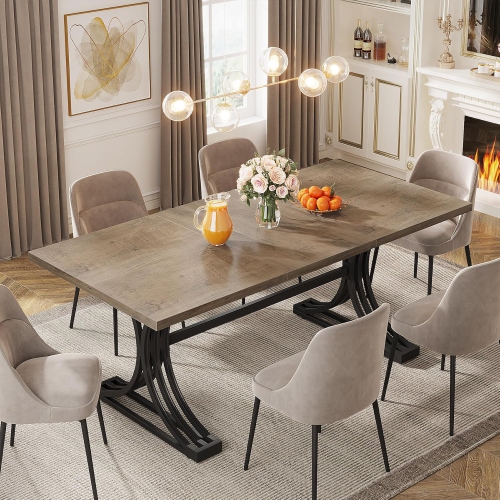
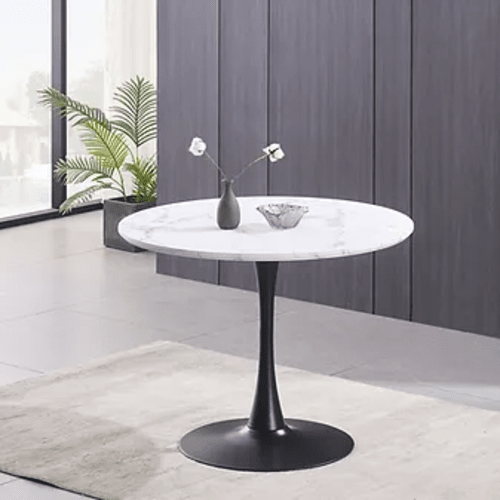
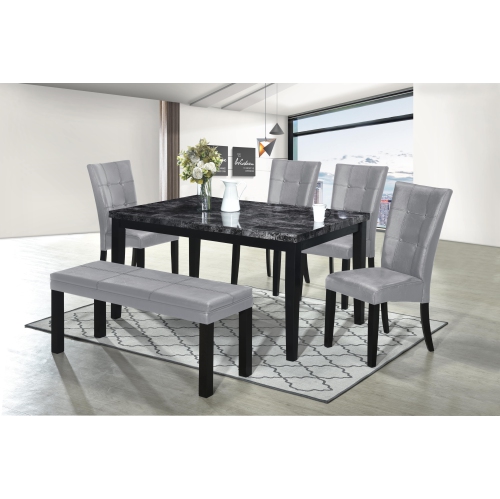
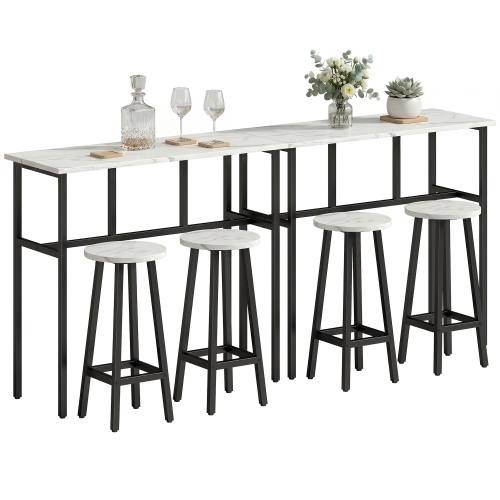
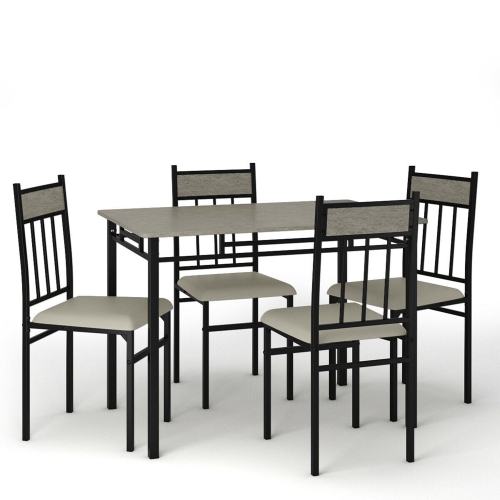
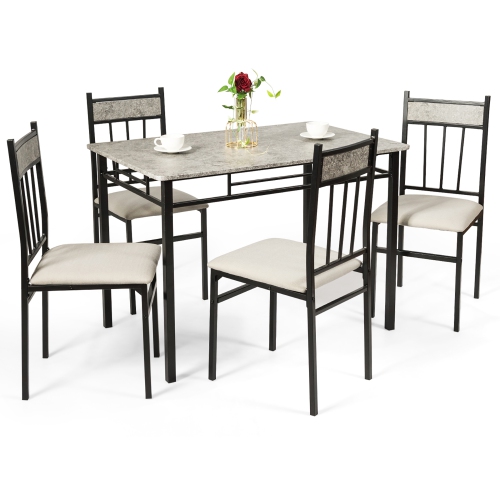
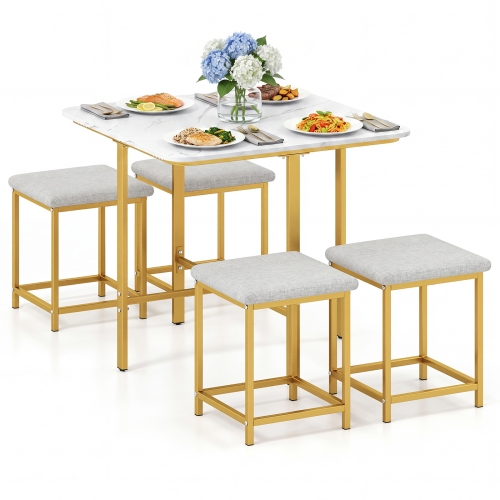
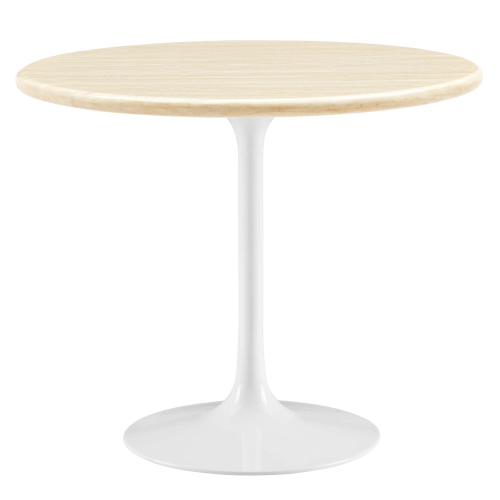

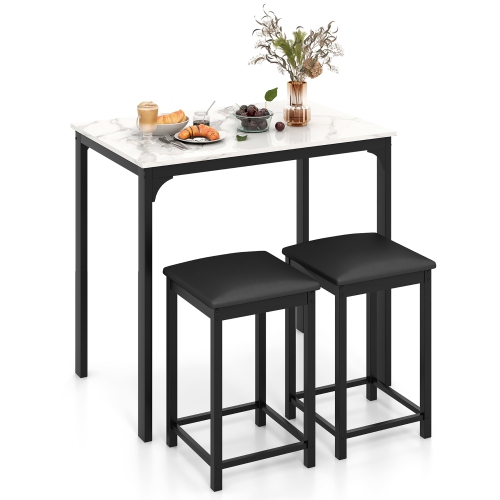
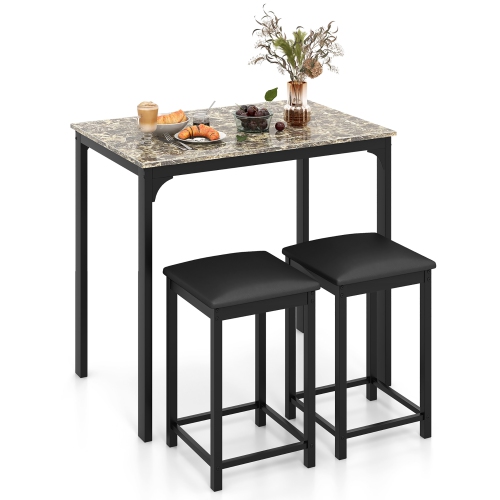
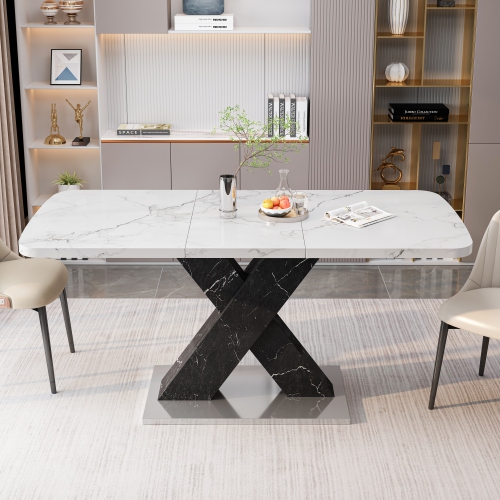
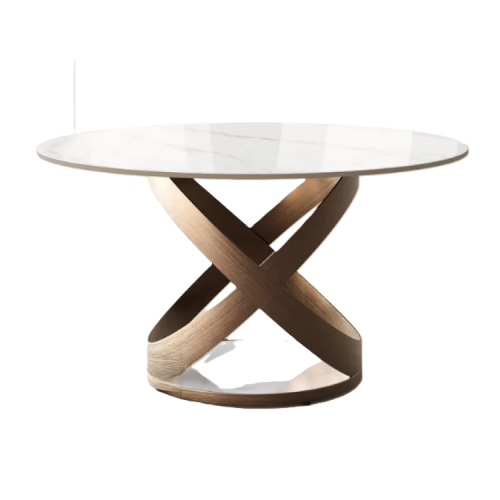
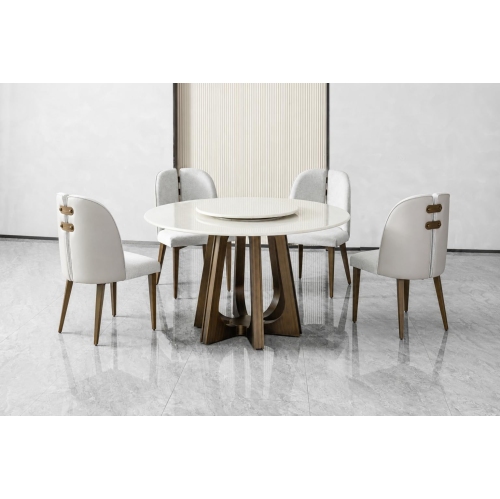
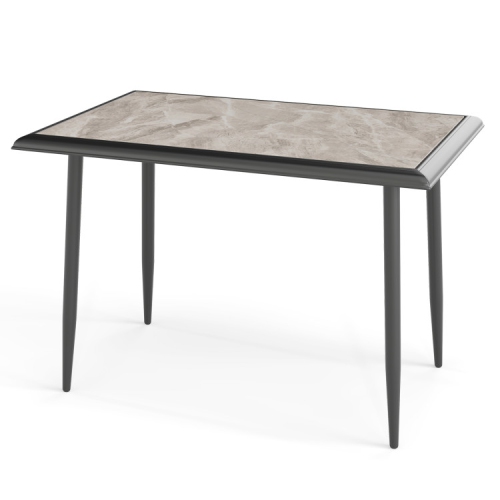
Distinctive veining meets the realities of everyday dining
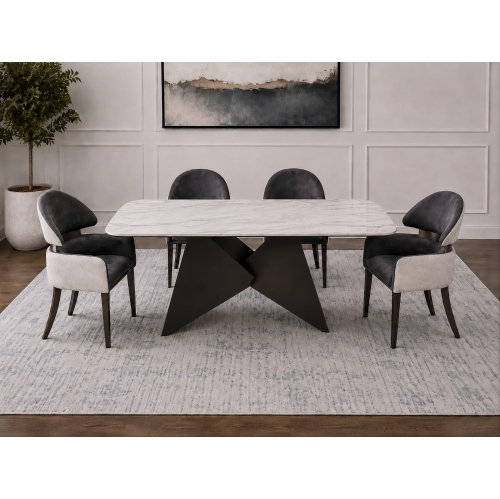
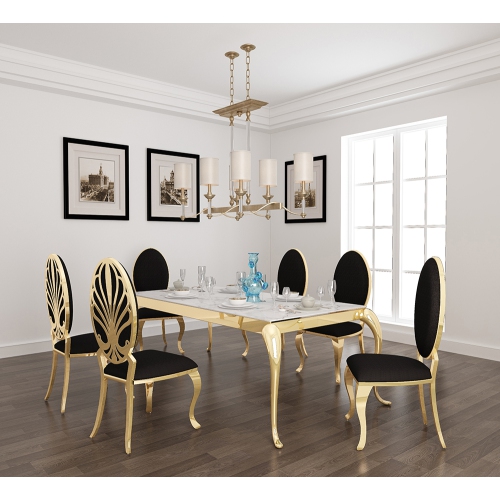
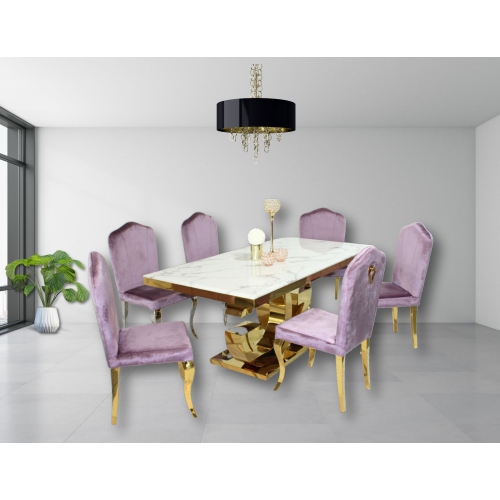
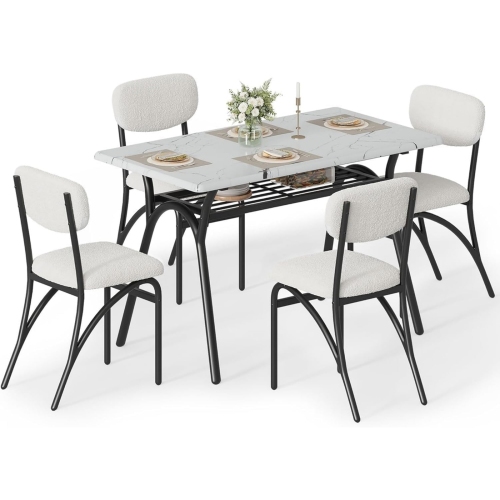
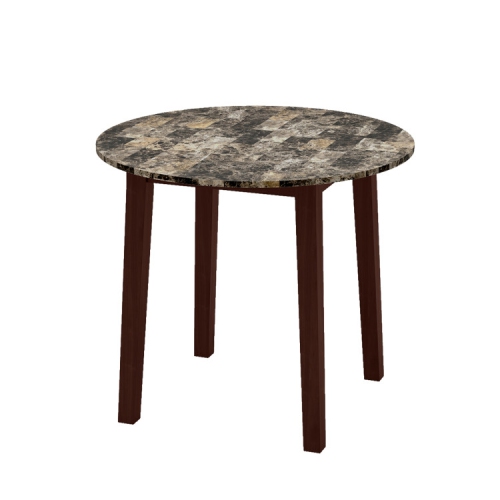
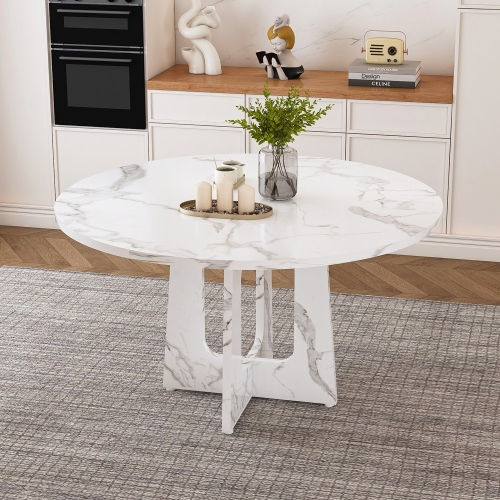
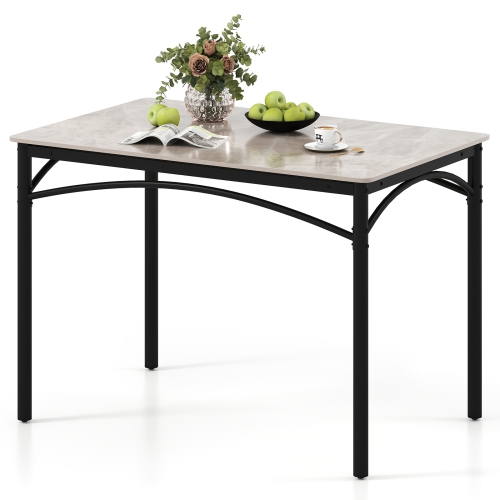
Marble dining room tables bring a distinctive mix of visual detail and everyday purpose to a space used for meals, conversations, and gathering. The veining in natural marble gives the surface movement, from fine grey lines across a pale background to broader patterns with deeper contrast. Because natural stone varies, two tabletops made from the same type of marble can differ in colour, pattern, and the placement of individual markings. That variation is part of the material’s appeal: the tabletop becomes a focal point without needing much decoration. A white or cream surface can sit comfortably alongside light wood chairs and woven upholstery, while darker stone can create a more dramatic setting with leather seating or metal accents. The base has just as much influence on the overall character. Wood introduces warmth, slender metal legs give the table a lighter outline, and a substantial pedestal creates a sculptural centrepiece. Marble also works across different room styles rather than belonging only in formal dining rooms. A round table with softly upholstered chairs can feel relaxed enough for breakfast and conversation, while a long rectangular design suits shared platters and larger gatherings. For an open-plan home, the tabletop’s colour and the base finish can connect the dining area with nearby kitchen cabinetry, flooring, or living room furniture without making everything match. Exploring marble table top dining tables can also help distinguish the look of a stone surface from the style of the frame beneath it. Visual balance matters here: a heavily patterned top often benefits from simpler chairs, whereas a quieter stone pattern leaves more room for textured fabrics or an expressive chair shape. The result can be polished without feeling untouchable, especially when the table’s proportions and seating arrangement support the way the household actually eats and spends time together. Even a modest dining nook can carry the look well when the table leaves enough open space around it.
The right fit depends on more than the number of seats shown around a table. Room dimensions, chair width, leg placement, and the routes people take through the space all affect how comfortable the arrangement feels. Around 36 inches of clearance between the table edge and a wall or nearby furniture is a useful starting point for pulling out chairs; a busy walkway behind occupied seats generally benefits from more. Allowing roughly 24 inches of table edge per person can help with planning, though wide chairs, armrests, and generous place settings may need extra space. A rectangular marble dining table often suits a long room and provides a clear line for serving dishes down the middle. A round top makes conversation easy across the table and removes projecting corners, which can be helpful in a compact layout, although chairs still need room to move. Oval designs offer some of the length of a rectangle with a softer outline, while square tables can work well where the room itself has similar proportions. Underneath, a pedestal may reduce interference from corner legs, but the size and shape of its foot can still affect where diners place their feet. Table height should also work with the intended chairs, including enough space for thighs beneath any apron and clearance for armrests if chairs are meant to tuck in. These details become noticeable during a long dinner, not just when the room is empty. A couple using the table for most meals may value easy circulation more than occasional extra seating, while a household that regularly hosts relatives may need a broader surface for serving bowls. For anyone who also uses the dining area for paperwork or board games, usable tabletop space matters as much as seating capacity. Delivery access deserves attention too: stone tops can be heavy, so doorways, stair turns, lift dimensions, and the route to the dining room all form part of a practical fit assessment before the table reaches its intended spot.
Material descriptions are especially important with marble dining room tables because a marble appearance does not always mean a solid natural stone top. Solid marble, marble veneer over a supporting core, engineered stone, and printed marble-look surfaces have different constructions and care needs. Natural marble offers individual veining and a substantial feel, while a veneer uses a thinner layer of stone; neither description alone establishes how the complete table will perform. Base construction, the way the top is supported, edge finishing, and assembly quality all contribute to stability and durability. Marble is durable in many applications, but it is not impervious to daily wear. As a calcium-based stone, it can develop dull etched marks from acidic substances such as lemon juice, vinegar, and wine. It may also absorb liquids and stain, depending on the stone and its treatment. A sealer can help resist staining, but it does not make marble acid-proof or eliminate the need to clean up spills. Blotting promptly with a soft cloth, using a cleaner approved for the surface, and following the manufacturer’s sealing guidance help keep care straightforward. Coasters, placemats, and trivets provide useful protection during ordinary meals, particularly beneath drinks, dishes with rough undersides, and hot cookware. Abrasive pads and harsh household cleaners can damage the finish, and dragging serving pieces across the top may leave scratches. A polished finish reflects light and makes the veining look crisp, while a honed finish has a softer sheen; both still need appropriate care, and wear may show differently on each. Homes with young children may appreciate rounded edges, a stable base, and a simple routine for protecting the surface during crafts or snacks. The table should never serve as a seat or a step, since concentrated weight can damage the top or compromise stability. For people drawn to natural materials, small changes in the surface may become part of its character over time. For those who prefer a consistently pristine finish, the maintenance requirements deserve as much consideration as the pattern. A well-suited marble dining table balances that distinctive appearance with comfortable seating, sound support, and care habits that fit daily life.
Top selling and popular products
-
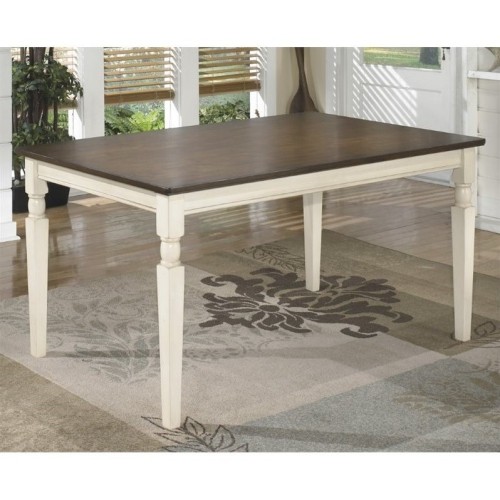 Your price for this item is $399
-
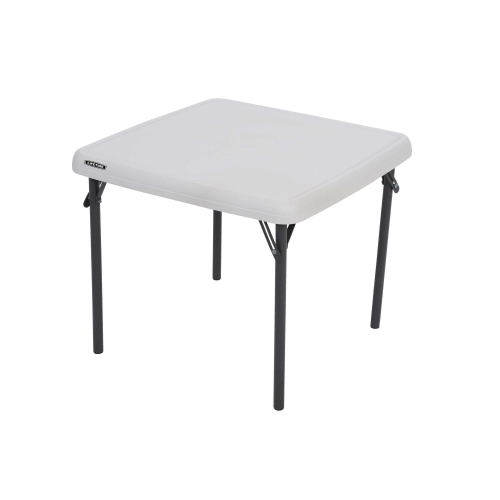 Your price for this item is $74.99
-
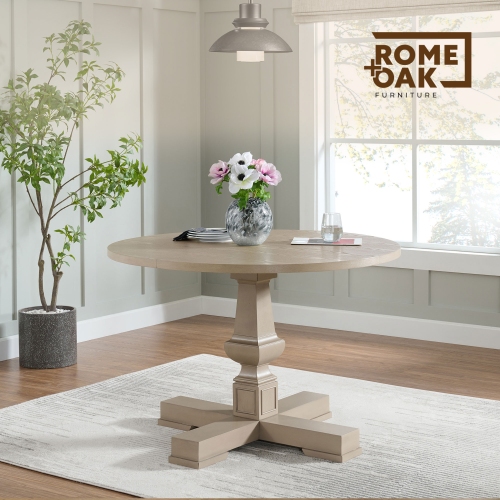 Your price for this item is $971.99
-
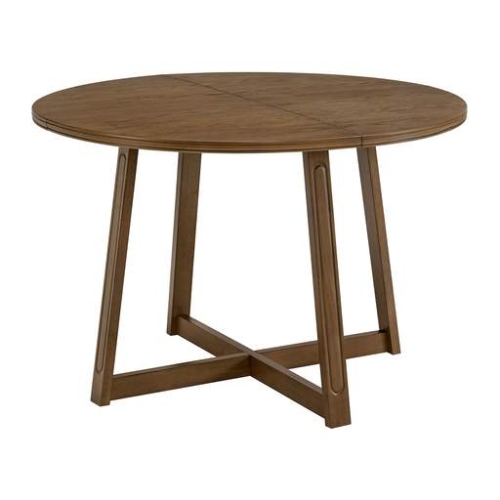 Your price for this item is $796.99
-
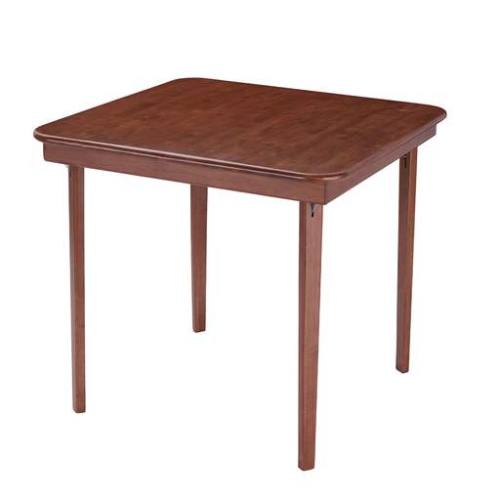 Your price for this item is $413.99
-
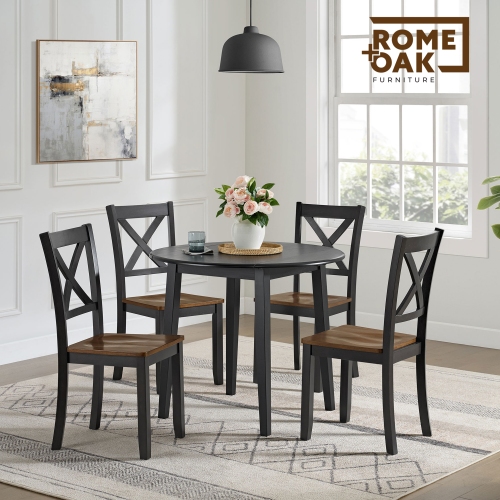 Your price for this item is $392.99
-
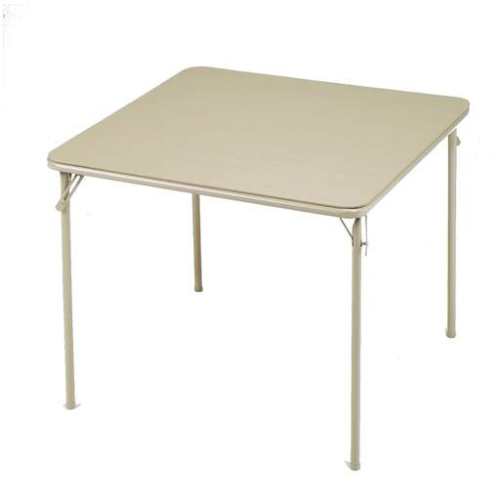 Your price for this item is $243.99
-
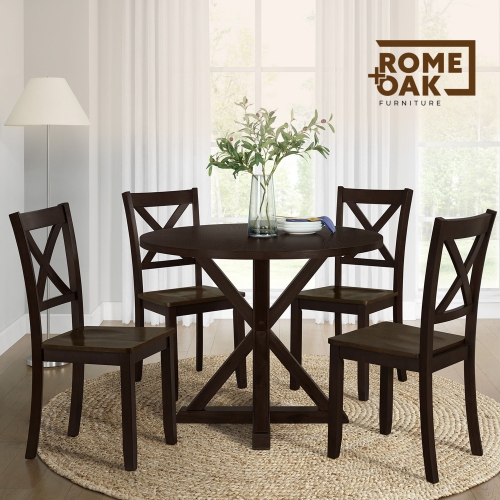 Your price for this item is $827.99
Discover more categories related to Marble Dining Room Tables
Top Collections:
Best Black Friday Deals This Year, Best Black Friday Deals On Electronics, Kindle Devices, Pokemon Centers, Best Black Friday Deals On Apple Products, Best Cameras for Sports Photography, Dyson Airwrap, Pokémon 30th Celebration Cards, Apple iPhone 17 Pro, Canon G7X Cameras
Some products may be subject to Environmental Handling Fees
(EHF) depending on your province.
Learn more about EHFs.