Marble Dining Tables
Upgrade your dining area with a touch of elegance and sophistication with our collection of marble dining tables. Crafted from high-quality materials, these tables not only provide a stylish focal point for your dining room but also offer durability and functionality for everyday use. Whether you prefer a sleek modern design or a more classic look, our range of marble dining tables has something to suit every taste and style preference. Explore our selection today to find the perfect centerpiece for your dining space.
Sort


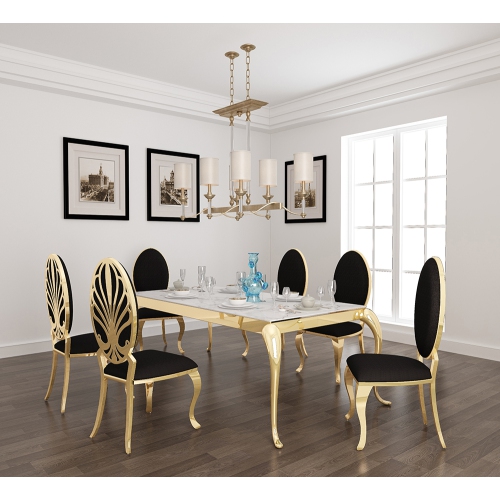
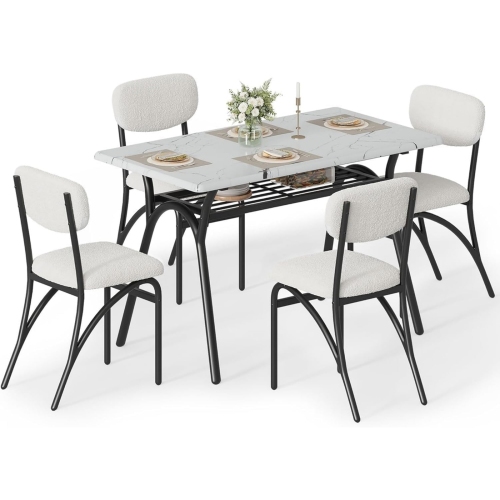
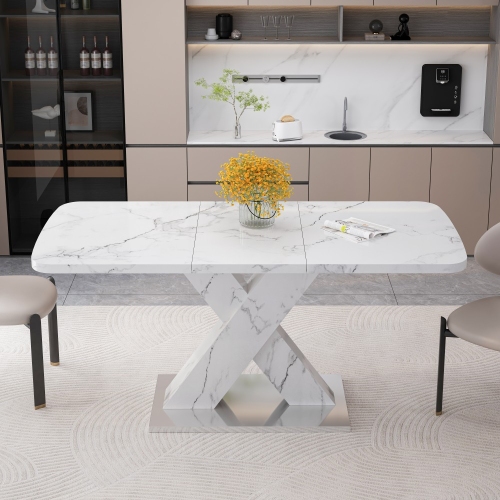
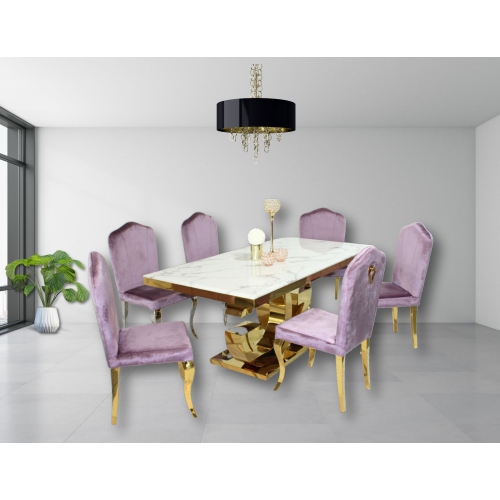
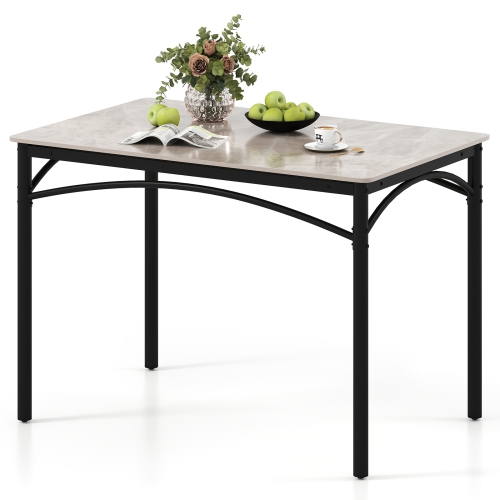
Marble’s distinctive veining is only part of the story
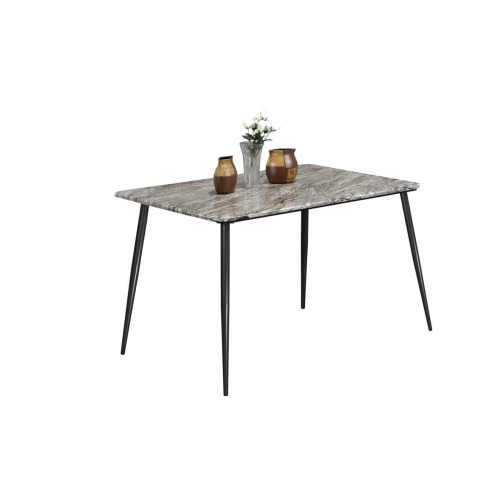
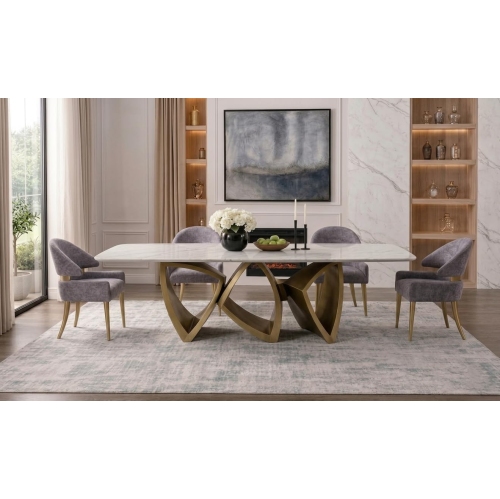
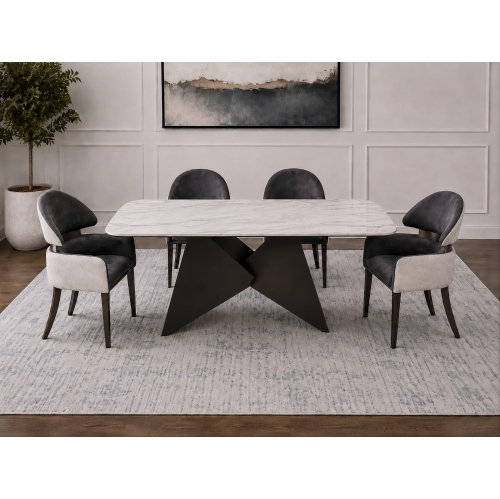
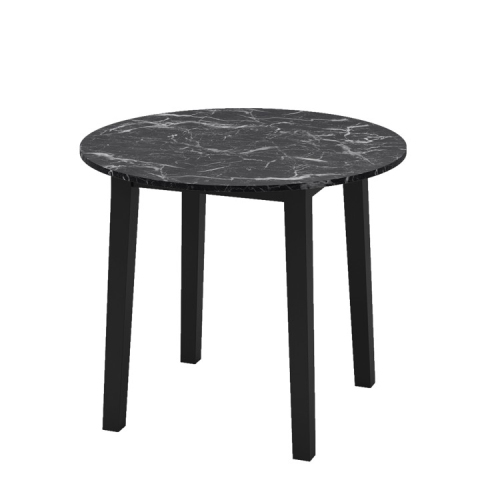
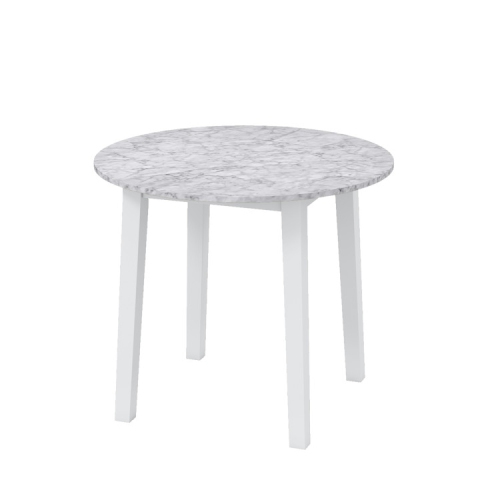
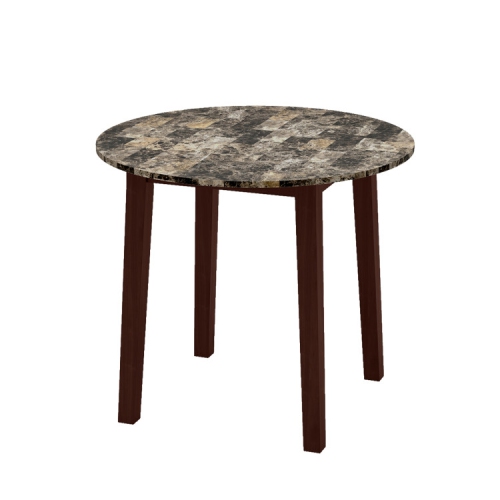
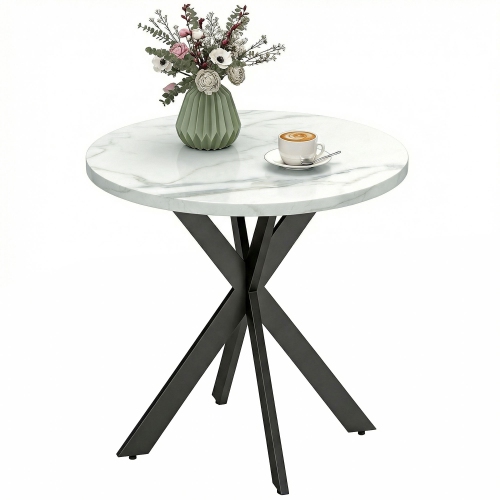
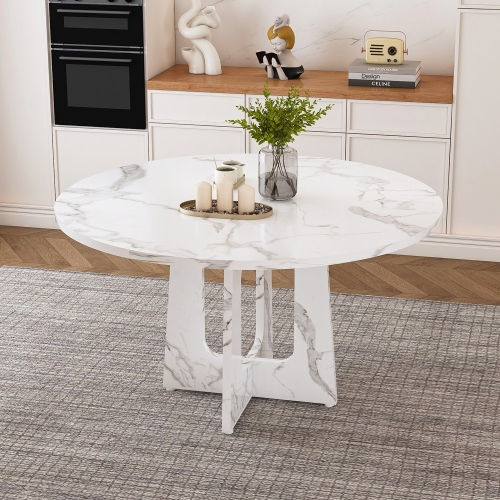
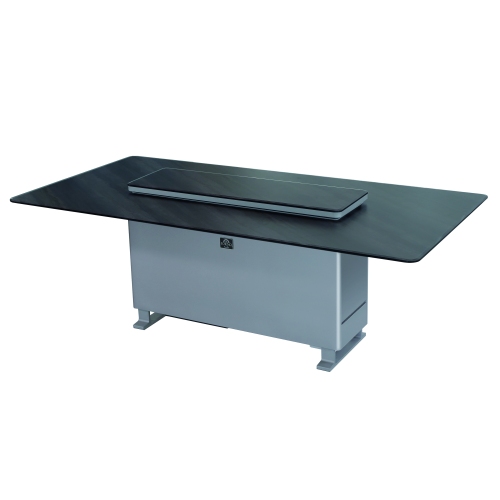
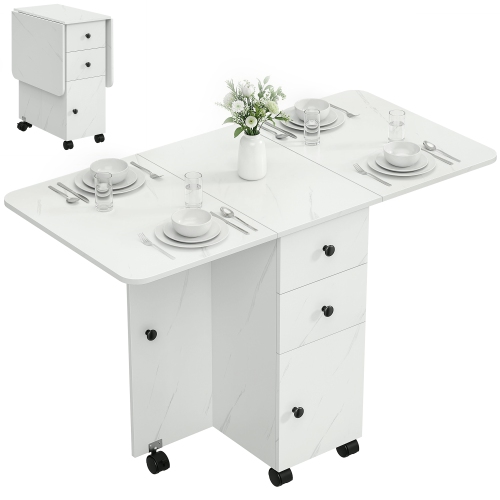
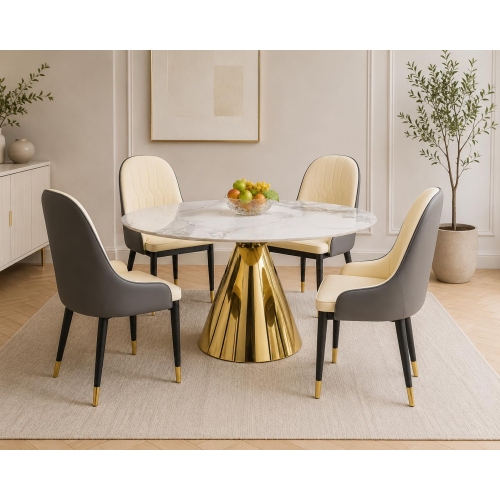
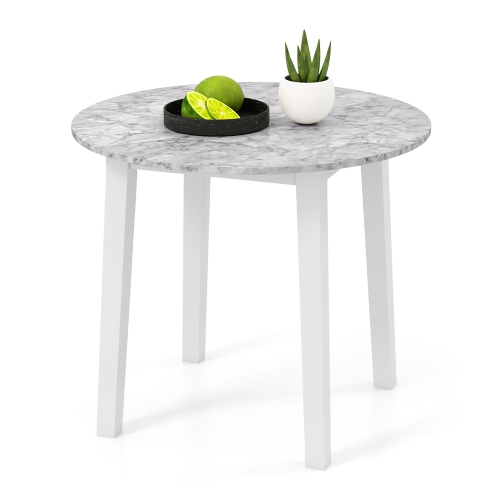
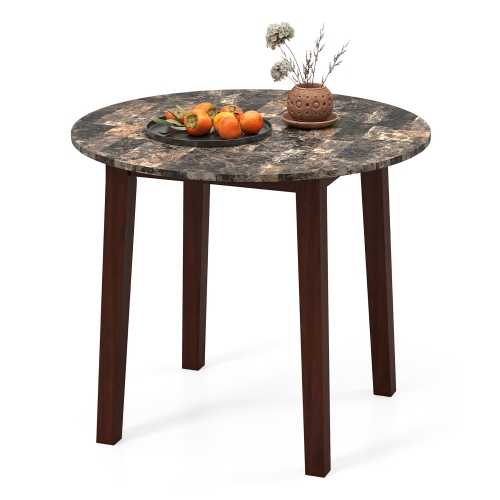
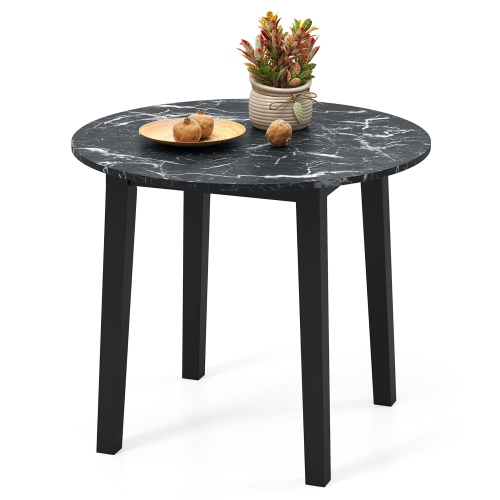
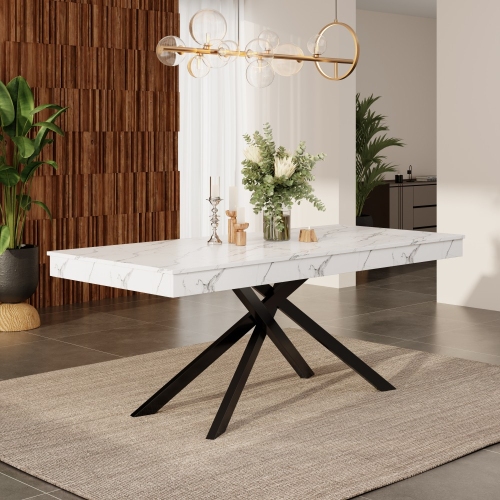
Marble dining tables bring distinctive stone patterns and a substantial presence to the place where meals, conversation, and everyday routines meet. A pale top with fine grey veining can lend visual lightness to a dining room, while black or green marble can create a stronger focal point against lighter walls and upholstered chairs. Because natural marble forms with variations in colour and mineral veining, genuine stone surfaces are not perfectly uniform; differences between one tabletop and another are part of the material’s character. Materials are an important distinction when comparing Marble Table Top Dining Tables. A genuine marble tabletop may use a thick stone slab or a thinner layer of natural marble attached to a supporting structure. Engineered marble generally combines stone particles with a binder, while marble-look surfaces may use printed laminate, ceramic, porcelain, or other materials to reproduce the appearance of veining. These constructions differ in weight, maintenance needs, edge details, and resistance to everyday wear, so the material description matters more than appearance alone. Porcelain and sintered stone can provide a similar visual effect with different performance characteristics, but care requirements should always be checked for the particular surface. The finish also affects how a table looks in use. Polished marble reflects light and brings out colour and veining, whereas a honed finish has a softer, matte appearance; neither finish makes natural marble immune to staining or acid damage. Base materials add another layer of character. Wood can introduce warmth beneath a cool-toned stone surface, while metal legs can give the table a crisp, architectural profile. A sculptural pedestal makes the base part of the room’s design, whereas slender legs leave more open space beneath the top. Together, the surface, edge profile, and base determine whether a marble dining table feels formal, understated, traditional, or contemporary. Nearby wood furniture, woven upholstery, and simple table linens can soften the overall effect without hiding the stone’s pattern, allowing the table to sit comfortably within a room rather than dominate every other furnishing.
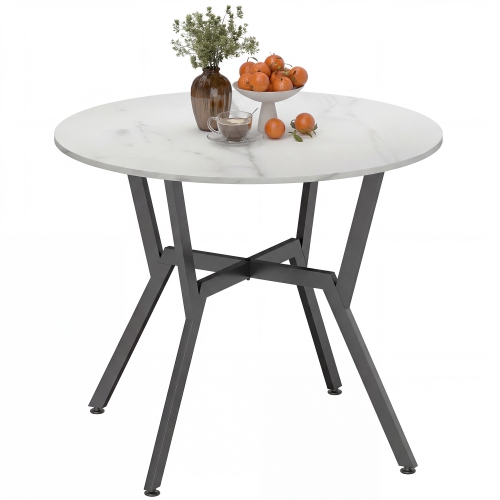
Shape and dimensions determine how comfortably a marble dining table works beyond its appearance. Rectangular marble dining tables suit longer rooms and provide a familiar layout for shared dishes, place settings, and meals with several people. Round marble dining tables bring diners into an easy conversational arrangement and remove projecting corners, which can be useful in compact dining areas. Oval tops offer some of the length of a rectangular table with curved ends, while square designs can work well in rooms with balanced proportions. Seating capacity depends on the tabletop dimensions, the position of the base, and the width of the chairs, not simply the shape. As a general reference, a round top measuring about 42 to 48 inches across often suits four people, while a 60-inch round table may accommodate six. A rectangular top around 60 to 72 inches long commonly suits six, and a length of approximately 84 to 96 inches can suit eight, depending on the layout. Allowing roughly 24 inches of table edge per diner helps reduce crowded elbows, although wide chairs and generous place settings need more space. Clearance around the table matters just as much: about 36 inches between the tabletop edge and a wall or cabinet allows room to pull out a chair, while a busy walkway may need more. A pedestal can reduce interference from corner legs, but its foot or lower platform may still affect where diners place their feet. Armchairs also need enough space beneath the tabletop and any apron. For an open-plan condo, the table’s footprint should leave a comfortable route between the kitchen and living area; in a separate dining room, cabinet doors and drawers still need room to open. Households that use the table for homework, puzzles, or occasional laptop work may appreciate a more generous surface, provided seating remains comfortable. Measuring chair height, knee clearance, and the full base footprint helps make the table practical for everyday meals rather than suitable only when nobody is seated.
Natural marble is durable enough for dining use when properly supported and cared for, but it is not a maintenance-free surface. Its porous structure can absorb spills, and acidic ingredients such as lemon juice, vinegar, wine, and tomato sauce can cause etching: a change in the surface finish that may appear as a dull mark. Sealing can help slow absorption and reduce the risk of staining, but it does not prevent acid etching or make the tabletop waterproof. Resealing needs vary with the stone, finish, existing treatment, and frequency of use, so the manufacturer’s instructions should determine the care routine. For daily cleaning, a soft cloth and a pH-neutral cleaner approved for the surface are generally appropriate, followed by drying with a clean cloth. Abrasive pads and harsh cleaning products can damage the finish. Coasters beneath drinks, placemats under dinnerware, and trivets beneath hot serving dishes help protect the surface during meals. Spills are best blotted promptly rather than left while the table is cleared. A protective pad can also be useful for craft activities or homework, especially where pens, glue, or rough objects might contact the stone. Marble-look alternatives have their own limitations, so care advice for natural stone should not automatically be applied to laminate, engineered materials, or ceramic surfaces. Weight is another practical consideration: genuine marble tops can be very heavy, making a stable base, correct assembly, and a suitable delivery route especially important. Doorways, stair turns, lifts, and the final dining space all need to accommodate the table’s dimensions. Once assembled, the table should be moved using the manufacturer’s recommended method rather than dragged or lifted by the top alone. Protective floor pads and a level position help keep the setup steady. For households comfortable with these care habits, marble offers a distinctive setting for quick breakfasts, shared dinners, and longer gatherings, with natural variation that remains visible even when the table is simply dressed.
Top selling and popular products
-
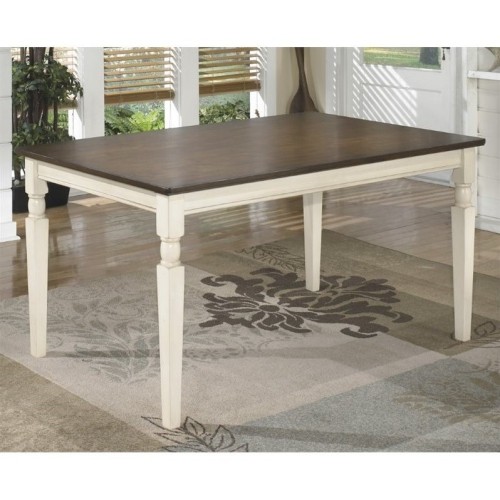 Your price for this item is $399
-
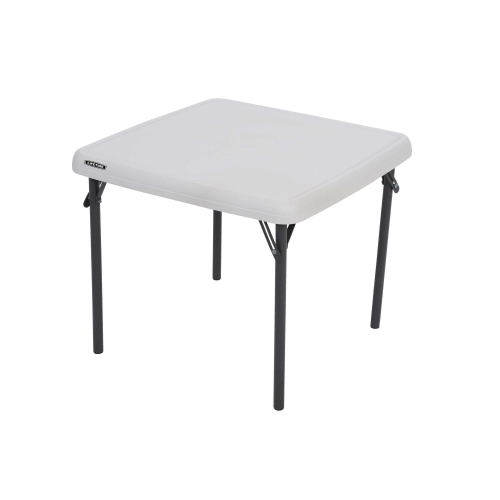 Your price for this item is $74.99
-
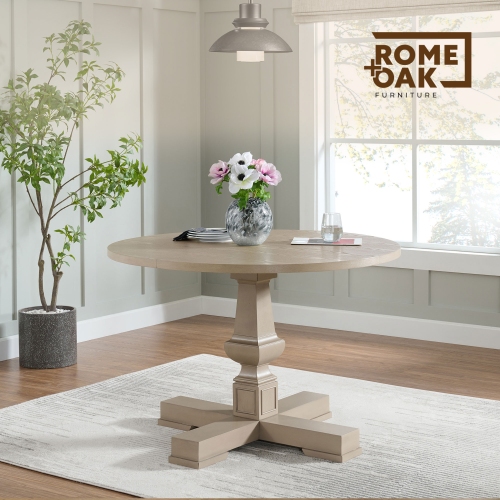 Your price for this item is $971.99
-
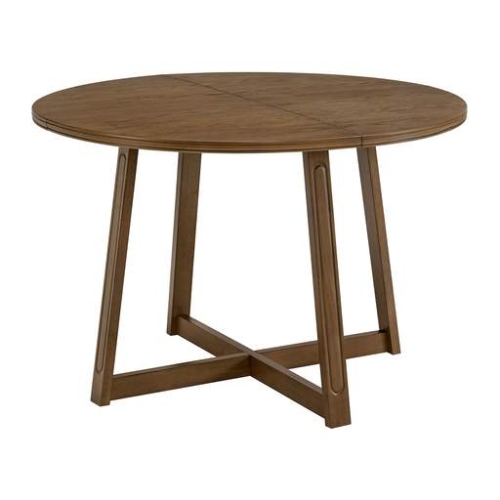 Your price for this item is $796.99
-
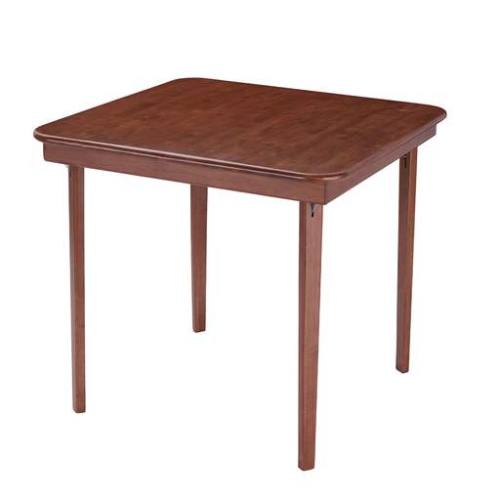 Your price for this item is $413.99
-
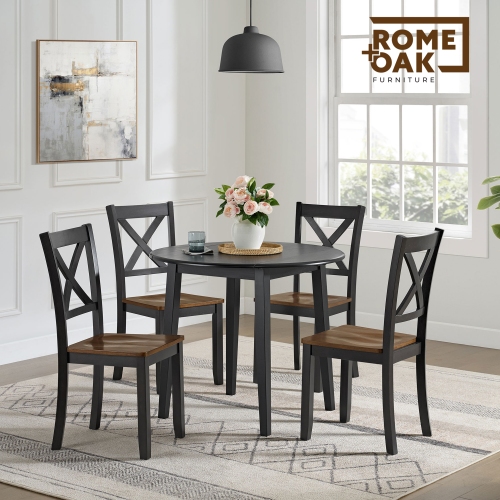 Your price for this item is $392.99
-
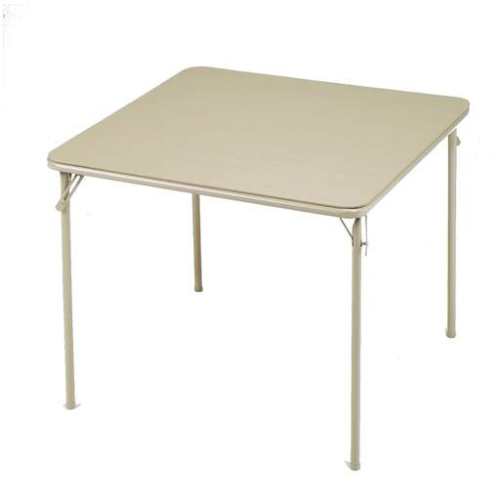 Your price for this item is $243.99
-
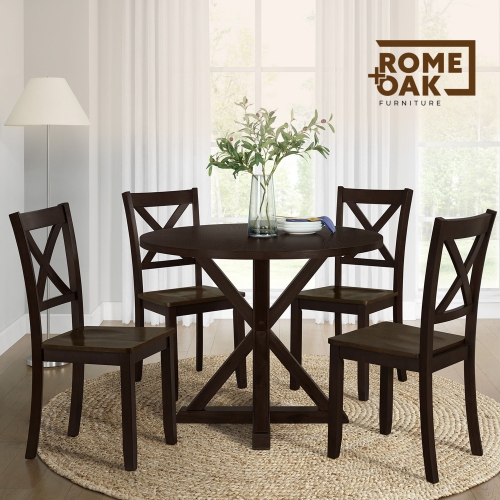 Your price for this item is $827.99
Discover more categories related to Marble Dining Tables
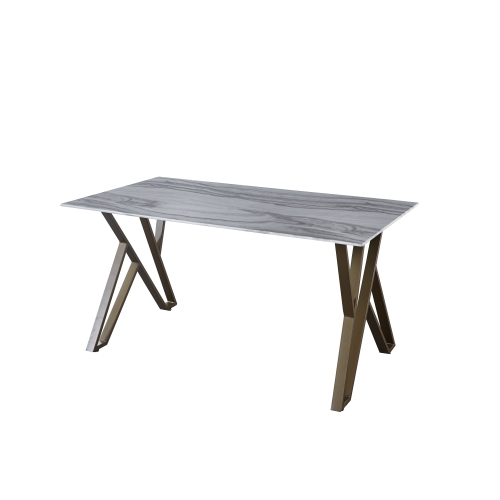
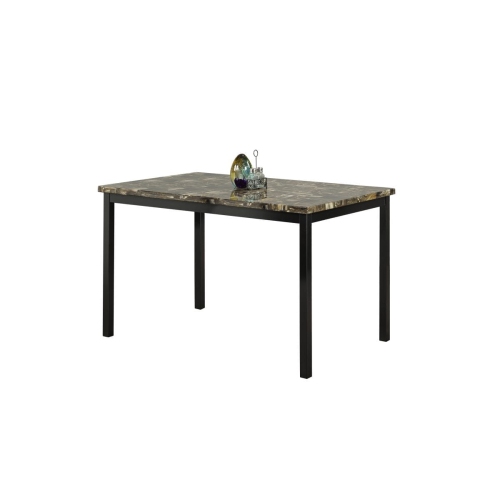
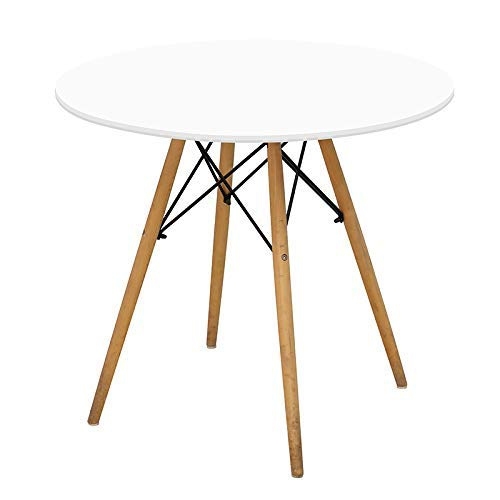
Top Collections:
Best Black Friday Deals This Year, Best Black Friday Deals On Electronics, Kindle Devices, Pokemon Centers, Best Black Friday Deals On Apple Products, Best Cameras for Sports Photography, Dyson Airwrap, Pokémon 30th Celebration Cards, Apple iPhone 17 Pro, Canon G7X Cameras
Some products may be subject to Environmental Handling Fees
(EHF) depending on your province.
Learn more about EHFs.