Massage Tables With Face Cradle
Transform your massage experience with a Massage Table With Face Cradle. Designed to provide unparalleled comfort and support, this essential piece of equipment is perfect for professional masseuses, chiropractors, or anyone looking to enjoy a rejuvenating massage at home. Crafted with precision and attention to detail, our selection of massage tables with face cradles offers a variety of features to enhance your relaxation session. Whether you're seeking adjustable height options, luxurious padding, or convenient portability, our range of massage tables has something to suit every need. Discover the perfect companion for your massage therapy practice and elevate your clients' comfort to new heights.
Sort


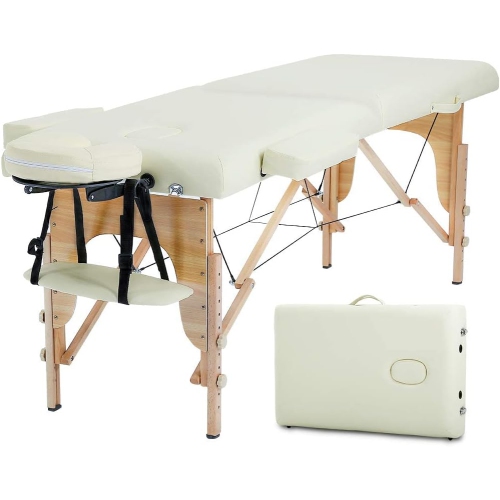

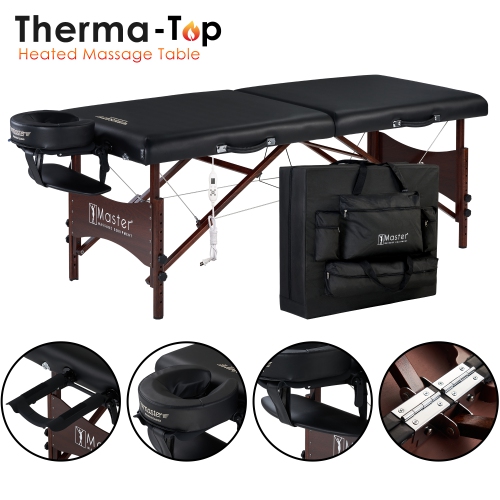
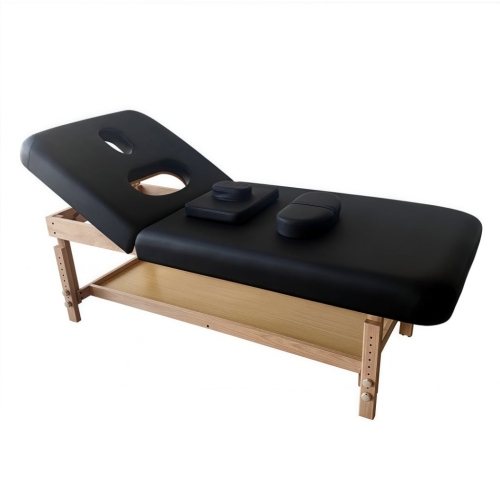

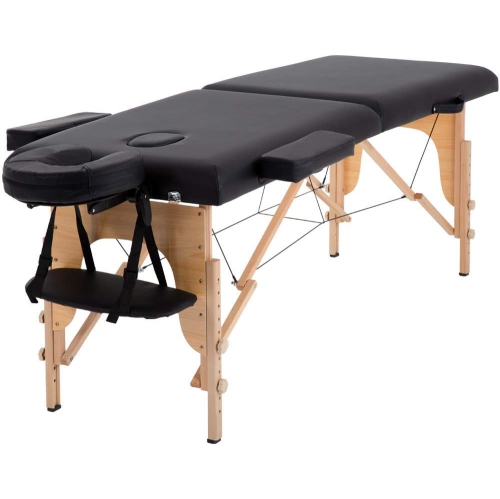
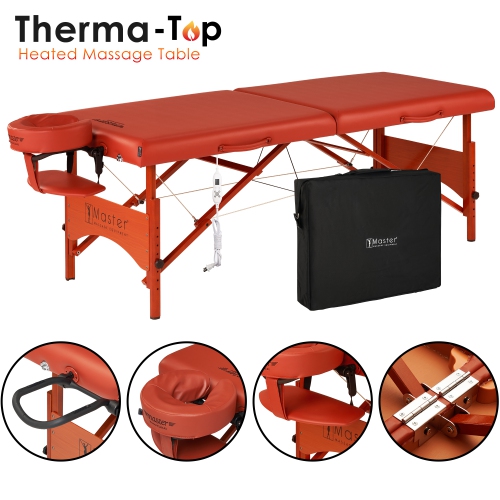
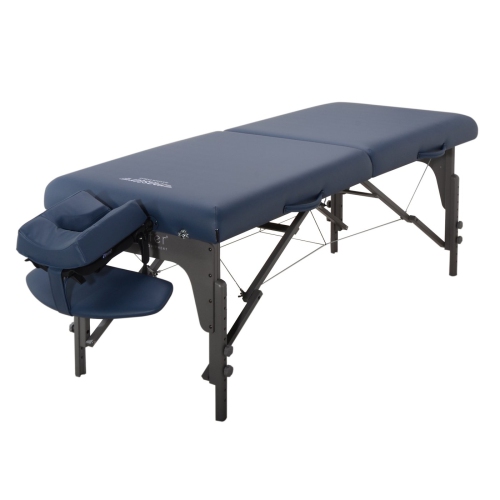
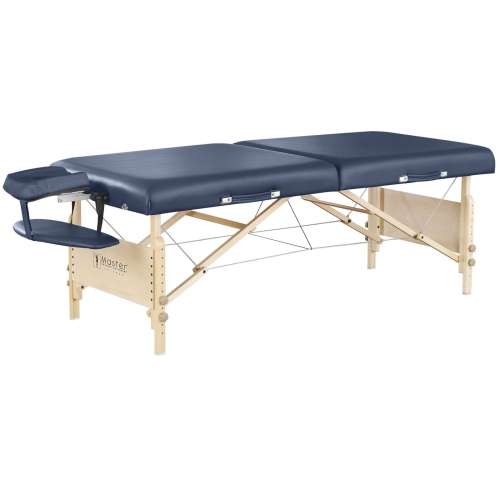
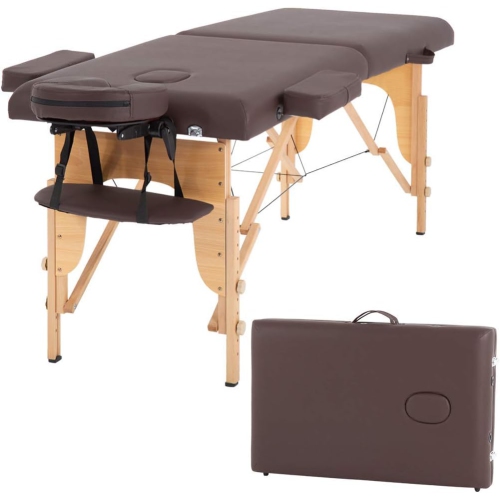





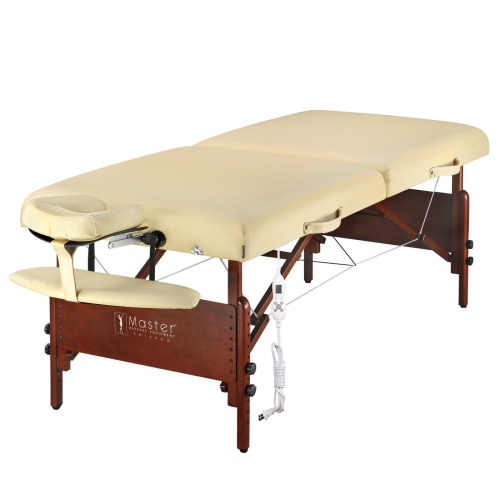
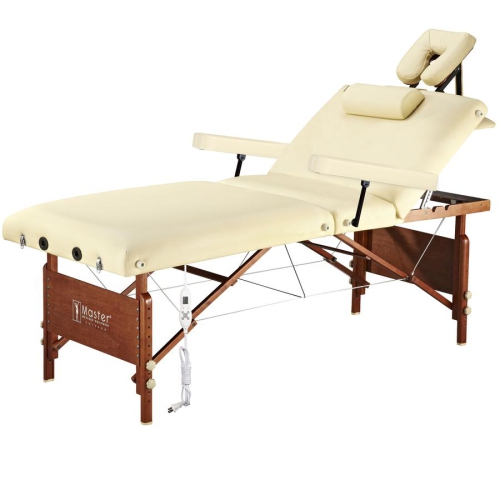


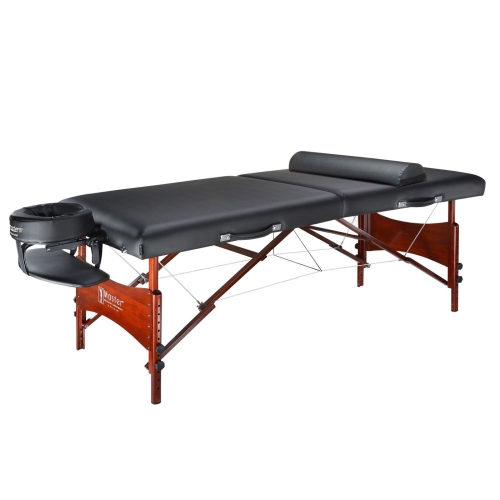


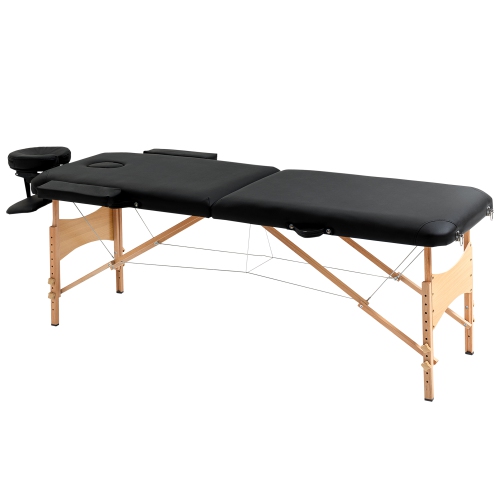


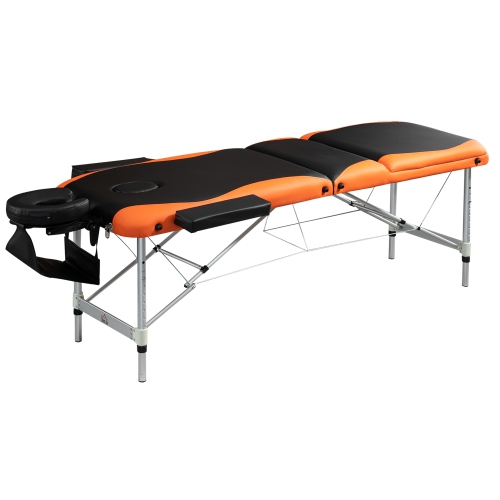


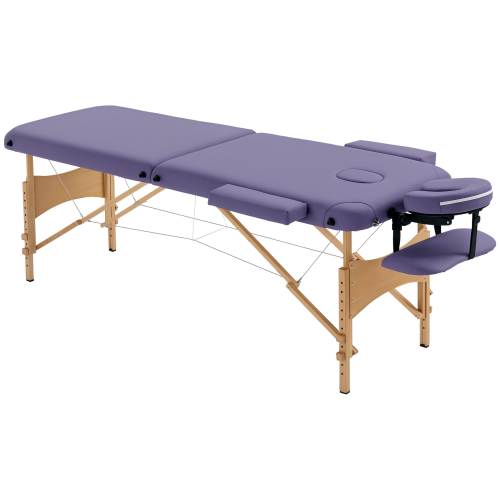
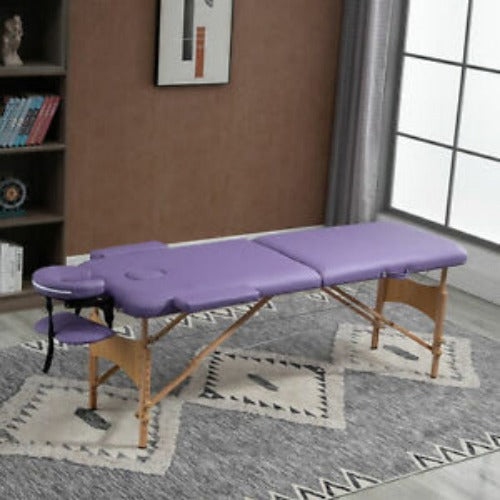
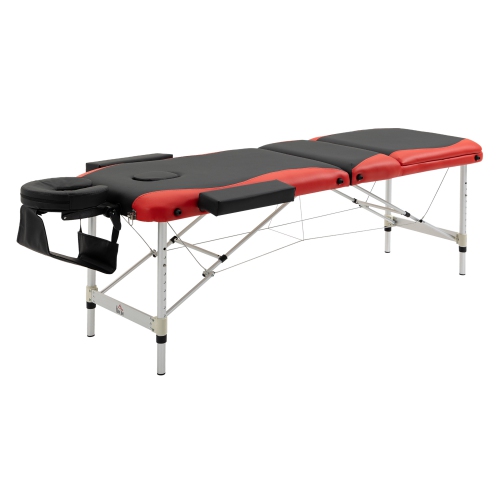


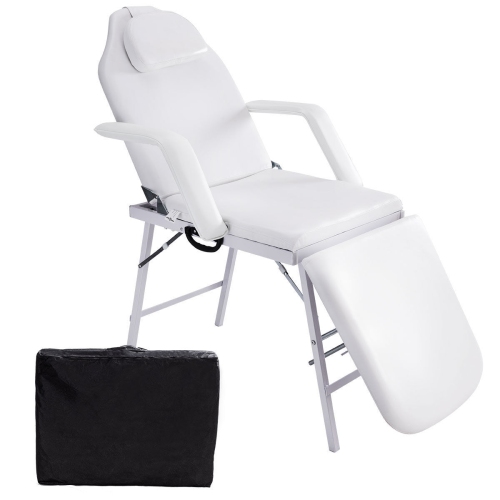
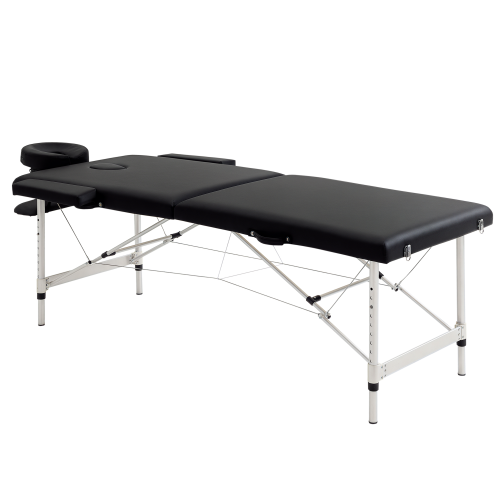
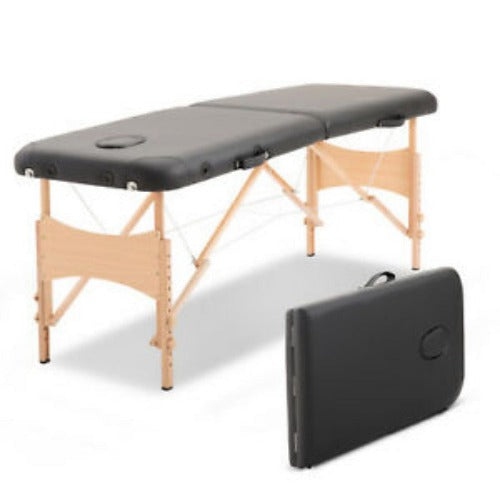

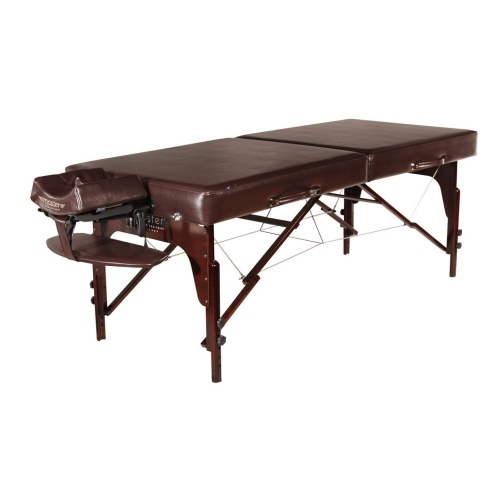
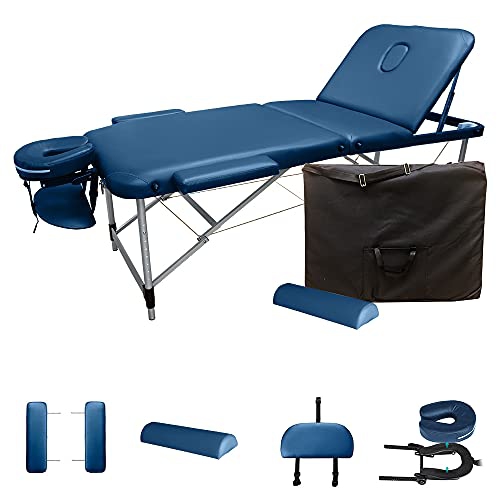
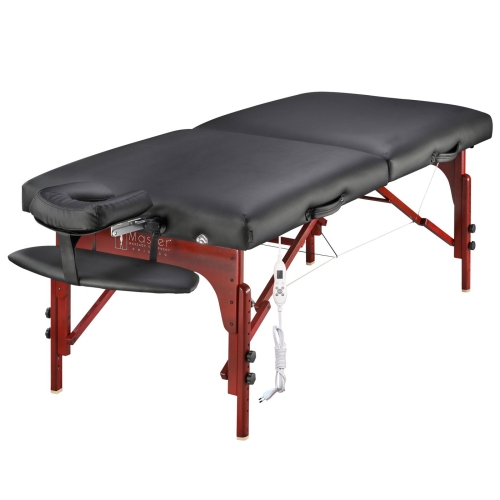


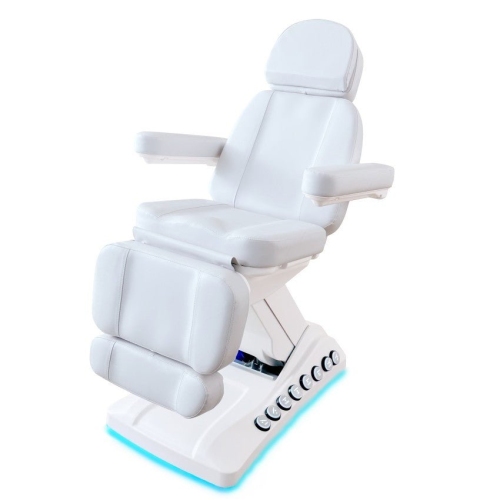

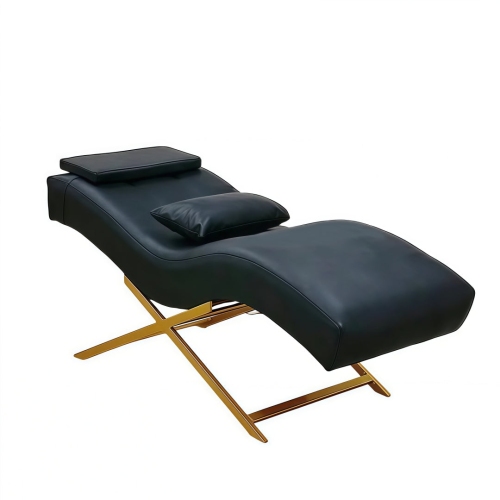

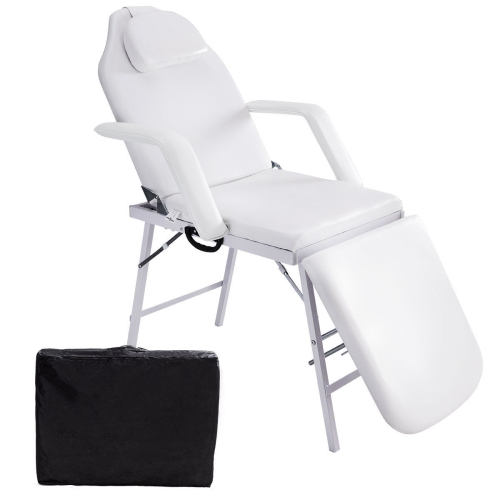
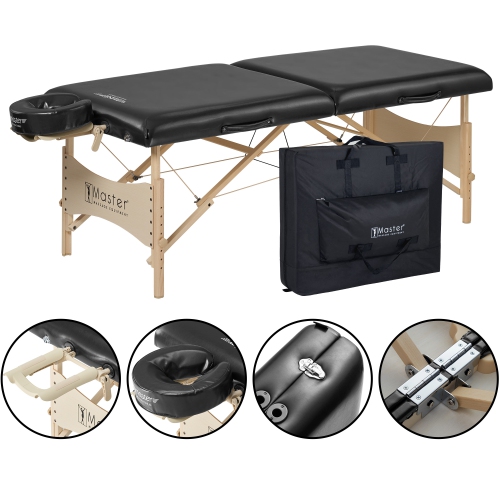


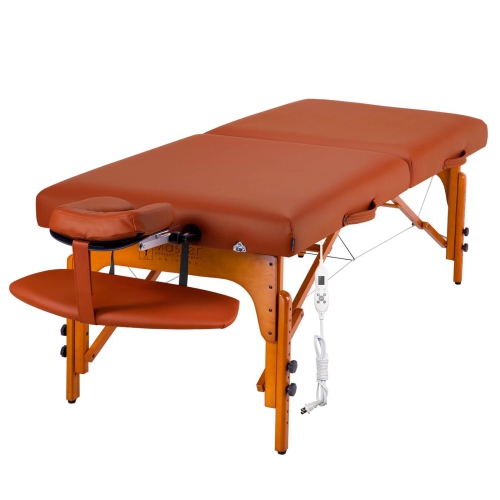


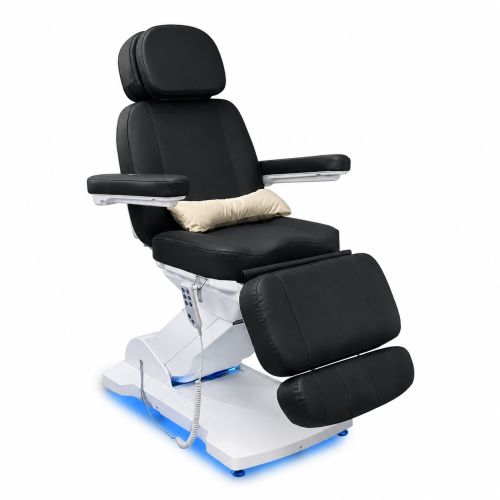









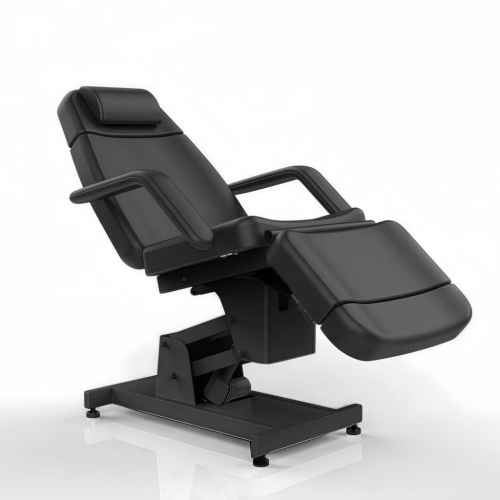
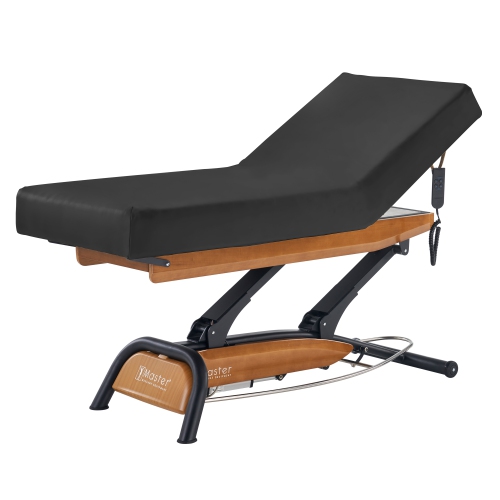

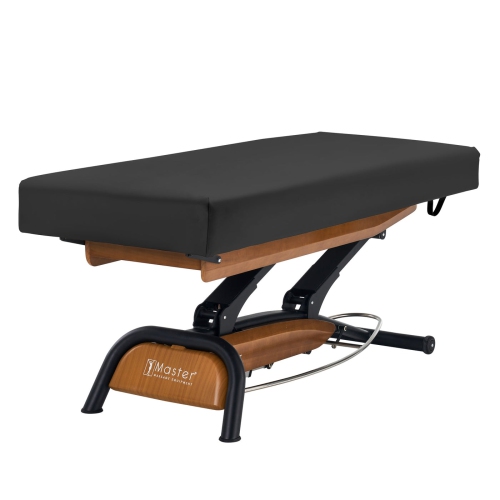
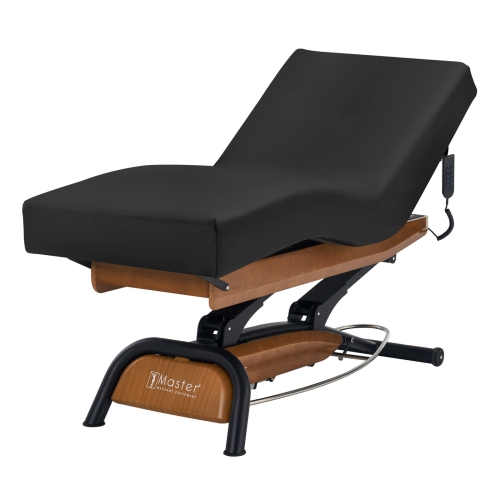






How headrest fit and table design shape comfort
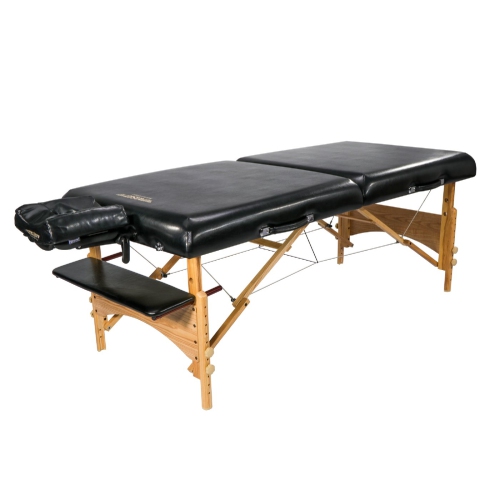
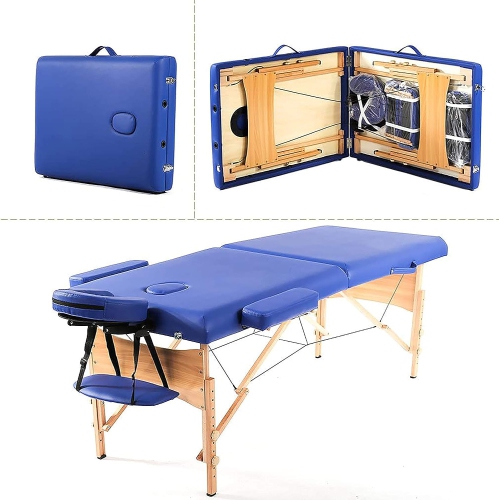
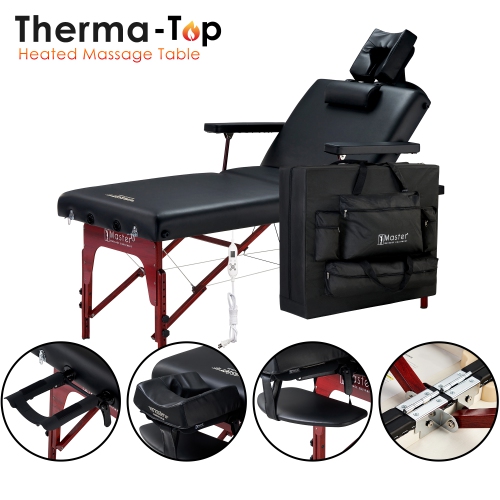
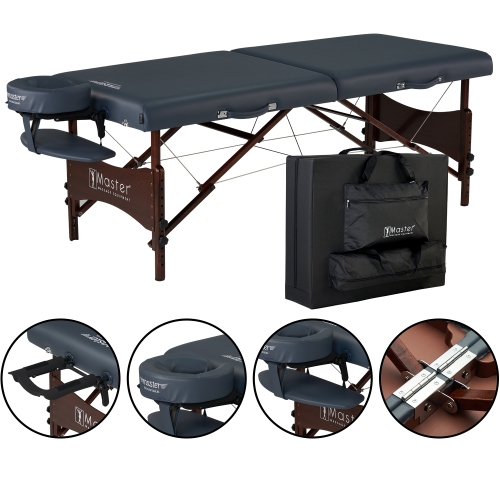
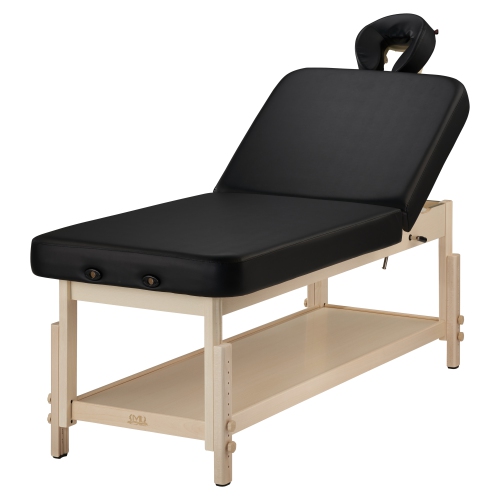
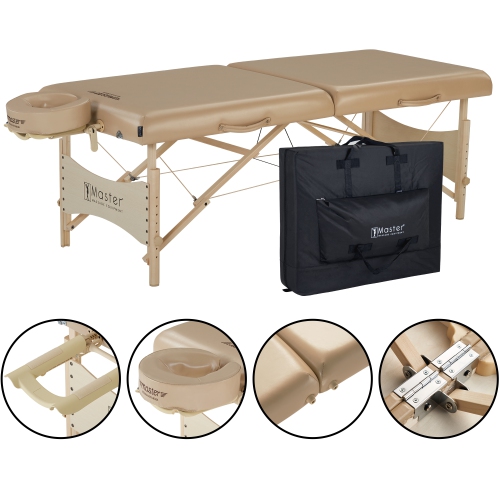
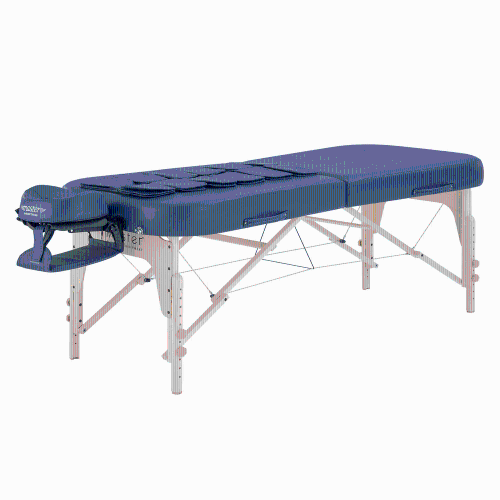
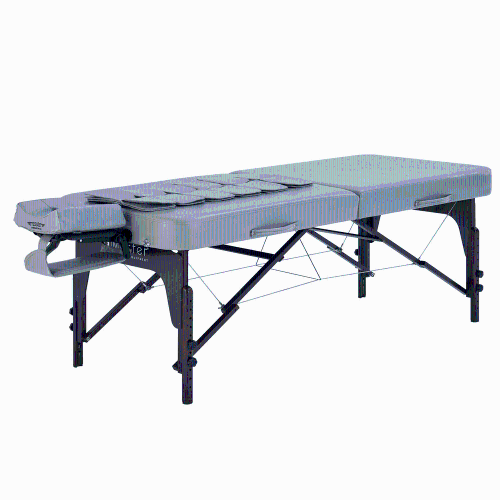
Massage tables with a face cradle provide a padded surface for bodywork, with separate support for the head when a person lies face down. A face cradle is an adjustable headrest frame that attaches to the end of the table and holds a cushioned face pillow, often shaped like a horseshoe. Its open centre leaves space around the nose and mouth, while the cushion supports the forehead and cheekbones. This arrangement allows the head to face downward rather than turn to one side throughout a session. Comfort depends on how well the cradle’s height, angle, and cushioning suit the person using it; a headrest that sits too high or too low can leave the neck feeling awkwardly positioned. Adjustable mechanisms allow the practitioner to bring the cushion closer to a comfortable position relative to the shoulders and table surface. Depending on the design, separate controls may change the height and tilt, while a locking lever secures the frame once positioned. The number of adjustment settings alone does not tell the whole story: smooth movement, a secure hold, and easy access to the controls also matter during everyday use. A contoured cushion can spread contact across a broader area, although individual preferences vary, especially during longer appointments. For massage therapists, bodywork practitioners, and students in supervised training, these details help make the table adaptable to different clients. In a dedicated home treatment space, a folding table with a face cradle can provide a practical surface for non-clinical relaxation massage. The distinction between a complete table and a separate headrest attachment is important, since a face cradle frame, face cushion, and table may not always be supplied together. A table’s built-in face opening is also different from an external cradle: the external support extends beyond the tabletop and may offer more positioning flexibility, depending on its construction.
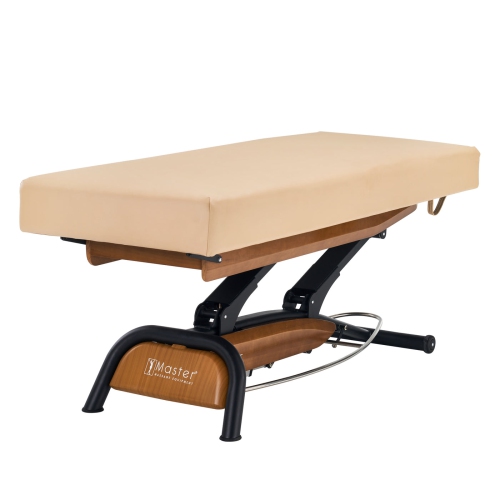
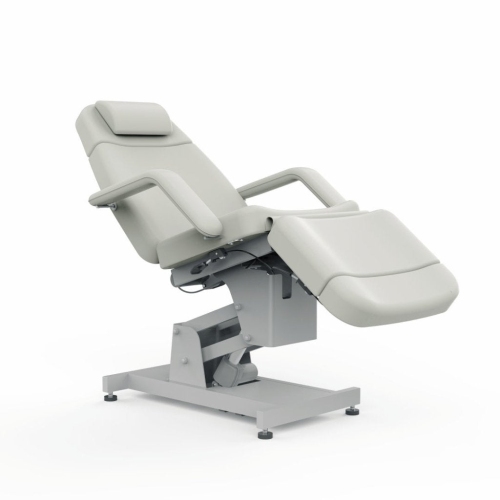
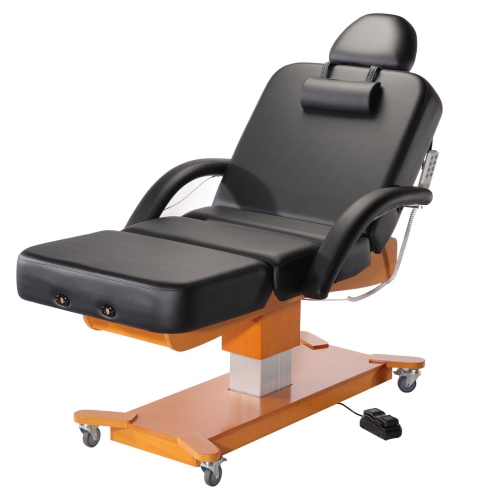
The table beneath the face cradle has just as much influence on comfort and everyday usability. Hardwood and aluminum frames are common choices, with stability depending on the complete design, including the legs, hinges, bracing, cables, and attachment points. A portable massage table typically folds into a carryable shape, making it useful for mobile appointments, shared treatment rooms, or spaces that serve more than one purpose. Carrying weight matters when a practitioner moves between locations, especially when stairs, parking distances, linens, and other equipment are part of the routine. A stationary table suits a dedicated room where frequent transport is unnecessary, while adjustable table height helps accommodate different working positions. Manual leg adjustments and powered lifting systems serve different needs, and neither should be assumed from the presence of a face cradle. Table width involves a practical balance: a broader surface offers more room for the person lying down, but it can also increase the distance a practitioner needs to reach. Length should account for both the main tabletop and the headrest extension, with enough clear space around the assembled table for comfortable movement. Padding can range from a firmer, supportive feel to a softer surface, and thickness alone does not establish how well foam will hold its shape over time. Layered foam, cushion density, upholstery tension, and the strength of the underlying platform all contribute to the overall feel. Smooth synthetic upholstery, including polyurethane or vinyl coverings, is common because it can be cleaned according to the manufacturer’s directions. Seams, corners, and areas around hinges deserve attention because repeated folding and handling put these points under strain. The stated working weight capacity is another essential specification, particularly because massage involves more than a person resting motionless on the surface. A static load figure is not interchangeable with a working capacity, and the manufacturer’s intended-use limits remain the relevant reference for safe use.
Fit and care continue to matter after a massage table is set up. Face cradle mounting posts must match the table’s sockets, and compatibility depends on post spacing, diameter, insertion depth, and the attachment mechanism—not simply whether an accessory is described as universal. The cushion must also fit its platform securely without shifting or leaving hard edges exposed. A removable face pillow can make cleaning and replacement more manageable, while washable covers and fitted linens create a fresh contact surface for each person. Related Massage Table Accessories can include face cradle covers, bolsters, carrying cases, and other additions that support a complete setup, provided their dimensions and intended uses match the table. A bolster beneath the ankles or another suitable support may help with positioning, but accessories should not interfere with the table’s stability or adjustment controls. Between appointments, cleaning products need to be compatible with both the upholstery and the face cushion; harsh solvents, excessive moisture, or unsuitable disinfectants can damage some coverings and foam. Following the specified cleaning method, allowing surfaces to dry, and replacing torn covers help keep the table ready for its next use. Regular checks of fasteners, hinges, cables, leg locks, and the cradle’s locking mechanism can reveal looseness or wear before it interrupts a session. For a folding table, securing the headrest and loose accessories before transport helps prevent scratches and bent components, while a properly fitted carry case keeps parts together. Storage conditions should follow the manufacturer’s instructions, with the table protected from dampness and unnecessary pressure on the cushion. In practice, the most suitable setup is one that fits both the person receiving massage and the person providing it: a stable surface, an appropriately adjusted face cradle, manageable handling, and materials that tolerate the required care routine. Those qualities remain useful whether the table stays in a treatment room or travels between appointments.
Top selling and popular products
-
 Your price for this item is $2899
-
 Your price for this item is $1899.99
-
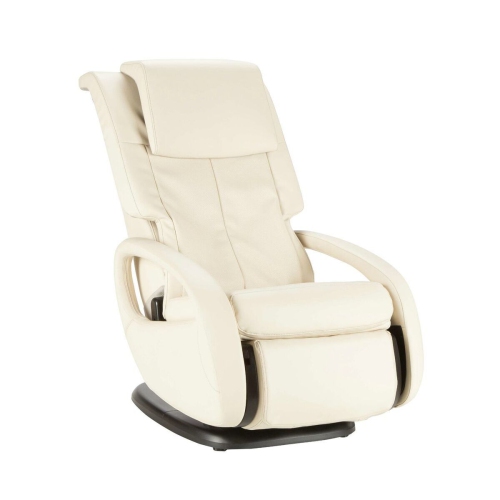 Your price for this item is $3299
-
 Your price for this item is $3299
-
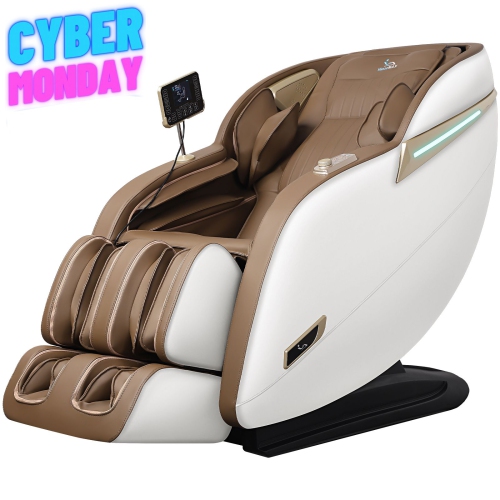 Your price for this item is $1889
-
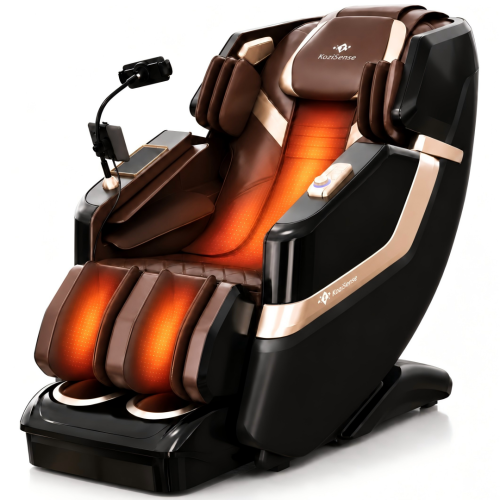 Your price for this item is $2499.99
-
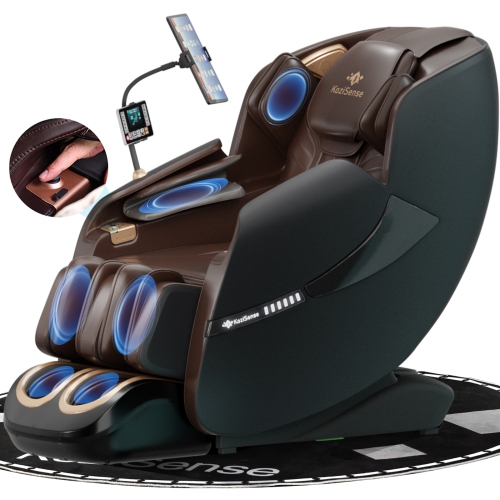 Your price for this item is $1899.99
-
 Your price for this item is $2899
Discover more categories related to Massage Tables With Face Cradle

Top Collections:
Pokemon Centers, Best Cameras for Sports Photography, Kindle Devices, Samsung Galaxy Phones, Canon G7X Cameras, Pokémon 30th Celebration Cards, Refurbished Apple Laptops, iPhone 15 Apple, Laptops for Students, Budget Smartphones
Some products may be subject to Environmental Handling Fees
(EHF) depending on your province.
Learn more about EHFs.