Master Bedroom Decor Ideas
Transform your master bedroom into a serene sanctuary with our curated collection of decor ideas that will elevate the ambiance of your space. From elegant furniture pieces to cozy bedding essentials, discover inspiration to create a harmonious and stylish retreat where you can unwind and recharge. Whether you prefer a modern minimalist aesthetic or a more traditional and opulent look, explore a variety of themes and elements to design a master bedroom that reflects your personal style and promotes relaxation.
Sort
































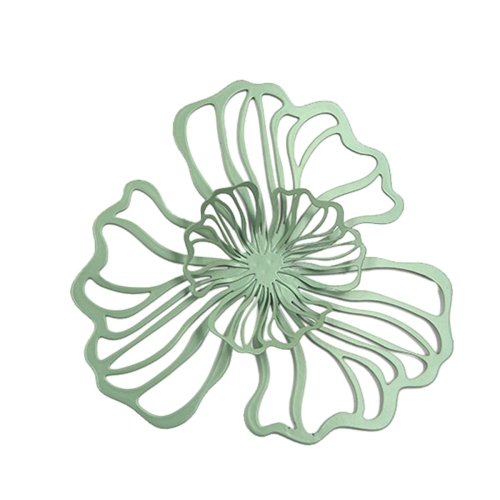
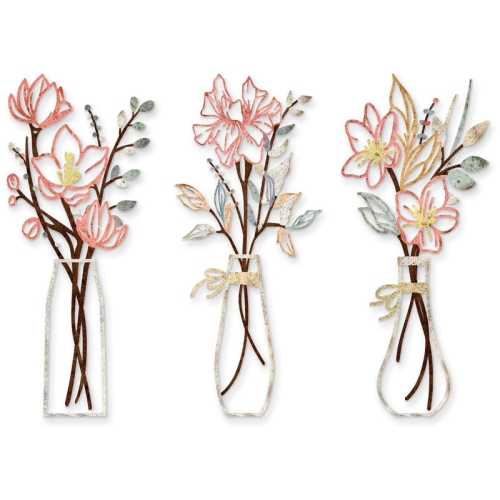

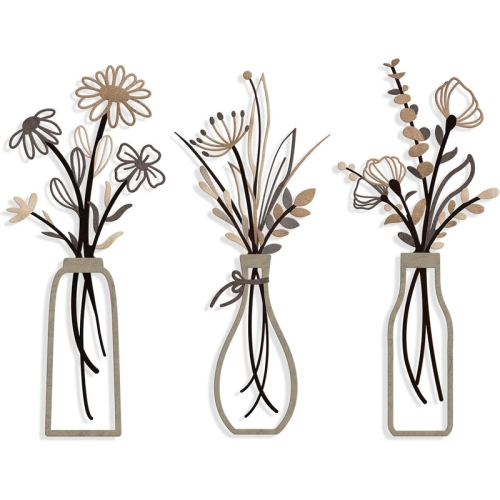
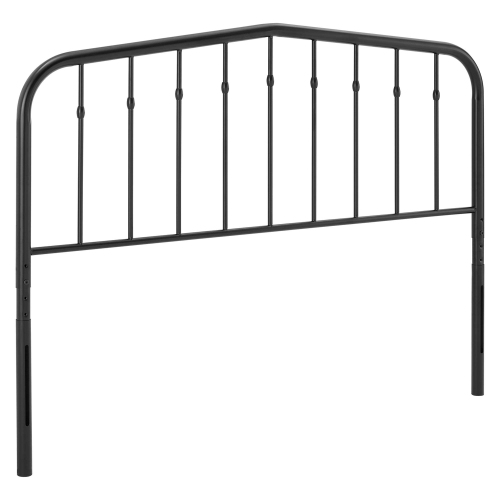



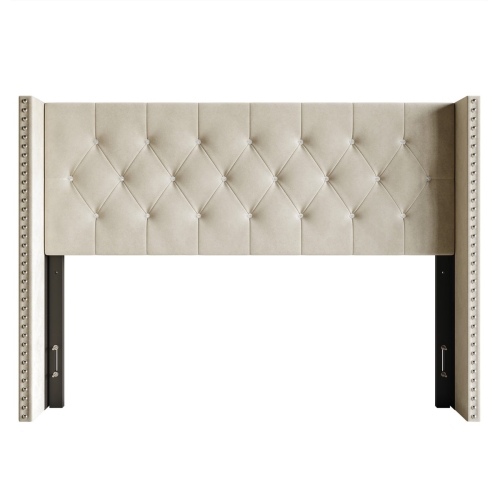





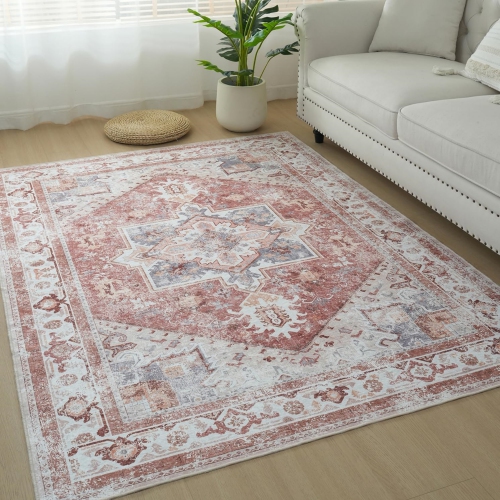

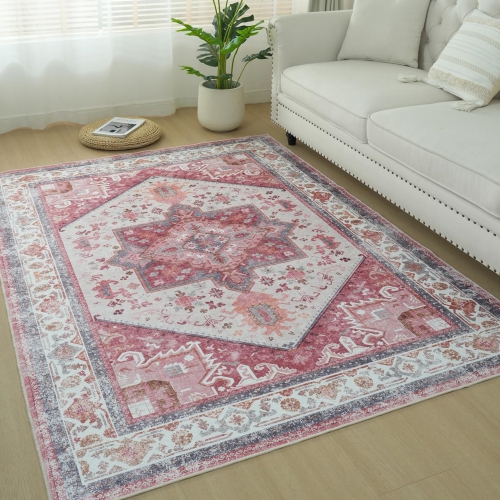
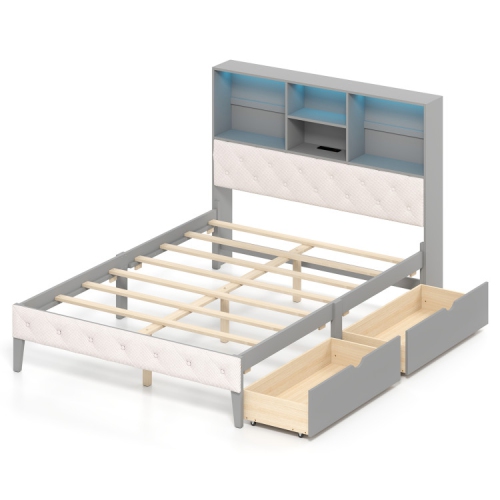


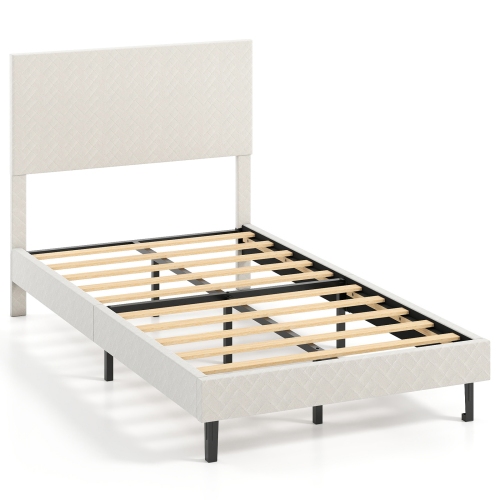
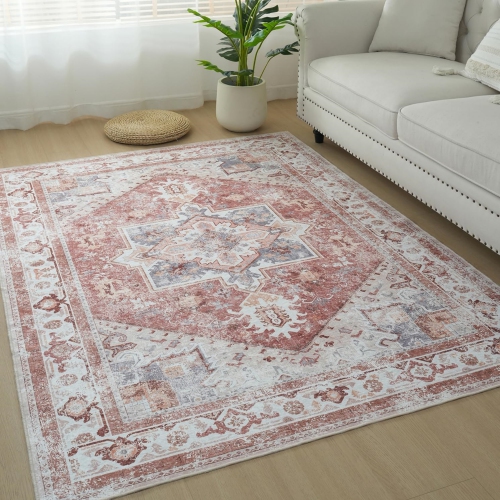
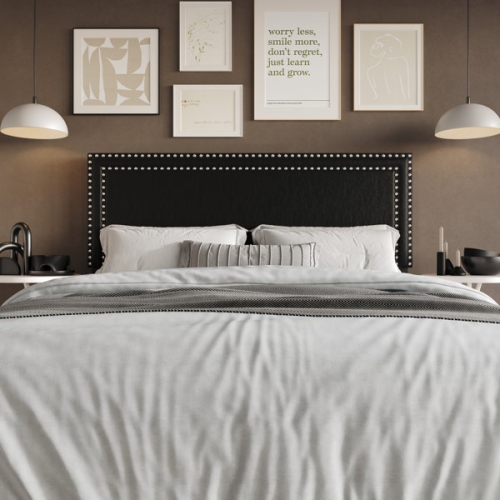
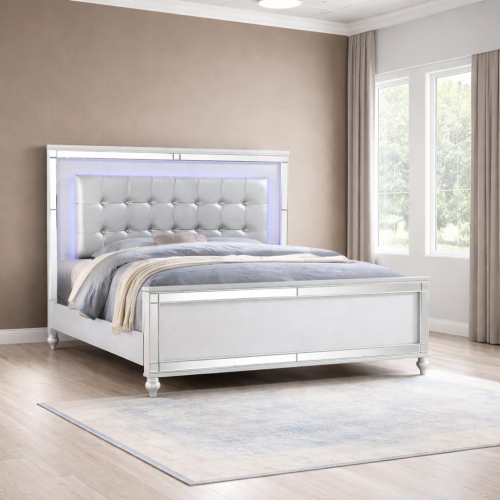
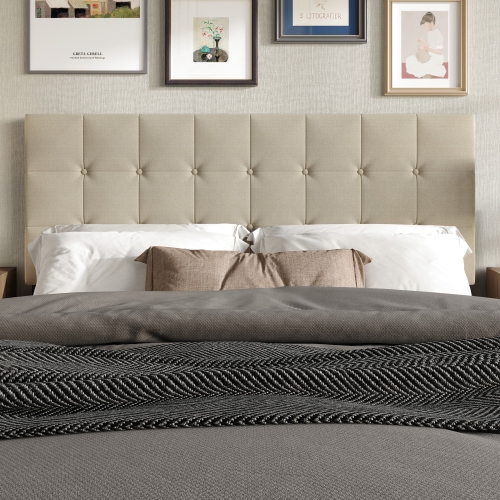
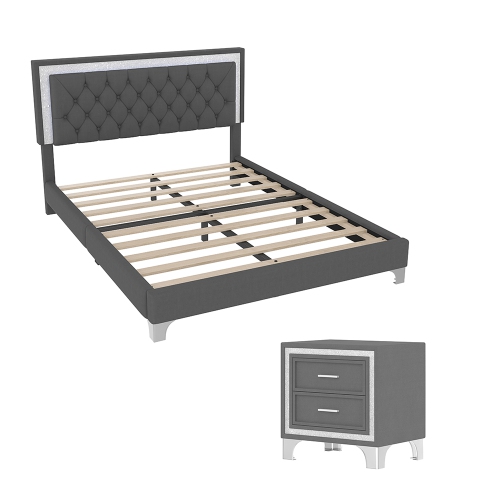

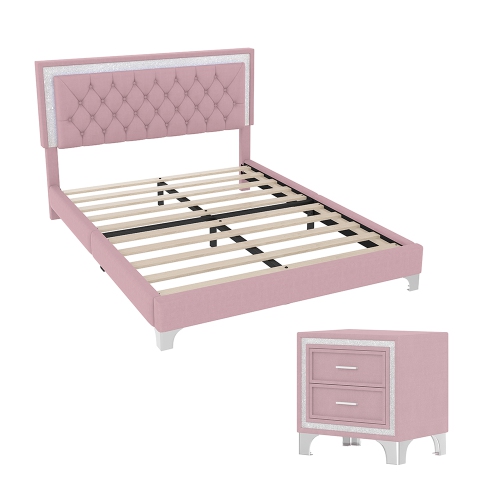
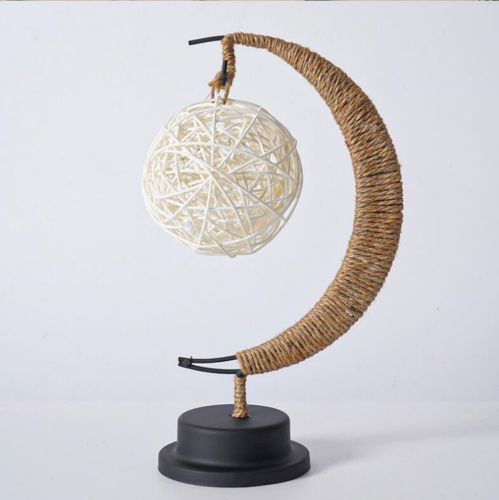
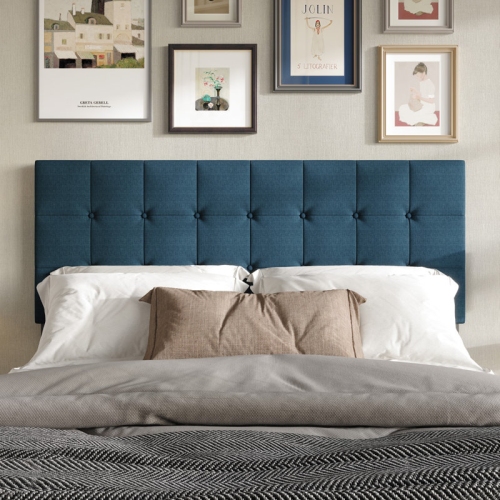
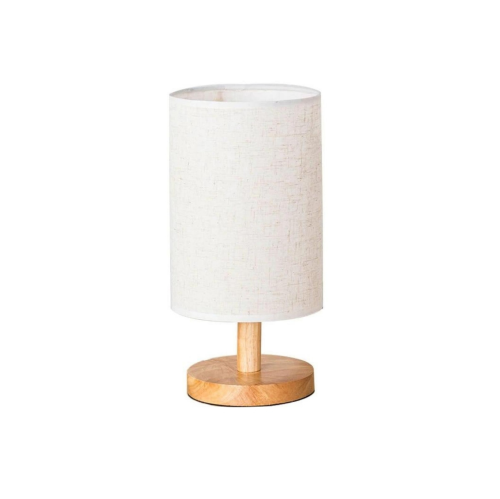


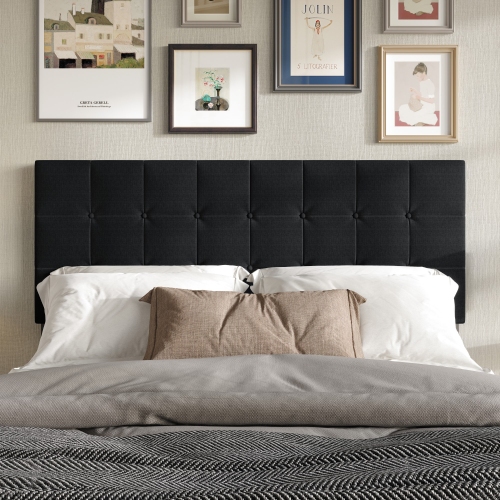
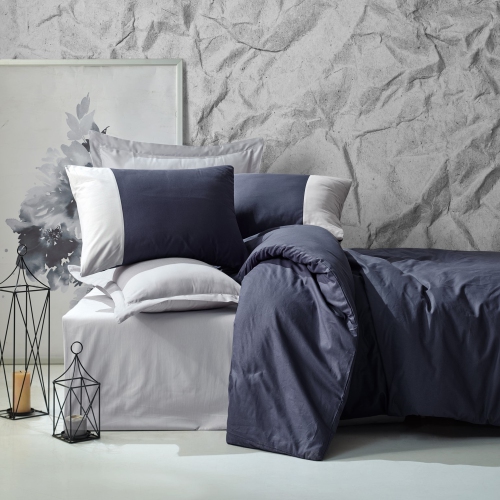


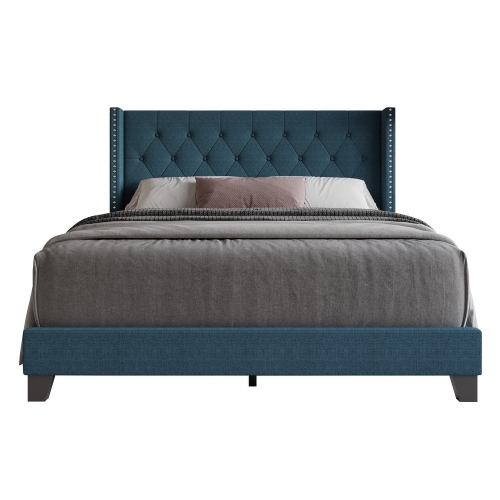
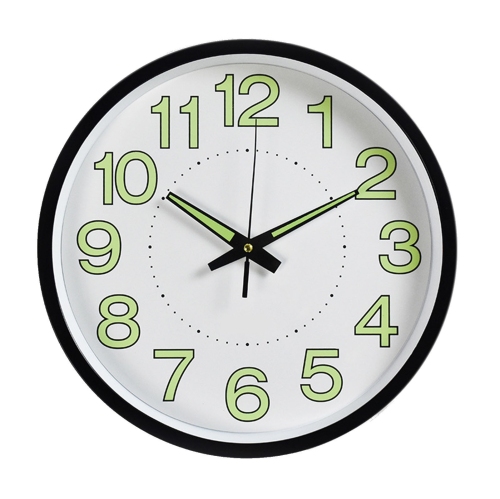
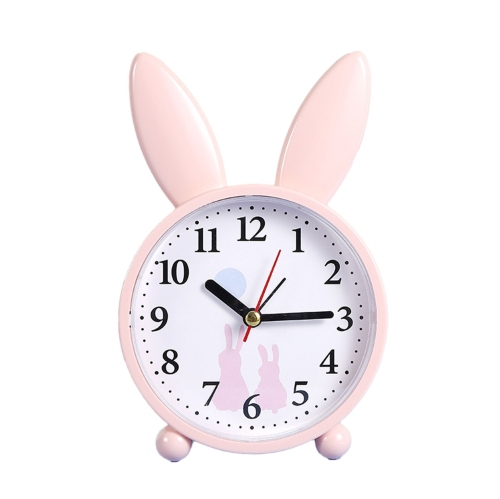


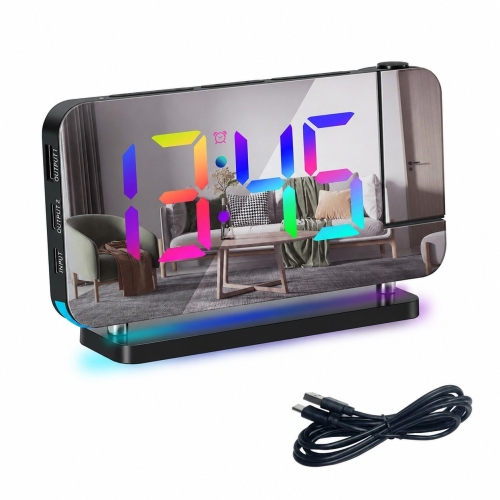

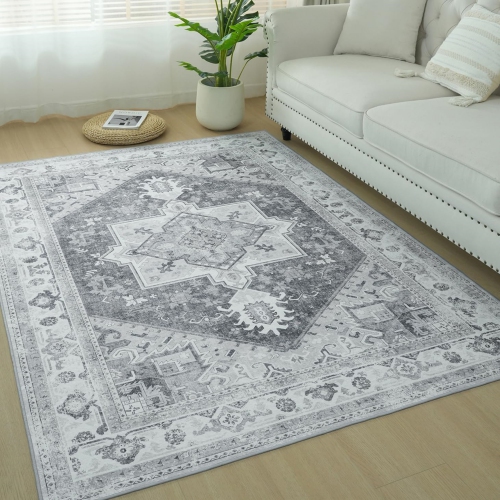
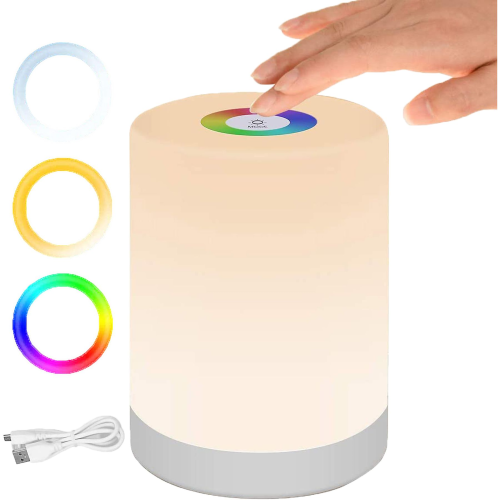
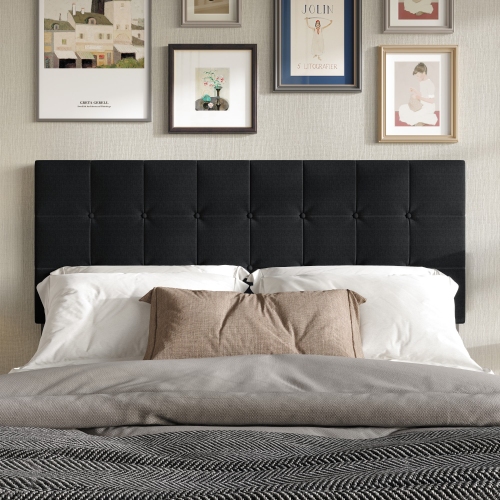
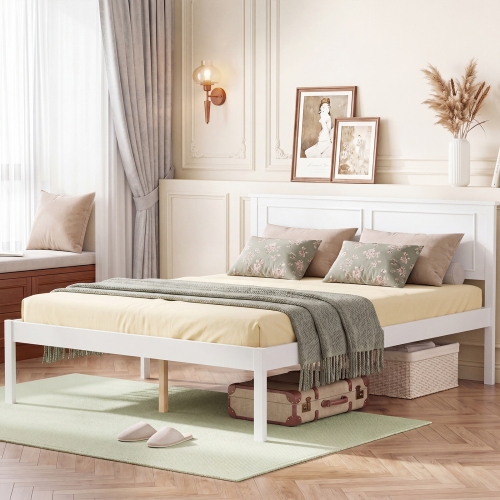

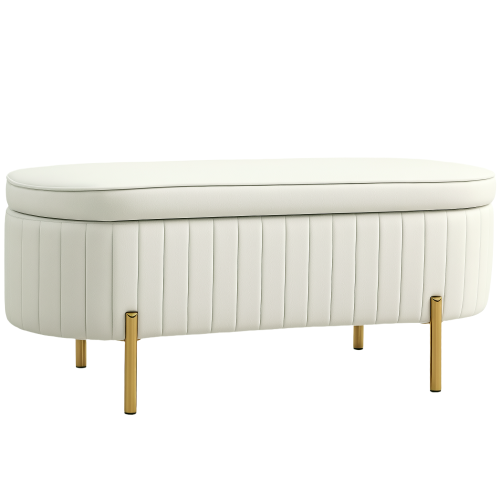
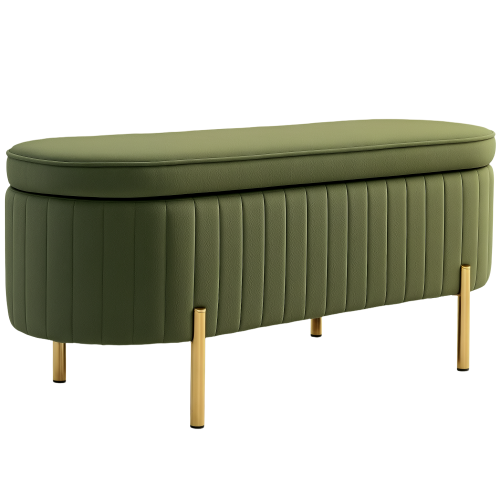
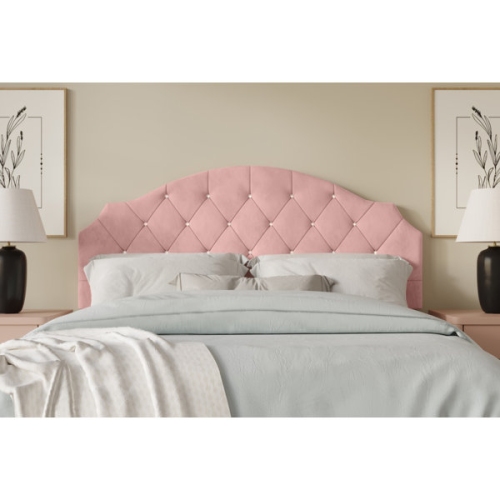
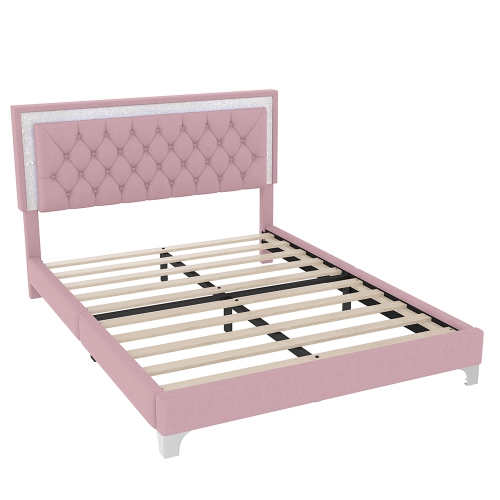

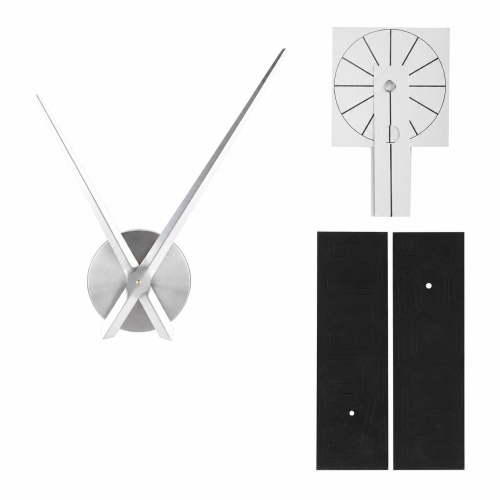
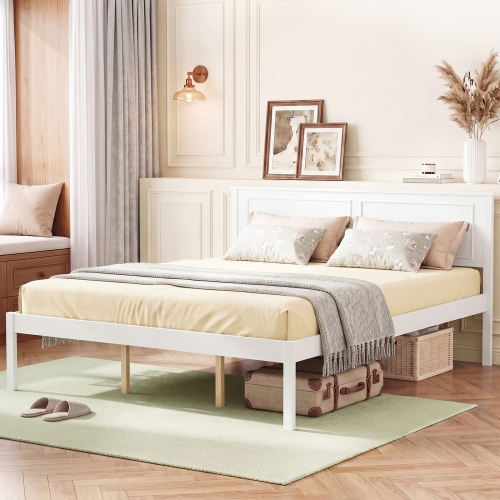
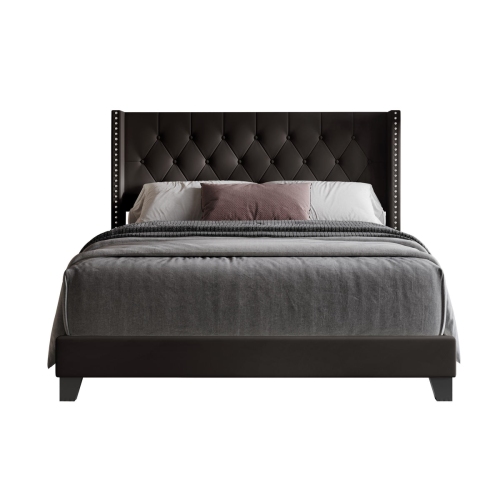
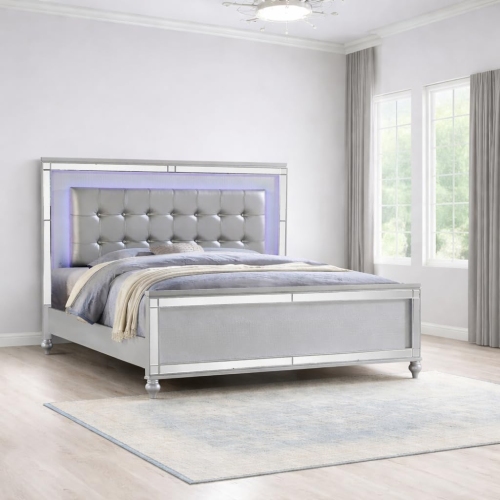
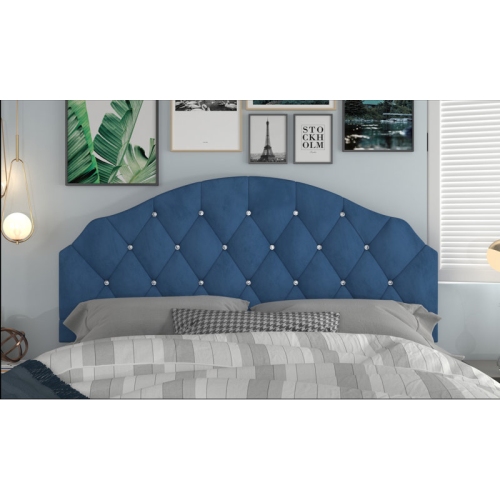
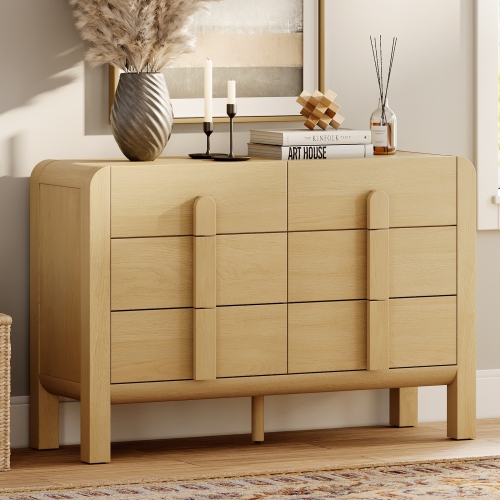


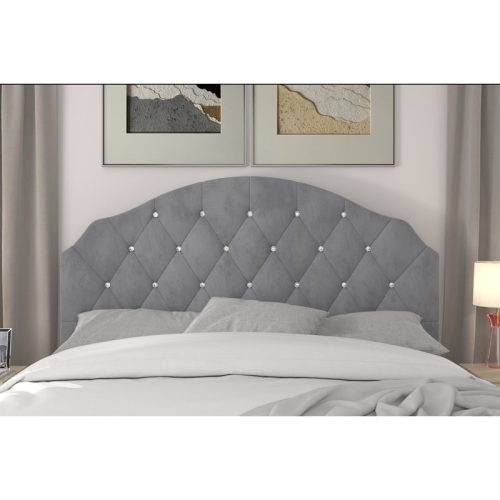
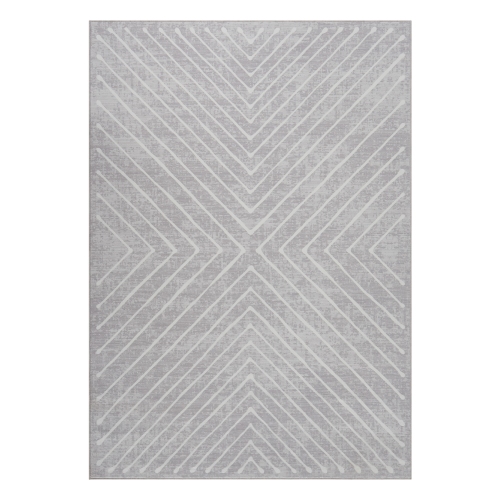



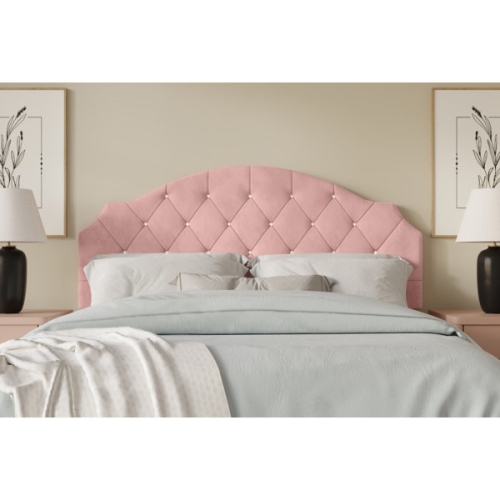

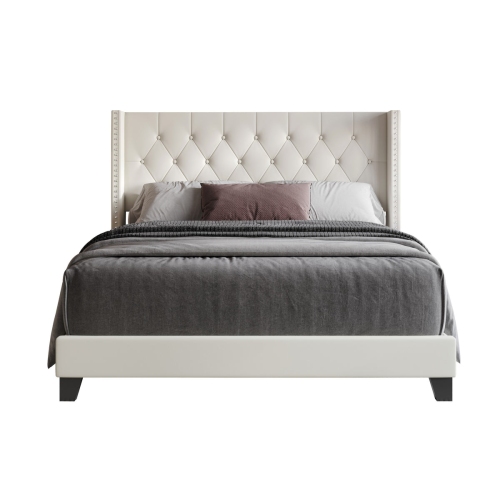
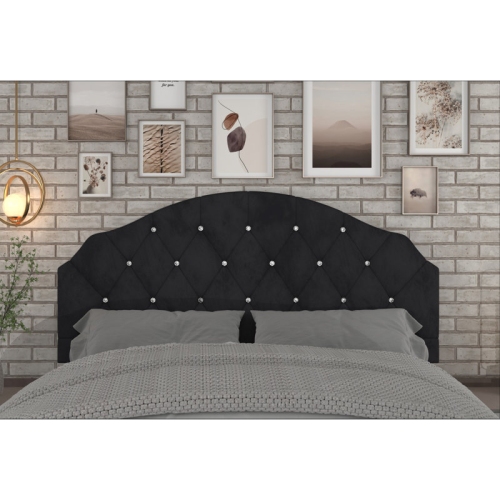
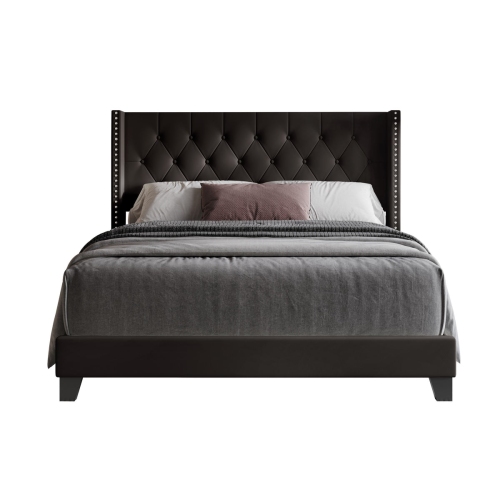



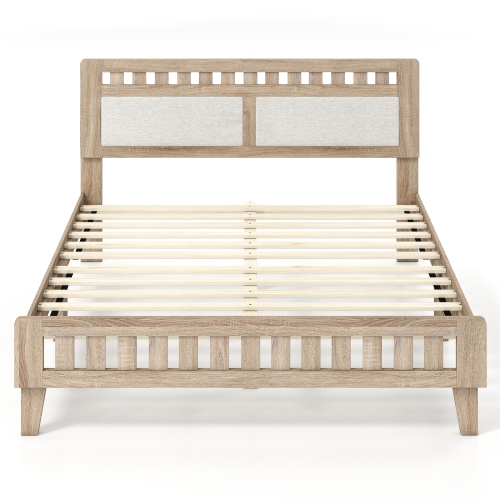
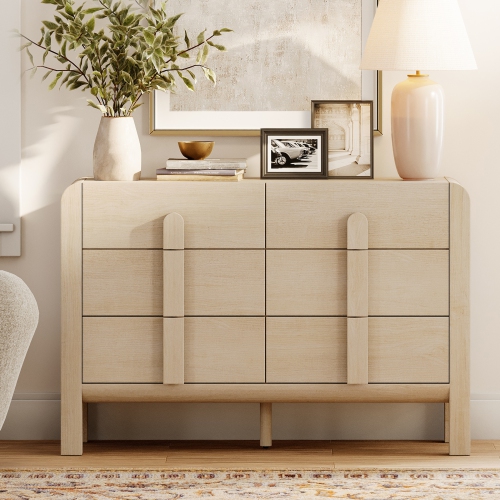

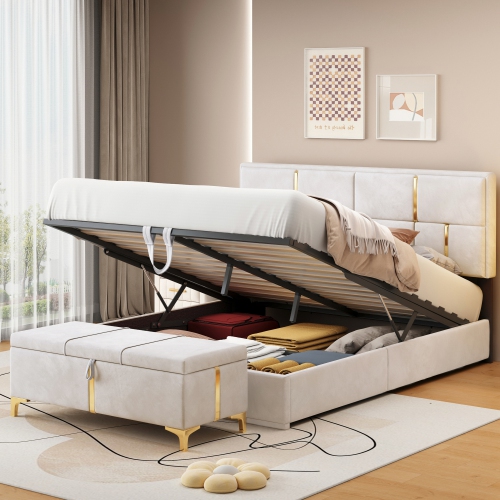
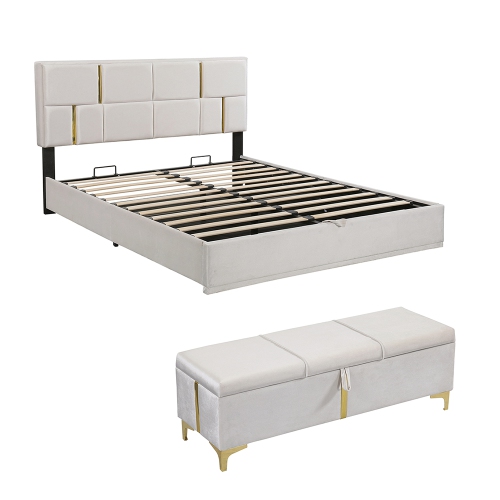
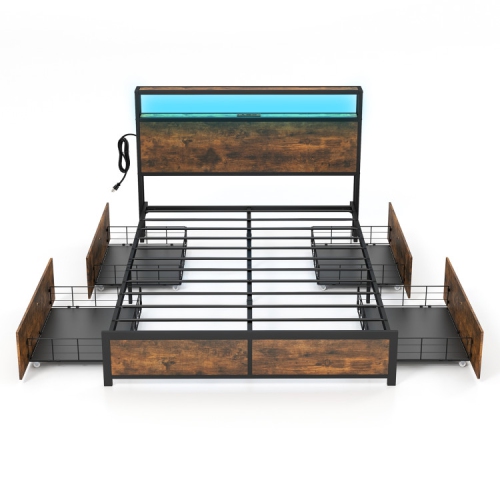

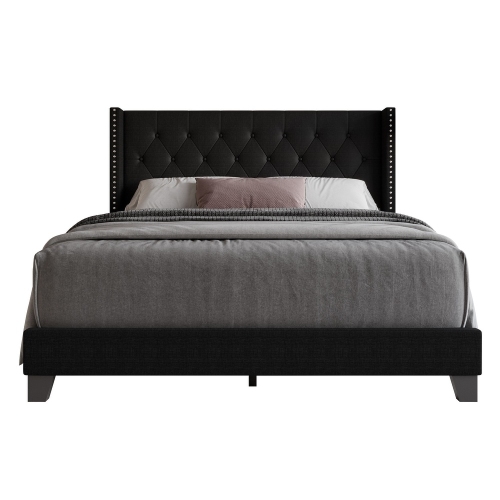
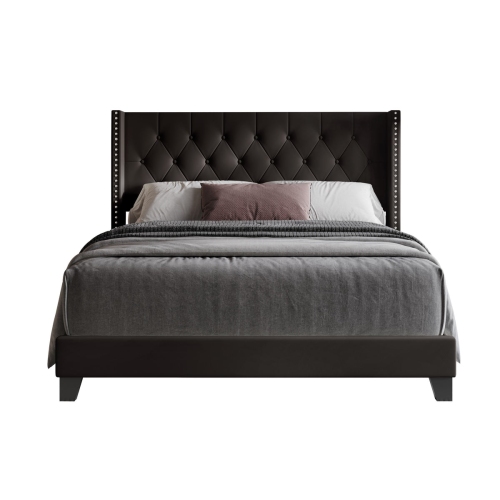
A restful bedroom starts with colours that connect
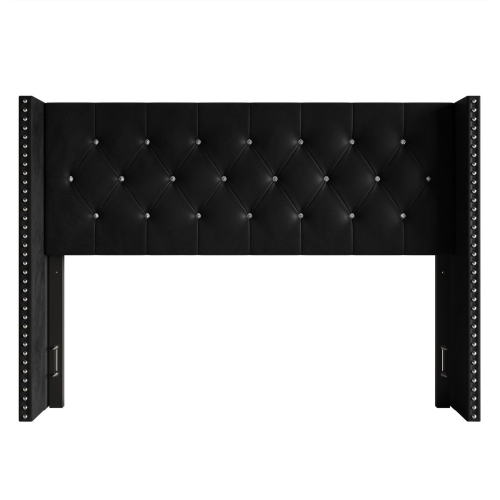
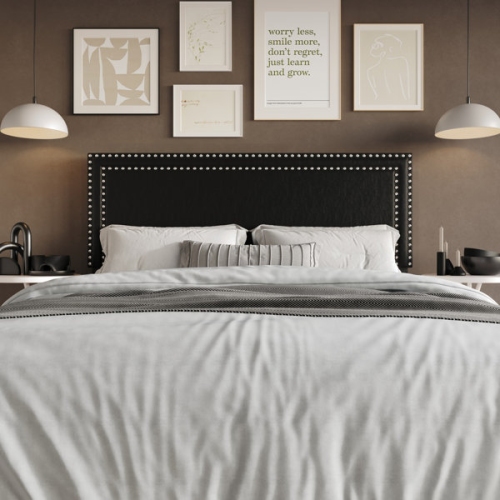
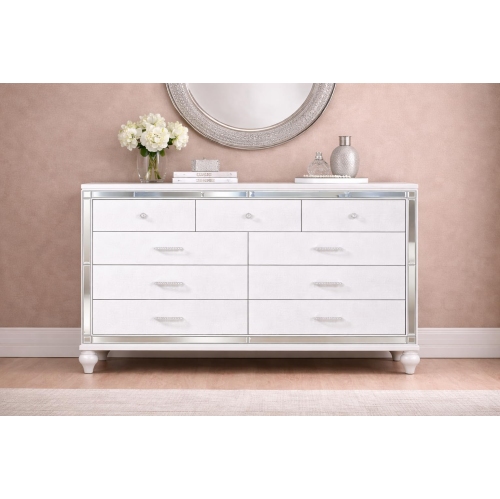
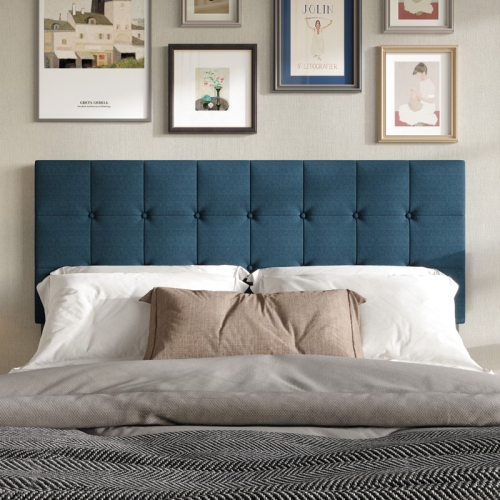
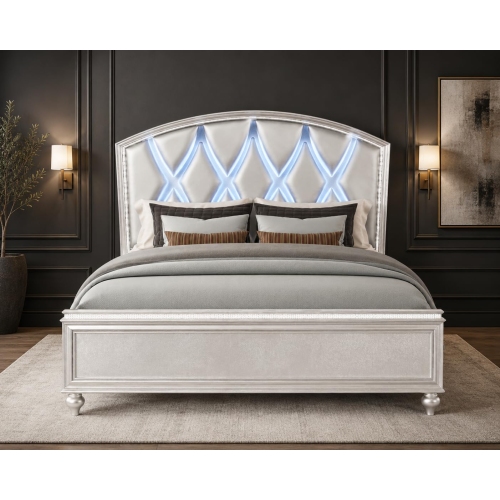
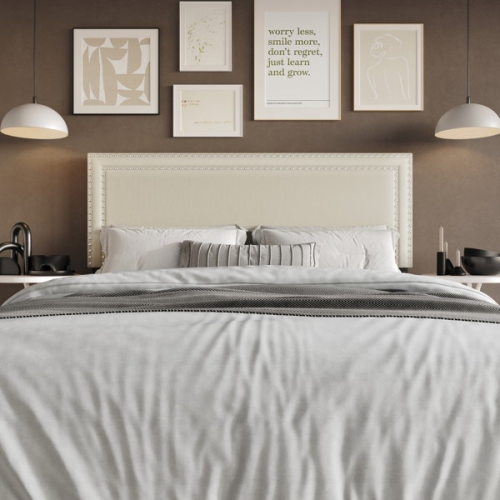
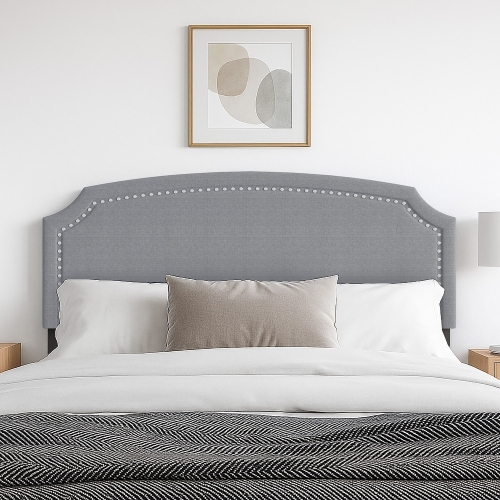
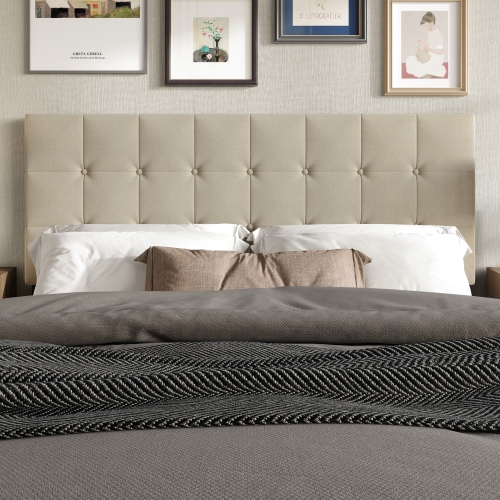
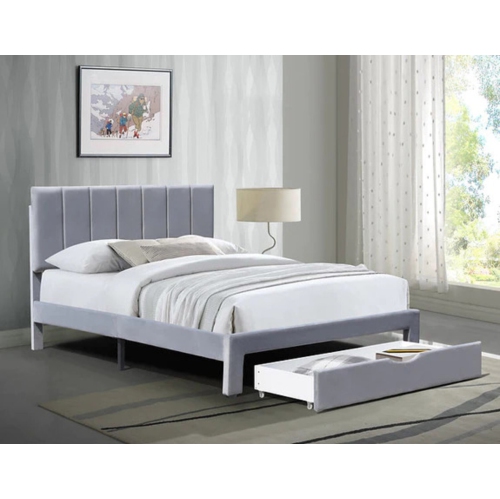
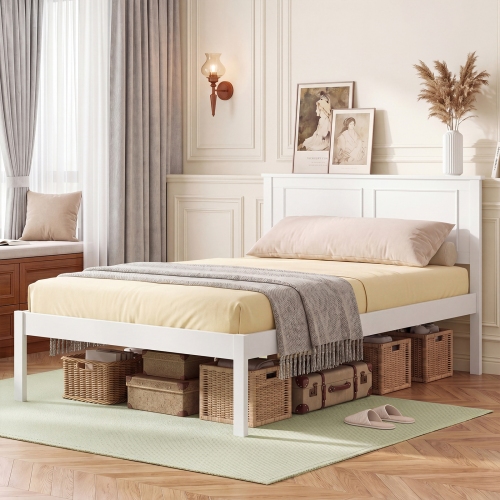
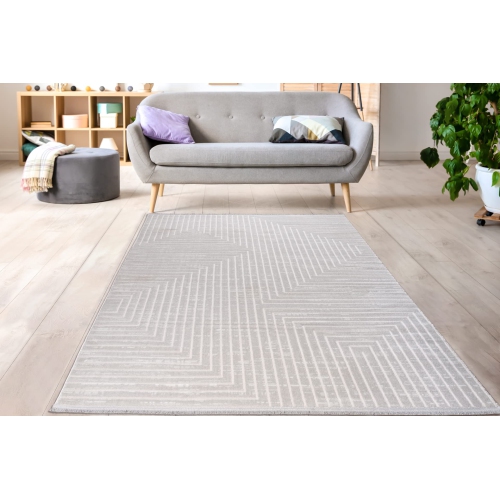
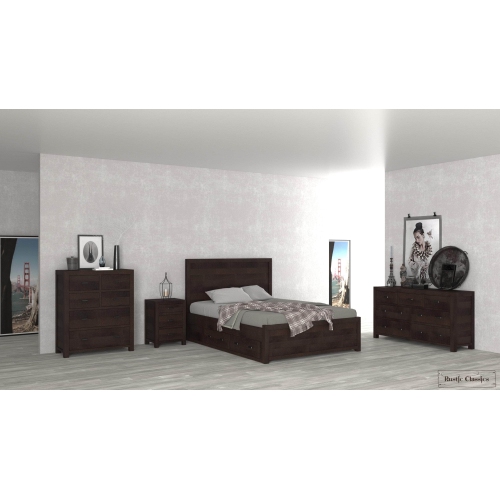
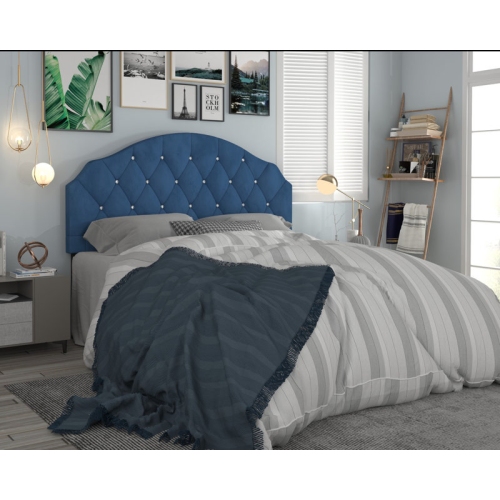
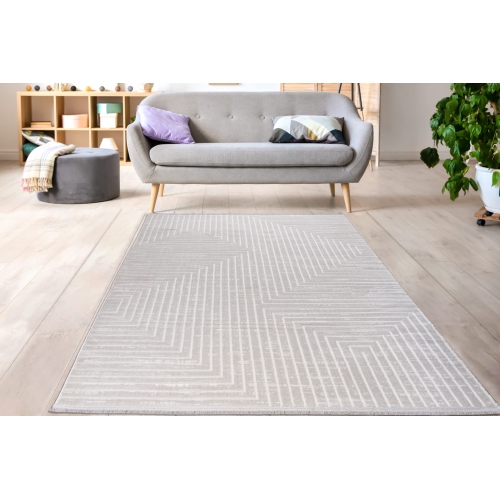
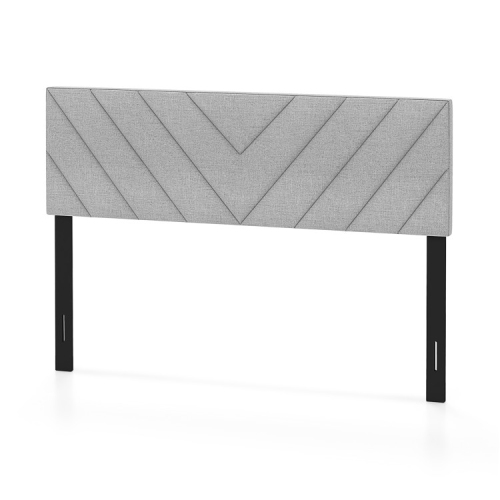
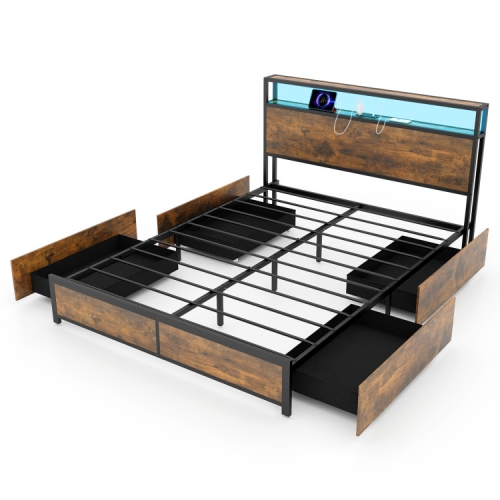
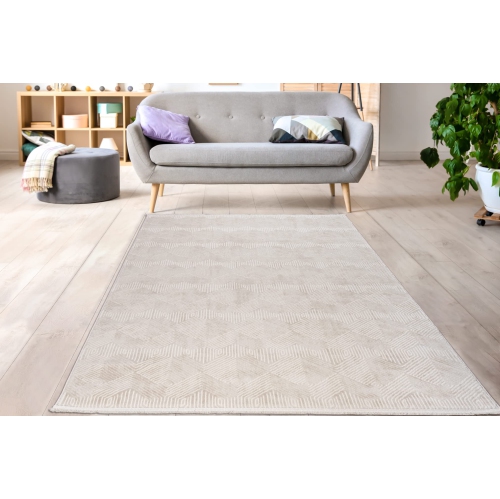
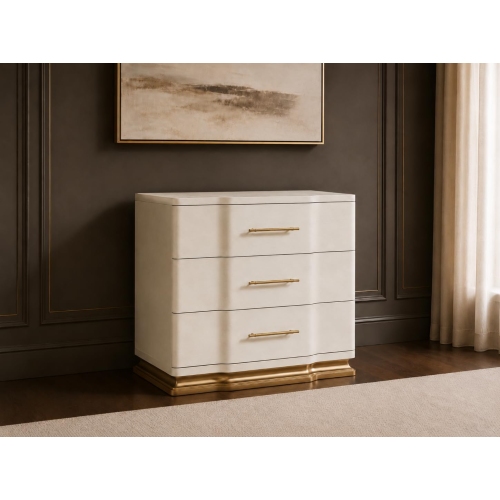
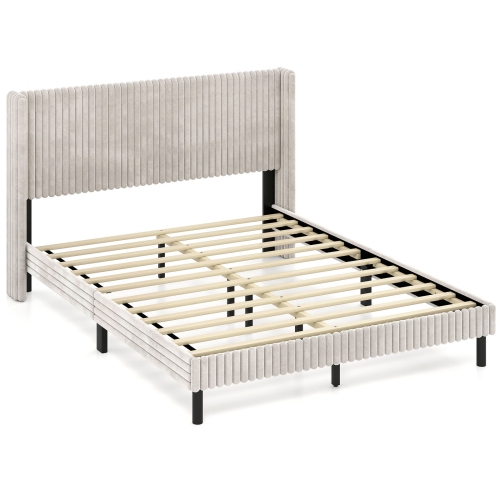
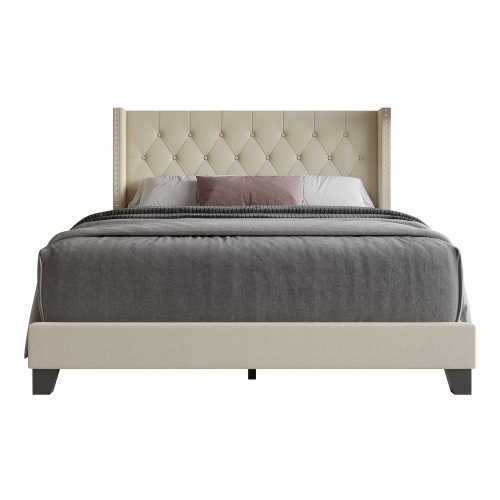
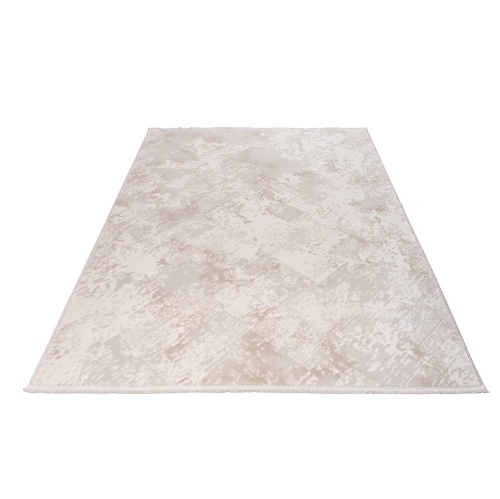
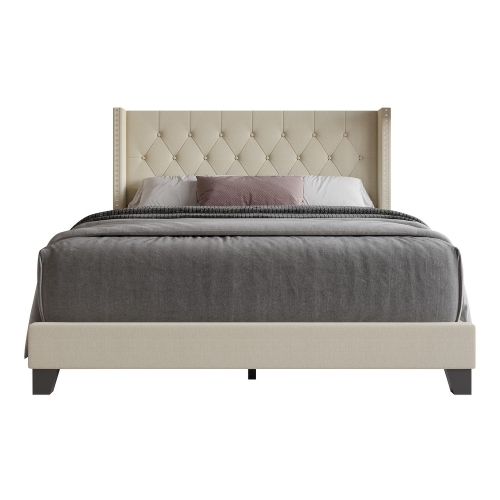
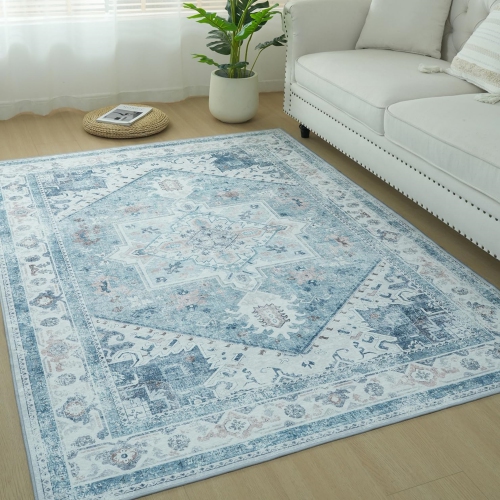
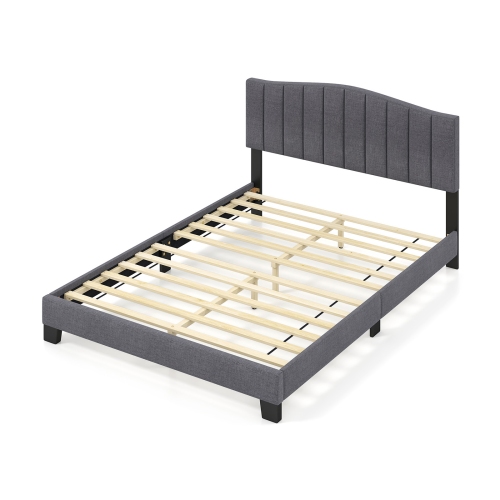
Master bedroom decor ideas bring together furniture, bedding, lighting, and decorative accents to create a room that feels restful without losing its personality. A cohesive bedroom often starts with a few repeated colours and finishes: cream bedding against a natural wood headboard, soft grey curtains beside a charcoal dresser, or muted blue cushions that pick up a shade in the artwork. Neutral tones provide a flexible backdrop, while deeper colours can give the space a more intimate feel. Texture adds interest even when the palette stays restrained. A woven rug, a softly upholstered bed frame, and a quilt with subtle stitching each contribute something different without competing for attention. The bed usually forms the visual centre of the room, so its proportions influence how the surrounding furnishings look and function. A tall headboard can balance a generous stretch of wall, while a lower profile leaves more breathing room beneath a window or sloped ceiling. Bedside tables work best when their surfaces are easy to reach from the mattress and large enough for everyday essentials, whether that means a reading light and glasses or a book and a glass of water. Matching tables create symmetry, but different shapes can still feel connected through a shared wood tone or similar hardware. For a shared bedroom, each side can reflect a different routine while keeping the overall look consistent. One sleeper may appreciate enclosed storage, while another prefers an open shelf for reading material. In a smaller room, furniture with slender legs or a compact footprint can help the layout feel less crowded. In a larger bedroom, a bench at the foot of the bed or a comfortable reading chair can give otherwise unused space a clear purpose. The most inviting arrangements leave practical room for opening drawers, walking around the bed, and moving between the closet and dressing area without squeezing past furniture.
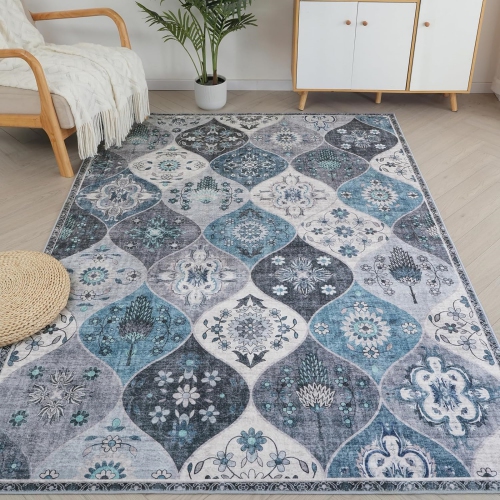
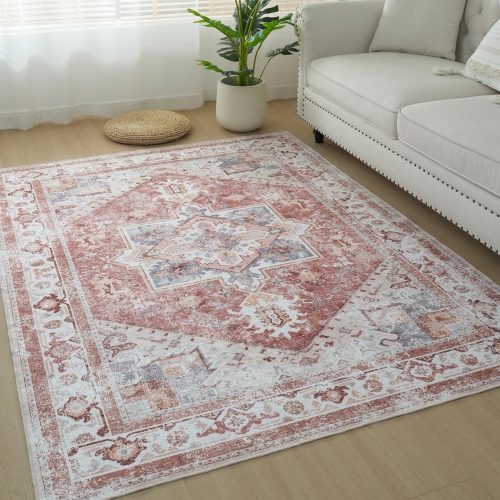
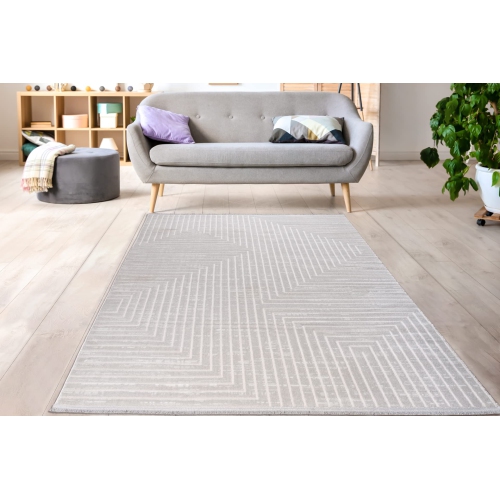
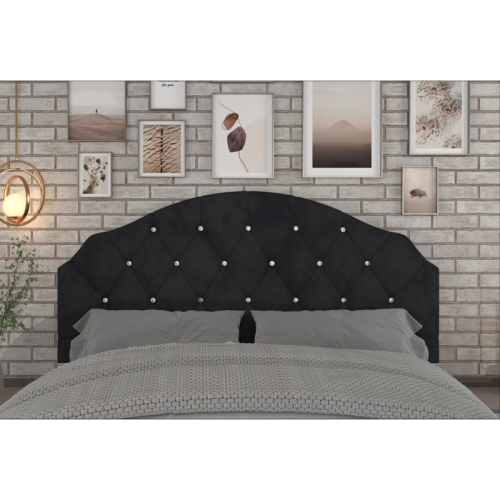
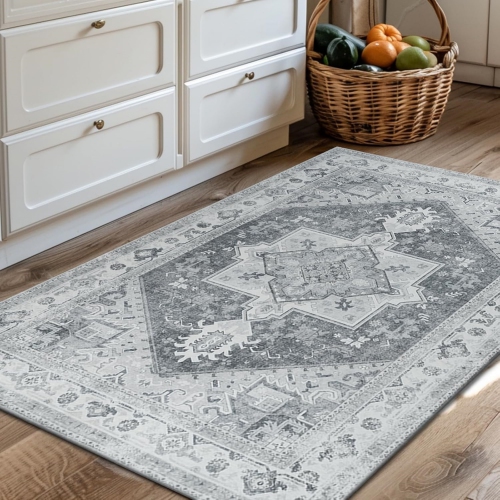
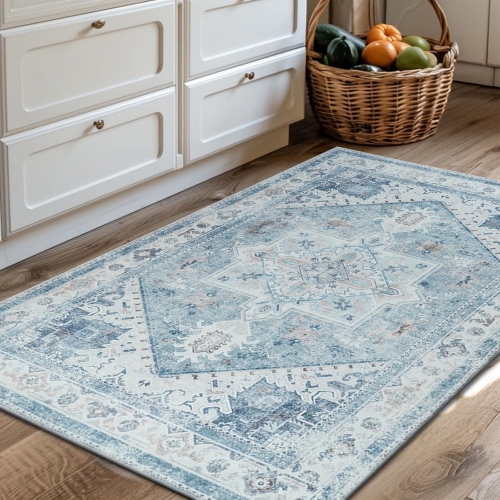
Materials and construction shape both the appearance of bedroom decor and how it holds up to daily use. Solid wood furniture has natural grain variation and may develop surface marks over time, while wood veneer offers a real wood surface over a supporting core. The durability of either depends on construction, finish, and care rather than appearance alone. Smooth drawer movement, secure joints, and stable legs matter in furniture that gets used every morning and evening. Upholstered headboards offer a softer surface for sitting up with a book, though the fabric should suit the household. A tightly woven cover may be easier to maintain than a loosely textured fabric in a room shared with pets, and removable covers are useful when their care instructions allow washing. Bedding introduces another layer of personal preference. Cotton is often chosen for its familiar feel and straightforward care, linen has a relaxed texture that naturally shows creasing, and brushed fabrics provide a softer, more tactile finish. Fibre content, weave, and laundering requirements are more useful considerations than colour alone. Mattress depth is important when choosing fitted sheets, while duvet covers and inserts need compatible dimensions for an even fit. Decorative cushions and throws can add tonal layers without covering every inch of the bed; a few contrasting textures often create enough depth. Area rugs help define the sleeping area and soften the feel of the floor underfoot. A rug that extends beyond the sides of the bed feels more connected to the furniture than one largely hidden underneath it. Pile height affects door clearance, vacuuming, and how easily furniture rests on the surface, while a suitable rug pad can help limit movement on compatible flooring. Regular vacuuming, prompt attention to spills, and care methods appropriate to each material help preserve the room’s finishes. Washable textiles and accessible surfaces are especially practical for anyone who wants a polished bedroom without a demanding upkeep routine.
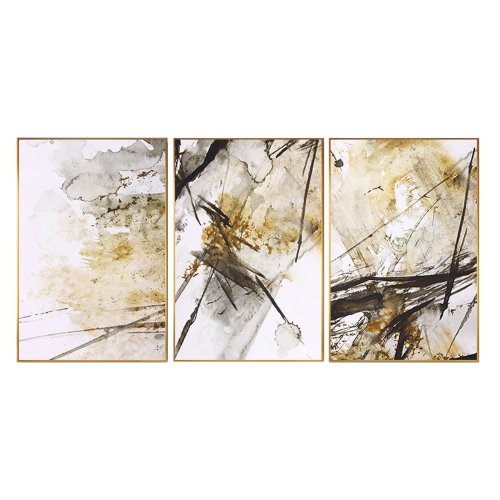
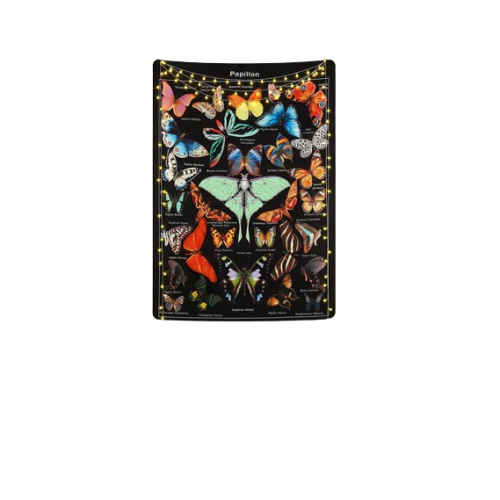
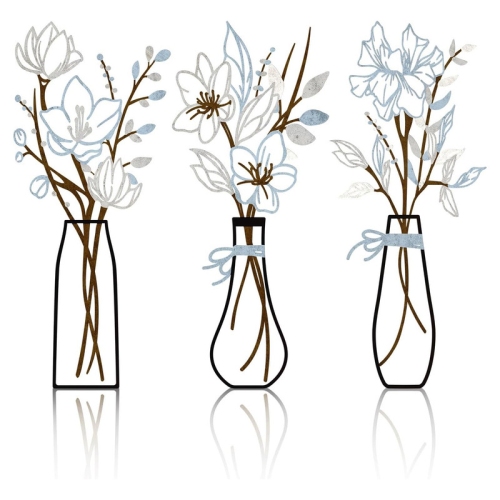
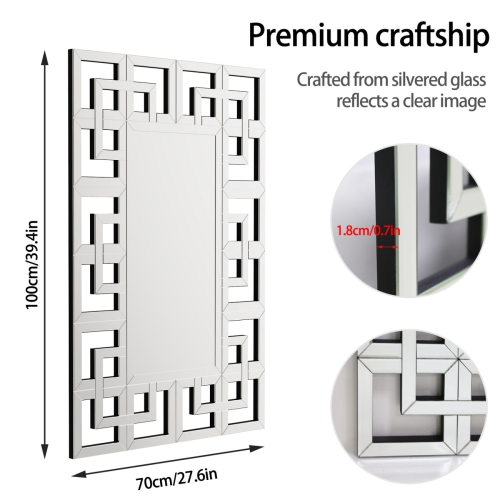
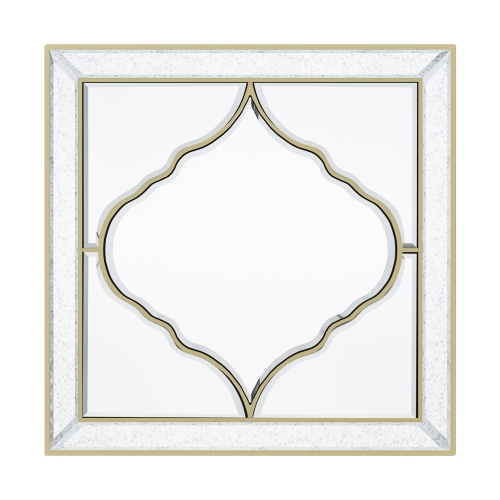
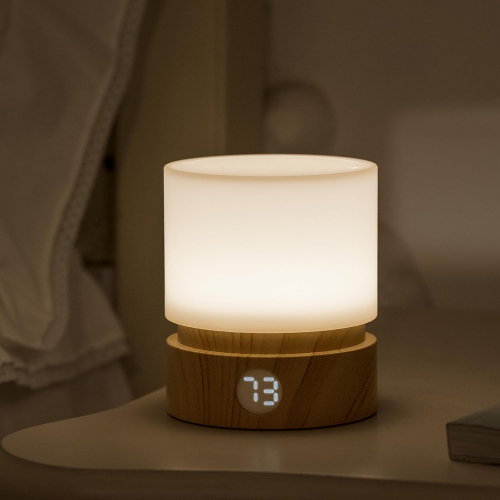
Lighting, window coverings, and wall decor complete the room by balancing atmosphere with everyday function. Soft ambient lighting provides a gentle overall glow, while a more focused bedside light supports reading without requiring the whole room to be brightly lit. Dimmable lighting offers flexibility when the fixture, bulb, and control are compatible. Wall-mounted lights can free up bedside surfaces, although their placement and installation requirements deserve attention before they become part of the layout. A shade that conceals the bulb from a reclining position can also make bedside lighting more comfortable to use. Floor-length curtains introduce broad panels of colour and texture, softening the lines of windows and furniture. Light-filtering fabrics allow a brighter daytime feel, while lined or blackout options may suit people who sleep during daylight hours or prefer less outside light. Curtain width, length, and mounting position affect how fully the fabric covers the window and how neatly it falls when open. Wall treatments can provide a focal point without adding furniture: subtly textured wallpaper brings depth to a neutral palette, while wood-look panels introduce rhythm and a more architectural effect. Surface compatibility and installation requirements matter, particularly in a rental home. Artwork above a headboard tends to feel more balanced when its scale relates to the bed rather than floating as a small detail on a large wall. A single broad composition creates a quieter effect, while a coordinated grouping adds variety. Secure mounting is essential, especially over a sleeping area. Mirrors can reflect light and make a dressing corner more useful, provided their placement avoids unwanted glare and they are properly secured. Decorative trays, baskets, and lidded storage help contain smaller belongings so that surfaces remain usable. For a home with connected living and sleeping spaces, Room Decor Ideas offers a broader frame of reference for repeating colours and materials between rooms. Personal touches such as framed photographs or a favourite piece of art keep those coordinated finishes from feeling impersonal, giving the bedroom a sense of belonging as well as visual order.
Top selling and popular products
-
 Your price for this item is $222.07
-
 Your price for this item is $220.66
-
 Your price for this item is $220.66
-
 Your price for this item is $438.48
-
 Your price for this item is $222.07
-
 Your price for this item is $493.19
-
 Your price for this item is $254.21
-
 Your price for this item is $390.05
Discover more categories related to Master Bedroom Decor Ideas



Top Collections:
Pokemon Centers, Best Black Friday Deals This Year, Best Black Friday Deals On Electronics, Kindle Devices, Best Budget Office Chairs, Best Black Friday Deals On Apple Products, Best Cameras for Sports Photography, Pokémon 30th Celebration Cards, Dyson Airwrap, Canon G7X Cameras
Some products may be subject to Environmental Handling Fees
(EHF) depending on your province.
Learn more about EHFs.