Mattresses for Caravans
Mattresses for Caravans are designed to help you enjoy restful nights on the road, no matter where your adventures take you. Whether you're upgrading your caravan or outfitting a new one, finding the right mattress can make all the difference in comfort and relaxation. Explore a range of options tailored to fit various caravan sizes and layouts, so you can create a cozy sleep space that feels just right. Discover mattresses for caravans that make every journey more enjoyable and help you wake up refreshed for the next day’s travels.
Sort


Why mattress fit matters beyond length and width
Mattresses for caravans bring the comfort of a dedicated sleeping surface to travel trailers, RVs, and other compact living spaces, where a few inches can make a noticeable difference. Unlike a bedroom at home, a caravan sleeping area may have a shortened platform, a curved wall, an angled corner, or storage directly beneath the bed. The right fit depends on the platform’s actual length, width, shape, and permitted mattress thickness, rather than the size name alone. An RV short queen commonly measures 60 inches wide by 74 or 75 inches long, compared with the usual 80-inch length of a household queen. Narrow bunk mattresses may measure approximately 28 to 32 inches wide by 75 inches long, although dimensions vary between layouts and manufacturers. Even mattresses labelled with the same RV size can differ, making exact measurements especially important. Rounded corners and cut-outs also need to match the base without leaving unsupported sections or pressing against surrounding cabinetry. Thickness affects more than cushioning: a deeper mattress can reduce sitting headroom, interfere with cupboard doors, or make it harder to climb into an elevated bed. On a platform that lifts for storage, mattress weight and flexibility also influence how easily the compartment opens. A household mattress can work in some caravans when its dimensions, weight, and support requirements match the space, but a familiar size label does not guarantee compatibility. Doorways, narrow passages, and tight turns matter when bringing a replacement inside, particularly if the mattress cannot bend. In a compact bedroom, enough space to tuck in bedding, step around the foot of the bed, and reach nearby drawers helps keep everyday routines manageable. For convertible dinettes and fold-away beds, the mattress must also suit the intended folding or storage arrangement; a conventional one-piece design is not automatically suitable. These details distinguish a mattress that simply fits within the room from one that works comfortably with the caravan’s layout. They are particularly relevant when replacing an original mattress whose outline may be specific to that vehicle.
Material and construction shape how a caravan mattress feels, how easily it can be handled, and how well it suits repeated use. All-foam mattresses combine cushioning layers with a supportive foam base and can be easier to manoeuvre through confined spaces than some heavier constructions, although weight varies by model and size. Memory foam responds gradually to pressure, creating a closer contour around the shoulders and hips. That feel can appeal to sleepers who prefer less bounce or share a bed with someone who changes position frequently. Other comfort foams have a quicker response, which can make rolling over feel easier. Latex typically offers a buoyant, responsive surface, but it can add considerable weight, an important consideration for lift-up platforms and vehicle load limits. Pocket-coil and hybrid mattresses combine springs with cushioning layers, offering a more traditional feel; their edge support and flexibility depend on the individual construction. In a narrow bed, a stable edge can be useful when sitting to put on socks or moving past a sleeping partner. Firmness is separate from thickness, so a deeper mattress is not necessarily softer, and a slim mattress is not necessarily firm. Side sleepers often appreciate cushioning at the shoulder and hip, while back and stomach sleepers may prefer a surface that limits excessive sinking. Body weight, sleeping position, and personal preference all affect the result. For couples, motion isolation and usable sleeping width can matter as much as the initial feel. A topper can change surface comfort, but it cannot correct a sagging mattress or an unsuitable base, and its added height still counts towards clearance. Durability depends on the quality of the comfort layers, the supporting structure, and how frequently the bed is used. Foam density can help indicate durability, but it does not directly describe firmness. A mattress used for regular extended stays has different demands from one used for occasional overnight trips, making intended use an important part of the choice.
Care and support are especially important in a caravan, where mattresses often sit close to walls or rest on solid platforms above storage compartments. A suitable base supports the mattress evenly and meets the manufacturer’s requirements for slat spacing, ventilation, and load capacity. Gaps that are too wide or a platform that flexes excessively can affect comfort and contribute to premature wear. Where the bed design allows it, airflow beneath and around the mattress helps moisture disperse rather than remain trapped against the base. Lifting bedding back after use and periodically inspecting the underside can help identify dampness or staining early. Before the caravan is stored, the mattress and bedding should be clean and completely dry, with ventilation maintained as appropriate for the vehicle. A well-fitting mattress protector adds a practical barrier against spills, perspiration, and everyday marks without introducing the bulk of a thick topper. Removable covers should only be taken off and washed when the care label permits it; some mattress covers are not designed for removal. Spot cleaning with the recommended method, avoiding excessive moisture, and allowing the surface to dry fully help protect the internal layers. Rotation may encourage more even wear when the manufacturer recommends it, while flipping is appropriate only for mattresses designed for use on both sides. Correctly sized sheets are another small but useful detail, particularly on short queens, narrow bunks, and shaped corners where standard household bedding may bunch or pull loose. For families, couples, and solo travellers, a mattress that works with the bed’s layout can make the sleeping area easier to use without compromising access to storage. Children’s bunks also require attention to the vehicle manufacturer’s mattress-height limits so that guardrails retain their intended clearance. Residential mobile homes can have different bedroom layouts from touring caravans; Mattresses for Mobile Homes is a related category for those spaces. In either setting, accurate sizing, suitable support, and straightforward care provide a sound basis for lasting comfort.
Top selling and popular products
-
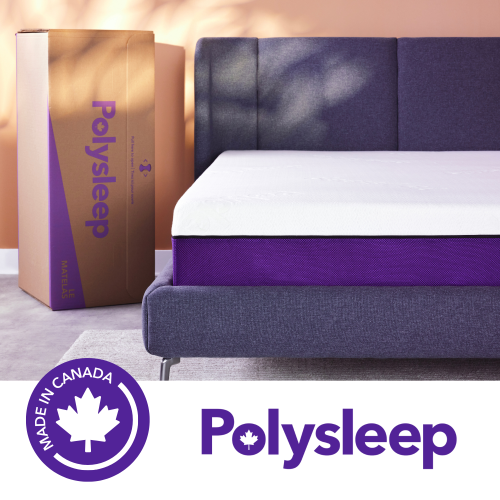 Your price for this item is $1195
-
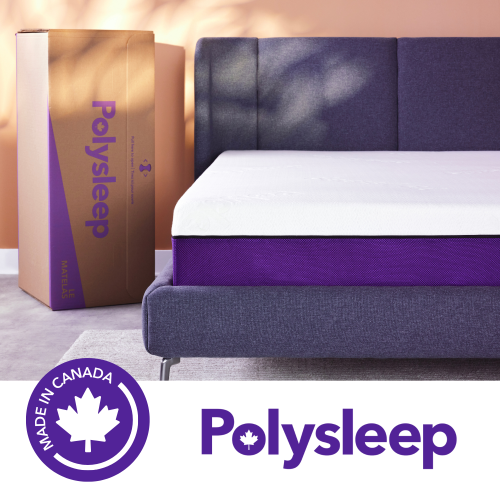 Your price for this item is $1095
-
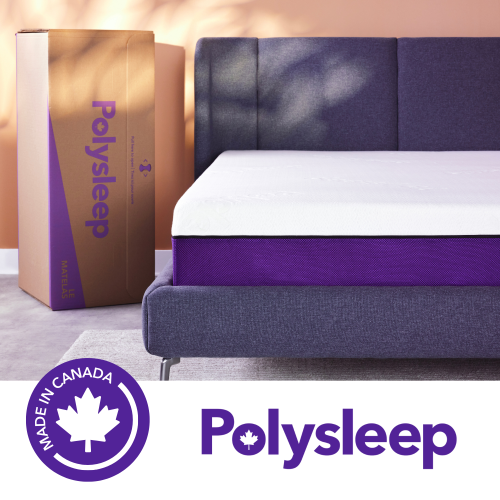 Your price for this item is $945
-
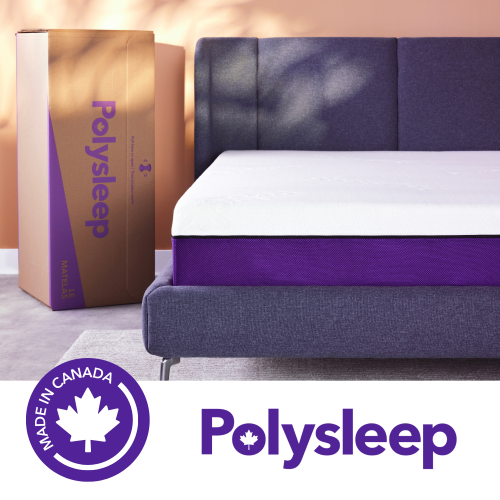 Your price for this item is $1395
-
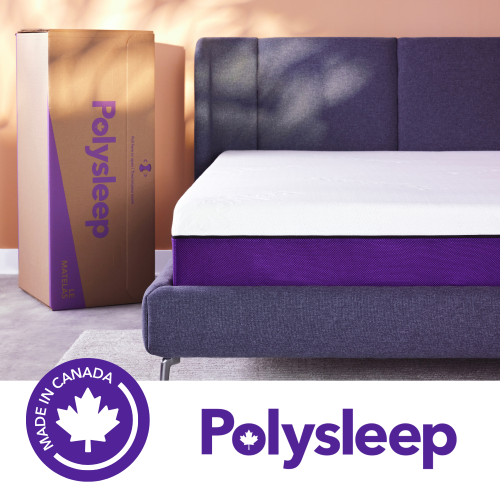 Your price for this item is $895
-
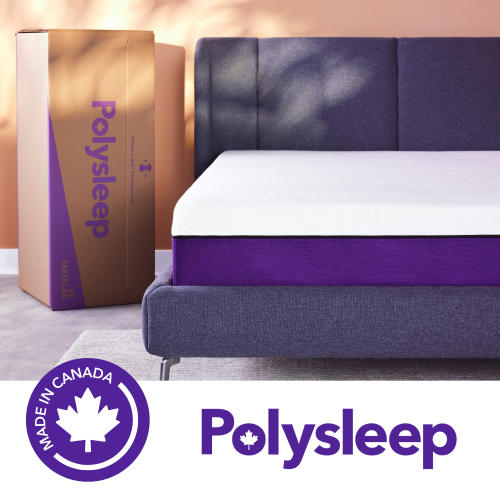 Your price for this item is $1395
-
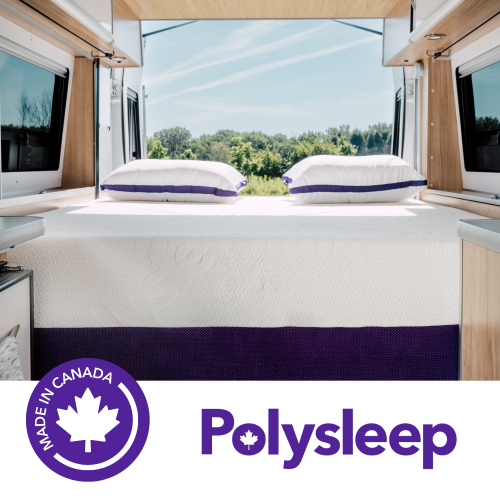 Your price for this item is $1199
-
 Your price for this item is $920
Discover more categories related to Mattresses for Caravans

Top Collections:
Pokemon Centers, Best Cameras for Sports Photography, Kindle Devices, Samsung Galaxy Phones, Canon G7X Cameras, Pokémon 30th Celebration Cards, Refurbished Apple Laptops, iPhone 15 Apple, Laptops for Students, Budget Smartphones
Some products may be subject to Environmental Handling Fees
(EHF) depending on your province.
Learn more about EHFs.