Mattresses for Slatted Bases
Mattresses for slatted bases are designed to provide reliable support and comfort when paired with slatted bed frames. Choosing the right mattress for your slatted base can enhance your sleep experience and help maintain the durability of your bedding setup. Explore a wide range of options in various sizes and firmness levels to find the perfect fit for your bedroom. Whether updating a guest room or refreshing your main sleeping space, you'll discover mattresses that complement slatted bases and suit your personal preferences.
Sort
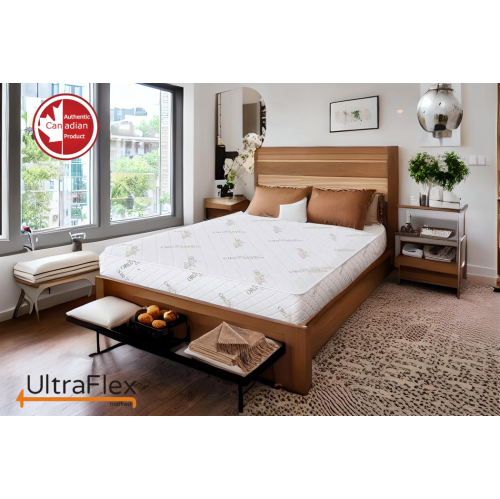
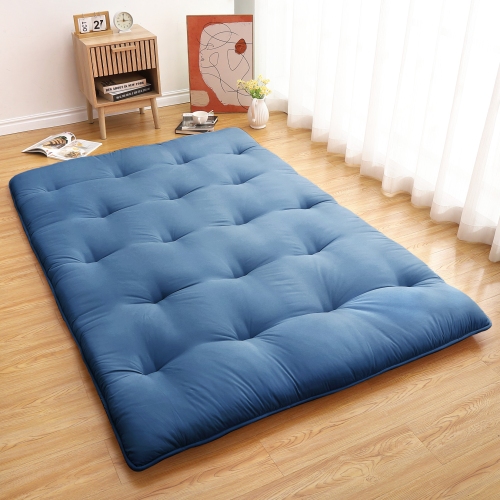
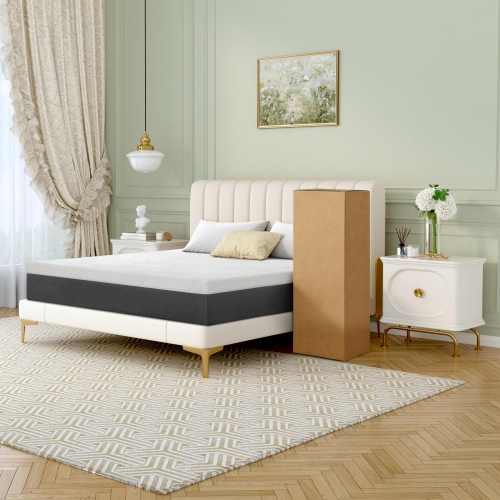
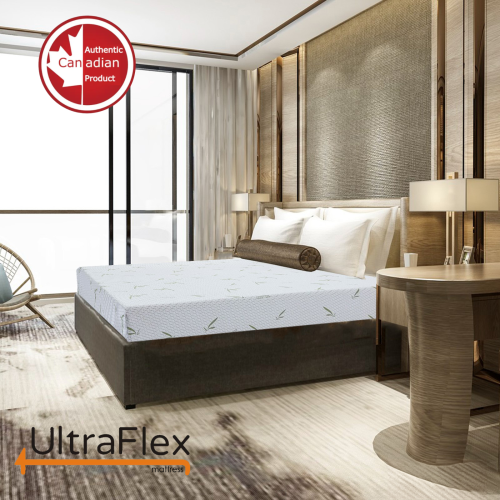
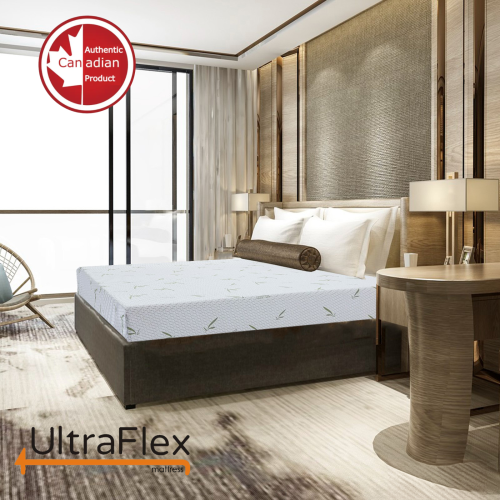
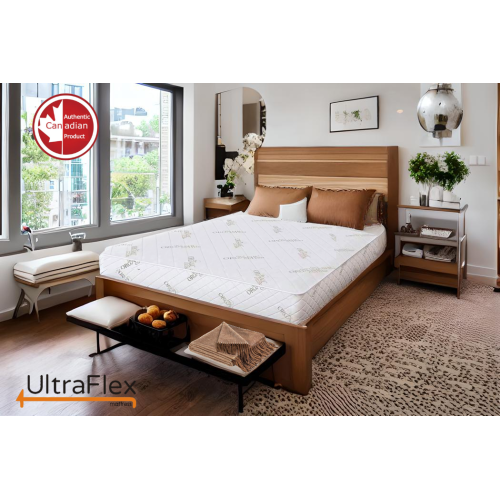
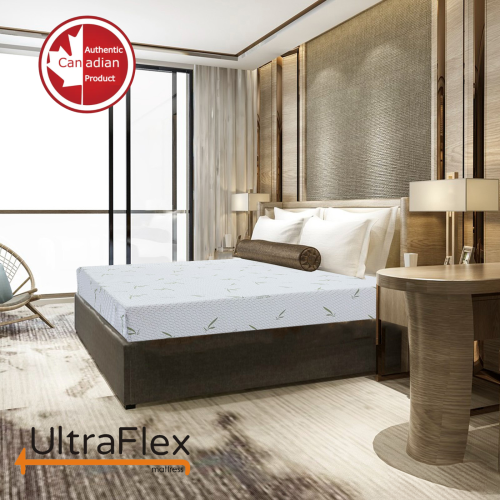
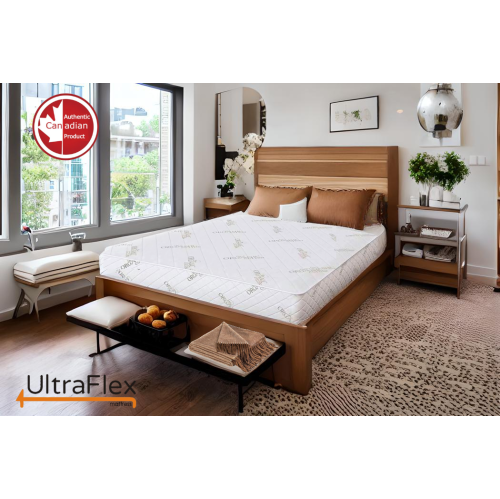
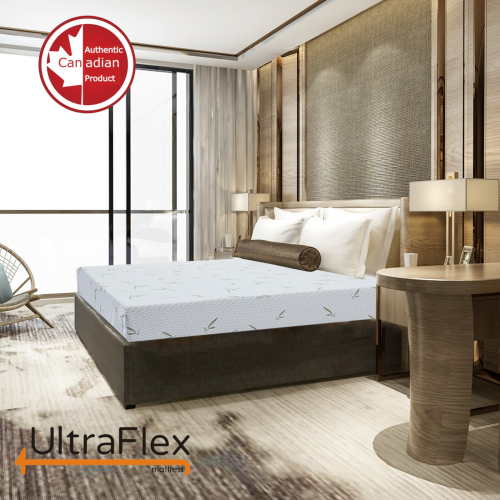
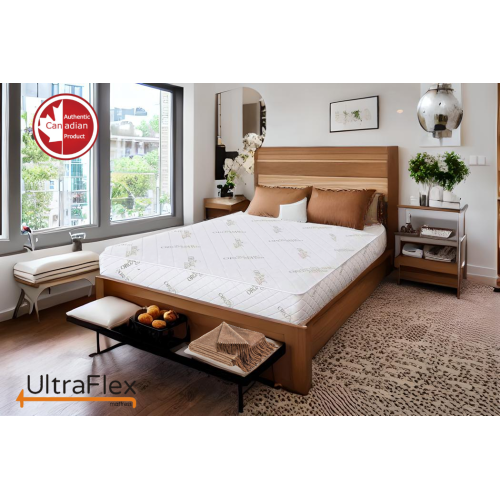
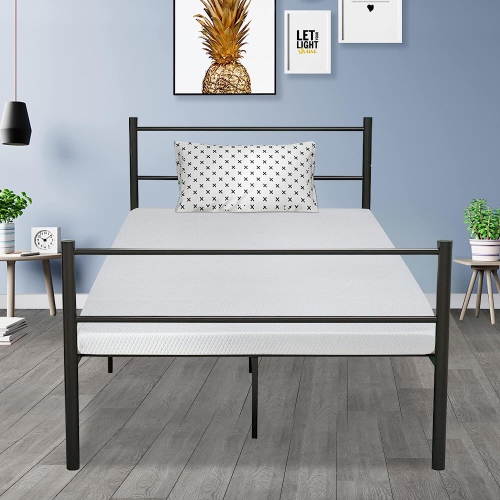
How bed slats affect mattress fit and feel
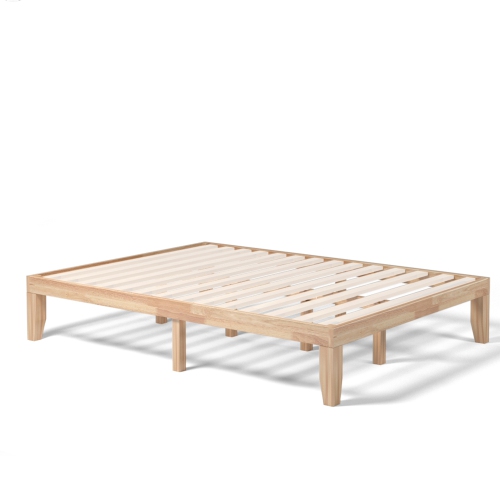
Mattresses for slatted bases are designed to rest on crosspieces that run across the bed frame rather than on a solid platform. Two frames can take the same mattress size and still offer very different support. A low platform with closely spaced wooden slats and a metal frame with wider gaps, for example, may not suit the same mattress. The mattress maker’s specifications can indicate the maximum gap between slats, the minimum slat width and whether a separate foundation is needed. On an existing frame, the useful measurement is the clear space from the edge of one slat to the edge of the next, not the distance between their centres. If the gaps vary, the widest one matters. Some frames have flat, rigid slats, while others have bowed slats that flex under weight. A flexible base can change how a mattress feels, so it’s worth checking whether the mattress is suitable for that type of support. On wider beds, look for any required centre rail and floor supports as well. A sturdy frame with level, secure slats helps keep the mattress supported from one side of the bed to the other. When choosing both pieces together, browse Slatted Bed Frames with the mattress’s support requirements in mind. Fit also depends on where the mattress sits. On a frame with recessed slats, part of the mattress depth is hidden behind the side rails, while the same mattress on a flat platform sits fully above them. Comparing the mattress dimensions with the space inside the rails helps avoid a tight fit that makes it awkward to tuck in a fitted sheet. The height from the floor to the top of the mattress is also worth considering for anyone who prefers to sit with both feet flat before standing up.
Foam, latex, innerspring and hybrid mattresses can all work on slatted bases, provided they have the support specified for their construction. Memory foam usually contours gradually under weight, while latex foam often springs back more quickly when a sleeper rolls over. Innerspring mattresses have a coil support system, and hybrids combine coils with comfort layers such as foam or latex. Pocket coils can compress individually, which may help limit how much movement travels across the bed when one person gets up. The comfort layers and the construction of the edges also affect how a mattress feels, so the material alone doesn’t tell the whole story. A side sleeper may prefer enough cushioning to let the shoulder and hip settle in, while a back or stomach sleeper may be more comfortable on a surface that keeps the middle of the body from sinking as deeply. Firmness labels are useful for narrowing the selection, but a medium mattress can feel quite different to two people depending on their build and sleep position. For a shared bed, it helps to consider ordinary habits as well as sleep positions. Someone who sits on the edge to put on socks may notice edge support more than someone who usually gets in and out near the middle. In a guest room, a moderate feel can be a practical starting point when the bed will be used by people with different preferences. For a child moving to a larger bed, overall bed height may matter more than adding a thick comfort layer. And when a mattress is intended as a housewarming gift, confirming the recipient’s frame dimensions and comfort preferences is more useful than relying on a size label alone. A mattress that feels right still needs to fit the bed and the person using it.
The frame and mattress wear together, so looking after both can help maintain a consistent sleeping surface. Slats can shift in their holders as a bed is moved, and a loose fitting or a centre leg that no longer rests squarely on the floor can leave part of the mattress unevenly supported. If a dip or squeak appears in one spot, looking underneath may reveal a displaced slat or a loose frame connection rather than a change in the mattress itself. Wider gaps or missing slats can let softer layers bow between supports, making it especially important to check the base before placing a new mattress on an older frame. Once the bed is set up, a washable mattress protector can help keep everyday spills and dust away from the cover. Deep mattresses may need a protector and fitted sheet with deeper pockets so the corners stay in place without pulling tightly across the top. The spaces between slats let air move beneath the mattress, though bedding and stored items pressed against the underside can restrict that airflow. Cleaning instructions vary by construction: a zippered cover is not necessarily meant to be removed or machine washed, and spot cleaning may be the only method specified. The same goes for turning the mattress. Many mattresses have comfort layers on just one side and should not be flipped, though some can be rotated head to foot to distribute wear if the maker allows it. In a bed used every night, that wear may show up first on the side where someone usually sleeps or along the edge where they sit. In a guest room, the mattress may see less frequent use, but its support requirements are the same. Whether it’s going onto a familiar frame or into a newly furnished room, a mattress that sits level on the slats and leaves enough room to make the bed is easier to live with day to day.
Top selling and popular products
-
 Your price for this item is $1199
-
 Your price for this item is $644
-
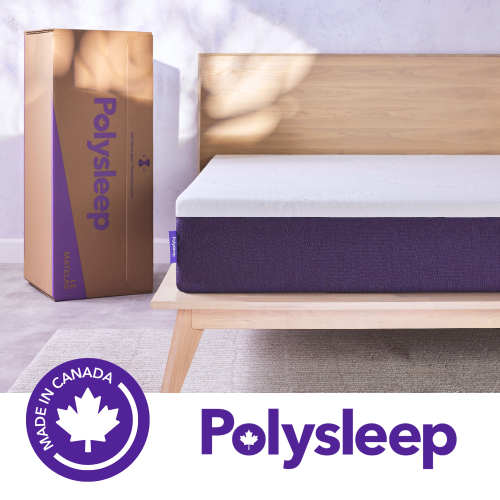 Your price for this item is $696.5
-
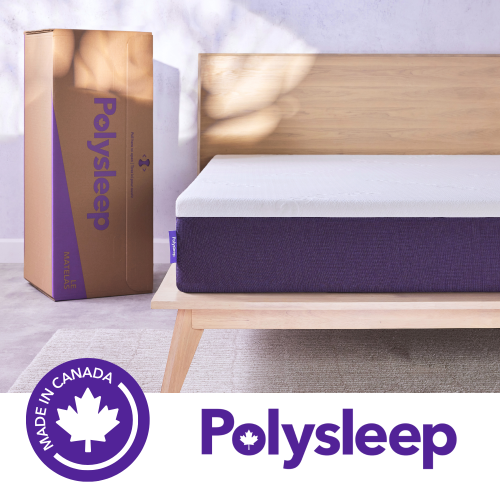 Your price for this item is $591.5
-
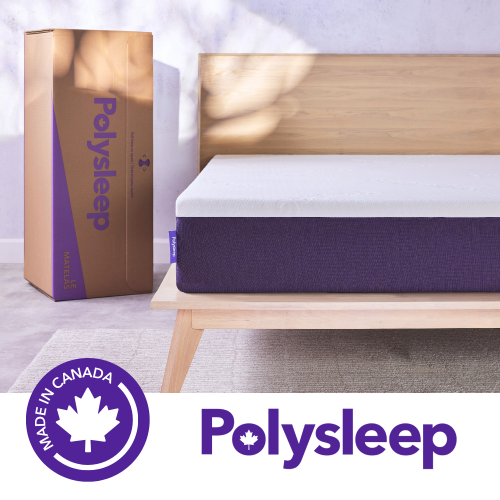 Your price for this item is $906.5
-
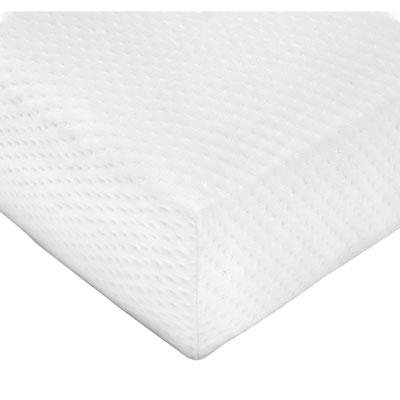 Your price for this item is $159.99
-
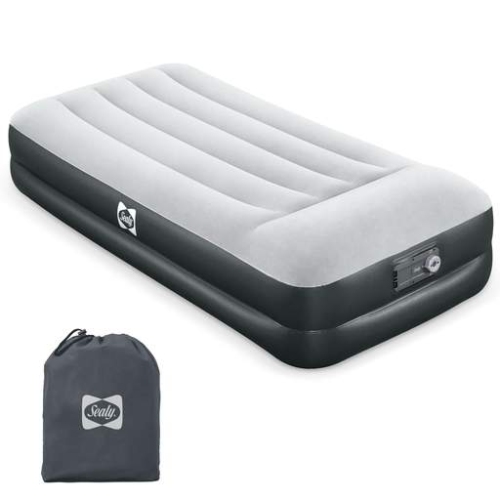 Your price for this item is $133.99
-
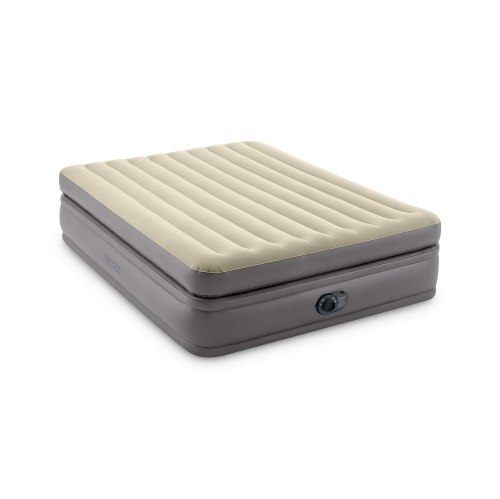 Your price for this item is $239.99
Discover more categories related to Mattresses for Slatted Bases

Top Collections:
Best Black Friday Deals This Year, Best Black Friday Deals On Electronics, Kindle Devices, Best Black Friday Deals On Apple Products, Best Budget Office Chairs, Best Cameras for Sports Photography, Dyson Airwrap, Canon G7X Cameras, Best Laptops for Writers, Samsung Galaxy Phones
Some products may be subject to Environmental Handling Fees
(EHF) depending on your province.
Learn more about EHFs.