Bunk Bed Mattresses
A bunk bed mattress is a popular choice for children who are ready to move out of their cribs. It's also a great option for parents who want to give their kids more room to spread out and for kids who want to share a bed with siblings. If you are looking for a bunk bed mattress, you're in the right place. These are comfortable, supportive, and durable enough to last for years. Here are some great options available.
Sort
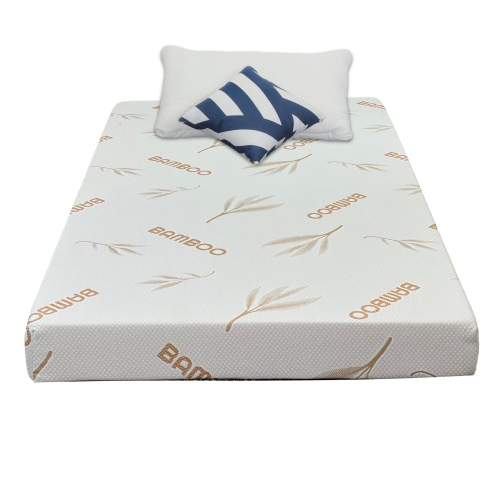
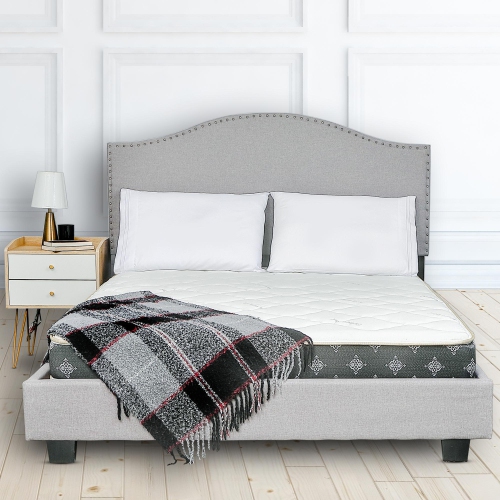
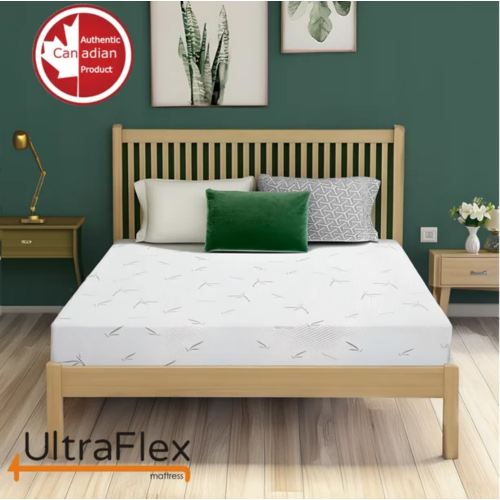

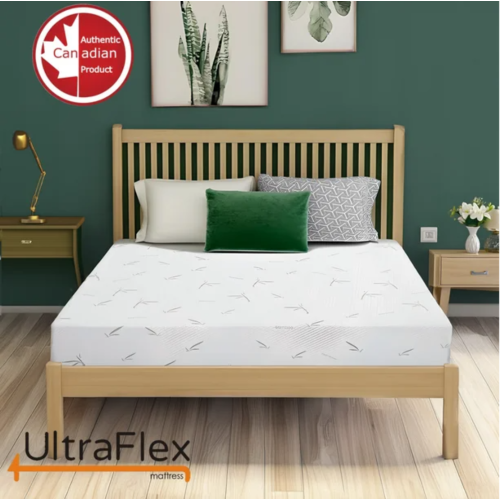

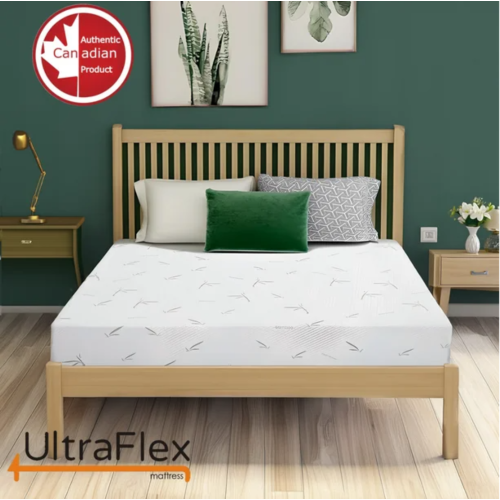

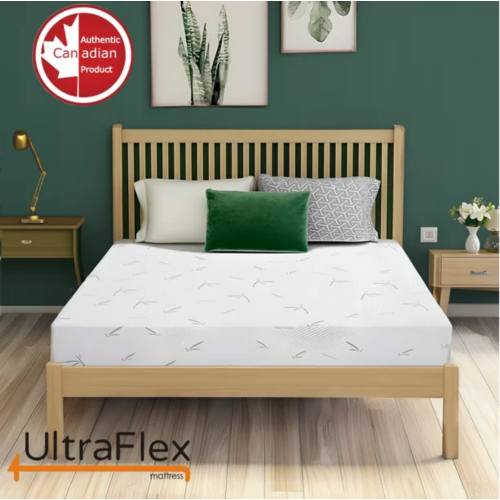
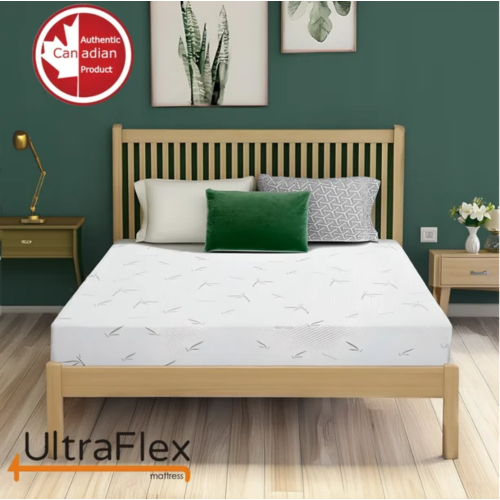
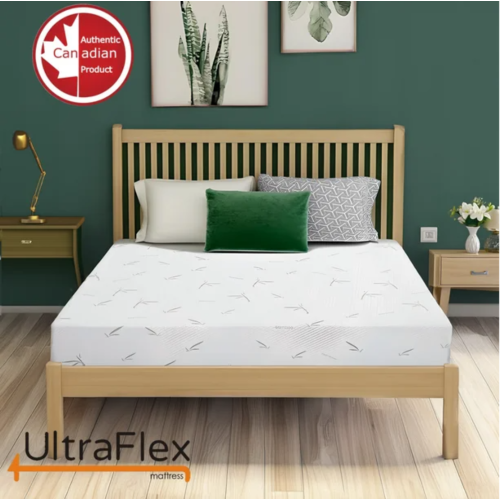
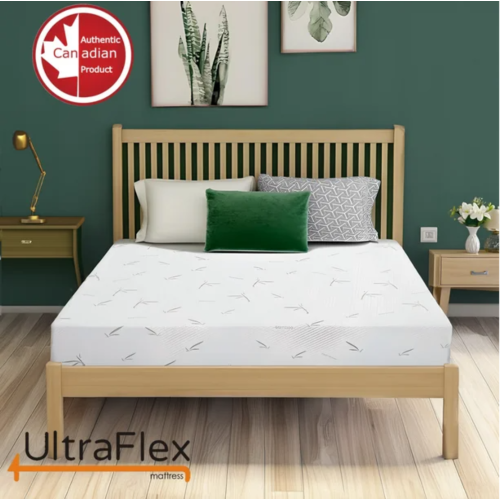
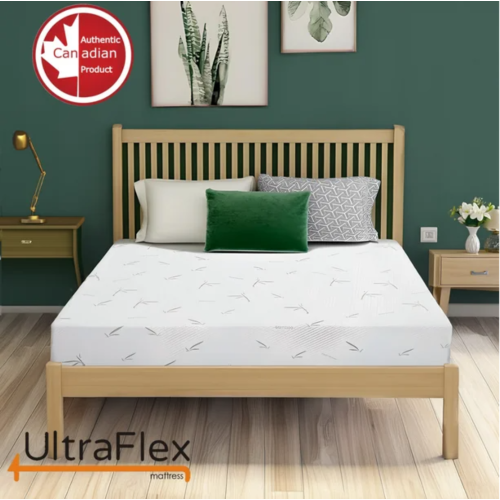
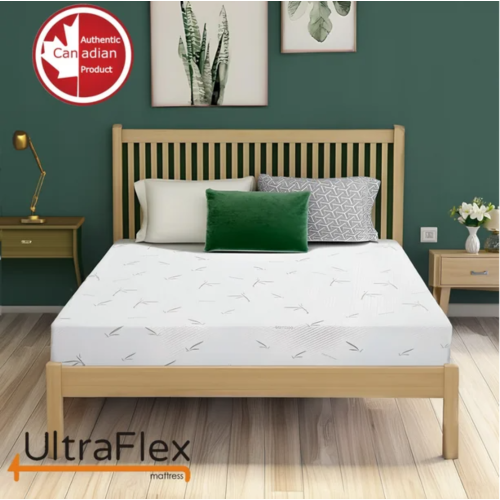
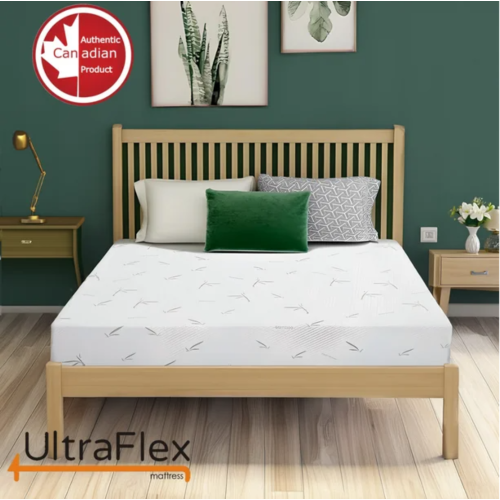
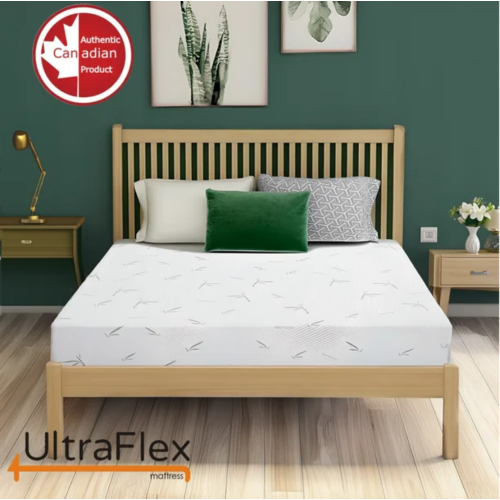
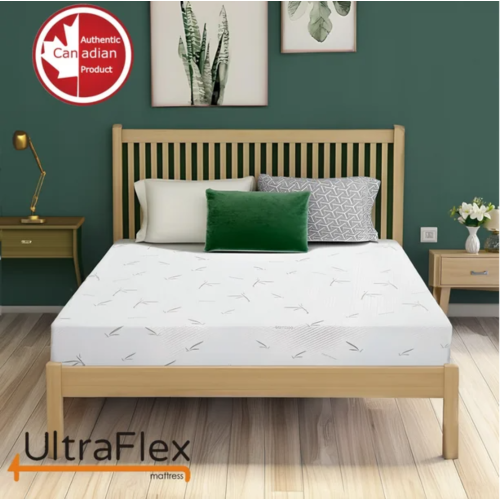

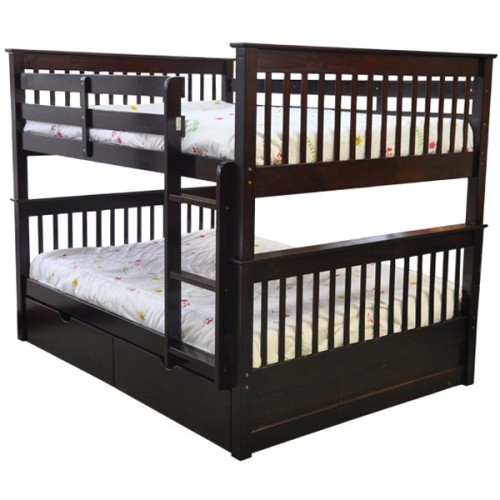
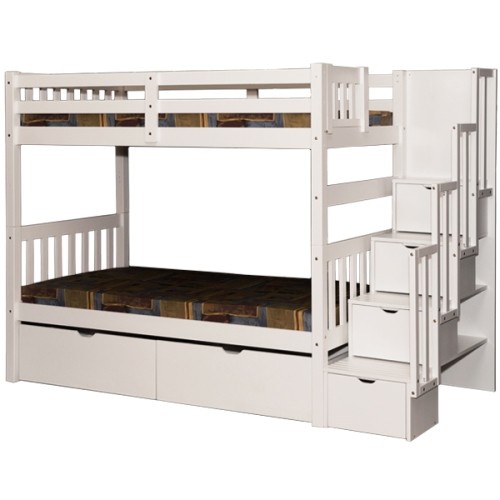
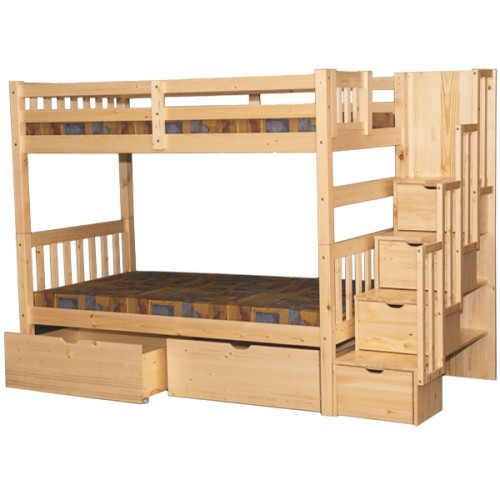
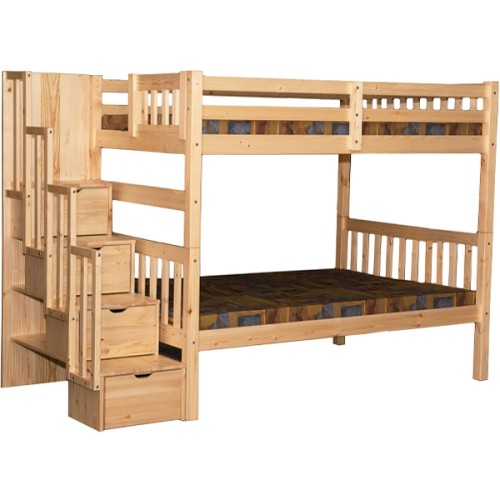

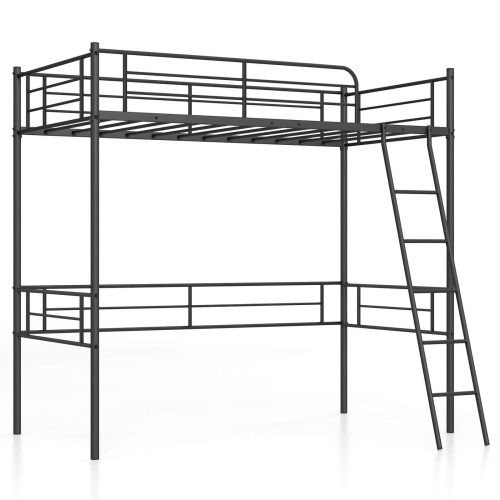
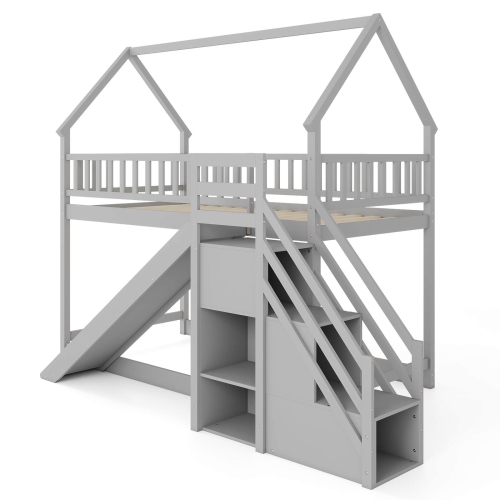

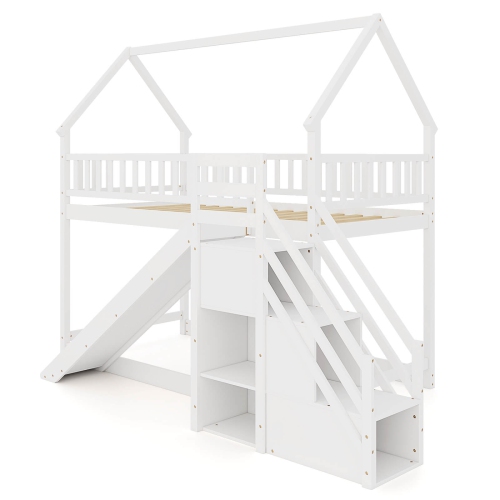
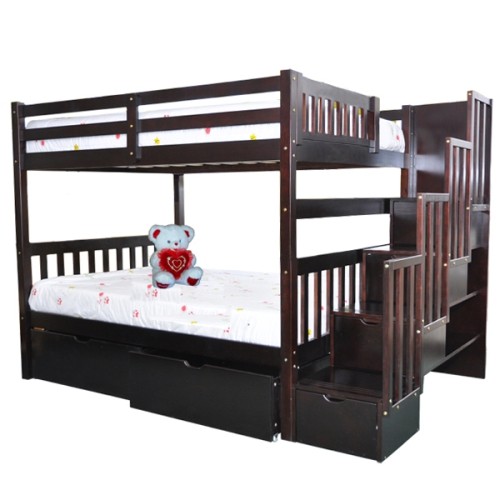
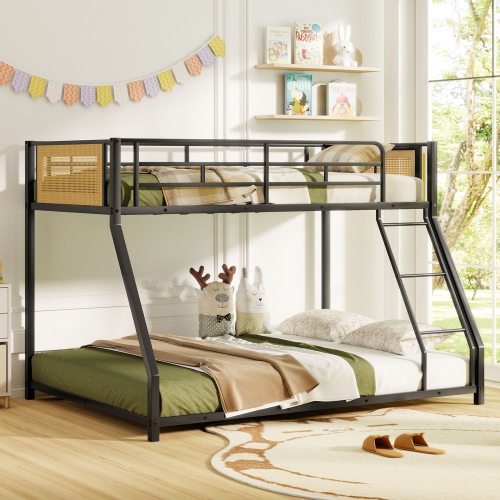
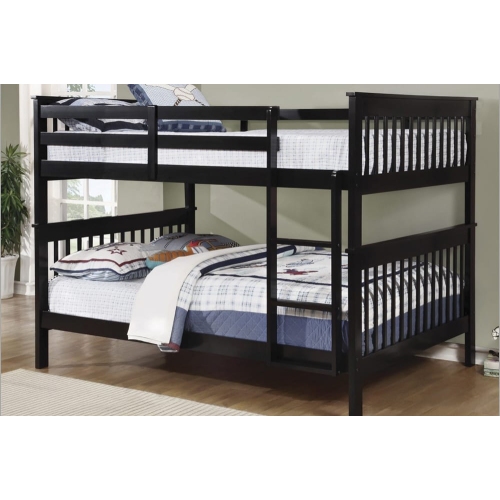
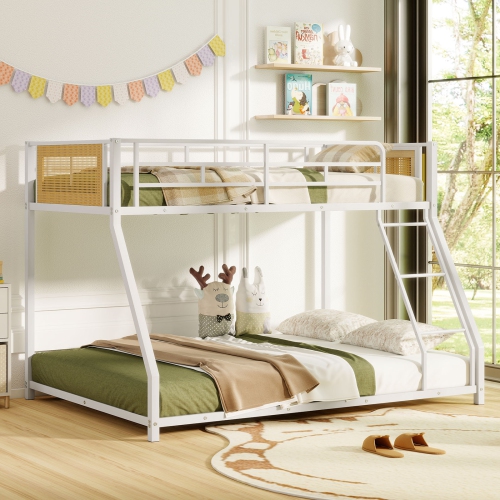

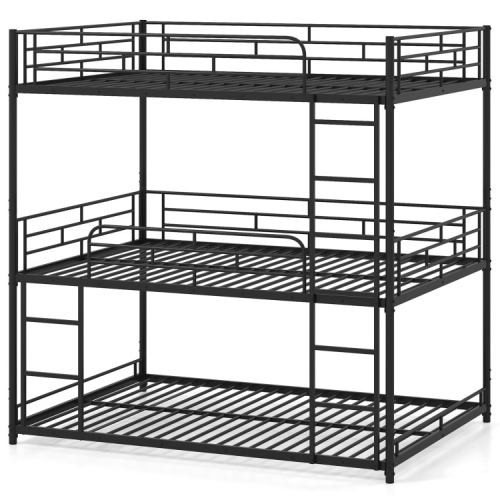
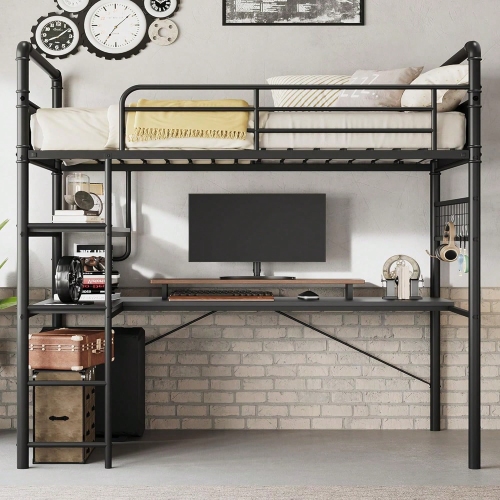
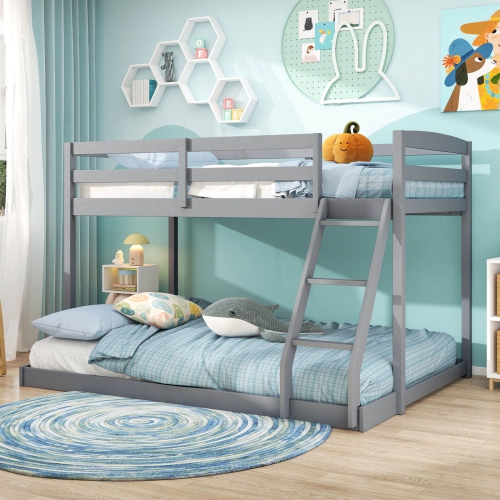
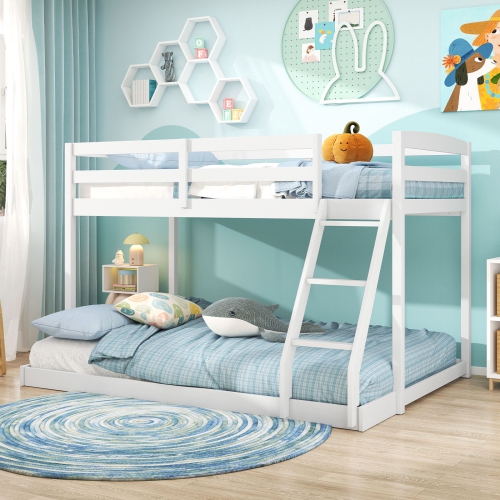
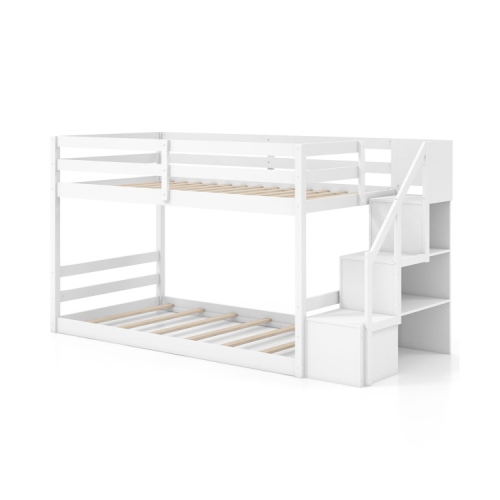
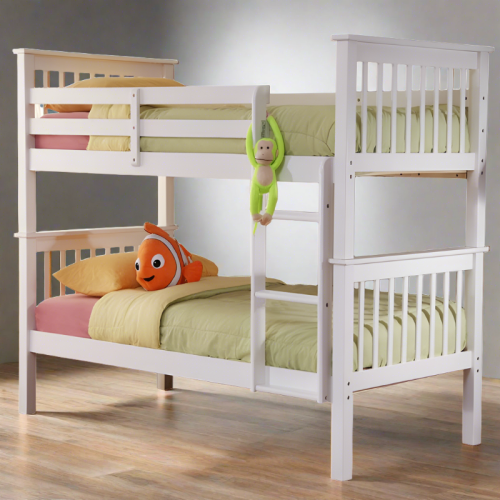
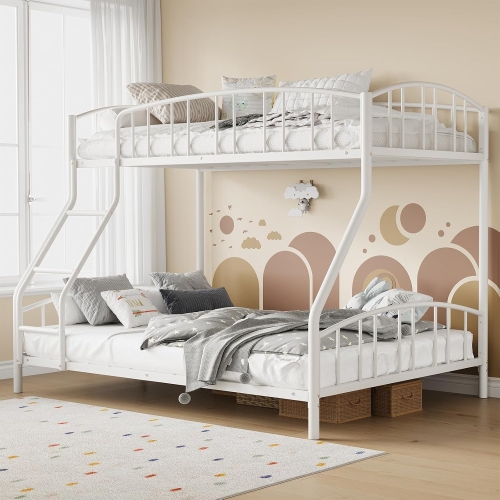
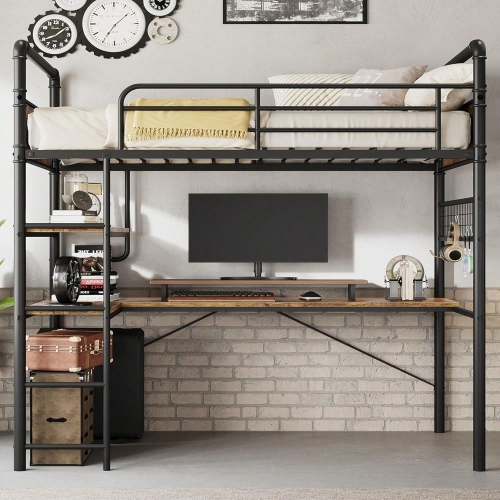
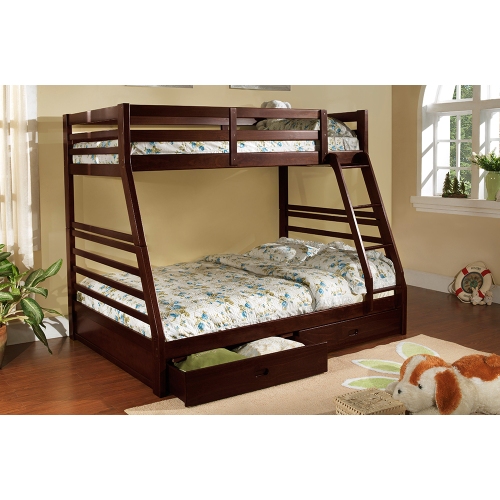
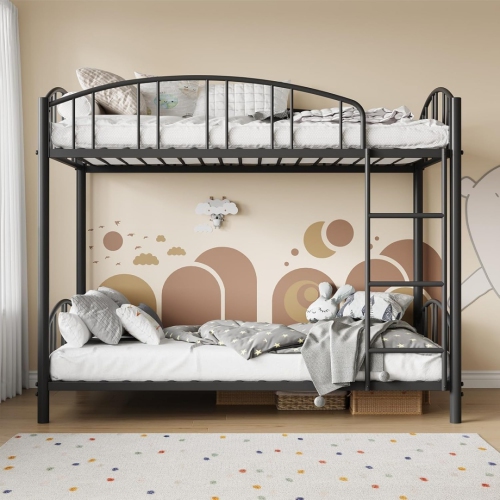
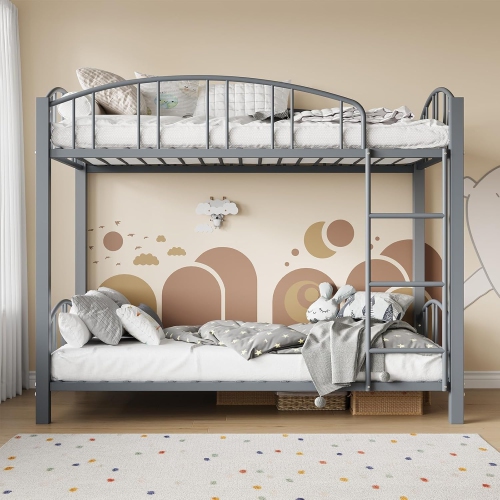
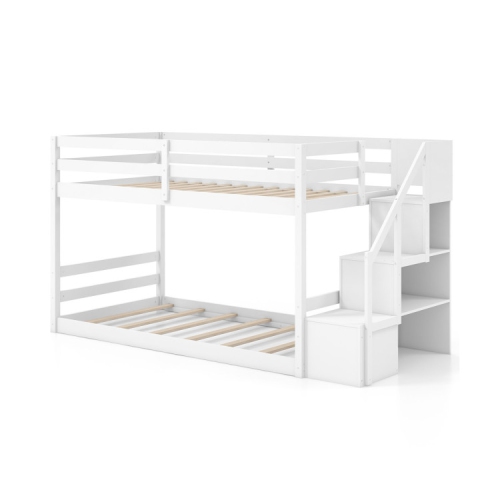
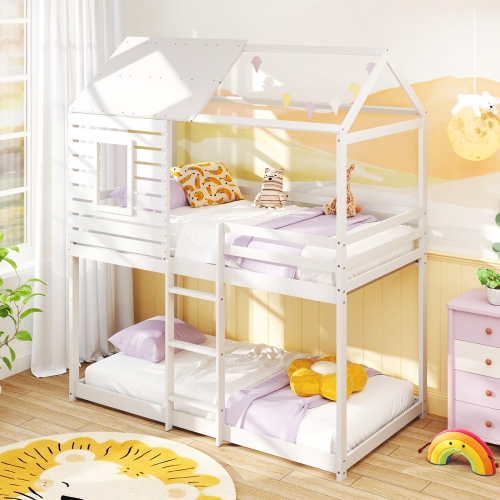

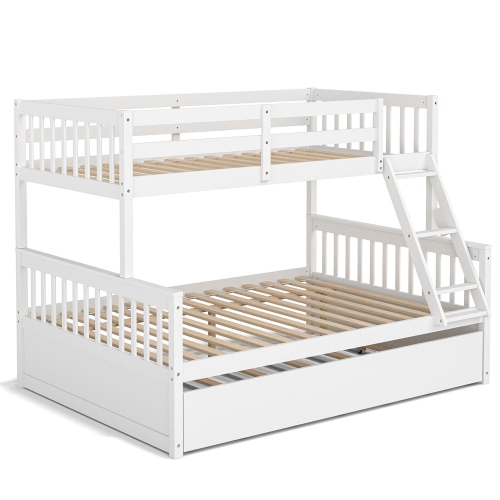


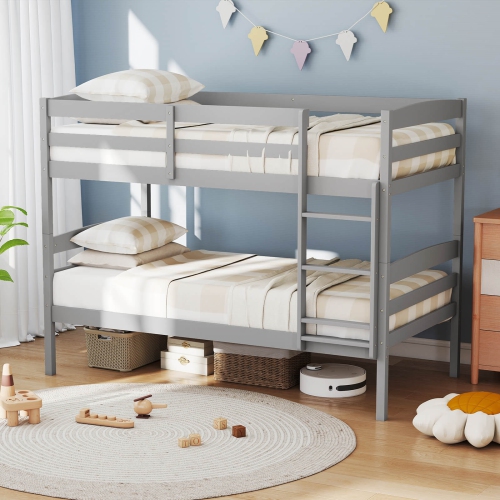
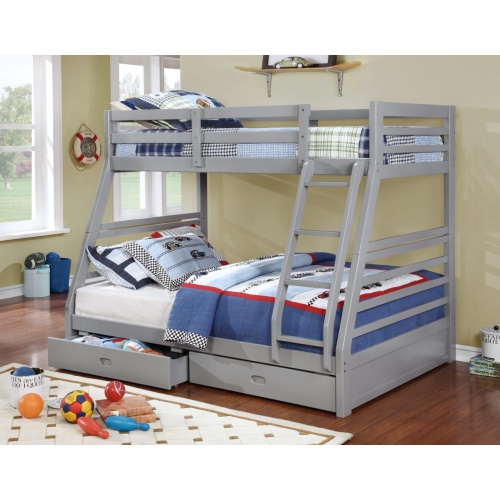

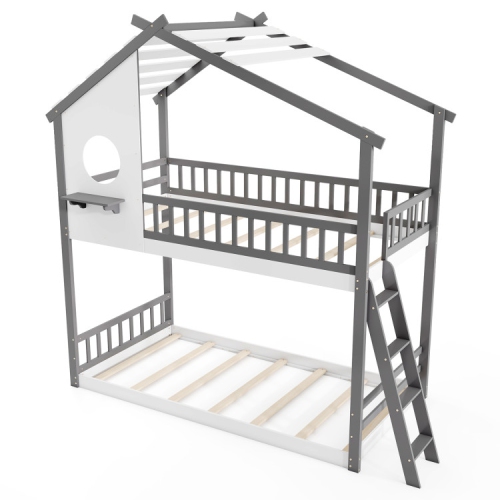
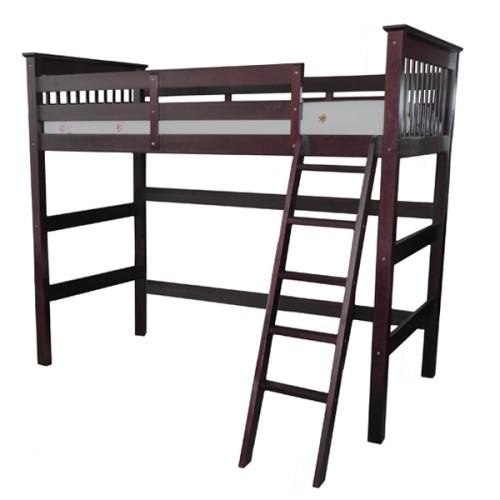
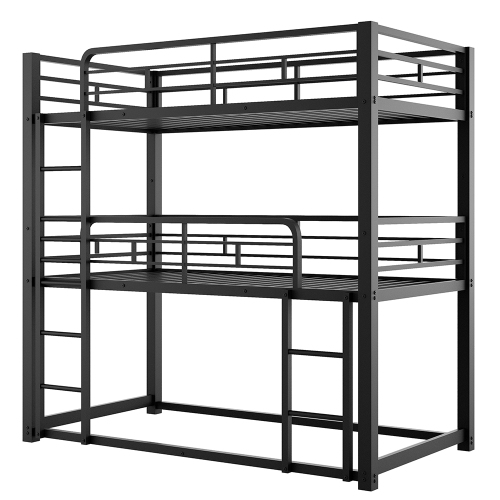
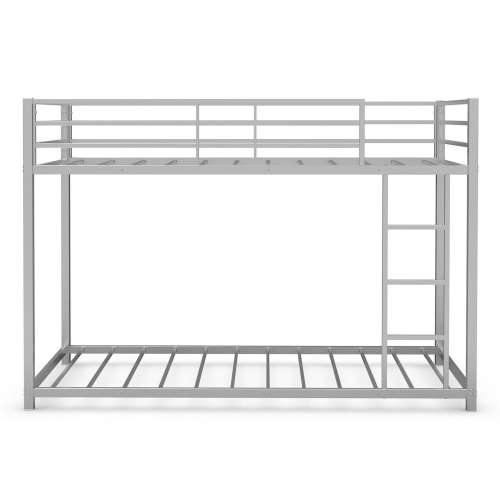
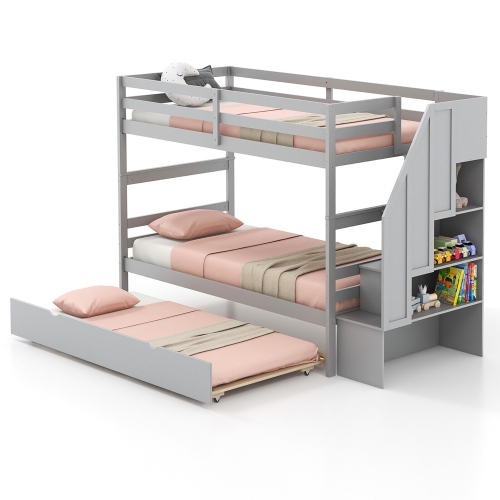
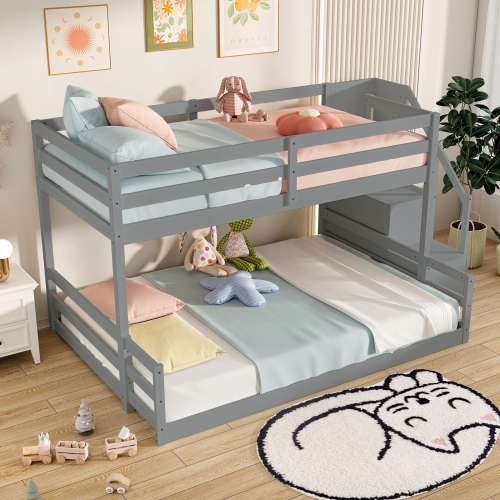

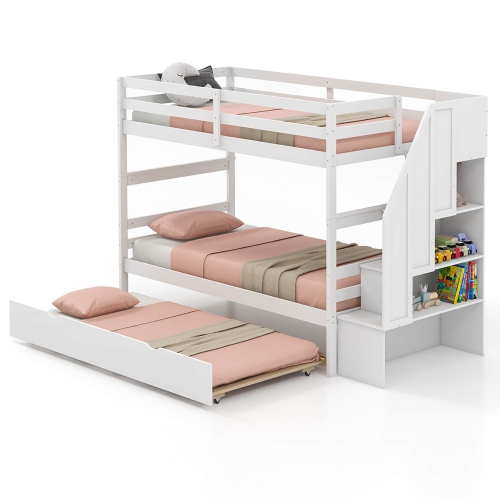
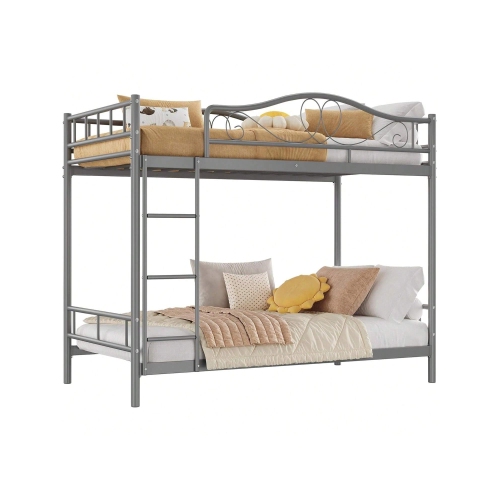
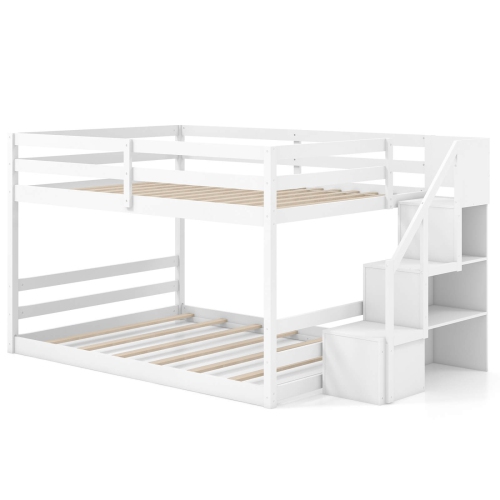
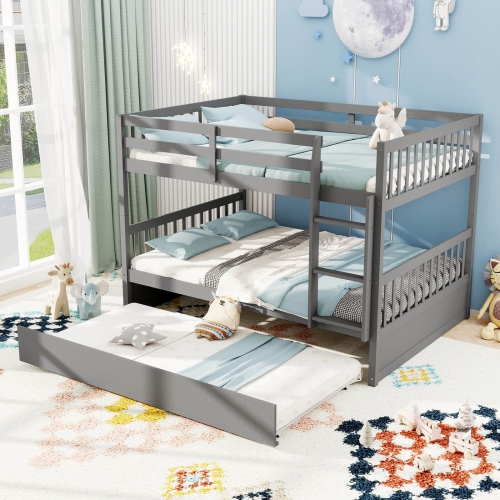
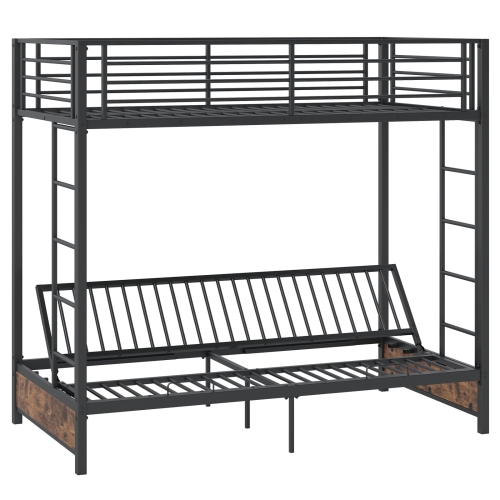
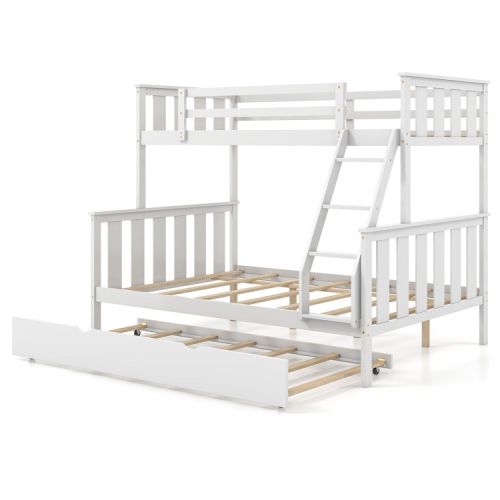
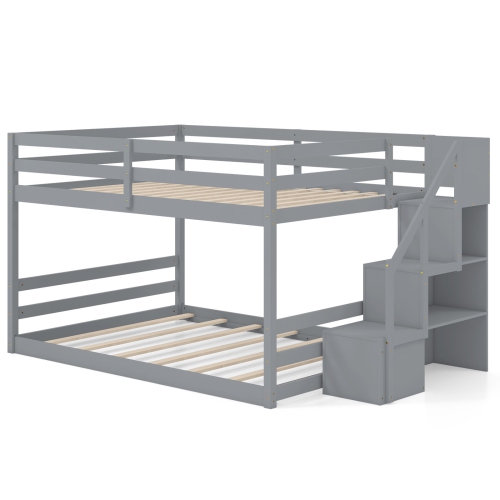

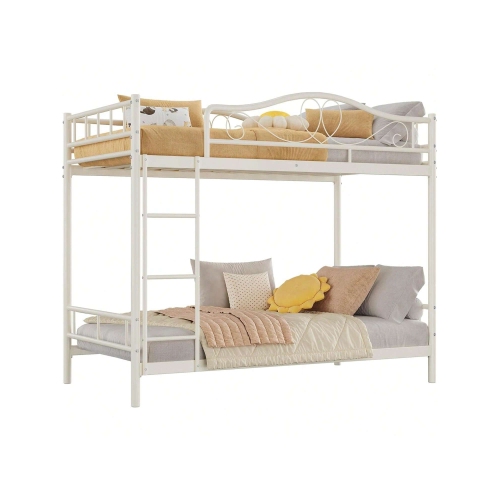
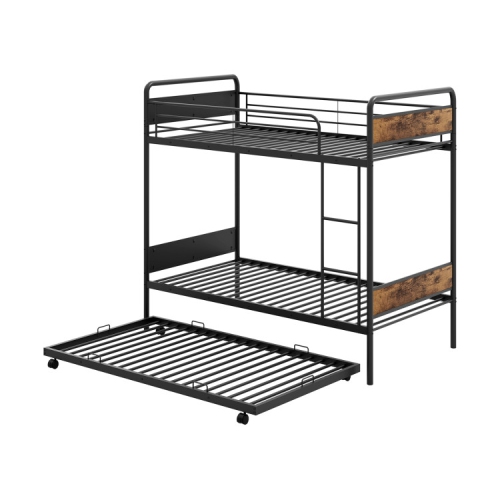
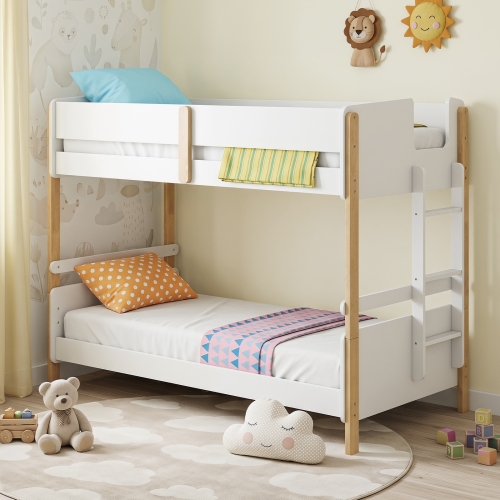
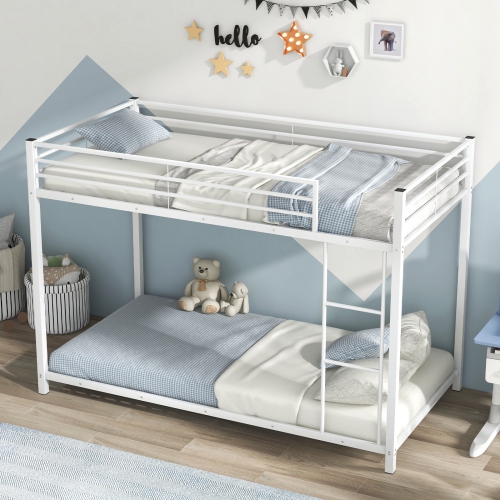
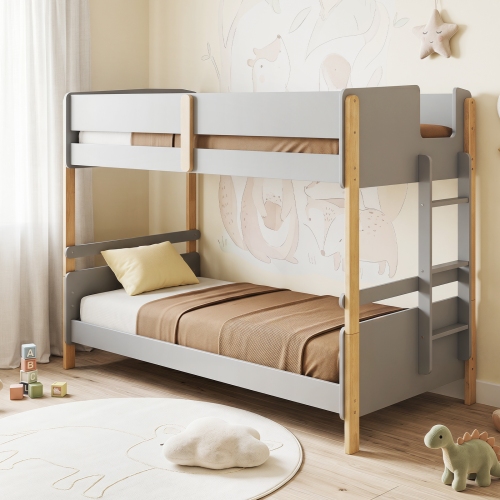
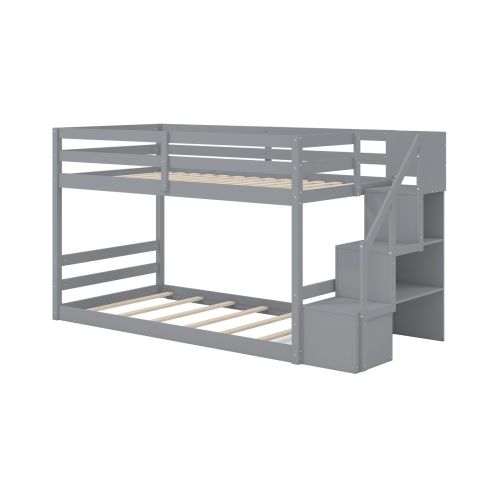
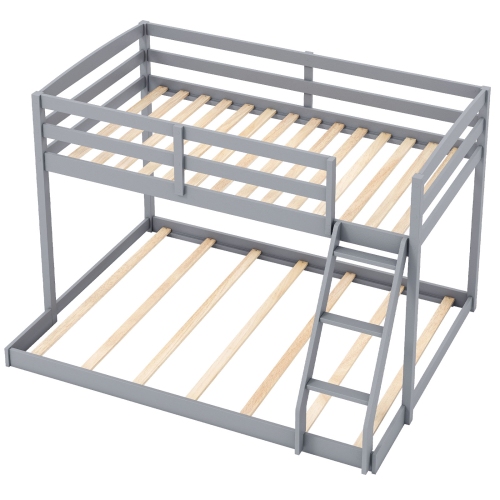
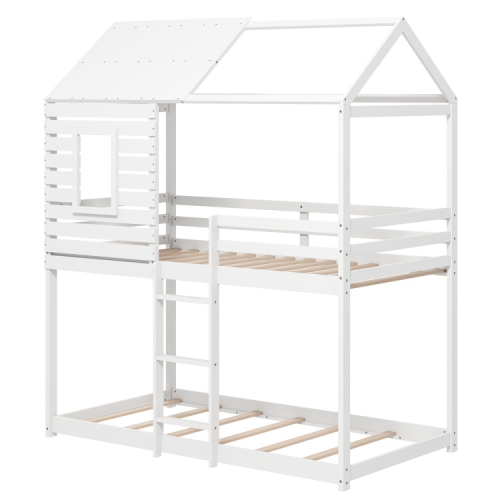
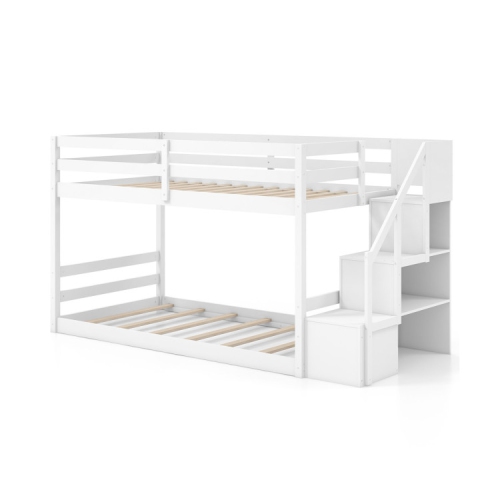
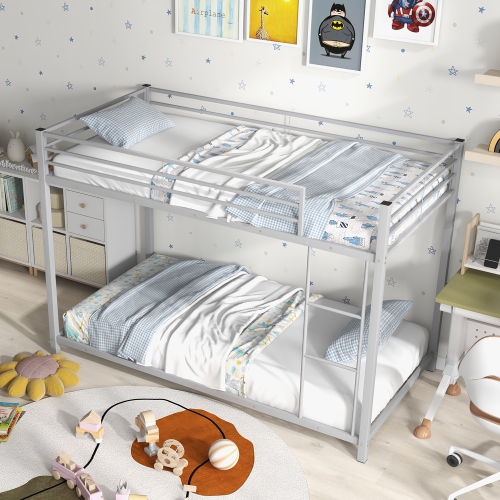
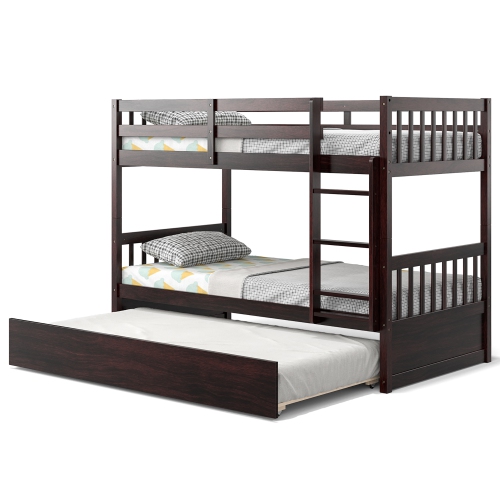
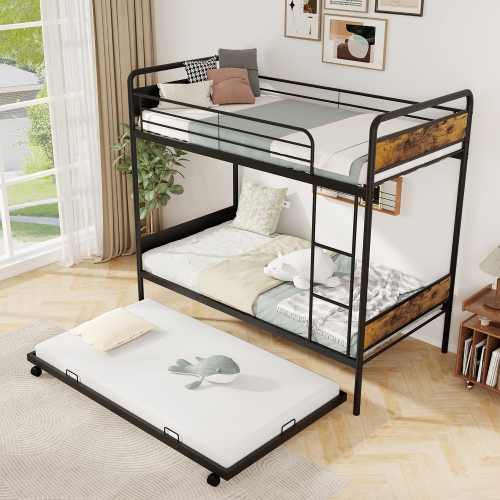
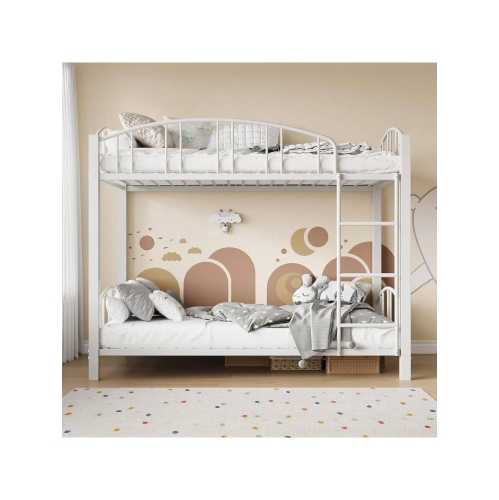
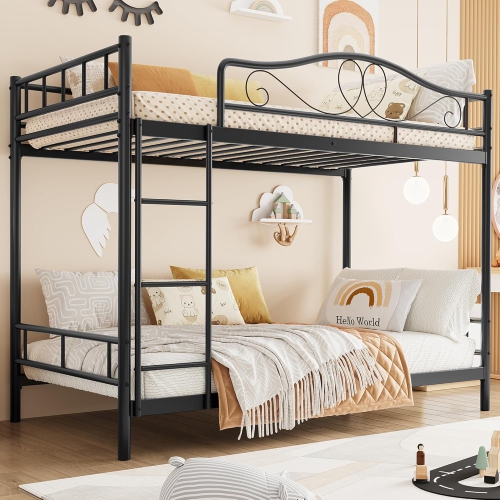
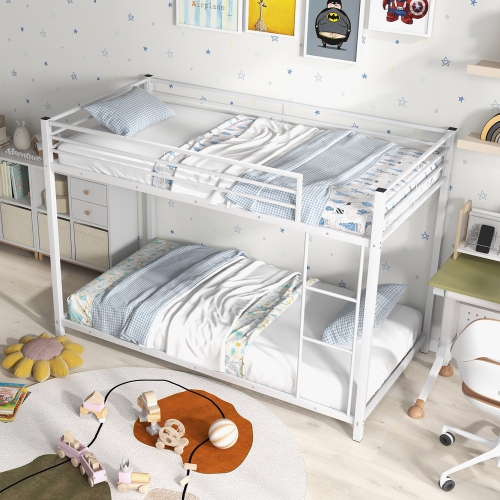
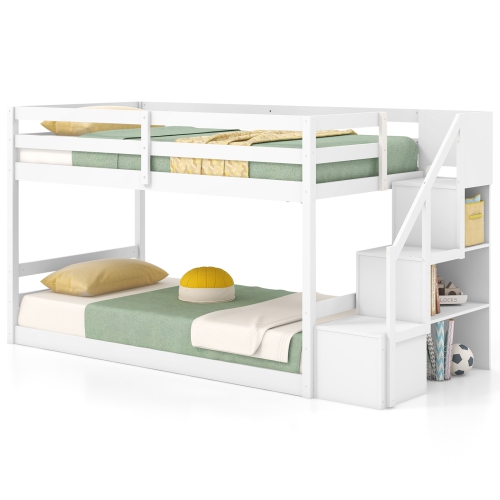
Why bunk mattress fit goes beyond the size label
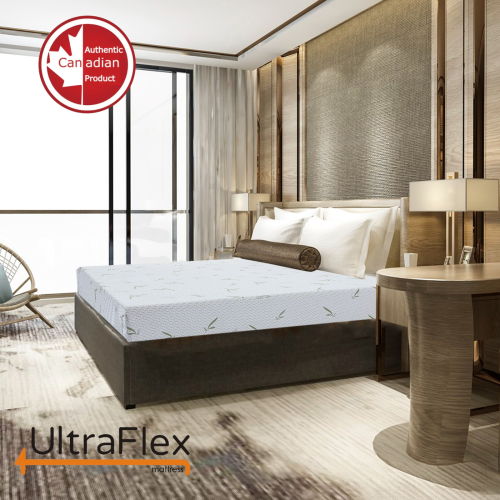
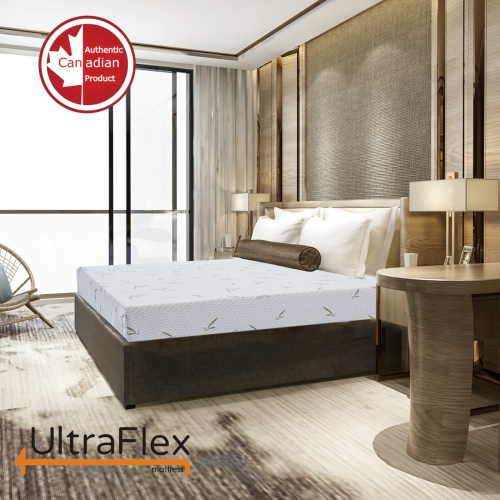
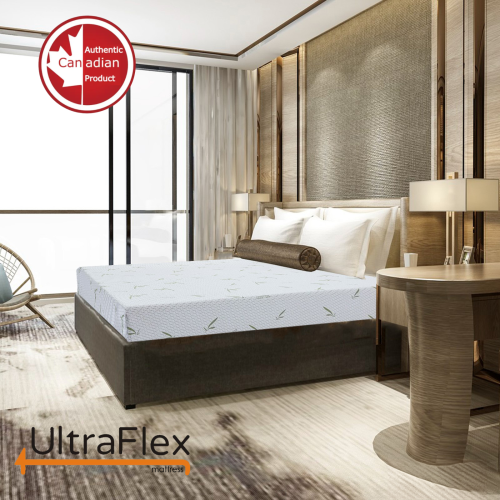
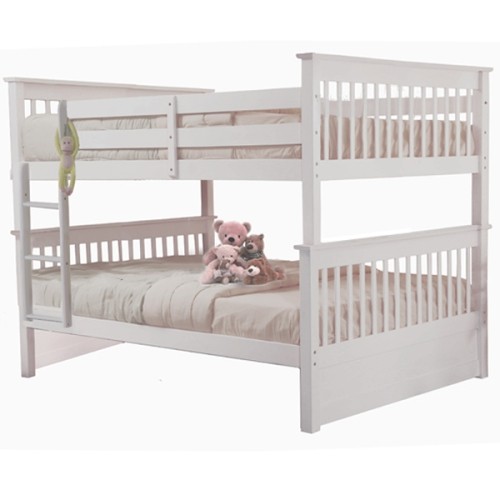
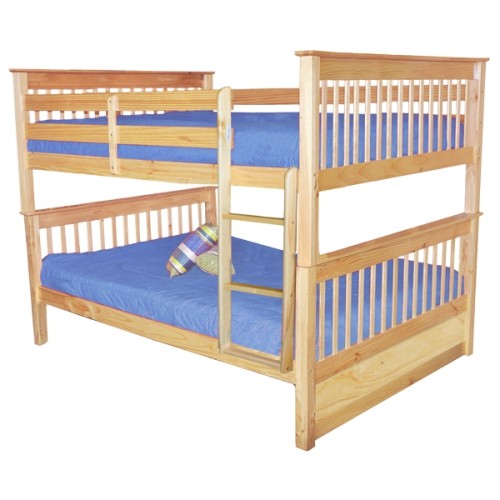
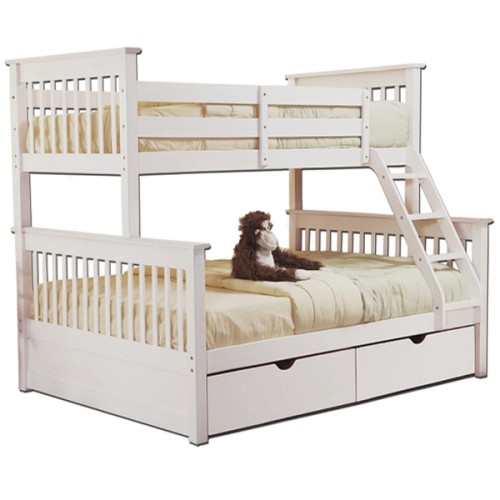
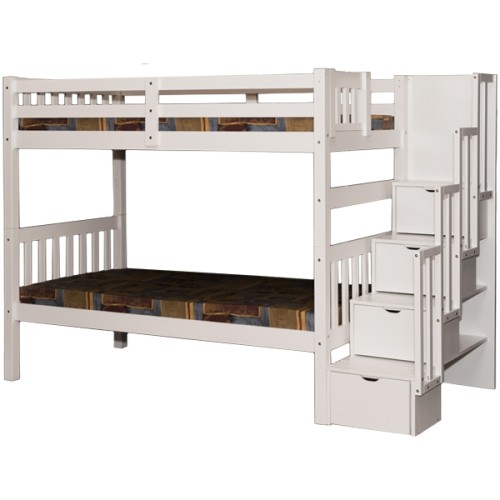
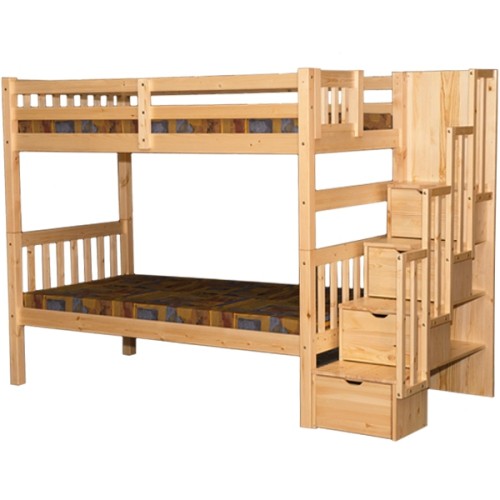
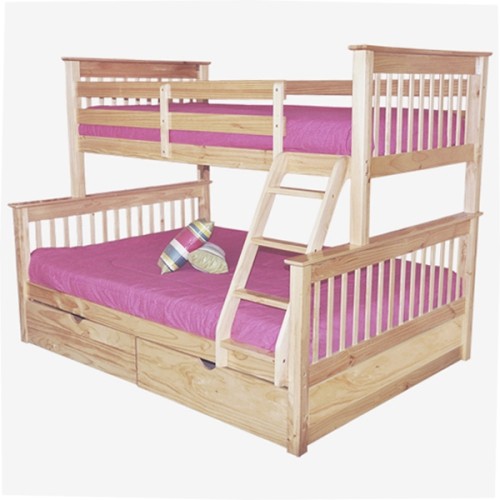
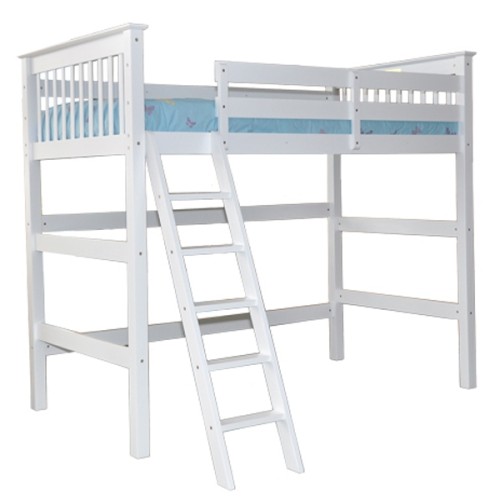
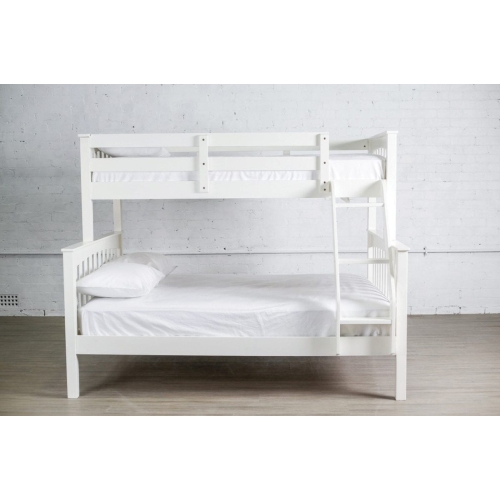
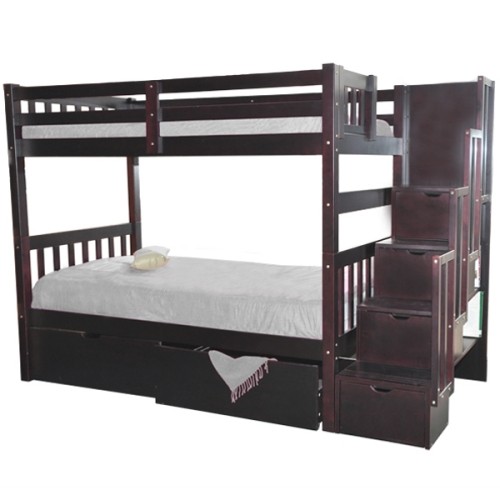
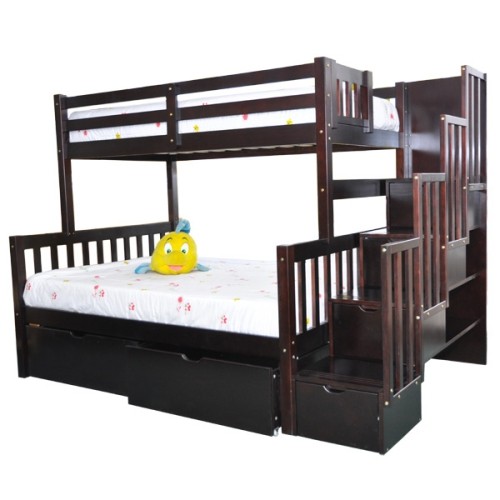
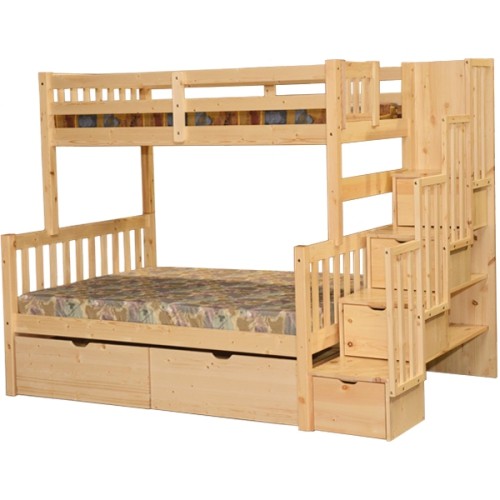
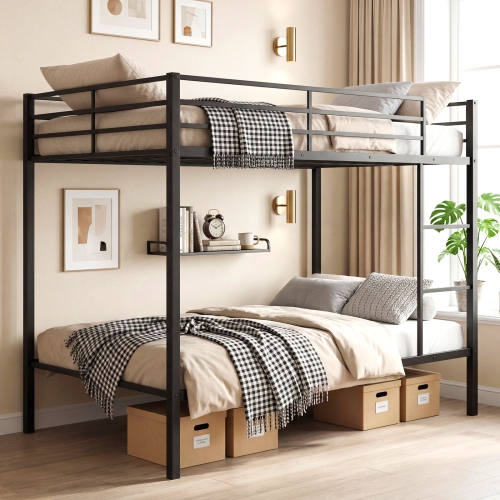
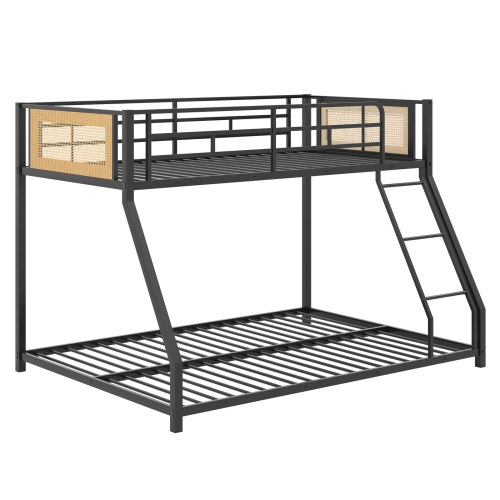
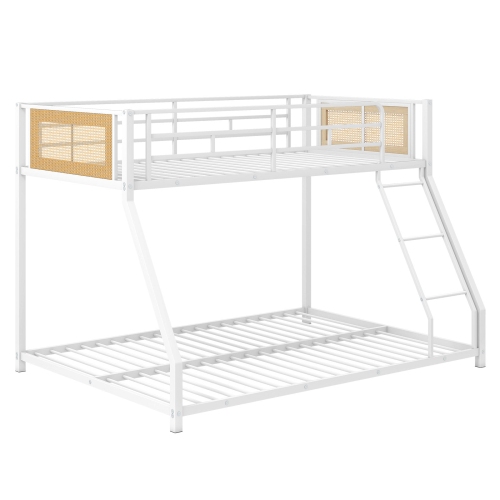
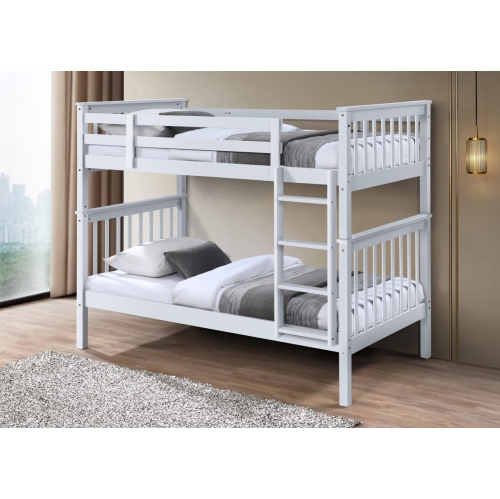
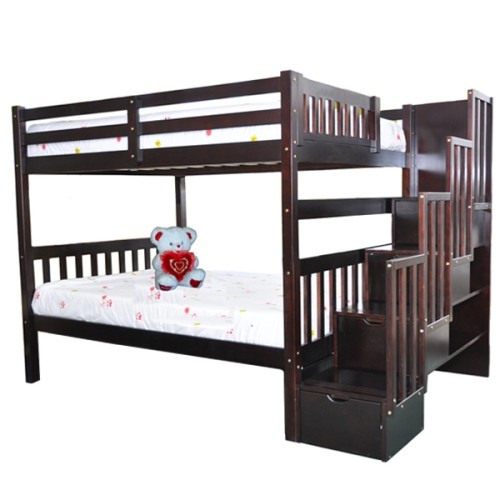
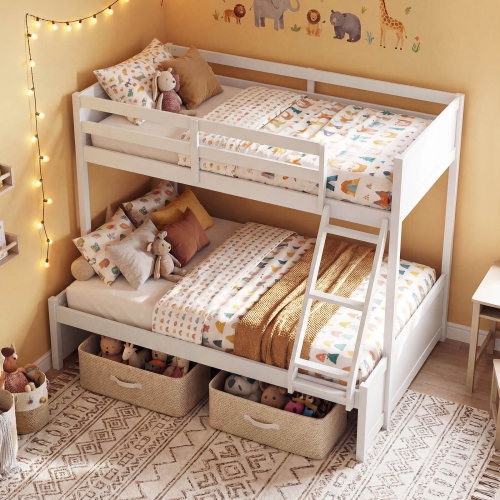
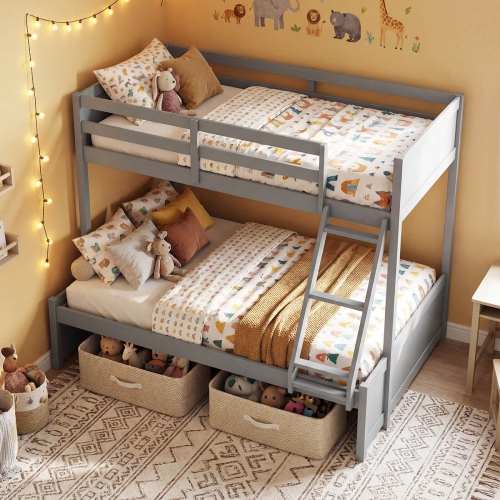
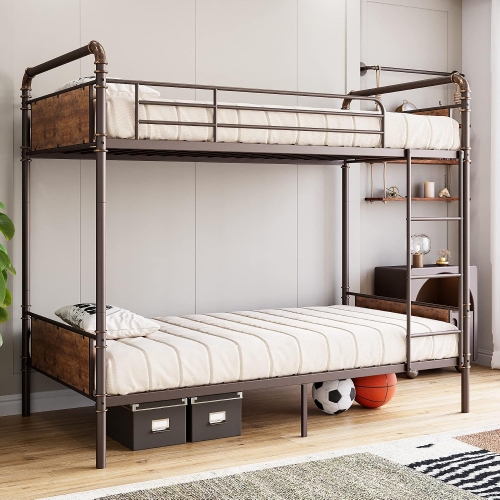
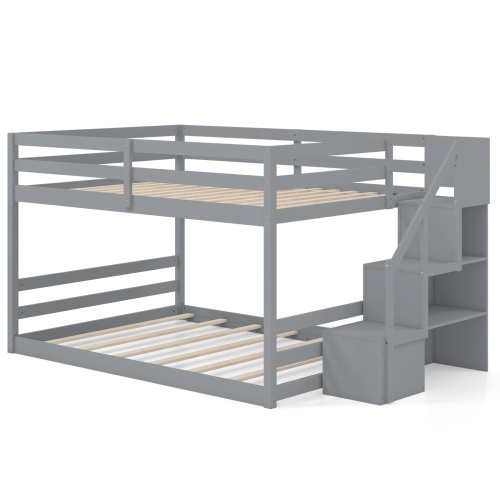
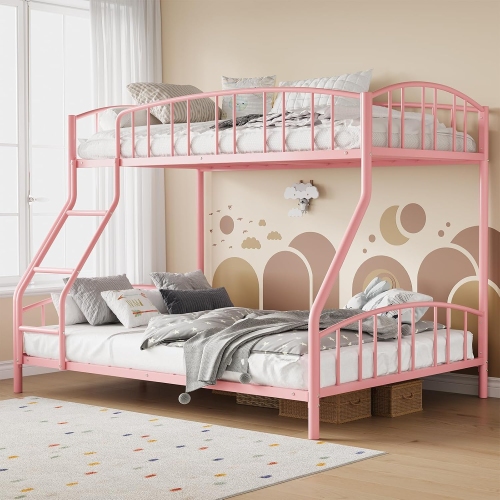
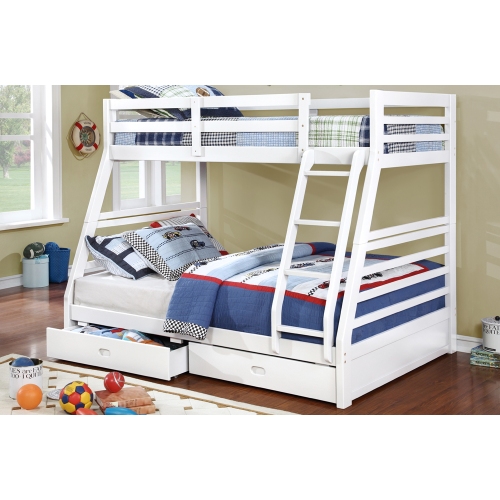
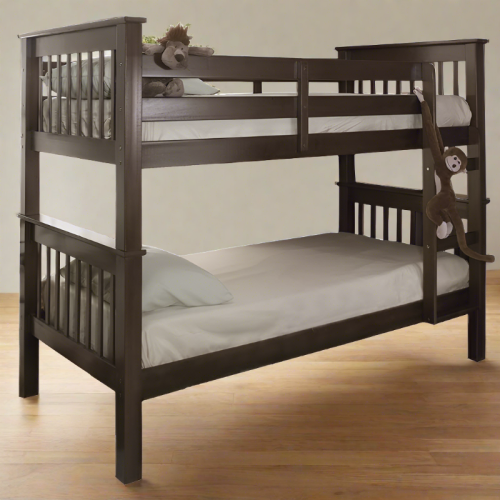
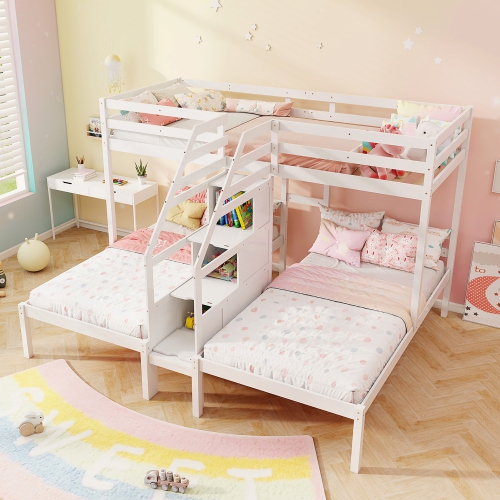
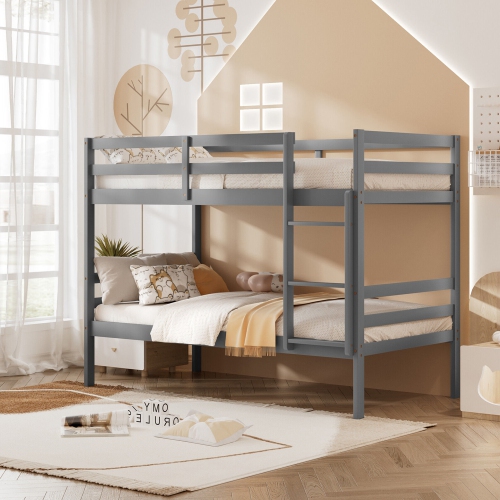
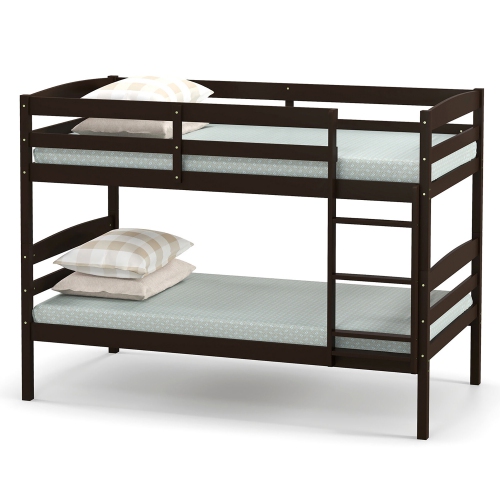
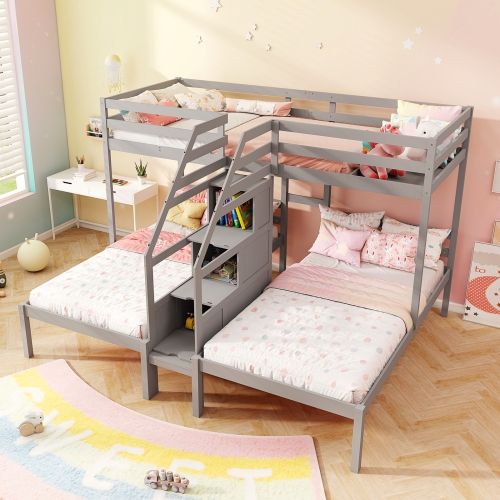
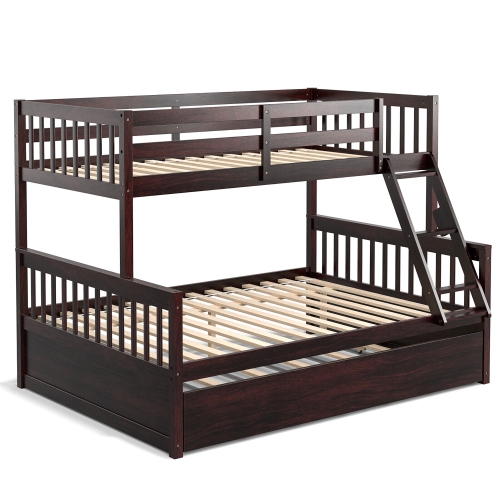
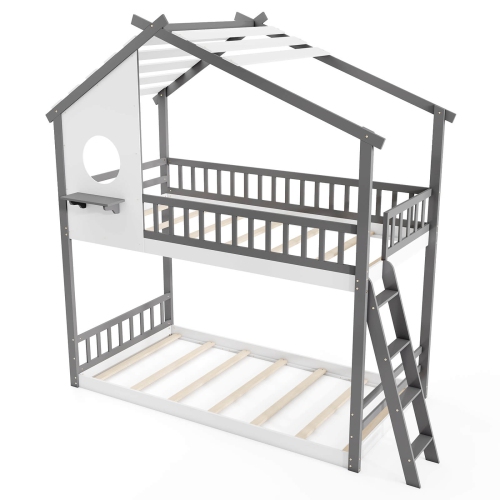
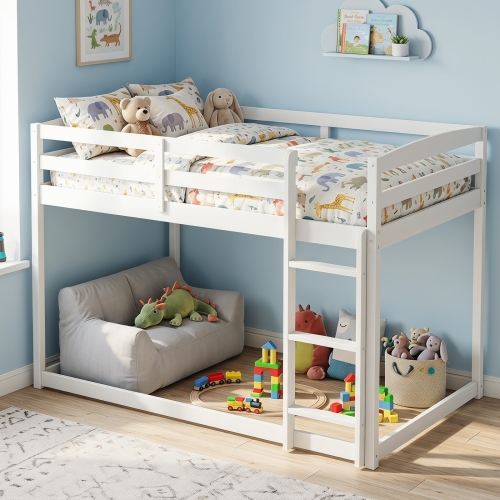
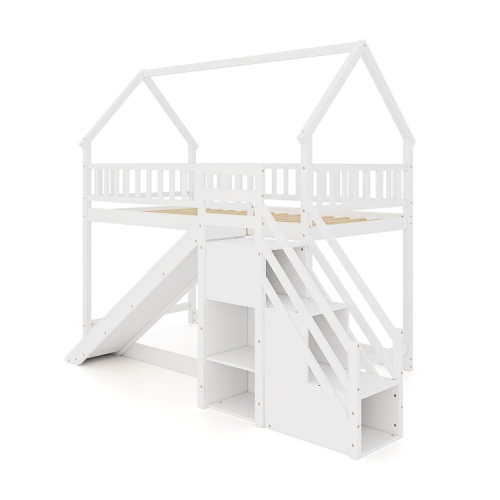
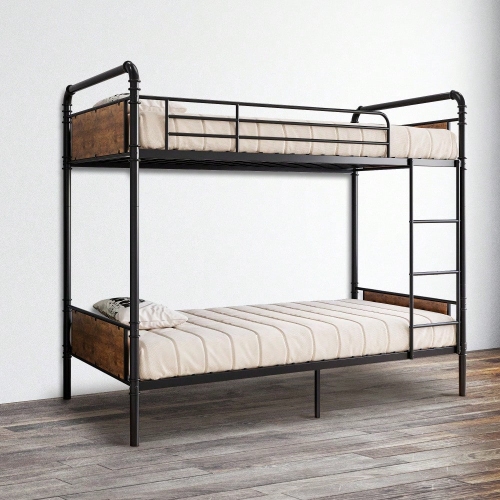
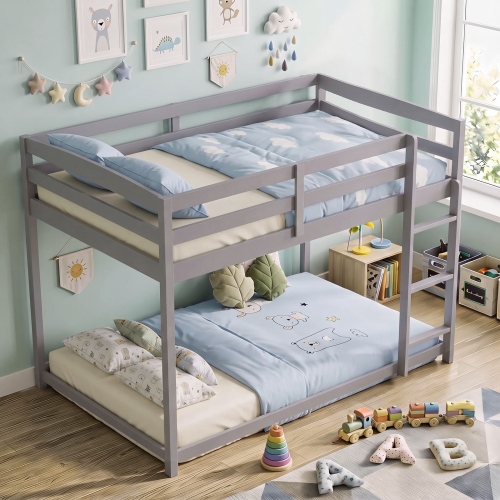
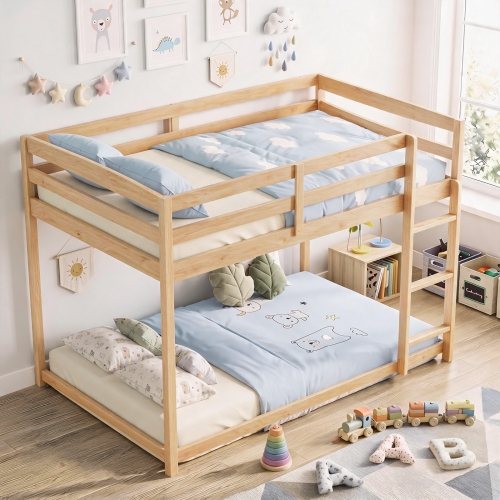
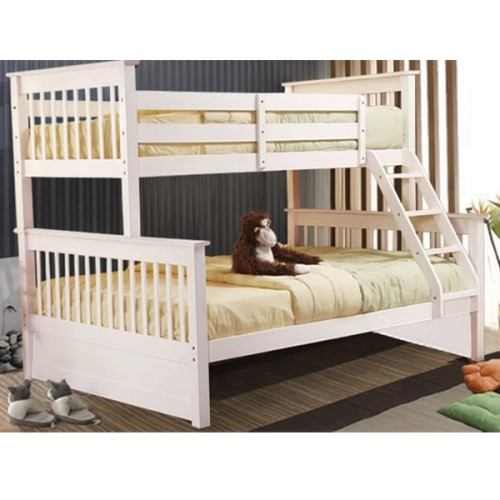
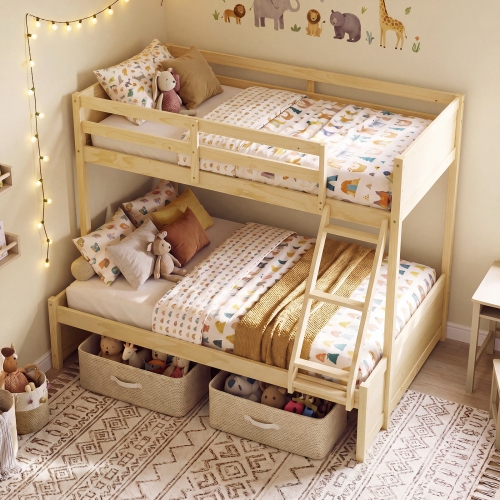
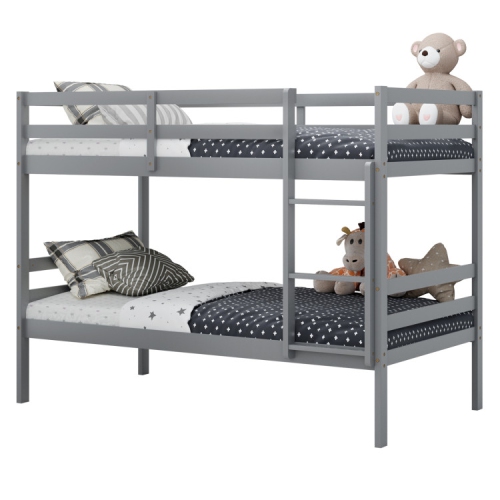
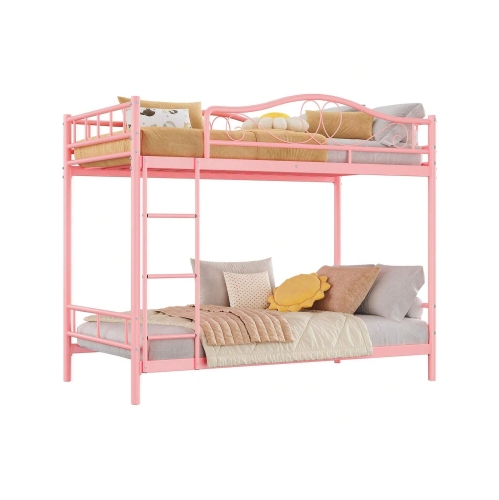
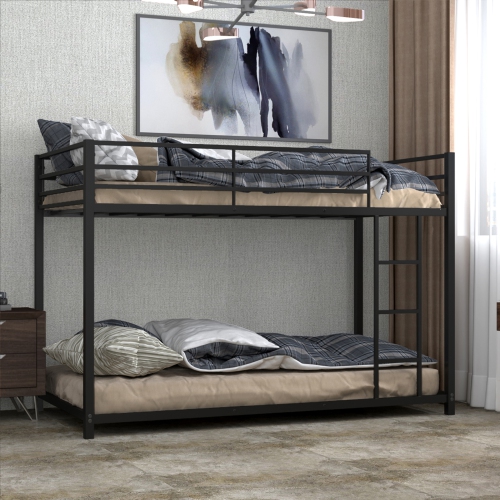
Bunk bed mattresses are designed to fit stacked sleeping spaces, where mattress dimensions and thickness matter as much as comfort. Many low-profile mattresses measure about 5 to 8 inches thick, but suitability depends on the bed manufacturer’s specified mattress size and maximum thickness. On the upper bunk, the top of the mattress should sit at least 5 inches (12.7 cm) below the top of the guardrail, or farther below if the bed’s instructions require it. A thick topper can reduce that clearance, so the complete sleeping surface needs to be considered rather than the mattress alone. Width and length are equally important: the mattress should fit the sleeping platform snugly, without spaces around the edges that could create an entrapment risk. A standard twin mattress is generally about 38 to 39 inches wide and 75 inches long, while a twin XL is approximately 80 inches long. Those names are useful starting points, but the frame’s specified dimensions take priority over a size label. Some bunk beds have matching sleeping platforms; others pair a twin upper bunk with a full lower bunk, meaning each level needs a different mattress. For frames that specify a standard twin size, Twin Mattresses for Bunk Beds brings together the relevant size category, with individual dimensions and thickness still worth checking against the frame. These details matter in a shared bedroom where two siblings have different sleeping spaces, or in a guest room where the lower bunk may accommodate an adult. The frame’s weight limits also need to account for the mattress as directed by its manufacturer. Children younger than six should not use the upper bunk. Even with a properly fitted mattress, secure guardrails, an appropriate mattress support system, and safe ladder access remain essential parts of the setup.
Construction influences how a bunk bed mattress feels, how easily it can be handled, and how well it holds its shape with regular use. All-foam mattresses may combine a firmer support core with softer comfort layers, creating a relatively lightweight sleeping surface that can be easier to lift when changing sheets on the upper level. Memory foam responds gradually to pressure and contours around the sleeper, while other polyurethane foams tend to have a quicker, less enveloping feel. Latex generally offers a more responsive surface, although its weight can make lifting and rotating more demanding. Innerspring mattresses use coils for support, and hybrid designs combine a coil system with foam or other comfort layers. Neither construction automatically makes a mattress suitable for a bunk bed: the finished height, dimensions, weight, and required foundation still need to match the frame. A low profile also does not necessarily mean an unusually hard surface. Firmness depends on the materials and their arrangement, while perceived comfort varies with the sleeper’s size and preferred position. A lighter child may experience a mattress differently from a teenager using the same bed, and a side sleeper may appreciate more cushioning around the shoulder than someone who sleeps mostly on their back. For a growing child’s everyday bed, consistent support and comfort across the whole surface are more useful considerations than plushness alone. For occasional guests, the expected sleeper and frequency of use help put those characteristics in context. Edge stability can also affect the feel of getting into and out of bed, although a mattress edge is not a substitute for the frame’s guardrails. Beneath the mattress, slat spacing and support requirements deserve attention because an unsuitable base can allow sagging or affect warranty coverage. Adding a box spring or another foundation is appropriate only when the bunk bed manufacturer explicitly permits it; extra height can compromise upper-bunk clearance.
Everyday care is particularly noticeable with bunk bed mattresses because reaching corners and lifting the mattress can take more effort than on a conventional bed. A manageable mattress weight makes routine tasks less awkward, especially when fitting a protector at the far corner of an upper bunk. Fitted sheets should match both the mattress dimensions and its depth: excessively deep pockets can leave loose fabric around a slim mattress, while sheets that are too shallow may pull free during sleep. A thin, well-fitting mattress protector can help manage spills and everyday marks without adding the bulk of a padded topper, though any added layer still needs to leave the required guardrail clearance. Removable covers can simplify cleaning when the care label allows washing, but a zip alone does not mean that a cover is intended to come off. Some covers are integral to the mattress construction and should remain in place. For spot cleaning, the manufacturer’s directions determine suitable methods, and the mattress should be fully dry before bedding goes back on. Saturating foam can make drying difficult, so surface cleaning is generally more practical than soaking. Rotation may help distribute wear if the mattress maker recommends it; flipping is suitable only for a mattress specifically designed to be used on both sides. Over time, persistent dips, damaged seams, or a noticeable loss of support can signal that the sleeping surface is no longer performing as intended. In a shared room, separate mattresses also let each sleeper have bedding and a surface feel suited to their own needs without changing the entire bunk bed. A child who moves frequently during sleep, a teenager who reads on the lower bunk, and a visiting relative staying overnight may all use the space differently. Matching the mattress to those everyday routines, while preserving the frame’s fit and safety requirements, makes the sleeping area more comfortable and easier to care for.
Top selling and popular products
-
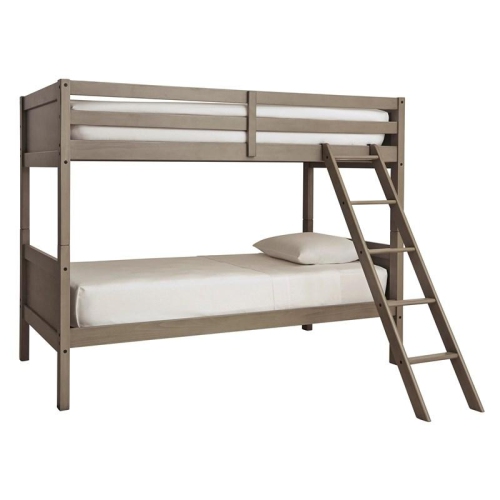 Your price for this item is $799.99
-
 Your price for this item is $3519.99
-
 Your price for this item is $3099.99
-
 Your price for this item is $3349.99
-
 Your price for this item is $235.99
-
 Your price for this item is $243.99
-
 Your price for this item is $233.99
-
 Your price for this item is $364.99
Discover more categories related to Bunk Bed Mattresses
Top Collections:
Best Black Friday Deals This Year, Best Black Friday Deals On Electronics, Kindle Devices, Best Black Friday Deals On Apple Products, Best Budget Office Chairs, Best Cameras for Sports Photography, Dyson Airwrap, Canon G7X Cameras, Best Laptops for Writers, Samsung Galaxy Phones
Some products may be subject to Environmental Handling Fees
(EHF) depending on your province.
Learn more about EHFs.