Measurement Gauges
Whether you're a professional craftsman or a DIY enthusiast, having the right measurement gauges is essential for accurate and precise work. From rulers and tape measures to calipers and angle finders, our collection of measurement gauges offers a wide range of tools to meet your needs. With durable construction and easy-to-read markings, these gauges are designed to help you take measurements with confidence and efficiency. Explore our selection of measurement gauges and find the perfect tools to elevate your precision and craftsmanship.
Sort
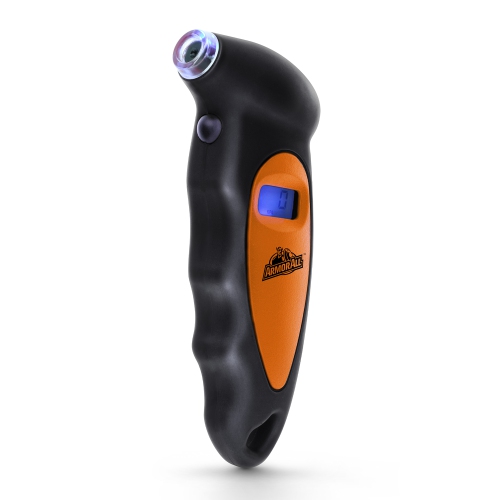
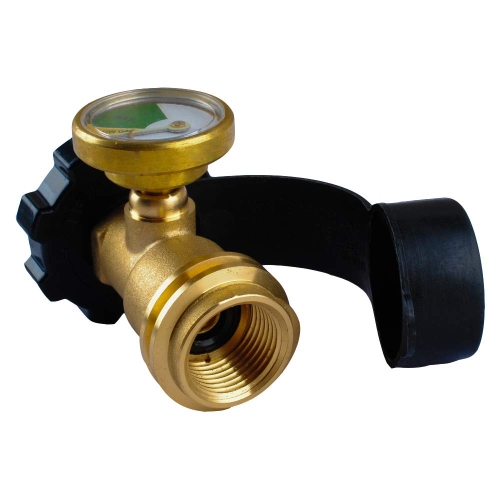
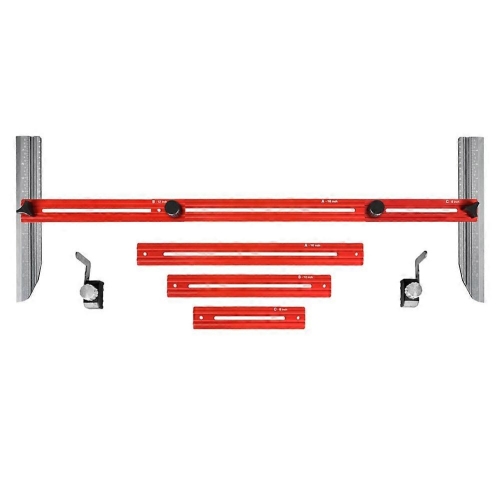
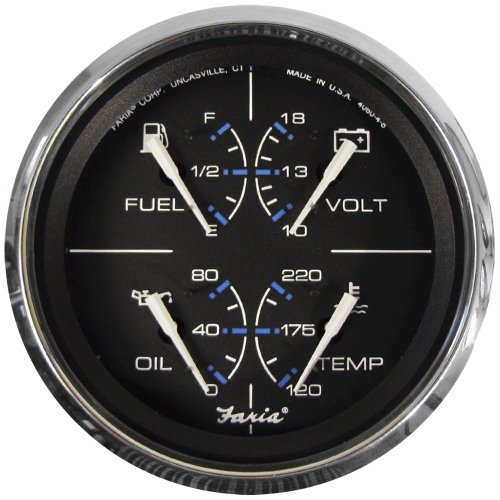
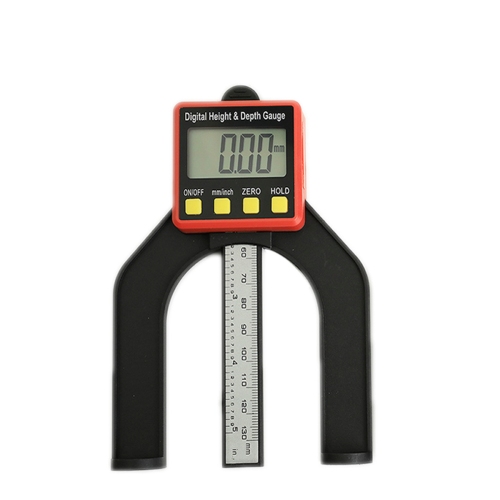
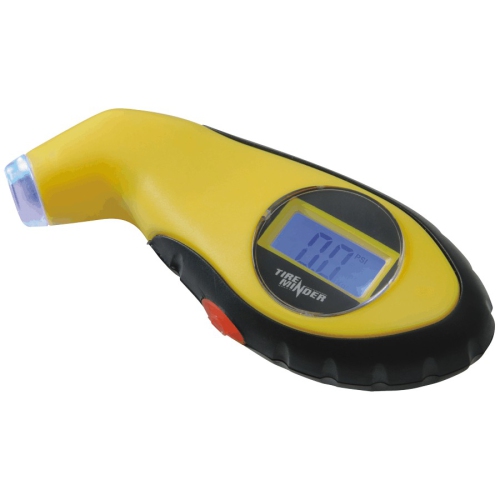
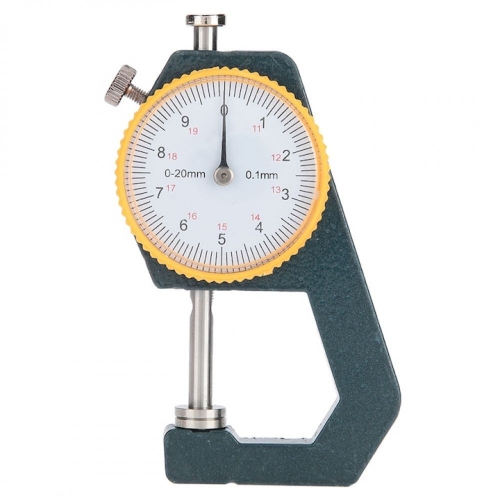

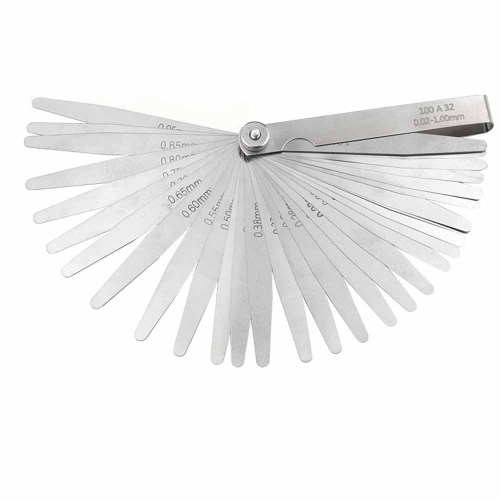
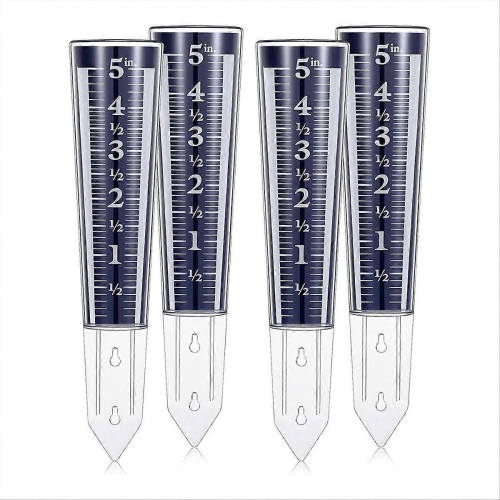
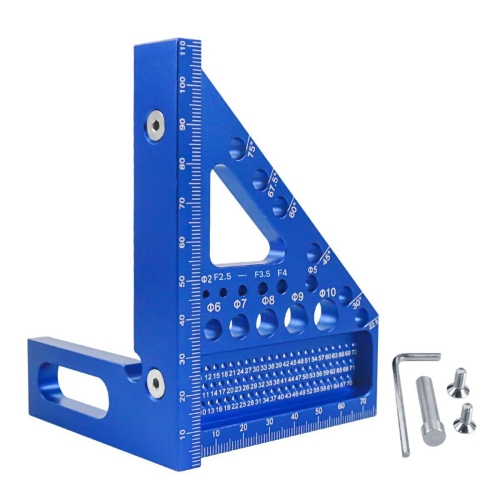
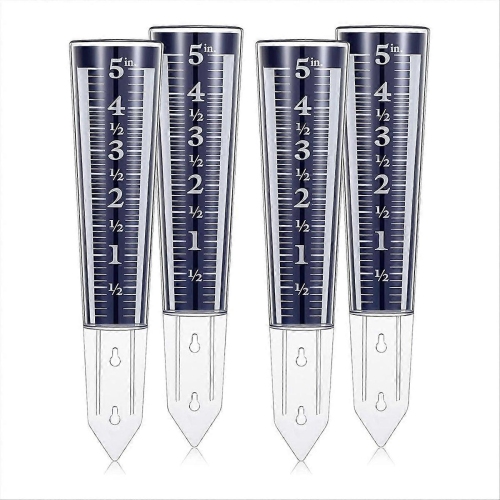
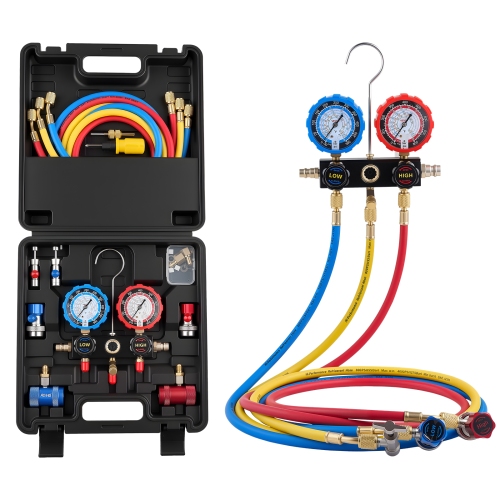
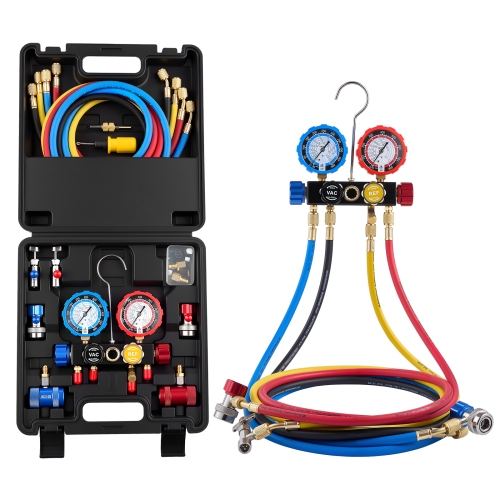
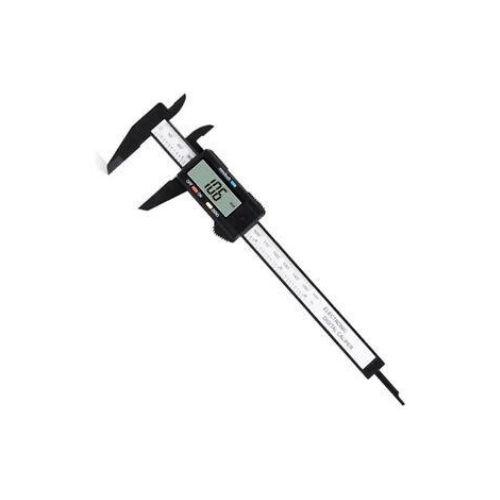
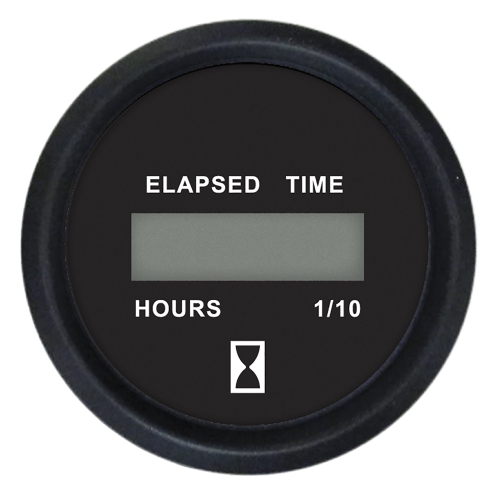
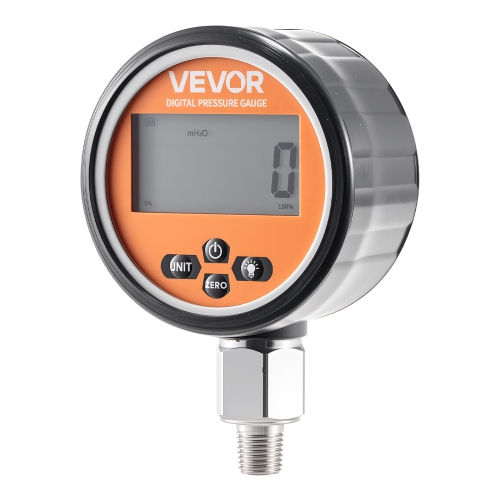
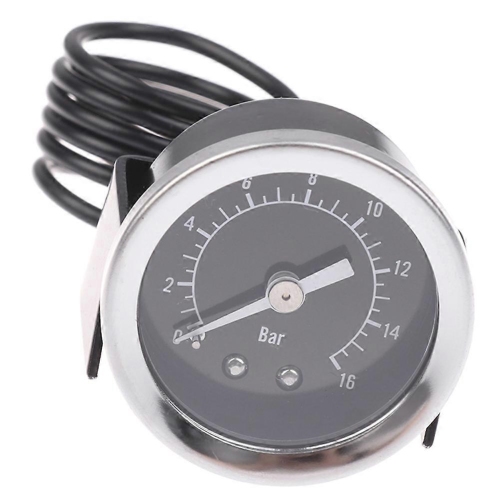
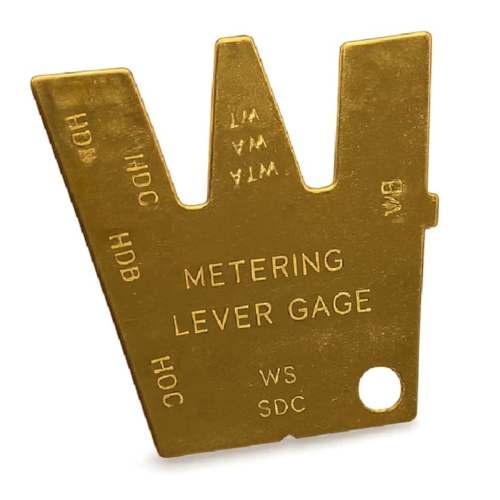
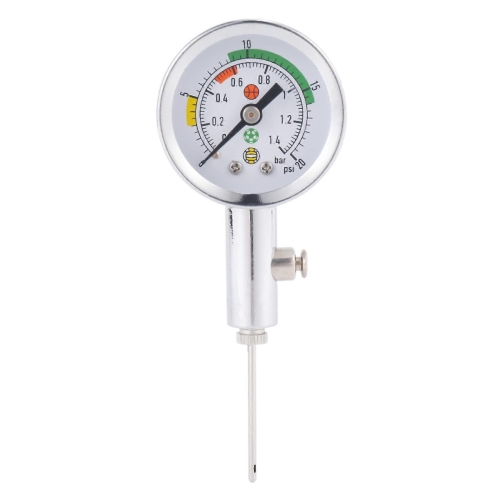
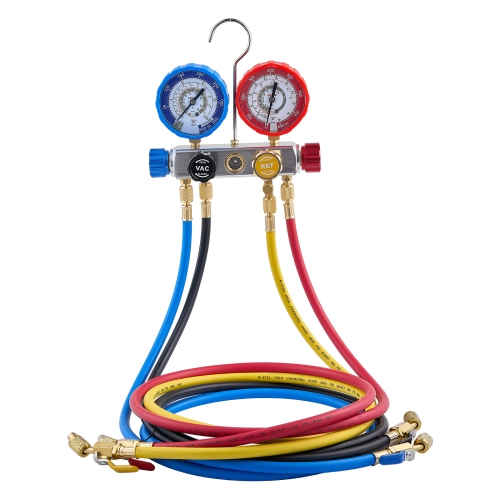
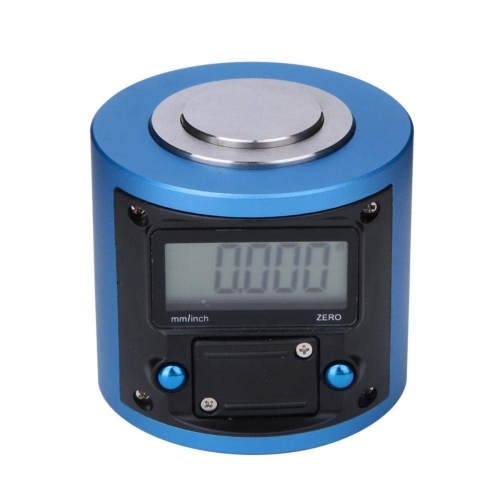
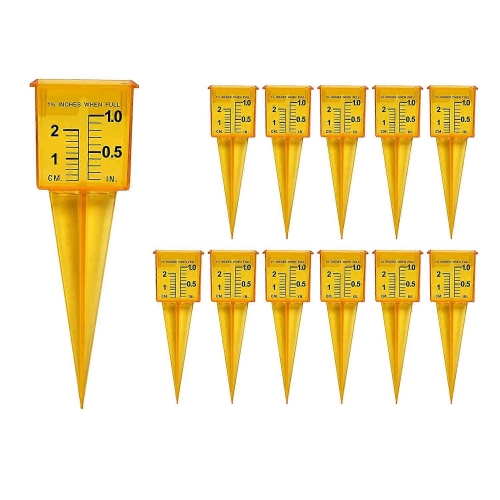
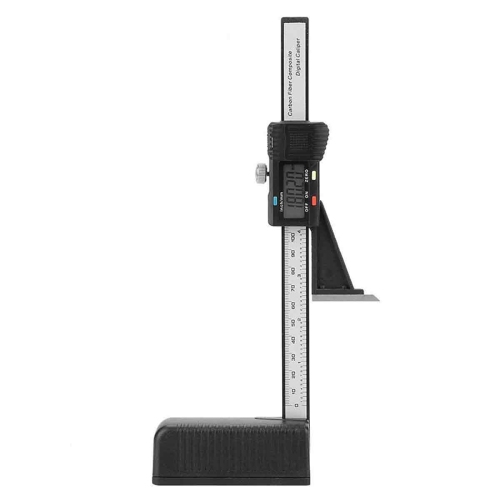
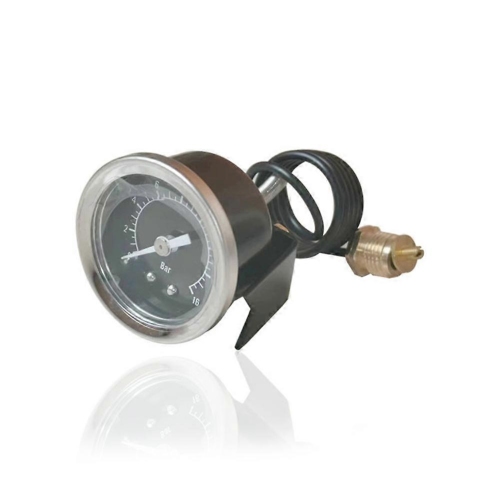
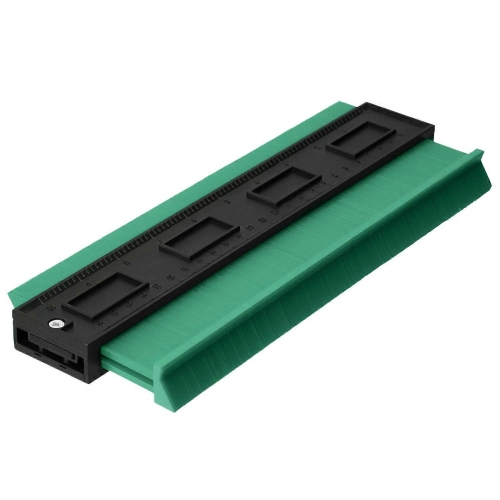
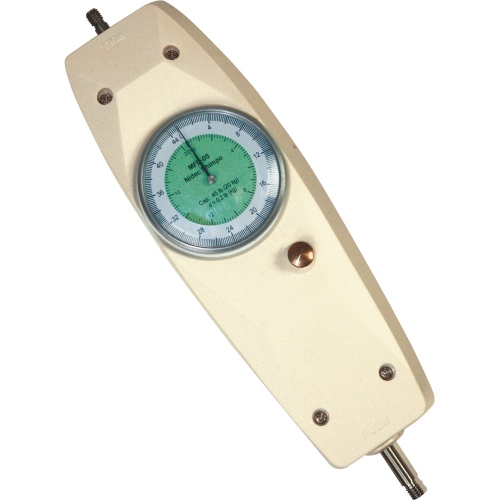
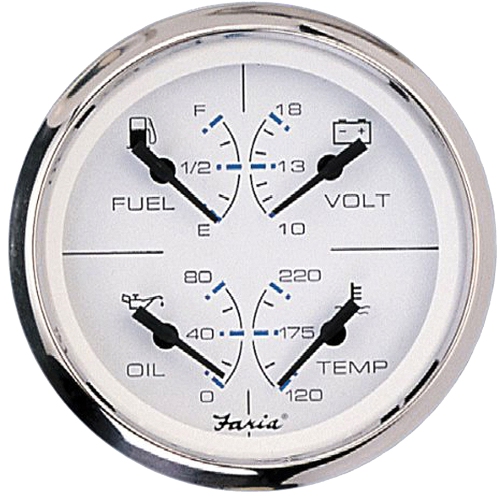
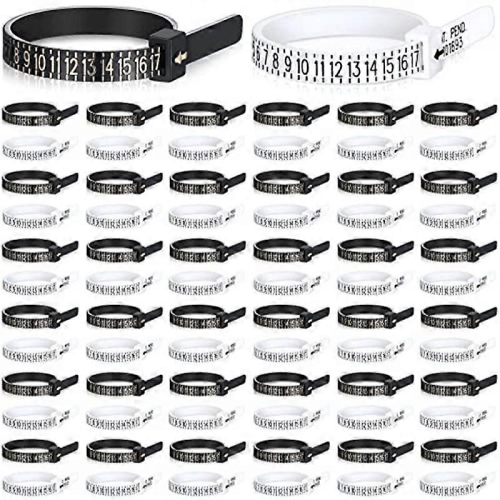
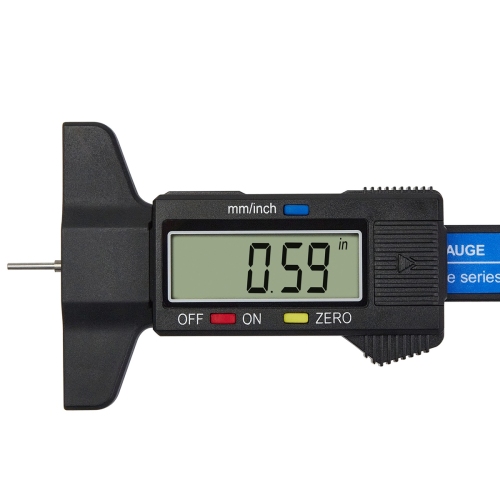
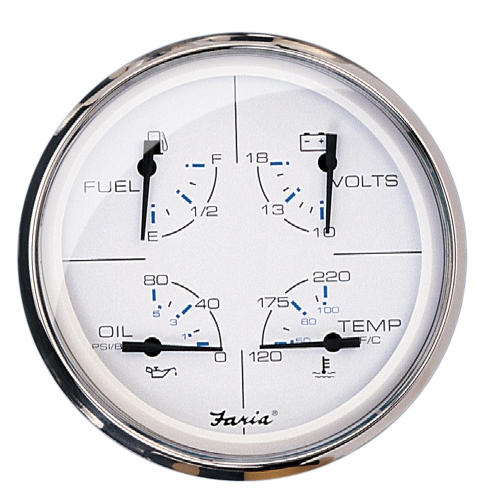
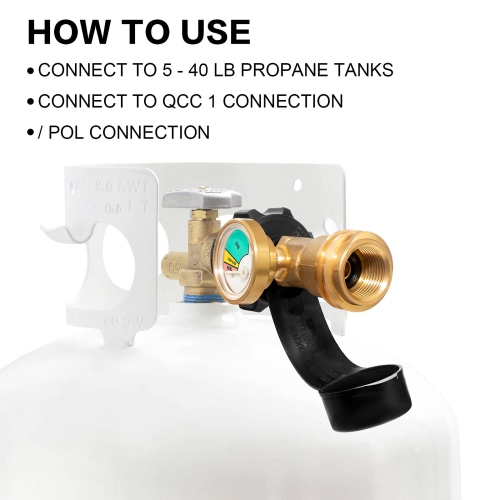

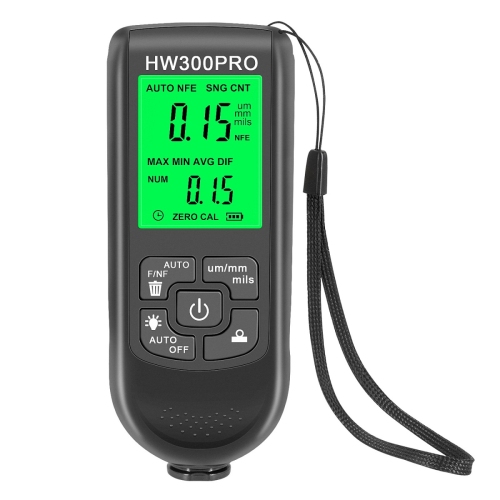
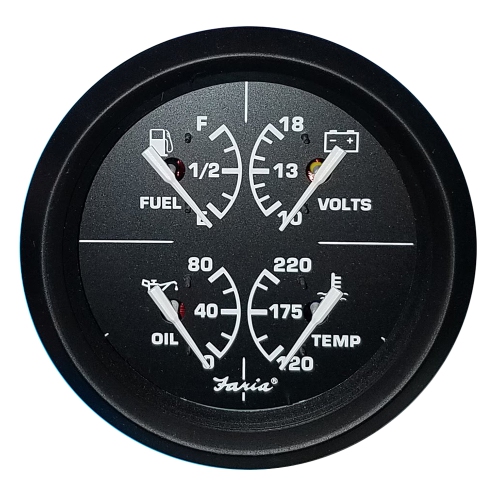
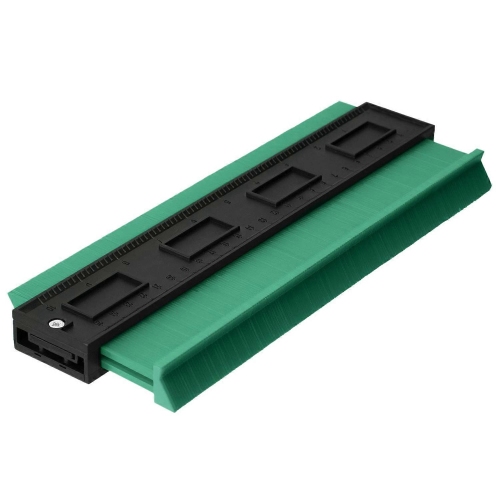
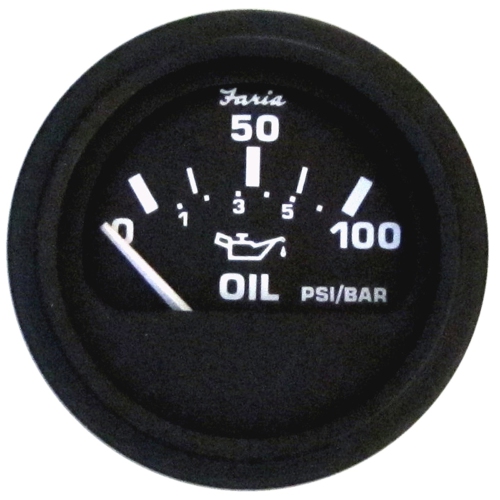
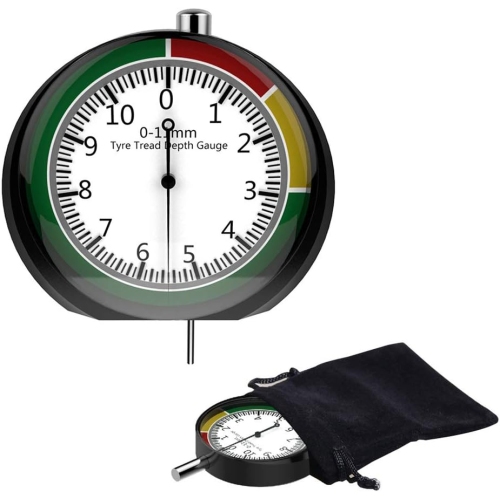
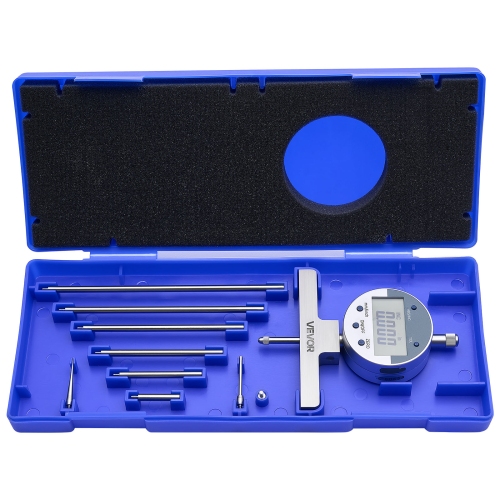
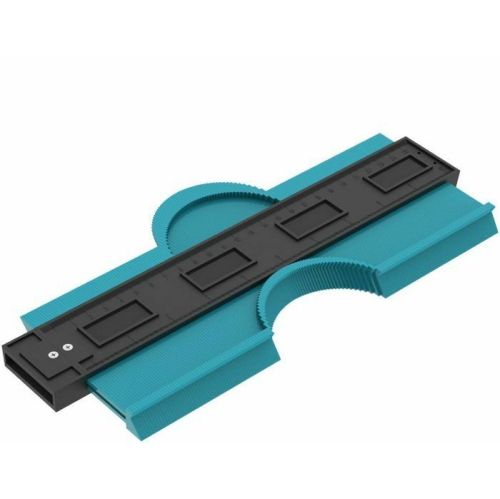
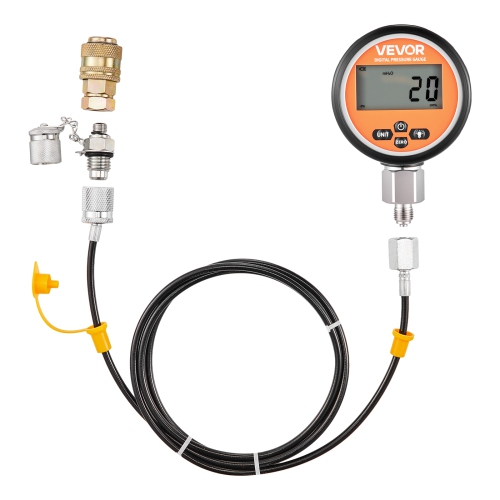
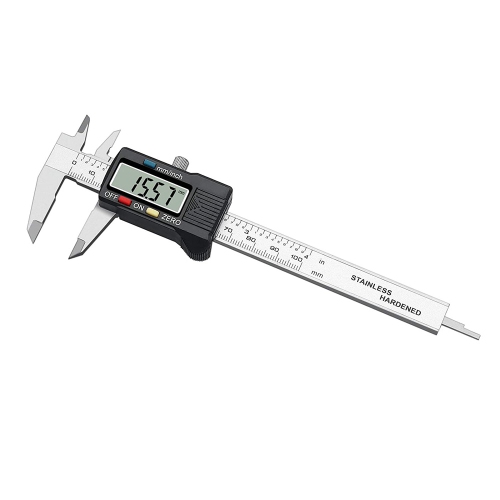
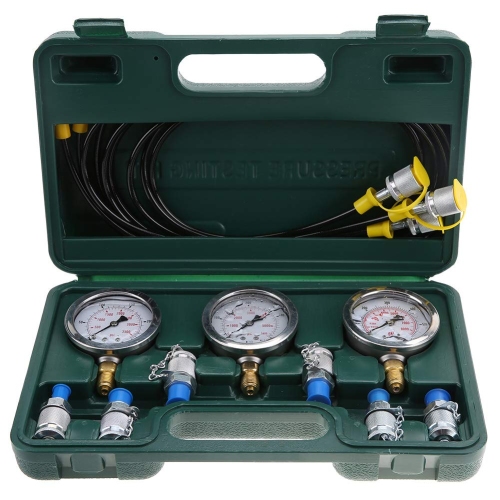
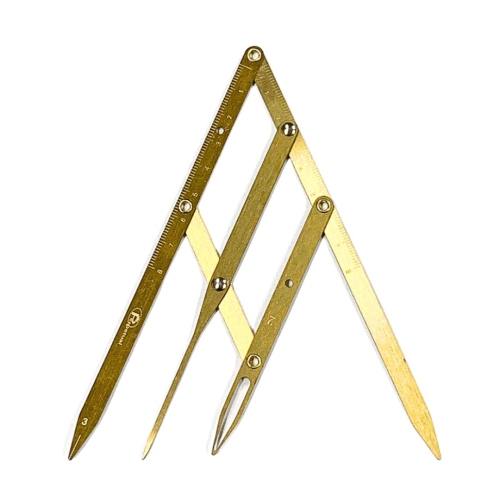
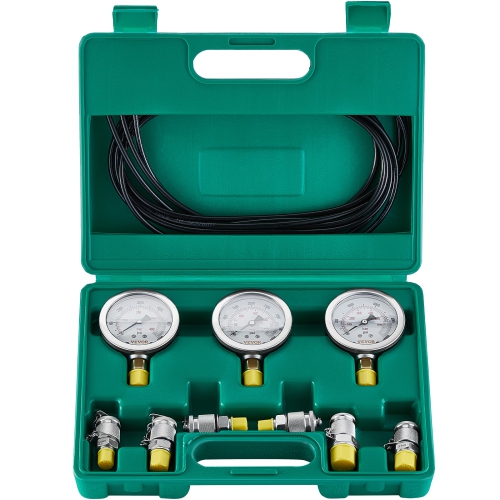
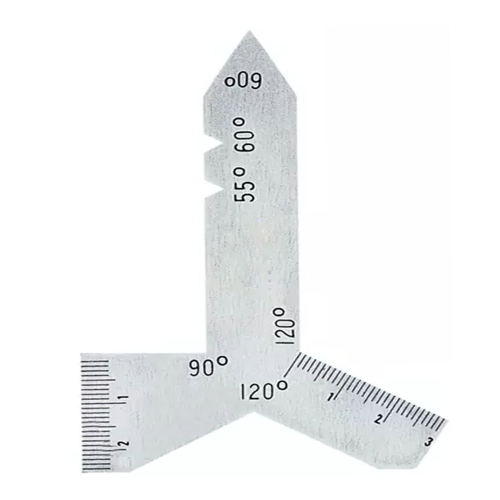
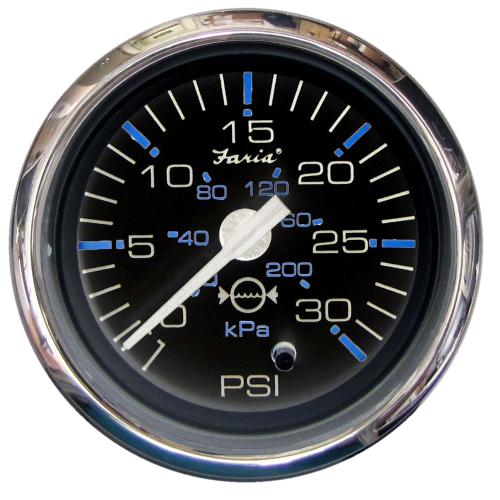
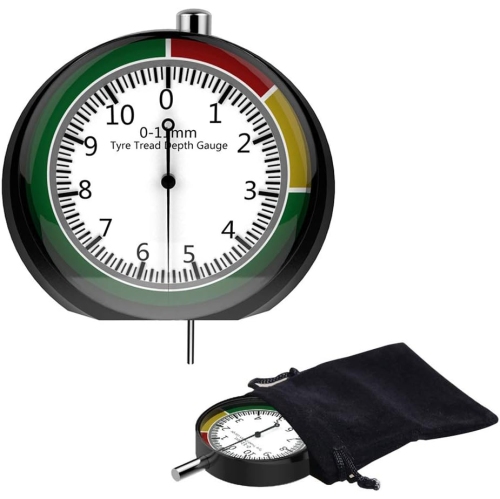

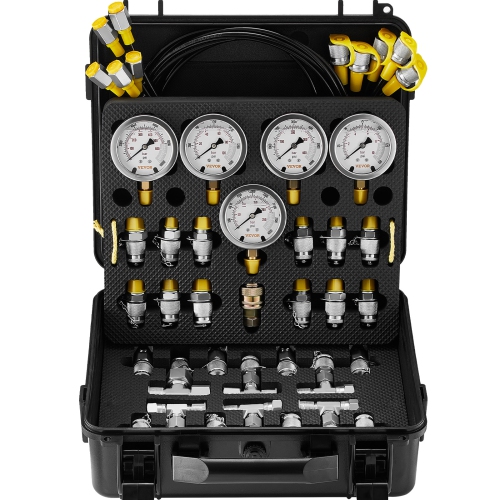
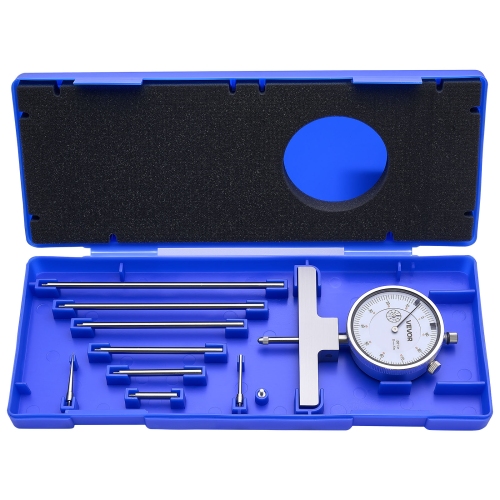
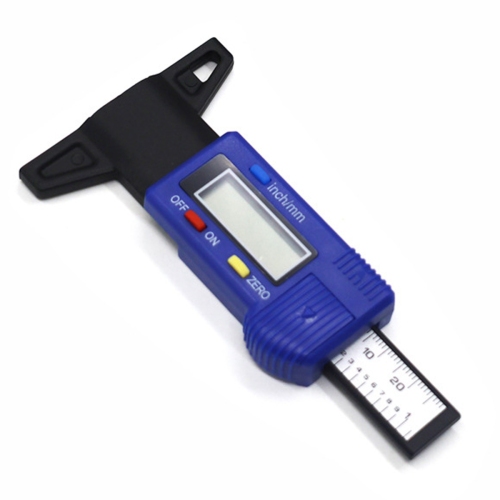
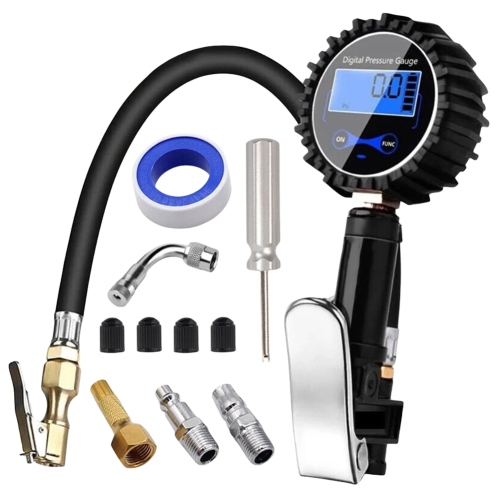
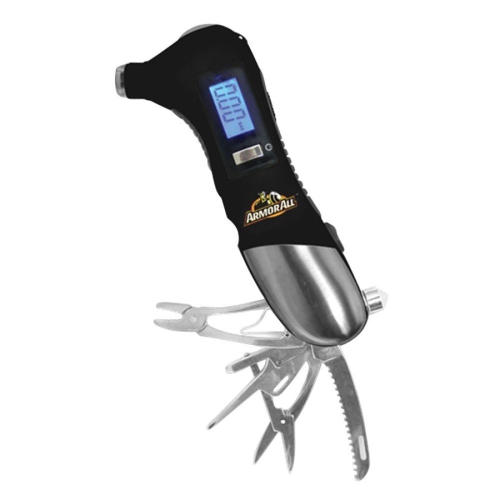
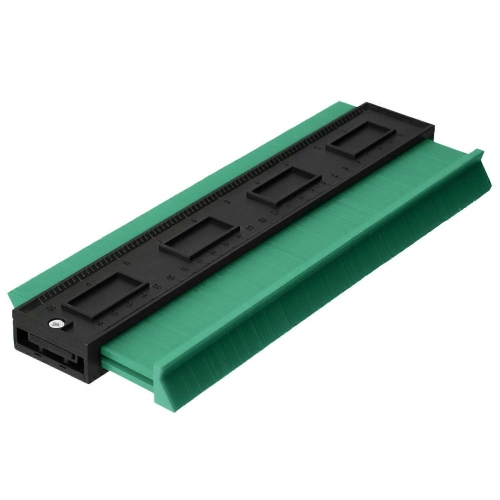
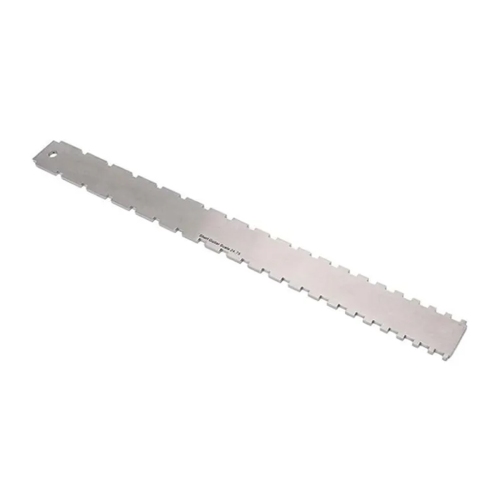
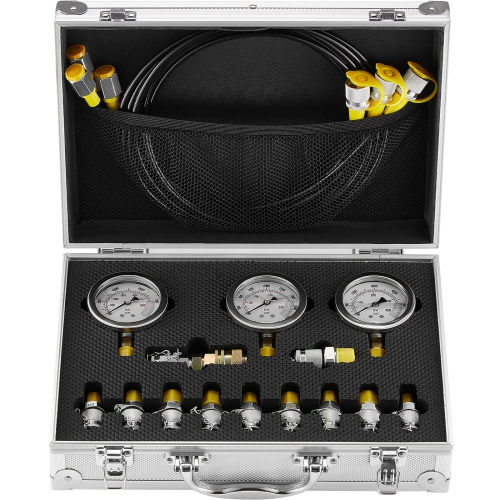
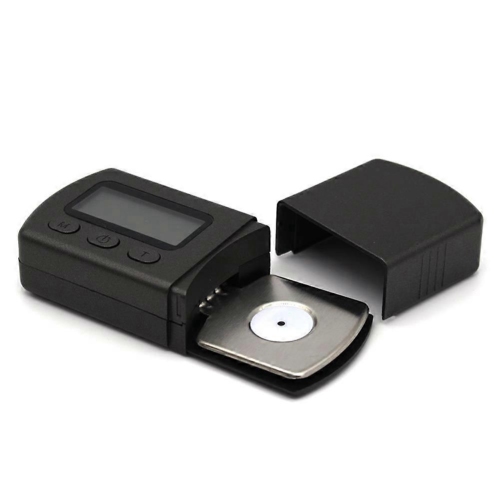
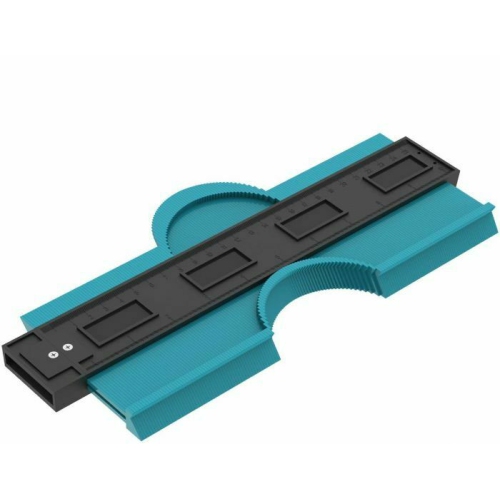
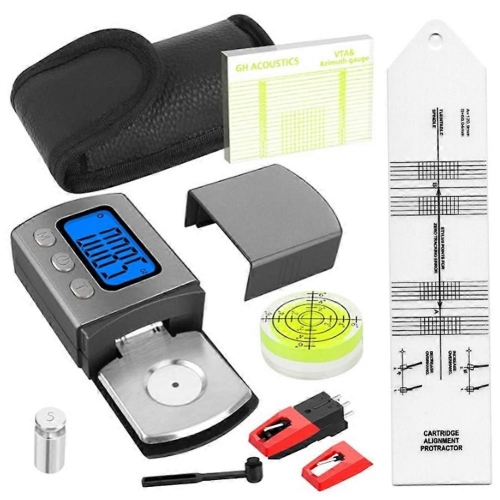
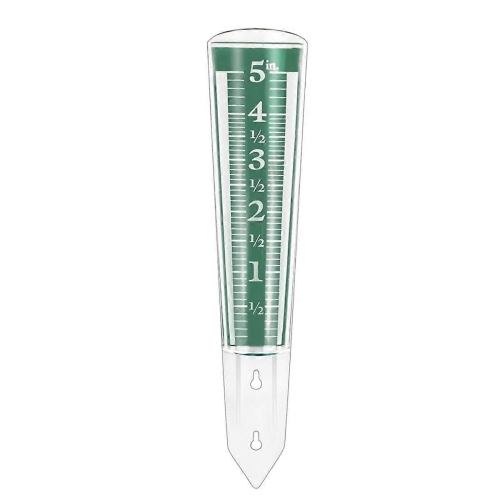
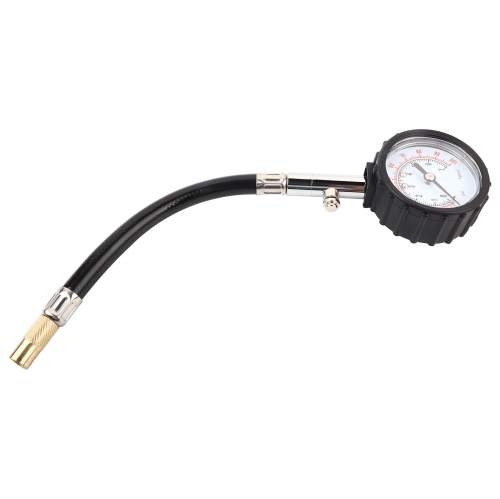
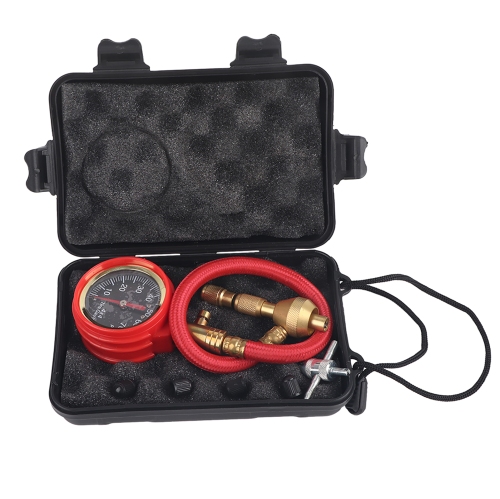
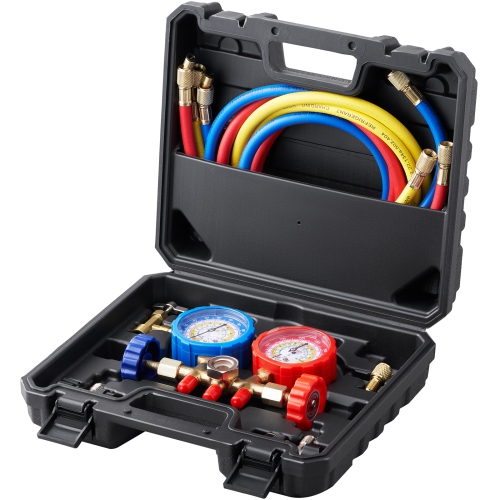
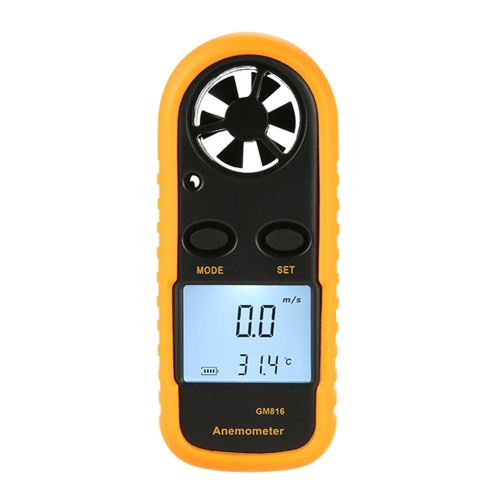
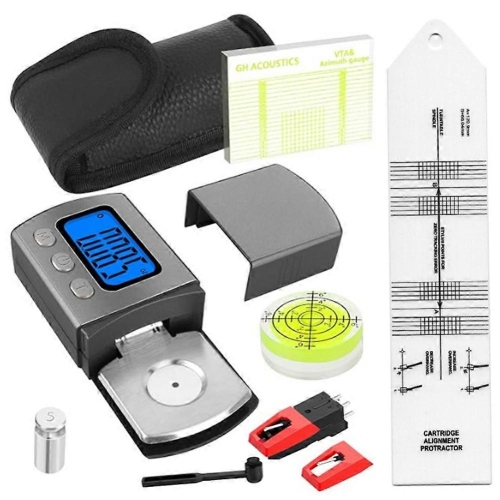

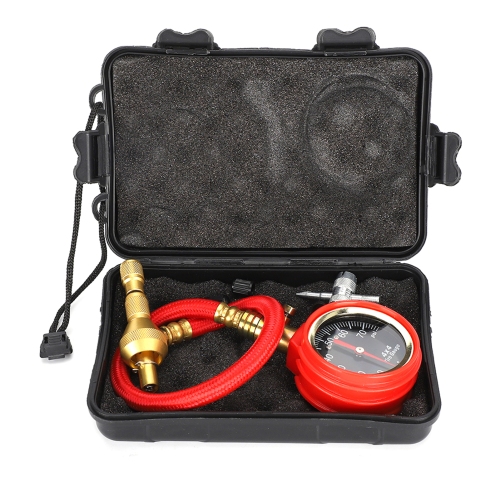
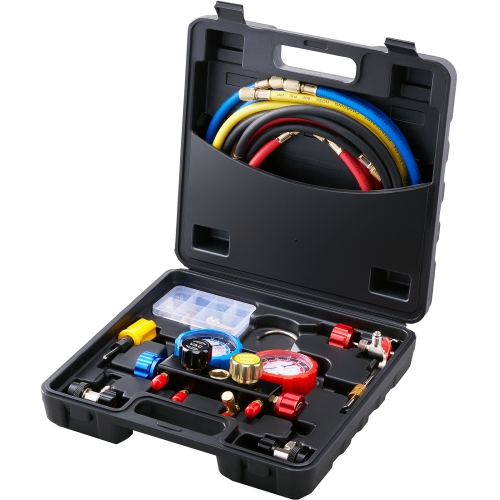

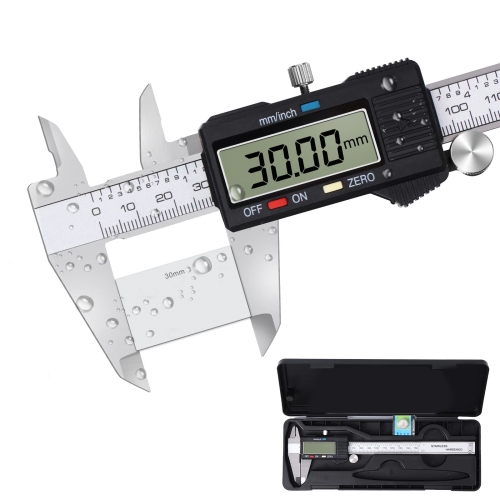
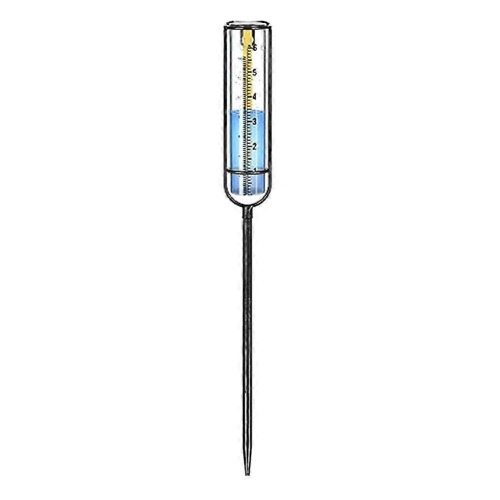
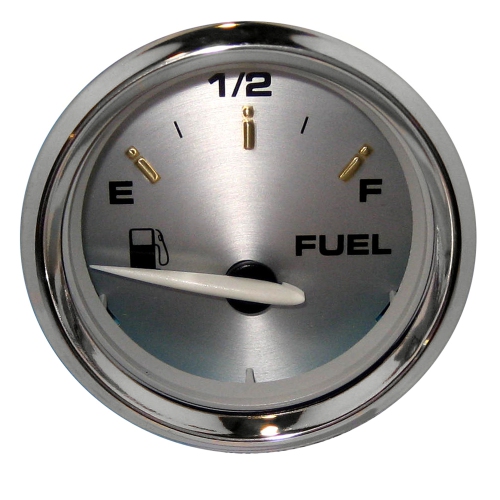
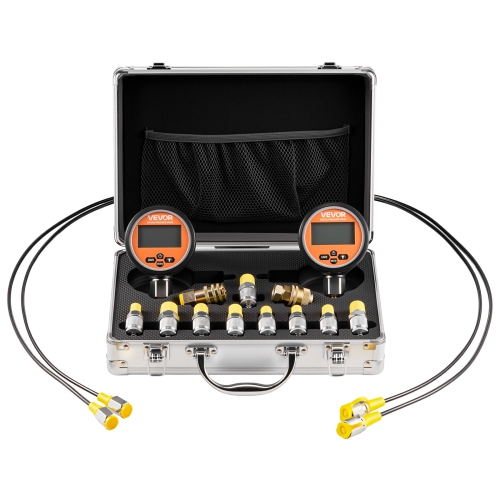
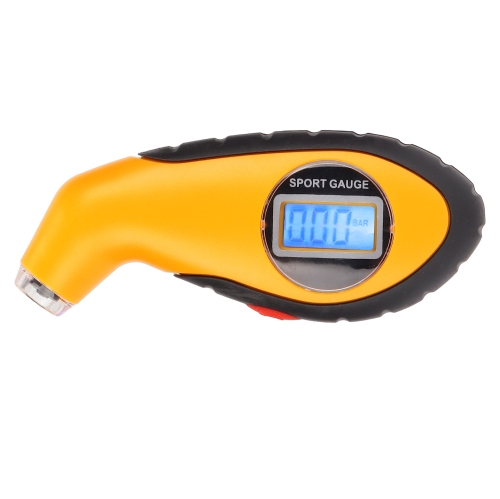
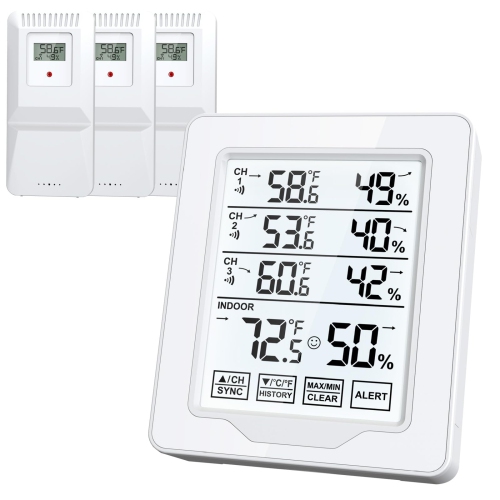
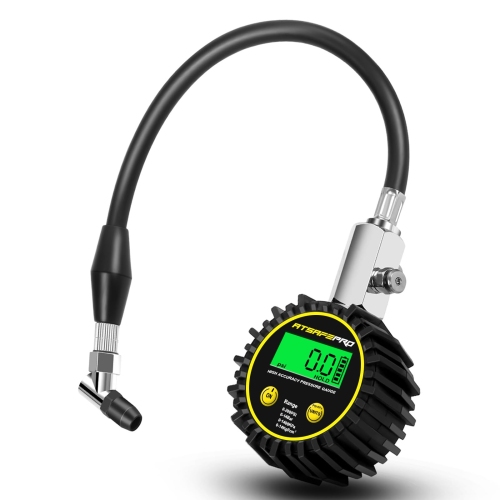
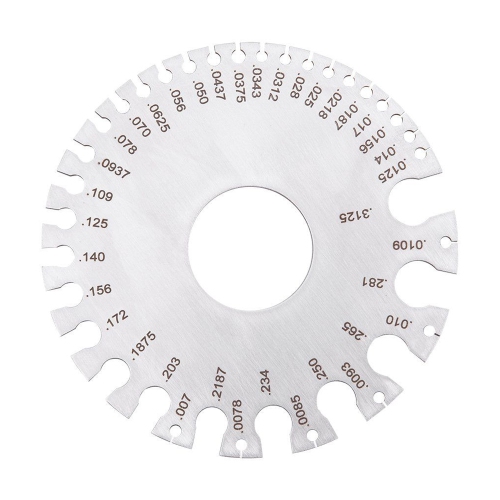
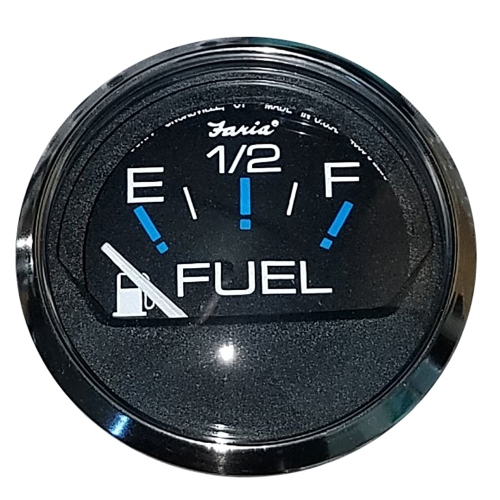
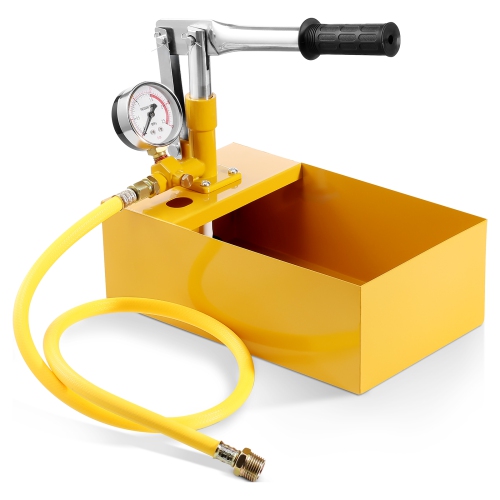
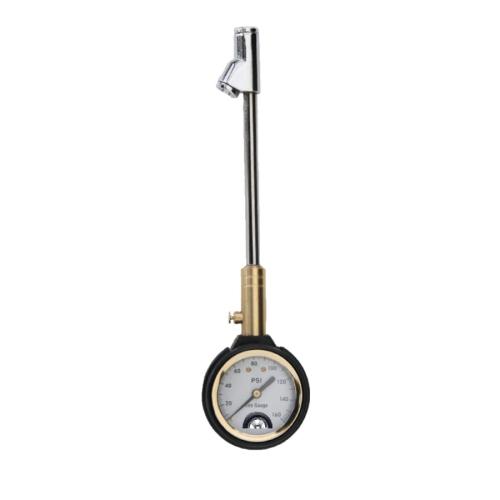
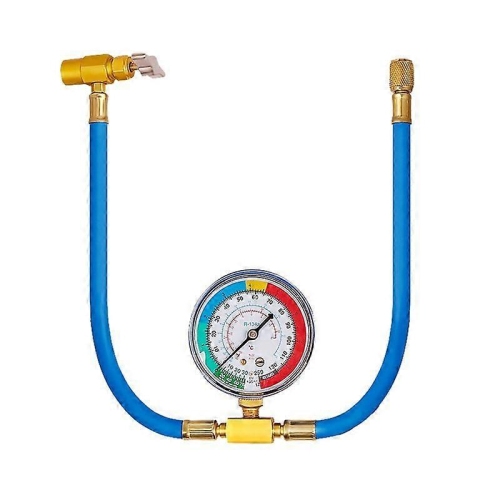
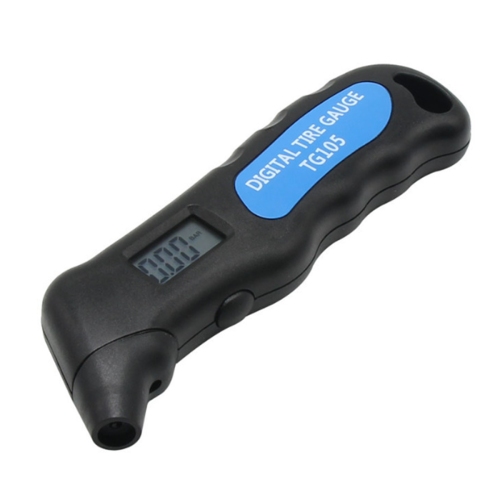
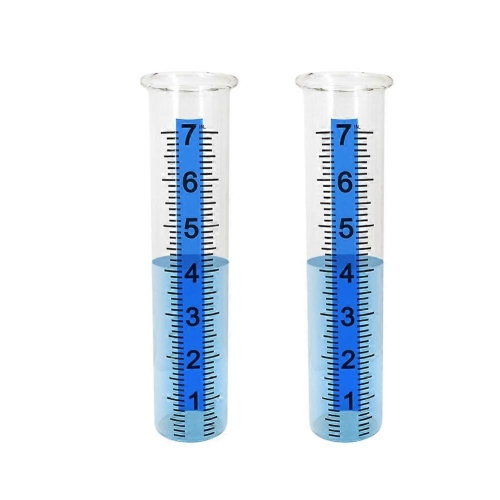
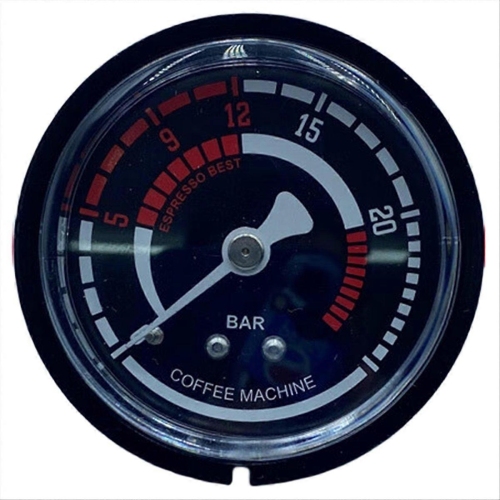
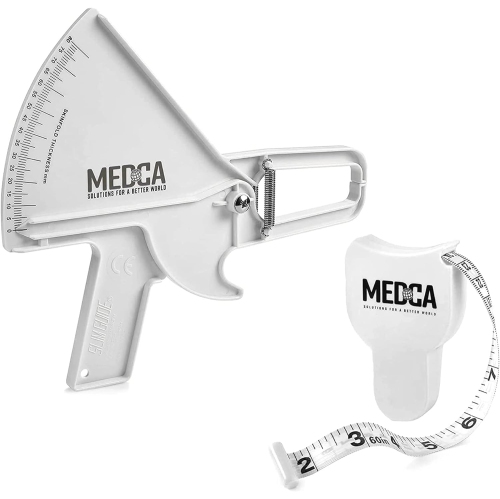
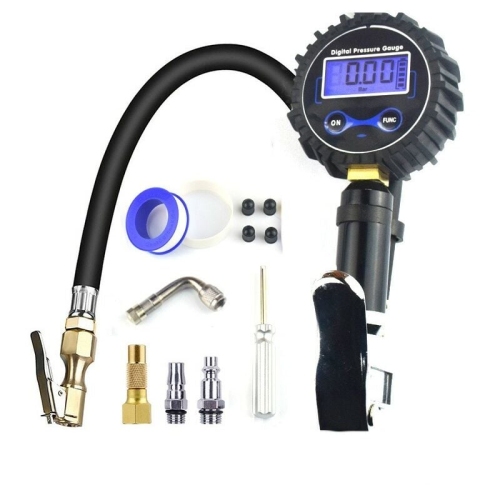
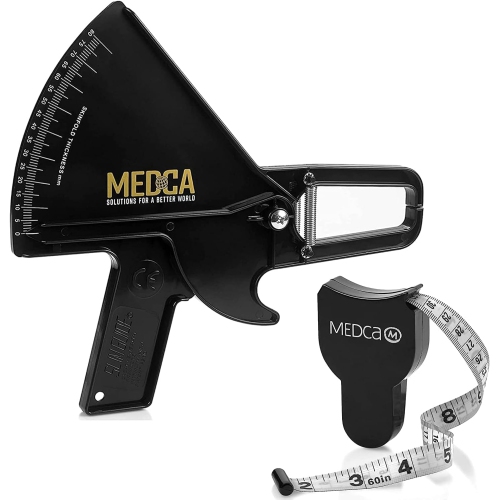
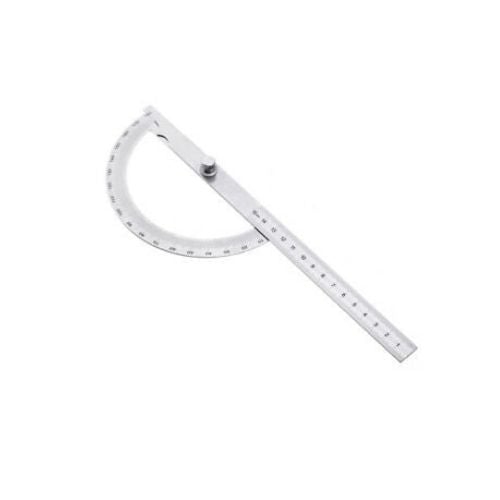
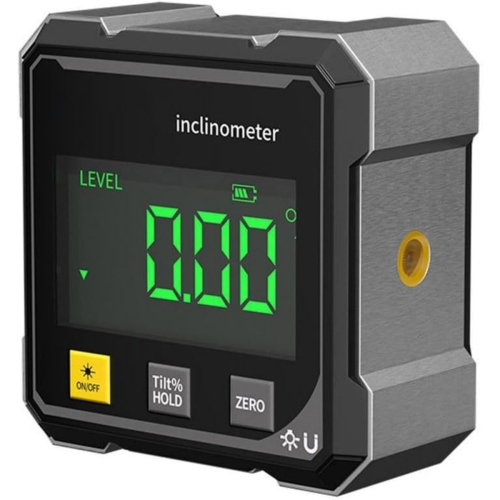
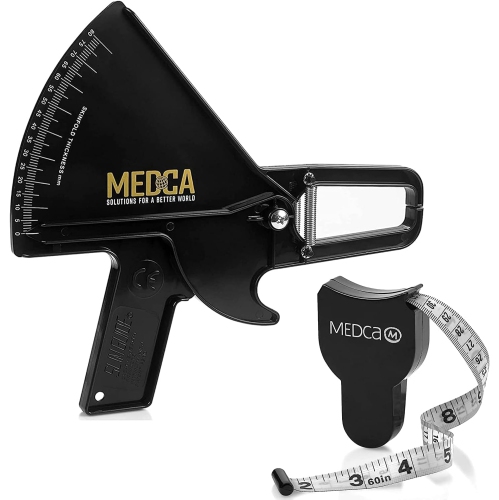
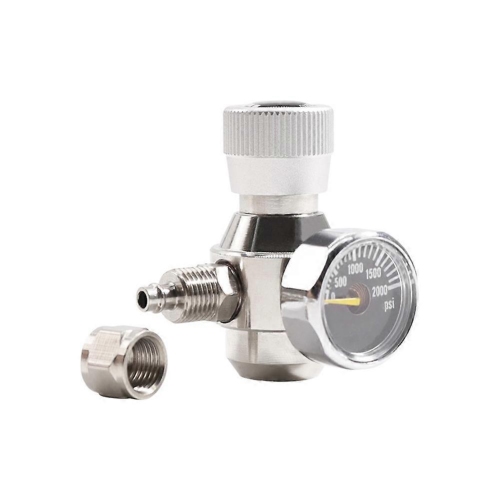
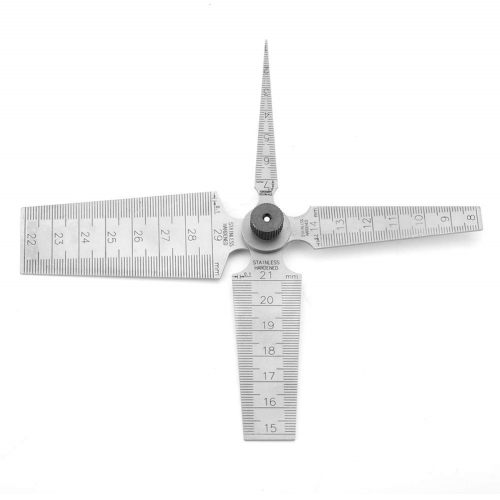
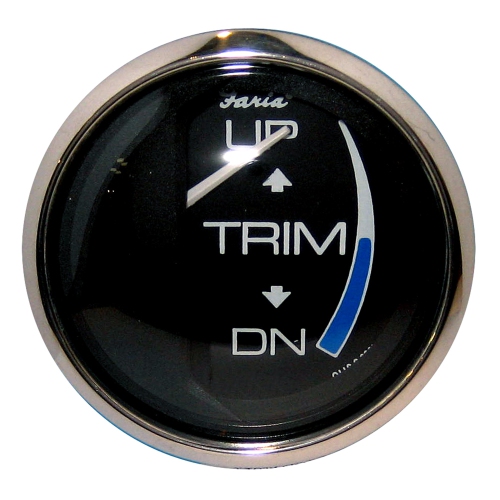
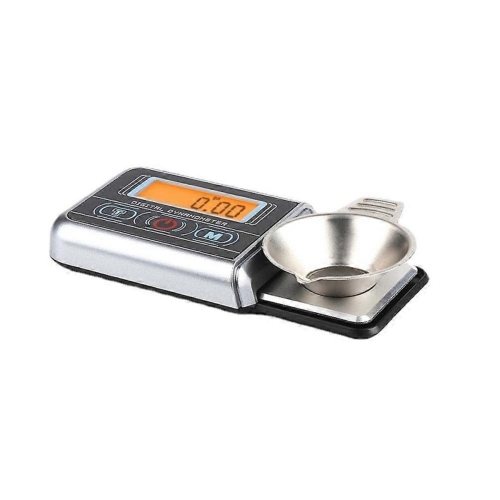
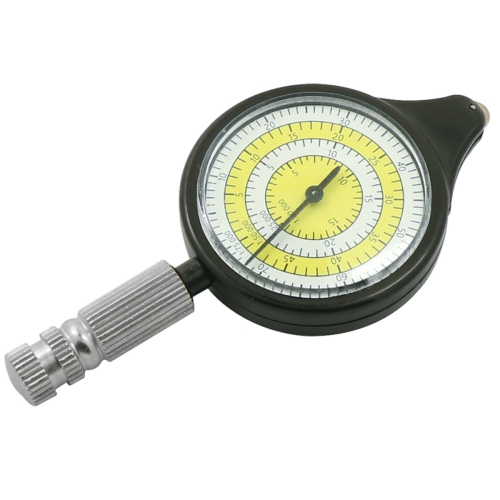
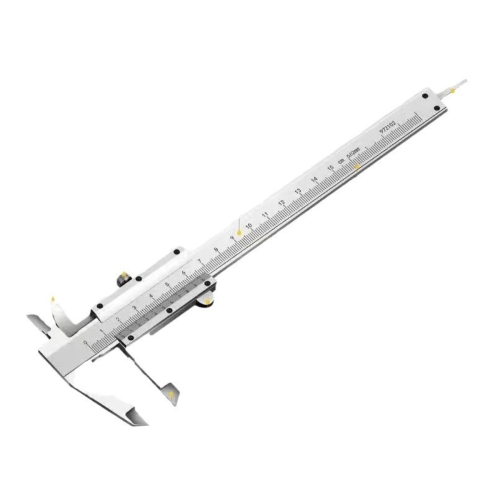
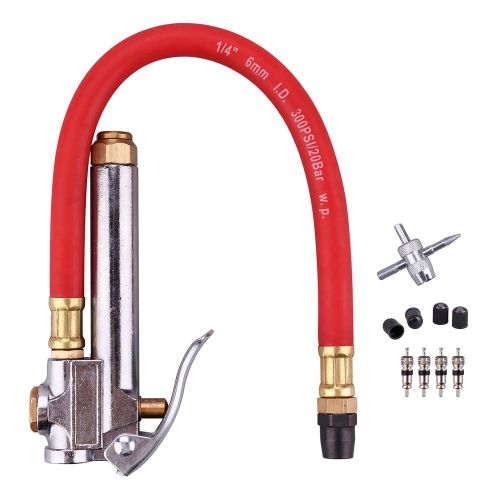
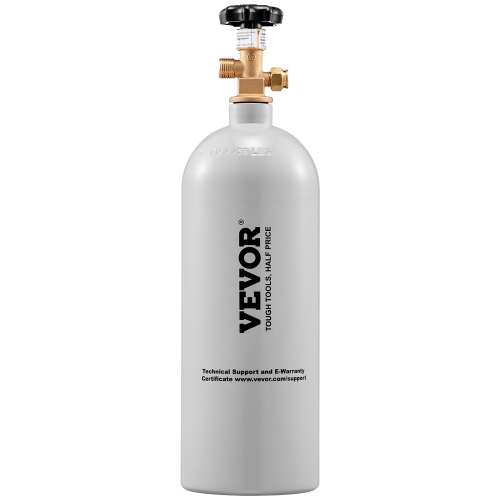
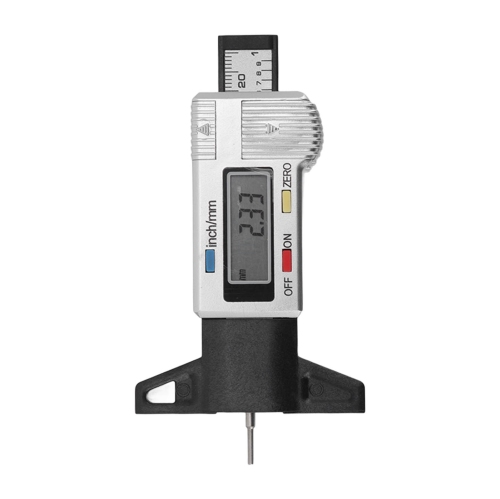
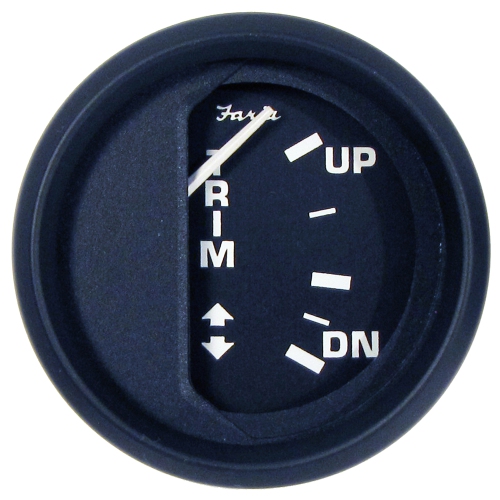
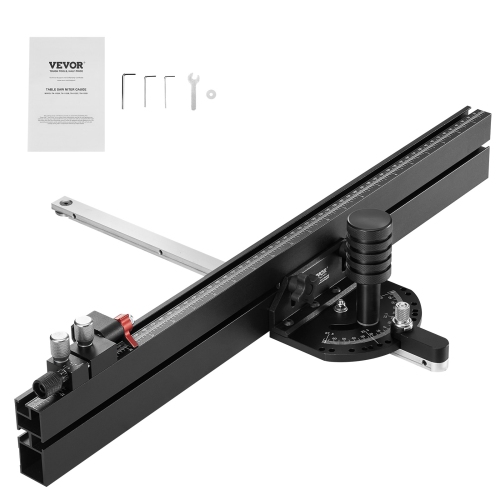
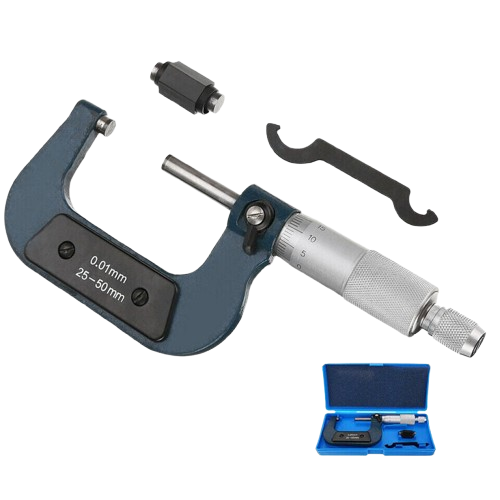
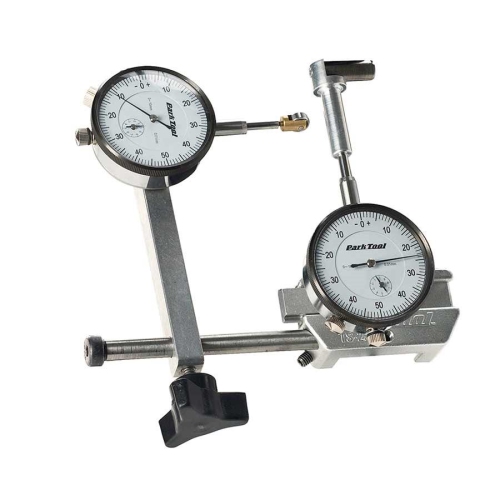
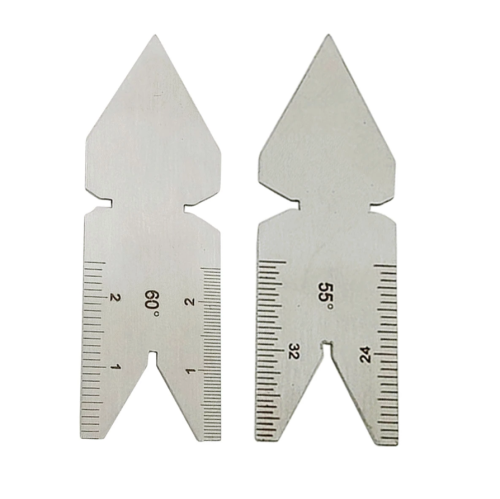

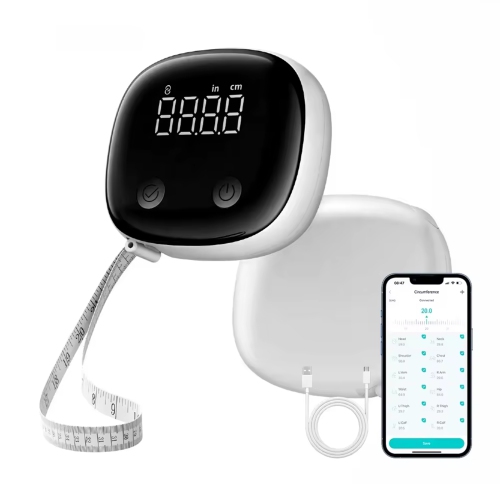
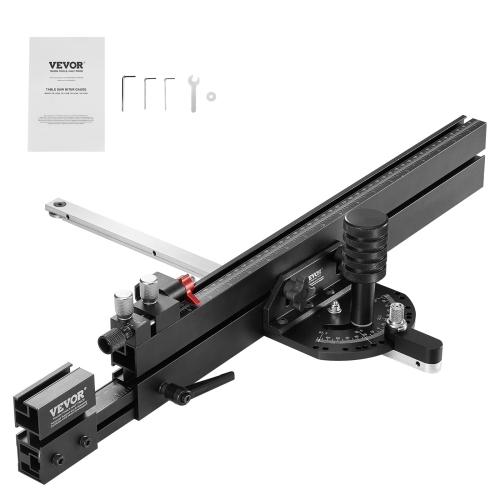
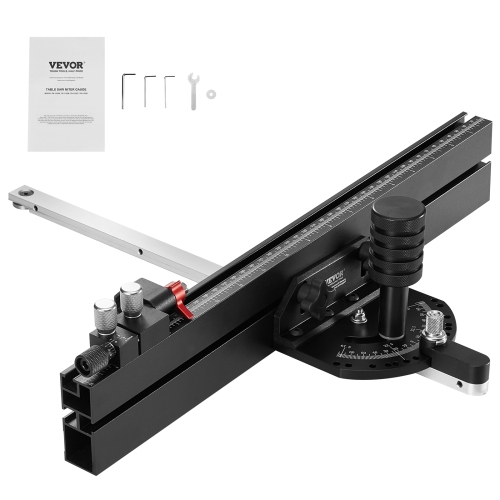
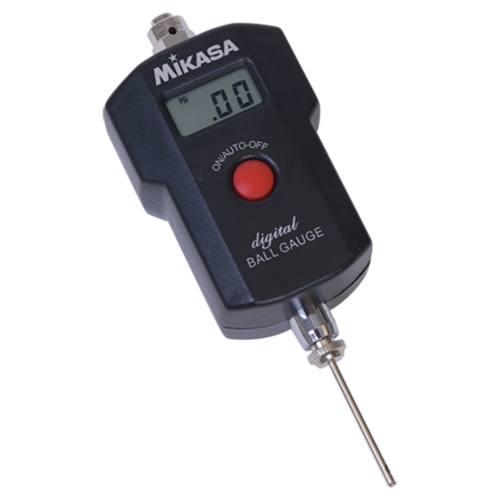
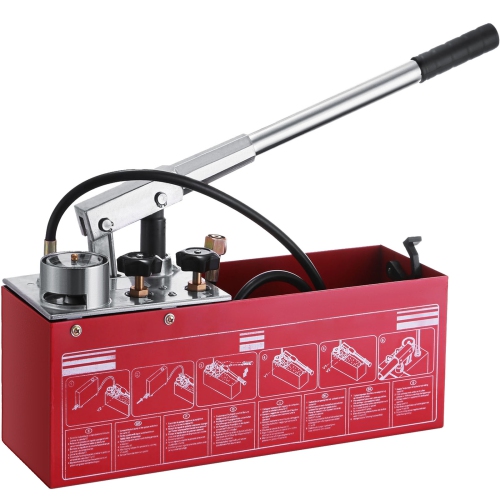
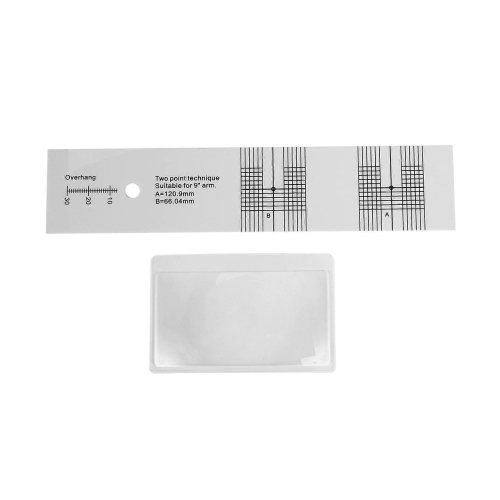
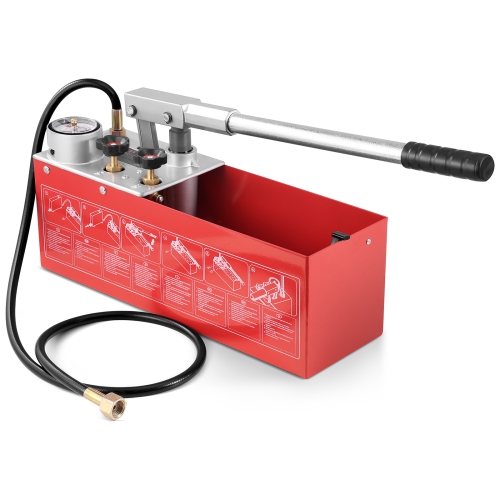
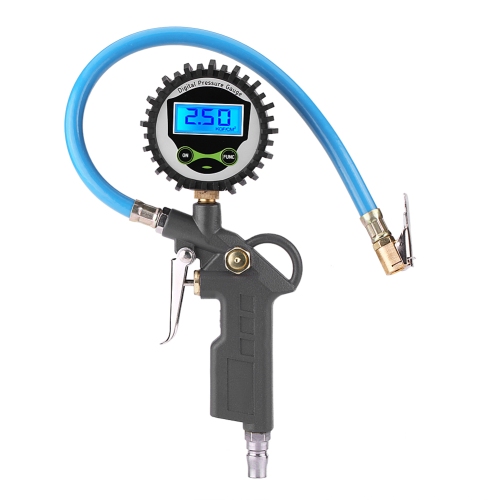
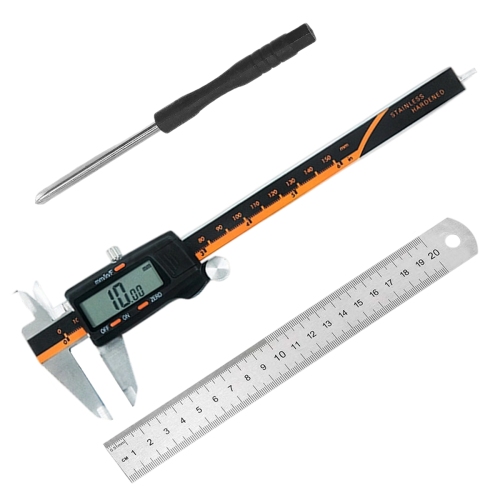
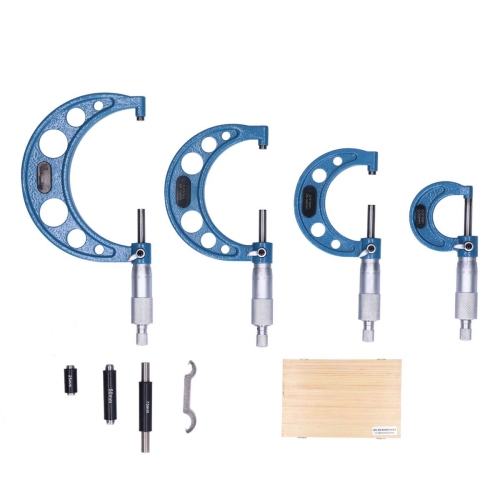
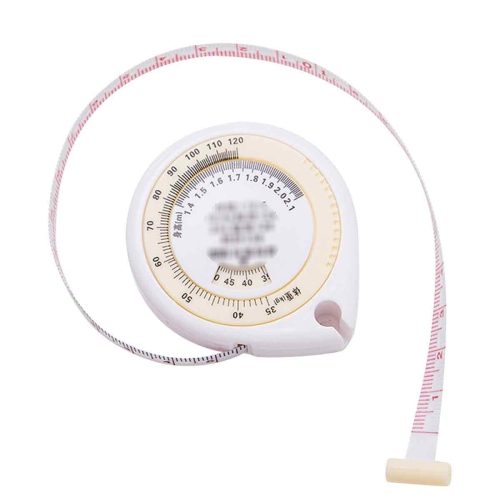
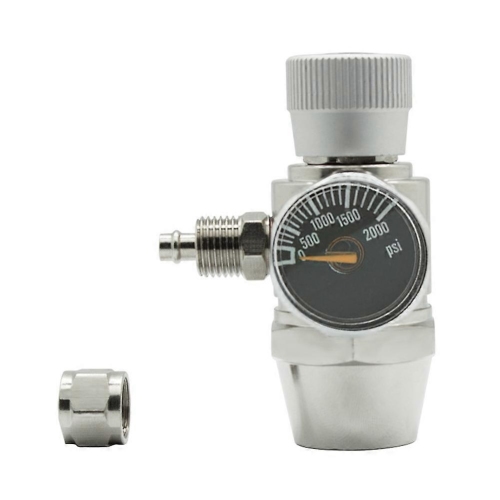
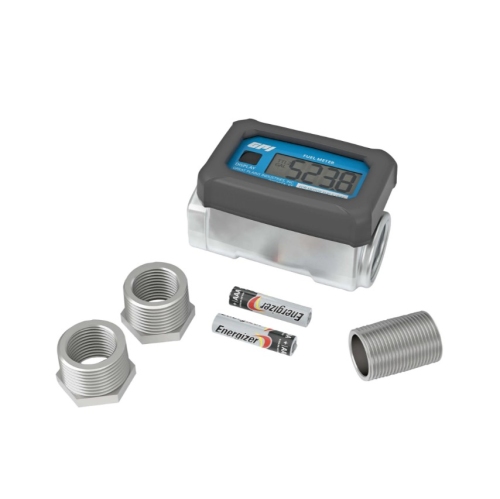
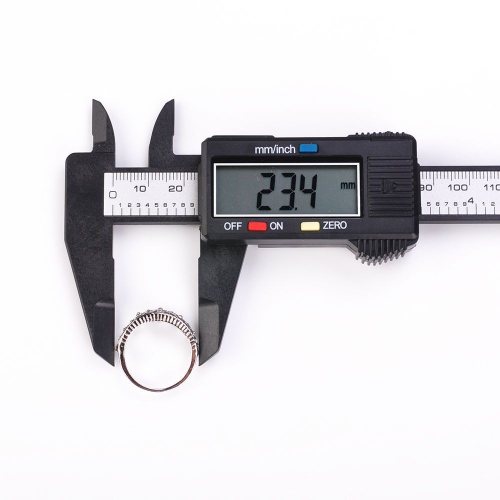
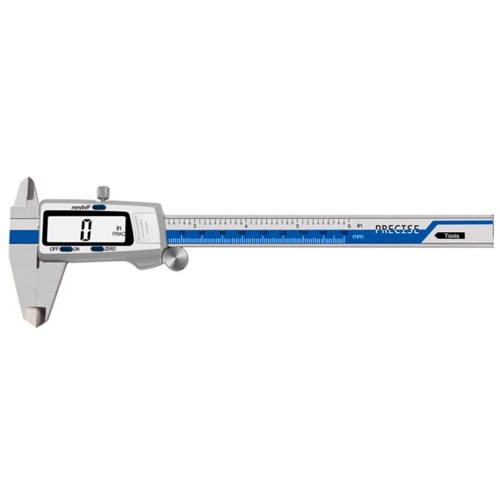
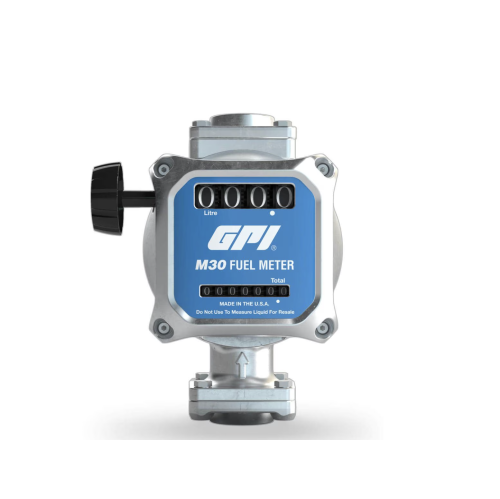
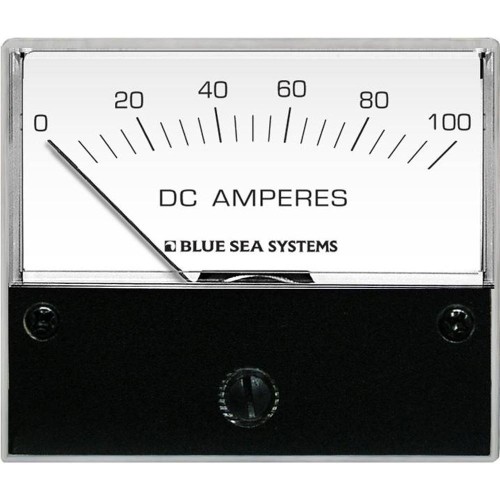
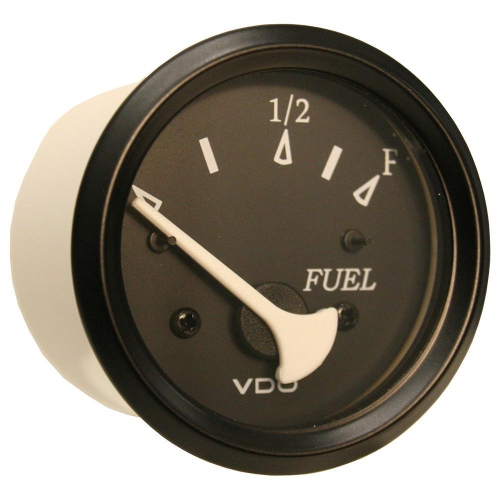
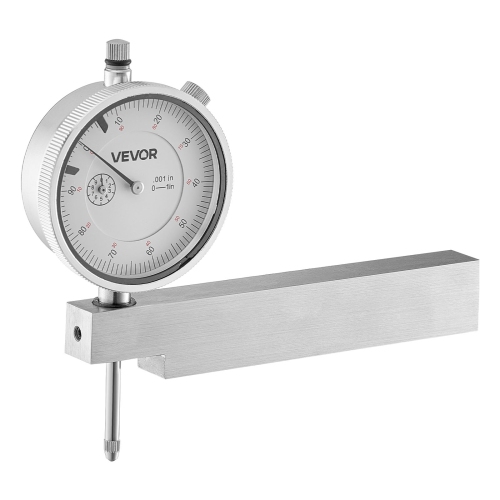
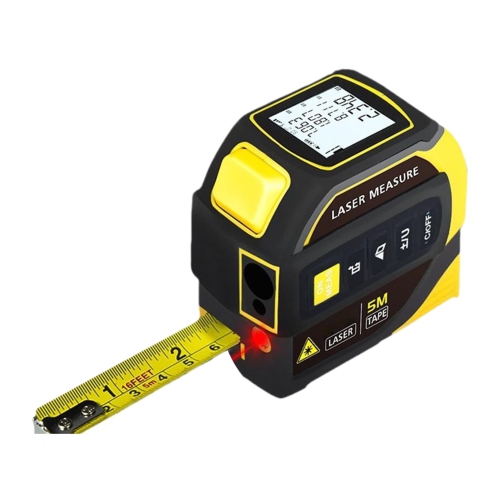
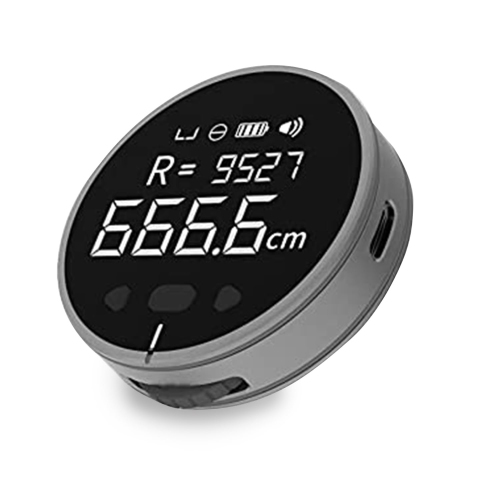

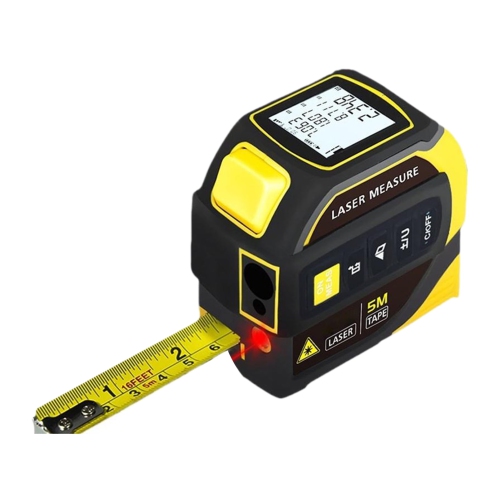
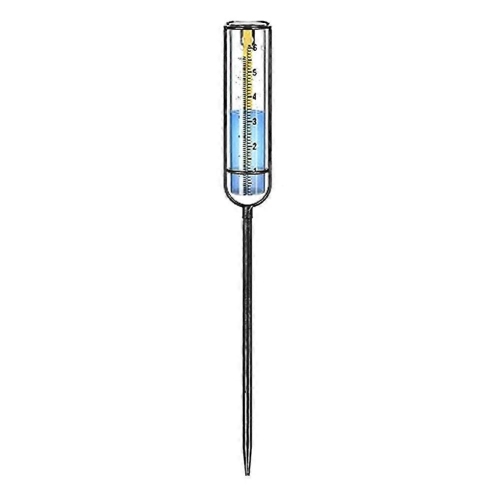
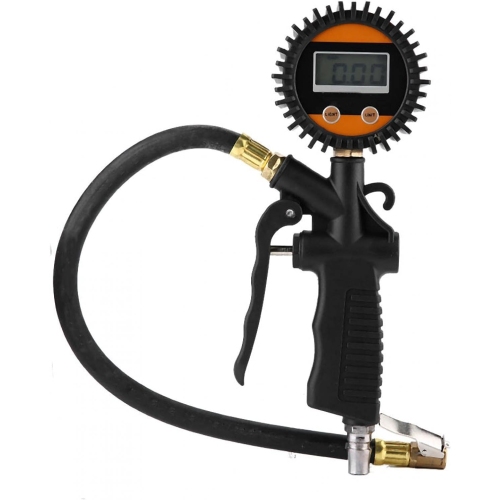
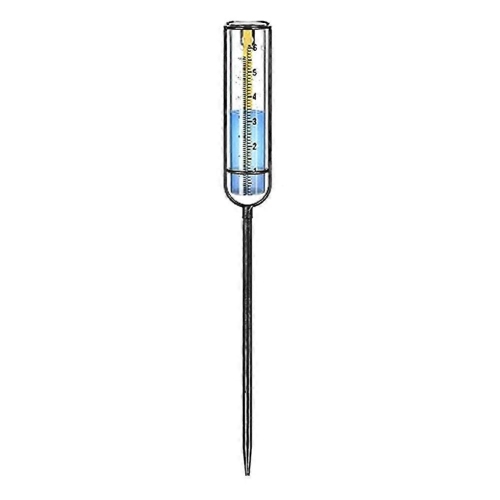
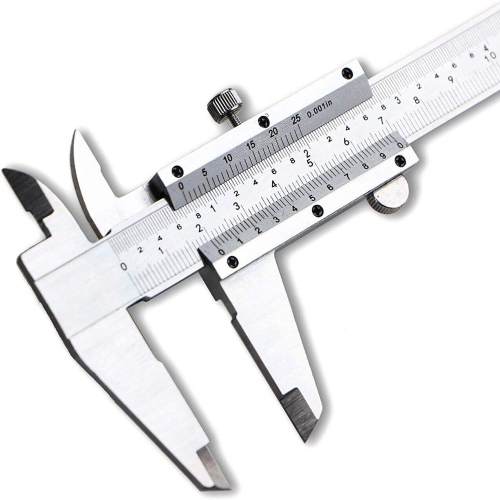
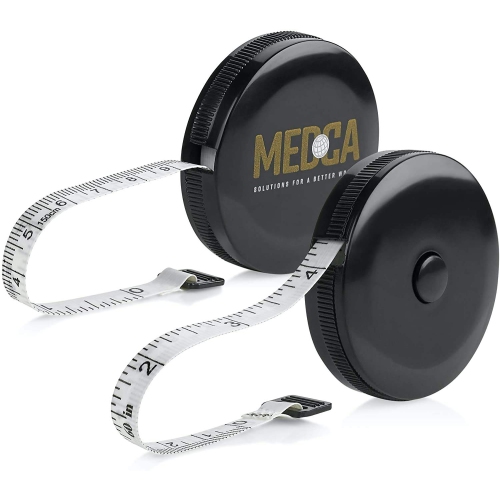
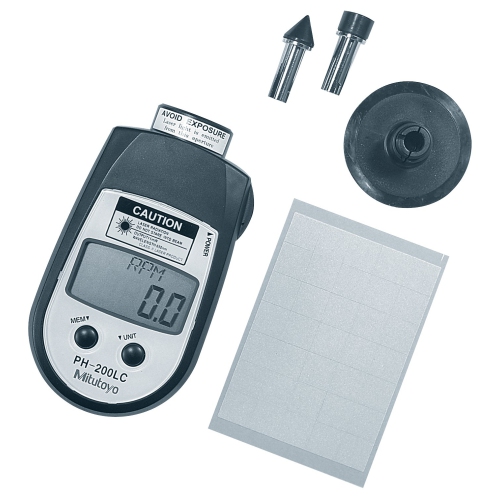
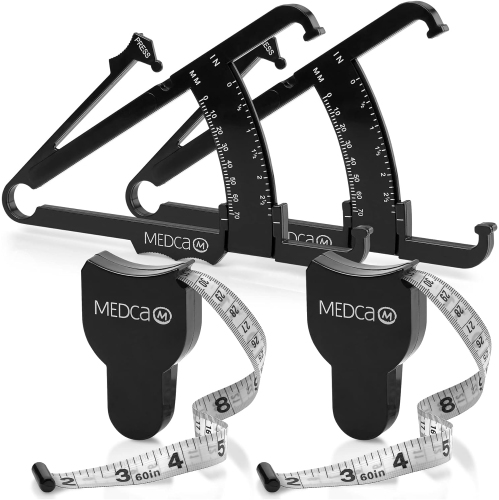
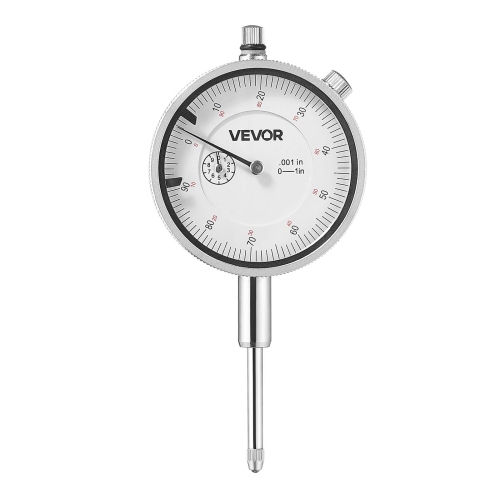
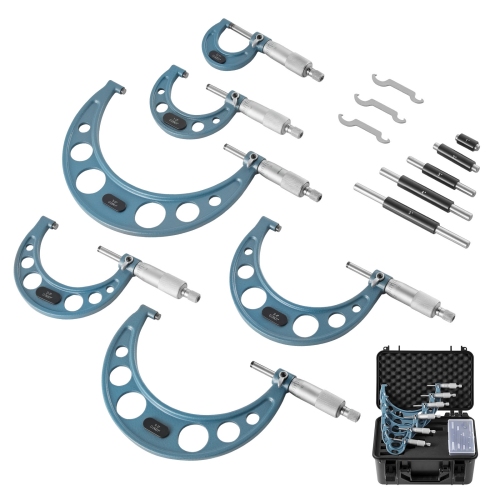
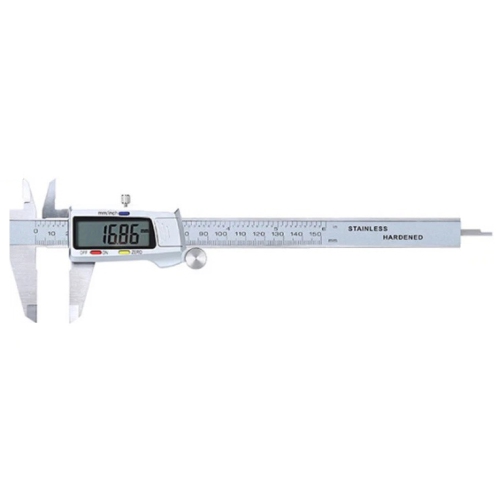
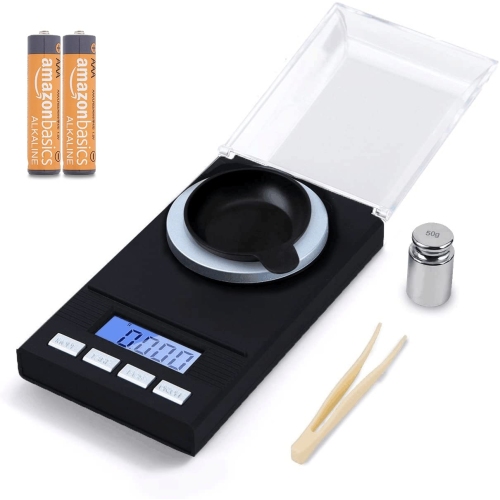
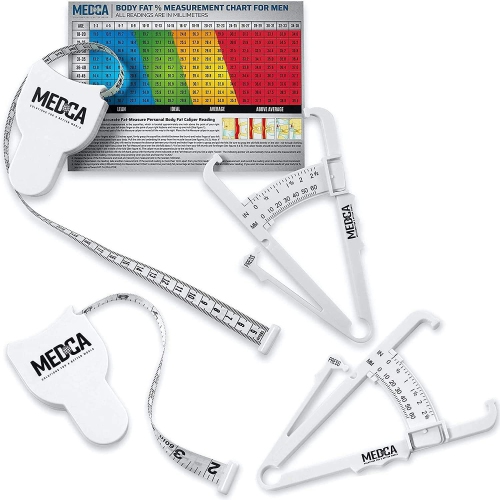
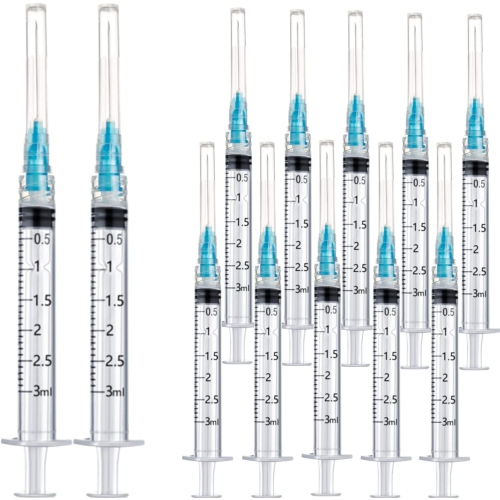
Precision checks for gaps, diameters, pressure, and alignment
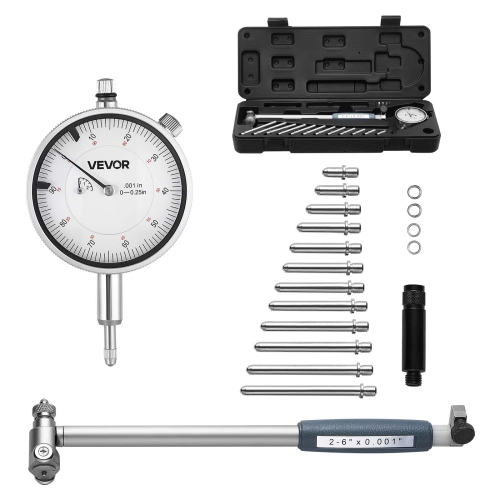
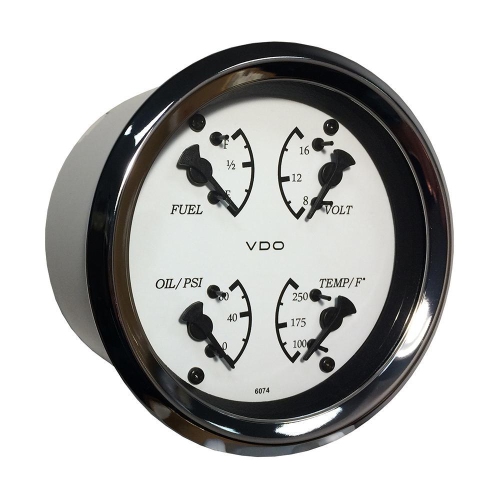
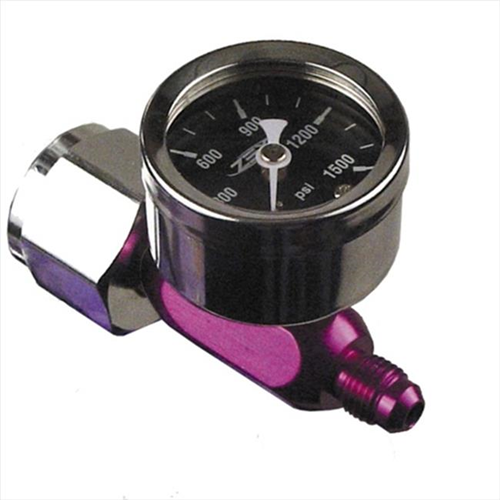
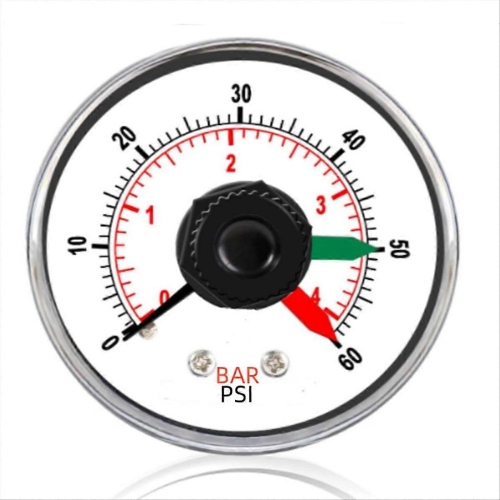
Measurement gauges are precision tools designed to check whether a part, opening, surface, or adjustment falls within a specific size range. They are used in workshops, garages, manufacturing environments, repair areas, laboratories, and by anyone who needs more certainty than a quick visual inspection can provide. Unlike a general-purpose ruler, a gauge is often built for a particular type of measurement, helping you assess tight clearances, hole diameters, shaft sizes, depths, thicknesses, pressure, alignment, or surface variation. Feeler gauges, for example, use a selection of thin metal blades in known thicknesses to measure narrow gaps between mating parts. They can be useful when checking engine valve clearances, setting mechanical components, inspecting bearings, or confirming that two surfaces have the correct amount of space between them. Plug gauges and snap gauges are commonly used for go/no-go inspections: one side or end is intended to fit within an acceptable limit, while the other confirms that a part has not exceeded the specified tolerance. This makes them especially practical for repeated checks on machined holes, shafts, fittings, and other components where speed and consistency matter. Dial indicators and dial test indicators show small deviations on a visible scale, making them valuable for checking runout, alignment, flatness, concentricity, and movement. Bore gauges can help assess internal diameters and detect wear or variation inside cylinders and other openings. Thread gauges, radius gauges, wire gauges, and thickness gauges serve similarly focused purposes, allowing users to compare a material or component against a known standard without relying on guesswork. Pressure gauges measure the force of a gas or liquid within a system, while specialty gauges may be used for sheet metal, tubing, or other materials. Because each style is intended for a different task, identifying the measurement itself is the best starting point: decide whether you need to check a gap, depth, diameter, thickness, pressure, angle, or alignment before choosing a gauge.
When selecting measurement gauges, consider the range, resolution, tolerance, scale, construction, and working conditions that match the job. A feeler gauge with blades covering several thicknesses can be a practical choice for general mechanical work, while a dedicated limit gauge may be better for repeated pass/fail inspections. For work involving very small variations, look for clear graduations and a fine resolution that makes subtle movement easy to read. If the gauge will be used in a busy garage or on a production bench, a sturdy case, protected mechanism, smooth adjustment, and easy-to-clean surfaces can make a noticeable difference over time. Check whether the scale is marked in the units you use most often, such as millimetres or inch measurements, and consider whether a locking feature will help preserve a setting while you work. It is also important to use the right tool for the level of accuracy required. A measurement gauge can confirm whether a component falls within a defined limit, but the result depends on clean contact surfaces, steady handling, and proper positioning. Dirt, burrs, oil, heat, or excessive pressure can affect a reading, particularly when checking close tolerances. Store blades flat or in their protective holder, keep indicating mechanisms free from knocks, and wipe measuring faces after use. For a broader, less specialized measurement such as checking the length of a workbench, a room, or a material roll, a Measurement Tape may be more suitable; gauges are generally chosen when accuracy, repeatability, or a defined limit is the priority. These tools can be useful for experienced machinists, automotive technicians, maintenance workers, metalworkers, woodworkers, do-it-yourself renovators, and students learning how tolerances affect real-world parts. They can also make a thoughtful gift for someone setting up a workshop, restoring a vehicle, building model machinery, or developing practical technical skills, particularly when the set matches an existing interest. A careful inspection with the right gauge can reveal a worn valve, an uneven shaft, a gap that is too tight, or a hole that is just outside specification—small details that can prevent larger problems and help a project come together with the satisfying precision of parts fitting exactly as intended.
When selecting measurement gauges, consider the range, resolution, tolerance, scale, construction, and working conditions that match the job. A feeler gauge with blades covering several thicknesses can be a practical choice for general mechanical work, while a dedicated limit gauge may be better for repeated pass/fail inspections. For work involving very small variations, look for clear graduations and a fine resolution that makes subtle movement easy to read. If the gauge will be used in a busy garage or on a production bench, a sturdy case, protected mechanism, smooth adjustment, and easy-to-clean surfaces can make a noticeable difference over time. Check whether the scale is marked in the units you use most often, such as millimetres or inch measurements, and consider whether a locking feature will help preserve a setting while you work. It is also important to use the right tool for the level of accuracy required. A measurement gauge can confirm whether a component falls within a defined limit, but the result depends on clean contact surfaces, steady handling, and proper positioning. Dirt, burrs, oil, heat, or excessive pressure can affect a reading, particularly when checking close tolerances. Store blades flat or in their protective holder, keep indicating mechanisms free from knocks, and wipe measuring faces after use. For a broader, less specialized measurement such as checking the length of a workbench, a room, or a material roll, a Measurement Tape may be more suitable; gauges are generally chosen when accuracy, repeatability, or a defined limit is the priority. These tools can be useful for experienced machinists, automotive technicians, maintenance workers, metalworkers, woodworkers, do-it-yourself renovators, and students learning how tolerances affect real-world parts. They can also make a thoughtful gift for someone setting up a workshop, restoring a vehicle, building model machinery, or developing practical technical skills, particularly when the set matches an existing interest. A careful inspection with the right gauge can reveal a worn valve, an uneven shaft, a gap that is too tight, or a hole that is just outside specification—small details that can prevent larger problems and help a project come together with the satisfying precision of parts fitting exactly as intended.
Top selling and popular products
-
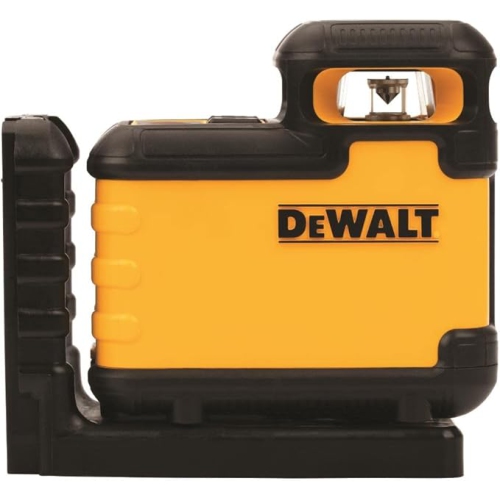 Your price for this item is $279
 -
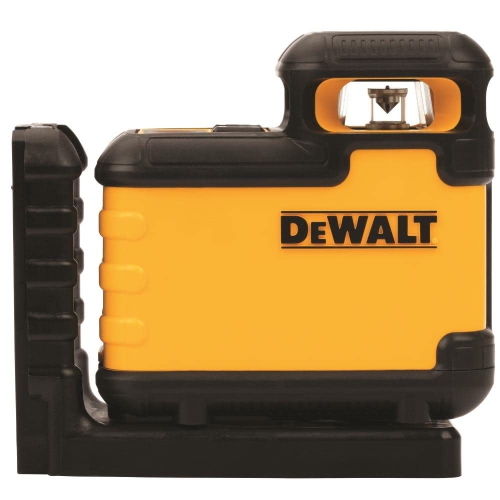 Your price for this item is $150
 -
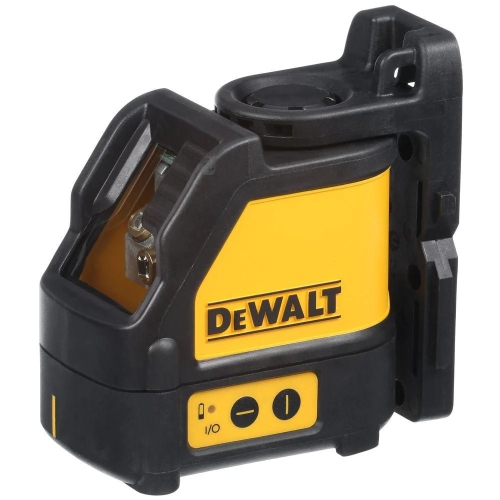 Your price for this item is $124.99
 -
 Your price for this item is $124.55
 -
 Your price for this item is $76.35
 -
 Your price for this item is $60.99
 -
 Your price for this item is $64.99
 -
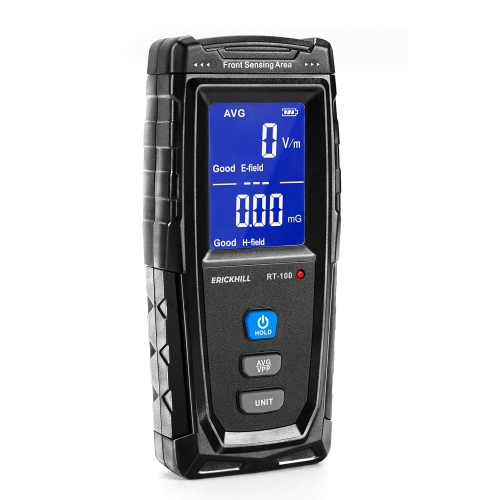 Your price for this item is $89.99
Discover more categories related to Measurement Gauges
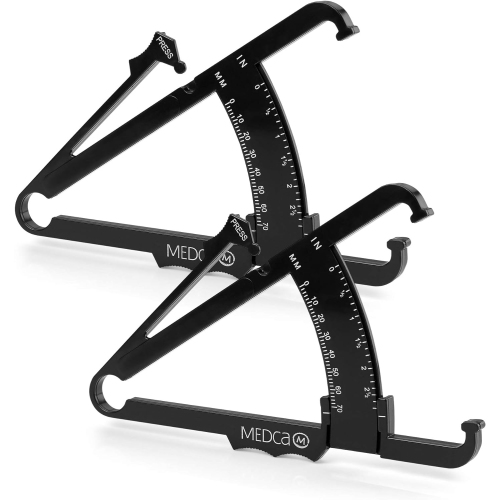
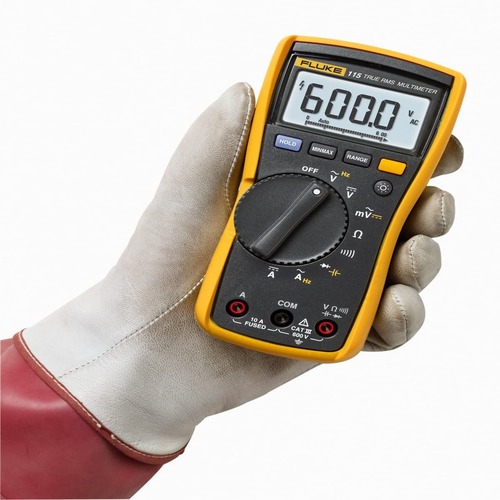
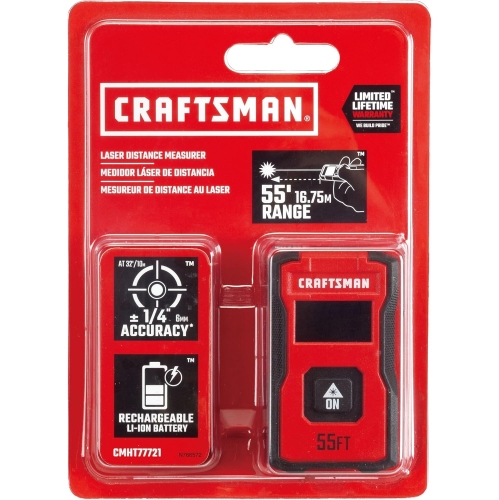
Top Collections:
Pokemon Centers, Kindle Devices, Best Budget Office Chairs, Canon G7X Cameras, Apple iPhones 16, Samsung Galaxy Phones, Refurbished Apple Laptops, Laptops for Students, iPhone 15 Apple, Budget Smartphones
Some products may be subject to Environmental Handling Fees
(EHF) depending on your province.
Learn more about EHFs.