Metal Accent Cabinets
Looking to add a touch of sophistication and style to your space? Look no further than our metal accent cabinets. These sleek and modern cabinets are the perfect way to elevate any room's decor with their eye-catching metal accents. With their durable construction and versatile design, these cabinets are sure to become a standout piece in your home.
Sort


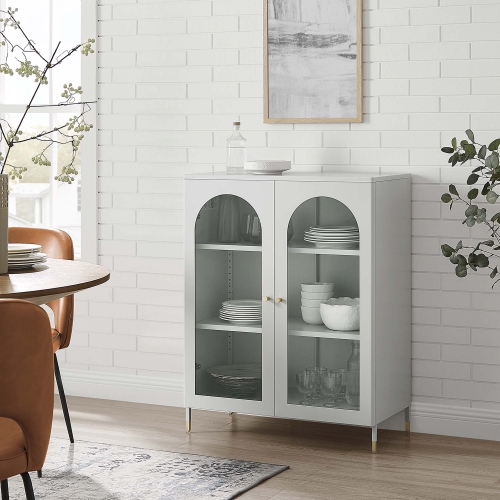
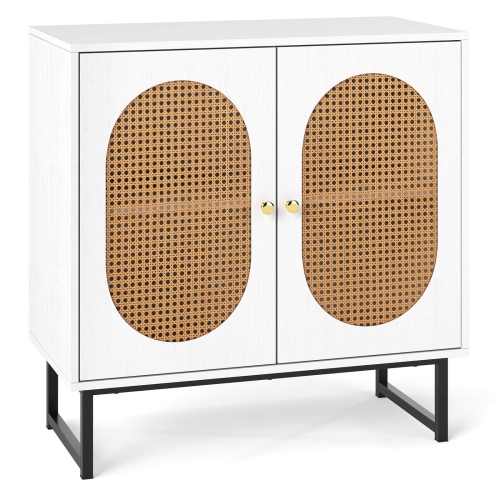
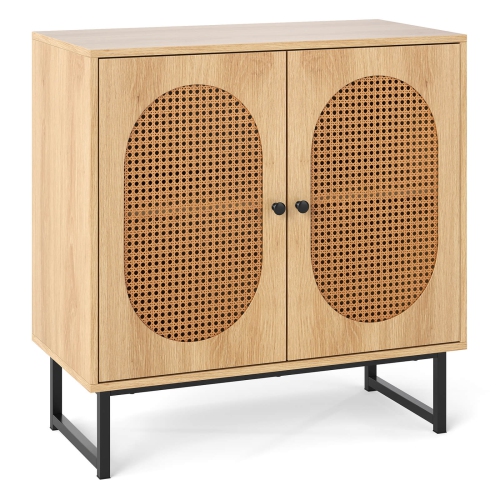
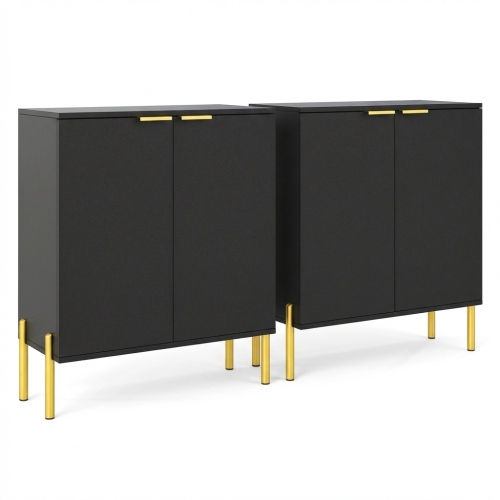

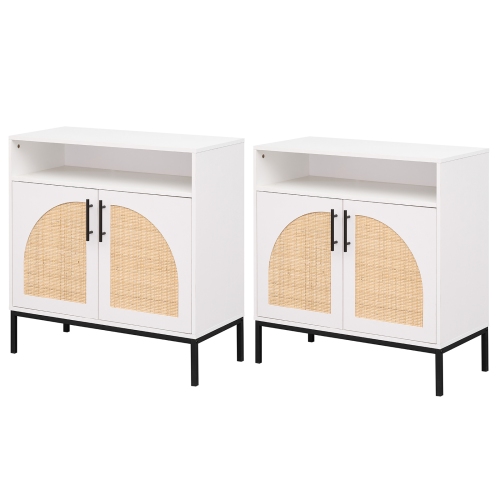
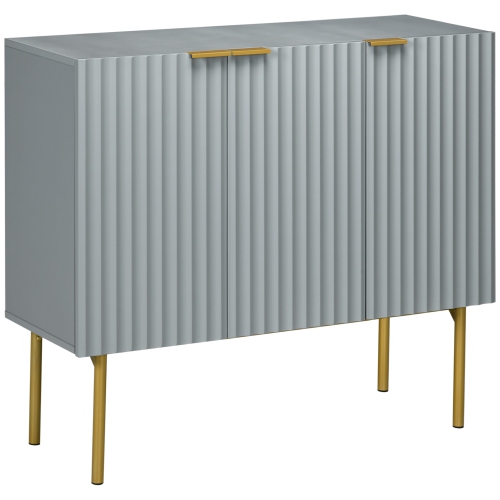
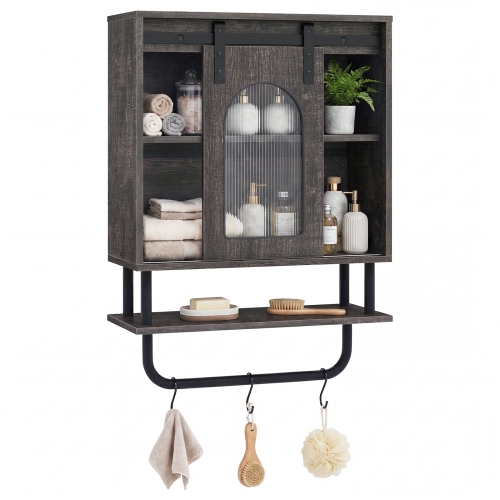
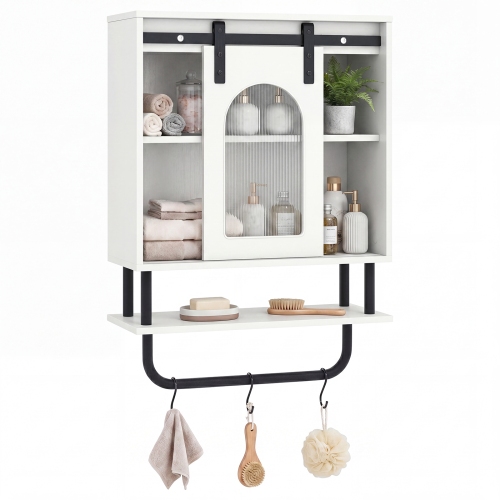
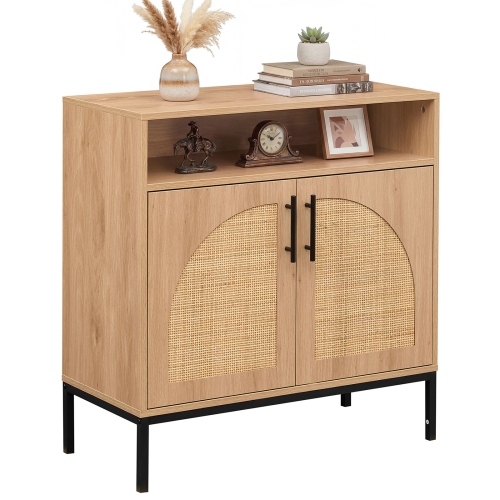
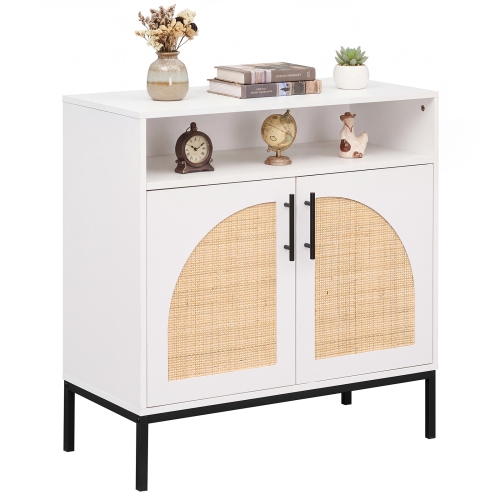

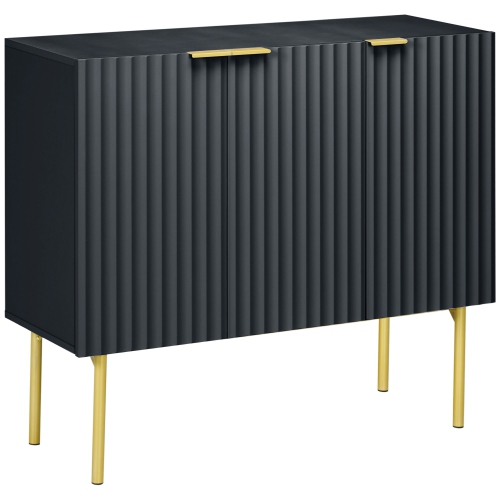
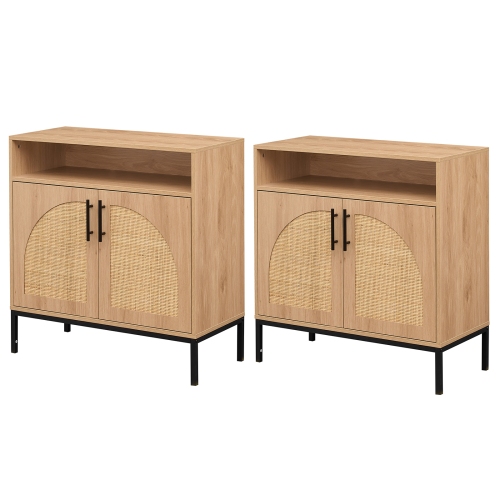

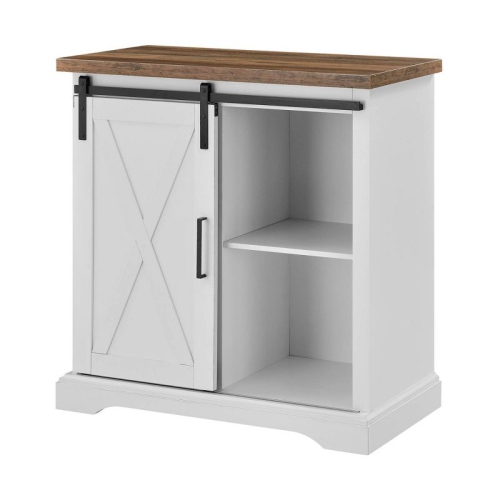

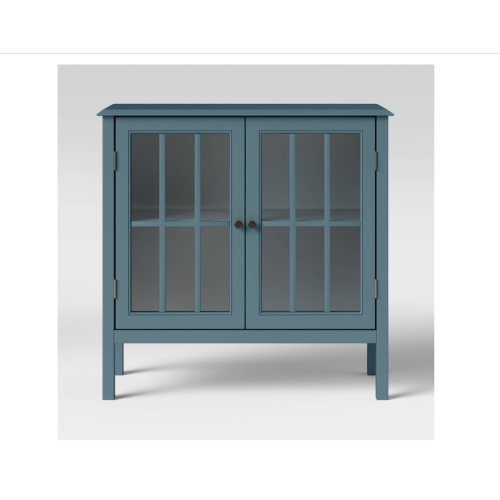

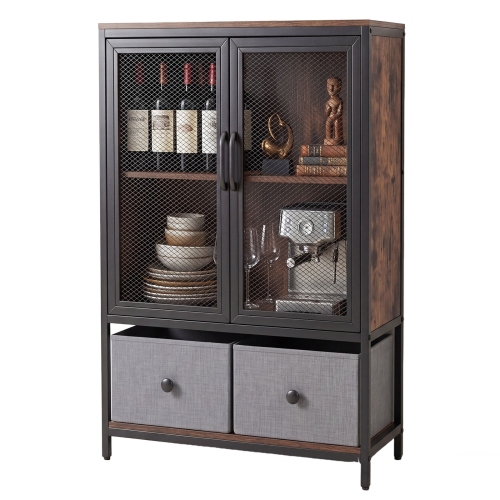

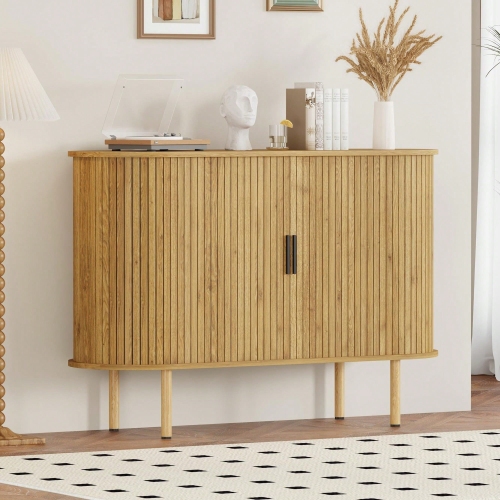


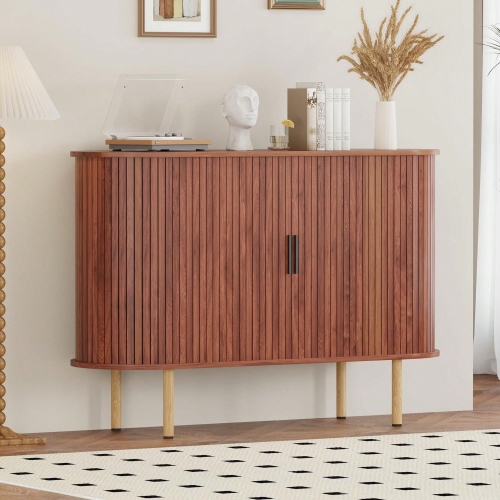
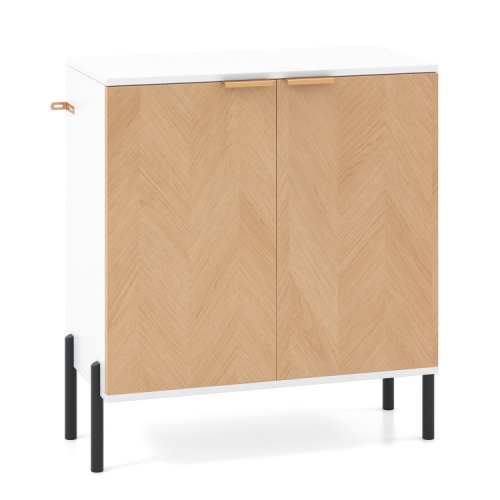
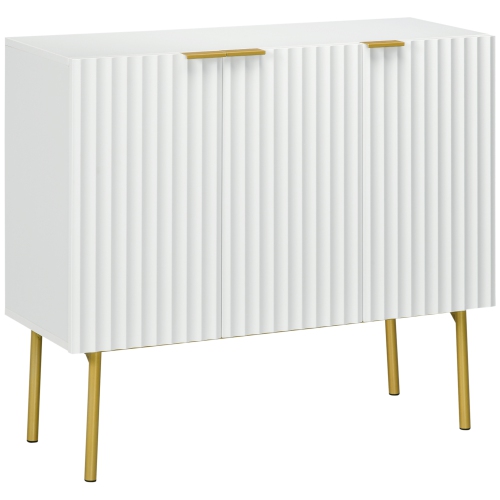
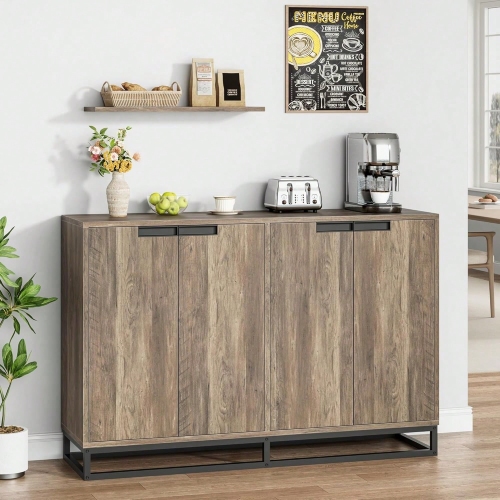

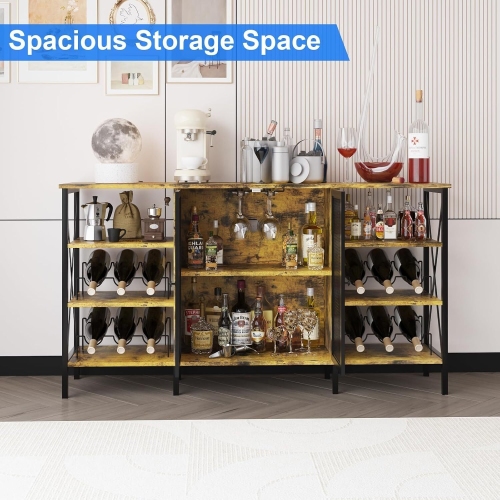
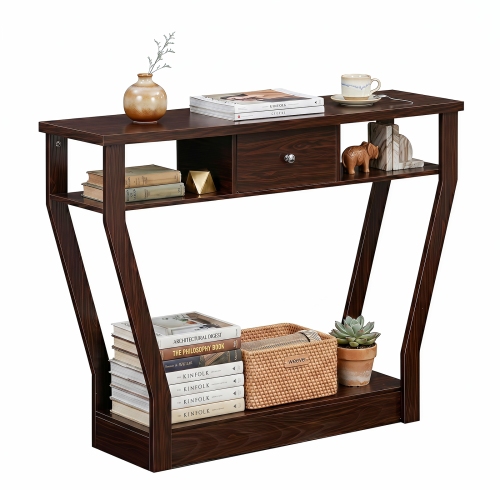
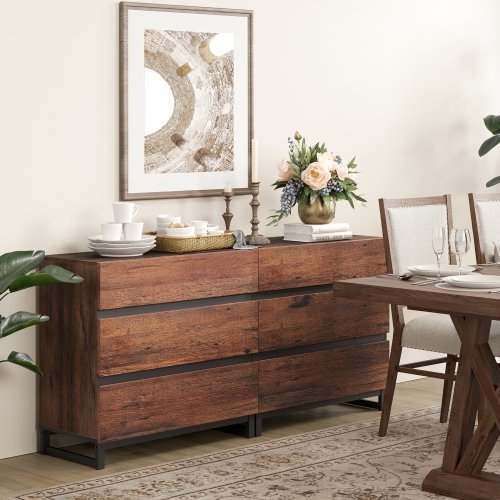
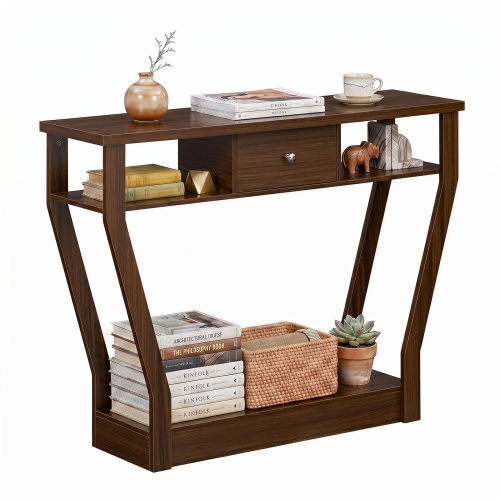
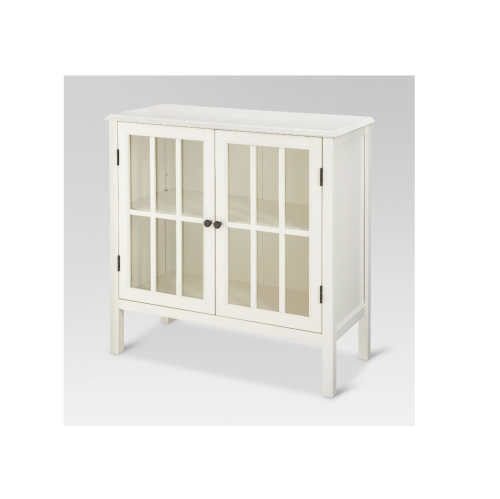

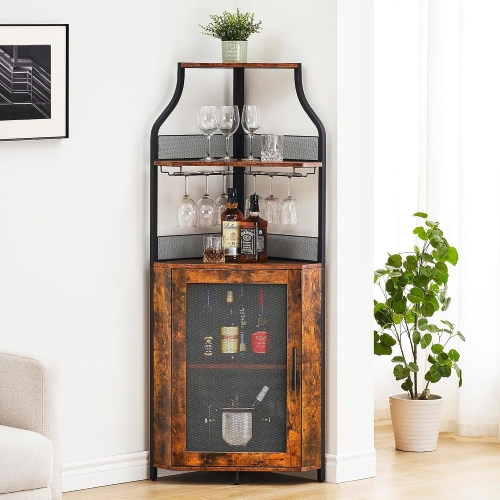


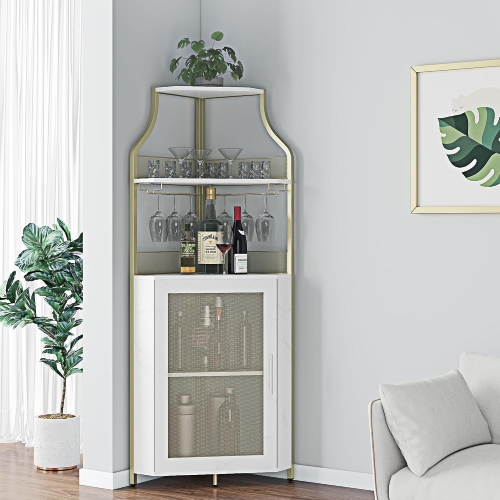
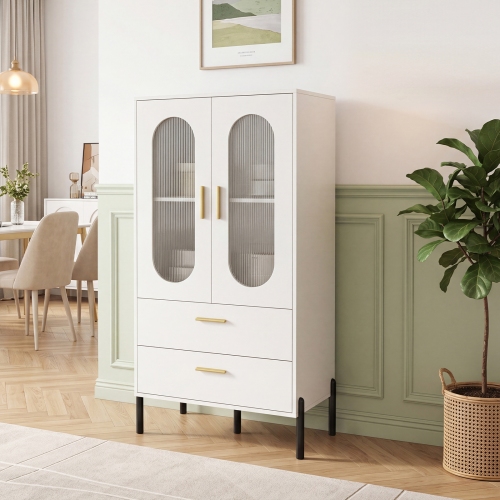
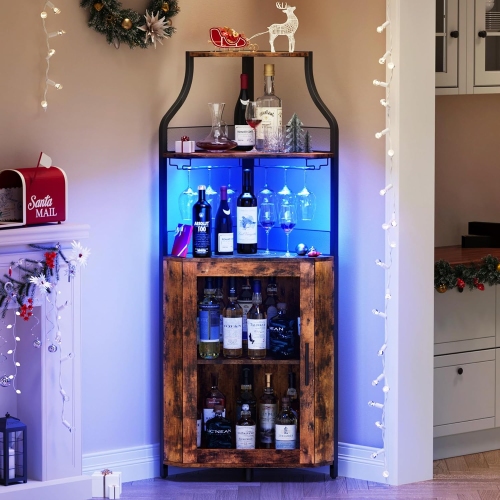

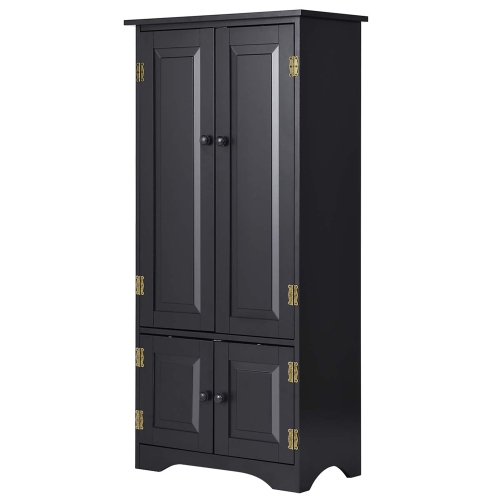

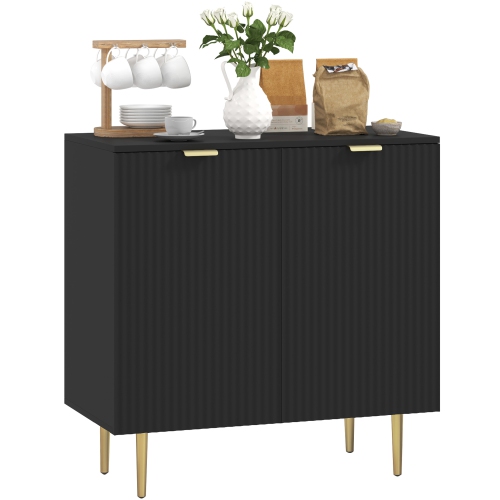

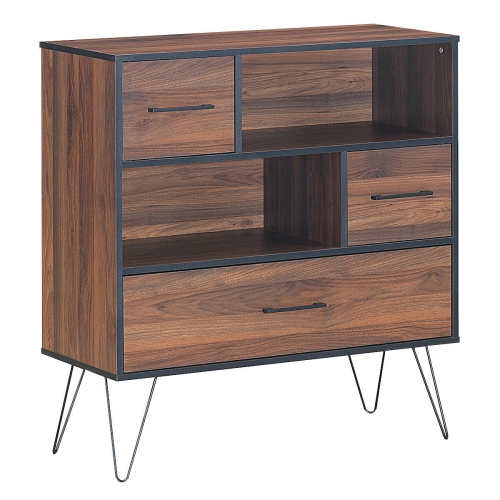
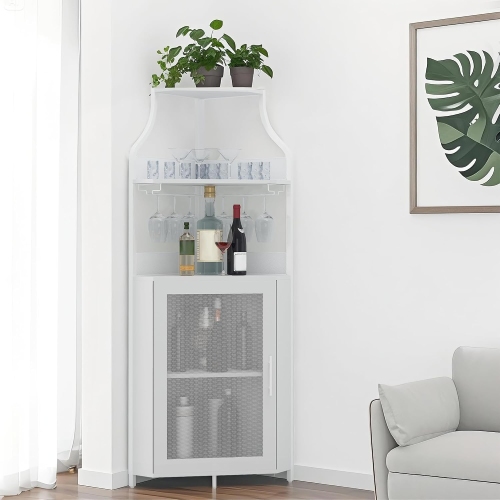

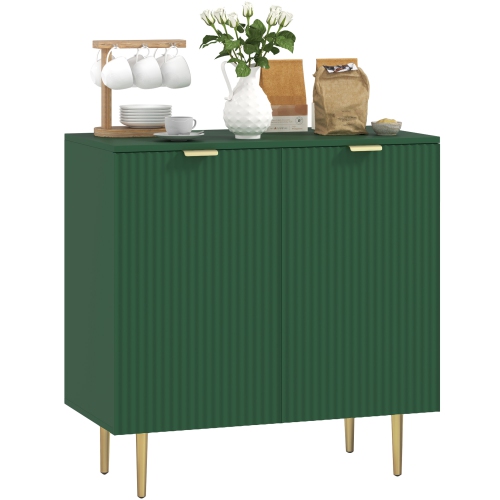
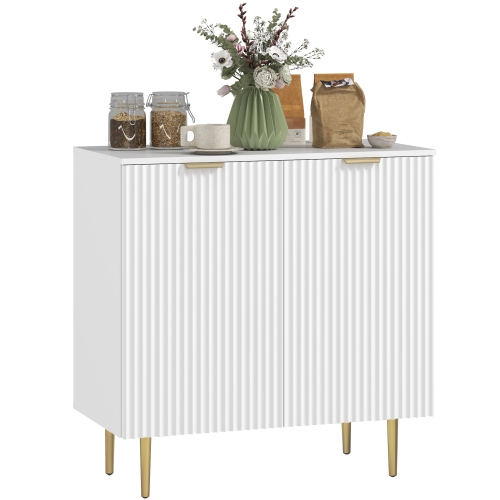


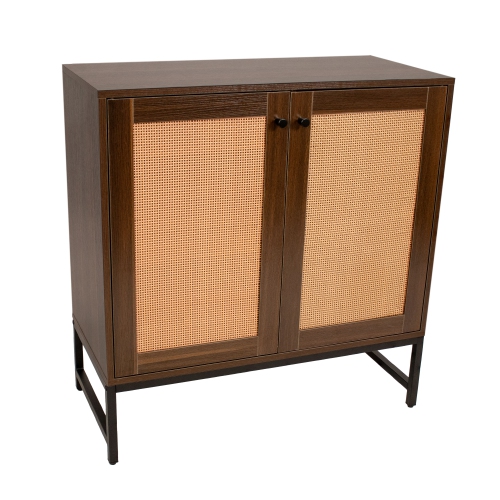

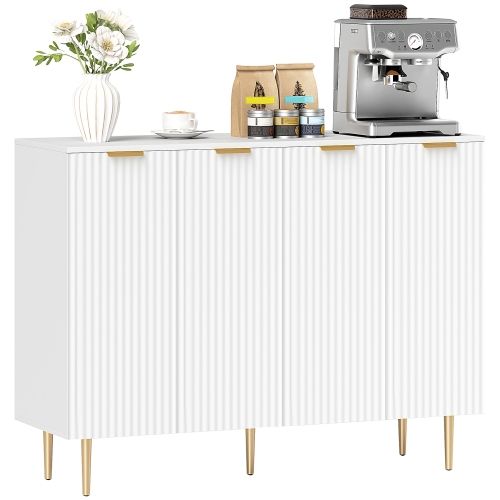

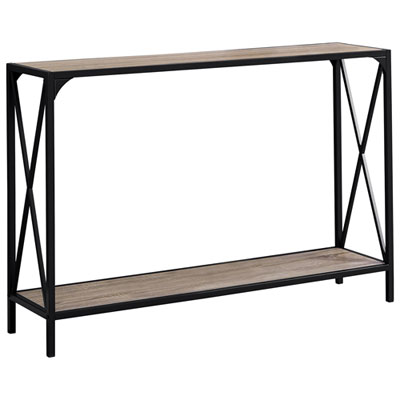
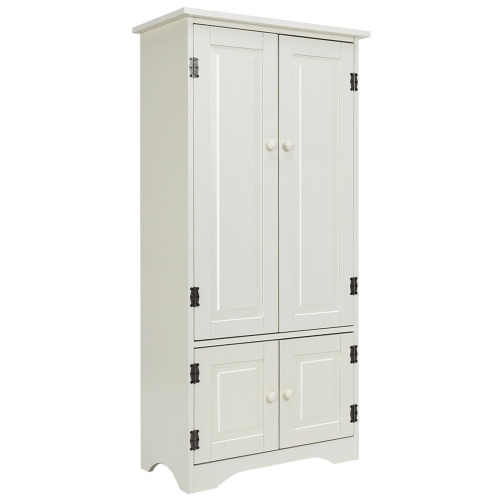
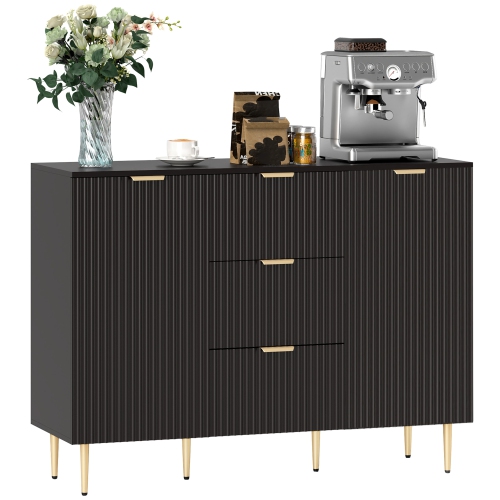
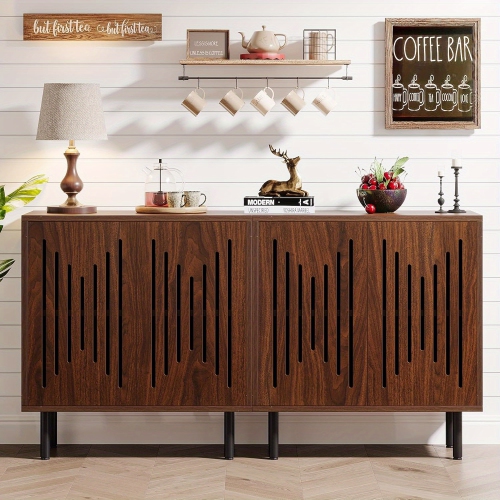


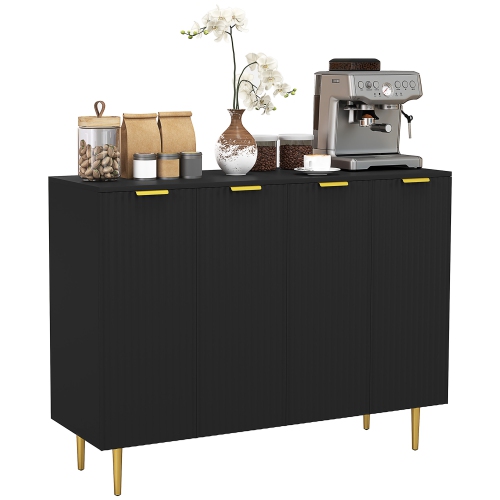


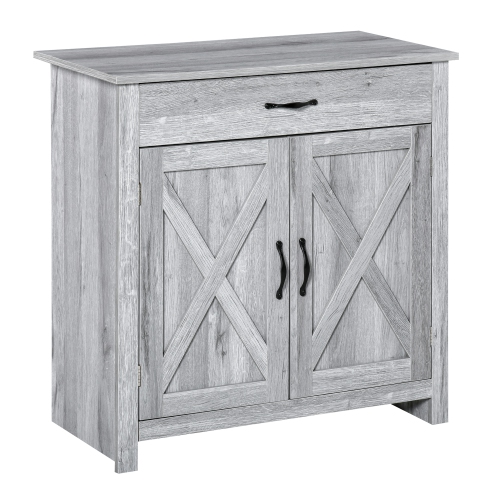
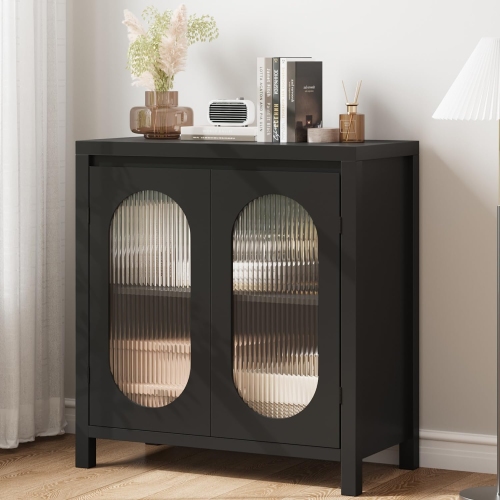
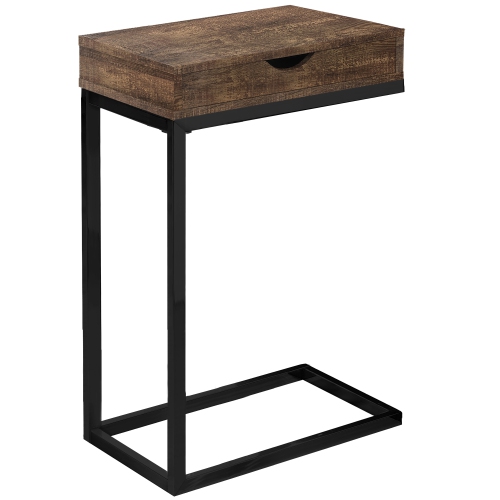
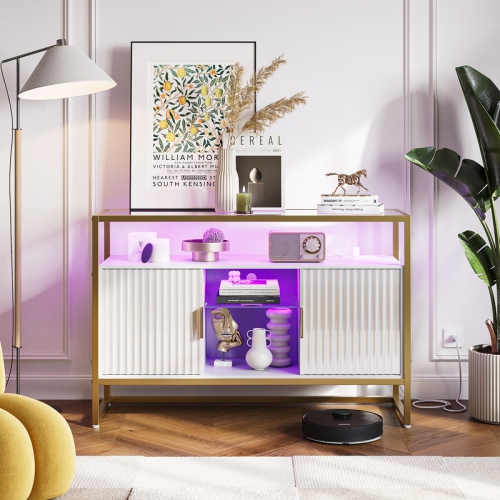
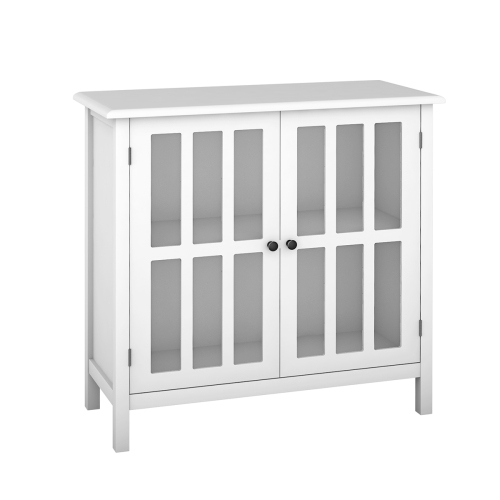
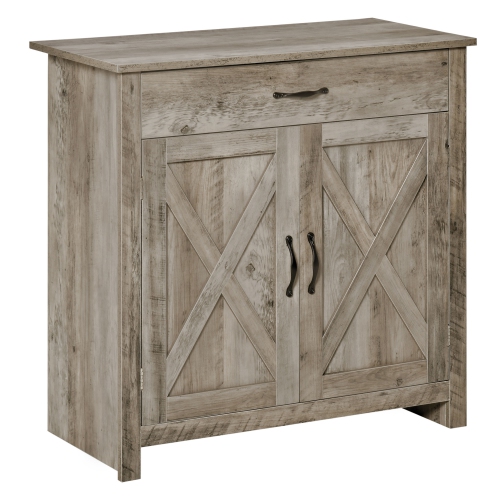

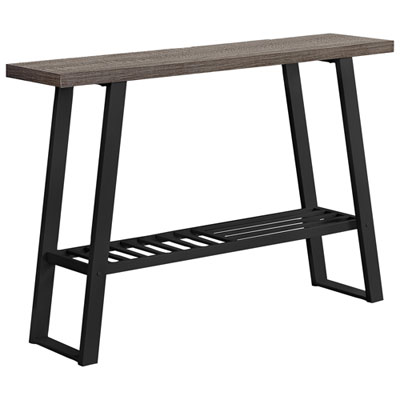
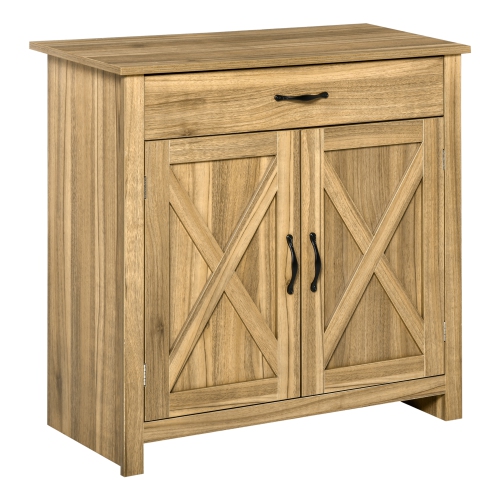


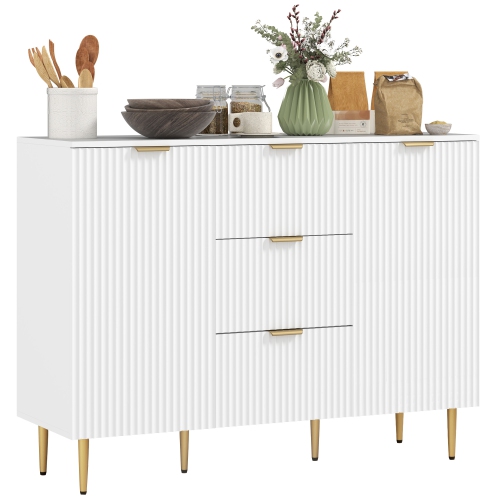


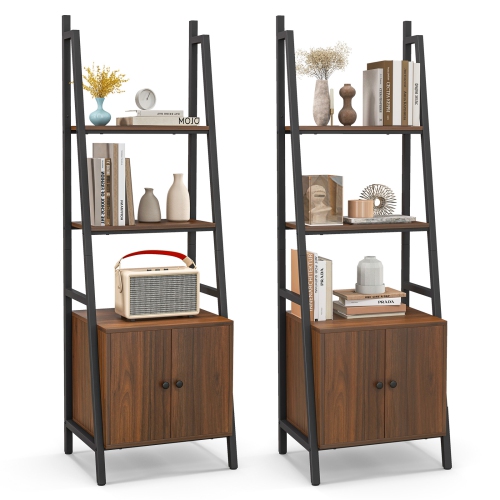


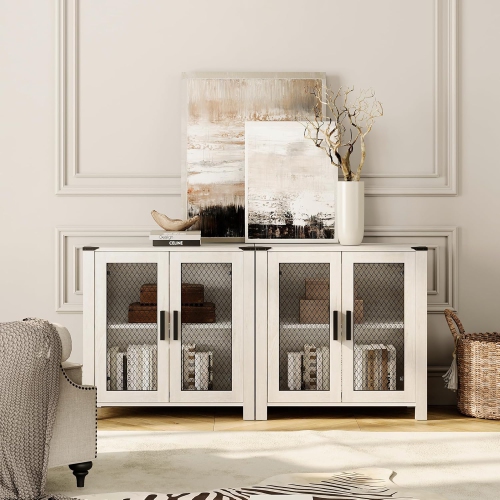
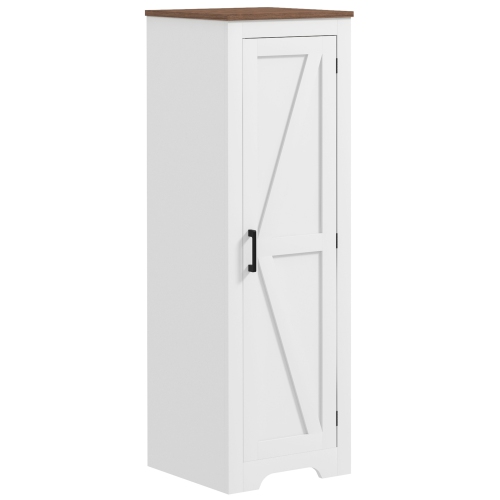


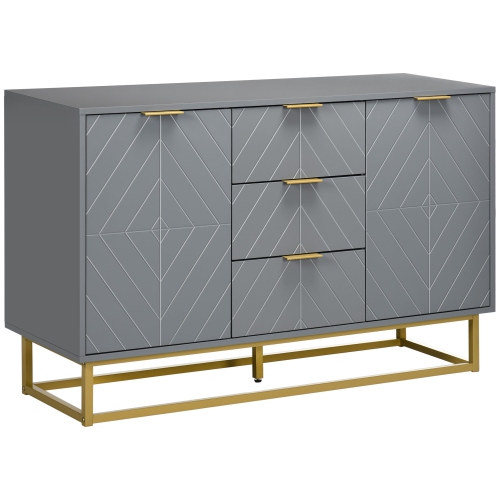
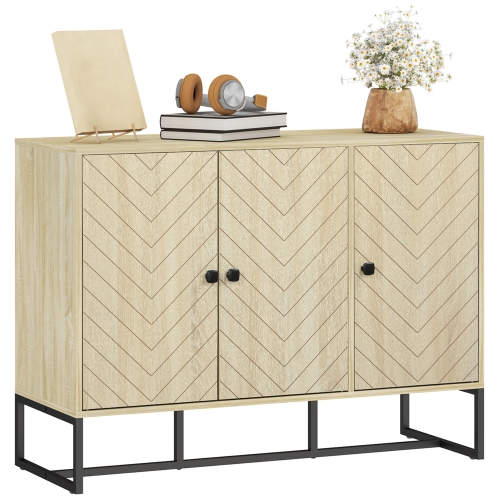

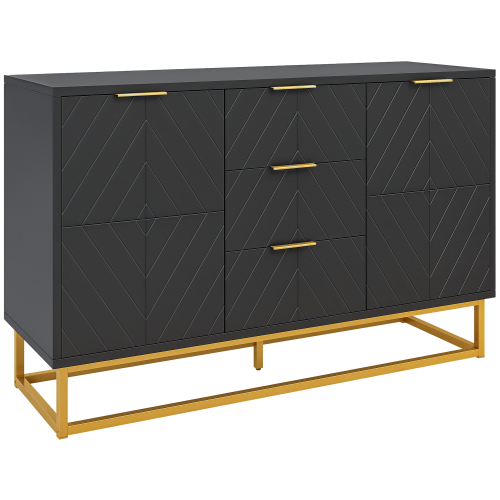
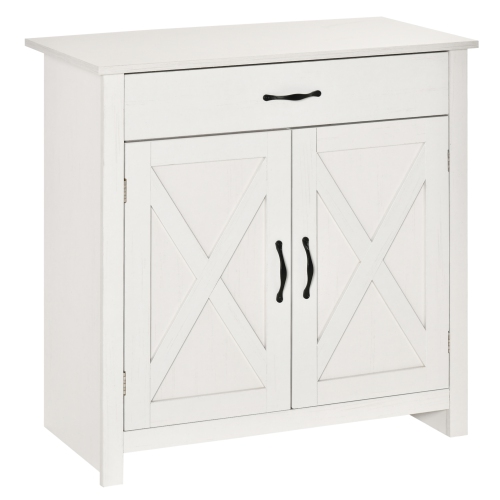
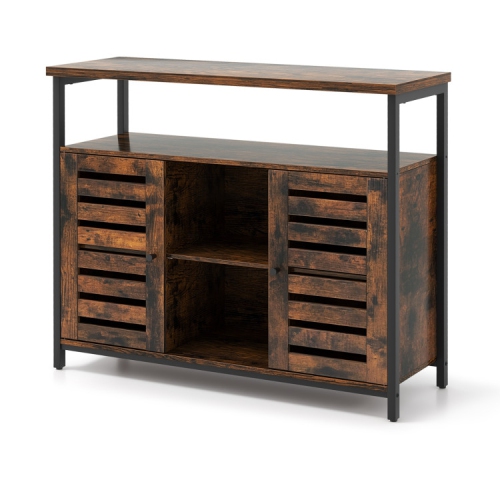
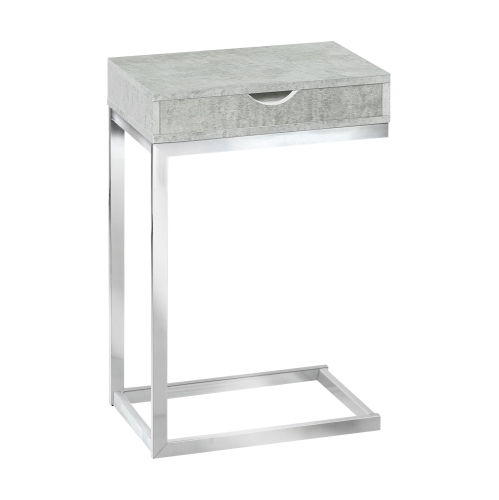

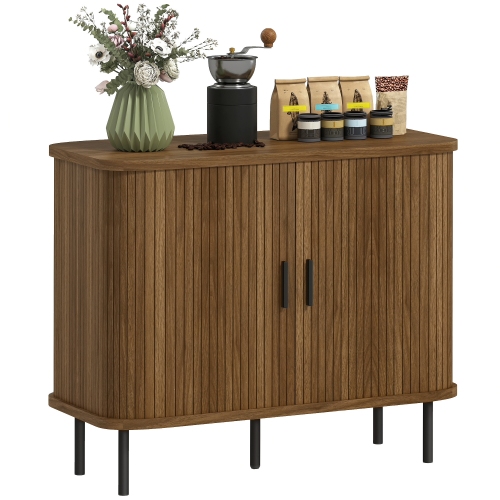


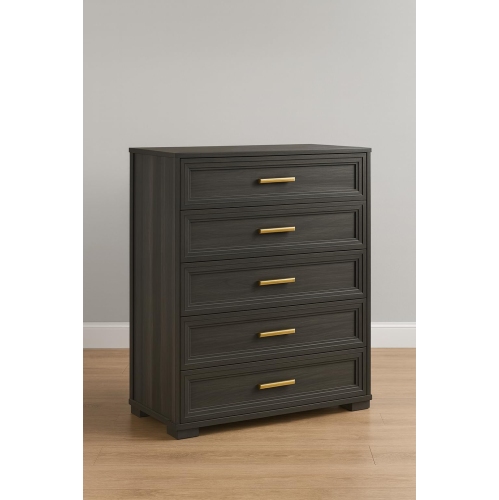

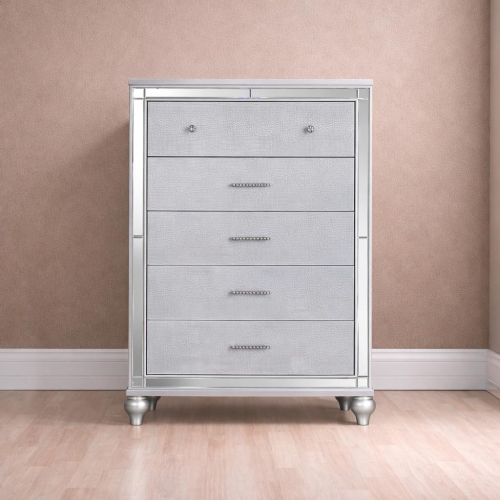
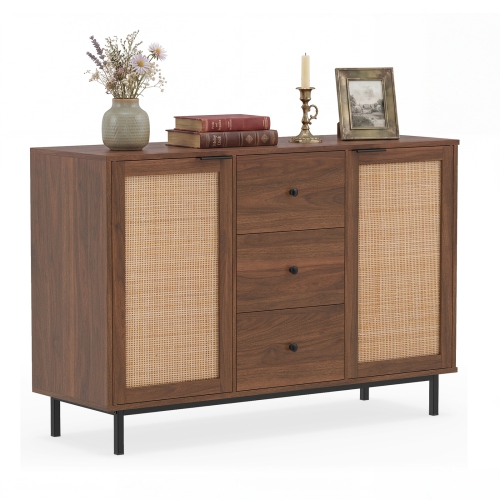

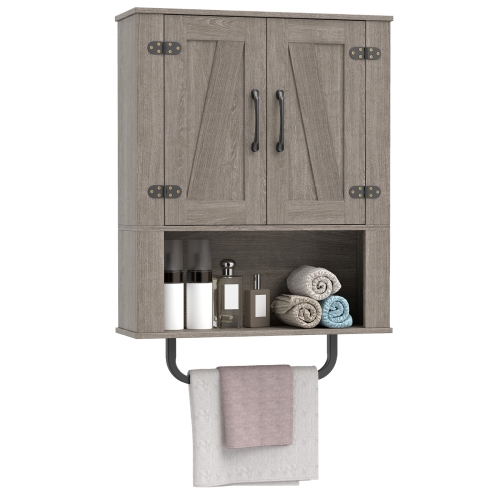

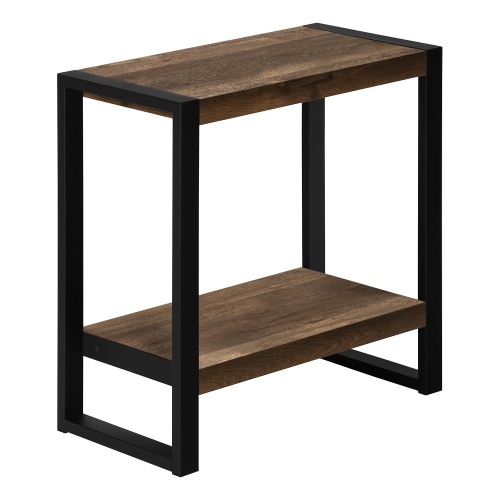
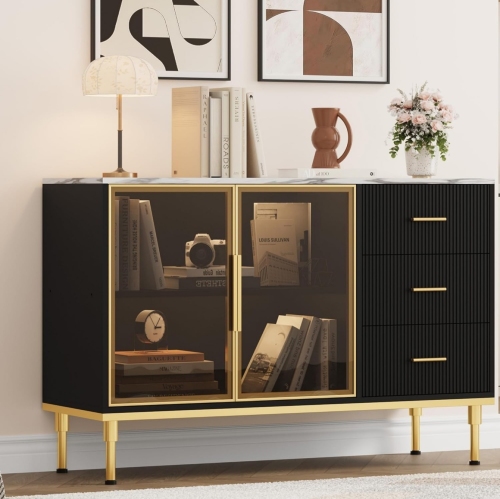
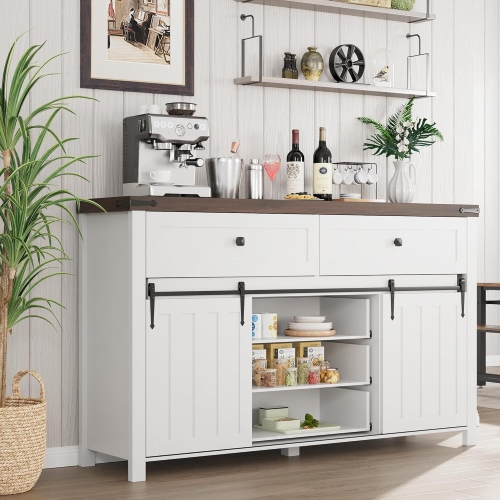

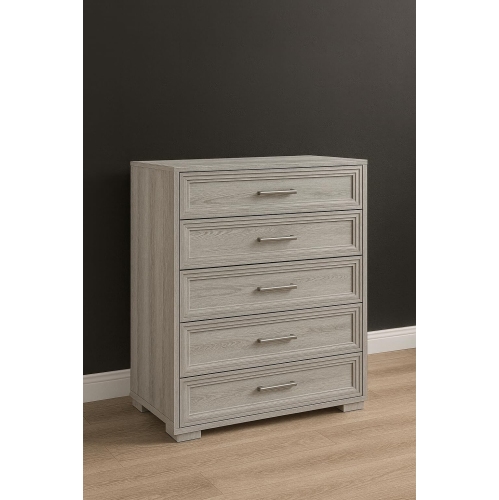

Metal storage that does more than hide clutter
Metal accent cabinets combine enclosed storage with a distinctive furniture finish, bringing structure to living rooms, entryways, dining areas, and home offices. Their defining feature is a metal body or frame, often made from steel, though some designs combine metal with wood, glass, or other materials. Unlike a purely utilitarian storage cupboard, an accent cabinet also contributes to the room’s appearance through its proportions, colour, door pattern, and hardware. A slim cabinet with raised legs can leave more floor visible in a compact apartment, while a broad, low cabinet can anchor an otherwise empty wall behind a dining table. Matte black finishes pair naturally with exposed brick, leather seating, and simple timber furniture; white or pale grey can blend into a lighter room; and a coloured finish can create a focal point without taking up additional space. Metal accent cabinets are often associated with industrial interiors, but smooth doors, rounded corners, and slender handles can suit contemporary or mixed-material spaces just as well. Door construction makes a practical difference. Solid metal doors conceal charging cables, paperwork, spare linens, and other everyday belongings. Glass panels offer a clearer view of books or serving pieces, while mesh and perforated fronts partially reveal the contents and give the cabinet a less visually solid appearance. Openings in mesh doors also allow air to pass through, although that alone does not make a cabinet suitable for every electronic device. For a softer contrast beside upholstered seating or a textured rug, metal can work well alongside natural wood grain. Comparing these styles with Wood Accent Cabinets can help establish whether a crisp painted surface or a warmer grain pattern better complements the room. The most useful choice balances that visual role with a clear storage purpose, whether that means keeping board games near the sofa, organizing stationery beside a desk, or giving serving dishes a home close to the dining table.
Fit involves more than finding a cabinet narrow enough for an empty stretch of wall. Check the overall width, height, and depth against the intended location, then account for handles, projecting feet, and the clearance needed to open each door fully. Painter’s tape on the floor can make the footprint easier to picture, particularly beside a sofa or along a busy entryway. A shallow cabinet may preserve a comfortable walking route, but its internal shelves still need enough depth for the belongings it will hold. In an office, folders and paper supplies call for different shelf spacing than tall vases or stacks of dinner plates in a dining room. Adjustable shelves offer flexibility, although their usefulness depends on the available mounting positions and the cabinet’s internal dimensions. Fixed shelves can also work well when their spacing matches the intended contents. Compare the stated load limits for individual shelves, the top surface, and the cabinet as a whole rather than treating one capacity figure as permission to load every surface equally. A stack of books or ceramic dishes can be surprisingly heavy; distribute the load evenly and place heavier belongings lower down, within the manufacturer’s limits. For media storage, look for suitable cable openings and follow each device’s ventilation requirements, leaving the recommended space around equipment rather than packing it tightly behind closed doors. A metal enclosure can also interfere with wireless signals, so a router may be better placed outside the cabinet. Raised legs can make floor cleaning easier when there is sufficient clearance underneath, while adjustable feet, where included, can help address minor unevenness. Baseboards may prevent the back from sitting flush against a wall, and nearby sockets need to remain accessible if they will be used. Delivery access matters too: doorways, stair turns, and lifts must accommodate the packaged or assembled dimensions. Secure the cabinet using the supplied restraints and appropriate wall fixings as directed, especially in homes with children or pets.
Durability depends on construction as much as the presence of metal. Panel thickness, frame reinforcement, shelf supports, hinges, and the quality of the finish all affect how a cabinet stands up to regular use. A well-supported shelf is important for dense contents, while doors that hang squarely and close without rubbing are easier to live with day after day. Powder-coated steel is a common choice because its baked-on finish provides a protective surface, but no finish should be assumed scratchproof or rustproof. Chips, prolonged dampness, and unsuitable cleaning products can damage that protection. Unless a cabinet is specifically rated for another setting, treat it as indoor furniture and keep it away from persistent moisture. In an entryway, a tray for damp footwear nearby is preferable to placing wet shoes directly on an interior shelf. Routine care usually starts with a soft cloth to remove dust, followed, when permitted by the care instructions, by a lightly dampened cloth and a mild cleaner. Dry the surface afterwards, avoid abrasive pads, and test any permitted cleaning product in an inconspicuous spot. Mesh panels require a little more attention because dust gathers around the openings; a soft brush or a vacuum’s brush attachment used gently can help reach these areas. Glass inserts need their own suitable cleaning method, with care taken to keep excess liquid away from joints and surrounding finishes. Felt pads beneath display pieces can reduce surface marks, while shelf liners may soften the sound of dishes against metal if they are compatible with the finish. Assembly quality matters as well: following the specified sequence and tightening fasteners as directed can help keep the frame square and the doors aligned. For renters, homeowners, students, or anyone setting up a shared living space, a metal accent cabinet offers a defined place for belongings that would otherwise spread across tables and counters. Its lasting usefulness comes from straightforward details: shelves that fit what needs storing, doors that open comfortably, a finish that suits everyday care, and proportions that feel at home in the room.
Top selling and popular products
-
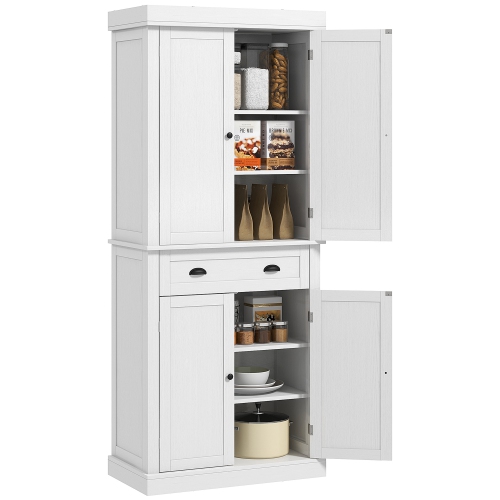 Your price for this item is $274.99
-
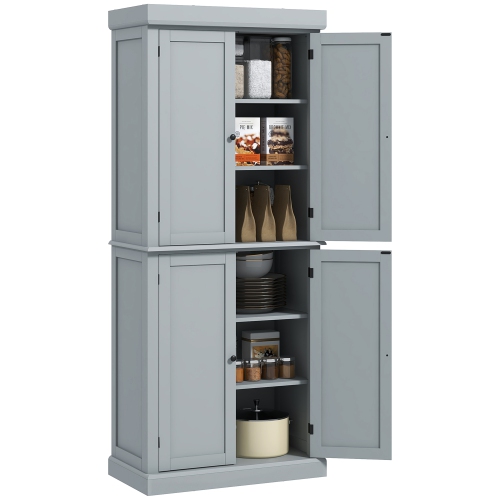 Your price for this item is $299.99
-
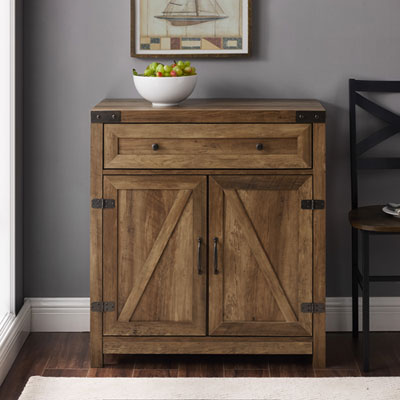 Your price for this item is $401.99
-
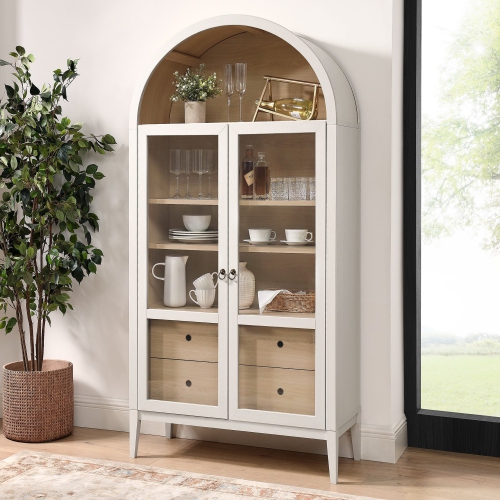 Your price for this item is $1155.71
-
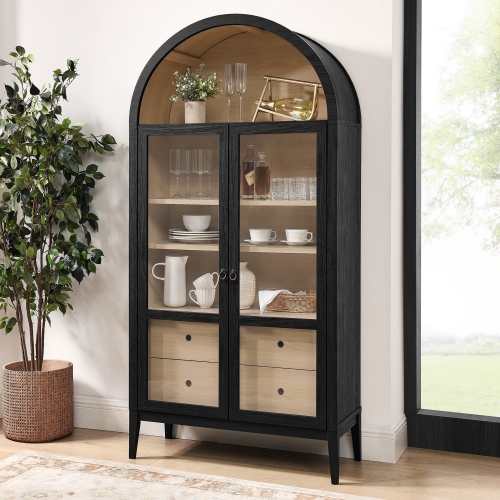 Your price for this item is $1155.71
-
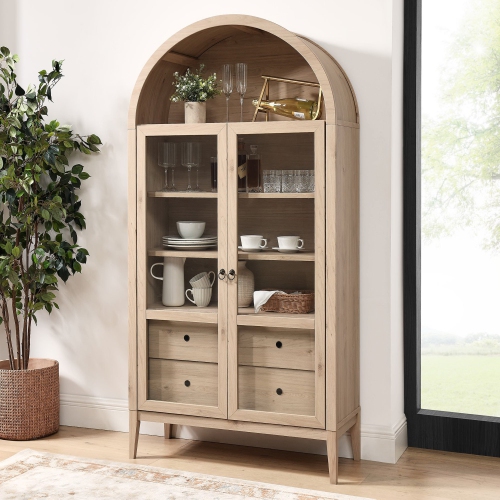 Your price for this item is $1155.71
-
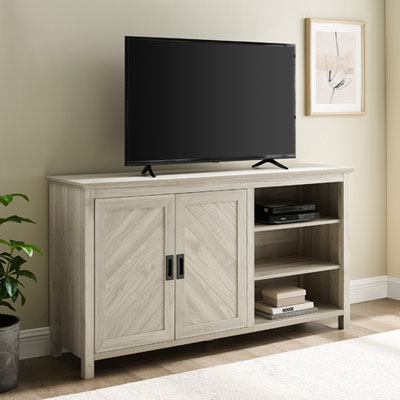 Your price for this item is $593.99
-
 Your price for this item is $144.99
Discover more categories related to Metal Accent Cabinets


Top Collections:
Pokemon Centers, Kindle Devices, Best Cameras for Sports Photography, Pokémon 30th Celebration Cards, Apple iPhones 16, Canon G7X Cameras, iPhone 15 Apple, Flip Phones, Samsung Galaxy Phones, Alarm Clock
Some products may be subject to Environmental Handling Fees
(EHF) depending on your province.
Learn more about EHFs.