Metal And Wood Bookcases
Organize your home library in style with these metal and wood bookcases. Whether you're a bookworm looking to display your literary treasures or simply in need of extra storage space, these bookcases offer a perfect blend of functionality and aesthetics. Crafted from durable materials such as metal and wood, these bookcases are built to withstand the test of time while adding a touch of sophistication to almost any room. With a variety of designs and sizes available, finding the perfect bookcase to suit your personal style and storage needs has never been easier.
Sort
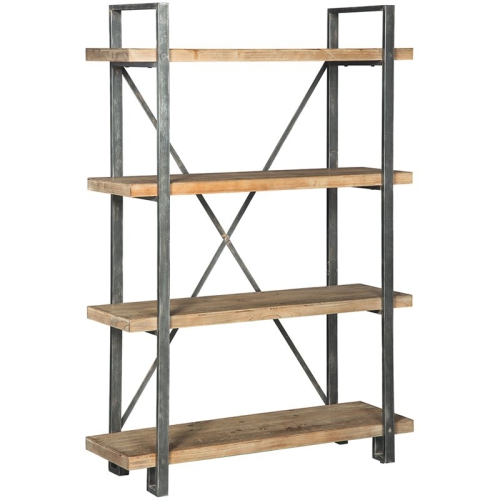
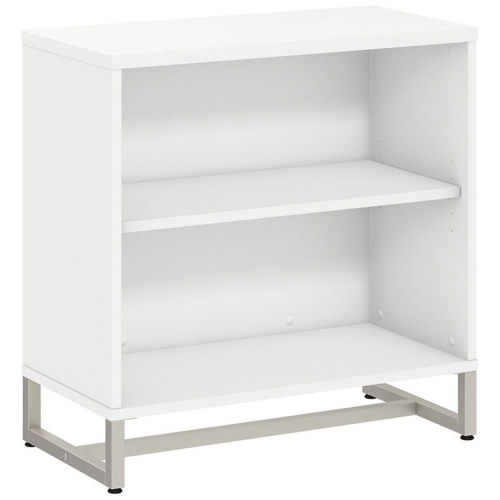
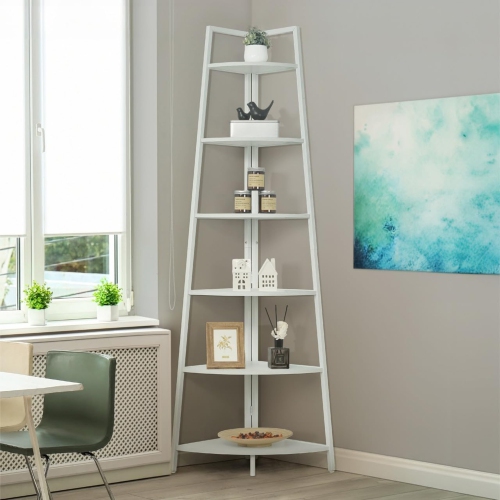

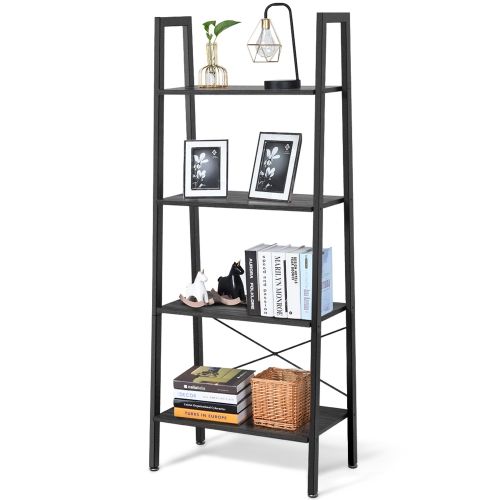
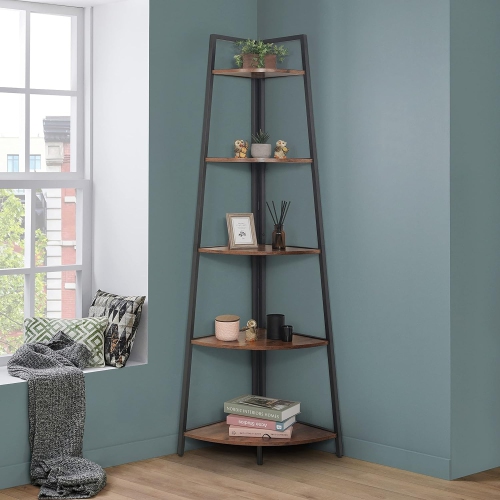
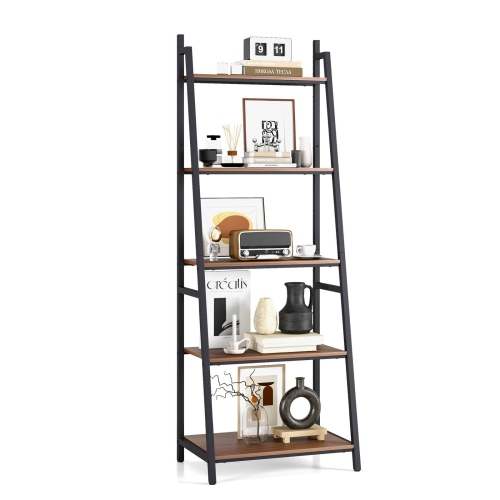
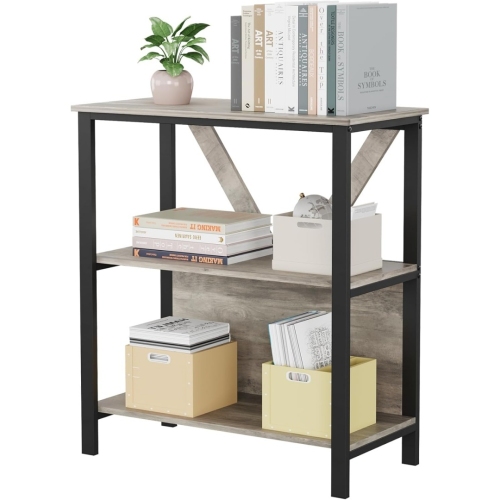
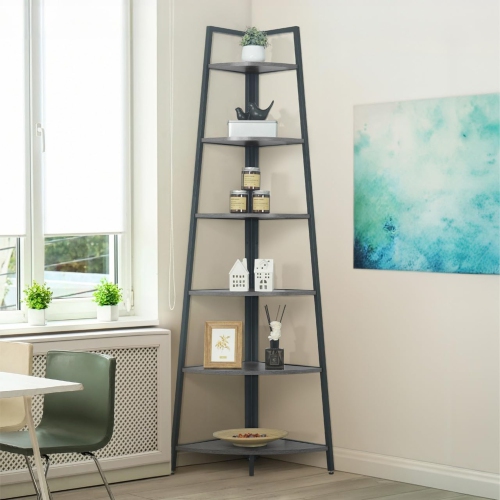
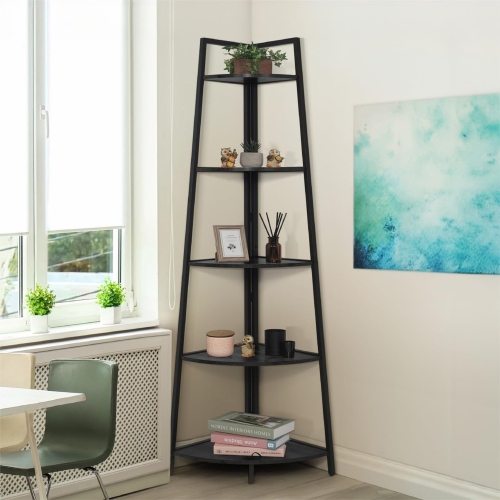
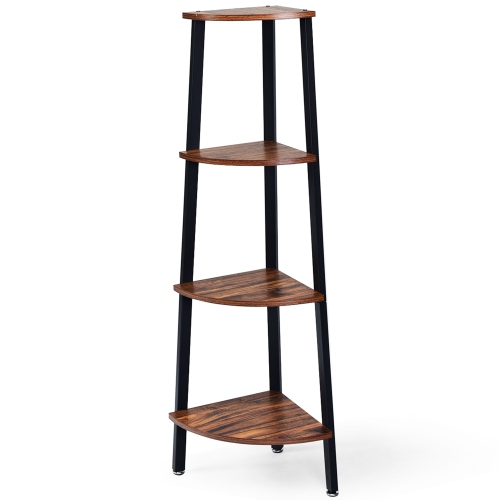
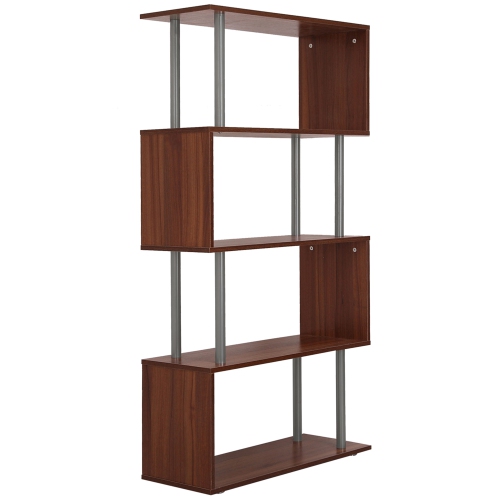
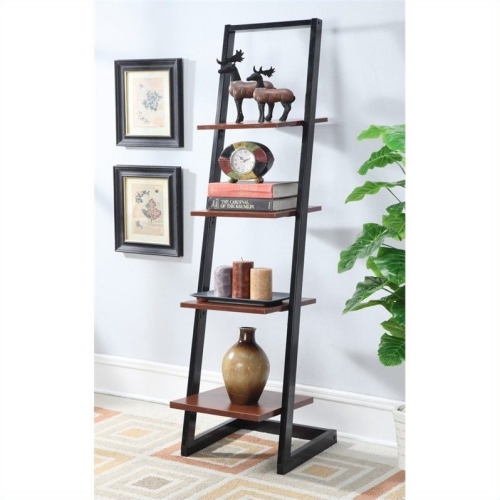
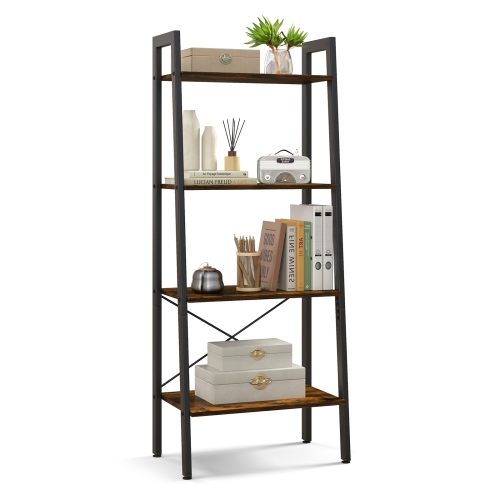
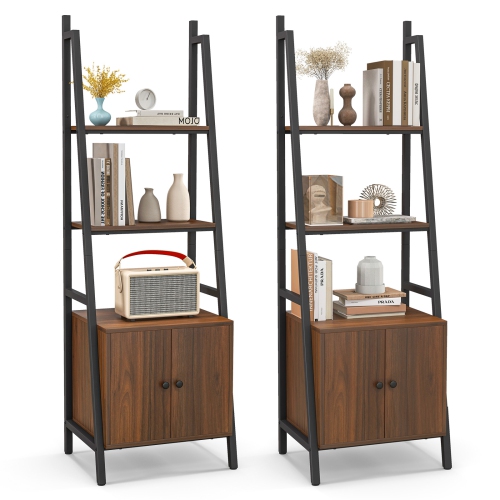
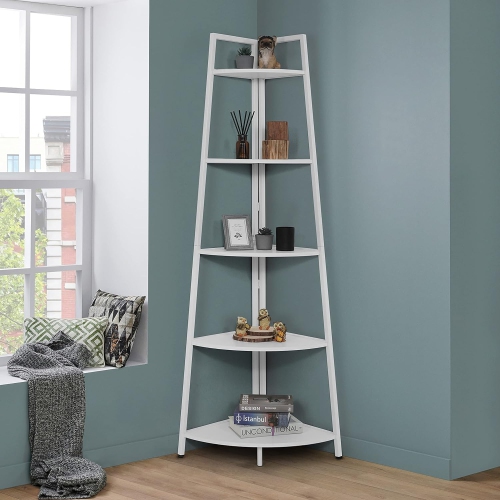
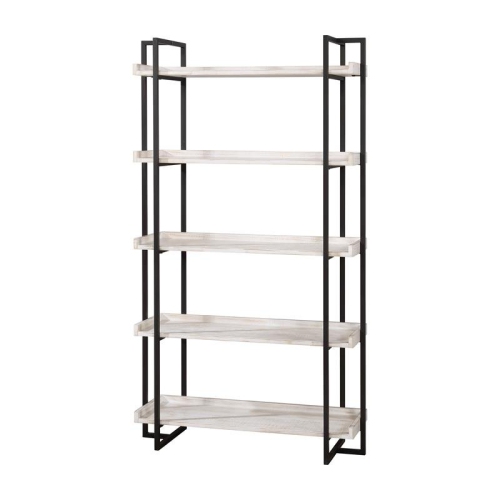
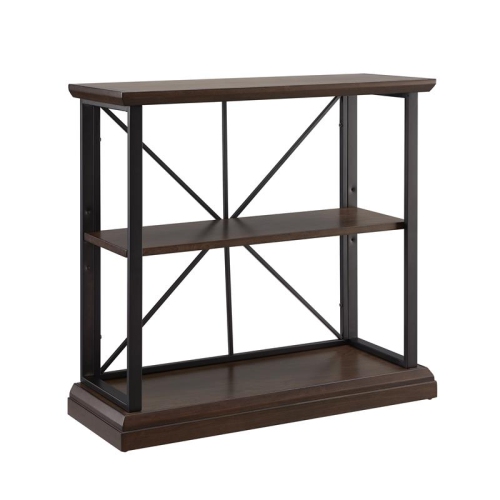
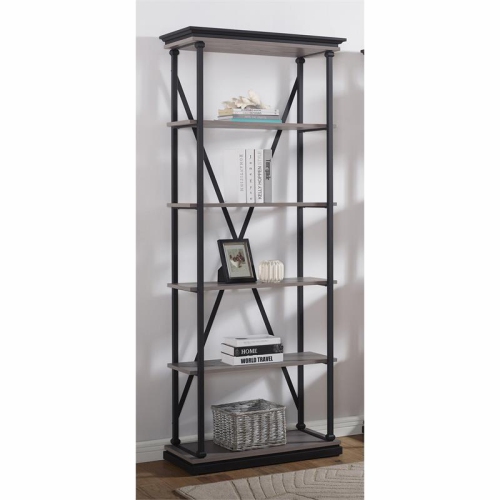
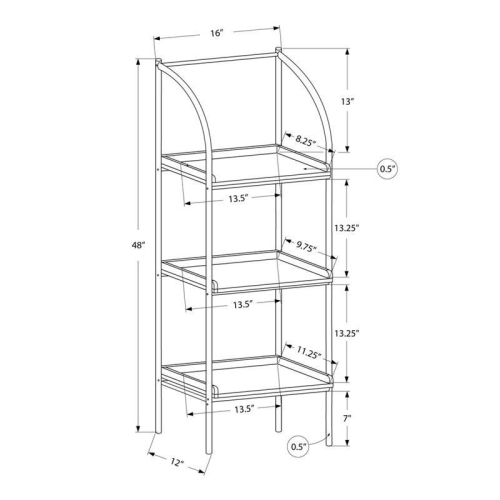

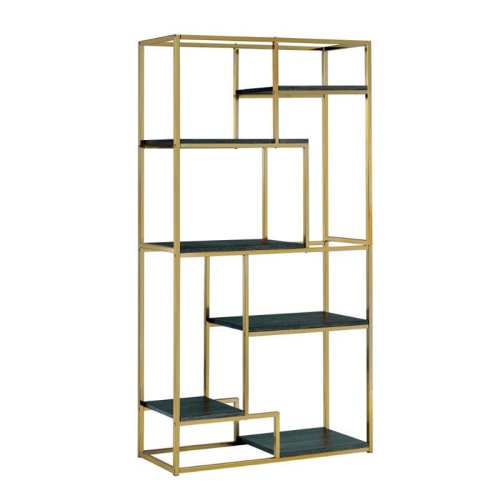
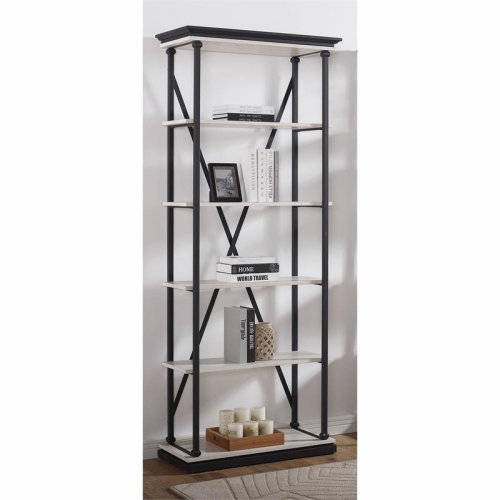

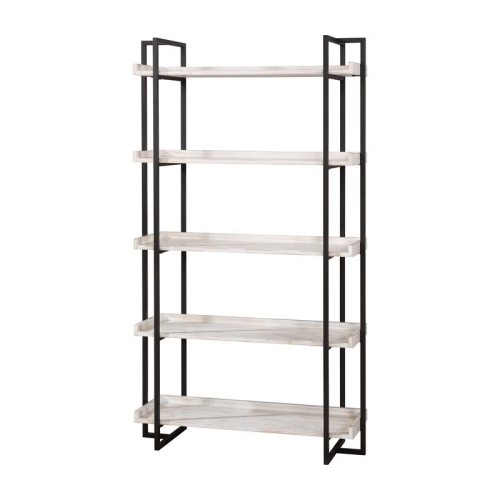
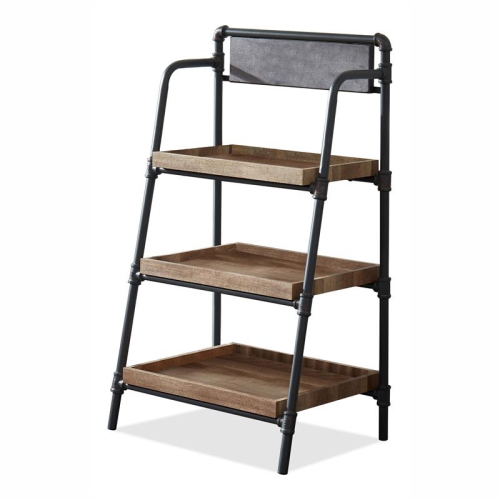
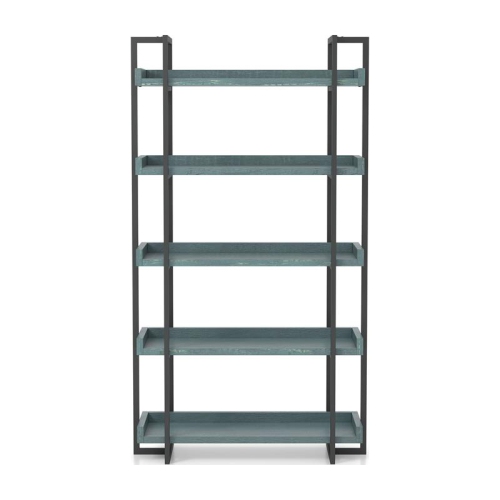
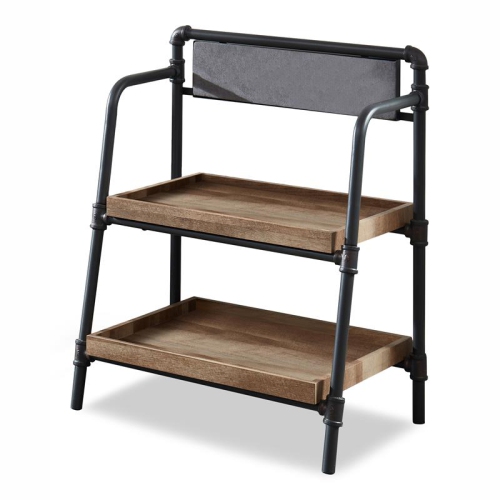
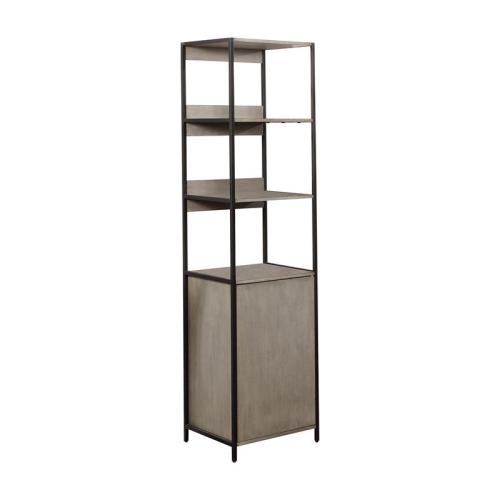
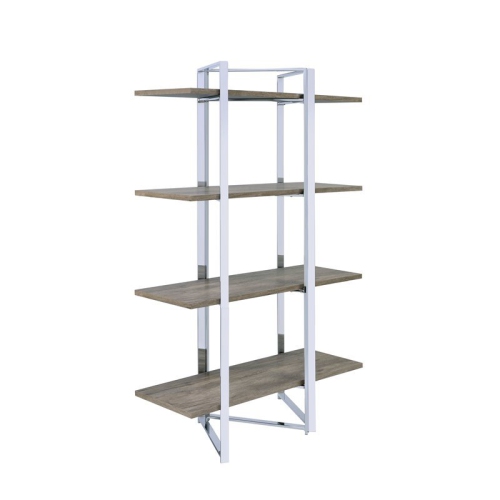
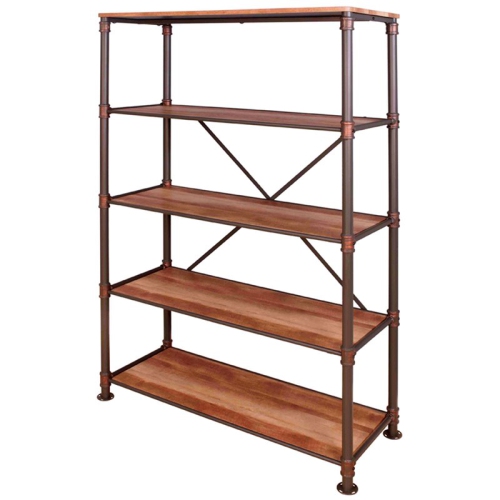
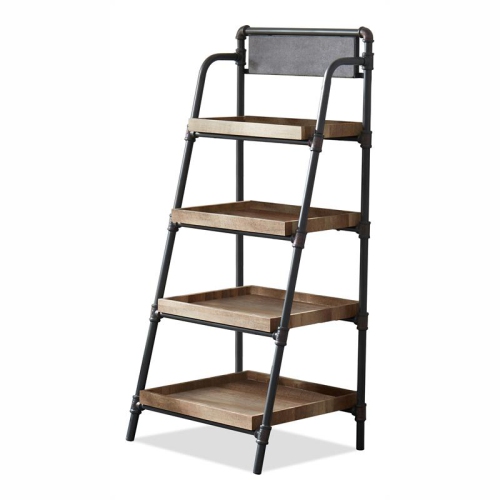
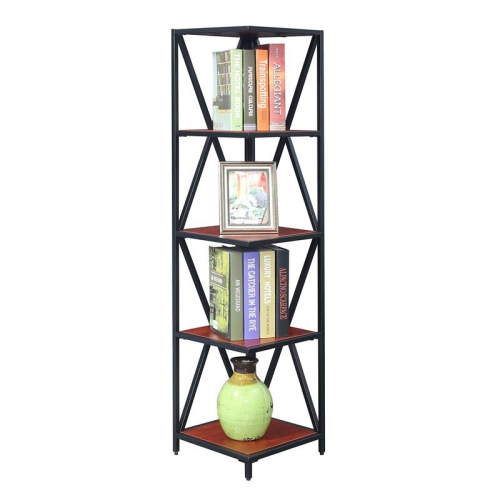
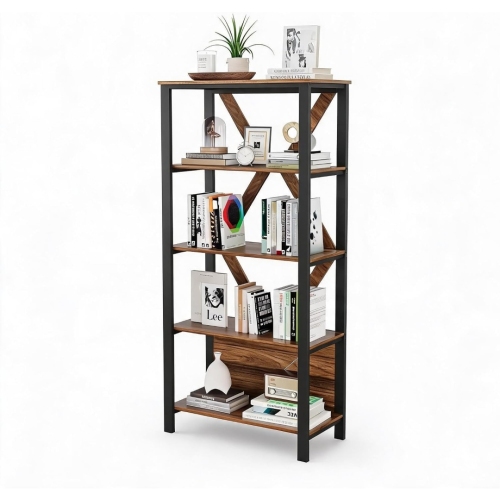
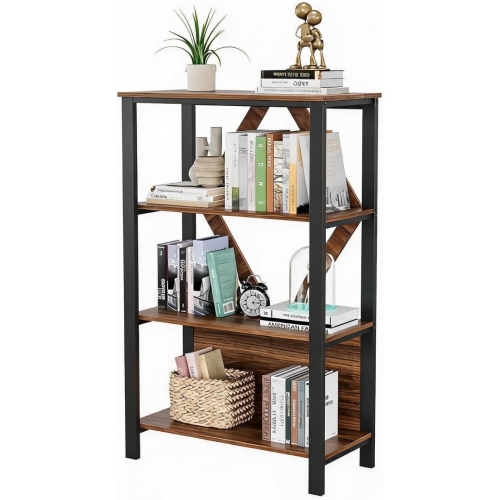
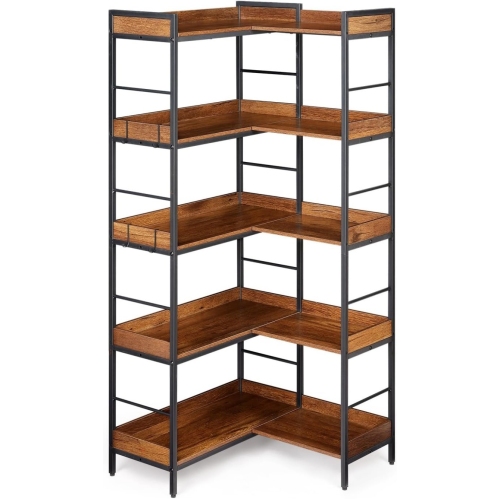
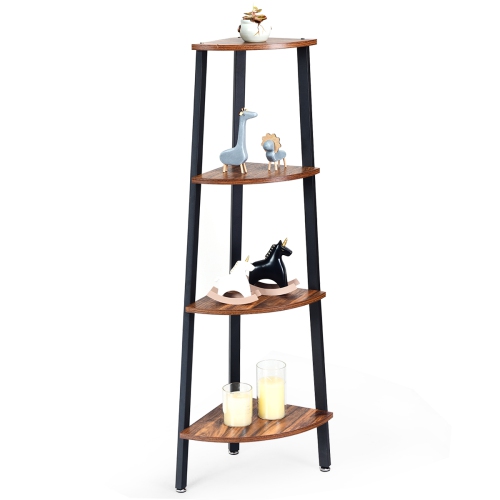
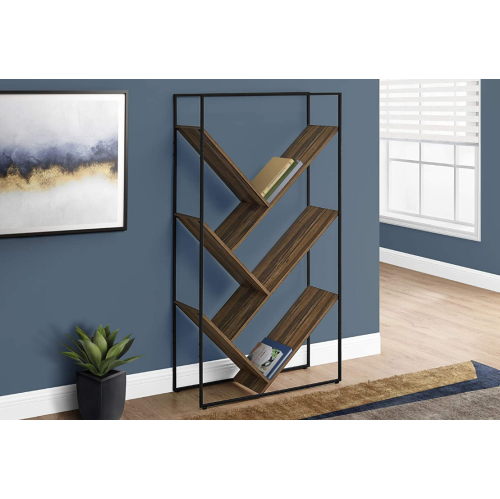
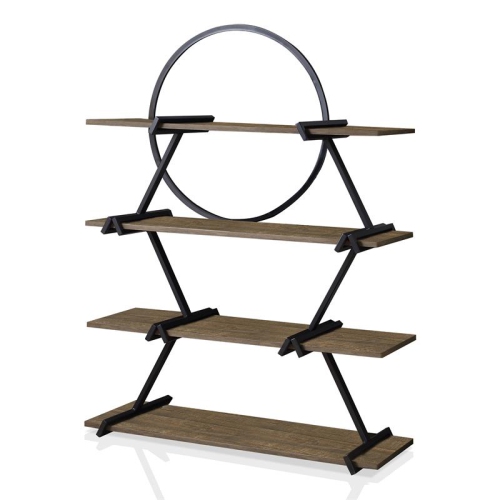
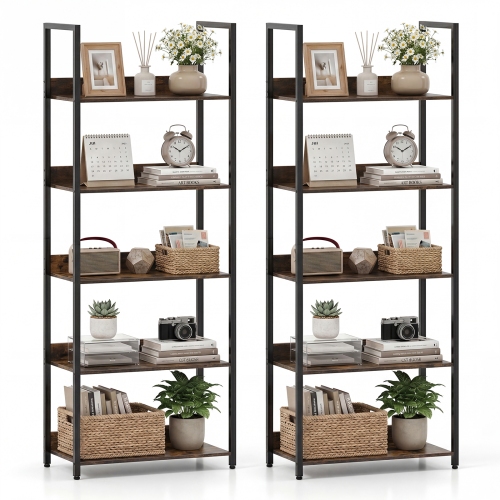
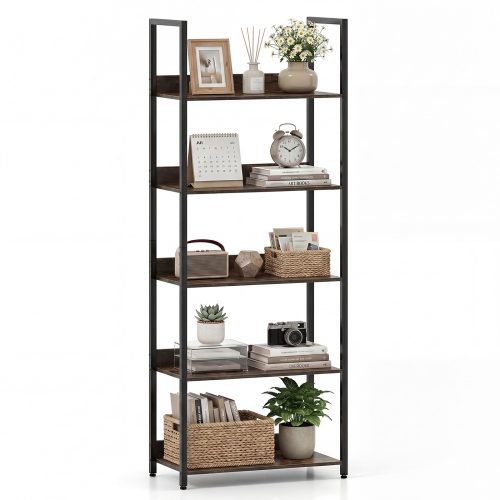
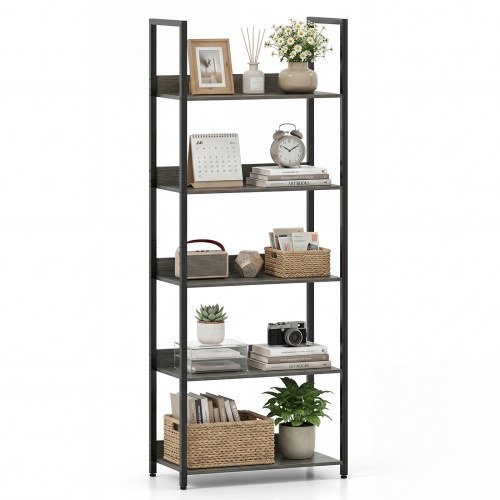
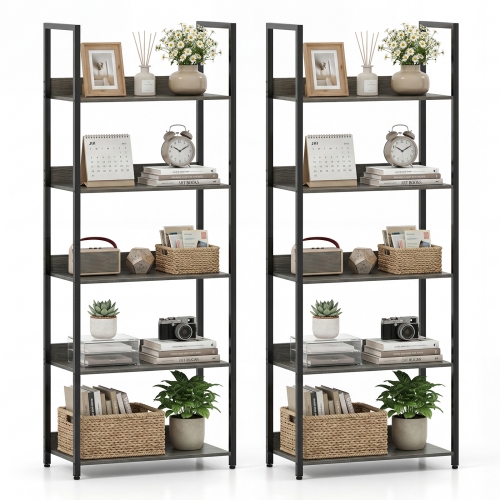
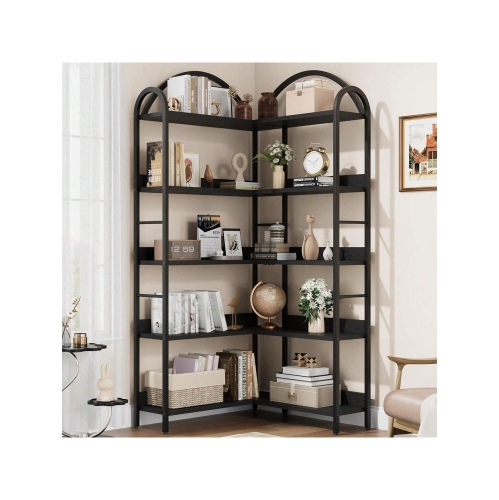
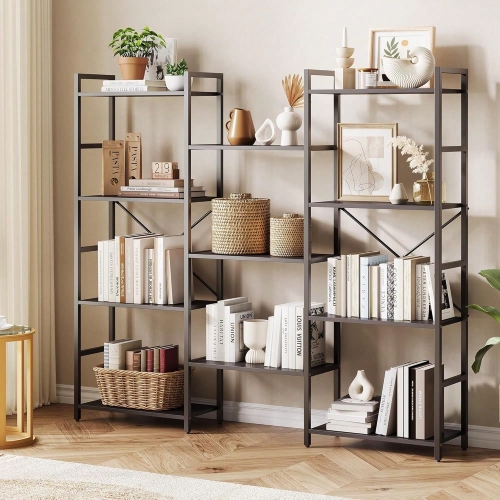
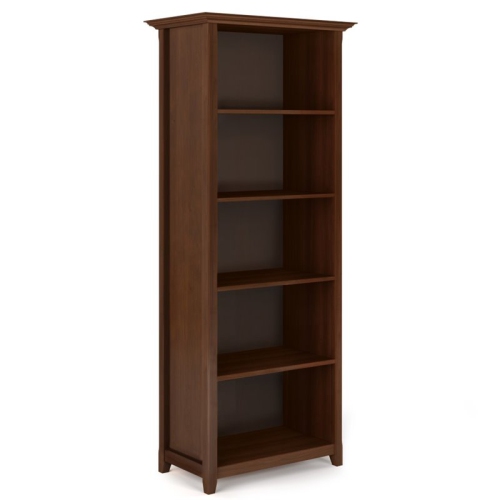
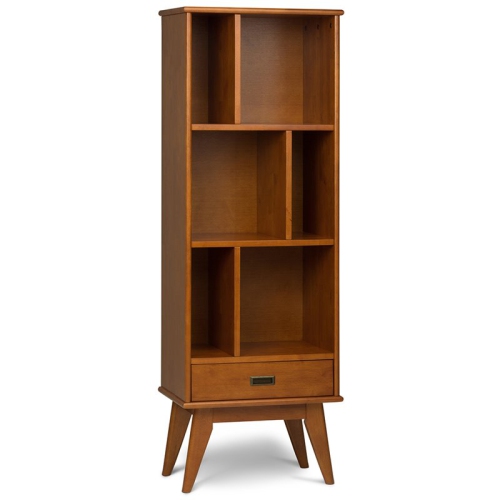
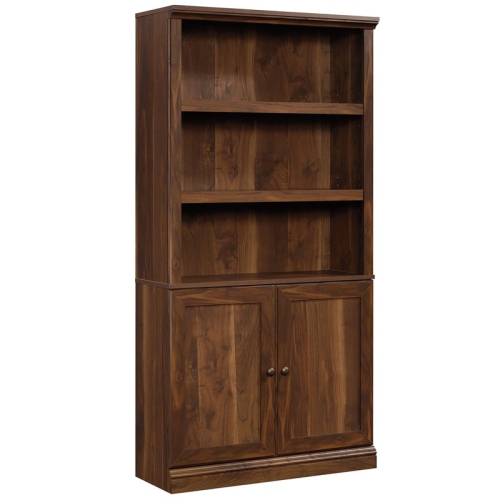
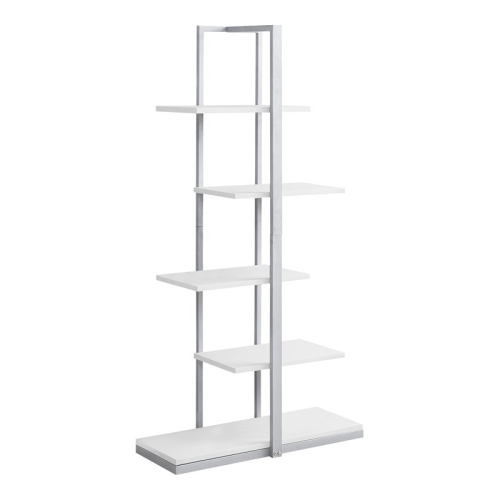
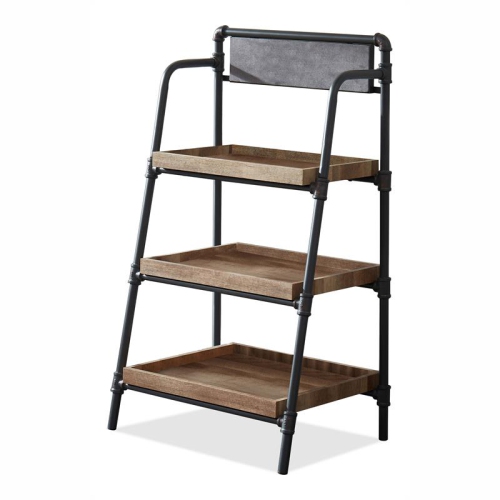
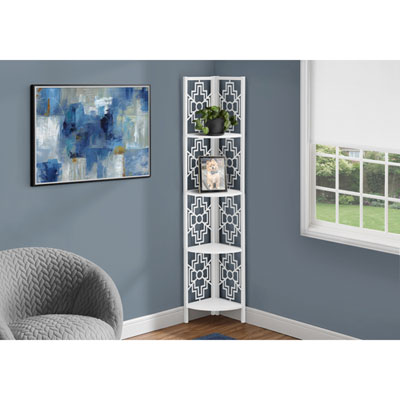
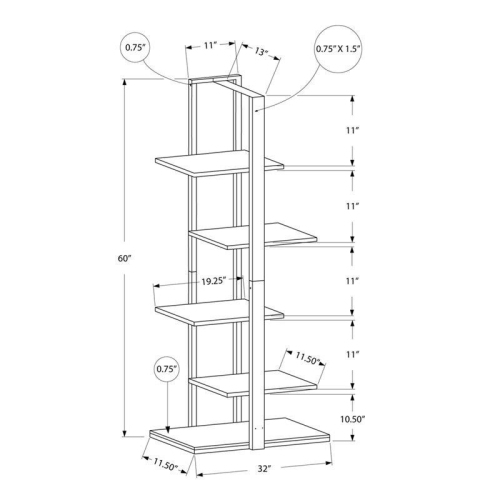
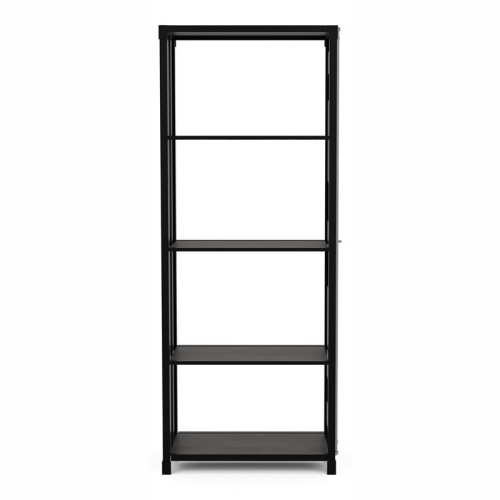
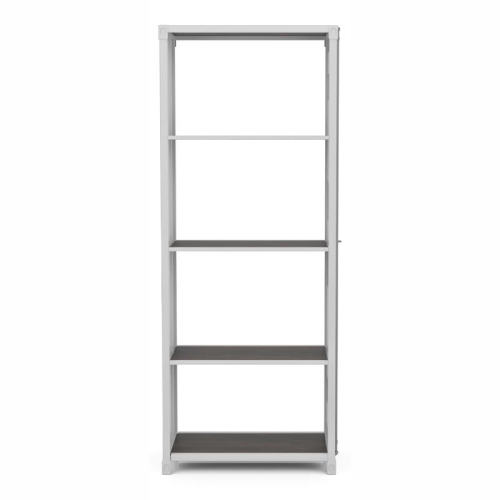
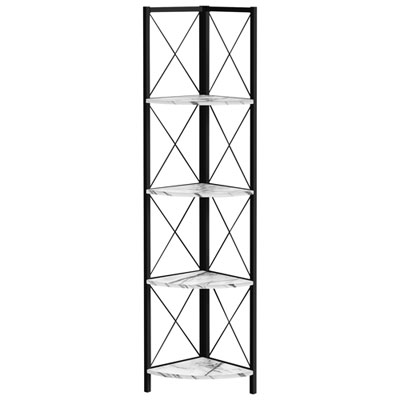
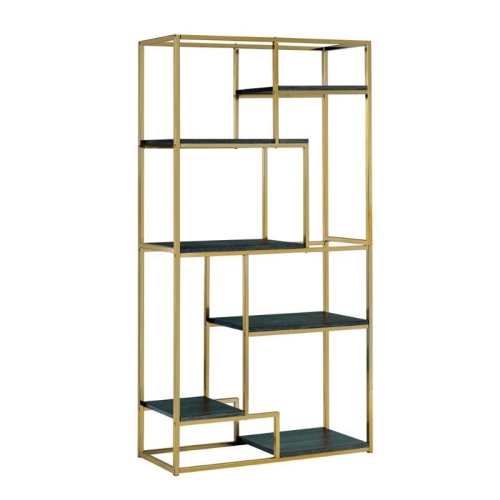
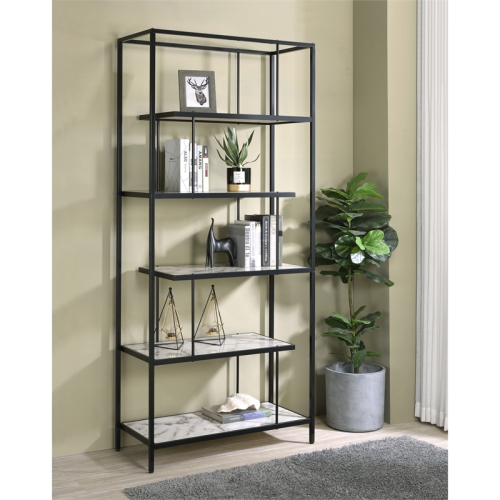

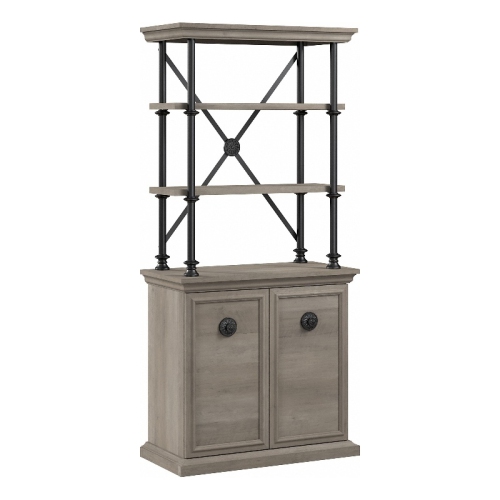
Warm wood grain meets an airy metal frame
Metal and wood bookcases combine metal frames with wood or wood-based shelves, bringing together a defined structure and the warmth of a visible grain or wood-look finish. The contrast makes them a natural fit for industrial interiors, but their appearance can range from rustic to clean and contemporary. A dark frame with richly textured brown shelves has a workshop-inspired character, while pale shelves and a slender metal outline can feel lighter beside a desk or sofa. In a living room, these bookcases offer space for novels, framed photographs, and ceramics without the visual weight of a fully enclosed cabinet. In a home office, they can keep reference books, document boxes, and everyday supplies within reach. Their usefulness depends as much on their construction as their style: shelf depth, spacing, frame design, and the presence of side supports all affect what they hold comfortably. Open sides give shelving an airy appearance, though smaller books may need bookends to stay upright. A solid back provides a more defined backdrop for a collection, while an open back lets the wall colour remain part of the display. Cross-bracing adds a visible structural detail and can help limit sideways movement, depending on the design. The wood component also deserves a closer look. Solid wood may show natural variations in grain and colour; veneer places a thin layer of real wood over a supporting core; and laminate or other wood-look finishes provide a different surface over engineered wood. These materials have different care requirements, so the finish matters as much as the appearance. For a look that places greater emphasis on wood throughout the structure, Wooden Bookcases offer a related furniture style. Metal and wood designs are particularly appealing when the goal is to connect existing wood furniture with metal accents, such as lamp bases, desk legs, or cabinet handles.
A comfortable fit starts with the bookcase’s overall height, width, and depth, but the usable shelf dimensions are just as important. A narrow unit can make practical use of a wall beside a reading chair, while a wider bookcase gives a substantial book collection room to spread out. Tall shelving draws the eye upward and uses wall space efficiently, although frequently handled belongings are easier to reach on the middle shelves. Before choosing a size, allow for baseboards, nearby outlets, door swings, and enough clearance to move past the furniture without brushing against it. A frame that fits neatly against a bare wall may sit farther forward when a baseboard or plug is behind it. Inside the bookcase, check whether shelves are fixed or adjustable and whether their spacing suits the intended contents. Paperbacks, large art books, ring binders, and storage baskets each need different amounts of room. Shelf depth should support books without leaving them projecting into a walkway, and any baskets should slide out without catching on the frame or bracing. Load ratings are especially important for books, which become heavy quickly when arranged in a continuous row. A metal frame alone does not establish a bookcase’s capacity; shelf thickness, span, connections, and overall construction also matter. Follow the stated limits for each shelf and the complete unit, including any directions about distributing weight evenly. Place heavier books and filled storage boxes lower down, but do not treat this arrangement as a substitute for proper anchoring. Tall and narrow furniture needs particular attention to tip-over prevention, and any wall attachment should follow the manufacturer’s instructions using hardware appropriate for the wall construction. Adjustable feet, where included, can help level a unit on a slightly uneven floor, but they do not replace an anti-tip attachment. Open-backed bookcases may look suitable for dividing a room, yet they should only be used away from a wall when their design and installation requirements permit it. These details help shelving work safely and naturally within a furnished space.
Day-to-day durability comes from the combination of sound assembly, suitable loading, and care matched to both materials. Metal frames may have painted or powder-coated finishes that protect the underlying surface, but neither should be assumed to resist every scratch or impact. Wood shelves and wood-based surfaces can also be marked by rough pottery, sliding baskets, or books with damaged metal bindings. Felt pads beneath display objects and smooth-bottomed containers can reduce abrasion without changing the overall look. Dusting with a soft cloth helps keep shelf edges, frame joints, and corners clean; for spills or marks, follow the manufacturer’s cleaning directions and avoid leaving moisture on the surface. Excess water can damage certain wood-based materials, particularly around seams and exposed edges. Strong cleaners or abrasive pads may dull or remove finishes, and wood polish is not suitable for every shelf surface. Lifting objects instead of dragging them makes rearranging a collection gentler on the furniture. During assembly, align the parts carefully and tighten fasteners in the sequence specified by the manufacturer, then check connections periodically as directed. A bookcase that is moved should be emptied first rather than pulled across the floor while loaded. Once in place, its layout can reflect how the room is used. A student might keep textbooks at arm’s reach with stationery in a basket below; an avid reader might arrange novels upright and reserve a taller opening for oversized volumes. In a shared living area, matching storage boxes can contain small accessories while leaving space for a few meaningful objects. A bedroom bookcase can hold bedtime reading and personal keepsakes without requiring a large footprint. Metal and wood bookcases can also make thoughtful gifts for readers, students, or someone furnishing a home, provided the dimensions, finish, and assembly needs suit the recipient’s space. The most useful choice is one whose proportions and shelf arrangement accommodate everyday belongings, with materials that suit the care it will receive and a style that feels at home beside the rest of the furniture.
A comfortable fit starts with the bookcase’s overall height, width, and depth, but the usable shelf dimensions are just as important. A narrow unit can make practical use of a wall beside a reading chair, while a wider bookcase gives a substantial book collection room to spread out. Tall shelving draws the eye upward and uses wall space efficiently, although frequently handled belongings are easier to reach on the middle shelves. Before choosing a size, allow for baseboards, nearby outlets, door swings, and enough clearance to move past the furniture without brushing against it. A frame that fits neatly against a bare wall may sit farther forward when a baseboard or plug is behind it. Inside the bookcase, check whether shelves are fixed or adjustable and whether their spacing suits the intended contents. Paperbacks, large art books, ring binders, and storage baskets each need different amounts of room. Shelf depth should support books without leaving them projecting into a walkway, and any baskets should slide out without catching on the frame or bracing. Load ratings are especially important for books, which become heavy quickly when arranged in a continuous row. A metal frame alone does not establish a bookcase’s capacity; shelf thickness, span, connections, and overall construction also matter. Follow the stated limits for each shelf and the complete unit, including any directions about distributing weight evenly. Place heavier books and filled storage boxes lower down, but do not treat this arrangement as a substitute for proper anchoring. Tall and narrow furniture needs particular attention to tip-over prevention, and any wall attachment should follow the manufacturer’s instructions using hardware appropriate for the wall construction. Adjustable feet, where included, can help level a unit on a slightly uneven floor, but they do not replace an anti-tip attachment. Open-backed bookcases may look suitable for dividing a room, yet they should only be used away from a wall when their design and installation requirements permit it. These details help shelving work safely and naturally within a furnished space.
Day-to-day durability comes from the combination of sound assembly, suitable loading, and care matched to both materials. Metal frames may have painted or powder-coated finishes that protect the underlying surface, but neither should be assumed to resist every scratch or impact. Wood shelves and wood-based surfaces can also be marked by rough pottery, sliding baskets, or books with damaged metal bindings. Felt pads beneath display objects and smooth-bottomed containers can reduce abrasion without changing the overall look. Dusting with a soft cloth helps keep shelf edges, frame joints, and corners clean; for spills or marks, follow the manufacturer’s cleaning directions and avoid leaving moisture on the surface. Excess water can damage certain wood-based materials, particularly around seams and exposed edges. Strong cleaners or abrasive pads may dull or remove finishes, and wood polish is not suitable for every shelf surface. Lifting objects instead of dragging them makes rearranging a collection gentler on the furniture. During assembly, align the parts carefully and tighten fasteners in the sequence specified by the manufacturer, then check connections periodically as directed. A bookcase that is moved should be emptied first rather than pulled across the floor while loaded. Once in place, its layout can reflect how the room is used. A student might keep textbooks at arm’s reach with stationery in a basket below; an avid reader might arrange novels upright and reserve a taller opening for oversized volumes. In a shared living area, matching storage boxes can contain small accessories while leaving space for a few meaningful objects. A bedroom bookcase can hold bedtime reading and personal keepsakes without requiring a large footprint. Metal and wood bookcases can also make thoughtful gifts for readers, students, or someone furnishing a home, provided the dimensions, finish, and assembly needs suit the recipient’s space. The most useful choice is one whose proportions and shelf arrangement accommodate everyday belongings, with materials that suit the care it will receive and a style that feels at home beside the rest of the furniture.
Top selling and popular products
-
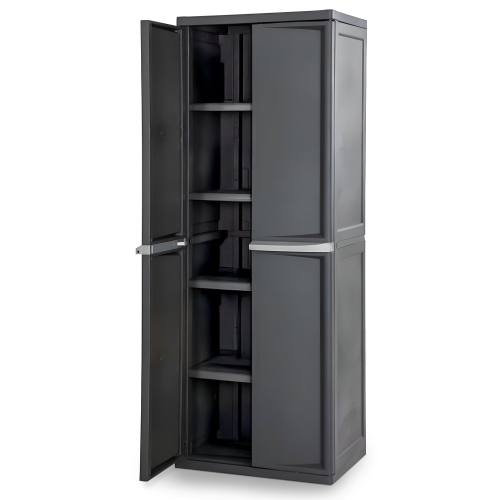 Your price for this item is $772.99
 -
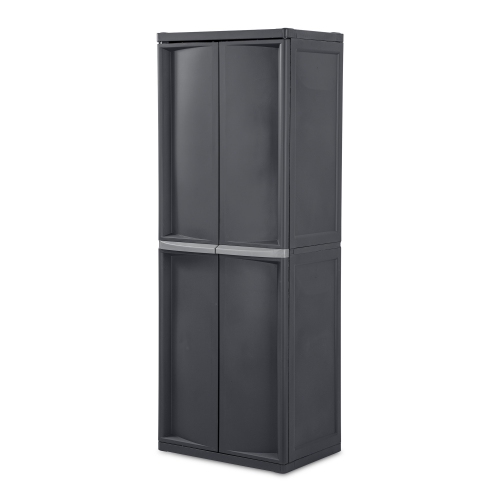 Your price for this item is $1522.99
 -
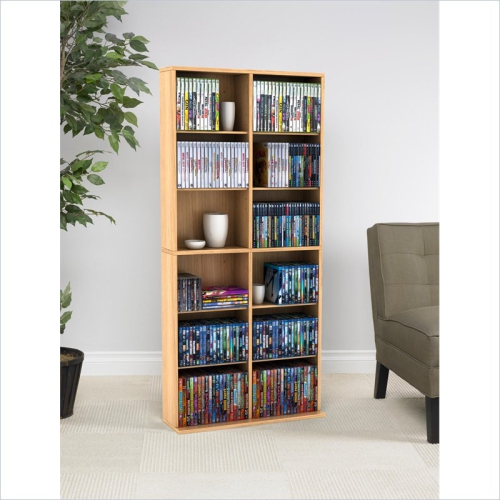 Your price for this item is $234.68
 -
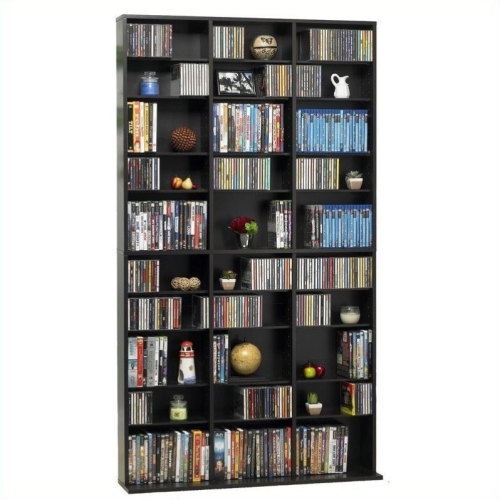 Your price for this item is $365.38
 -
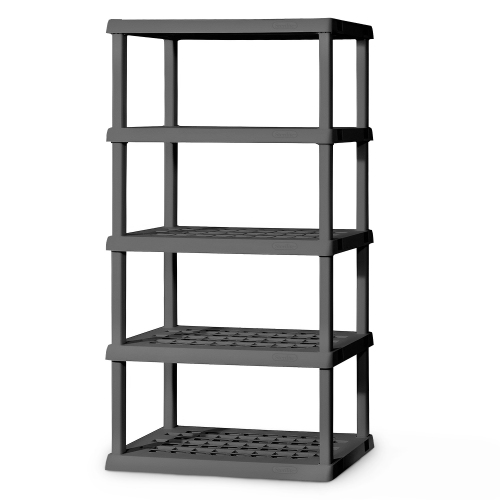 Your price for this item is $468.99
 -
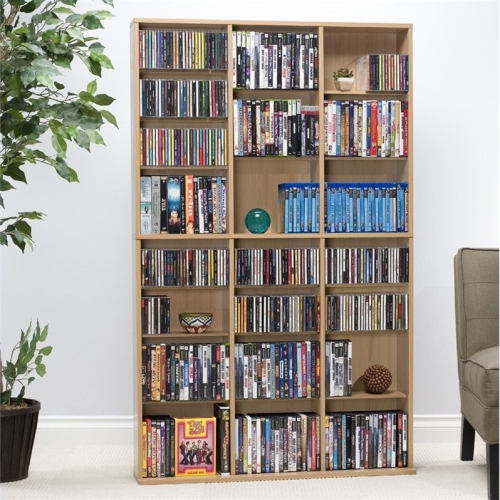 Your price for this item is $295.84
 -
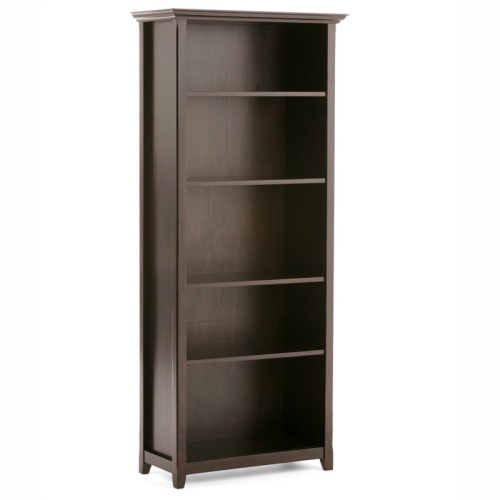 Your price for this item is $999.77
 -
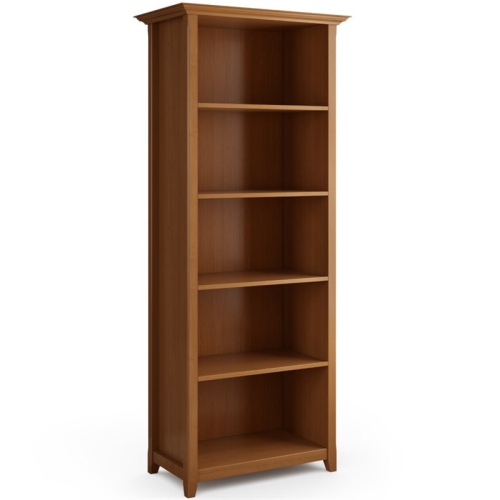 Your price for this item is $998.43
Discover more categories related to Metal And Wood Bookcases

Top Collections:
Pokemon Centers, Kindle Devices, Best Budget Office Chairs, Apple iPhones 16, Best Laptops for Writers, iPhone 15 Apple, Canon G7X Cameras, Refurbished Apple Laptops, Alarm Clock, Motorola Razr Phones
Some products may be subject to Environmental Handling Fees
(EHF) depending on your province.
Learn more about EHFs.