Metal And Wood Shelves
Metal and wood shelves are a great way to add storage space to your home. They're also a stylish way to store items like books, collectibles, and more. Here are some of our favorites.
Sort
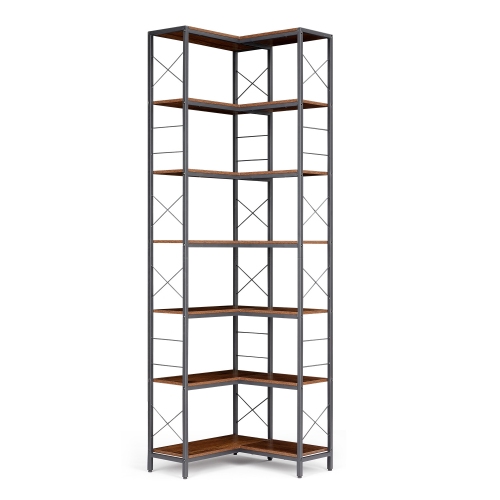
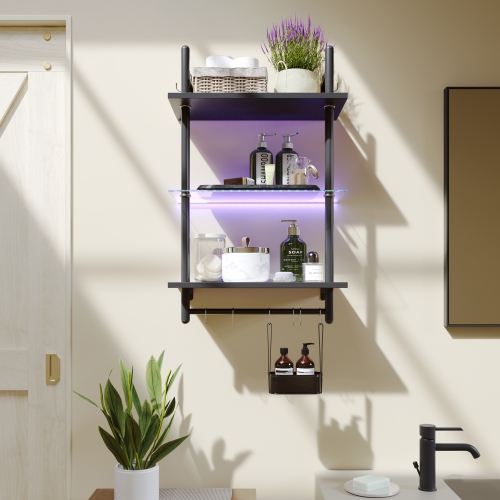
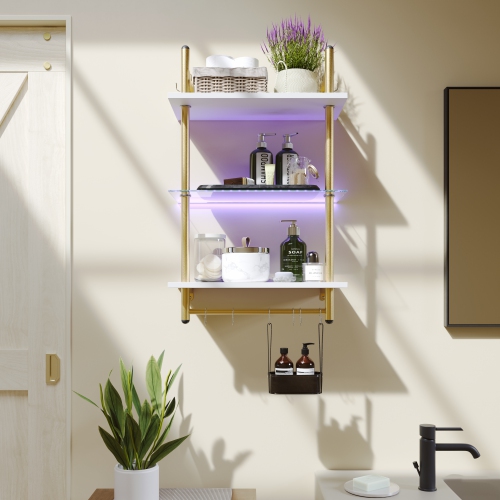
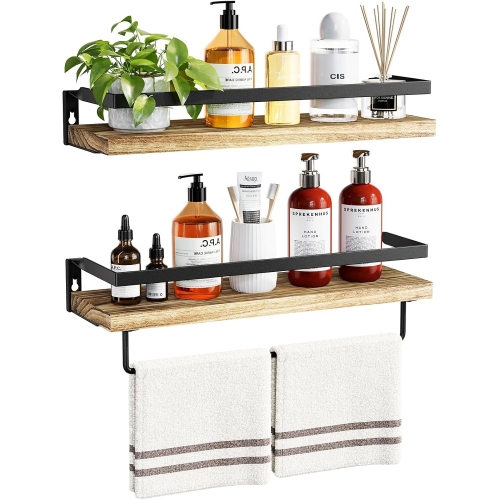
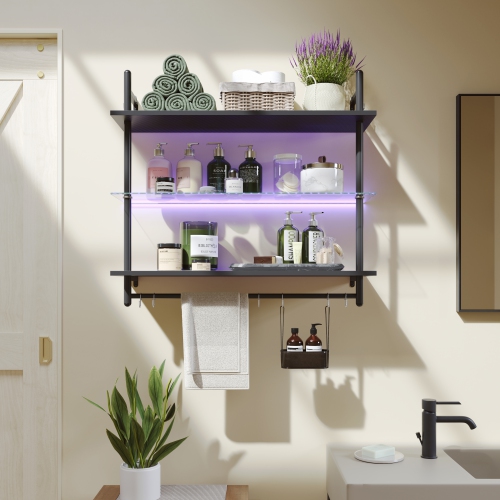

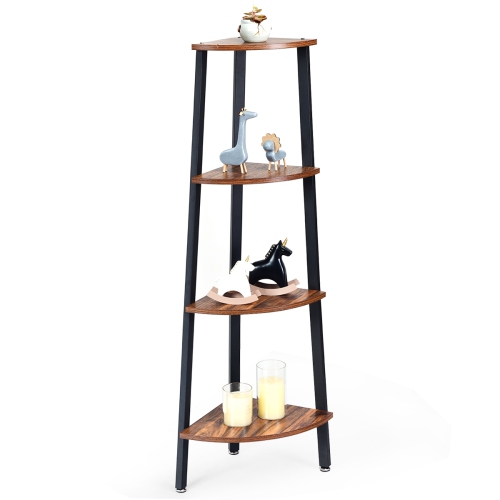
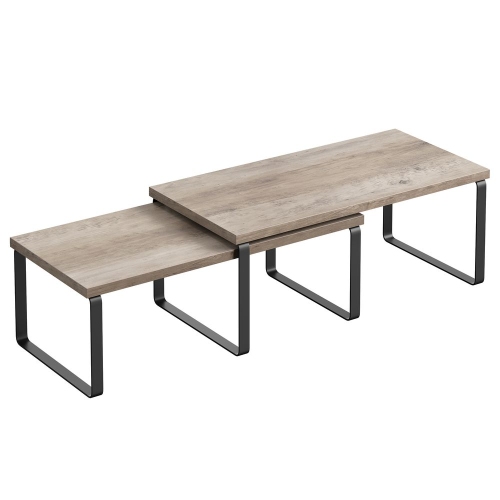
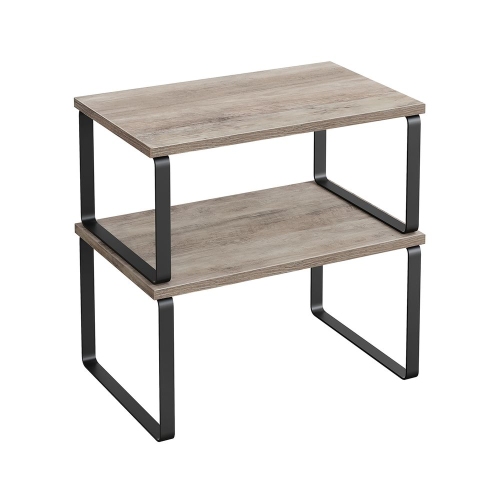
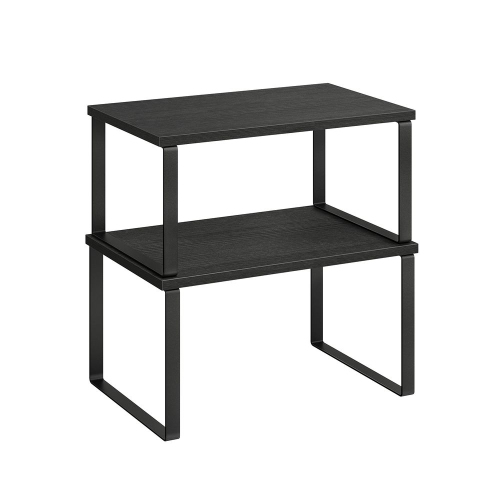
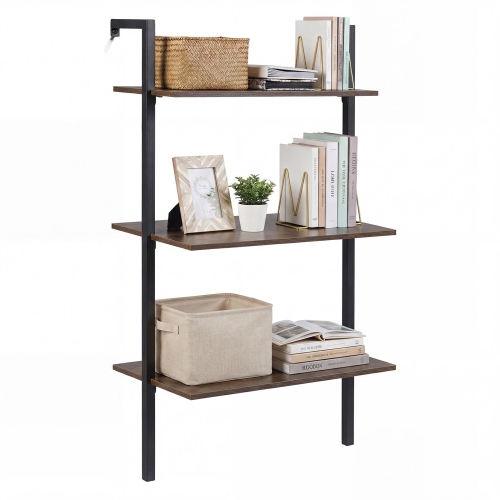
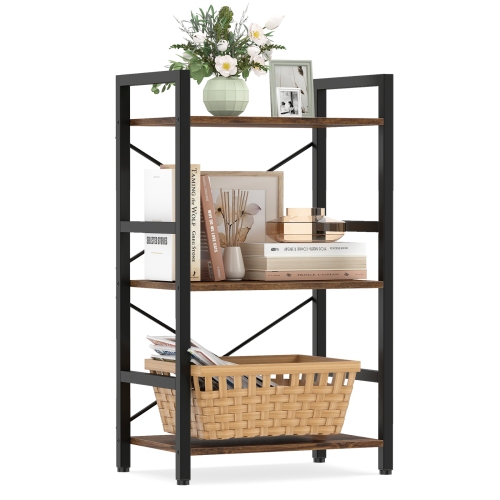
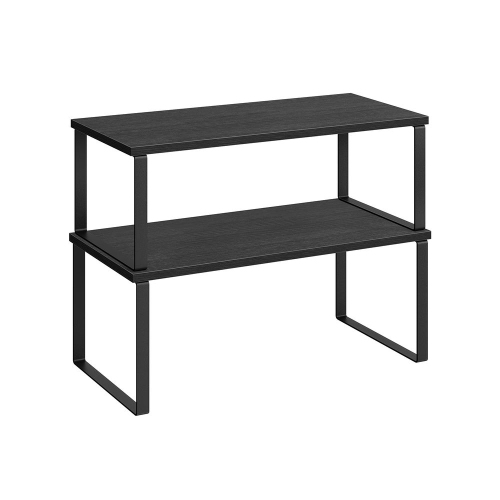
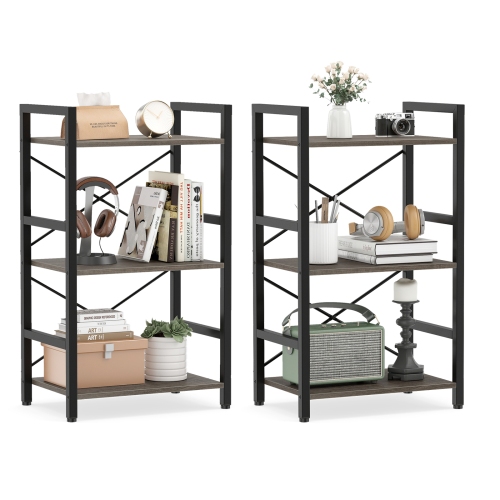
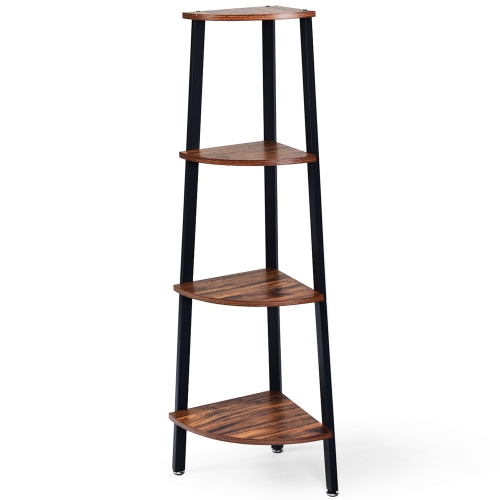
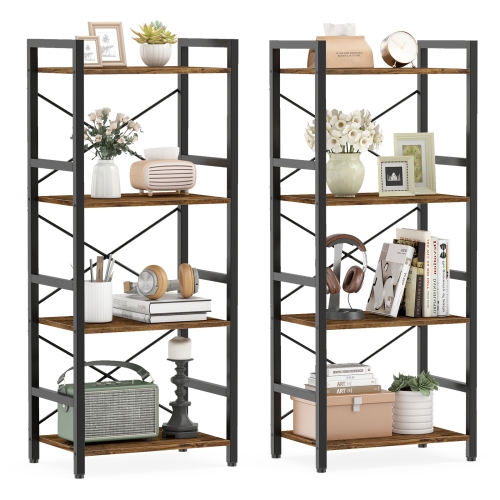
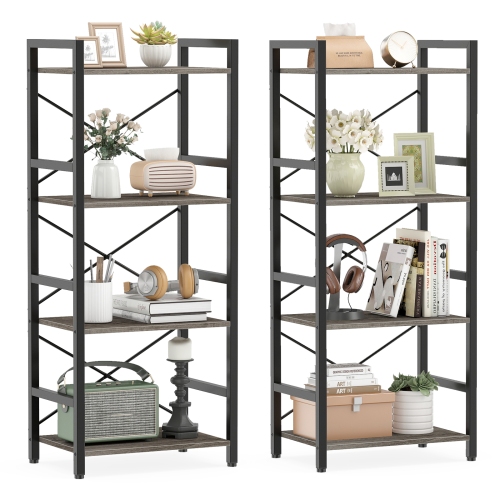
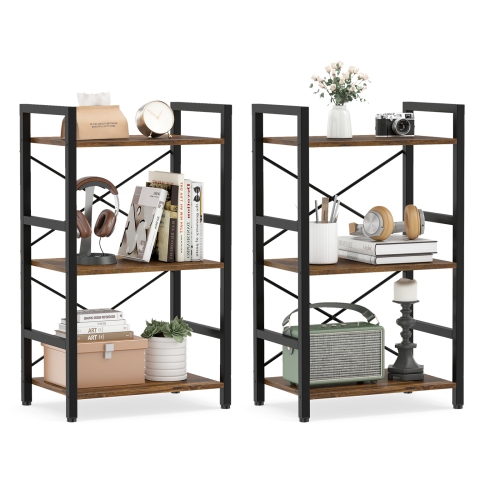
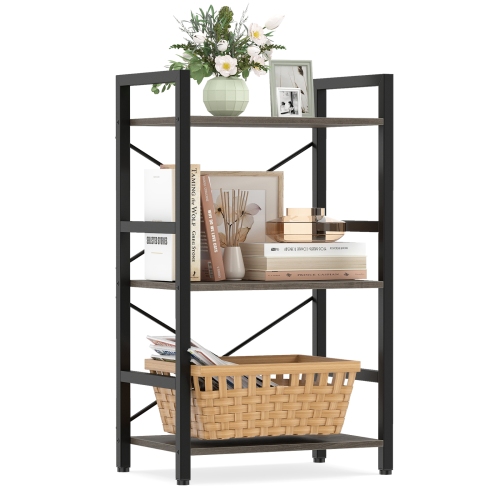
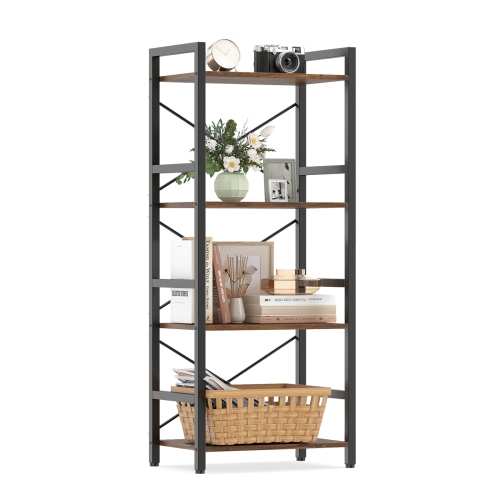
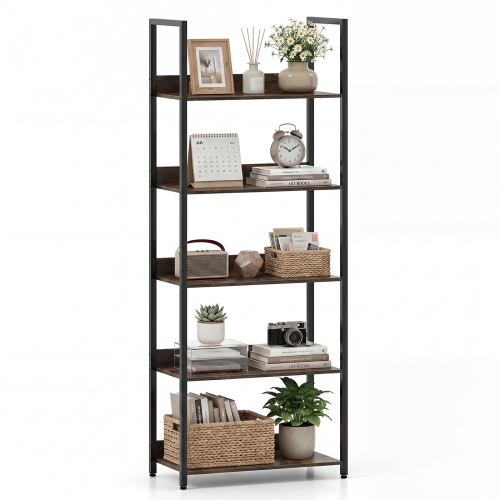
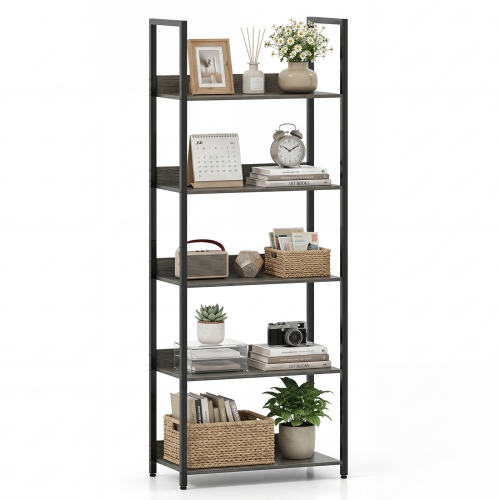
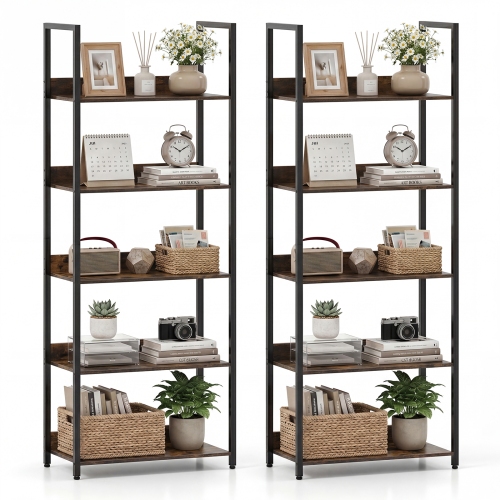
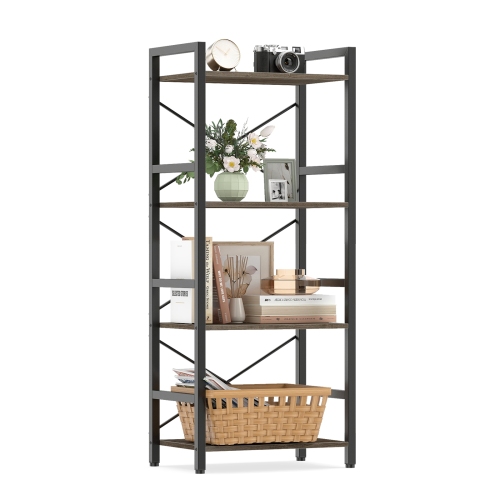
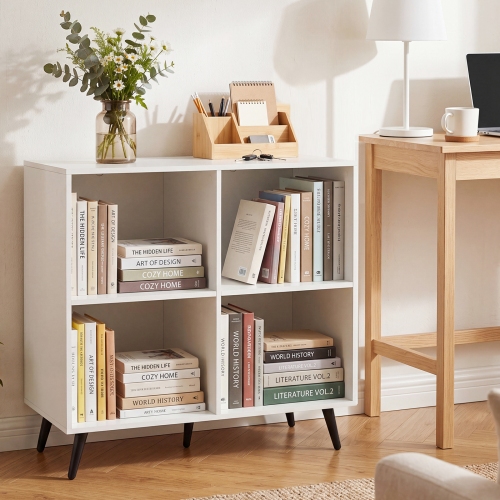
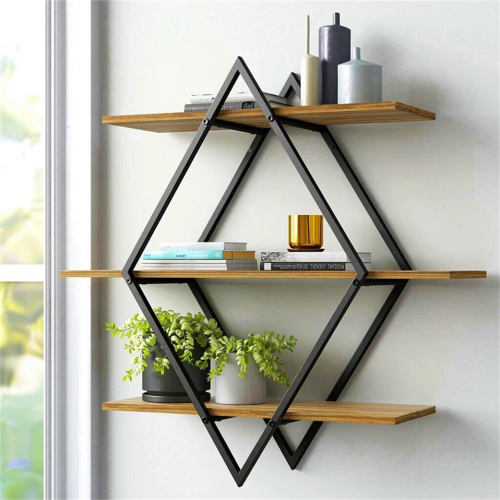
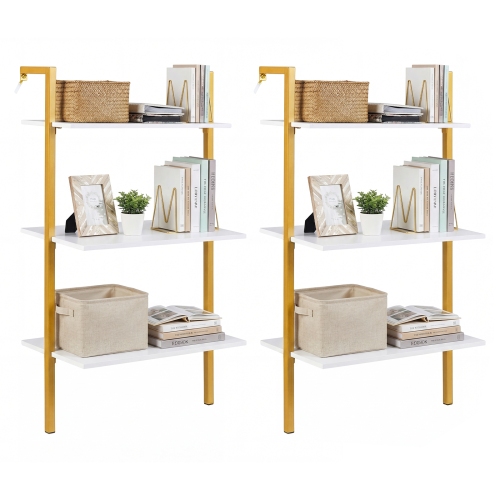

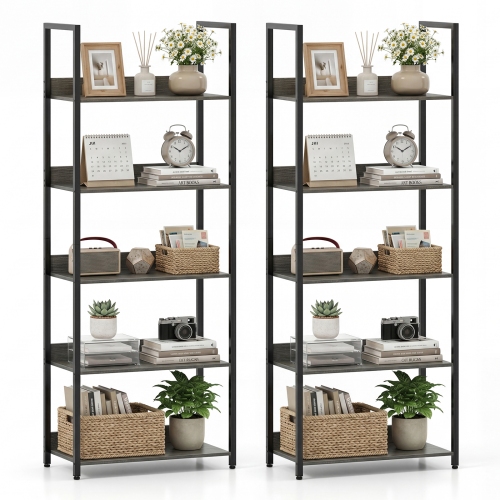
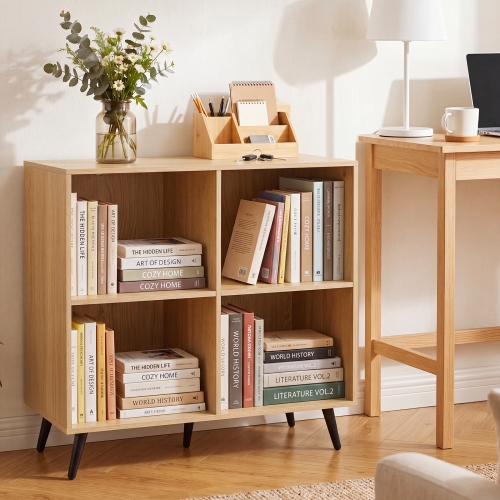
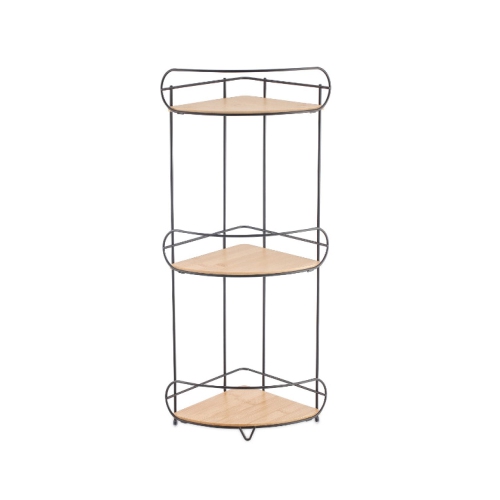
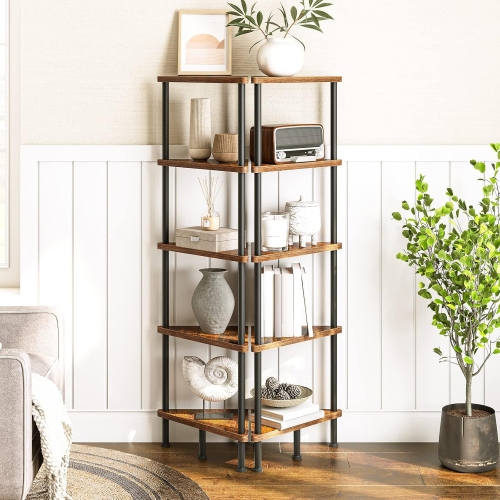
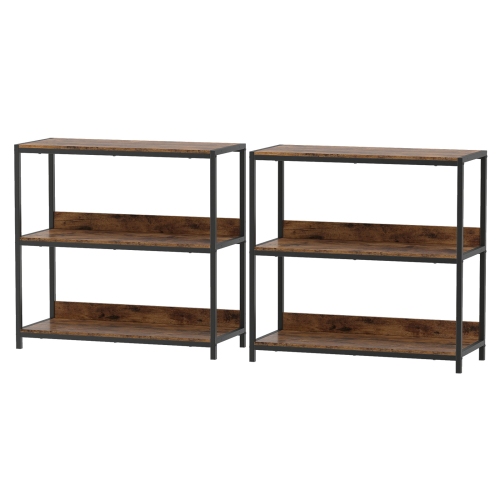
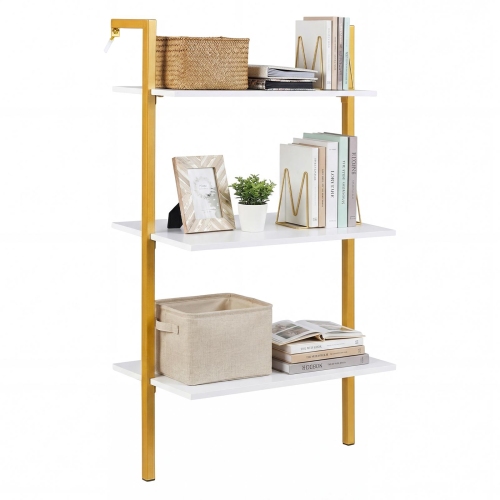
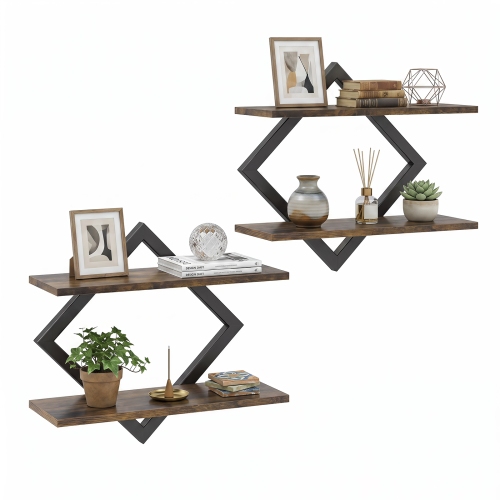
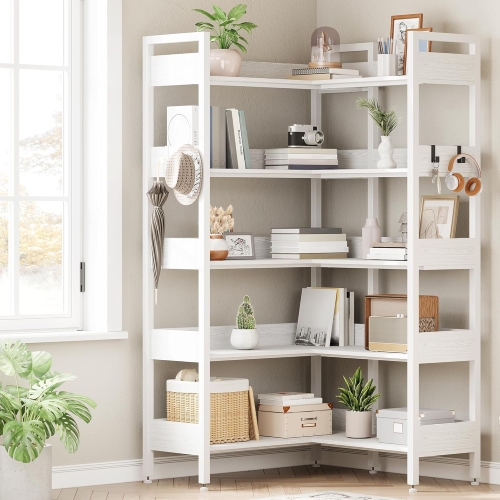
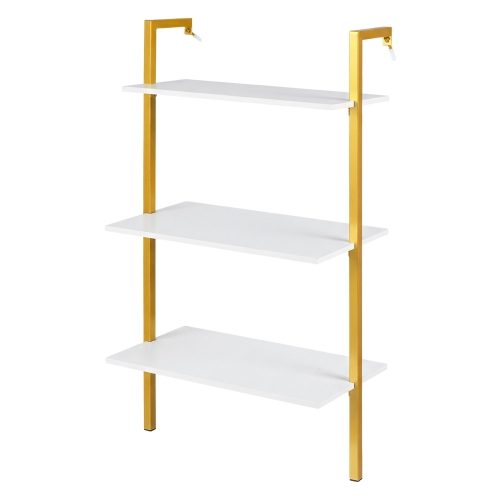
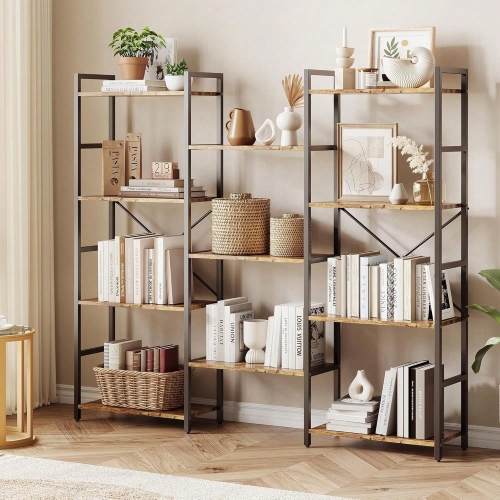
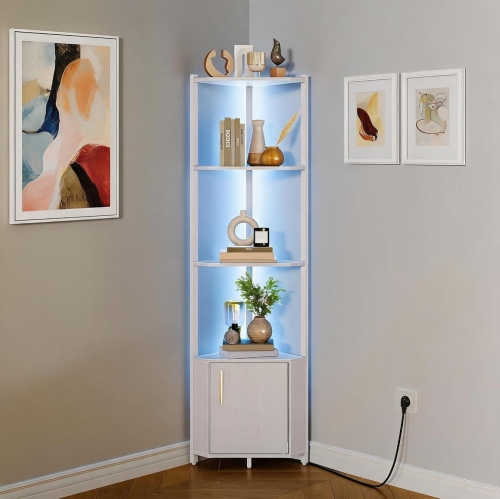
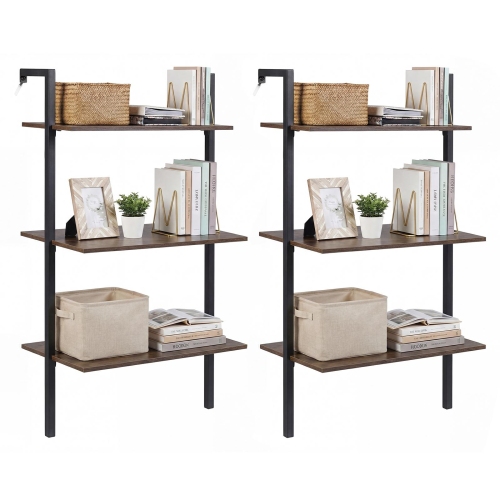
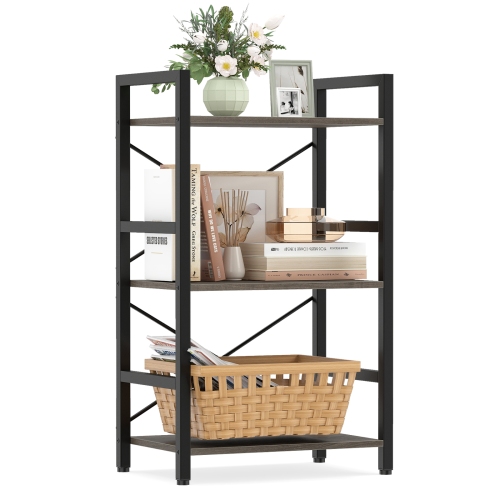
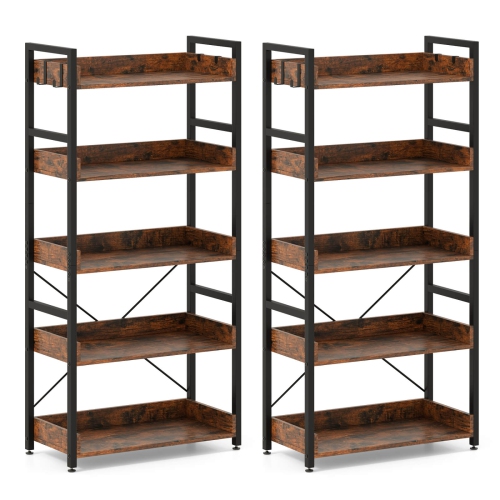

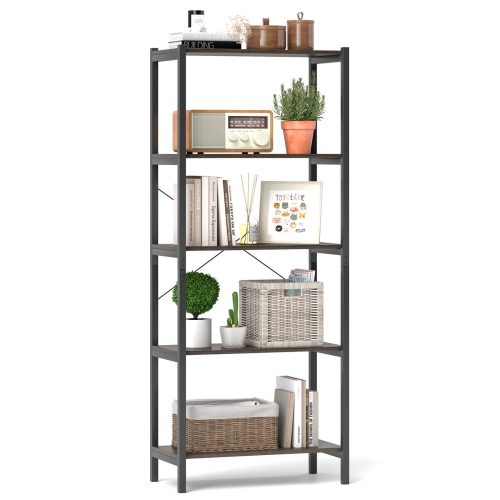
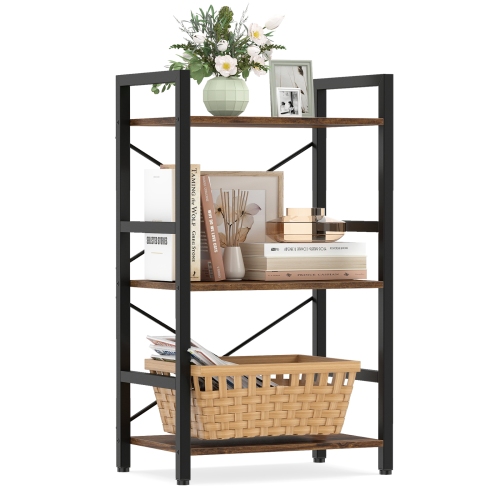

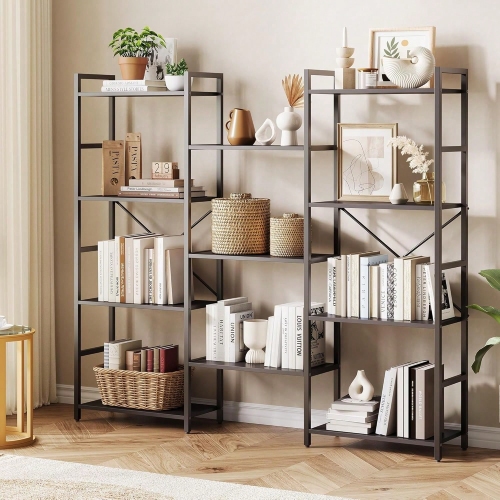
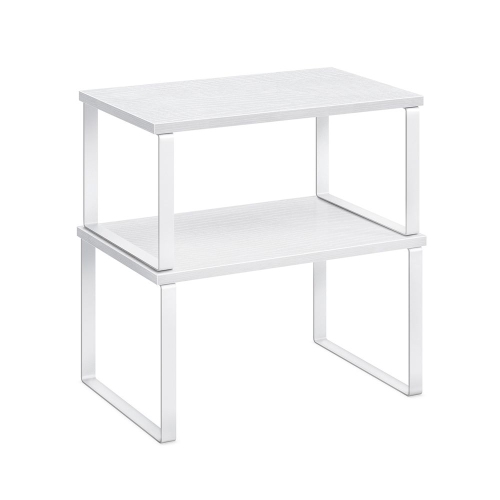
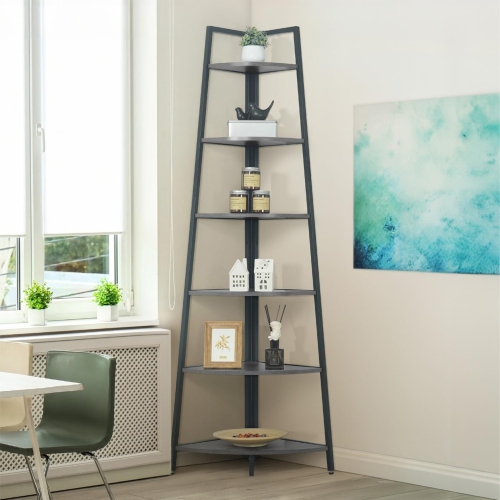
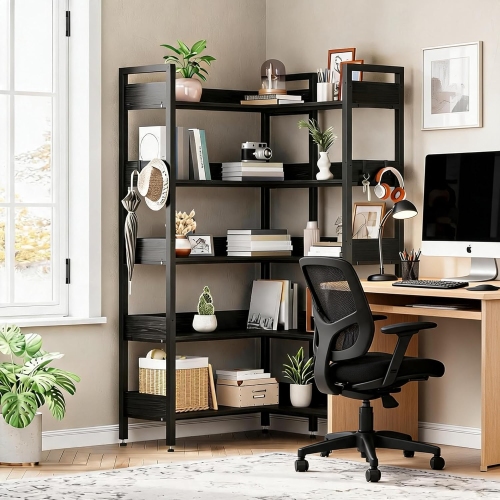
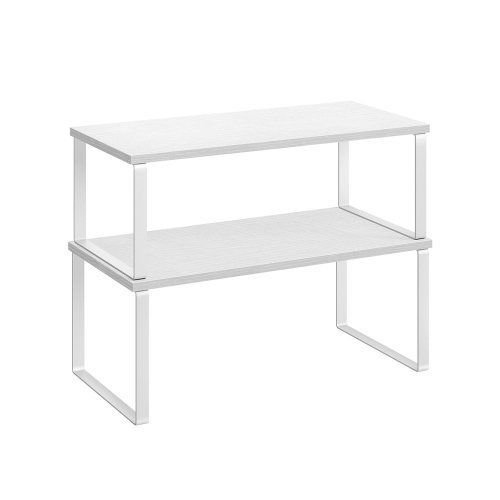
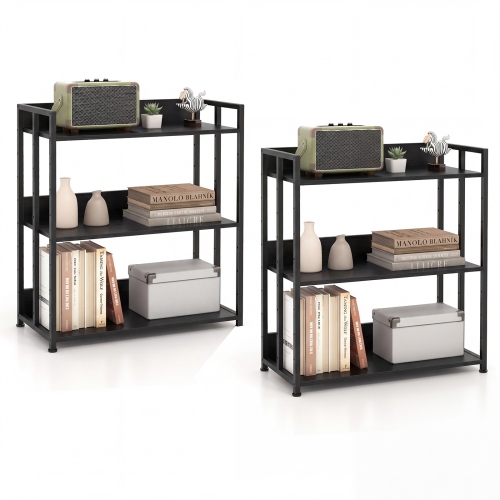
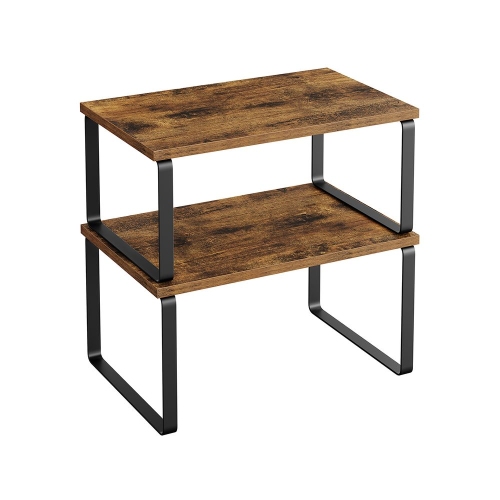
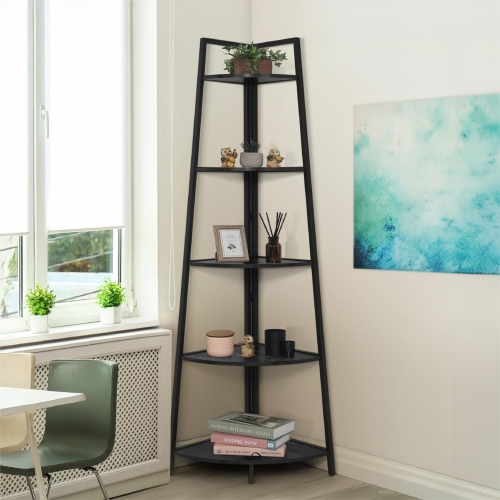
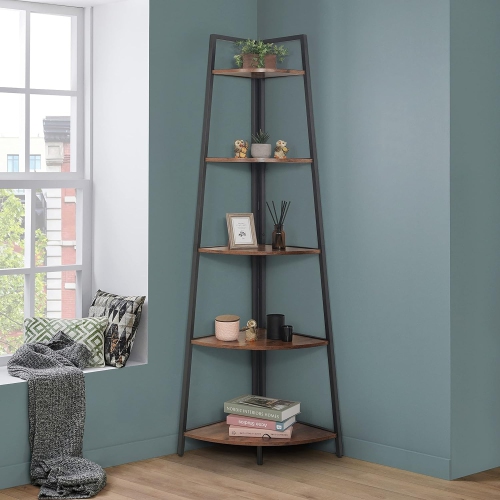
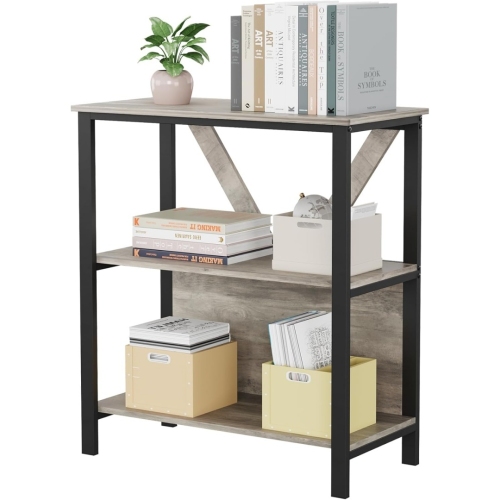
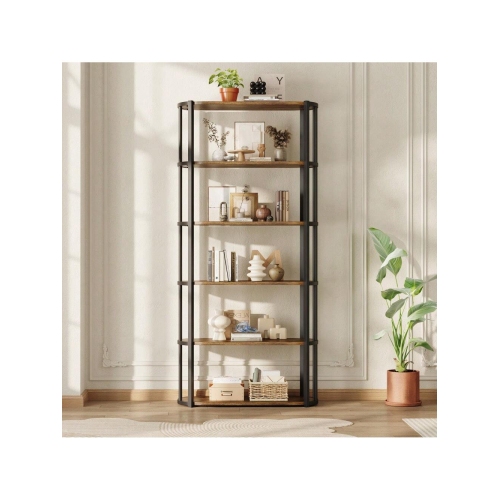
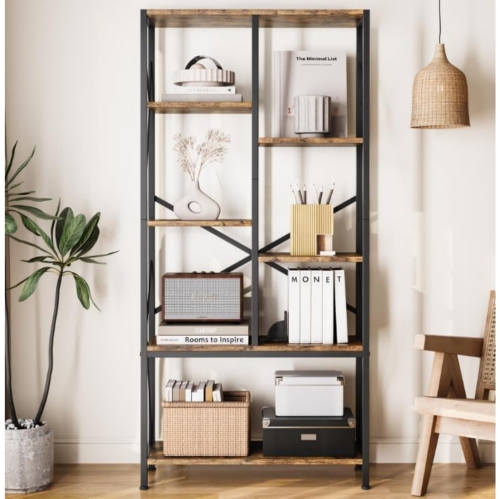
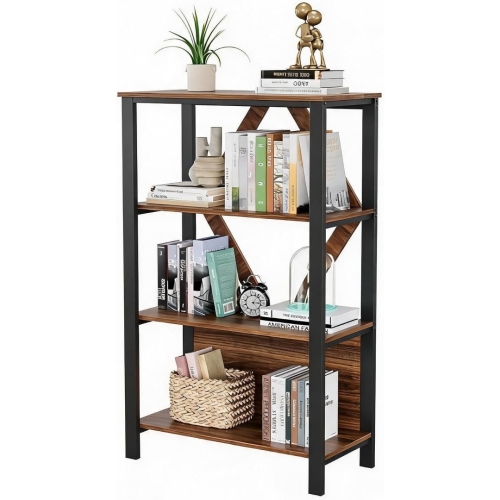
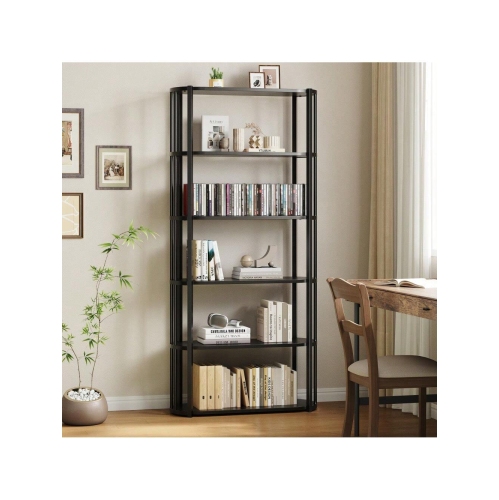
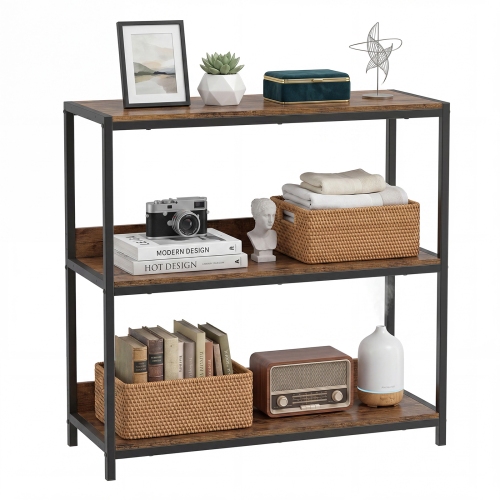
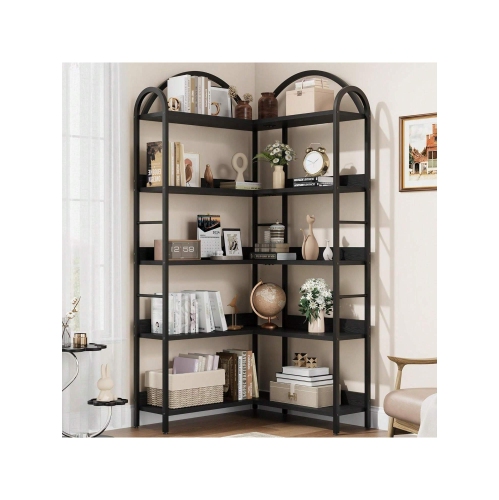
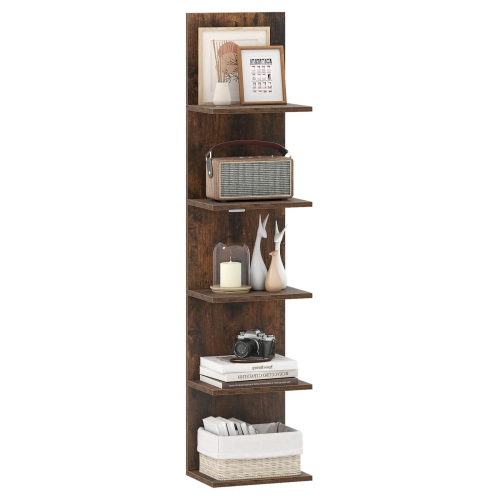
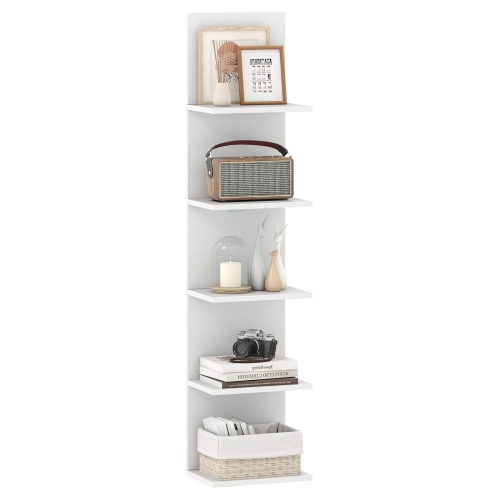
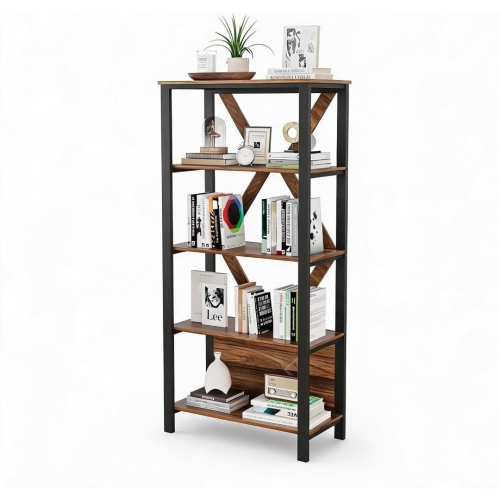
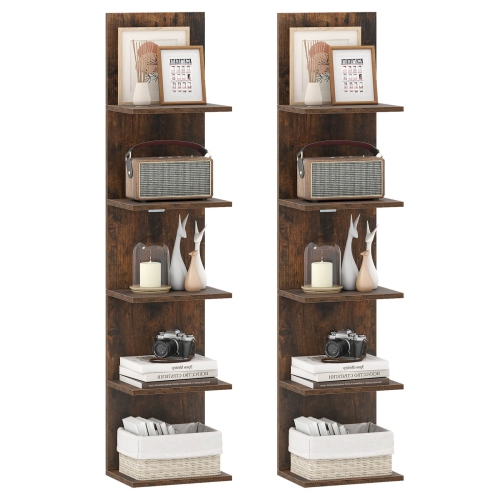
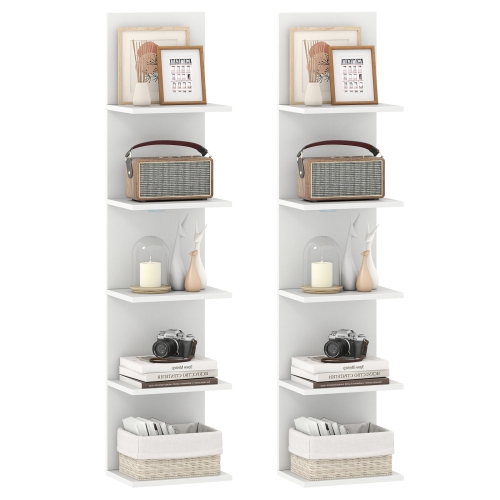

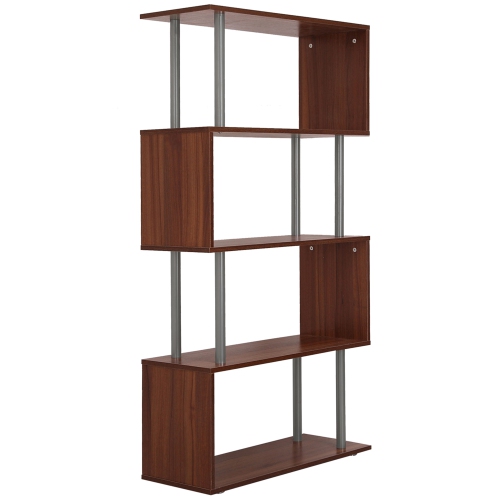
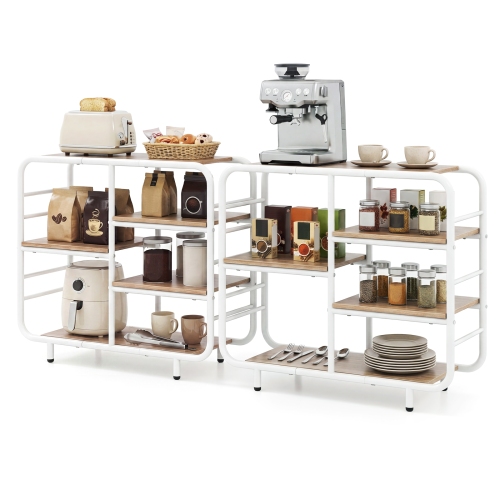
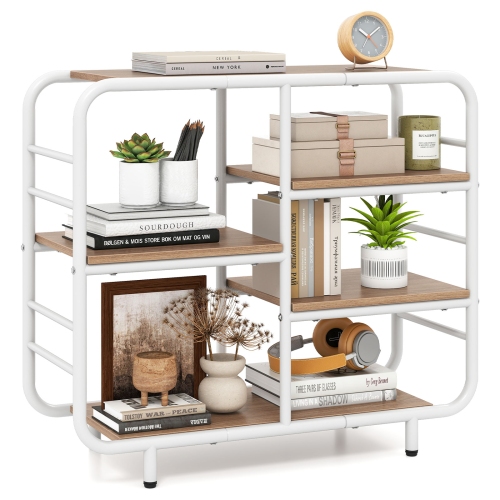
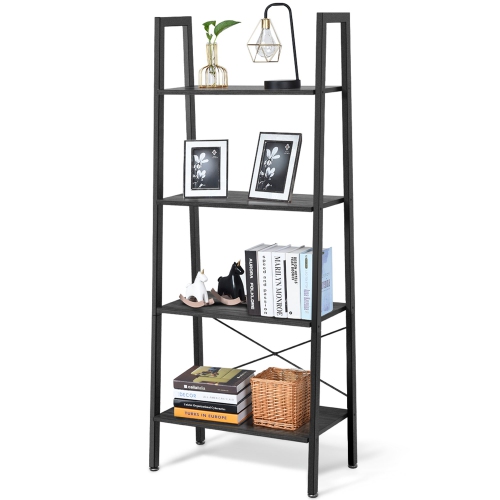
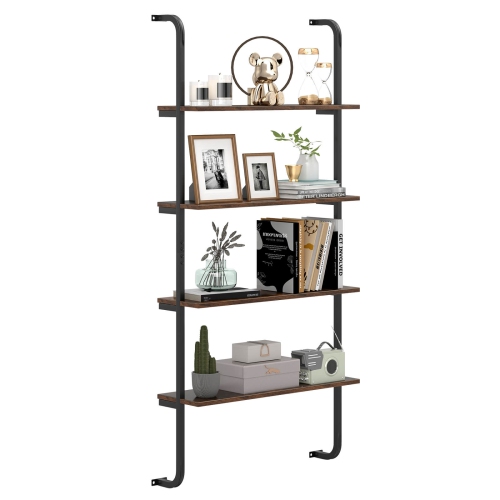
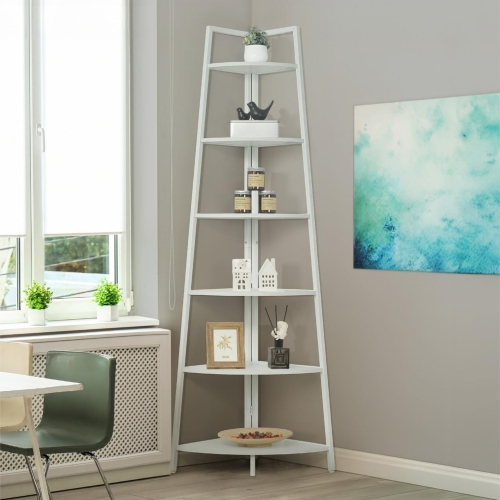
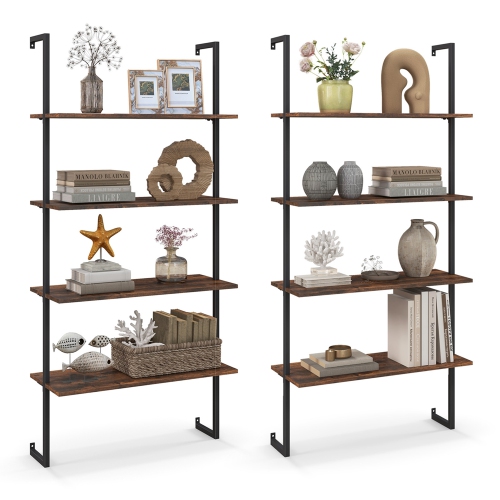
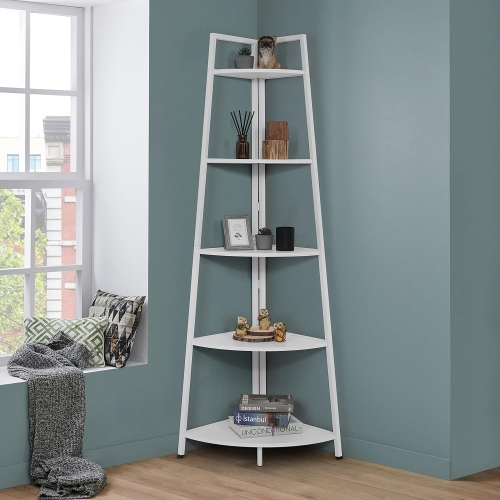
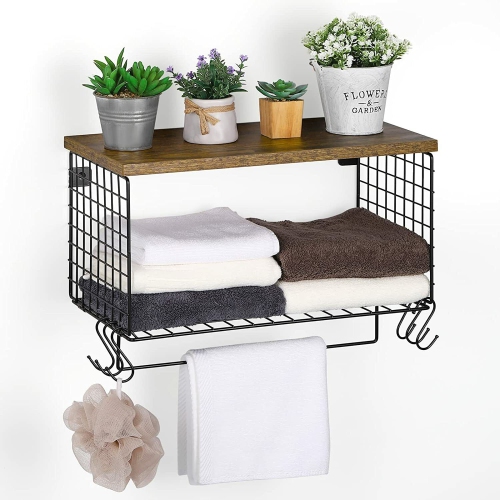
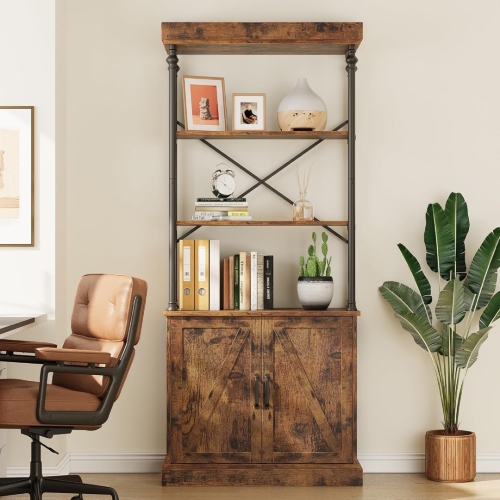
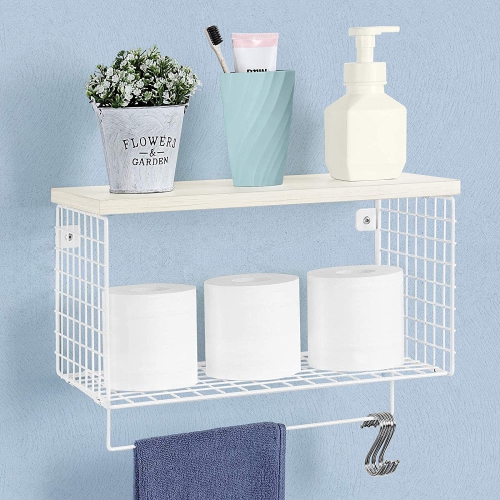
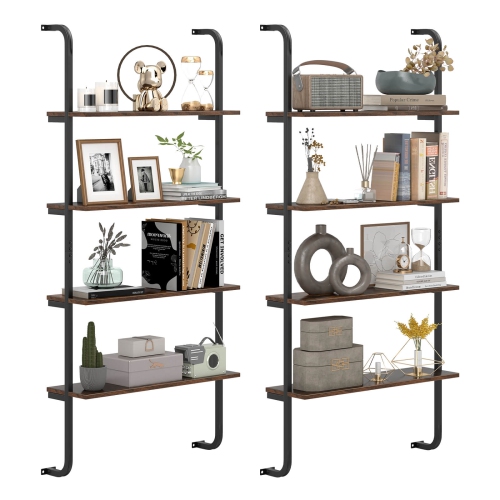
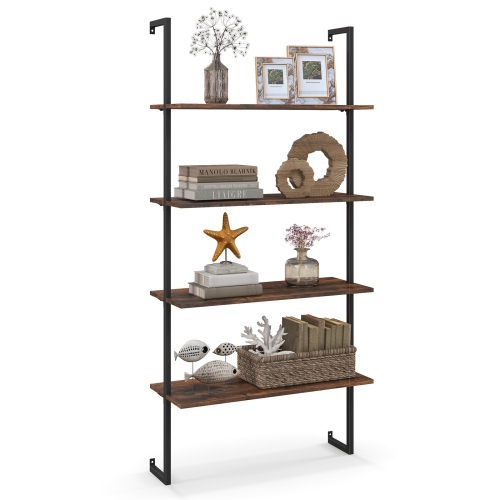
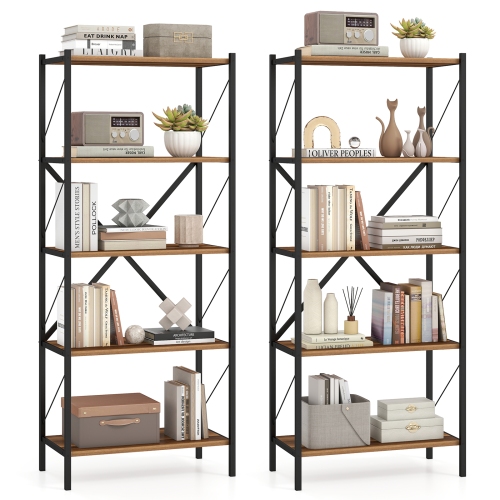
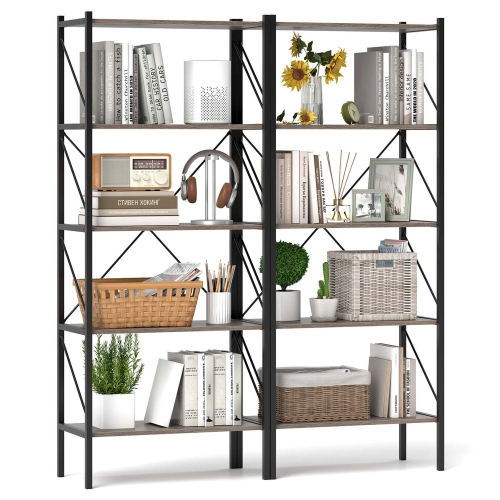
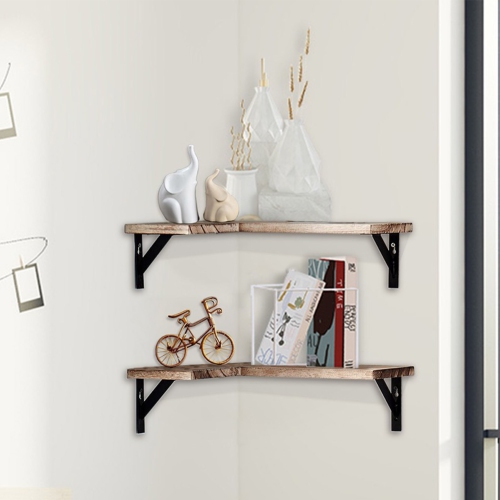
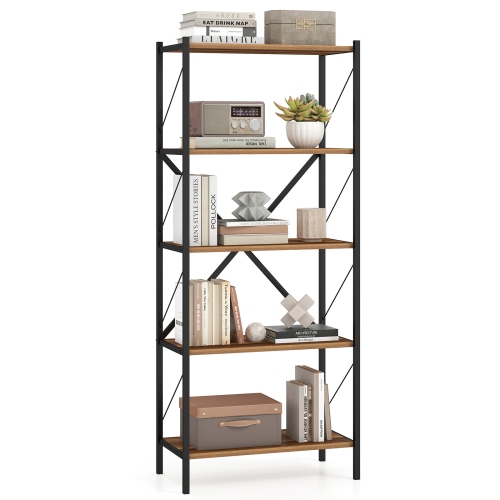
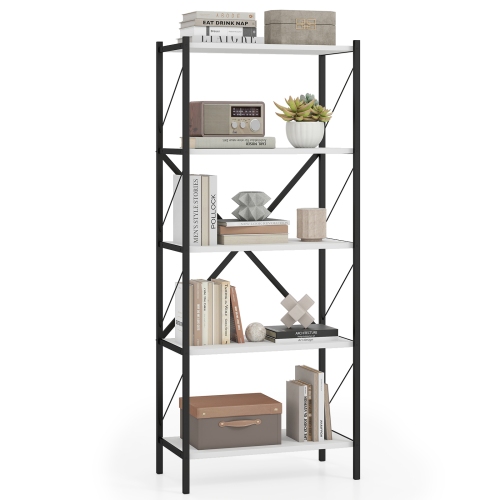
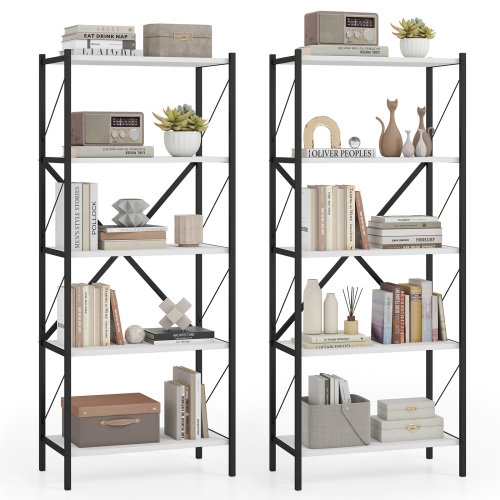
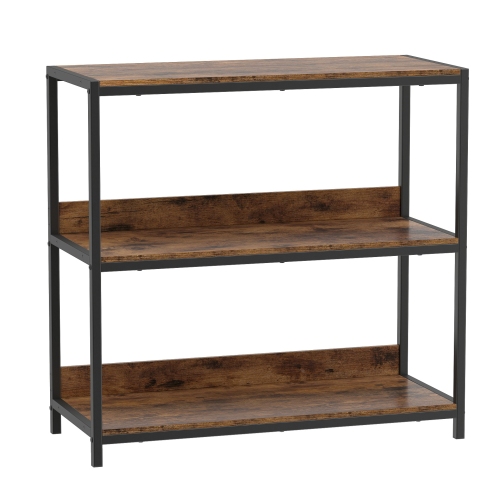
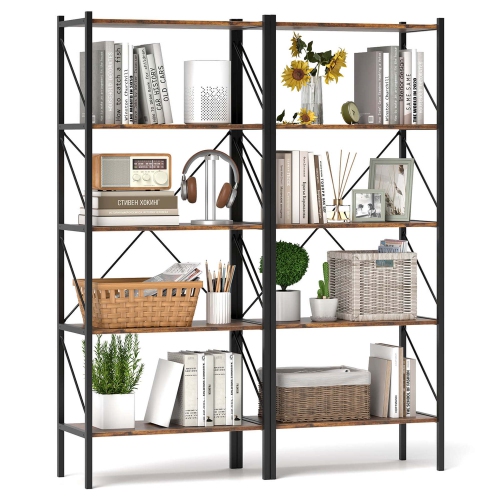
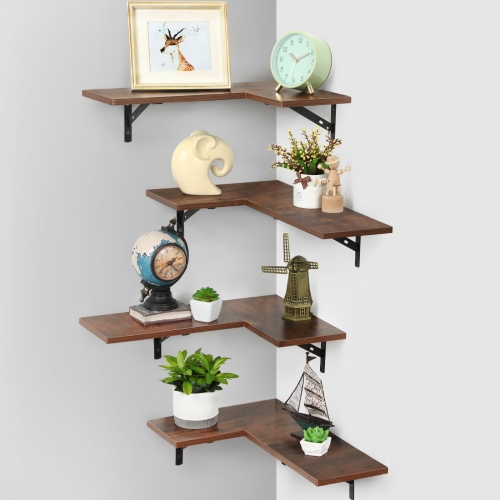
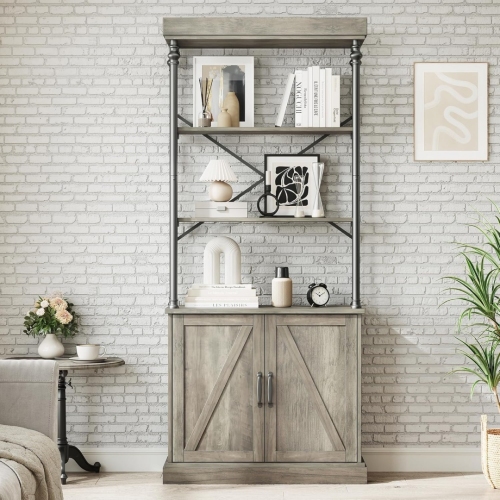
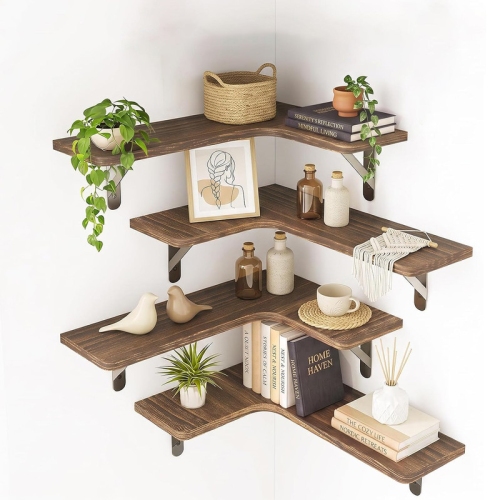
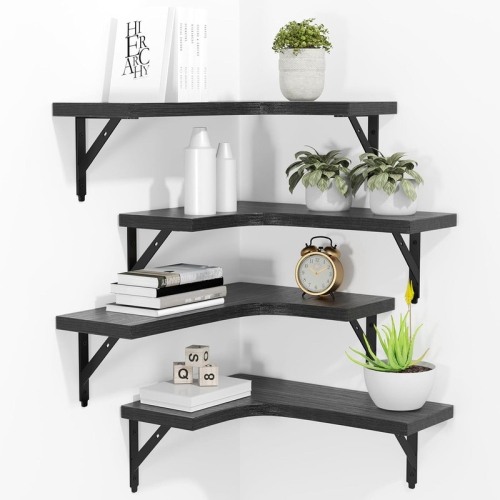
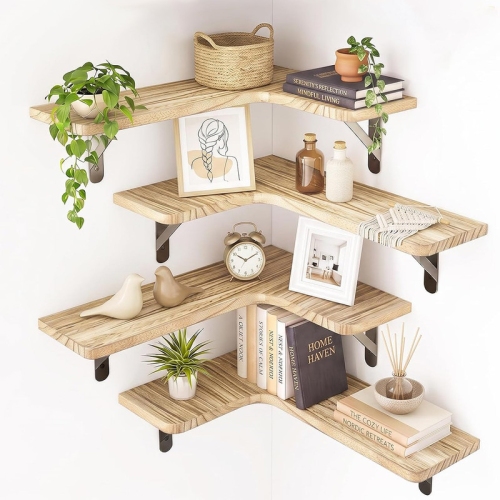
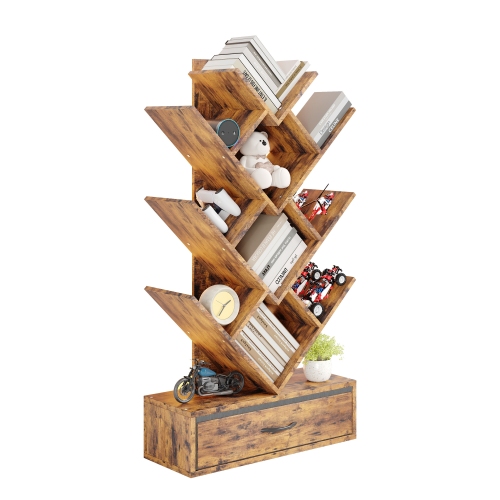
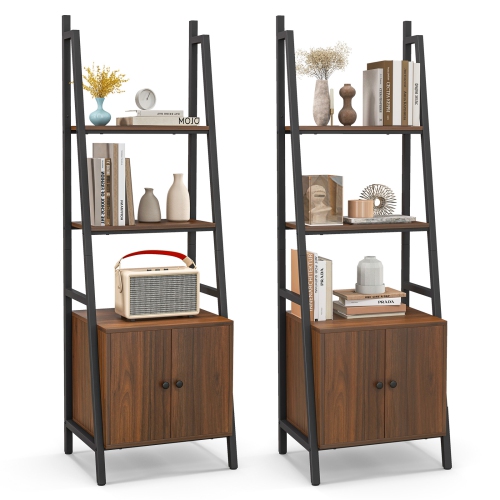
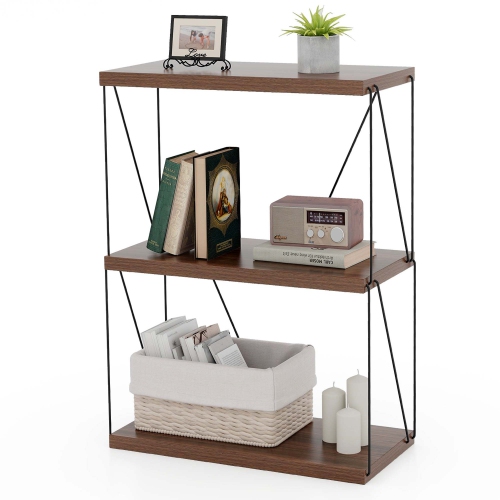
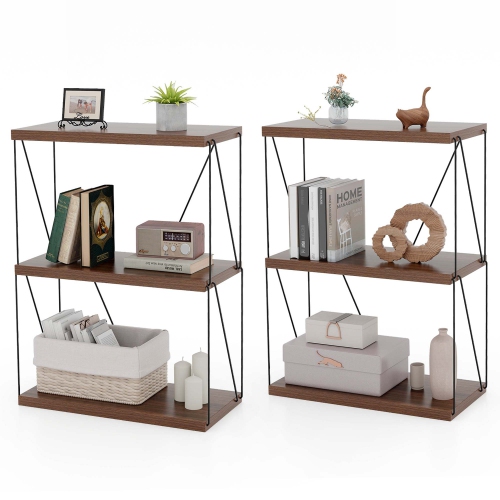
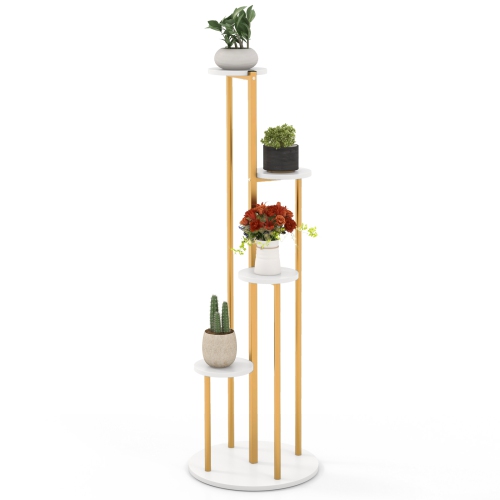
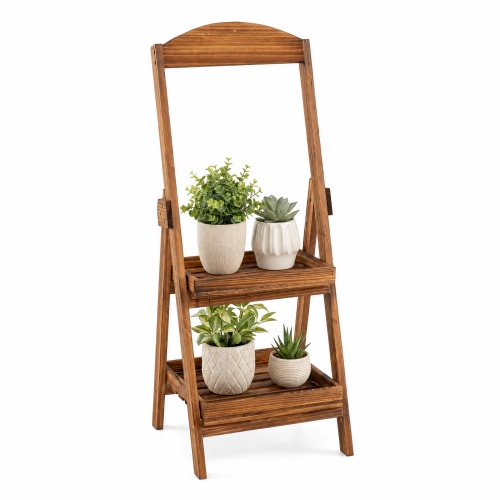
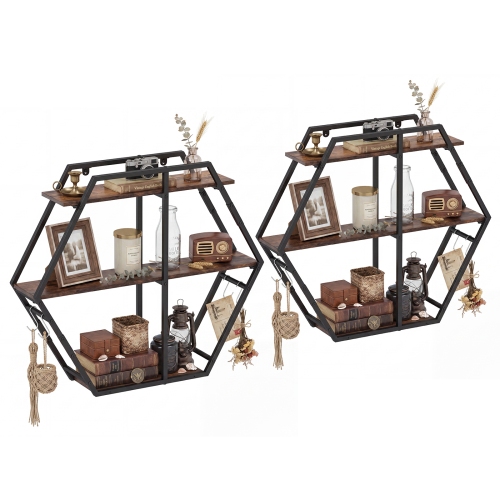
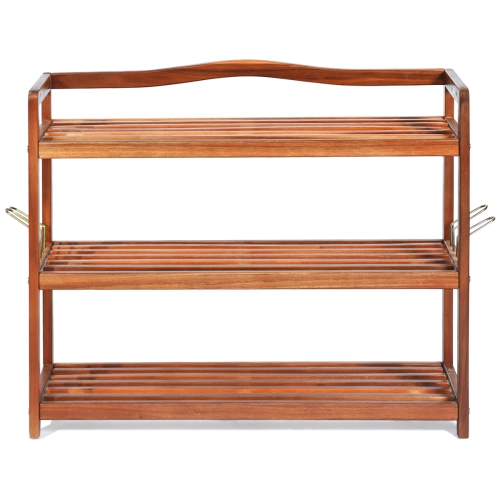
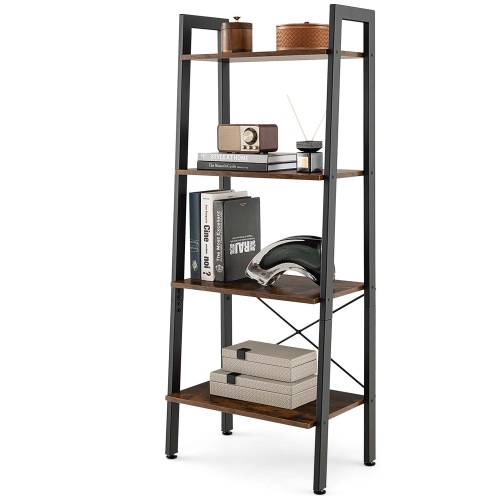
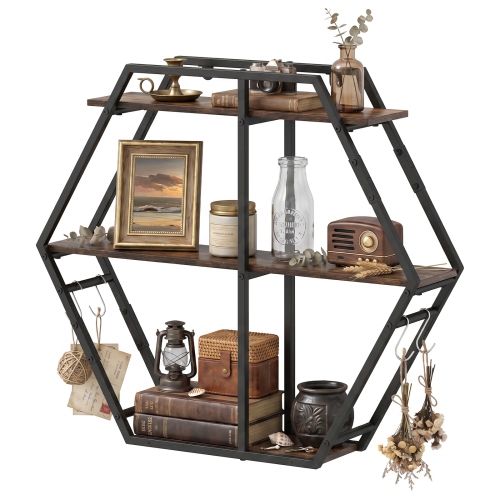
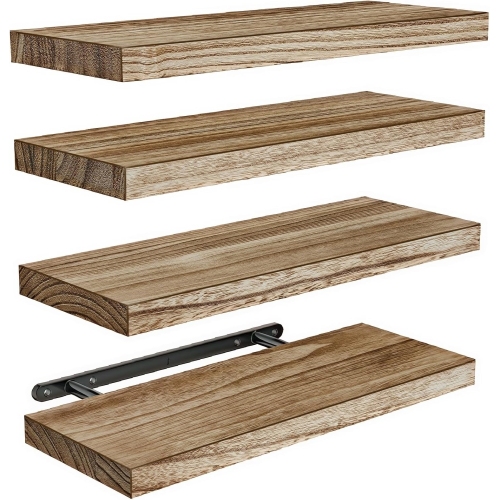
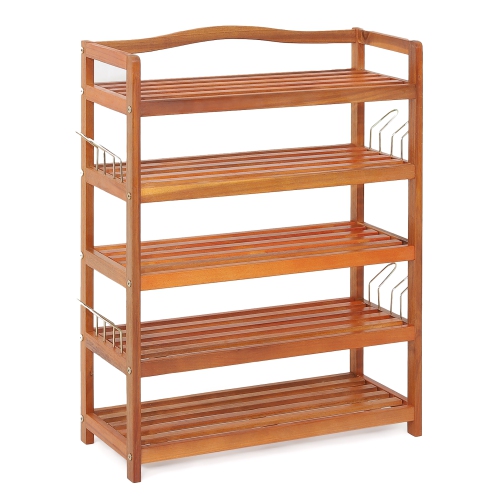
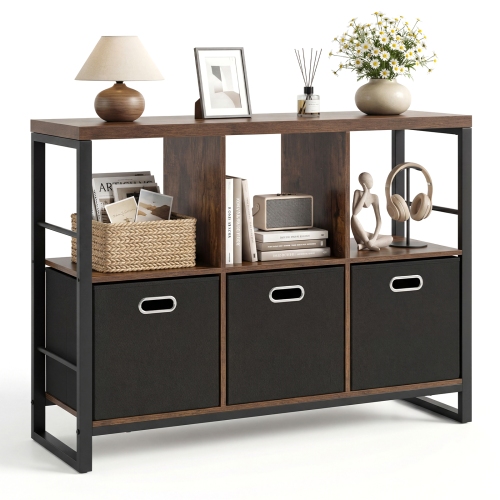
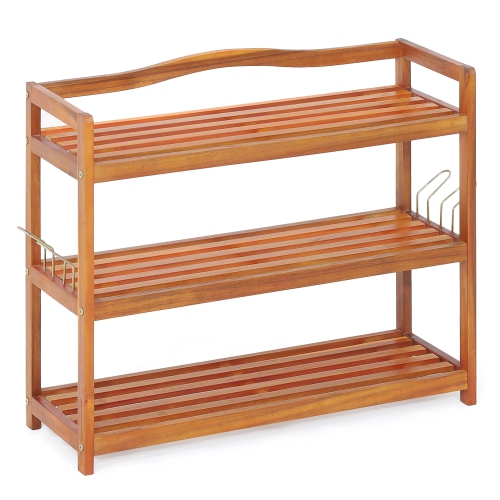
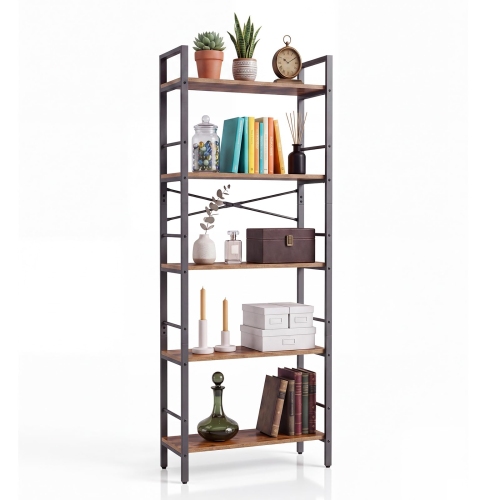
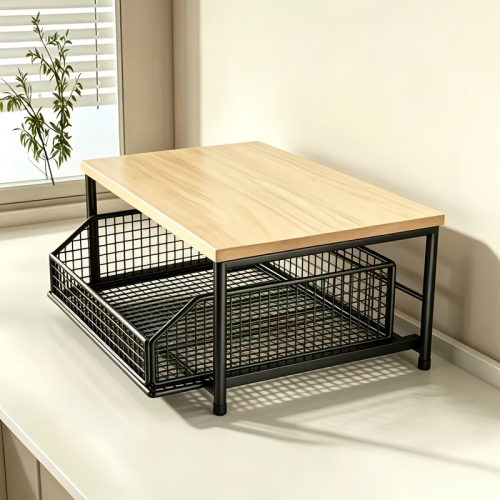
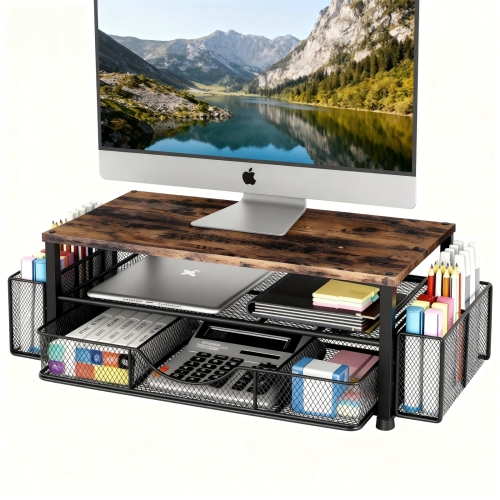
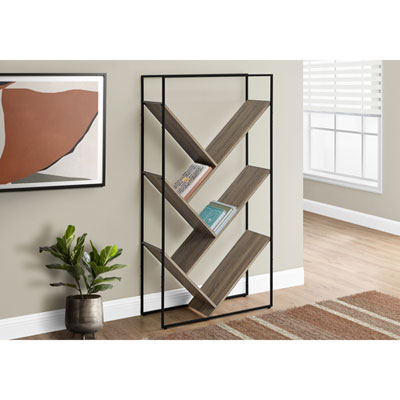

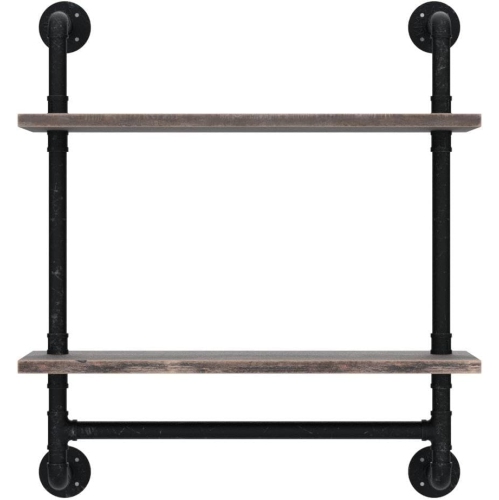
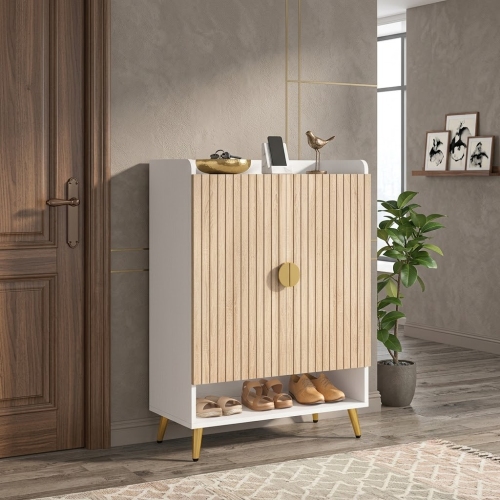
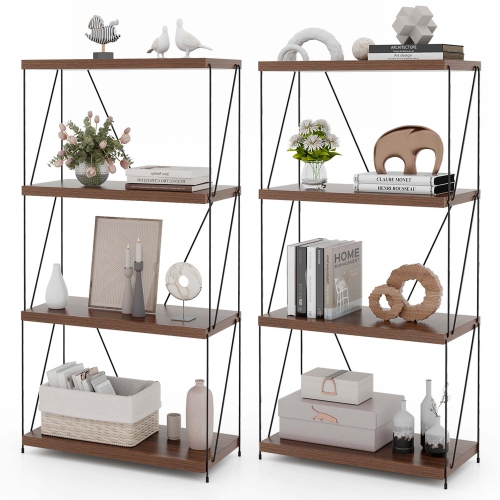

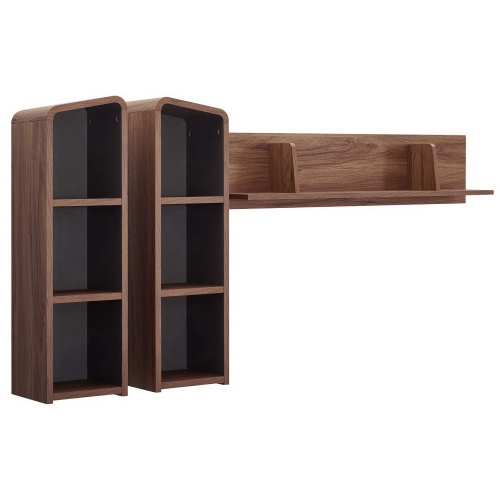
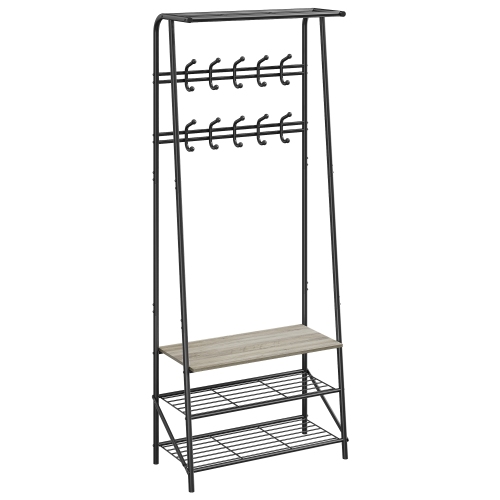
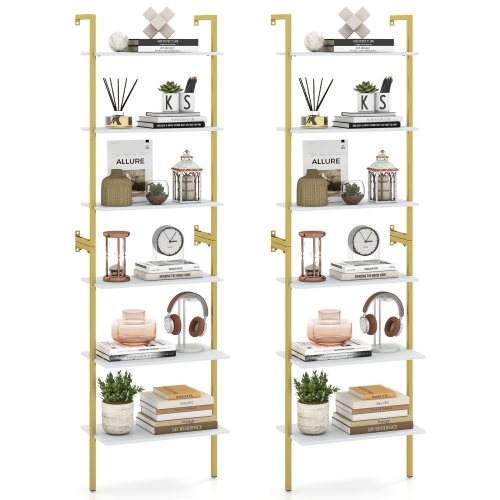
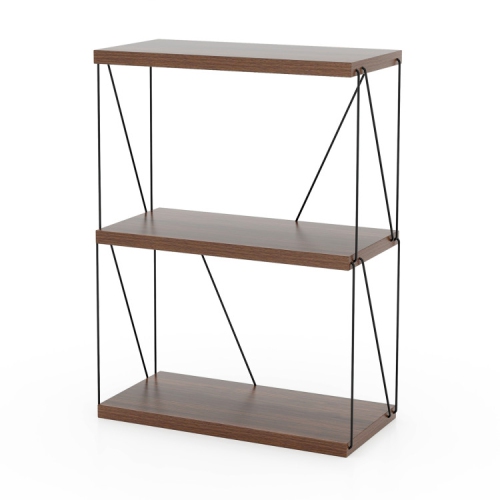
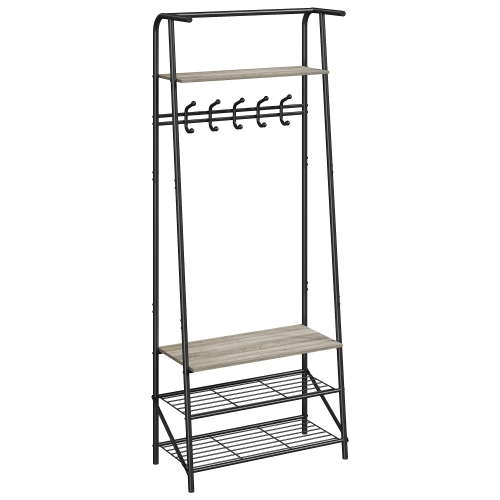
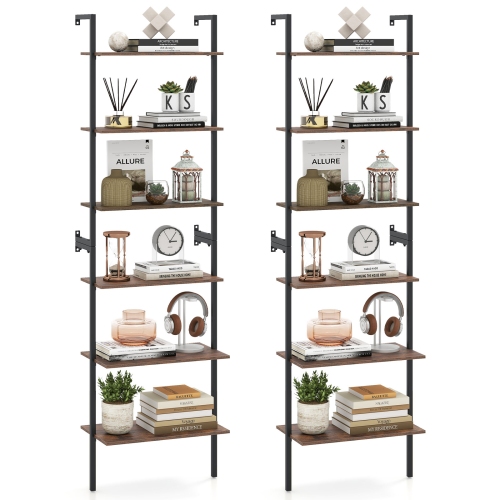

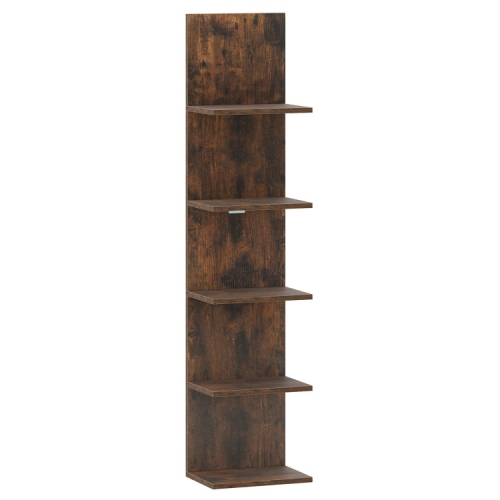
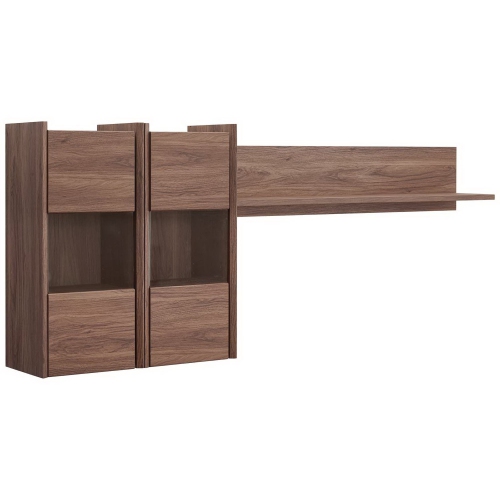
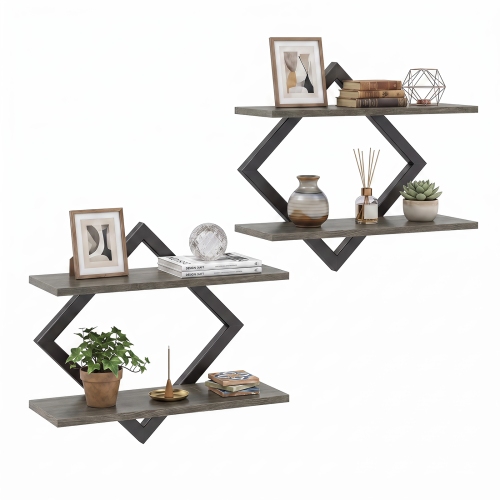
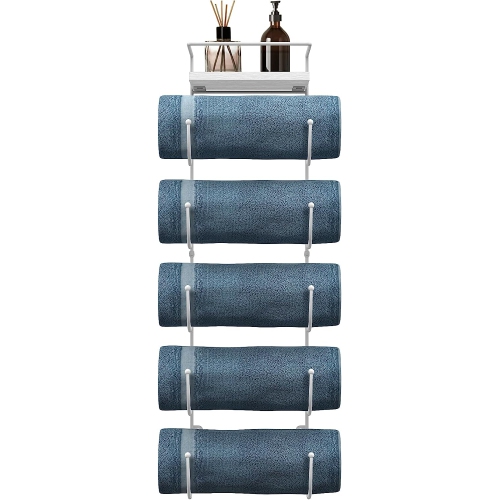
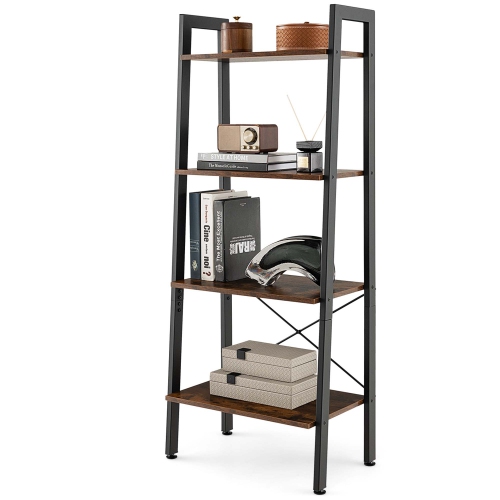
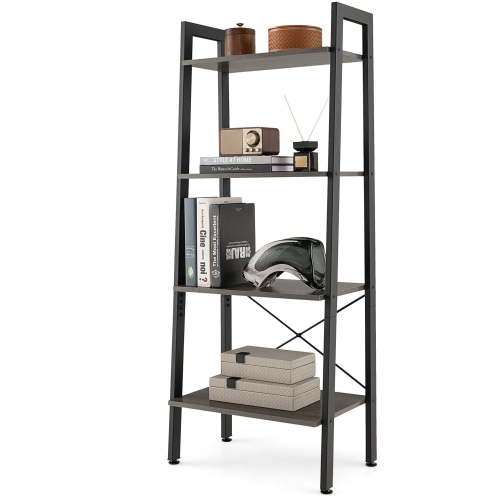
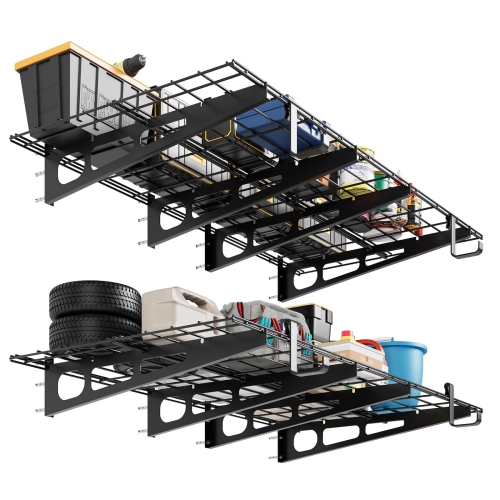
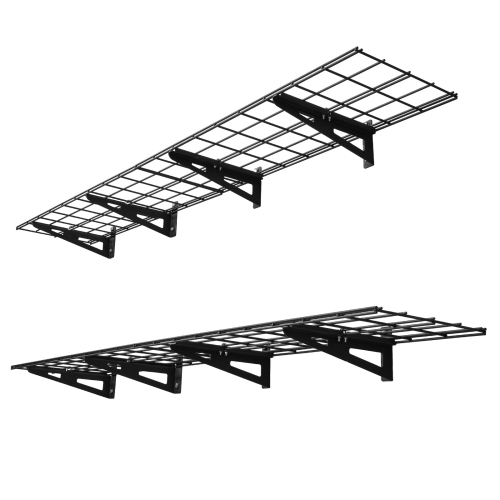
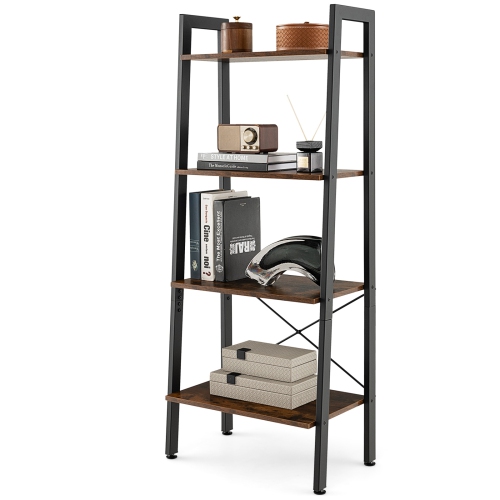
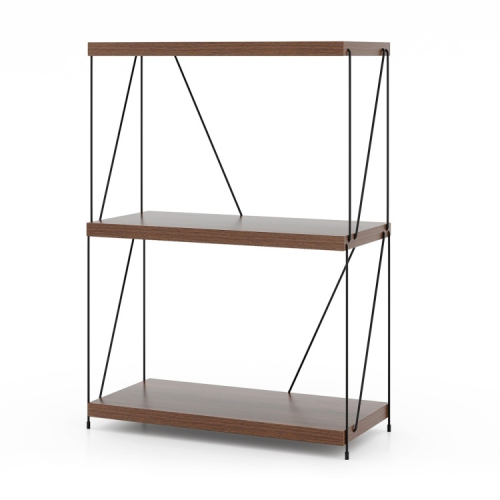
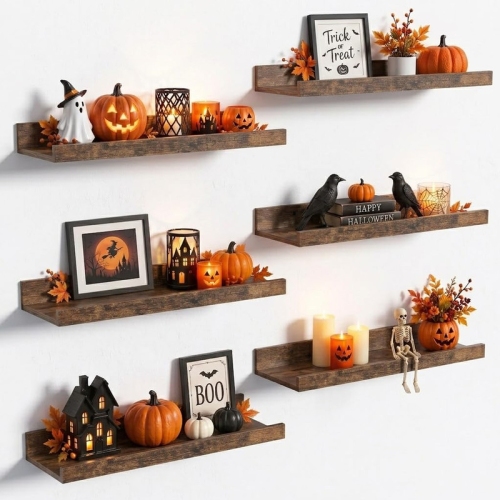

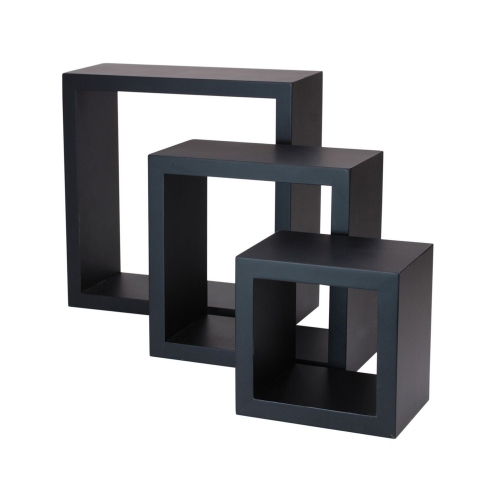
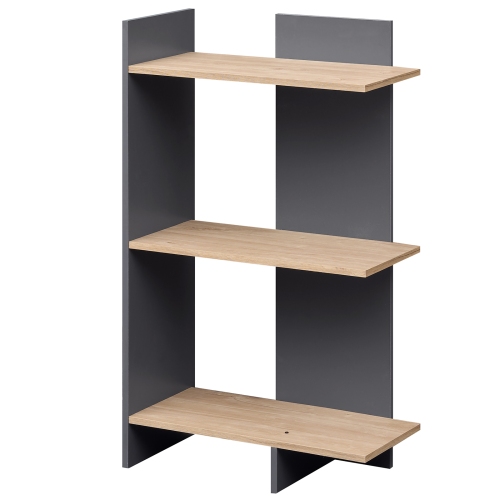
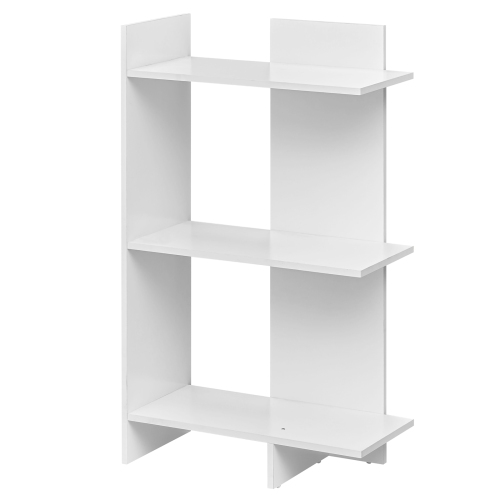
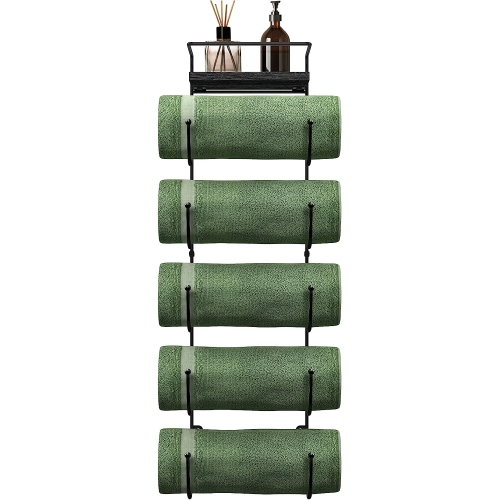
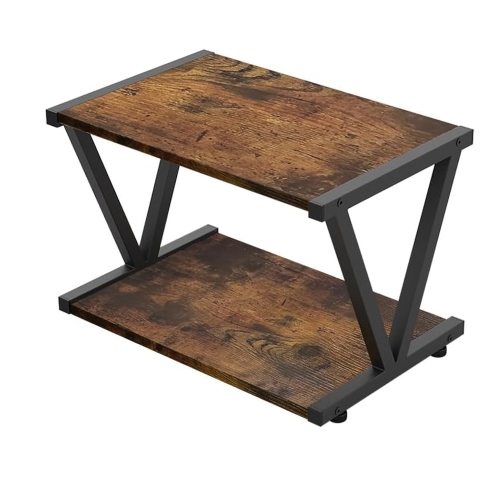
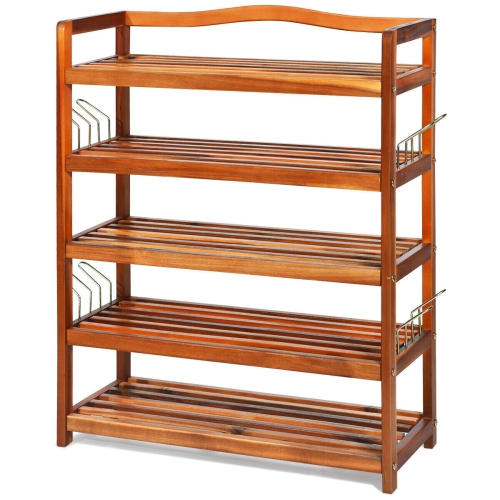
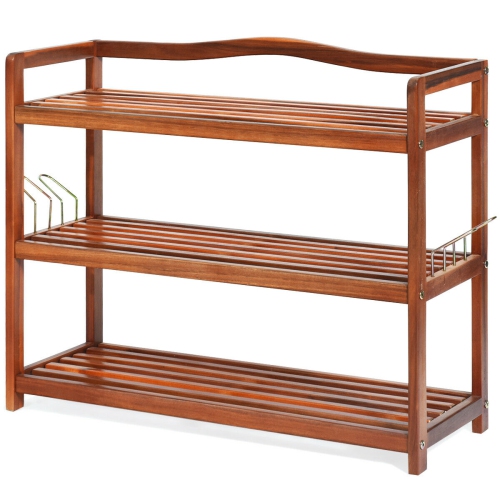
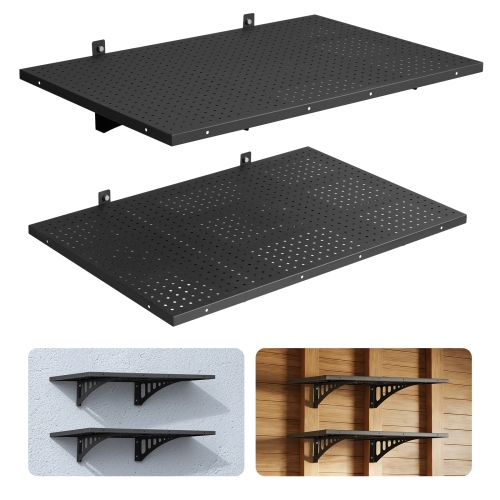
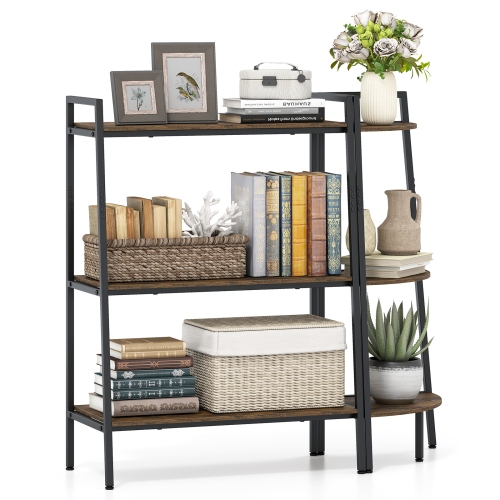
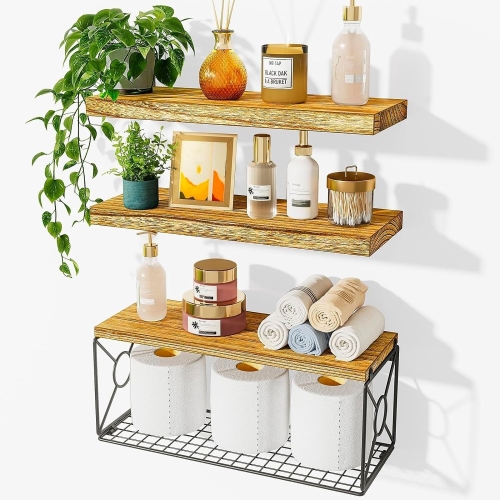
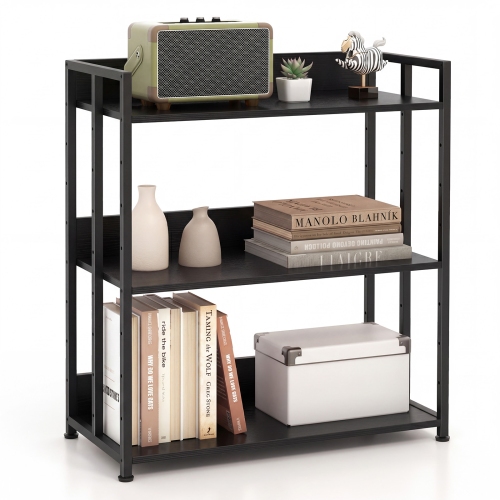
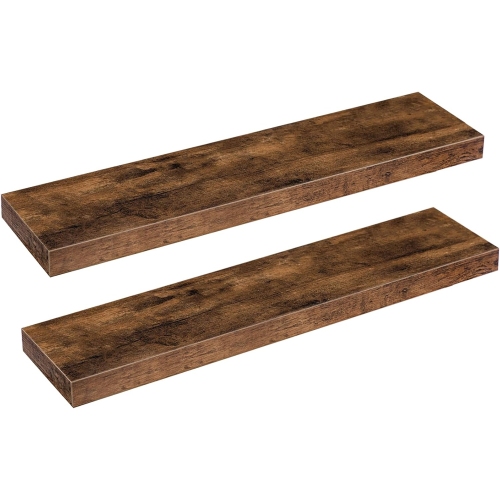
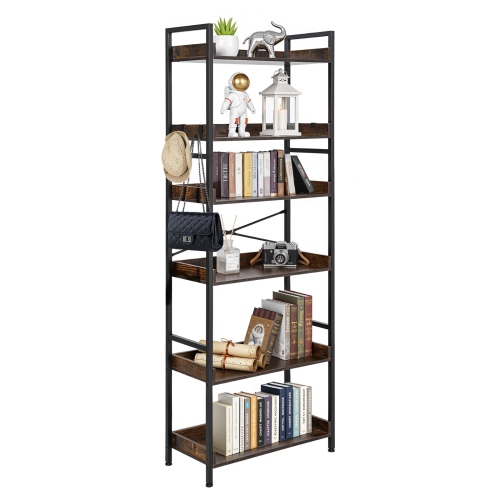
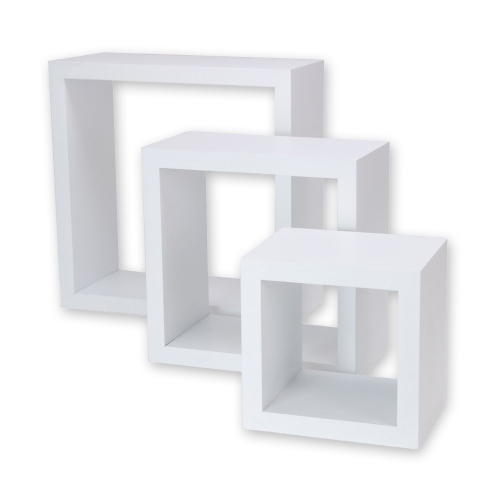
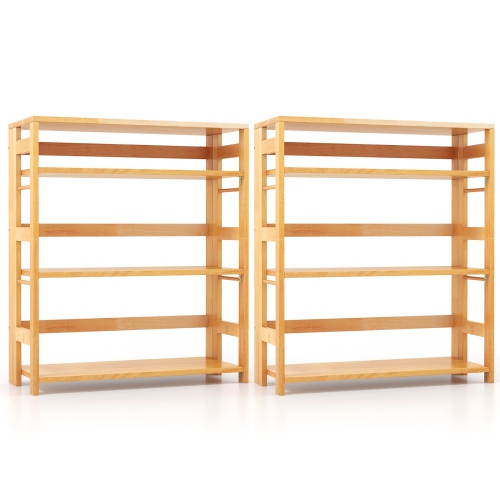
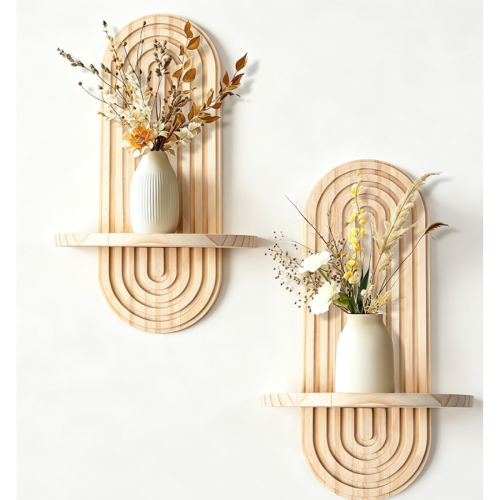
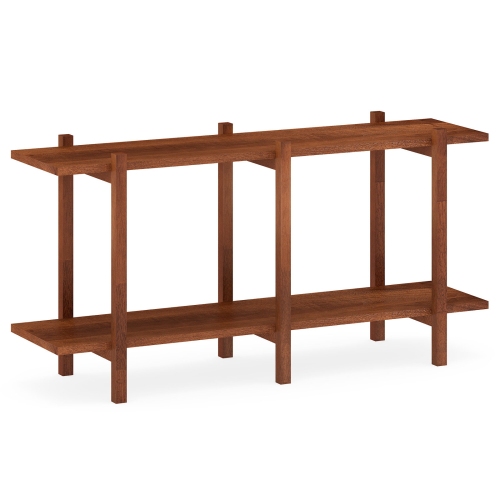
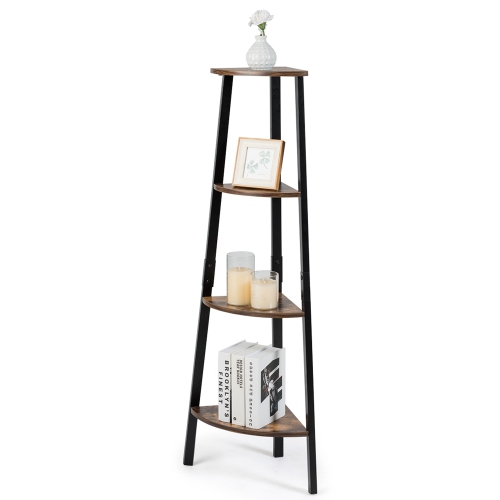
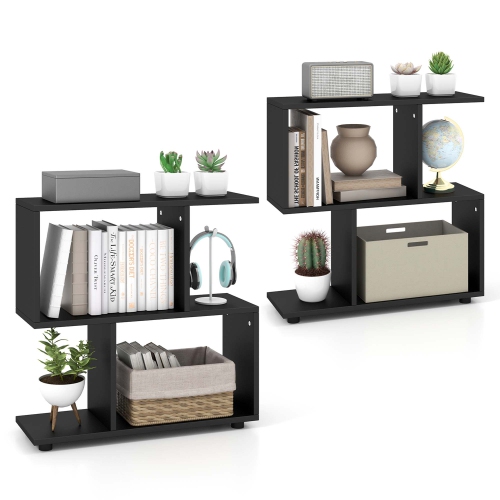
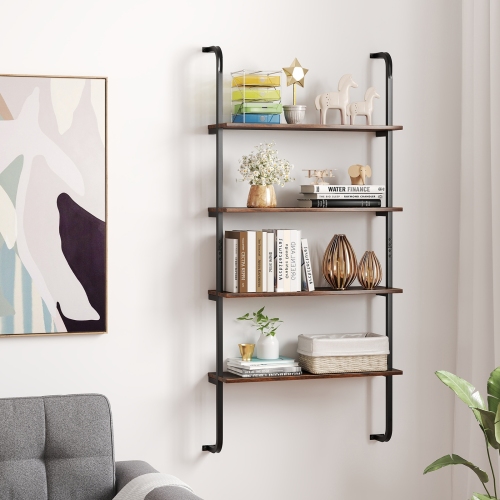
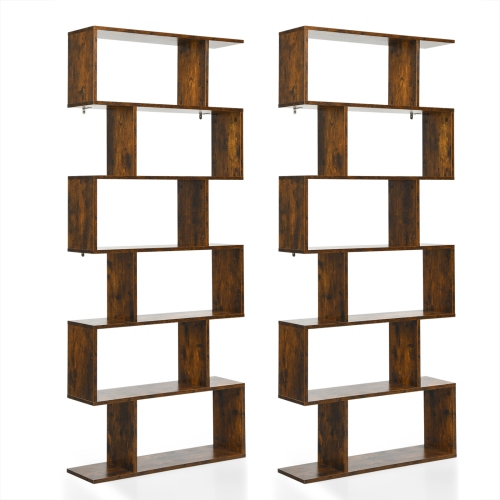
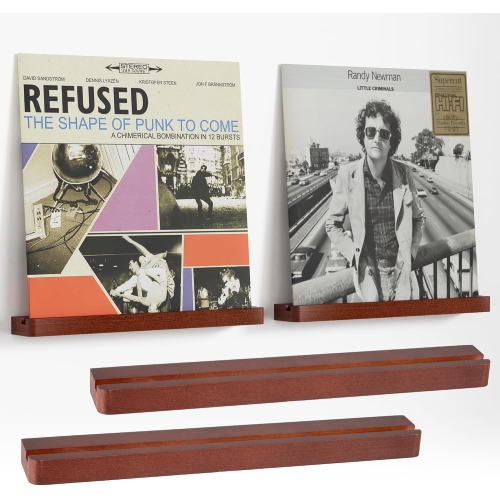
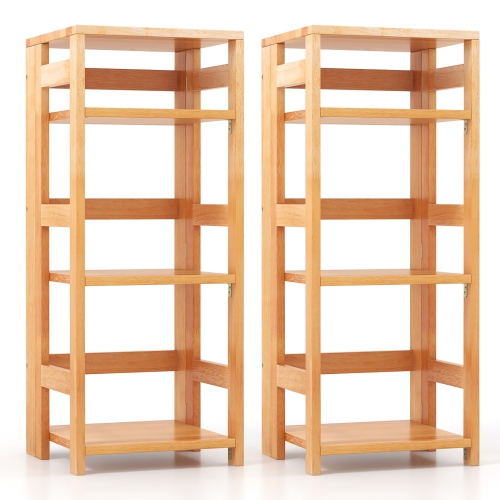
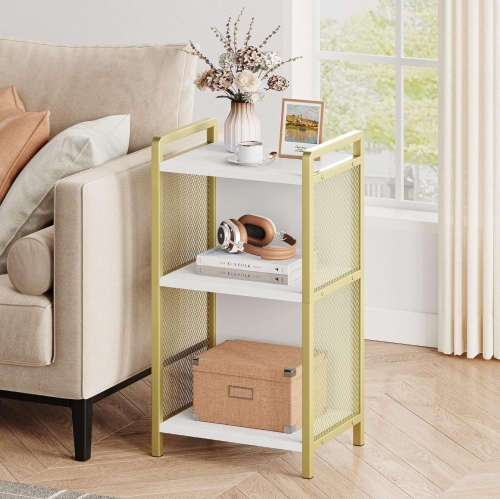
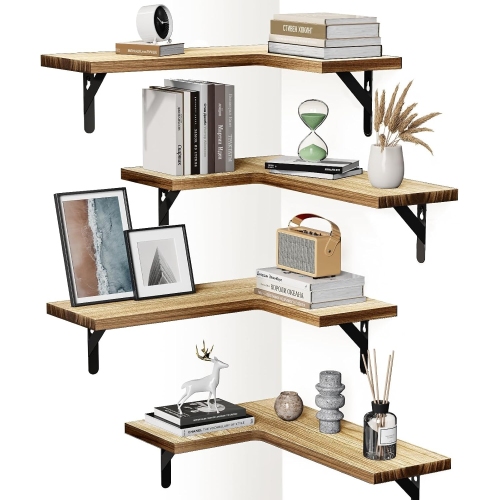
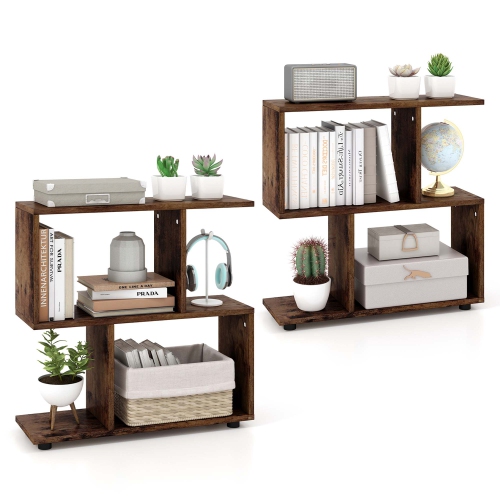
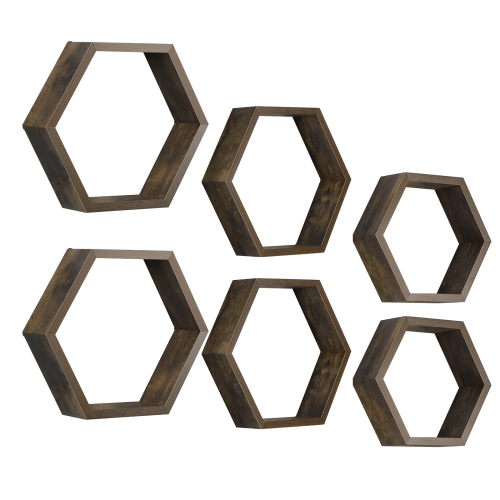
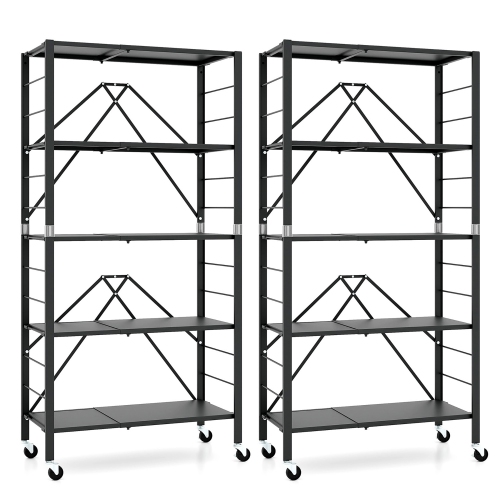

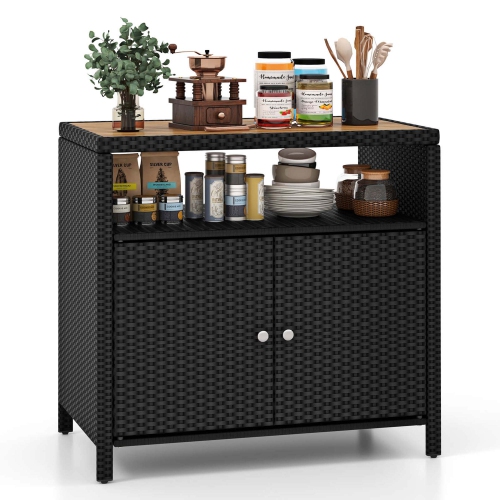
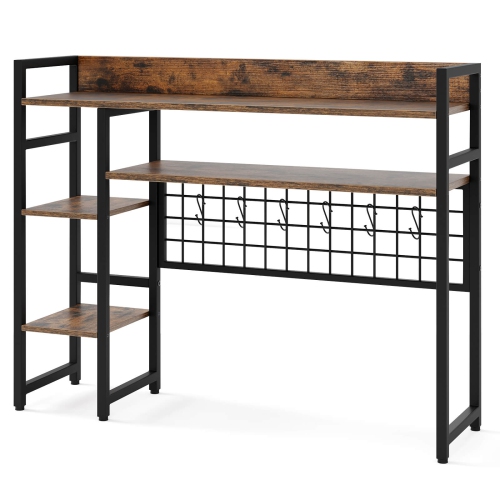
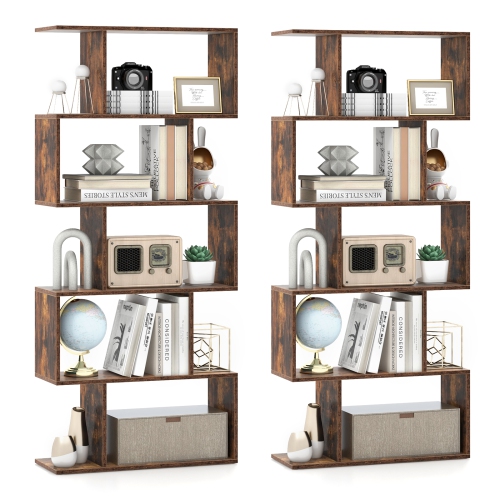
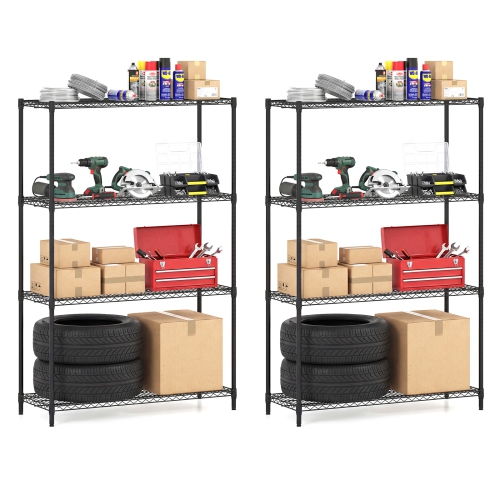
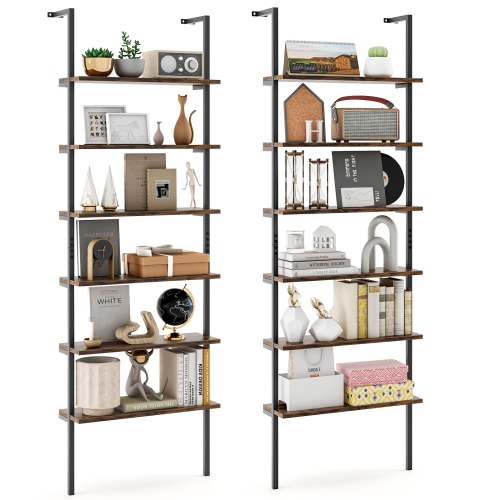
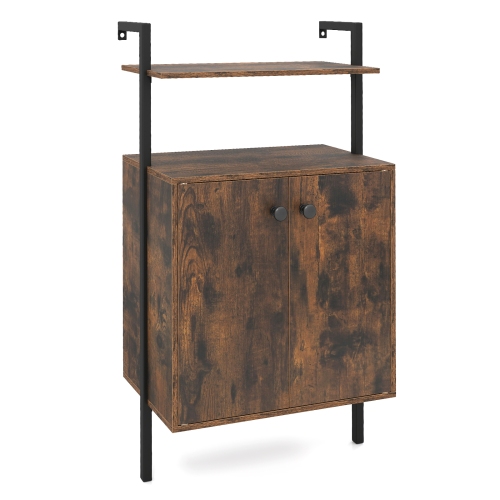
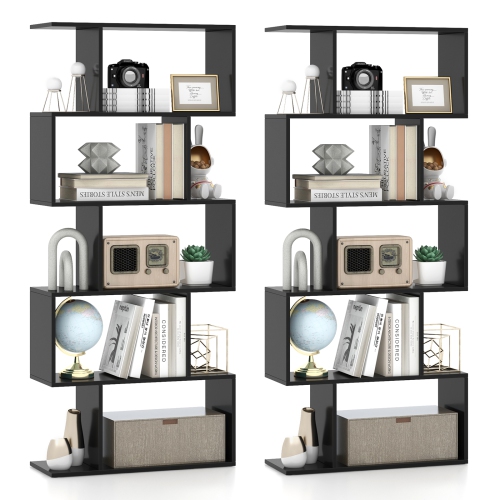
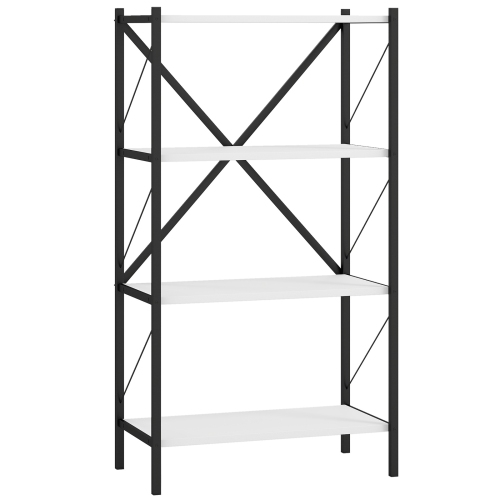
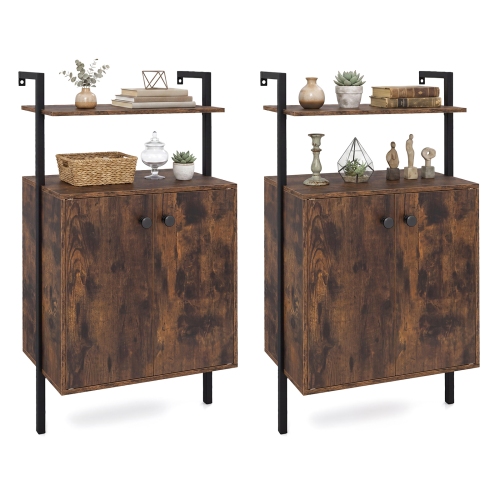

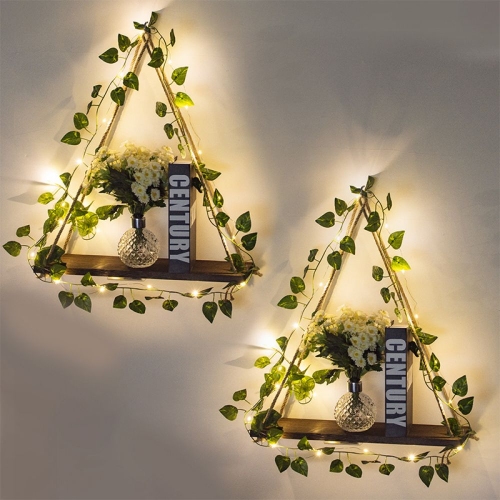
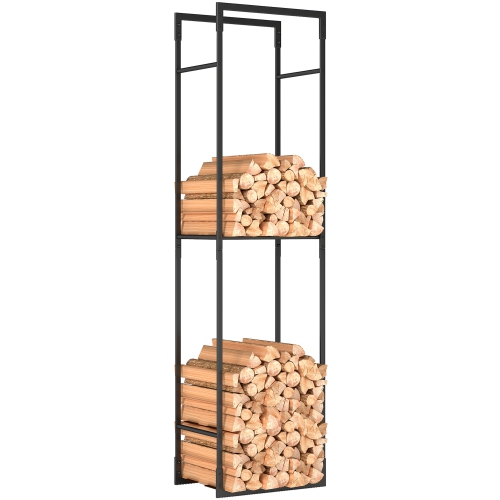
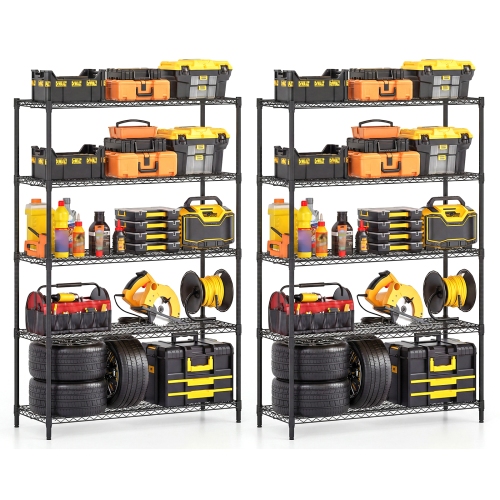
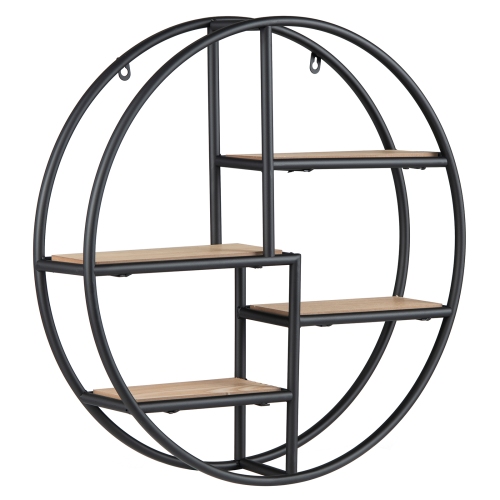
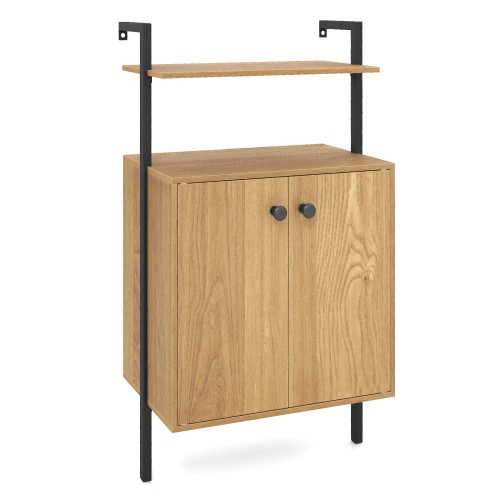
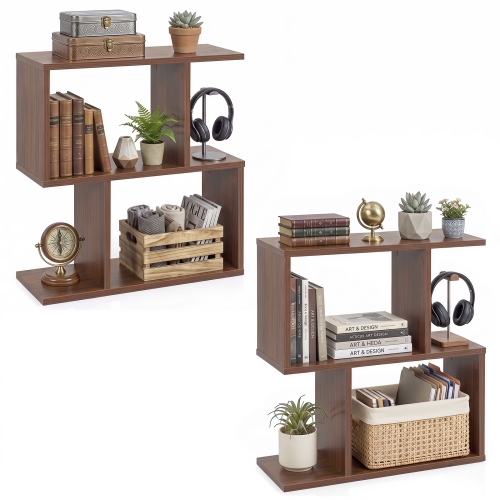
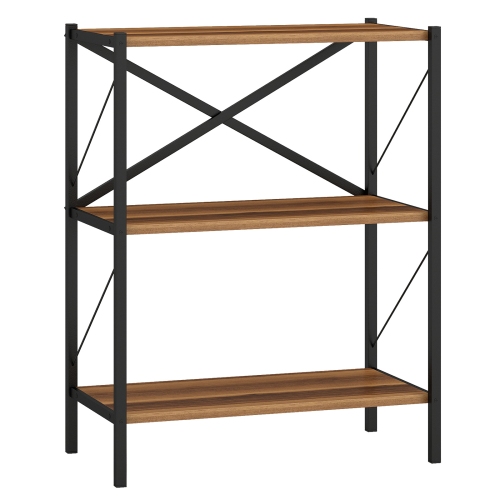
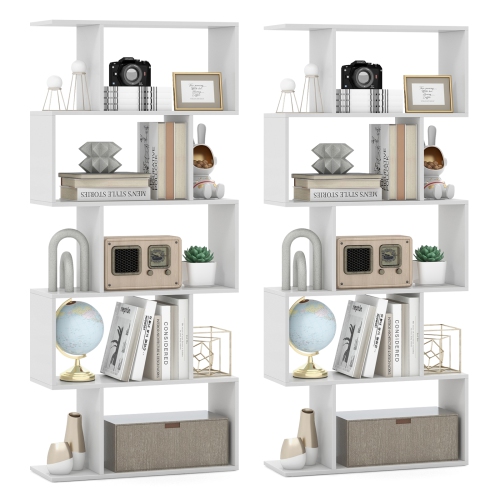
Open storage with warmth and room to display
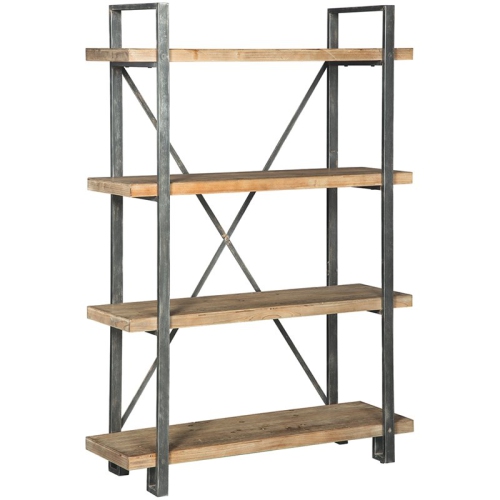
Metal and wood shelves combine metal supports with wooden shelving surfaces to create open storage for books, display pieces, baskets, and everyday essentials. The appeal lies in the contrast: a slim metal frame adds definition, while the grain and colour of the shelves bring warmth to a room. This combination suits more than an industrial look. Pale wood tones and simple frames can sit comfortably alongside contemporary furniture, while darker finishes and substantial supports complement traditional or rustic interiors. In a living room, an open shelving unit can hold a small book collection beside framed photographs and ceramics without creating the visual weight of a closed cabinet. In a home office, the same materials provide a practical place for reference books, document boxes, and supplies that need to stay within reach. Construction varies, so the appearance of wood alone does not tell the whole story. Solid wood has natural variations in grain and may be suited to refinishing, depending on its construction and finish. Wood veneer places a thin layer of real wood over a supporting core, while laminate surfaces can reproduce a woodgrain appearance over engineered wood. Each has different care requirements, and resistance to scratches, spills, or wear depends on the surface treatment rather than colour or thickness alone. Metal components also differ in profile, coating, and connection points. A powder-coated steel frame may have a smooth, understated finish, while more prominent brackets or cross braces make the structure part of the design. Shelf thickness, frame construction, and the way the components connect all contribute to stability; metal supports do not automatically mean that a unit is suitable for heavy storage. The most useful choice balances the desired appearance with the weight and dimensions of what will sit on it, whether that means a row of hardcovers or a few carefully spaced display pieces.
The layout of a room often determines which shelf format feels most natural. Freestanding metal and wood shelving provides multiple storage levels in one footprint, making it useful beside a desk, along a dining-room wall, or in an unused alcove. Tall, narrow units make use of vertical space, but their height also affects access and anchoring needs. Lower, wider shelving keeps frequently used belongings closer to hand and leaves room above for artwork, provided the furniture is appropriate for the intended load. Wall-mounted shelves free up floor space and can create a display above a work surface or beside a seating area. Their usable capacity depends on the shelf, brackets, fasteners, wall construction, and installation method together, not simply the strength of the metal frame. For a stepped silhouette, Metal and Wood Ladder Shelves offer another way to arrange storage, with designs that commonly place deeper shelves near the base and shallower shelves higher up. Some ladder-style units are freestanding, while others are designed to lean against a wall, so the required support and anchoring method matter. Across all formats, overall width, height, and depth are only part of the fit. Clear space between shelves determines whether a tall binder, storage basket, or upright book will fit, and side rails or cross braces can reduce the usable opening. A deeper shelf may accommodate larger belongings but project too far into a hallway or interfere with a nearby door. In a workspace, baseboards, outlets, and cable routes can also affect placement. Load ratings should be checked for each shelf as well as for the complete unit, where both are specified, with weight distributed as directed. Heavier belongings generally belong lower down, and tall furniture should be secured according to the manufacturer’s instructions. Shelves are not climbing surfaces, and accessible displays deserve particular care in homes with children or pets. These details help distinguish a shelf that simply fits an empty spot from one that works comfortably in daily use.
Open shelving works best when its arrangement reflects the routines around it. Near a reading chair, books can occupy the lower levels while the upper shelves hold a framed print or a small lamp, with any cords routed clear of walkways. Beside a desk, matching boxes can keep loose stationery and charging accessories contained, leaving frequently used folders easy to find. In a dining area, metal and wood shelves can display serving pieces or table linens, as long as shelf capacity and dimensions suit their weight and size. Kitchen and bathroom placement calls for closer attention to the finish: neither a woodgrain surface nor a coated metal frame should be assumed to tolerate repeated splashes or prolonged moisture. Shelves positioned away from sinks and other splash-prone areas are easier to keep clean and in good condition. A little open space between groups makes individual objects easier to reach and reduces the need to move several things whenever one is needed. Baskets and bins can bring order to smaller belongings, but their outside dimensions, handles, and filled weight need to fit the available shelf space. Felt or other suitable protective pads beneath rough-bottomed ceramics can help limit surface marks, provided they are compatible with the finish. Routine care is usually straightforward: remove dust with a soft cloth, wipe spills promptly, and follow the specified cleaning method for both the shelf surface and the frame. Abrasive cleaners, excessive water, and harsh chemicals can damage finishes or exposed edges. Periodic checks of accessible fasteners and wall attachments can help identify loosening before it becomes a larger problem, particularly after a unit has been moved. For a housewarming gift or a first apartment, shelving can be a thoughtful, useful choice when the recipient’s room measurements and installation needs are known. Its lasting usefulness comes from accommodating ordinary belongings neatly, whether that is a growing book collection, hobby materials, or the essentials of a shared workspace.
Top selling and popular products
-
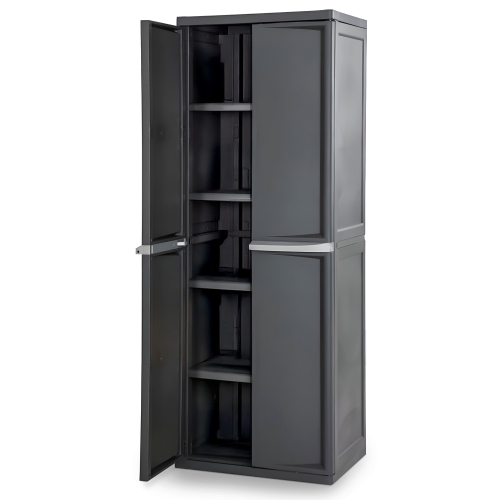 Your price for this item is $576.99
-
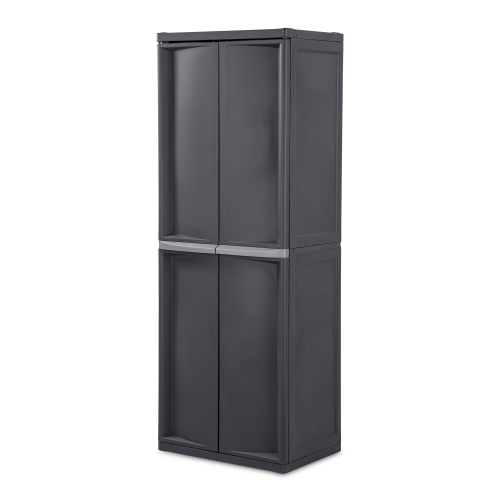 Your price for this item is $1132.99
-
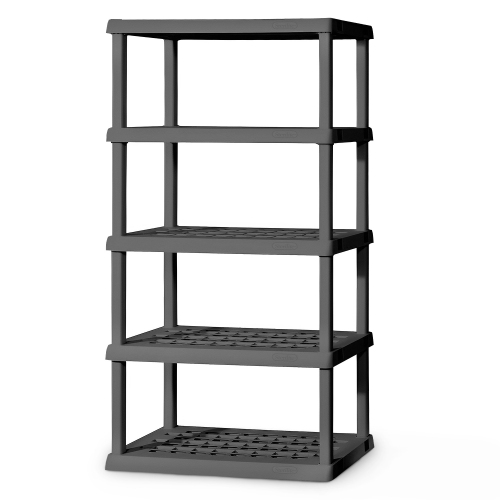 Your price for this item is $356.99
-
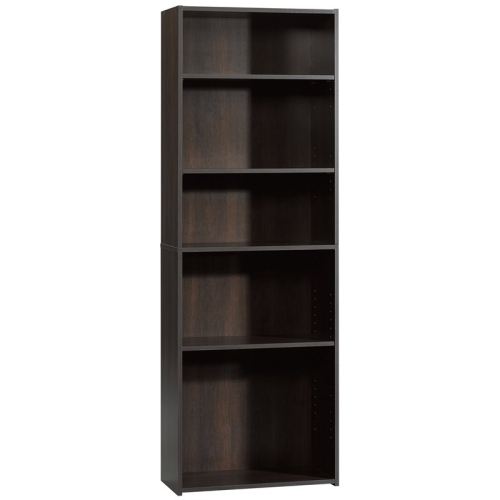 Your price for this item is $208.99
-
 Your price for this item is $169.99
-
 Your price for this item is $604.99
-
 Your price for this item is $599
-
 Your price for this item is $254.99
Discover more categories related to Metal And Wood Shelves
Top Collections:
Best Black Friday Deals This Year, Best Black Friday Deals On Electronics, Kindle Devices, Pokemon Centers, Best Black Friday Deals On Apple Products, Best Cameras for Sports Photography, Dyson Airwrap, Pokémon 30th Celebration Cards, Apple iPhone 17 Pro, Canon G7X Cameras
Some products may be subject to Environmental Handling Fees
(EHF) depending on your province.
Learn more about EHFs.