Metal and Wood Ladder Shelves
Metal and Wood Ladder Shelves bring a modern touch to any room, blending sleek lines with natural textures for a stylish storage solution. Perfect for showcasing books, décor, or everyday essentials, these versatile shelves fit seamlessly into living rooms, bedrooms, offices, and more. Whether you’re looking to maximize vertical space or add a decorative accent, Metal and Wood Ladder Shelves offer both functionality and visual appeal to elevate your home’s interior design.
Sort
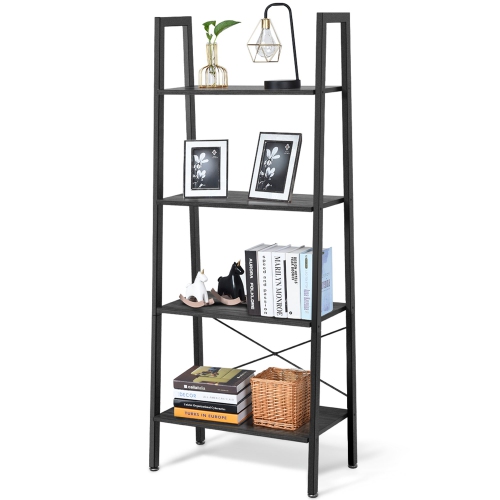
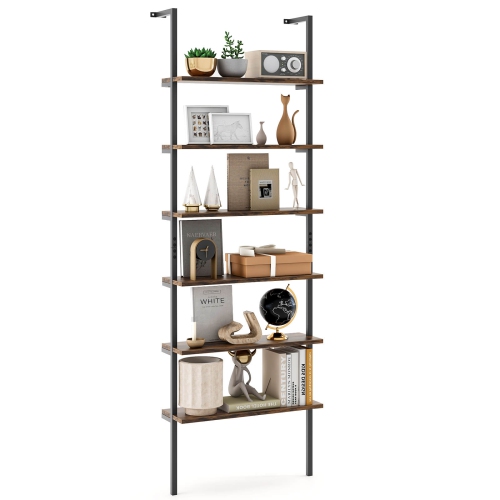
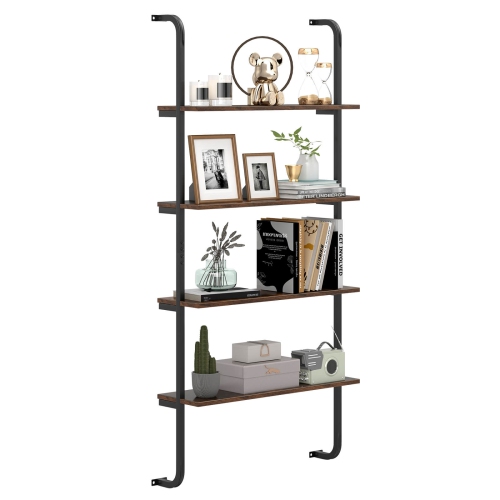
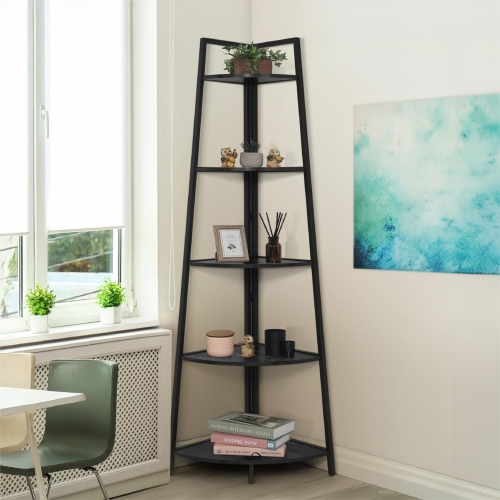
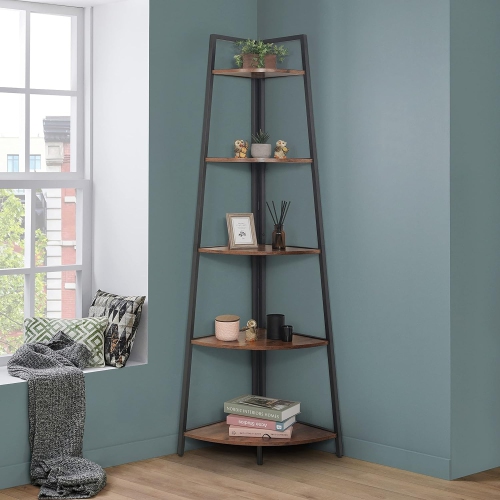
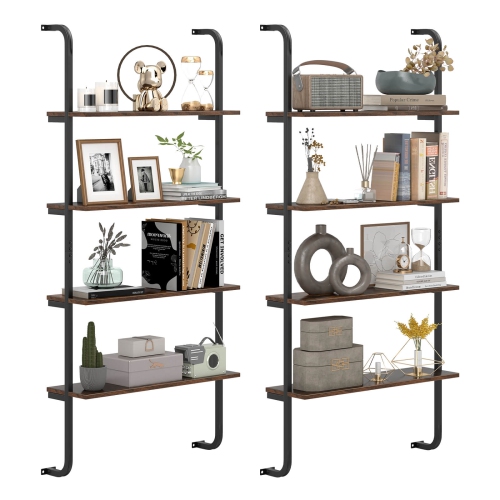
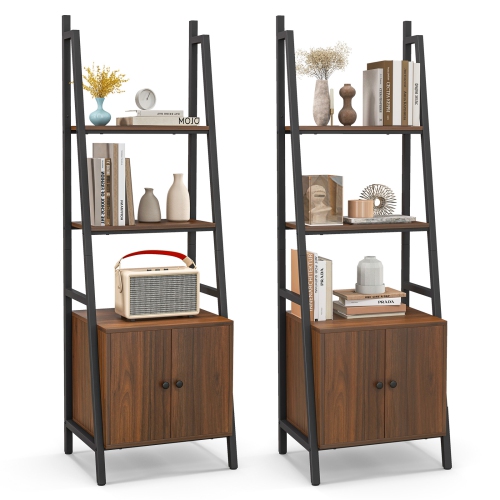
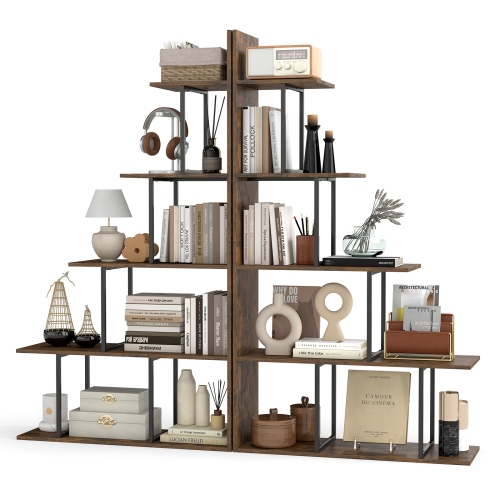
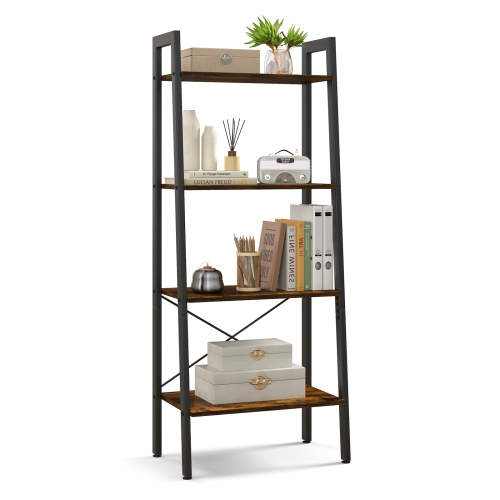
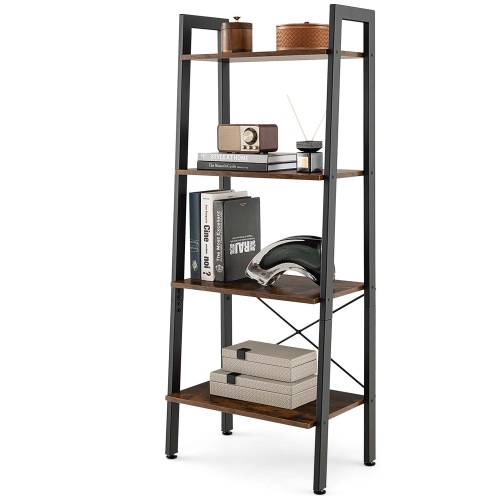
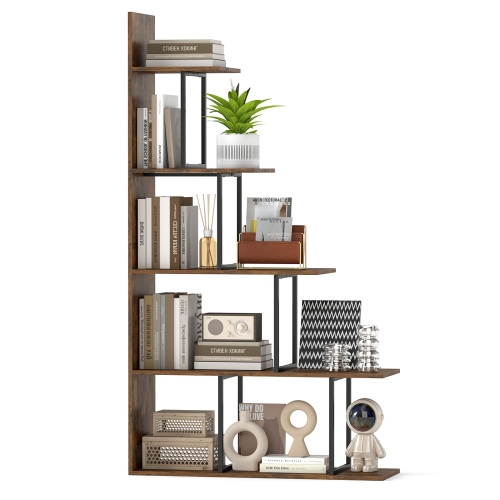
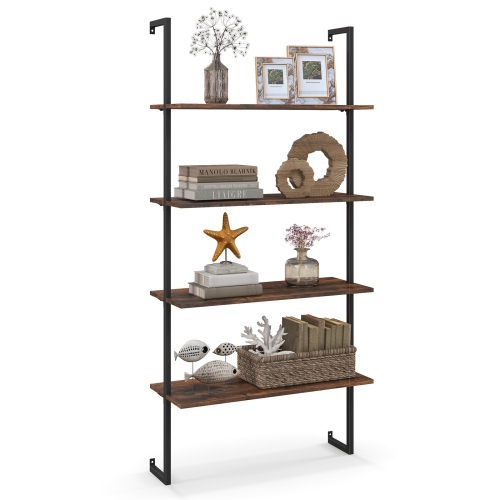
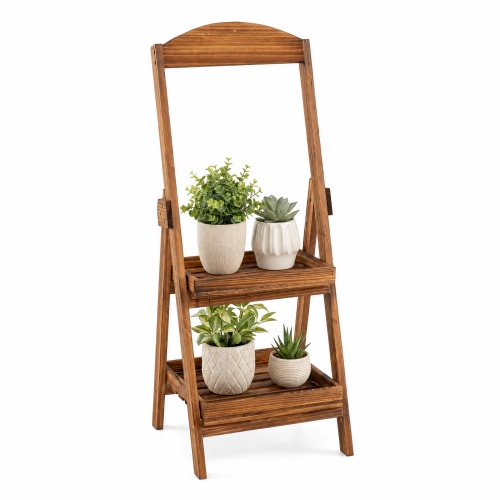
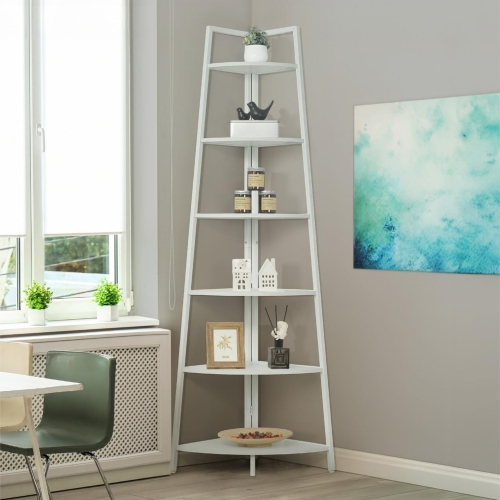
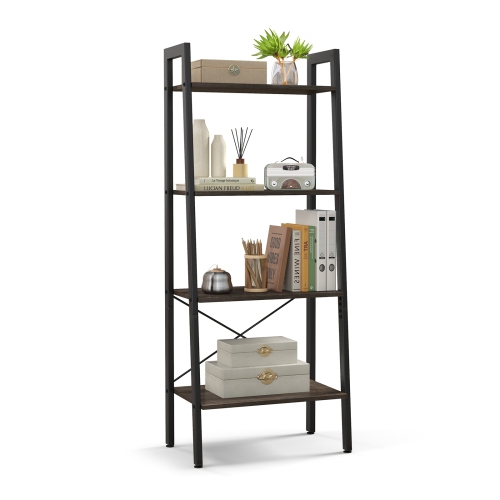
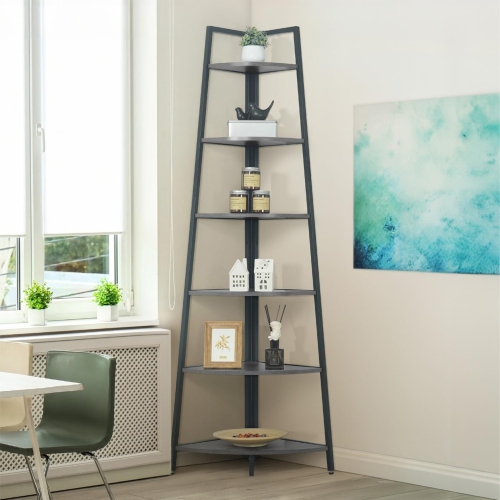
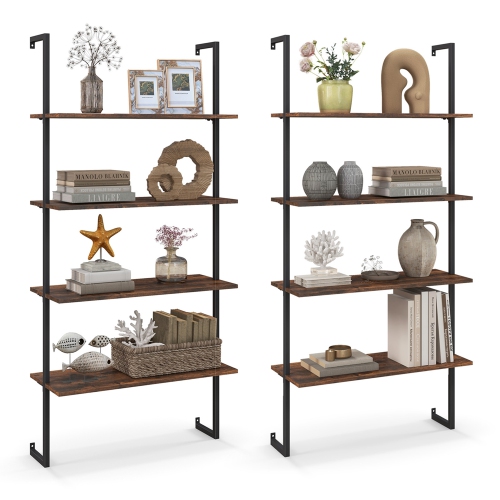


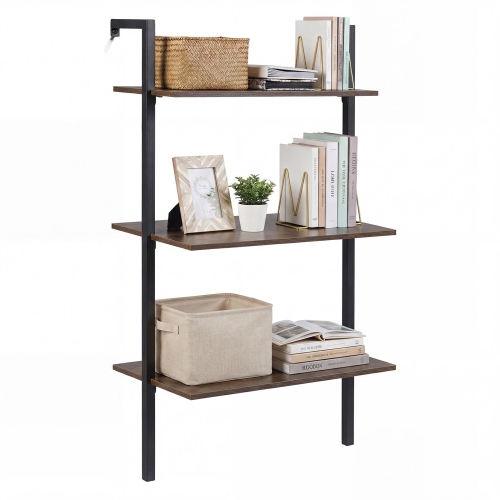
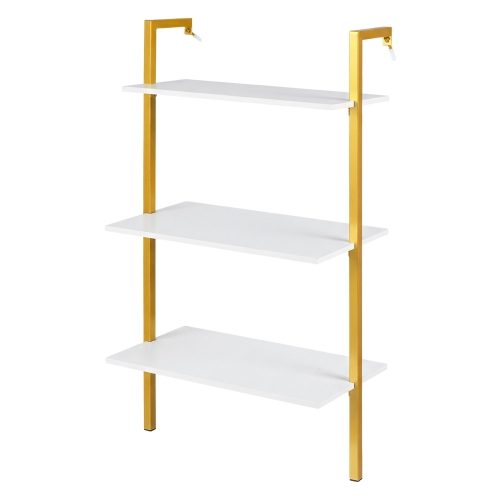
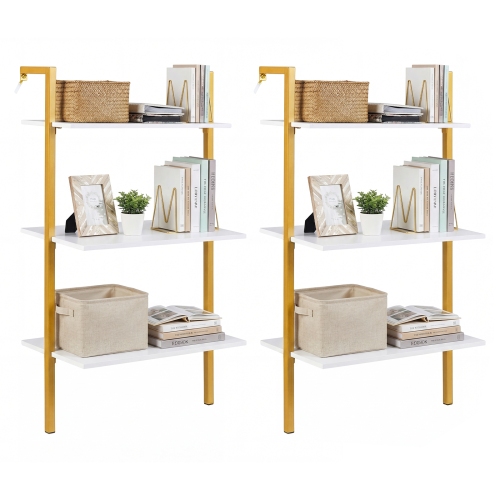
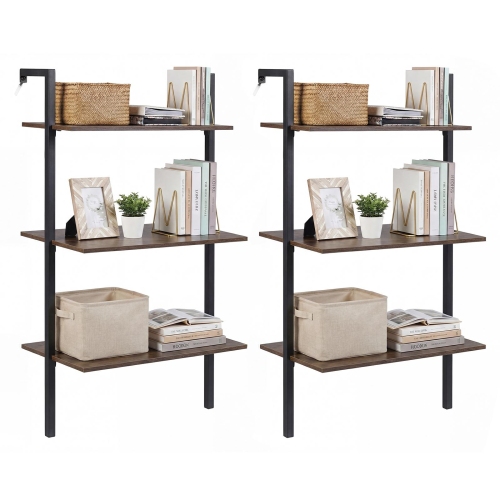
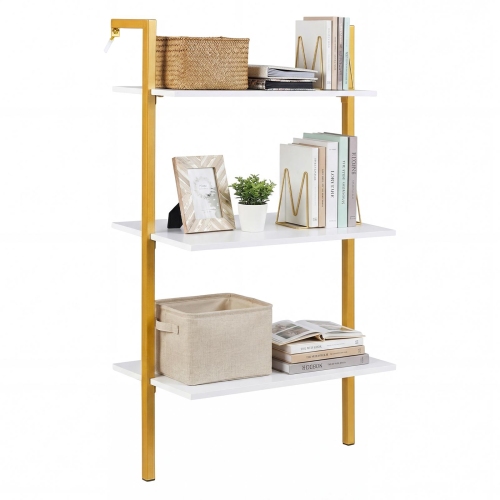
Vertical storage with warmth and a lighter look
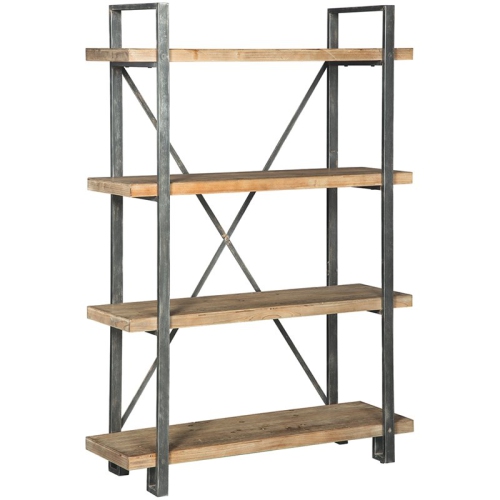
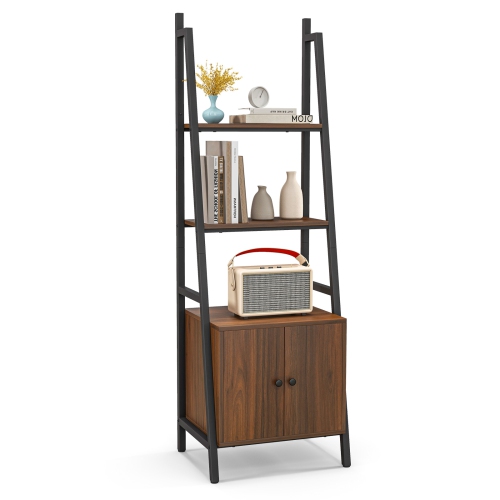
Metal and wood ladder shelves combine a metal frame with wood or wood-based shelves in a stepped, ladder-inspired shape. Their open sides and progressively deeper lower shelves create vertical storage without the visual bulk of a closed bookcase, making them useful for books, framed photographs, baskets, and everyday essentials. Steel and iron frames bring structure and an industrial character, while wood tones add warmth and texture. The overall look can range from a slim black frame with pale oak-toned shelves to a more substantial design with darker wood finishes. Some ladder shelves lean against a wall and require secure attachment; others have a freestanding frame with front and rear supports. Both styles may require wall anchoring, so the construction and installation requirements matter as much as the appearance. Shelf materials also vary. Solid wood offers natural grain and variation, while engineered wood, including medium-density fibreboard, can provide a smooth, consistent surface. Veneers add a thin layer of real wood over a supporting core, and laminate finishes can reproduce a wood-grain appearance with a different surface feel and care routine. A wood-look finish does not necessarily mean a shelf is made from solid wood, so material descriptions help set expectations for texture, weight, and upkeep. The combination of wood colour, frame finish, and shelf thickness determines how easily a unit fits with surrounding furniture. A narrow frame can sit comfortably beside an upholstered chair, while broader shelves may feel more balanced next to a substantial desk or sofa. Matching every wood finish is not essential: a shared warm or cool undertone can connect a ladder shelf with a coffee table, flooring, or cabinet without making the room look overly coordinated. The open design also leaves the wall visible, allowing paint colour, wallpaper, or exposed brick to remain part of the room rather than disappearing behind a solid back panel.
The right fit depends on more than the unit’s overall height and width. Depth at the base determines how far a ladder shelf projects into the room, particularly with leaning designs whose lower shelves extend farther from the wall. In a compact condo living room, that projection can affect the route between a sofa and a doorway; in a home office, it can influence how far a desk chair rolls back. Baseboards, nearby outlets, light switches, and wall vents also deserve space, and a shelf should not obstruct access to any of them. Usable shelf dimensions are just as important as the outer measurements. Tall art books need sufficient clearance between tiers, storage baskets need enough depth to sit fully supported, and wide objects should not extend beyond the shelf edges. Upper shelves are often shallower, making them better suited to smaller frames or lightweight display pieces than bulky storage. Load limits vary by design and may be stated per shelf as well as for the whole unit. Heavy books belong on shelves rated to support them, with heavier belongings generally placed lower to help maintain stability. Wall attachment should follow the manufacturer’s directions and use hardware appropriate for the wall construction; an attachment intended for a wall stud is not interchangeable with every type of hollow-wall fixing. This is especially important in homes with children or pets, where furniture can be pulled or bumped. Despite the name, ladder shelves are furniture, not climbing equipment. For everyday use, frequently reached belongings are most convenient around waist to shoulder height, while less-used display pieces can occupy the upper tiers. In an entryway, baskets can keep small accessories together; beside a reading chair, lower shelves can hold books within reach. In a dining area, open shelving can display serving pieces, provided their size and weight suit the shelf specifications. Each setting benefits from enough clear space around the unit to reach belongings comfortably.
Care and durability depend on the frame coating, shelf surface, joints, and conditions where the furniture is used. A painted or powder-coated metal frame can usually be dusted with a soft cloth, but abrasive pads and harsh cleaners may damage the finish. Wood and wood-based surfaces have their own care requirements, so the manufacturer’s instructions should take priority over a general-purpose cleaning routine. Spills are best wiped up promptly, especially around shelf edges and joints where moisture may reach the core of an engineered panel. Coasters, felt pads, and protective trays can help prevent rings, scratches, and marks from frequently moved objects. Plant displays need particular care: a pot with drainage holes should sit in a suitable watertight tray, and watering plants away from the shelf reduces the chance of overlooked drips. Bathrooms and laundry areas may expose shelving to moisture that a particular finish was not designed to handle; suitability for those spaces should be stated rather than assumed. During assembly, a level position and correctly tightened fittings help prevent wobbling, while occasional checks can catch loosened connections after the furniture has been moved or used for a while. Styling can remain practical rather than crowded. A short row of books, a basket for loose accessories, and a framed print give each tier a purpose, with some open space keeping the arrangement easy to clean. For a broader look at related shapes and configurations, metal and wood shelves offer a useful comparison alongside ladder-style designs. A ladder shelf can also make a thoughtful housewarming gift for someone furnishing a first apartment or setting up a reading corner, provided the recipient’s available space, preferred finish, and ability to anchor the unit are known. Its lasting usefulness comes from a straightforward balance: a frame that suits the room, shelves that support what needs storing, and a finish that fits everyday care.
Top selling and popular products
-
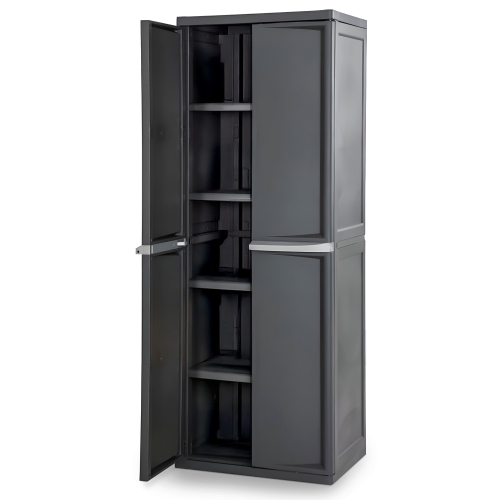 Your price for this item is $576.99
-
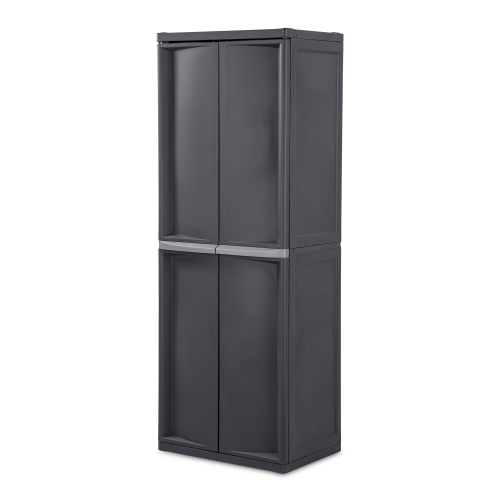 Your price for this item is $1132.99
-
 Your price for this item is $356.99
-
 Your price for this item is $208.99
-
 Your price for this item is $169.99
-
 Your price for this item is $604.99
-
 Your price for this item is $599
-
 Your price for this item is $254.99
Discover more categories related to Metal and Wood Ladder Shelves
Top Collections:
Best Black Friday Deals This Year, Best Black Friday Deals On Electronics, Kindle Devices, Pokemon Centers, Best Black Friday Deals On Apple Products, Best Cameras for Sports Photography, Dyson Airwrap, Pokémon 30th Celebration Cards, Apple iPhone 17 Pro, Canon G7X Cameras
Some products may be subject to Environmental Handling Fees
(EHF) depending on your province.
Learn more about EHFs.