Wooden Chicken Coop
Our wooden chicken coops are crafted with durability and functionality in mind. These charming structures offer a comfortable home for your chickens while adding a rustic touch to your backyard. Whether you're a seasoned poultry enthusiast or just starting out, our range of wooden chicken coops provides the perfect solution for housing your flock. Explore our selection today and find the ideal coop to keep your chickens happy and healthy.
Sort

What to consider when setting up a backyard flock
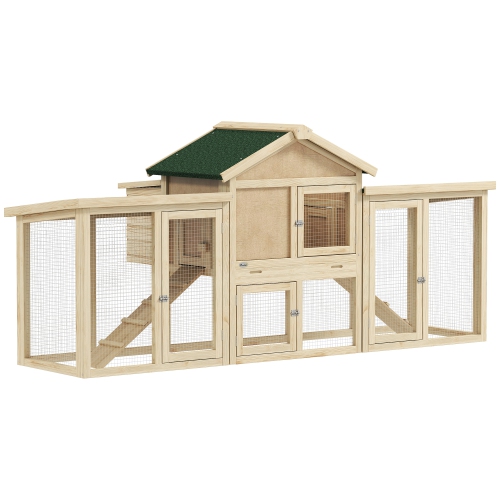
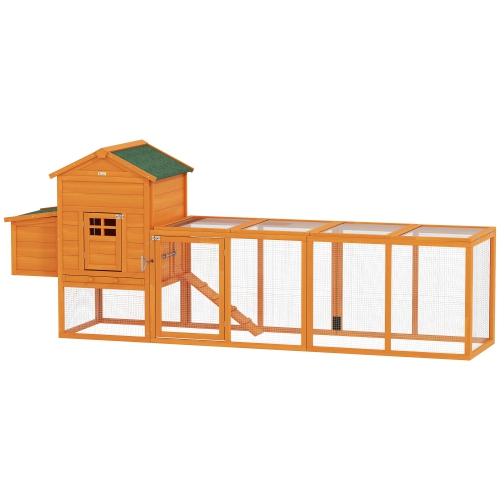
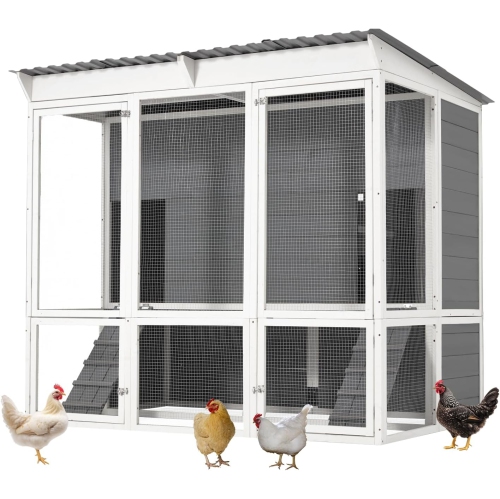
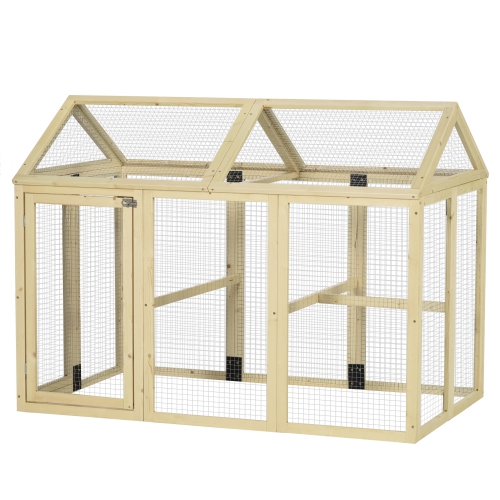
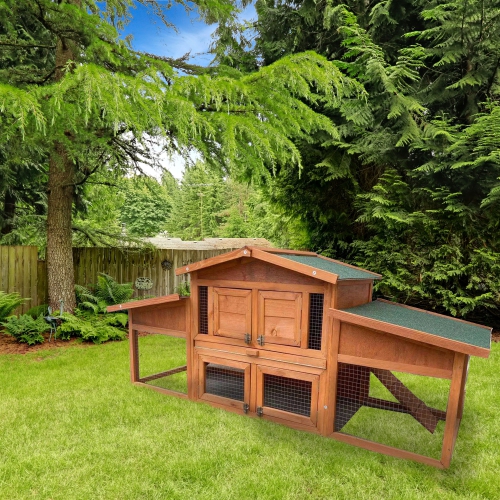
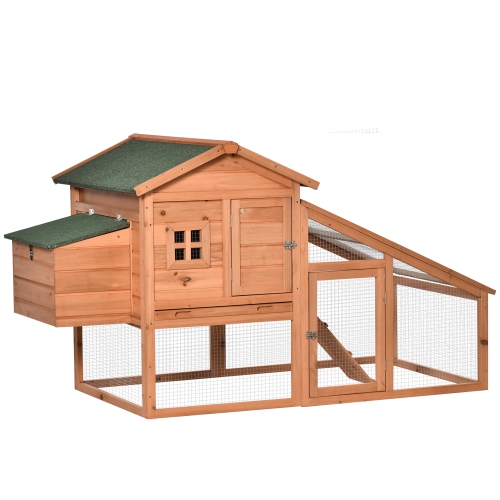
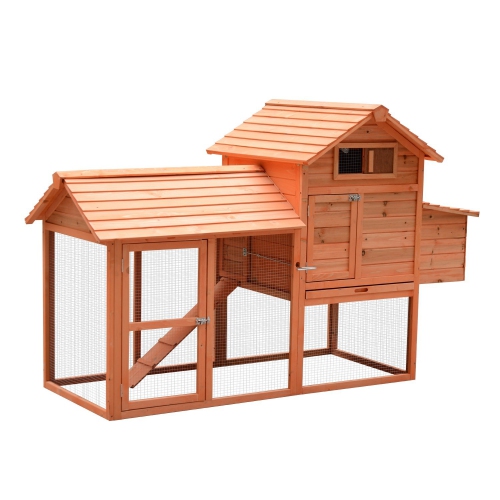
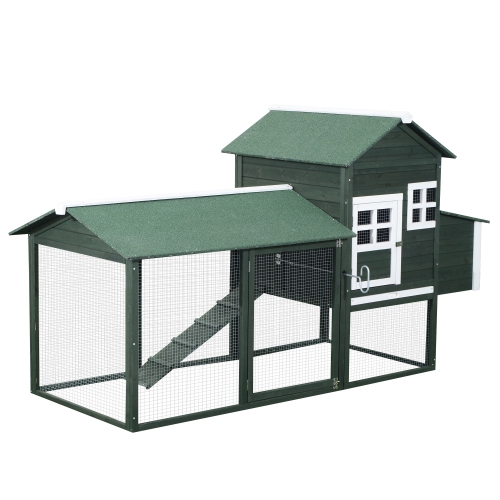
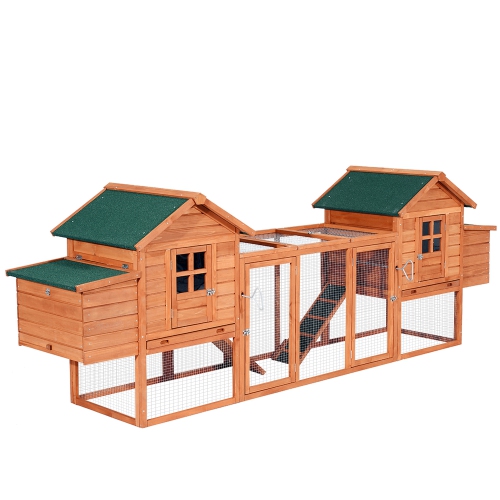
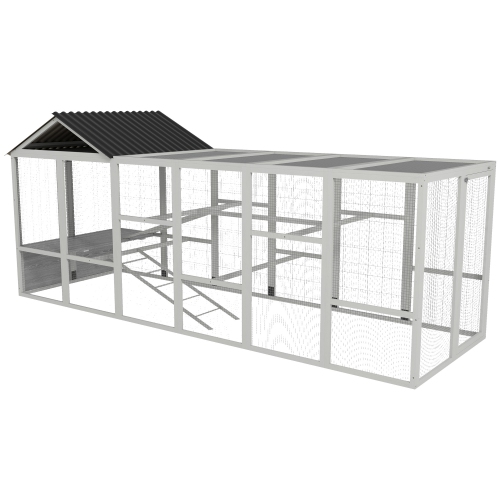
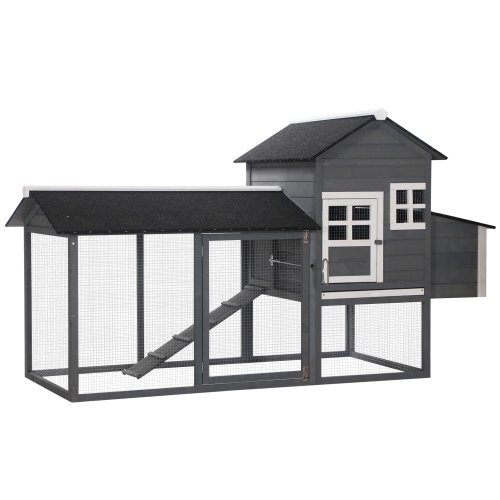
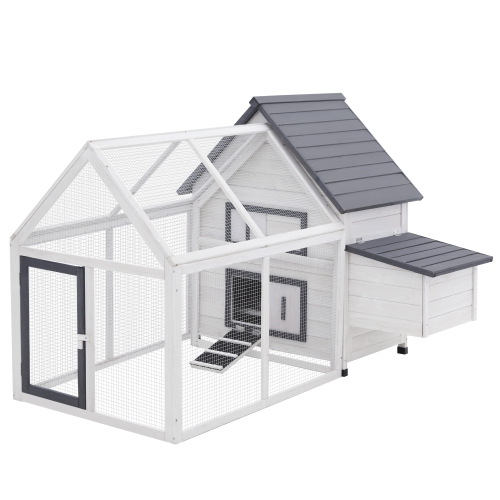
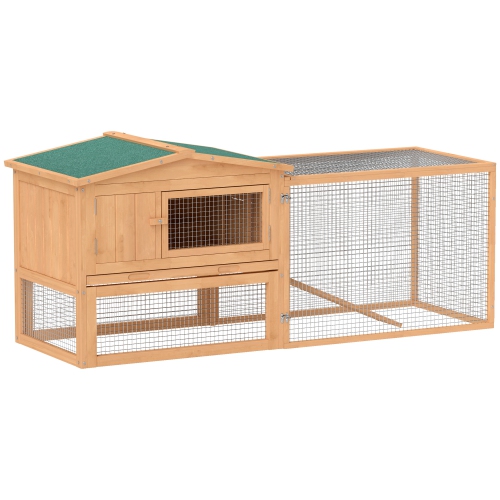
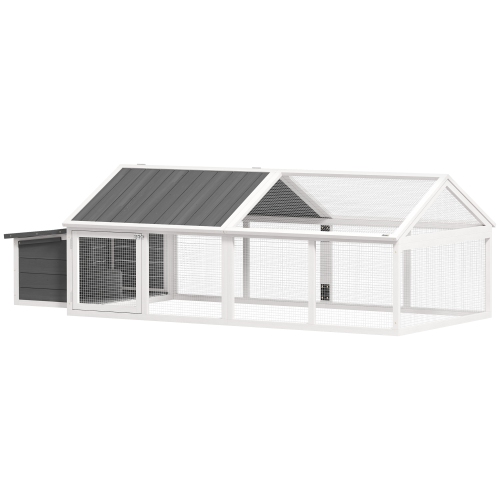
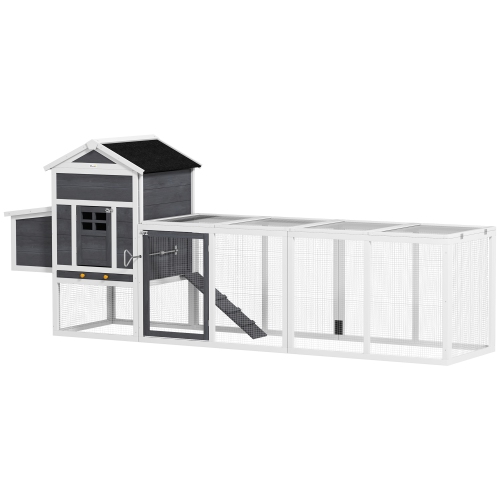
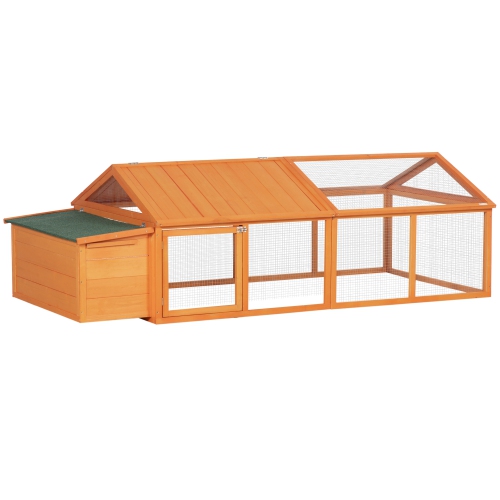
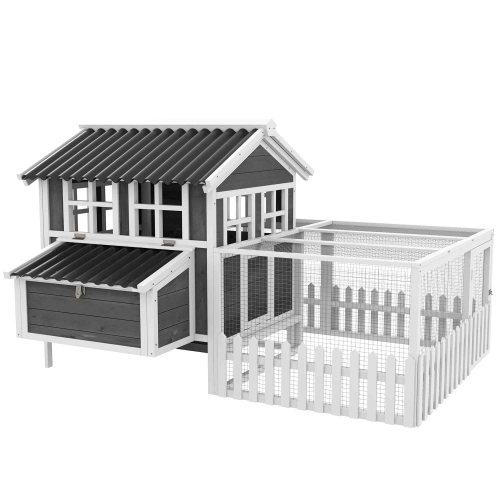
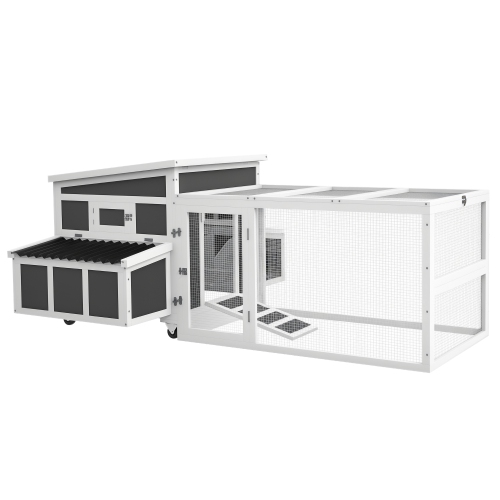
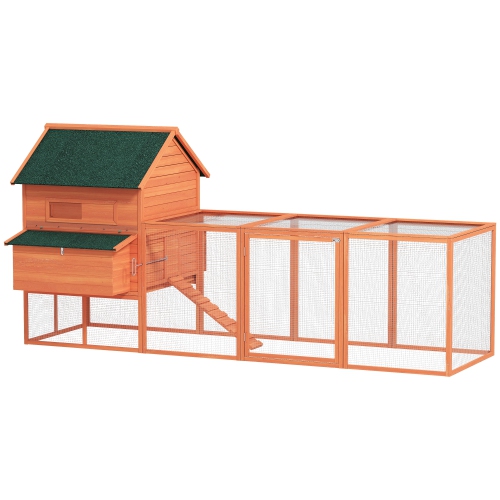
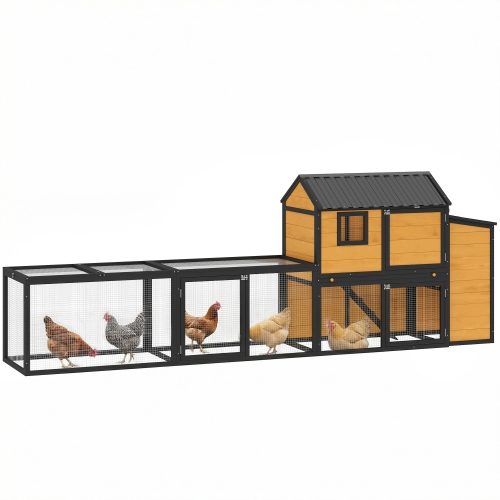
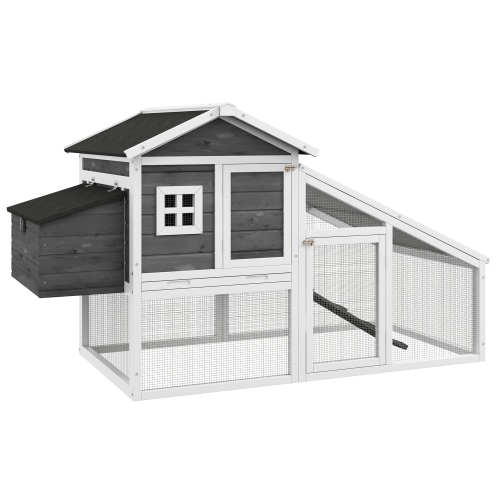
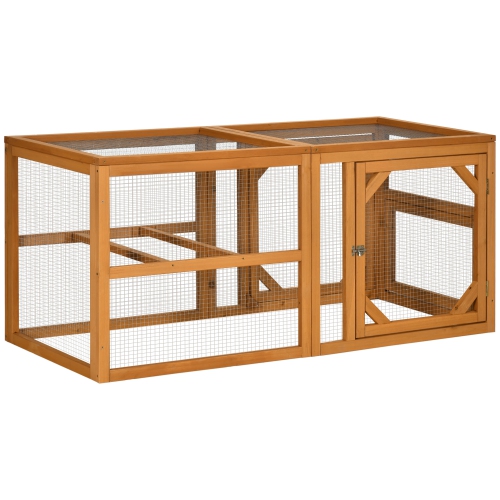
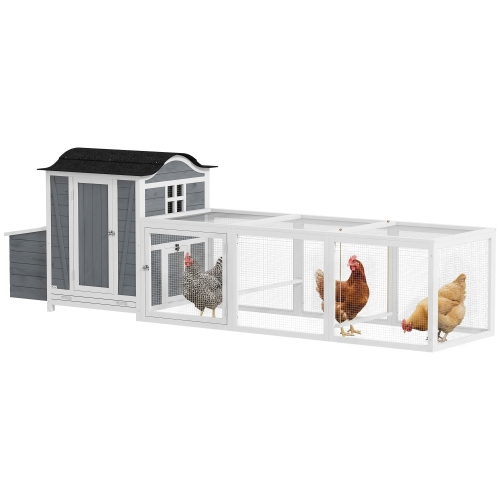
A wooden chicken coop provides backyard poultry with a dedicated place to roost, lay eggs, and take shelter from rain, wind, and cooler conditions. It can be a practical choice for new chicken keepers setting up a small flock, experienced owners expanding their outdoor arrangement, or families creating a more hands-on routine around caring for hens. Wooden coops are available in a range of layouts, from compact shelters suited to two or three chickens to larger multi-level designs with attached runs for four, five, or more birds. When comparing options, start with the number of hens you plan to keep and the total usable space inside the coop and run. A compact coop measuring roughly 65 to 80 inches may fit well in a smaller yard and can be easier to position, while medium models around 84 to 120 inches can provide more room for three to five chickens to move between their sleeping and outdoor areas. Larger coops measuring 137 inches or more may offer generous layouts for a bigger flock, with additional levels, wider runs, and separate areas for nesting and roosting. Chickens need enough room to move comfortably, and extra space can help make daily care easier, particularly when the birds spend more time indoors during rain, strong wind, or cooler months. Pay close attention to the overall footprint, including the run, roof overhang, doors, and access panels, before choosing a location. A level surface makes assembly and cleaning simpler, while a position with convenient access can make collecting eggs and refreshing feed and water feel like part of the normal backyard routine rather than a difficult chore. For households comparing materials, a Metal Chicken Coop may offer a different style and construction approach, while wooden chicken coops are often selected for their familiar backyard appearance and enclosed, home-like layout.
The most useful features are the ones that support the everyday rhythm of looking after chickens. Nesting boxes with lift-up lids allow eggs to be collected without entering the main sleeping area, and separated compartments can give hens a quieter place to lay. Roosting bars should be elevated from the floor and shaped or sized so the birds can perch securely at night. Some coops include multiple bars or levels, which can be helpful for accommodating several chickens while making use of vertical space. A pull-out cleaning tray is another practical feature; a removable metal or plastic tray can speed up the process of clearing bedding and waste, especially when the coop needs regular attention. Wide access doors, hinged roofs, and large openings can make it easier to reach corners, check the birds, and replace bedding. Look for sturdy mesh around the run and ventilation openings that allow air to circulate without leaving large exposed gaps. Galvanized hardware cloth is generally a more dependable choice than light chicken wire for enclosed sections, since the mesh should help prevent unwanted animals from reaching through to the flock. A sloped, waterproof roof, including asphalt-covered roof panels on some designs, helps shed rain and can reduce water collecting on top. During warmer weather, ventilation is particularly important, while enclosed sleeping areas and a roof that helps keep out drafts become more valuable during cooler conditions. Doors and latches should close securely, and the structure should feel stable once assembled. Check the listed dimensions, recommended flock size, materials, assembly requirements, and any included run or nesting area rather than judging capacity by the exterior footprint alone. A coop that looks spacious from the outside may devote much of its size to an access walkway or nesting compartment, so the interior measurements and layout are worth reviewing before purchase.
A wooden chicken coop can suit a range of backyard routines, whether you are raising hens for fresh eggs, introducing children to responsible animal care, or giving an established flock a more organised place to sleep and shelter. It can also be a thoughtful gift for someone who has already planned a backyard poultry setup, provided they have suitable outdoor space and are prepared for the ongoing care that chickens require. The best choice depends on more than appearance: consider how many birds will use the coop, how much room they need to move, where feed and water will be placed, and how easily you can reach every area for cleaning. Think about the changing weather over the seasons as well. A shaded, well-ventilated location can be useful as temperatures rise, while a protected position with a sloped roof and enclosed sleeping space can be more comfortable during rainy days and cooler months. Outdoor runs may give chickens room to walk and investigate their surroundings, but they should still be checked for secure mesh, reliable fasteners, and doors that close properly. Routine care may include collecting eggs, replacing soiled bedding, cleaning the pull-out tray, checking the roof and mesh, and confirming that latches remain secure. Choosing a coop with accessible panels and a layout that fits your yard can make these jobs quicker and more manageable. Whether you prefer a small single-level shelter or a larger multi-level arrangement, focus on construction, ventilation, weather protection, safe access, and the recommended number of chickens. With the right size and features, a wooden chicken coop can create a comfortable, practical home base for backyard hens throughout the changing seasons.
The most useful features are the ones that support the everyday rhythm of looking after chickens. Nesting boxes with lift-up lids allow eggs to be collected without entering the main sleeping area, and separated compartments can give hens a quieter place to lay. Roosting bars should be elevated from the floor and shaped or sized so the birds can perch securely at night. Some coops include multiple bars or levels, which can be helpful for accommodating several chickens while making use of vertical space. A pull-out cleaning tray is another practical feature; a removable metal or plastic tray can speed up the process of clearing bedding and waste, especially when the coop needs regular attention. Wide access doors, hinged roofs, and large openings can make it easier to reach corners, check the birds, and replace bedding. Look for sturdy mesh around the run and ventilation openings that allow air to circulate without leaving large exposed gaps. Galvanized hardware cloth is generally a more dependable choice than light chicken wire for enclosed sections, since the mesh should help prevent unwanted animals from reaching through to the flock. A sloped, waterproof roof, including asphalt-covered roof panels on some designs, helps shed rain and can reduce water collecting on top. During warmer weather, ventilation is particularly important, while enclosed sleeping areas and a roof that helps keep out drafts become more valuable during cooler conditions. Doors and latches should close securely, and the structure should feel stable once assembled. Check the listed dimensions, recommended flock size, materials, assembly requirements, and any included run or nesting area rather than judging capacity by the exterior footprint alone. A coop that looks spacious from the outside may devote much of its size to an access walkway or nesting compartment, so the interior measurements and layout are worth reviewing before purchase.
A wooden chicken coop can suit a range of backyard routines, whether you are raising hens for fresh eggs, introducing children to responsible animal care, or giving an established flock a more organised place to sleep and shelter. It can also be a thoughtful gift for someone who has already planned a backyard poultry setup, provided they have suitable outdoor space and are prepared for the ongoing care that chickens require. The best choice depends on more than appearance: consider how many birds will use the coop, how much room they need to move, where feed and water will be placed, and how easily you can reach every area for cleaning. Think about the changing weather over the seasons as well. A shaded, well-ventilated location can be useful as temperatures rise, while a protected position with a sloped roof and enclosed sleeping space can be more comfortable during rainy days and cooler months. Outdoor runs may give chickens room to walk and investigate their surroundings, but they should still be checked for secure mesh, reliable fasteners, and doors that close properly. Routine care may include collecting eggs, replacing soiled bedding, cleaning the pull-out tray, checking the roof and mesh, and confirming that latches remain secure. Choosing a coop with accessible panels and a layout that fits your yard can make these jobs quicker and more manageable. Whether you prefer a small single-level shelter or a larger multi-level arrangement, focus on construction, ventilation, weather protection, safe access, and the recommended number of chickens. With the right size and features, a wooden chicken coop can create a comfortable, practical home base for backyard hens throughout the changing seasons.
Top selling and popular products
-
 Your price for this item is $229.99
 -
 Your price for this item is $499.99
 -
 Your price for this item is $702.99
 -
 Your price for this item is $479.99
 -
 Your price for this item is $216.99
 -
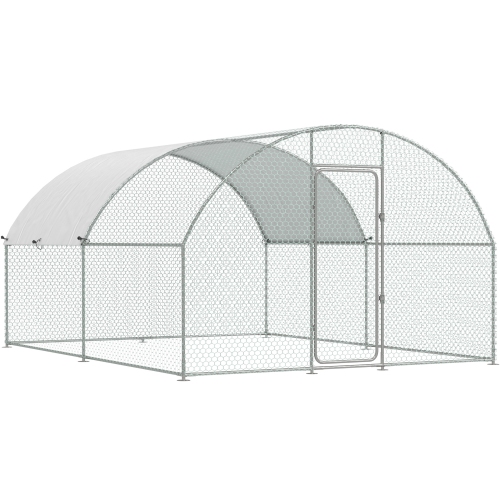 Your price for this item is $239.99
 -
 Your price for this item is $164.99
 -
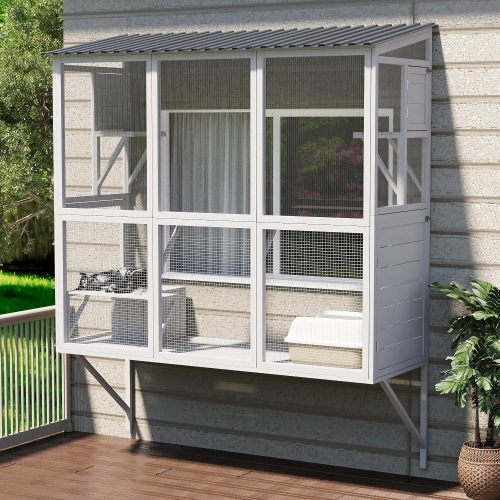 Your price for this item is $269.99
Discover more categories related to Wooden Chicken Coop
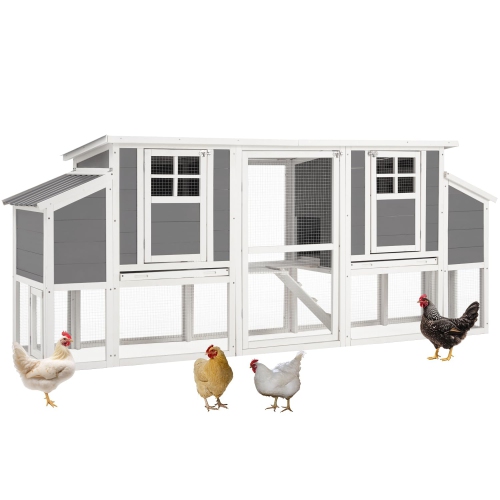
Top Collections:
Pokemon Centers, Budget 4K TVs, Best Budget Office Chairs, Kindle Devices, Canon G7X Cameras, Apple iPhones 16, iPhone 15 Apple, Laptops for Business Work, Xiaomi Phones, Flip Phones
Some products may be subject to Environmental Handling Fees
(EHF) depending on your province.
Learn more about EHFs.