Metal Desks With Shelves
Upgrade your workspace with sleek and functional metal desks with shelves. Whether you're a student, professional, or simply looking to create an organized home office, these versatile pieces of furniture are designed to meet your needs. Check out these great options for you.
Sort
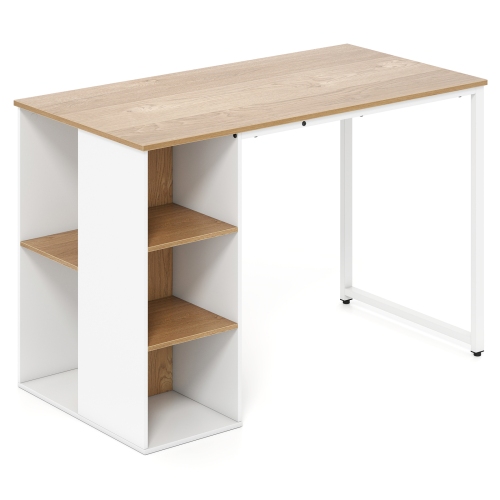
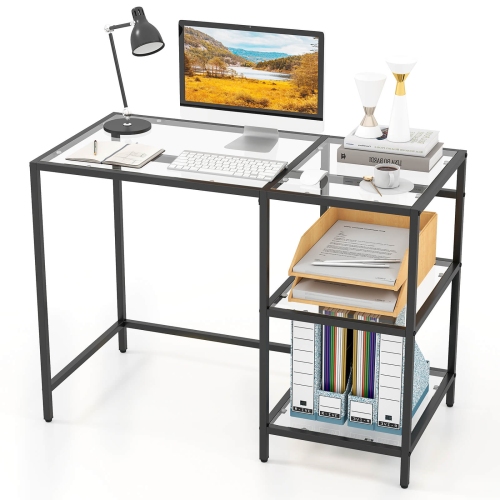
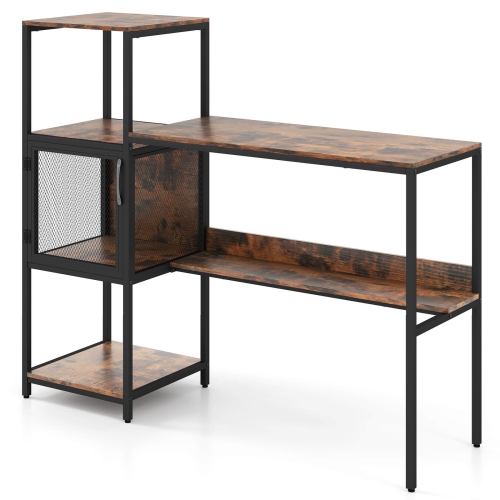
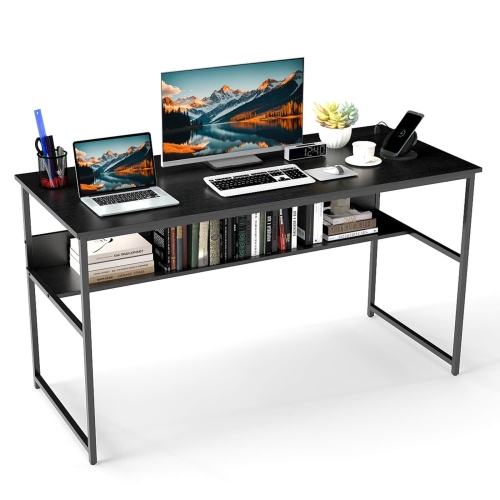
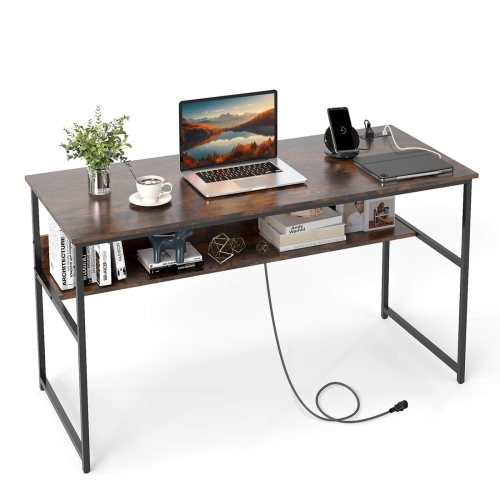
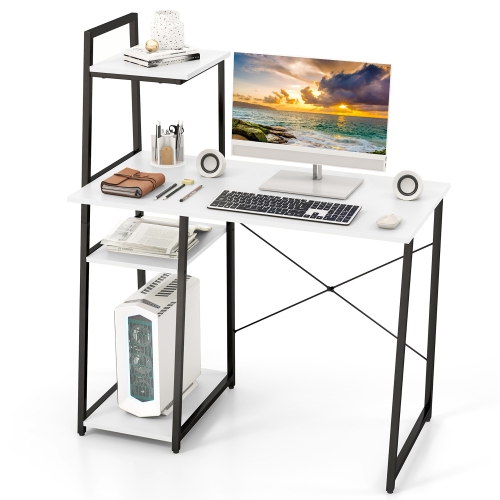
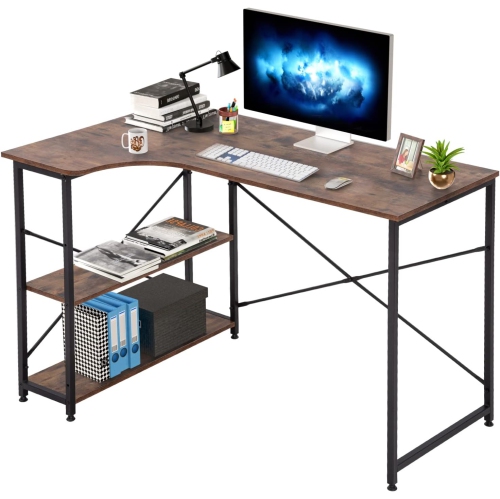
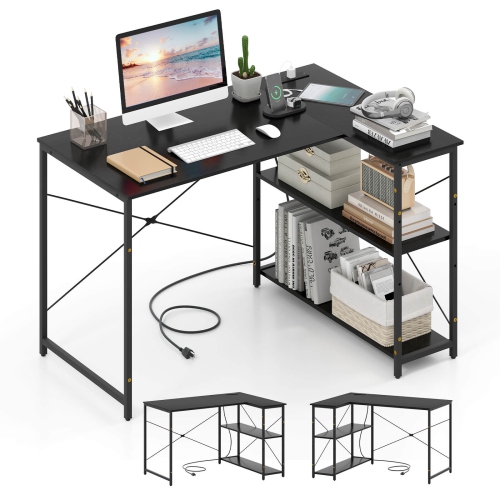

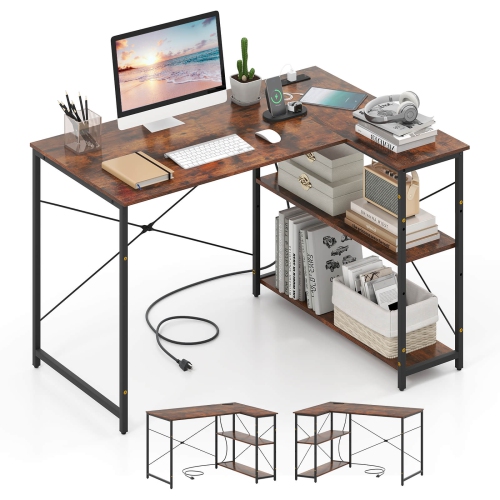
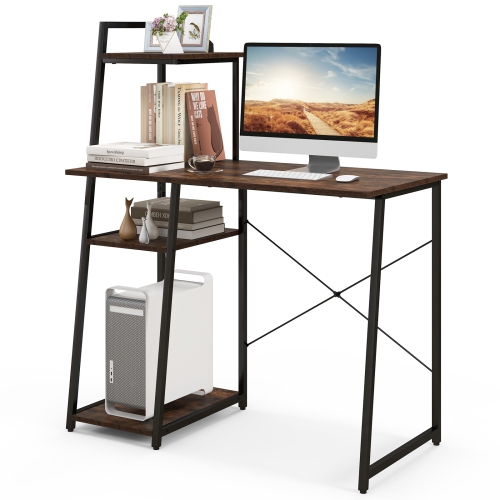
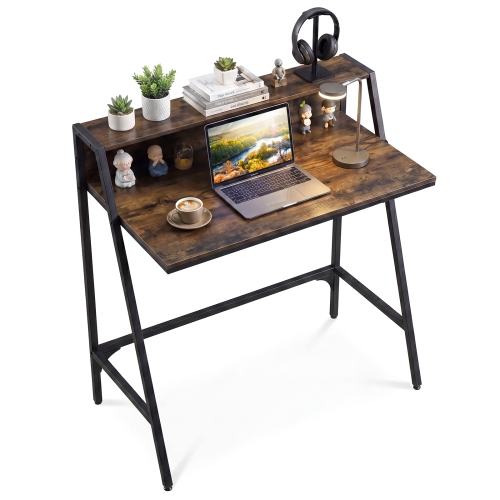
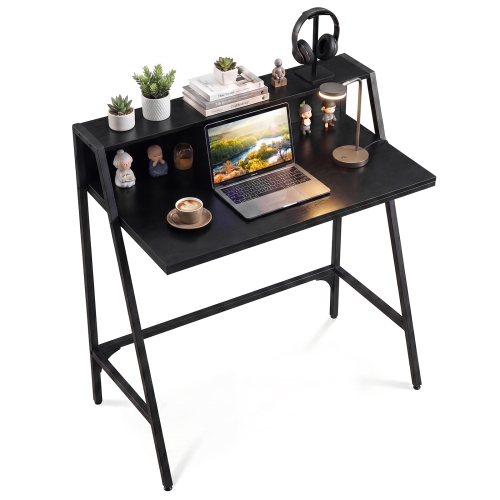
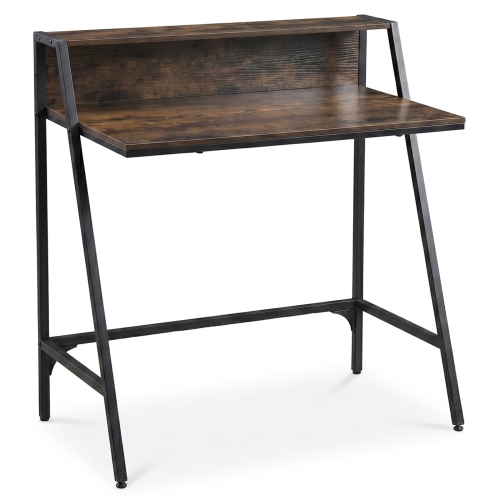
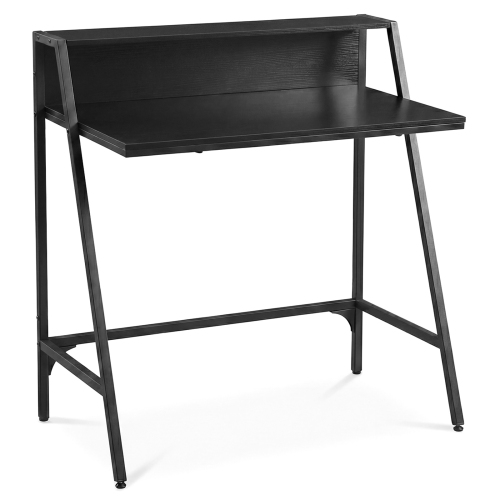
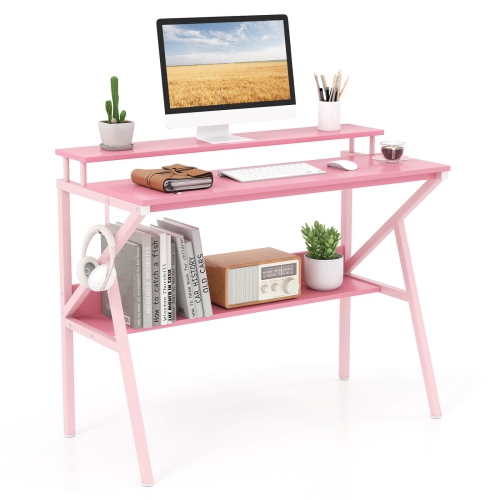


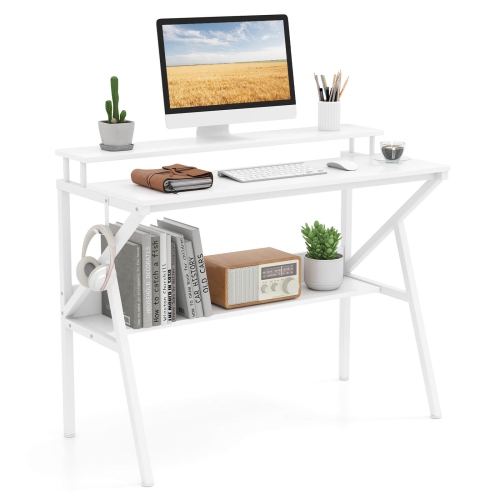
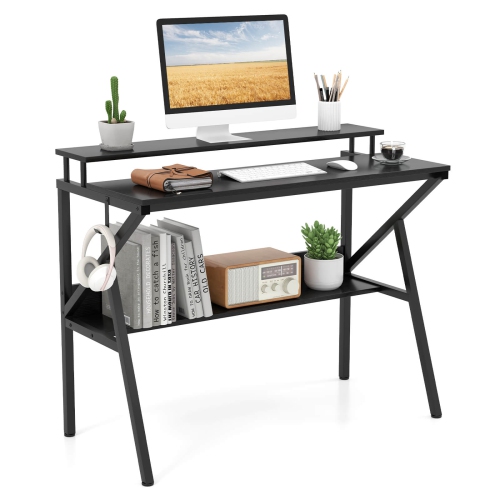
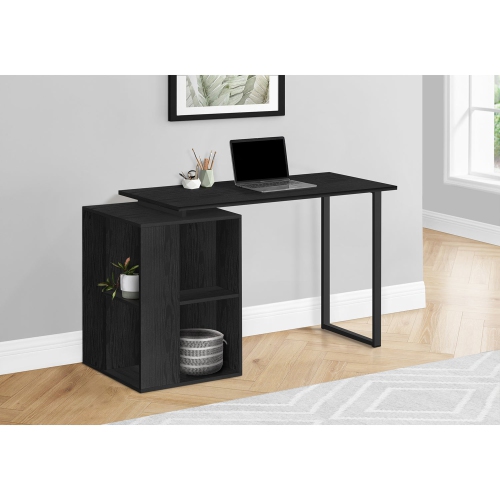
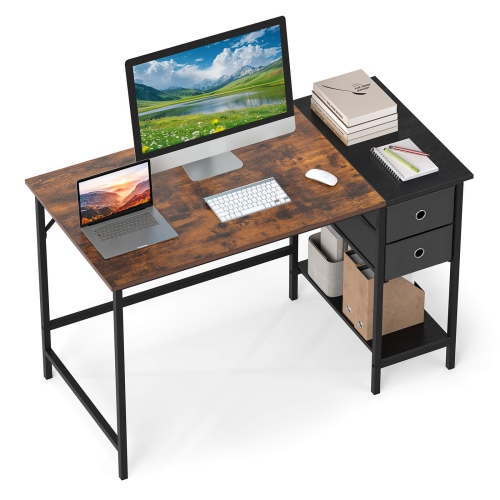
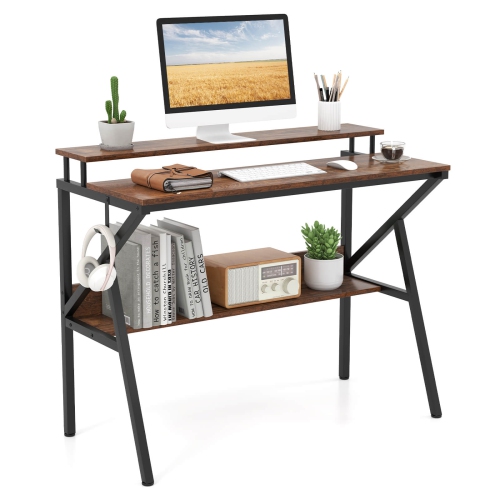
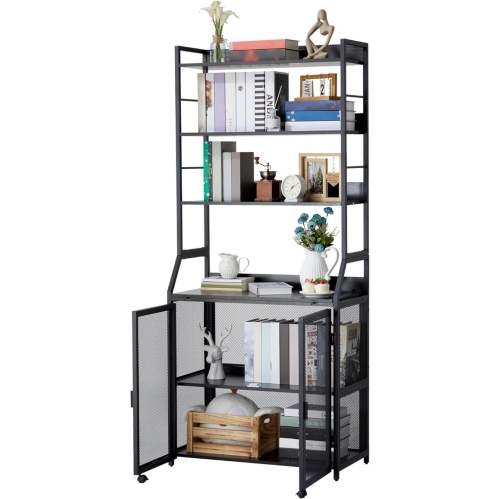
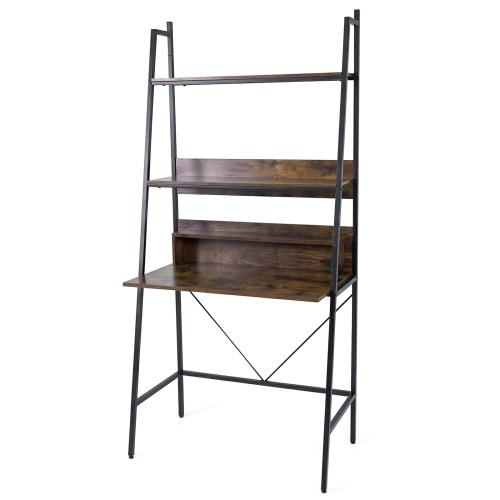
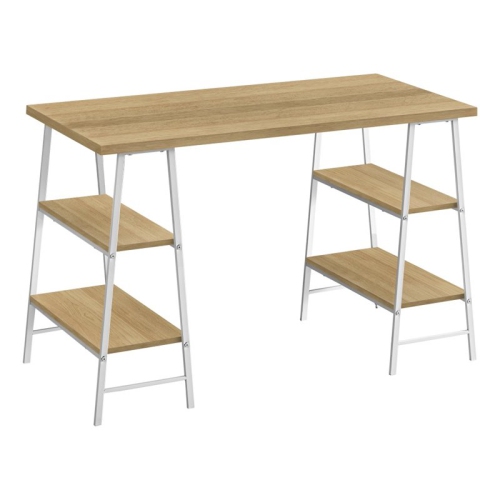
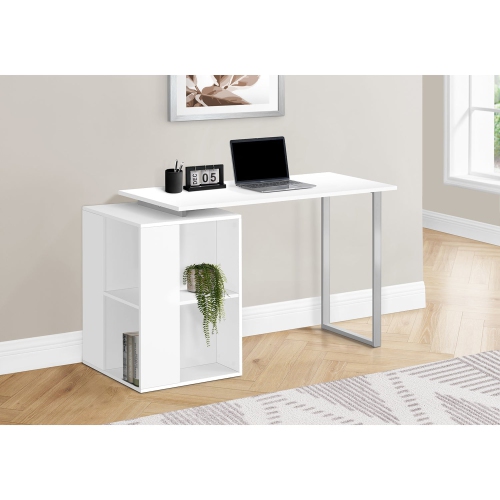
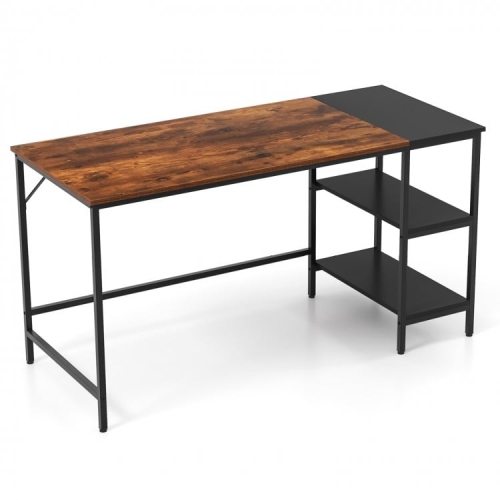
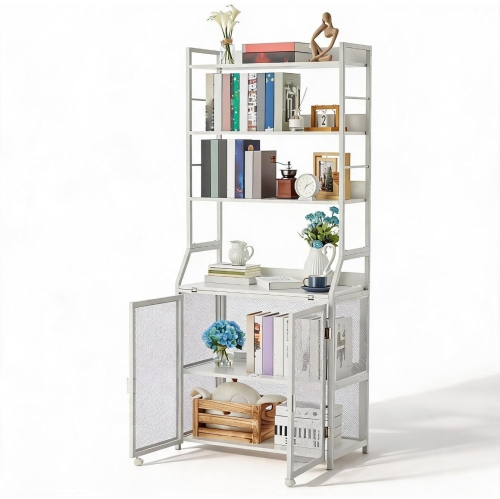
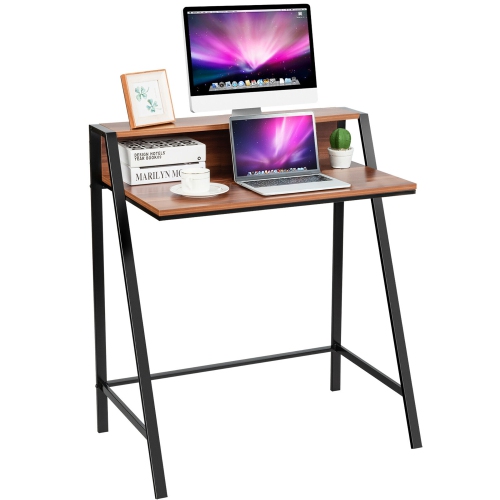
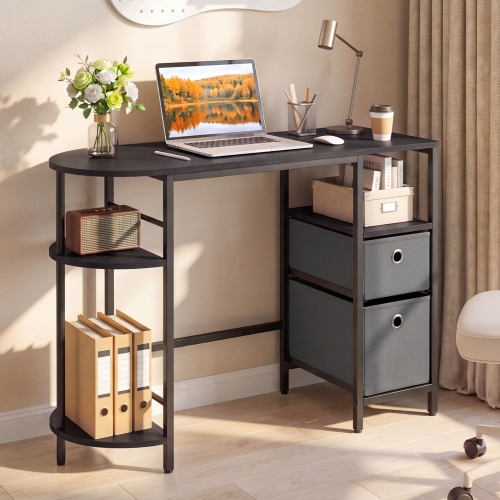
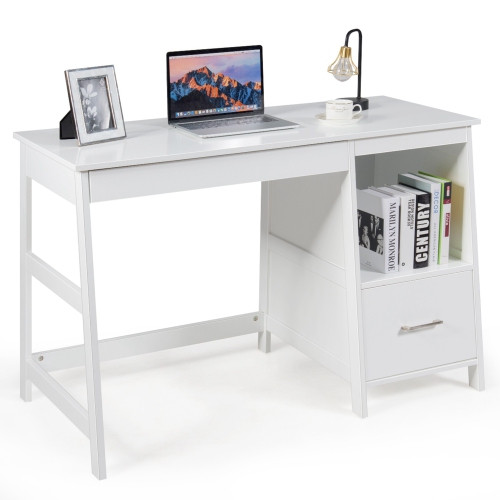
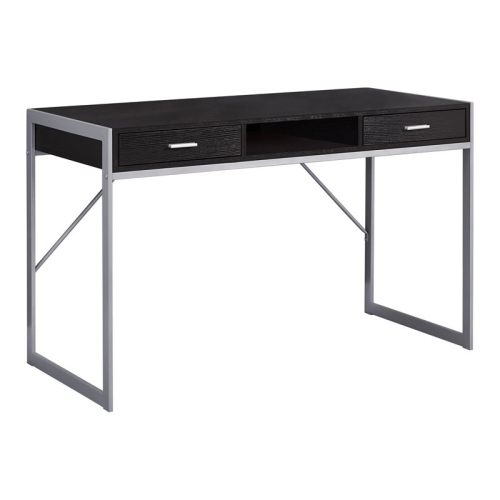
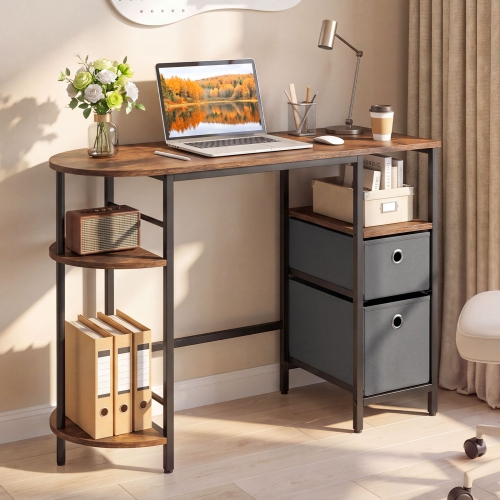
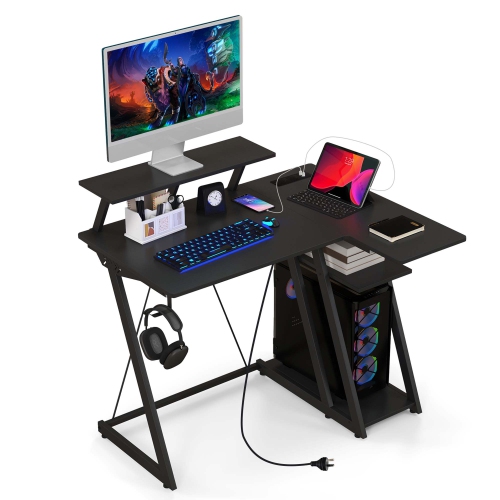
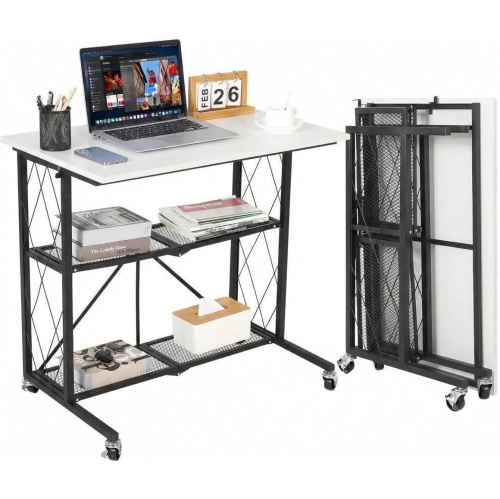
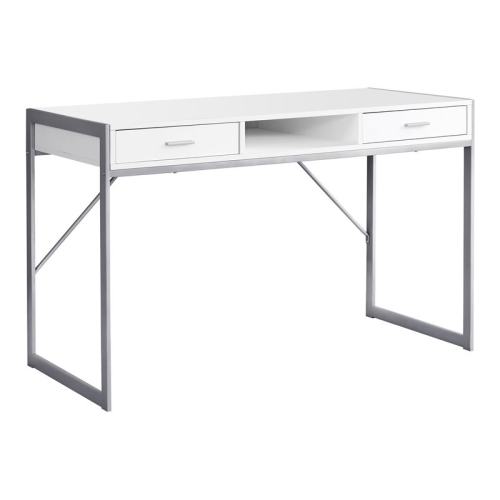
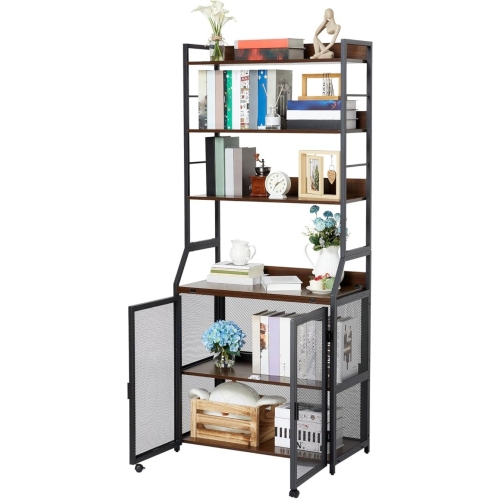

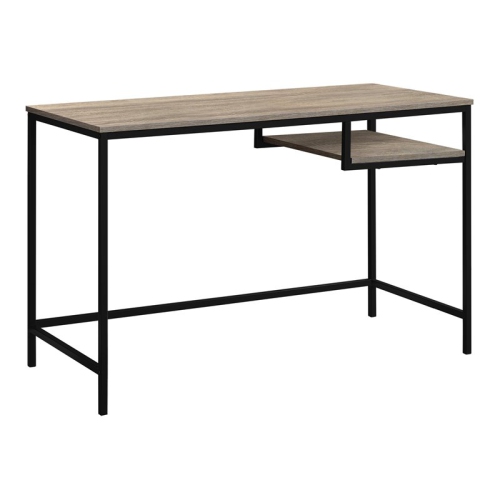
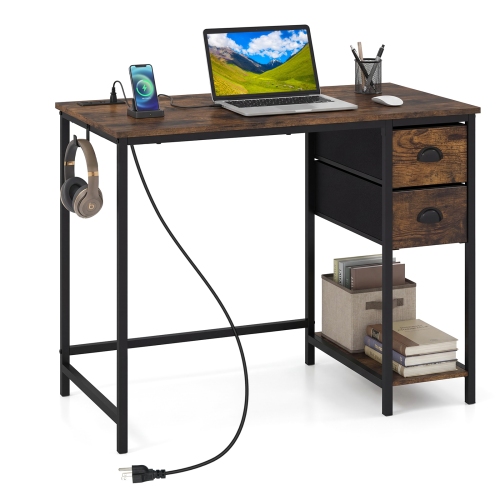
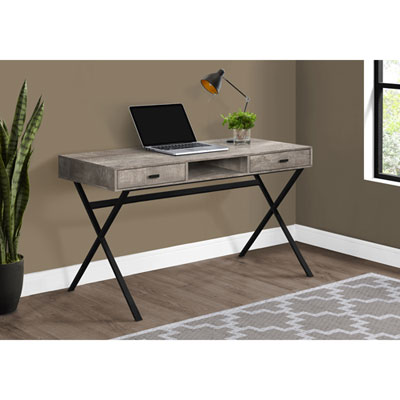
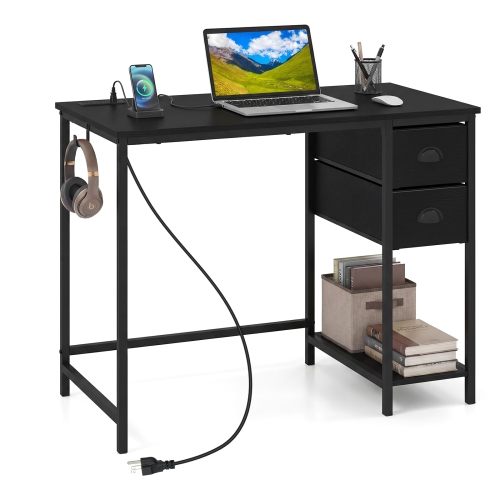
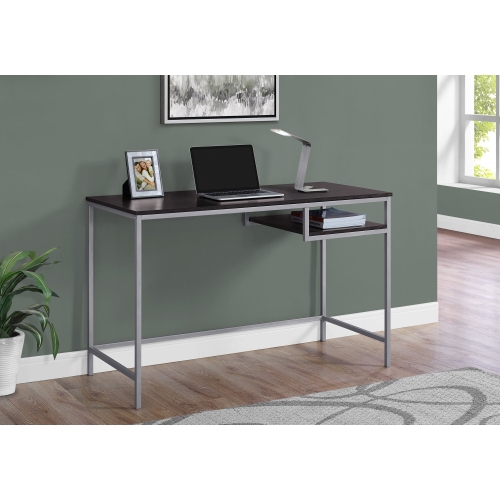
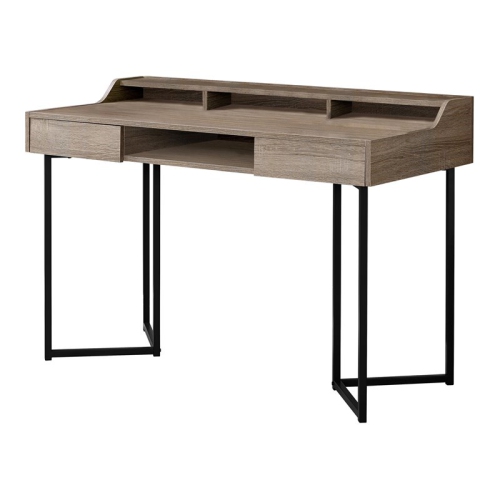
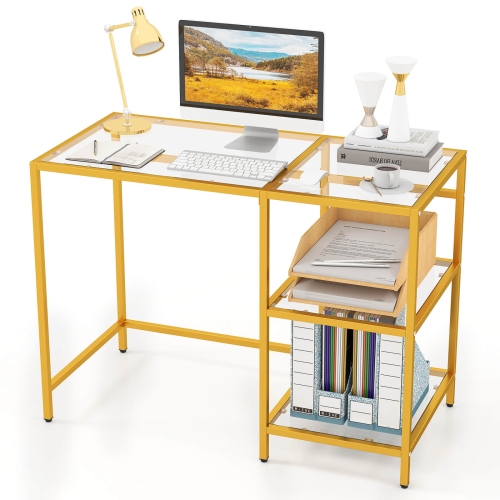
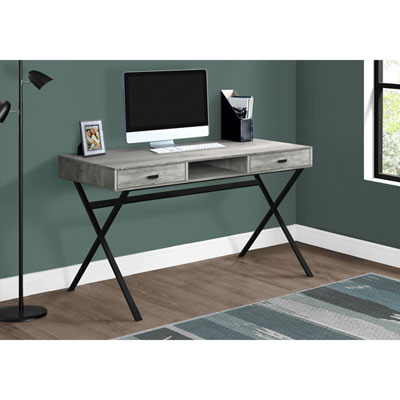
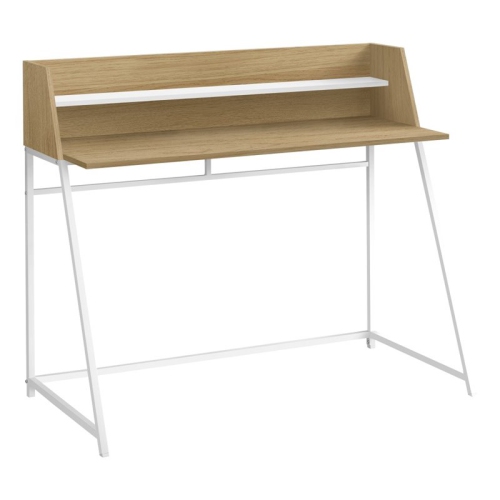
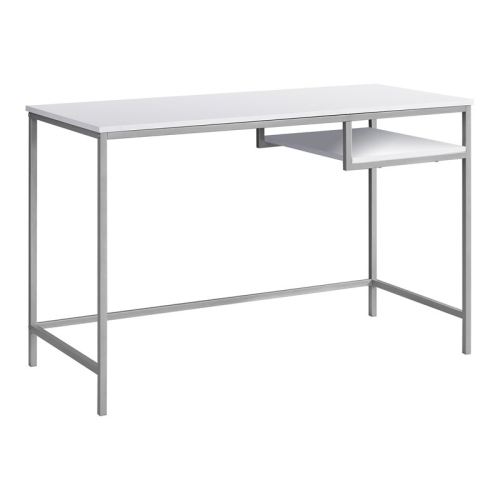
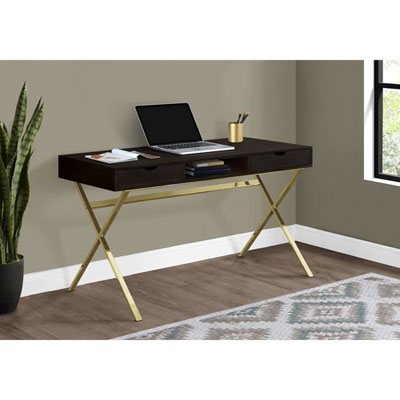
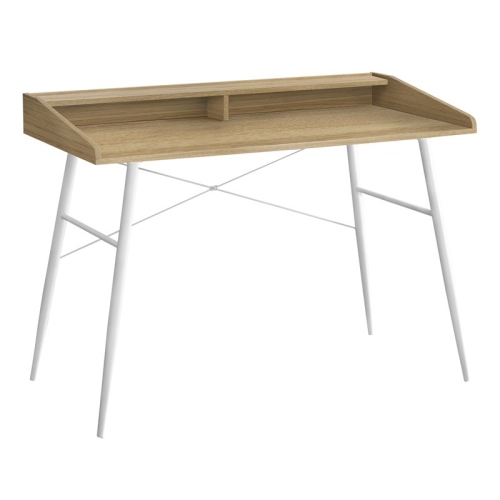
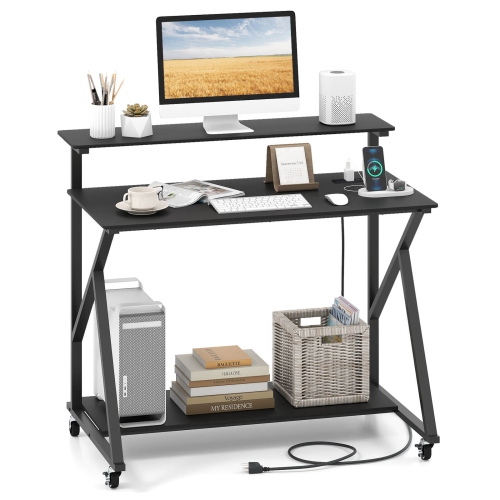
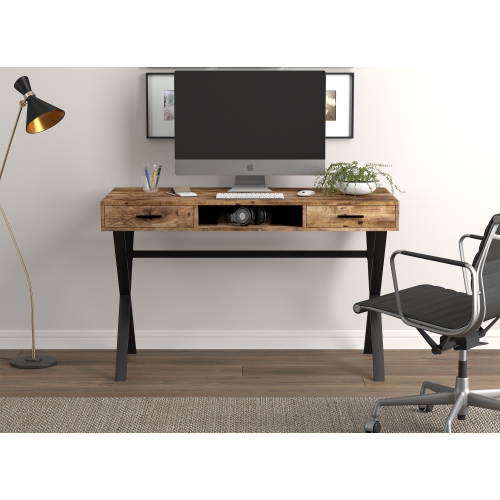
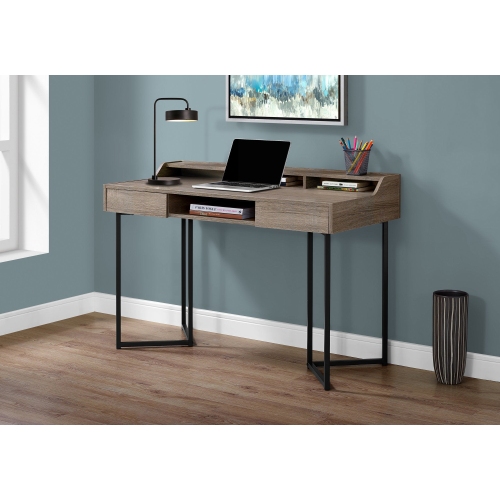
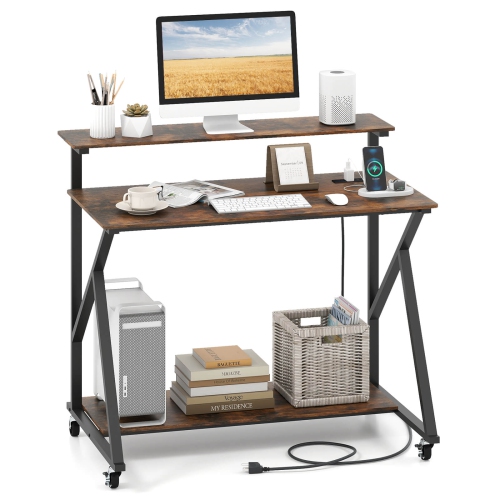
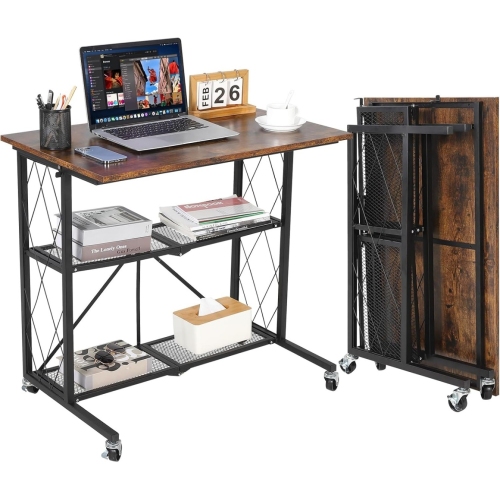
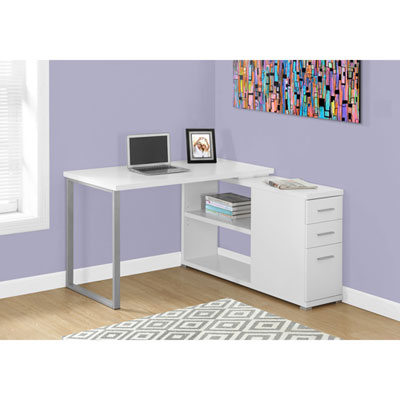
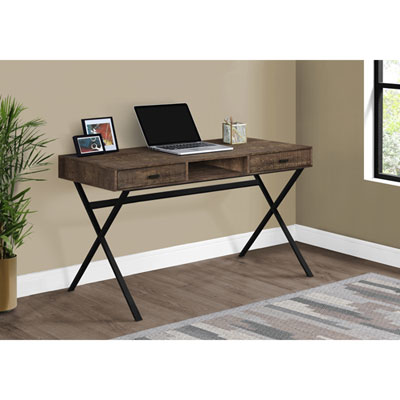
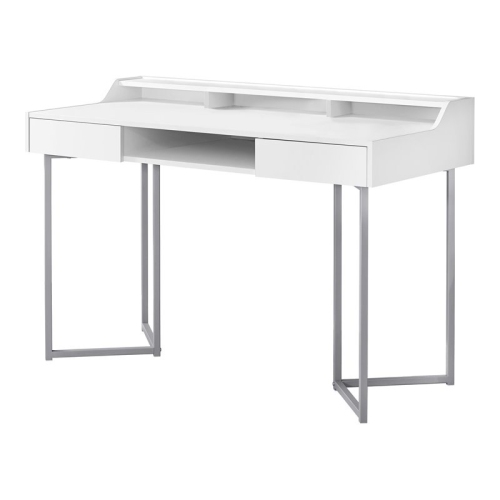
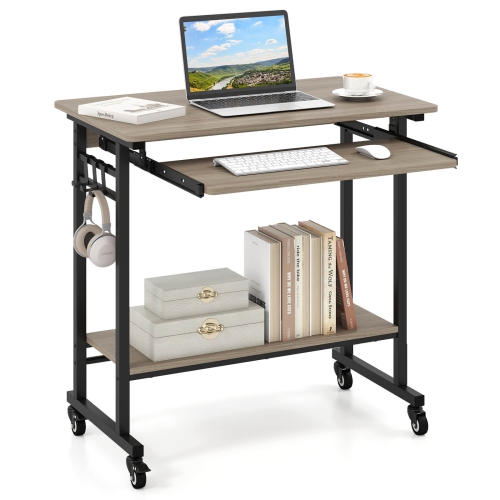
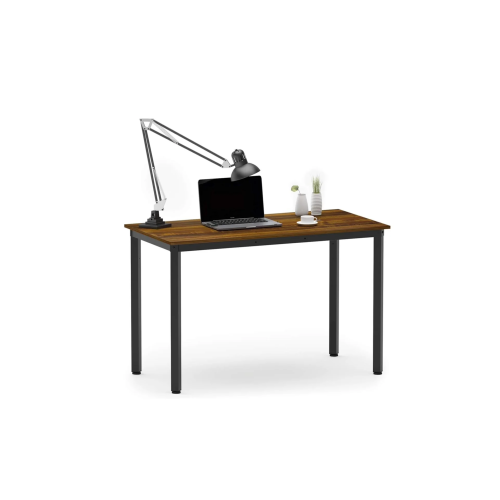
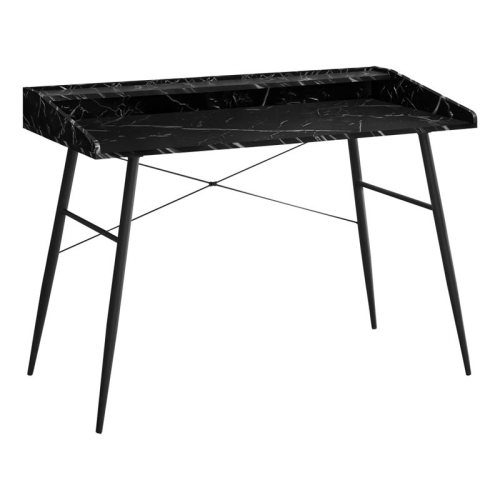
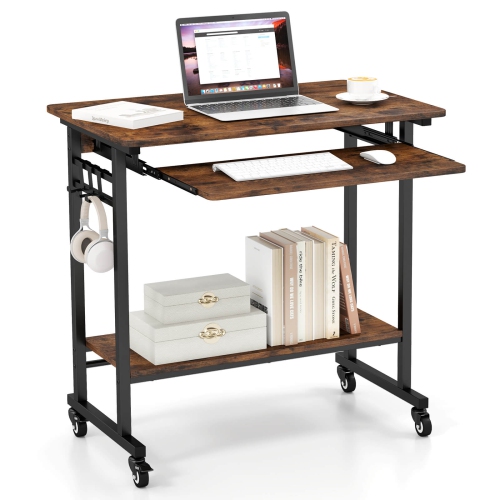

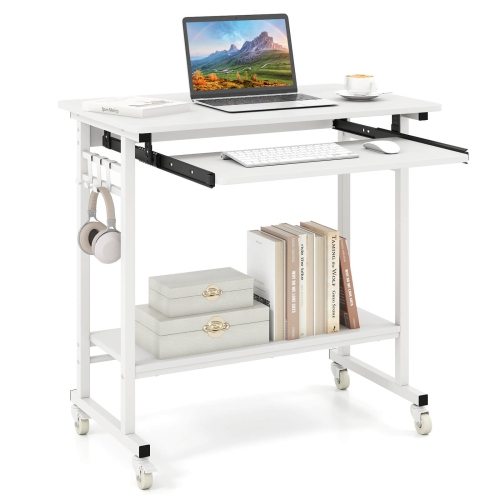
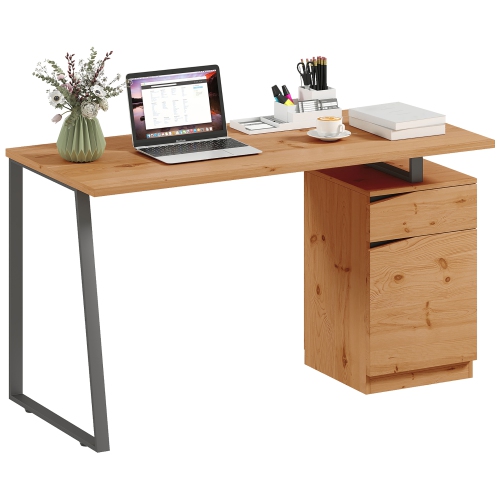
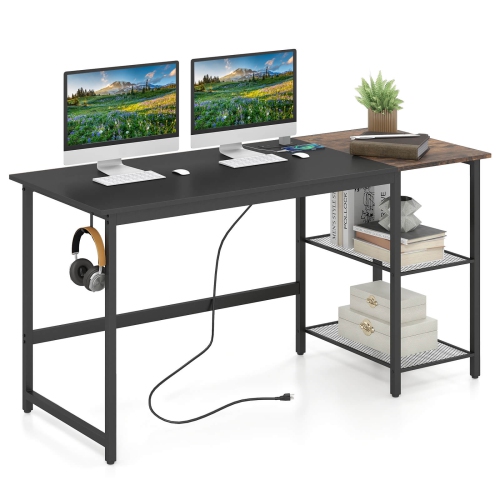

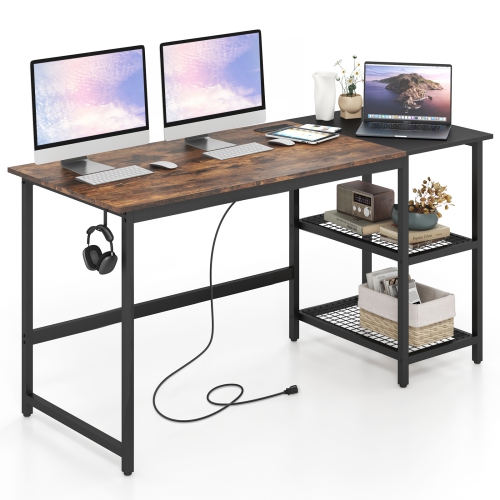
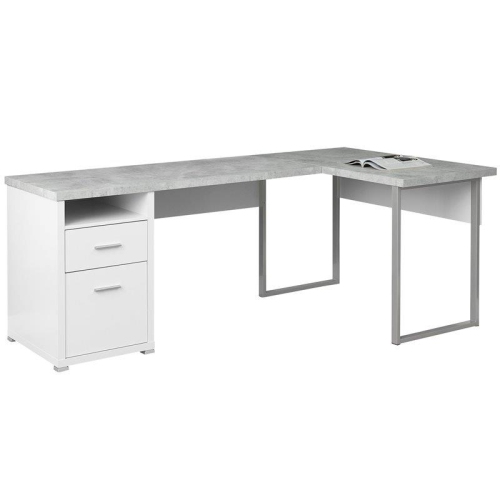
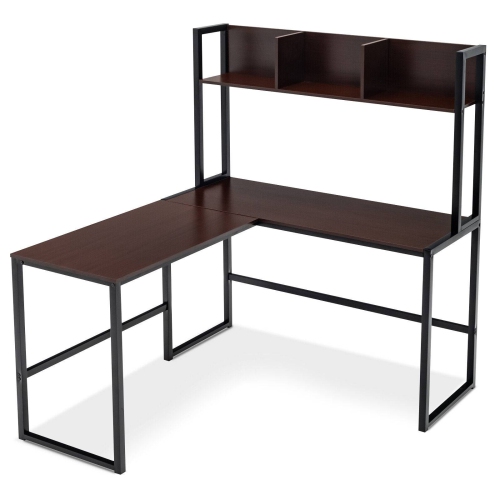
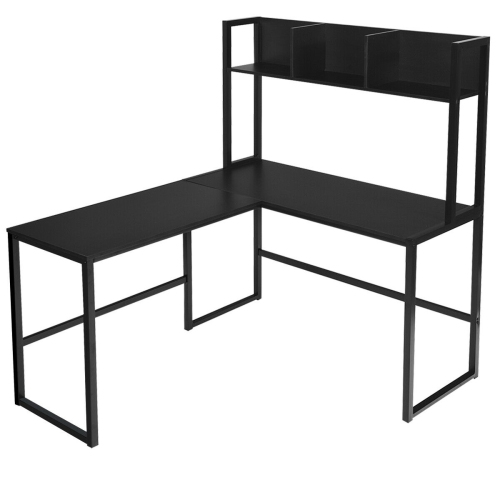
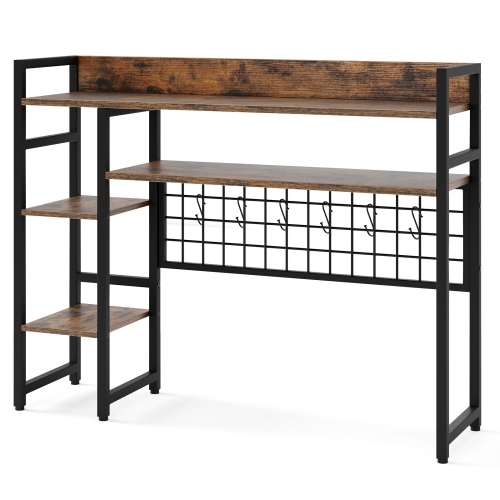
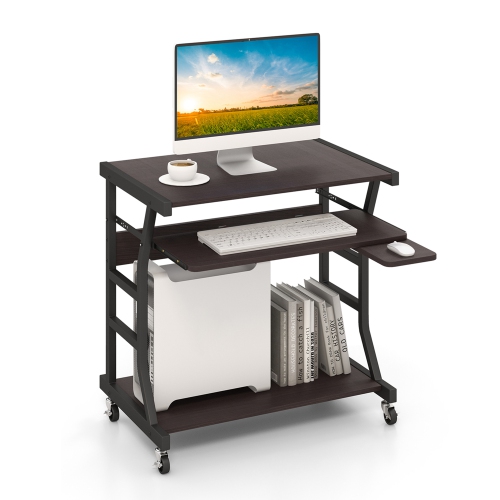
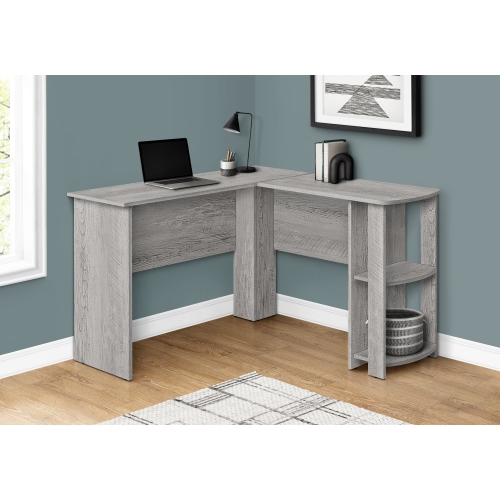
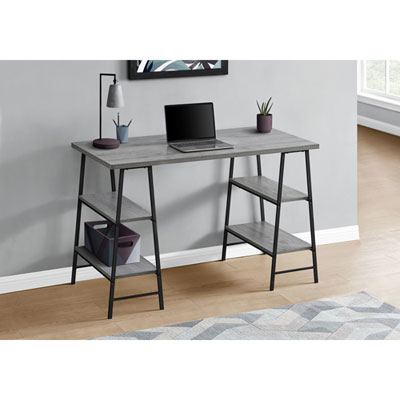
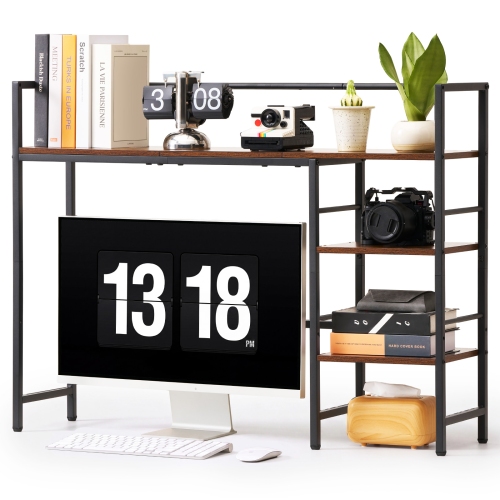
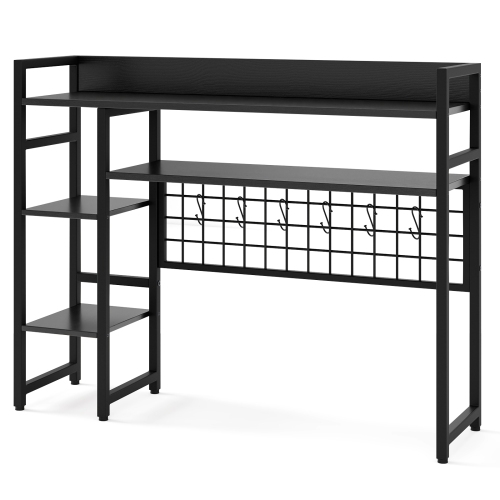
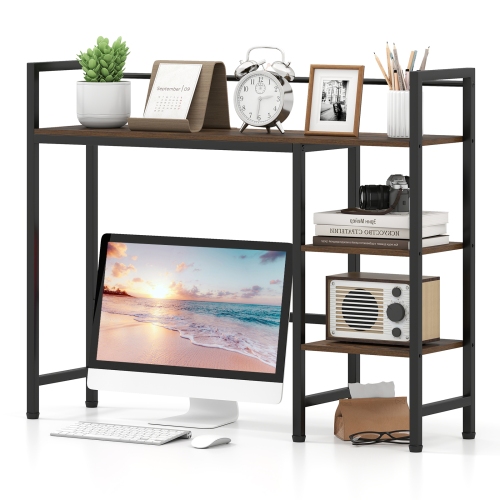
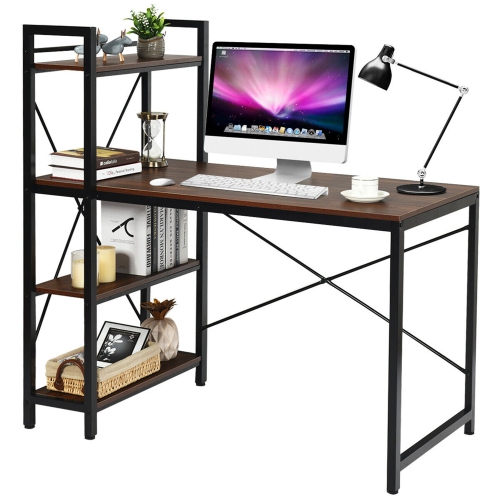
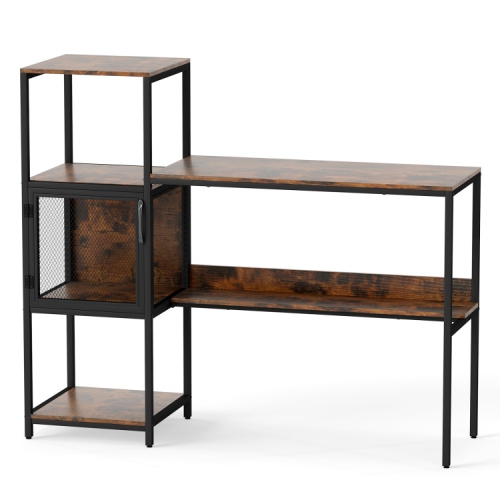
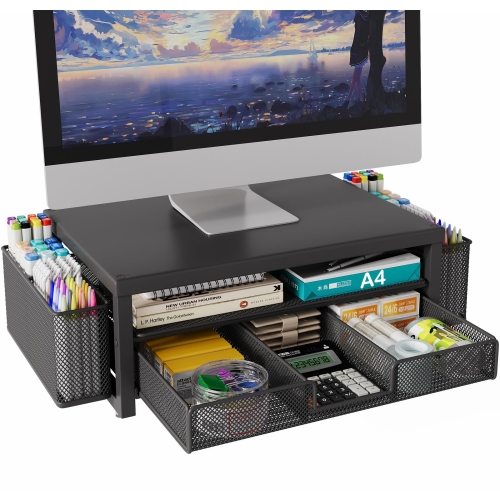
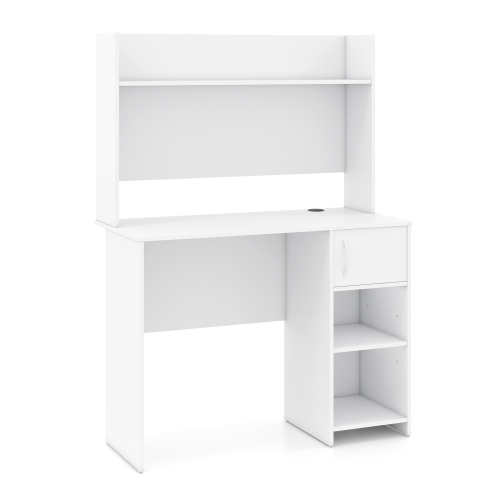
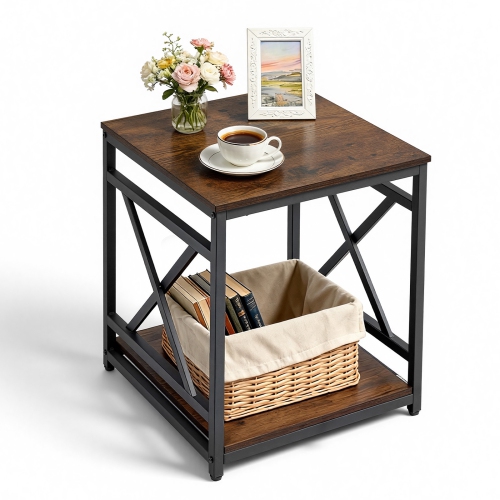
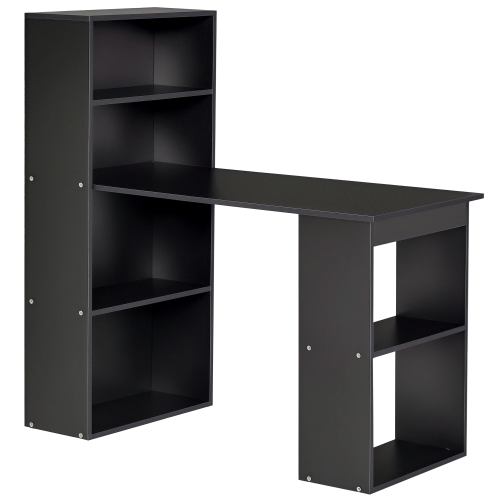
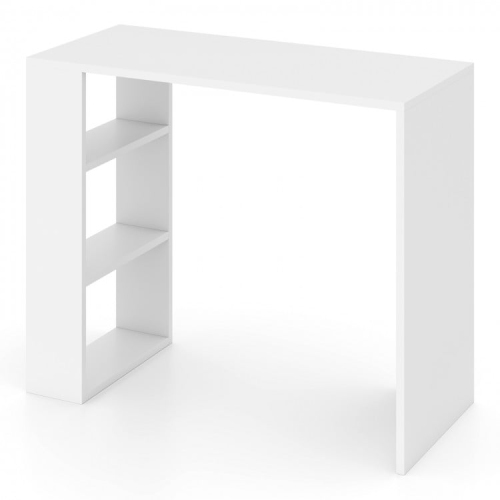
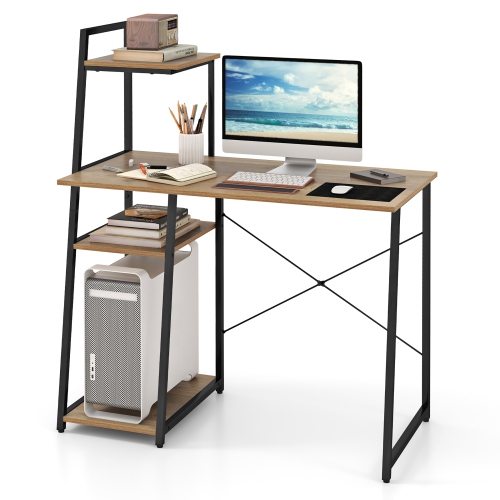
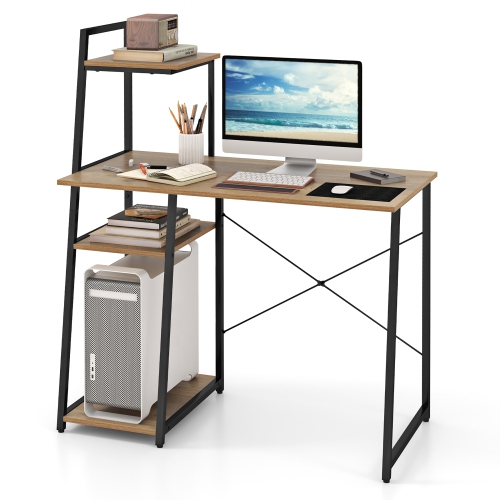

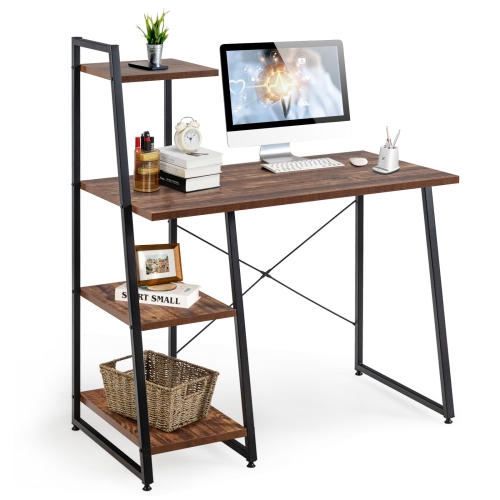
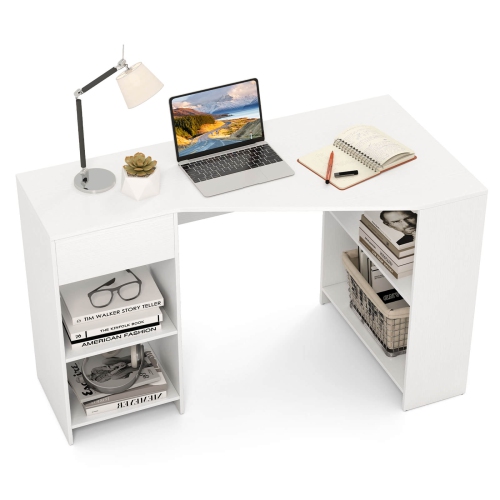
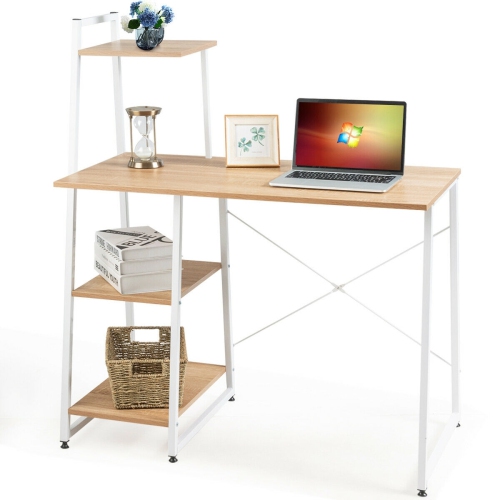
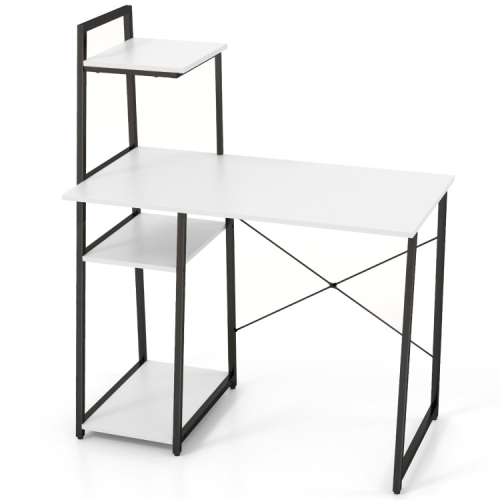
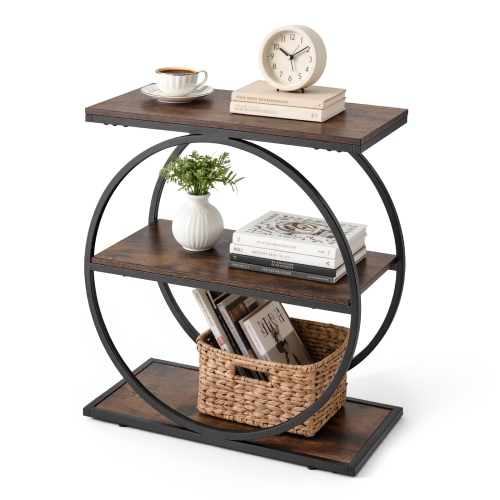
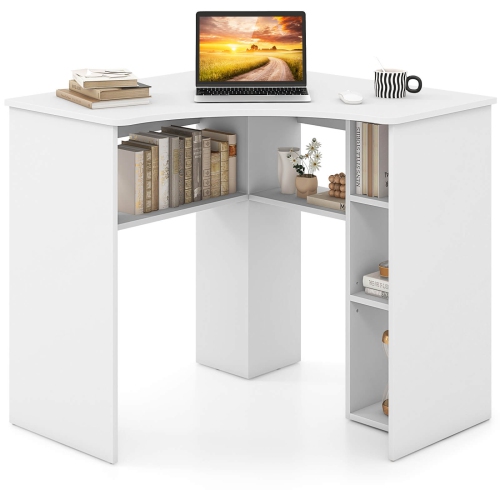
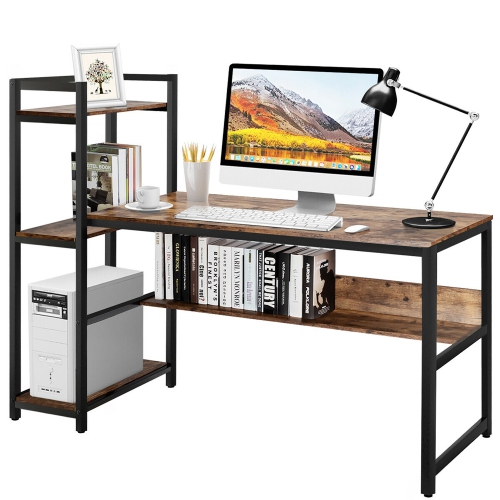
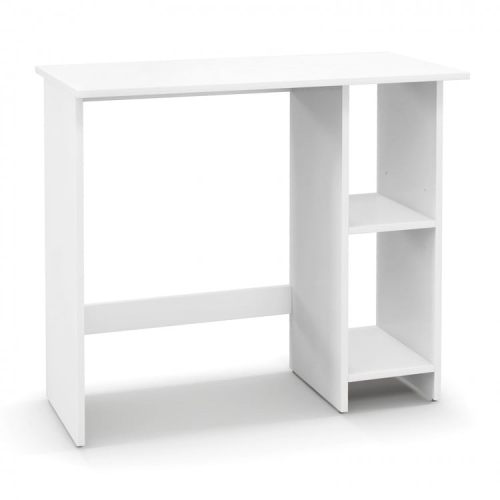
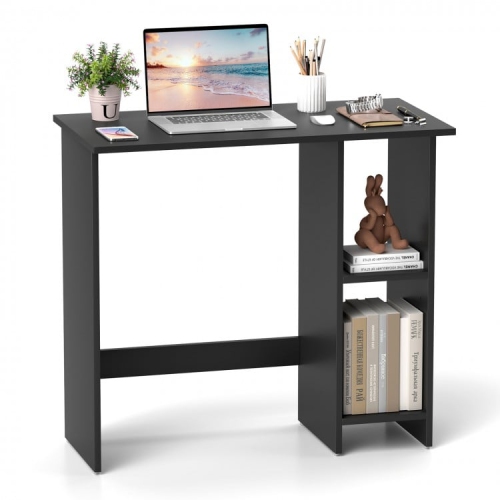
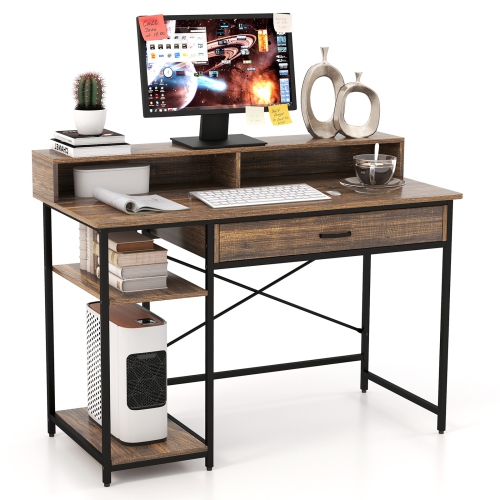
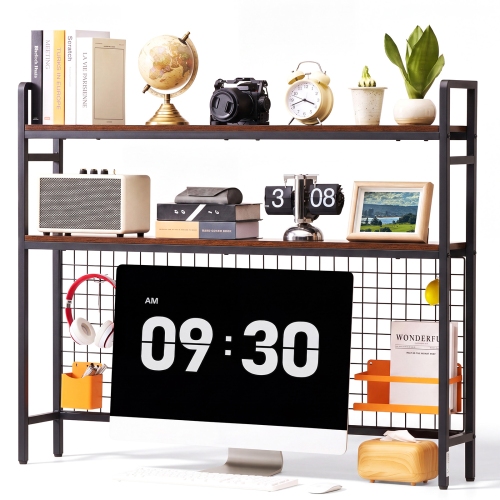
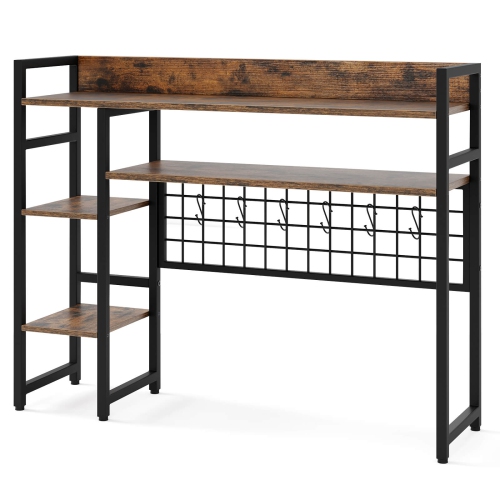
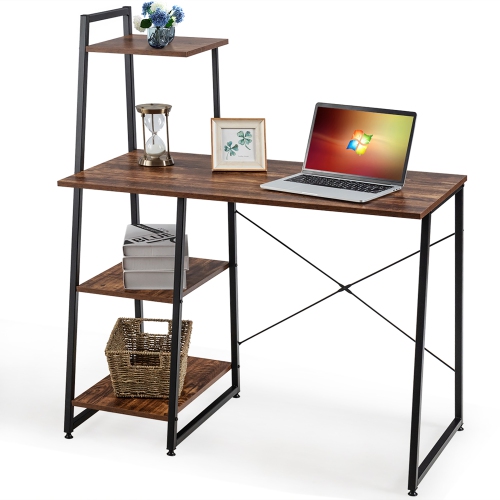


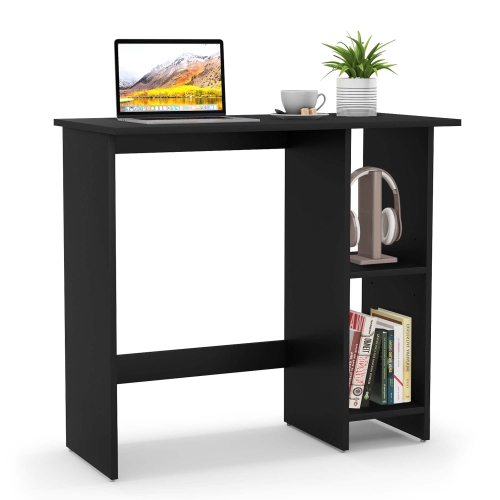
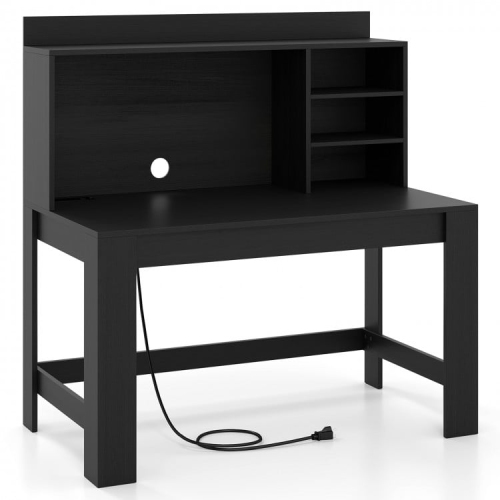
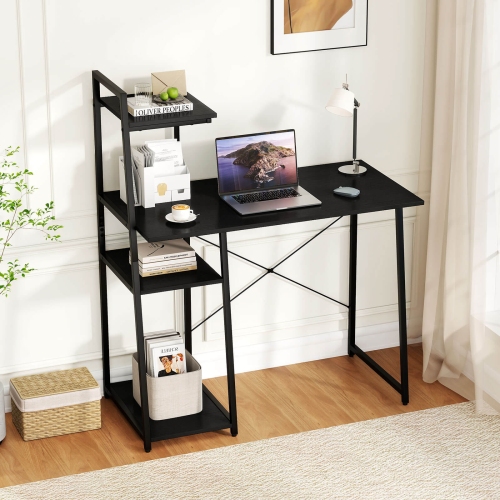
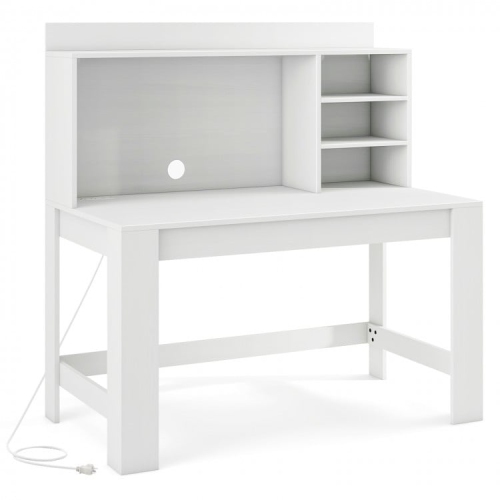
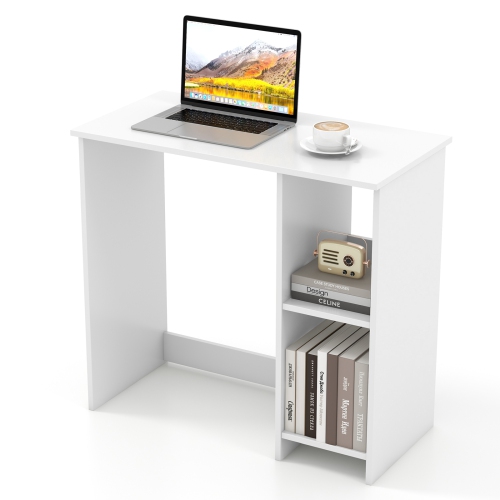
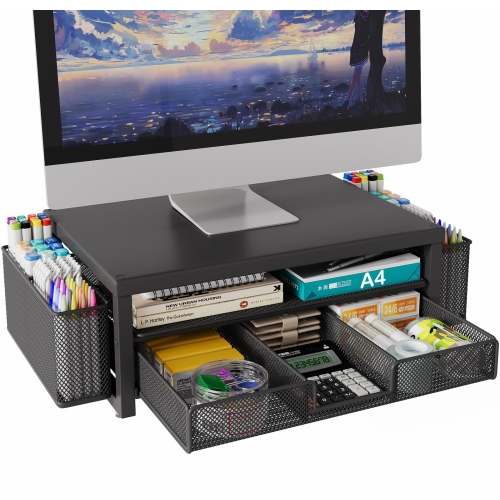
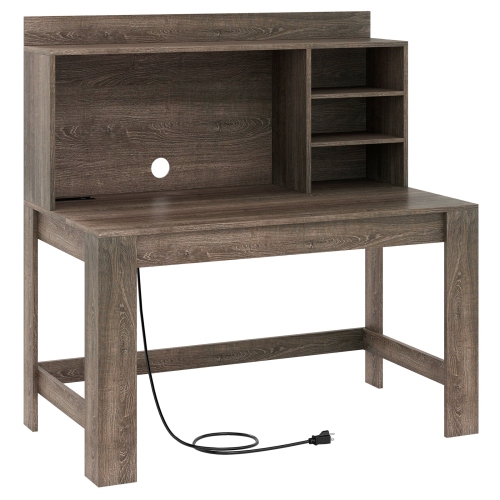
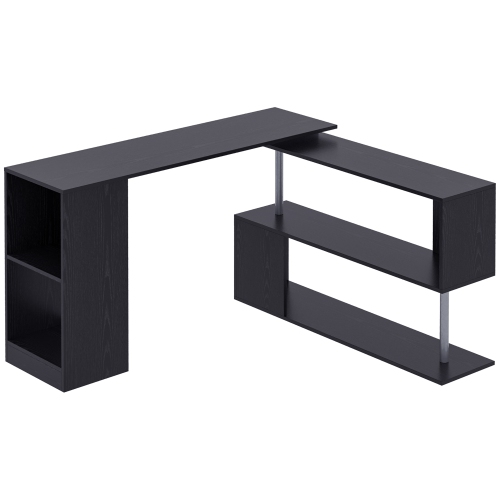
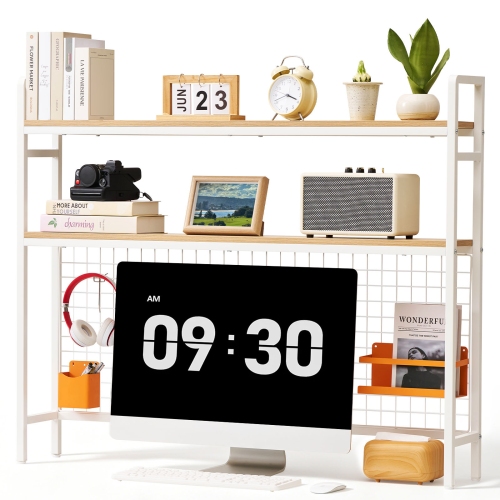
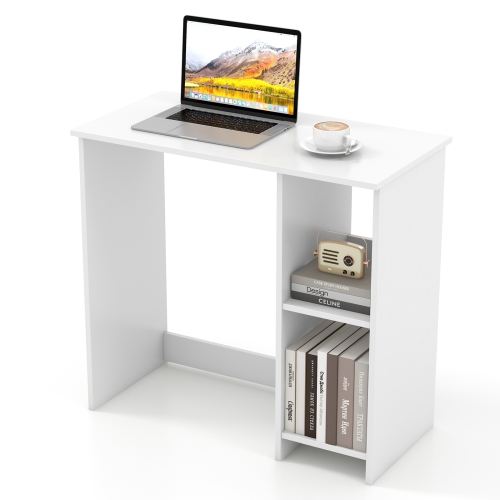
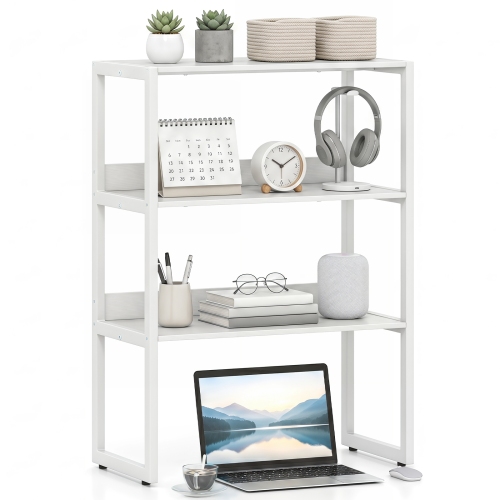
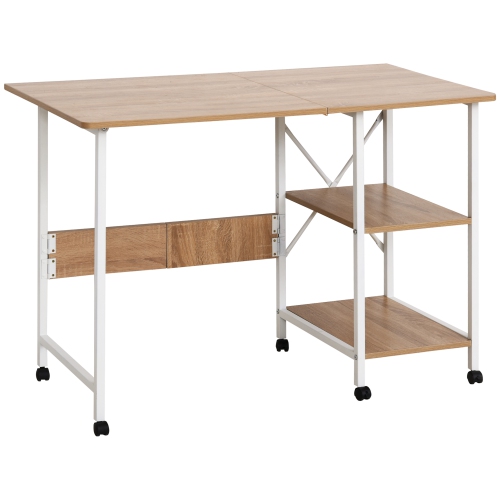
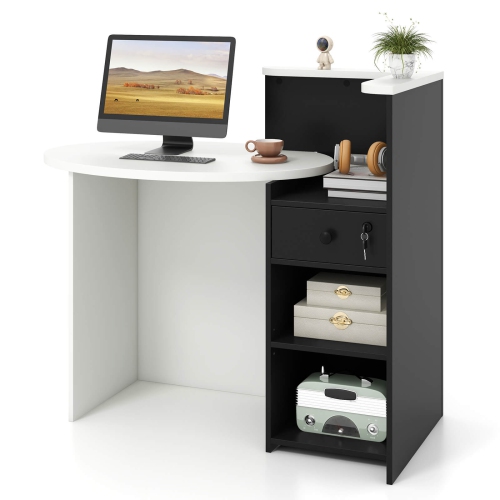
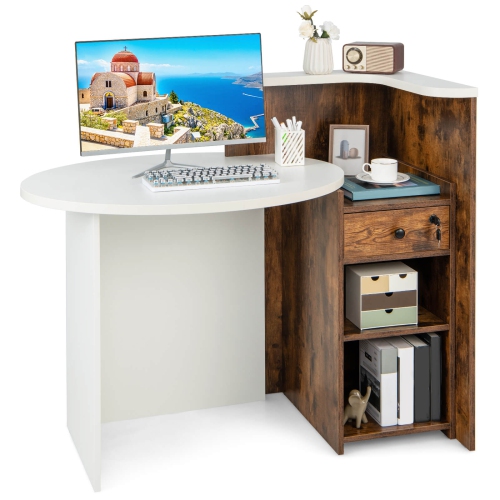
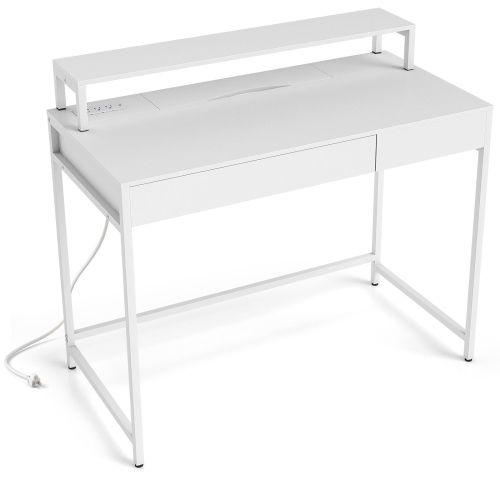
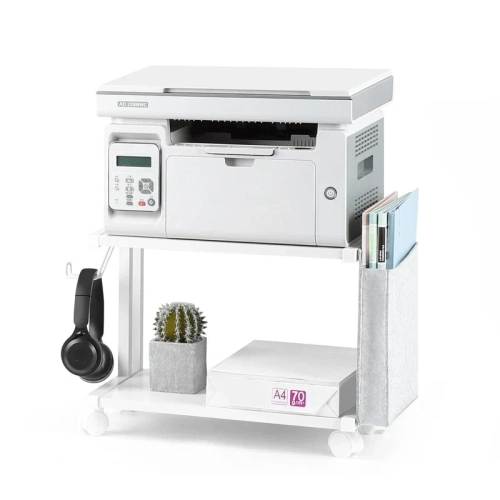
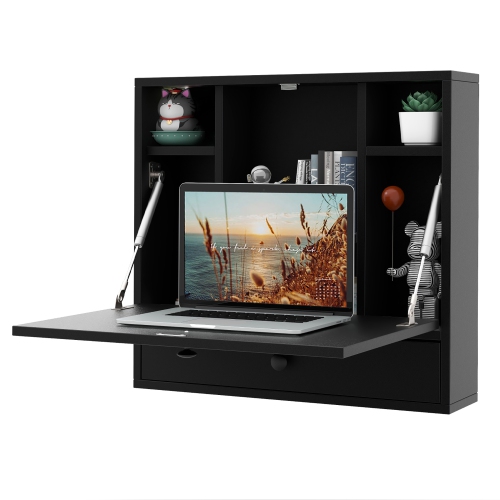
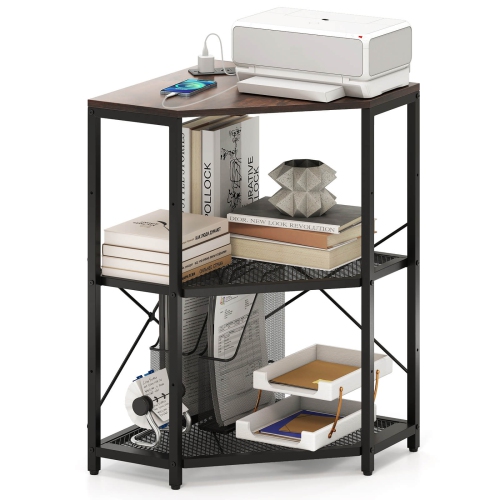
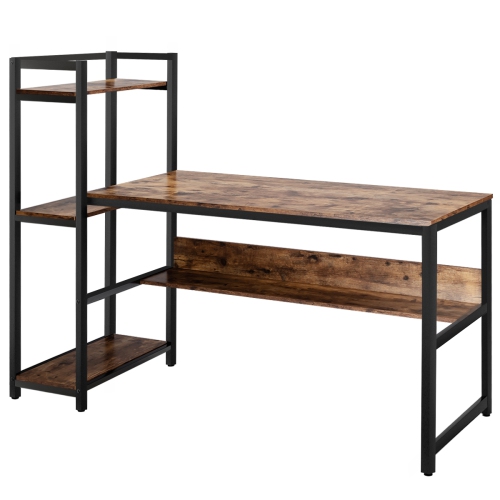
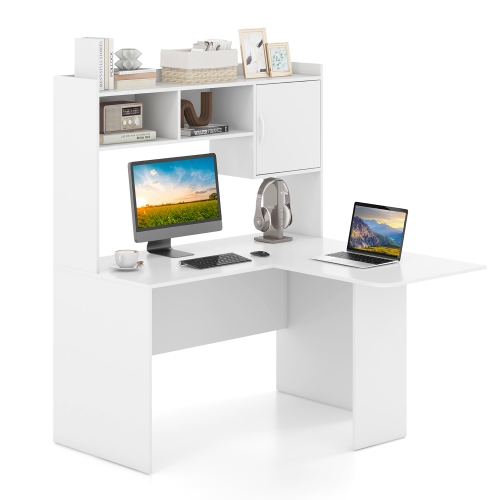
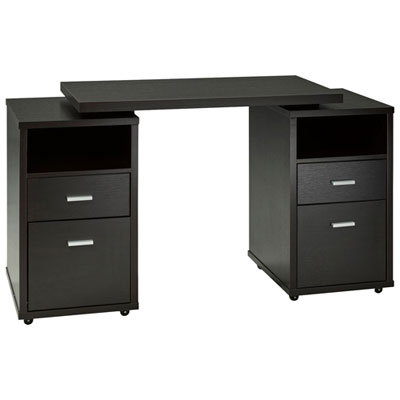
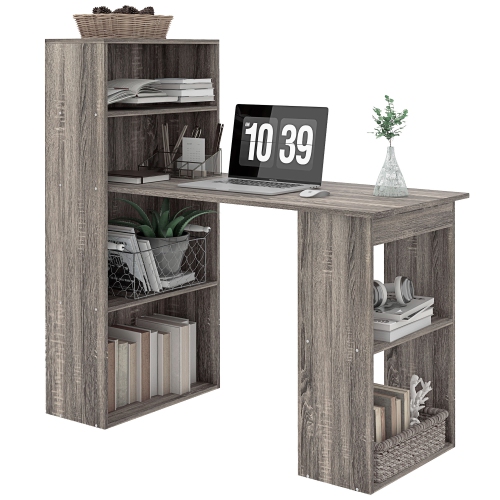
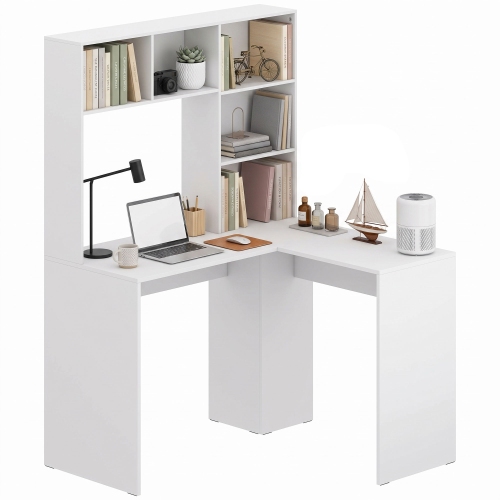
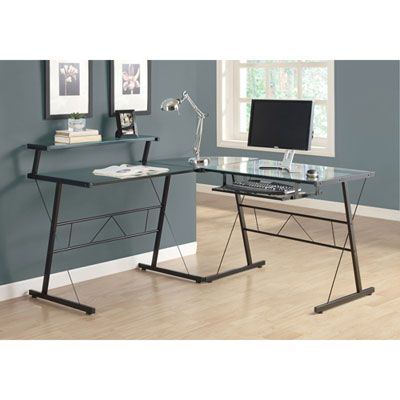
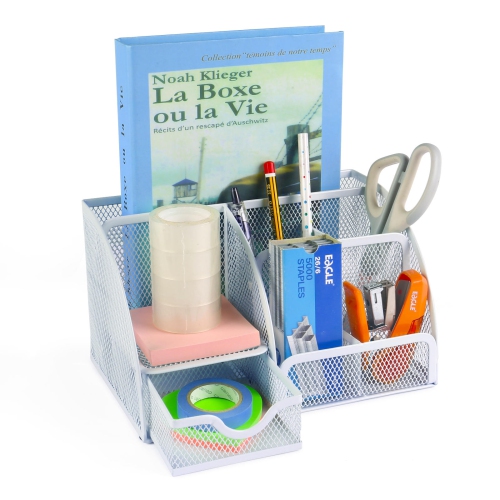
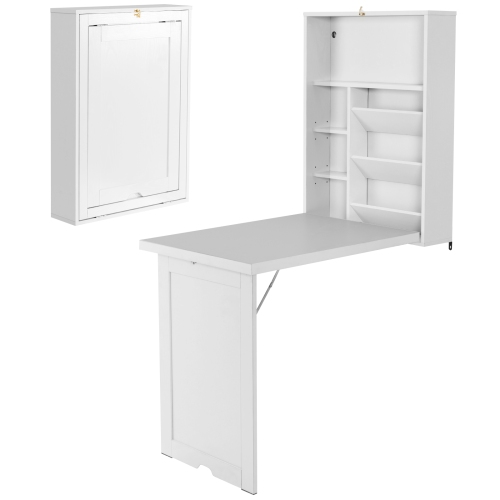
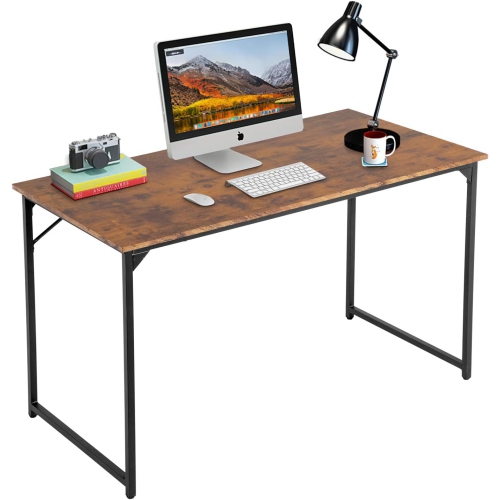
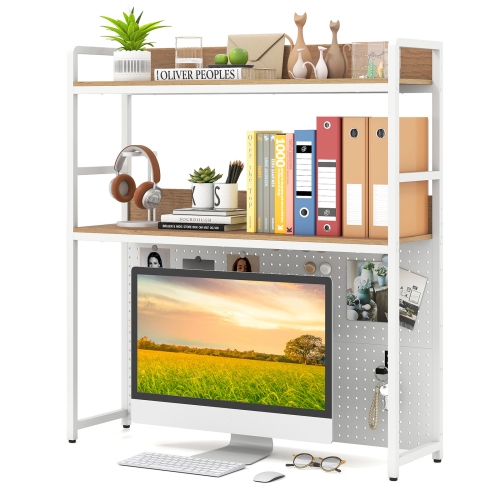
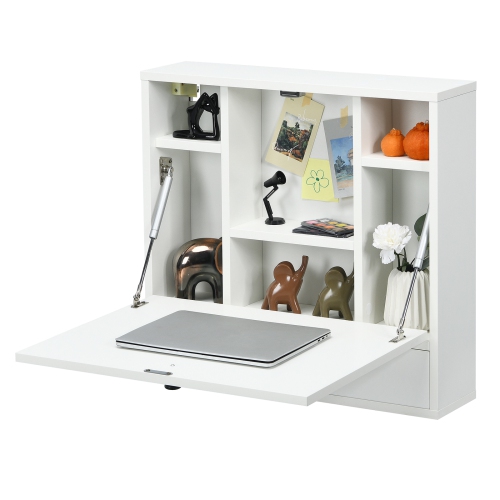
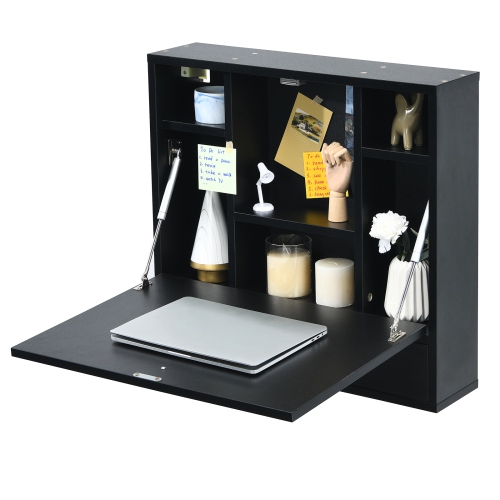
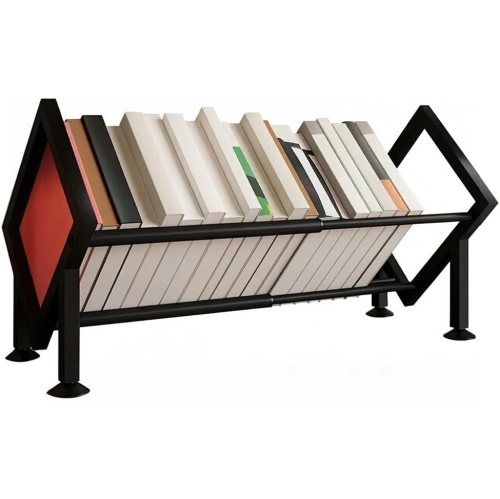
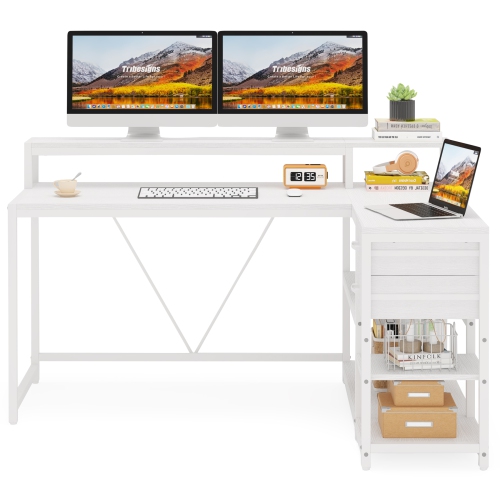
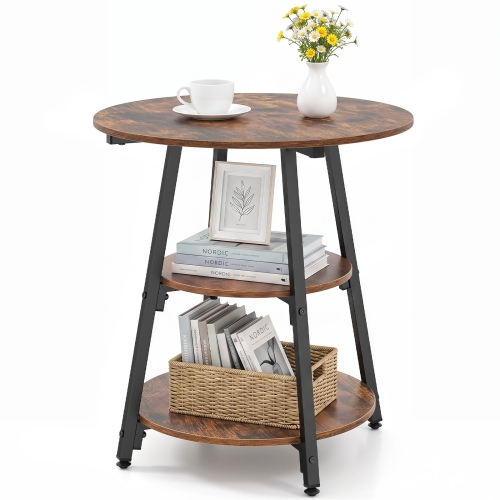
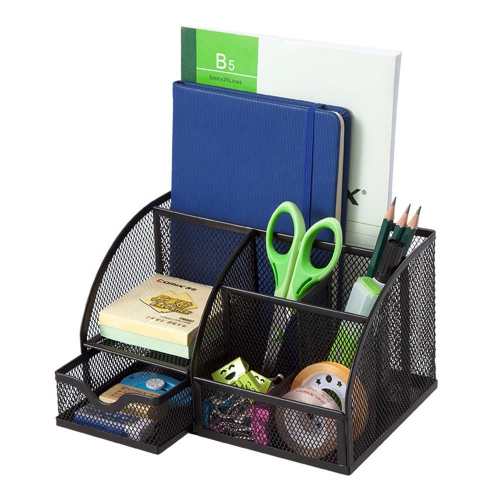
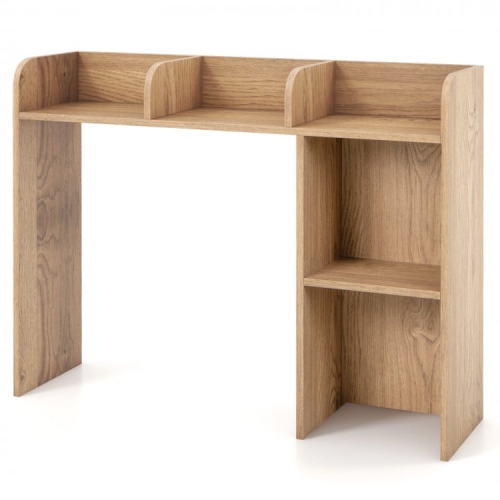
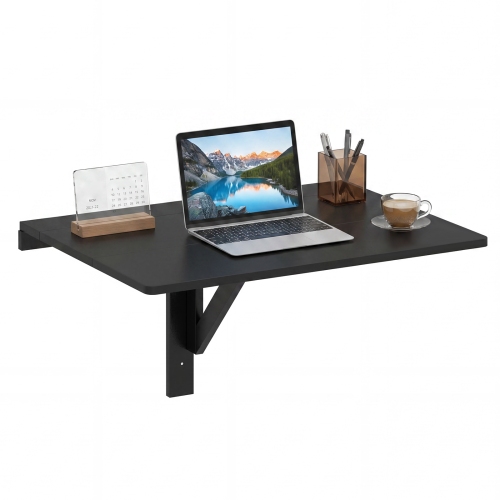
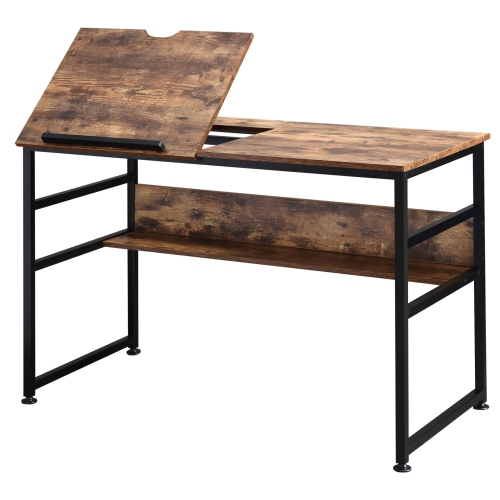
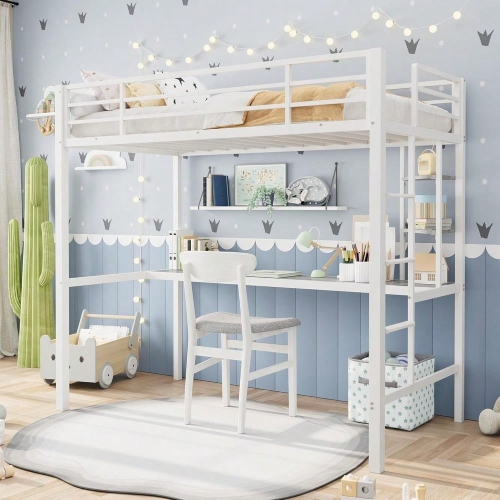
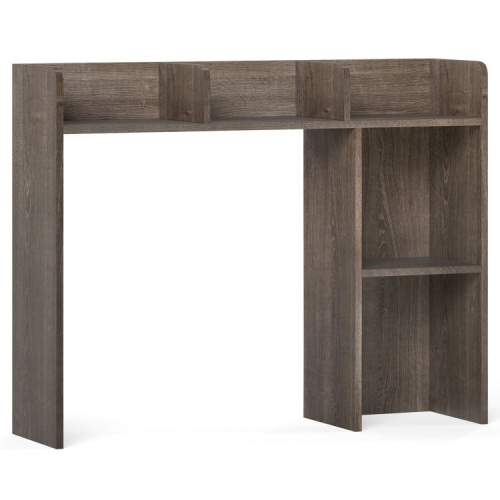
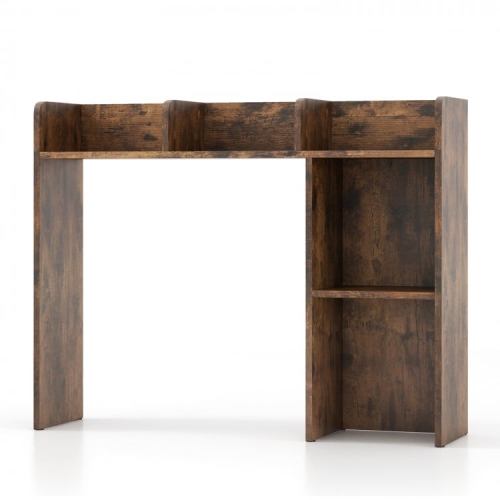
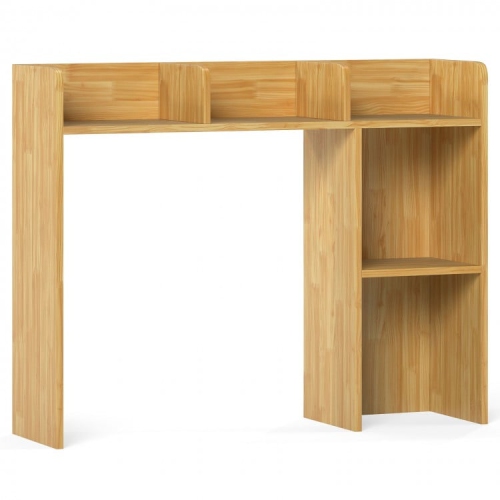
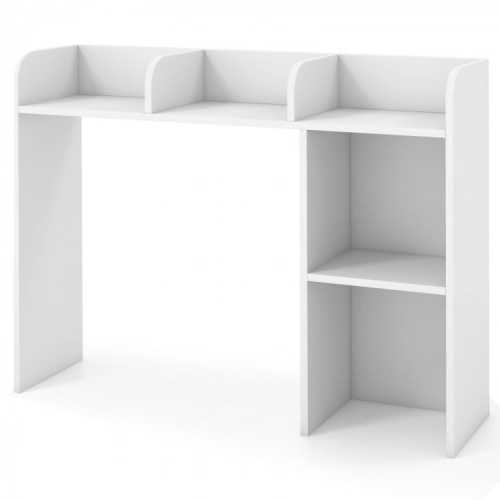
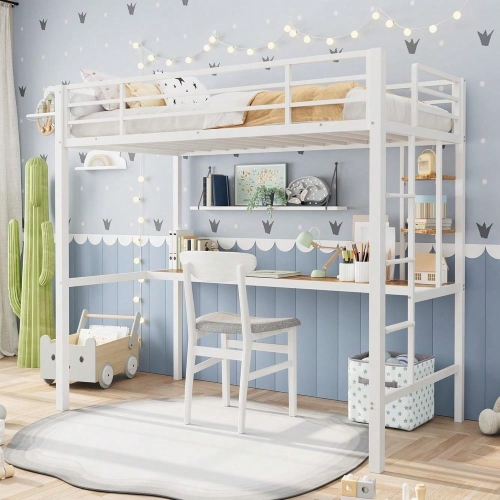
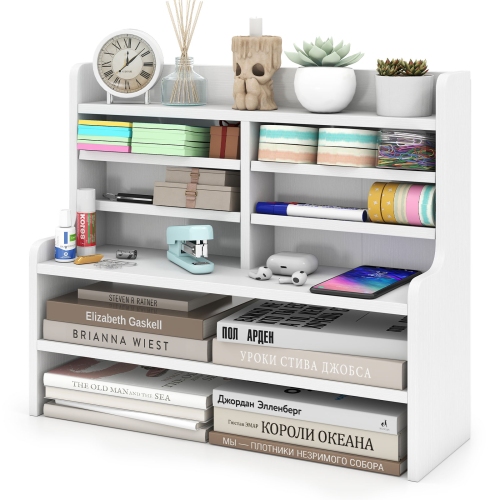
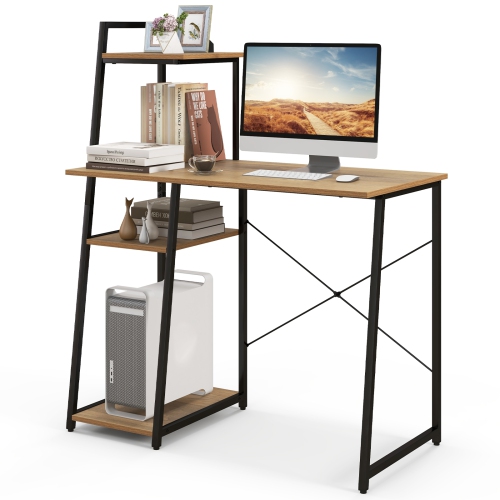
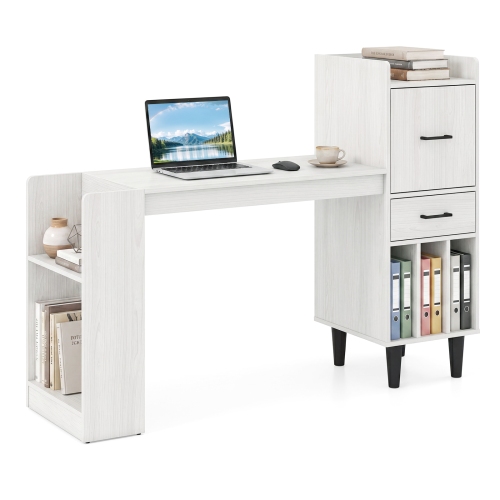
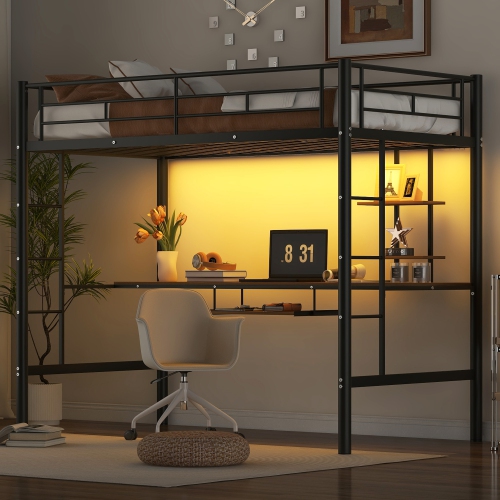
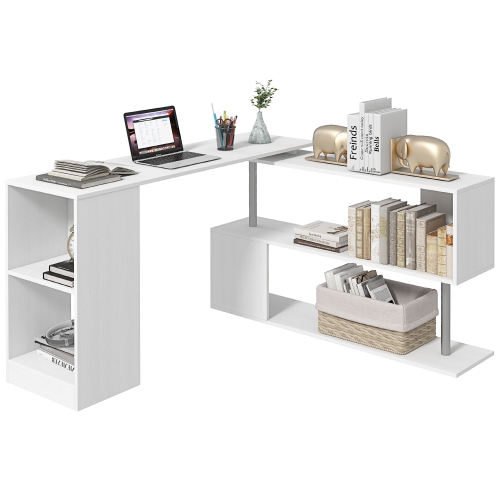
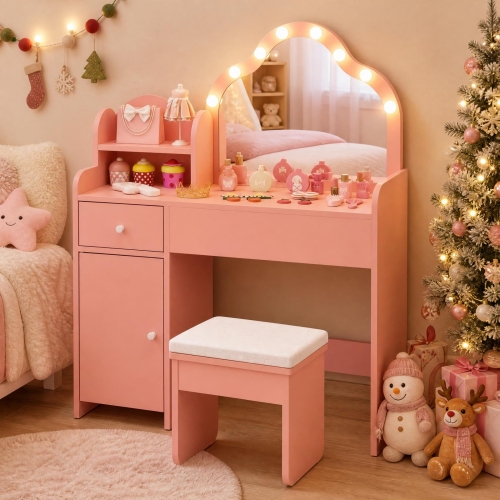
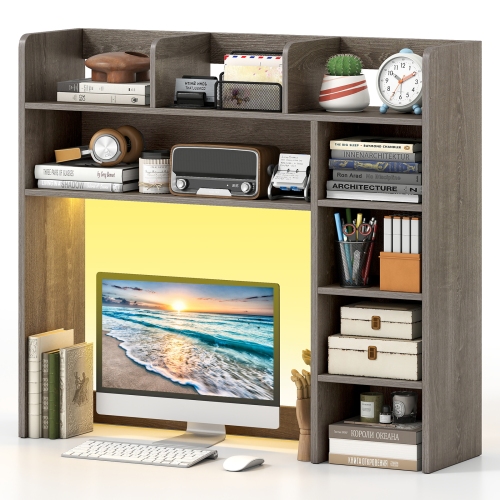
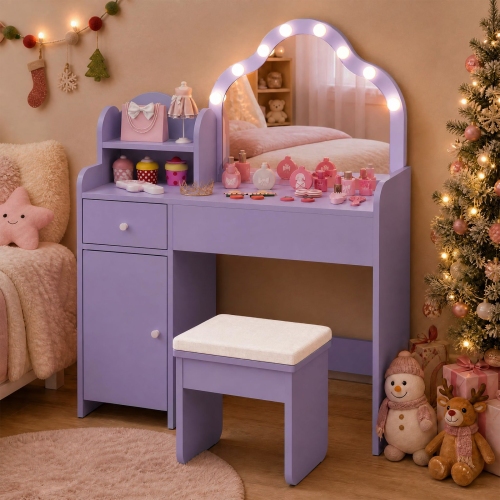
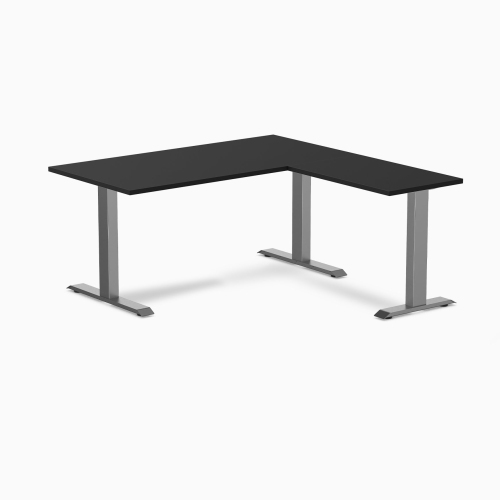
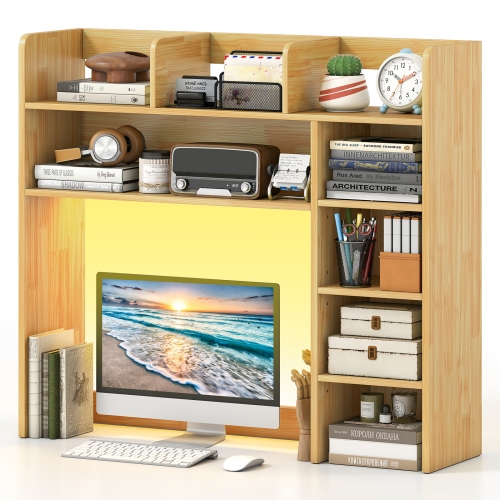
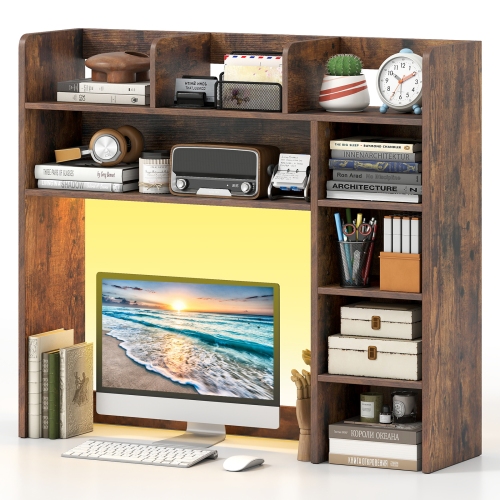
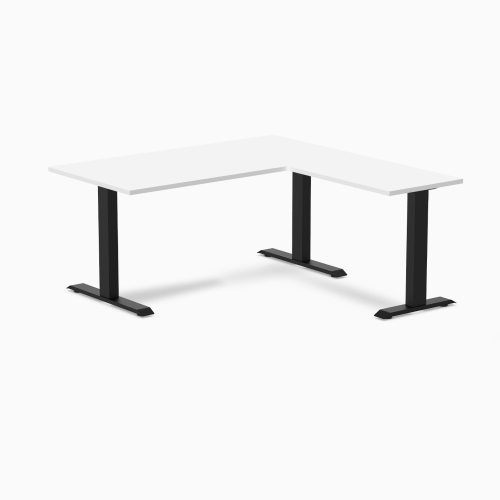
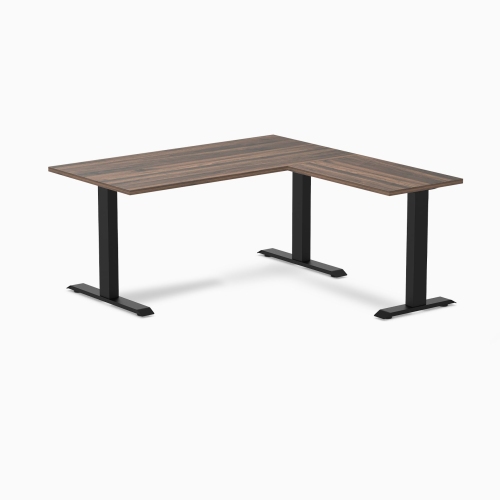
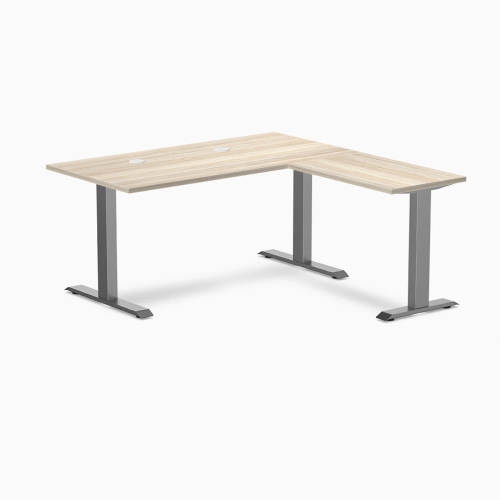
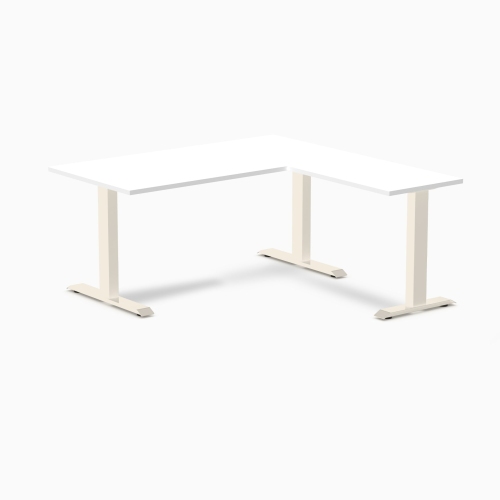
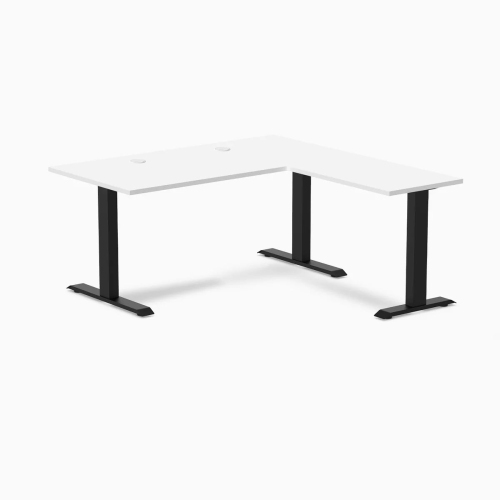
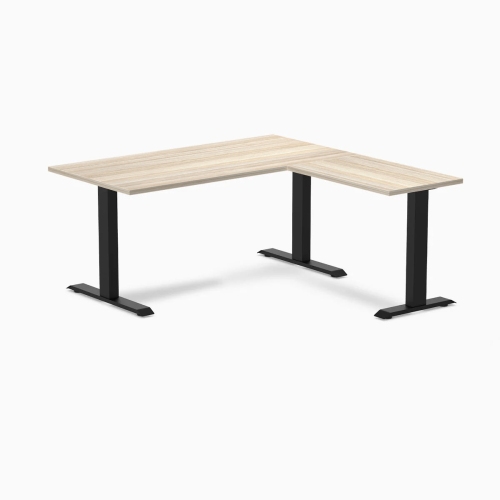
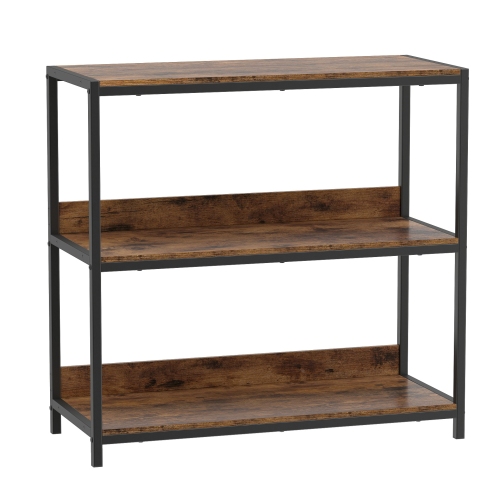
Built-in shelves that balance storage with room to work
Metal desks with shelves combine a metal support frame, a work surface, and built-in storage in a single piece of furniture. The frame is often steel, while the desktop and shelves may be metal, solid wood, engineered wood, or a laminate-covered board. This mix of materials gives the desk its structure and finish: exposed metal can create a clean, industrial look, while a wood-look surface adds warmth to a bedroom, study, or shared living space. Integrated shelving keeps books, stationery, and computer accessories close to the work area without necessarily requiring a separate bookcase. Straight desks with side shelves suit many everyday workspaces, while L-shaped desks provide adjoining surfaces for tasks such as typing on one side and spreading out notes on the other. A desk with a tall attached bookcase uses wall height for storage, and a hutch-style layout places shelves above the desktop. Lower shelves can hold baskets or equipment, although their position affects how much room remains for legs and a chair. Each arrangement serves a slightly different purpose. A student may need a clear writing surface beside a laptop, with textbooks within reach; someone working from home may prefer space for a monitor, keyboard, and frequently used files. For a gaming setup, shelf spacing, airflow around equipment, and desktop depth matter more than the number of shelves alone. Metal construction does not automatically mean that every surface is designed for a heavy load. Stability depends on the frame design, joints, bracing, and assembly, while the desktop and individual shelves can have different weight limits. Powder-coated metal provides a finished surface that helps resist everyday wear and corrosion, but scratches and prolonged moisture can still damage it. The most useful combination is a frame suited to the intended load, a comfortable work surface, and shelving that fits the things used throughout the day.
A desk’s overall footprint includes more than the rectangle occupied by its legs. Width, depth, and total height all affect how metal desks with shelves fit into a room, especially when a tall shelf section extends above the work surface. There also needs to be room to pull out the chair, pass behind it, open nearby drawers, and reach electrical outlets without trapping cords. In a narrow bedroom, shelves attached to the outside of the frame can take up valuable walking space; in a corner, an L-shaped layout may make better use of two walls but still needs clearance for doors and floor vents. Reversible shelving can offer flexibility when moving between rooms, provided the design supports assembly on either side. Shelf depth and the clear height between tiers deserve as much attention as the desk’s overall measurements. A shelf that holds paperbacks may not accommodate upright binders, and a compact lower platform may not leave enough space around a computer tower for ventilation and cable connections. Frequently handled supplies are easiest to use when they sit within a comfortable reach, rather than high above the monitor or behind the chair. Less-used materials can occupy upper shelves, with heavier objects placed lower where permitted by the stated load limits. Desktop depth also shapes everyday comfort. A large monitor needs enough distance from the seated position, while a keyboard and mouse require usable surface space in front of it. An overhead shelf should leave room for the screen without forcing it too low or blocking its adjustment. Anyone planning to attach a monitor arm should check the desktop’s thickness, material, load rating, and accessible edge space against the mount’s requirements. Metal rails or a rear support panel can prevent a clamp from fitting even when the desktop looks wide enough. Beneath the surface, clear knee space and room for the chair’s armrests help keep the storage from interfering with a comfortable seated position.
The appeal of built-in shelves often becomes clearest during ordinary routines: a notebook has a place beside the laptop, headphones stay off the keyboard, and reference books no longer occupy the writing area. Open shelving makes those belongings easy to spot, though it also leaves them exposed to dust and view. Fitted baskets or document holders can gather smaller supplies, as long as they do not project into legroom or exceed the shelf’s capacity. A dark metal frame with a wood-look top can sit comfortably alongside upholstered furniture, while a lighter finish may feel less visually prominent in a small room. Matching the desk’s proportions to nearby furniture usually matters more than making every finish identical. Where a workspace needs storage beyond the desk itself, Large Metal Shelves can provide a separate place for bulkier supplies while leaving the desktop focused on daily tasks. Care is generally straightforward, but the correct method depends on each surface. A soft cloth removes dust from metal rails and open shelves, and spills should be wiped up promptly, particularly along the edges and seams of engineered wood. A lightly dampened cloth may suit many finished surfaces when the manufacturer permits it; abrasive pads and harsh cleaners can scratch coatings or dull the finish. A desk mat helps protect the writing area from repeated movement, while coasters keep condensation away from vulnerable edges. Long-term steadiness also depends on following the assembly instructions, using all supplied braces, and checking fasteners periodically. Adjustable feet can help level a desk on a slightly uneven floor, but they are not a substitute for sound assembly or a suitable supporting surface. Tall shelving should be secured with the supplied or specified anti-tip hardware where required, using fixings appropriate to the wall. With the right dimensions and sensible storage placement, a metal desk with shelves can support study, remote work, creative hobbies, or household paperwork without allowing the supplies for those activities to take over the room.
Top selling and popular products
-
 Your price for this item is $133.96
-
 Your price for this item is $122.92
-
 Your price for this item is $132.99
-
 Your price for this item is $149.99
-
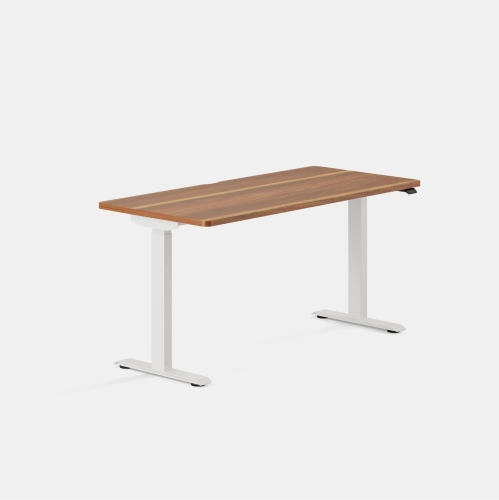 Your price for this item is $679.2
-
 Your price for this item is $519.2
-
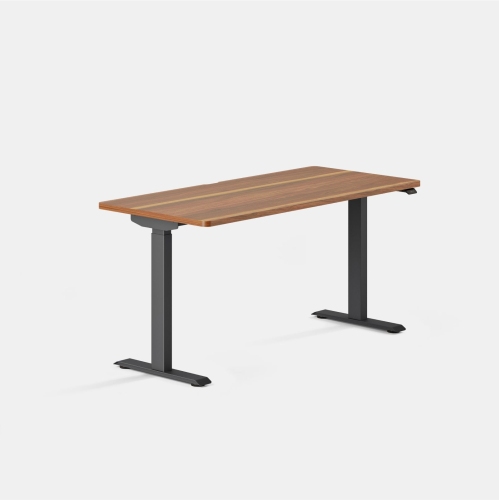 Your price for this item is $679.2
-
 Your price for this item is $599.2
Discover more categories related to Metal Desks With Shelves
Top Collections:
Best Black Friday Deals This Year, Best Black Friday Deals On Electronics, Kindle Devices, Dyson Airwrap, Best Cameras for Sports Photography, Best Budget Office Chairs, Canon G7X Cameras, PS5 Pro Consoles, Best Black Friday Deals On Apple Products, XBOX One S Consoles
Some products may be subject to Environmental Handling Fees
(EHF) depending on your province.
Learn more about EHFs.