Metal Industrial Chairs
Looking to add a touch of industrial chic to your space? Metal industrial chairs are just what you need. With their sleek and sturdy designs, these chairs are perfect for adding a modern edge to almost any room. Whether you're looking for seating options for your dining area, office, or even outdoor patio, our wide range of metal industrial chairs will not disappoint. Here are some great options available.
Sort
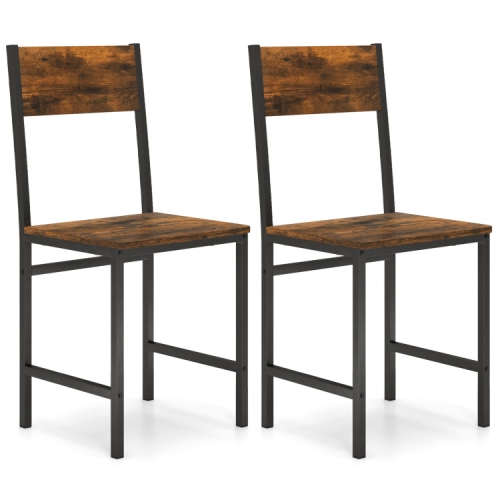
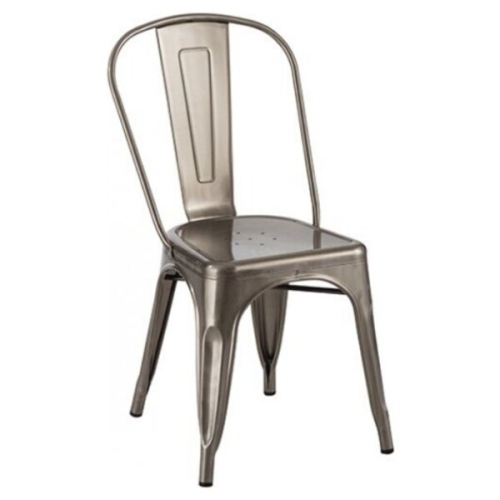

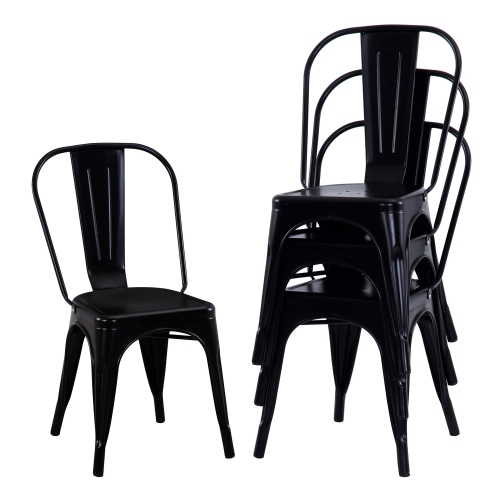
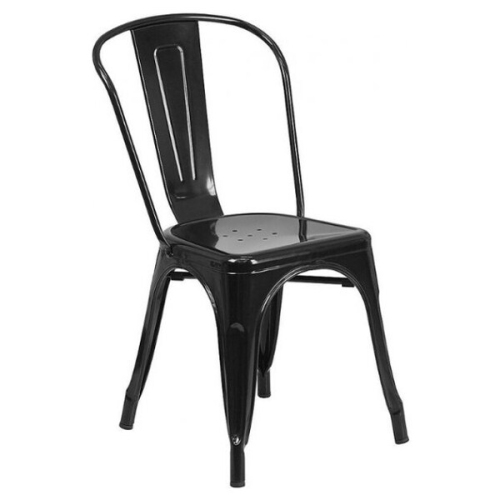
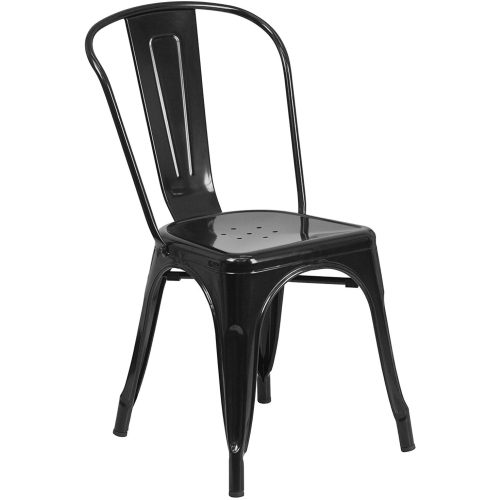
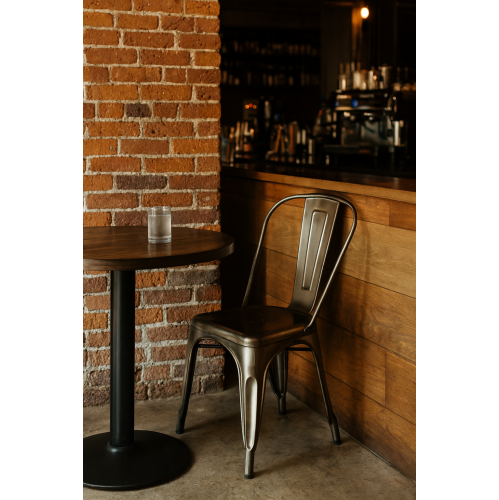
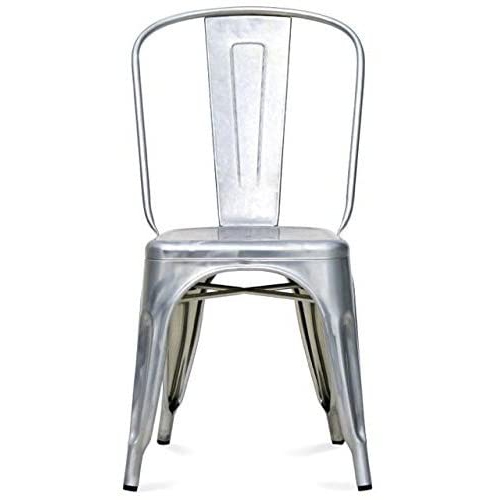
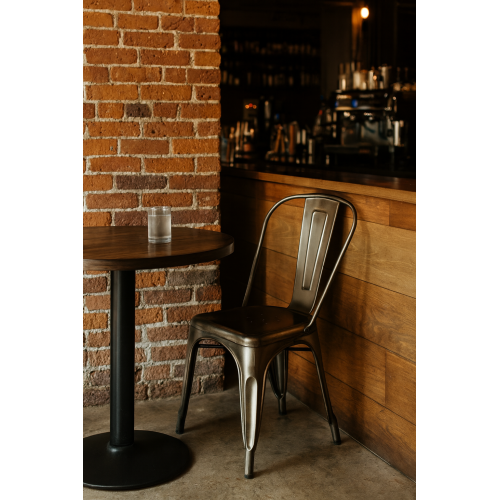
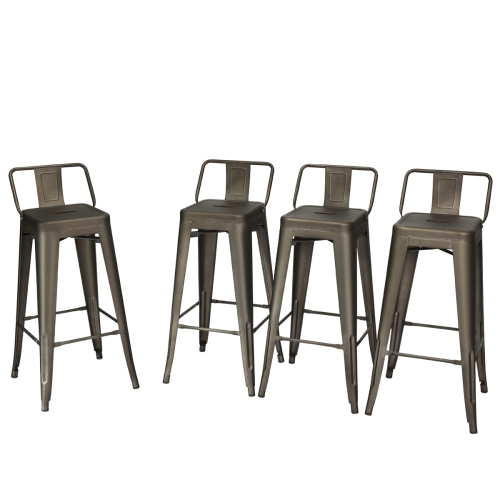
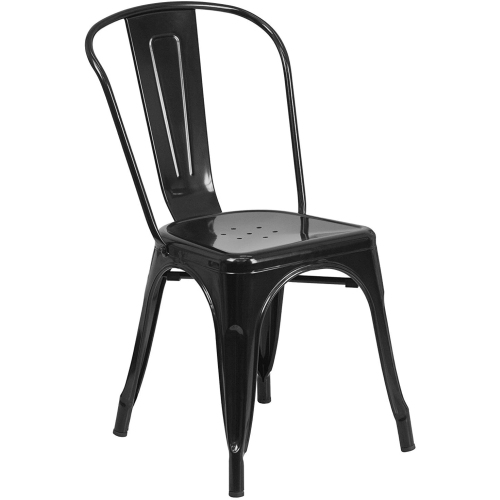
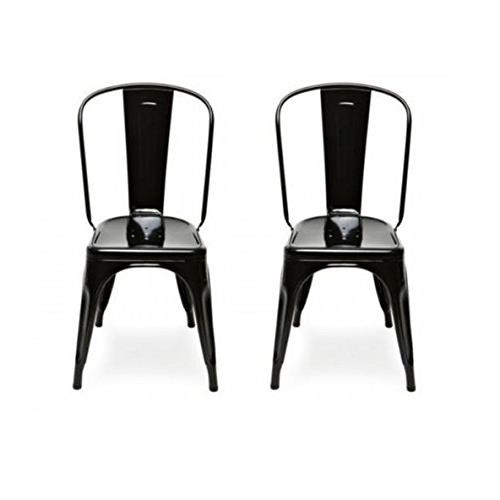
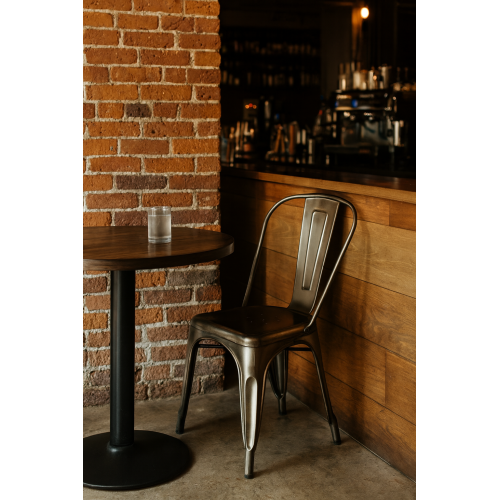
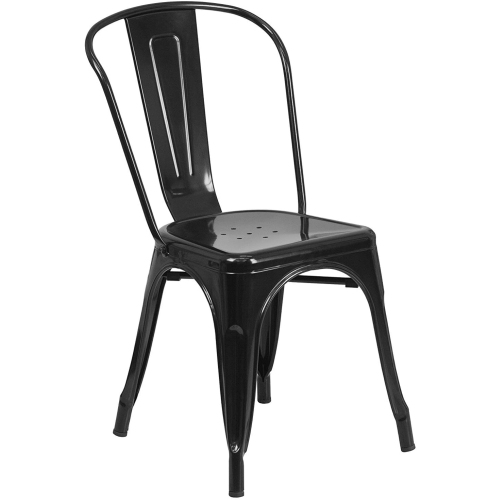


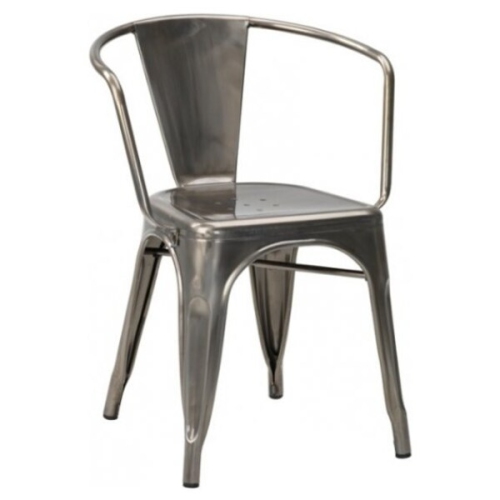
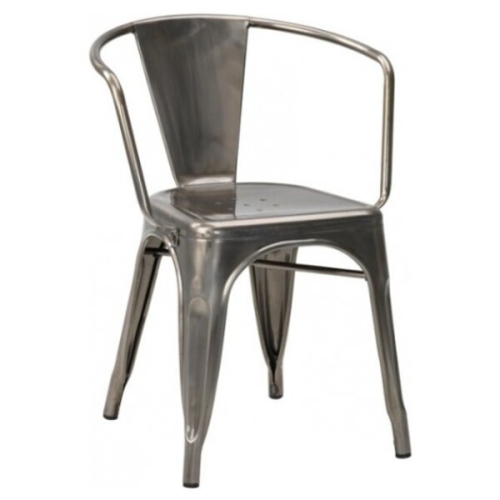
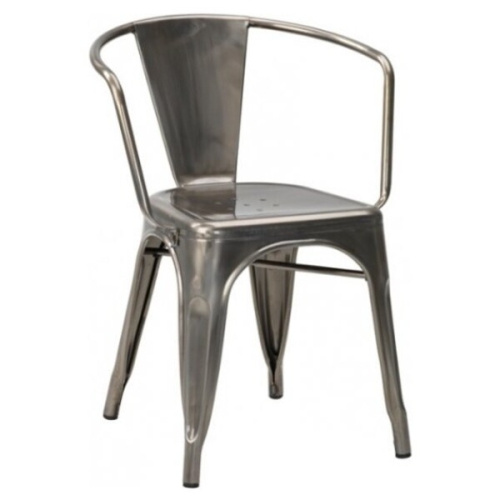
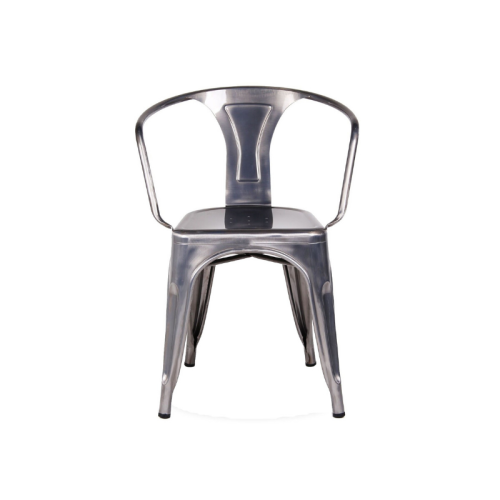
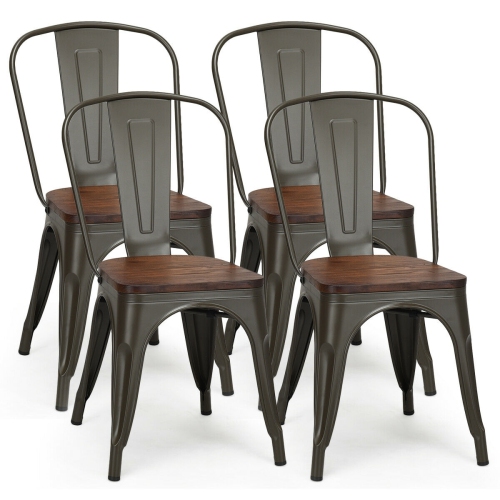
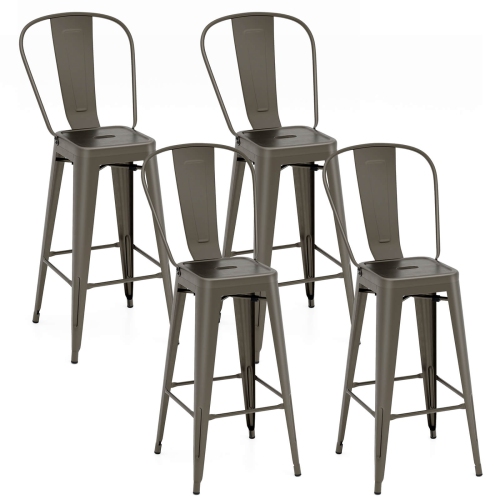
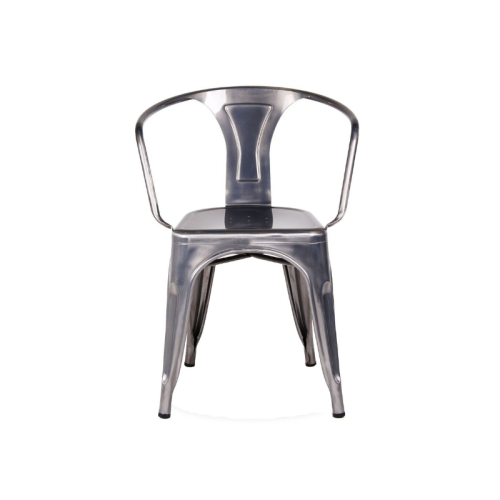
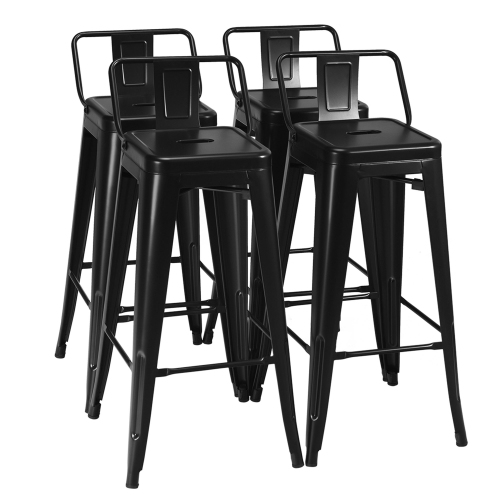


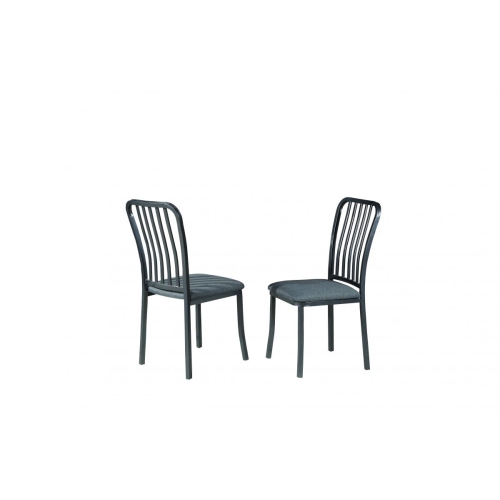
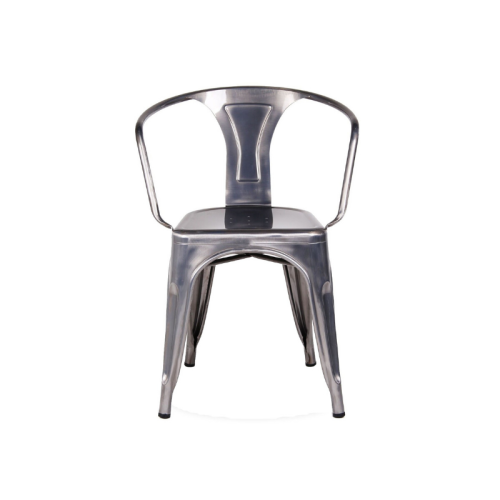
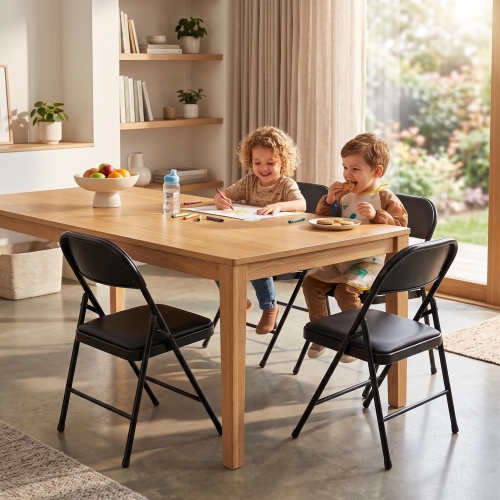
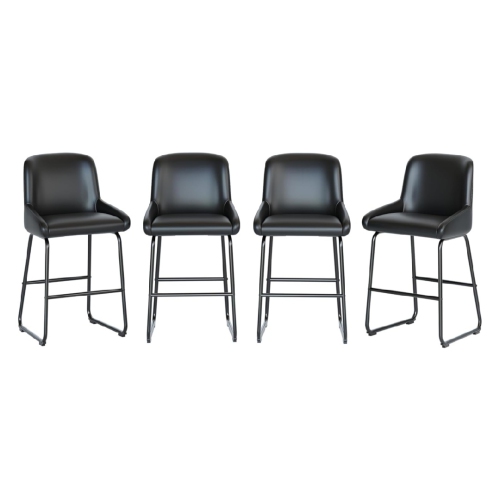
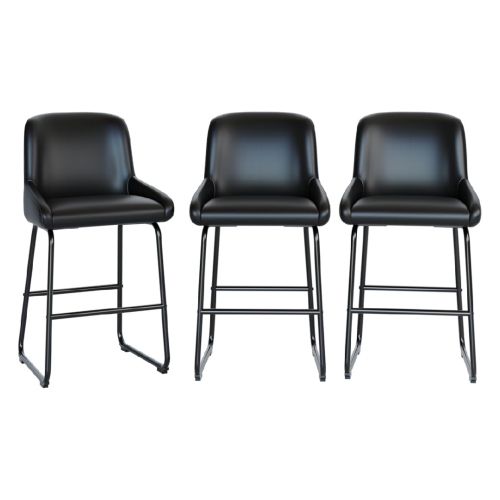

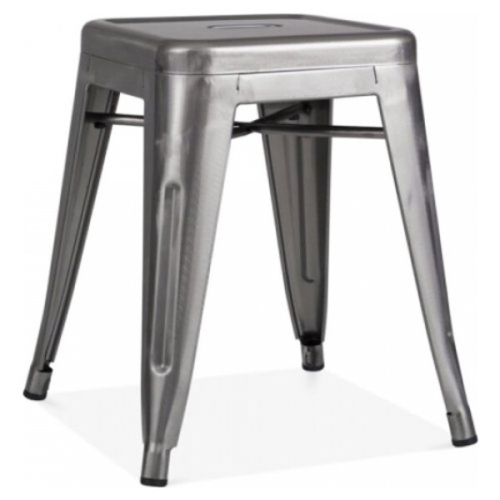
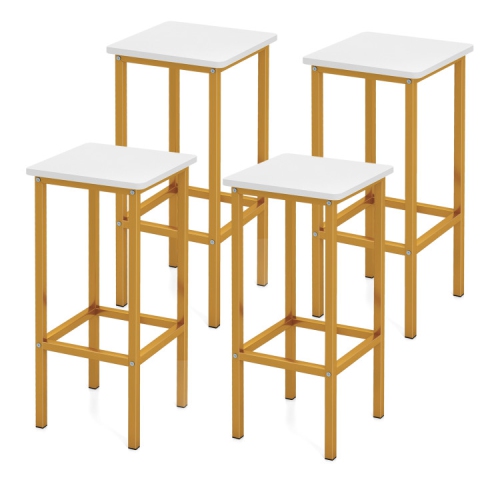

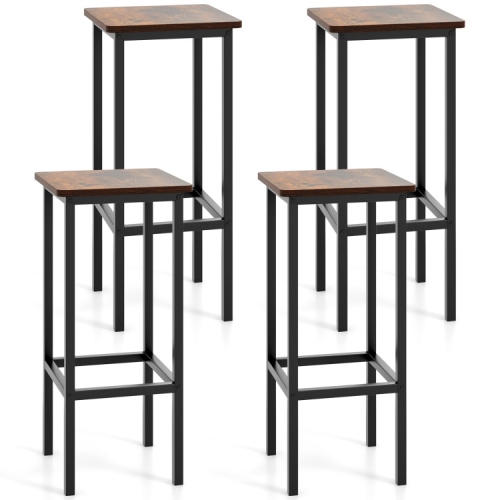


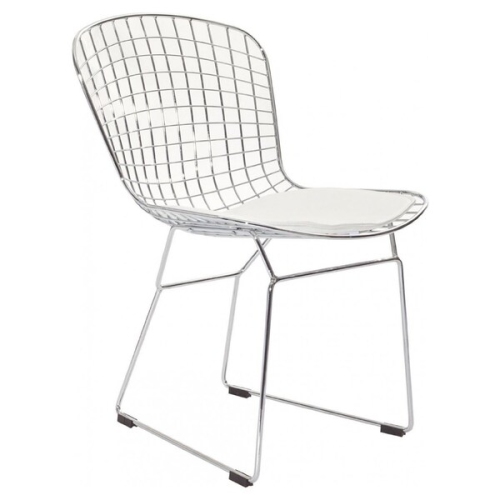

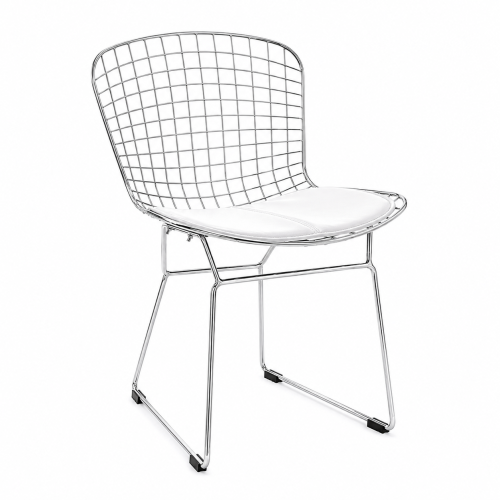

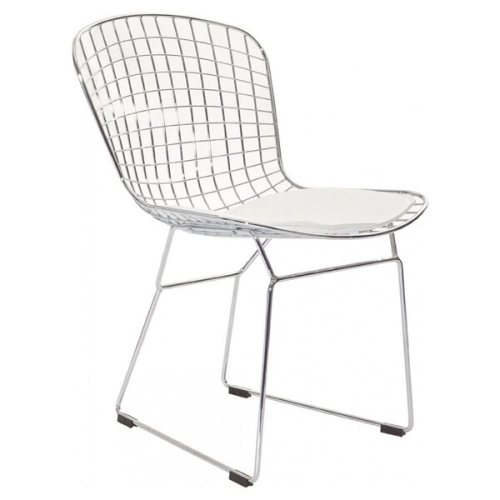
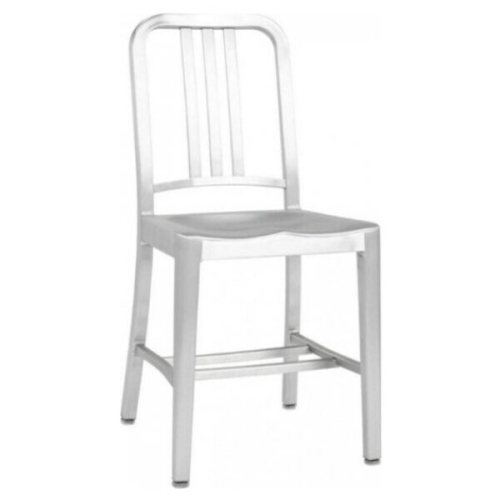


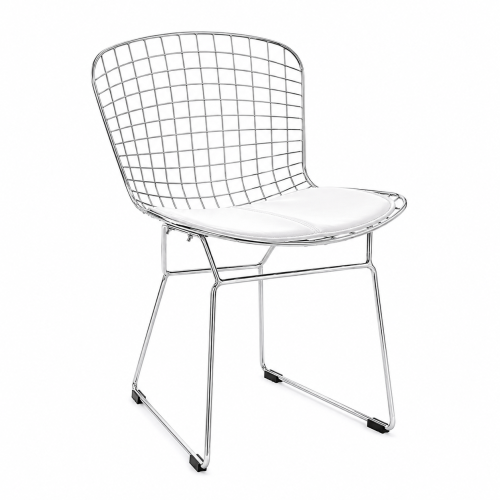
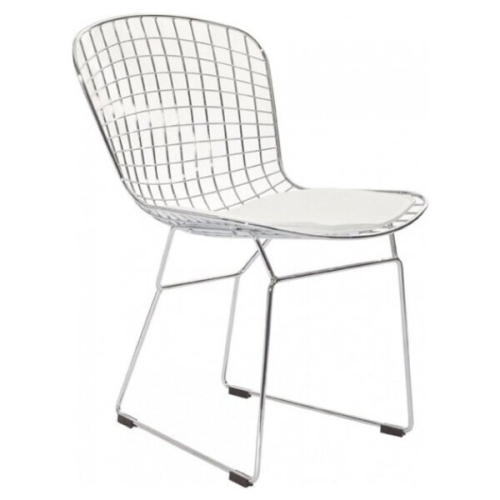


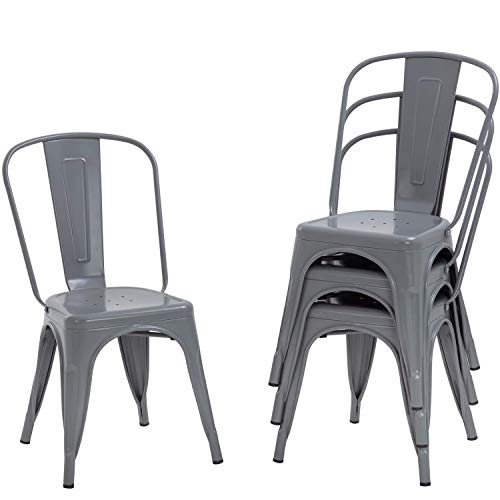
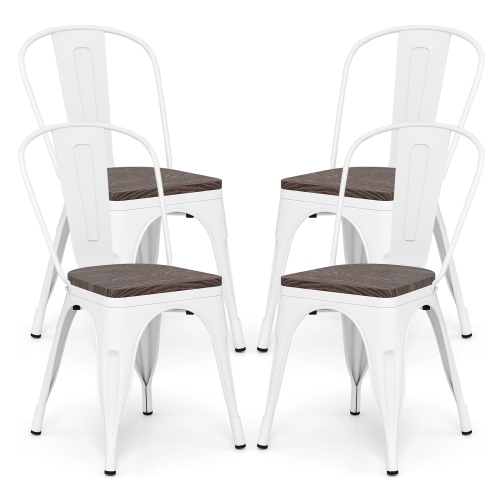
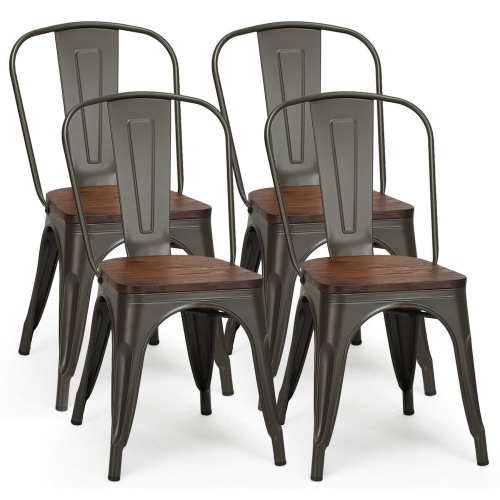

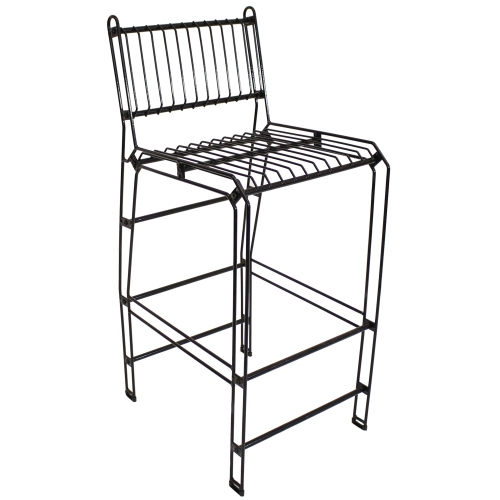
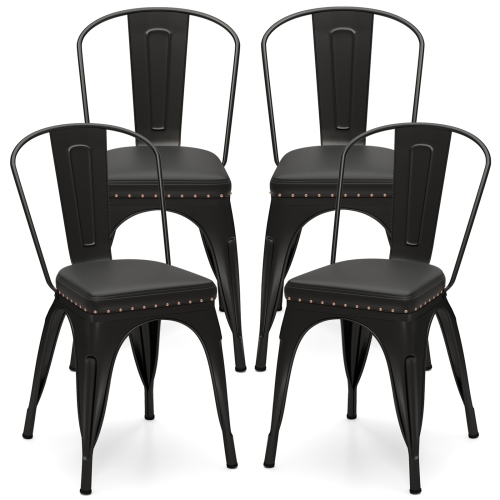

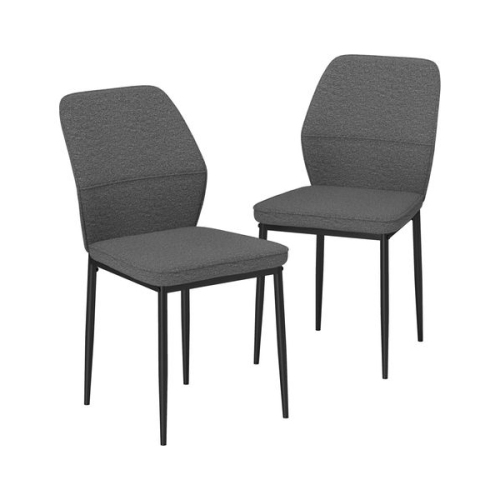
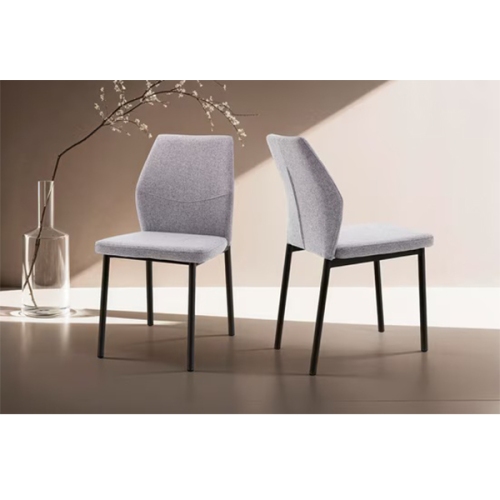


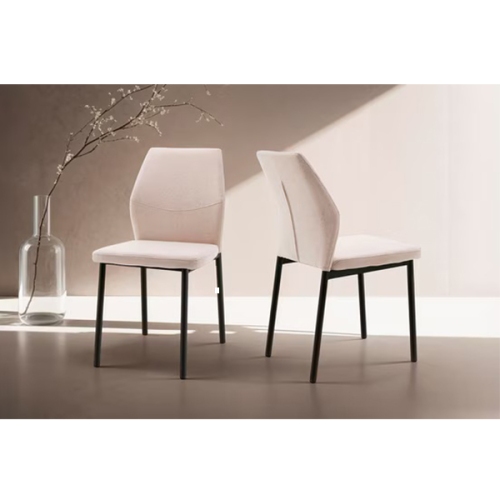

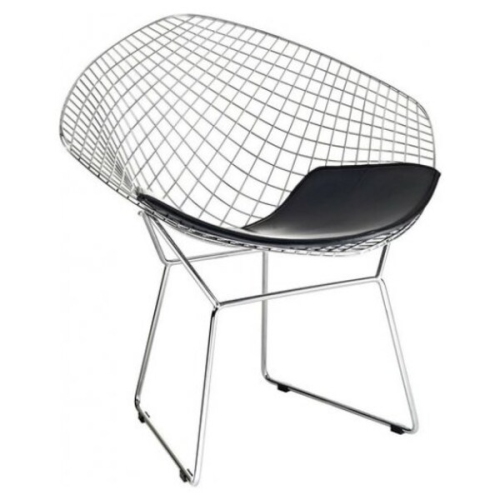
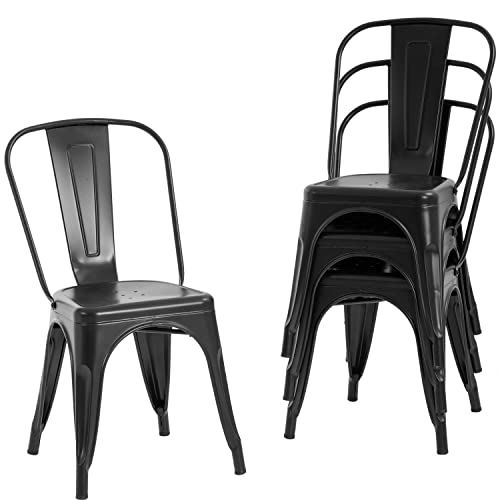


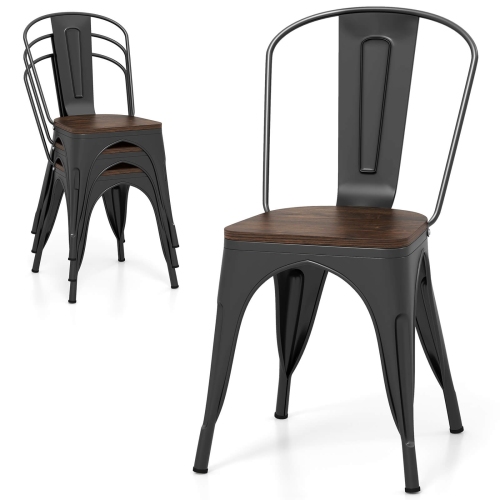


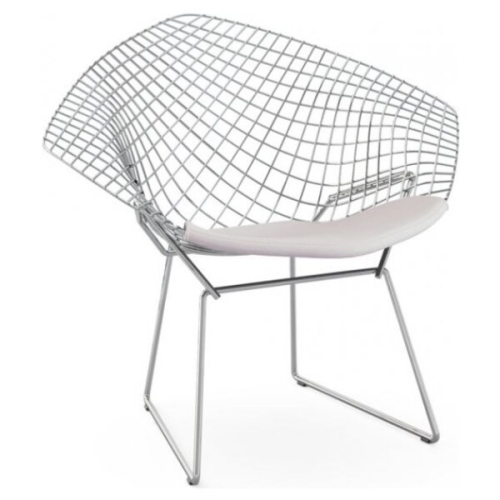


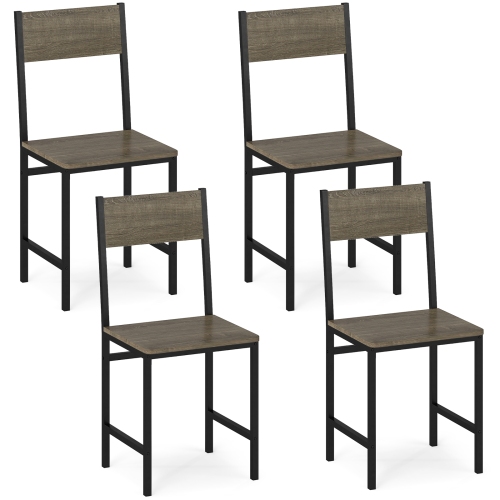
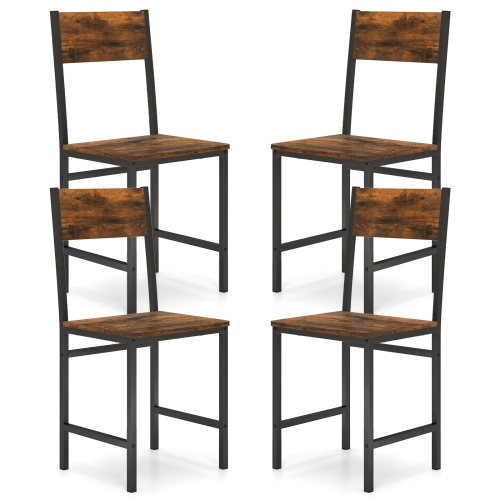
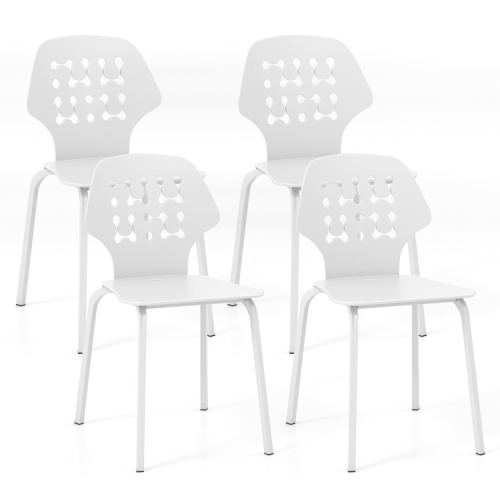

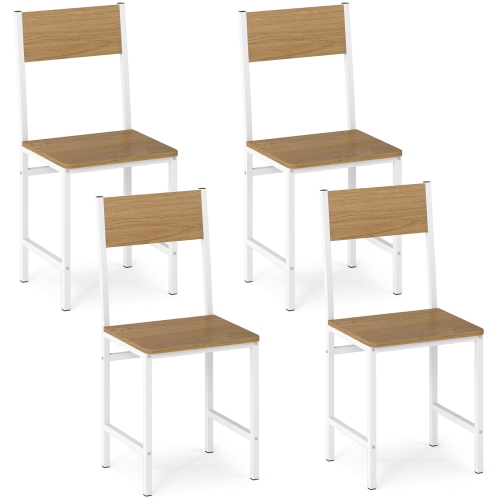
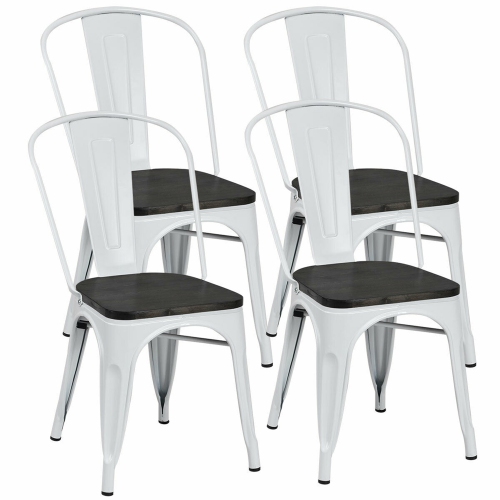

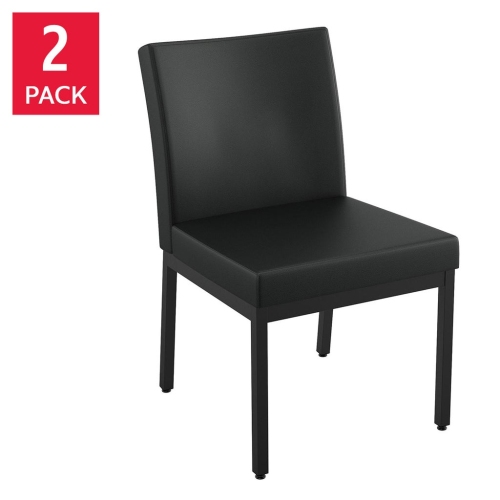
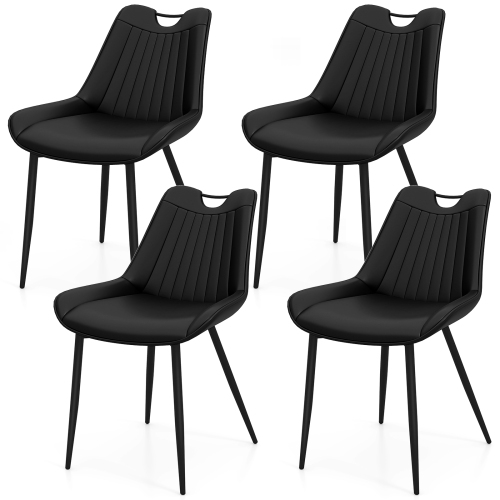
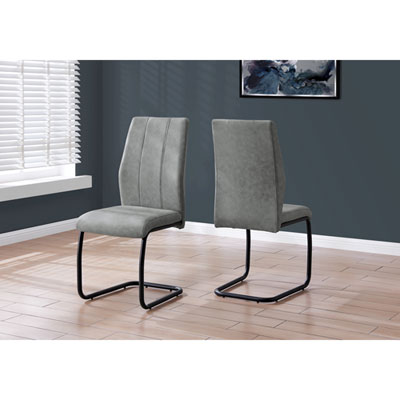
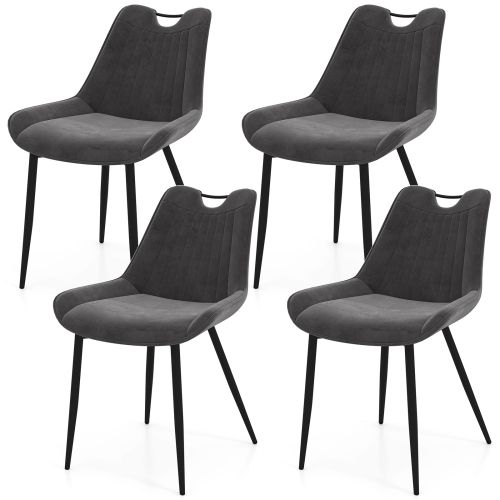
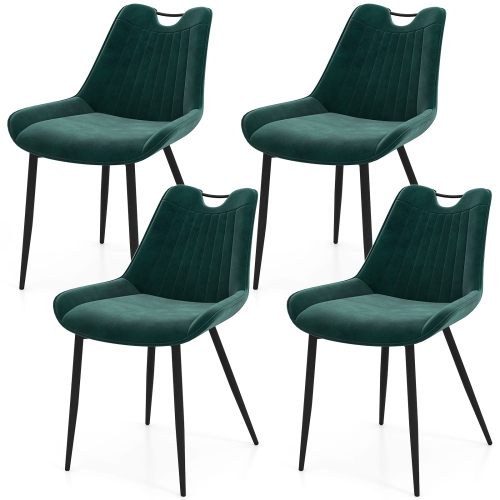
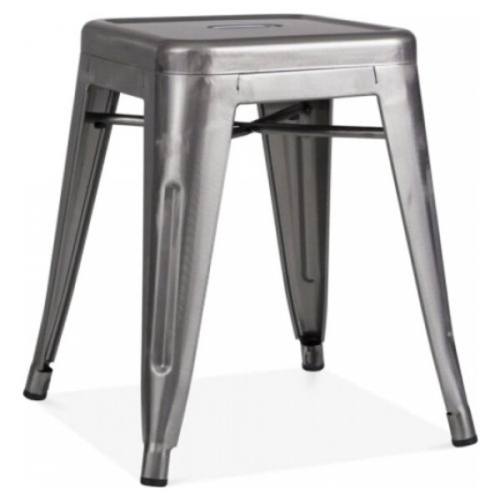
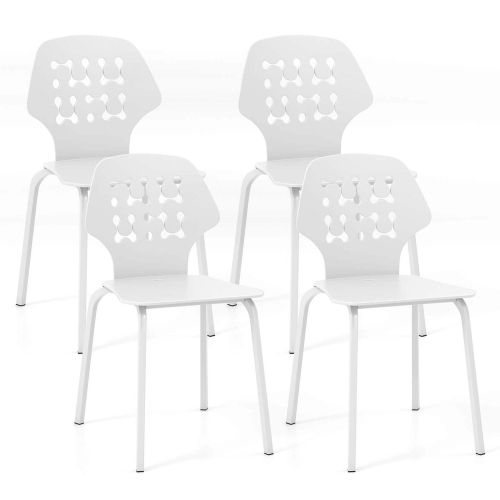
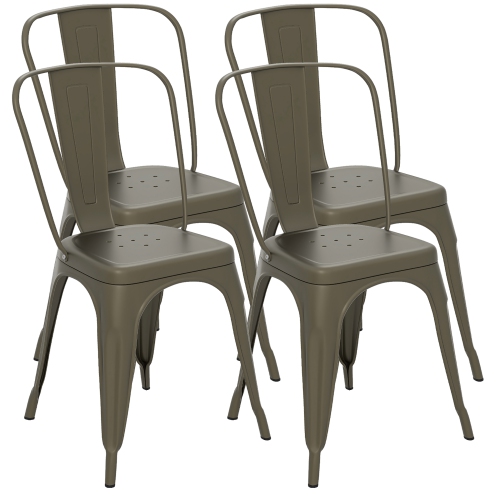
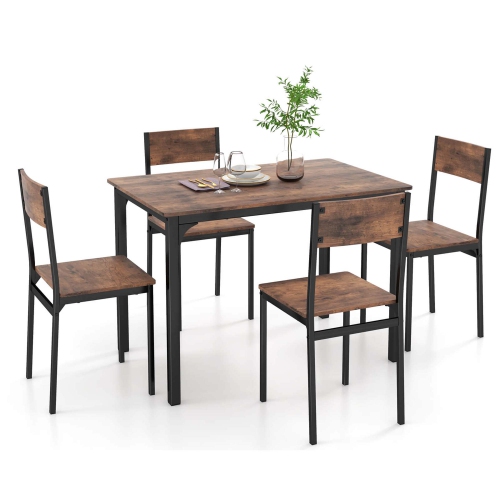


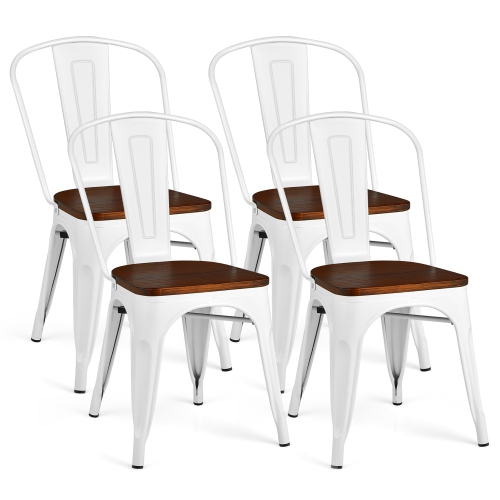
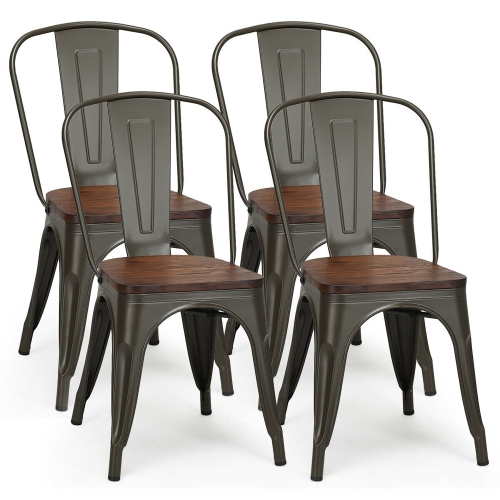

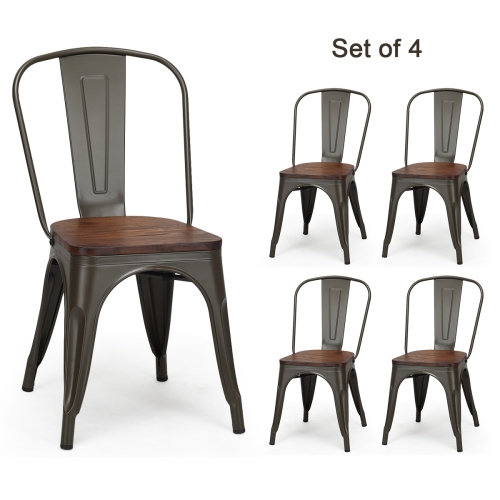


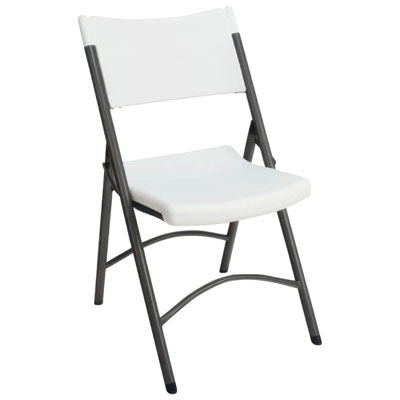


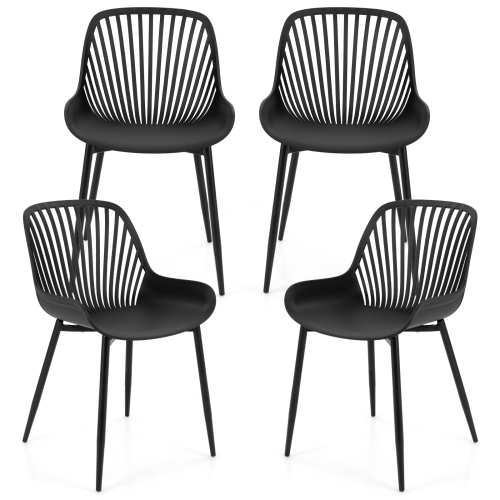
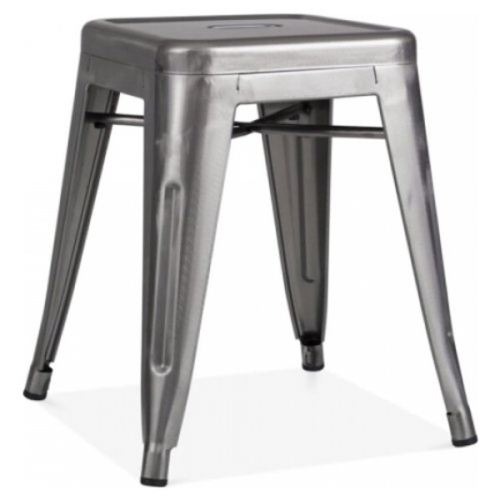
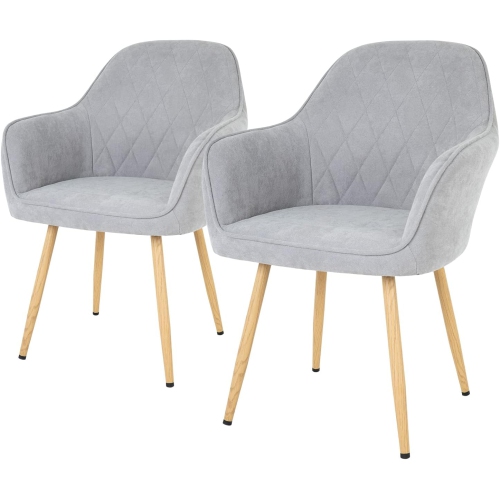

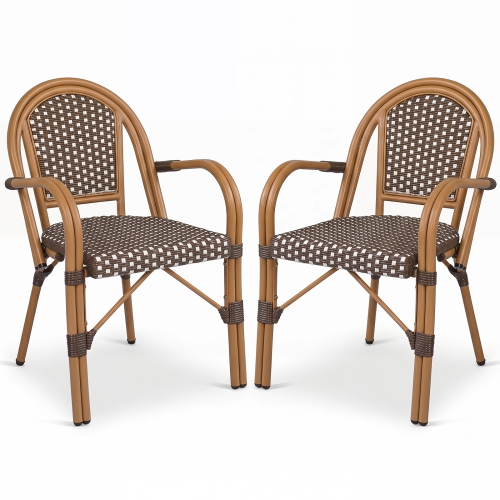

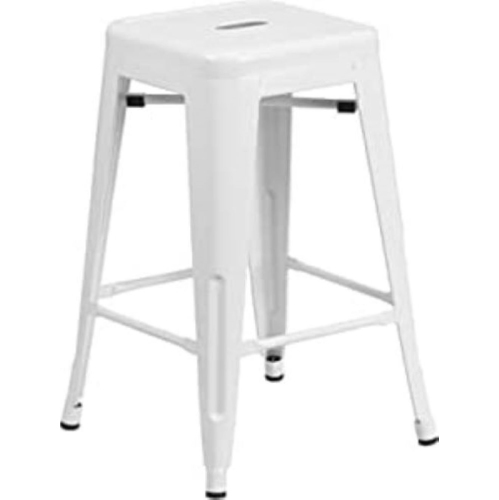


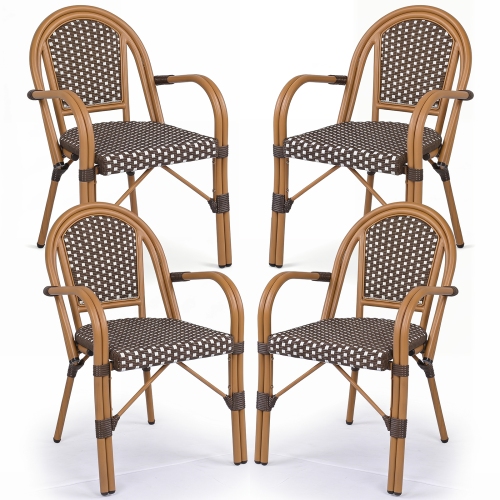
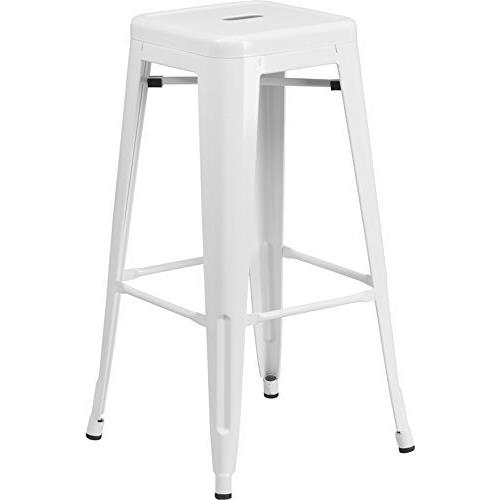
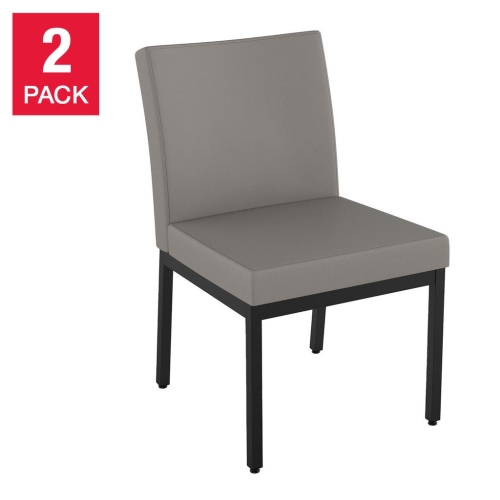

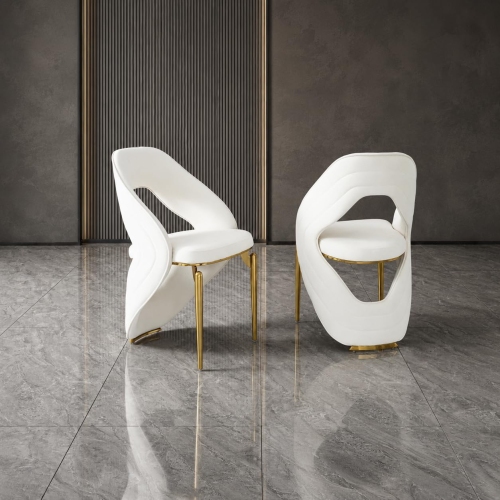


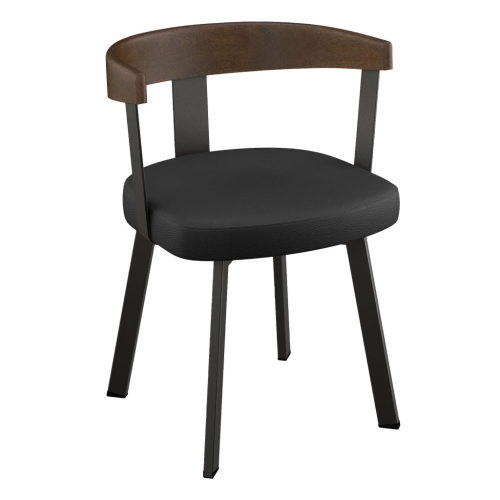
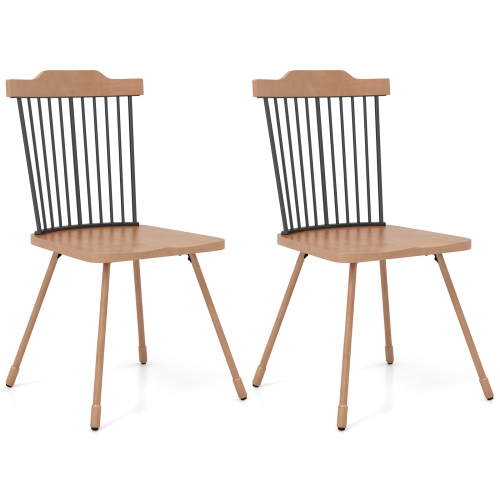

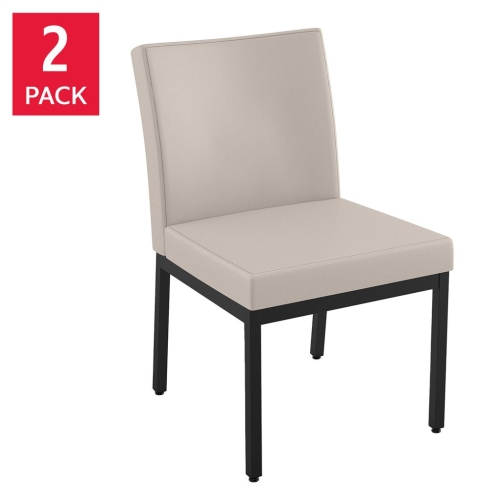


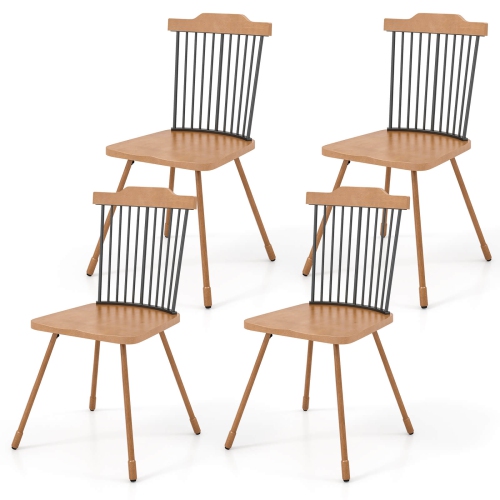
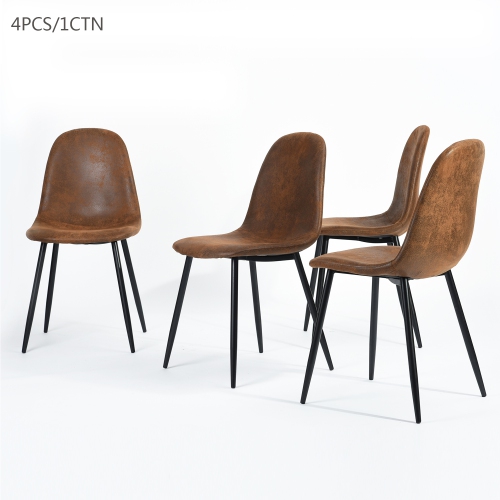
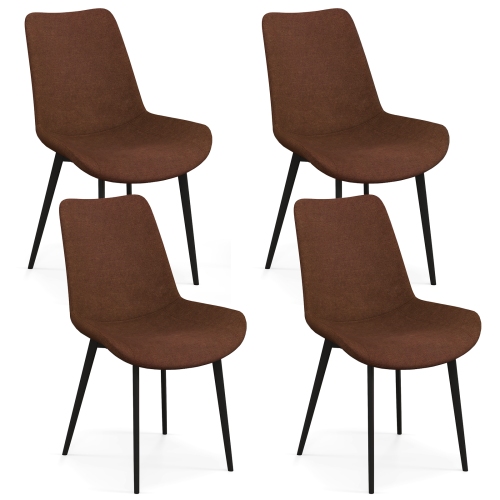
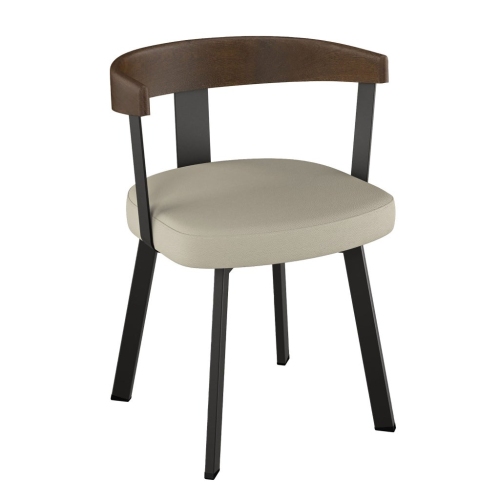
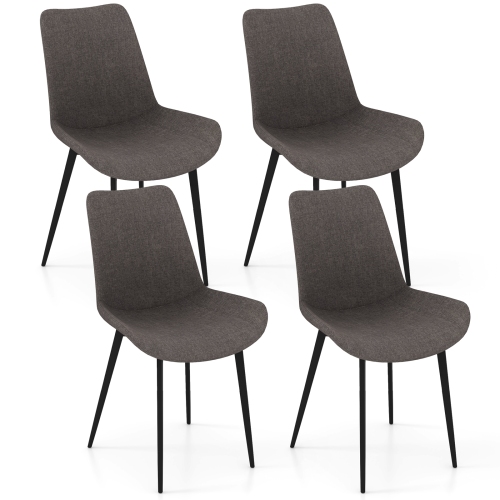

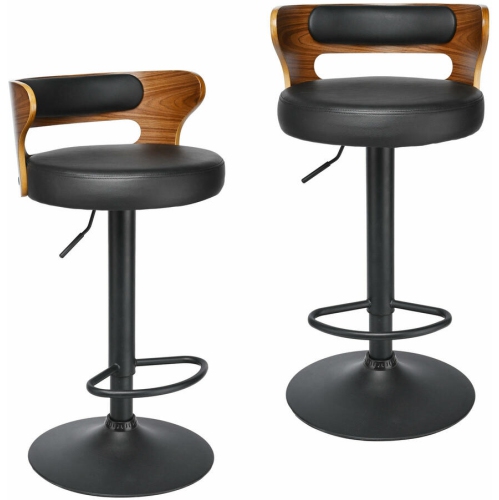


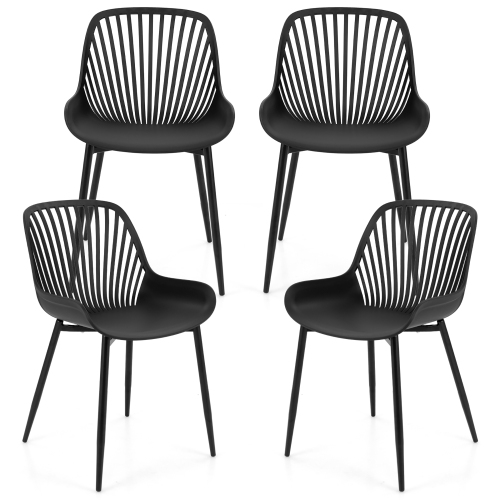


Open metal frames give dining spaces definition without bulk
Metal industrial chairs are seating made with metal frames or bodies and a practical, utilitarian design, often defined by visible joints, slender legs, cross-bracing, and simple backrests. Common materials include steel and iron, while some designs combine a metal base with a wood seat, a wood back, or upholstered padding. Their appeal comes from that balance of sturdy construction and straightforward styling: a dark frame can give a dining nook definition, while a brushed or painted finish can add texture without making a small room feel crowded. Although closely associated with loft interiors, cafés, and workshop-inspired furnishings, industrial-style chairs also sit comfortably beside farmhouse tables, smooth stone surfaces, and contemporary cabinetry. A curved back softens the look of a square table, while an open-frame design lets more of the surrounding room remain visible. All-metal seating has a crisp, uniform appearance; wood accents introduce grain and tonal variation; and upholstered seats add softness for longer meals. Finish matters as much as shape. Matte black tends to create a strong outline, grey can blend with concrete and neutral fabrics, and lighter painted finishes offer contrast against dark flooring. A distressed finish may include intentional variation, so an uneven appearance is not necessarily a sign of damage. These chairs suit kitchens, dining rooms, breakfast nooks, and multipurpose spaces where seating needs to look considered without feeling formal. In a compact apartment, a pair beside a small table can create a defined place for meals without the bulk of fully upholstered dining chairs. Around a larger table, repeated metal frames bring visual consistency, even when the seats include wood or fabric. For a wider view of metal seating styles for the table, Metal Dining Chairs includes the broader category beyond an industrial look. The distinction is useful: metal describes the material, while industrial describes a design approach, and not every metal chair has the exposed structure or pared-back detailing associated with this style.
The right fit depends on the relationship between the chair, the table, and the person using it. Seat height alone does not establish whether a chair will work: the underside of the tabletop, any apron beneath it, and the position of the table legs all affect usable space. As a general starting point, roughly 10 to 12 inches between the seat and the underside of the tabletop leaves room for many adults to sit comfortably, though individual proportions and cushion thickness can change that fit. Dining-height chairs are distinct from counter-height and bar-height seating, even when their frames share the same industrial appearance. Width also deserves attention. A chair may slide between two table legs on its own but leave too little elbow room when several people sit together. Armrests can offer support, yet they may prevent a chair from tucking beneath a low apron; armless designs are often easier to position closely around a table. Behind each seat, allow enough space to pull the chair out and stand up without blocking a doorway or a frequently used route through the room. Comfort comes from details that are less obvious in a photograph, including the curve of the backrest, the depth of the seat, and whether the front edge presses against the backs of the legs. A contoured seat or a securely fitted cushion can make a firm metal chair more comfortable for relaxed dinners, homework, or a board game. Upholstery adds another surface to maintain, so wipeable seating may be more practical where spills are common. For a table that doubles as an occasional workspace, back support and sitting duration matter more than appearance alone; a dining chair is not a substitute for an adjustable task chair during extended desk work. Chair weight also affects daily use. A heavier frame may feel substantial, but someone who regularly moves seating between rooms may prefer a lighter design with an easy-to-grip back.
Durability in metal industrial chairs depends on more than the presence of a metal frame. Tube dimensions, joint quality, welds, fasteners, bracing, and the finish all contribute to how the chair handles regular use. A powder-coated surface can help protect the metal beneath it, but it is not scratch-proof, and exposed areas may be vulnerable to corrosion. Weight capacity and intended use should come from the manufacturer's specifications rather than the chair's appearance. This distinction is particularly important for cafés, restaurants, shared dining areas, and other spaces where chairs are moved and used repeatedly throughout the day. Industrial styling does not automatically mean a chair is designed or rated for commercial use. Likewise, an indoor metal chair should not be treated as outdoor seating unless its materials, finish, and construction are expressly intended for that purpose. At home, protective feet help limit scraping sounds and marks on suitable flooring, provided they are clean, intact, and appropriate for the surface. Grit trapped beneath a glide can still scratch a floor, while a missing foot can leave a chair uneven. Routine care is usually straightforward: dust the frame, wipe spills promptly with a soft cloth, and follow the manufacturer's cleaning directions for each material. Mild soap may be suitable for some finishes, but abrasive pads and harsh cleaners can dull or damage coatings. Wood seats and upholstered panels need their own care, rather than the same treatment as the metal frame. Drying cleaned metal surfaces helps prevent moisture from lingering around joints and fasteners. With chairs that require assembly, correctly fitted hardware and periodic checks for looseness help maintain stability; a persistent wobble, cracked weld, or damaged frame warrants attention before further use. Stackable designs can be useful when a dining area needs to serve several purposes, but chairs should only be stacked when designed to do so and within the stated limit. With suitable dimensions, sound construction, and care matched to their materials, metal industrial chairs offer distinctive, practical seating for everyday meals and shared spaces.
Top selling and popular products
-
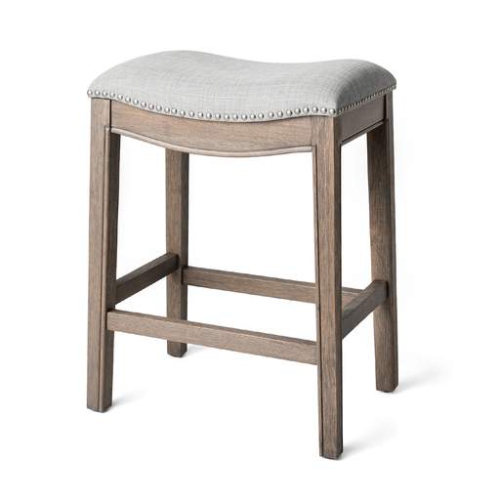 Your price for this item is $227.99
-
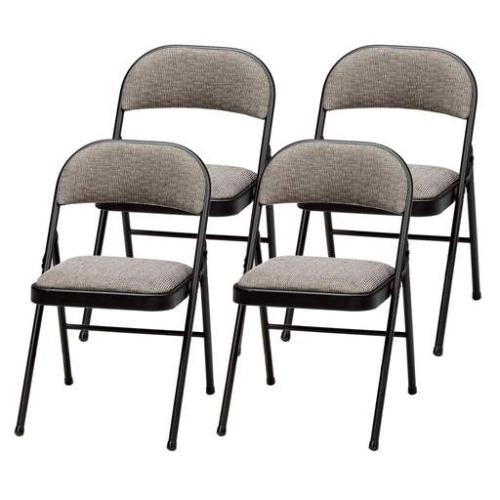 Your price for this item is $363.99
-
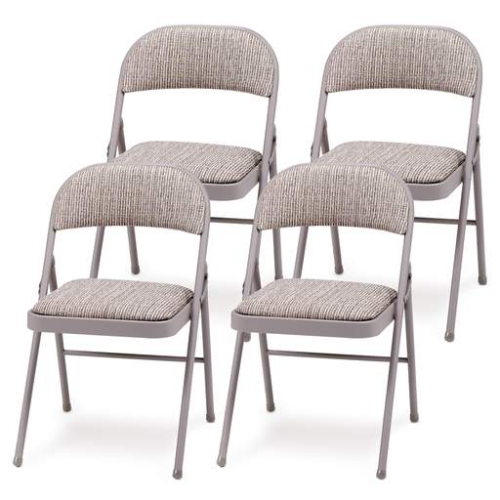 Your price for this item is $398.99
-
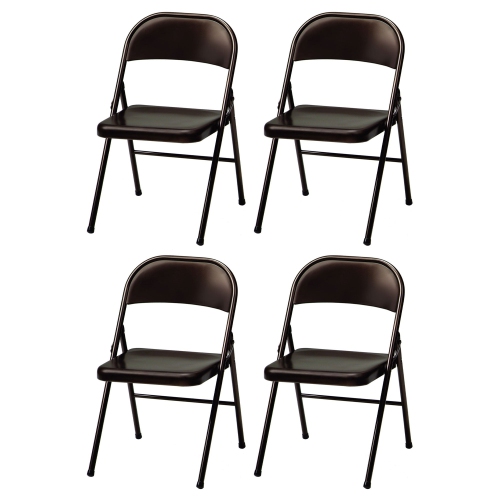 Your price for this item is $212.99
-
 Your price for this item is $364.99
-
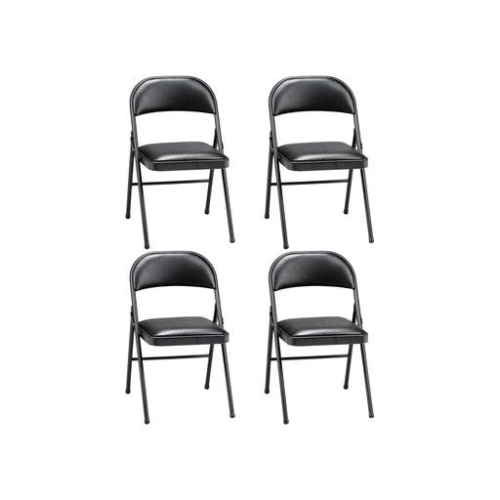 Your price for this item is $376.99
-
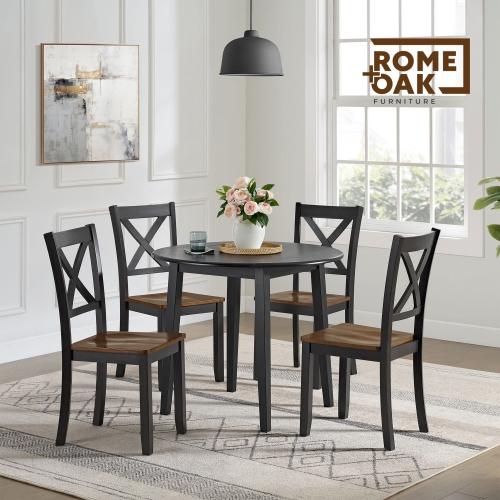 Your price for this item is $423.99
-
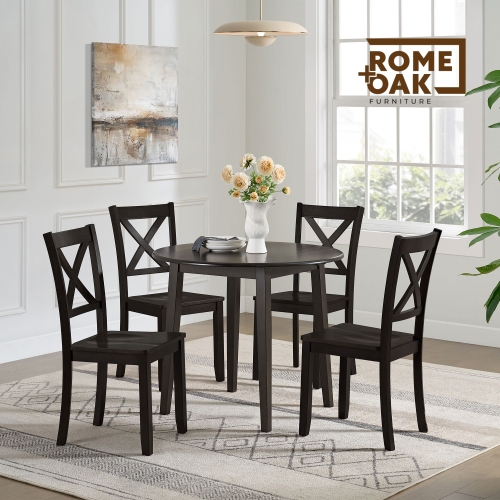 Your price for this item is $403.99
Discover more categories related to Metal Industrial Chairs

Top Collections:
Best Black Friday Deals This Year, Best Black Friday Deals On Electronics, Kindle Devices, Pokemon Centers, Best Black Friday Deals On Apple Products, Best Cameras for Sports Photography, Dyson Airwrap, Pokémon 30th Celebration Cards, Apple iPhone 17 Pro, Canon G7X Cameras
Some products may be subject to Environmental Handling Fees
(EHF) depending on your province.
Learn more about EHFs.